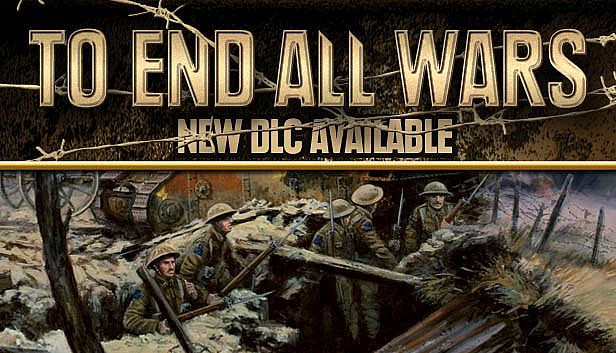










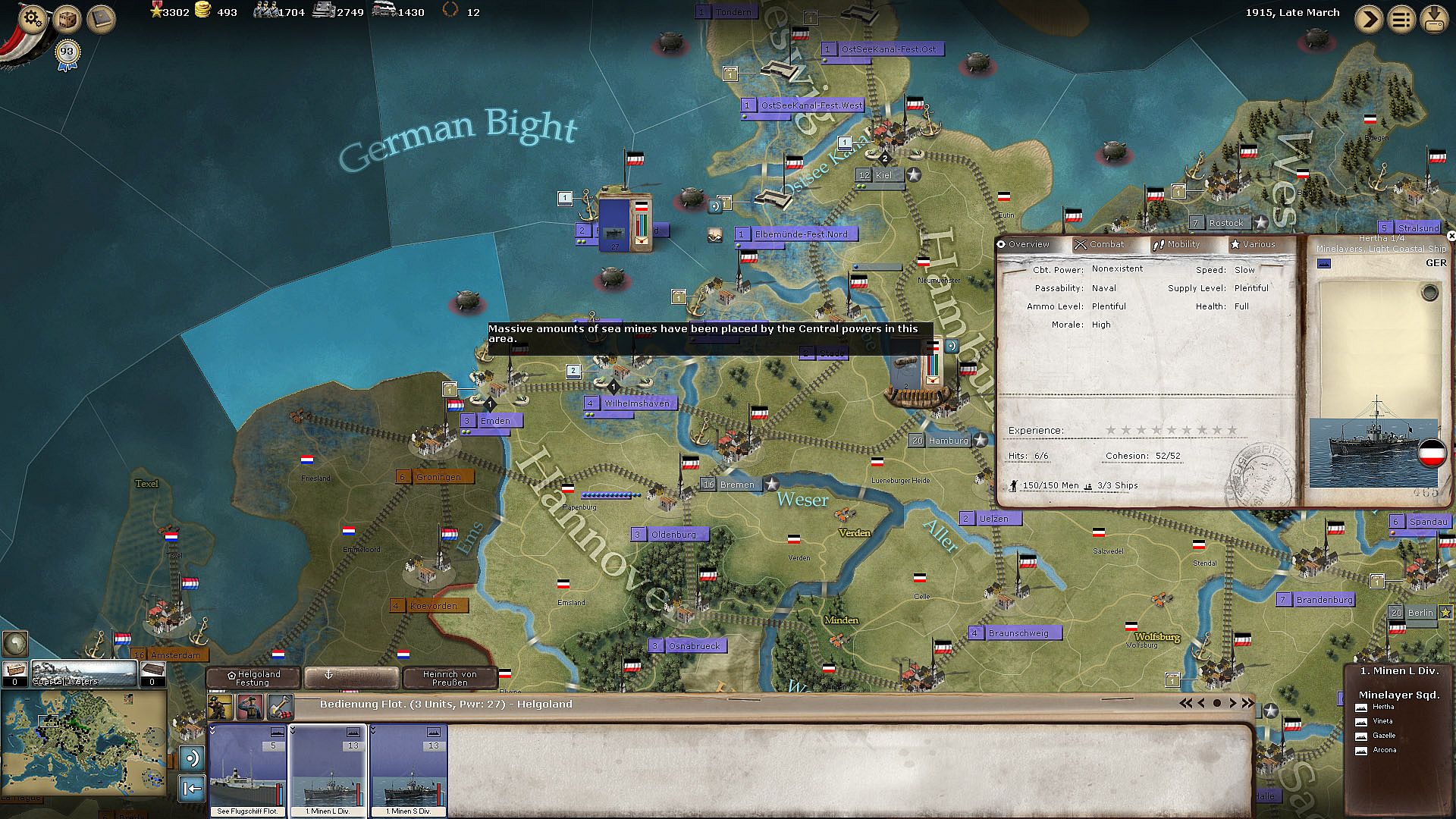
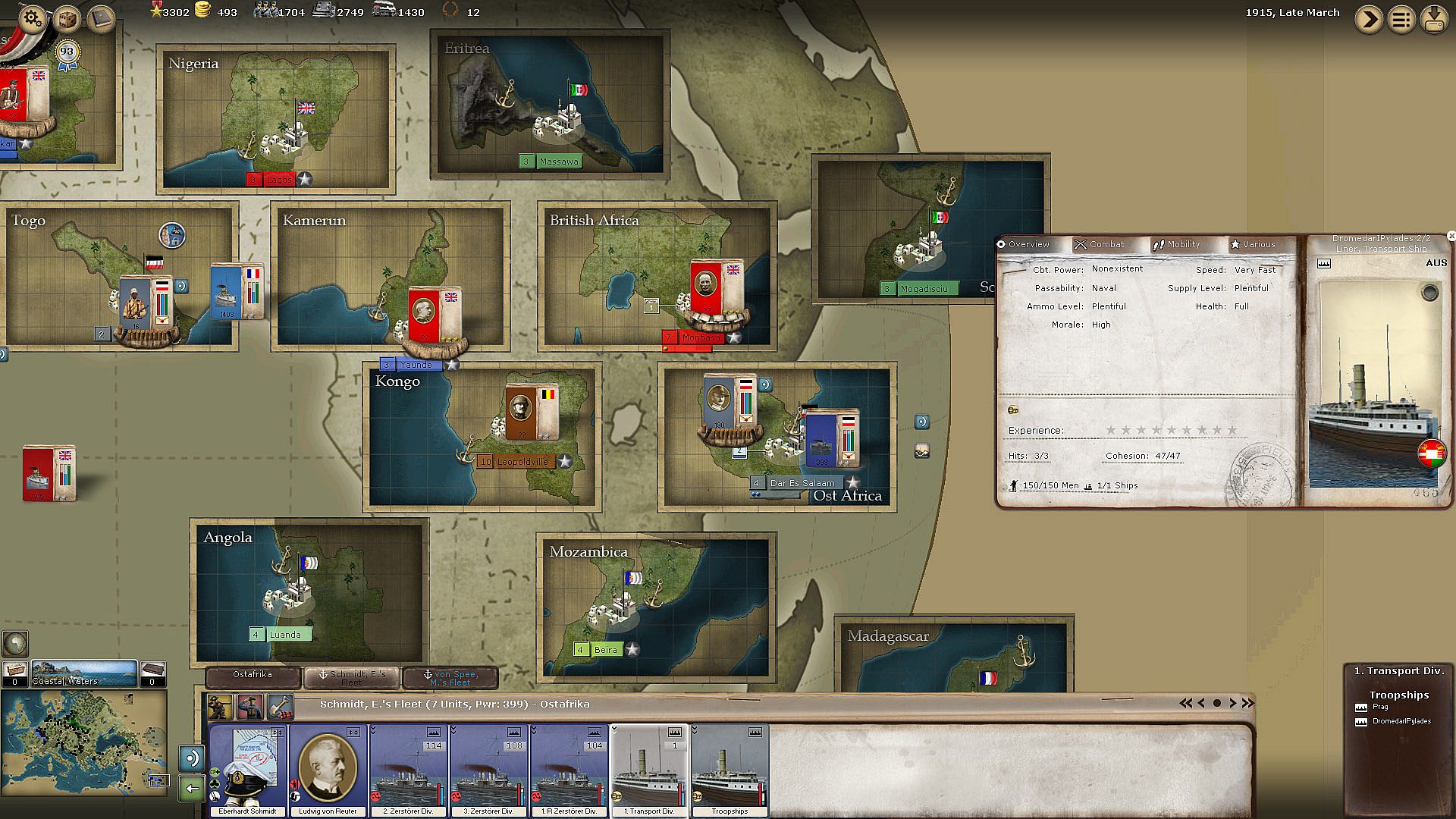
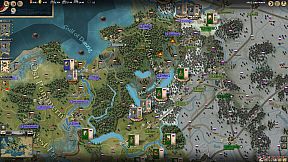
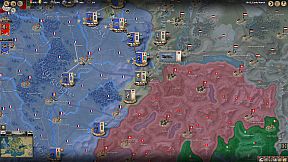
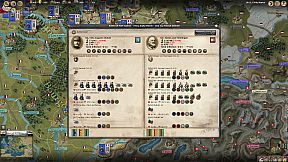
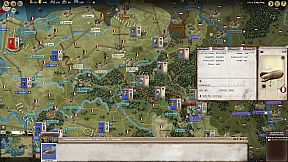
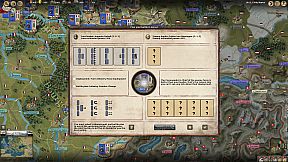
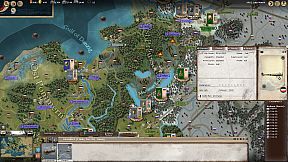
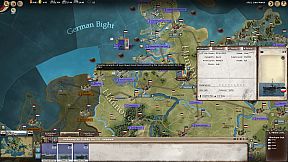
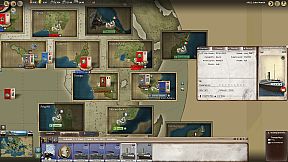
To End All Wars stands out as a grand strategy game that plunges players into the complexities of World War One, blending simulation elements with deep strategic decision-making on PC.
Gameplay
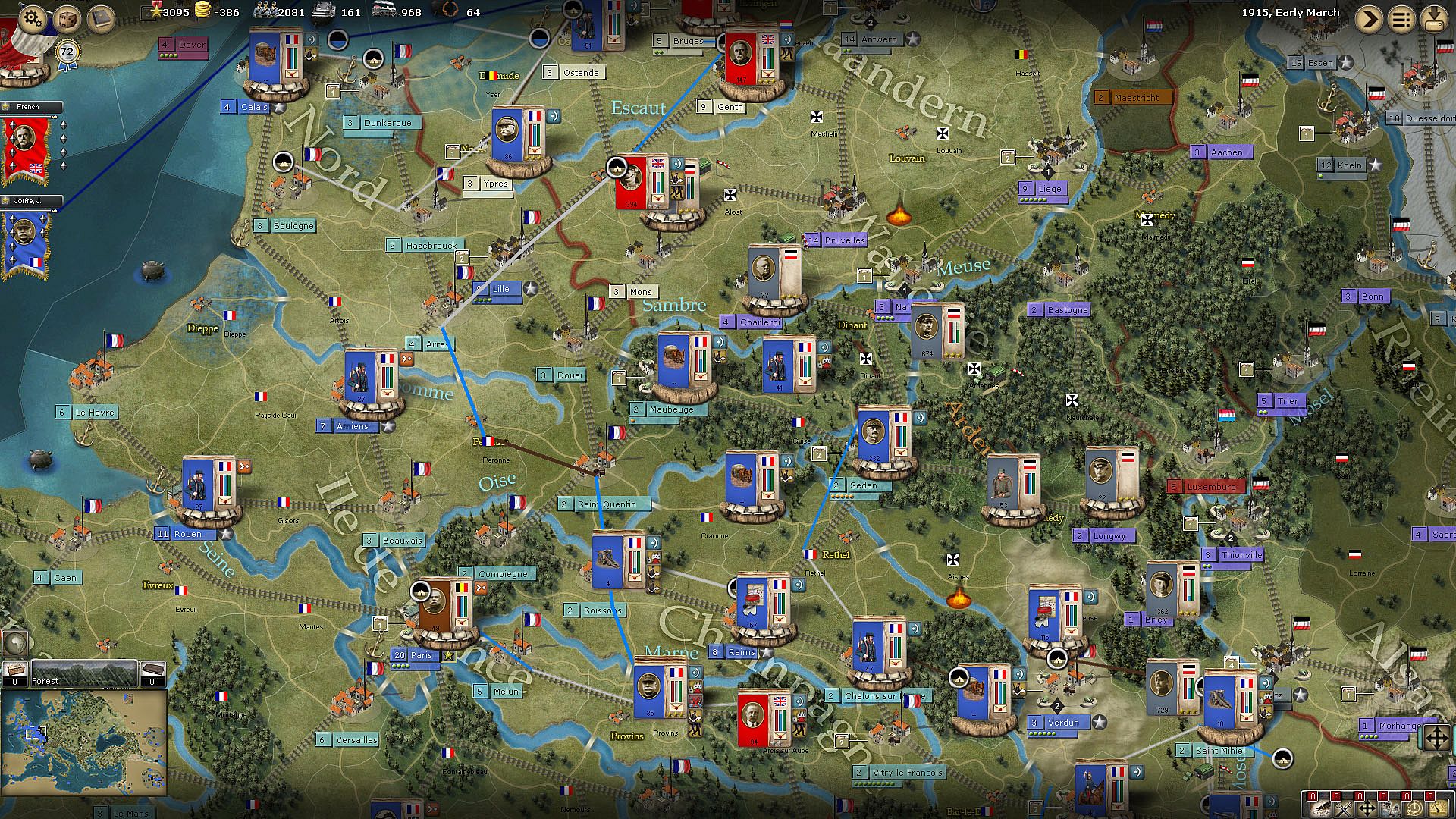
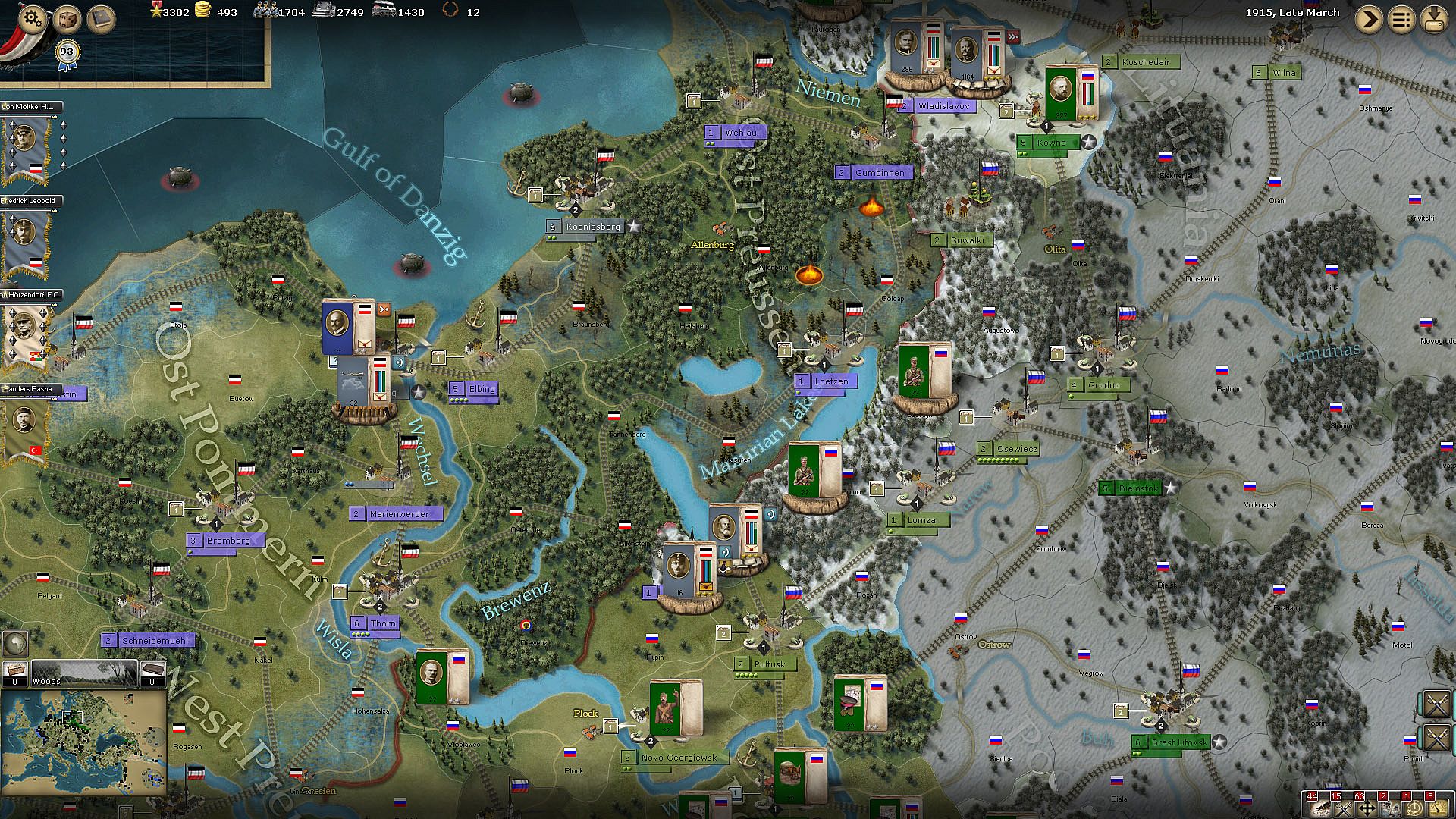
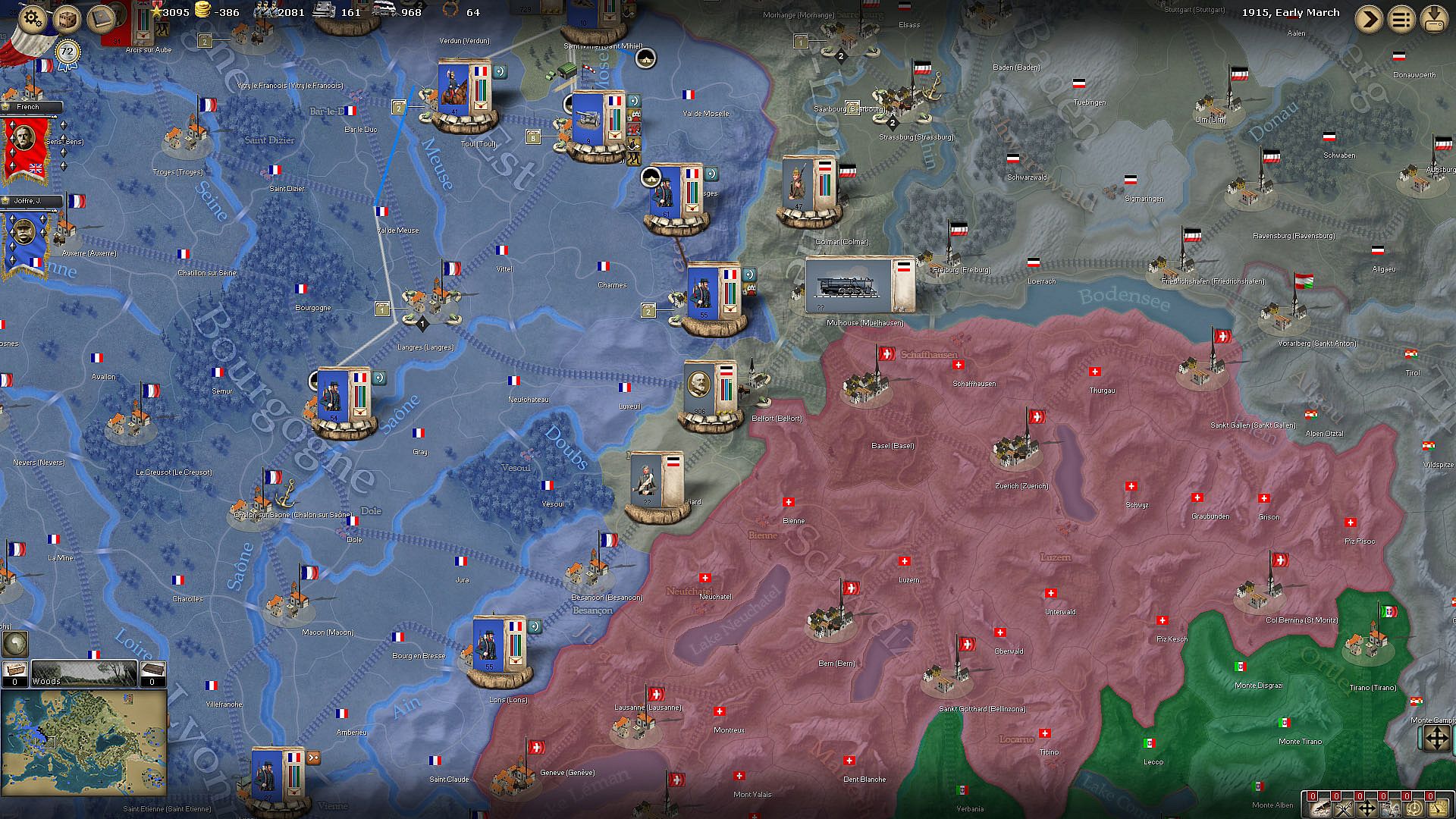
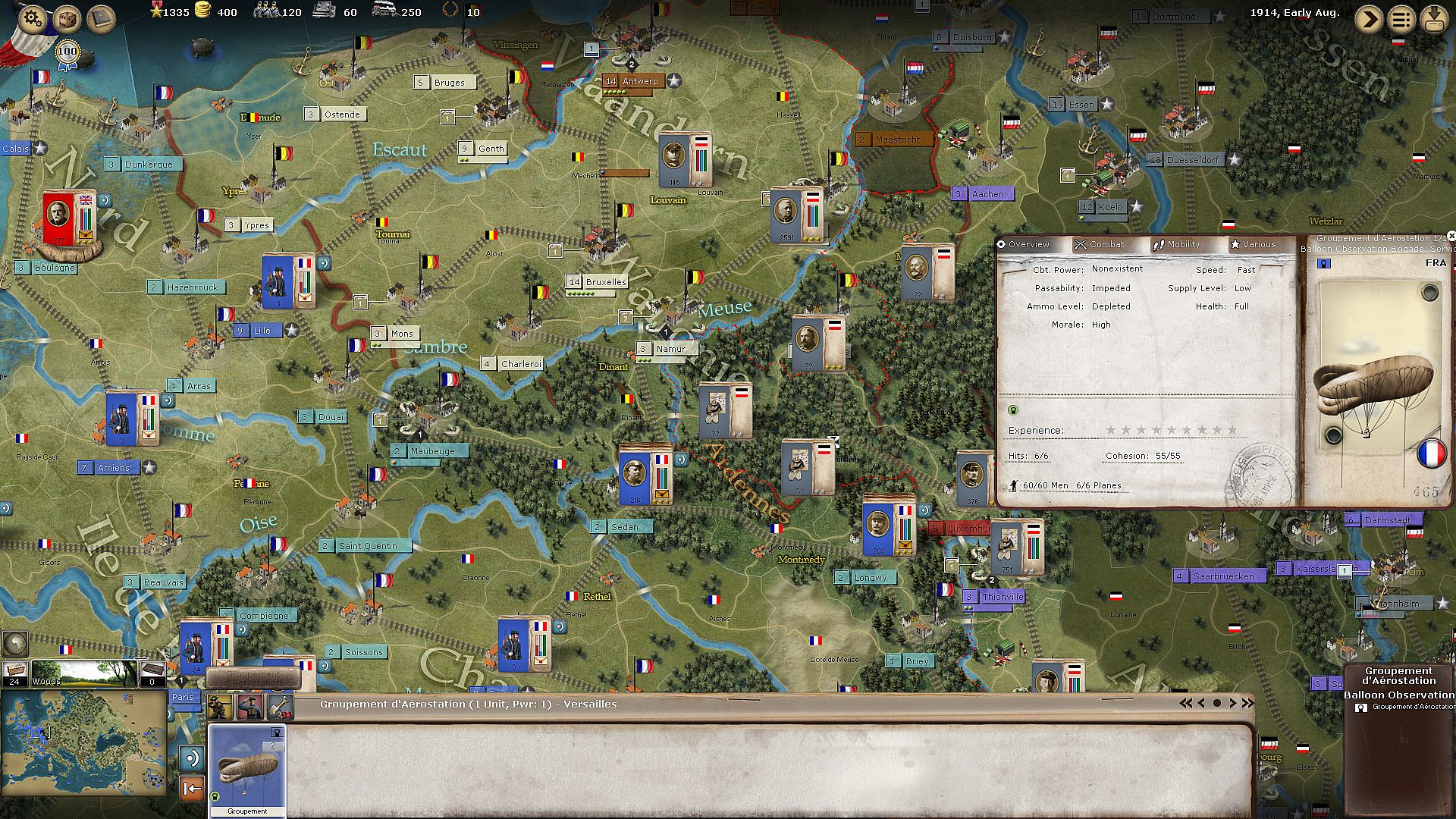
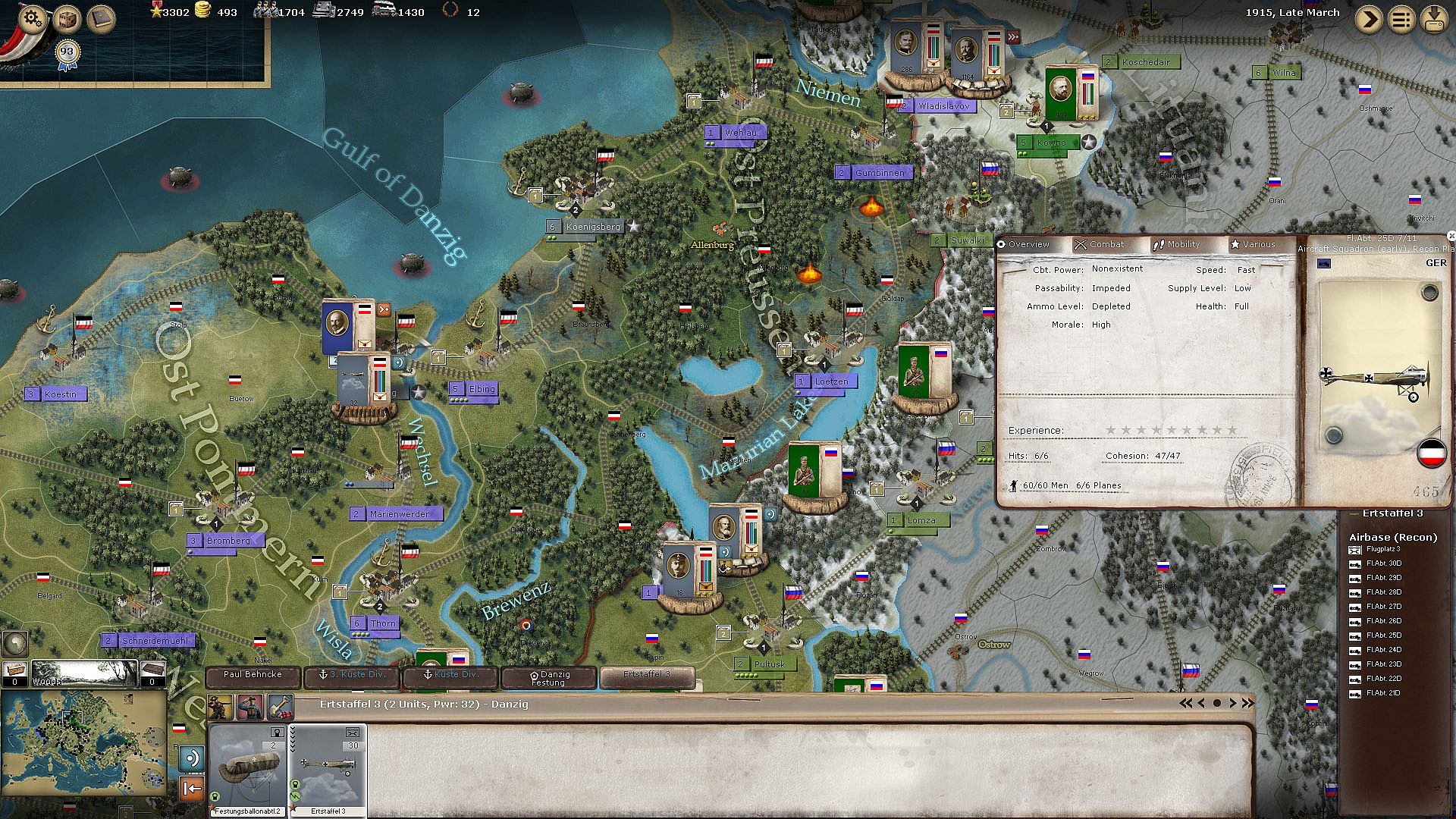
In this turn-based title, you command one of the major powers vying for dominance in Europe from 1914 to 1918. The core loop revolves around managing resources, directing armies, and navigating diplomatic tensions across a map divided into over 3,000 regions with varied terrain and climates. Mechanics emphasize trench warfare, where continuous lines of trenches form key defensive structures, while air units conduct missions deep into enemy territory.
Production handles military spending, economic output, research, and diplomacy through straightforward assets and centers. A chain of command system lets you organize units into brigades, divisions, corps, and armies, assigning historical leaders with rated abilities to lead them. Over 900 unit types cover infantry, cavalry, artillery, aircraft, and battleships.
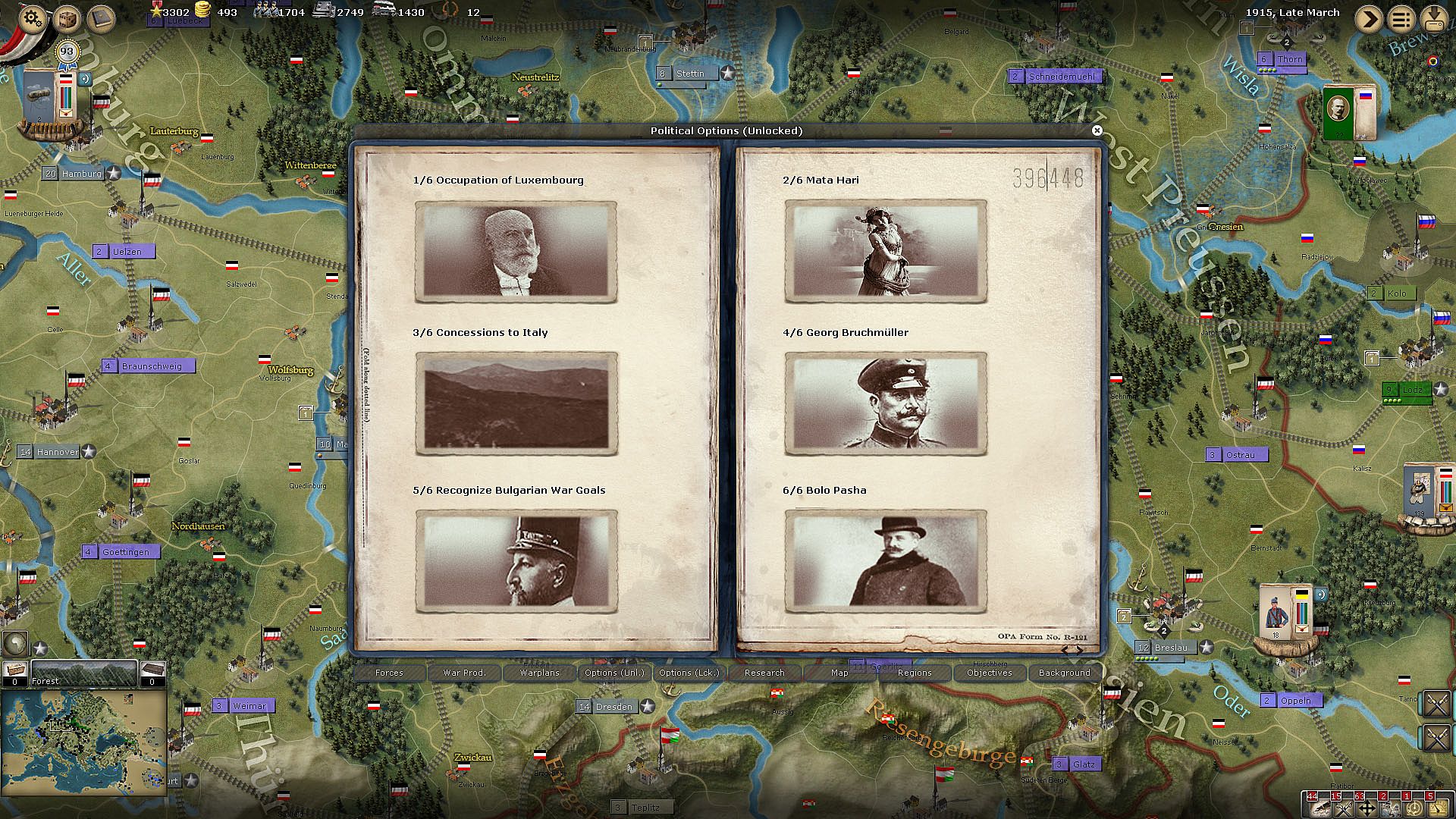
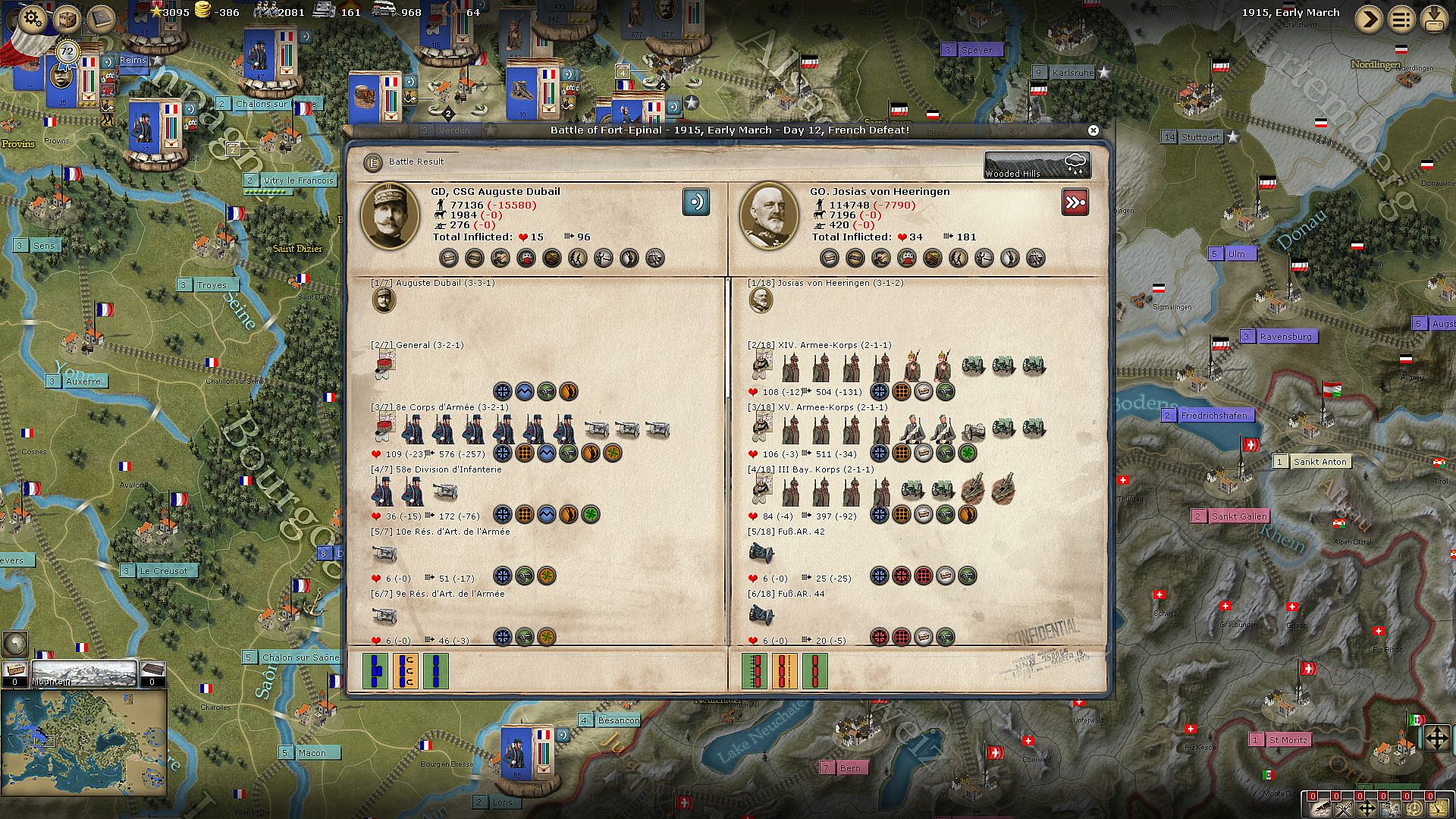
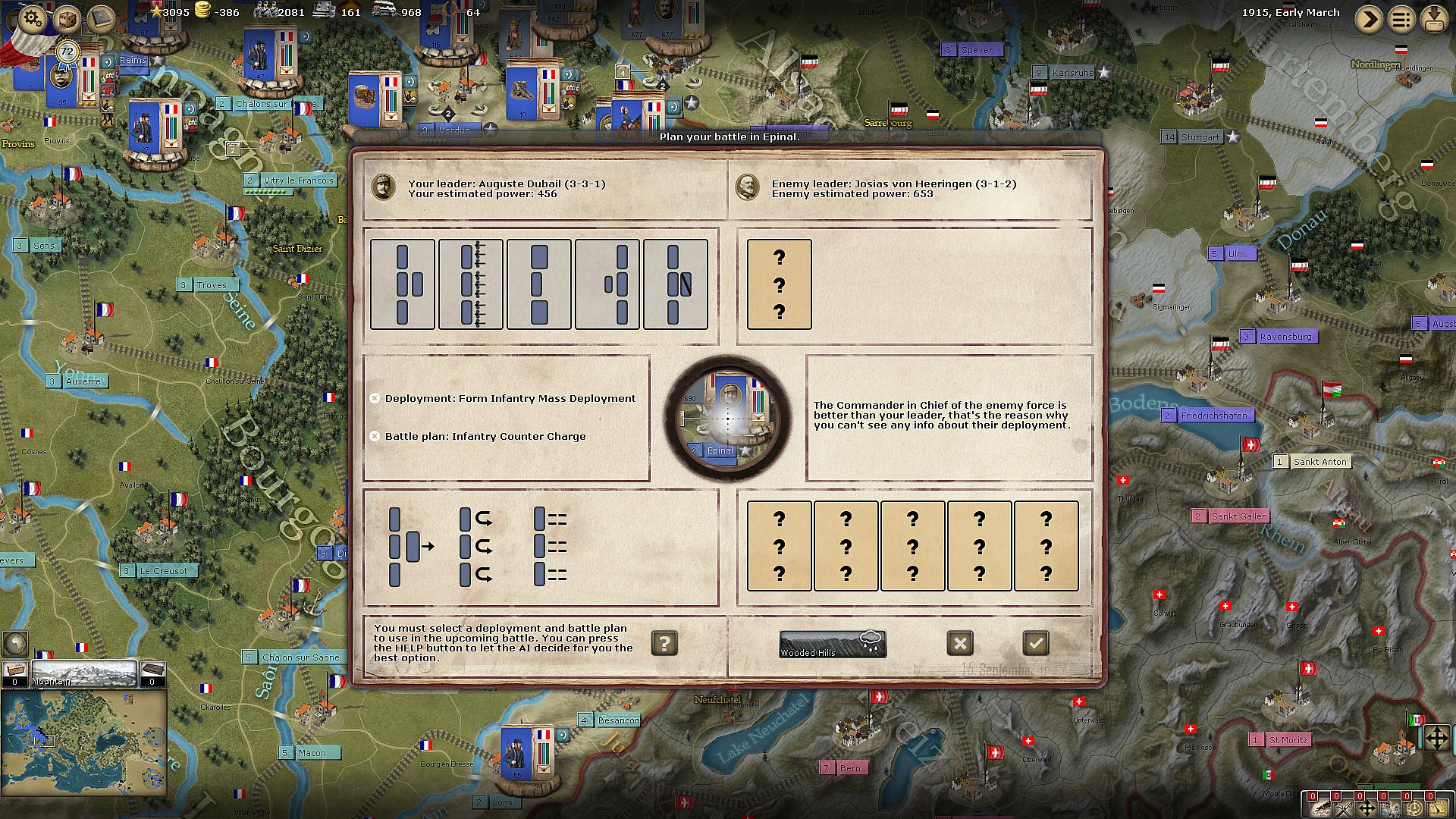
Regional decision cards introduce events like spies or surprise attacks, influencing campaigns. The game models weather, attrition, supply lines, front lines, and fog of war, adding layers to strategic planning. Historical events trigger decision points, from uprisings to interventions, while battlefield tactics, sieges, and naval warfare demand careful choices. Technology advances through events and cards, reflecting the era's innovations.
Game Modes
The game offers a tutorial to ease newcomers into its systems, followed by two primary scenarios for the full war experience. The historical scenario starts in August 1914, aligning with real events and alliances.
An open scenario allows flexibility, where you select custom warplans to shape the conflict from the outset. Both focus on the grand campaign scale, covering Europe, the Middle East, and off-map global regions.
Factions and Mechanics
Major factions include the Central Powers and Entente alliances, with playable nations like Germany, Austria-Hungary, Britain, France, and Russia. Each brings unique leaders and units, grounded in historical accuracy.
Diplomacy and research systems enhance interactions, enabling alliances or technological edges. The detailed model ensures that mechanics like supply and attrition affect every move, creating a simulation that feels like a complex board game with functional depth.
Is It Worth Playing?
For enthusiasts of intricate military strategy, this game delivers a rewarding challenge, especially if you appreciate old-school wargaming with historical depth. Player feedback highlights its quality in recreating World War One battles, though some note the systems can feel obtuse at first.
It suits those who enjoy turn-based planning over fast action, with no ongoing updates or seasons since its 2014 release, making it a complete package as is. If dense strategy appeals, it's a solid pick for solo play focused on grand-scale warfare.