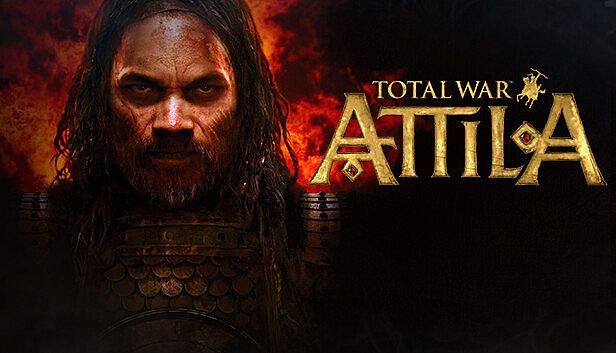























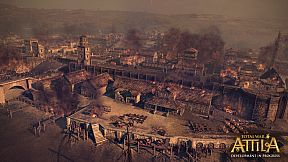
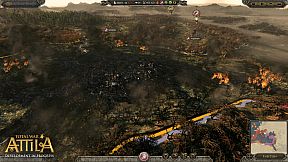
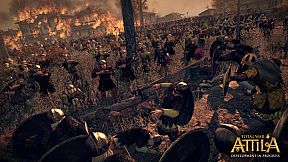
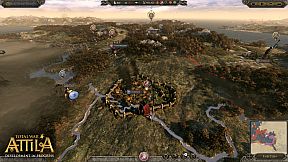
Total War: ATTILA stands out as a grand strategy game that blends turn-based empire building with intense real-time tactical battles, set against the chaotic backdrop of the late Roman Empire in 395 AD. Players step into a world on the brink of the Dark Ages, where famine, disease, and invading hordes threaten civilization. As a leader of various factions, you manage vast territories, navigate political intrigue, and command armies in epic confrontations. This title emphasizes survival and adaptation, challenging you to either defend crumbling empires or forge new kingdoms from the ashes.
Gameplay
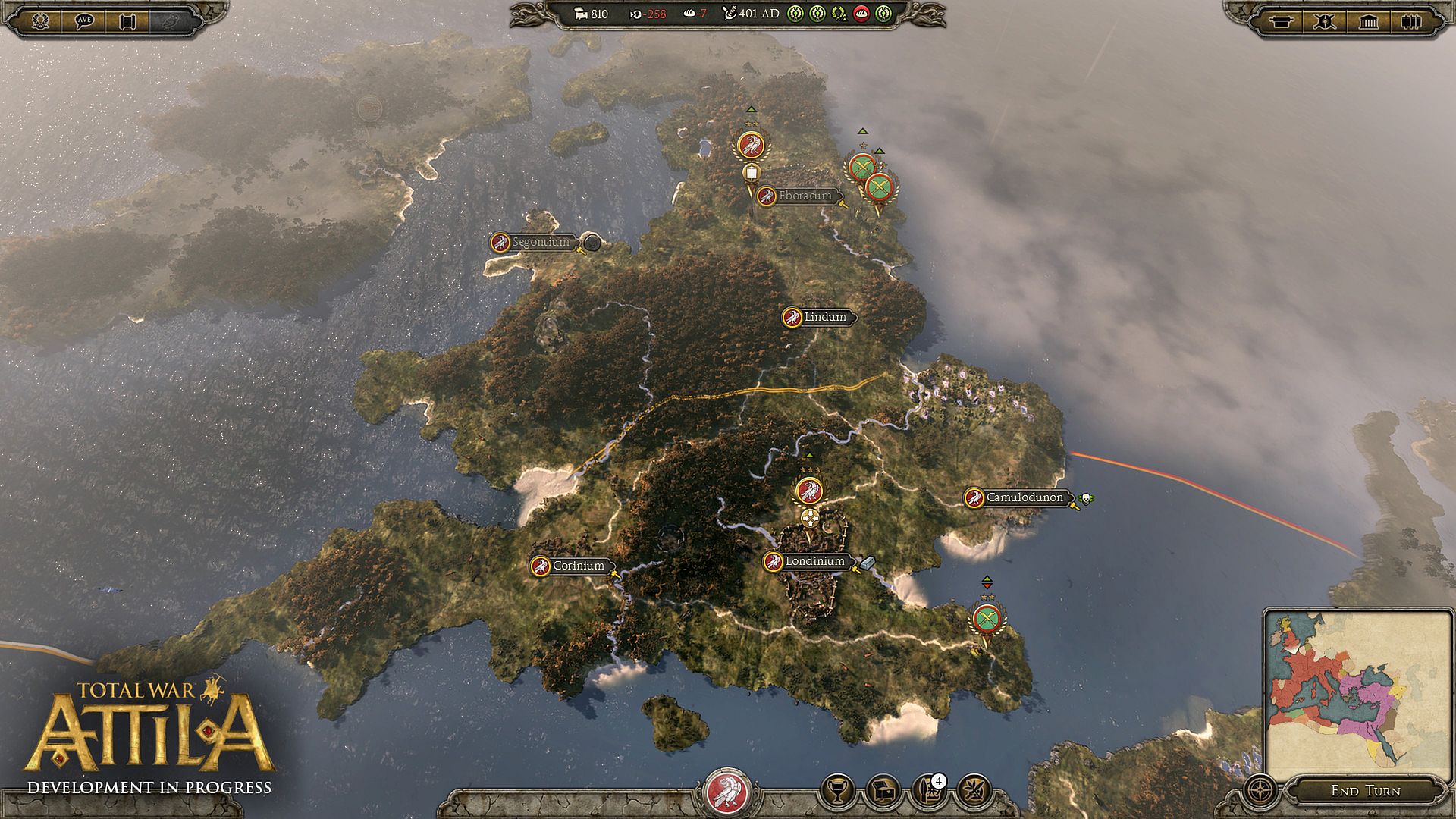
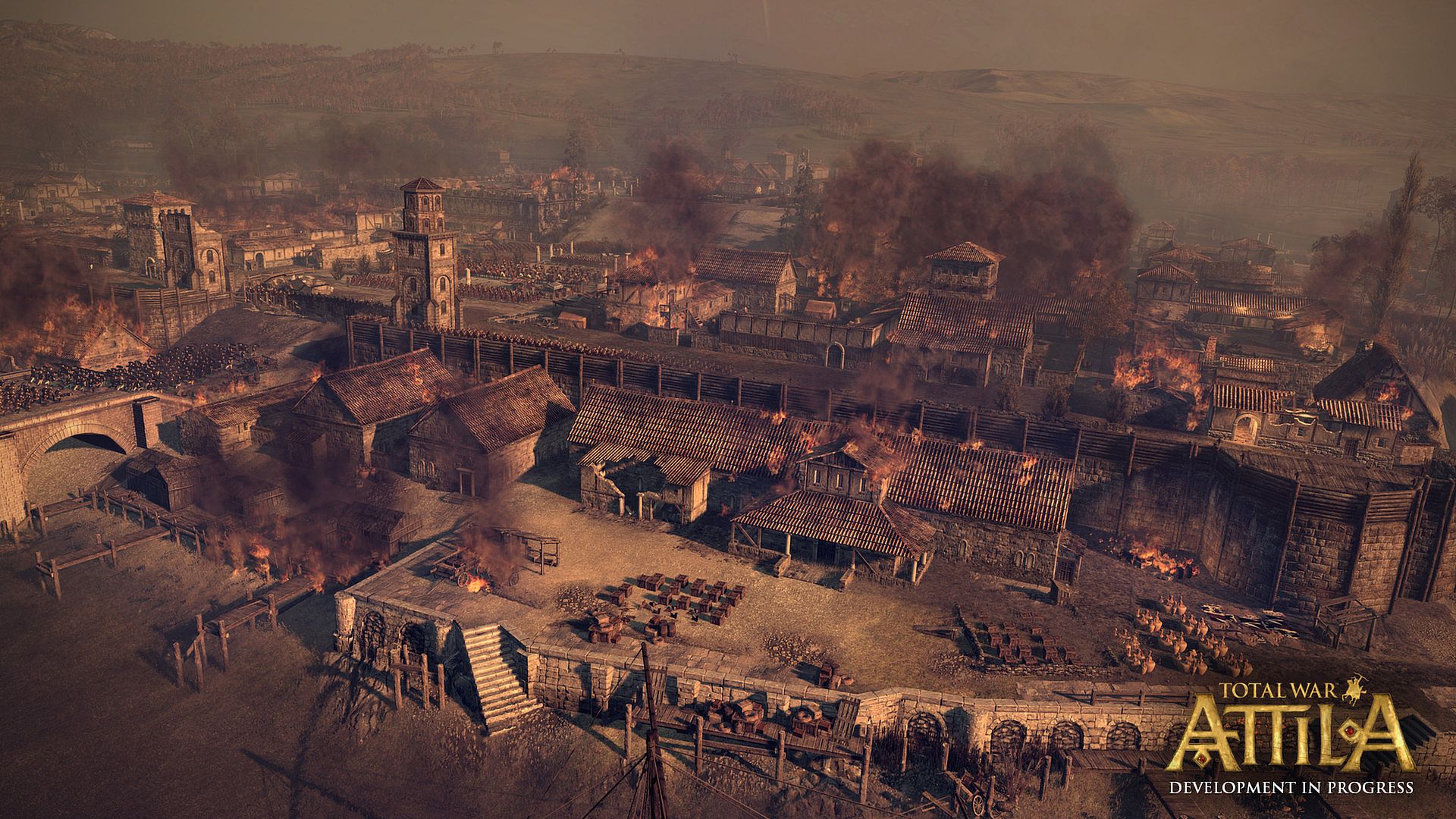
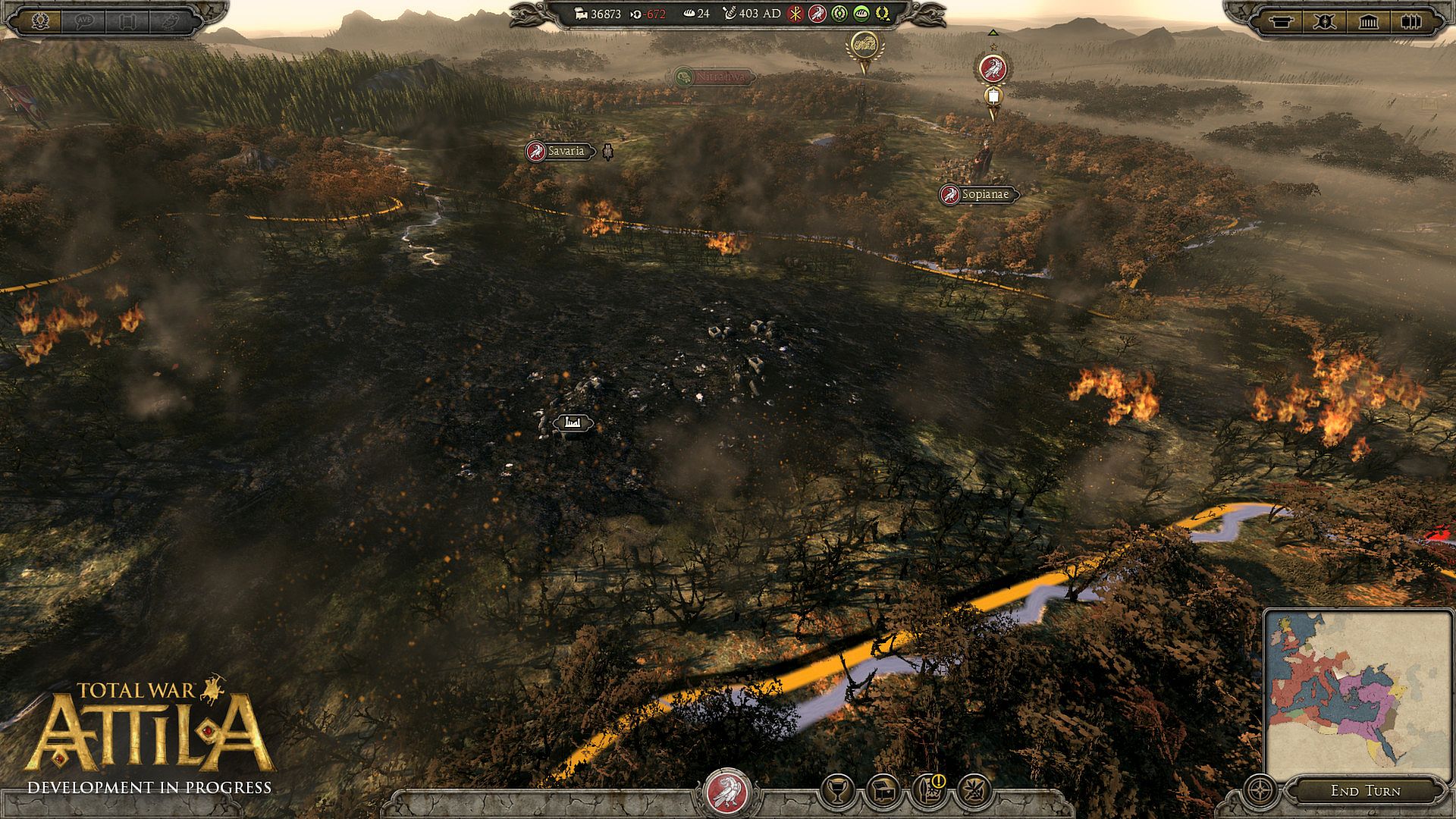
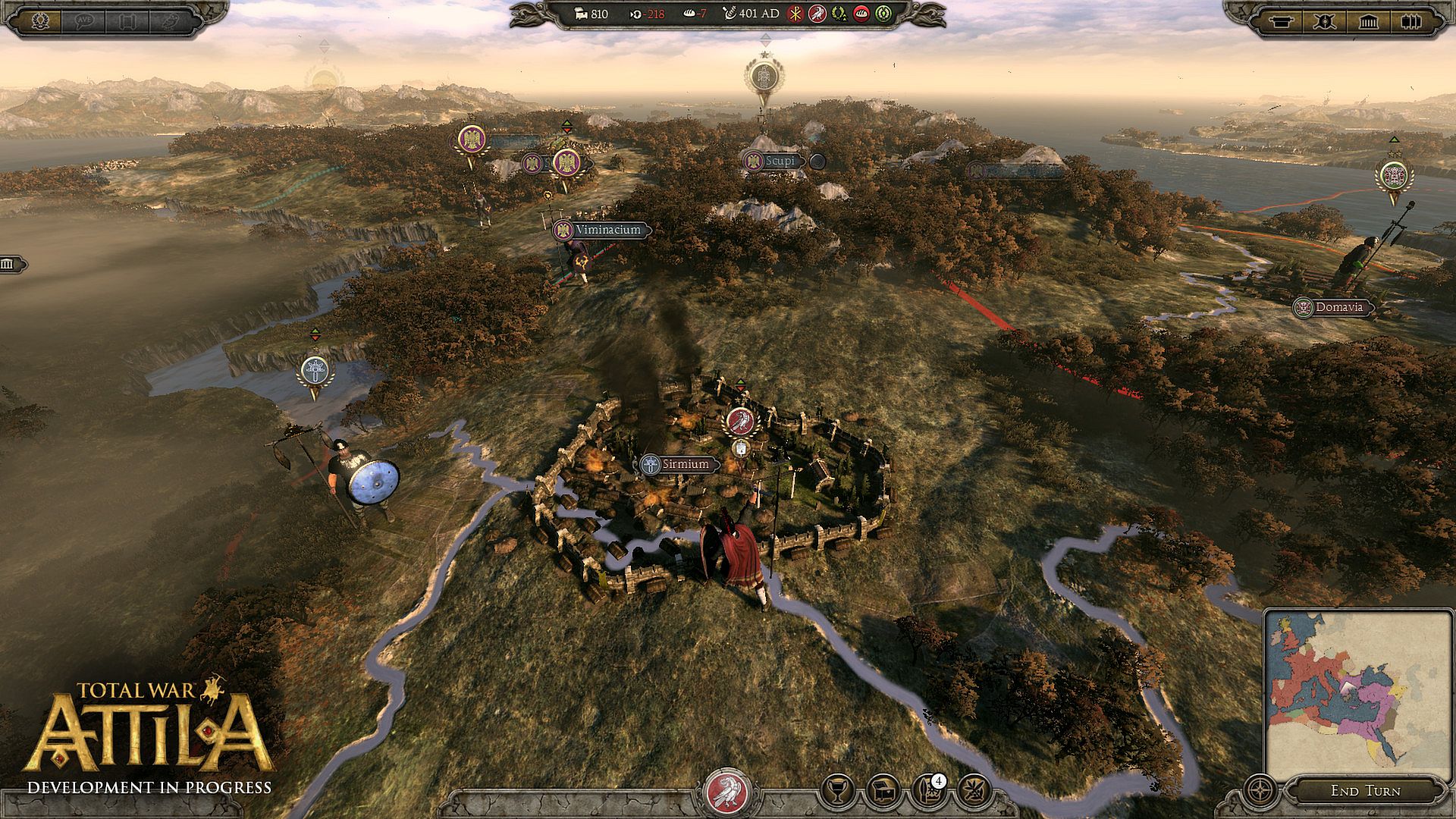
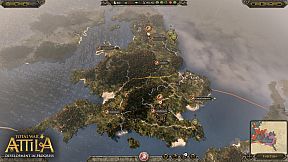
The core experience revolves around a detailed campaign map where turns represent strategic decisions on governance, diplomacy, and military movements. Provinces are divided into regions, each with varying fertility levels that impact food production and economic stability. A changing climate system introduces harsher winters, forcing migrations and adding pressure to resource management. On this map, you can raze settlements to deny resources to enemies, abandon holdings for quick gains, or convert populations to different religions for bonuses and to maintain public order.
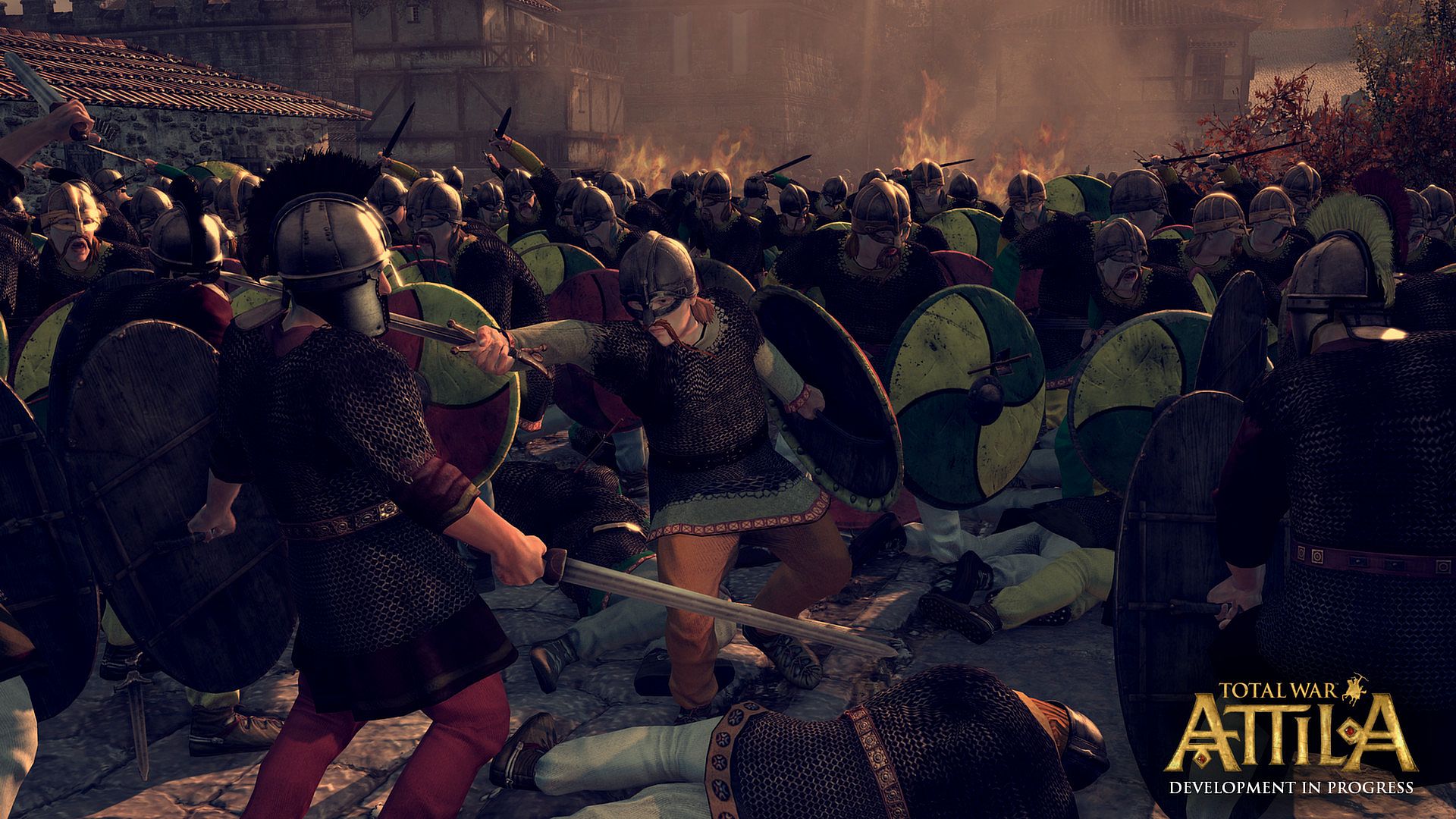
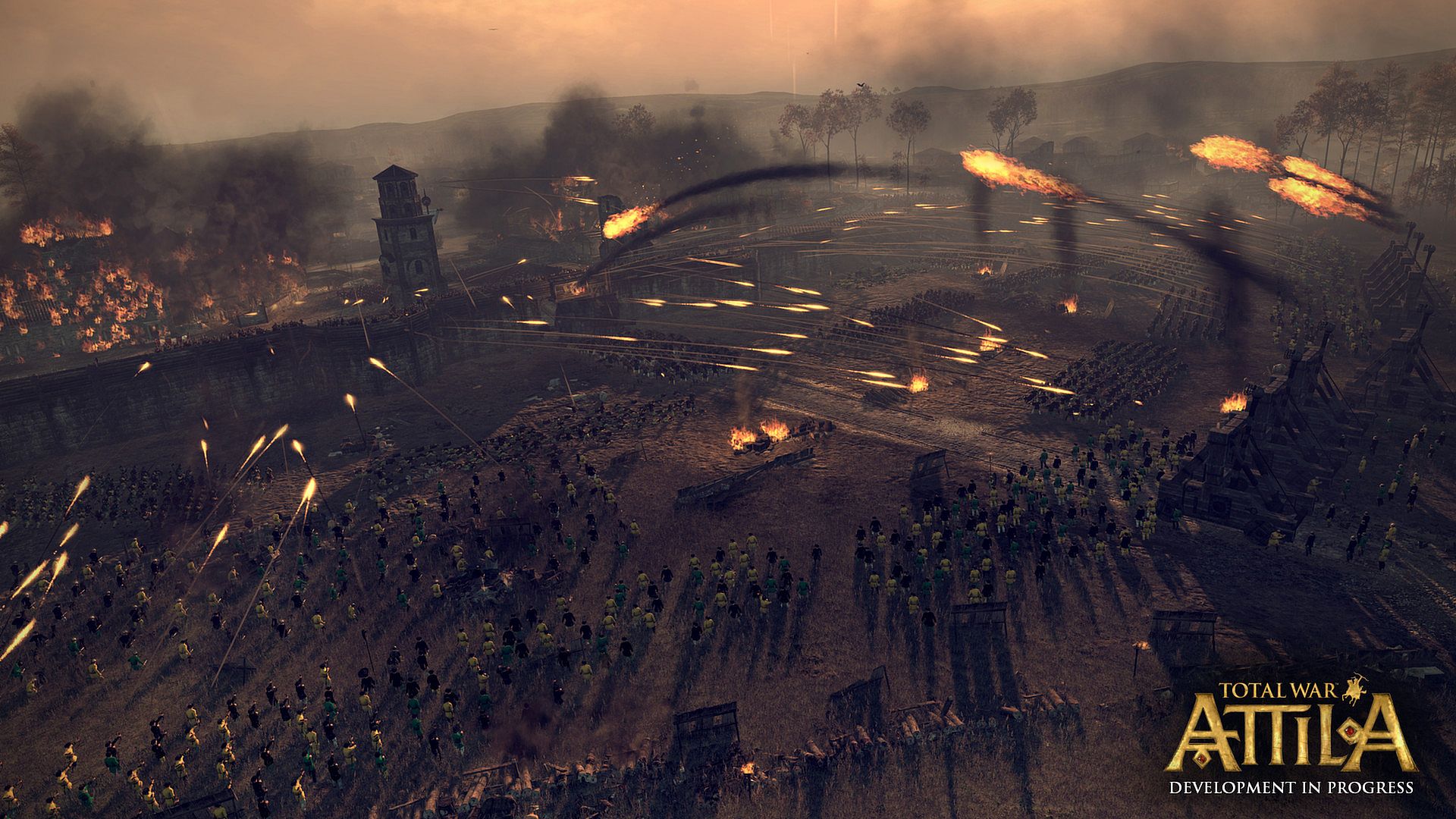
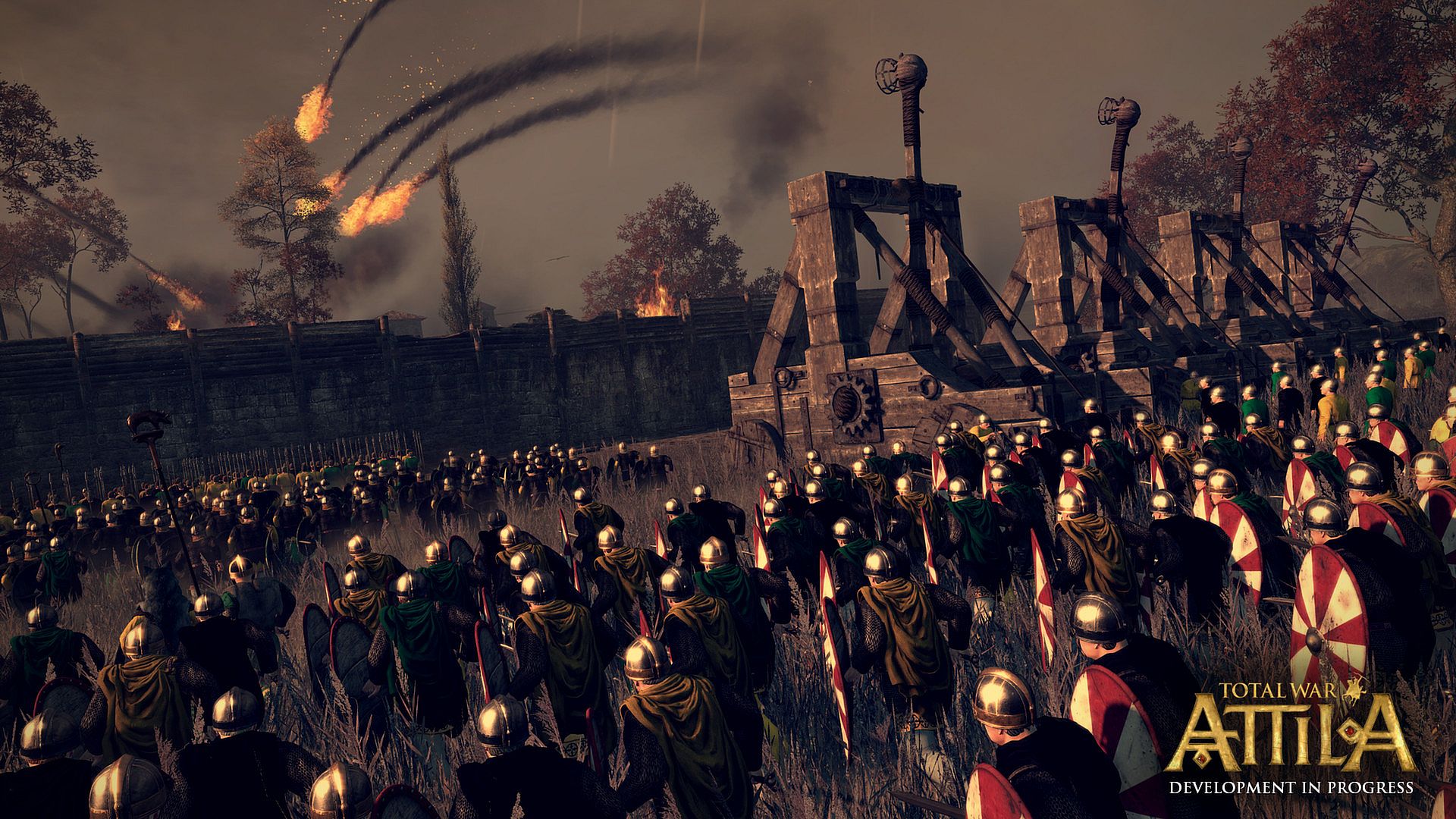
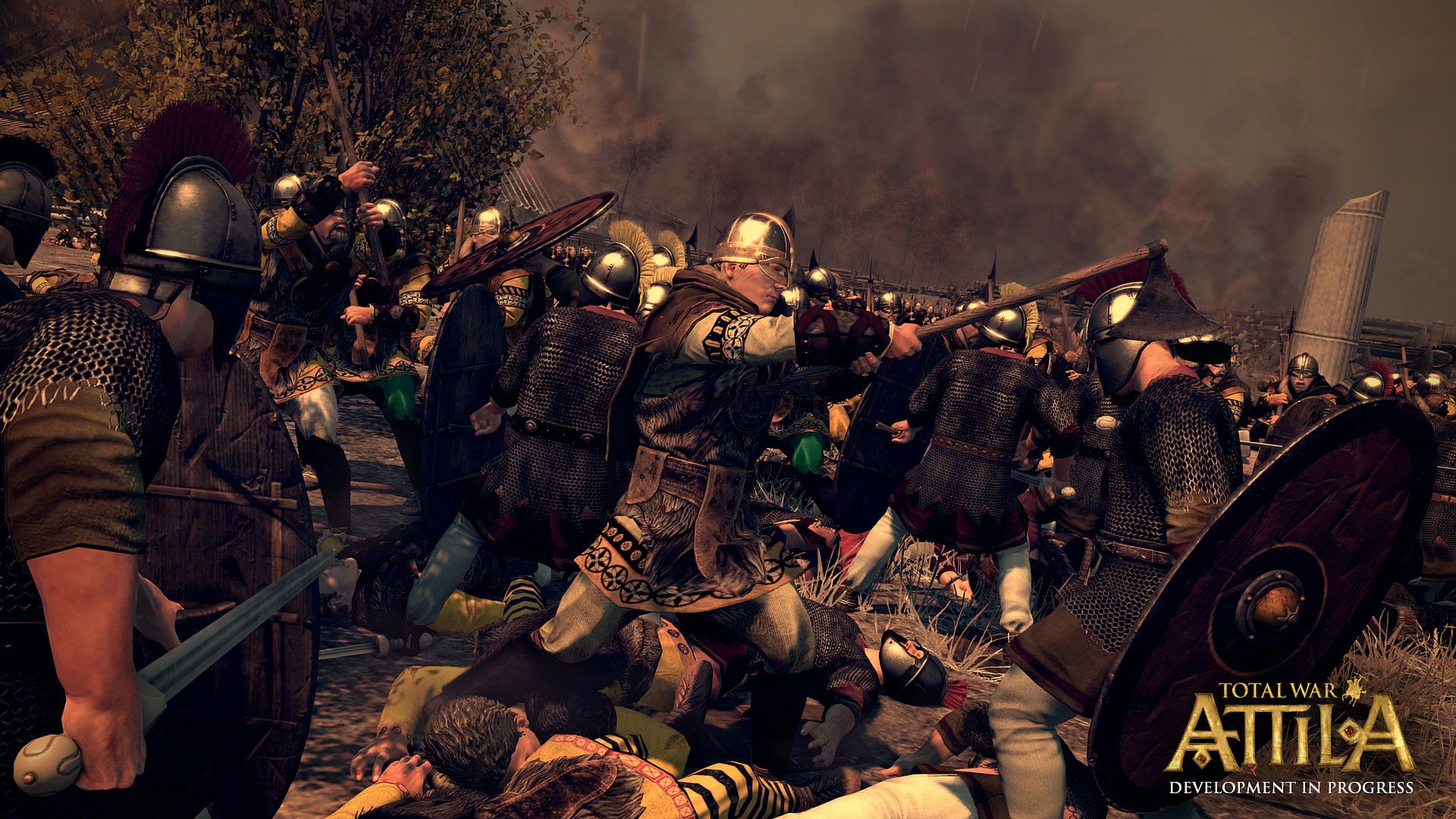
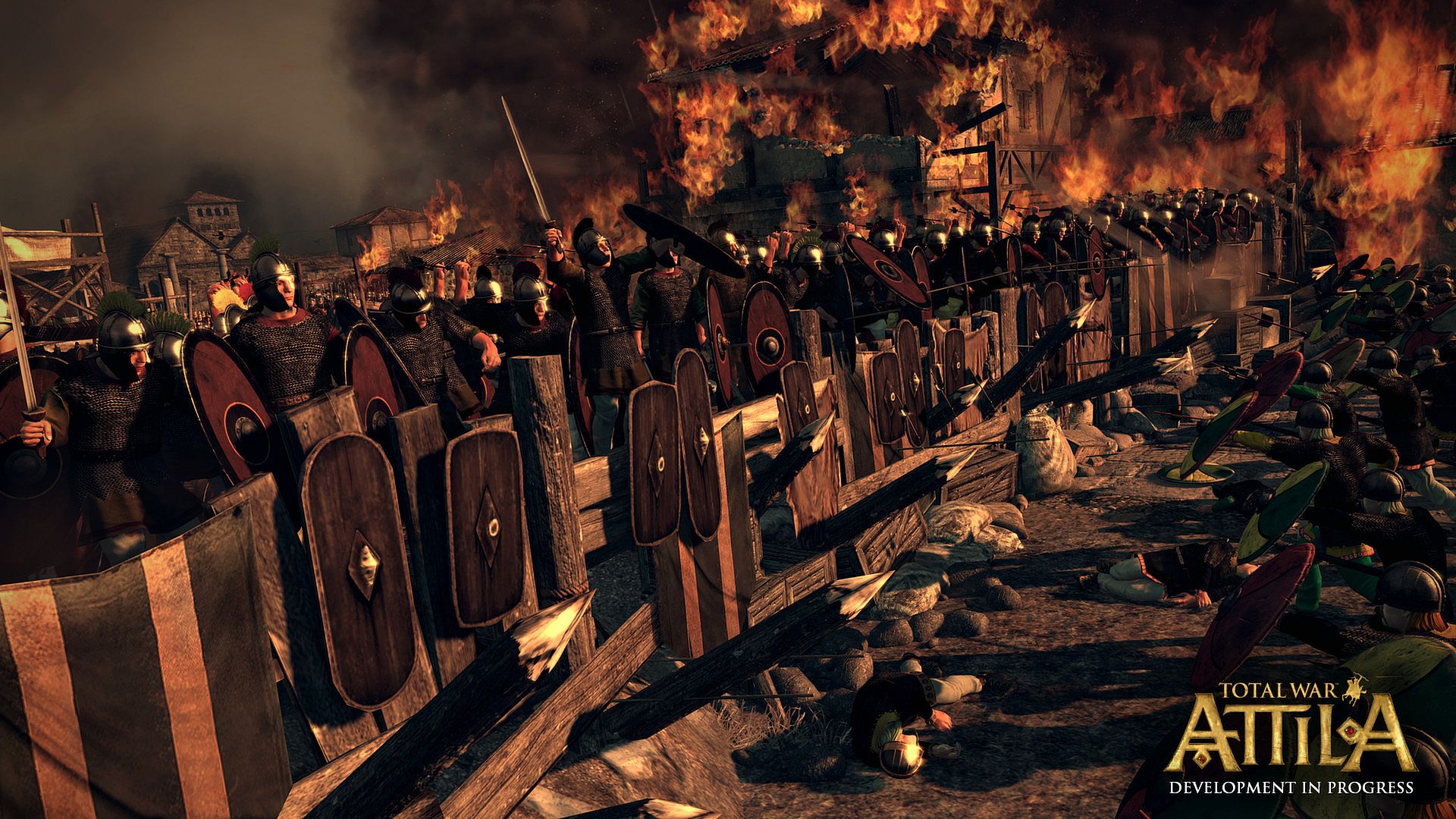
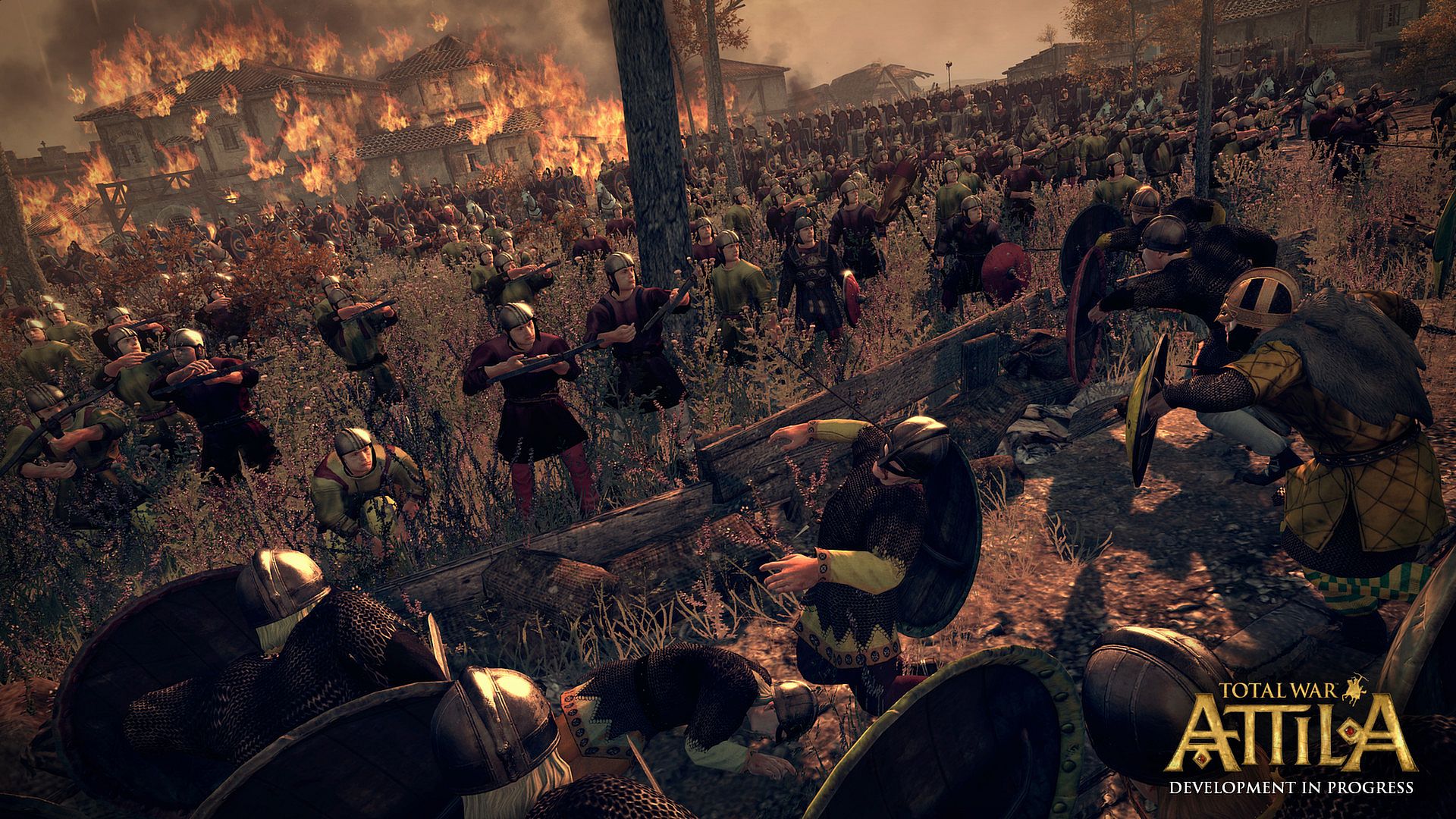
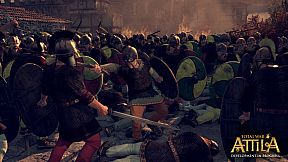
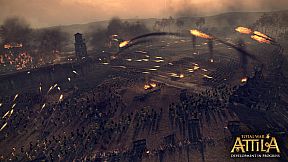
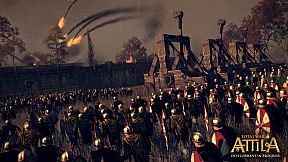
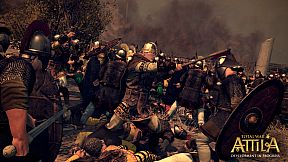
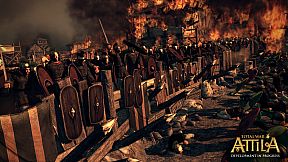
Real-time battles shift the focus to tactical command, where you direct units in large-scale engagements. Fire mechanics allow setting structures ablaze to demoralize foes, while siege warfare involves breaching walls and defending key points. Political elements, including family trees and civic management, require balancing internal factions to prevent civil unrest. Technological progression unlocks period-specific arms and strategies, reflecting the era's social upheaval and military innovations.
Game Modes
The single-player campaign forms the heart of the game, letting you choose a faction and guide it through historical events starting in 395 AD. This mode includes dynamic elements like horde migrations and the rise of Attila, creating a narrative of survival amid apocalypse. Multiplayer options expand to online PvP battles, where players clash in real-time scenarios, as well as co-op campaigns for joint strategy sessions. LAN support allows for local play in both competitive and cooperative formats.
Factions and Expansions
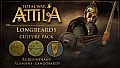
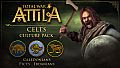
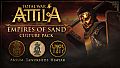
At launch, the game offers 10 playable factions, each with unique unit rosters and starting positions, such as the Western Roman Empire facing internal decay and external threats. DLC expansions add more groups, including the Danes, Jutes, and Geats from the Viking Forefathers pack, or the Langobards, Alamans, and Burgundians in the Longbeards culture pack. Other additions bring in Celts like the Picts and Ebdanians, desert empires such as the Tanukhids and Aksum, and Slavic nations including the Anteans and Sclavenians.
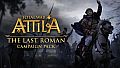
Campaign packs like The Last Roman and Age of Charlemagne introduce new storylines and playable sides, such as the Visigoths and Franks, set in later periods. Free content has included factions like the Suebians and White Huns, enhancing replayability through diverse cultural and military approaches.
Is It Worth Playing?
For strategy enthusiasts who enjoy deep historical simulations and tough decision-making, this game delivers a compelling challenge. It has earned very positive player feedback, with 80 percent of over 26,000 reviews recommending it, alongside critic scores averaging around 80 out of 100 from sources like PC Gamer and IGN. The title remains supported through mods that add custom content, keeping the community active years after its 2015 release.
If you prefer games with layered mechanics involving empire management and battlefield tactics, especially in a gritty historical context, it holds strong value. However, those seeking lighter strategy or modern settings might find its complexity and difficulty curve demanding.