


















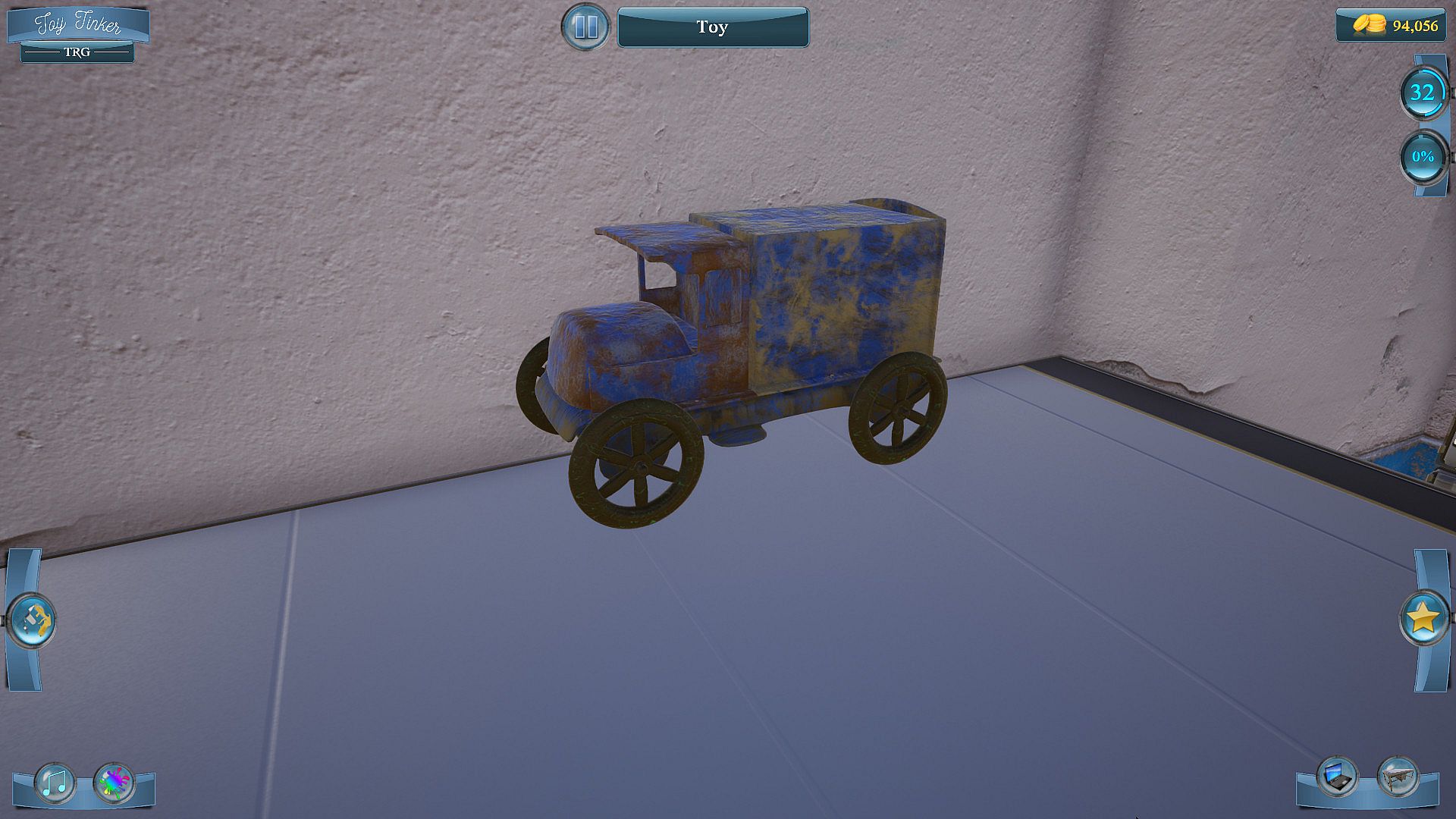
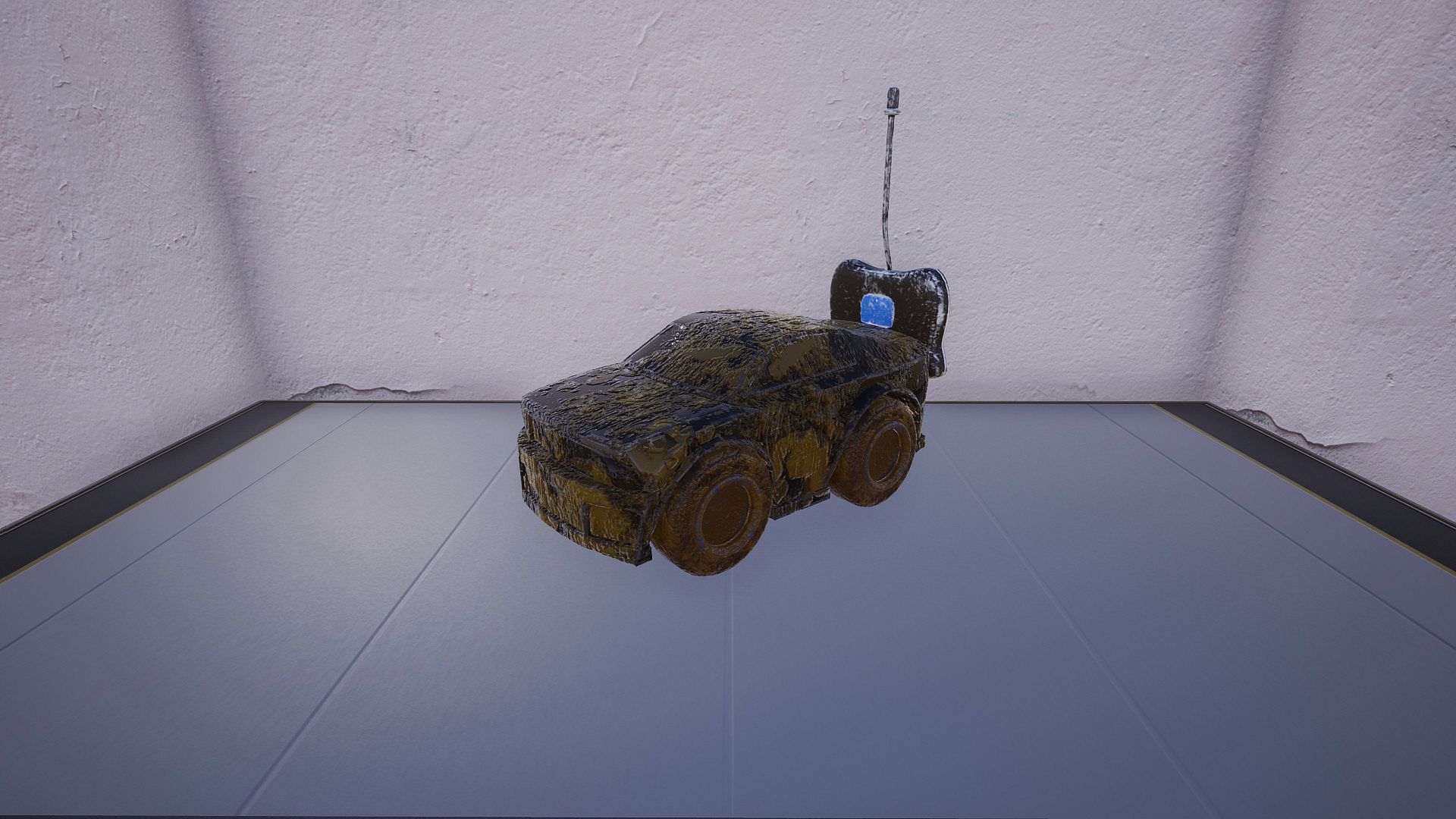
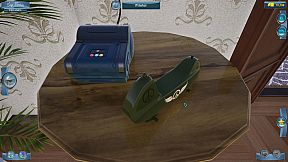
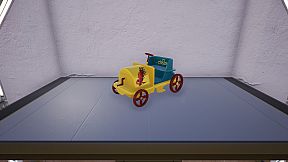
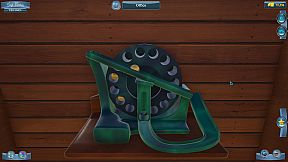




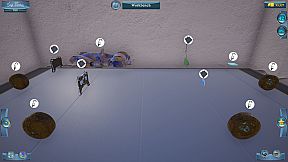
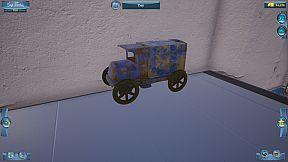


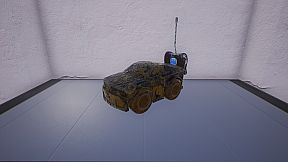
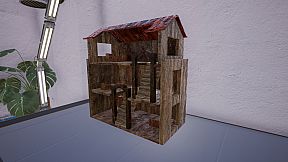

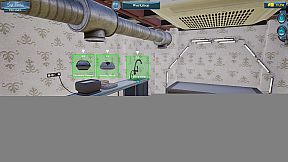
Toy Tinker Simulator is an indie simulation game developed for PC that puts players in the role of a toy repair specialist. The experience centers on restoring damaged toys through detailed hands-on processes while building and customizing a personal workspace that grows alongside progress.
Gameplay
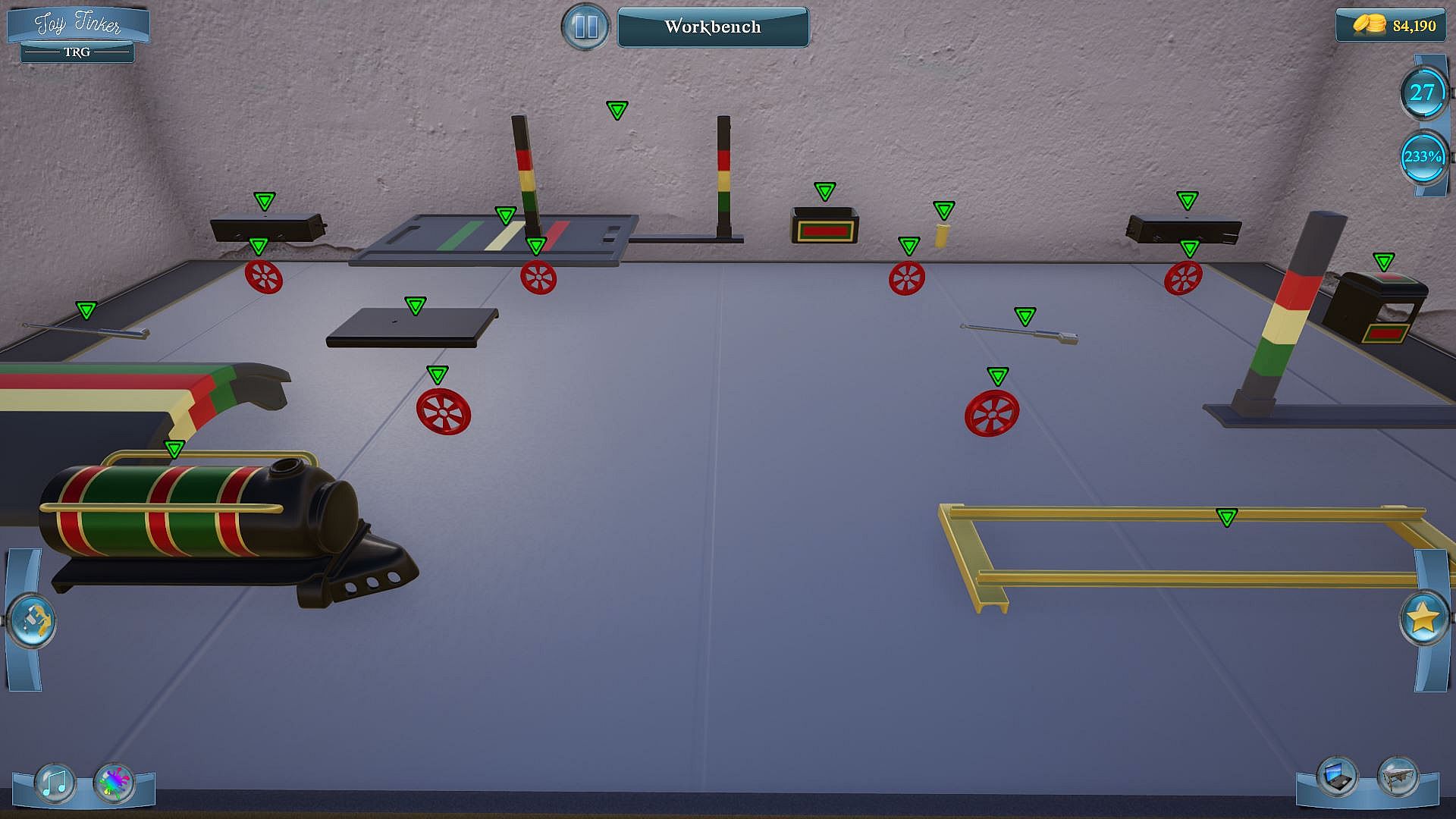
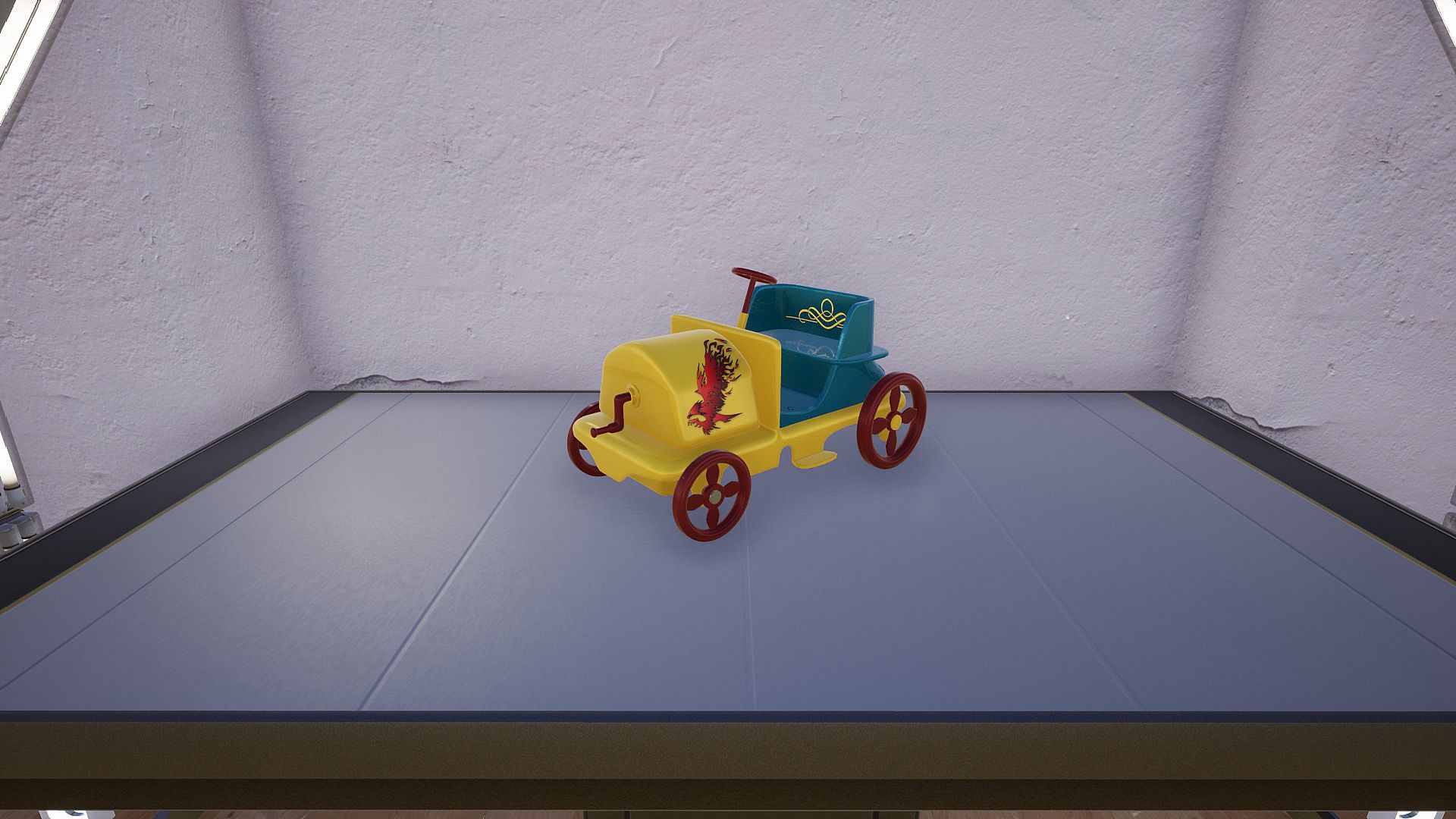
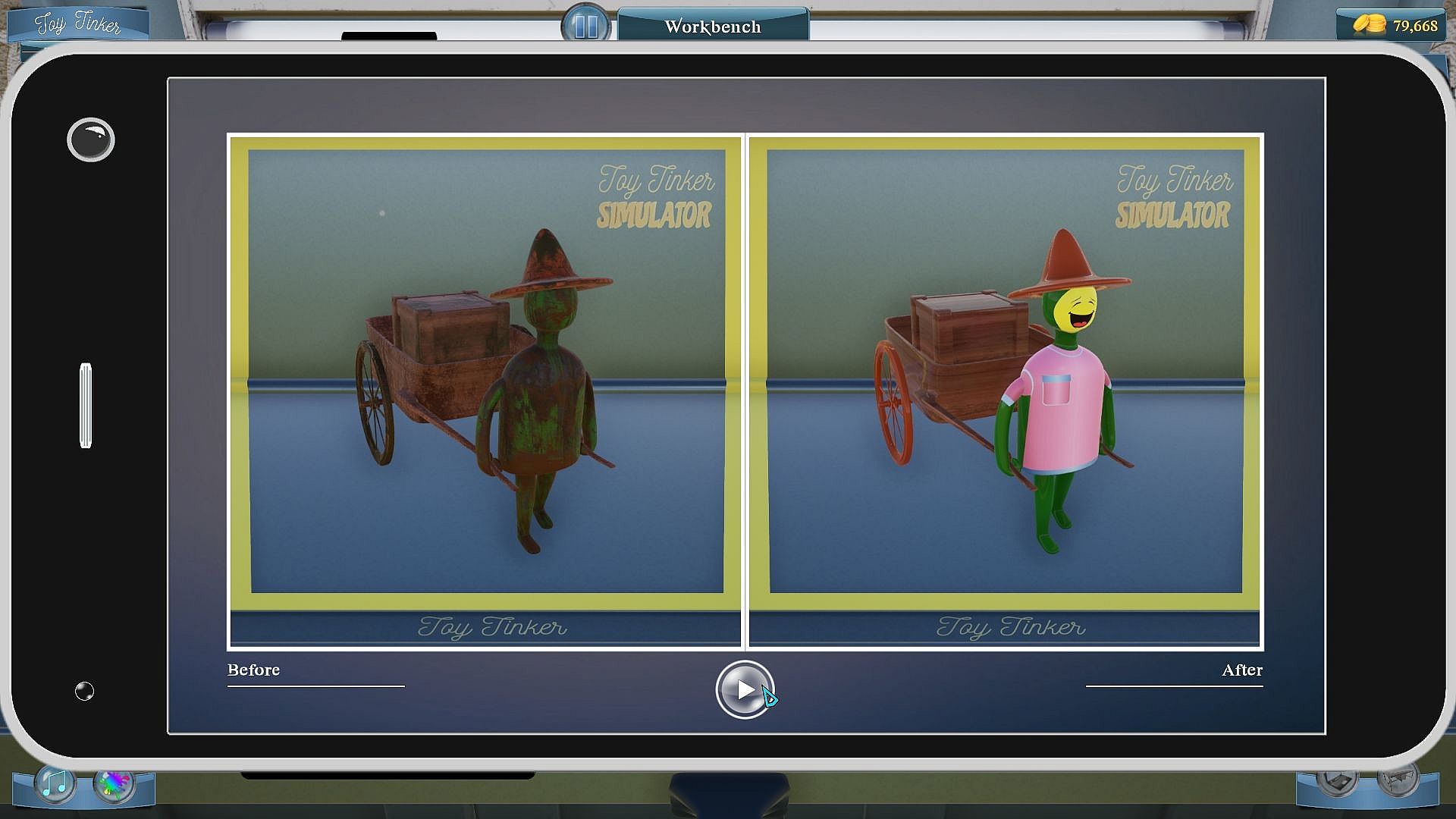
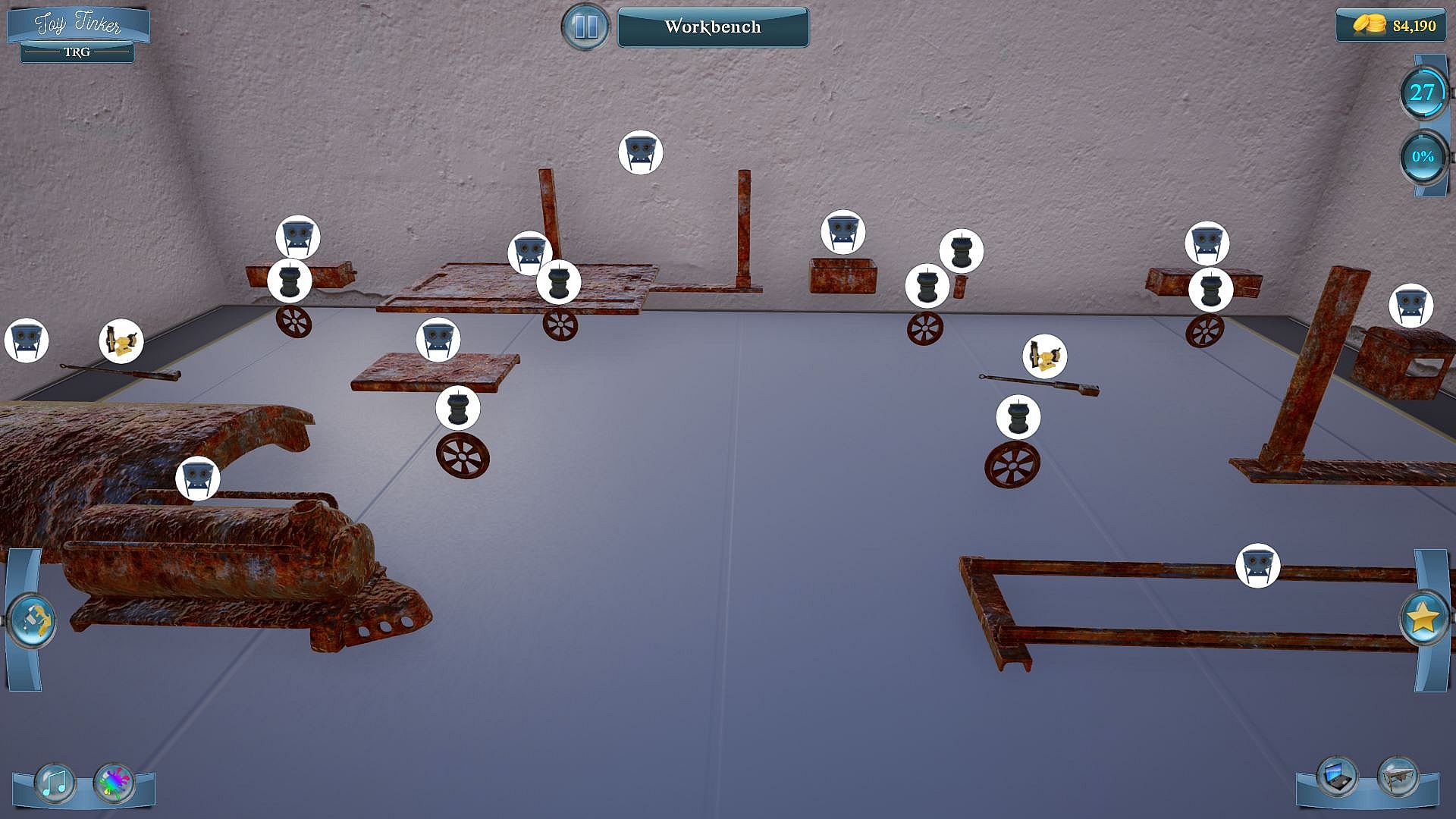
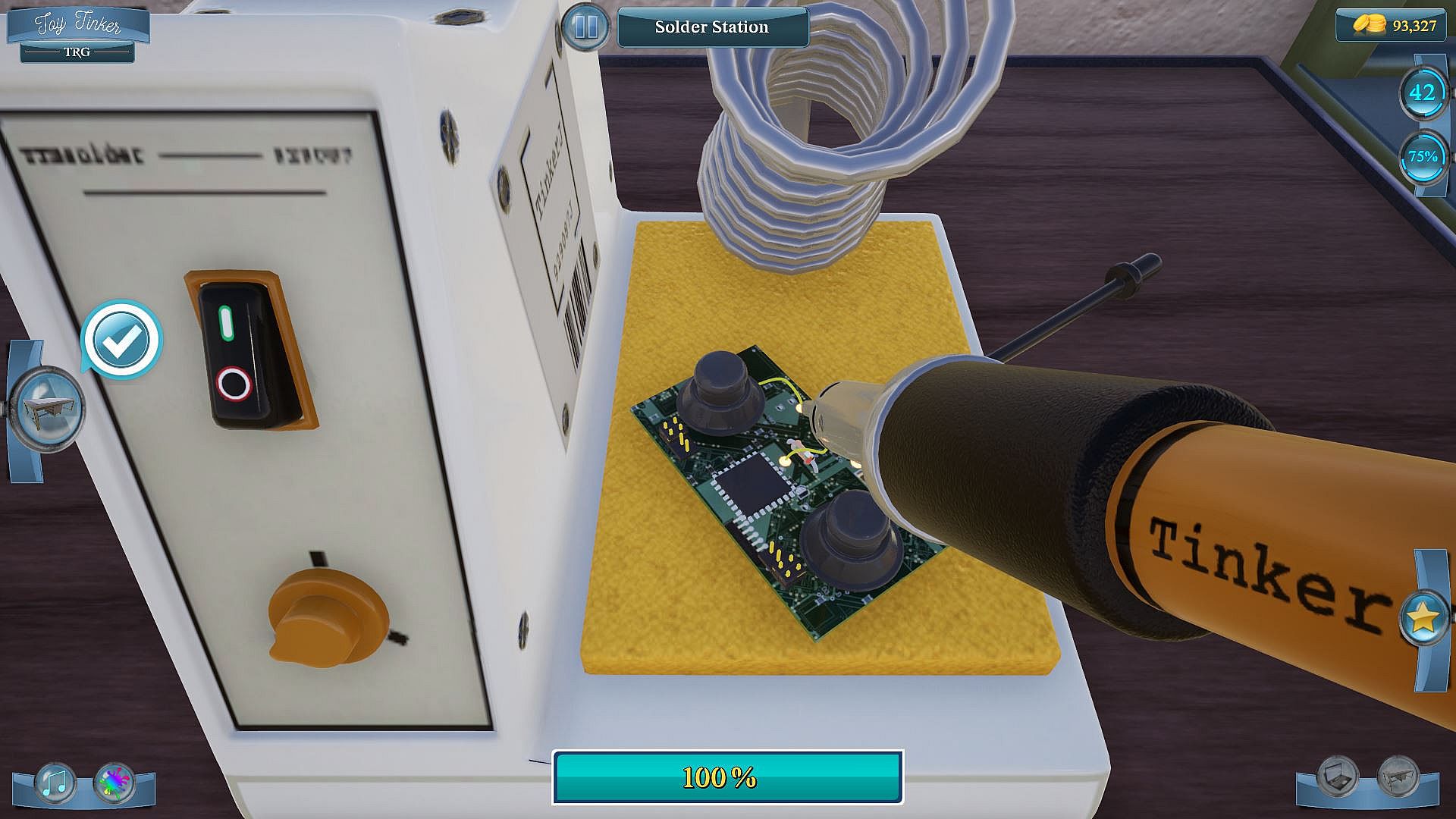
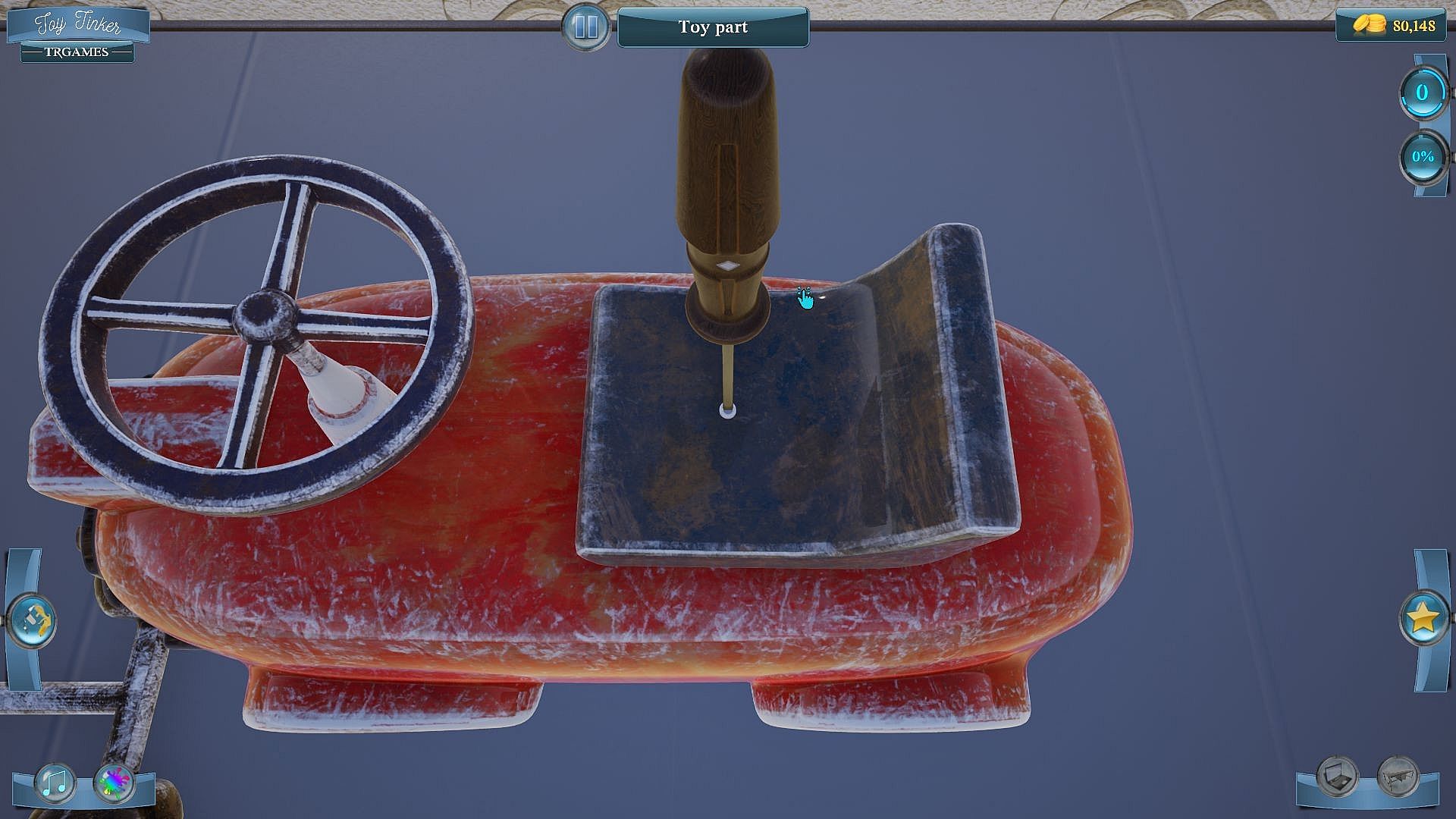
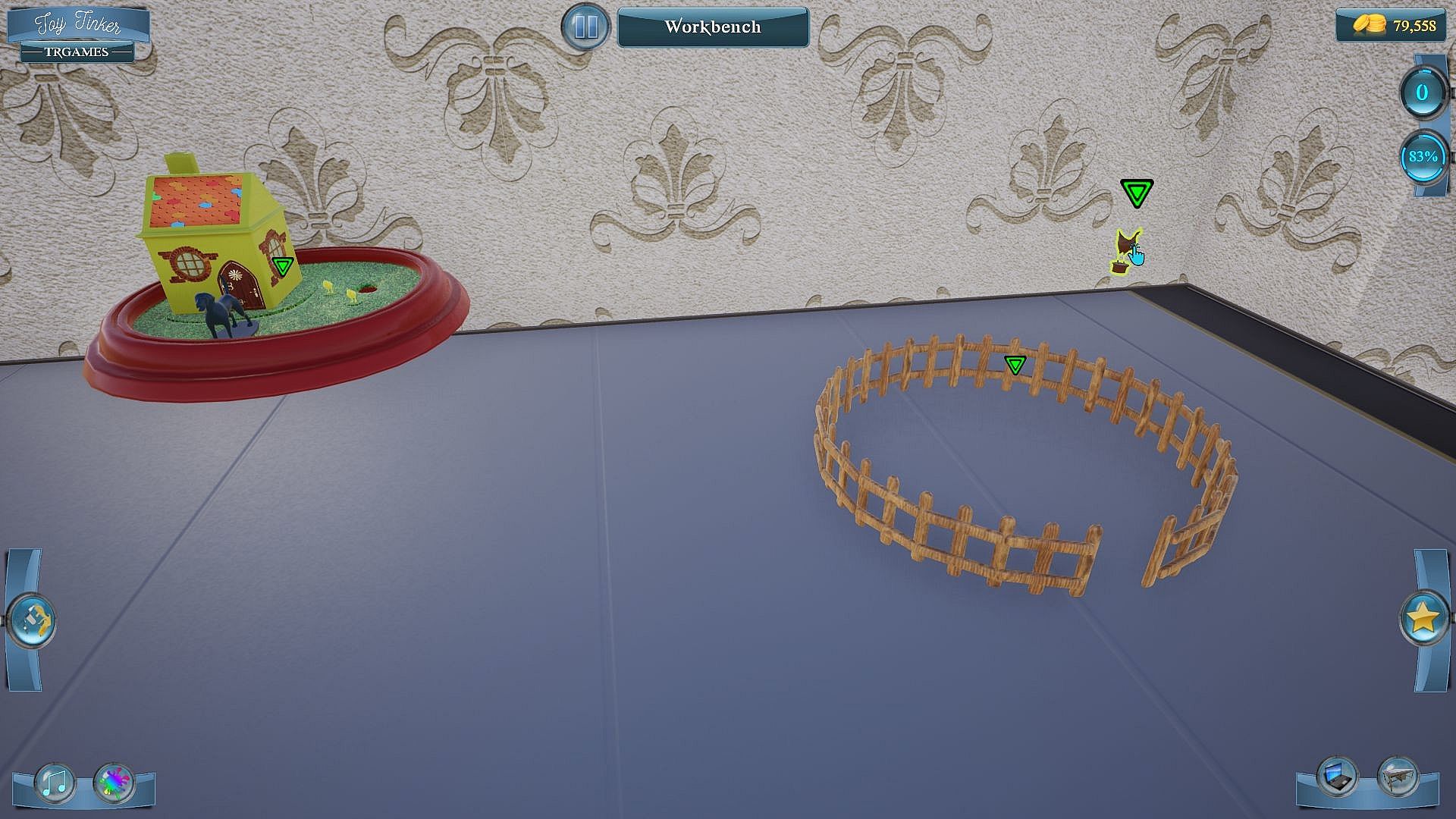
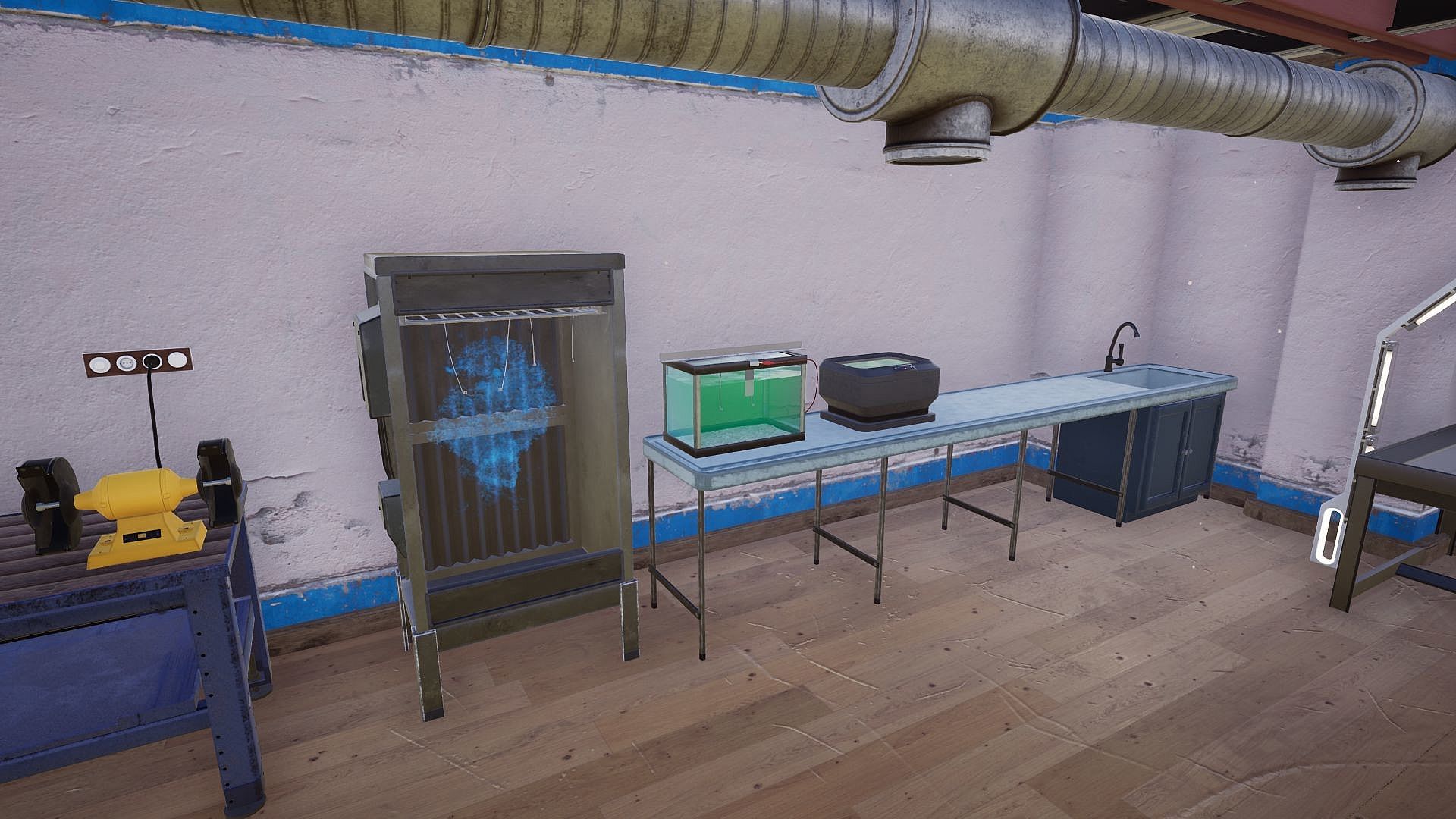
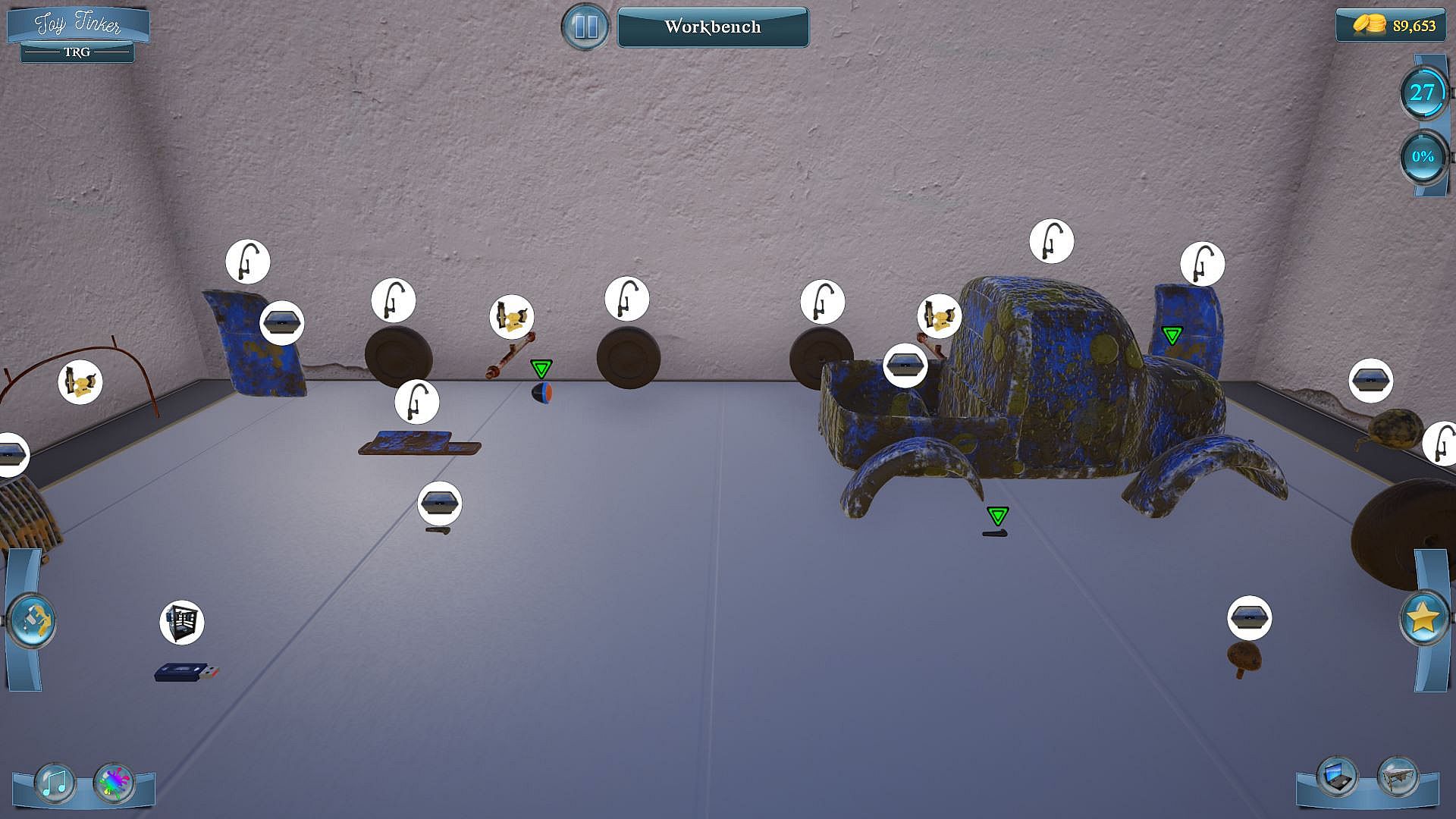
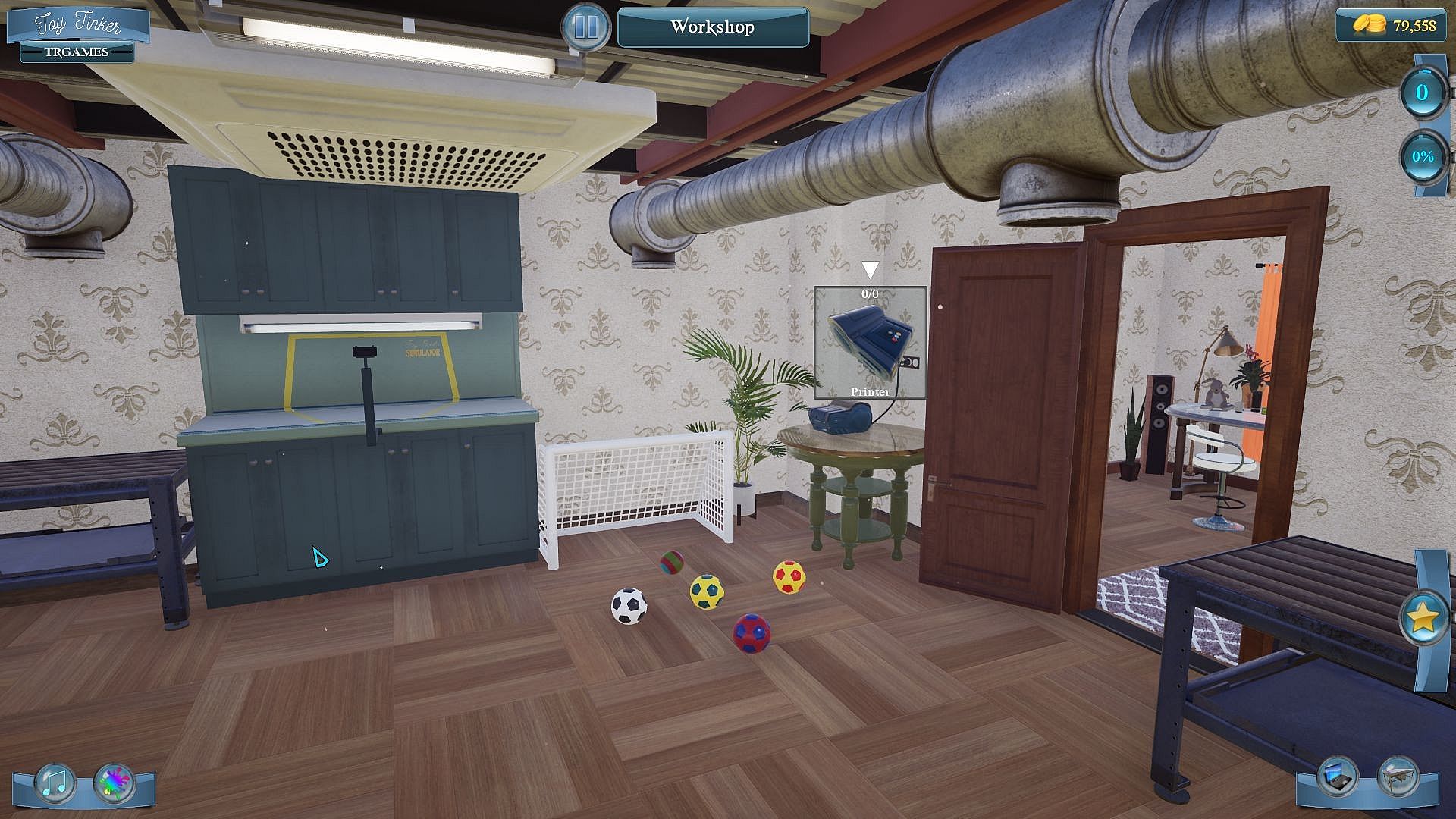
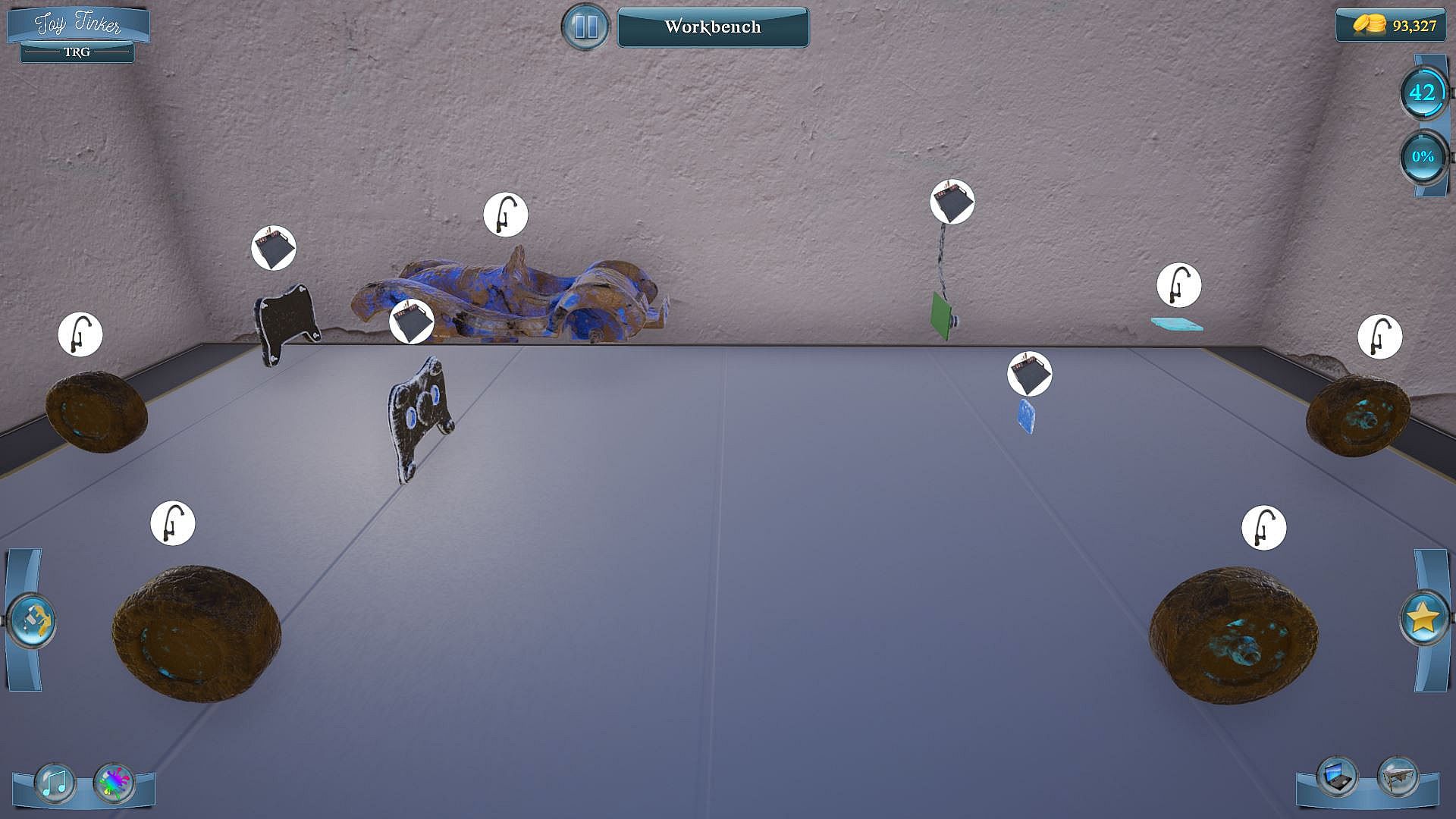
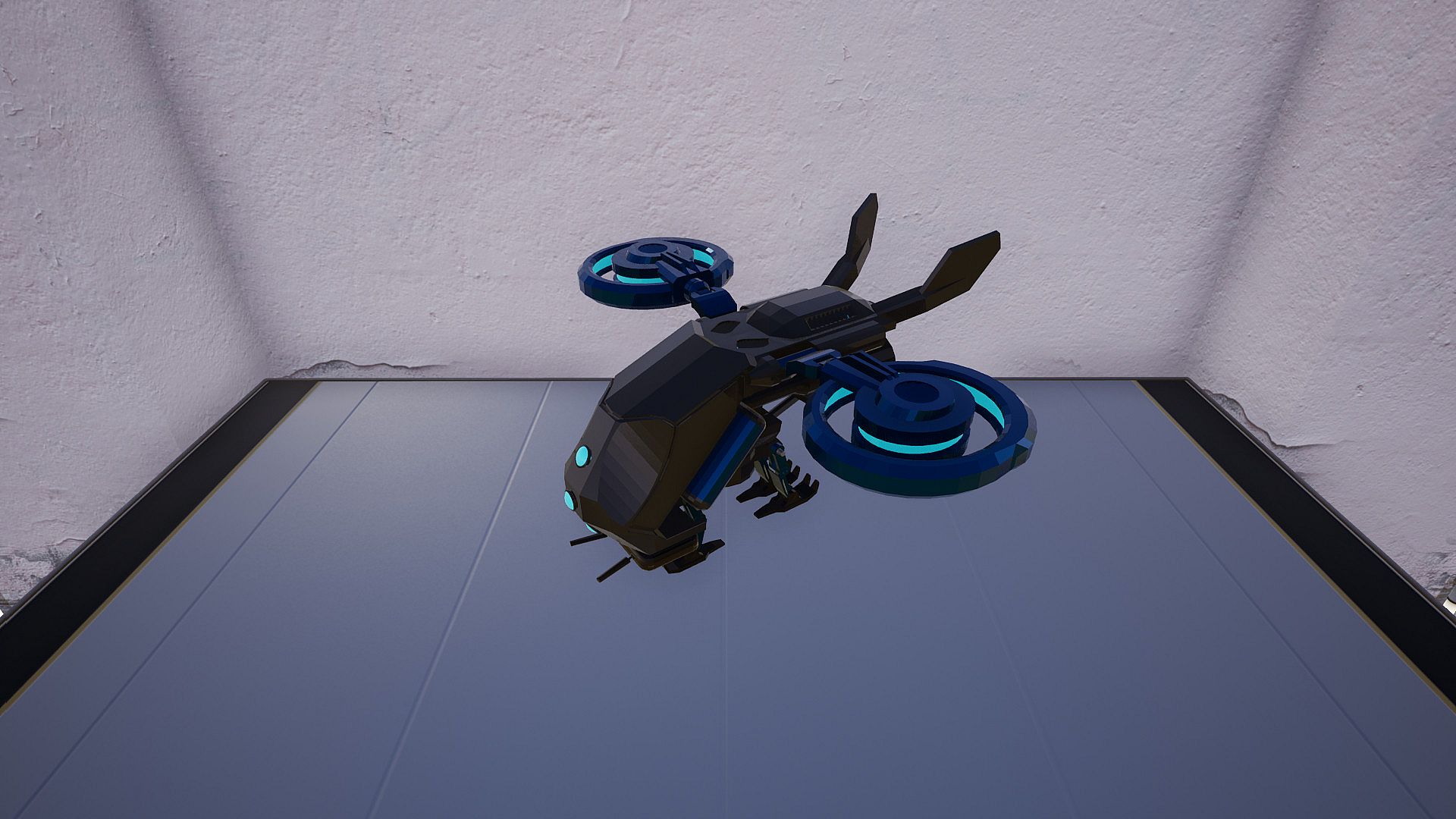
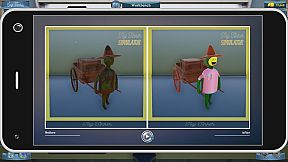
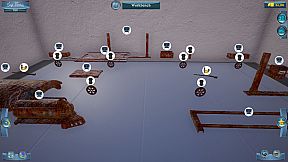
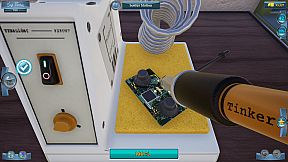
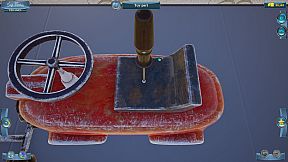
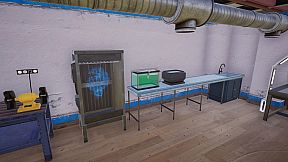
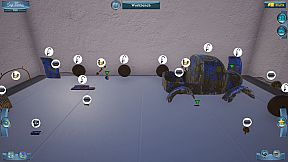
The core loop involves receiving orders for broken toys and carrying out a sequence of repair steps. Players disassemble parts, clean surfaces, apply paint or coatings, sand rough areas, sew fabric sections, and refill stuffing where needed. Each toy requires multiple stages that simulate real restoration work, with tools and equipment unlocked over time to handle different materials and damage types. Before and after photos document the transformation, providing a visual record of completed jobs.
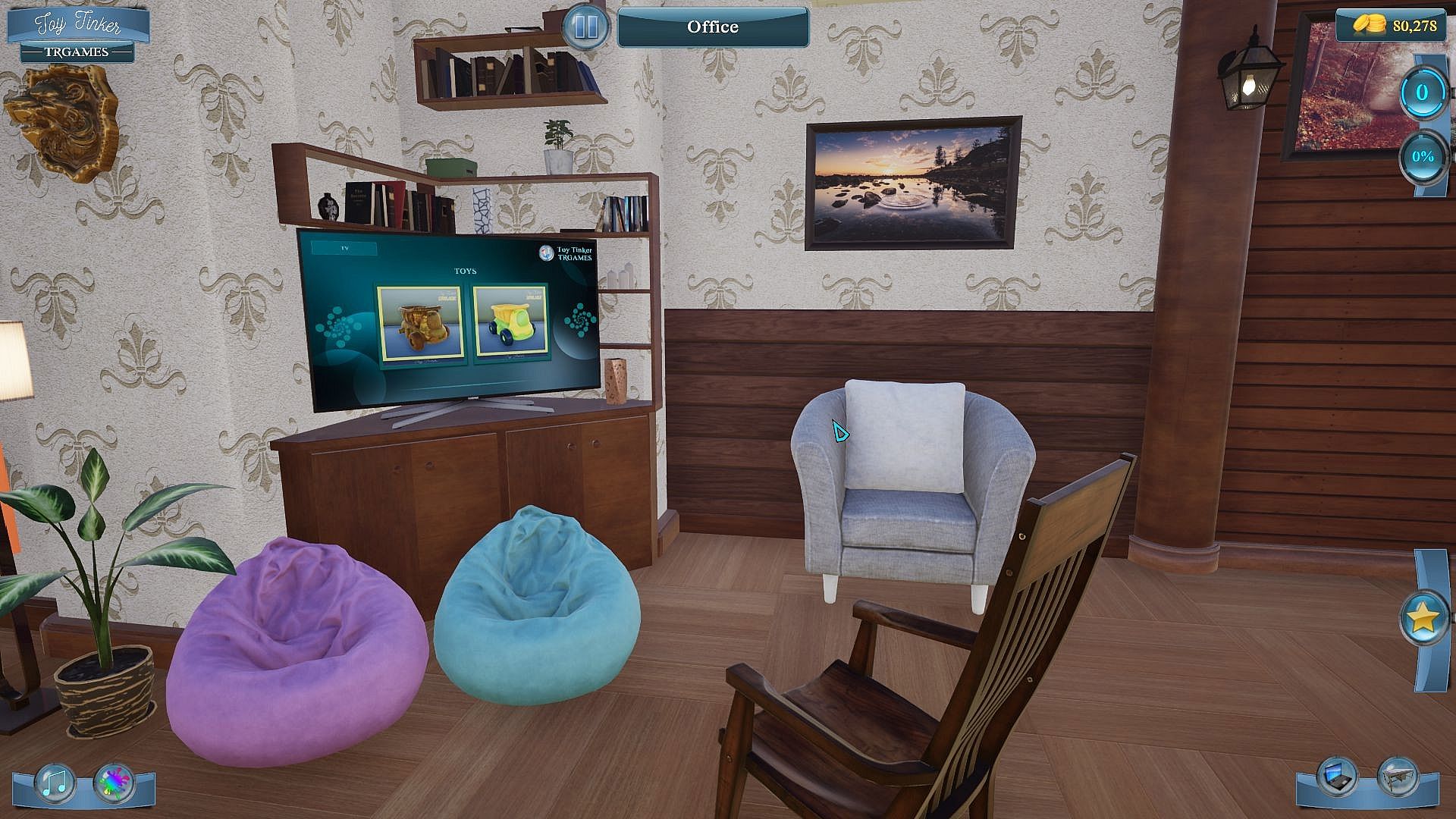
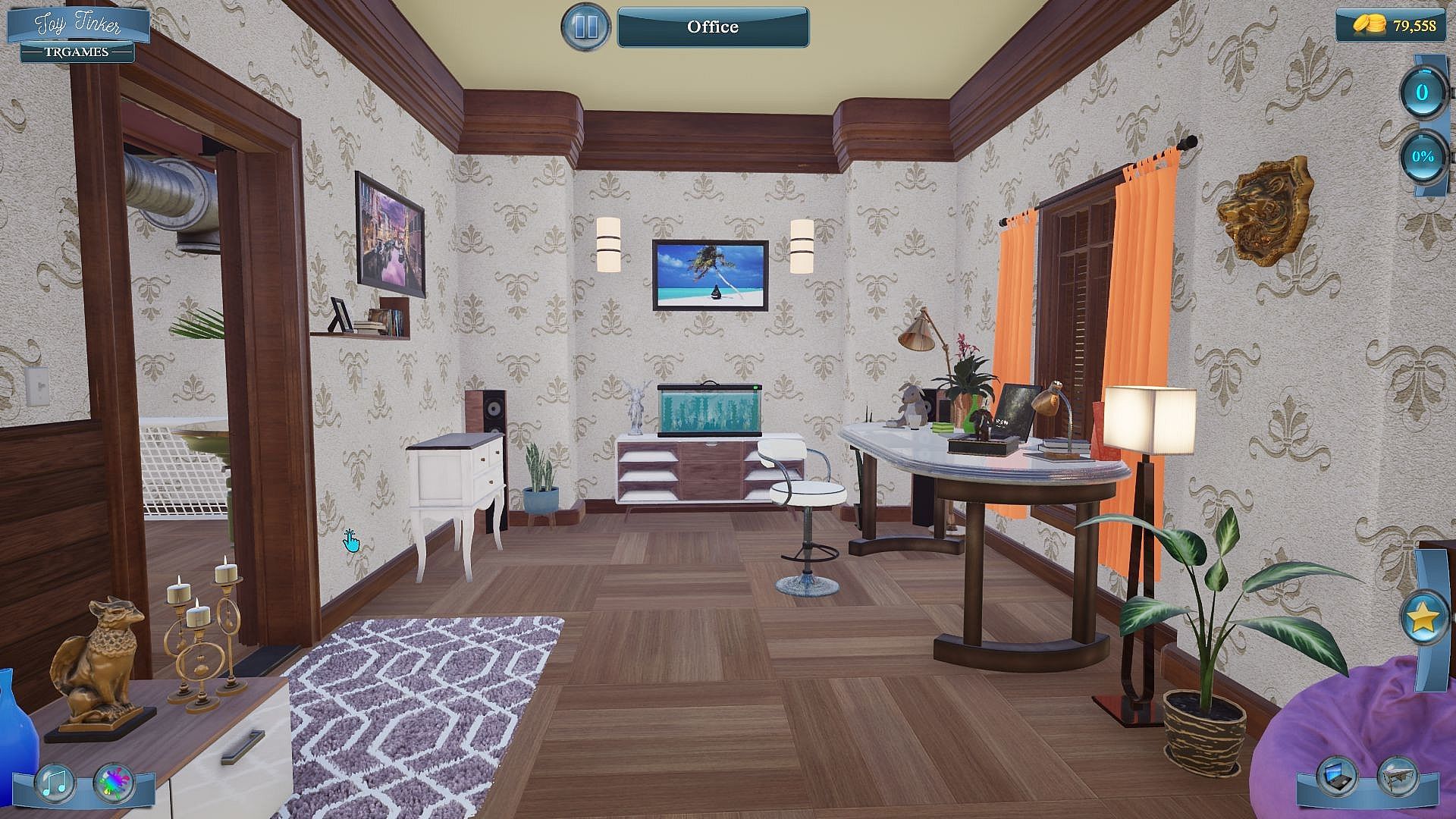
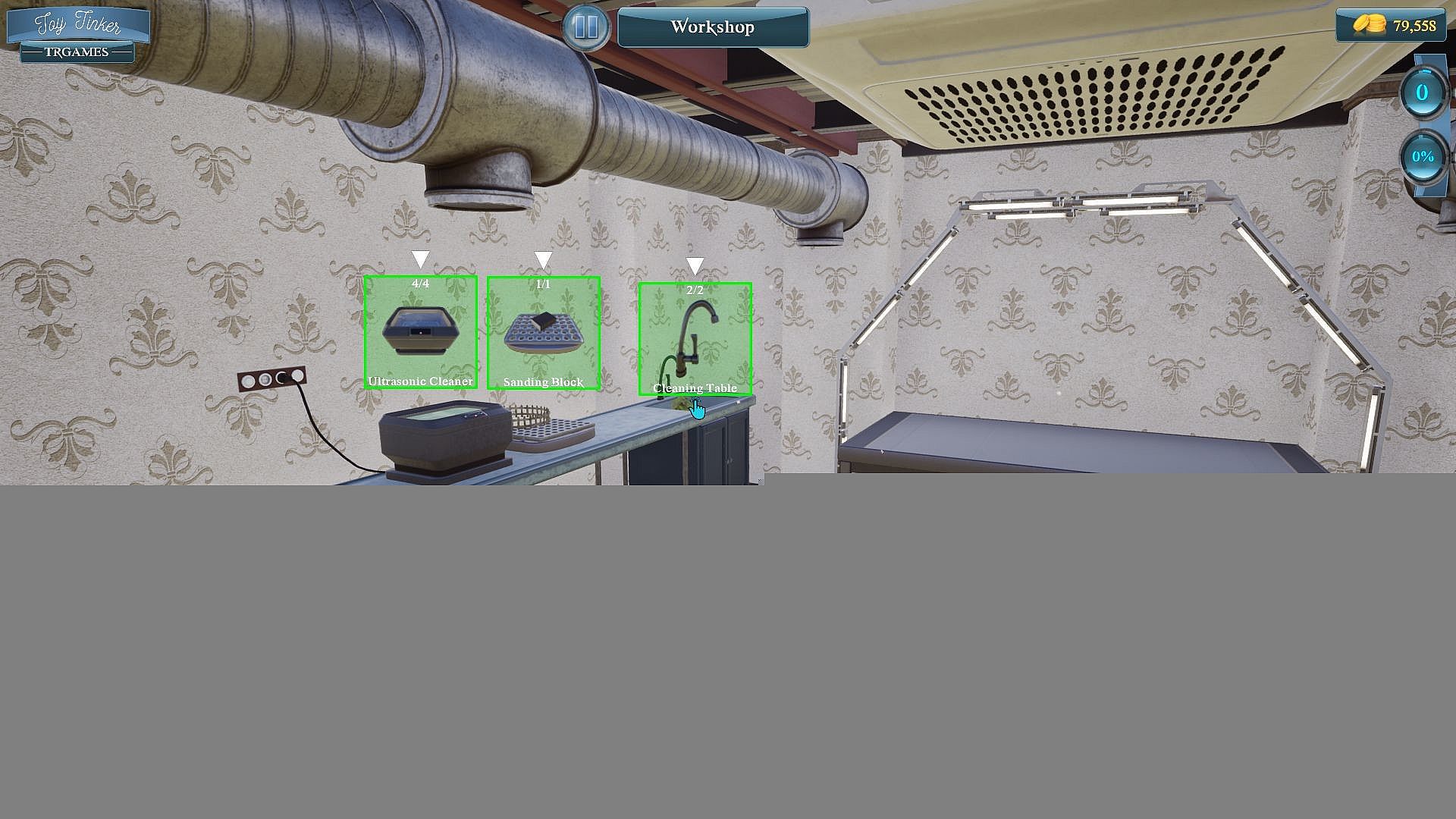
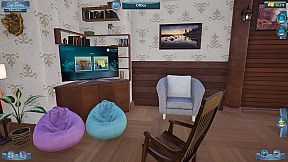
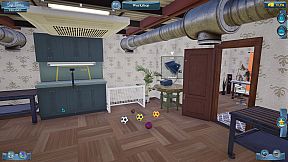
Earning money and experience from repairs allows expansion of the workshop. New tools improve efficiency on specific tasks, while furniture and decorative items let players arrange the office space. Progression ties directly to the number and quality of toys restored, encouraging repeated cycles of disassembly, treatment, and reassembly.
Game Modes
The game operates as a continuous single-player simulation without separate named modes. All activity flows through the central repair workflow, which expands naturally as the player levels up. Early sessions focus on basic cleaning and painting tasks, while later stages introduce more complex assembly and specialized treatments for unique items.
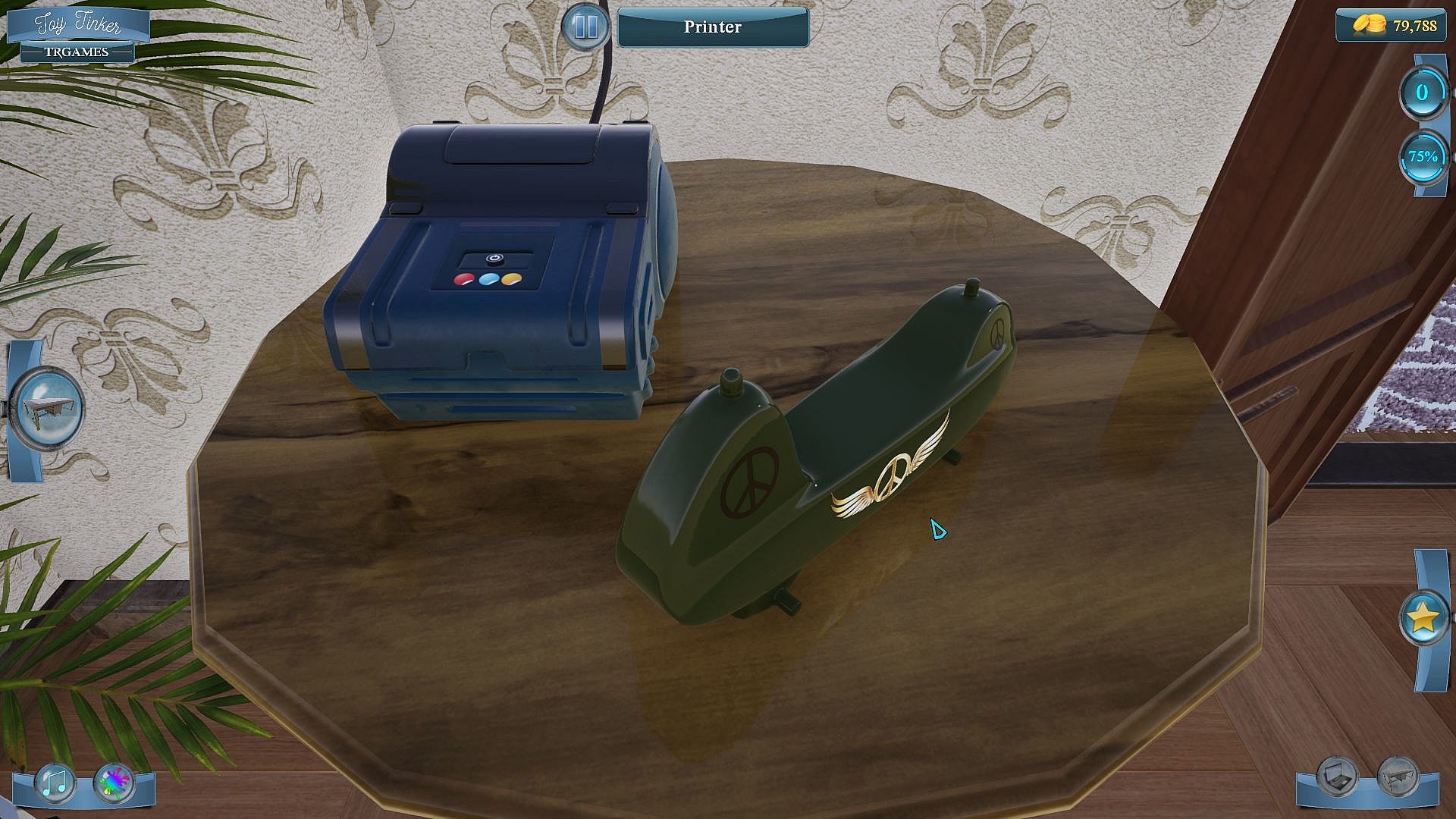
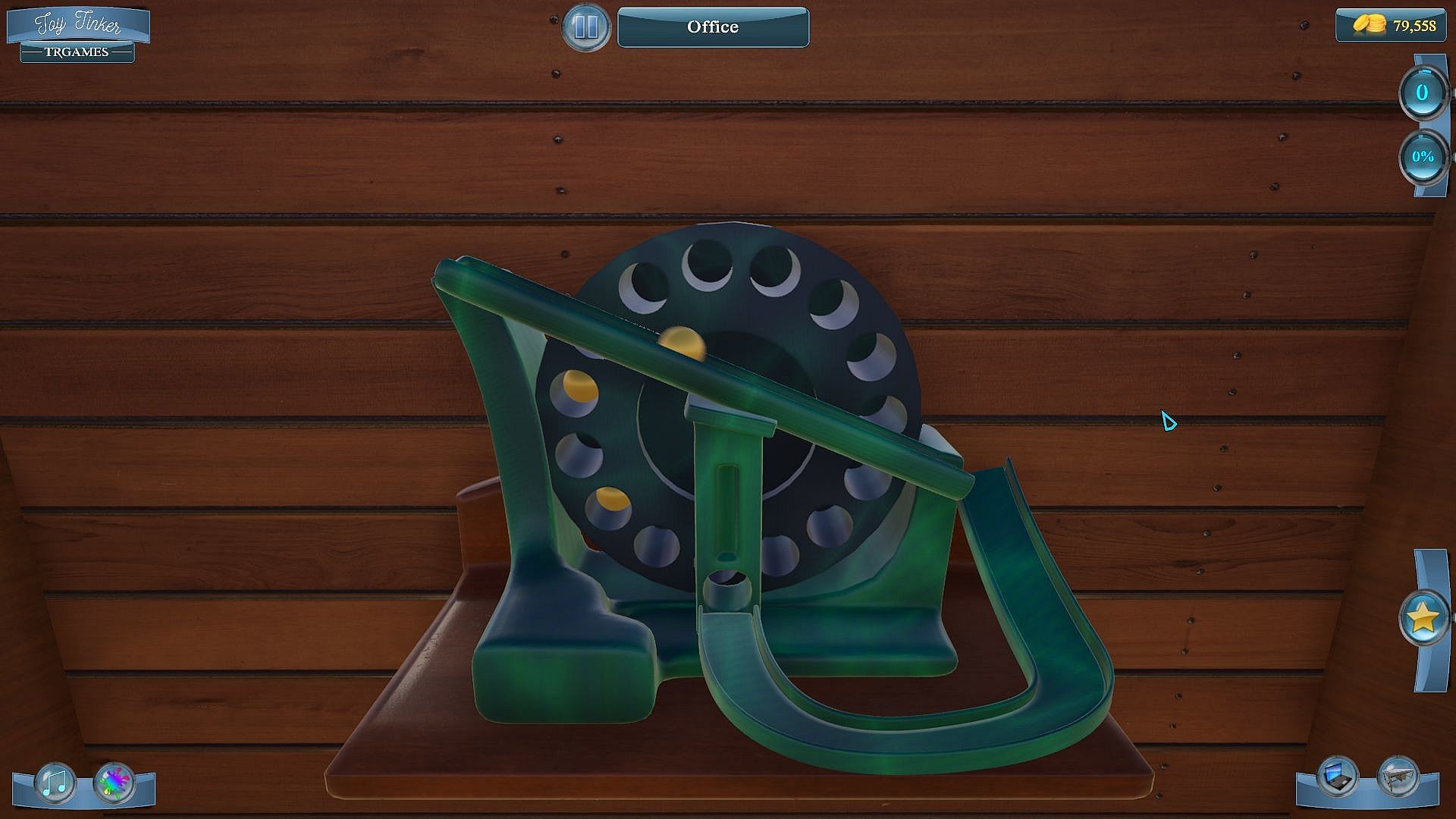
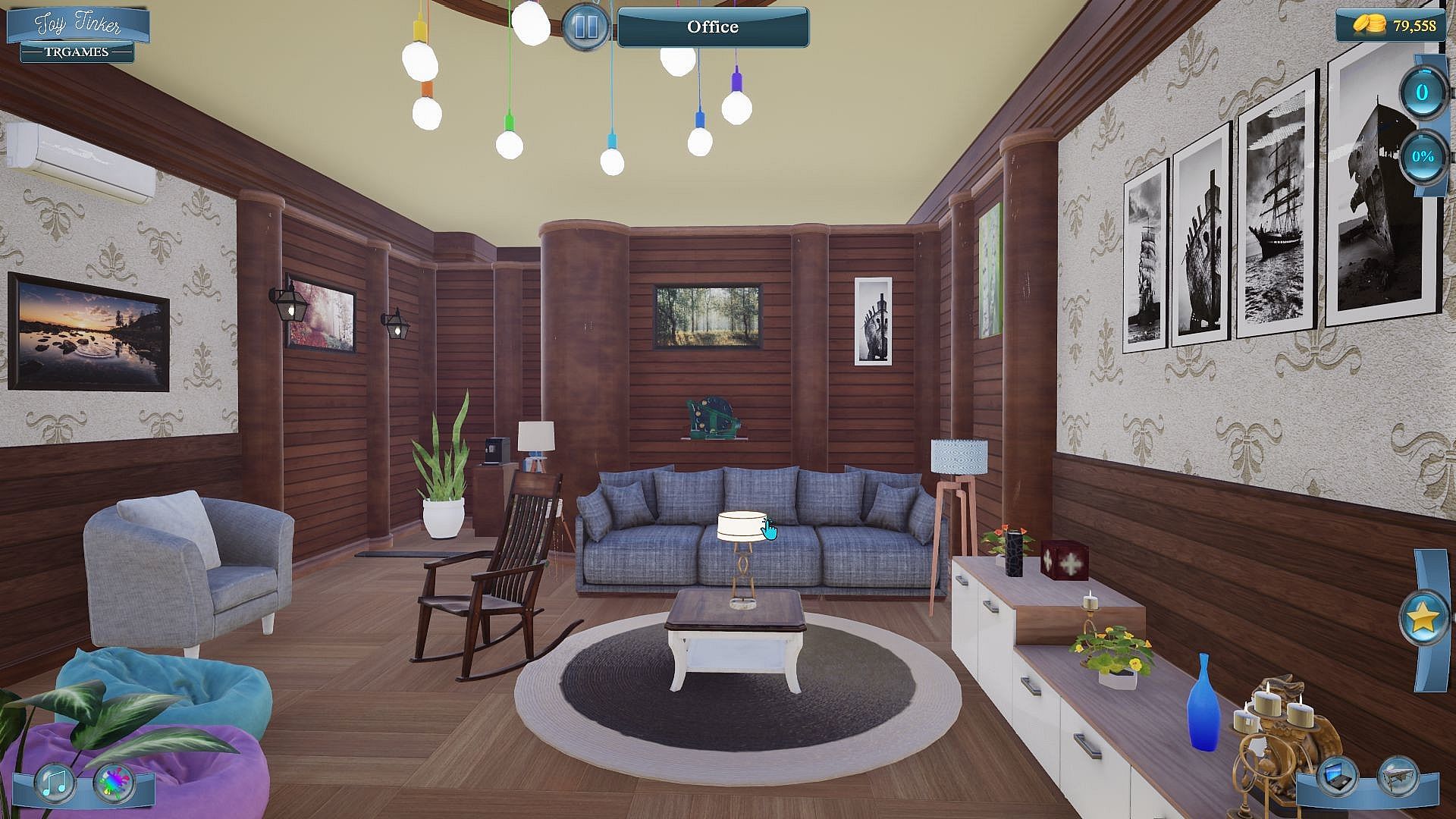
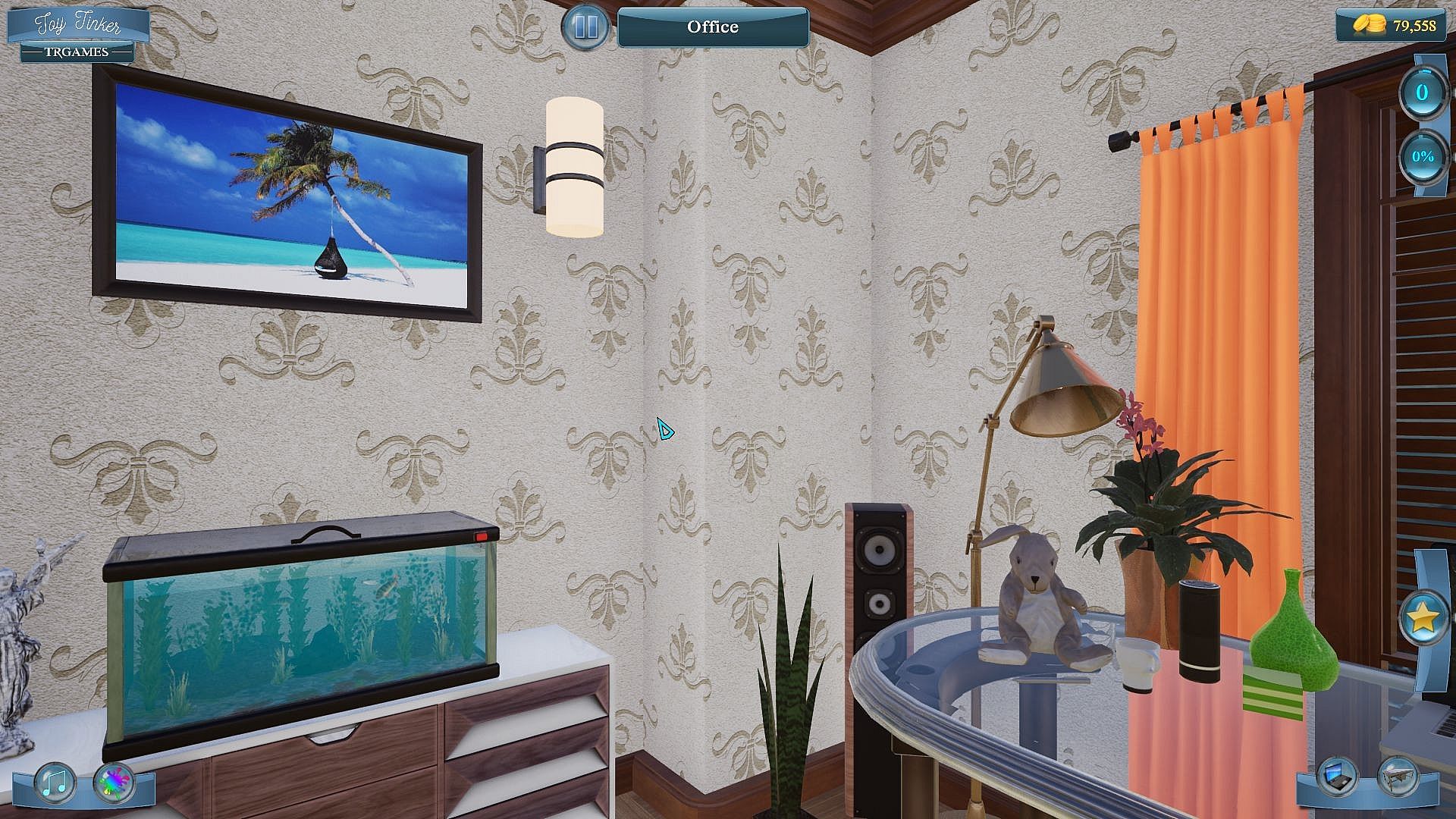
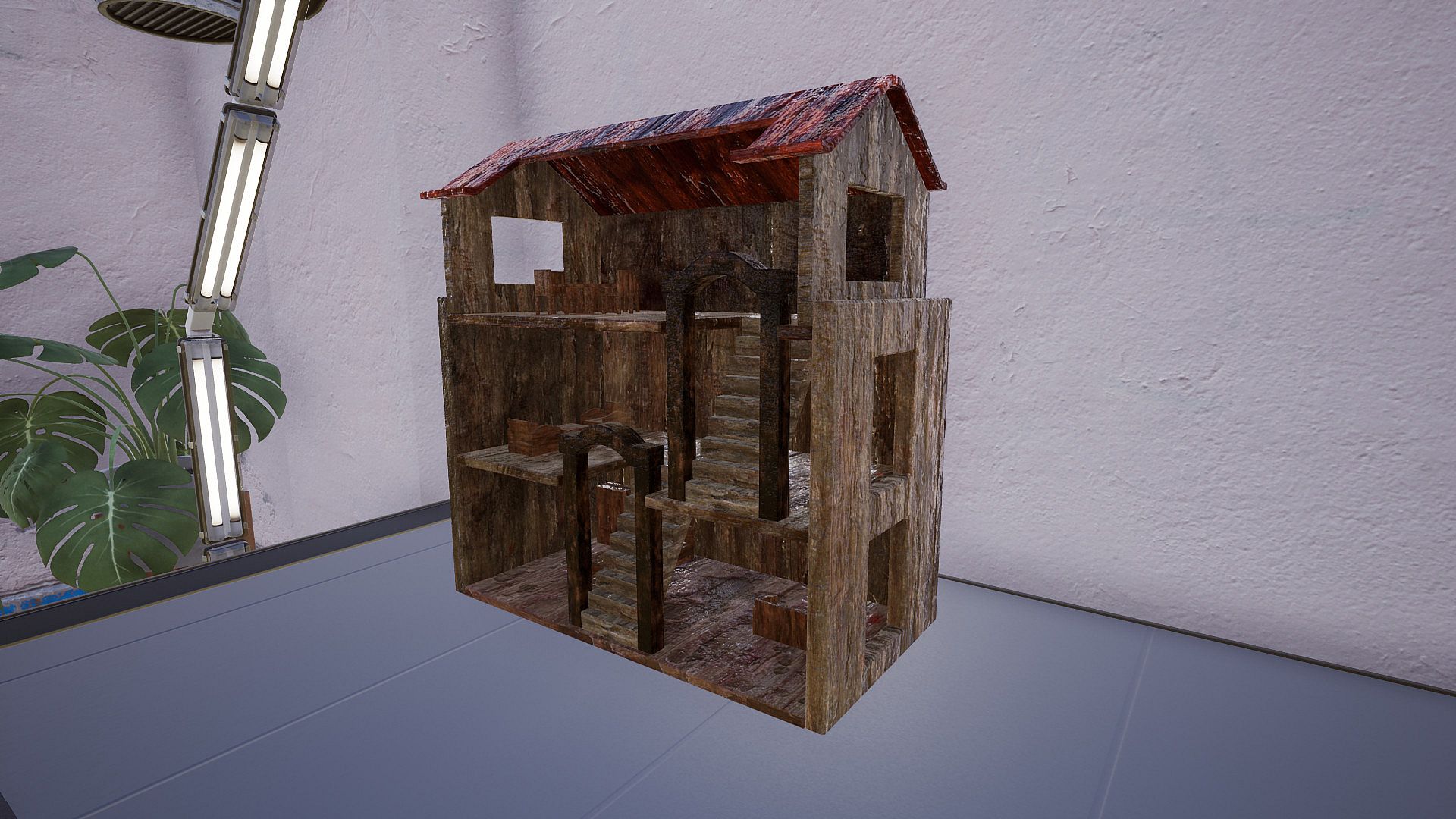
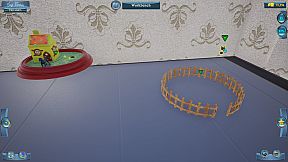
Office customization runs parallel to repairs, offering a separate layer of activity where players spend earnings on layout changes. Museum building forms another progression path, where restored toys are placed in acquired buildings that players design. These elements integrate into the main loop rather than functioning as isolated modes, creating a steady rhythm of work, investment, and expansion.
Progression and Customization
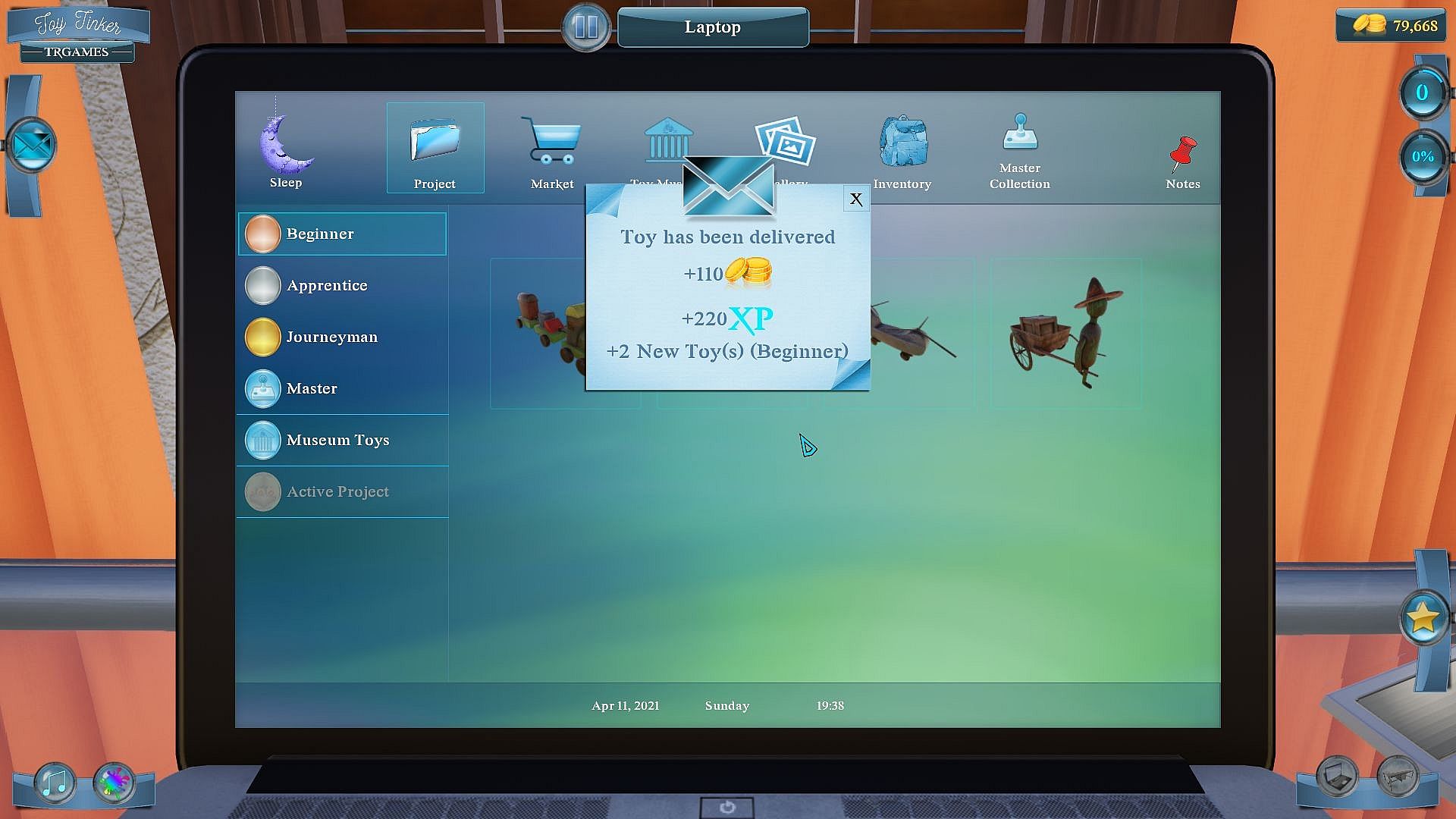
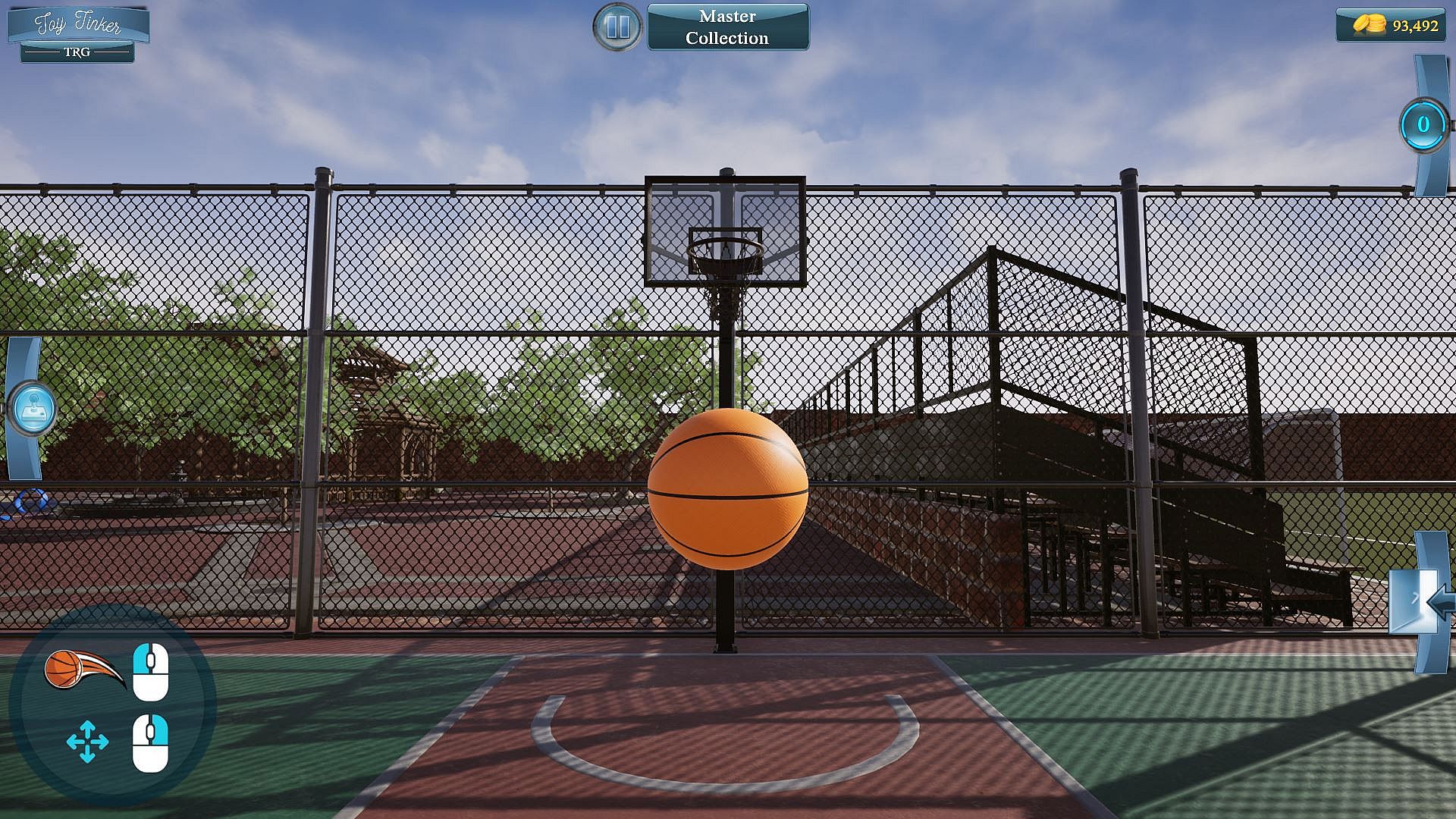
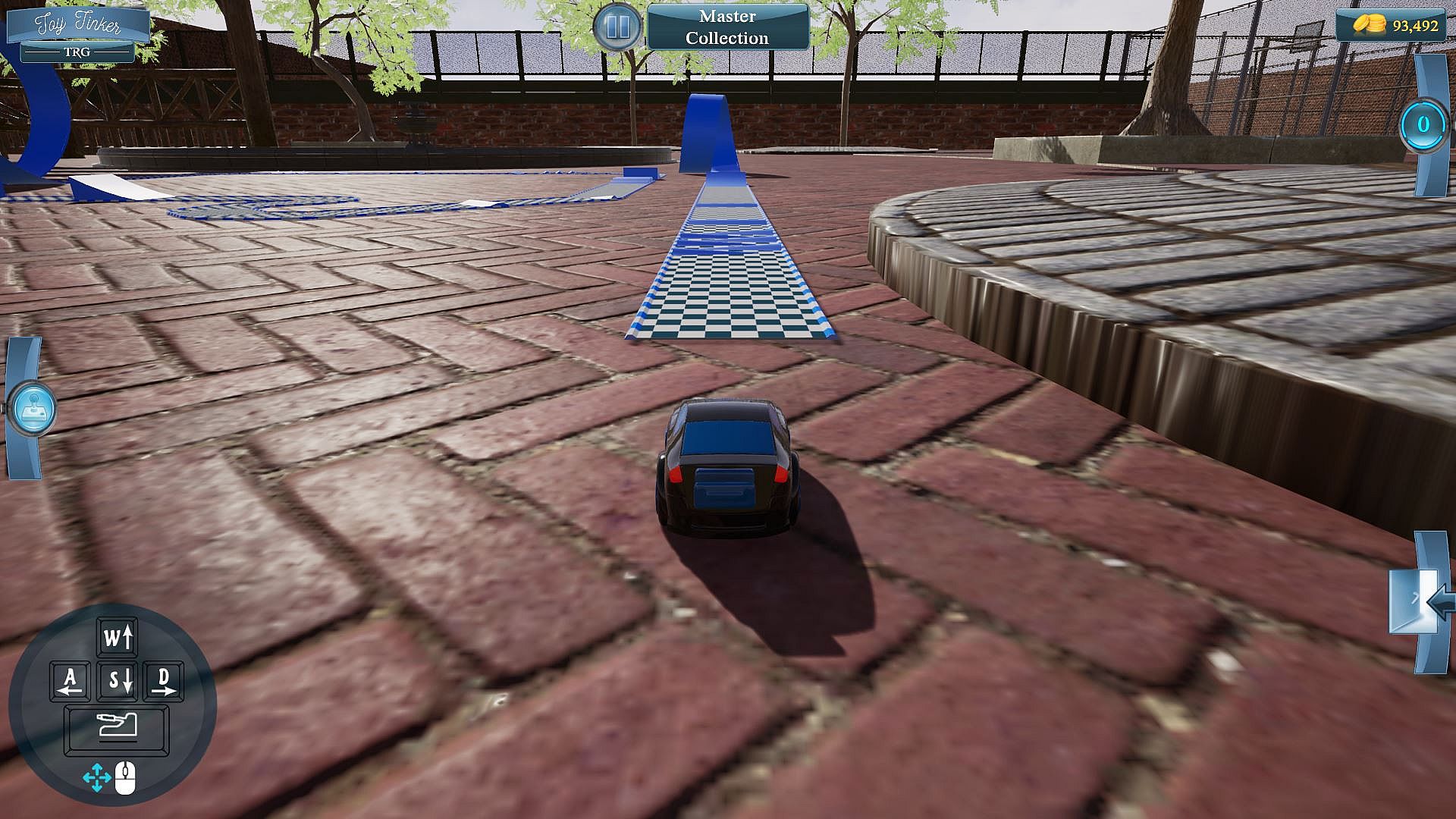
Leveling occurs through successful deliveries and accumulated experience. Higher levels unlock master-level toys that players can interact with after repairs. These special items add variety to the routine once the basic workflow is established.
Workshop upgrades include both functional tools and aesthetic choices. Players select carpets, paintings, plants, and other furnishings to shape their environment. The same approach applies to museum spaces, where unique restored toys are displayed in newly purchased buildings that receive their own decorative treatments.
Is It Worth Playing?
Toy Tinker Simulator suits players who enjoy methodical, low-pressure simulation experiences focused on restoration and incremental growth. The mixed reception reflects divided opinions on the simplicity of the interaction, with some appreciating the relaxing pace and others noting repetition in the clicking mechanics.
Those drawn to cozy management games that emphasize visual progress and creative decoration may find the steady repair cycle satisfying. The game remains available as a complete title with no ongoing seasonal content or major updates required for the core experience. It appeals most to fans of straightforward indie simulators who value the satisfaction of turning worn toys into presentable pieces over complex systems or competitive elements.