




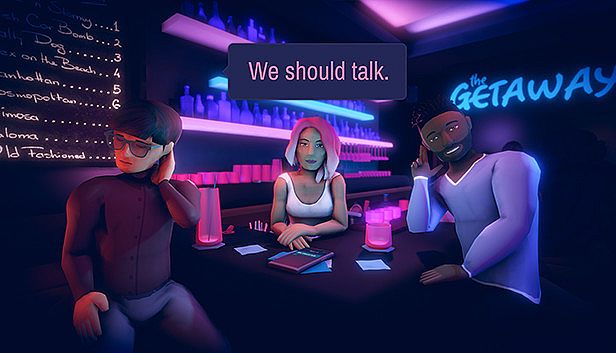


















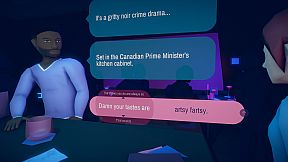


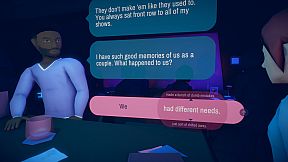
We should talk. is an indie casual simulation game centered on the nuances of communication and relationship management. Players navigate a single evening through text messages with a partner named Sam and conversations at a local bar, using a distinctive sentence-building system to shape every exchange. The experience emphasizes thoughtful word selection and its consequences on emotional connections, making it a focused narrative title rather than a traditional simulation with expansive systems.
Gameplay
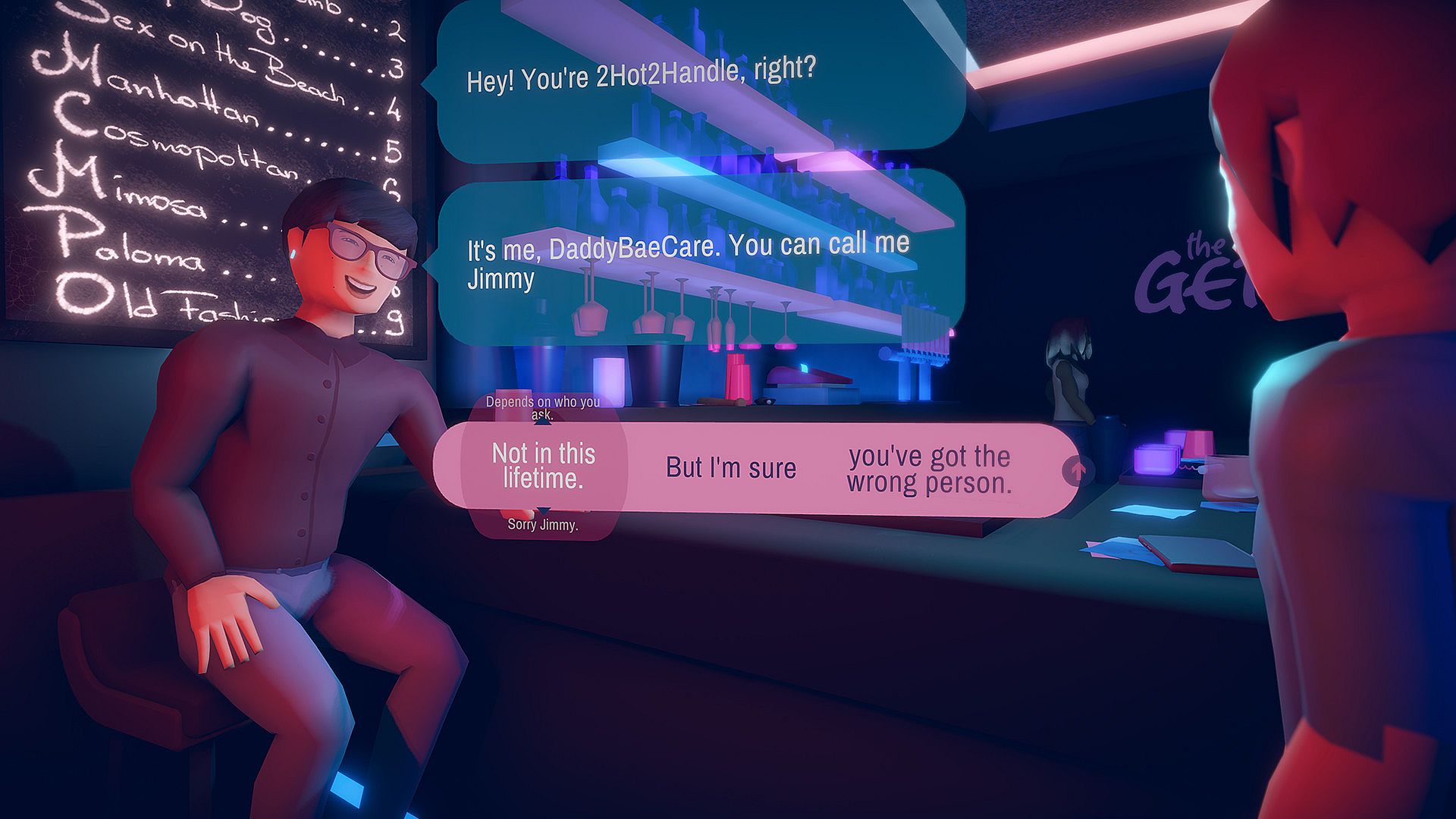
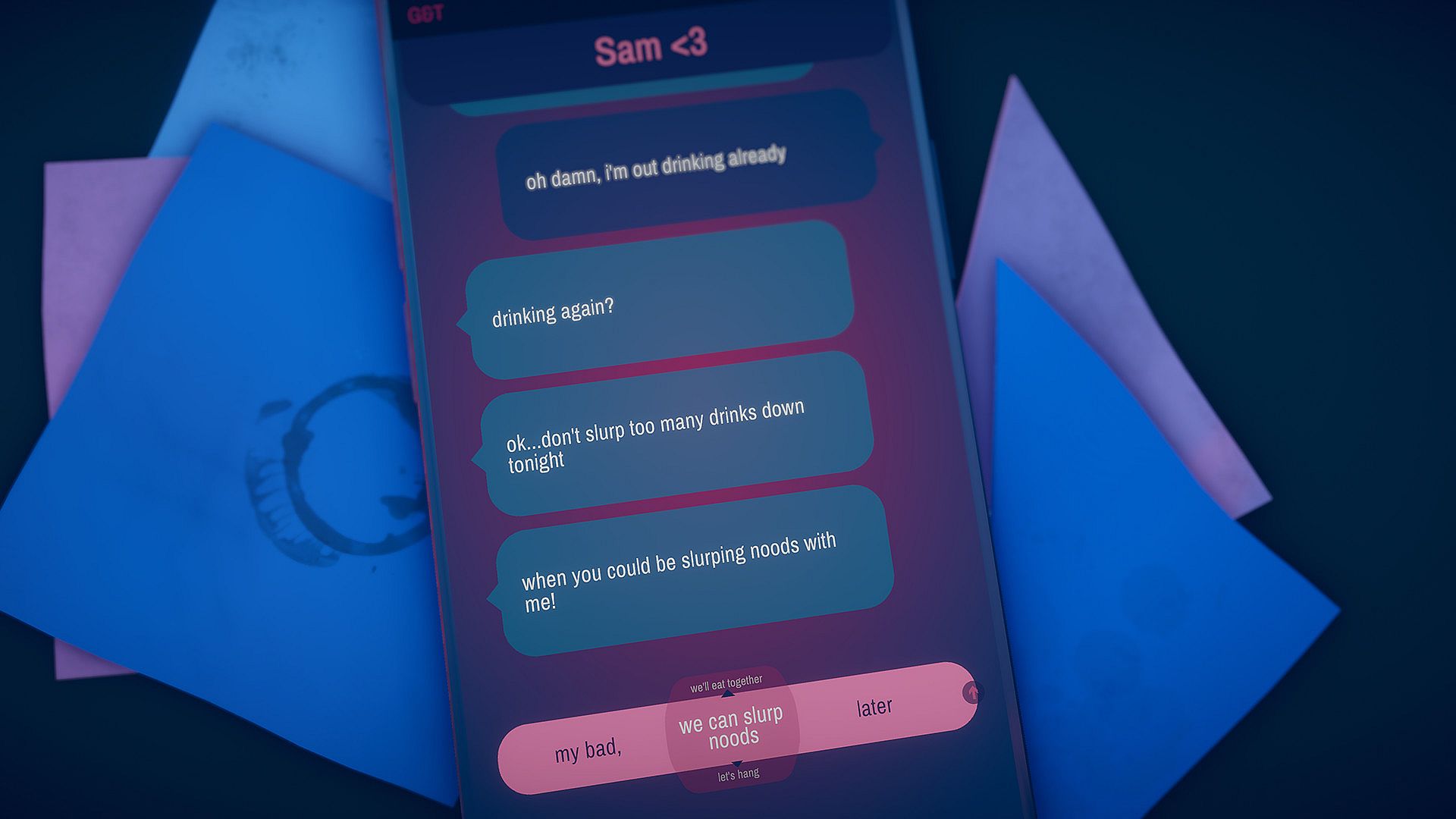
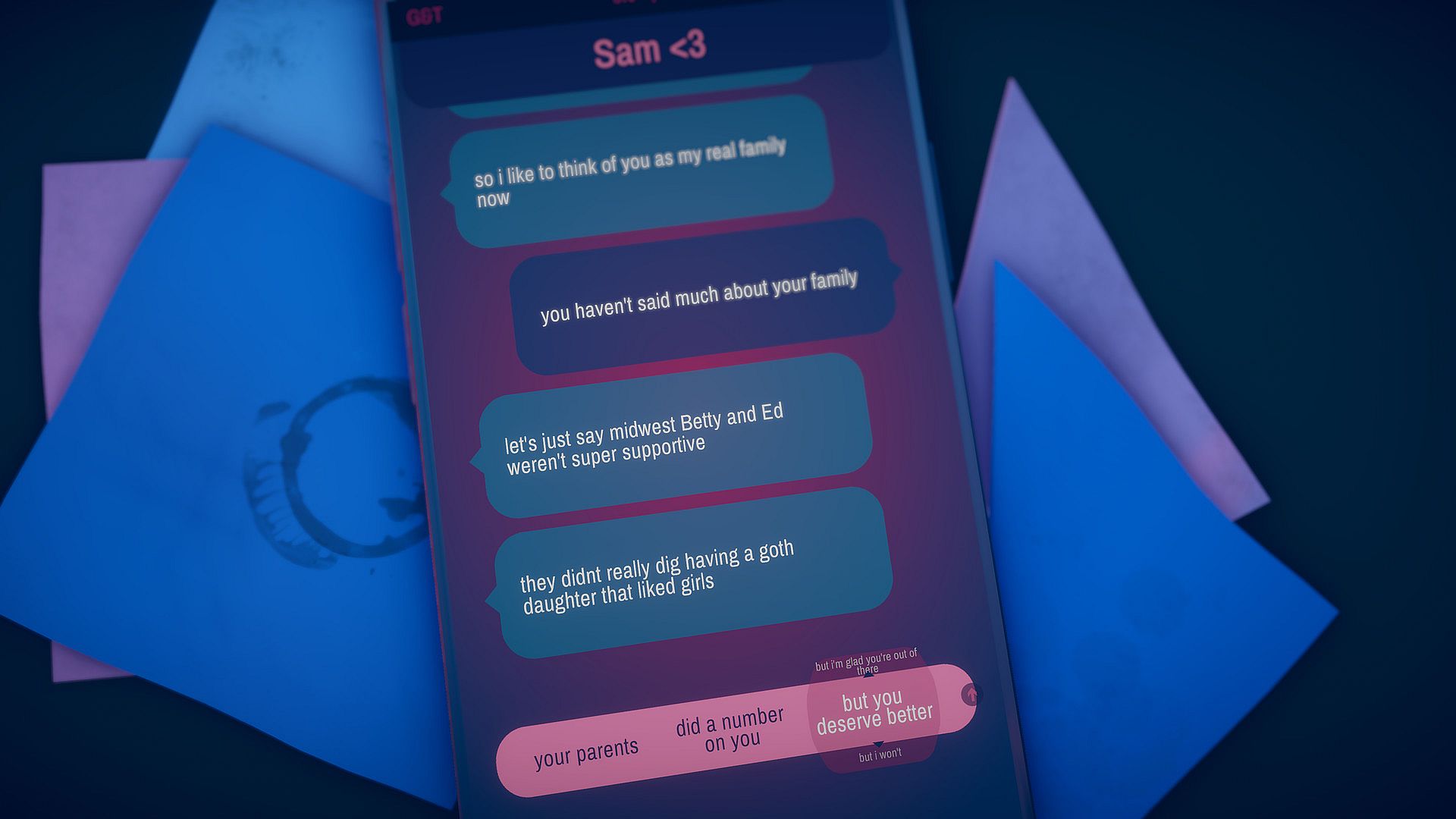
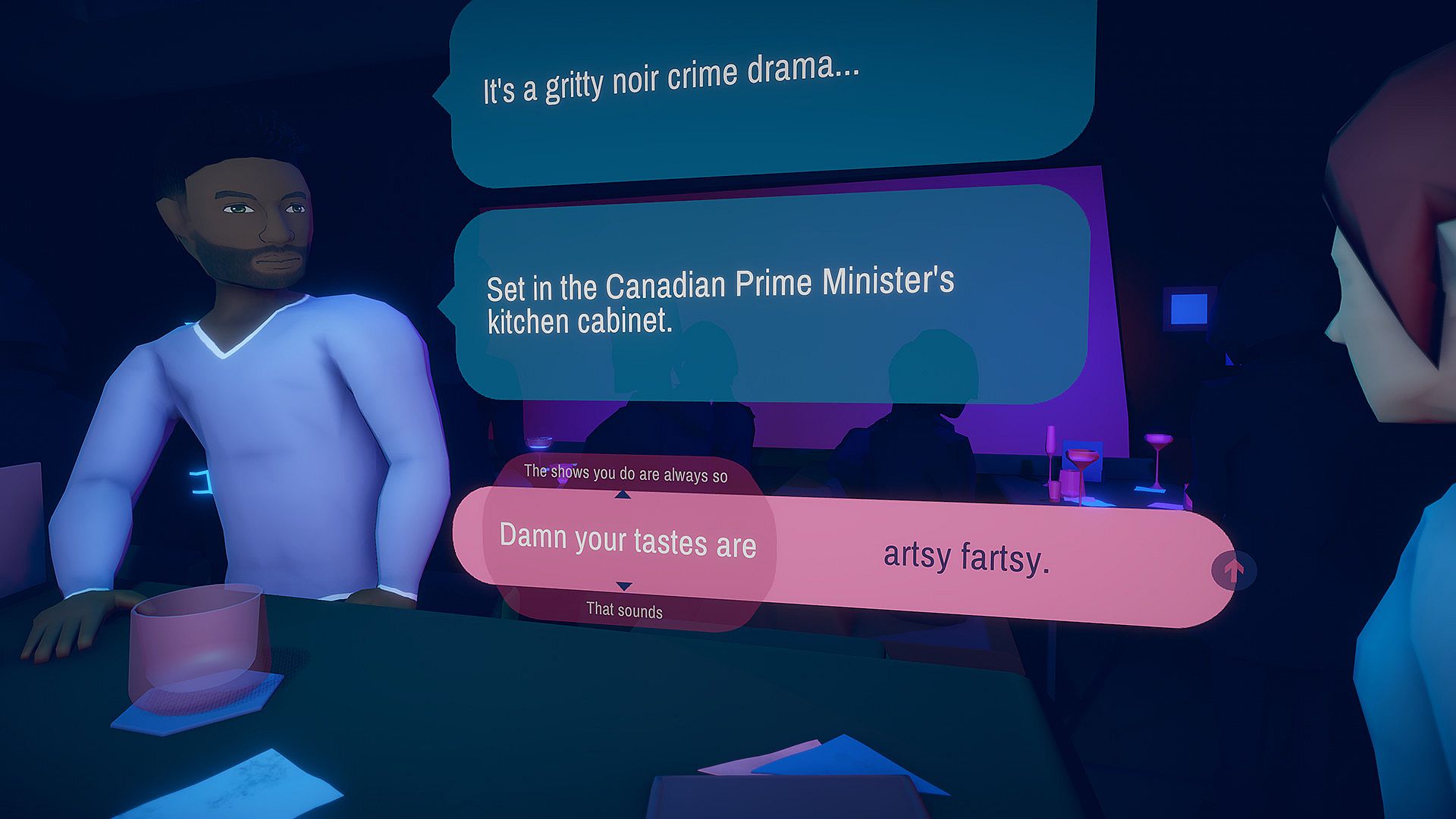
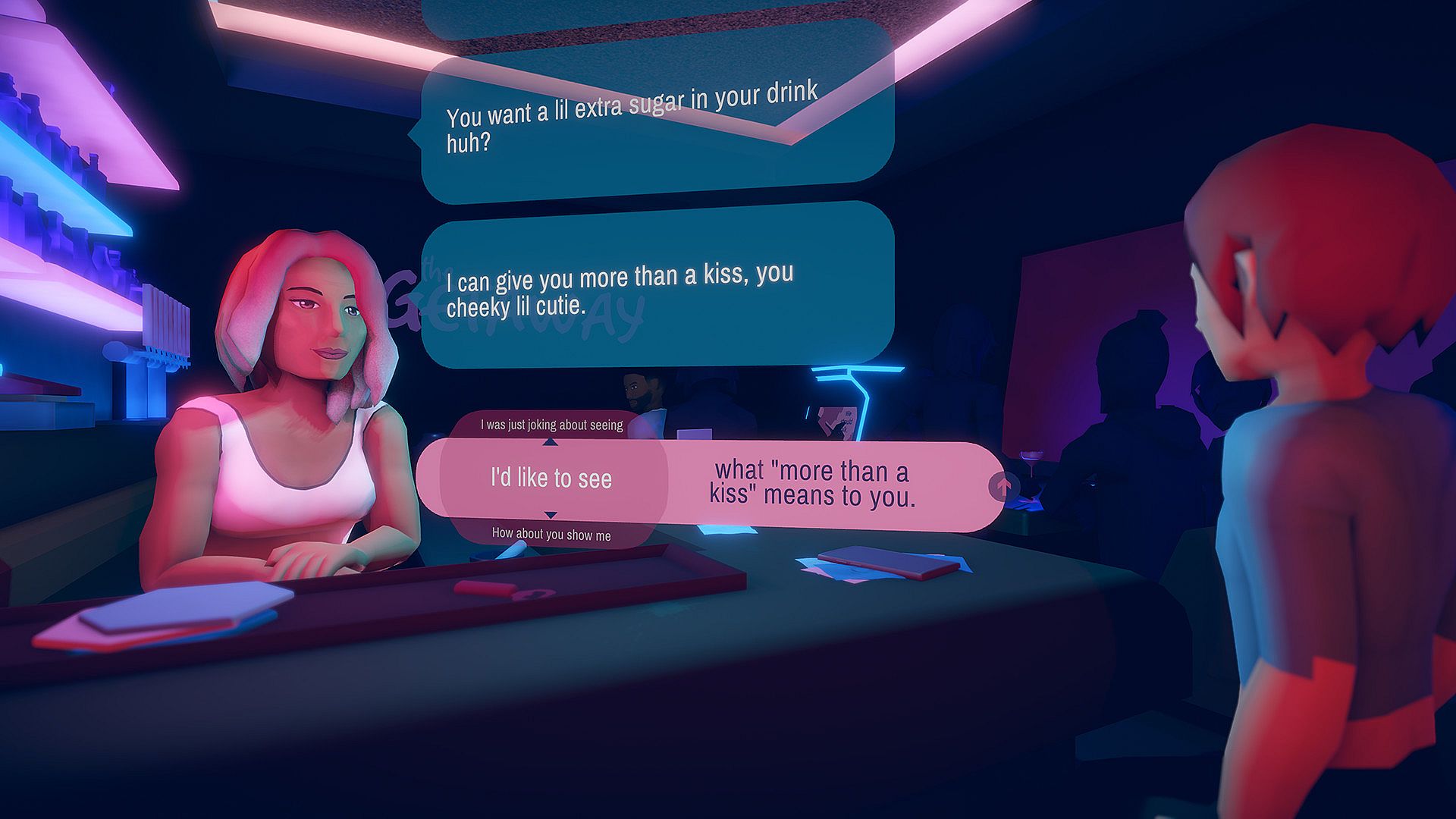
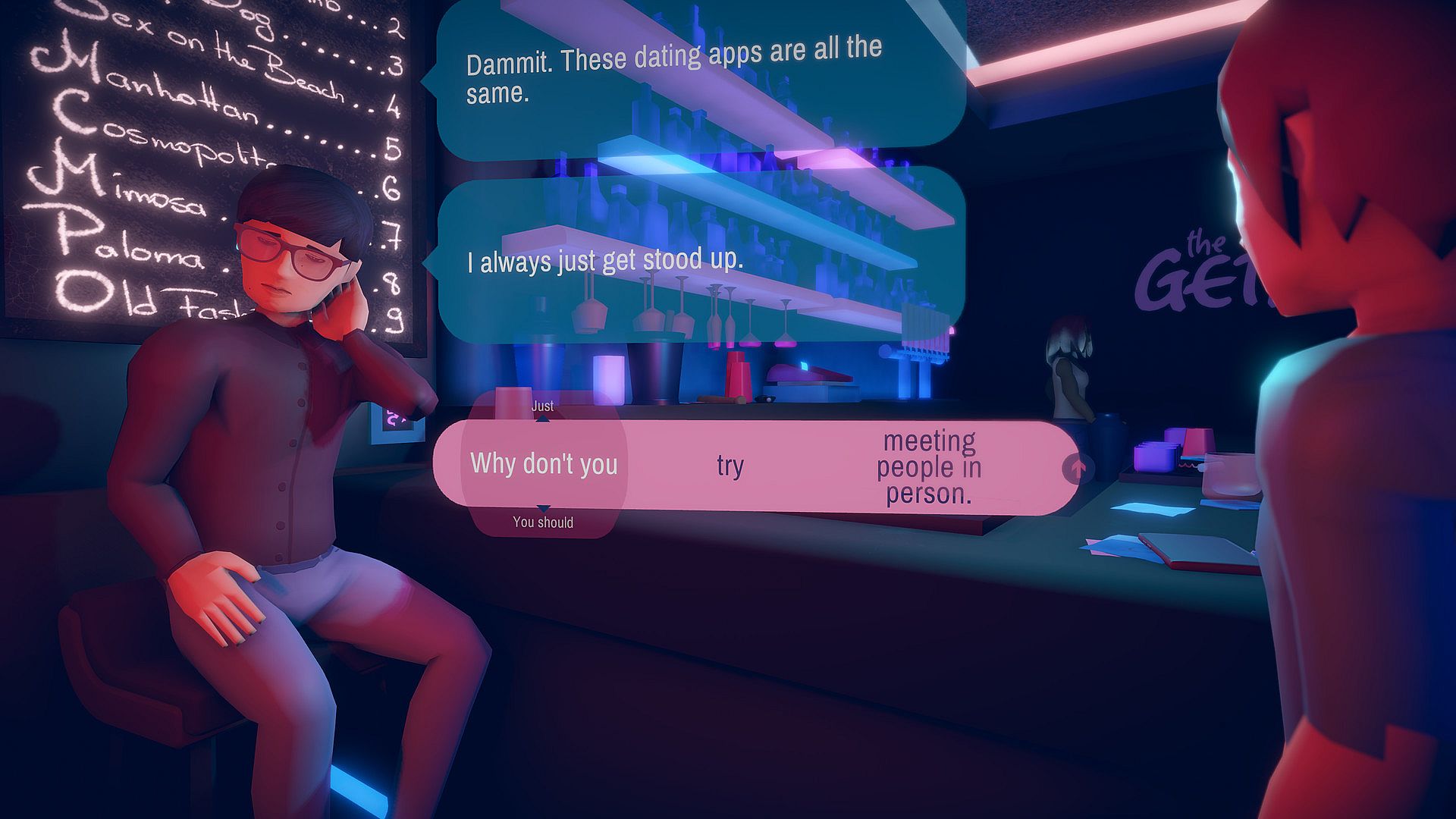
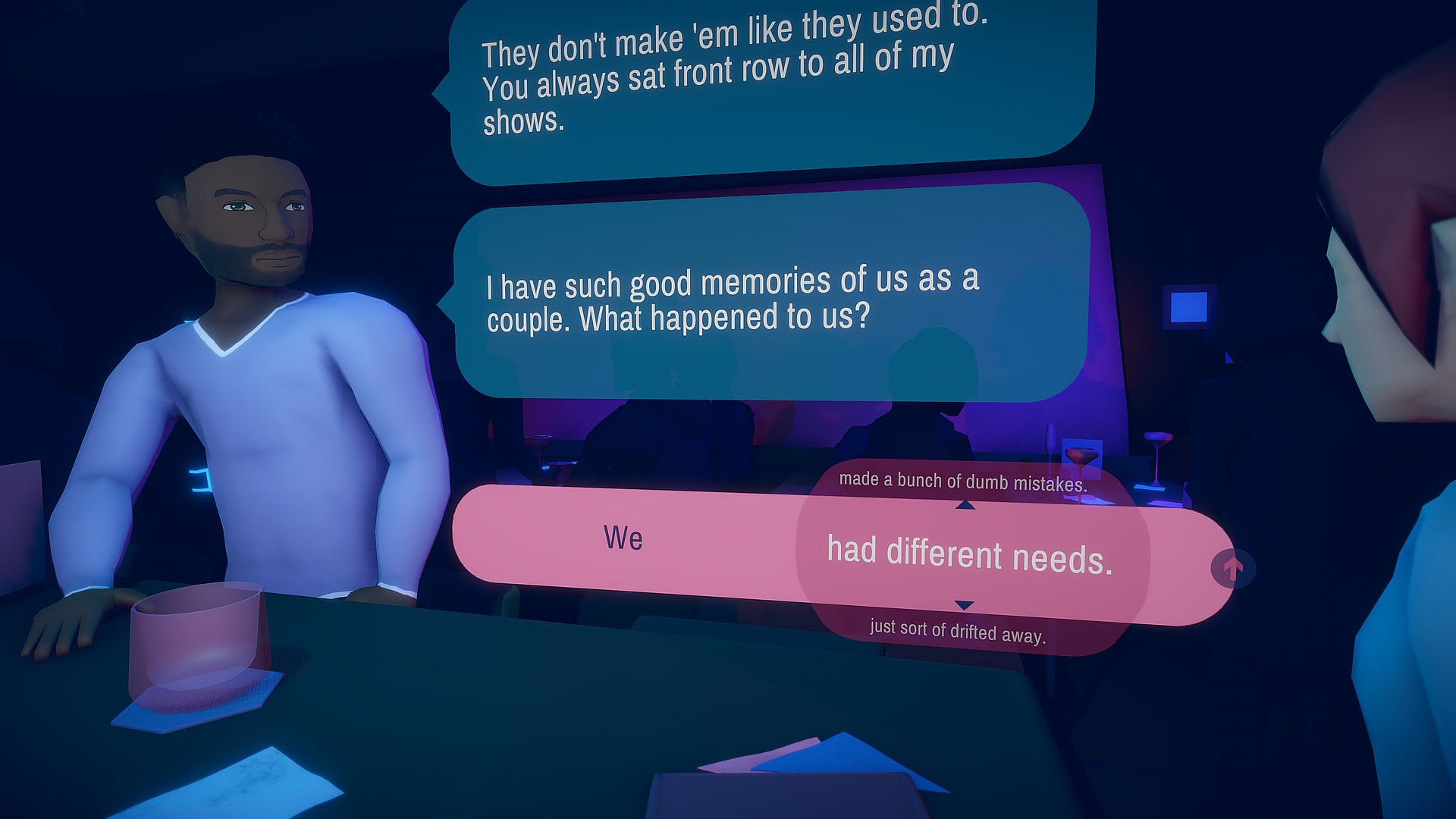
The core loop revolves around the sentence spinner, a tool that lets players assemble responses from modular phrases in reply to incoming texts or spoken dialogue. Choices influence how characters perceive the player and alter the flow of each interaction, whether discussing life challenges with Sam or engaging with friends and strangers at the bar. Balancing attention between phone messages and in-person chats adds a layer of tension, as neglecting one side can shift the tone of ongoing talks. The system captures realistic emotional beats, from light teasing among acquaintances to the unease of a serious text or the awkwardness of an unwanted advance. Outcomes depend on the overall tone expressed across responses rather than isolated decisions, creating a cohesive feel to the night's events.
Game Modes
There are no separate game modes or multiplayer elements in We should talk. The entire experience unfolds as a single-player narrative session set over one evening. Replay value comes from experimenting with different communication styles, such as being accommodating, flirty, or distant, which open varied conversational branches. These paths lead to distinct conclusions based on the cumulative tone rather than linear routes, encouraging multiple playthroughs to explore how relationships evolve by the end of the night.
Characters and Conversations
Unique individuals populate the bar, each bringing distinct personalities that react dynamically to the player's phrasing. Friends provide opportunities for casual banter while strangers introduce unexpected dynamics that test conversational boundaries. At home, Sam remains a constant presence through text, with exchanges that reflect ongoing issues in the relationship. The interplay between these elements highlights the challenge of maintaining genuine connections amid divided attention, with responses carrying the risk of misinterpretation even when intentions seem clear.
Multiple Endings and Replayability
Nine possible endings await depending on the tone conveyed throughout the session. These conclusions evaluate the state of relationships at the close of the night rather than following rigid story branches. Players can approach each run by staying true to their own style or trying entirely new approaches, leading to fresh reactions from every character encountered. The short length supports repeated sessions focused on refining communication choices and uncovering alternate outcomes.
Is It Worth Playing?
We should talk. suits players interested in narrative-driven experiences that prioritize dialogue mechanics and emotional realism over action or progression systems. Its concise format delivers a complete story in a single sitting while offering enough variety in tone and responses to justify additional playthroughs. The sentence spinner provides a fresh way to engage with choices, and the focus on real-world conversational risks resonates with those who appreciate thoughtful simulations of personal interactions. Reception highlights the dialogue system's ability to make players reflect on their word choices, positioning the game as a worthwhile pick for fans of indie narrative titles seeking something brief yet impactful. No ongoing updates or seasonal content have been released, leaving the experience in its original form as a self-contained evening of decision-making.














