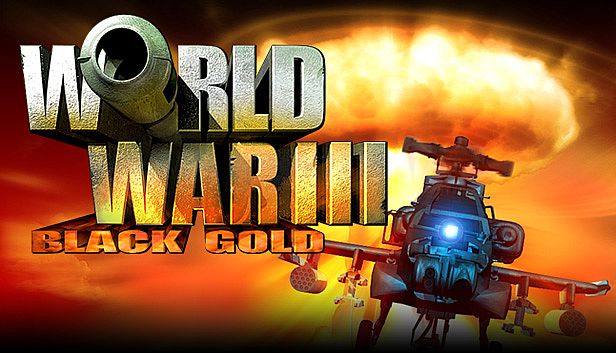


















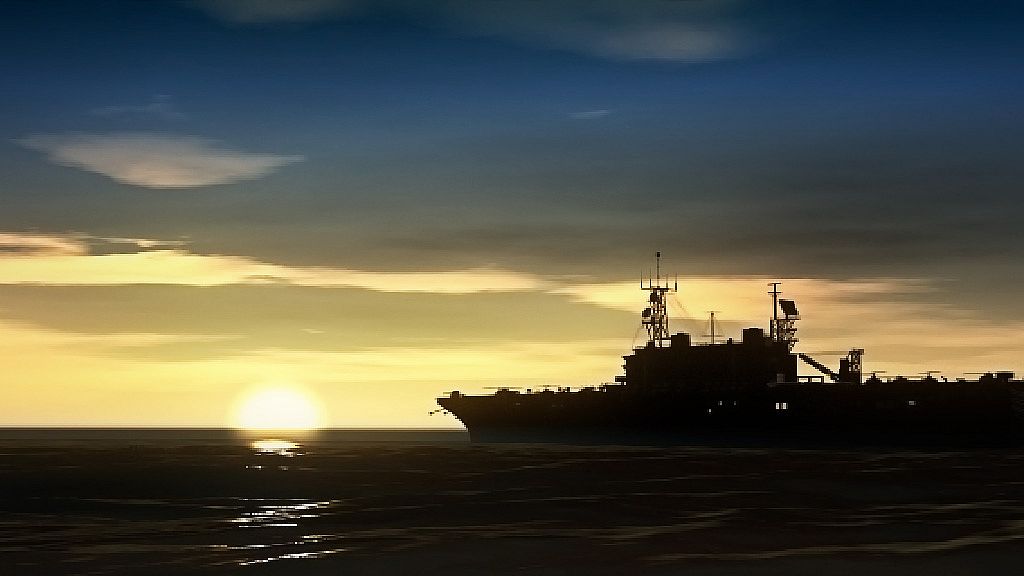
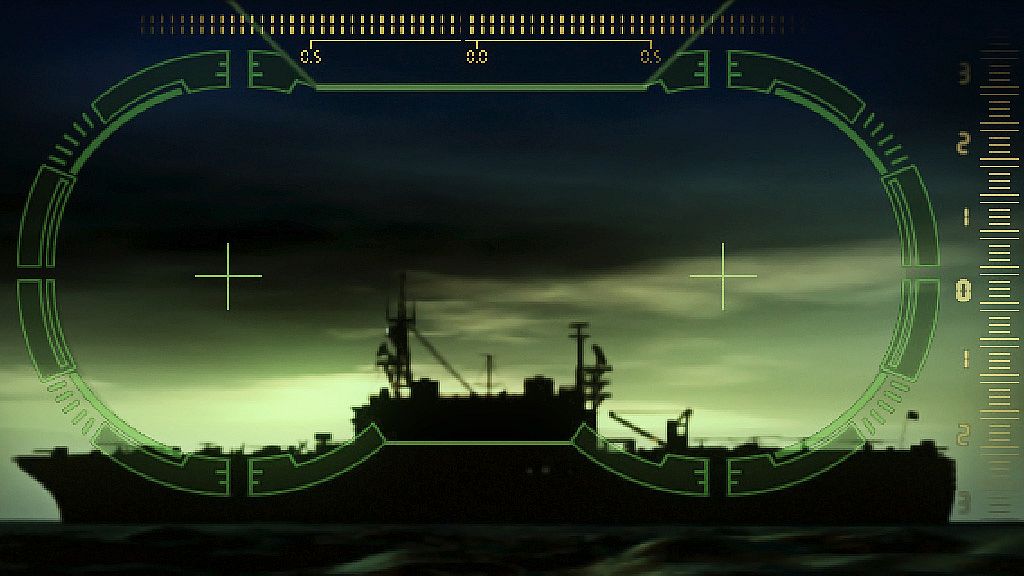
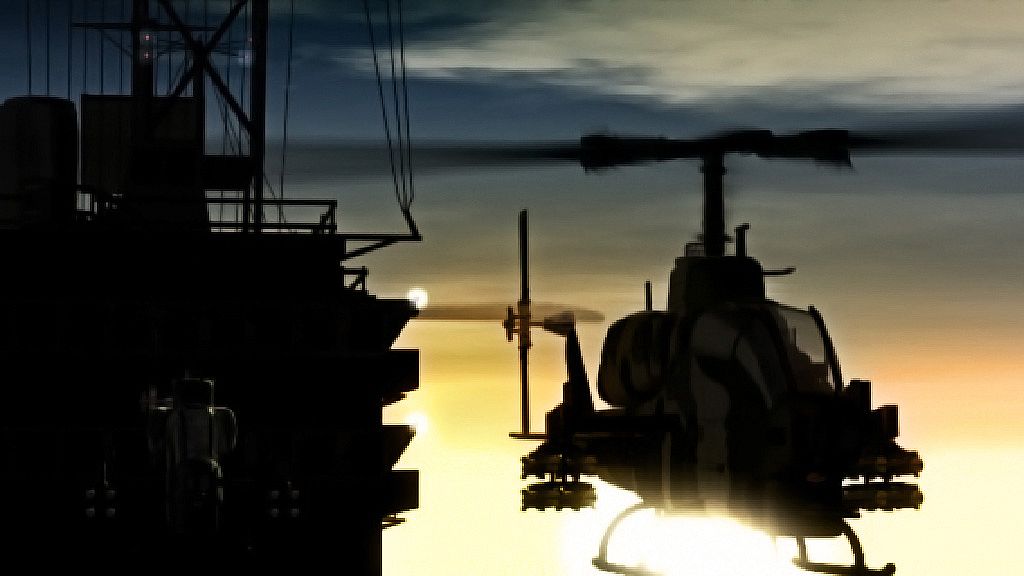
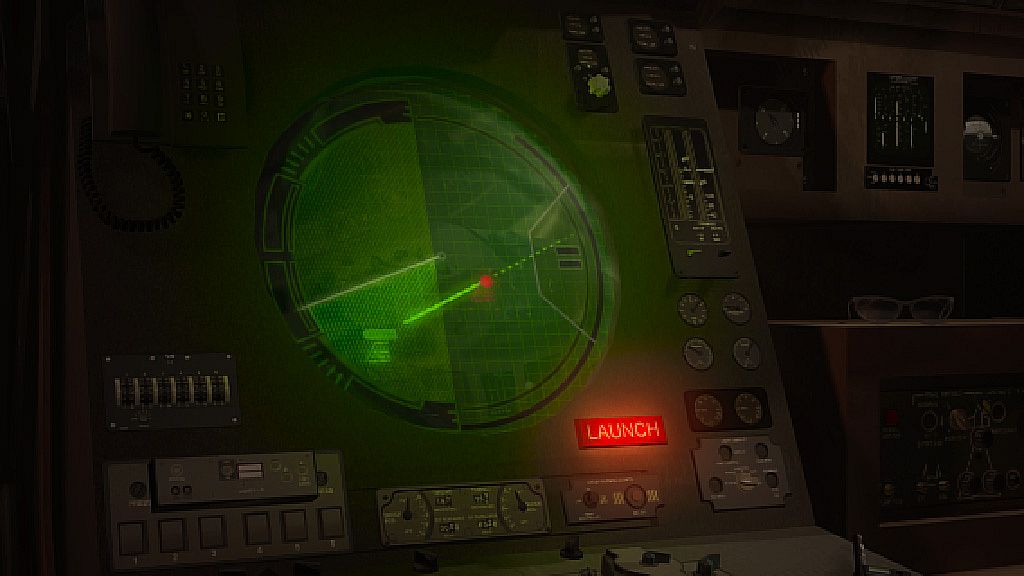


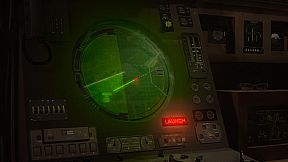
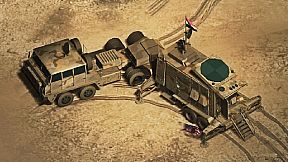
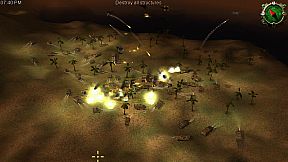
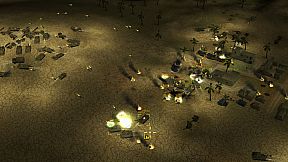
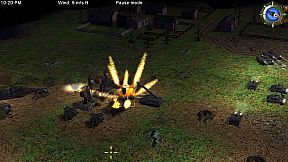
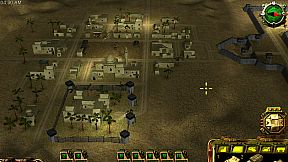
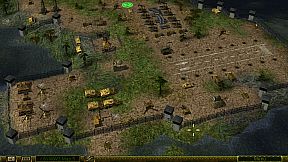
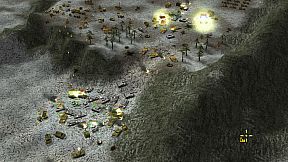
World War III: Black Gold is a real-time strategy game set in a near-future scenario where dwindling global oil reserves trigger worldwide conflict among major powers. Players command forces from one of three factions in campaigns that unfold across distinct theaters, managing resources, researching technologies, and directing units in large-scale battles. The game emphasizes realistic military elements combined with environmental factors that shape tactical decisions on the battlefield.
Gameplay
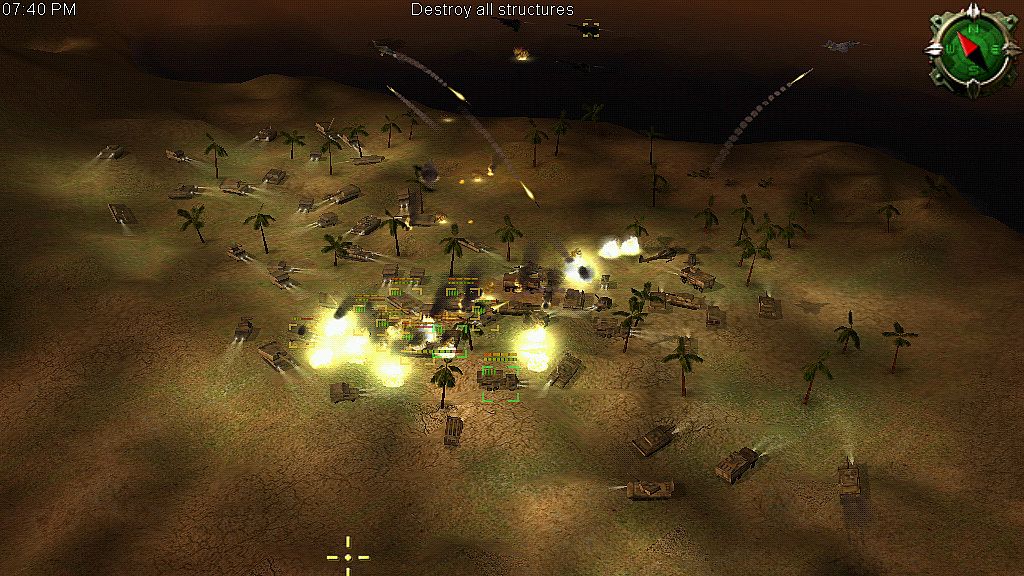
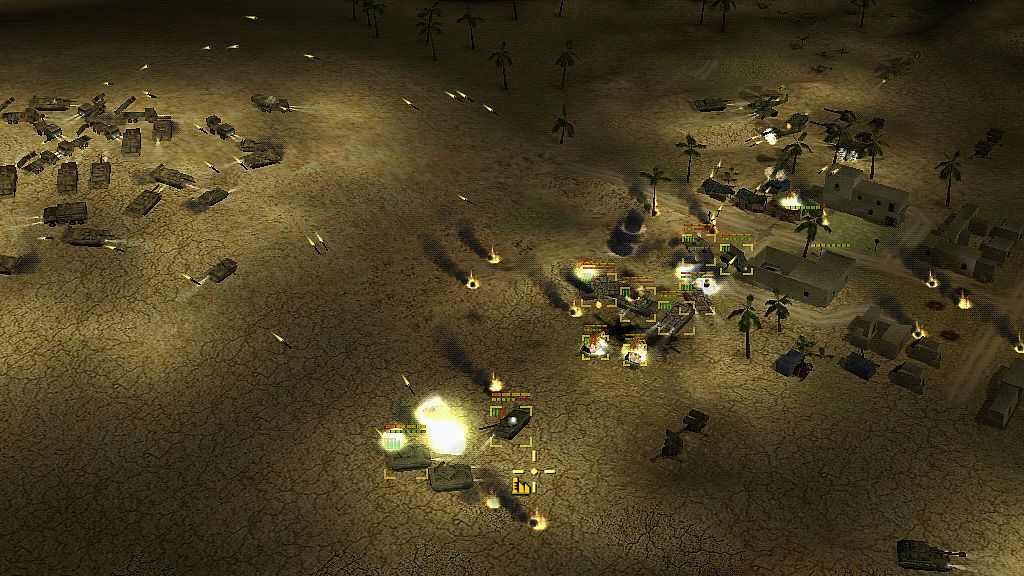
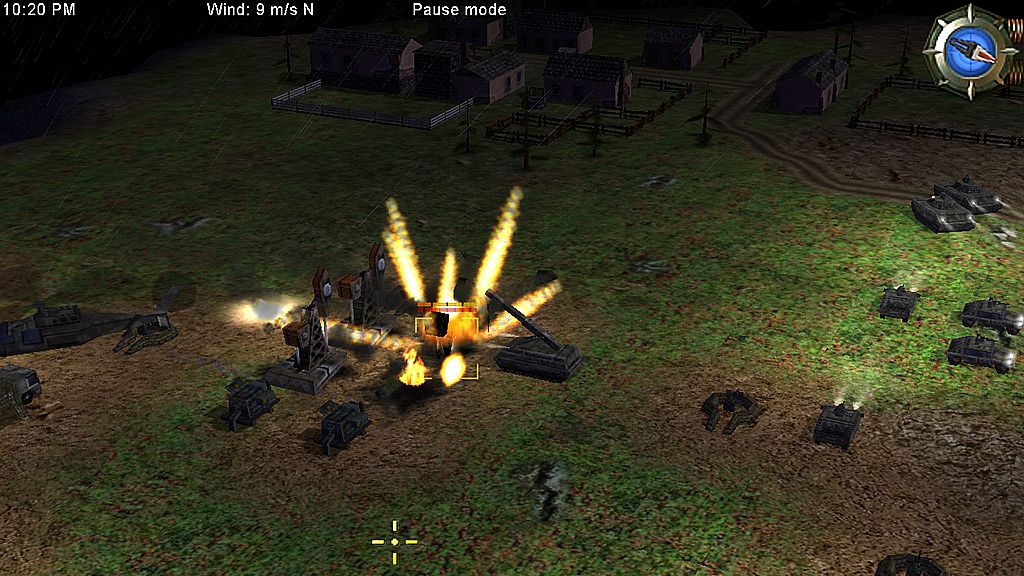
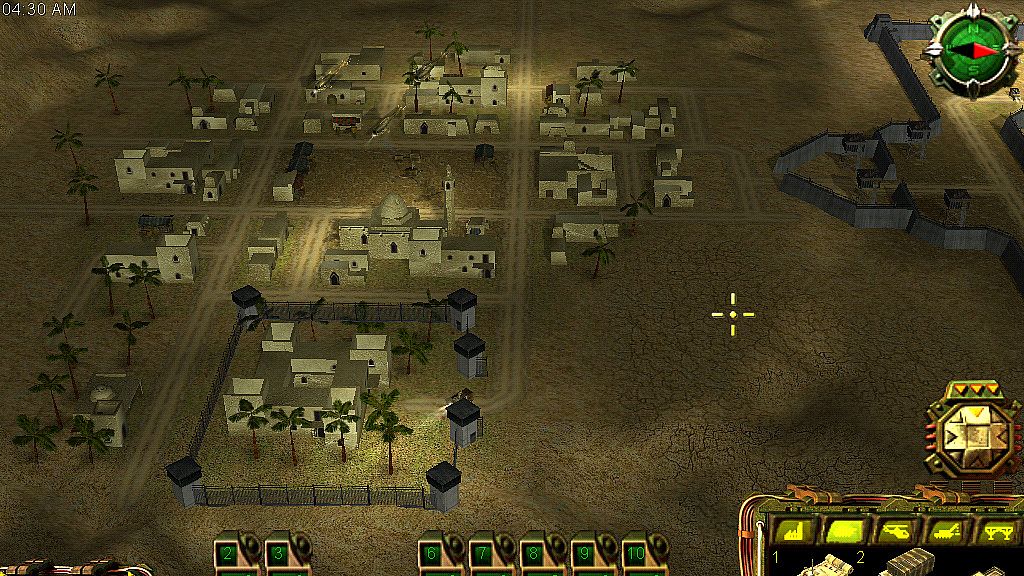
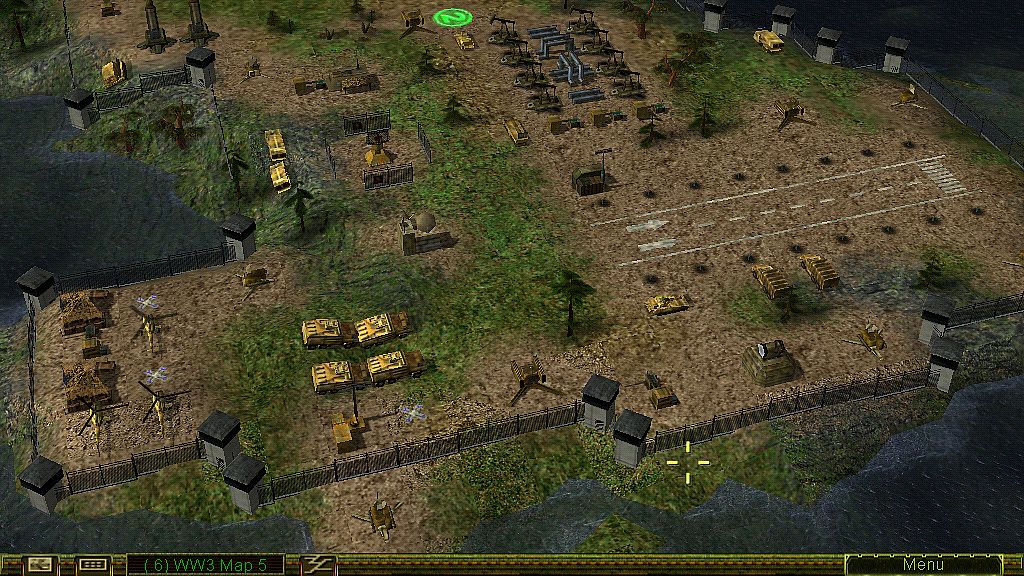
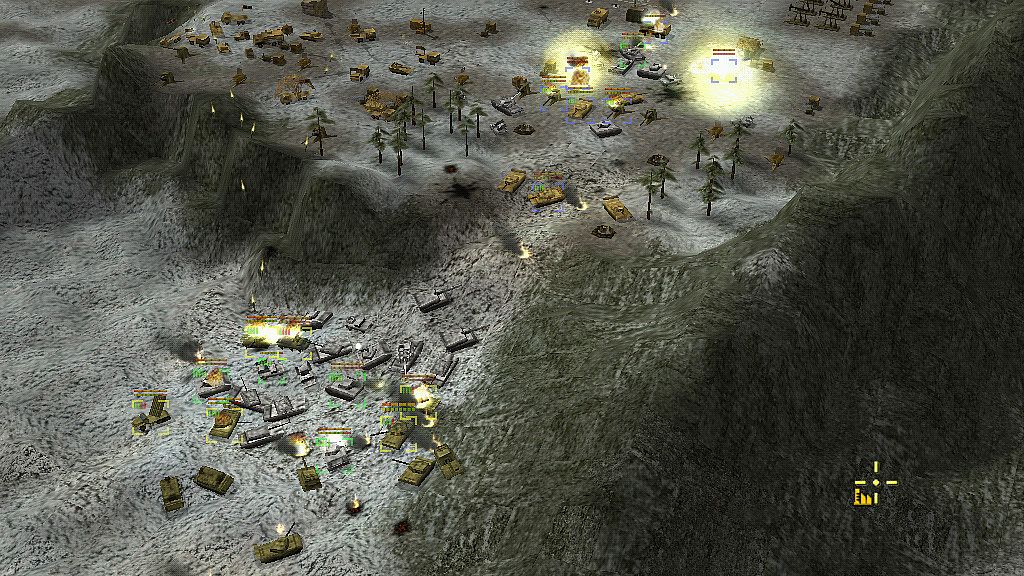
The core loop revolves around base building, unit production, and real-time combat on fully three-dimensional terrain. Players gather resources while expanding their forces, then engage enemy positions using a mix of conventional and specialized units. Day and night cycles along with changing weather conditions influence visibility, movement, and combat effectiveness, requiring adjustments to strategies as conditions shift. A technology tree allows research into advanced weapons and systems, progressing from basic infantry and vehicles to more sophisticated options.
Terrain plays a central role, with the ability to flatten areas, construct bulwarks, or excavate ditches to create defensive advantages or alter lines of sight. Underground elements include tunnels and trenches that connect into networks, enabling hidden movements or ambushes. Electronic warfare tools add another layer, such as intercepting communications or capturing photo streams to gather intelligence on opponent positions. Units feature options for stealth, camouflage, jamming, and kamikaze tactics, while defensive measures encompass missile interception, decoys, anti-chemical protection, anti-aircraft guns, anti-tank weapons, and weapons of mass destruction.
Game Modes
Two primary game modes cater to different experience levels, with one streamlined for beginners and another offering full complexity for experts. Single-player content consists of three separate campaigns, one for each playable faction, totaling thirty missions that advance through key locations tied to the United States, Russia, and Iraq. These missions build on narrative progression involving resource scarcity and escalating global tensions.
Multiplayer supports up to eight participants in matches conducted over local networks or the dedicated online service. Matches emphasize direct confrontation and strategic depth without additional seasonal content or ongoing updates. The mode encourages experimentation with faction-specific strengths and combined arms tactics in competitive or cooperative settings.
Factions and Mechanics
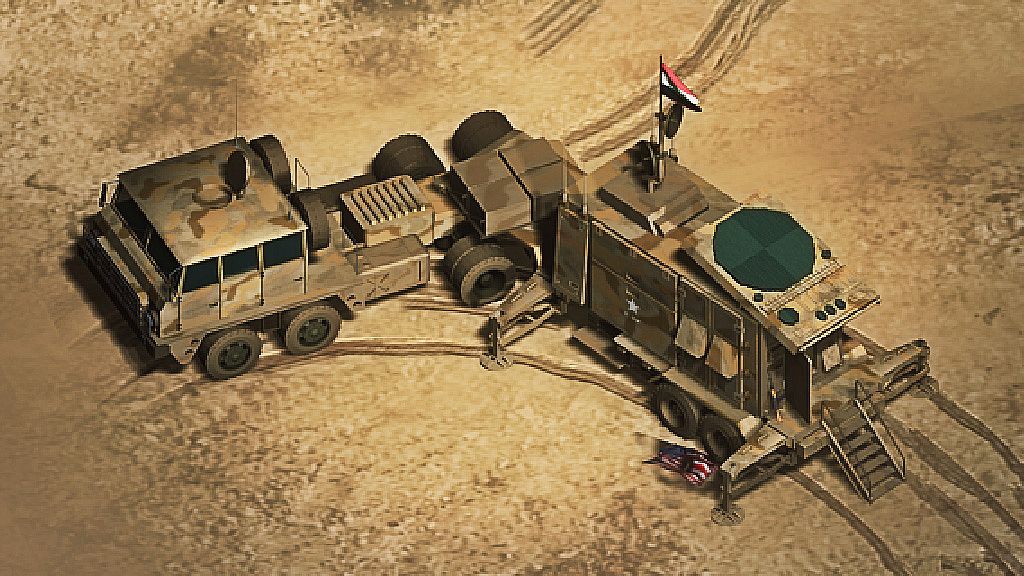
Each faction brings distinct unit rosters and capabilities that encourage varied playstyles. The United States emphasizes technological superiority and air power, Russia focuses on heavy armor and robust defenses, while Iraq leverages asymmetric approaches including guerrilla elements and resource efficiency. All share access to core systems like terrain modification and electronic countermeasures, but faction differences create meaningful strategic choices during matches.
Mechanics integrate seamlessly into the flow of play, with research unlocking specialized tools that counter specific threats. Underground tunnel systems and modifiable landscapes allow creative defensive setups or offensive breakthroughs, while weather and time-of-day effects force ongoing adaptation rather than static plans.
Is It Worth Playing?
Player reception stands at mixed levels, with 61 percent of Steam reviews rating the title positively based on its tactical depth and replay value in both single-player and multiplayer formats. The game remains available for purchase on PC platforms and runs on modern systems with appropriate compatibility settings. No active development or seasonal additions exist, so expectations align with a classic release from the early 2000s rather than contemporary live-service titles.
It suits enthusiasts of real-time strategy who appreciate detailed mechanics such as dynamic terrain interaction, electronic warfare, and faction asymmetry over polished modern interfaces. Those seeking straightforward action or frequent content updates may find the experience dated, while players drawn to methodical planning and environmental strategy will discover substantial engagement across its campaigns and multiplayer sessions.