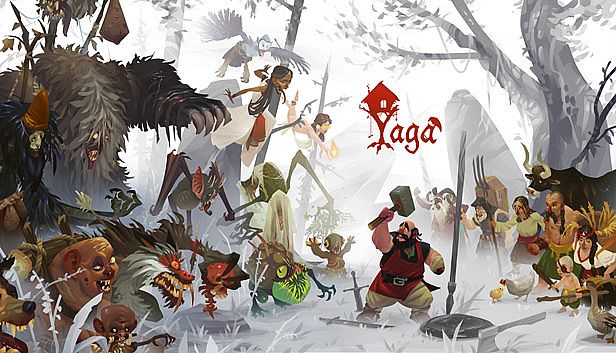





















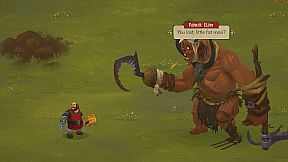
Yaga is an action RPG that blends combat, crafting, and choice-driven storytelling in a setting drawn from Slavic folklore. Players take on the role of Ivan, a one-handed blacksmith burdened with persistent misfortune, as he carries out demanding assignments from the tzar while navigating the watchful presence of Baba Yaga. The experience centers on procedural elements that shift layouts, encounters, and outcomes across playthroughs, encouraging repeated runs to uncover different paths and conclusions.
Gameplay
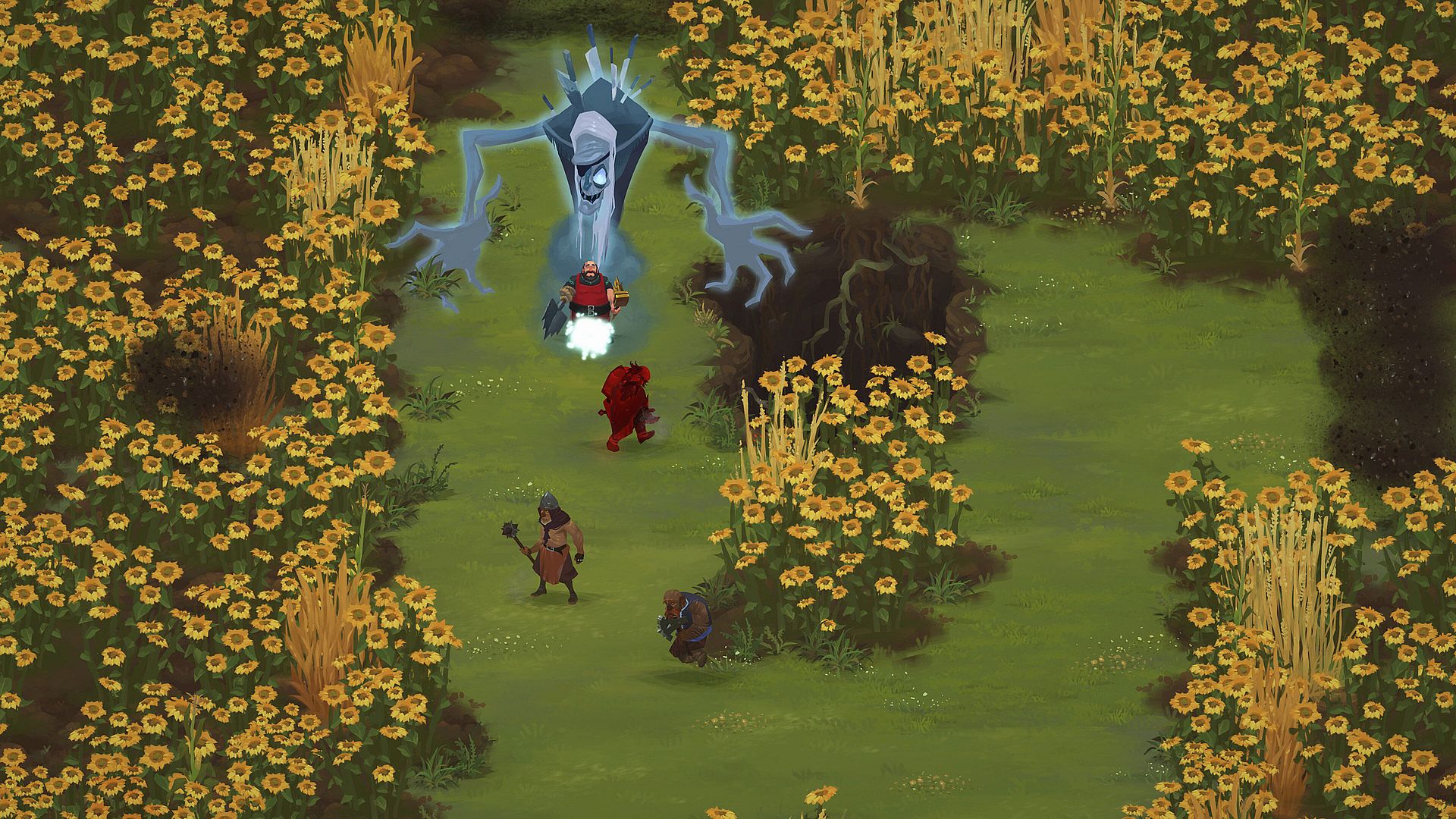
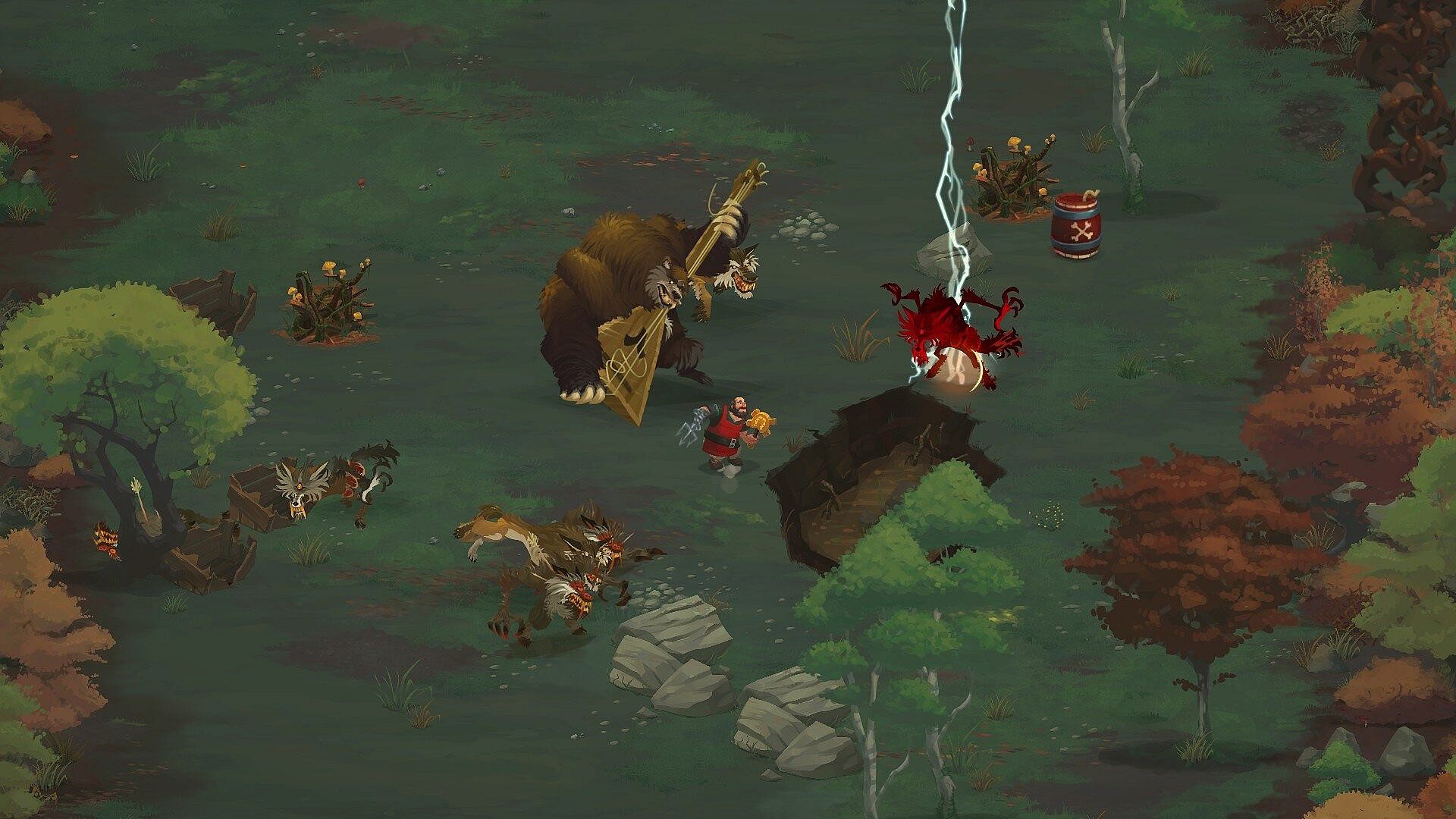
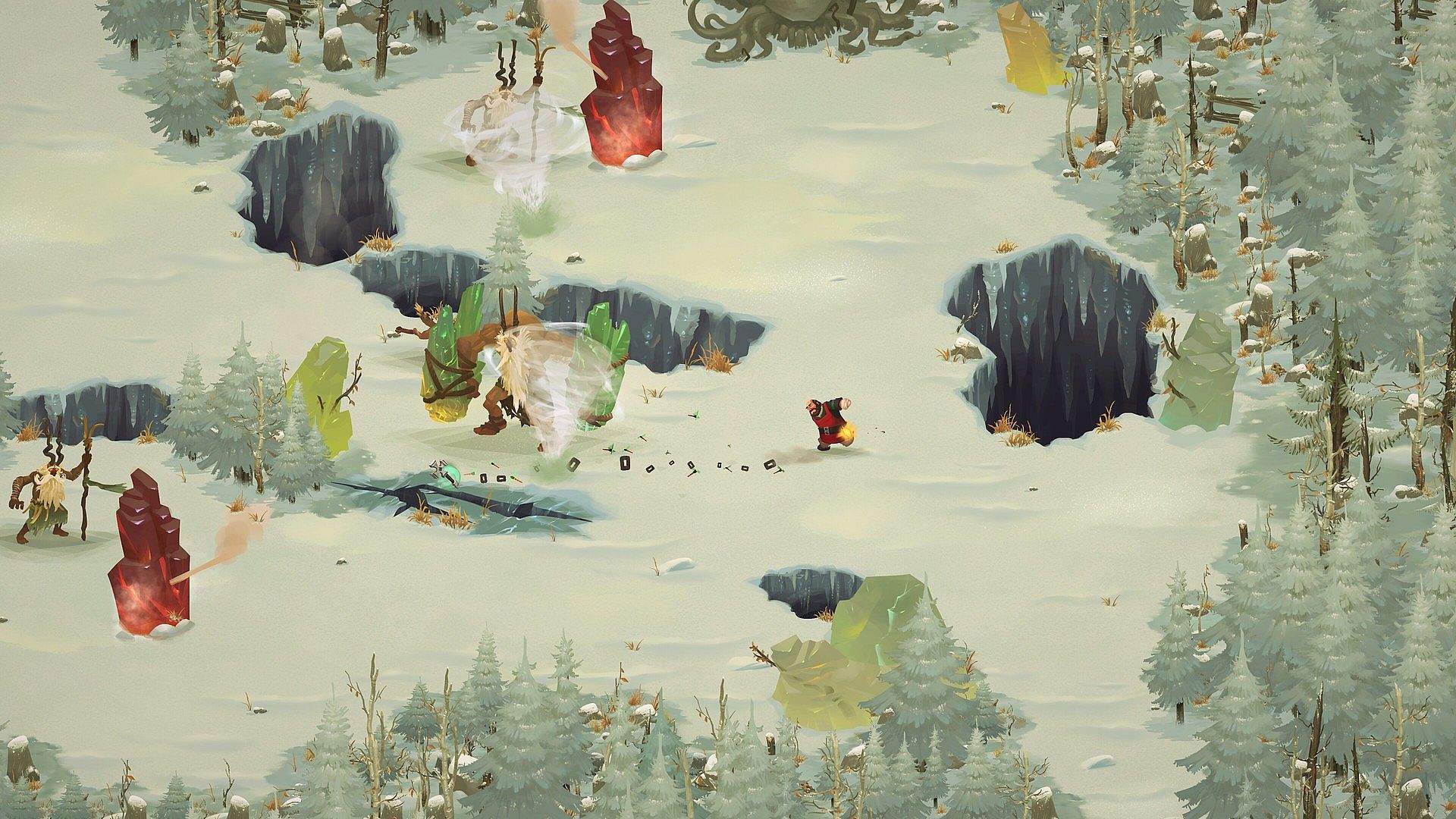
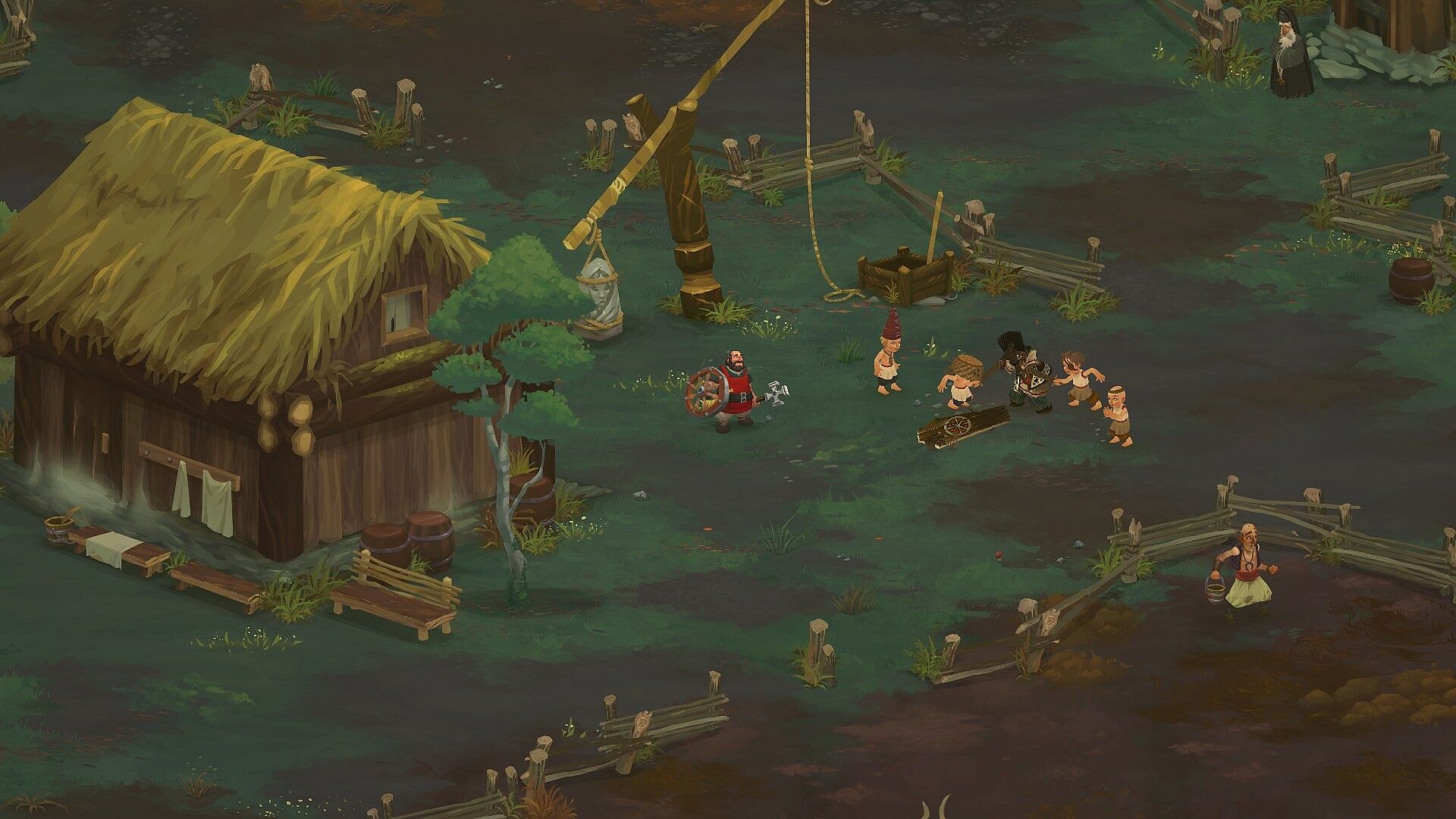
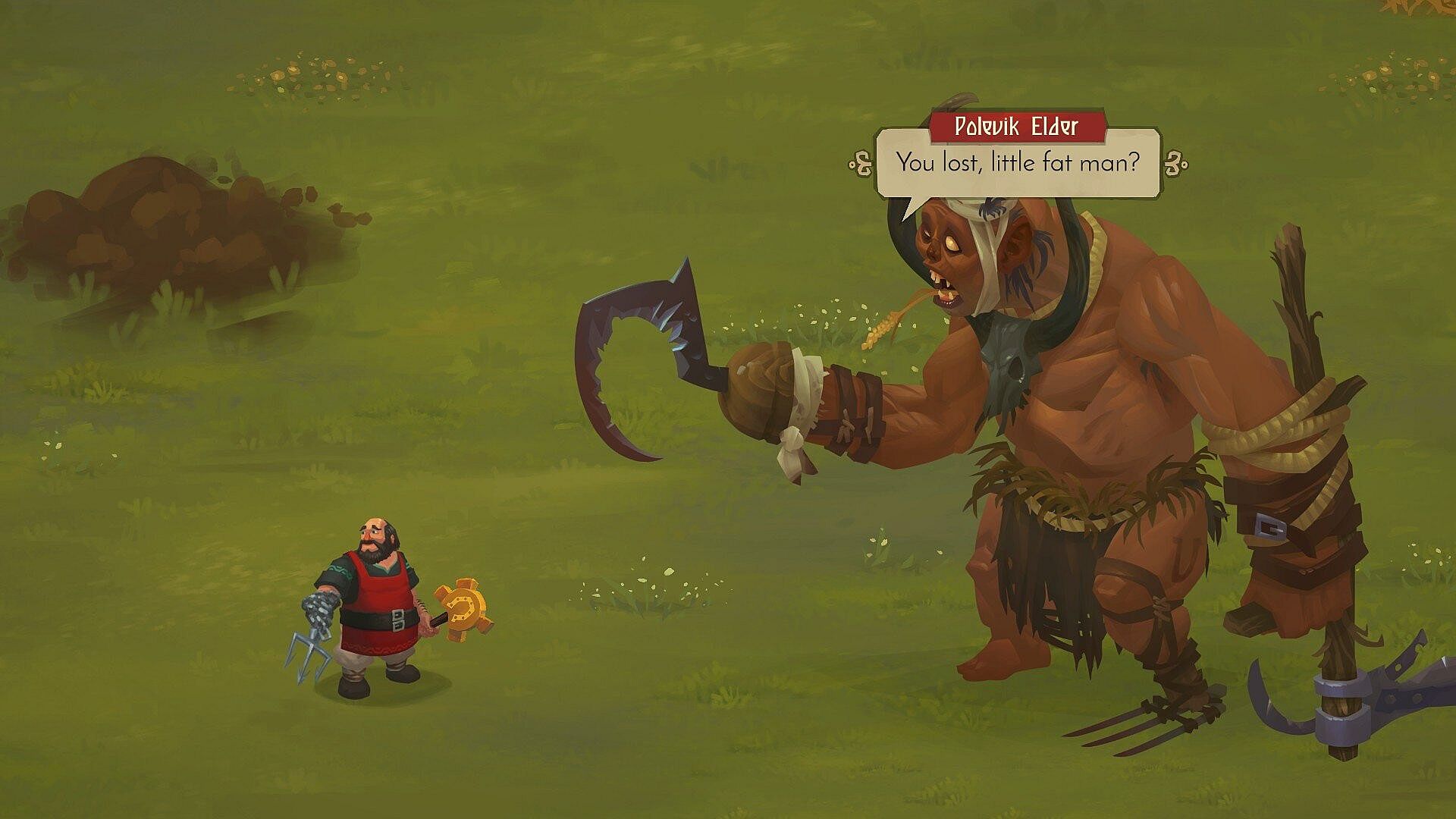
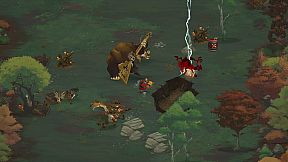
Combat revolves around close-range strikes with hammers and improvised tools that Ivan forges himself. Each weapon carries distinct properties, and the forging system lets players combine materials to create specialized effects such as teleportation on impact or extended reach. Exploration takes place across hand-drawn environments filled with folklore-inspired creatures and villagers whose reactions depend on Ivan's accumulated reputation.
Progression ties directly to player decisions. Actions influence how locals respond, opening or closing options for assistance, trade, or conflict. Talismans, blessings, and curses alter core attributes and abilities, while perks modify playstyle in meaningful ways. The result is a loop where combat feeds into crafting, which in turn shapes future encounters and story branches.
Hidden secrets and alternative solutions to problems reward careful observation and experimentation. Ivan's grandmother's ongoing concern about his marital status adds a recurring personal thread that intersects with larger events in unexpected ways.
Game Modes
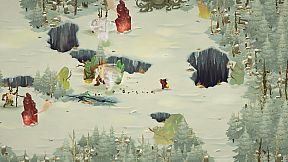
Yaga operates as a single-player experience without separate multiplayer or competitive modes. The core structure emphasizes replayability through procedural map generation and branching narratives that produce multiple endings. Each run presents fresh combinations of encounters, upgrades, and reputation effects, so the same quest line rarely unfolds identically.
Players solve objectives through direct combat, clever use of forged items, or interactions shaped by prior choices. There are no distinct named modes such as survival or versus formats; instead, the game delivers its variety within one cohesive campaign that changes based on accumulated decisions and random elements.
Story and Setting
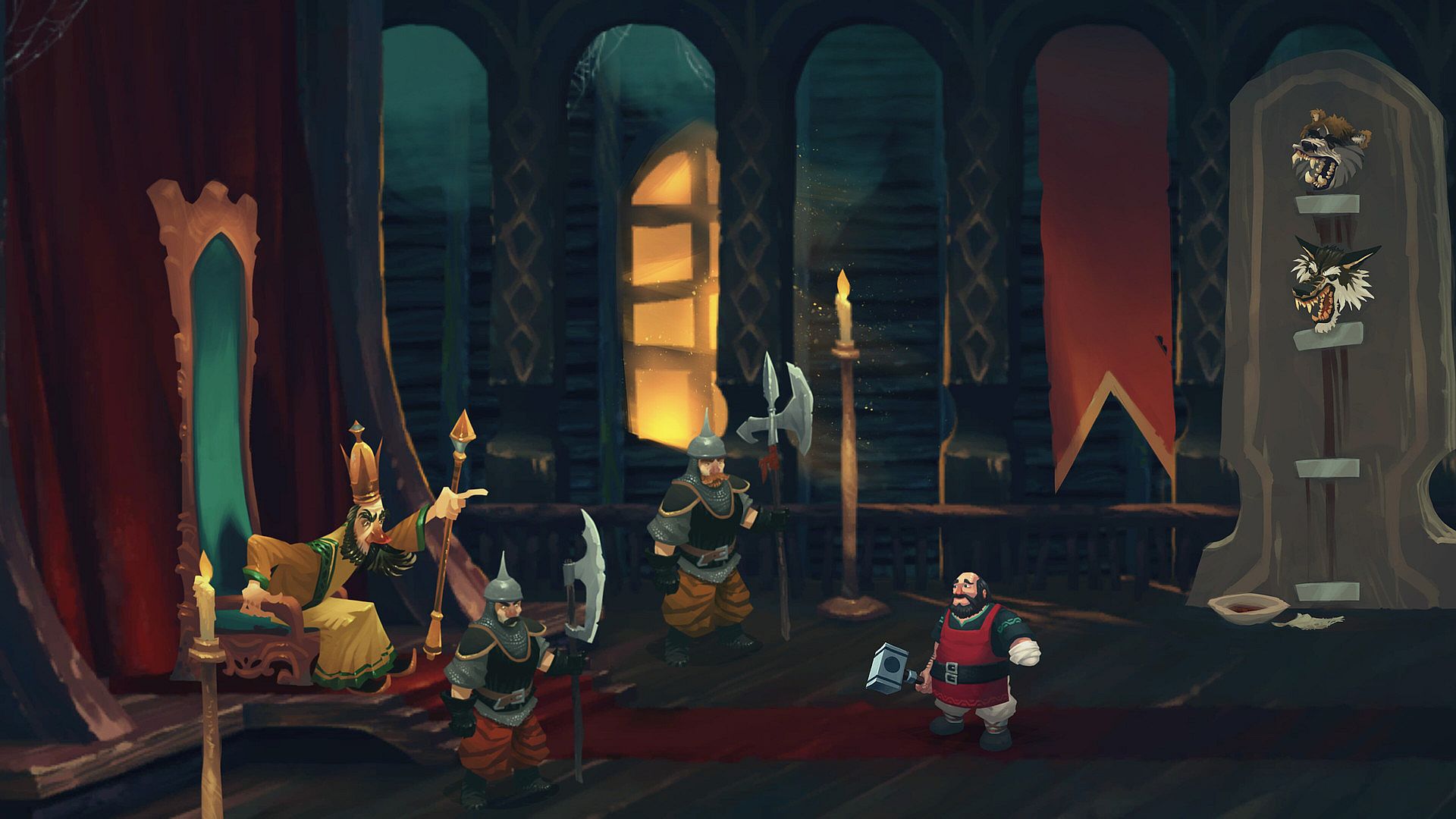
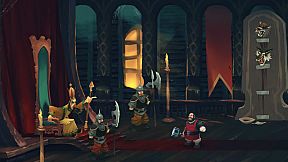
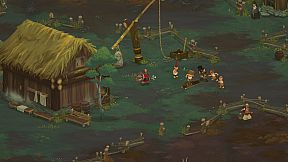
The narrative draws from ancient Pagan traditions and Slavic myths, presenting a world where household spirits, unclean creatures, and legendary figures coexist with everyday village life. Ivan's journey balances the tzar's impossible demands against the subtle manipulations of Baba Yaga and the simpler expectations of his family. Reputation mechanics determine which characters offer aid or impose obstacles, making the story feel responsive rather than linear.
Hand-drawn artwork and a distinctive Romanian hip-hop soundtrack reinforce the cultural tone without overwhelming the action. The darkly humorous tone emerges from Ivan's constant misfortune and the absurd tasks he receives, balanced against the weight of folklore consequences.
Is It Worth Playing?
Yaga suits players who enjoy action RPGs built around experimentation and repeated playthroughs rather than one-and-done campaigns. Its procedural maps and choice systems create meaningful differences between runs, particularly for those interested in forging unique weapons and managing reputation effects. The single-player focus keeps attention on personal progression and discovery.
Reception highlights the originality of the Slavic setting and the depth of the crafting mechanics. Those who appreciate indie titles with strong artistic identity and replay value will find consistent engagement across multiple attempts. Availability on PC supports straightforward access for anyone drawn to folklore-themed action with roguelike variability.