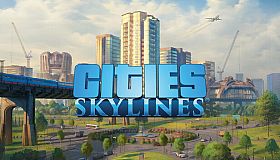




Cities: Skylines - Premium Edition 2 is a city-building simulation game available on PC. Players take on the role of mayor and construct an entire urban area from the ground up while balancing growth, infrastructure, and citizen needs.
Gameplay
The core loop centers on zoning land for residential, commercial, and industrial use while laying out road networks that connect everything. Traffic flow becomes a constant concern as the population expands, requiring careful planning of intersections, highways, and public transit options to keep vehicles and pedestrians moving efficiently. Utilities such as electricity, water, and sewage must be supplied without shortages that could harm health or halt development. Pollution, noise, and service coverage all influence citizen happiness and property values over time.
Environmental considerations play a larger role once eco-friendly building options enter the picture. Parks and recreational areas improve quality of life and attract visitors. Industrial zones gain depth through specialized production chains that process raw materials into goods. European-style suburban layouts add variety to residential districts with distinct architectural styles and street patterns. Background music from dedicated radio stations helps set the atmosphere during long building sessions.
Game Modes
The experience is strictly single-player. Builders work in a free-form sandbox environment where they choose starting maps and set their own goals for population size, economic output, or visual appeal. There are no competitive or cooperative modes, so progress depends entirely on individual planning and iterative adjustments to the city layout.
Progression occurs naturally through unlocking new buildings, policies, and tools as the city grows. Players can pause the simulation at any time to redesign districts or experiment with different road configurations without pressure from timers or opponents.
City Management Systems
Behind the visible construction lies a detailed simulation of citizen behavior. Residents move between homes, jobs, and leisure spots according to realistic pathfinding rules. Budget allocation across departments affects service quality, while tax rates and district policies shape economic output and migration patterns. Natural disasters and random events test the resilience of established infrastructure.
Modular building tools allow precise placement of structures and props once basic needs are met. Height limits and terrain editing further expand creative options for shaping skylines and landscapes.
Is It Worth Playing?
This edition appeals most to players who enjoy methodical, long-term city planning without multiplayer distractions. The included content expands the base experience with specialized districts, industry mechanics, park design, and additional audio options that keep sessions varied across many hours. Those who appreciate simulation depth over fast-paced action will find substantial replay value through different map choices and self-imposed challenges such as sustainable growth or high-density urban cores.
Support for the title continues with periodic updates that maintain compatibility and add refinements. The single-player focus makes it suitable for solo sessions of any length, whether experimenting with small towns or scaling up to sprawling metropolises.