















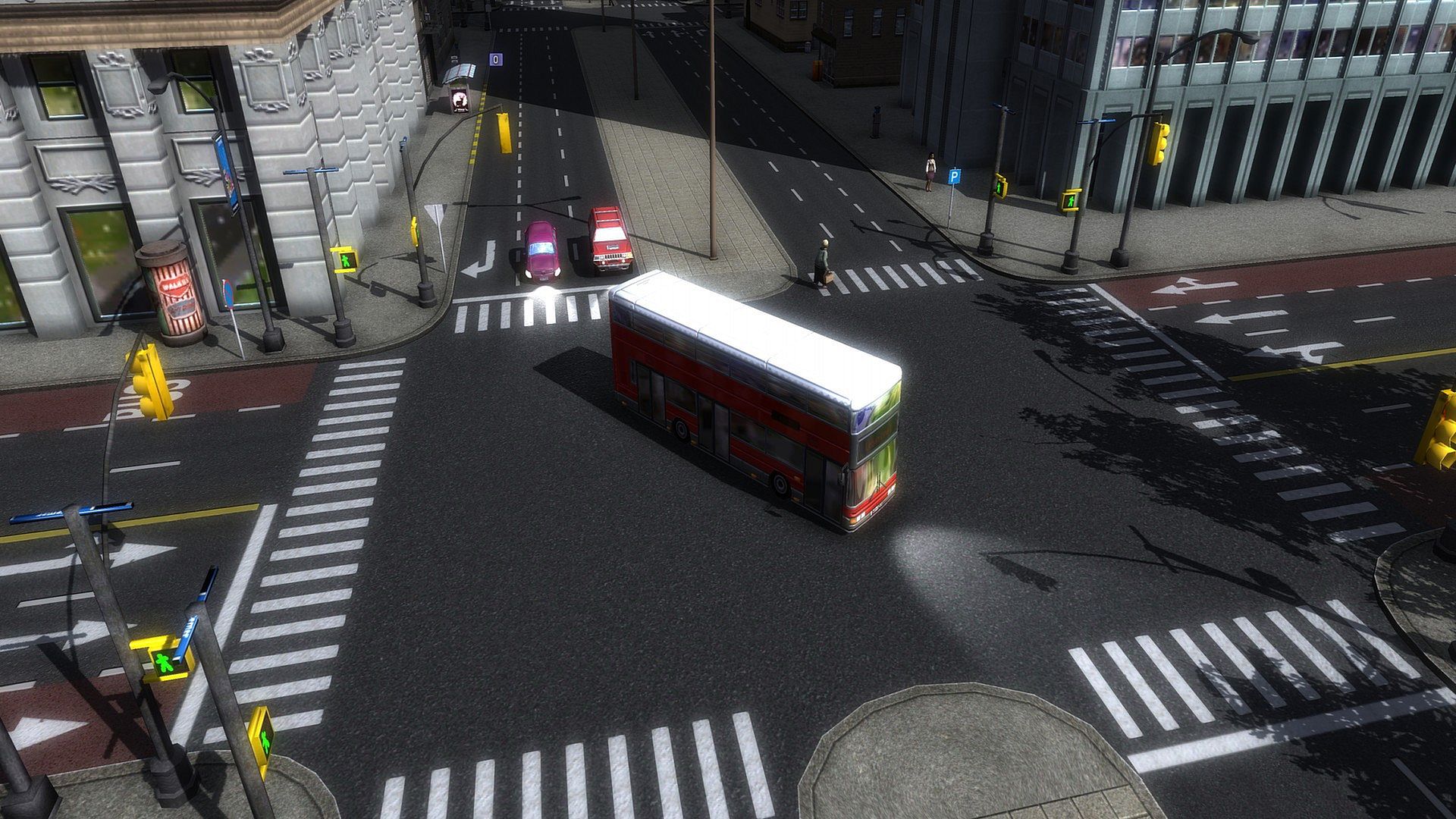
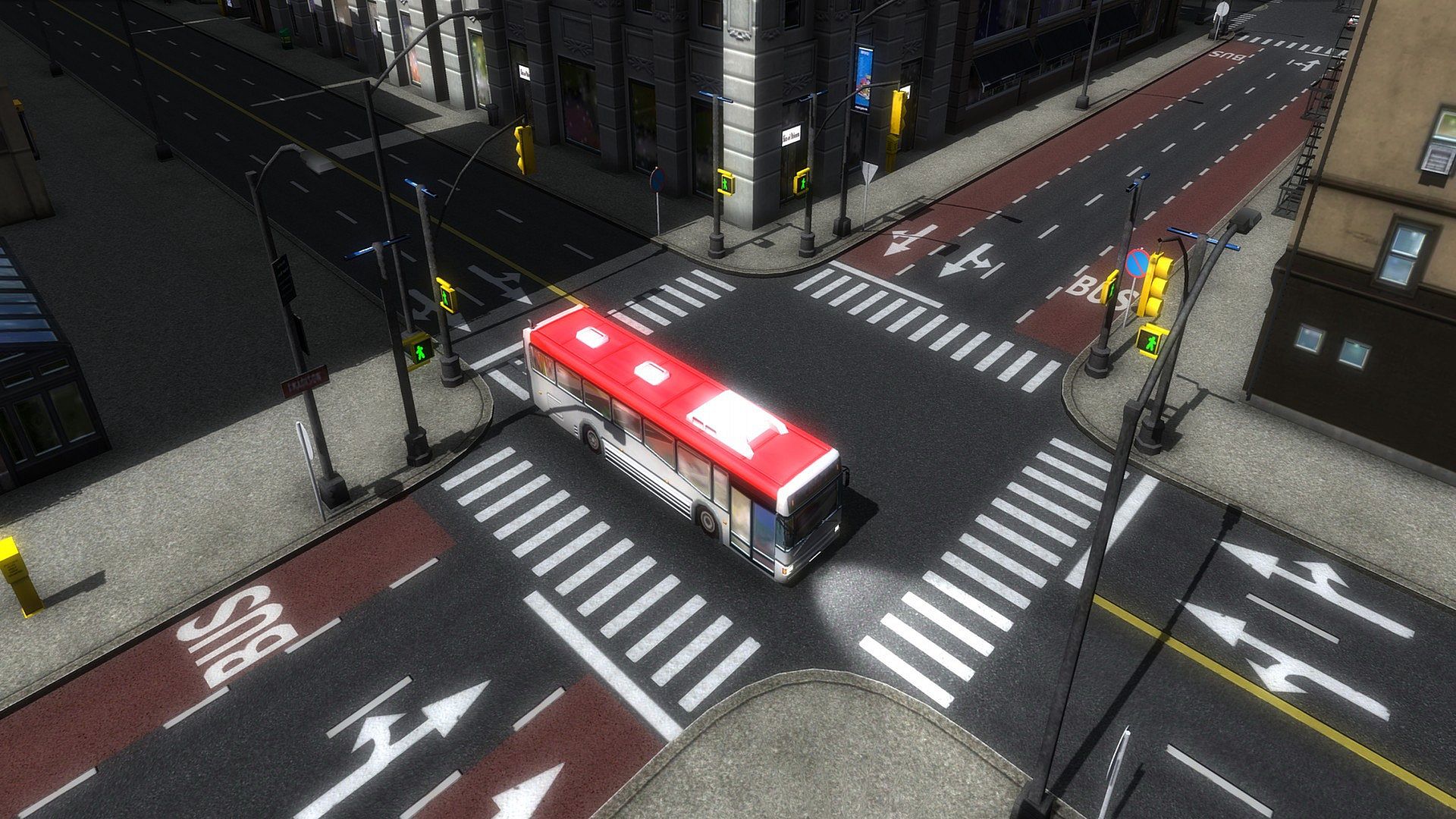
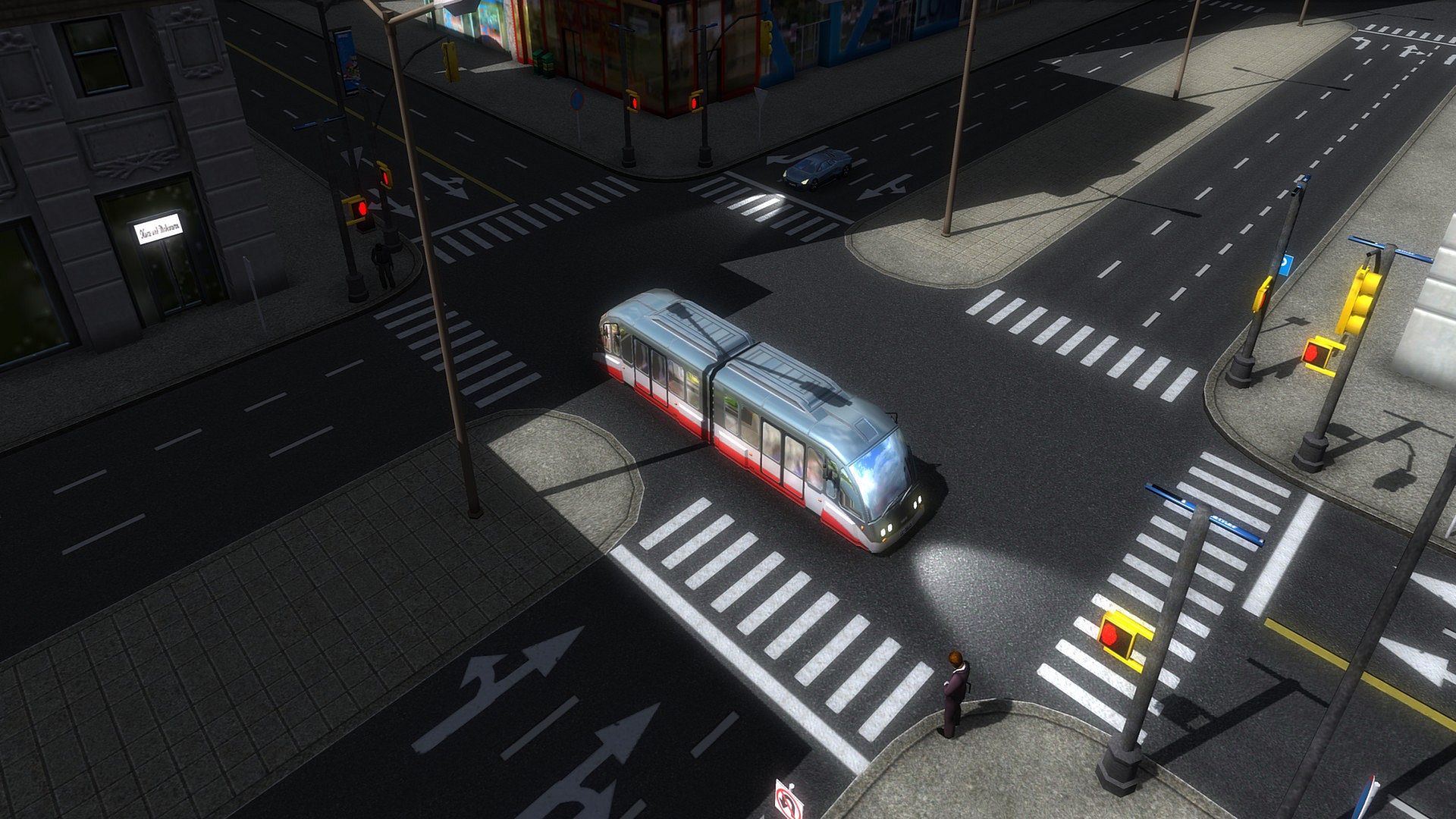
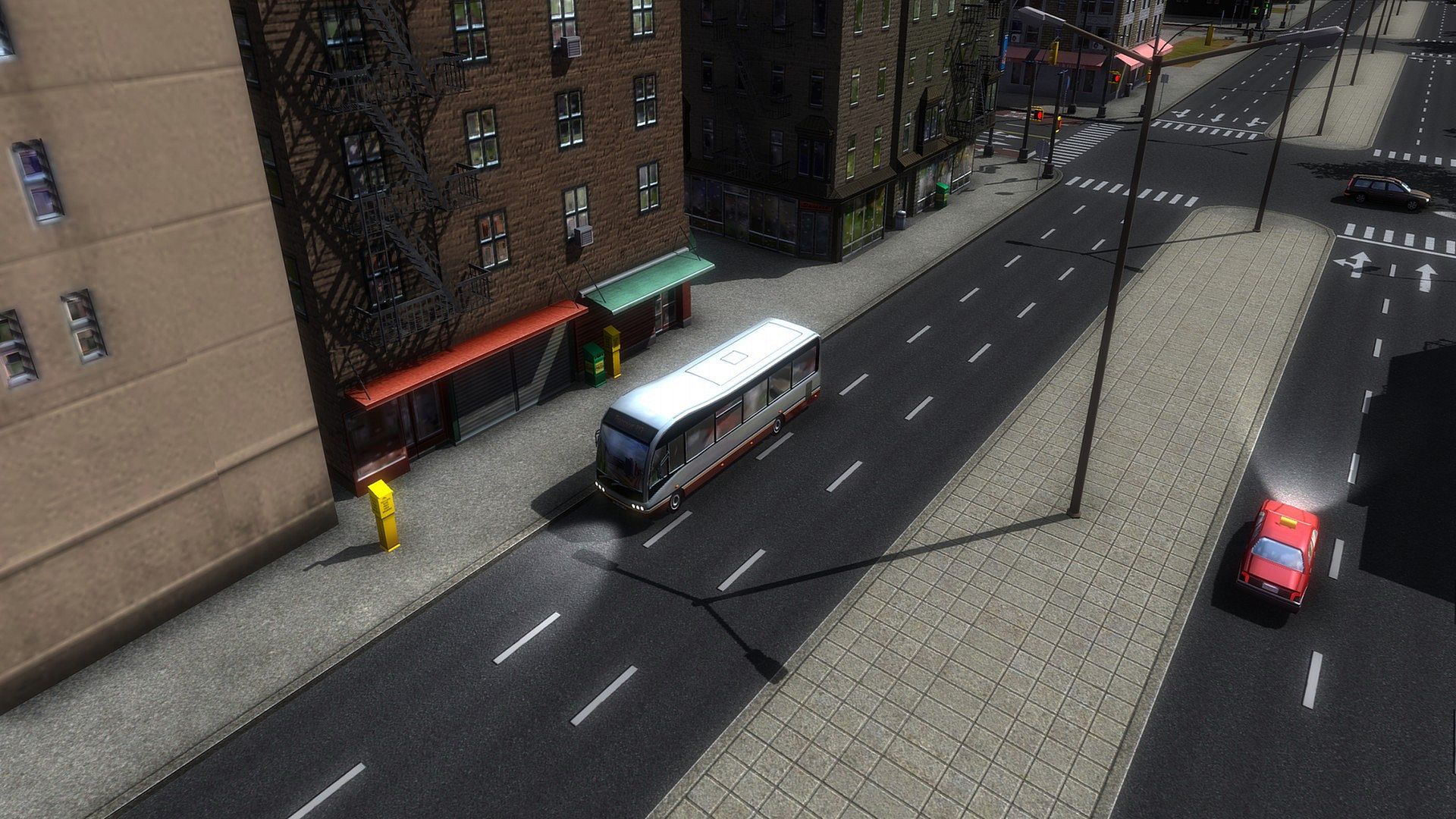
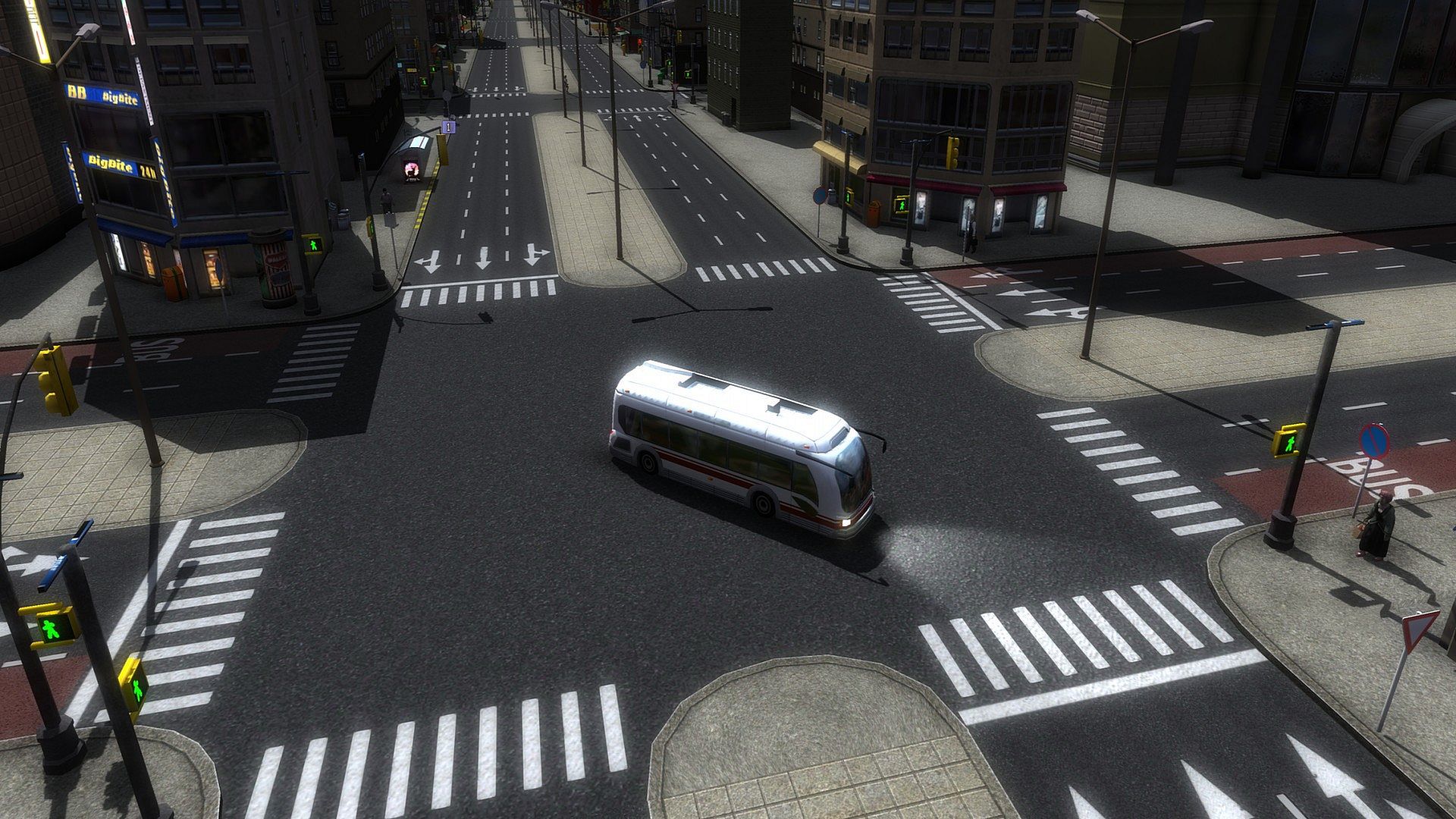
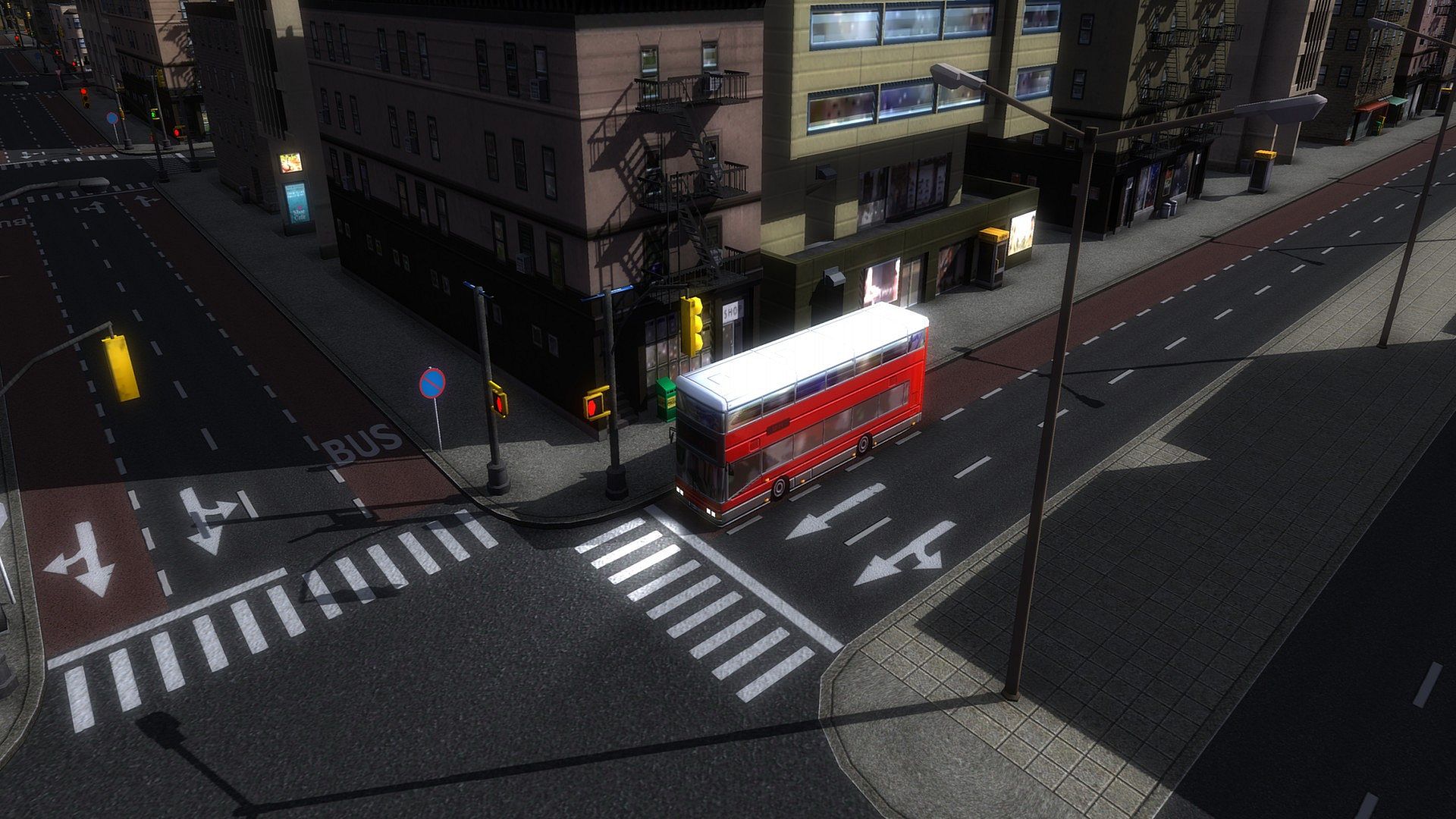
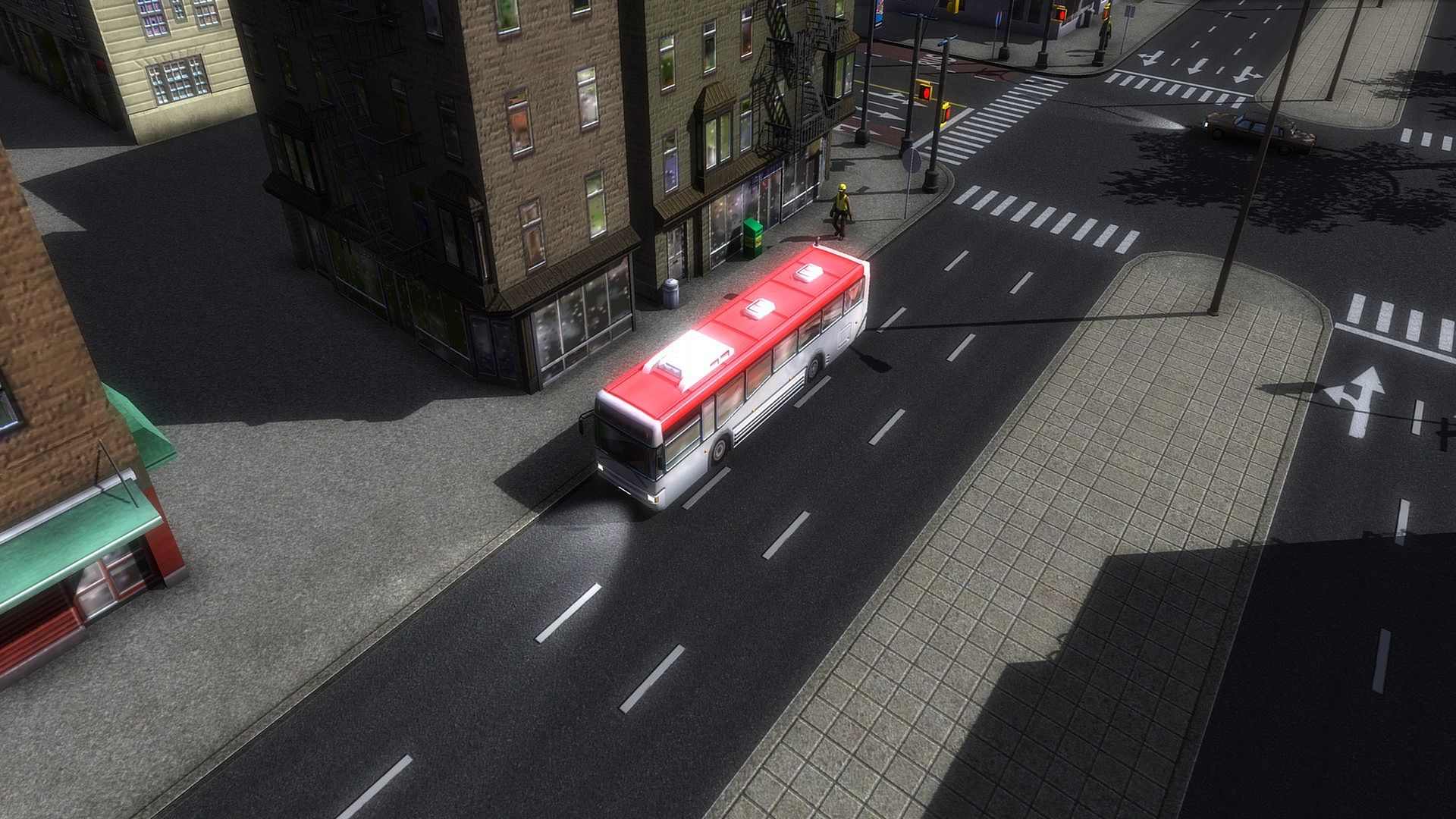
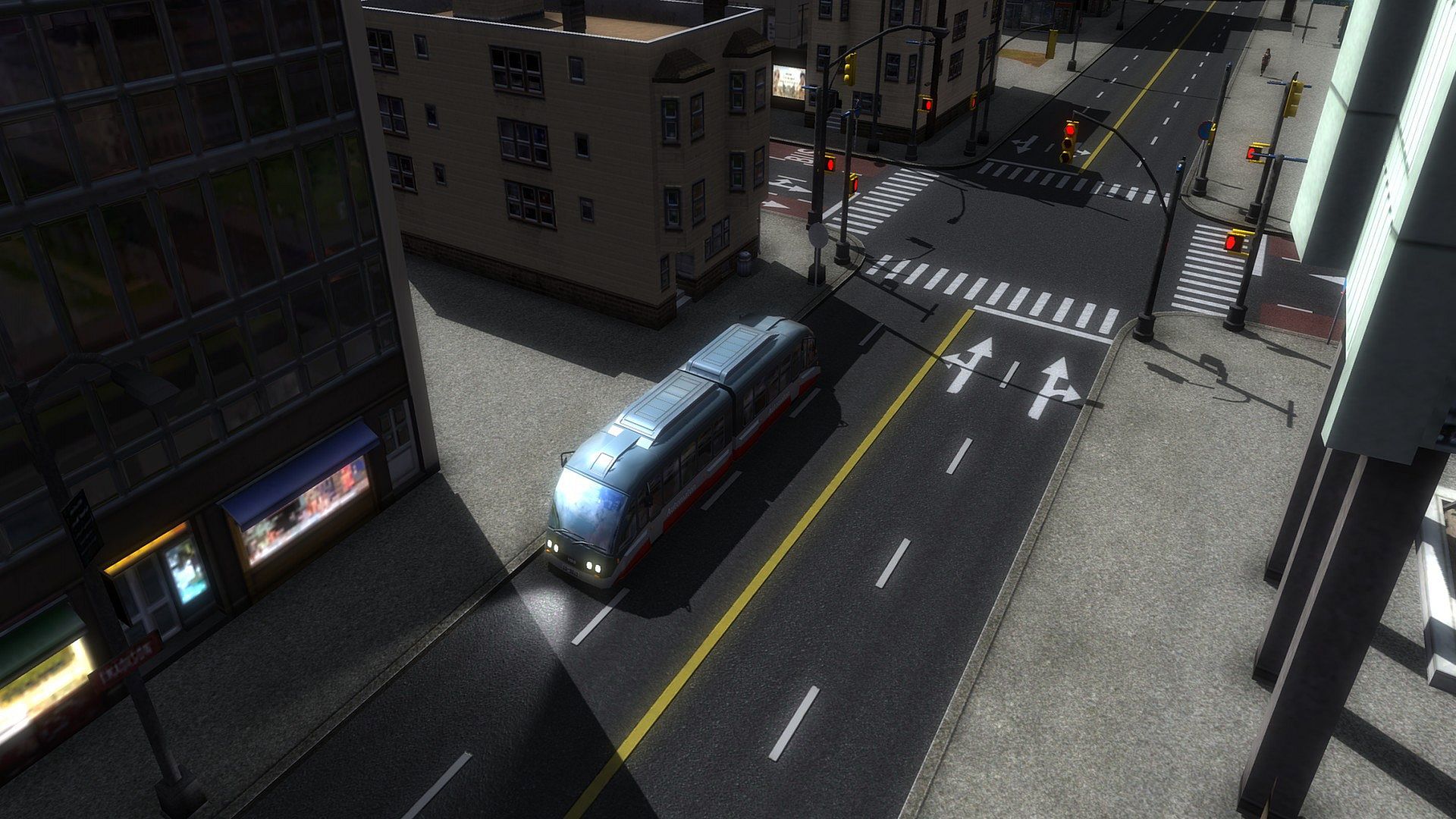
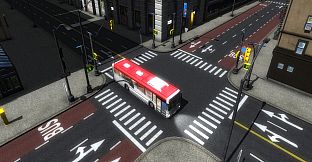
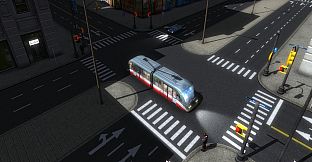
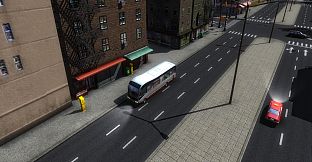
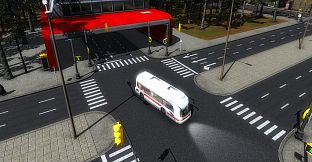
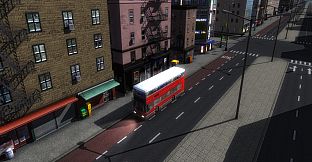
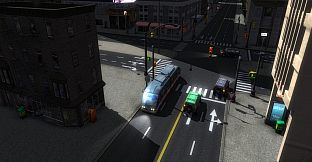
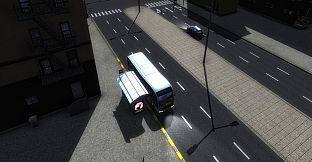
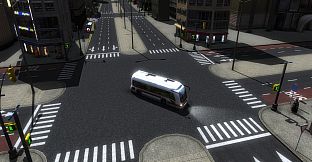
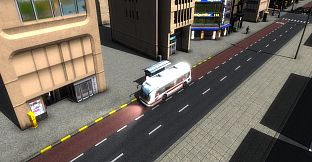
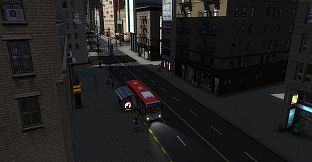
Cities in Motion 2: Bus Mania is a simulation game for PC that adds five new bus vehicles to the core experience of planning and operating public transit networks. Players focus on creating efficient routes that move citizens through urban areas while balancing factors like vehicle capacity, speed, maintenance costs, and energy use. The pack integrates directly with existing tools for line construction and vehicle assignment, allowing immediate use of the new options on established or fresh networks.
Gameplay
The core loop centers on route design and vehicle selection. Builders lay out paths for buses that connect residential zones, commercial districts, and key hubs. Each vehicle type brings distinct performance traits that influence how well a line serves passenger demand. Short routes with frequent stops benefit from low-maintenance options, while high-traffic corridors reward higher-capacity choices even if they move more slowly. Eco-focused vehicles reduce operating expenses over time through minimal energy draw. The system tracks passenger satisfaction and route profitability, encouraging adjustments to vehicle assignments as city growth changes travel patterns. New buses slot into these mechanics without altering the underlying simulation rules for traffic flow or depot management.
Game Modes
Transit networks develop through open-ended construction sessions where players expand lines across a growing map. Emphasis falls on iterative refinement, starting with basic bus services and layering additional vehicles as needs evolve. The environment supports testing different vehicle combinations on the same routes to observe effects on ridership and costs. No separate competitive or time-limited formats appear; progress comes from sustained management of a single or multiple interconnected systems. Players experiment with vehicle placement to handle peak loads or optimize for quieter periods.
The New Vehicles
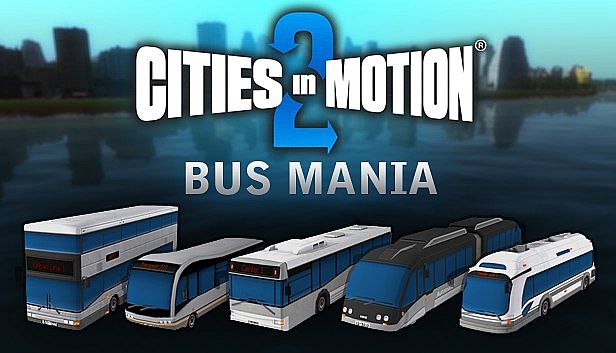
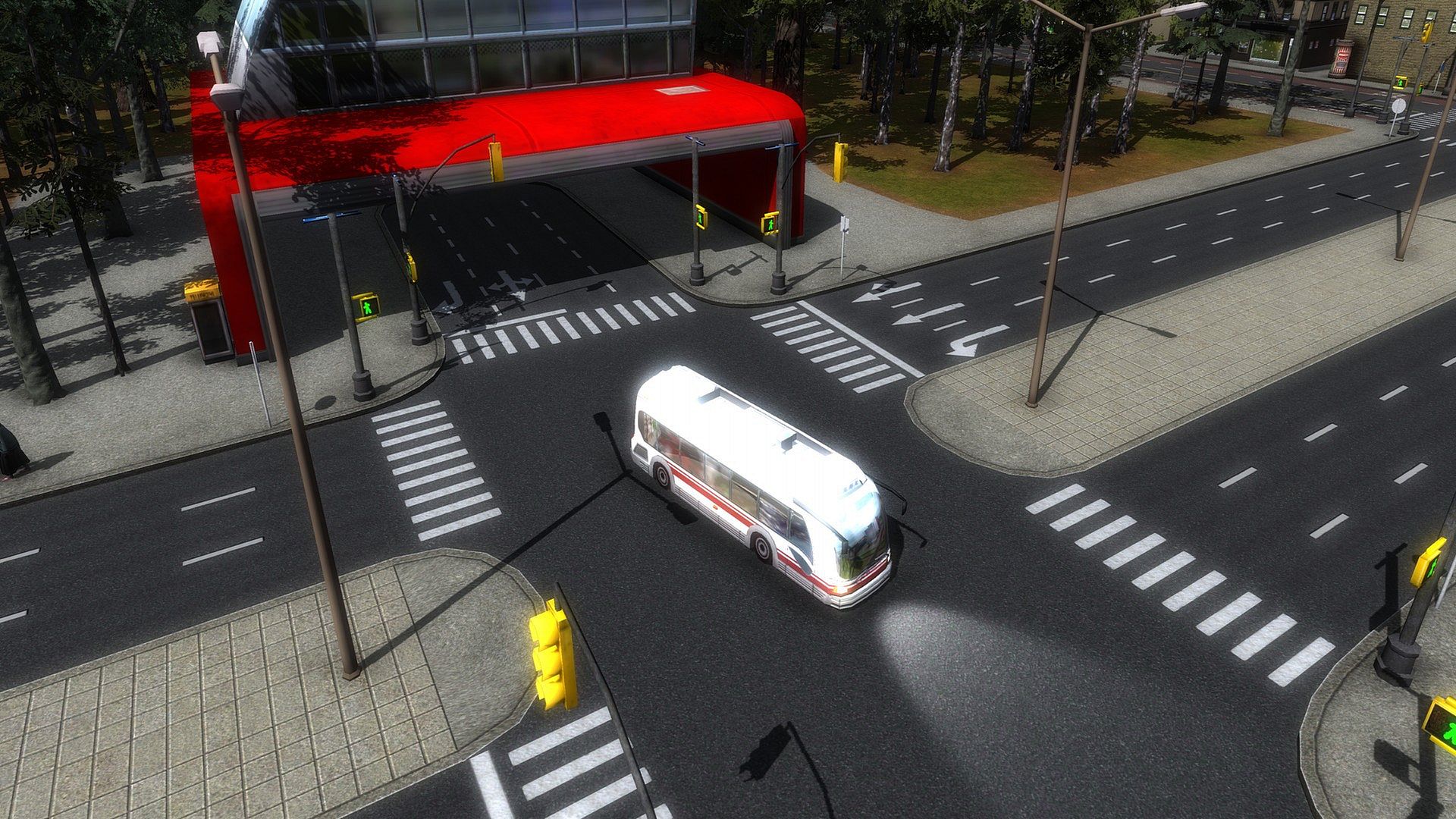
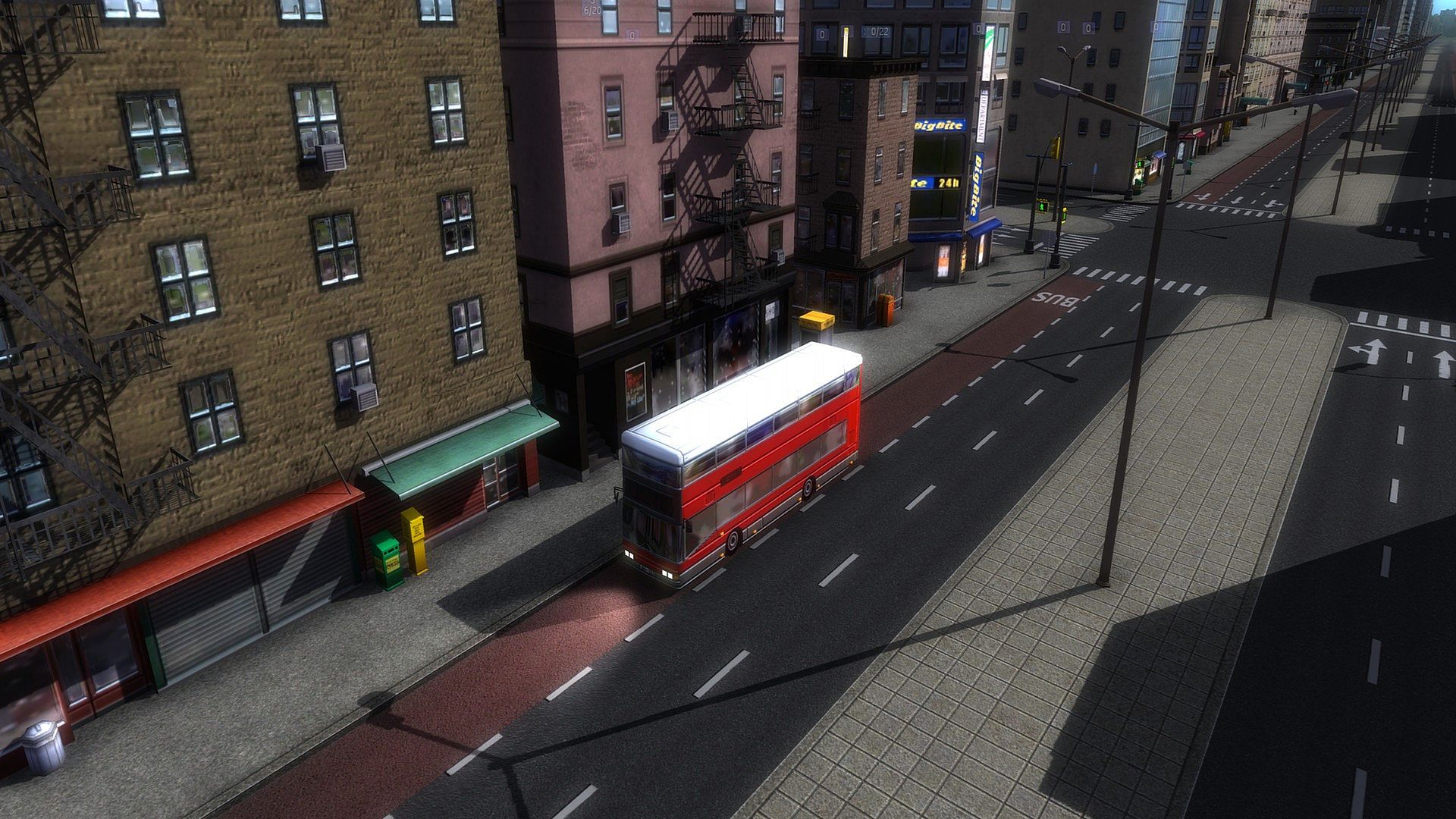
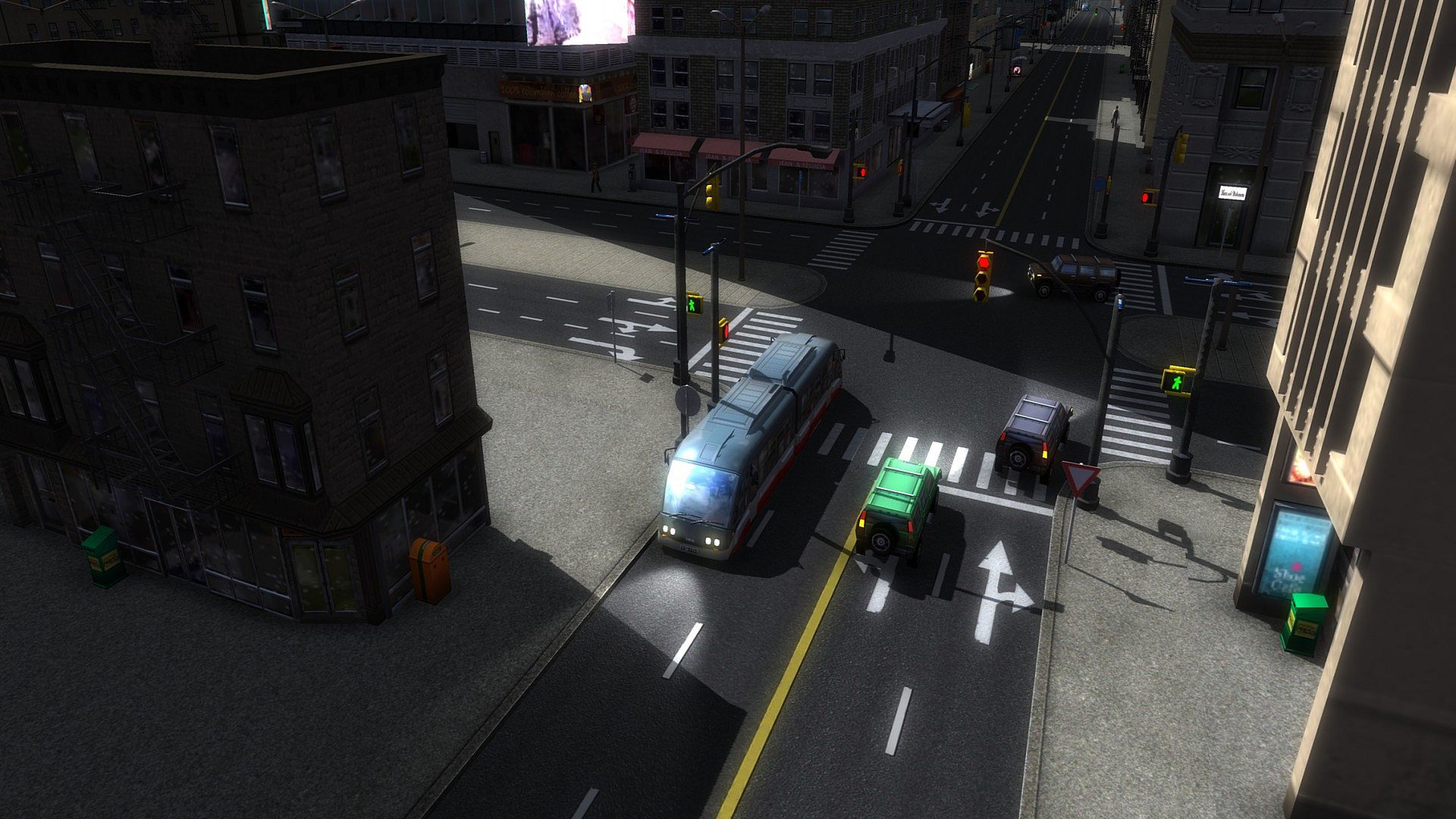
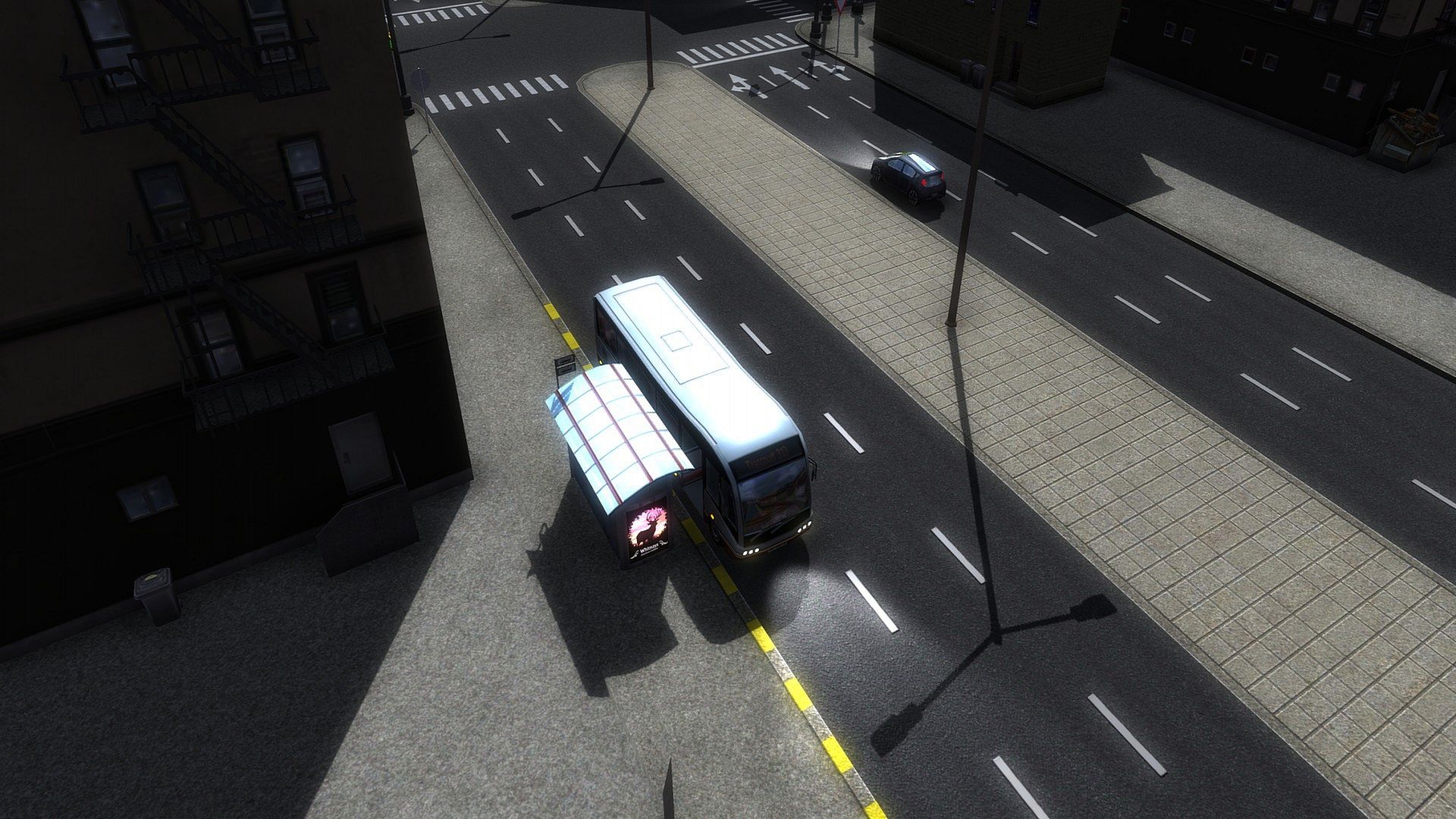
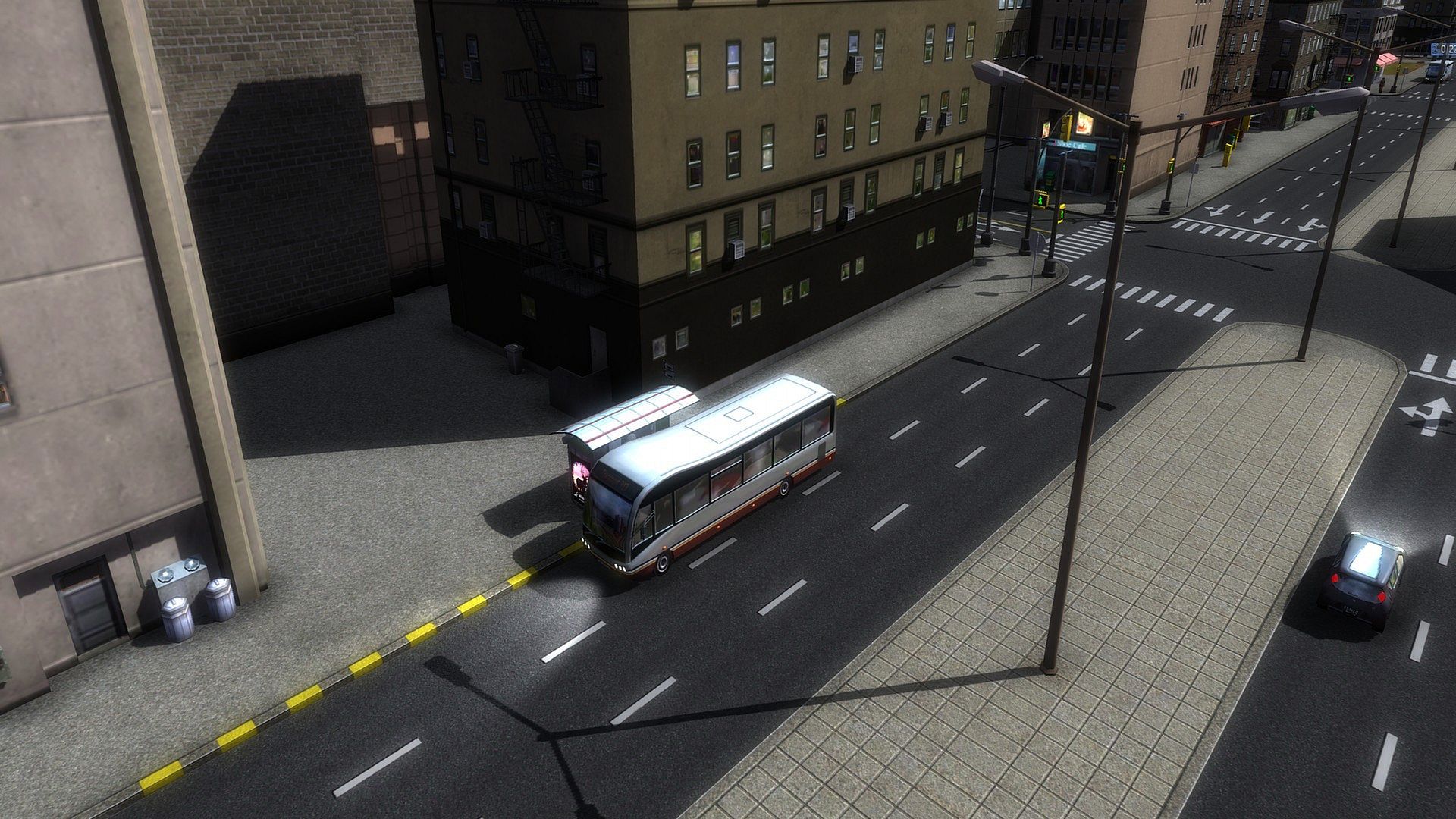
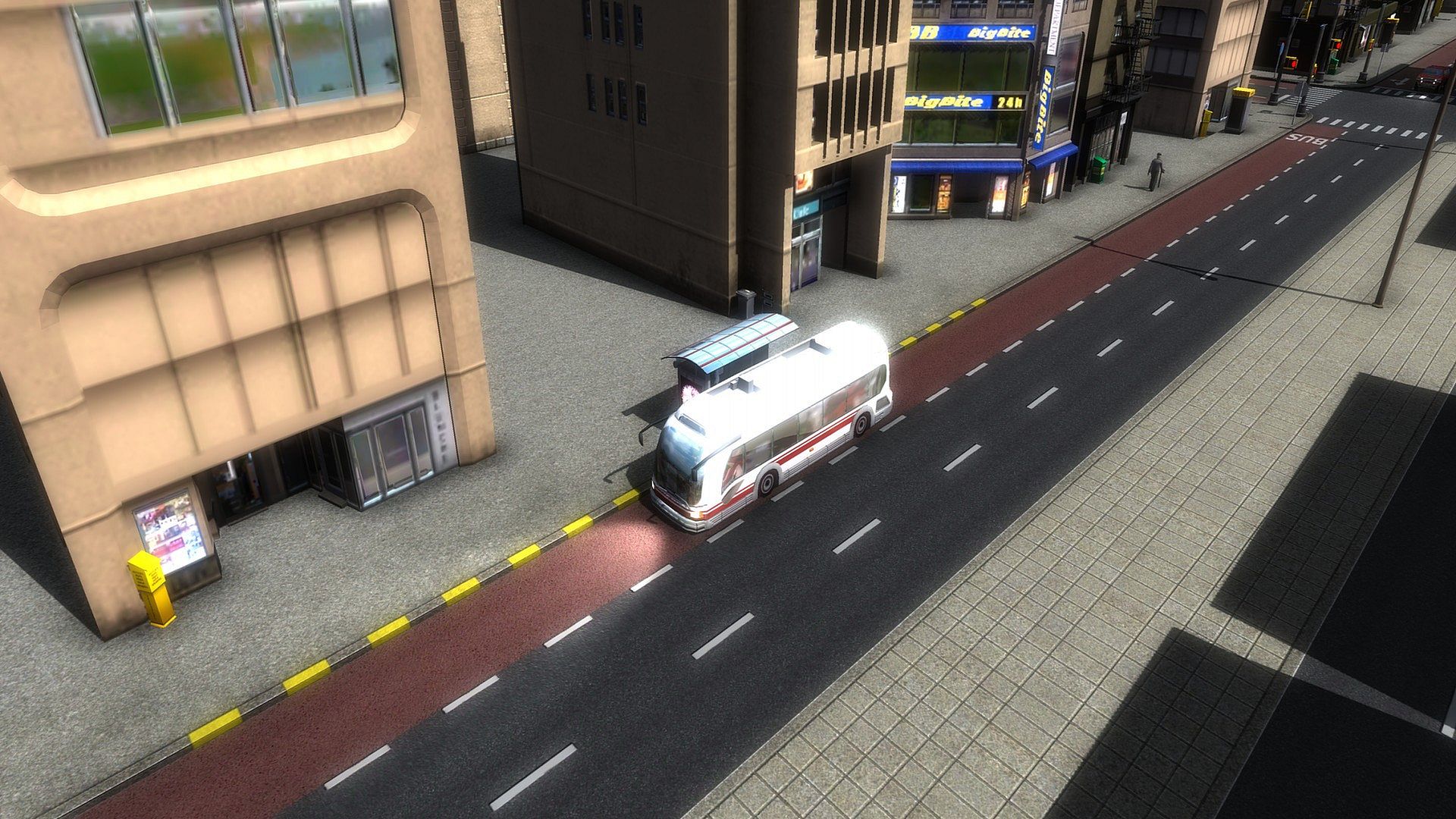
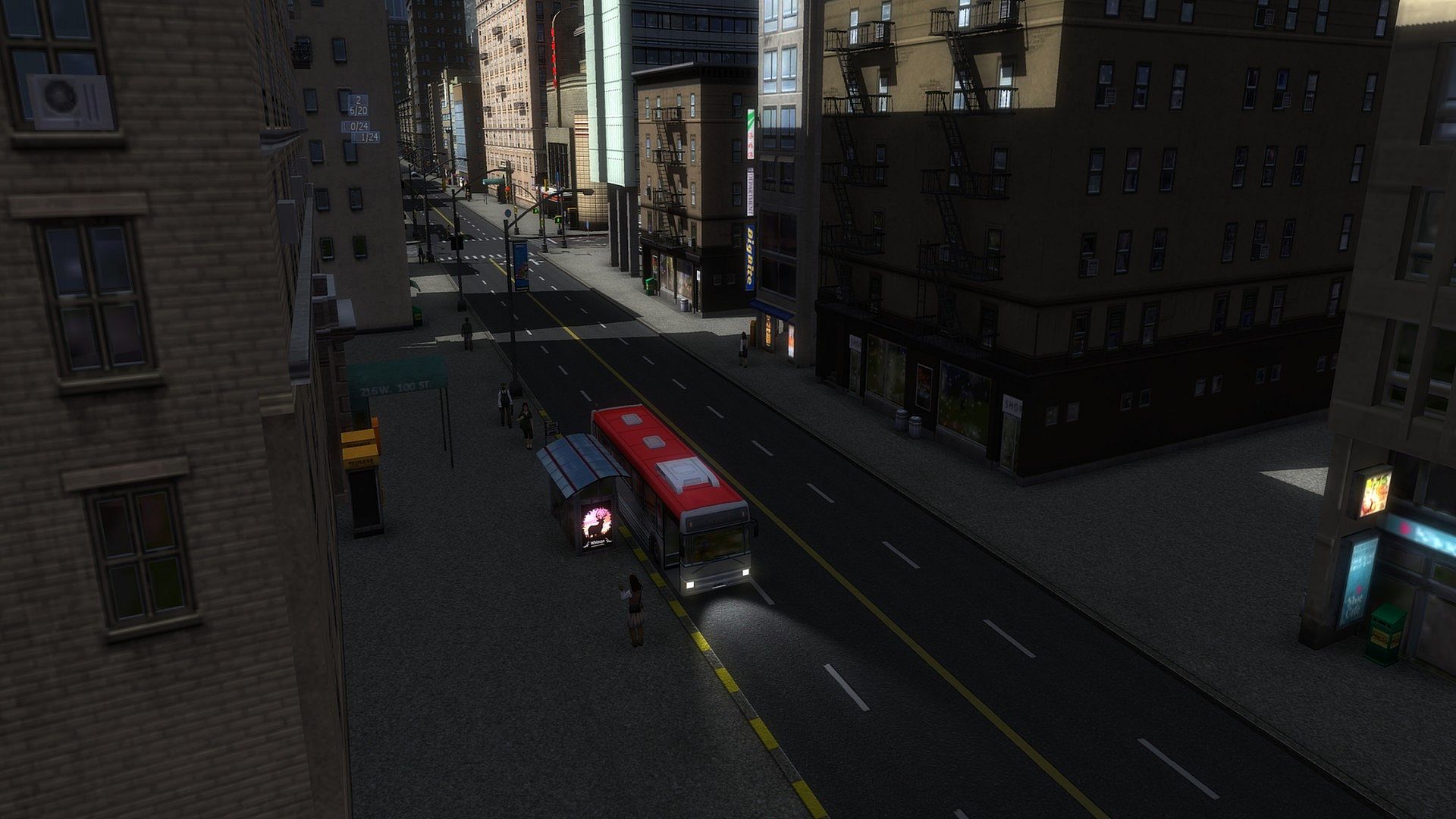
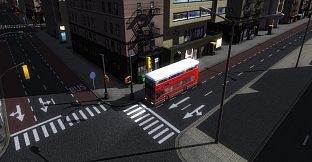
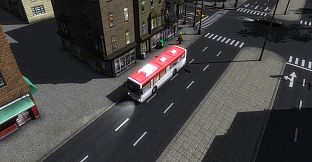
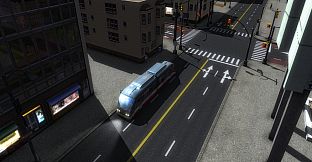
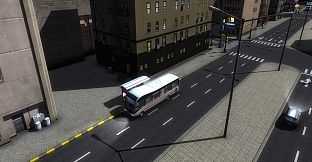
Five distinct buses arrive with the pack, each suited to particular route demands. Pavlov Arriva offers compact size and strong comfort for lines serving selective riders. Comet Sun provides balanced capacity and speed for versatile use across many setups. Maurice Automaton features durable build and reduced upkeep needs, fitting frequent inner-city service. Arnauld 202 delivers high passenger volume despite slower movement, suiting crowded corridors. Stern-Berger ProTerra prioritizes low energy consumption in a smaller frame, appealing for routes where efficiency matters most. These options expand choices when assigning fleets to match local conditions.
Is It Worth Playing?
This content suits players who enjoy detailed transit planning and vehicle optimization within a simulation framework. The added buses provide concrete variety for refining existing lines or launching new ones, particularly when maintenance budgets or passenger volumes shift. Those already invested in the base game gain immediate tools for experimentation without learning new systems. Reception among simulation fans highlights appreciation for the micromanagement depth, though the experience remains focused on steady network building rather than rapid action. Availability on PC keeps it accessible for ongoing play sessions centered on route efficiency.