














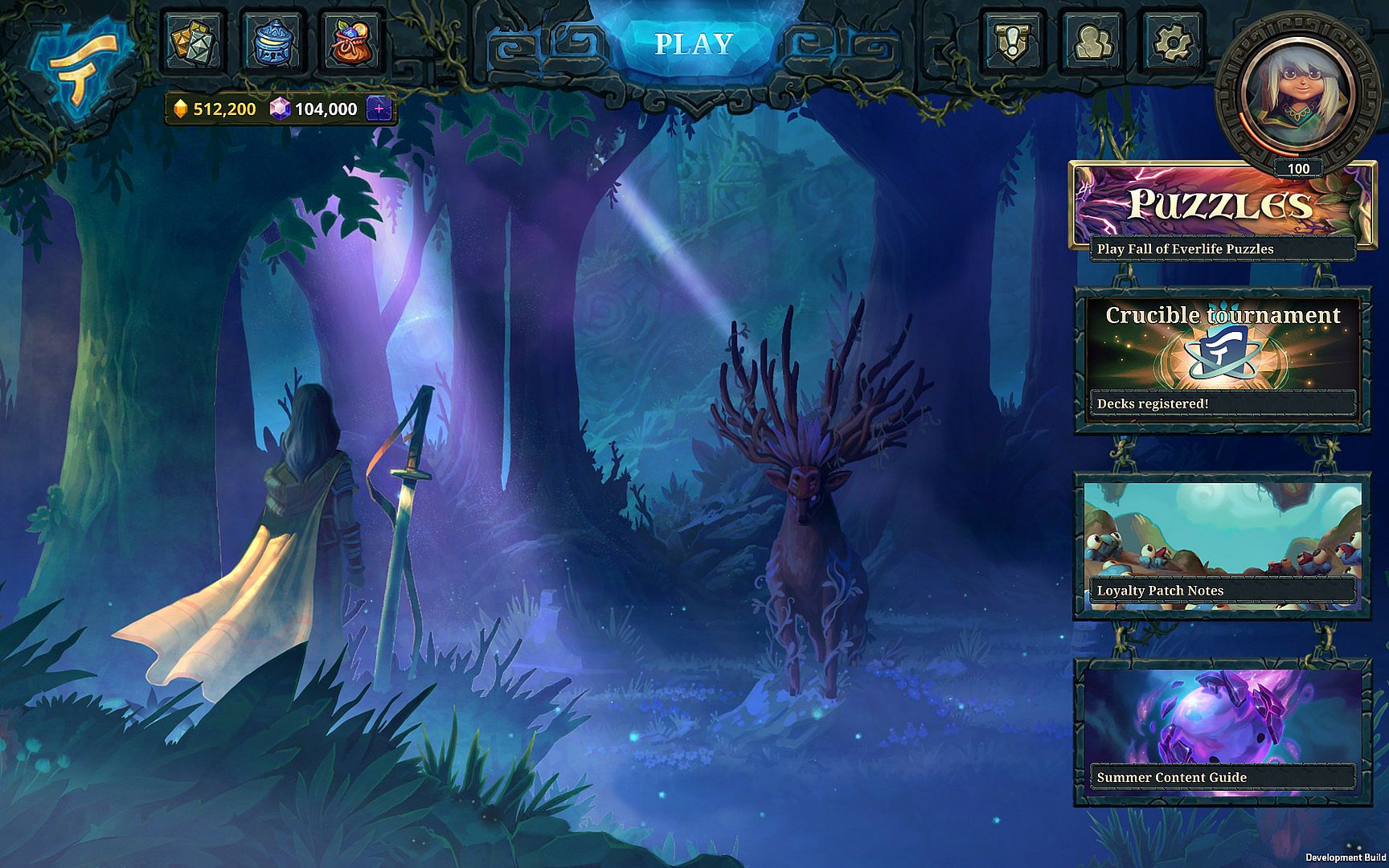
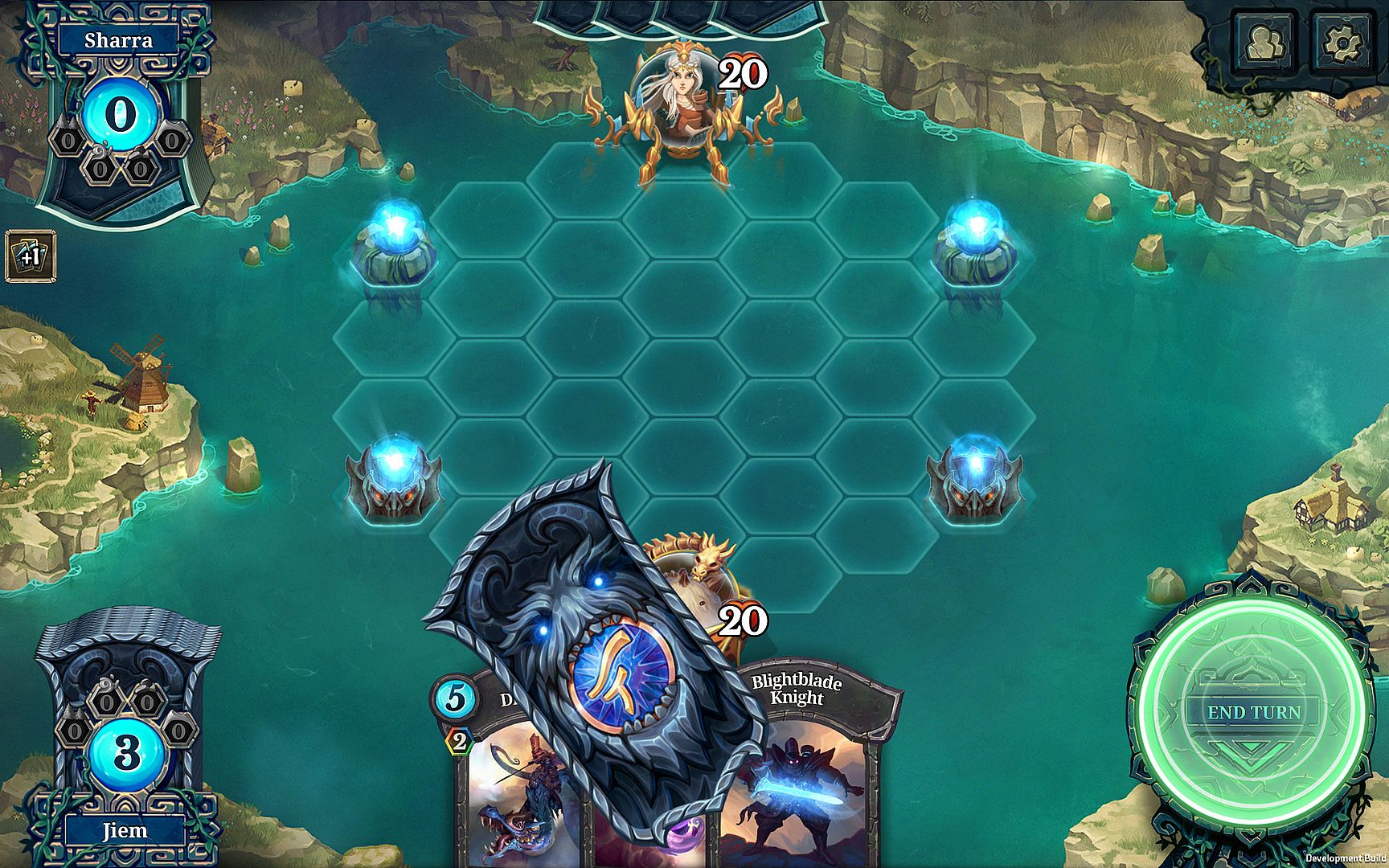
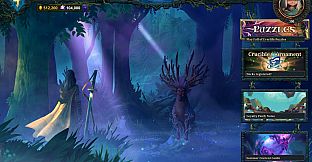

Faeria is a strategy card game that blends traditional deck building with a dynamic board that players actively shape during matches. On PC, it emphasizes thoughtful planning over luck, as competitors construct their own battlefields while deploying creatures and spells. The core appeal lies in its hybrid approach, where card choices interact directly with terrain placement to control the flow of battle.
Gameplay
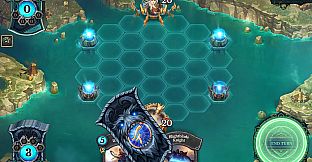
Matches unfold on a hex-based grid where each player starts from opposite sides and works toward the center. Players spend resources to place lands that define the board: mountains for aggressive power, forests for growth and healing, lakes for mobility and control, and deserts for resource denial or area effects. These lands determine which cards can be played effectively, turning the battlefield into a living element that evolves turn by turn.
Decks consist of creatures, structures, and spells that gain bonuses or restrictions based on surrounding terrain. Victory comes from reducing the opponent's life total to zero, often by securing key positions or overwhelming through superior positioning. The system rewards players who anticipate opponent moves and adapt their land placement accordingly, creating layers of strategy beyond simple card advantage.
Resource management revolves around Faeria, the game's namesake currency, which fuels both land creation and card plays. This integration means every decision about expanding the board competes with summoning units or casting effects, leading to tense mid-game swings.
Game Modes
Faeria supports several distinct play formats that cater to different preferences. Pandora serves as the primary draft experience, where participants build decks on the fly from rotating card pools, emphasizing adaptability and quick decision-making under constraints.
Solo campaigns provide structured single-player challenges that introduce core mechanics through progressive scenarios. These allow practice against AI opponents while unlocking new cards and refining strategies without multiplayer pressure.
Player-versus-player matches form the competitive backbone, available in ranked and casual queues. These emphasize direct confrontation and long-term deck refinement, with all participants earning rewards through consistent play rather than purchases.
Progression and Collection
Card acquisition happens entirely through in-game effort. Experience points earned from matches unlock battle chests and shards that expand collections over time. This model removes pay-to-win elements and ties advancement directly to time invested in matches across modes.
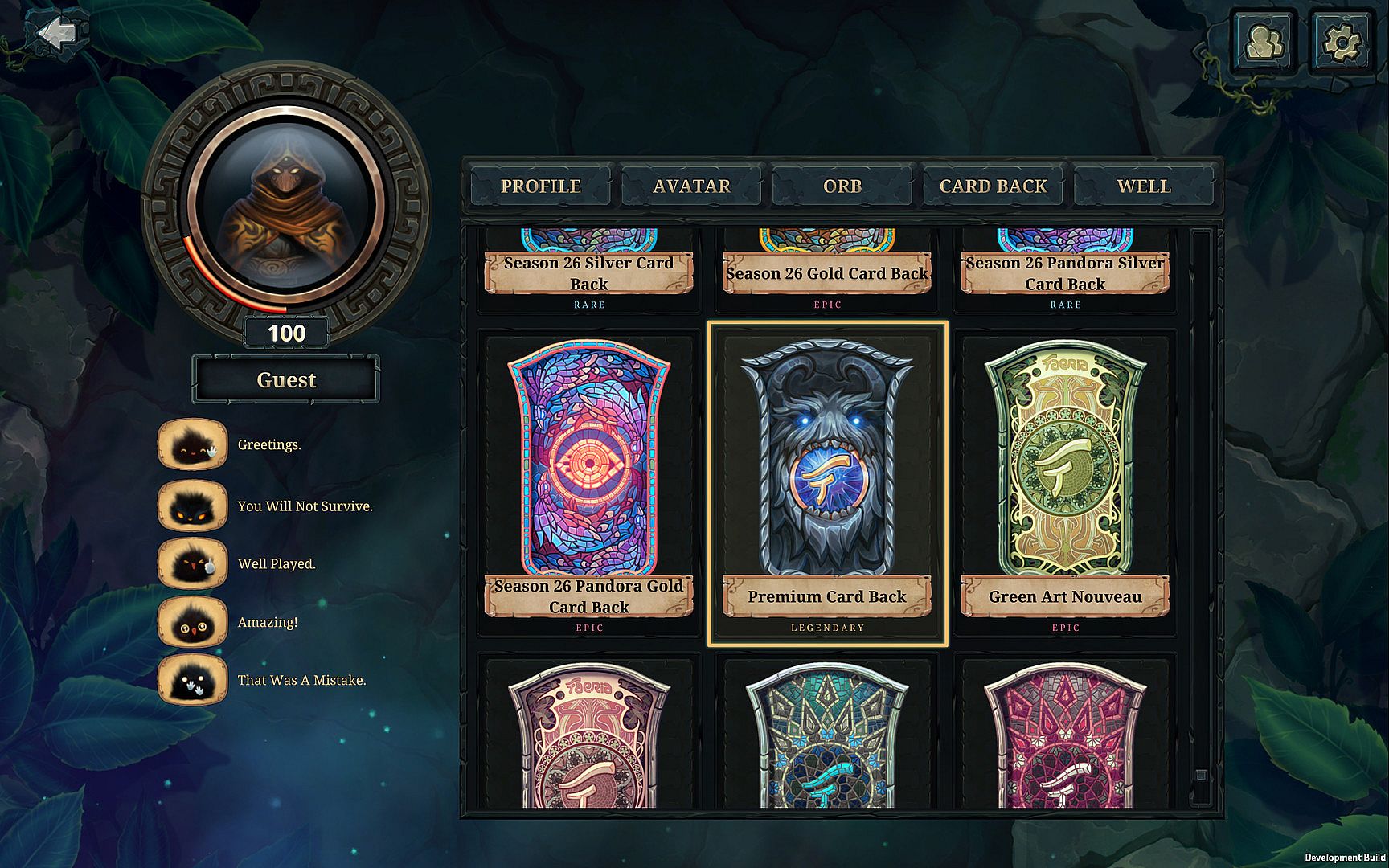
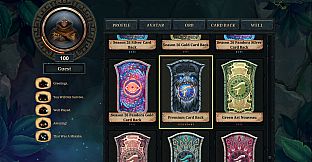
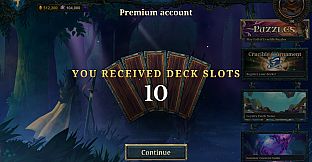
Additional deck slots and cosmetic options enhance organization and personalization for dedicated players. The system encourages experimentation, as new cards integrate into existing strategies through repeated matches rather than external acquisition.
Is It Worth Playing?
Faeria suits players who enjoy deliberate strategy sessions and the satisfaction of building both decks and boards from scratch. Its focus on terrain interaction sets it apart from pure card battlers, rewarding those who think several turns ahead about positioning and synergies.
The free-to-play structure with earnable progression makes it accessible for anyone willing to invest time rather than money. Matches deliver consistent depth without requiring prior knowledge of similar titles, though newcomers benefit from starting with solo content to learn land placement fundamentals.
Current support maintains active queues and seasonal events that refresh card pools and challenges. For strategy enthusiasts seeking a multiplayer card game with unique board-building mechanics, it delivers engaging sessions that scale in complexity as collections grow. Those preferring fast-paced action or heavy reliance on random draws may find the pace and planning requirements less appealing.