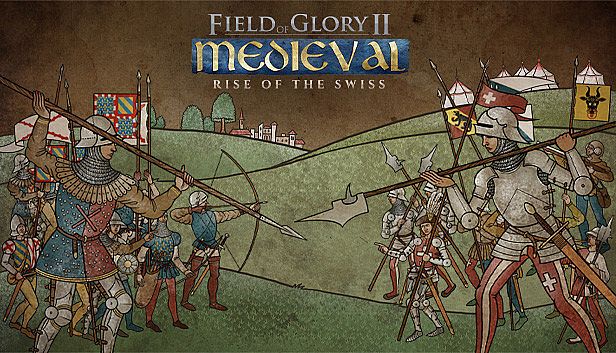




















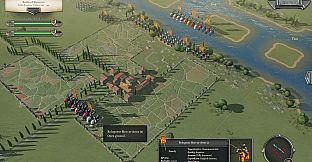
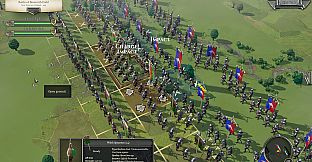
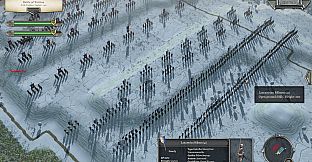
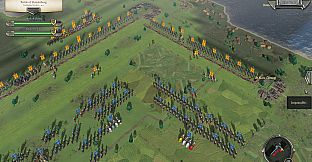
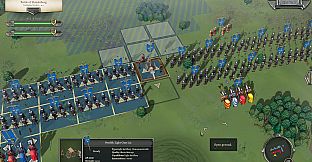
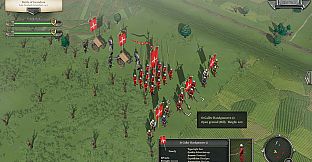
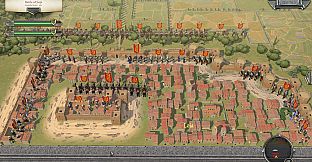
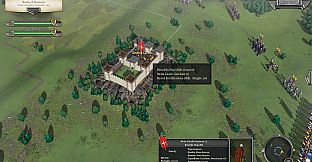
Field of Glory II: Medieval - Rise of the Swiss is a strategy simulation game set on PC that focuses on late medieval European warfare from the late 1300s to 1500. Players command armies in detailed tactical battles that reflect the shift toward pike formations and mobile defenses during this era.
Gameplay
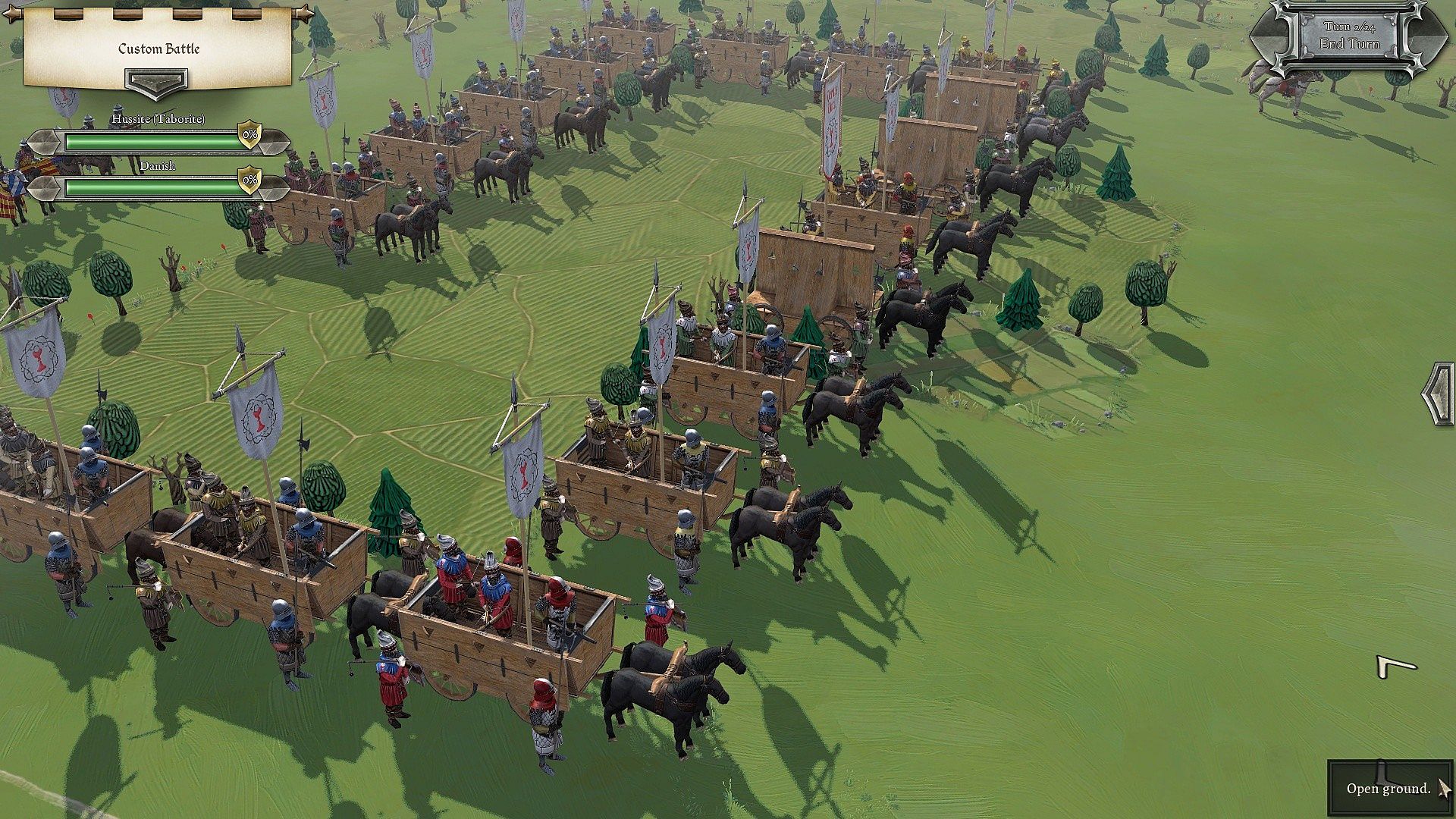
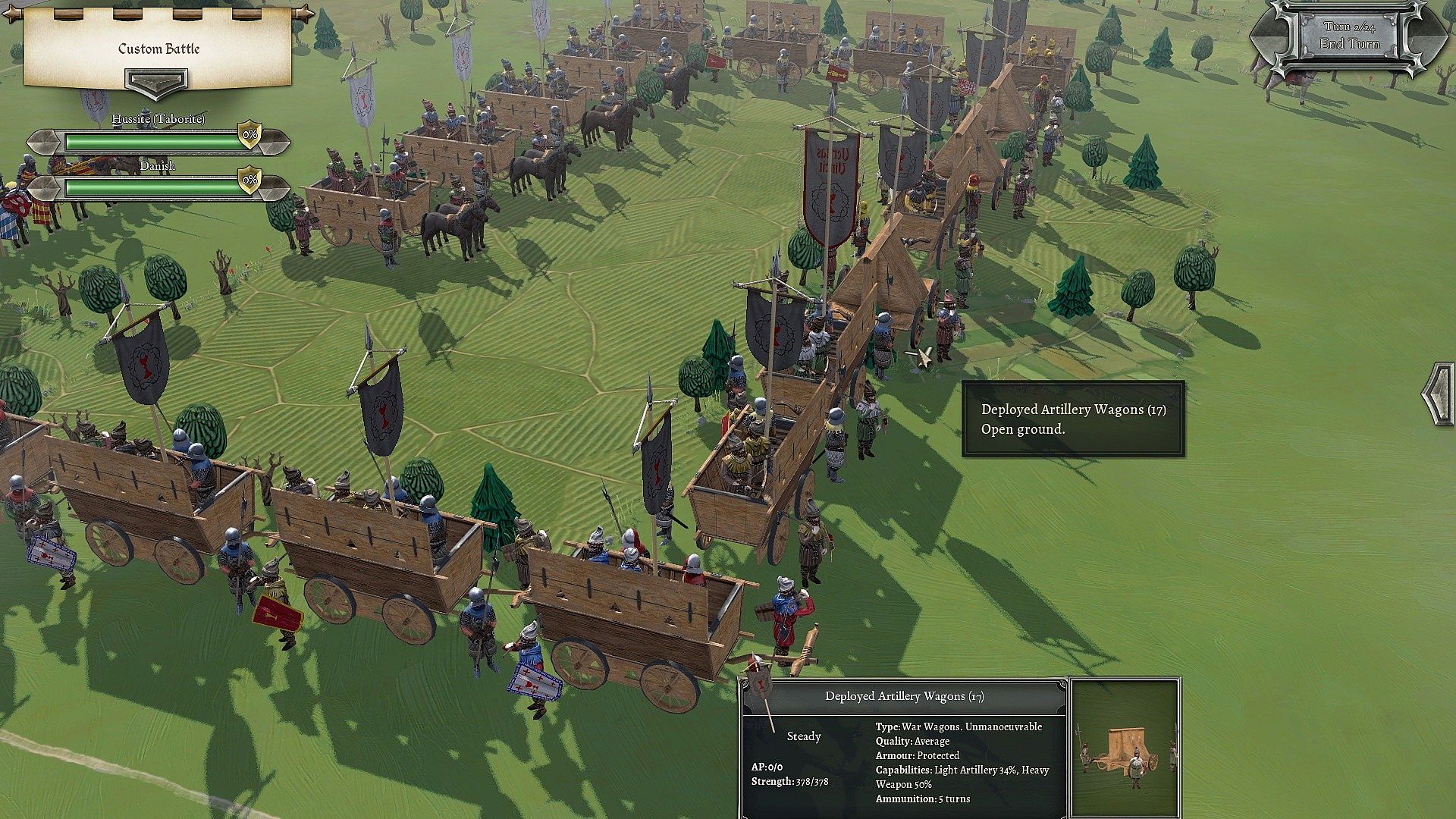
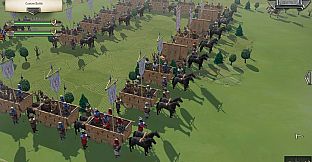
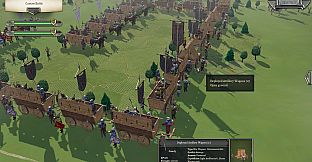
The core loop centers on building and leading historically grounded forces through turn-based engagements. Armies rely on specific unit compositions drawn from the period, with an emphasis on the growing role of pikemen in Swiss forces after early defeats highlighted the advantages of longer reach against armored opponents. Halberdiers remain in limited numbers for banner defense and breaking stalled advances. Hussite armies incorporate war wagons converted from agricultural vehicles to form defensive positions that can also support offensive maneuvers, as seen in key clashes like the one at Kutna Hora.
Additional mechanics cover the adoption of pikes across regions including Spain during the final stages of the Reconquista, where sword and buckler troops appear alongside them, and England during the Wars of the Roses, where longbows and dismounted men-at-arms still hold prominence with occasional mercenary pike support. Scandinavian conflicts involve efforts to break from unions dominated by neighboring powers. These elements shape army composition and battlefield tactics without modern abstractions.
Game Modes
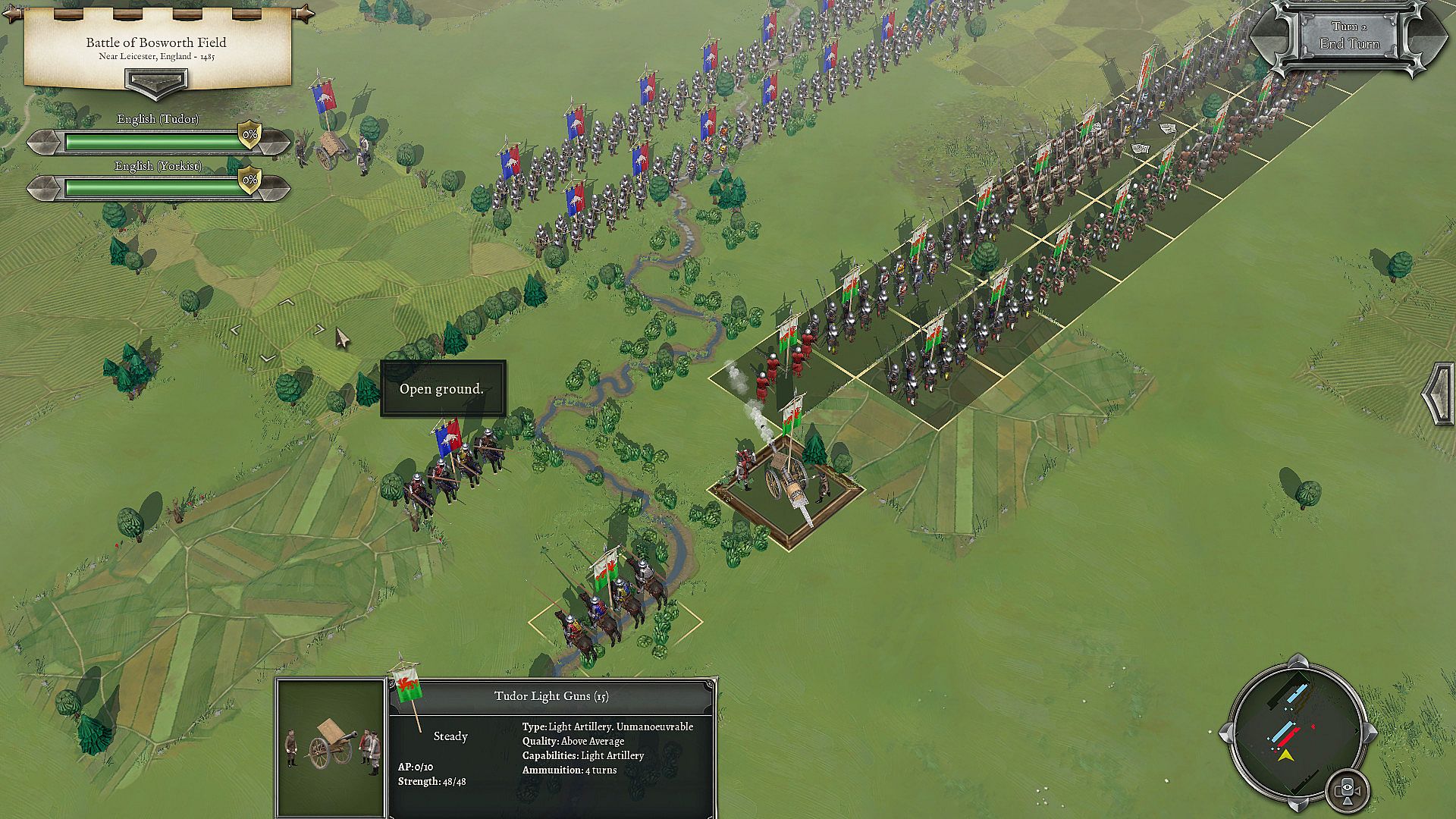
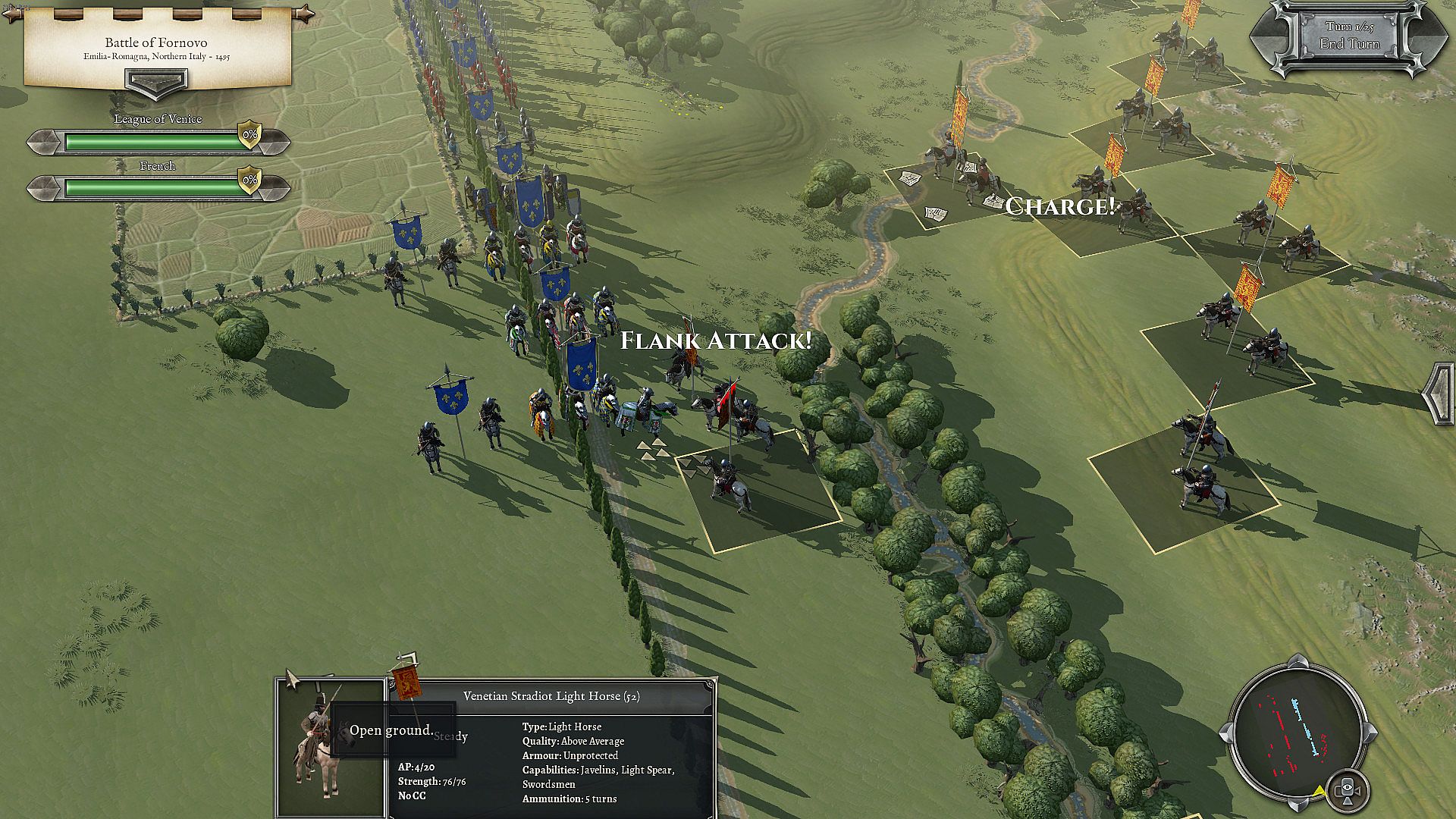
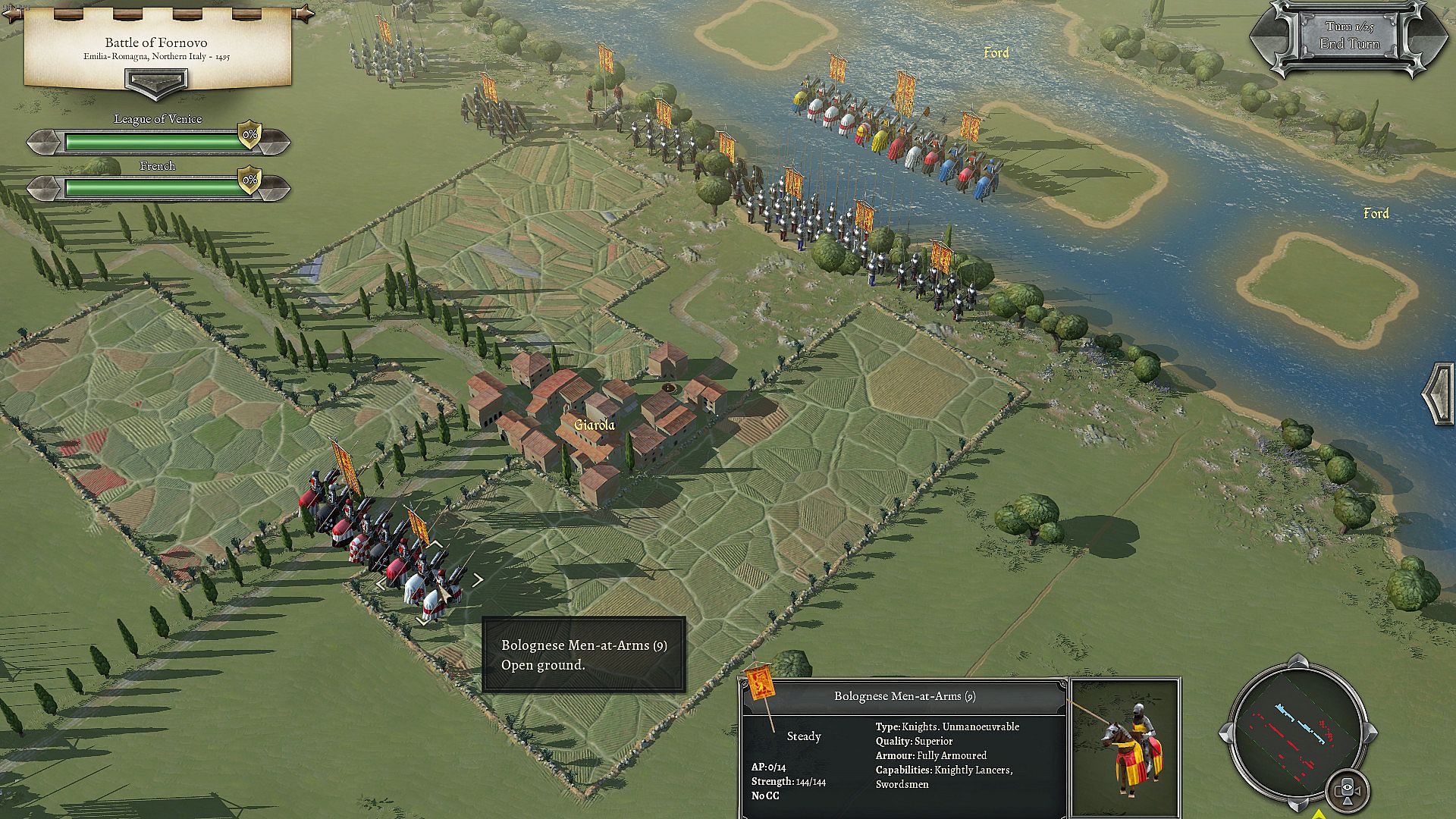
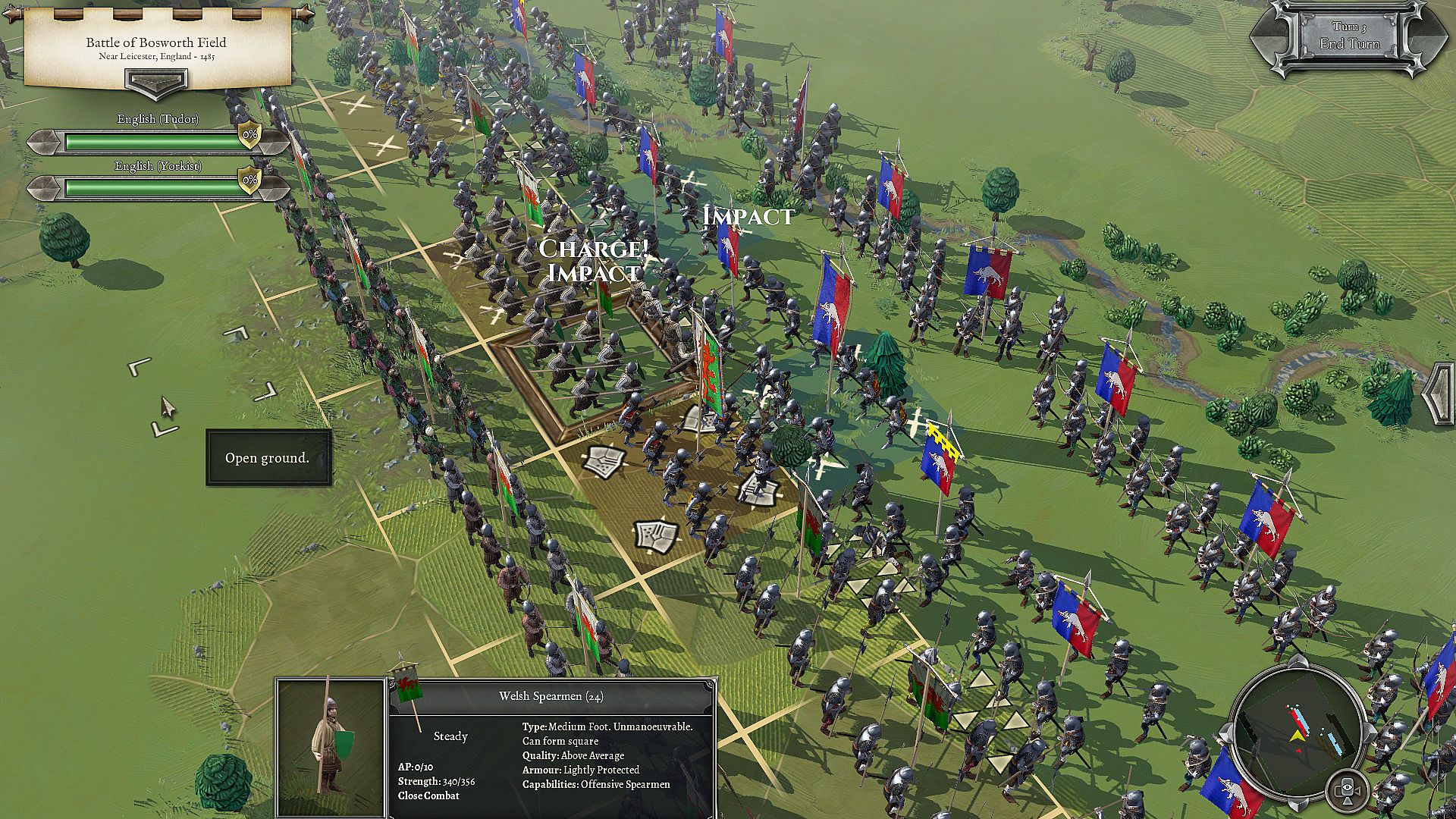
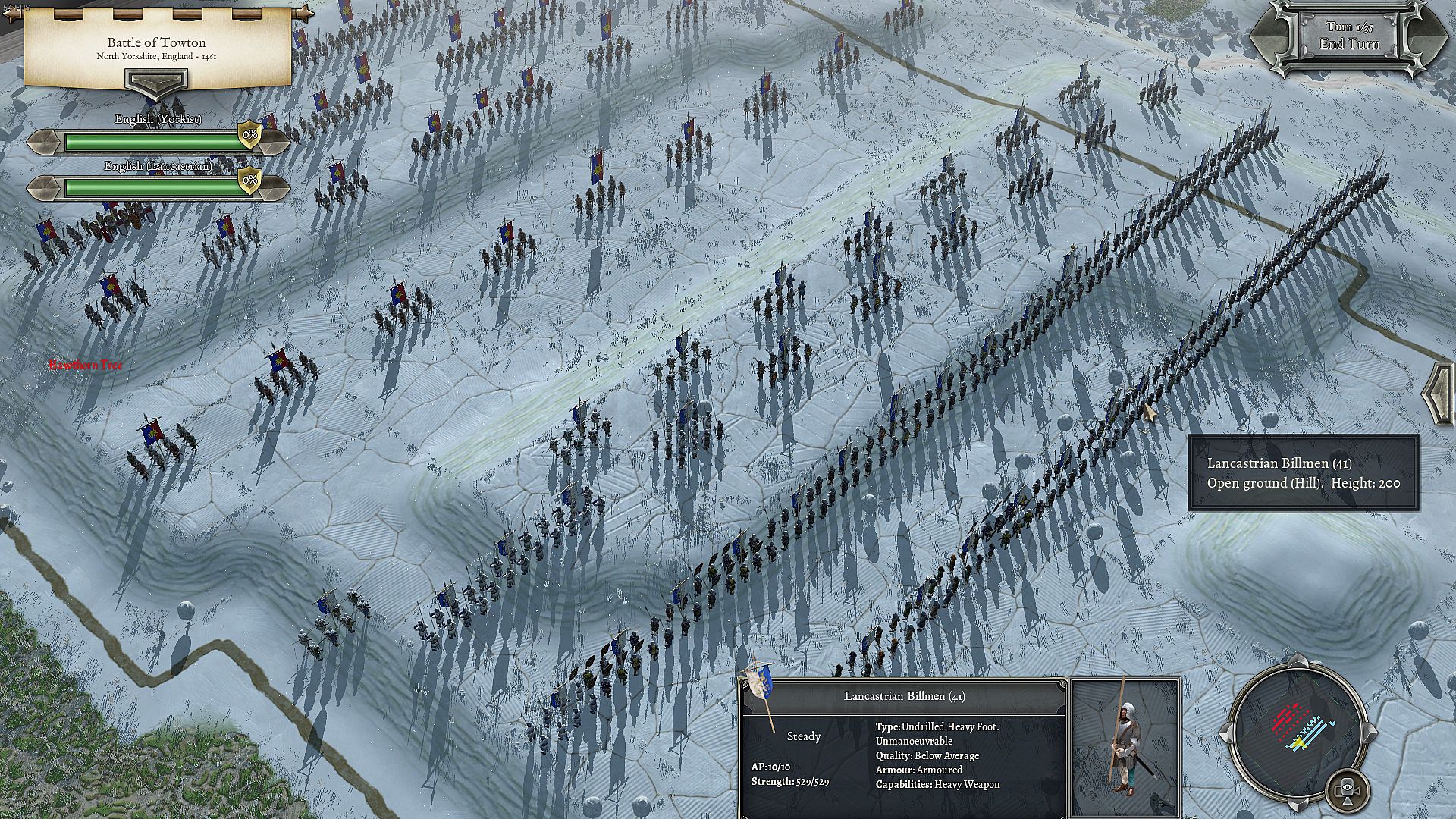
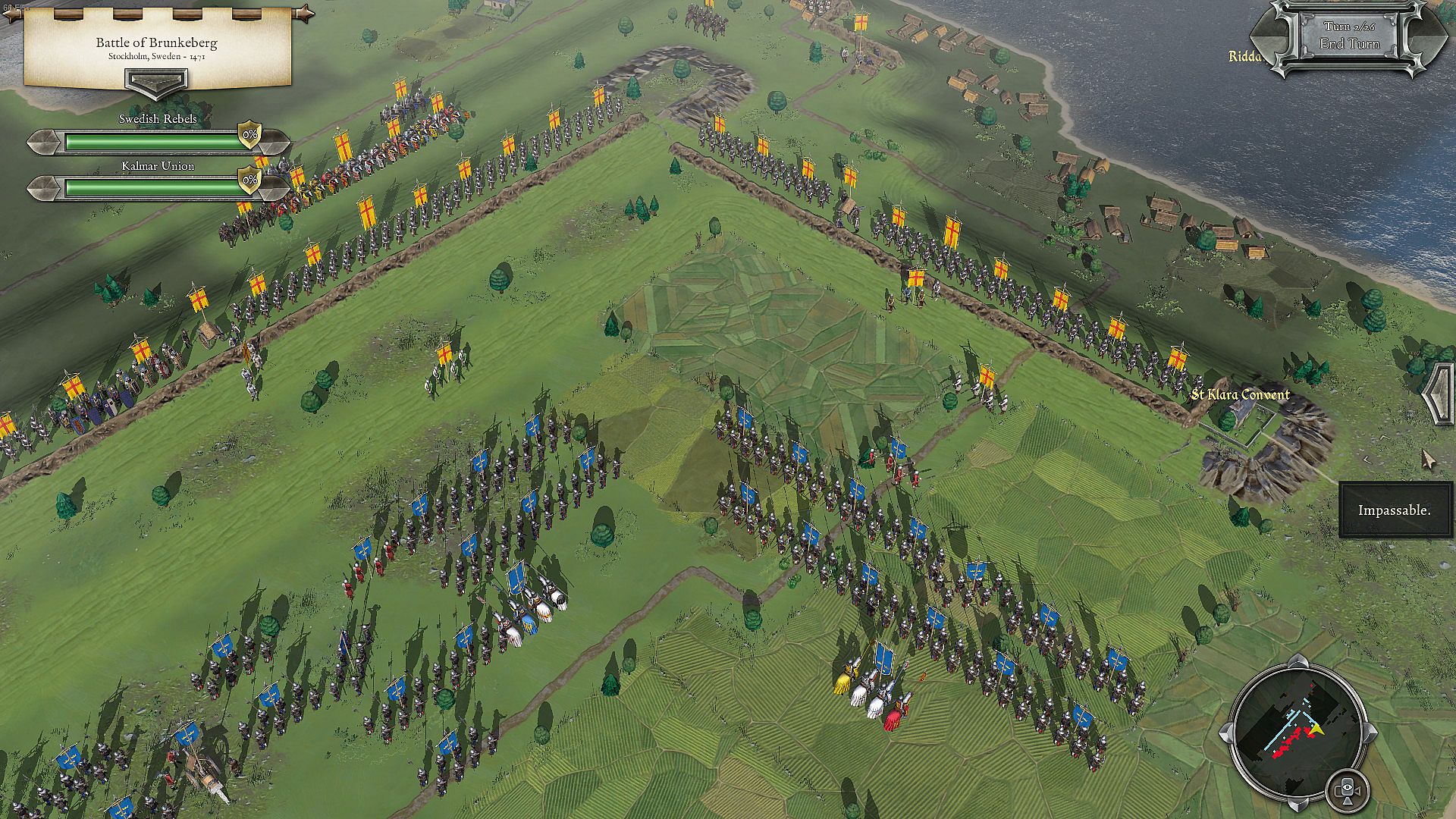
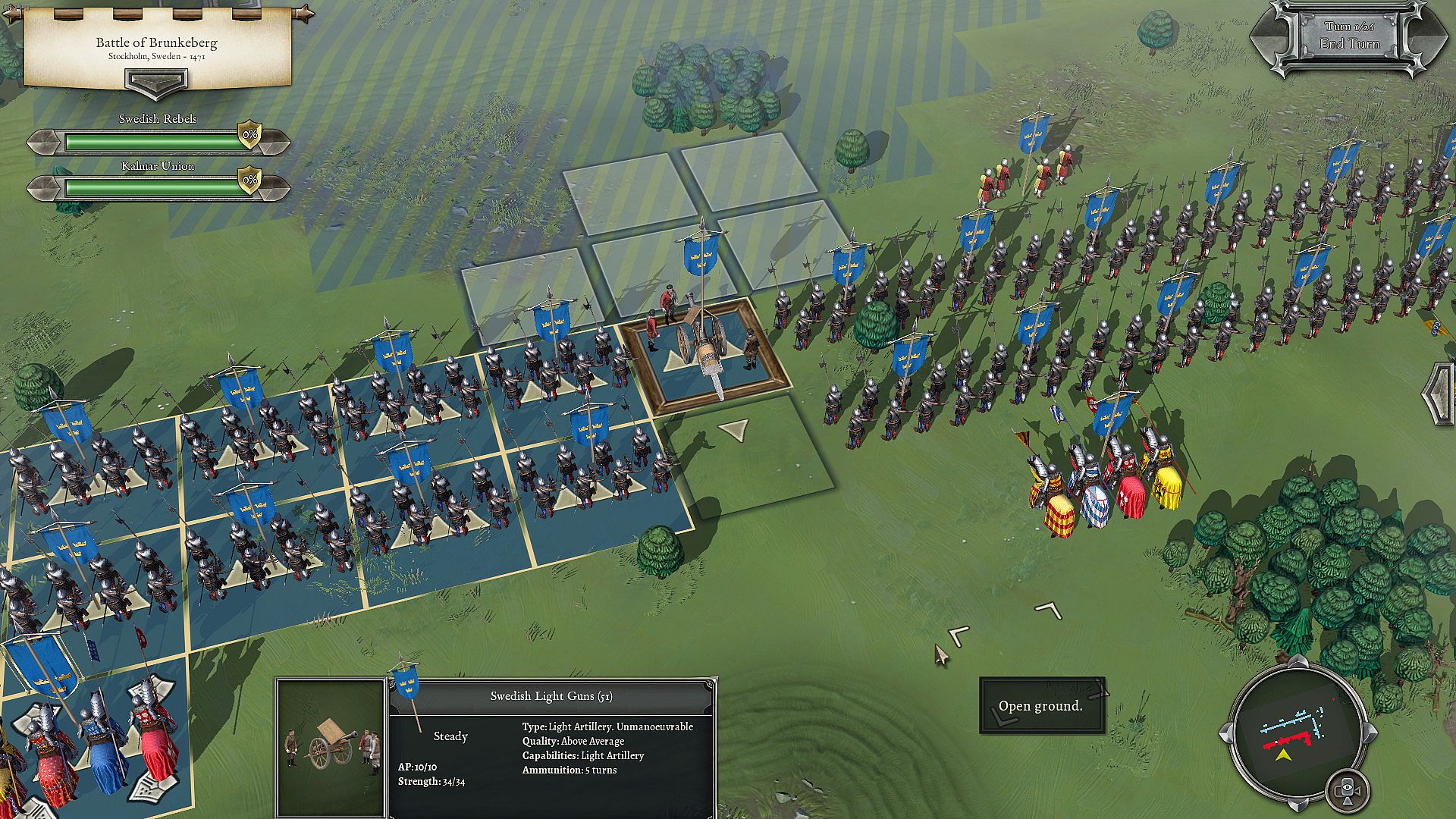
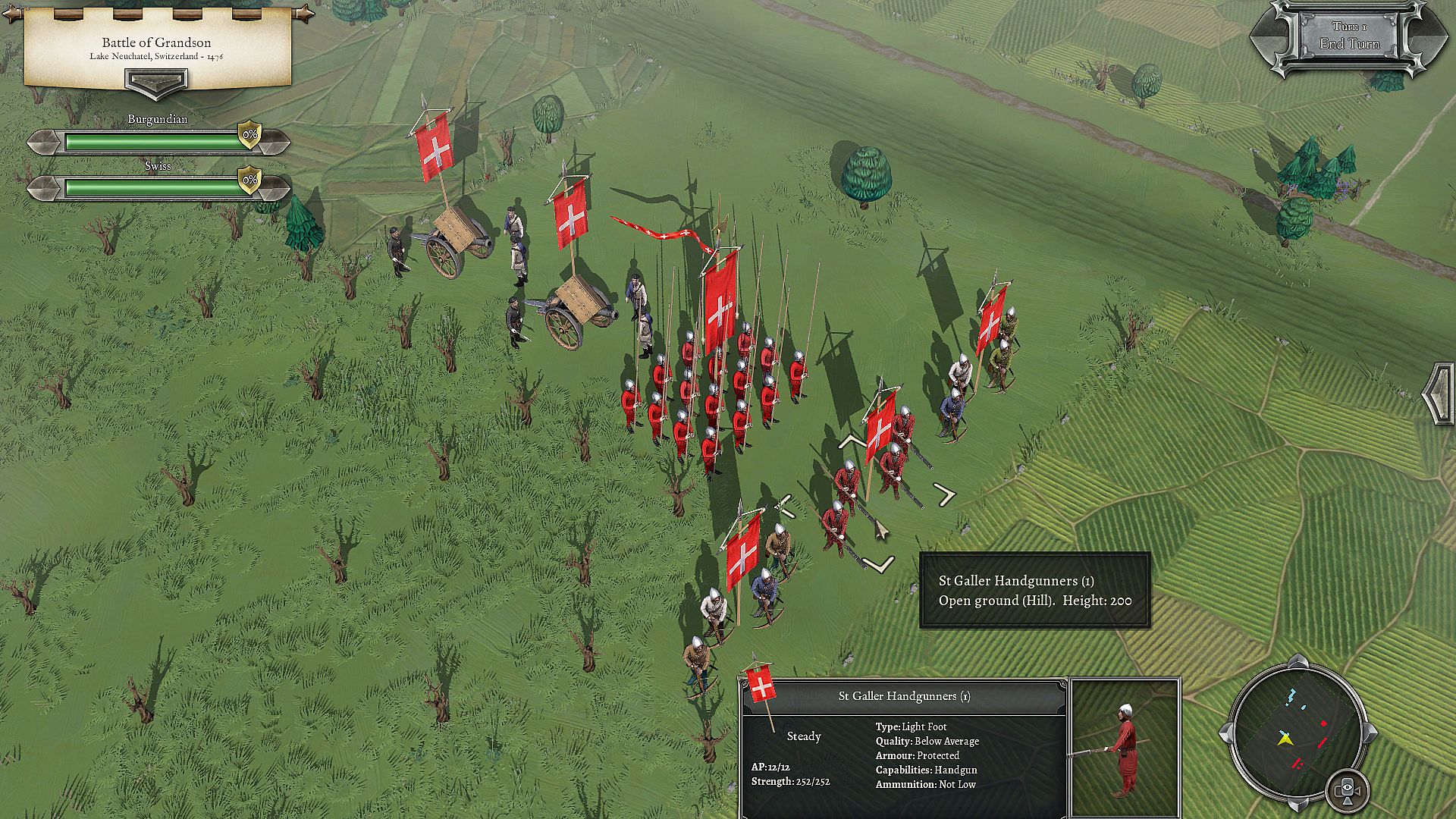
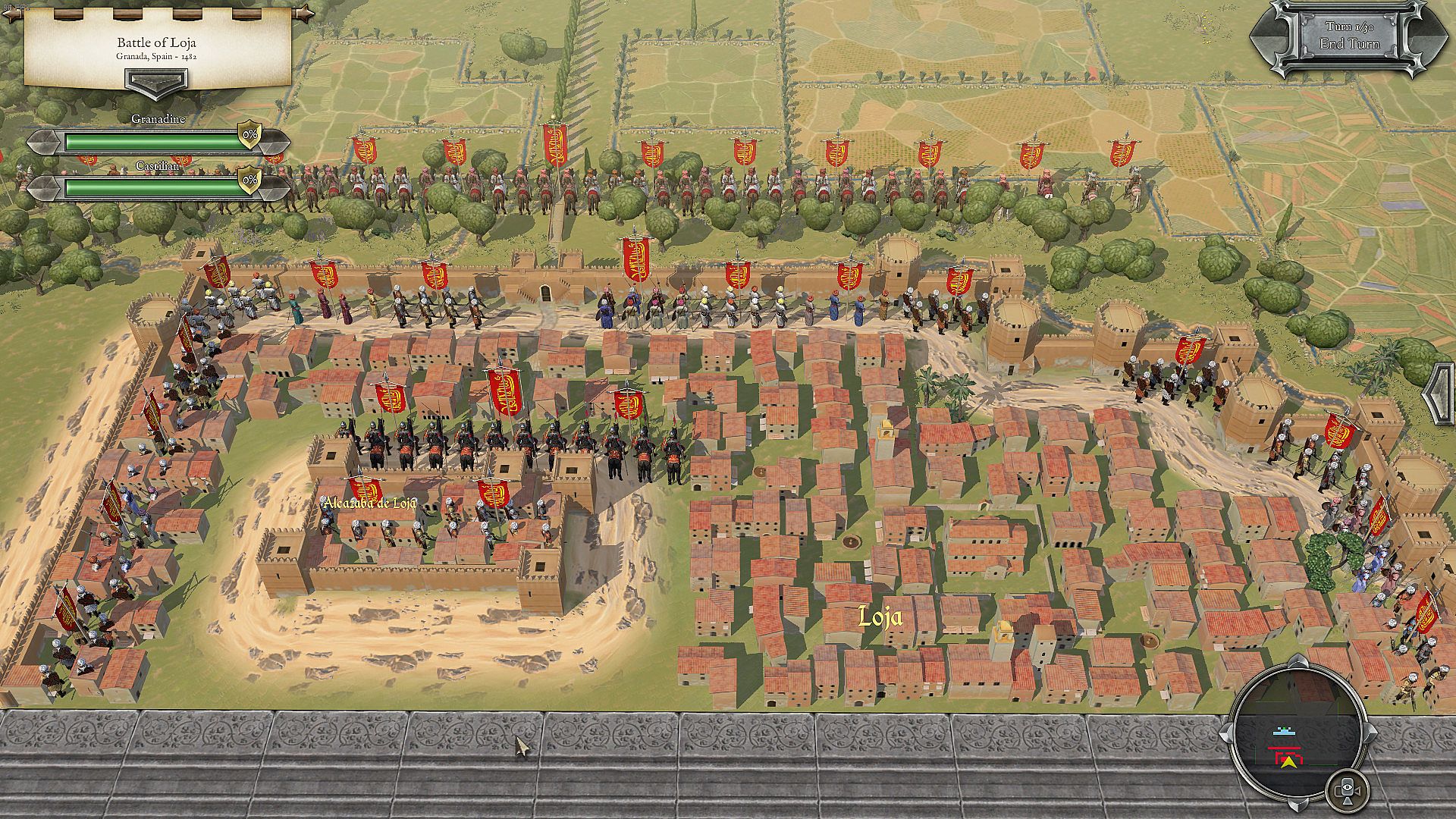
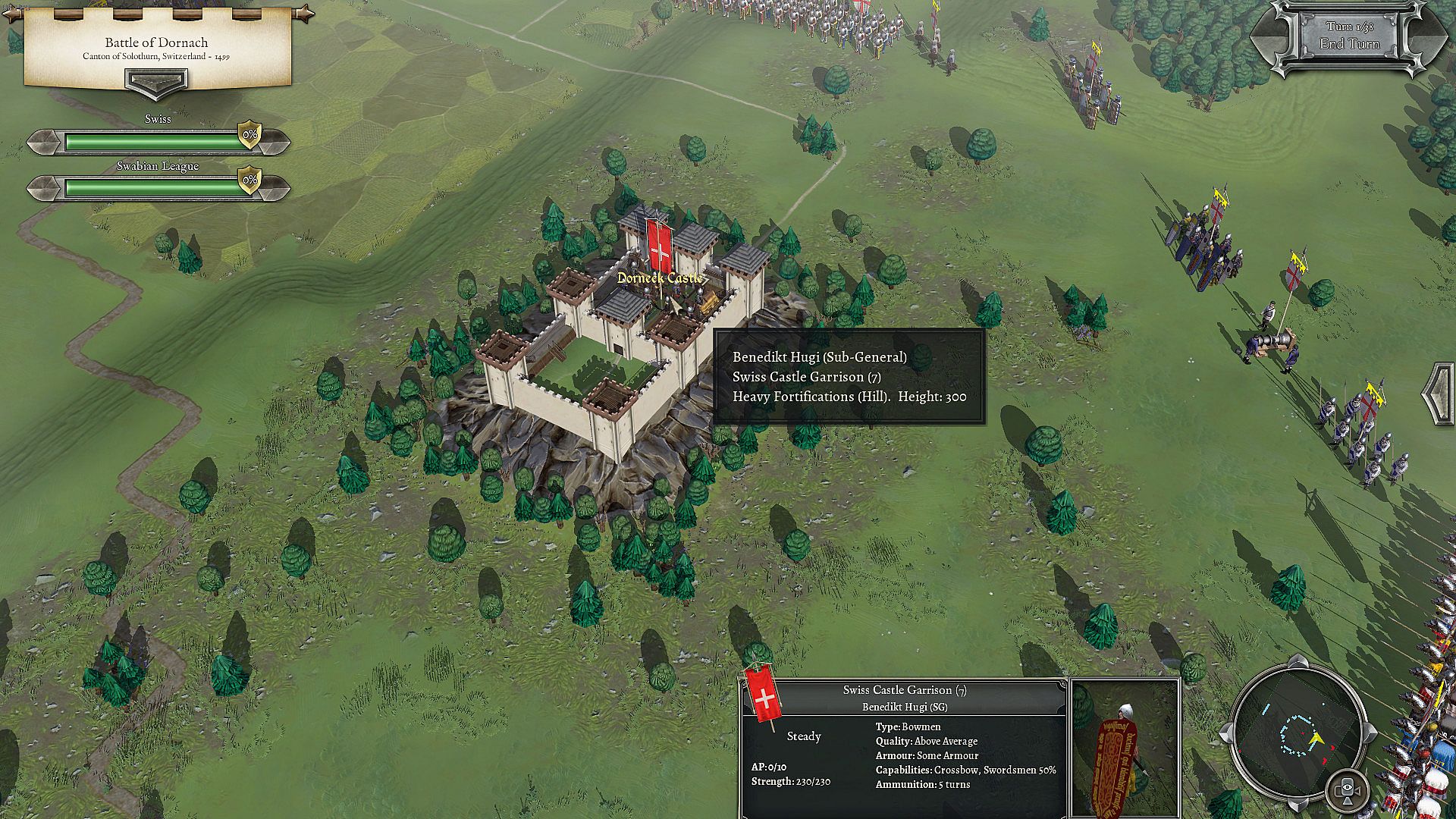
Quick Battle allows selection from an expanded pool of historical matchups, now totaling 239 options that support play from either side. Historical scenarios place players in large-scale recreations of specific engagements such as Kutna Hora in 1421, Towton in 1461, Brunkeberg in 1471, Grandson in 1476, Loja in 1482, Bosworth in 1485, Fornovo in 1495, and Dornach in 1499.
Campaign play includes four dedicated sequences that follow major leaders and conflicts: Rise of the Swiss, Hussite Wars, Charles the Bold, and Louis XI. A sandbox mode supports open-ended conflicts between any included nation and its historical allies, generating thousands of unique army combinations. Time Warp modules extend to the new content for varied historical explorations.
Armies and Factions
The expansion adds coverage for multiple nations and groups that either introduced Swiss-style pike tactics or Hussite war wagons or faced them in opposition. These include Aragonese, Berber forces under the Wattasids, Bohemian Catholic armies across two date ranges, Burgundian lists split by periods, Castilian, Danish, several English variants covering Lancastrian, Yorkist, and Tudor phases plus continental and British deployments, Florentine, French, multiple German categories for Imperial, feudal, and city forces, Granadine, Hungarian, Hussite Taborite and Utraquist, Low Countries, Milanese, Neapolitan, Papal, Polish, Rus, Scots, Swiss across several date brackets, and Venetian.
Each faction receives its own banner and access to 60 new army lists that slot into different time windows. Twenty-two fresh units support these rosters. Historical allies can join forces, producing over three hundred thousand possible army permutations across the full set of 303 medieval lists.
Is It Worth Playing?
This title suits players who seek precise historical army building and tactical decisions rooted in documented developments like the rise of pikes and the use of war wagons. The added scenarios, campaigns, and expanded lists provide substantial new content for those already familiar with the base game or interested in the specific period from the late fourteenth century onward.
Those drawn to simulation-style strategy with a focus on faction variety and matchup variety will find repeated play value through the sandbox and Quick Battle options. The game remains available on PC with ongoing support for its historical framework.