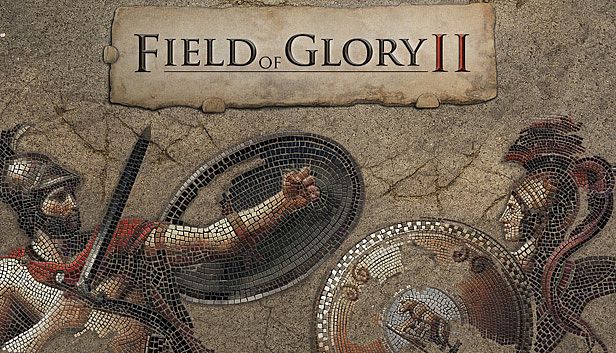


























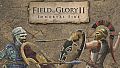

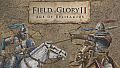
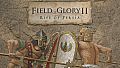
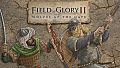
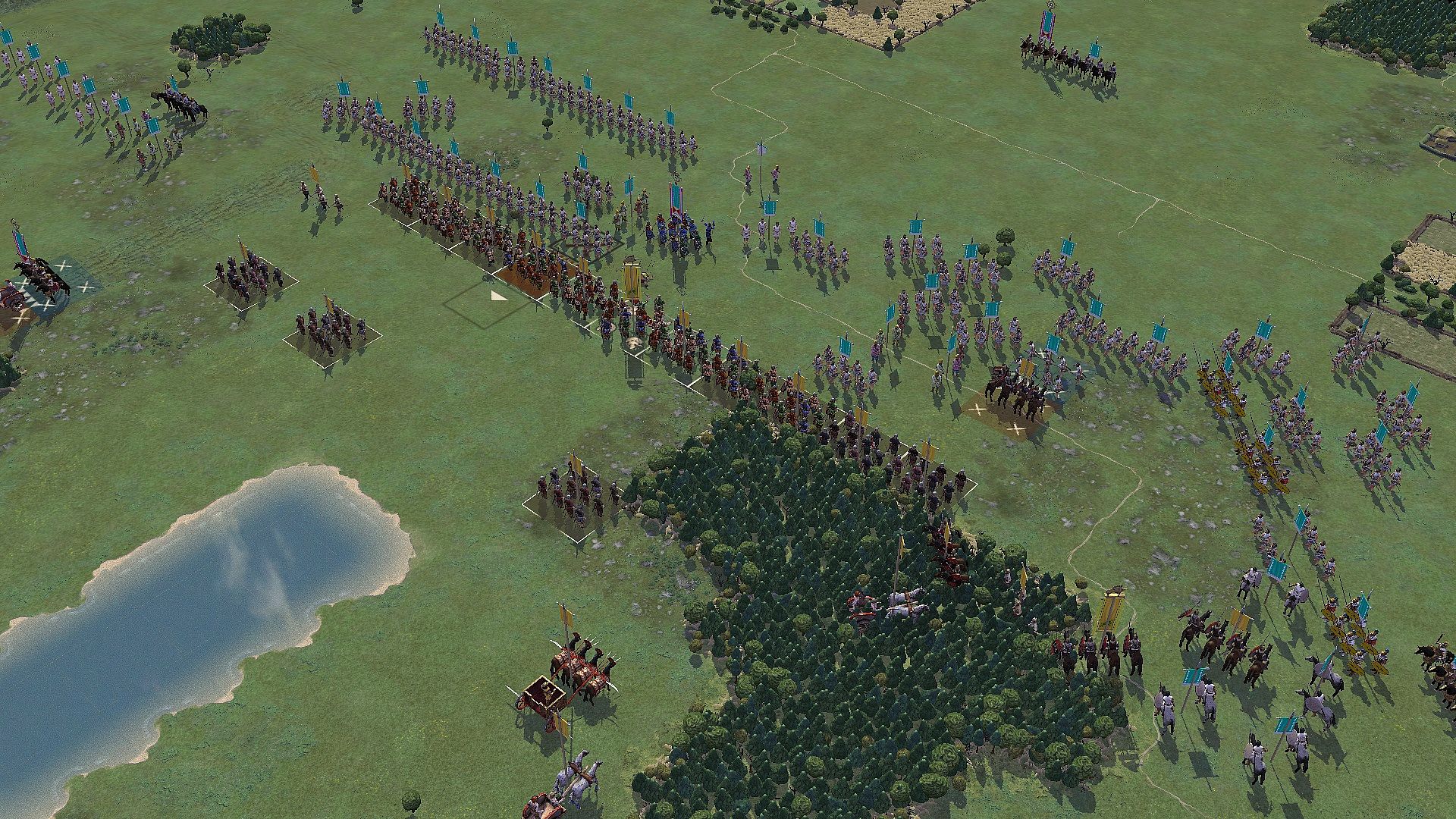
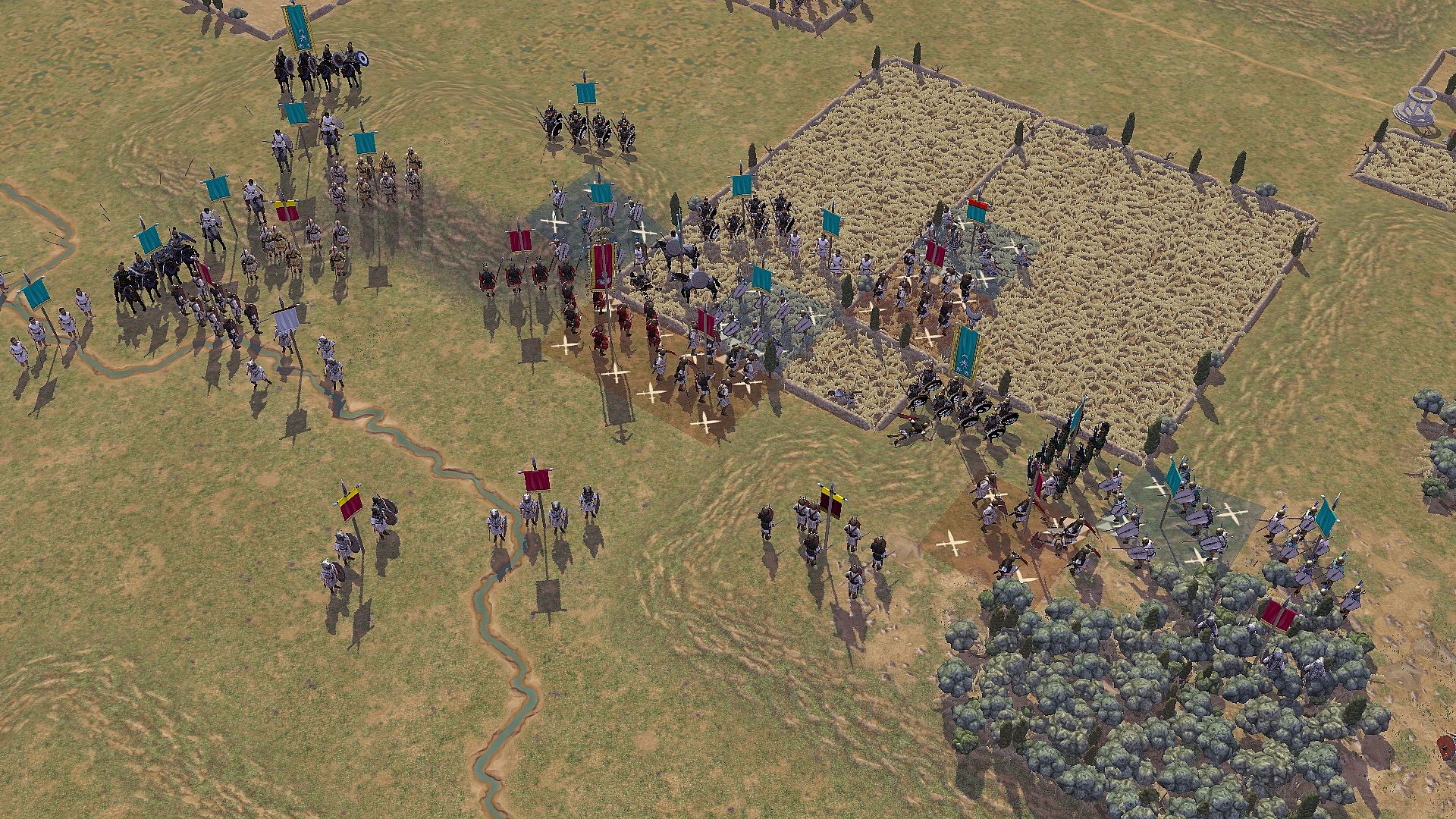
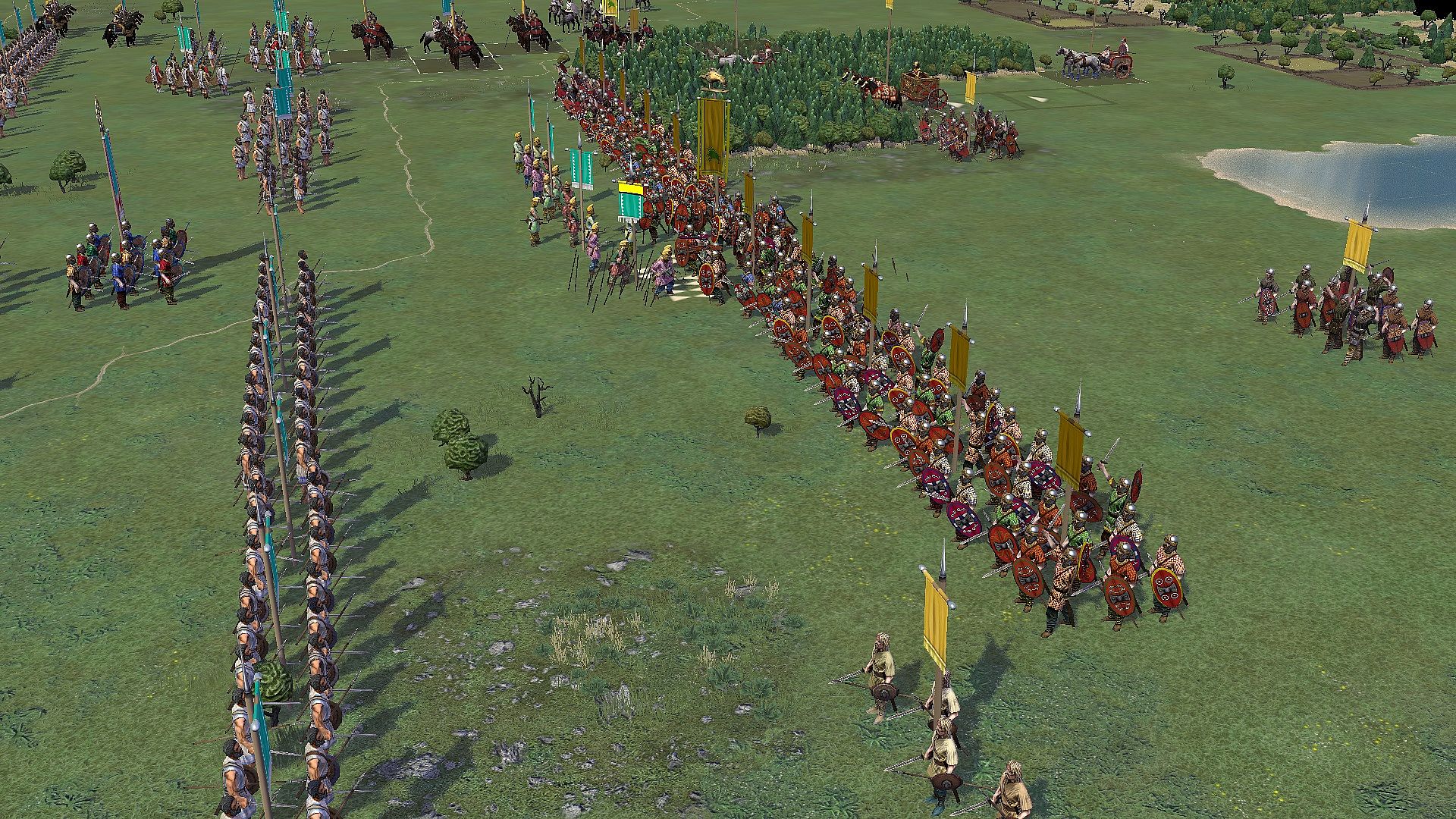
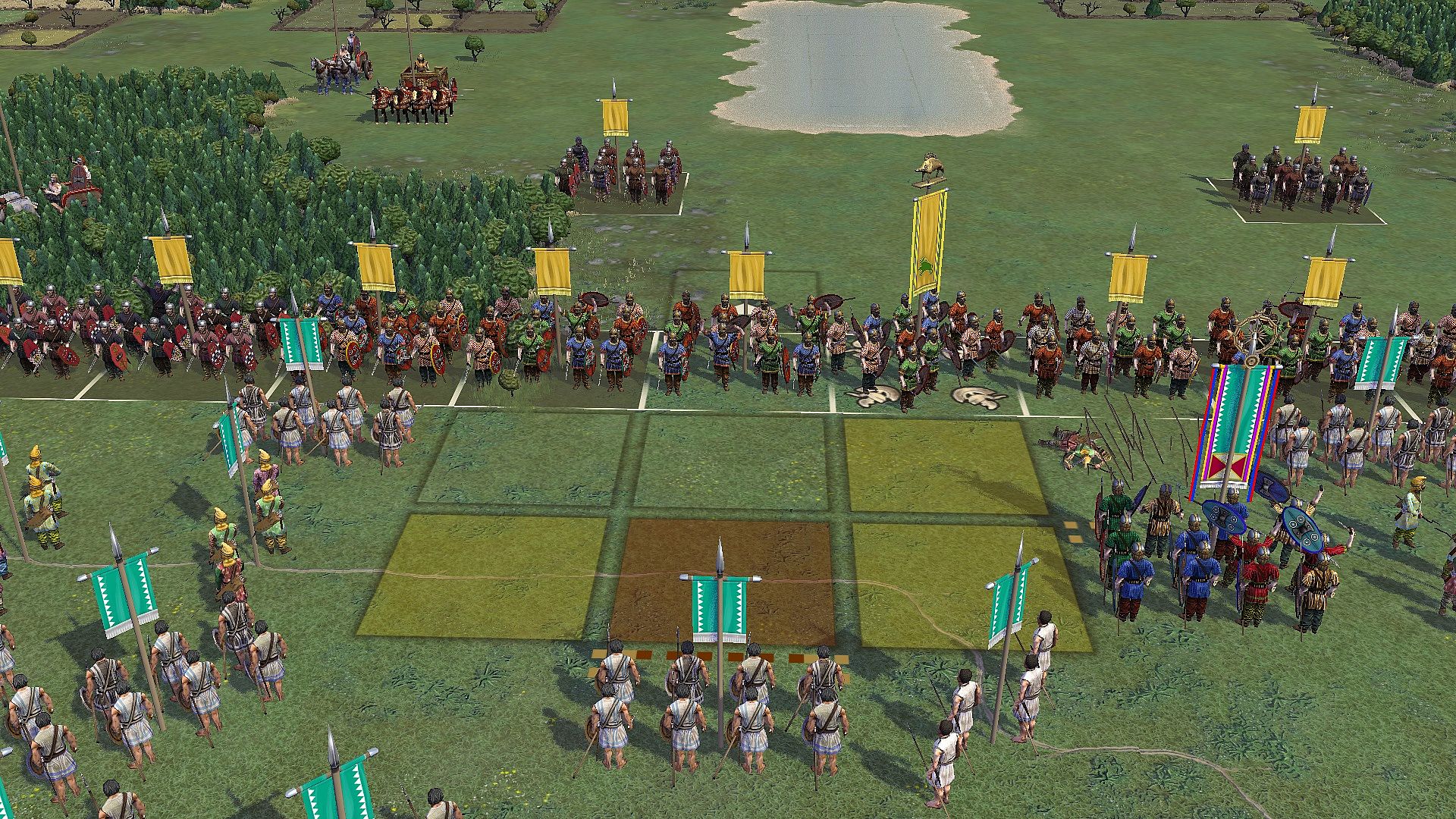
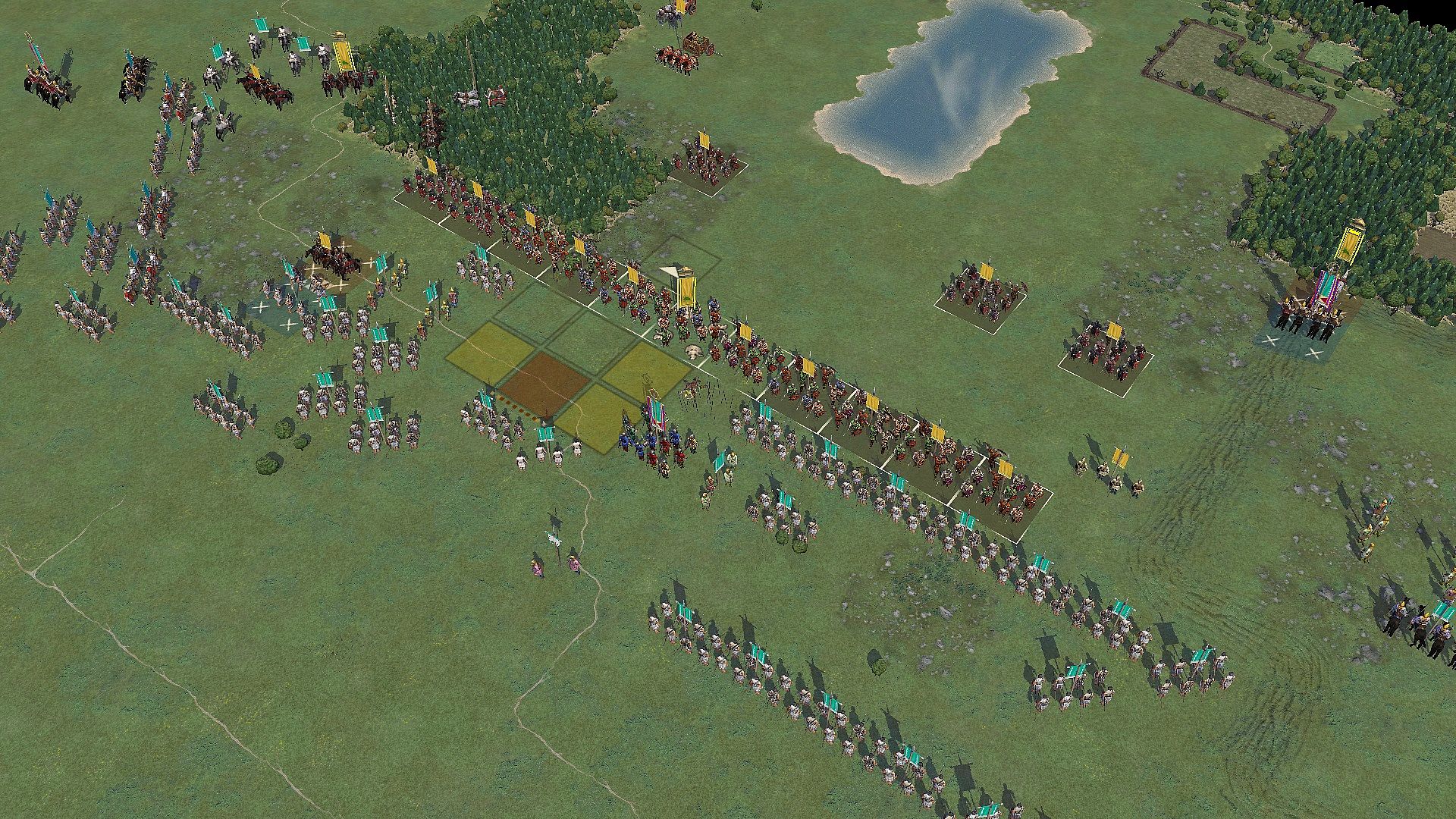
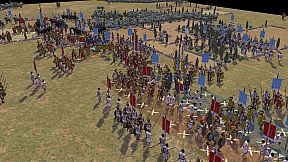
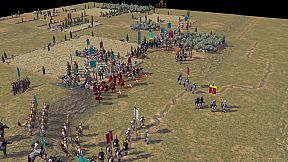
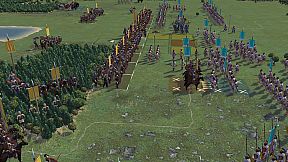
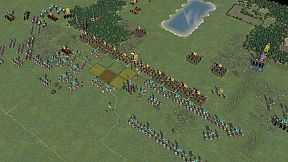
Field of Glory II is a turn-based tactical strategy game set in the ancient world during the Rise of Rome, spanning 280 BC to 25 BC. Players command armies in detailed battles that emphasize historical accuracy, unit tactics, and command decisions across a range of Roman and non-Roman forces.
Gameplay
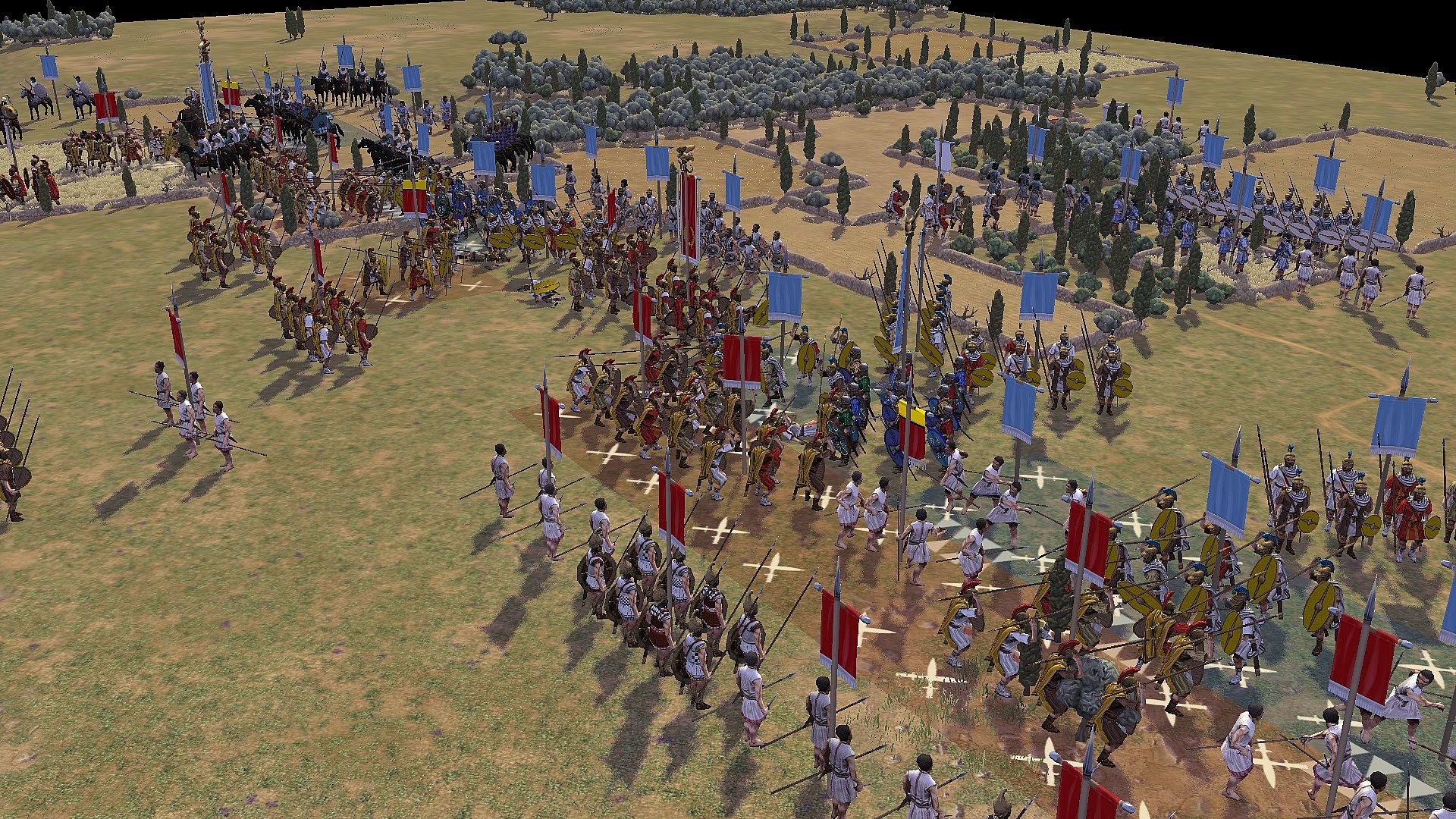
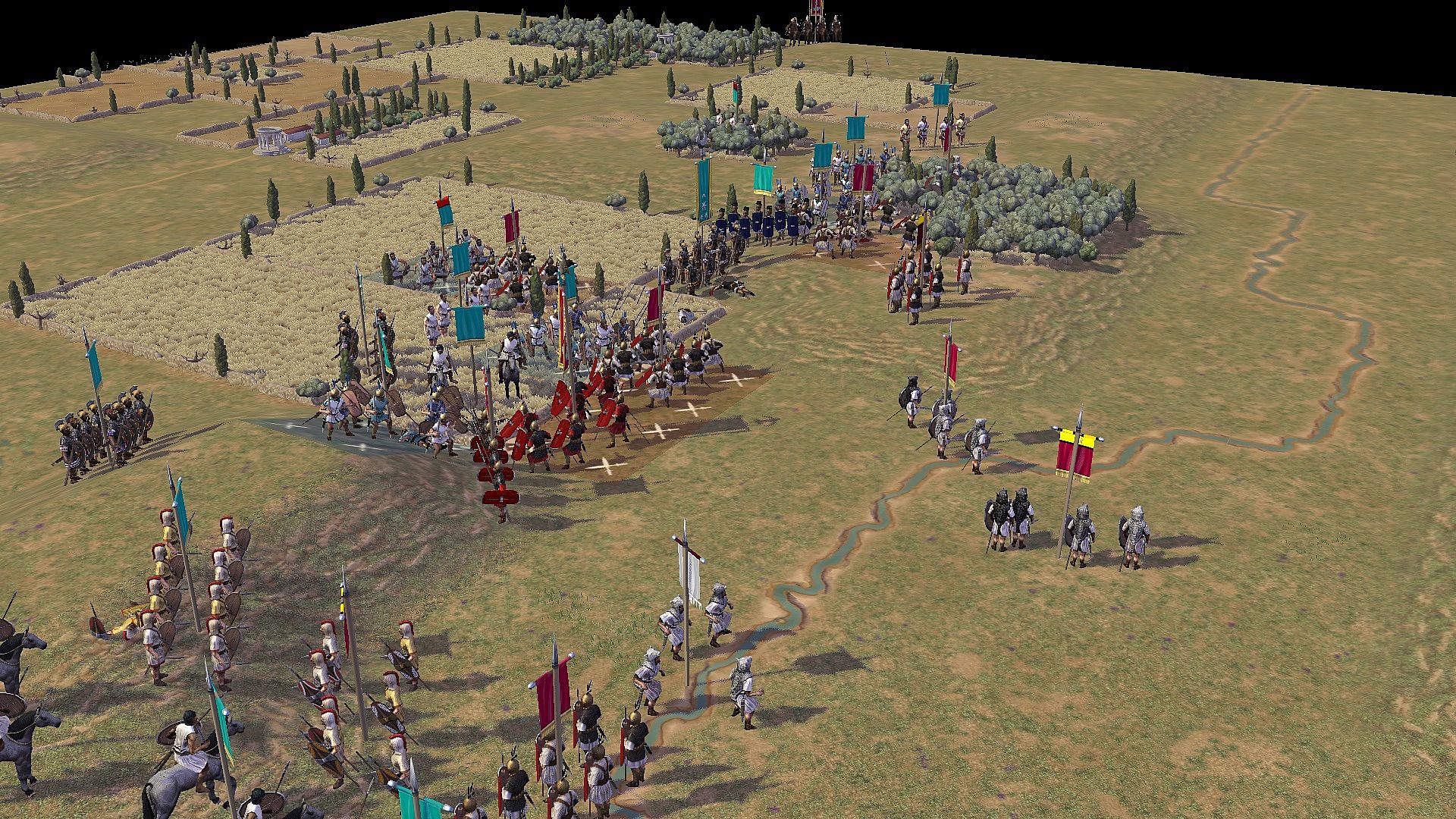
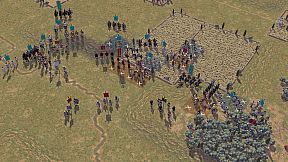
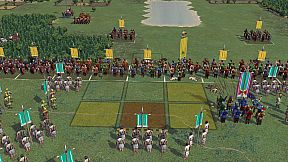
The core loop revolves around positioning and ordering cohort-sized units on a square grid battlefield. Each turn allows movement, shooting, and melee resolution, with outcomes influenced by formation, terrain, flanking, and morale. Named generals provide bonuses to nearby units, affecting combat effectiveness and staying power under pressure.
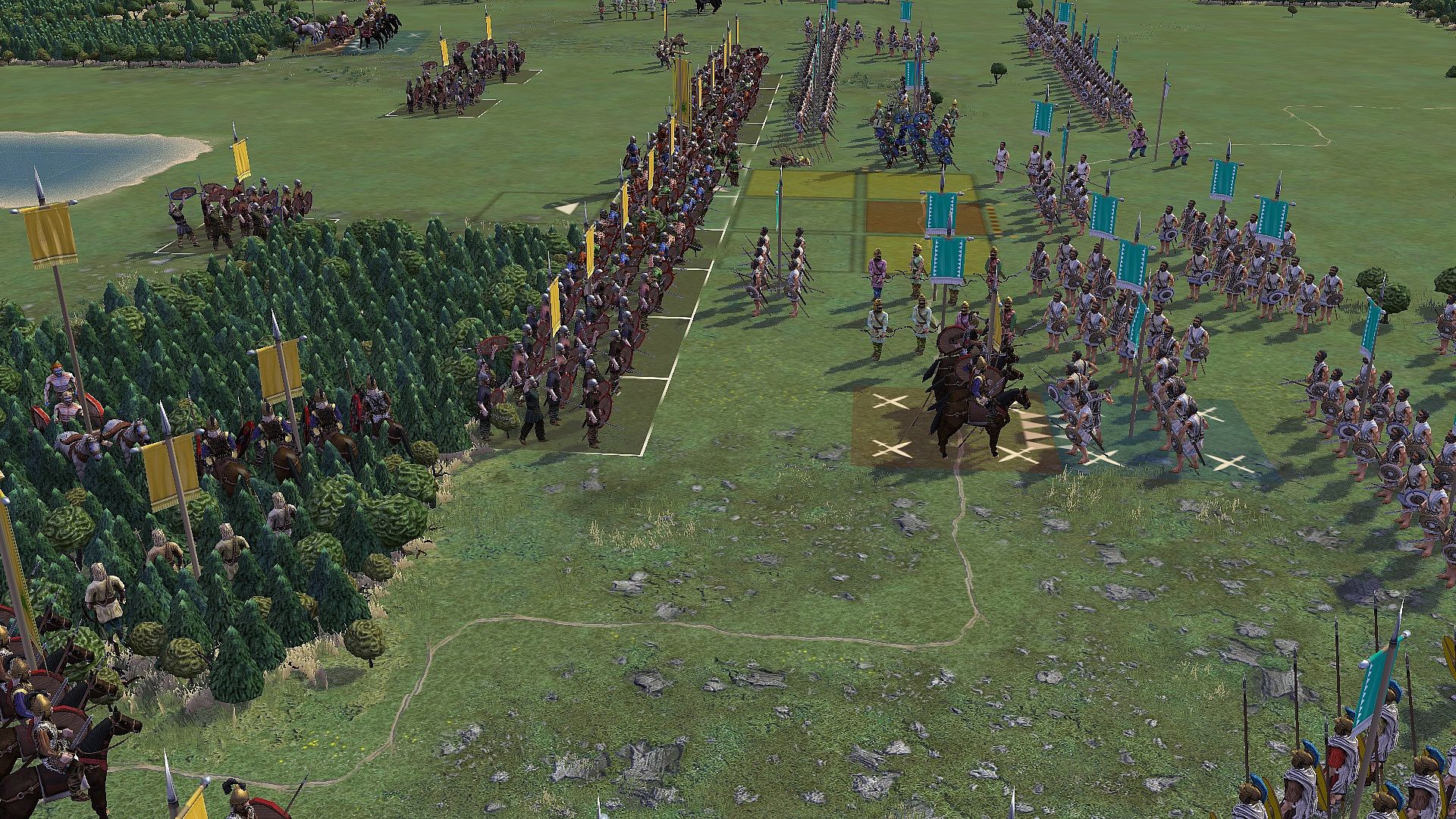
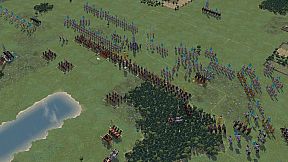
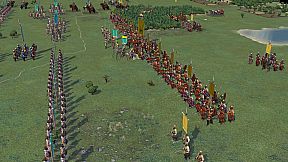
Units draw from 86 historically accurate types rendered in 3D with animation variants. These include pre- and post-Marian Roman legionaries, Greek hoplites, Carthaginian spearmen, Hellenistic pike blocks, Gallic warbands, Skythian horse archers, Sarmatian lancers, war elephants, and various chariots. Different organizations and capabilities reflect the tactical doctrines of each army, from dense phalanxes to mobile cavalry and light skirmishers.
Combat rewards careful planning over raw numbers. Light troops screen advances, cavalry exploits gaps, and elephants or scythed chariots create disruption when used at the right moment. The AI handles its forces with consistent tactical sense across six difficulty settings that scale the challenge as skills improve.
Game Modes
Historical scenarios recreate twelve major engagements of the era, such as Cannae, Zama, and Carrhae, with the option to command either side. These set-piece battles test knowledge of the period's key clashes on large-scale maps.
Custom battles let players assemble forces from researched army lists representing Romans, Carthaginians, Hellenistic kingdoms, Gauls, Thracians, Parthians, Indians, and others. The random map generator creates varied terrain for open fights, flank marches, rearguard actions, or scenarios involving reinforcements and baggage protection.
Quick battles offer fast setup for smaller engagements between historically opposed armies without full customization. Campaign play links multiple battles into a connected sequence, where victories improve the experience and elan of core units. Players can follow the careers of famous generals or pit any ancient nation against another in extended wars.
Multiplayer supports both historical and custom scenarios through an integrated play-by-email system. Single-player options include the full range of modes against the AI.
Mechanics and Armies
Army composition follows period-specific lists that limit unrealistic combinations while allowing what-if matchups. Terrain affects movement and combat, with maps supporting open fields, wooded areas, and other features typical of the Mediterranean and surrounding regions. The interface keeps orders straightforward while the underlying rules demand mastery of combined arms and timing.
Mod support includes a built-in map editor for creating additional content. The system handles battles from small skirmishes up to engagements with dozens of units per side.
Is It Worth Playing?
Field of Glory II suits players who enjoy detailed turn-based wargaming and historical tactics. Reviews from the community highlight strong mechanics, replayability through custom battles and campaigns, and faithful representation of ancient warfare. Dedicated strategy fans report dozens to hundreds of hours spent exploring army matchups and refining approaches.
The game remains available with ongoing community interest and expansions that add further content. It delivers depth without requiring prior experience with the tabletop original, though newcomers benefit from starting with the tutorial battles. Those seeking accessible real-time action or broad modern settings may find the focused ancient scope and deliberate pace less appealing, while enthusiasts of simulation-style tactics will find substantial value in the verified historical lists and flexible battle options.