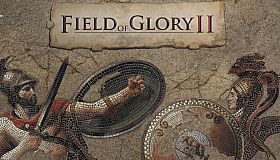























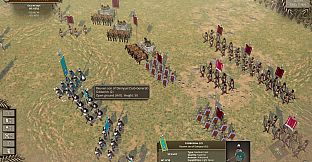
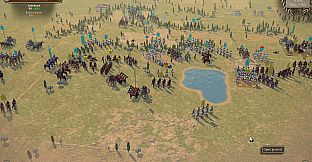
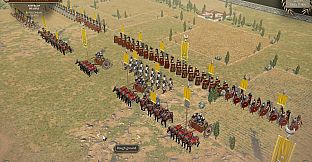
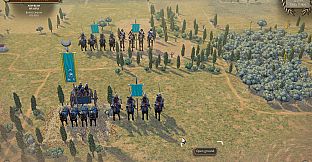
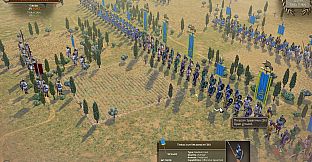
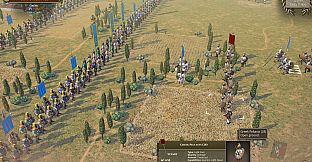
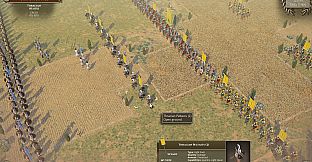
Field of Glory II: Rise of Persia is a strategy simulation game that recreates chariot warfare and empire conflicts in the ancient Near East starting from 681 BC. It covers the final years of the Neo-Assyrian Empire, the emergence of Median and Babylonian powers, and the Achaemenid Persian conquests that created the largest empire known at the time.
Gameplay
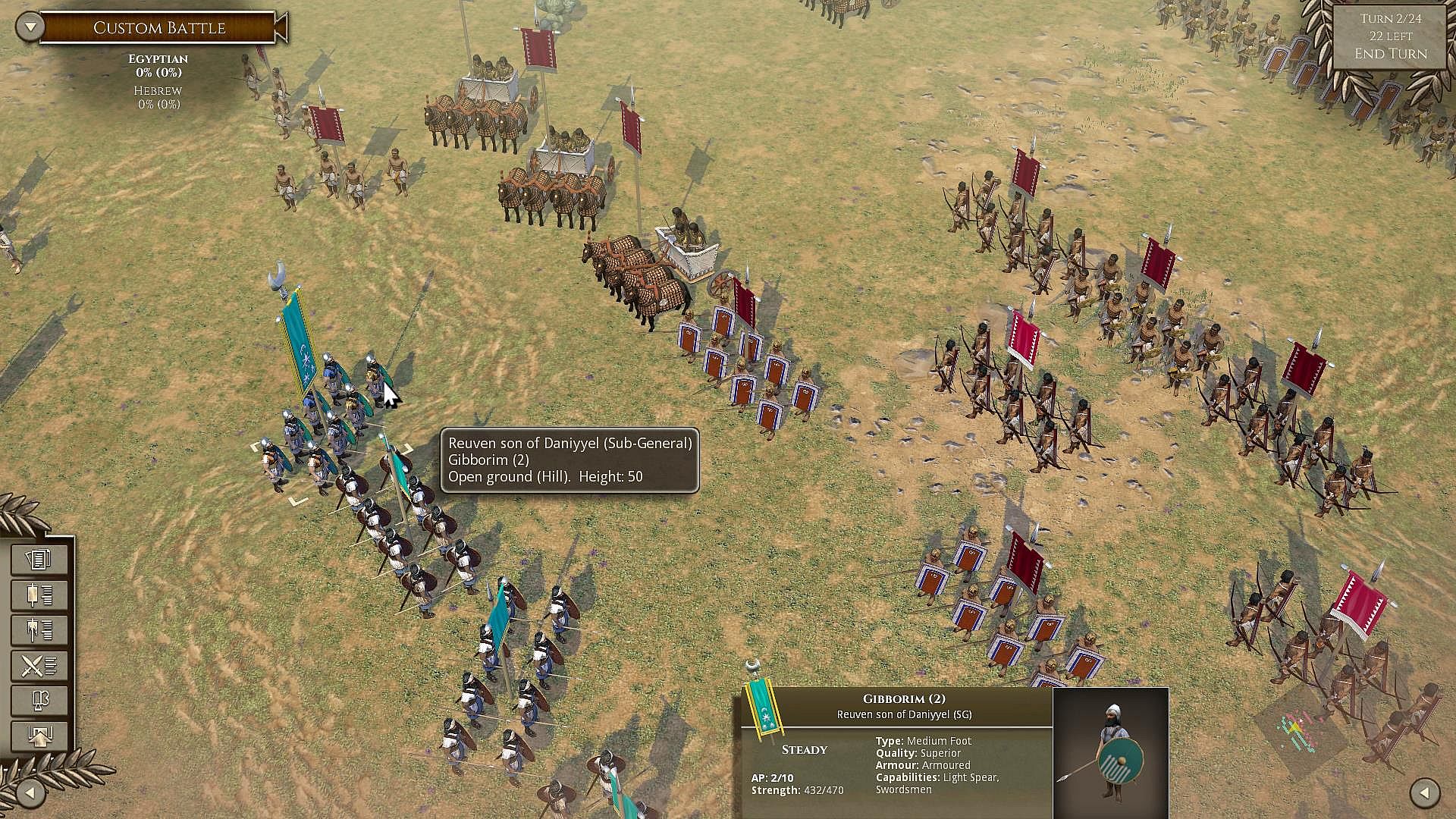
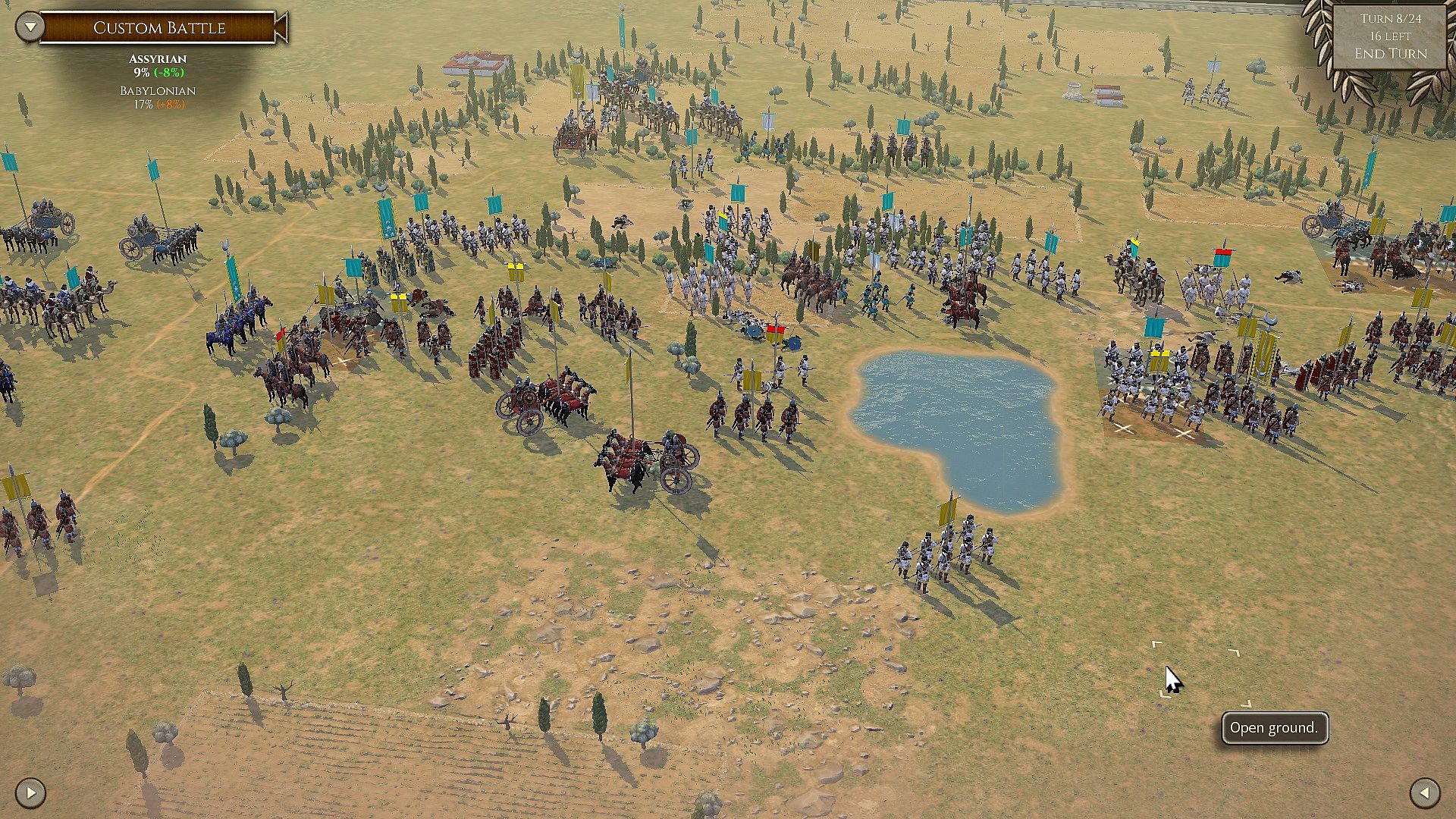
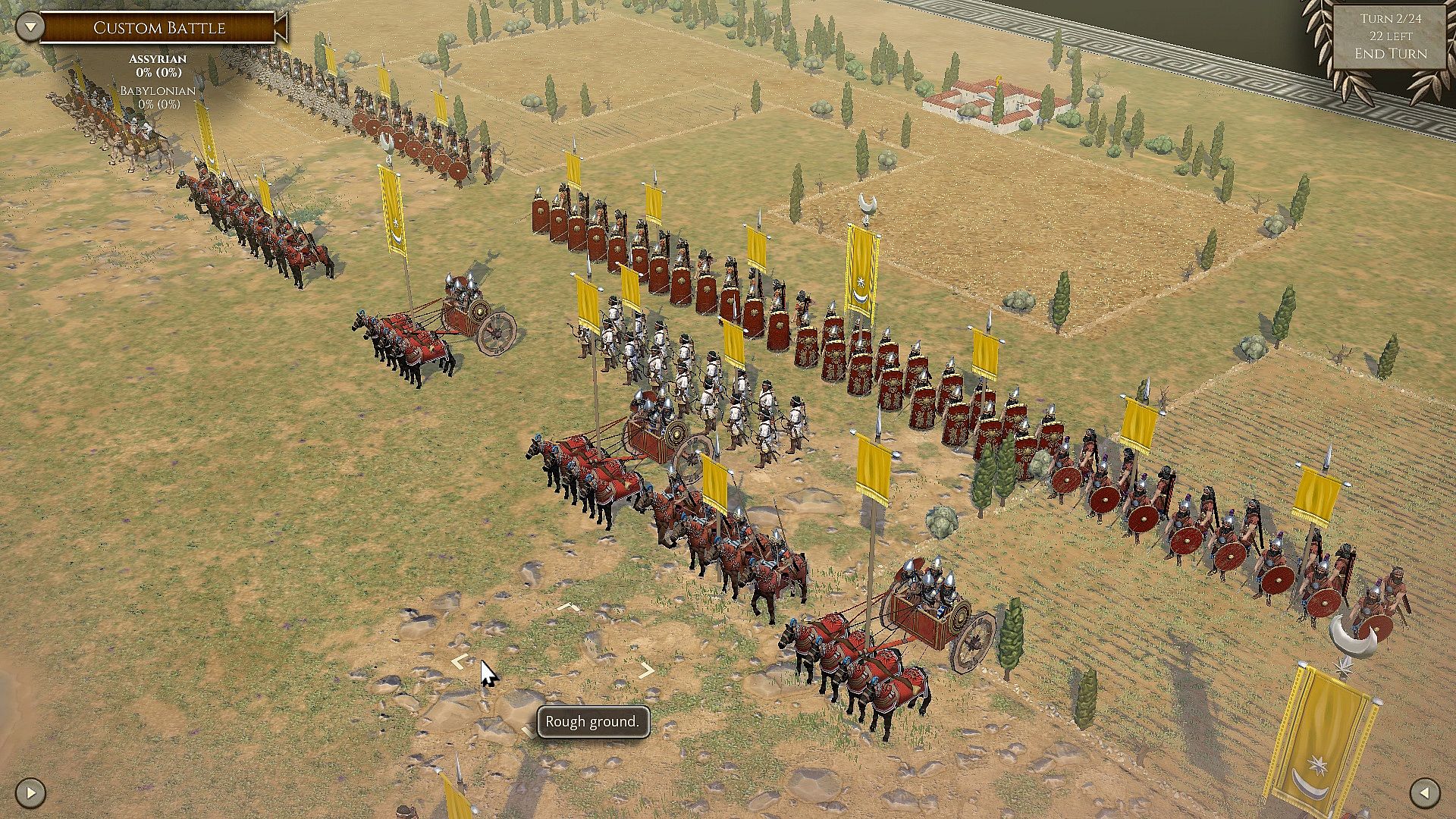
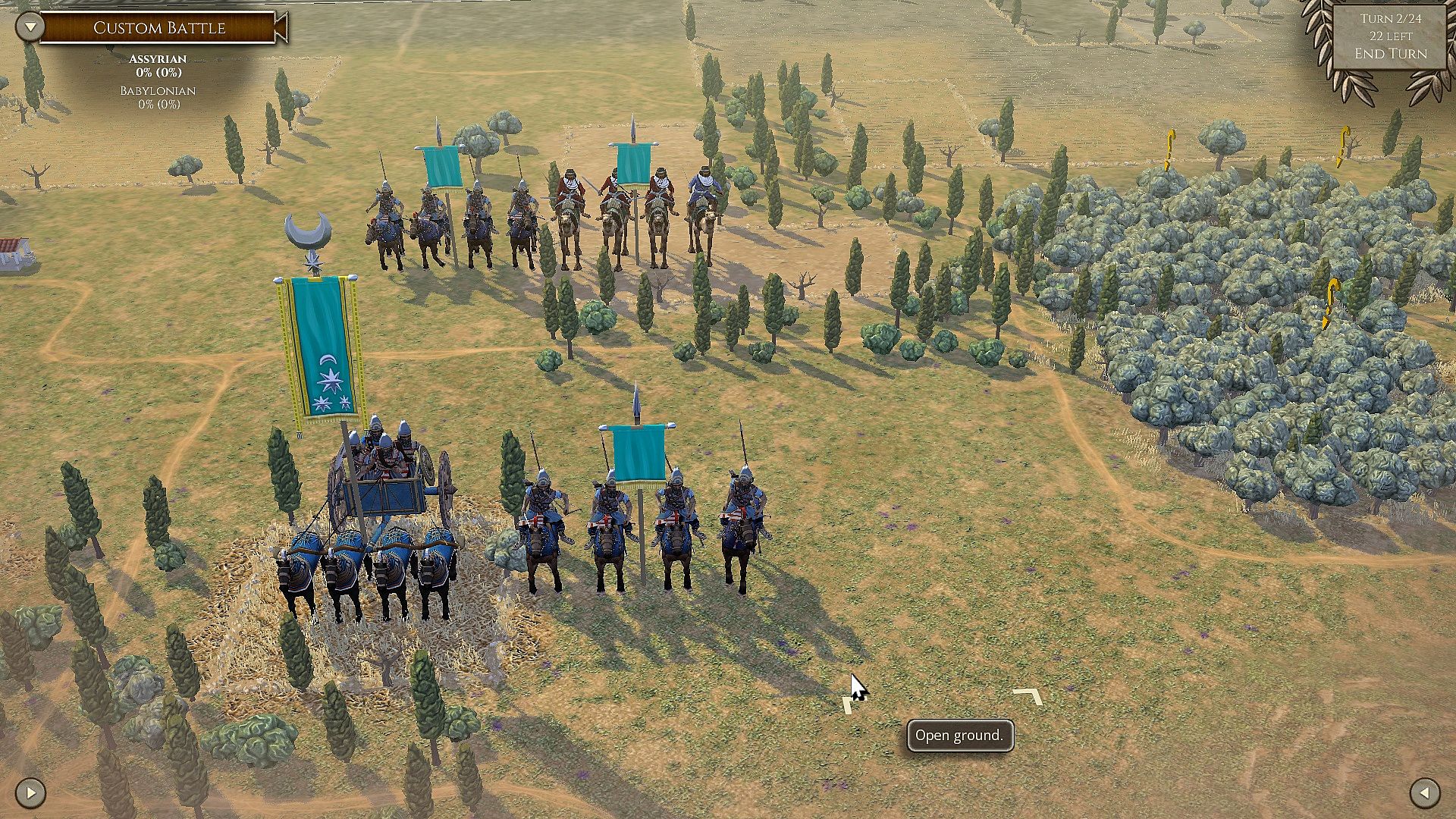
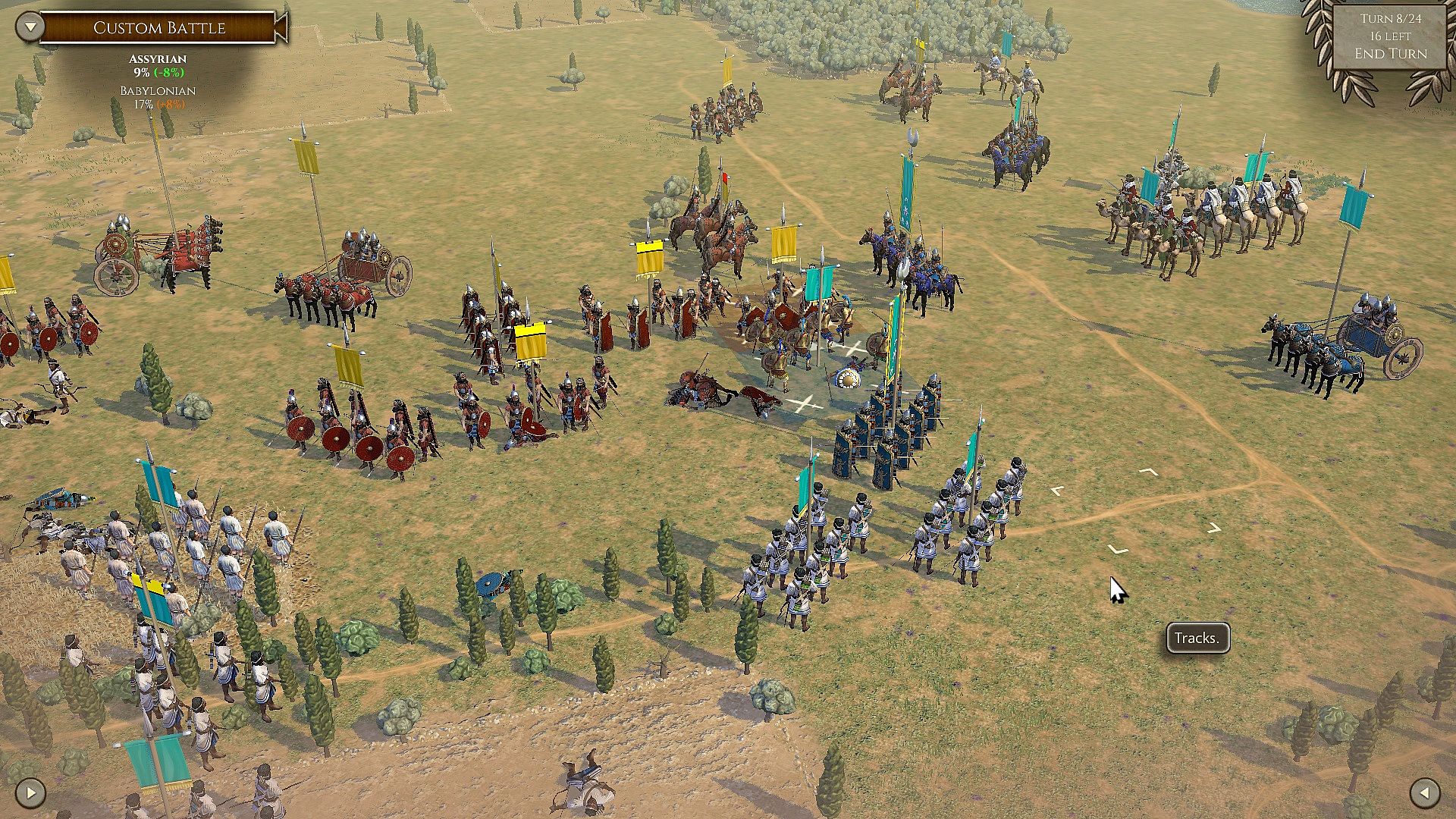
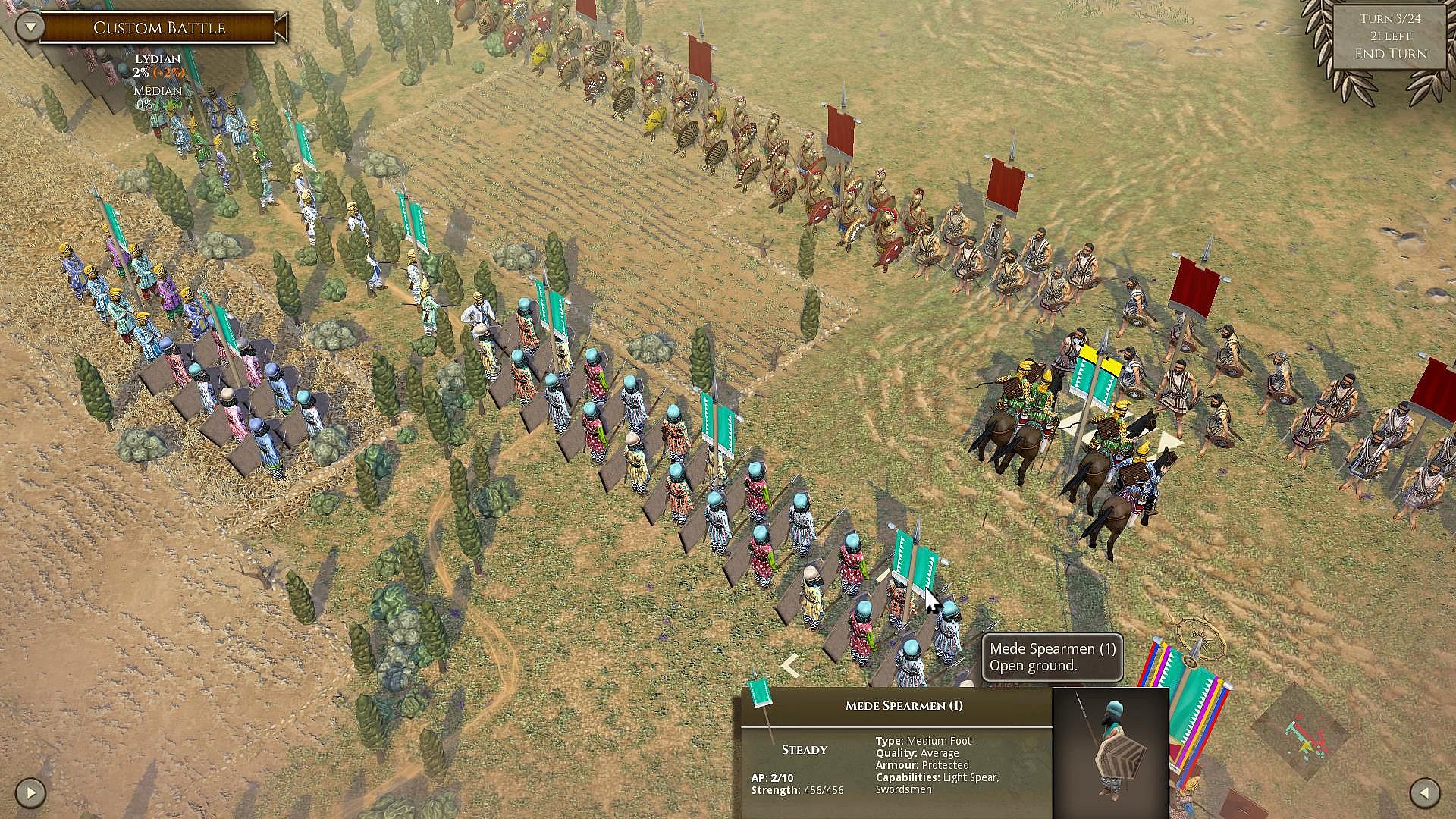
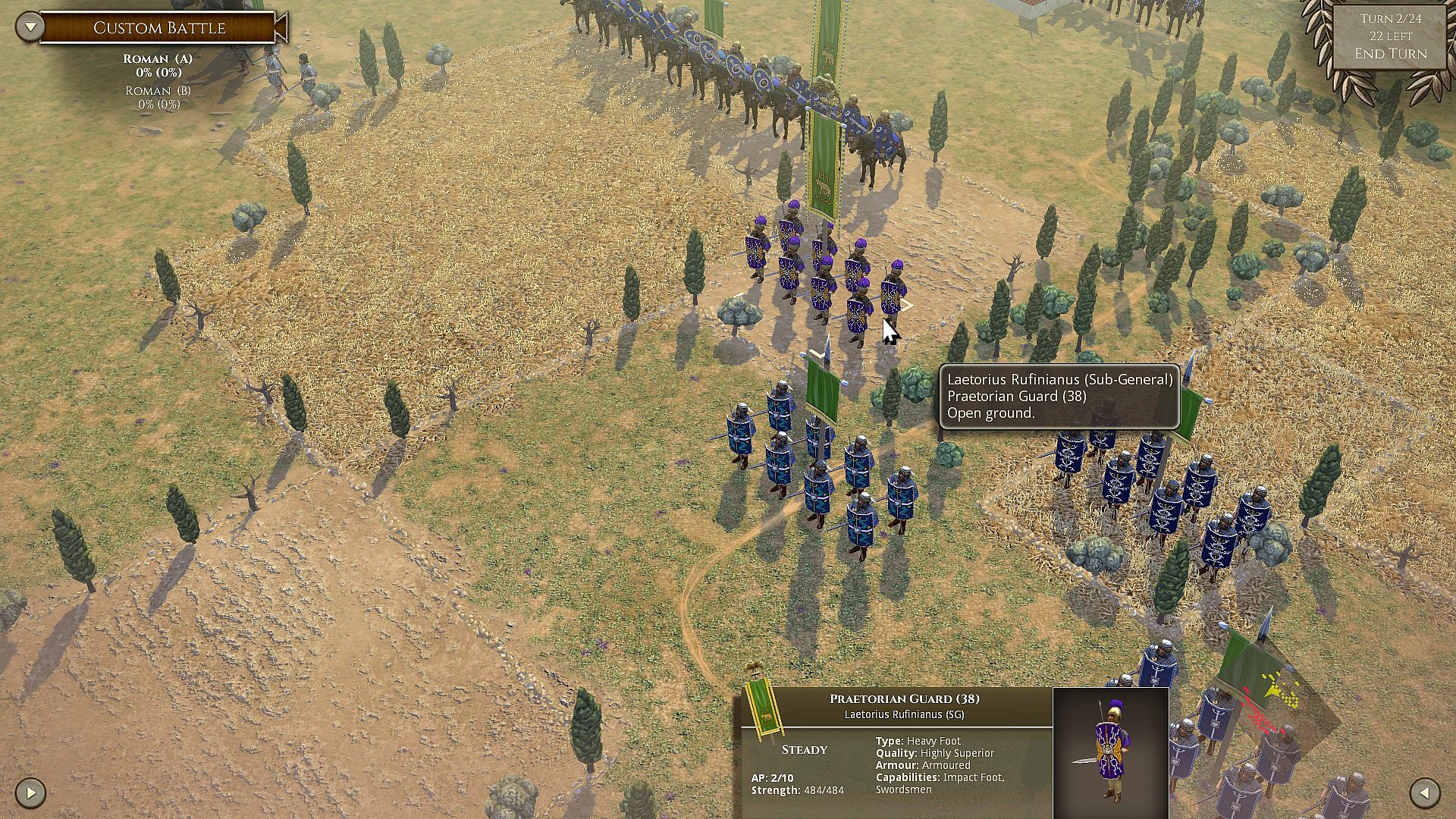
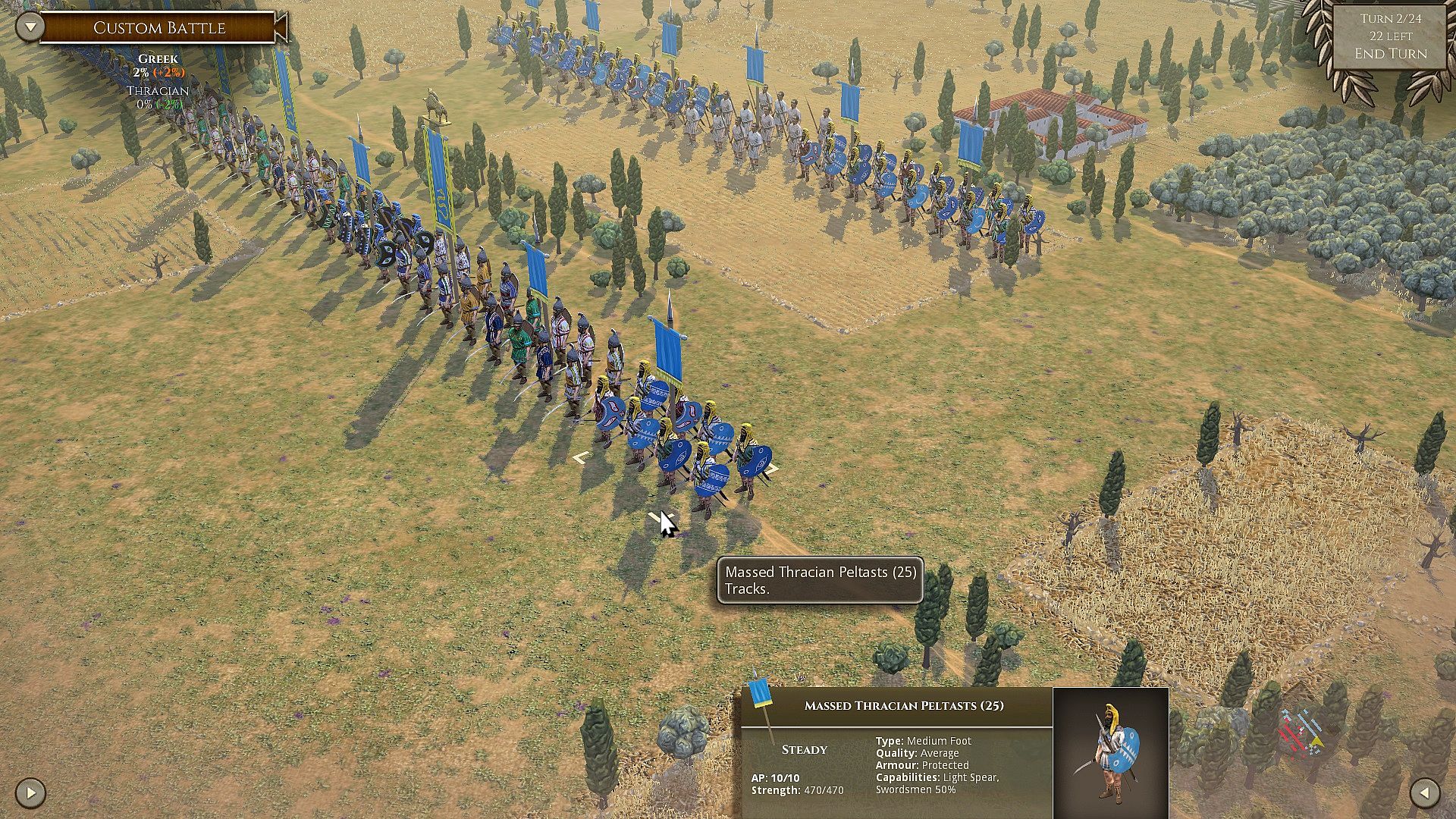
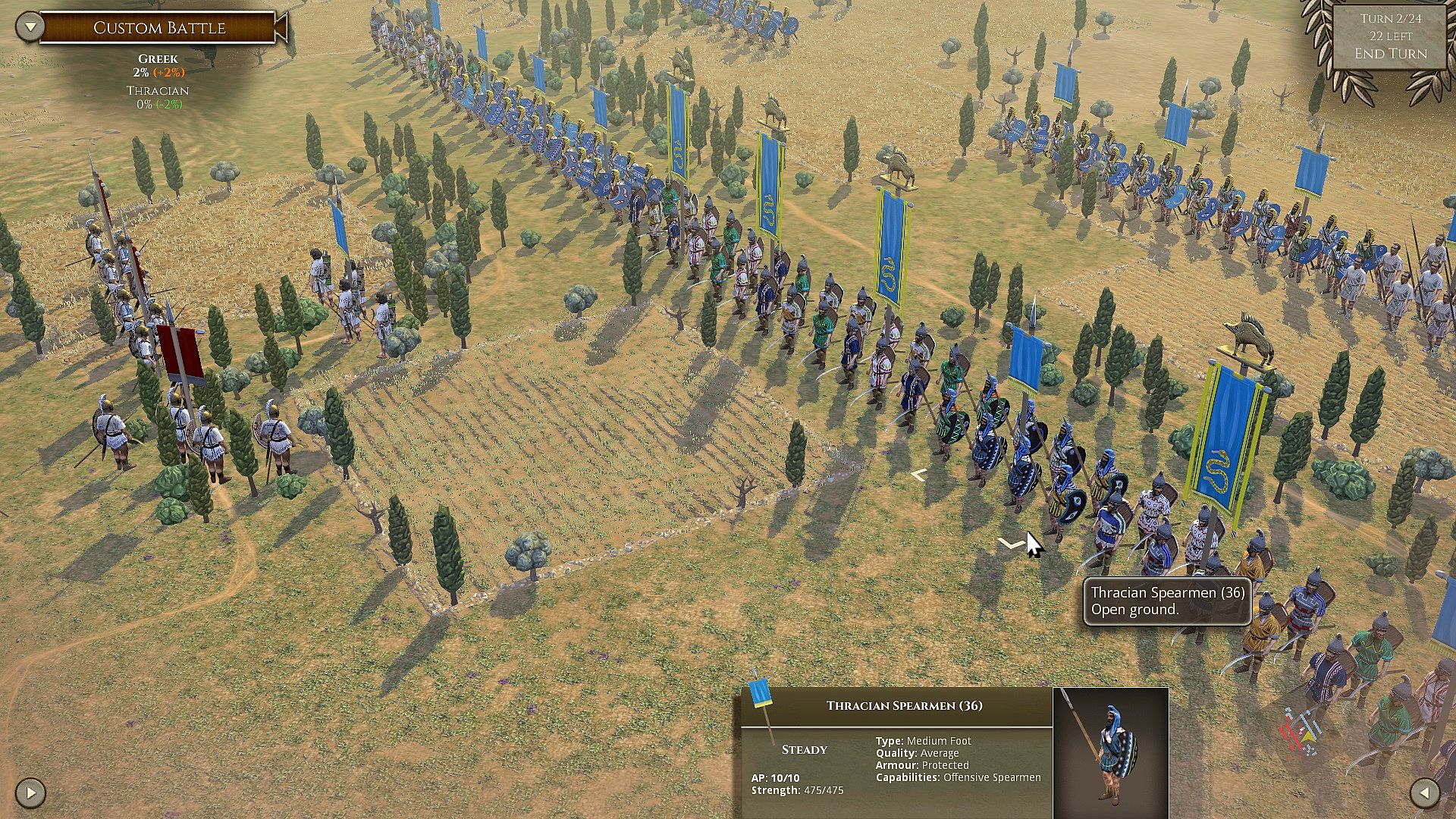
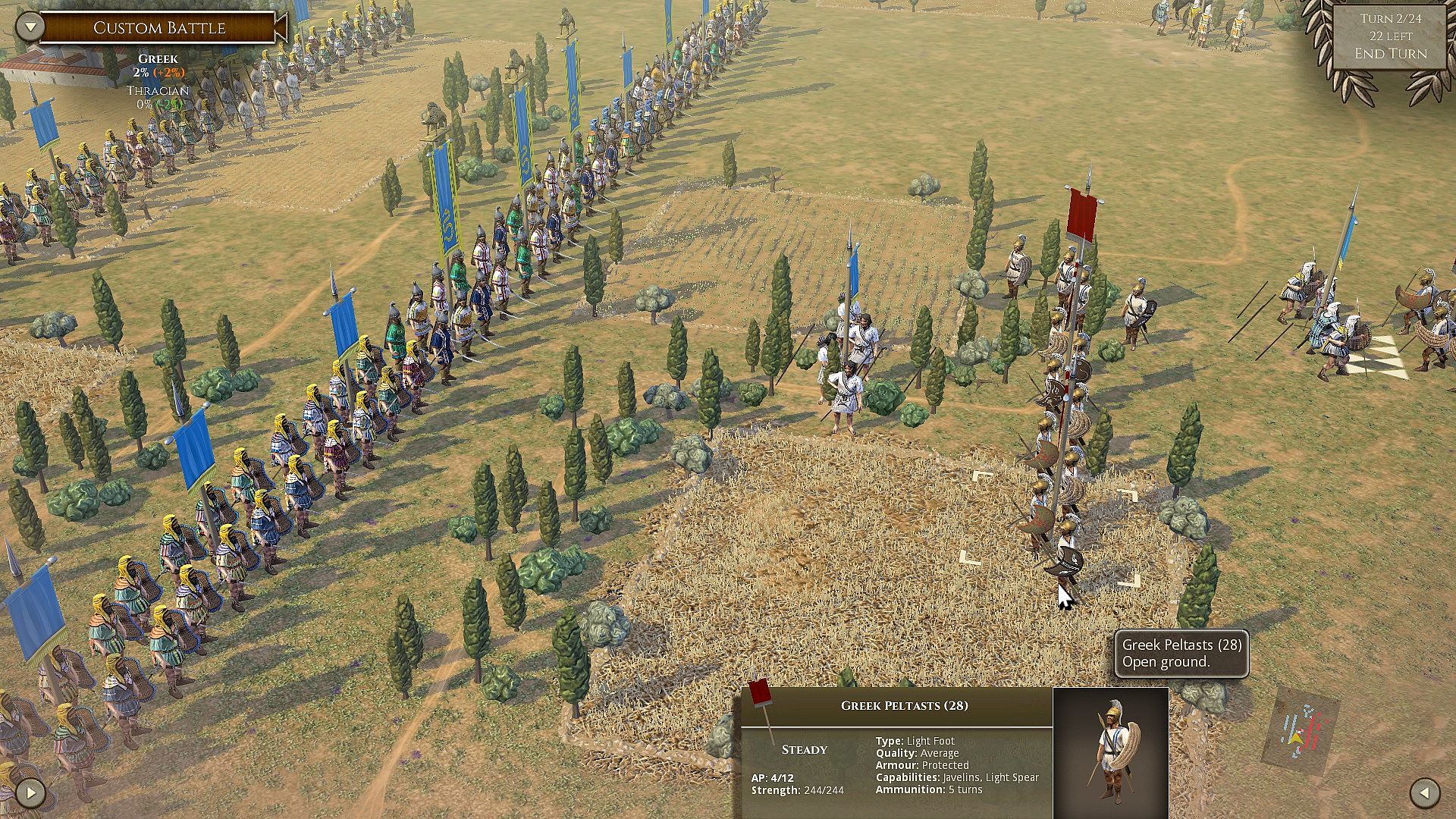
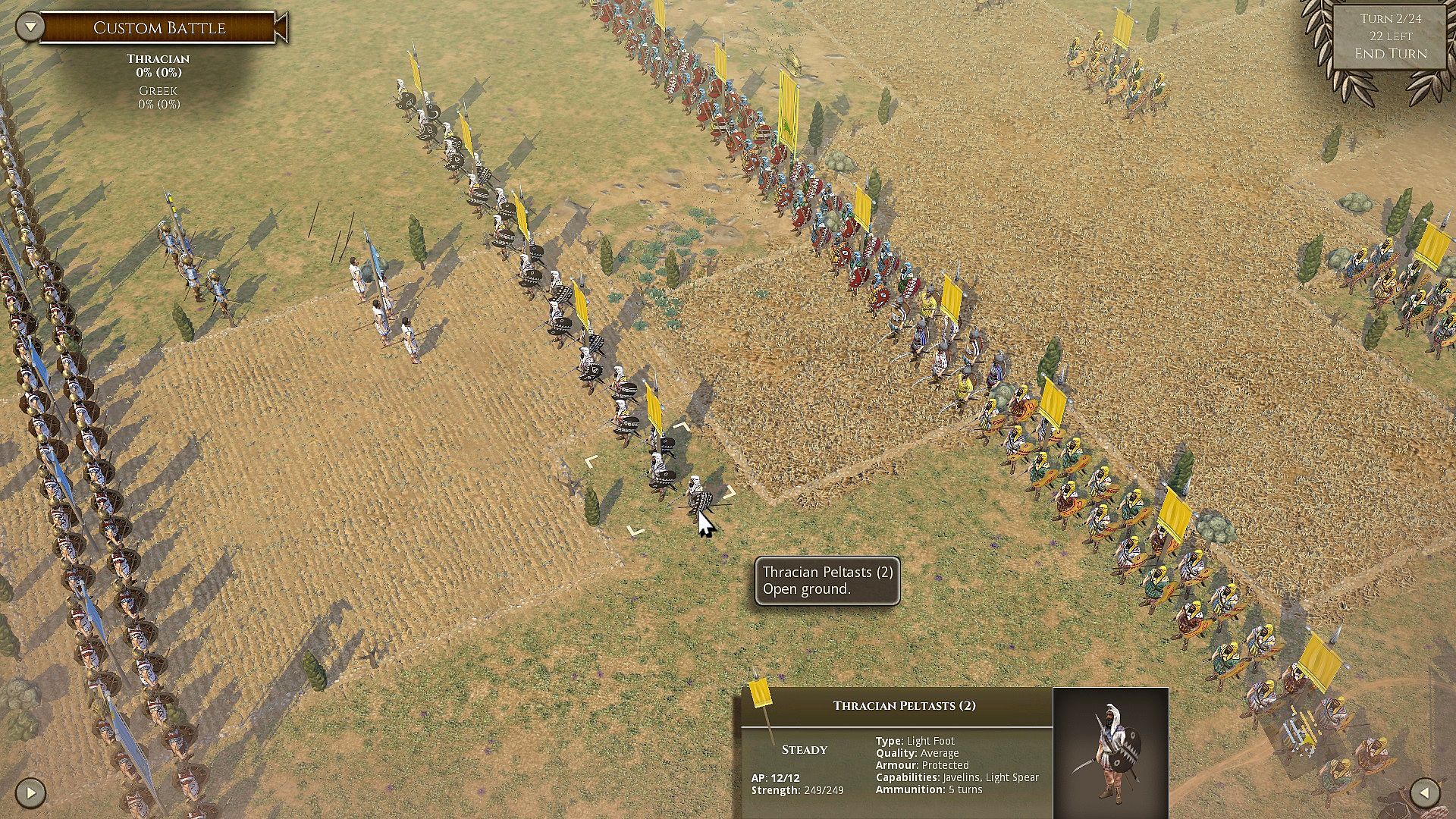
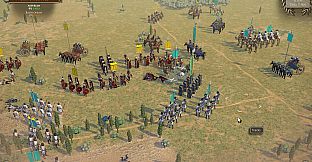
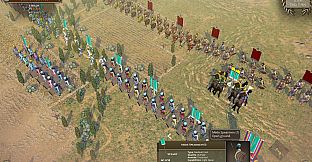
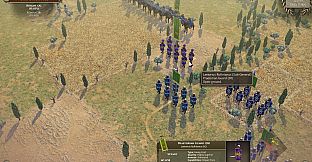
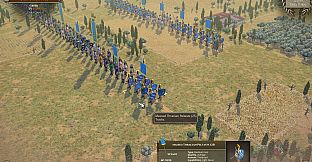
The core experience centers on commanding armies drawn from 12 new factions including Assyrians, Babylonians, Medes, Egyptians, and Persians. Each faction brings distinct unit compositions that reflect historical equipment and tactics of the era. Thirty-two new units appear across these forces, ranging from Assyrian-style heavy chariots and veteran cavalry to Egyptian massed archers, Lydian hoplites, and Thracian peltasts. Formations allow mixed units with spearmen positioned in the front ranks and archers behind them, creating layered defensive and offensive options during engagements.
Army lists expand to a total of 191 when combined with prior content, giving commanders precise historical matchups. Battles emphasize positioning, unit cohesion, and the interplay between infantry, missile troops, and mobile chariot or cavalry elements. The period-specific details, such as the transition from Assyrian dominance to Persian expansion, shape available forces and objectives in each scenario.
Game Modes
Six Epic Battles recreate pivotal clashes at locations including Ulai in 653 BC between Assyrians and Elamites, Nineveh in 612 BC, Megiddo in 609 BC, Carchemish in 605 BC, Pasargadae in 550 BC, and Opis in 539 BC. Each battle supports play from either participating side and highlights key moments in the decline of Assyria and the rise of Persia.
Thirty-five Quick Battles provide additional standalone encounters, also playable from opposing perspectives. The Custom Battles module incorporates all available army lists for flexible match creation. Sandbox Campaigns extend this flexibility into longer, open-ended play sessions that draw from the full roster of forces.
Four dedicated historical campaigns follow specific leaders and events. One traces the reign of Ashurbanipal in the Neo-Assyrian Empire, another depicts the Fall of Assyria through allied Median and Babylonian actions, a third follows Nebuchadnezzar II and the Neo-Babylonian Empire, and the final campaign covers the Rise of Persia under Cyrus II and his successors.
Historical Context and New Content
The setting spans the fertile crescent at a time when four major states divided the region before Persian unification. New factions such as Cimmerians, Cypriots, Elamites, Hebrews, Kushites, Mannaeans, Phoenicians, and Urartians add variety to the roster alongside the core Assyrian, Babylonian, Median, and Egyptian forces. Units like Hebrew Gibborim, Phoenician spearmen, and early unarmoured horse archers introduce specialized roles that reward careful army composition.
Expanded modules integrate the new material seamlessly with existing content from prior releases, allowing broader access to all 191 army lists in custom and sandbox play once the relevant expansions are present. This structure supports repeated playthroughs focused on different empires and time periods within the same overarching historical arc.
Is It Worth Playing?
The expansion delivers targeted additions for those who value detailed historical strategy simulations of ancient Near Eastern warfare. Its combination of new factions, units, and scenarios provides substantial variety for single-player engagement through both scripted historical campaigns and flexible battle options. The focus on accurate period forces and mixed unit formations appeals directly to players seeking depth in army management and tactical decision-making rather than broad accessibility features.
Those already familiar with the base game will find the added content extends the experience into a distinct era of chariot and early cavalry warfare without requiring a full restart. The four campaigns and multiple battle types offer clear progression paths tied to documented events, making the title a precise fit for enthusiasts of this specific historical niche.