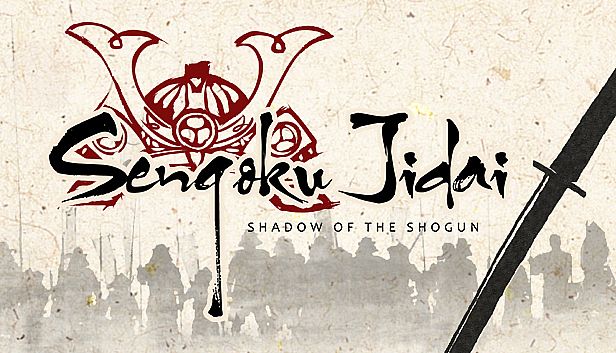












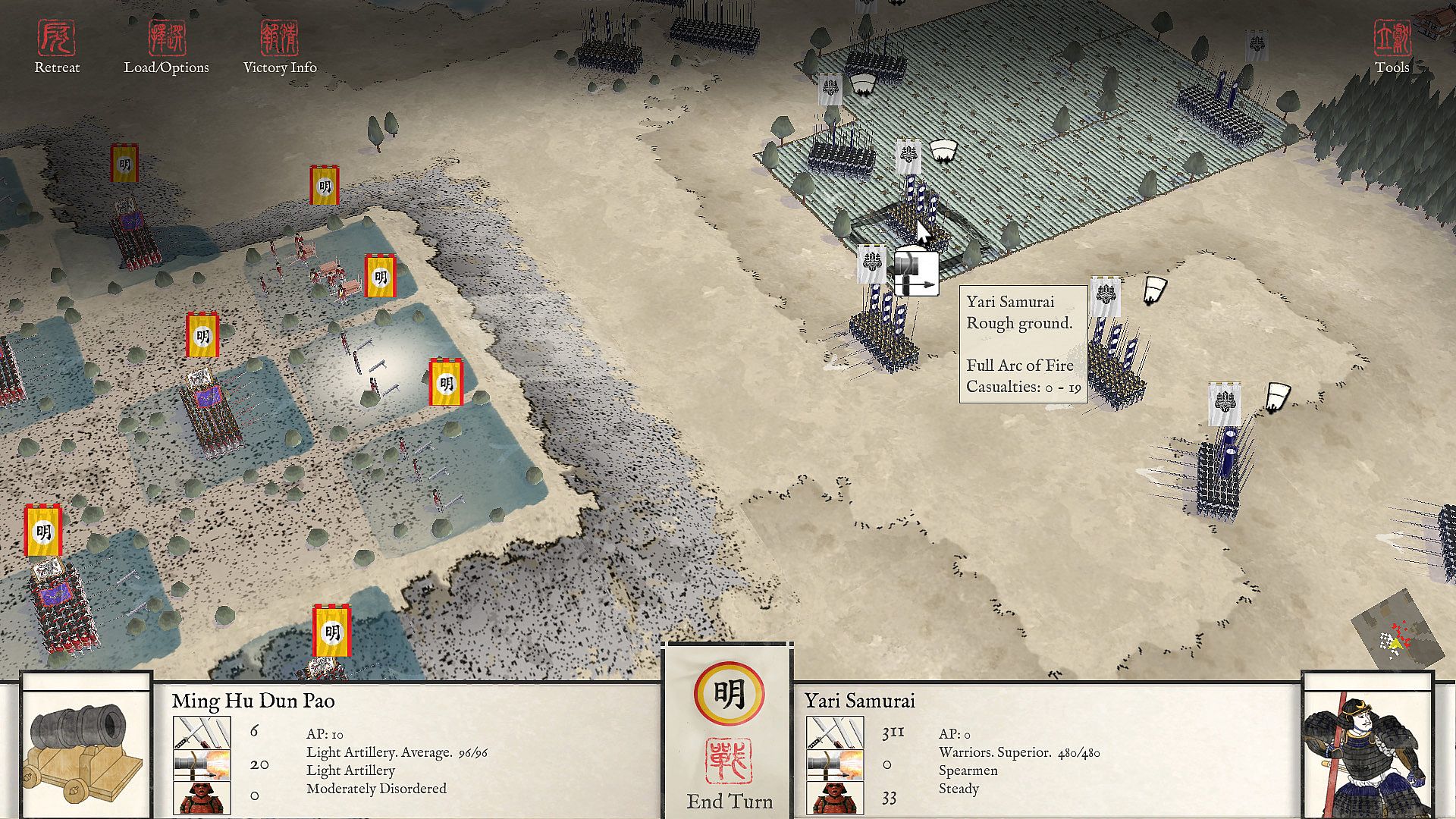
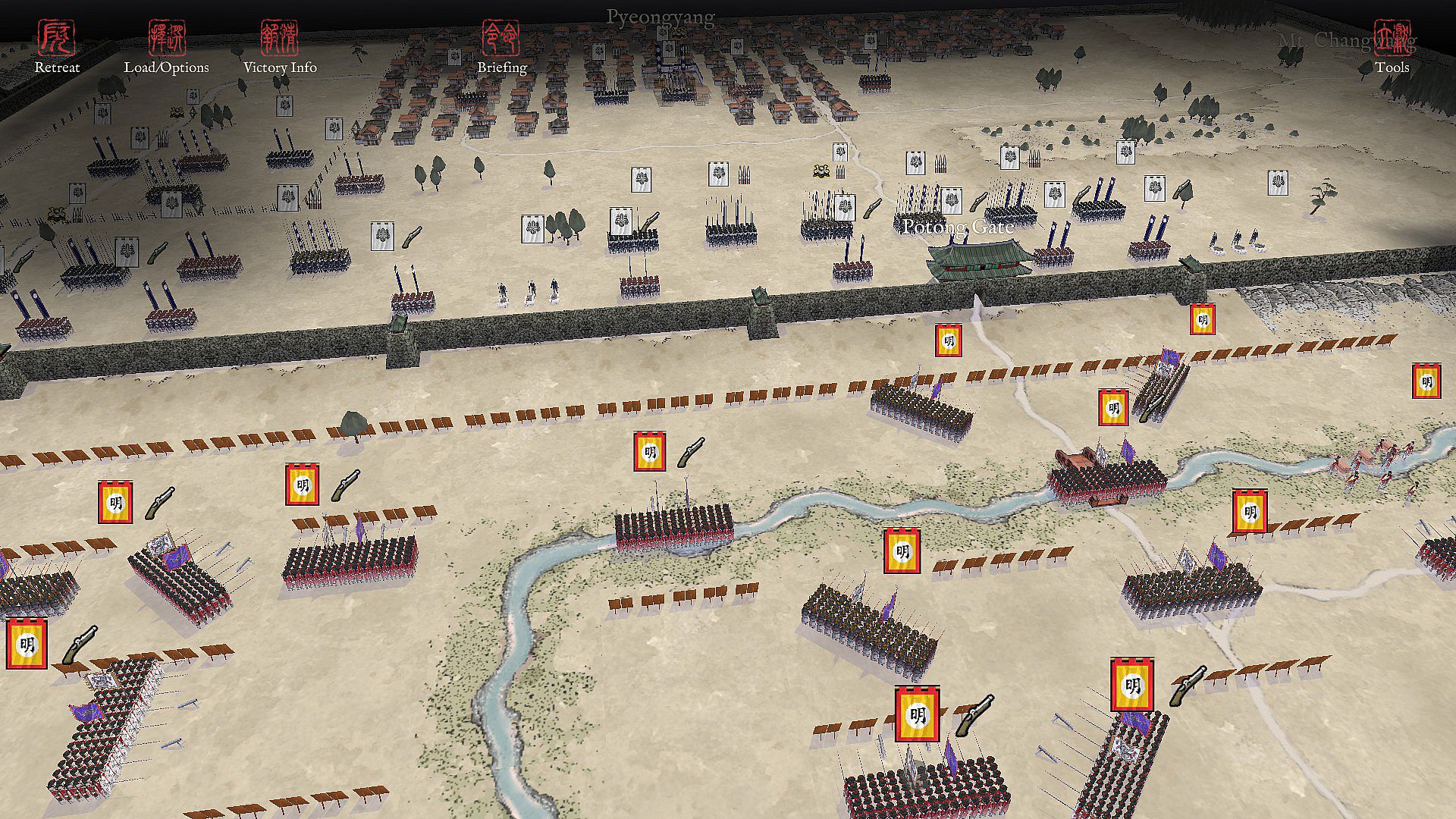
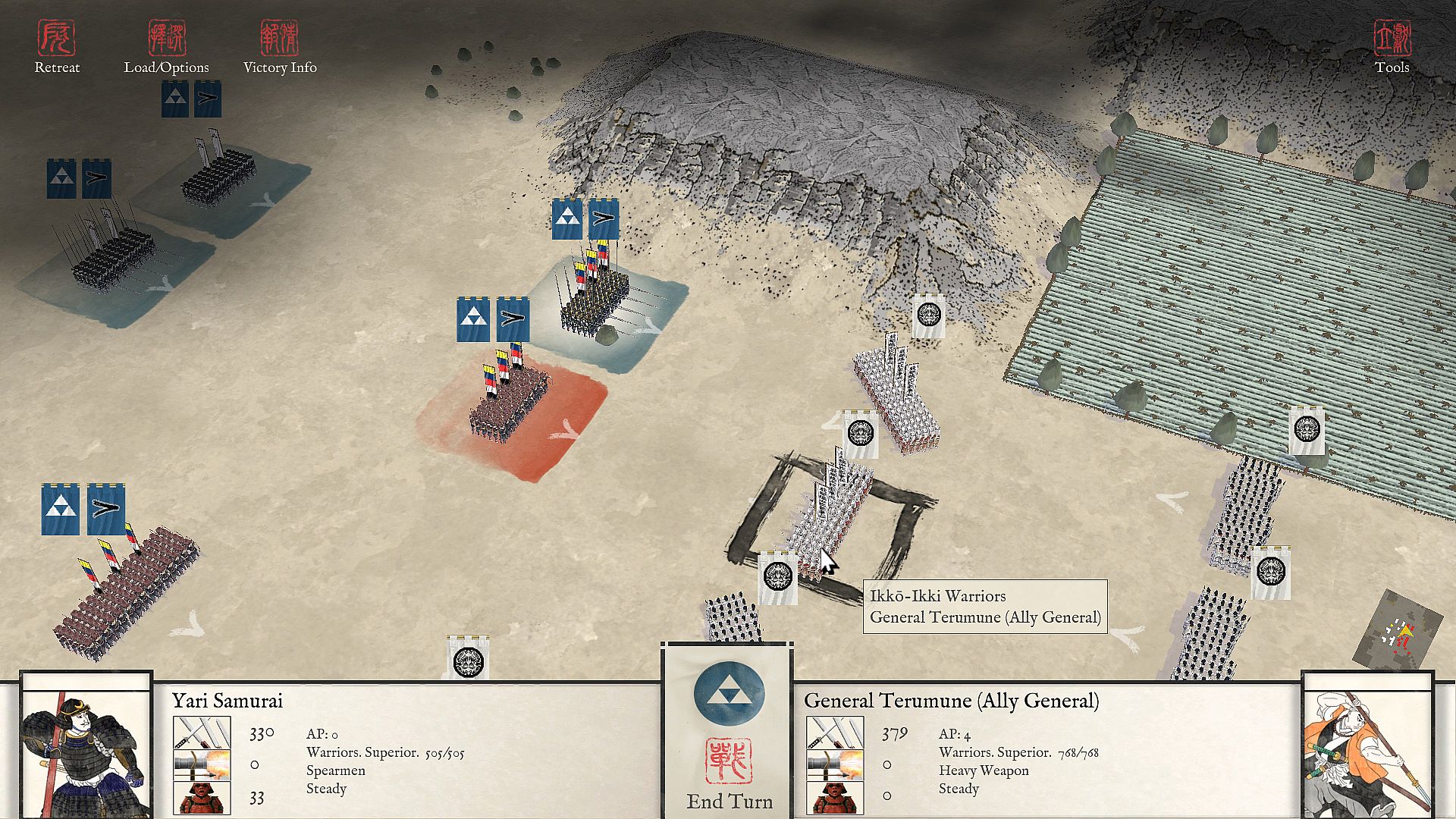
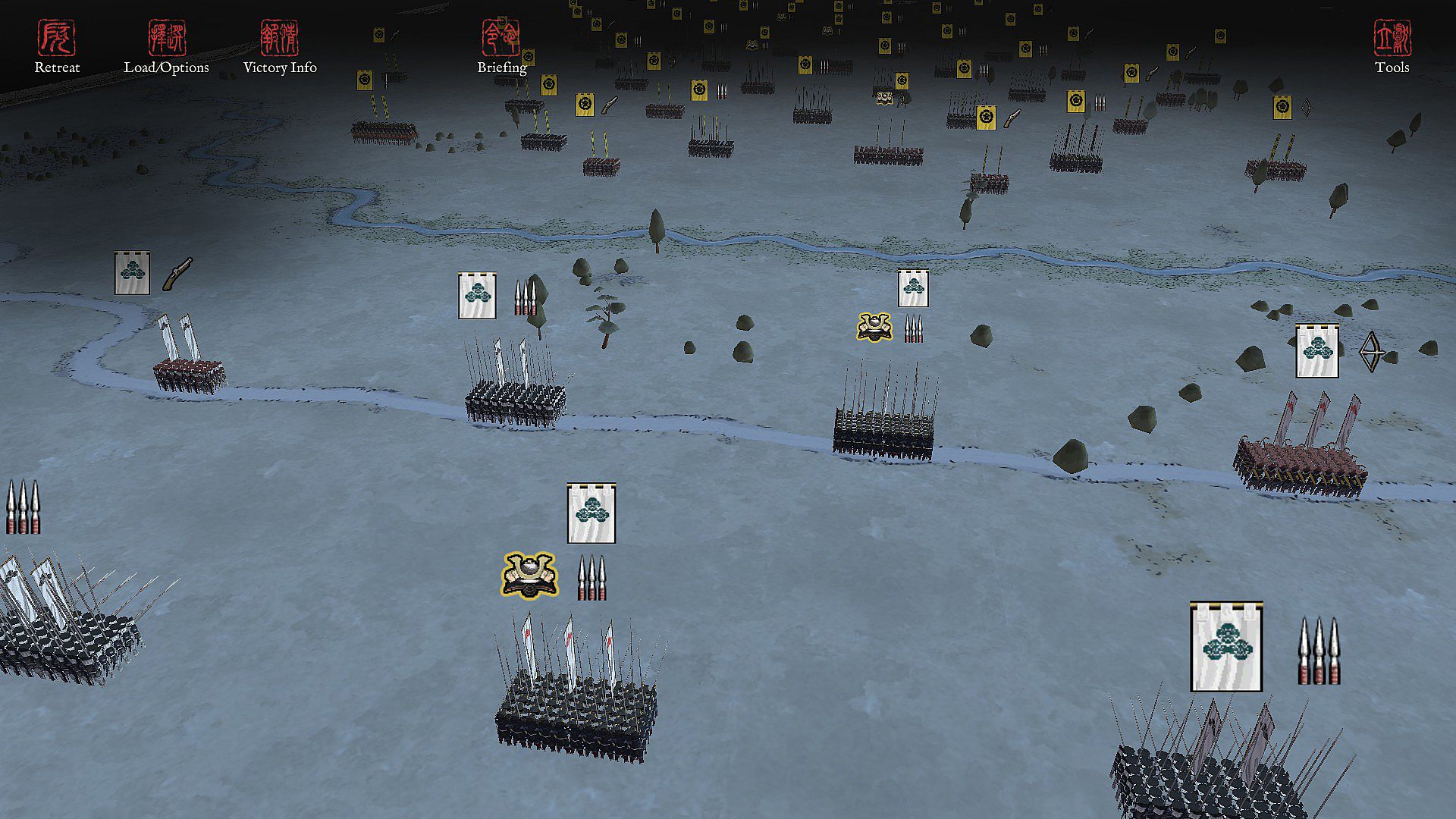
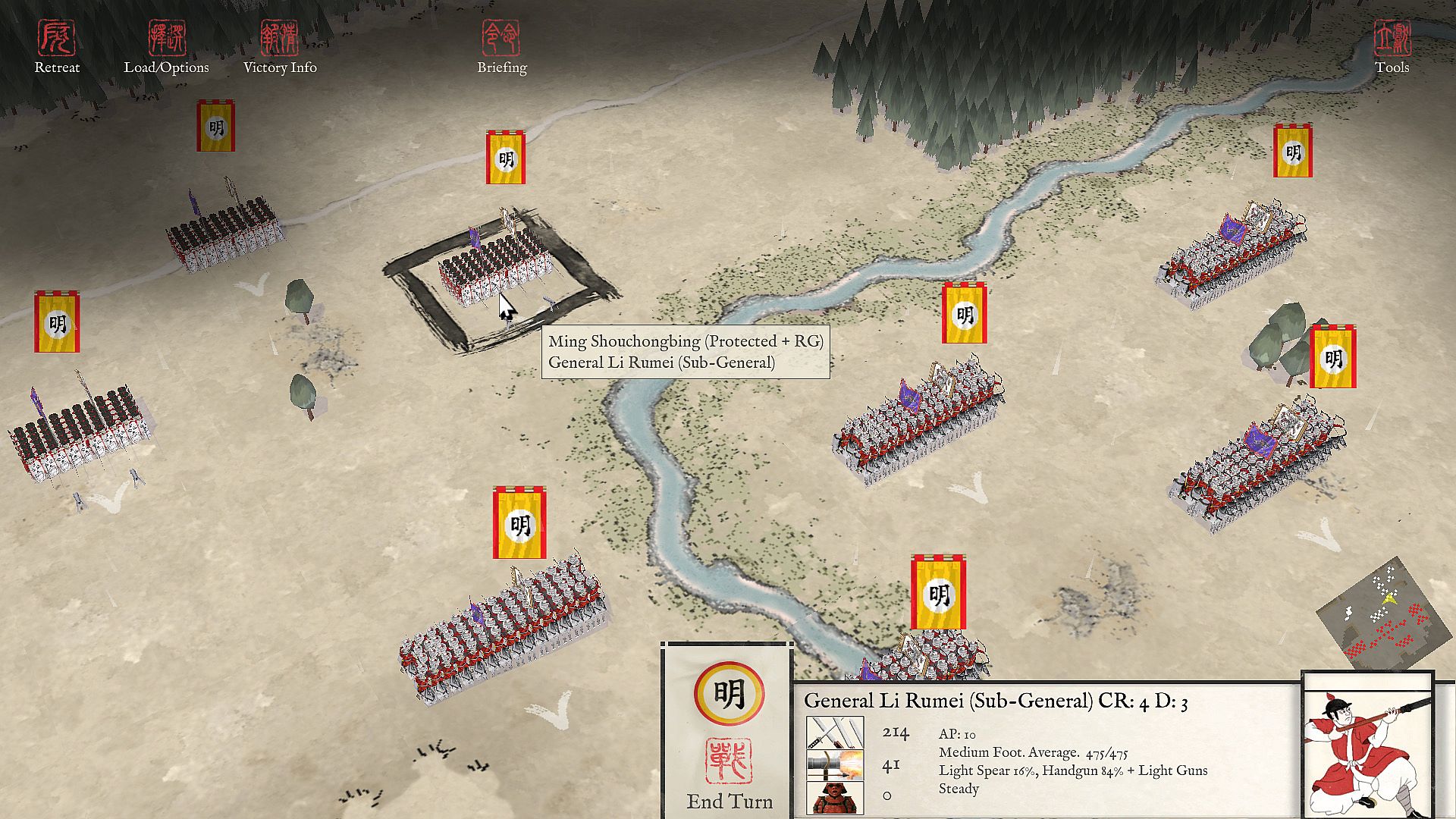
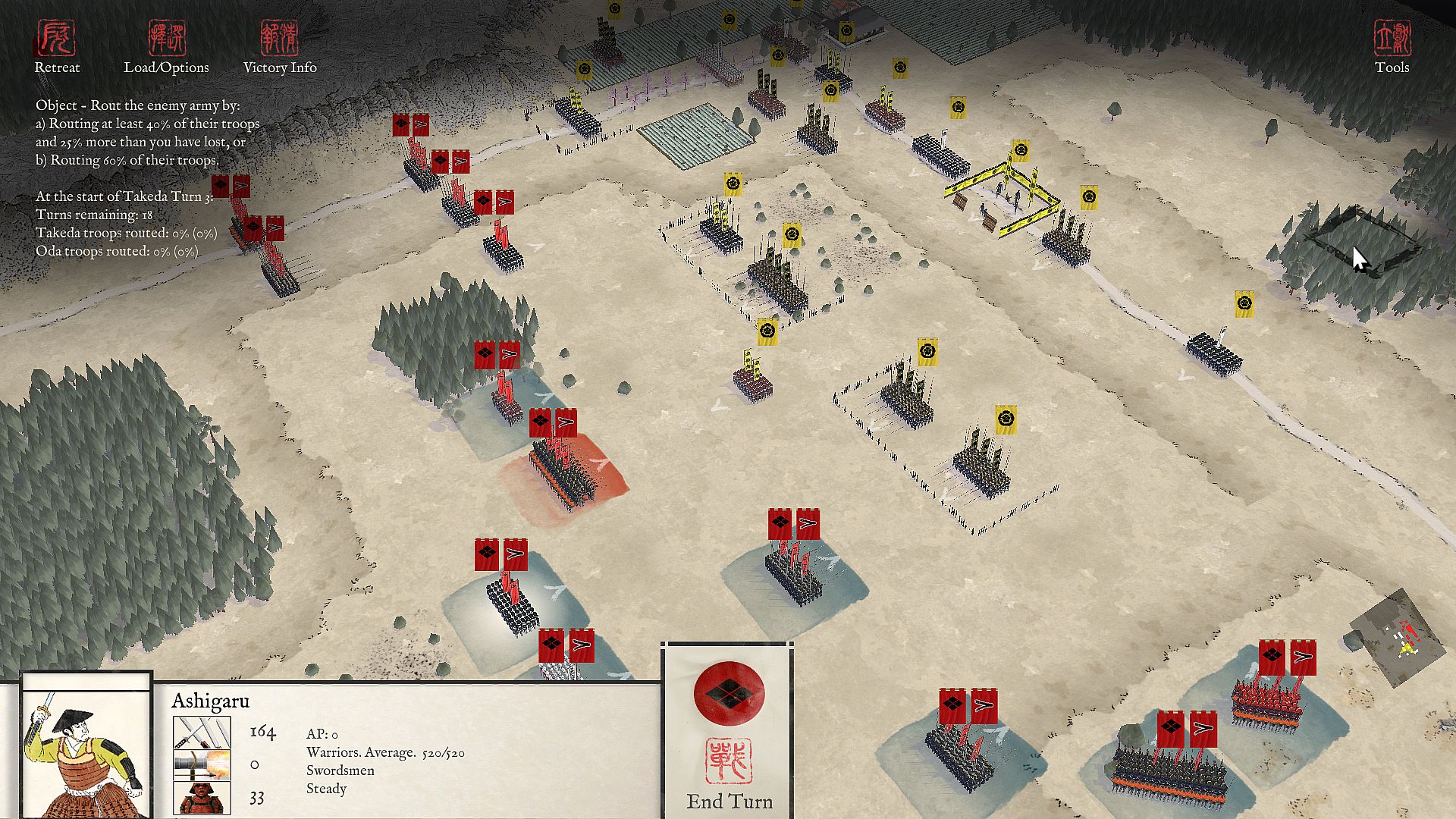
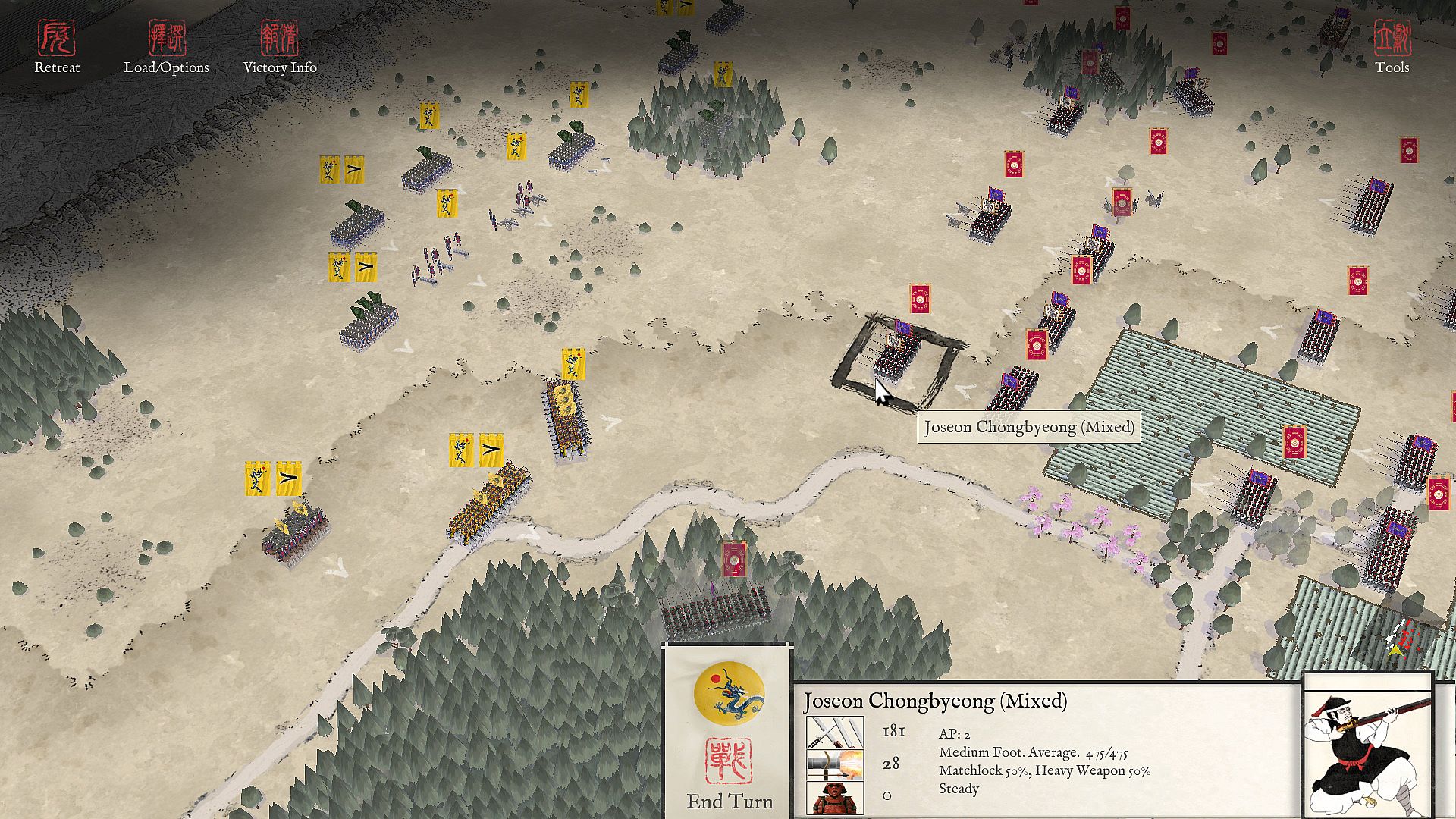
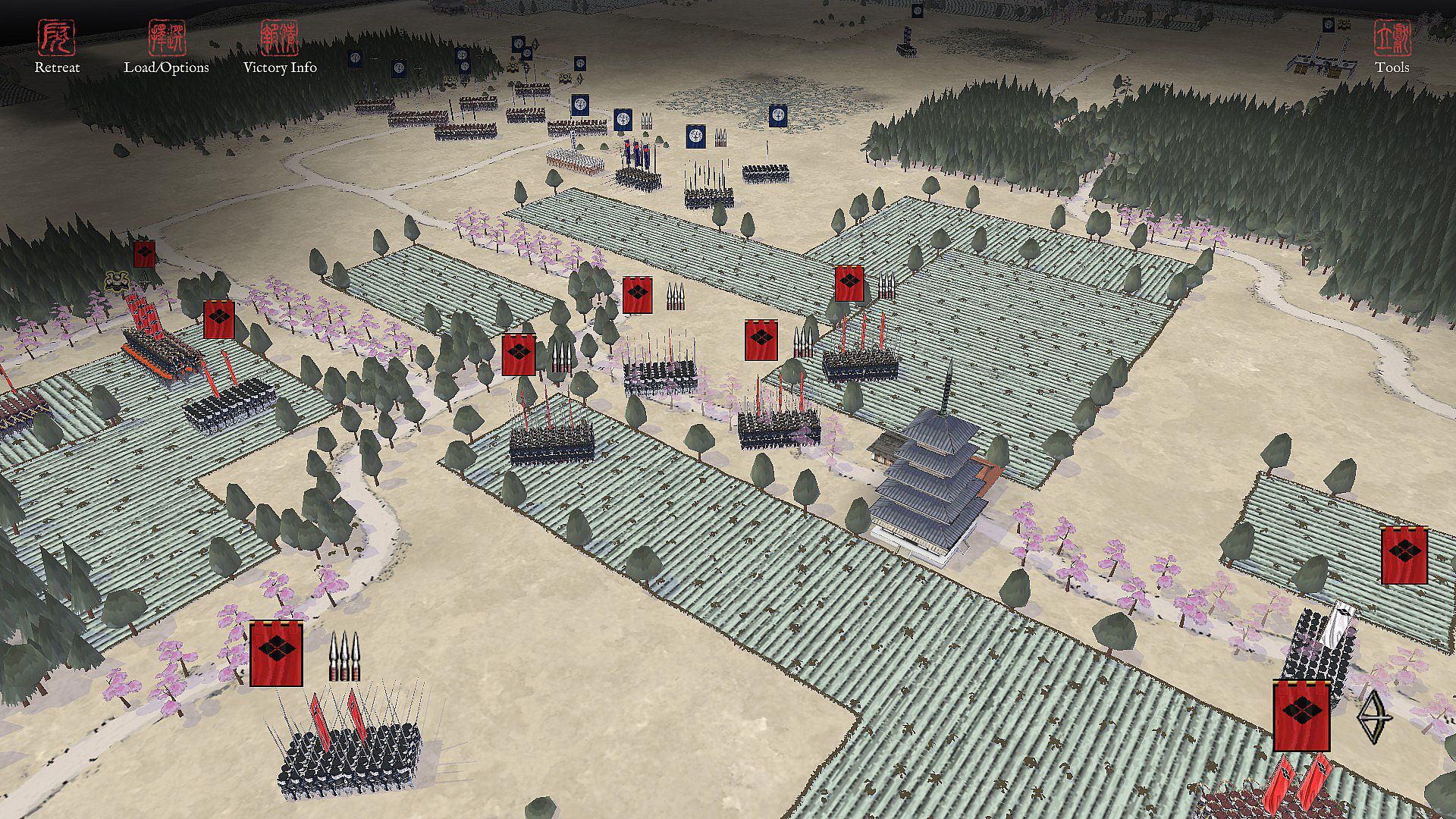
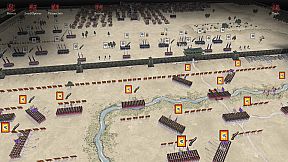
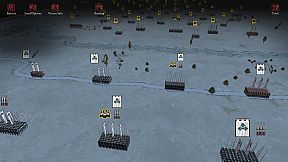
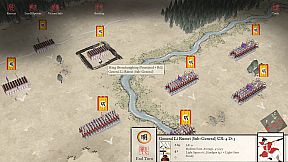
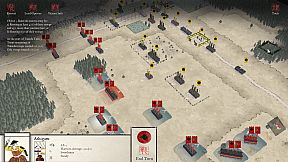
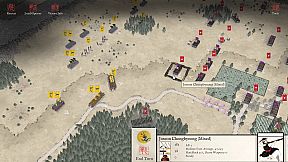
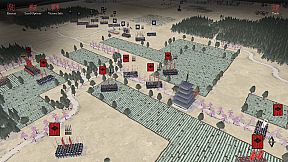
Sengoku Jidai: Shadow of the Shogun is a turn-based strategy game set in sixteenth-century East Asia. The title places players in command of armies during the Japanese Warring States period and the subsequent invasion of Korea, with additional forces from China and surrounding regions available to explore related conflicts. Regional lords vie for power after the Shogun's authority collapses, while the Joseon dynasty in Korea and the Ming dynasty in China face their own internal strains that lead to wider warfare.
Gameplay
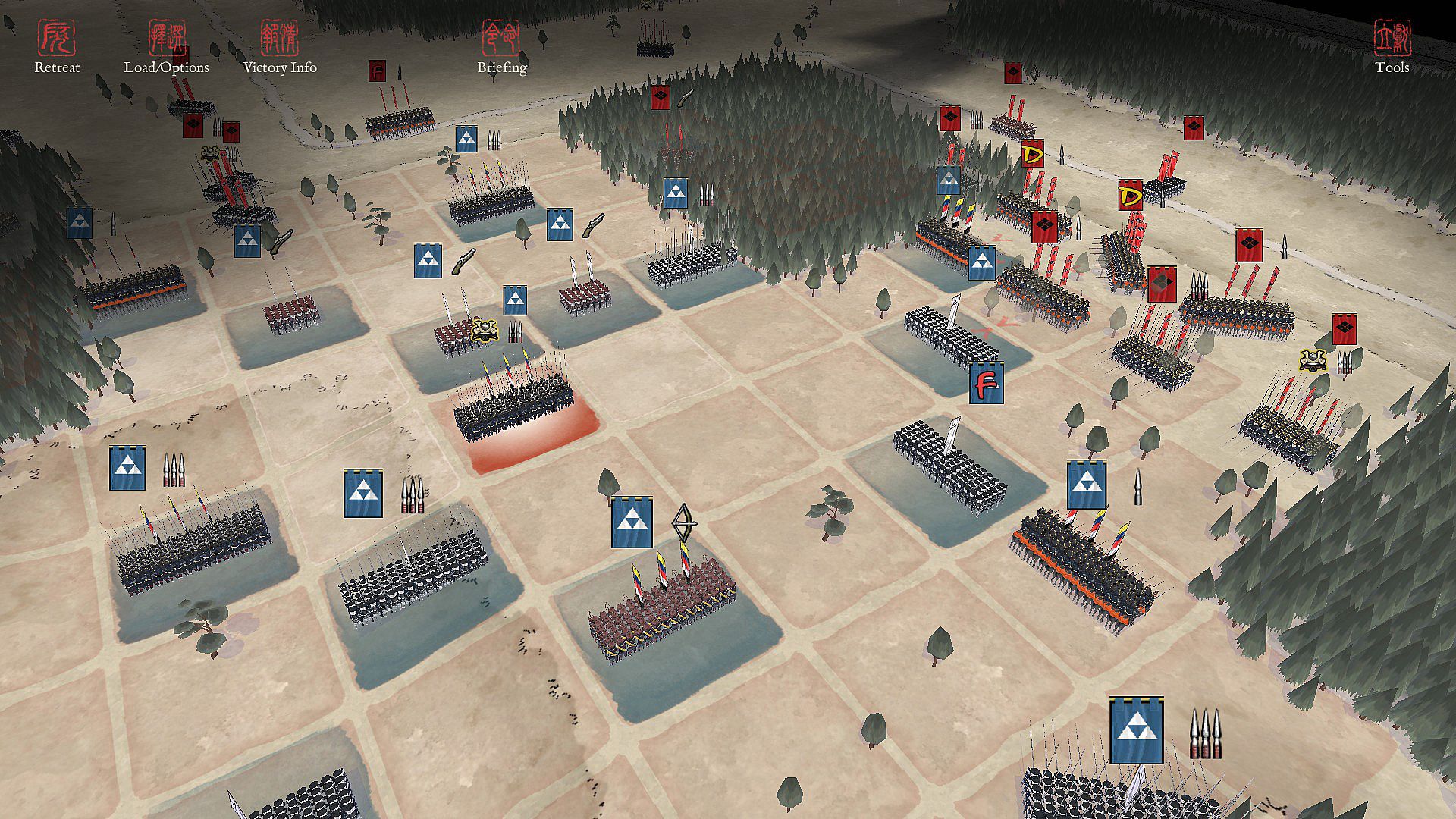
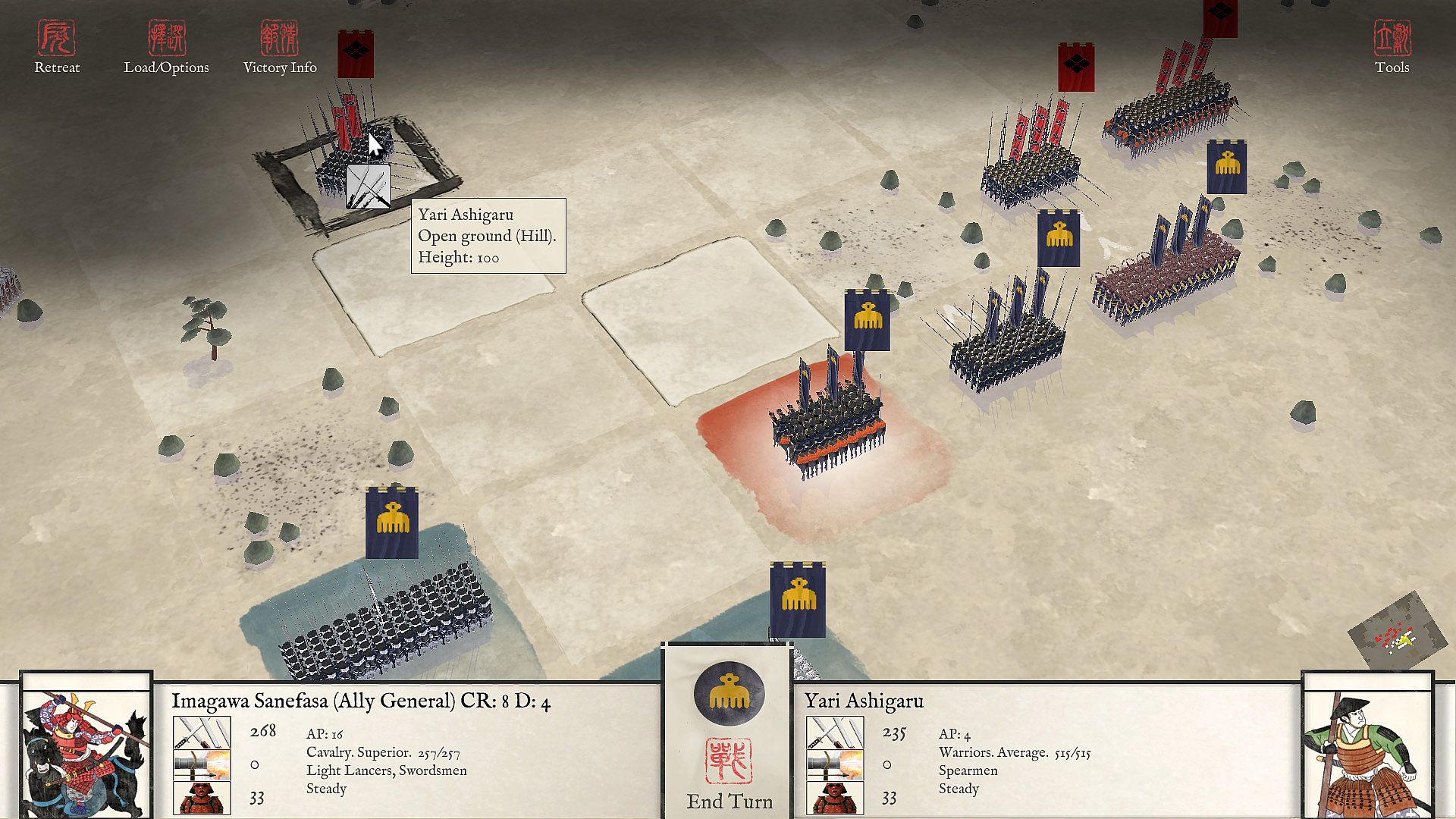
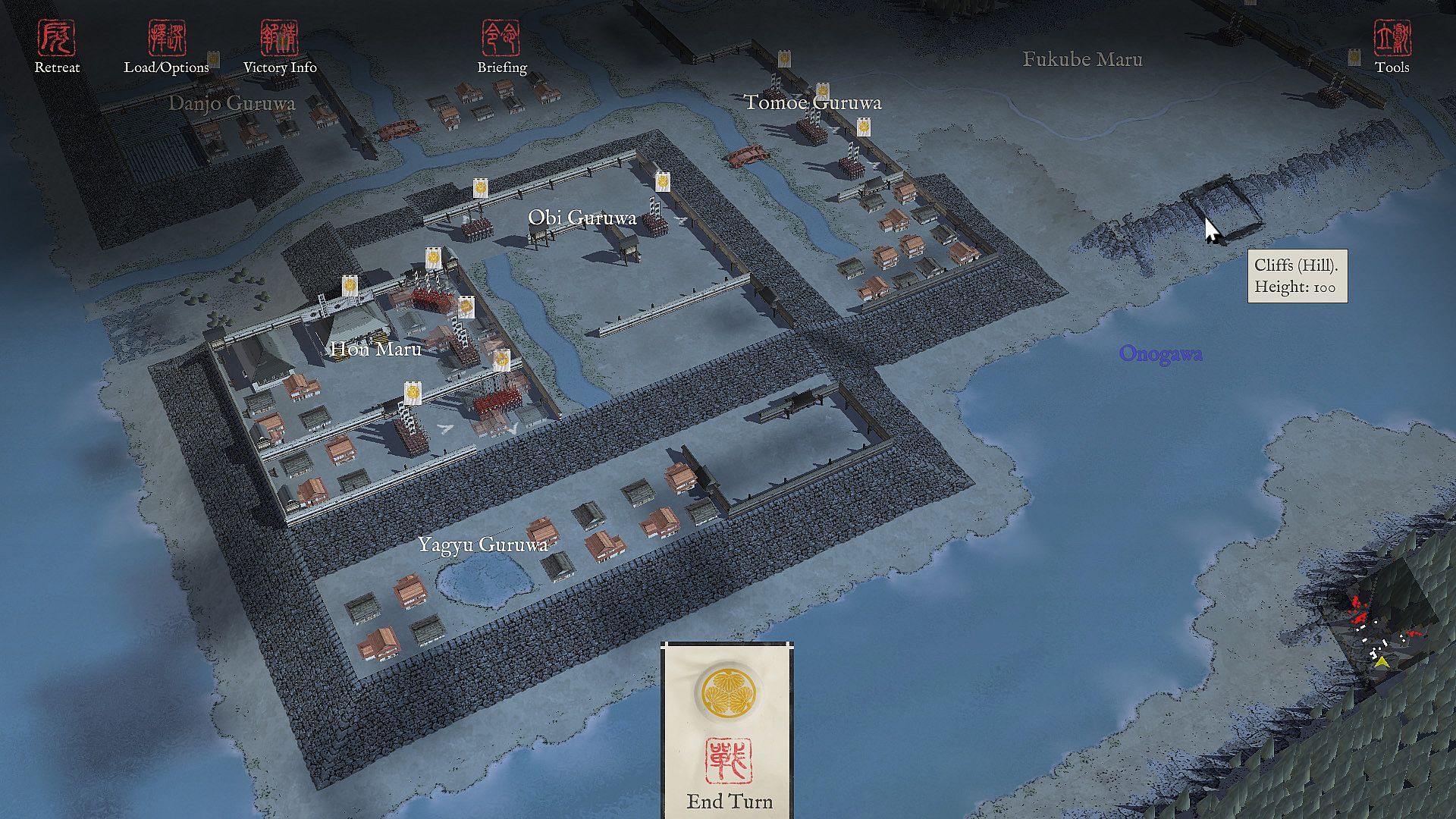
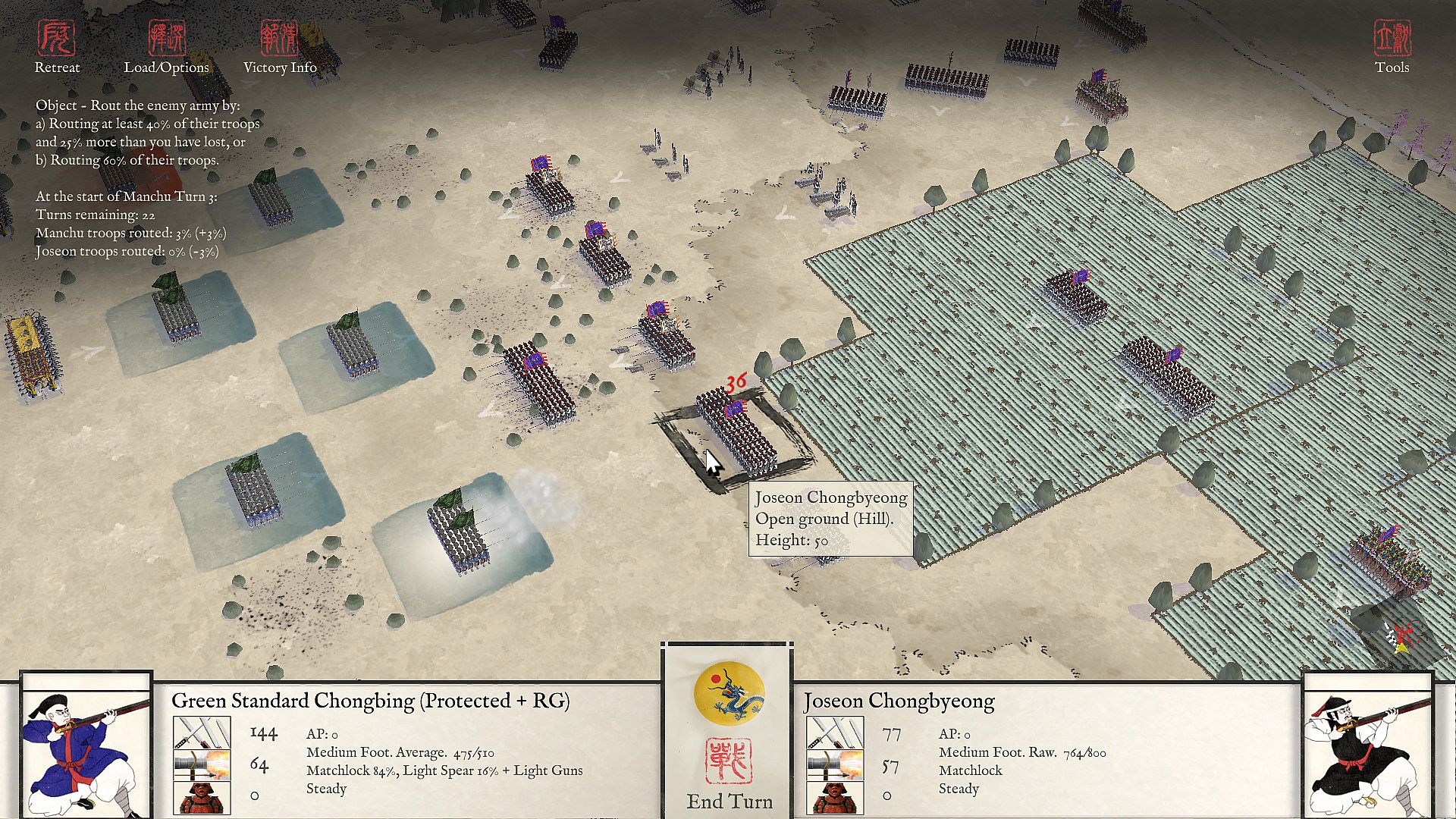
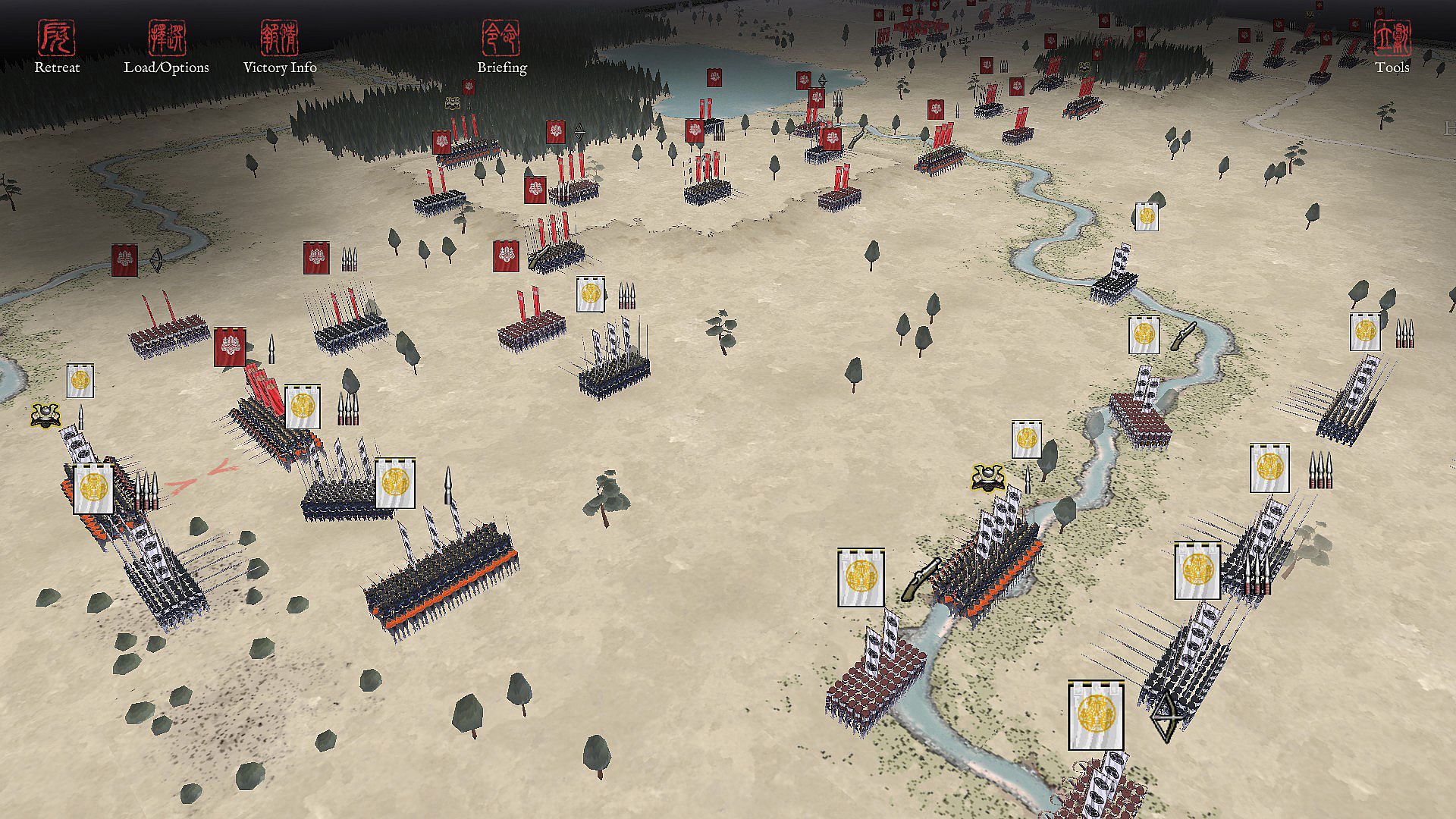
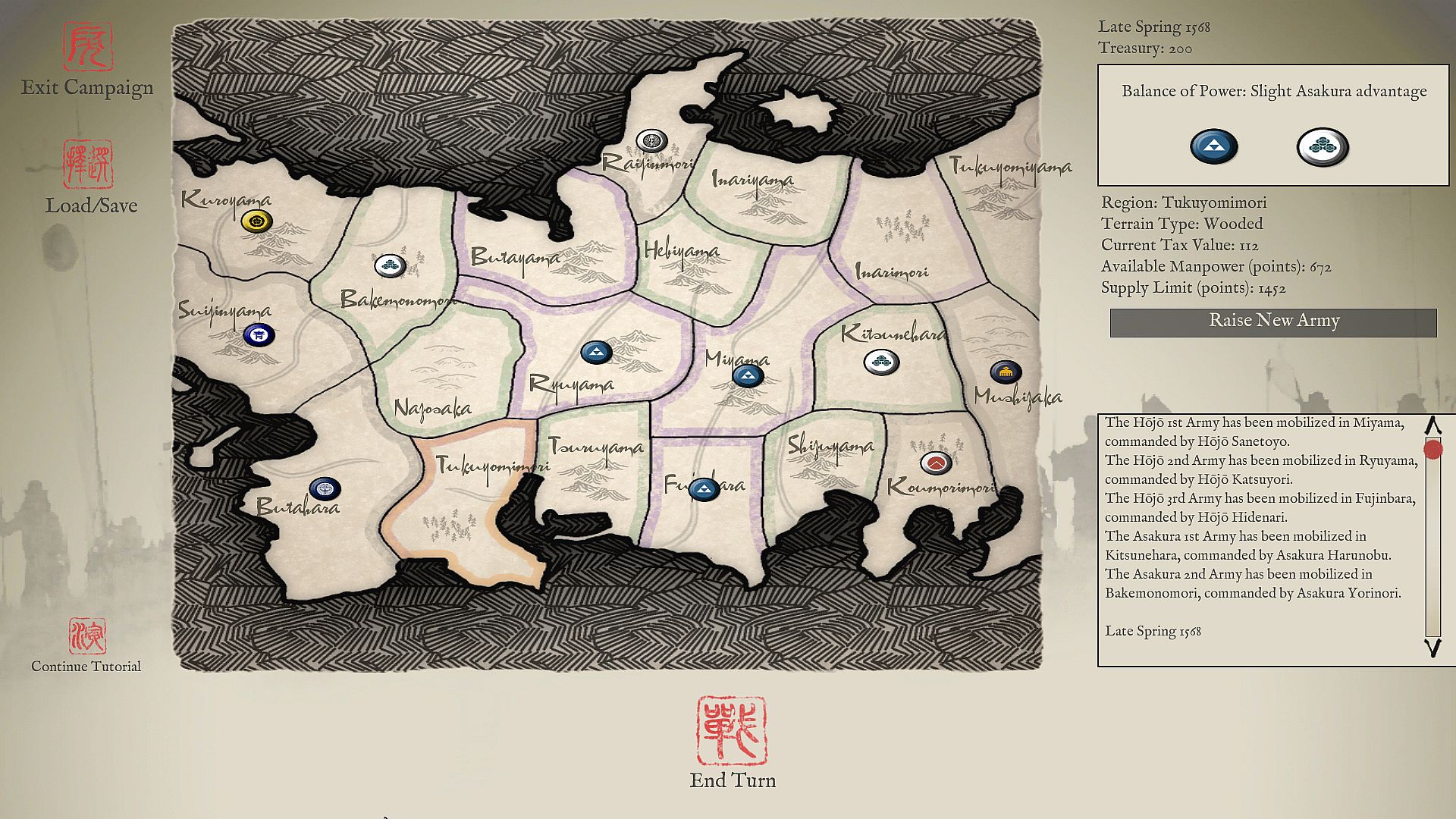
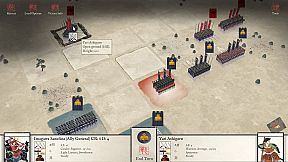
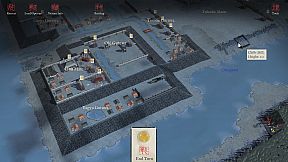
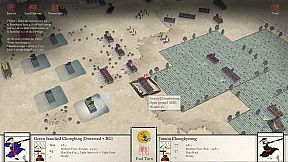
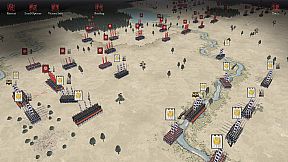
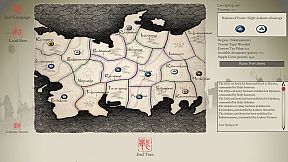
The core loop combines tactical battles on a tile-based map with an operational campaign layer. Players lead battalion-sized units that reflect the distinct doctrines of each army, from Japanese ashigaru formations to Korean and Chinese forces. Terrain, supply lines, attrition, and sieges shape both the strategic map and the forces available for each engagement. Decisions made between battles affect unit strength, experience, and morale over time.
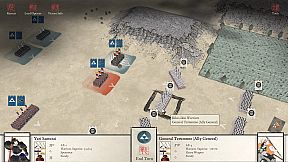
Named generals accompany armies and can shift combat outcomes or engage in direct duels with opposing leaders. The interface supports quick selection of orders while the underlying systems reward careful positioning and timing. A unique visual style draws from traditional Japanese painting techniques to depict the period's armies and landscapes. Six difficulty settings scale the challenge for both new and experienced players.
Game Modes
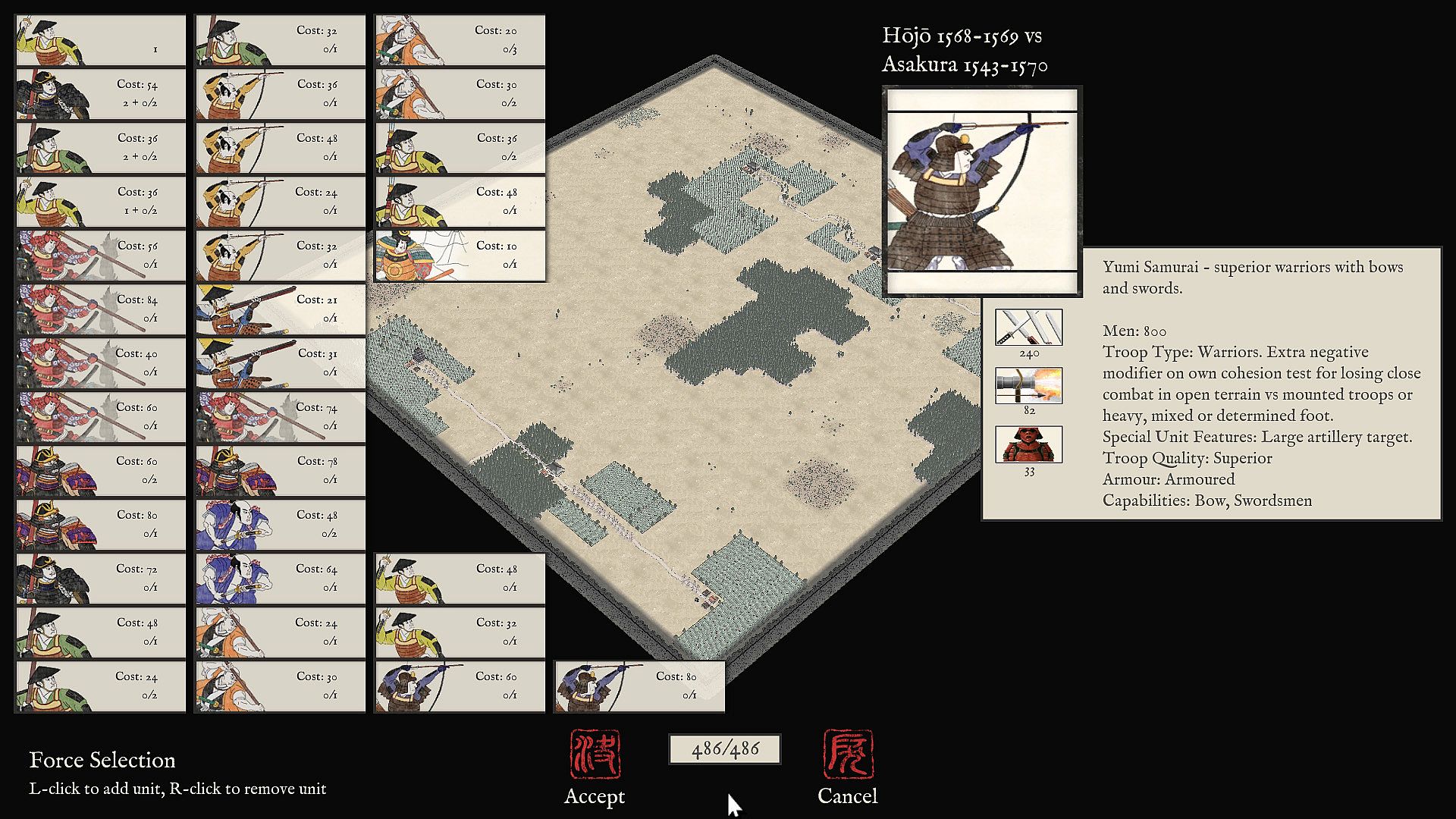
Historical scenarios recreate key engagements from the Sengoku Jidai and the Imjin War. These set-piece battles test command of period-accurate forces against the AI, which follows tailored tactical approaches for each situation. Skirmish mode generates random maps and objectives such as open-field clashes, assaults on prepared positions, defensive stands, reinforcement arrivals, and flanking maneuvers.
Campaign play lets players pursue broader goals like unifying Japan or challenging Chinese imperial power. Success or failure in individual fights carries forward, altering available manpower and unit quality for later stages. Multiplayer supports direct matches through a PBEM system for both historical and custom scenarios. A built-in map editor and mod support extend the available content beyond the included army lists and maps.
Armies and Factions
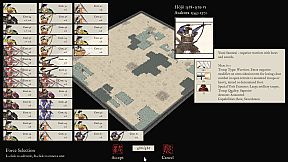
Army lists cover numerous Japanese clans alongside Ikko Ikki warrior monks, Wokou pirates, Joseon Korean troops, Ming Chinese armies, and various rebel or tribal groups. Additional options include Eastern and Western Mongols, Jurchen forces, and early Manchu armies that evolve across the sixteenth and seventeenth centuries. Each faction brings distinct unit types and tactical options that reflect documented developments of the era.
Skirmish play allows selection from these researched rosters or lets the computer assemble opposing forces. The result is a wide range of matchups that highlight differences in organization, weaponry, and battlefield roles without requiring players to manage every detail of army construction.
Is It Worth Playing?
This title suits players who enjoy deliberate, tile-based tactics combined with longer-term strategic consequences. The emphasis on historical accuracy in unit behavior and campaign effects rewards study of the period's military practices. Single-player options provide substantial depth through scenarios, skirmishes, and full campaigns, while the PBEM multiplayer adds a competitive layer for those who prefer human opponents.
The learning curve is steep due to the variety of army doctrines and the need to manage supply and morale across multiple turns. Those who appreciate hard-to-master systems with clear historical grounding will find consistent challenge across the six difficulty levels. The game remains available on PC with its original feature set intact, including the map editor for ongoing customization.