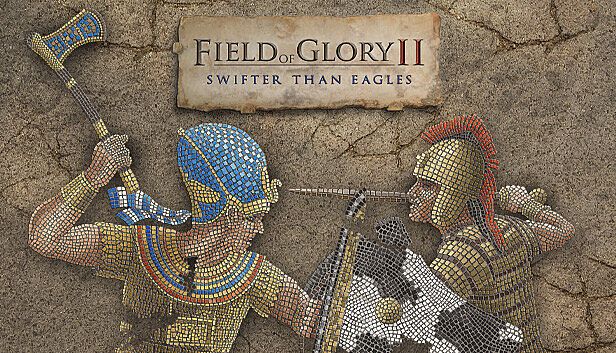
















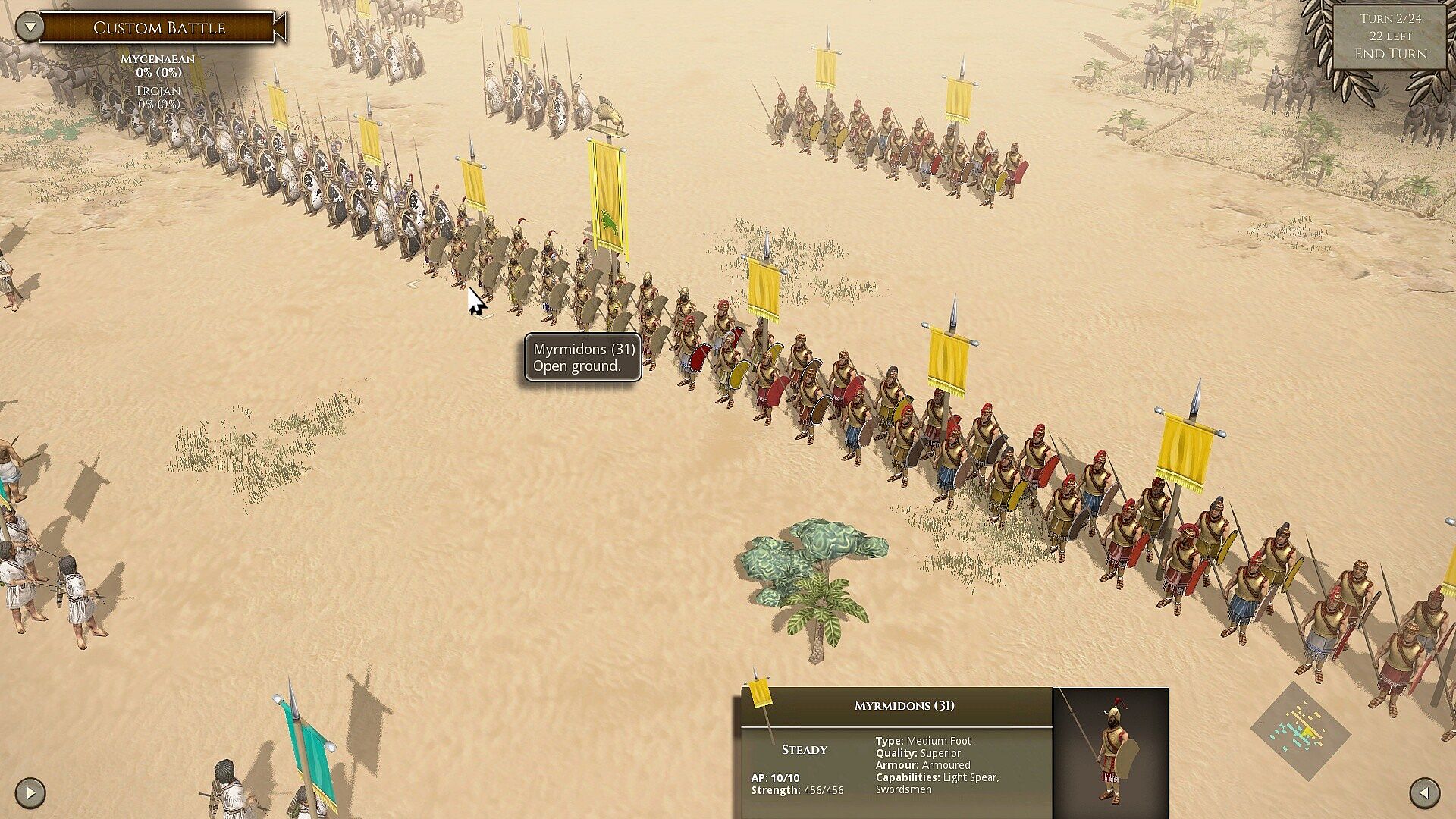
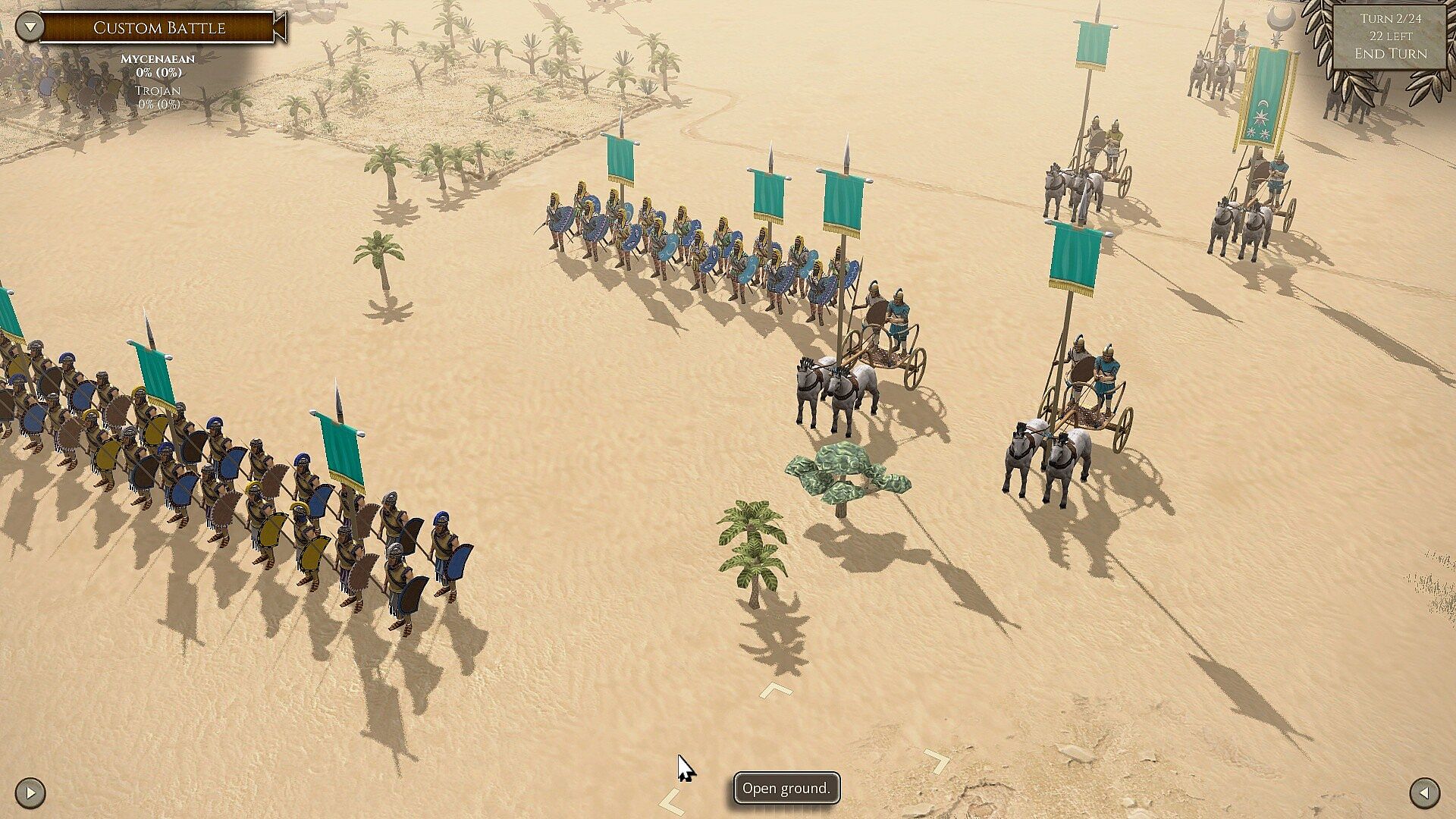
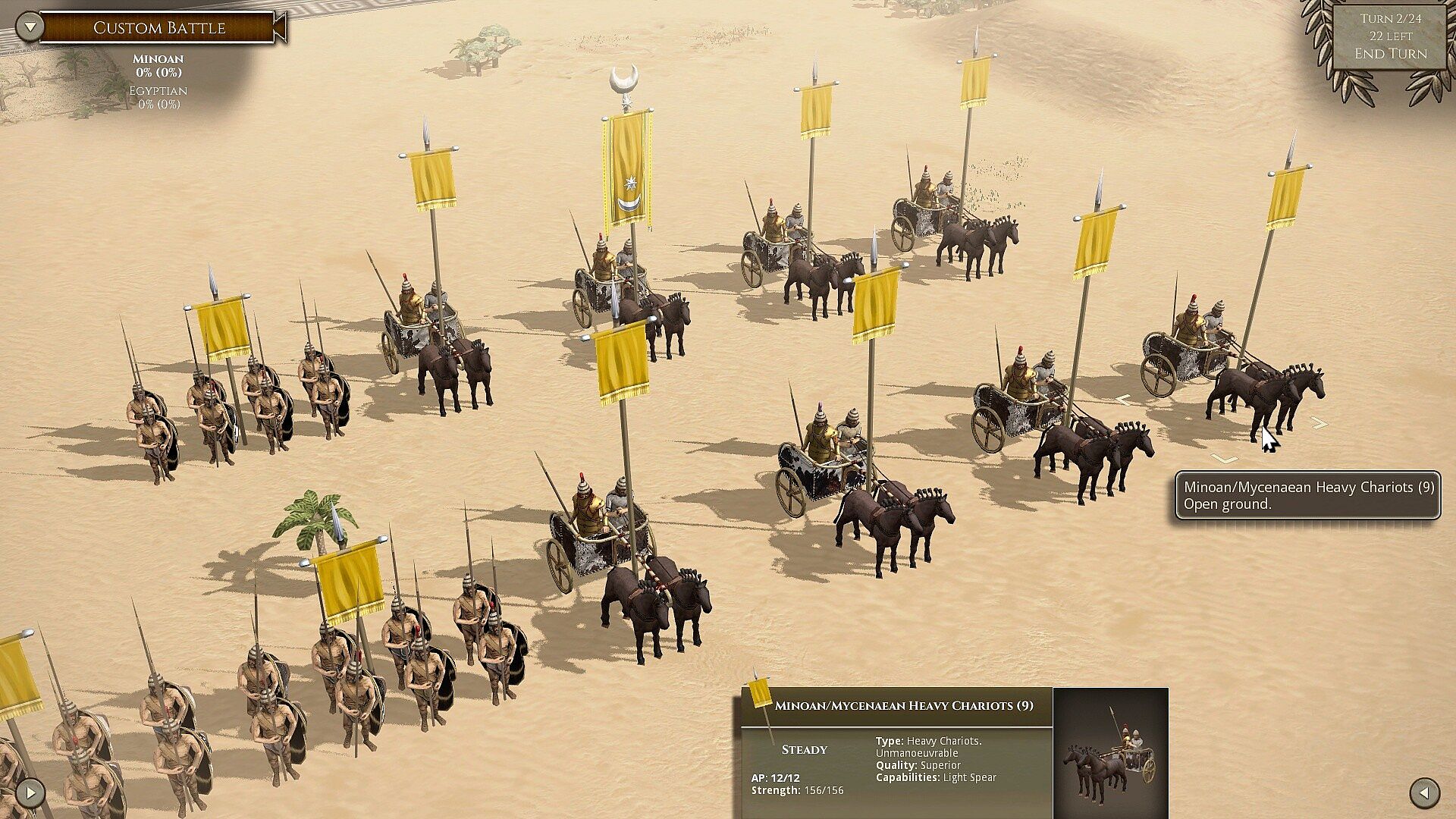
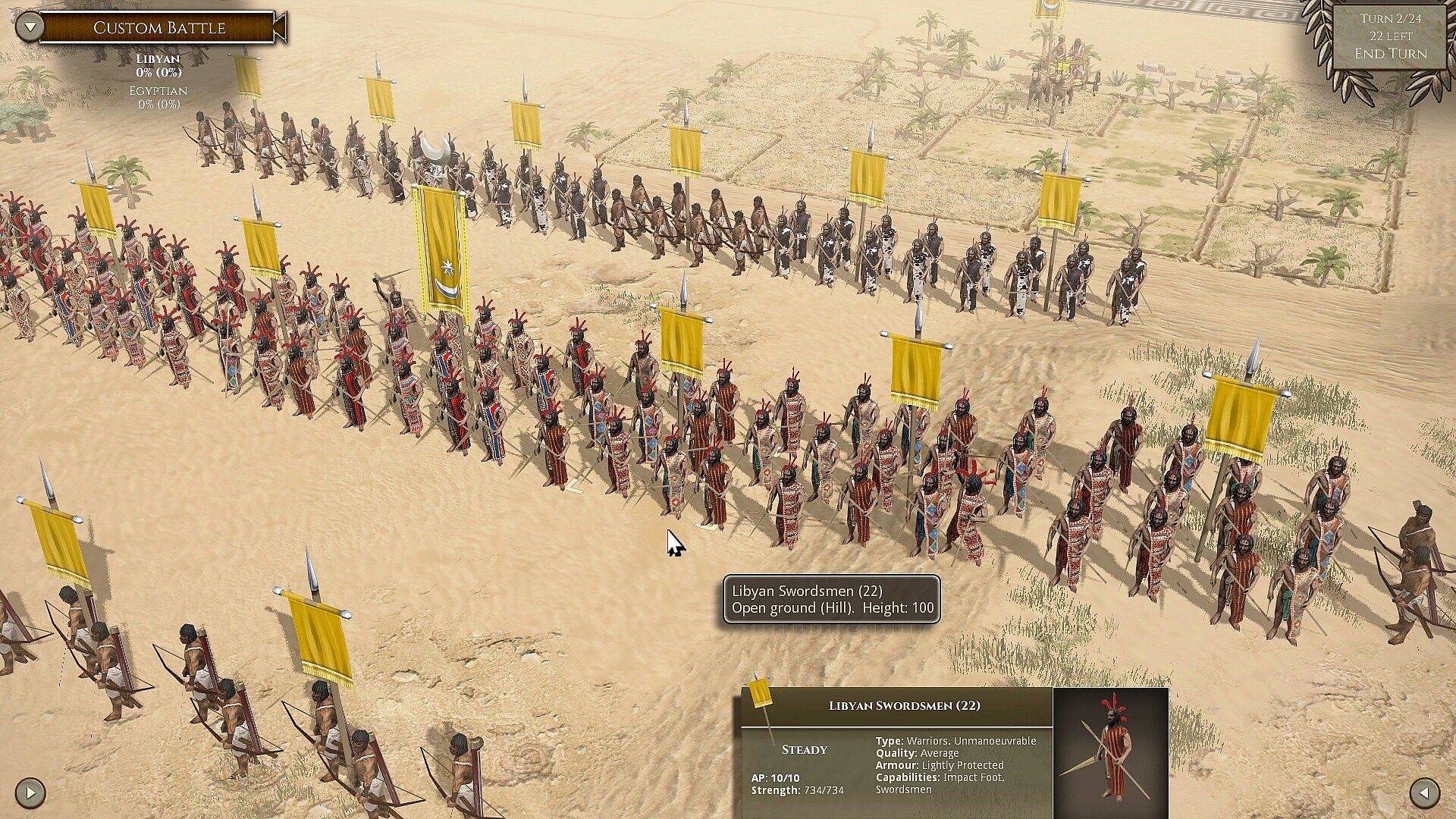
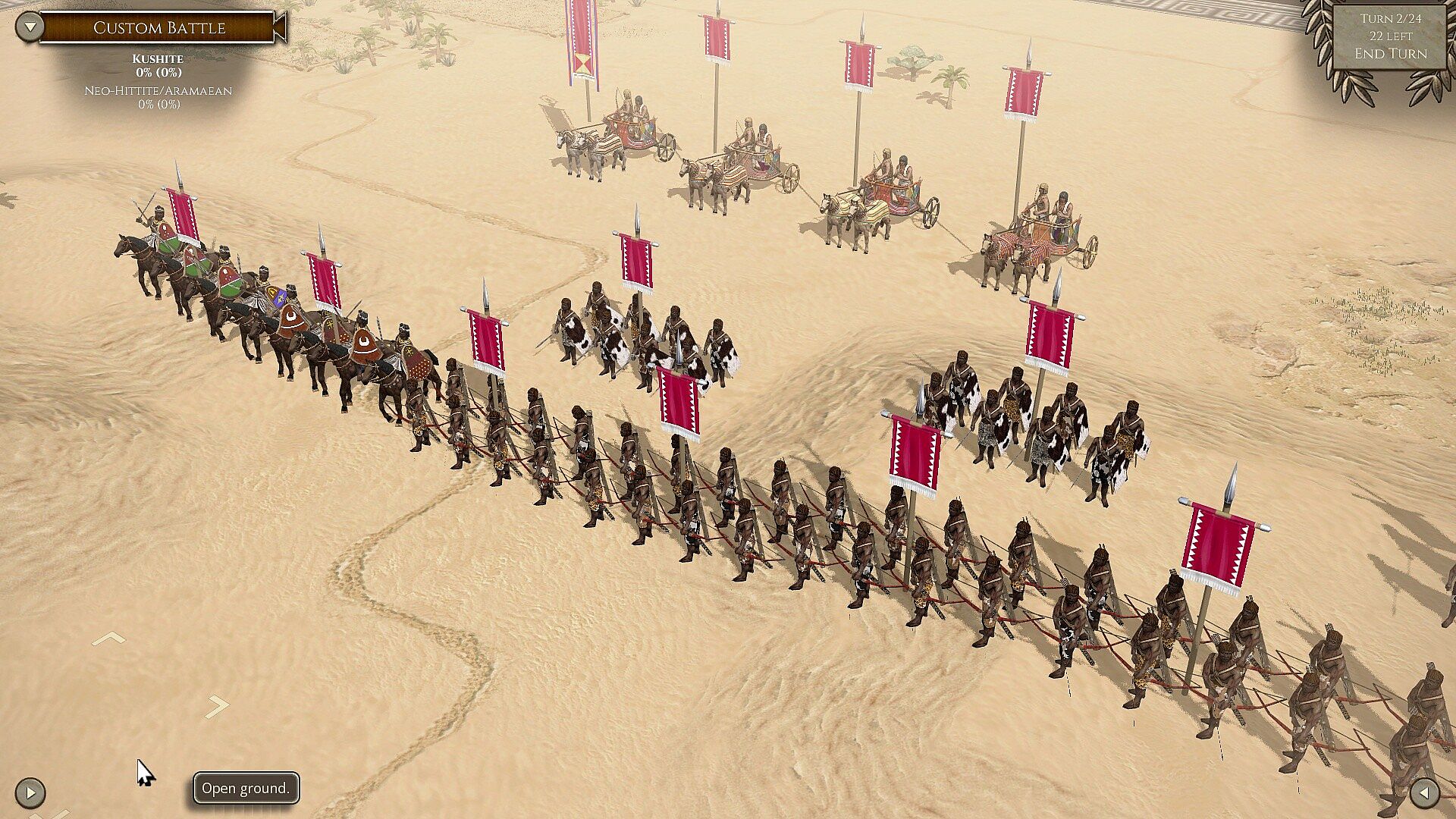
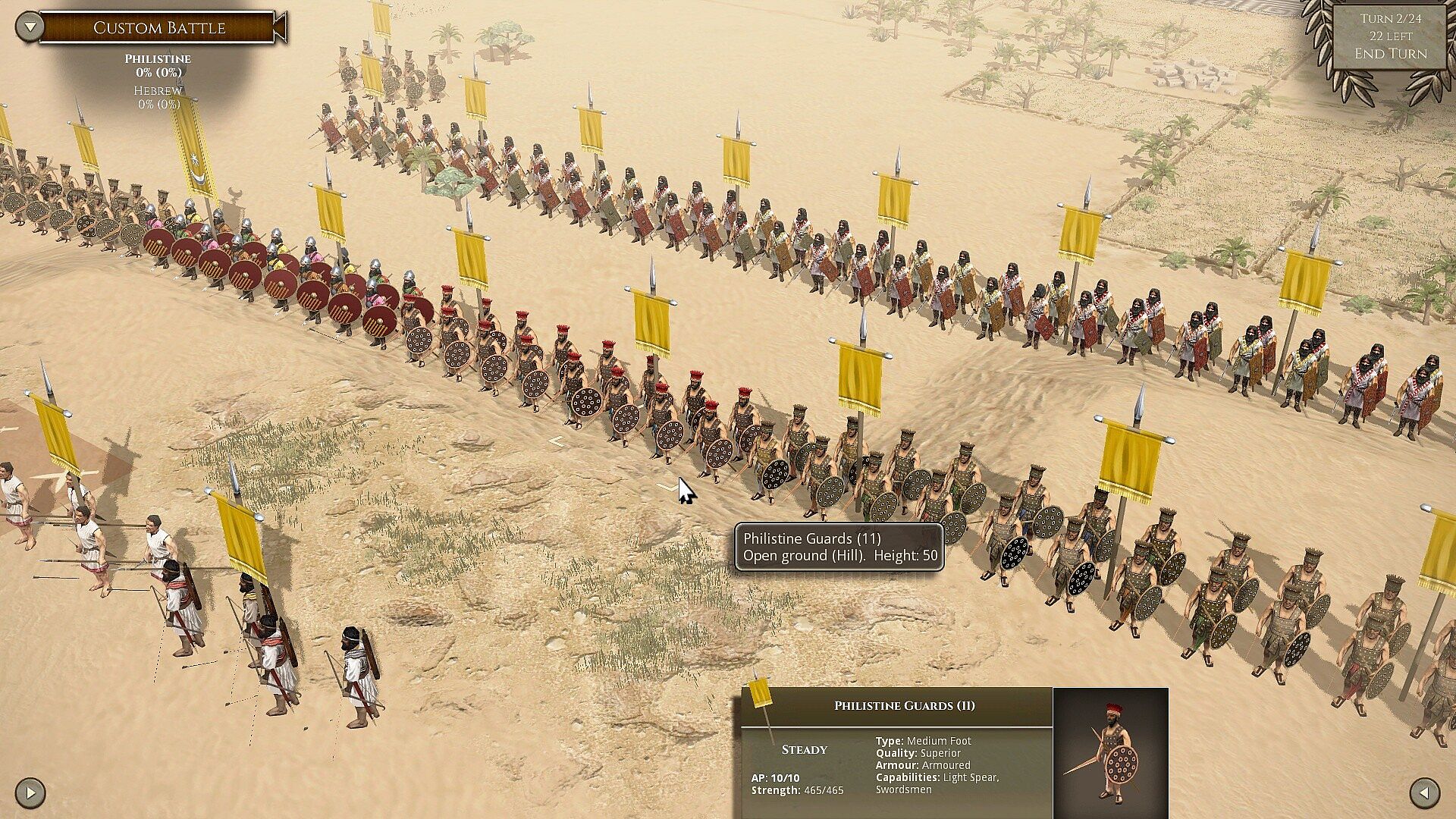
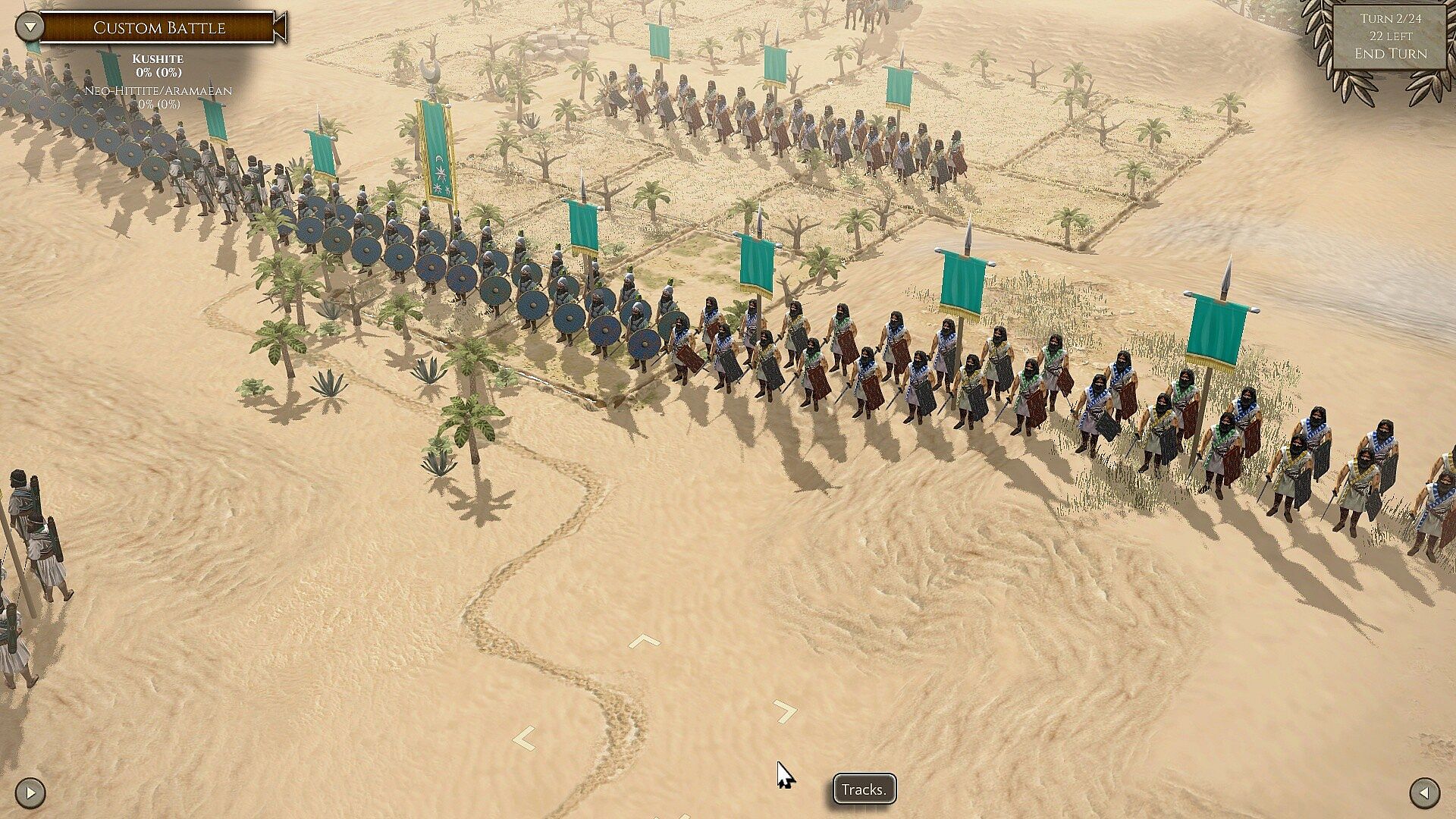
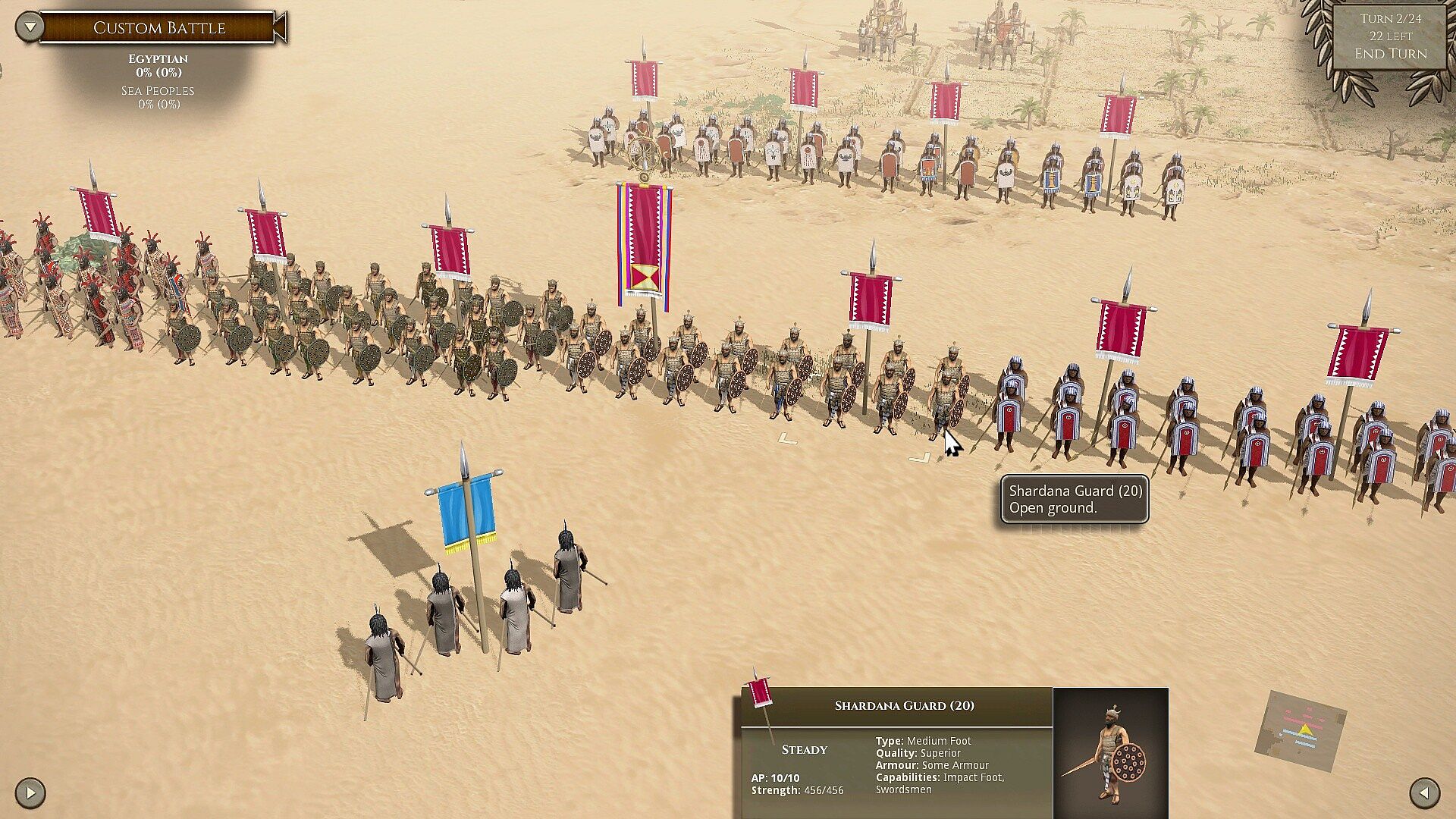
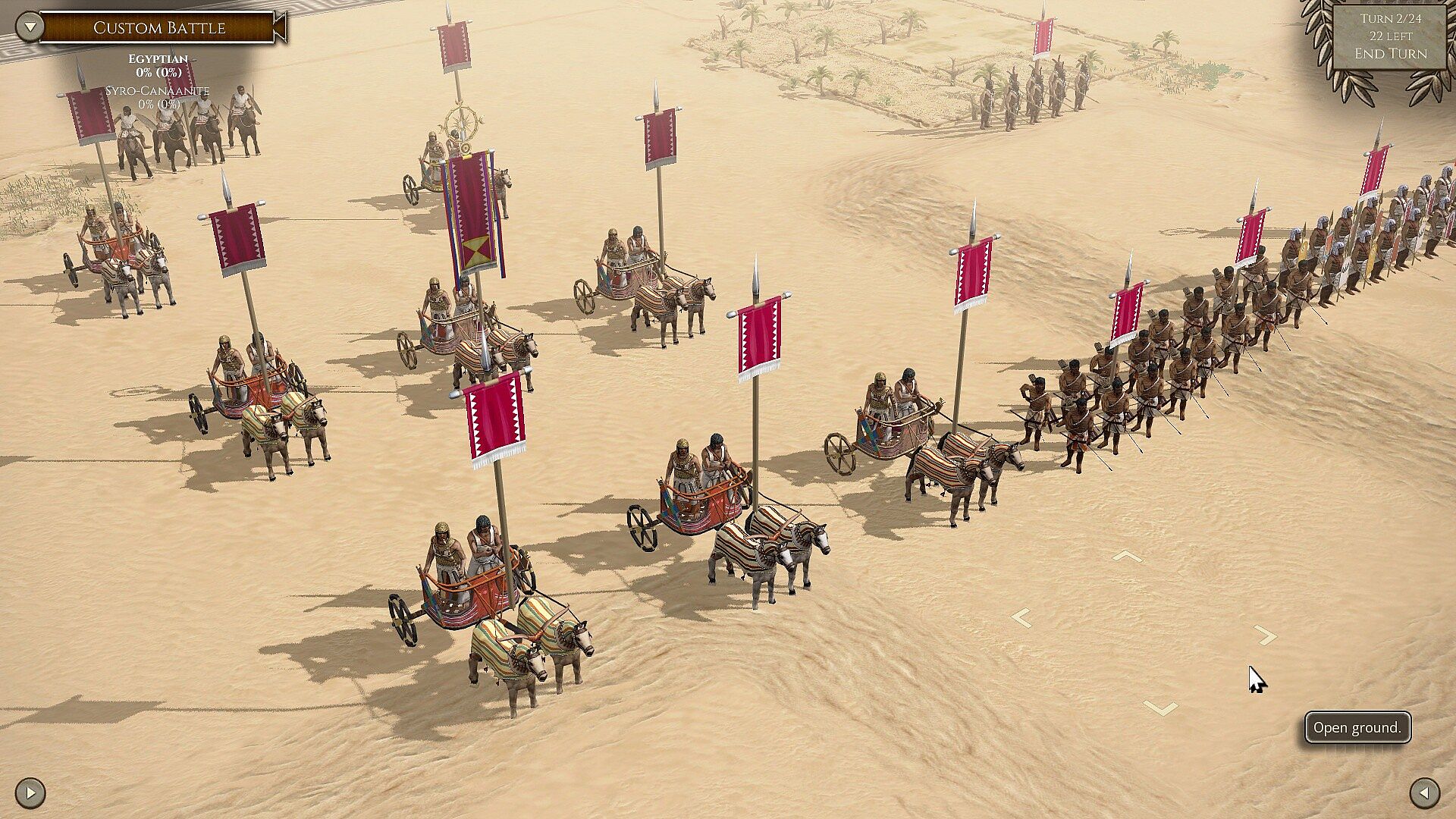
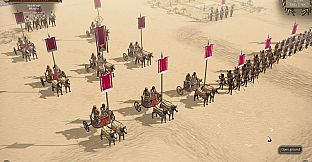
Field of Glory II: Swifter than Eagles is a strategy and simulation game set during the early periods of organised warfare in the Near East. It covers conflicts from 2500 BC to 681 BC, placing players in command of armies from the first civilisations in the Fertile Crescent through the rise and fall of major powers like Sumer, Egypt, the Hittites, and the Neo-Assyrian Empire.
Gameplay
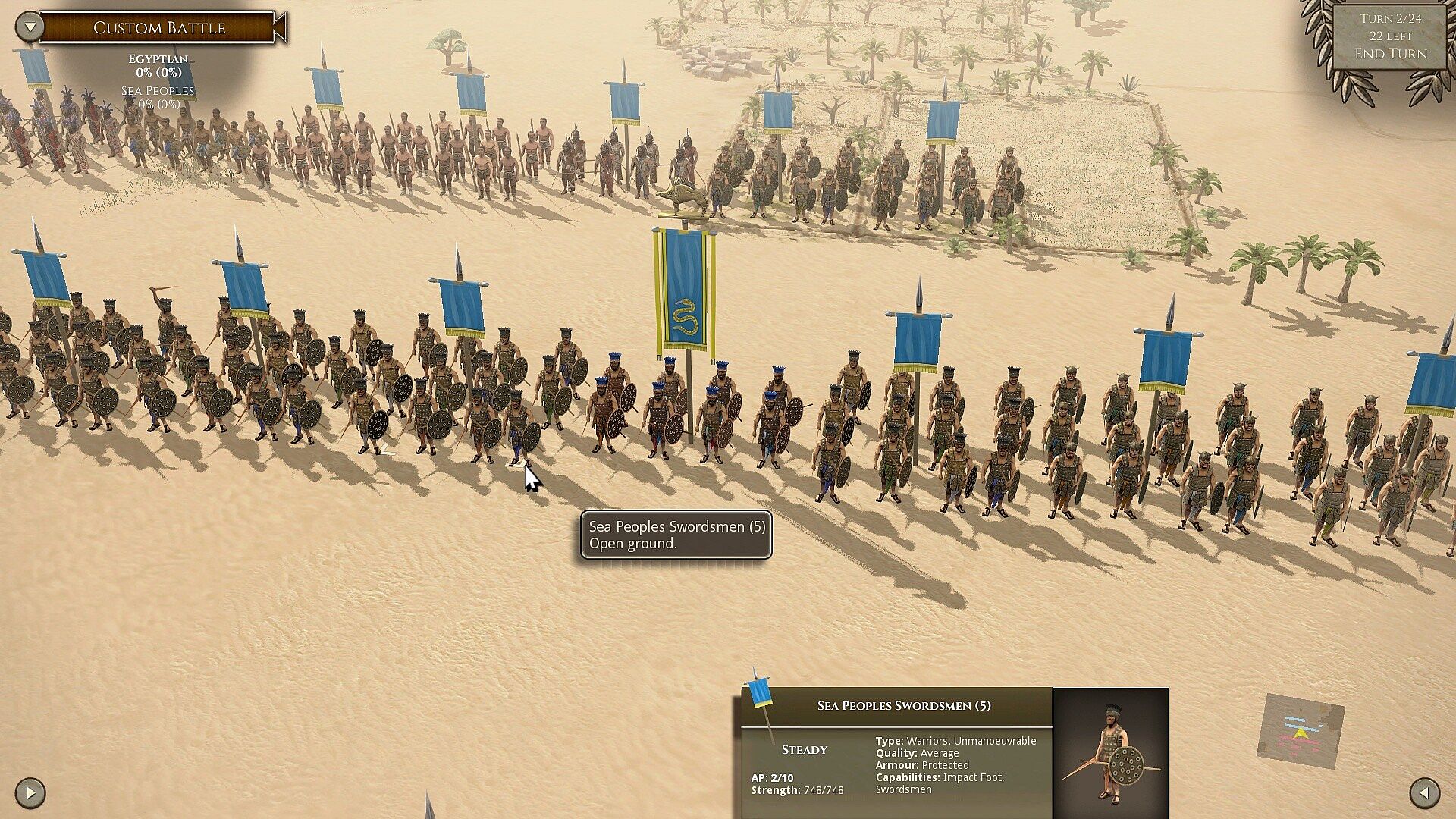
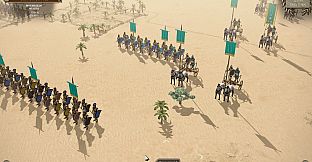
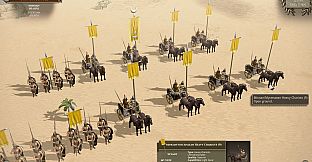
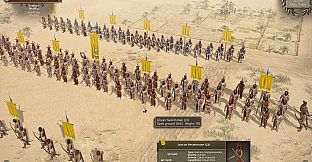
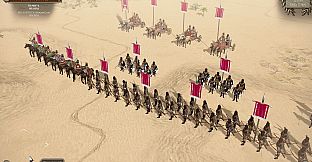
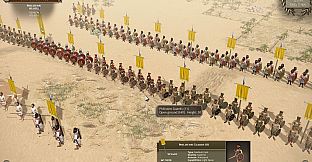
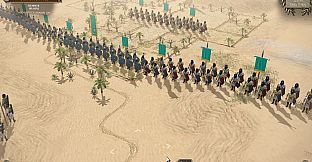
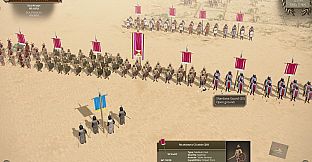
The core loop revolves around commanding historical forces in turn-based battles that emphasise formation, terrain, and unit matchups. Players lead chariots, spearmen, archers, and close fighters across maps representing the ancient landscape. Chariots appear as effective weapons in several lists, with variants suited for spear or bow attacks, while infantry includes specialised types such as those carrying pavises or mixed bow-and-spear troops. The period spans the Early Bronze Age city states, Middle Bronze Age migrations that brought new powers like the Mitanni and Hyksos, the Late Bronze Age struggles between Egypt and the Hittites, the widespread collapse around 1200 BC, and the later dominance of the Neo-Assyrian Empire.
Nineteen new factions receive dedicated representation, each with tailored army lists that reflect their historical equipment and tactics. These include Sumerian and Akkadian forces, Egyptian armies across multiple dynasties, Hittite and Mitanni chariot-heavy lists, Mycenaean and Trojan contingents, Sea Peoples groups, Philistine and Libyan troops, and Neo-Hittite or Aramaean states. Forty-six new unit types support these factions, ranging from picked spearmen and guard formations to light javelinmen, irregular foot, and early cavalry. Sixty-six new army lists expand the available options, allowing battles between forces from different eras within the covered timeframe.
Game Modes
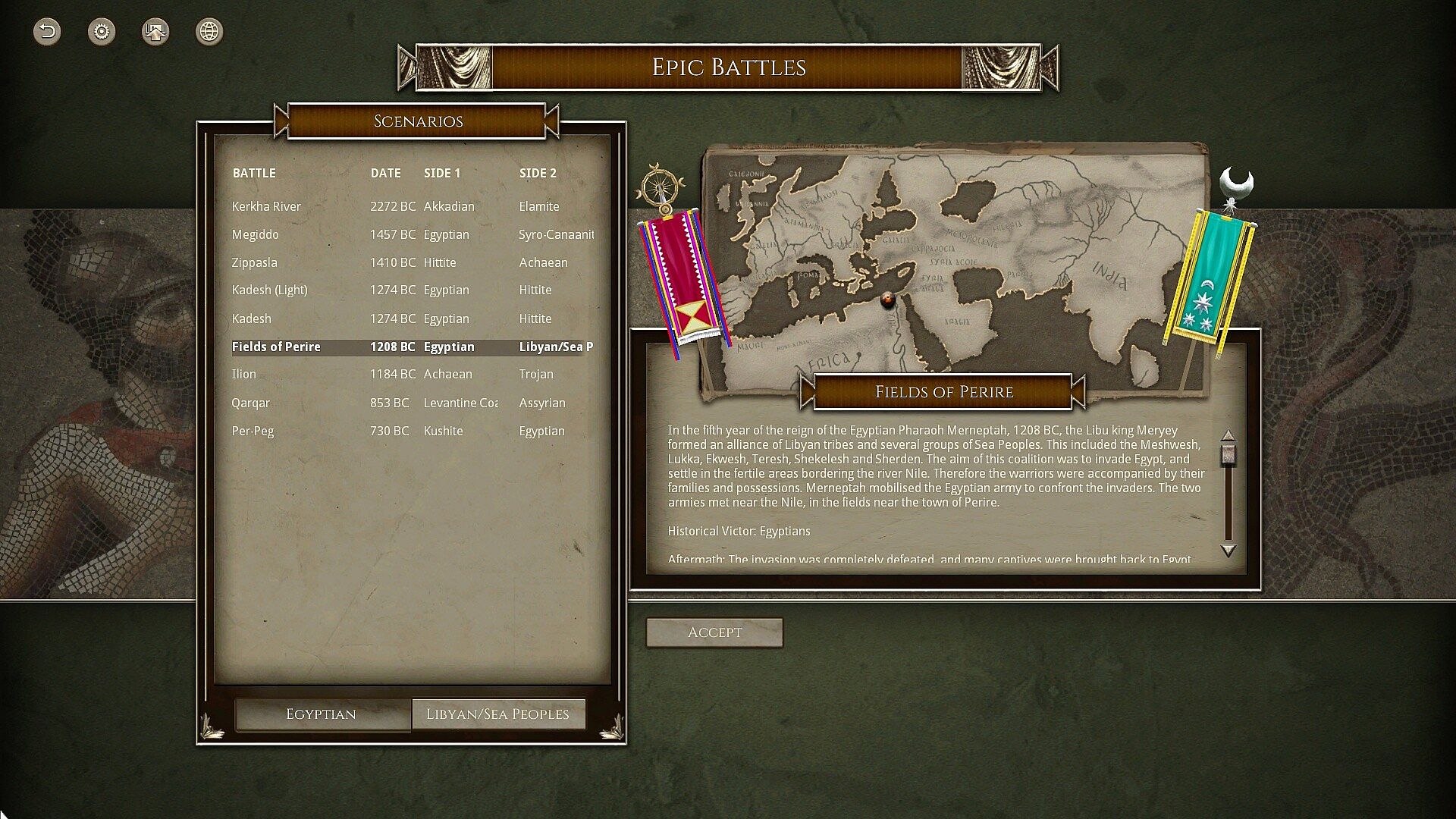
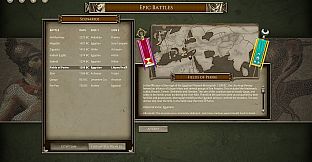
Swifter than Eagles adds eight Epic Battles drawn from recorded history. These include the Akkadian victory at Kerkha River in 2272 BC, the Egyptian triumph at Megiddo in 1457 BC, the clash at Zippasla in 1410 BC, the famous encounter at Kadesh in 1274 BC, the defence at Fields of Perire in 1208 BC, the siege of Ilion in 1184 BC, the coalition battle at Qarqar in 853 BC, and the Kushite campaign at Per-Peg in 730 BC. Each scenario can be approached from either side where appropriate.
Seventy new Quick Battles provide shorter engagements, nearly all available from both opposing viewpoints. The Custom Battles module supports any combination of the full set of army lists, while the Sandbox Campaign module enables open-ended play across the same roster. Four dedicated campaigns follow historical arcs: the conquests of Sargon the Great and the Akkadian Empire, the expansion of the Hittite Empire, the campaigns of Ramesses II during the New Kingdom of Egypt, and the aggressive wars of Shalmaneser III in the Neo-Assyrian period.
Historical Scope and Army Building
Army lists cover distinct periods for each major power, such as multiple phases of Egyptian development from the Old Kingdom through the New Kingdom and into later dynasties, successive Assyrian eras from the 14th century BC onward, and parallel developments among Babylonian, Elamite, and Syro-Canaanite states. Players select forces that match the technological and organisational realities of each century, with options for elite guards, levied troops, and specialist contingents like Nubian archers or Anatolian chariots. The expanded modules integrate these additions seamlessly with existing content, allowing custom scenarios that span the entire historical range now available.
Is It Worth Playing?
This title suits players who enjoy detailed historical strategy games focused on ancient Near Eastern warfare. The breadth of factions, units, and scenarios provides extensive replay value through varied army compositions and campaign paths. Those interested in the transition from early chariot warfare to the organised armies of the Iron Age will find the specific battles and lists directly relevant. The game runs on PC and supports both single scenarios and longer campaigns without requiring additional purchases beyond the base title and this expansion for full access to the new content. Its emphasis on accurate period representation makes it a strong choice for anyone seeking structured, historically grounded battles rather than abstract or fantasy settings.