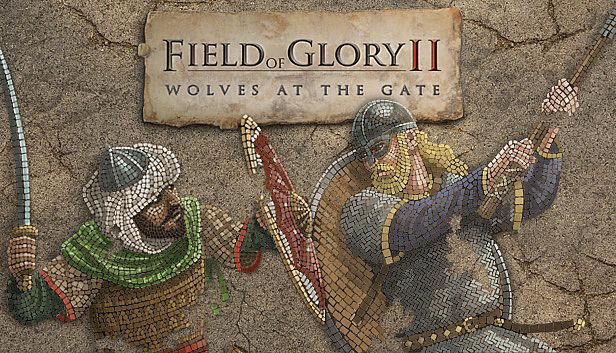




















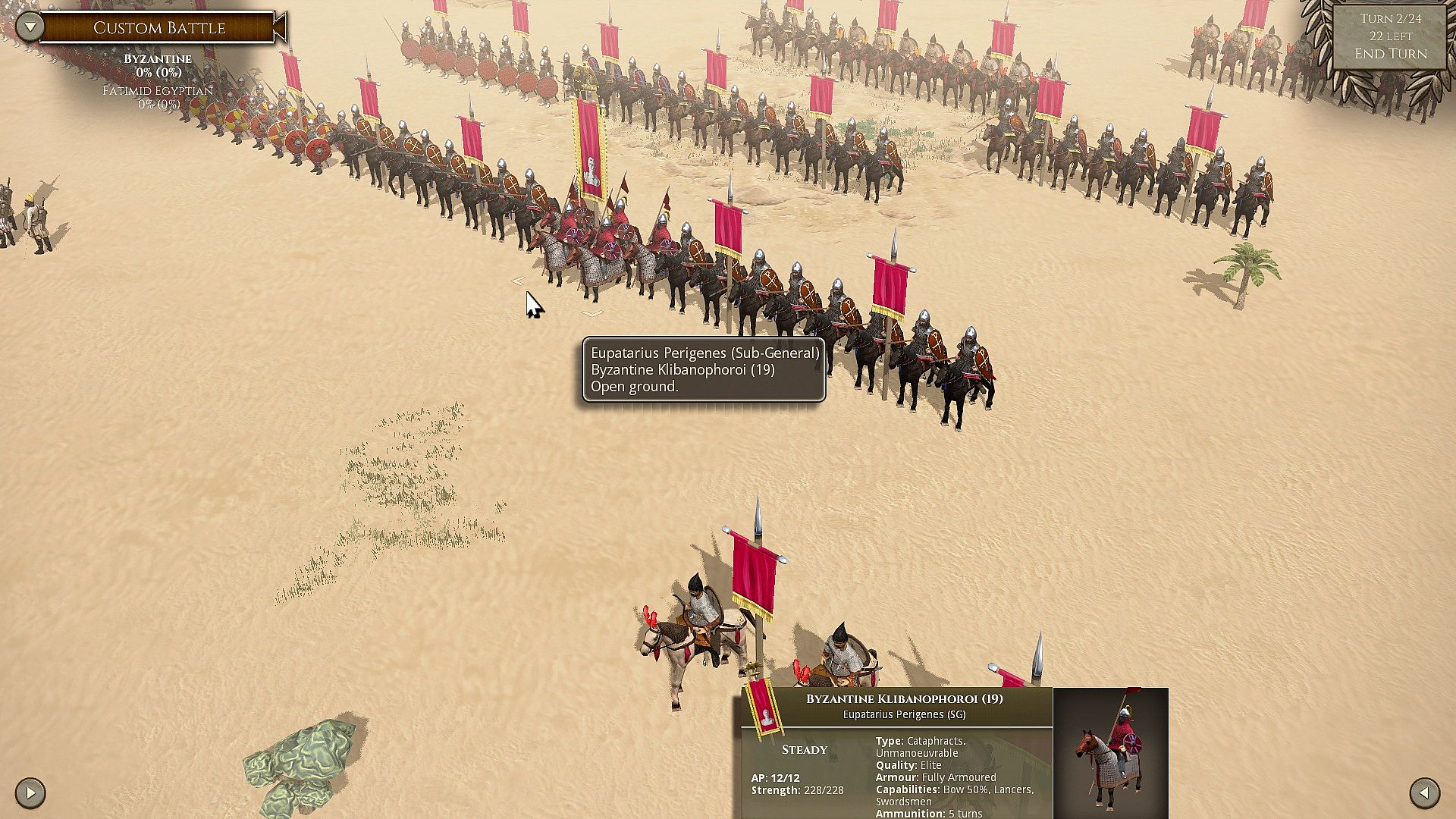
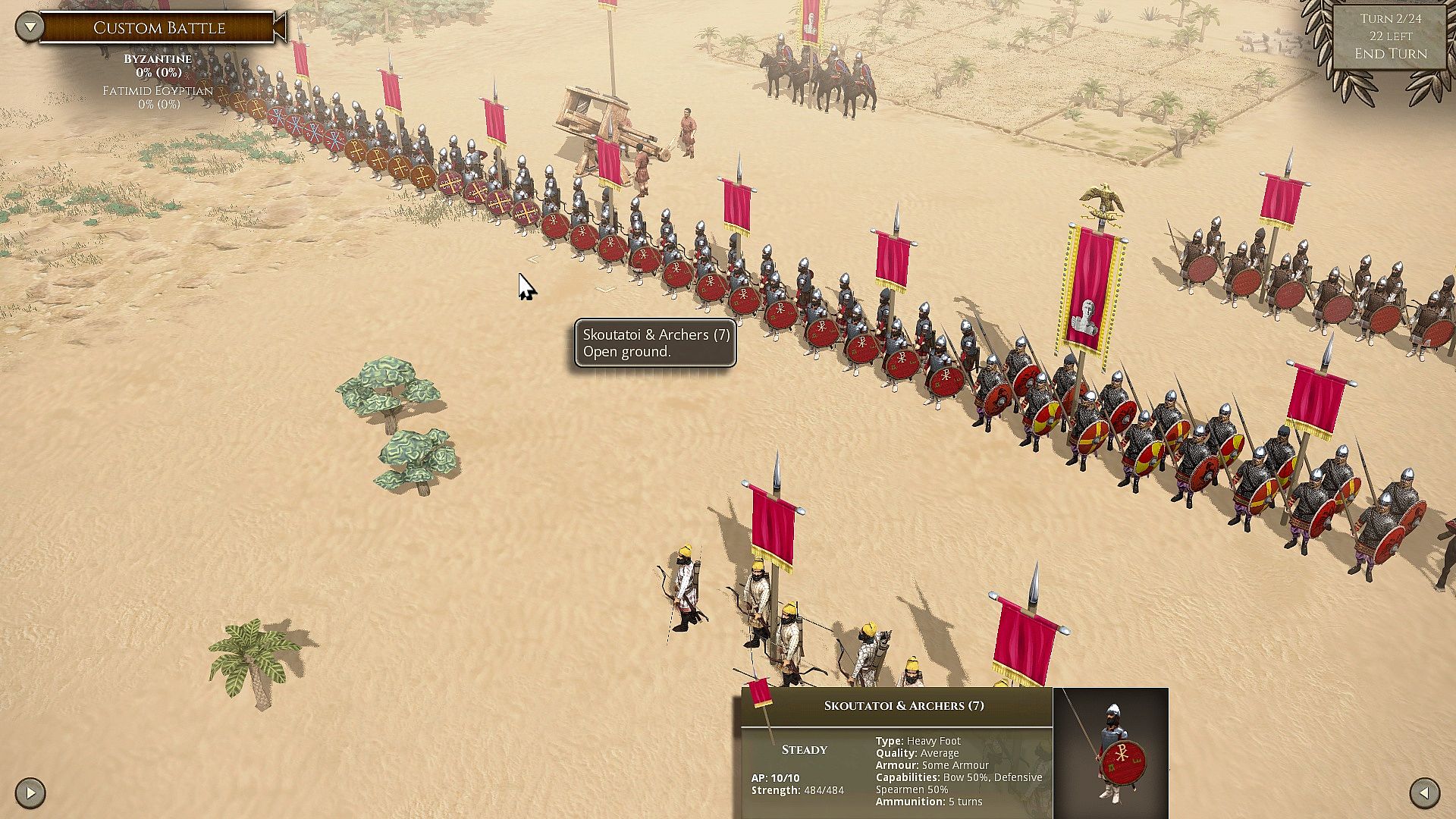
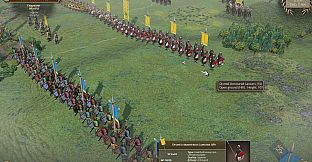
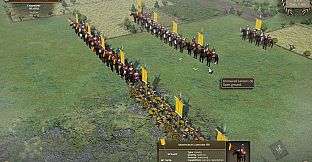
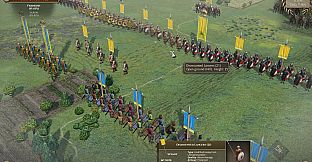
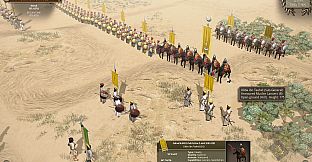
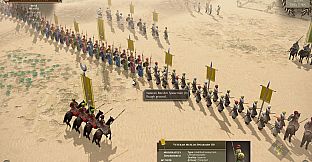
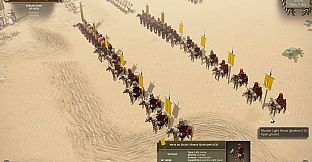
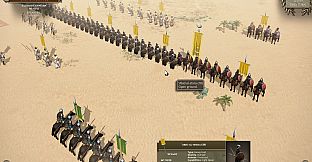
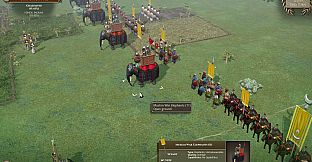
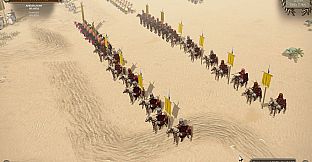
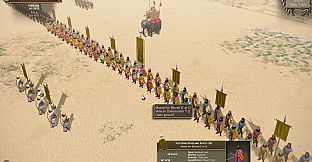
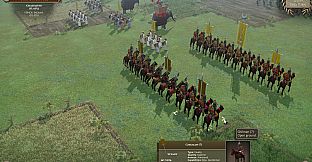
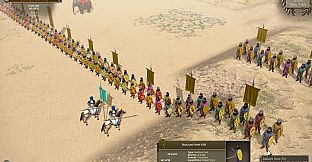
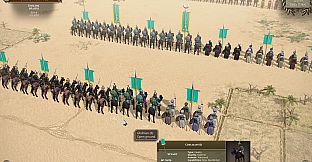
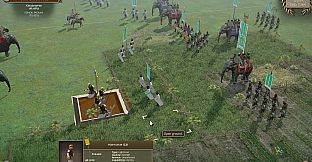
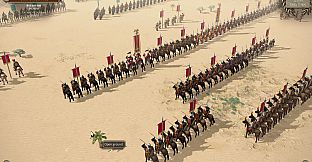
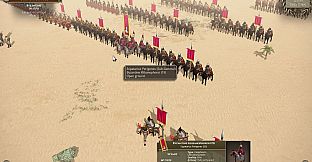
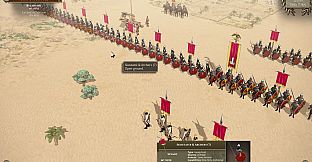
Field of Glory II: Wolves at the Gate is a turn-based strategy simulation game that extends the core Field of Glory II experience into the period from 600 to 1040 AD. It focuses on the military history of the so-called Dark Ages, covering events such as the Arab Conquest, Viking and Magyar raids, the formation of early European states, and the Byzantine Empire's efforts to maintain its position in the east. The title adds depth through new factions, units, and scenarios while maintaining the series emphasis on historical accuracy in army composition and battlefield tactics.
Gameplay
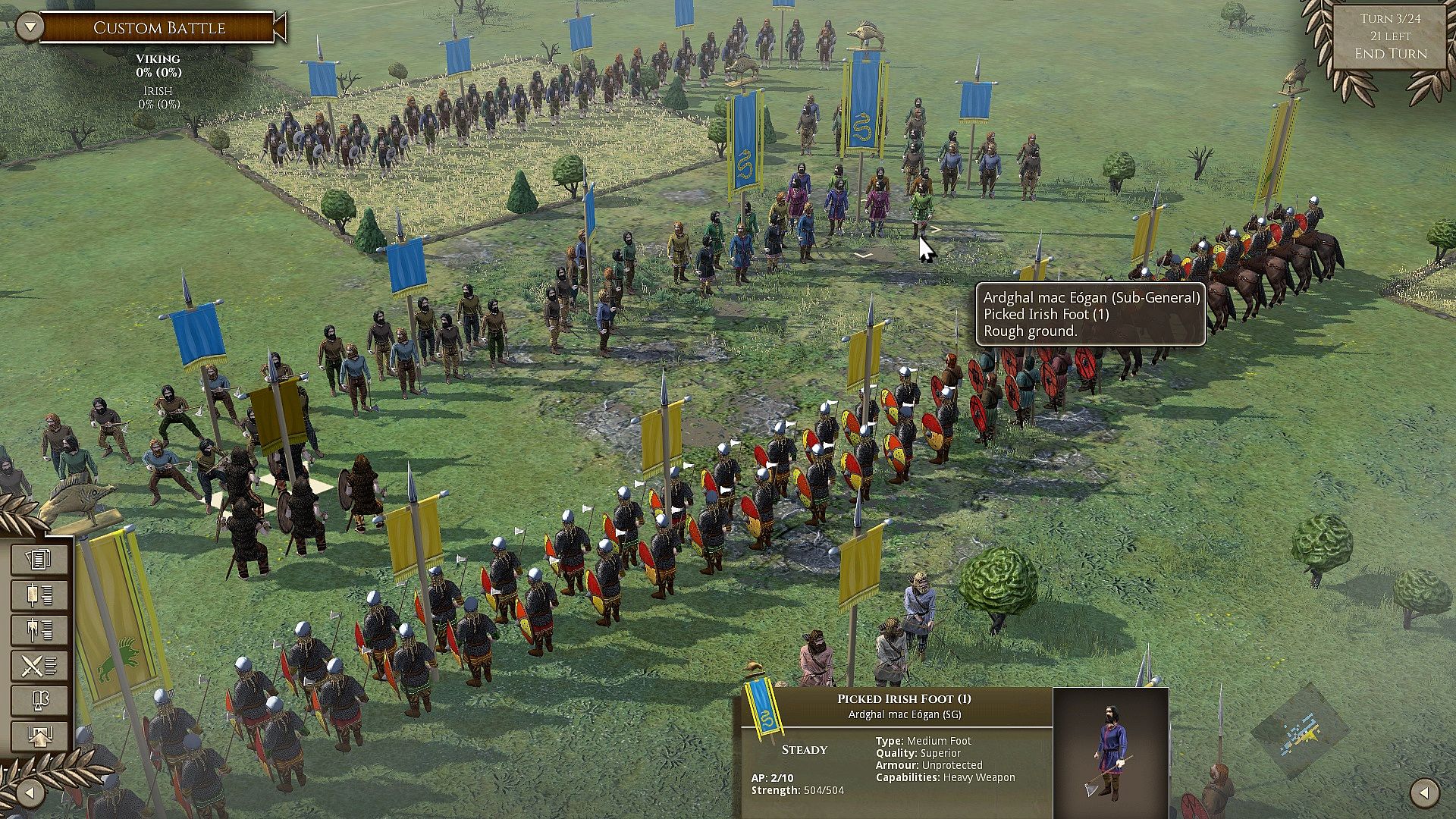
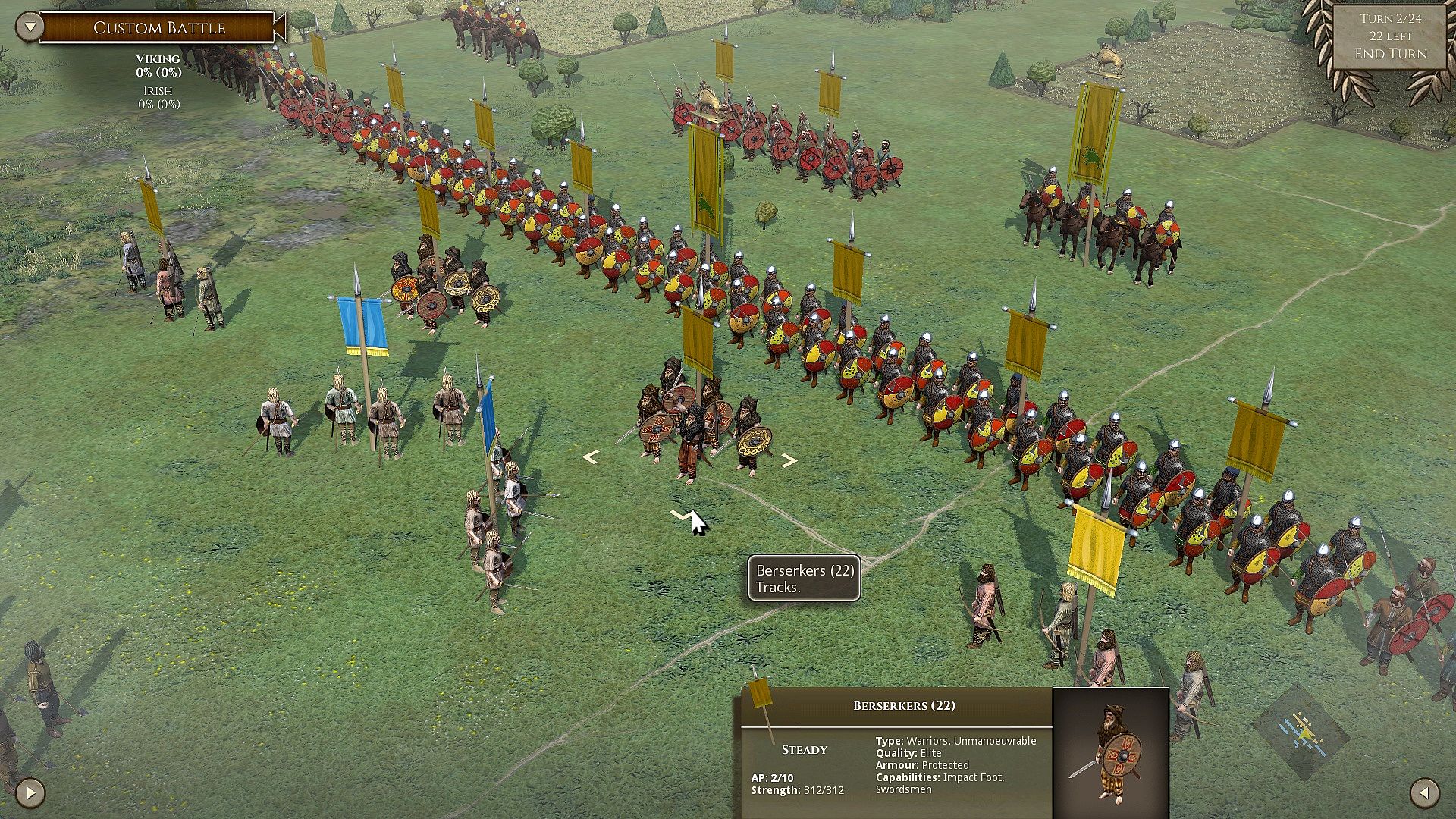
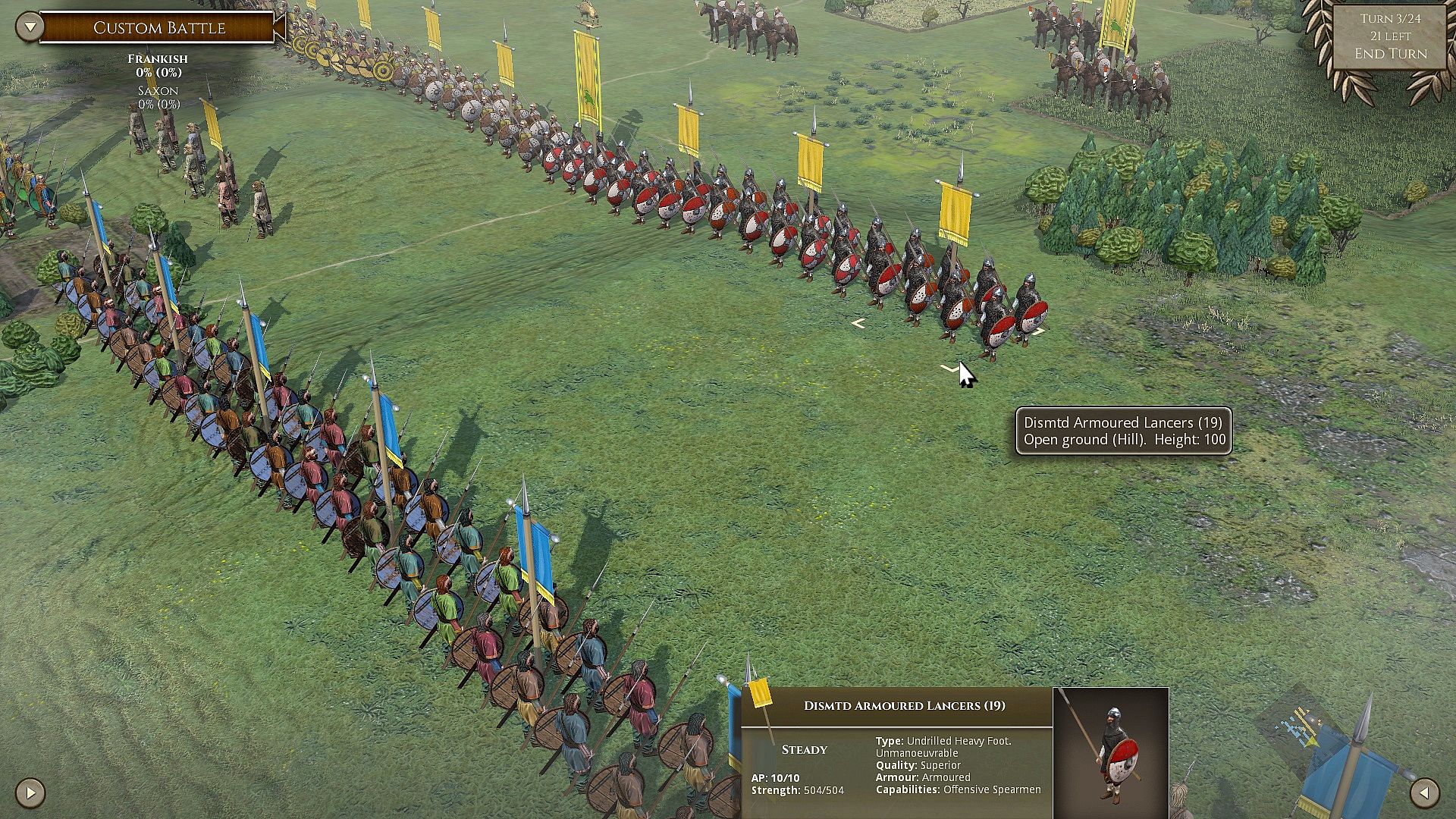
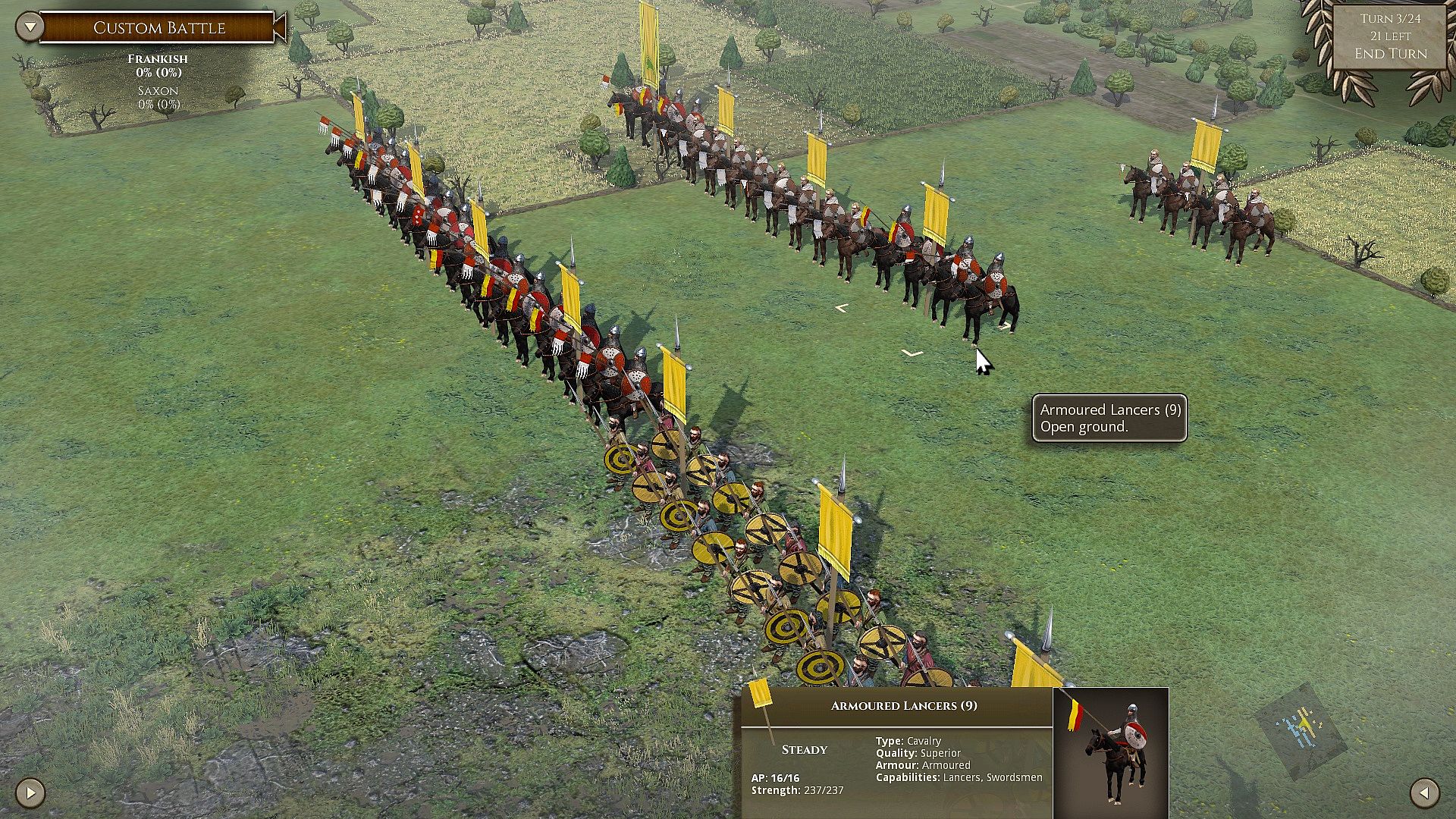
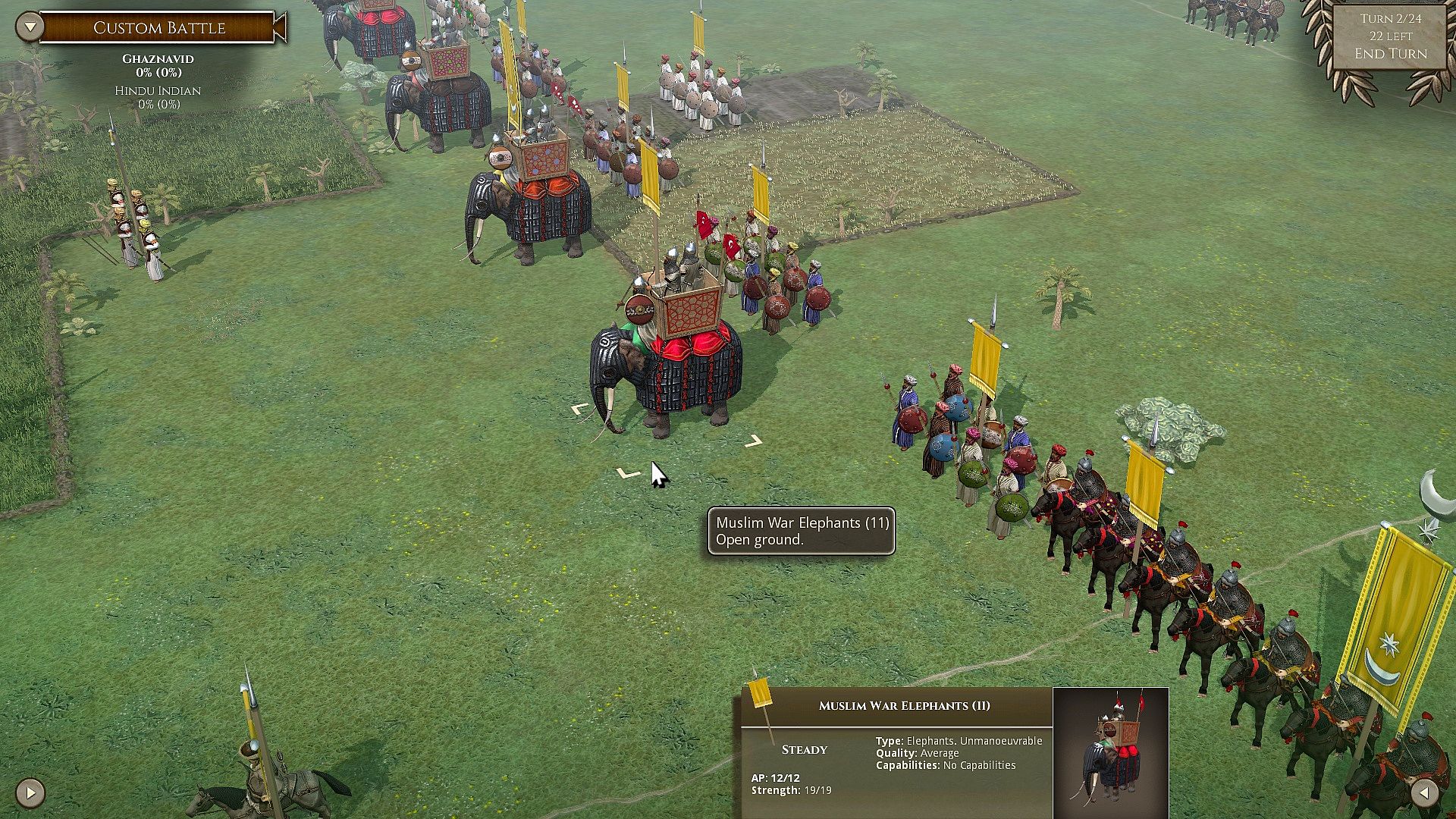
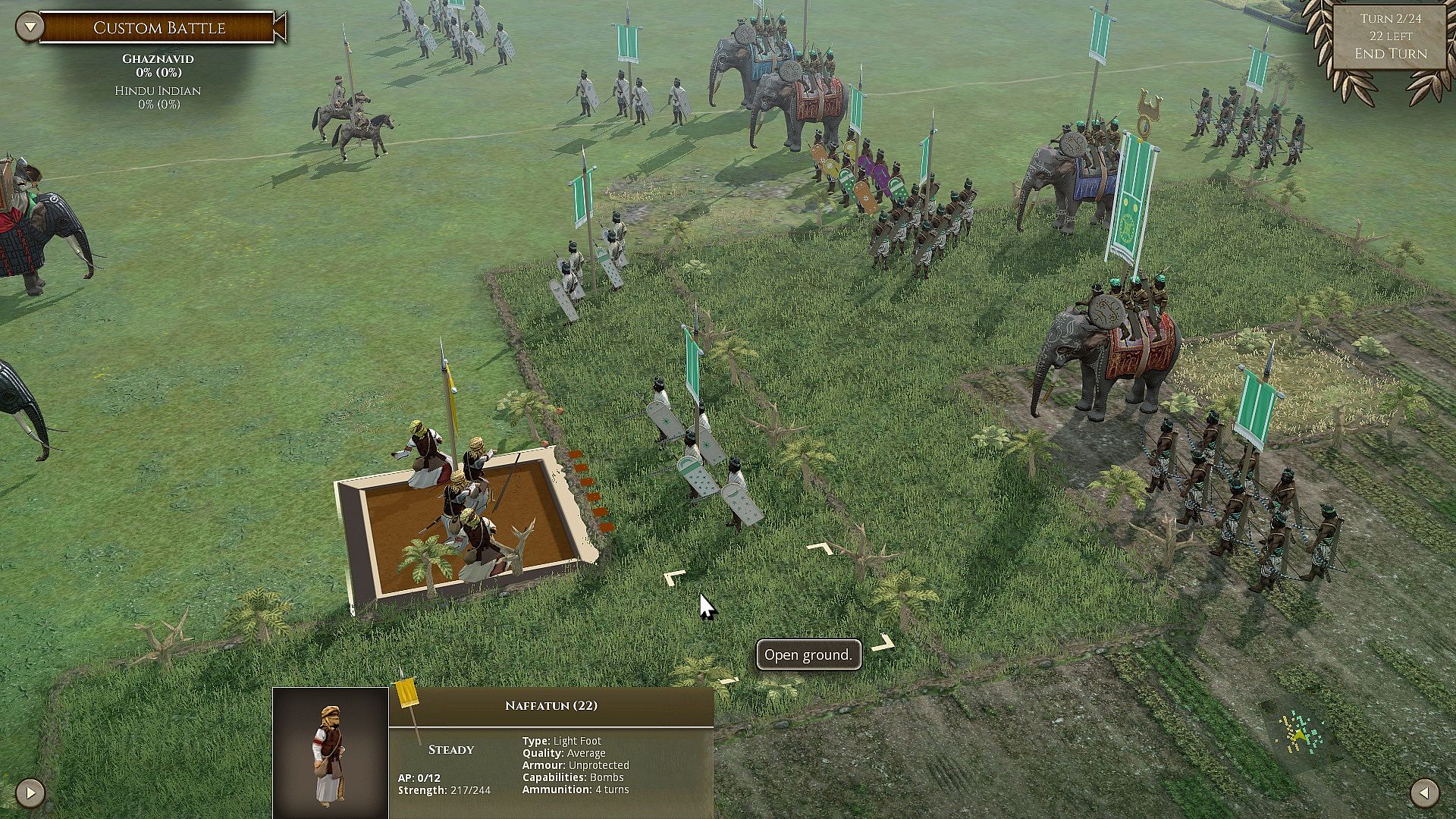
The core loop revolves around commanding armies in tactical battles where unit placement, terrain, and historical matchups determine outcomes. Players select from detailed army lists that reflect real military organizations of the era, with options for both singleplayer and multiplayer engagements. Combat emphasizes formation fighting, with mechanics for shield walls, cavalry charges, archery volleys, and specialized troops such as berserkers or war elephants. The simulation aspects include morale, fatigue, and flanking bonuses that reward careful positioning over simple numerical superiority.
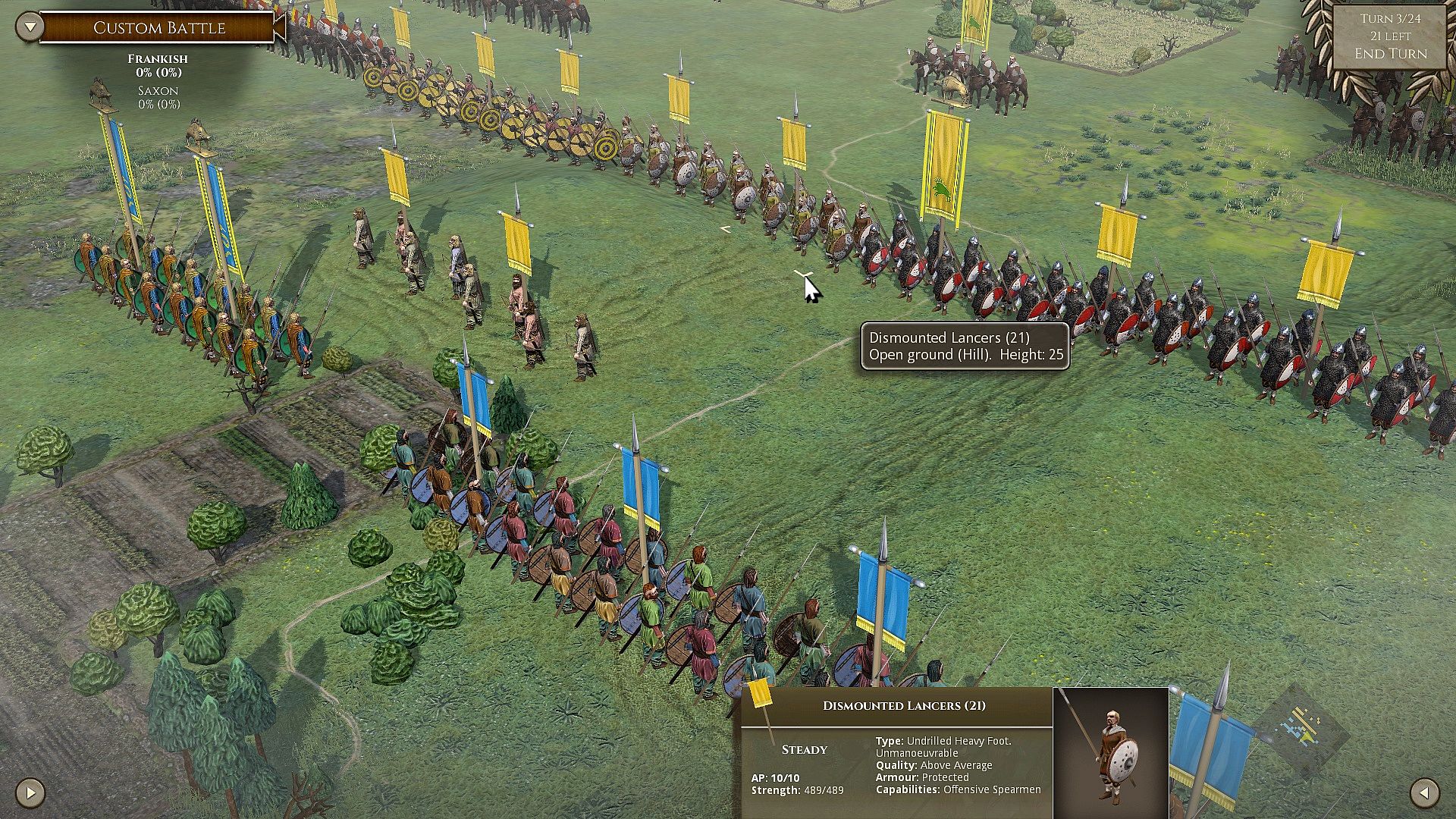
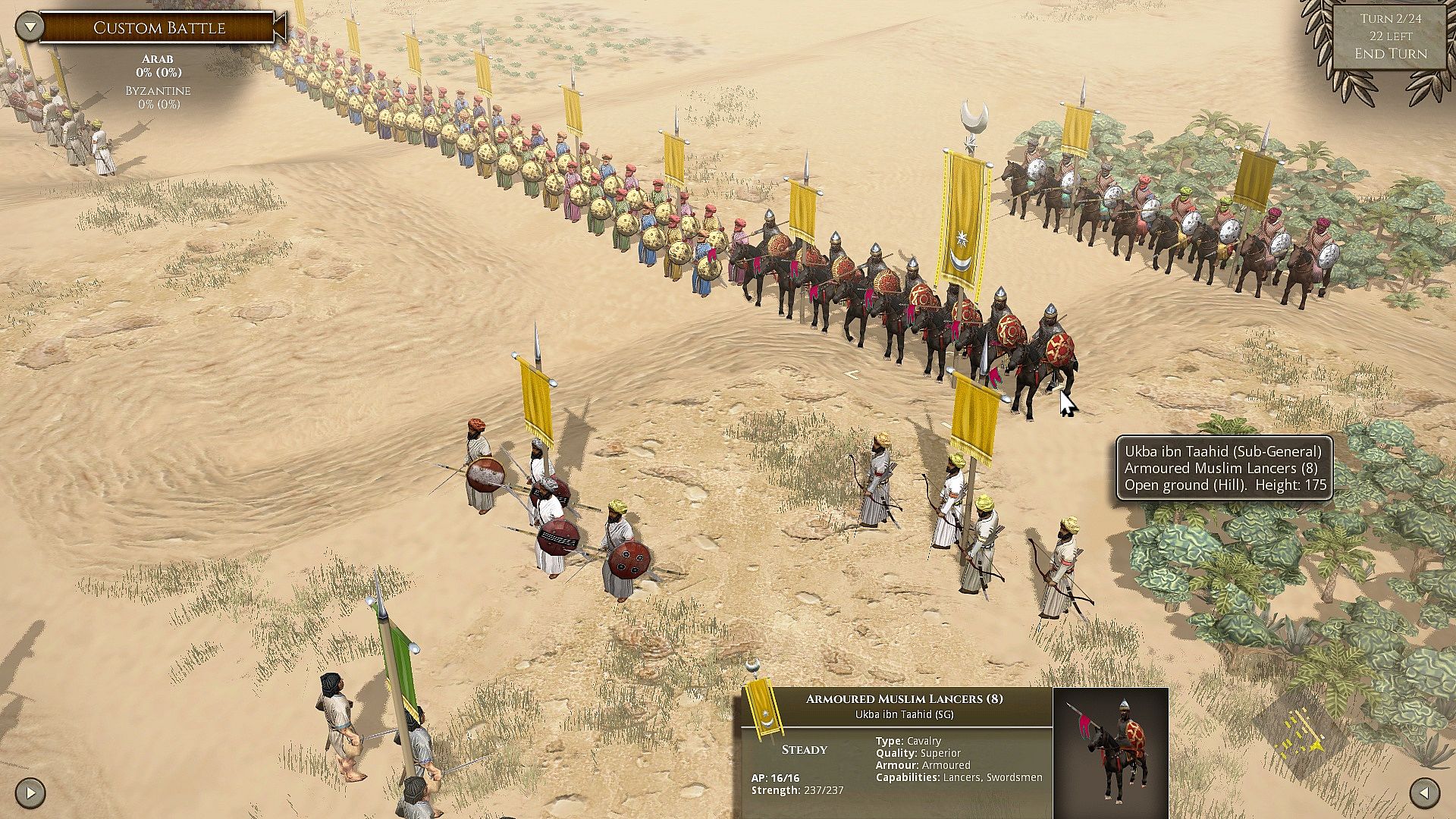
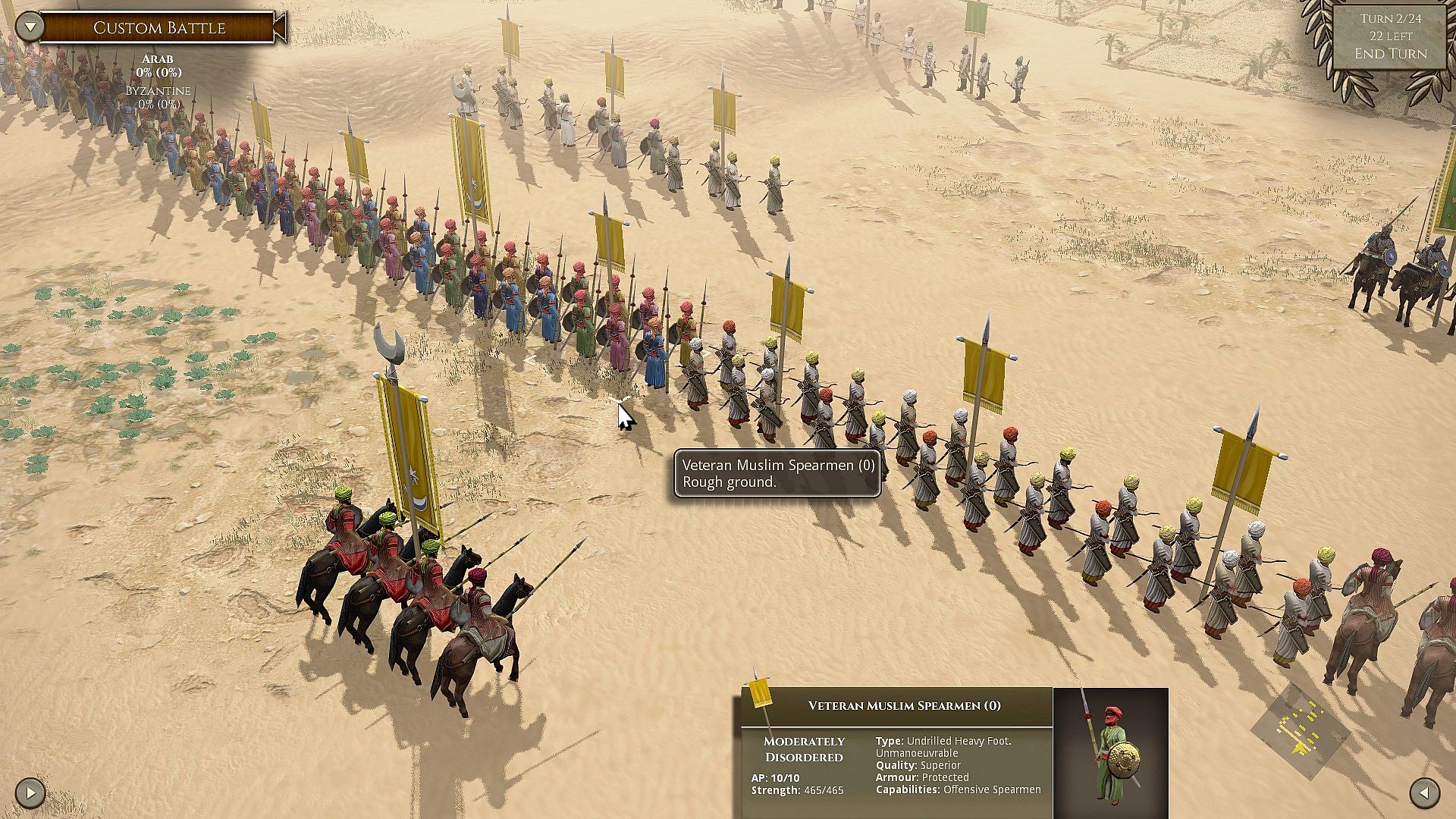
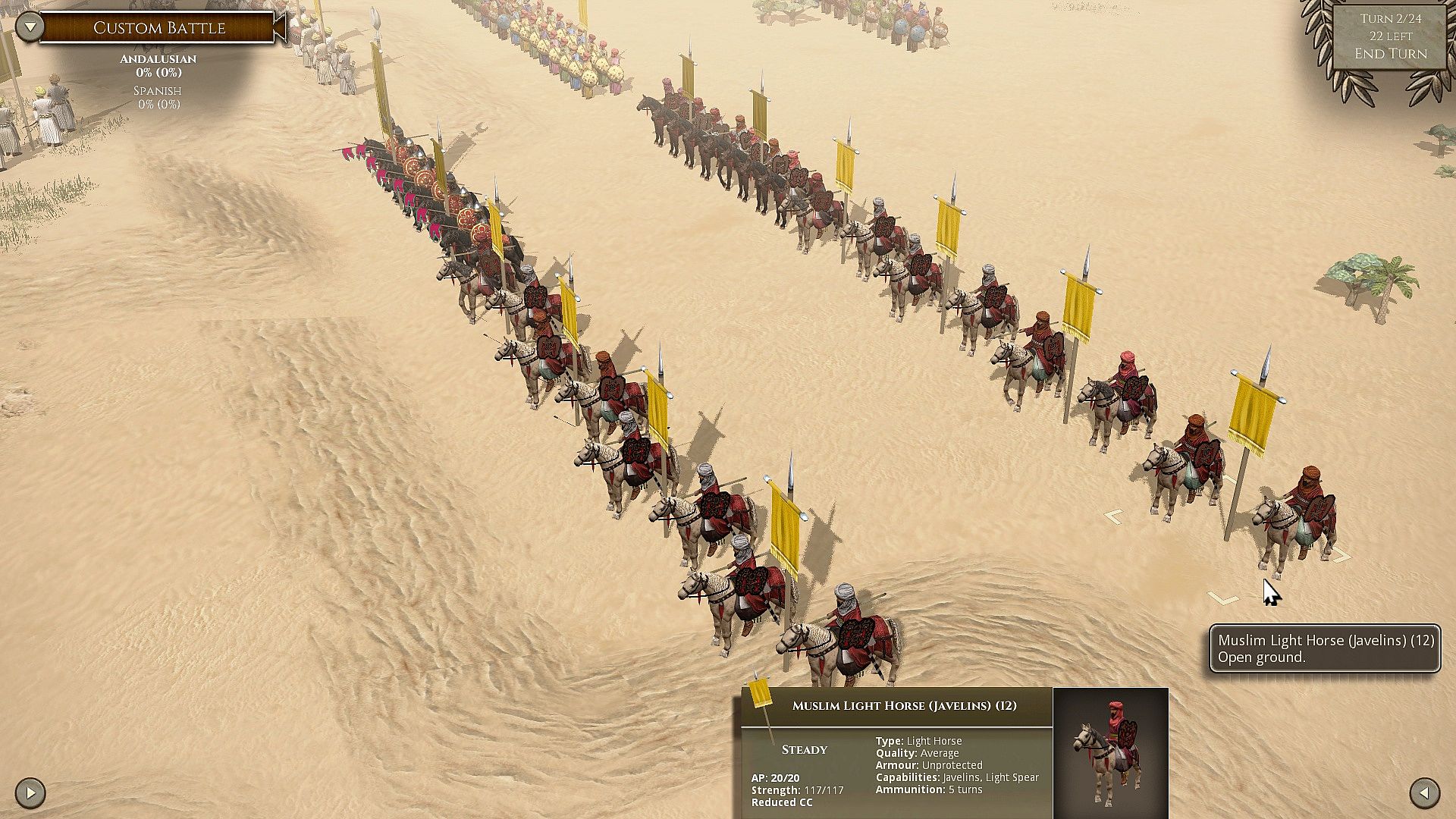
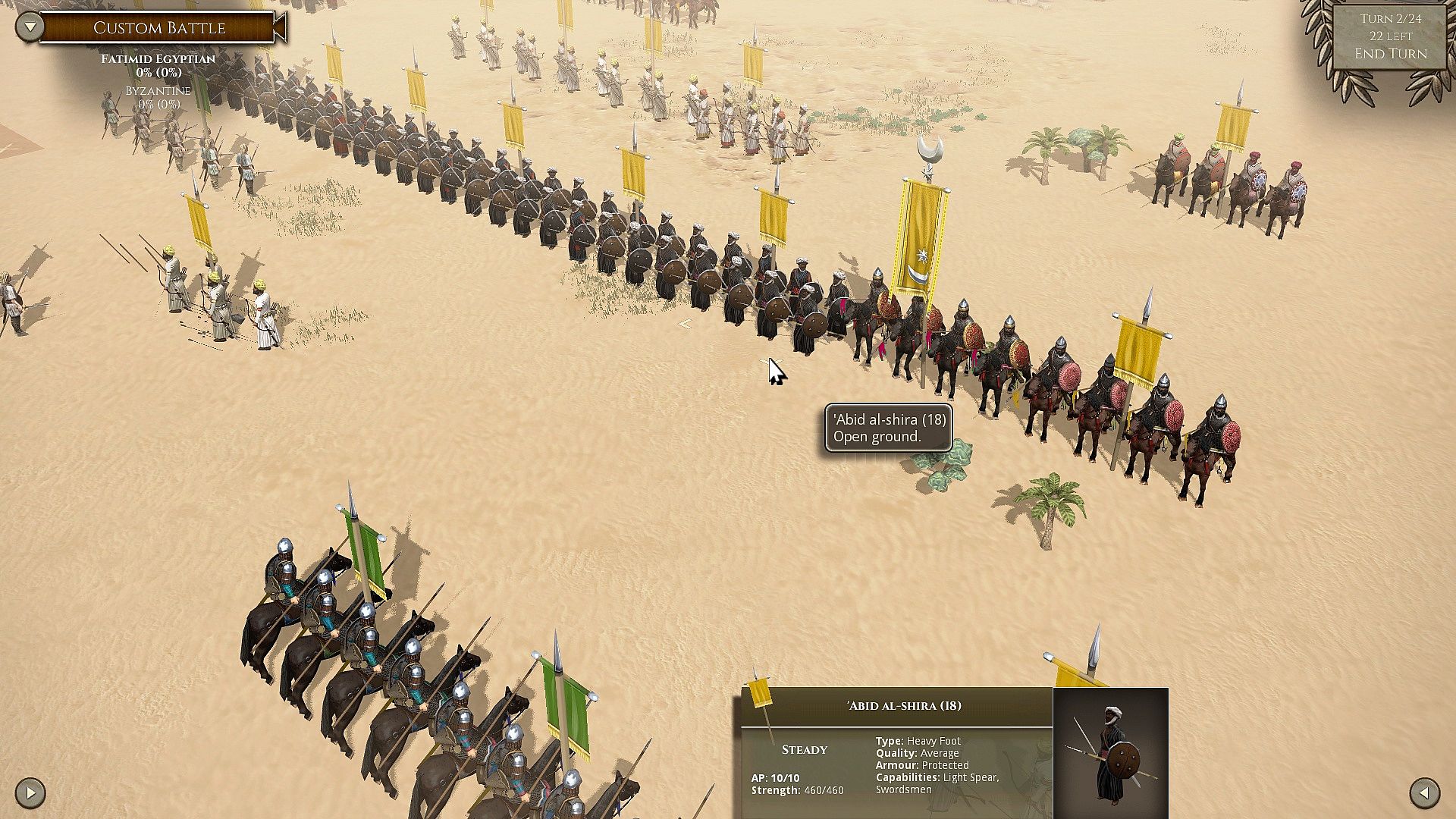
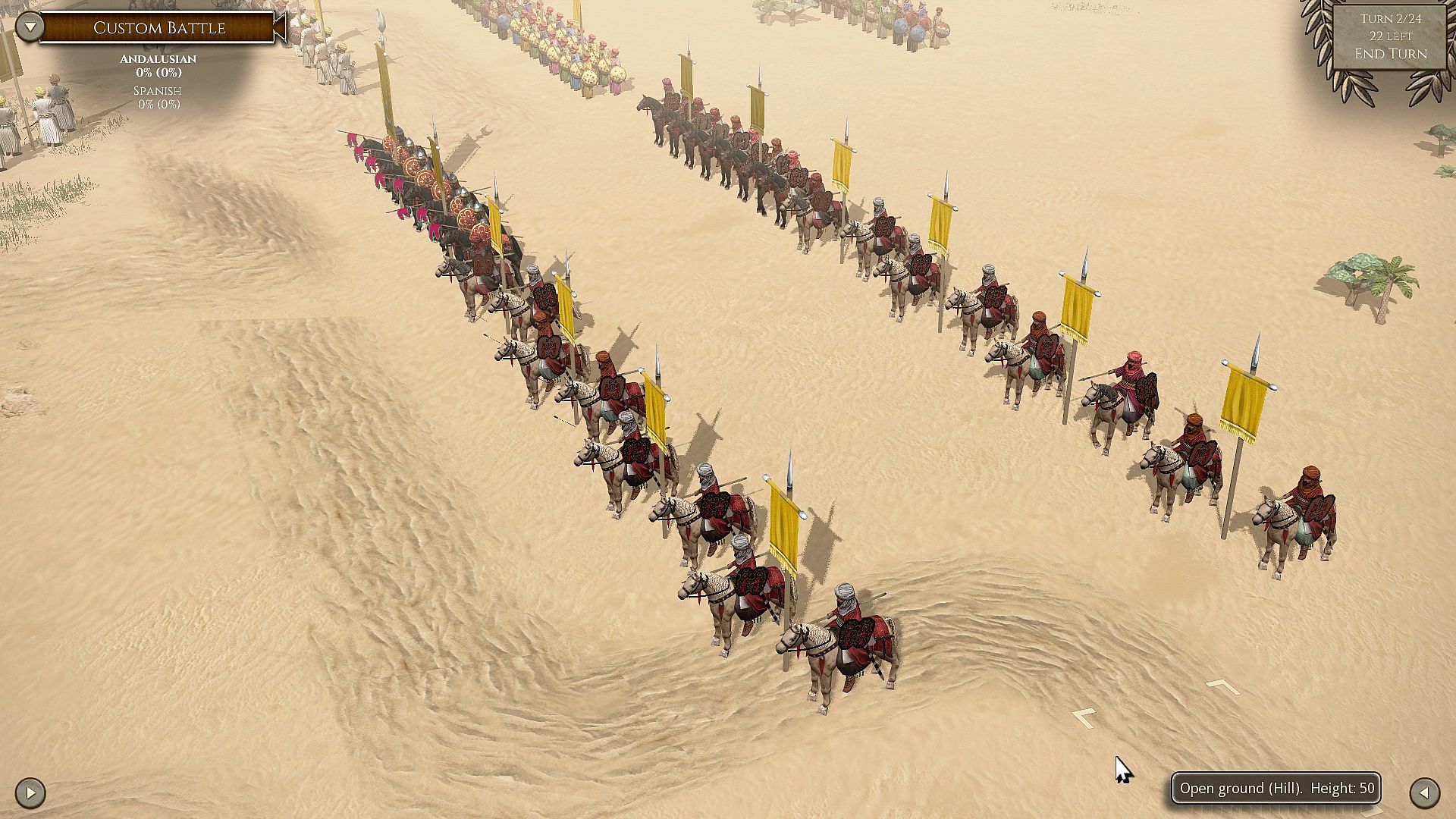
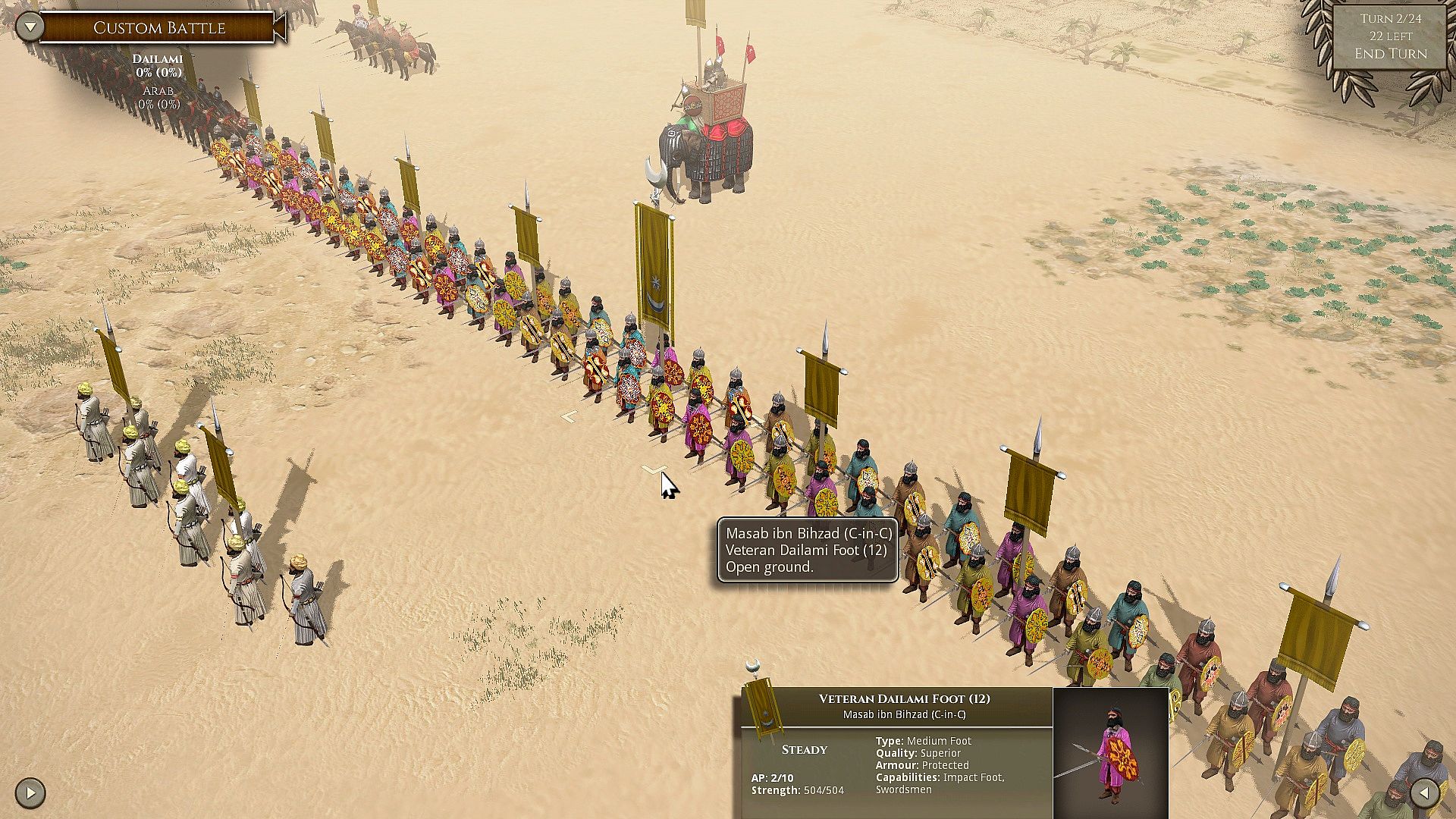
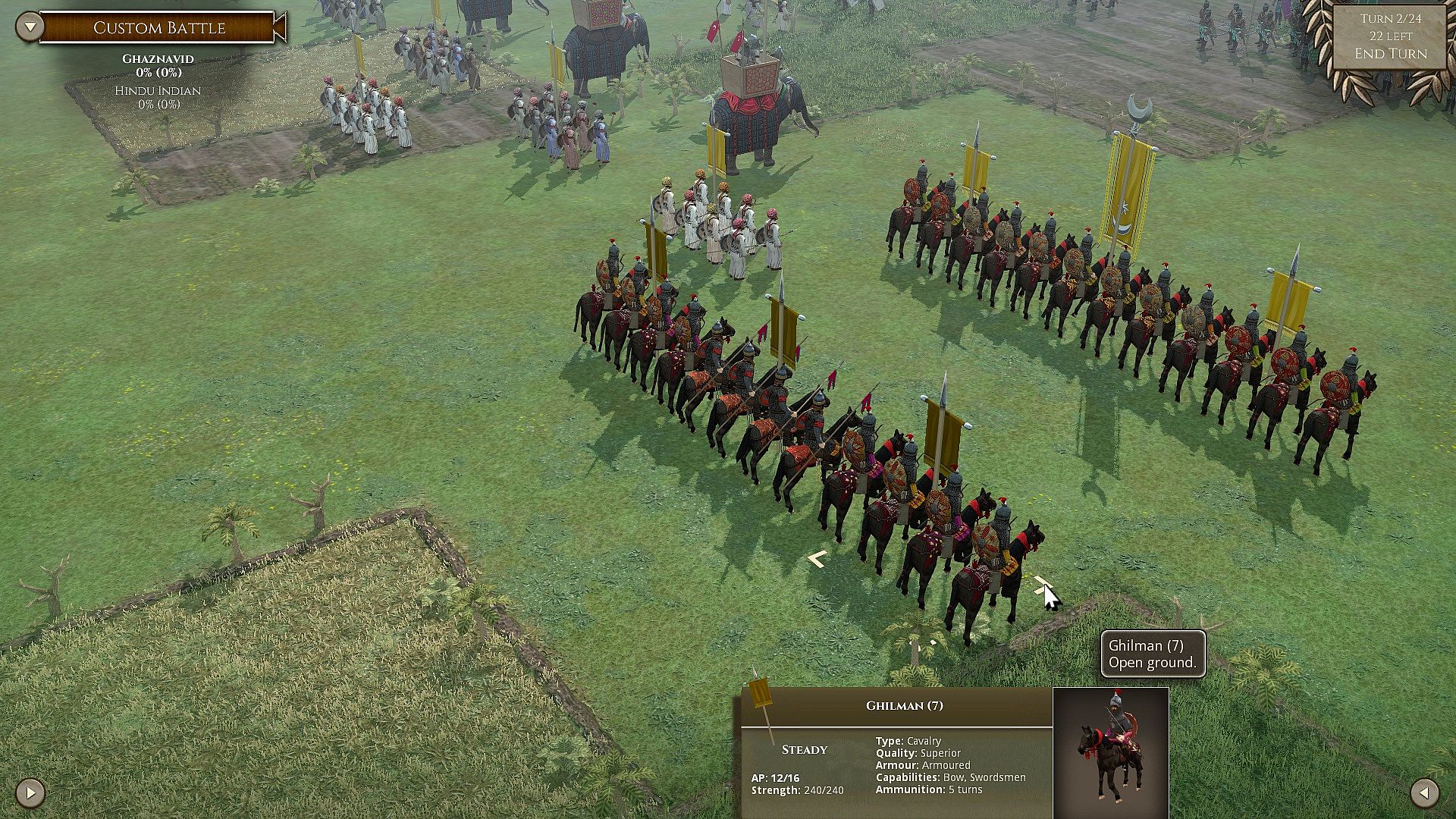
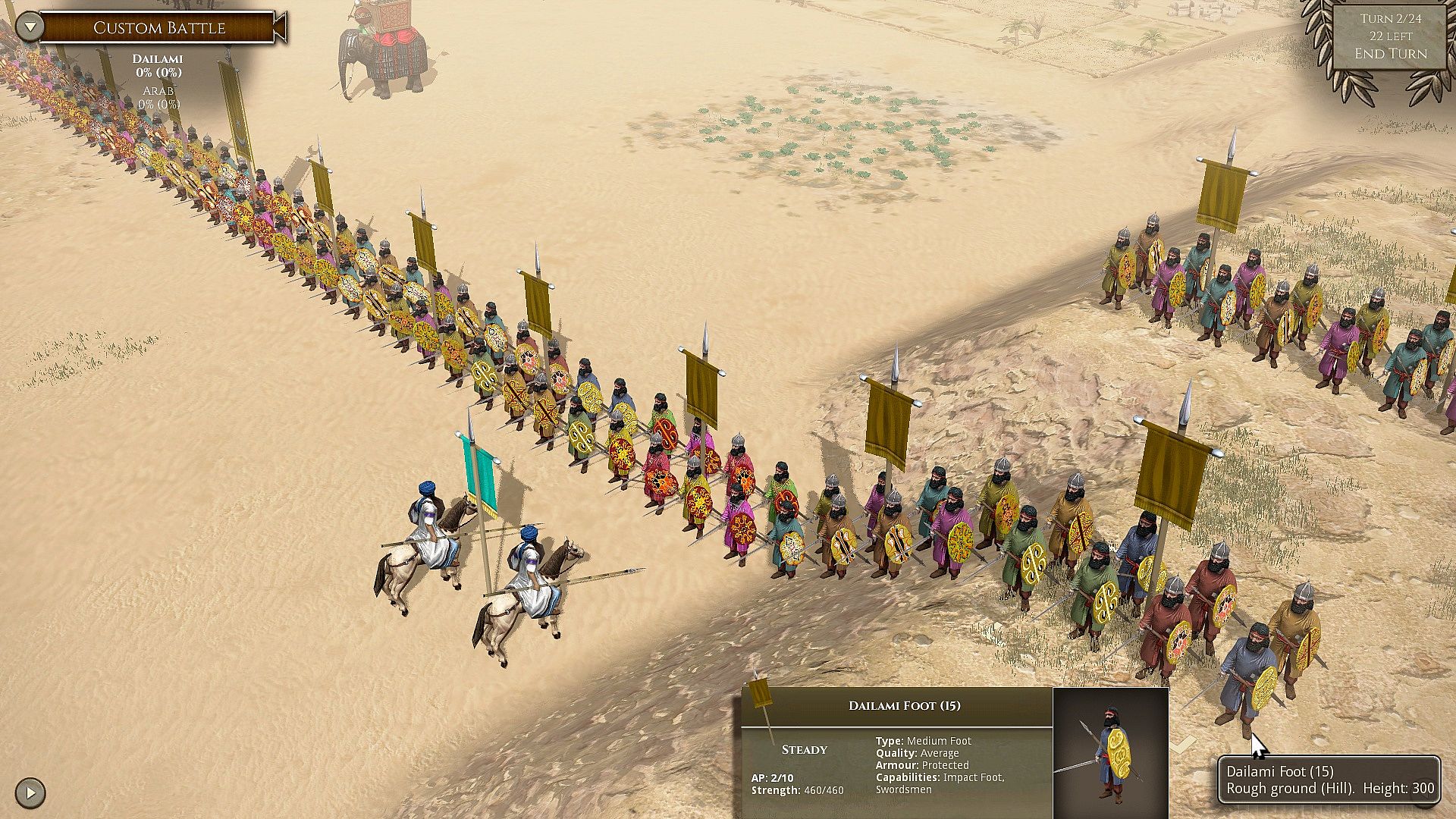
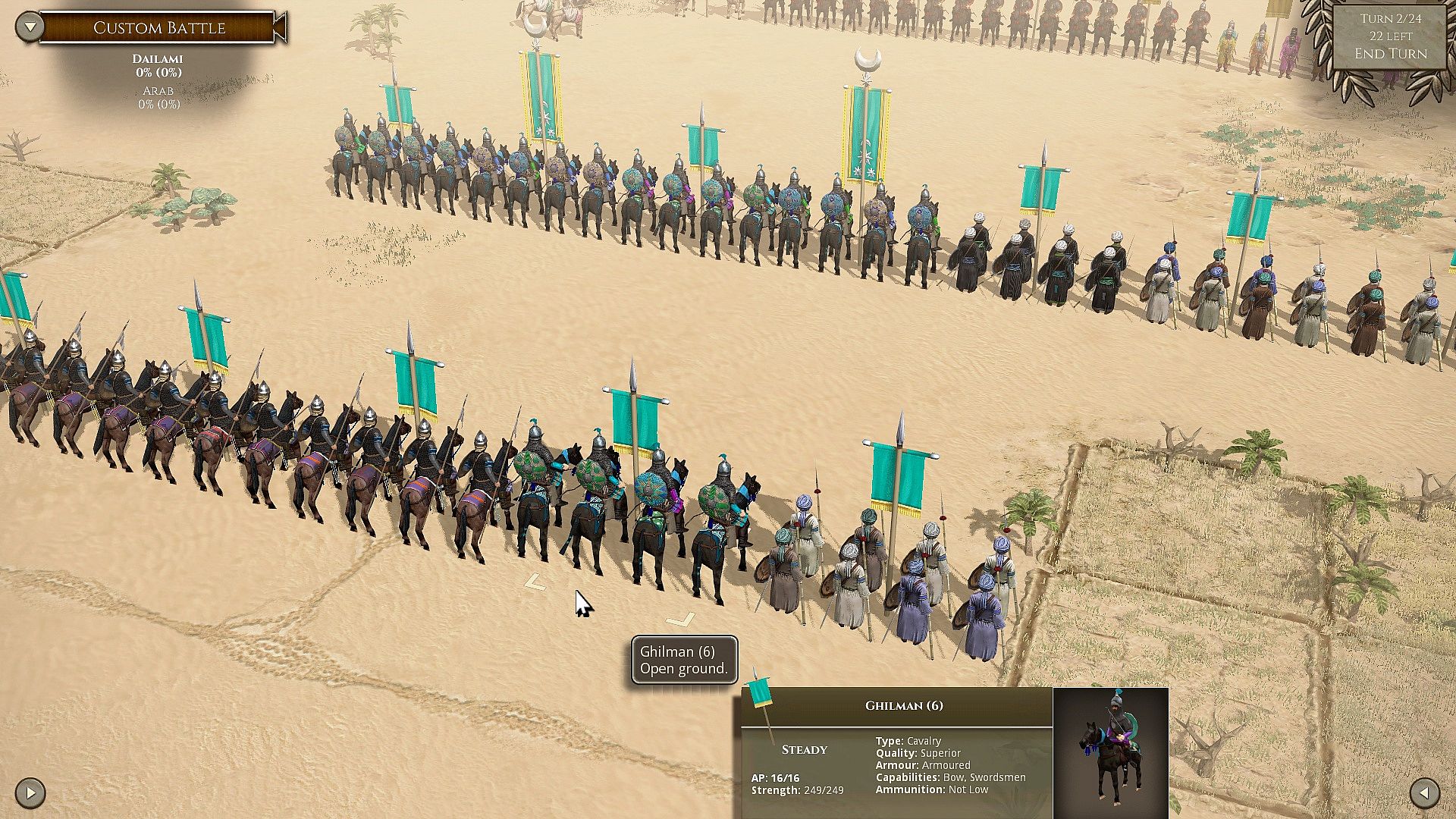
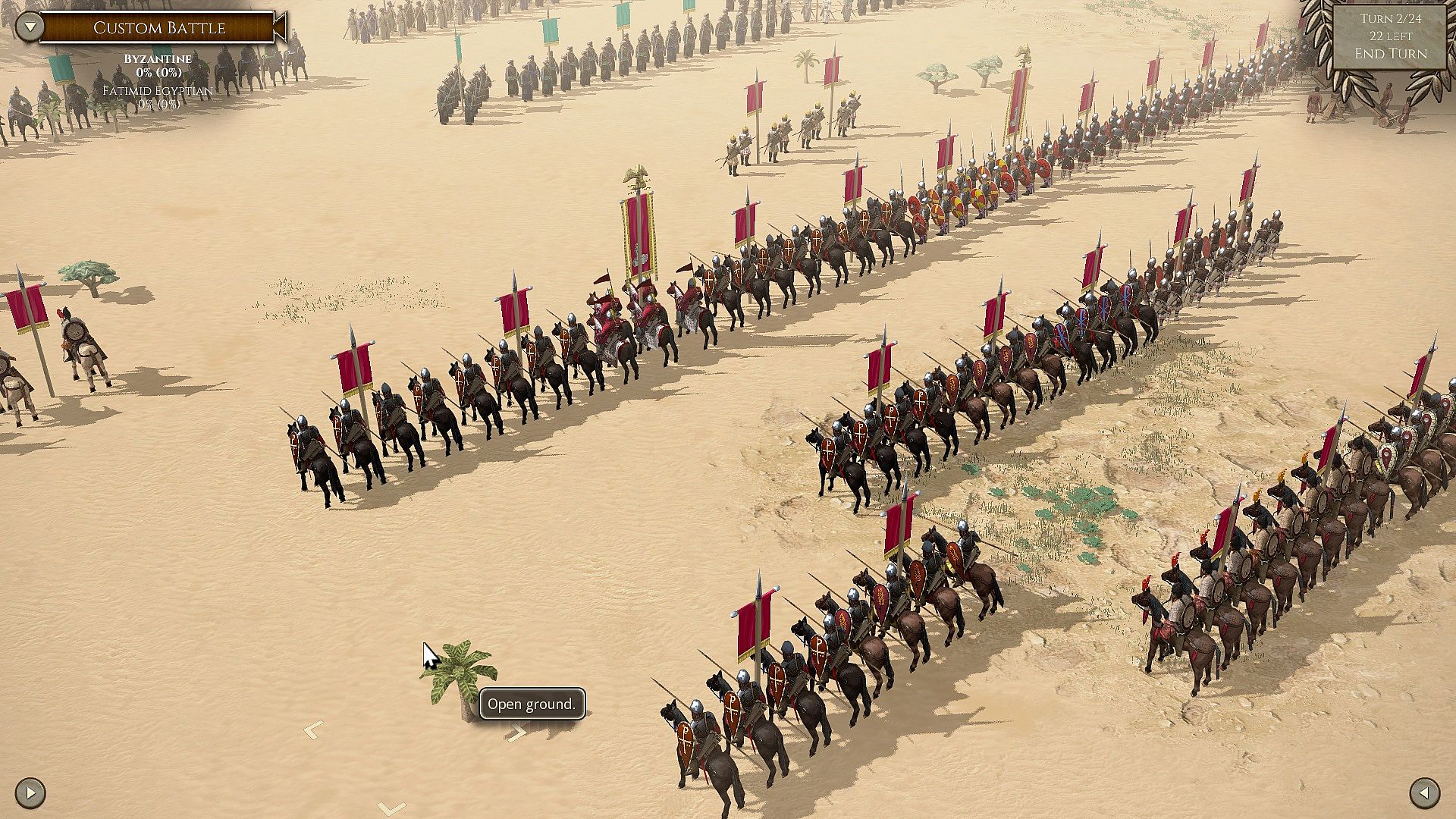
Unit variety expands significantly with 55 new types, including huscarls armed with spears or axes, mounted and dismounted hirdsmen, Byzantine kataphraktoi, Varangian Guard, Muslim spearmen and ghilman, Dailami foot, and Indian lancers. These integrate into 76 new army lists that bring the total available across the series to 281 when combined with prior content. The Allies feature, introduced alongside the expansion, permits historical coalitions in custom battles, generating composite lists that mix primary and allied troops for greater flexibility in matchups.
Game Modes
Quick Battles provide fast, standalone engagements drawn from a pool of 74 new scenarios, each playable from either side. Epic Battles deliver larger set-piece encounters, with six new options such as Yarmouk in 636 AD, Ashdown in 871 AD, Lechfeld in 955 AD, Apamea in 998 AD, Chach in 1001 AD, and Clontarf in 1018 AD. These allow players to recreate pivotal clashes with accurate force compositions.
Custom Battles support the full range of army lists and the new Allies system for tailored singleplayer or multiplayer confrontations. Sandbox Campaigns offer open-ended progression across the expanded roster, while six dedicated historical campaigns cover specific narratives including the Arab Conquest, the Byzantine resurgence under Basil II, Charlemagne's campaigns, Mahmud of Ghazni's conquests, and two perspectives on the Viking Age titled Wolves from the Sea. All modes scale with the expanded module that incorporates content from earlier releases when owned.
Historical Context and Factions
The expansion draws from documented events between the Arab expansions after 634 AD and the stabilization of states by 1040 AD. Nineteen new named factions appear, among them Andalusians, Bulgars, Croatians, Fatimids, French, Ghaznavids, Khazars, Magyars, Normans, Pechenegs, Polish, Rus, Scots, Serbians, and Vikings. Each brings distinct unit rosters and tactical styles that reflect regional developments, from nomadic horse archers to heavy infantry traditions in the British Isles and continental Europe.
Campaigns and battles incorporate the rise and fragmentation of the Islamic caliphates, the Carolingian Empire's division into Frankish and German realms, Magyar incursions ending at Lechfeld, and Viking settlements in Normandy and the Kievan Rus. Byzantine lists trace the empire's recovery under the Macedonian dynasty after earlier losses in the Levant and North Africa.
Is It Worth Playing?
Player reception on Steam stands as Positive based on available reviews. The title suits those interested in detailed historical wargaming with an emphasis on period-specific tactics and army building rather than fast-paced action. Its strength lies in the breadth of content added to the base game, including dozens of new lists and scenarios that support extensive replay through custom and campaign options. Those seeking simulation depth in medieval and early medieval conflicts will find substantial material here, particularly when combined with the series' existing titles. The game remains available as a standalone expansion without ongoing seasonal content or major post-launch updates.