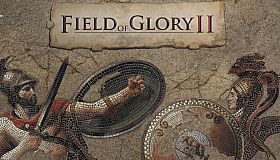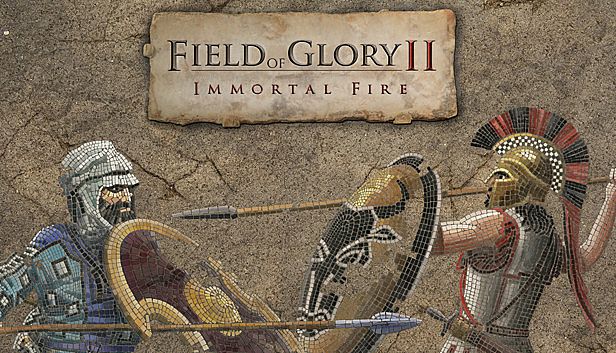






















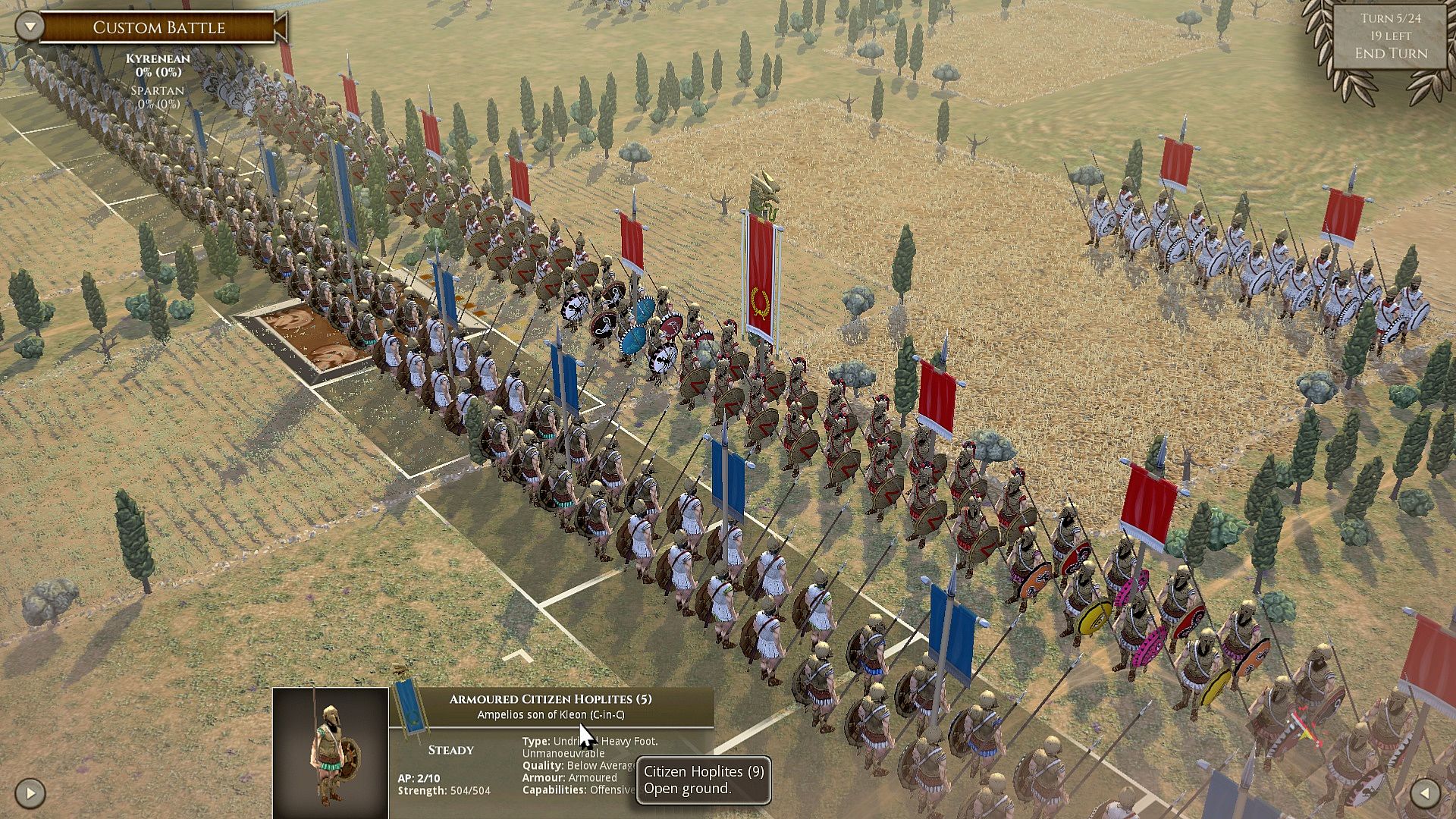
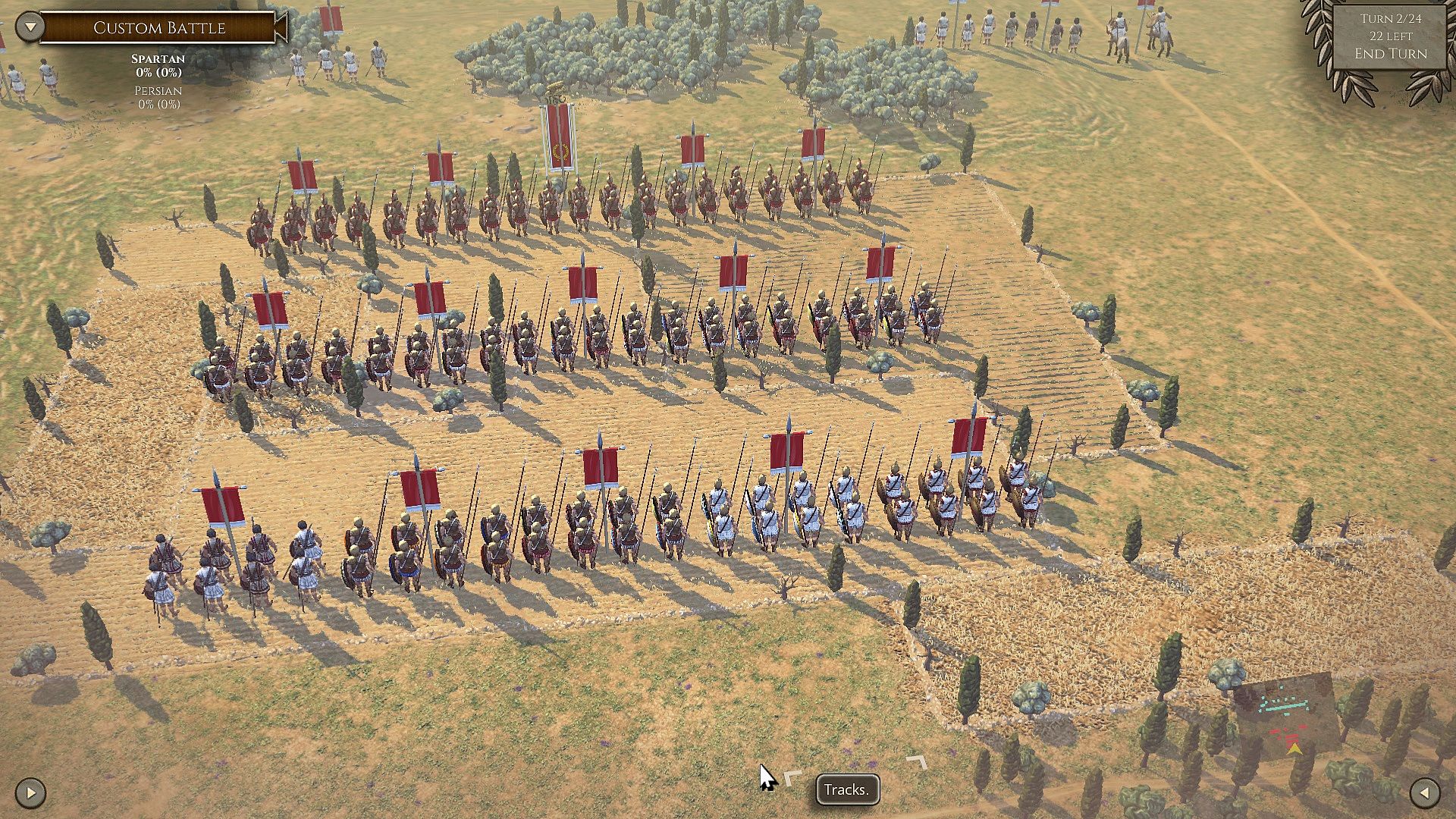
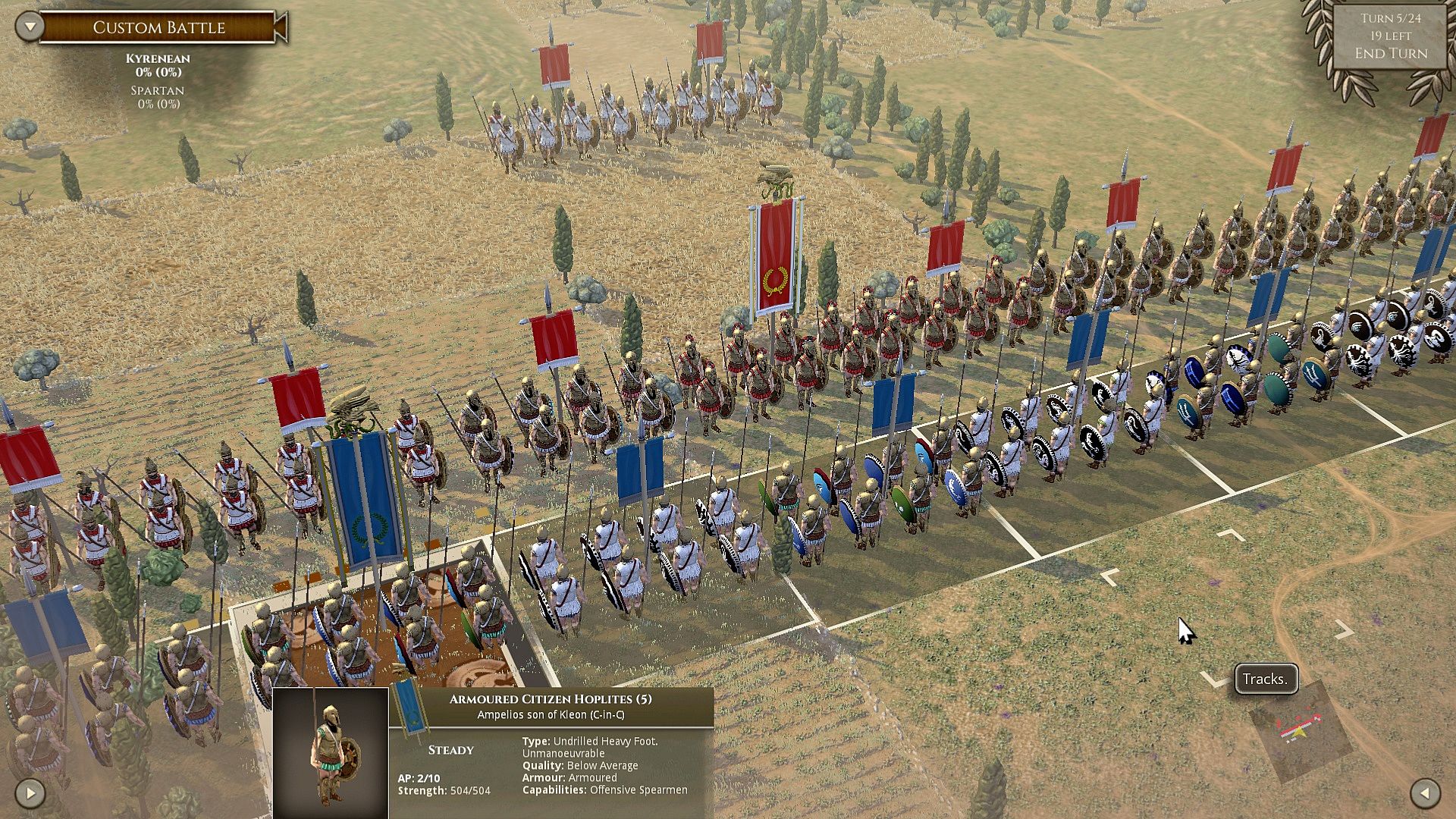
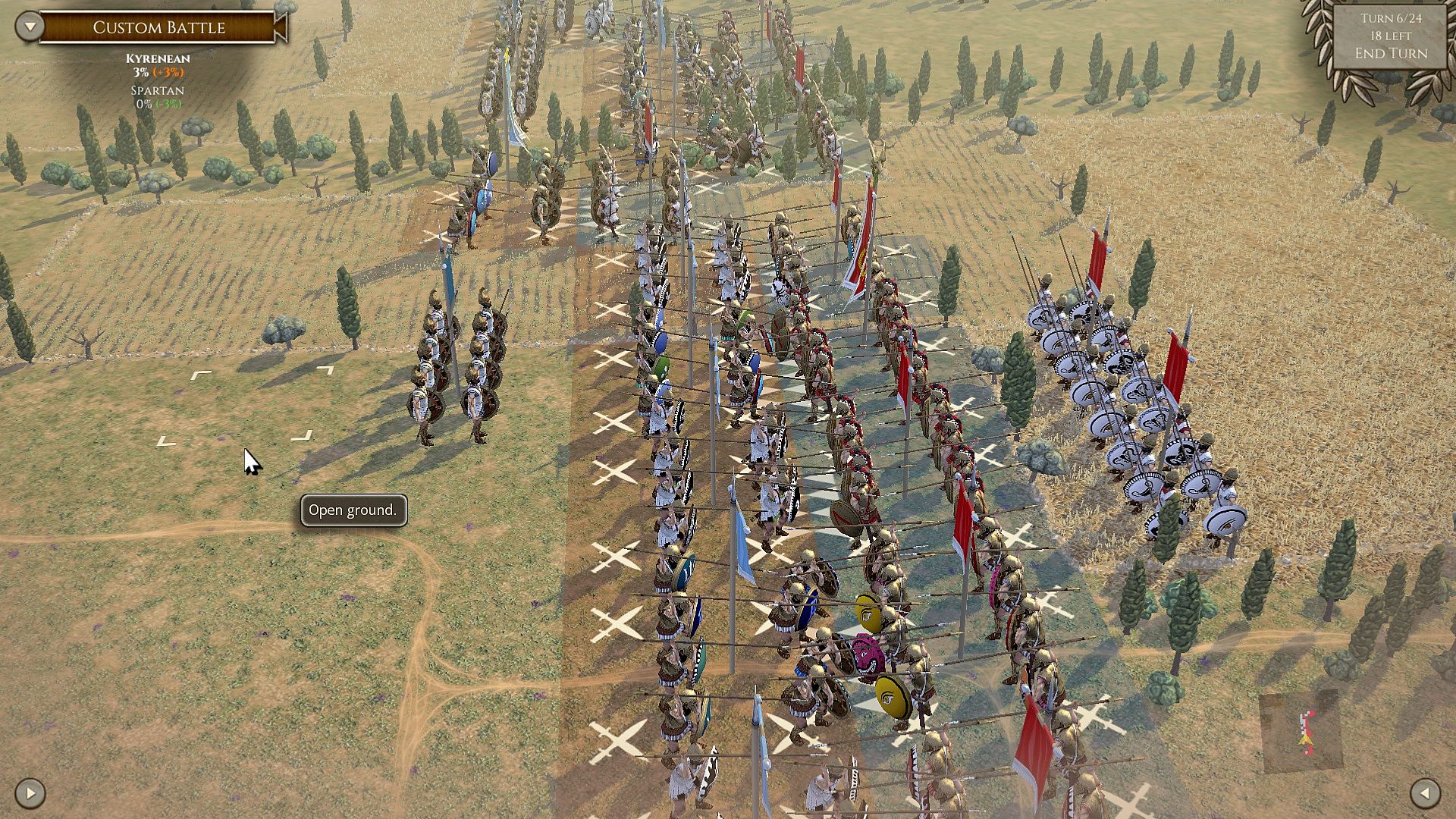
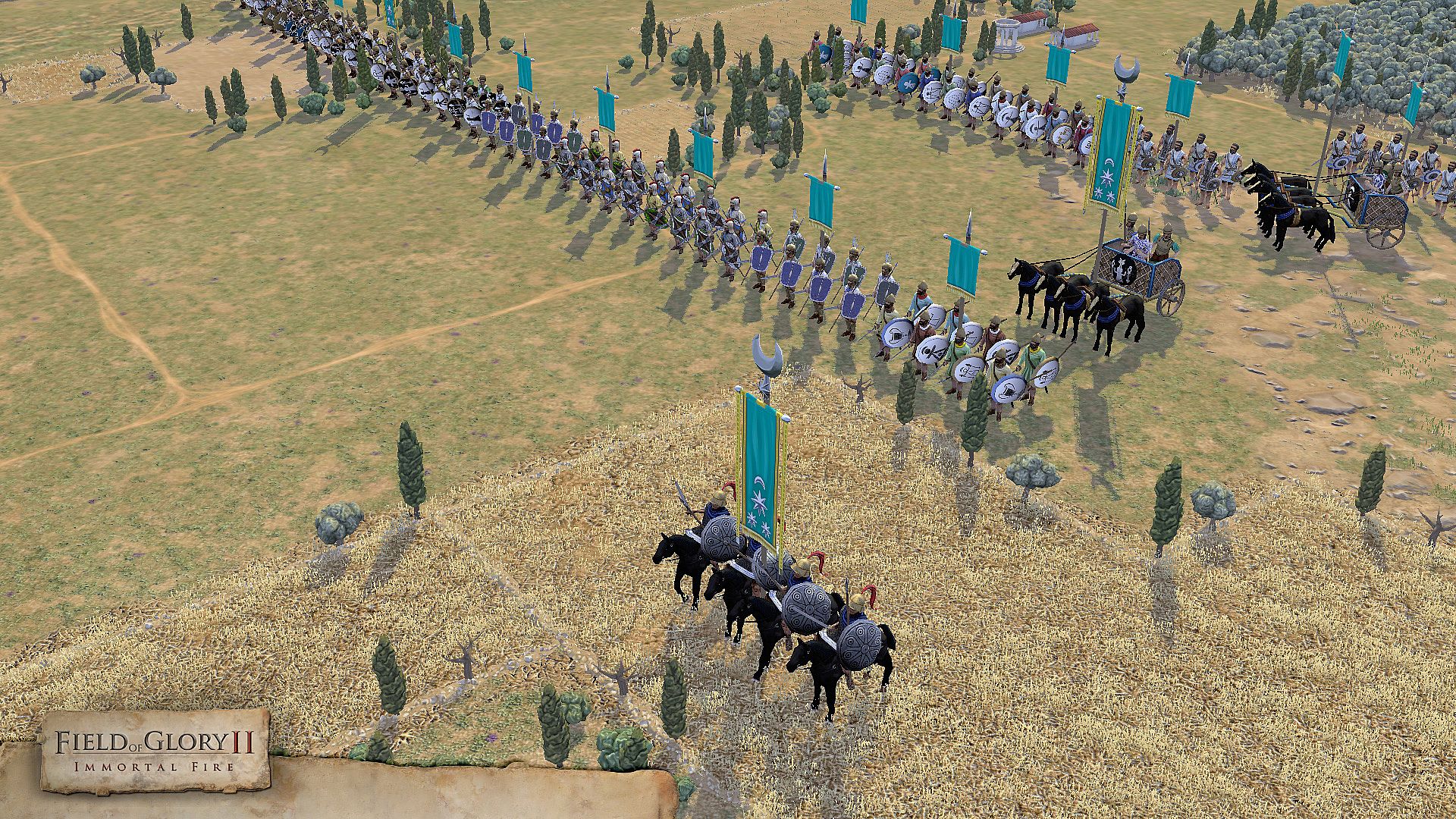
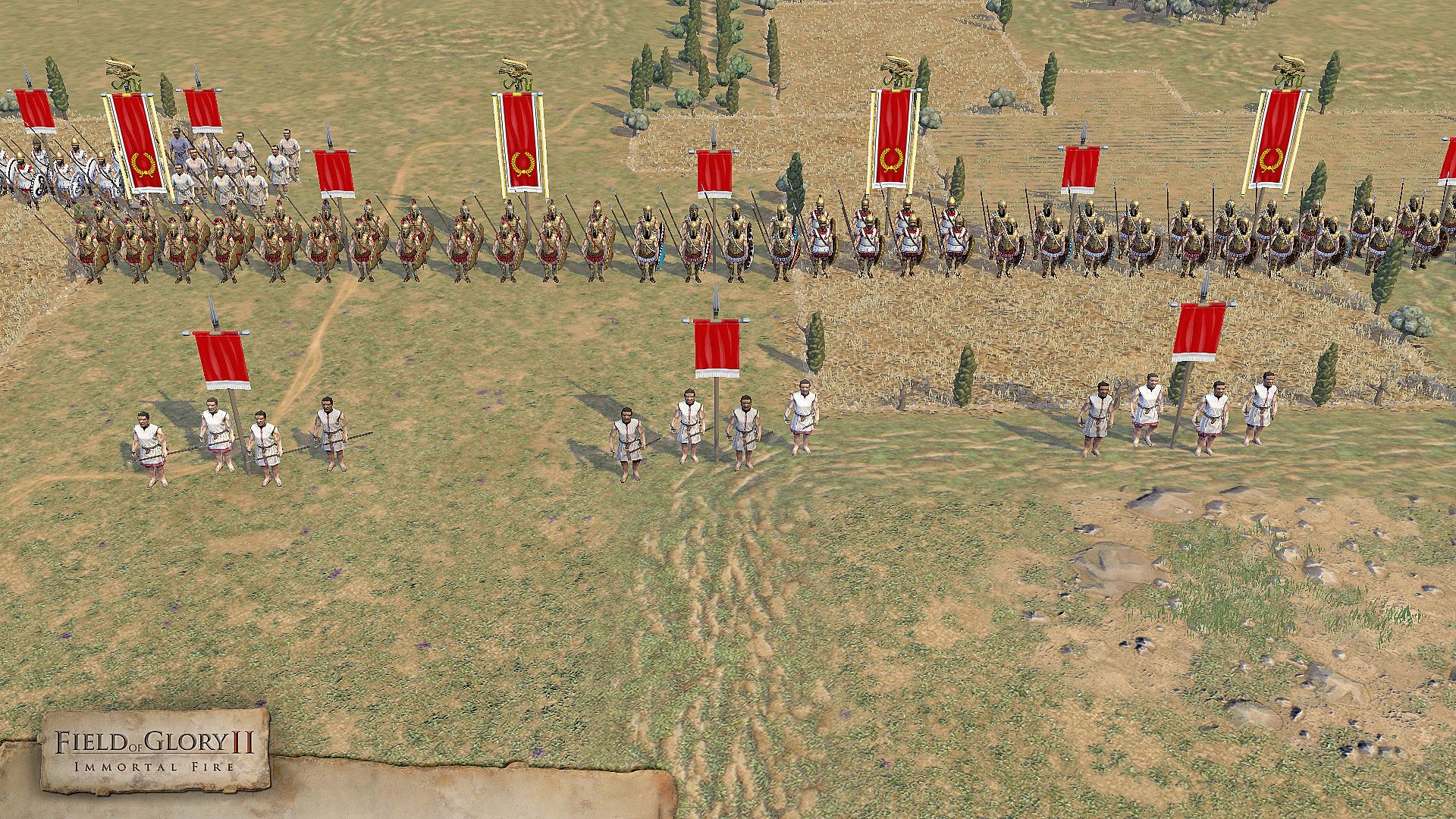
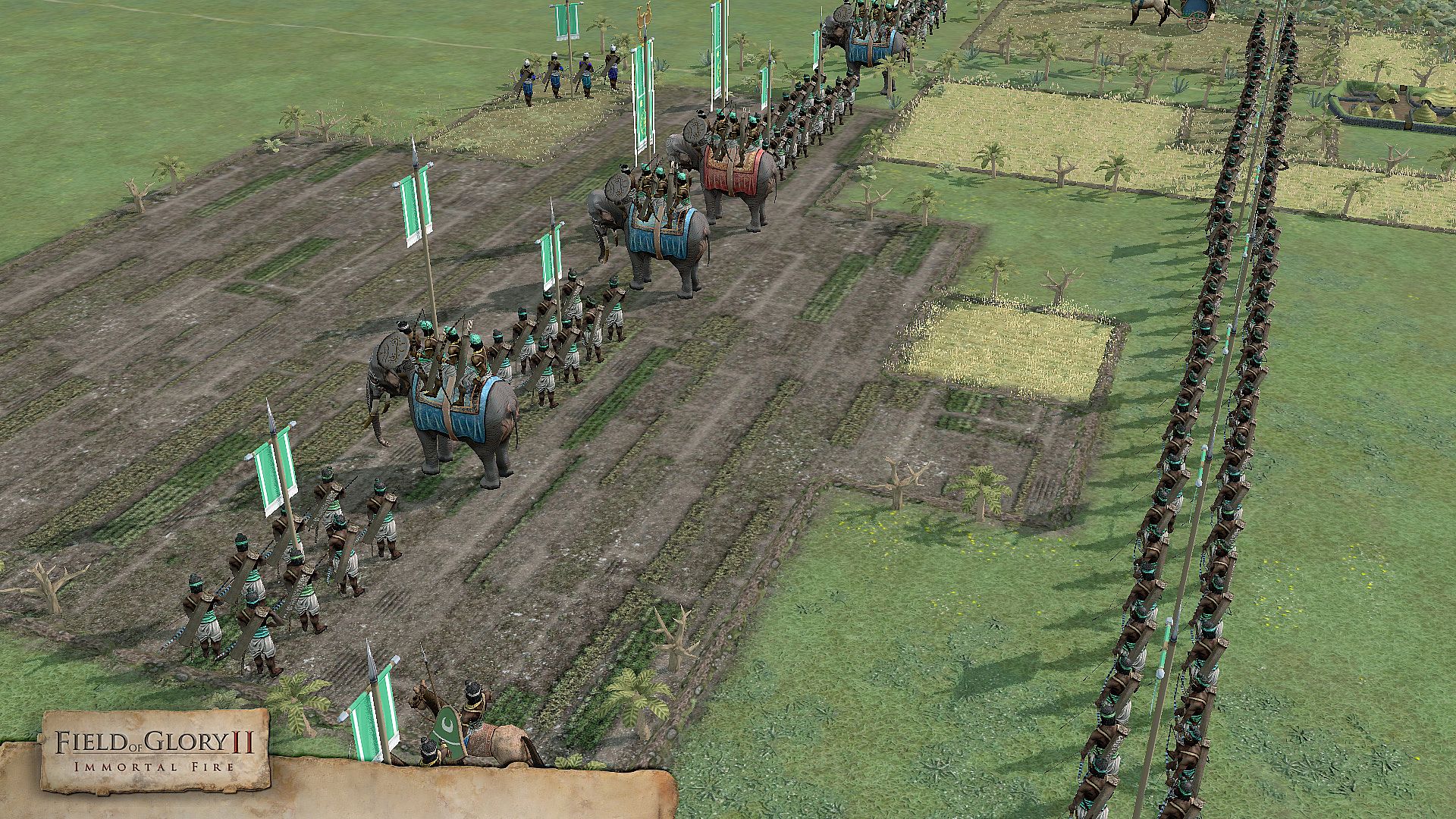
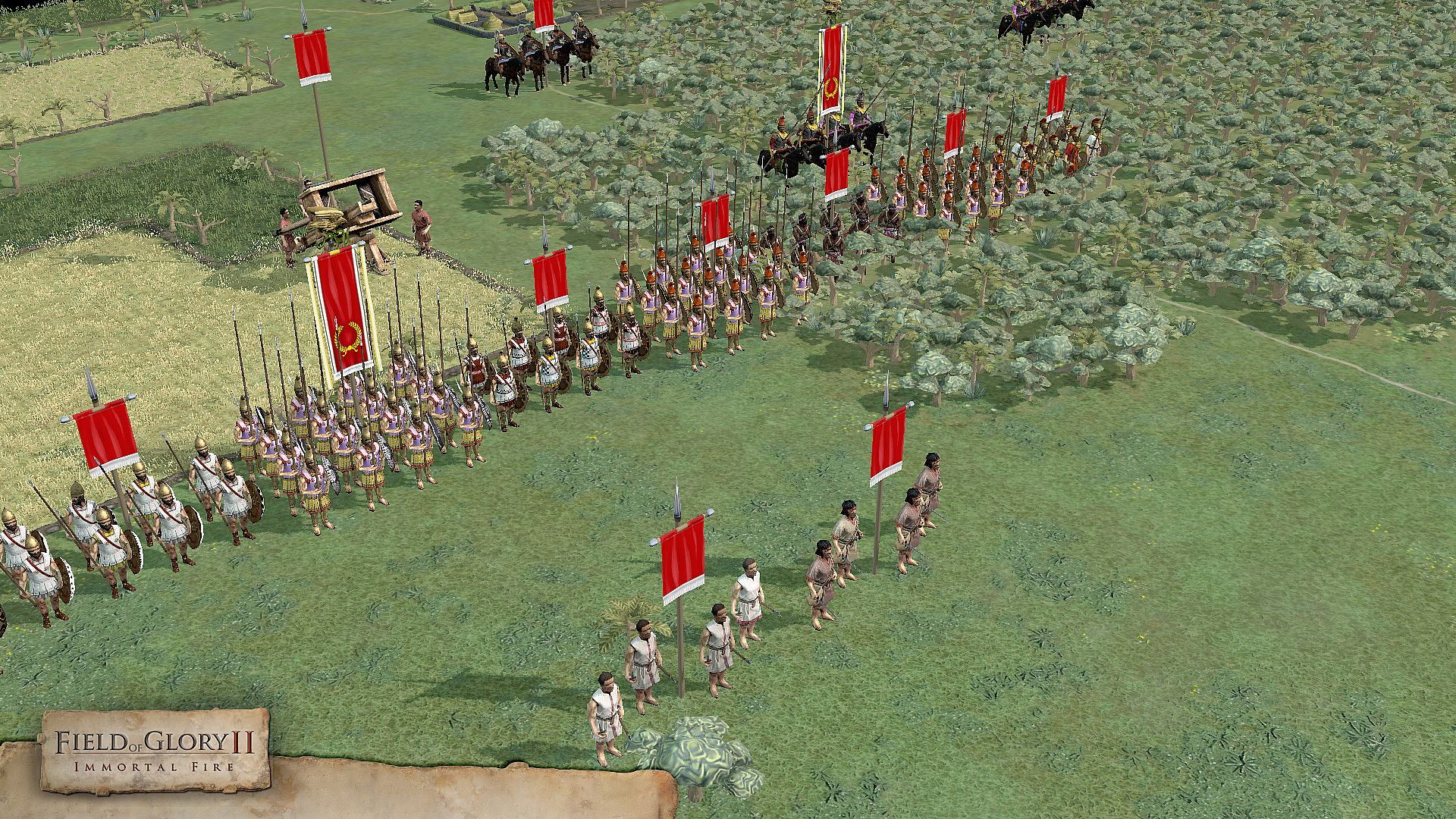
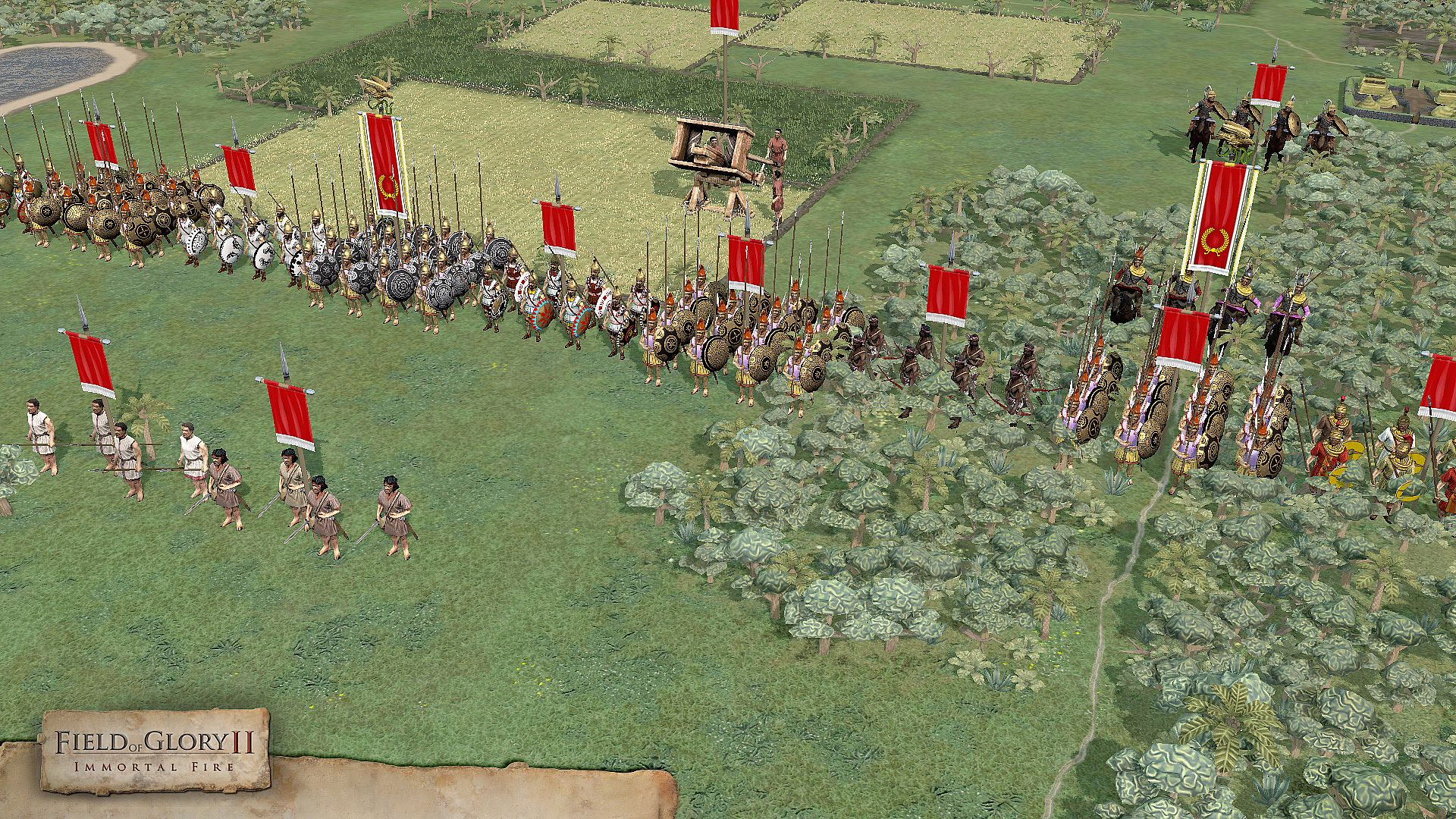
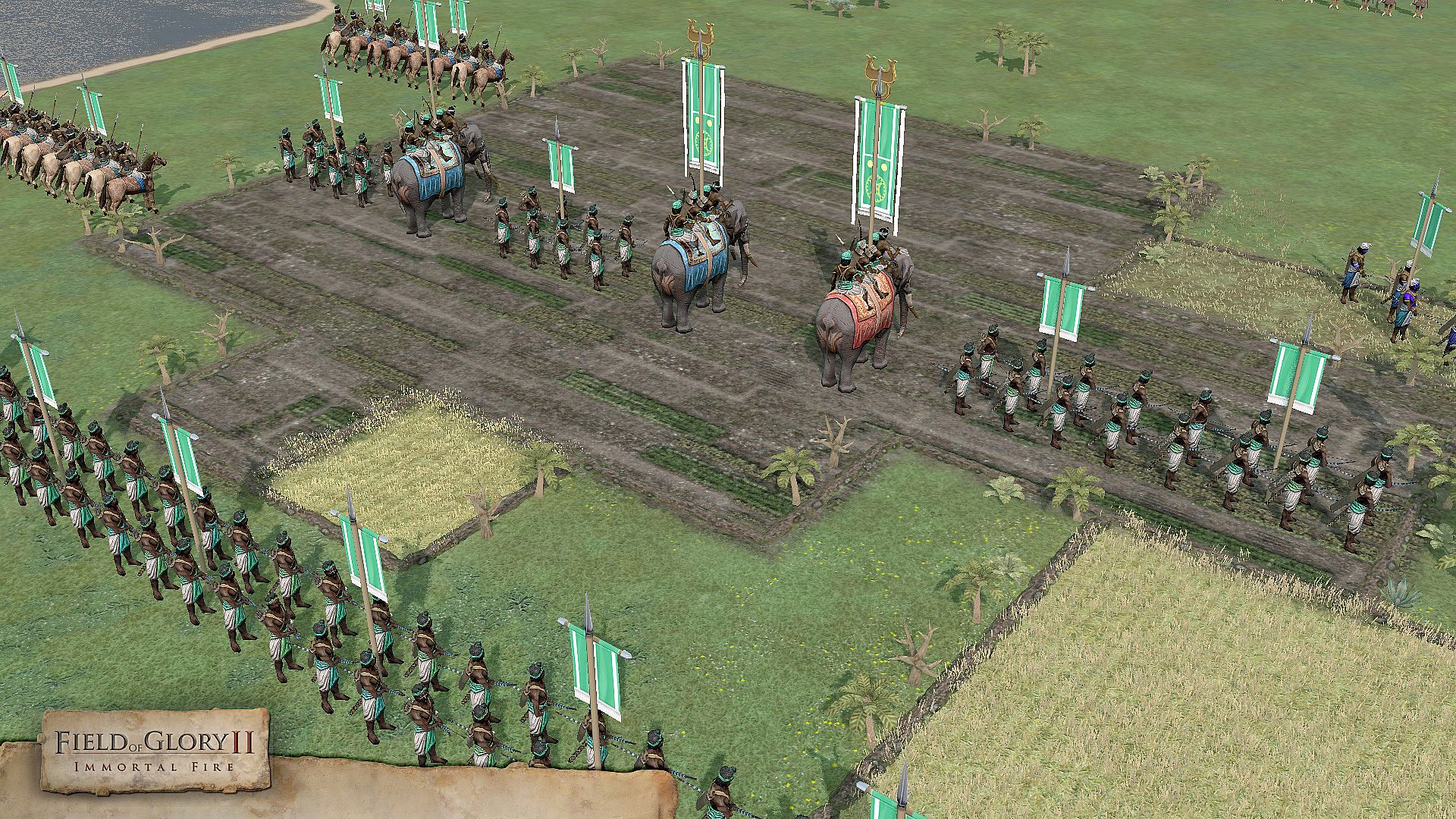
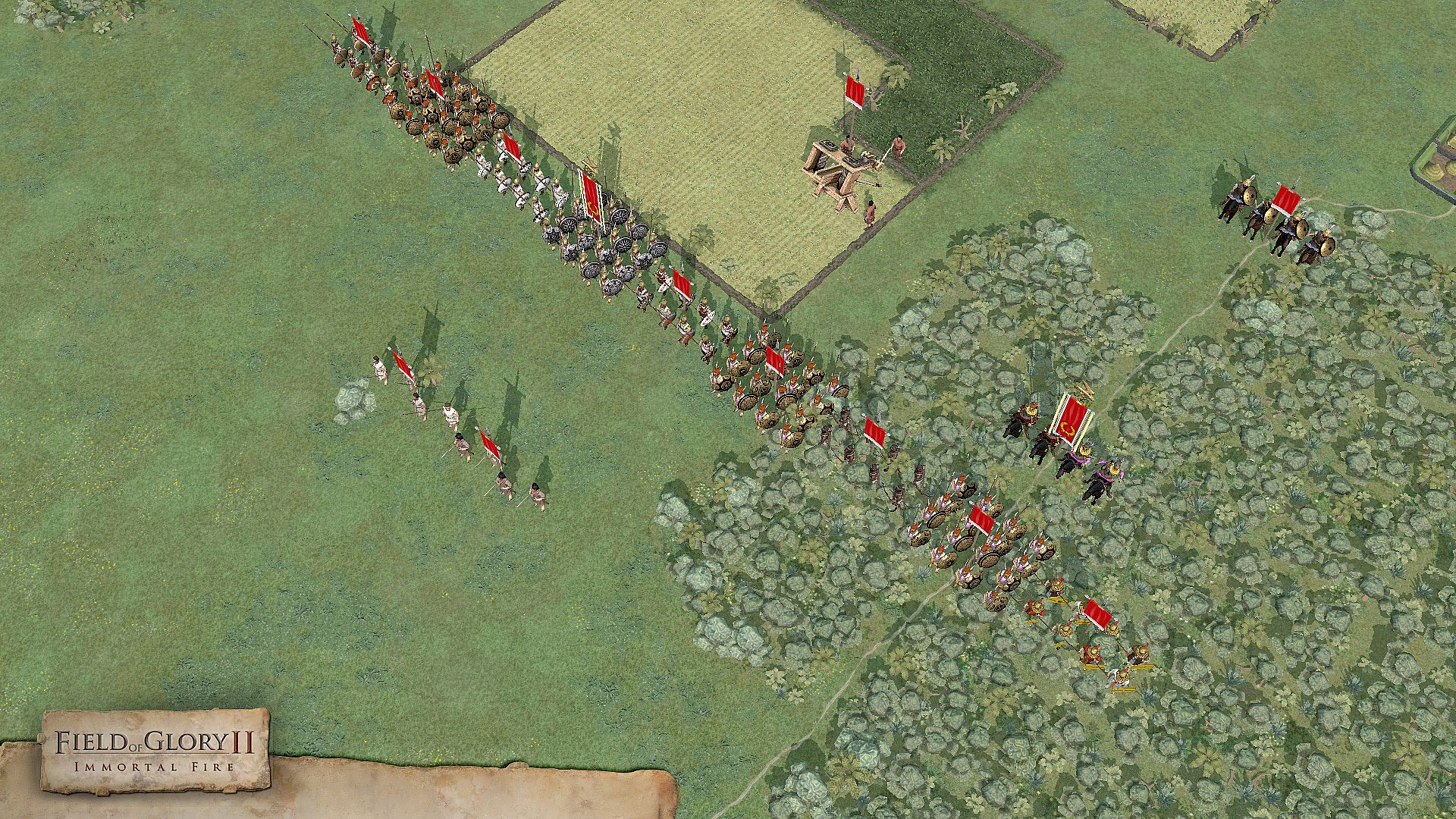
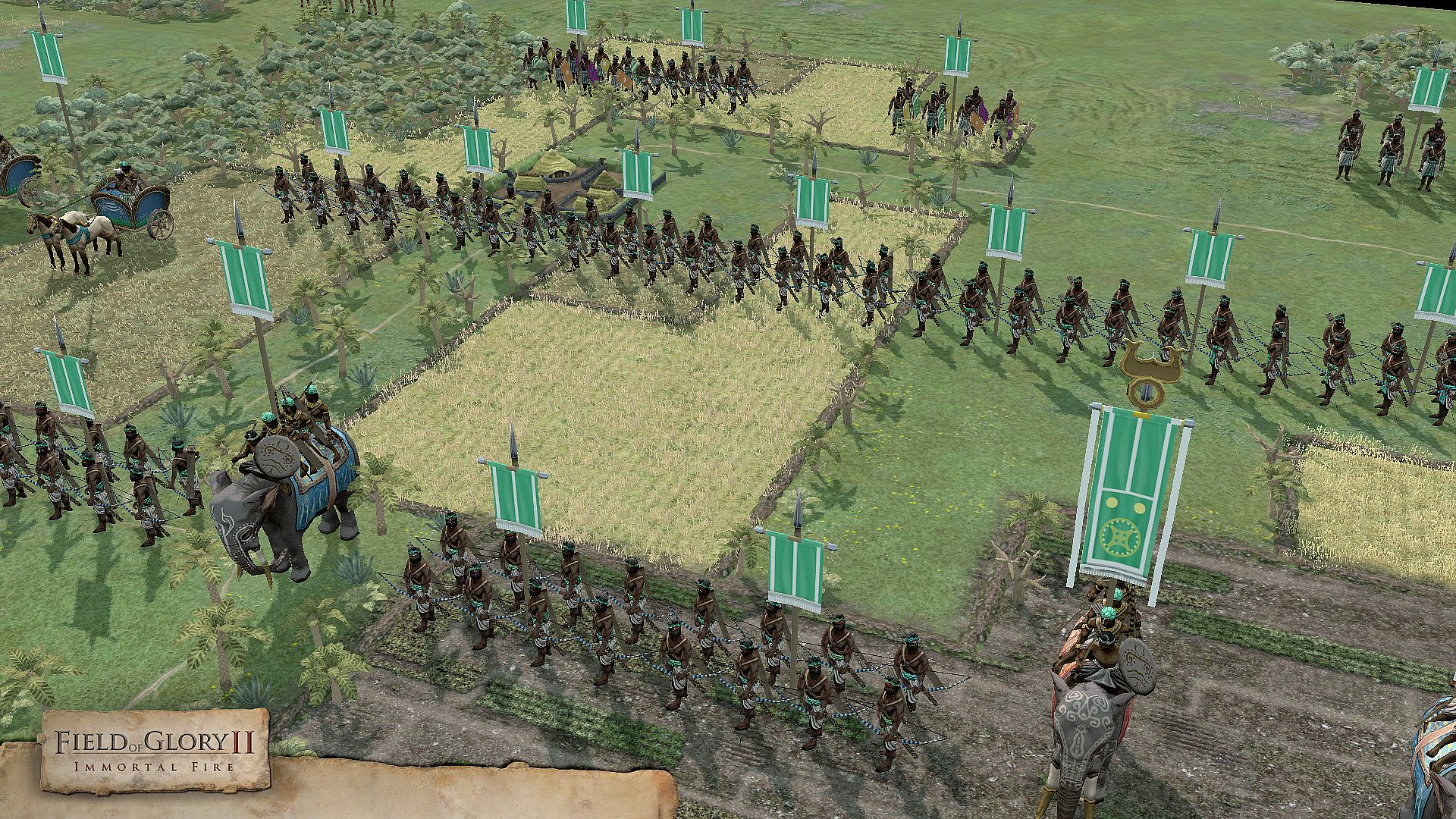
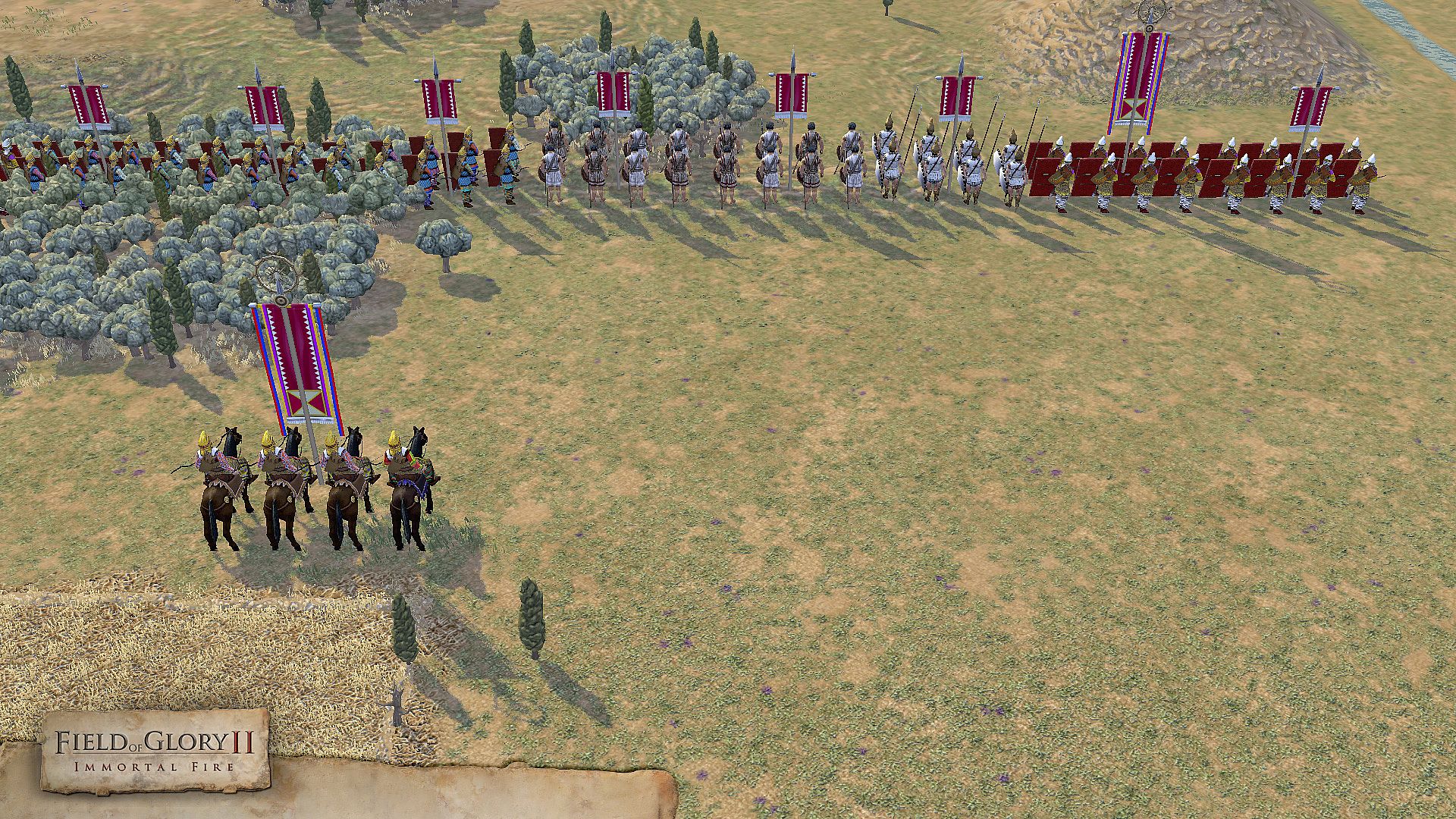
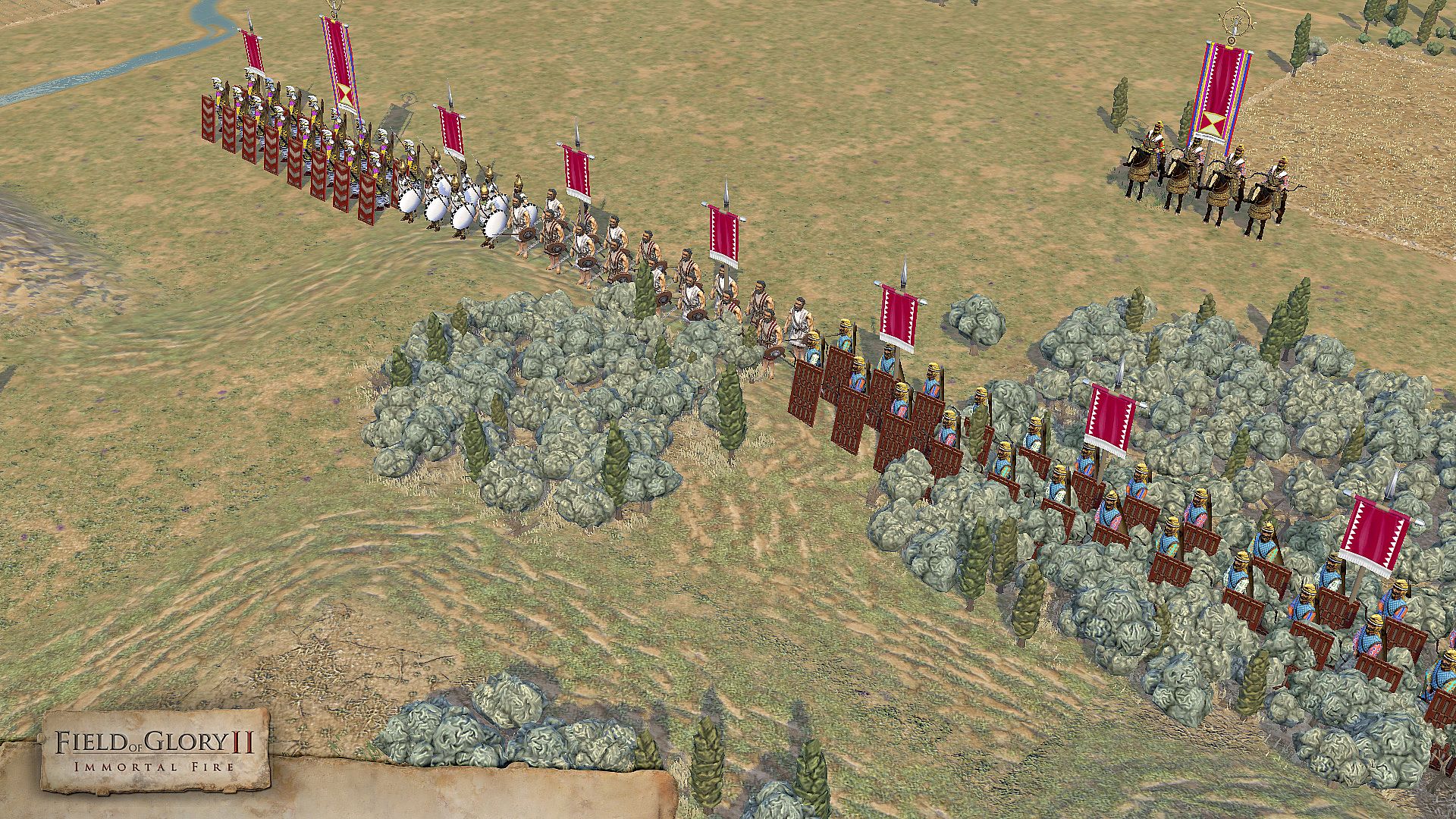
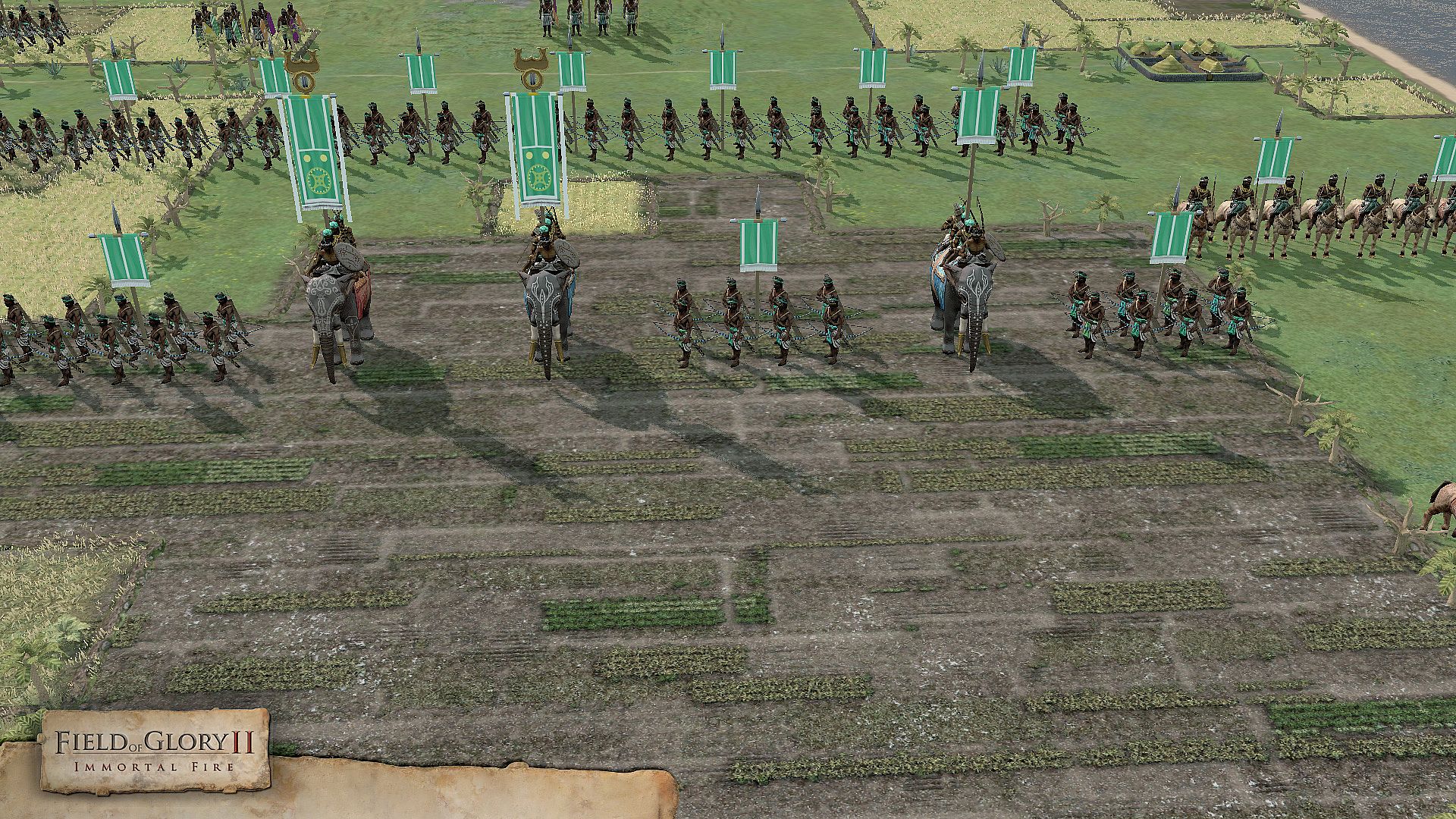
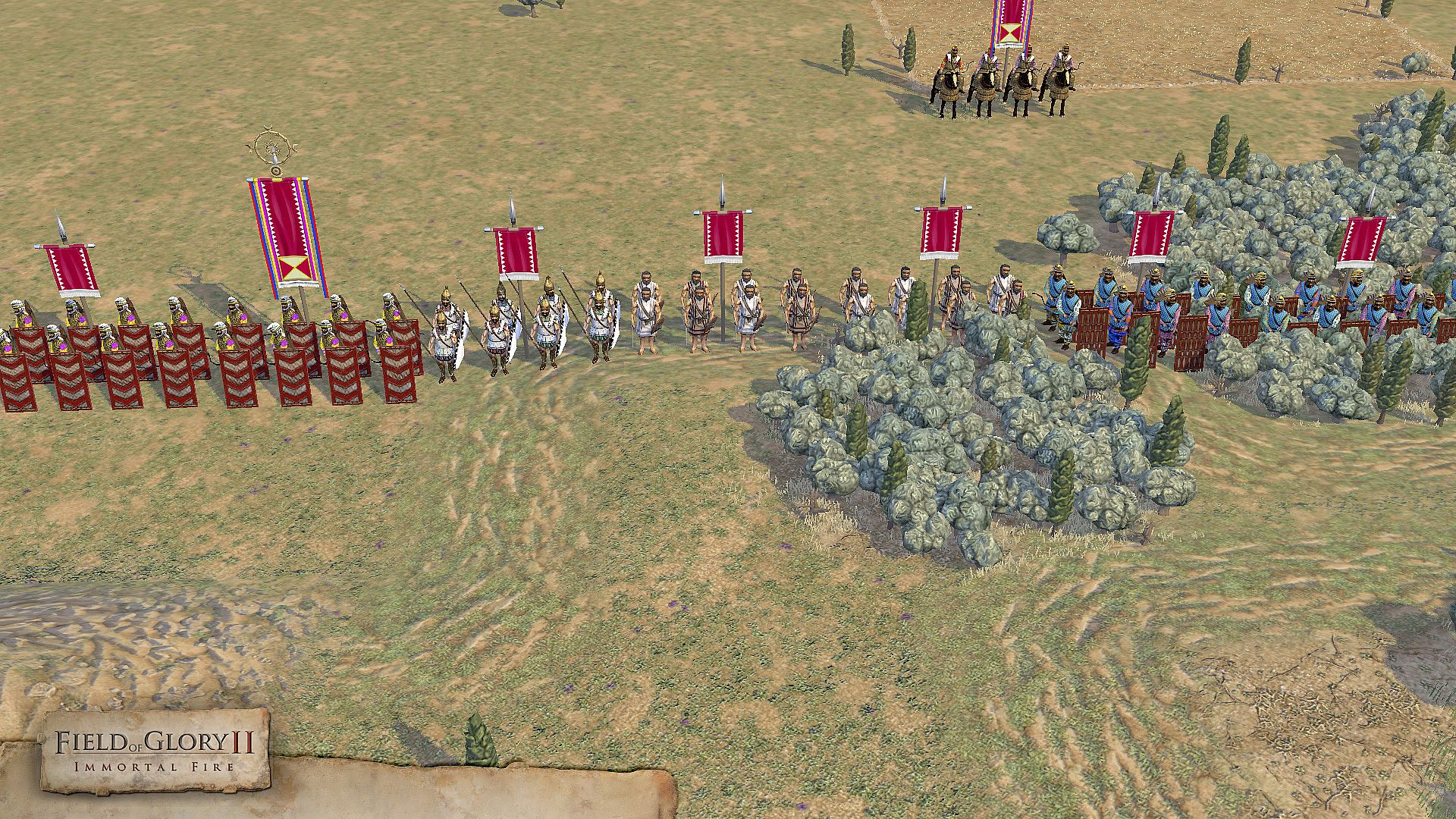
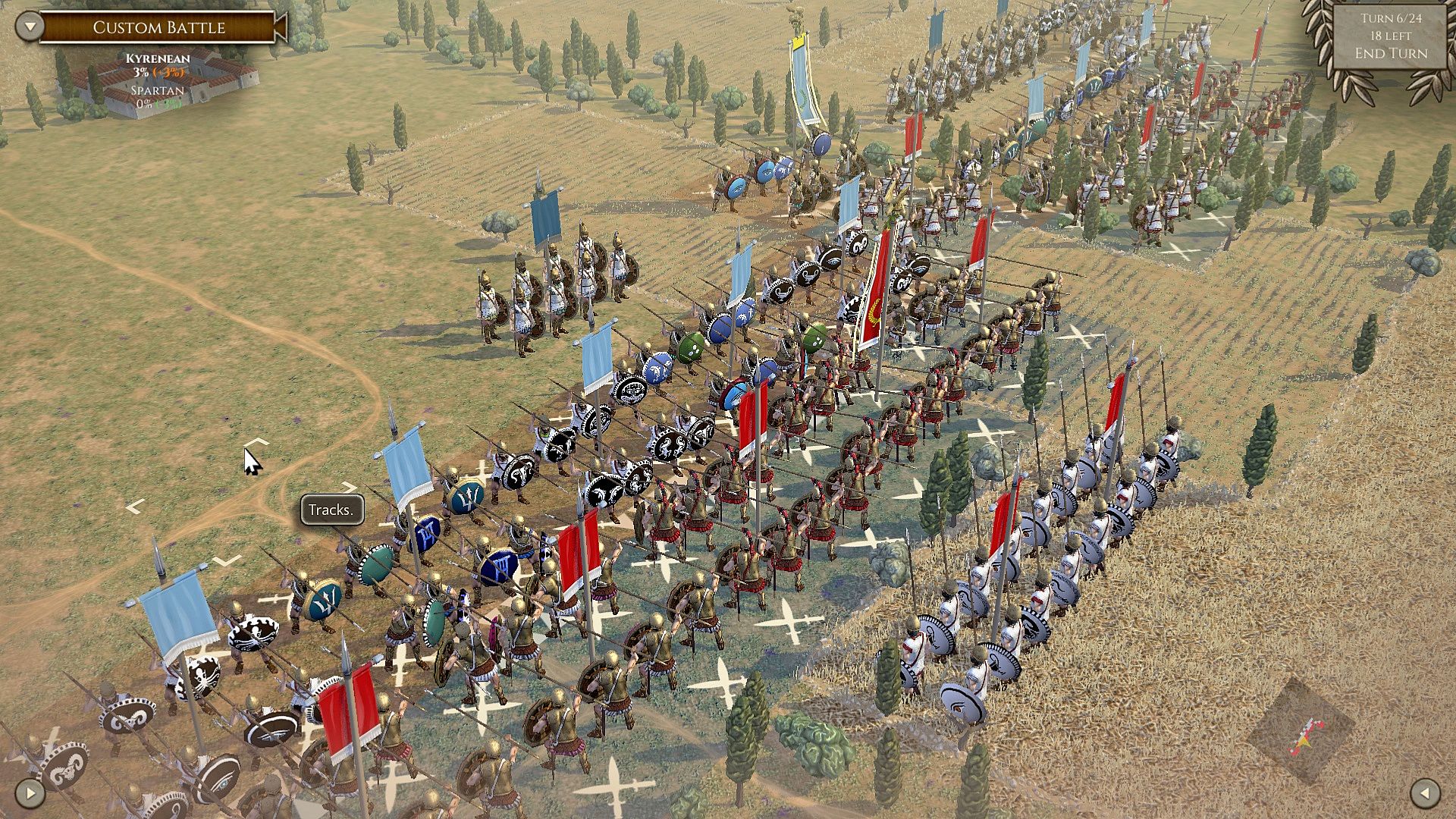
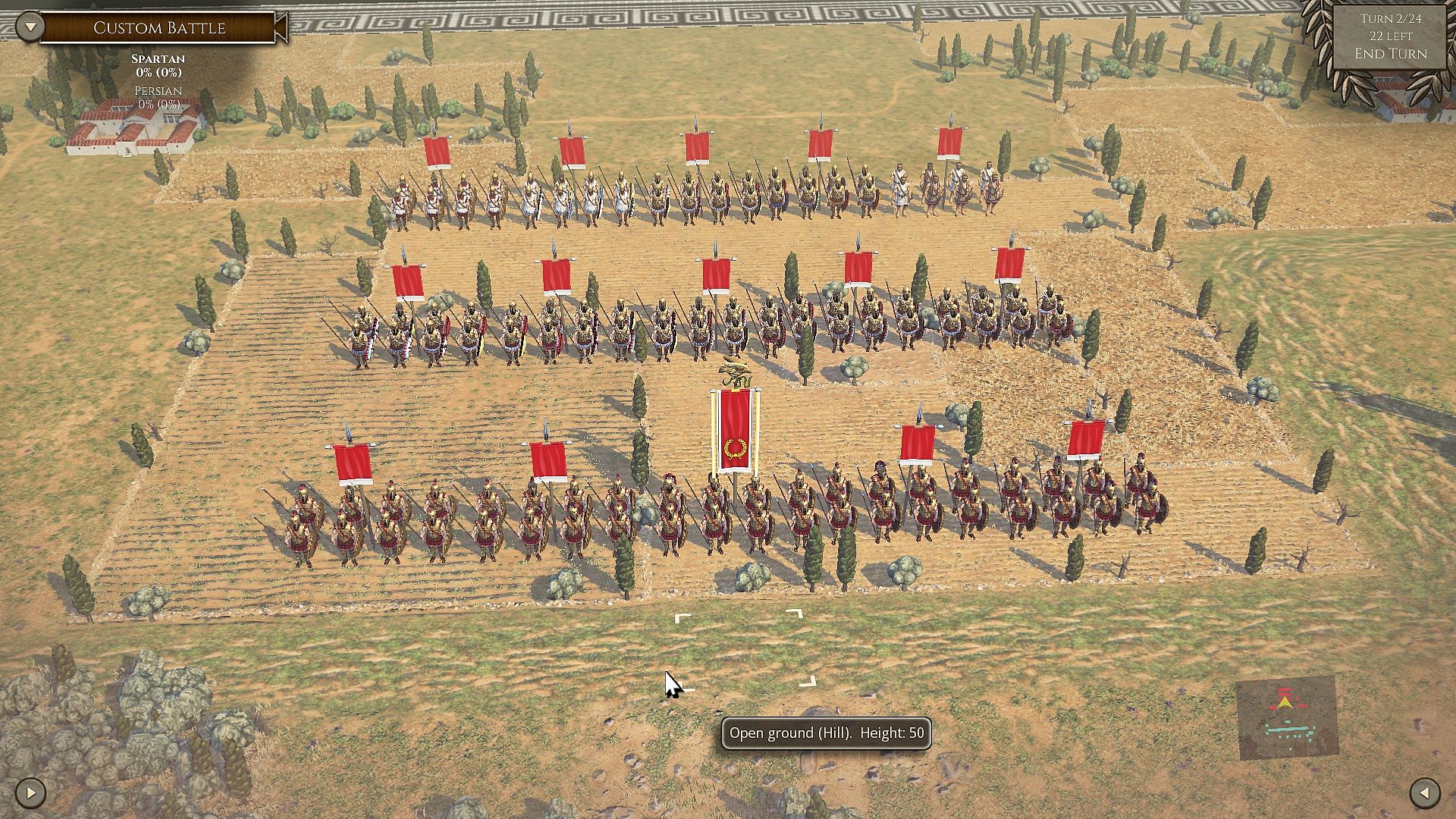
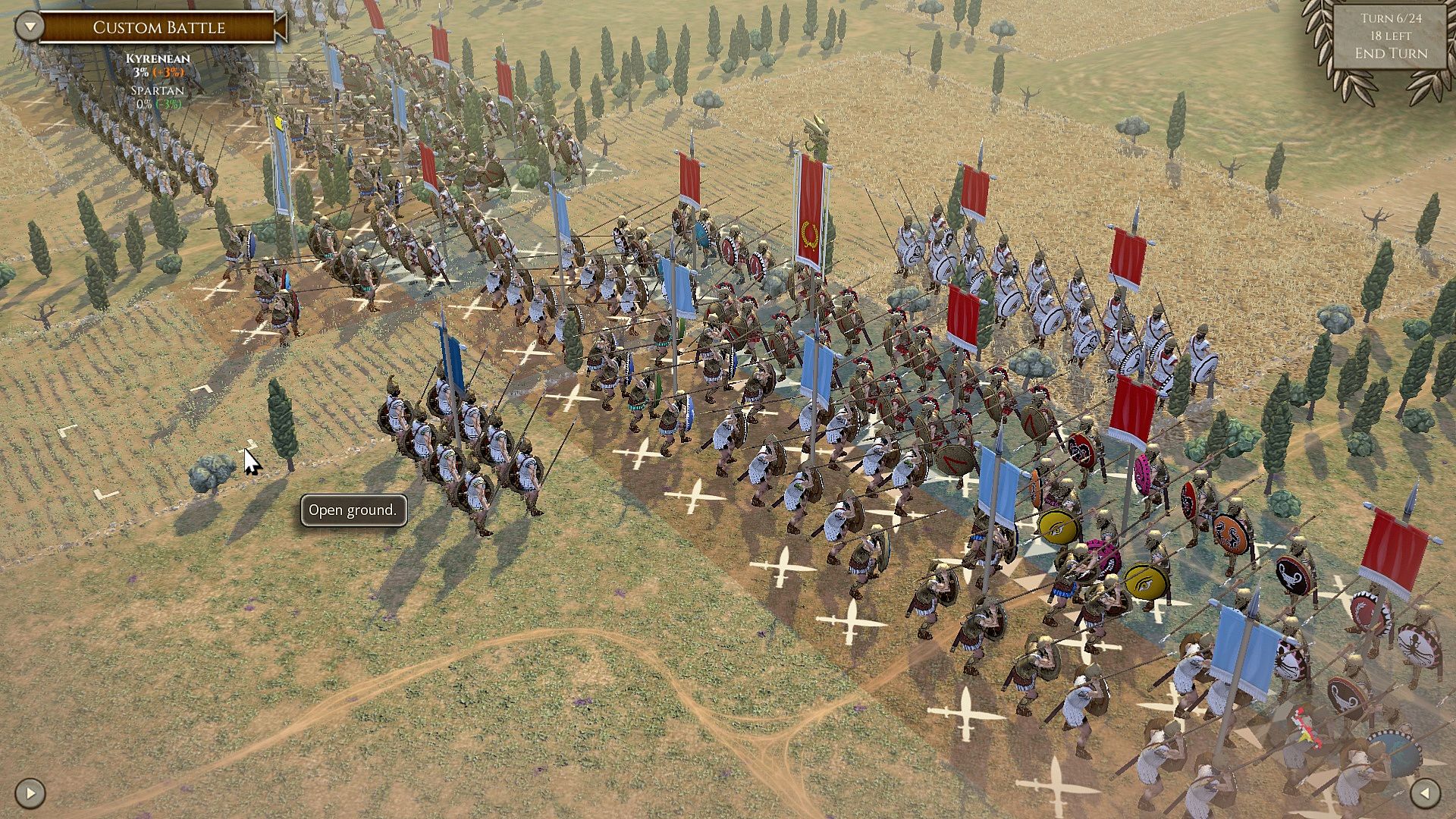
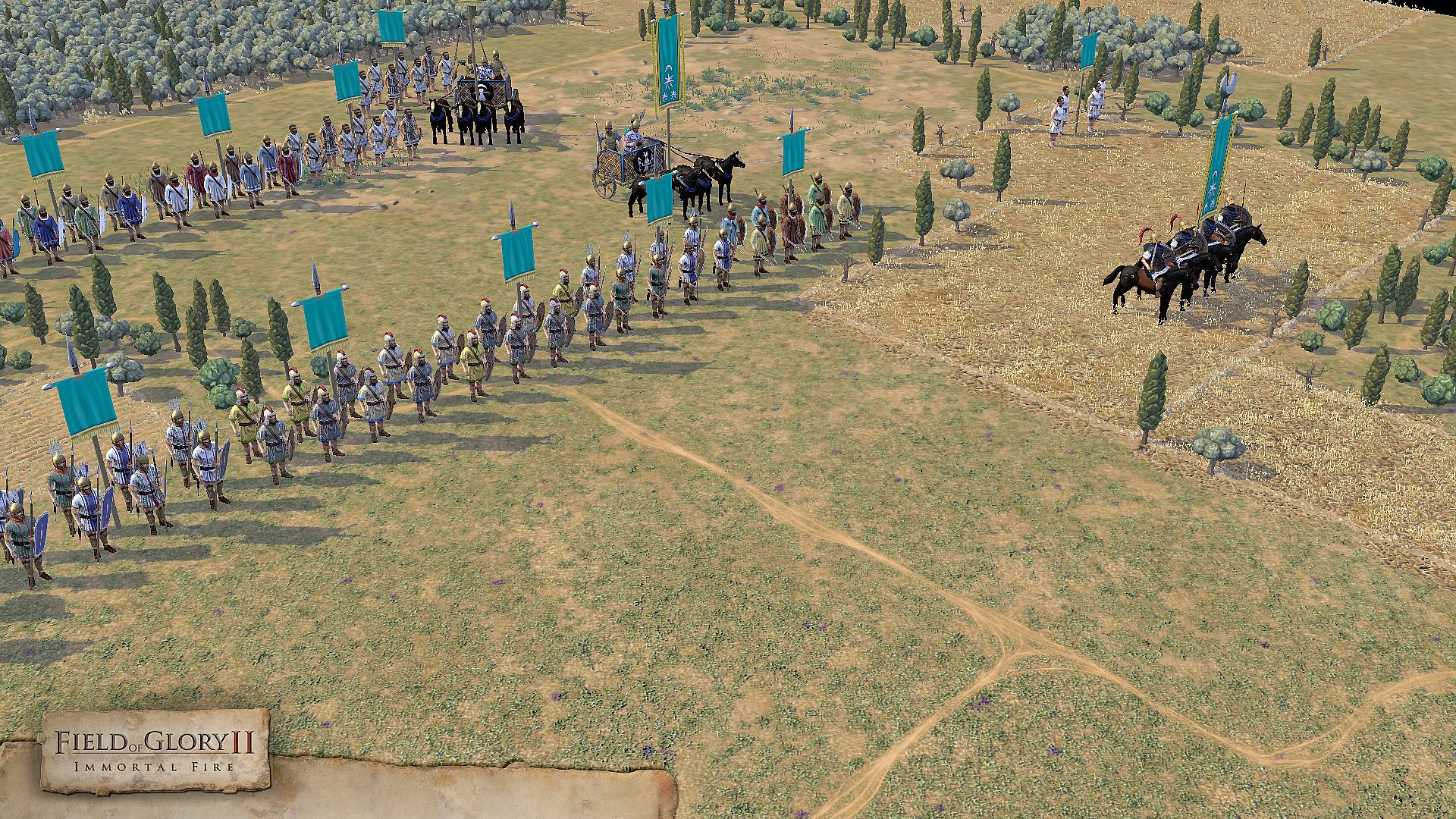
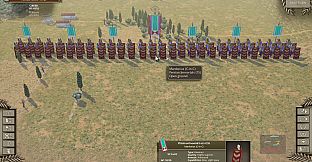
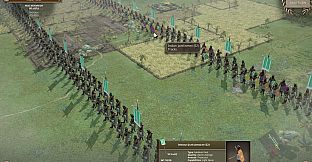
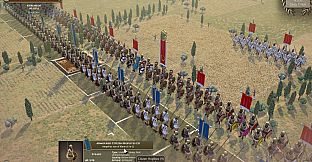
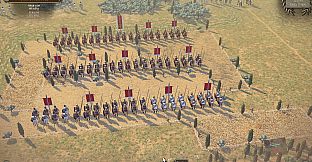
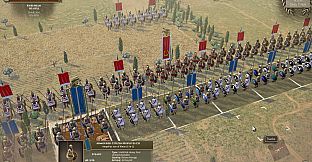
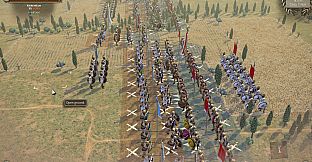
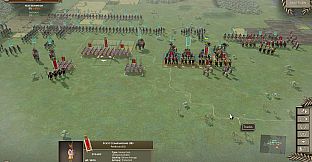
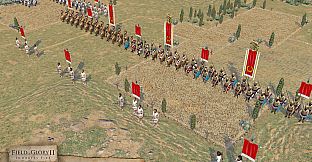
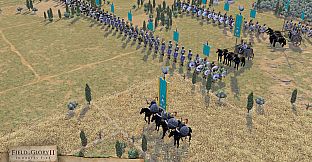
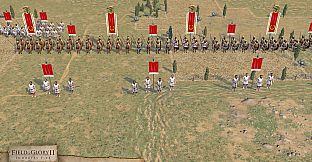
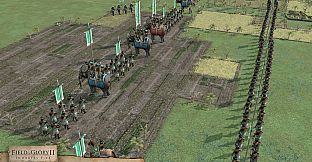
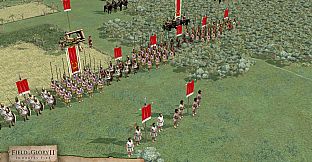
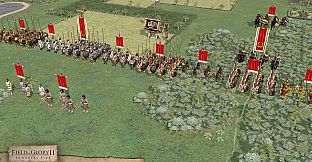
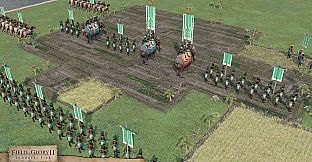
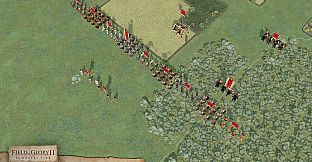
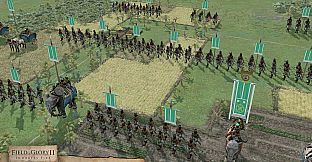
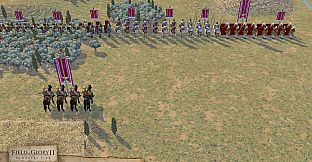
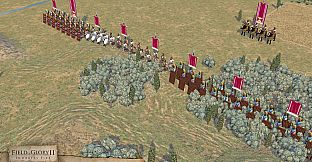
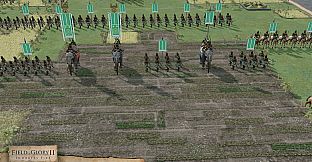
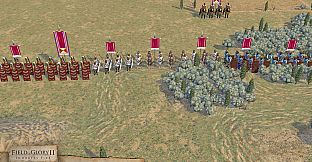
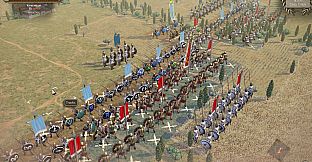
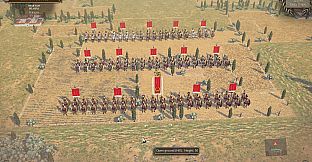
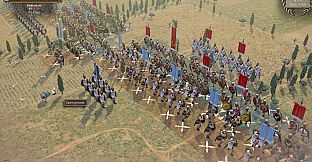
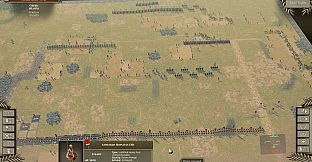
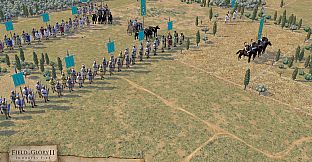
Field of Glory II: Immortal Fire is a turn-based strategy and simulation game focused on ancient warfare from the mid-sixth century BC through the early third century BC. Players command armies in detailed tactical battles drawn from the rise of the Achaemenid Persian Empire, the Persian Wars, the conflicts among Greek city-states, the campaigns of Philip II and Alexander the Great, the wars of the Diadochi, and the early expansion of Rome and Carthage.
Gameplay
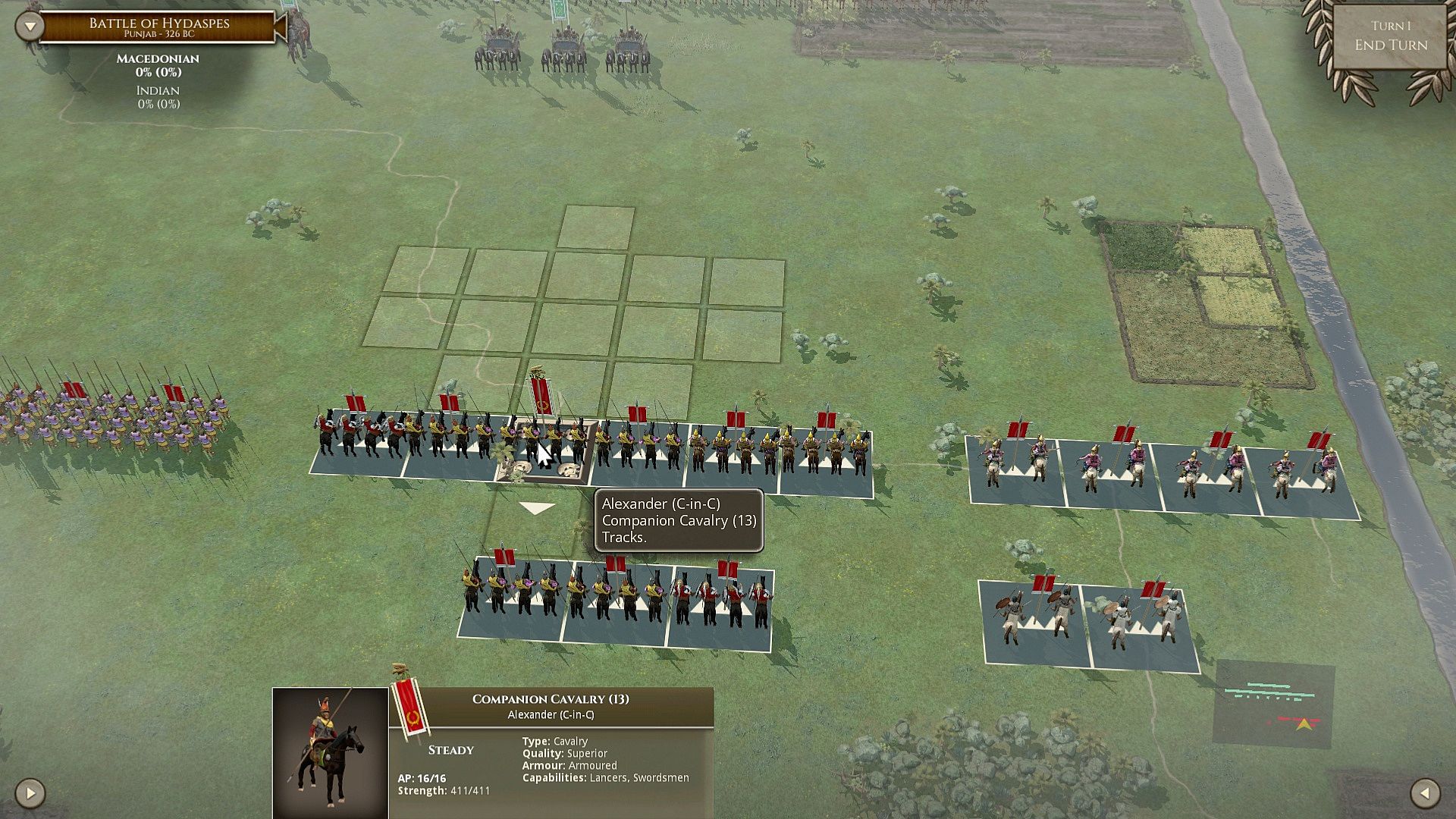
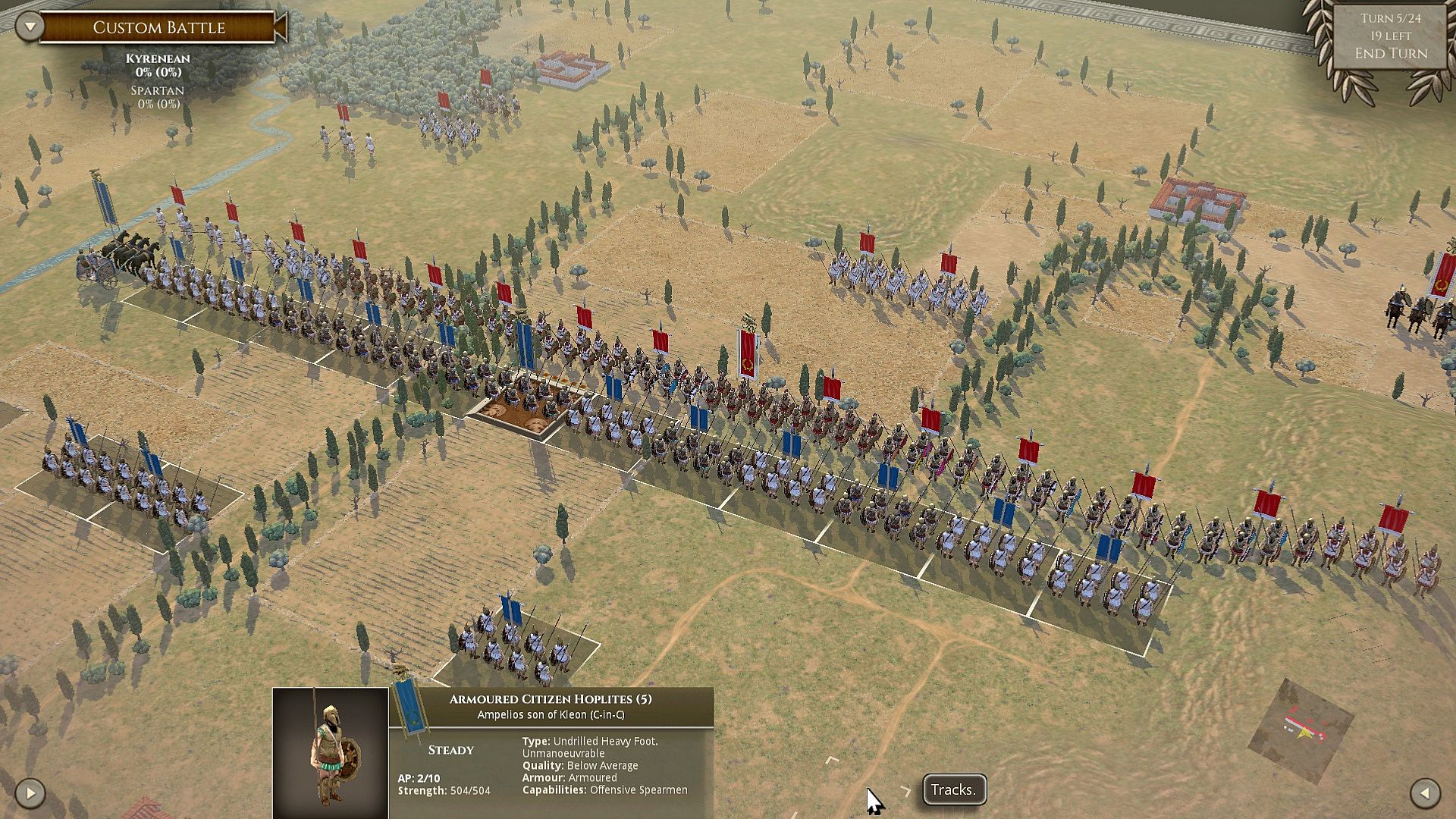
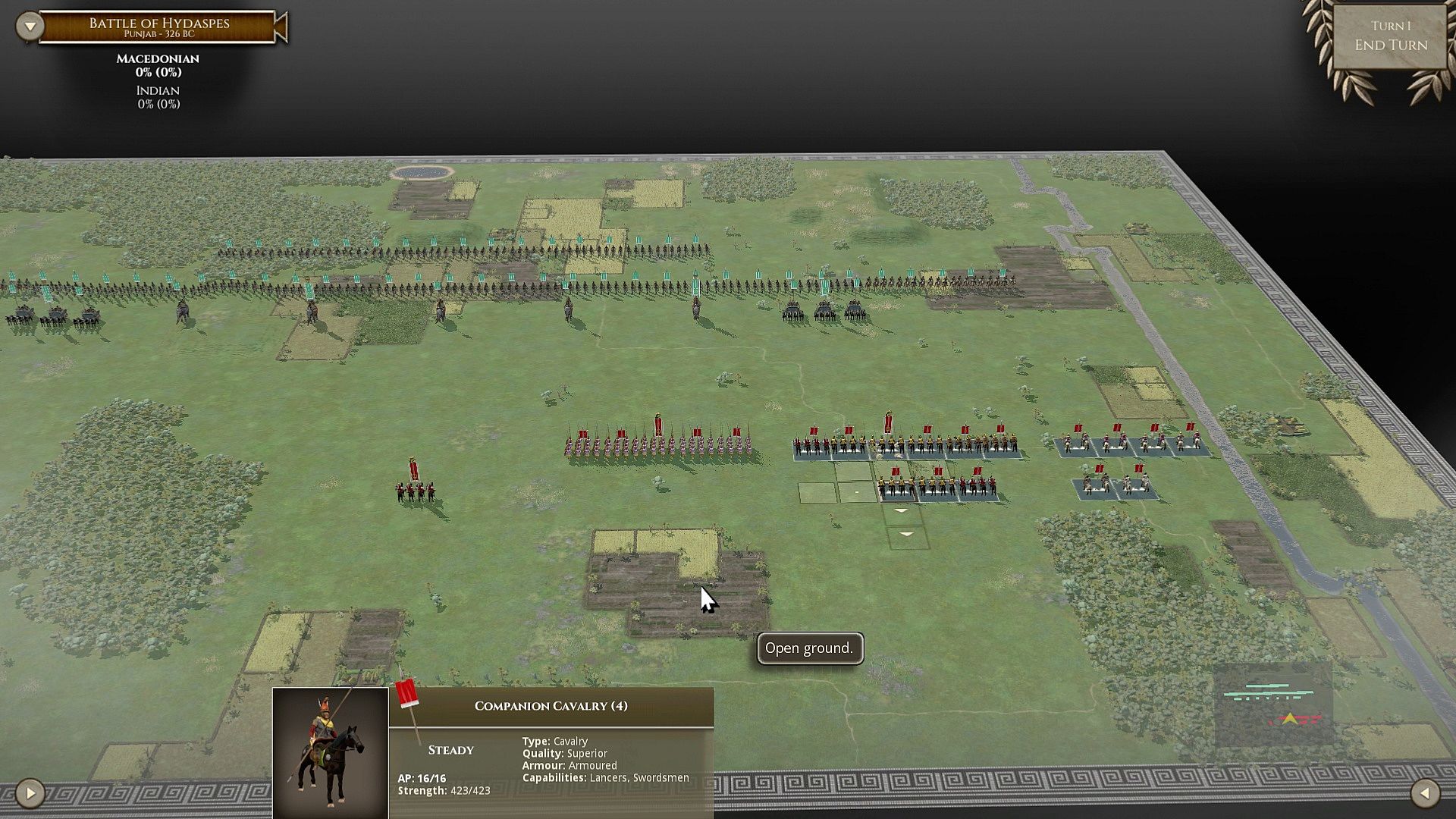
The core loop centers on positioning units on the battlefield, managing formations, and exploiting terrain and unit matchups in turn-based combat. Armies consist of infantry, cavalry, and specialized troops whose effectiveness depends on historical tactics such as hoplite phalanxes, Persian sparabara, and Macedonian cavalry screens. Commanders select from dozens of army lists that reflect specific periods and regions, allowing matches between forces that never met historically or in alternate what-if matchups.
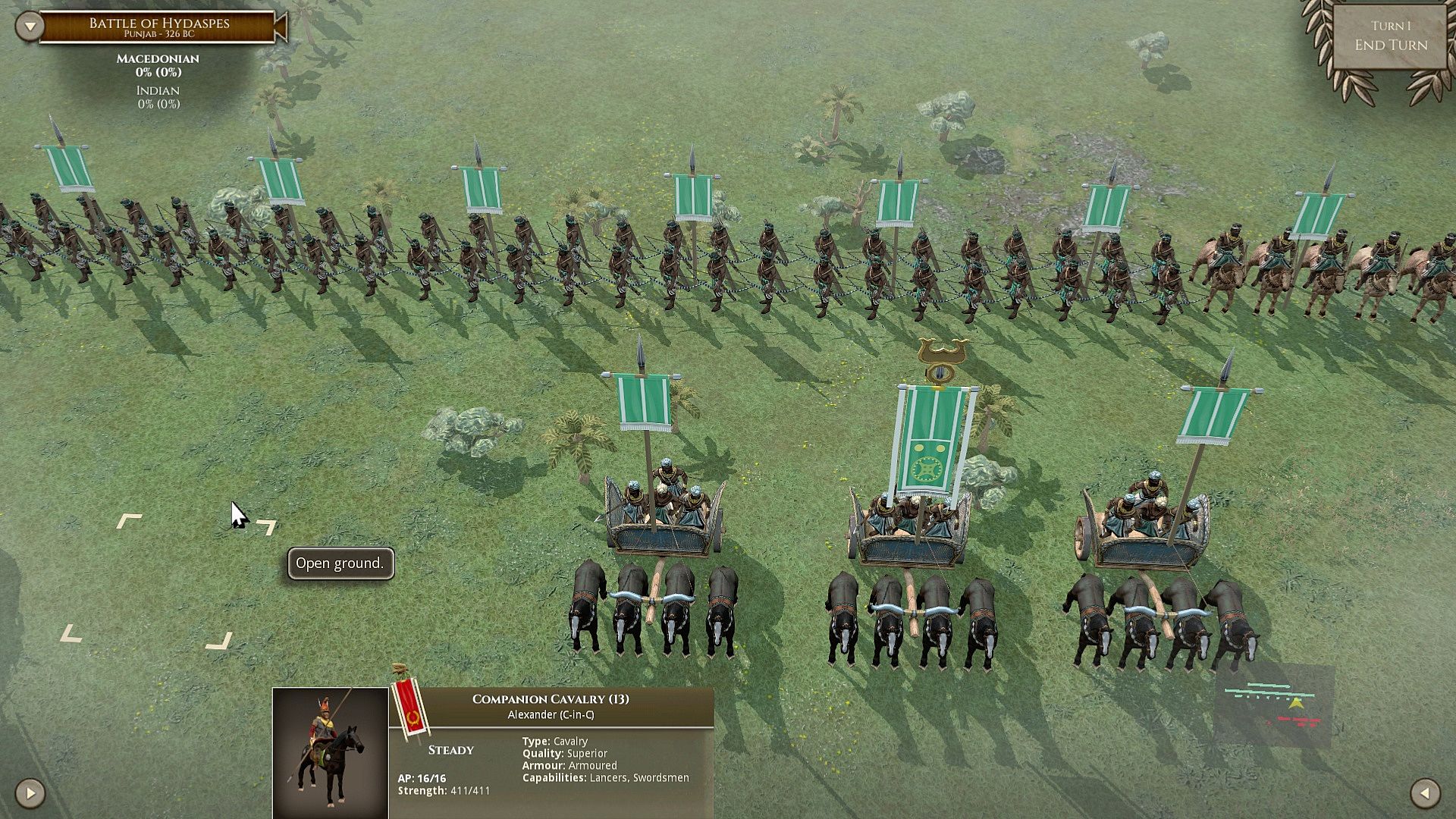
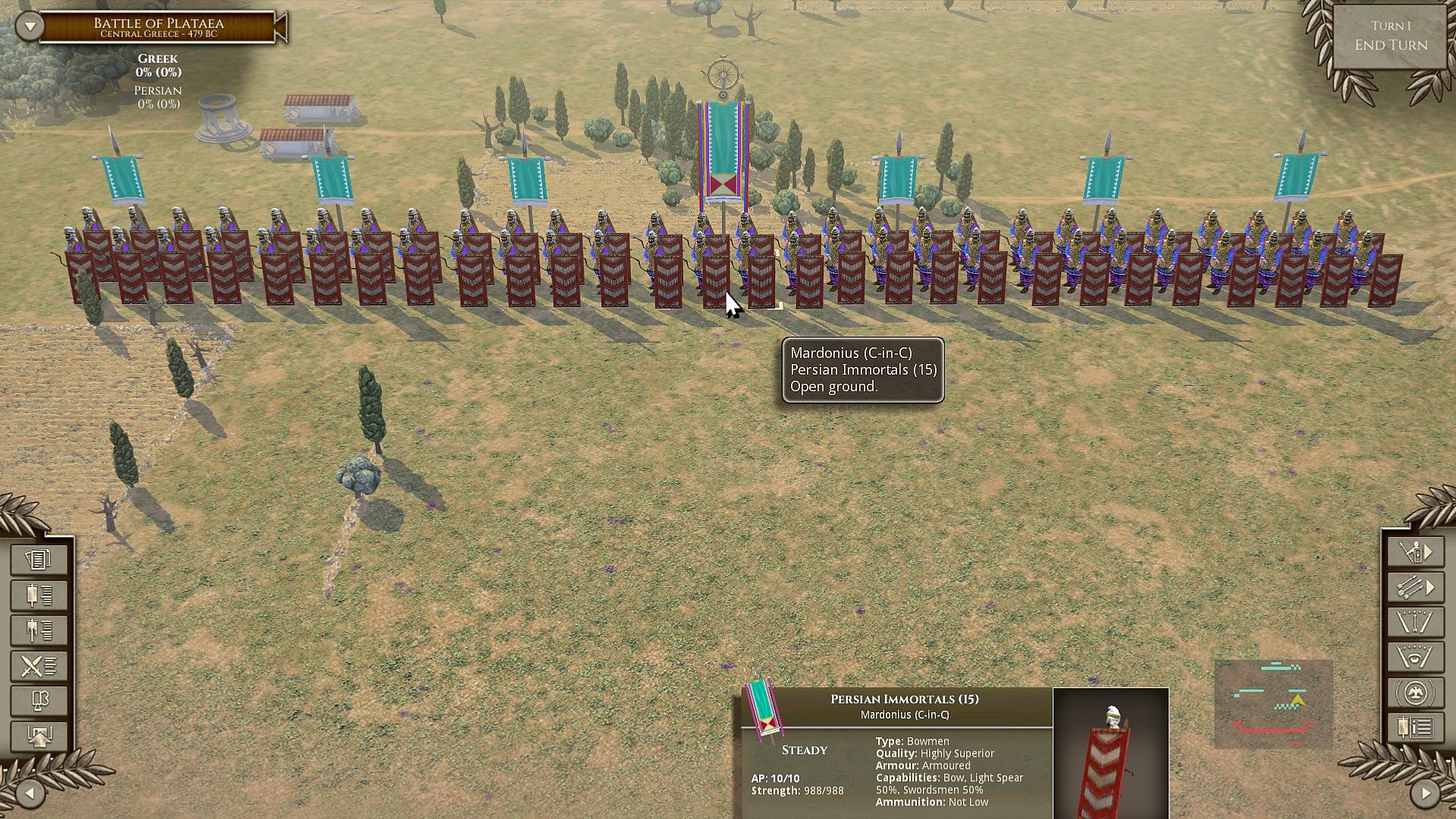
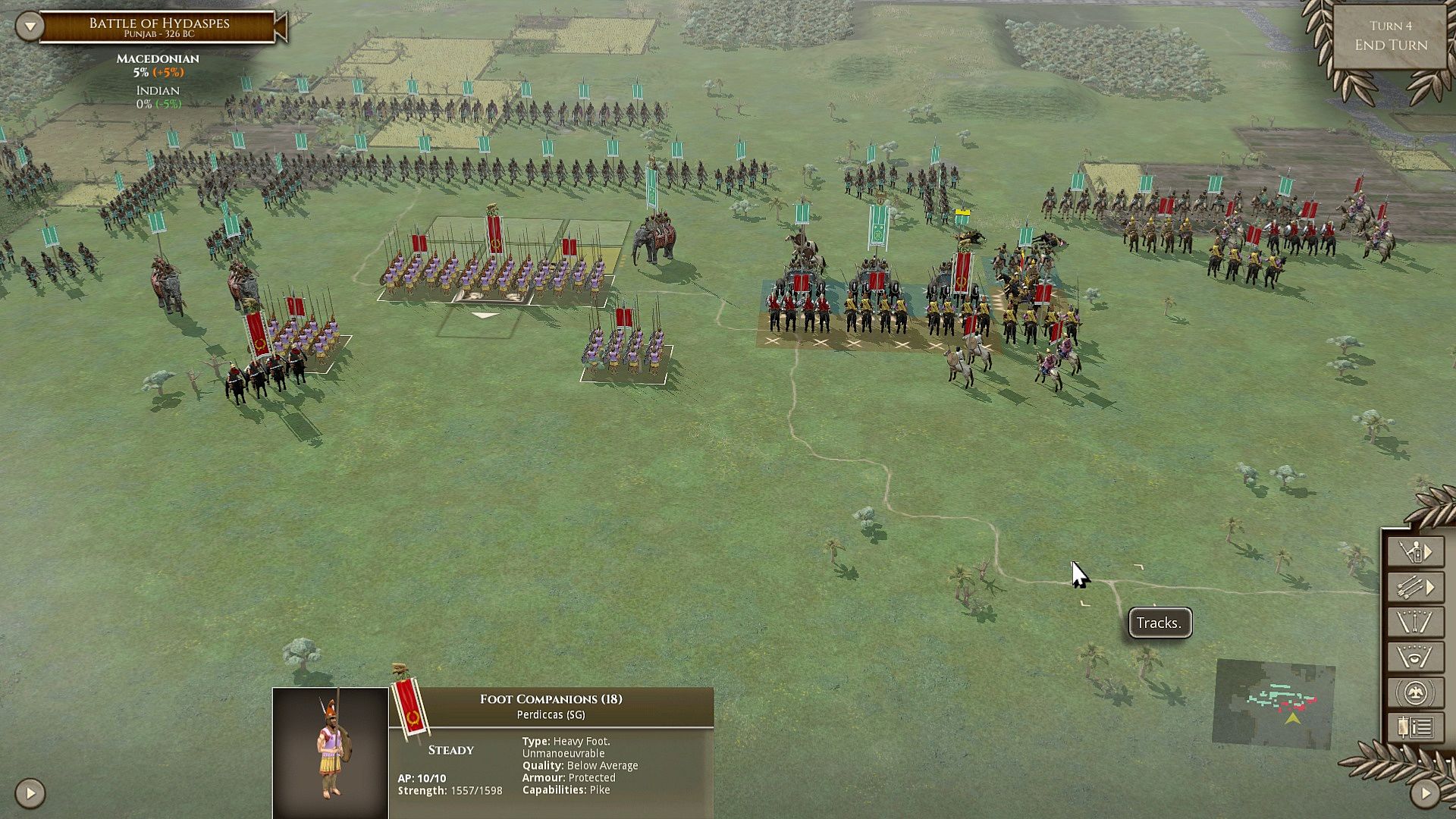
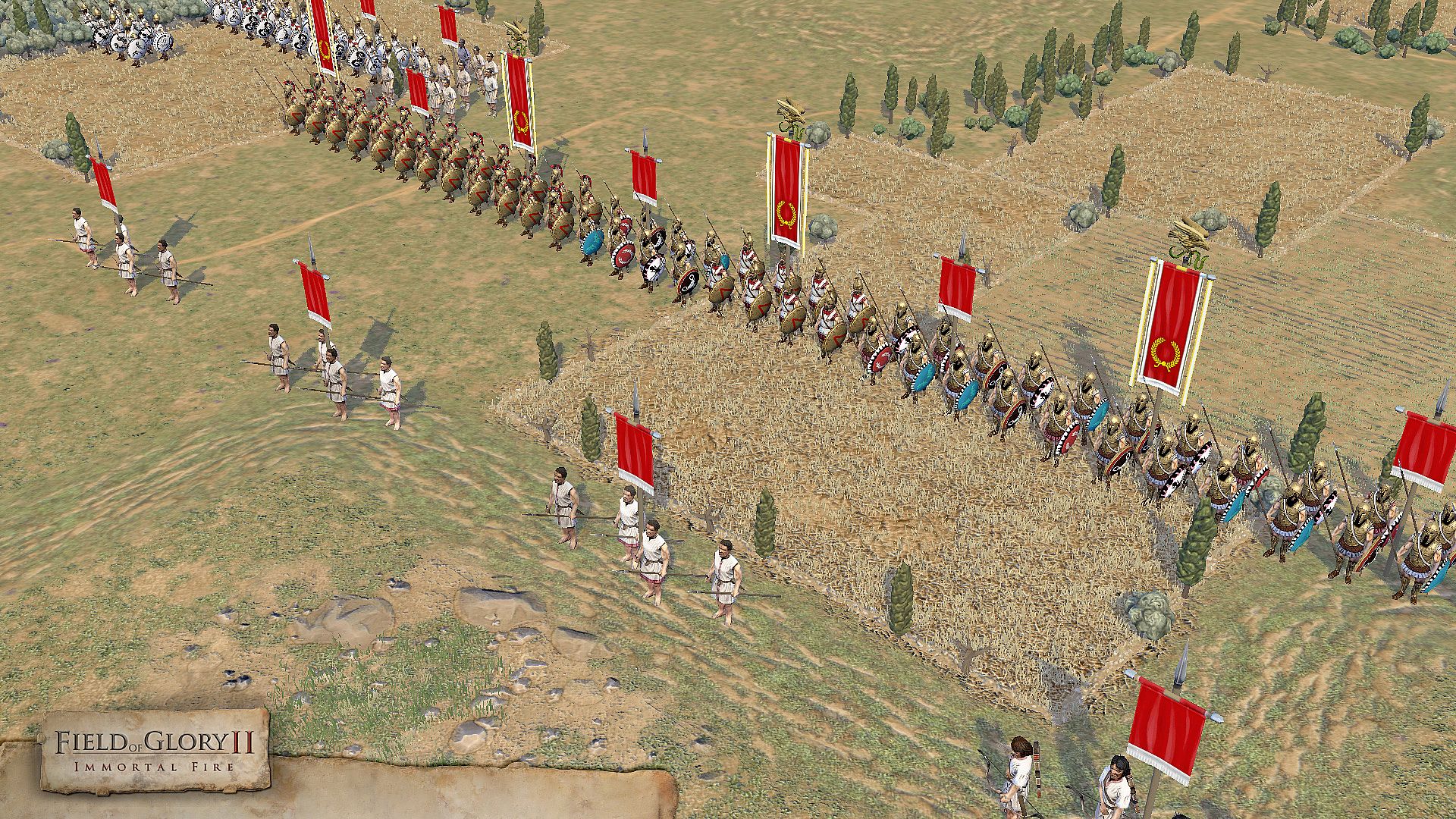
Unit types include heavily armored hoplites, Persian Immortals, armoured cavalry with bows, improvised camelry, chariots, and light reconnaissance elements like Macedonian prodromoi. Formations matter: shallow or deep deployments alter vulnerability to flanking and missile fire. Players issue orders each turn to advance, hold ground, or wheel units while accounting for morale and fatigue.
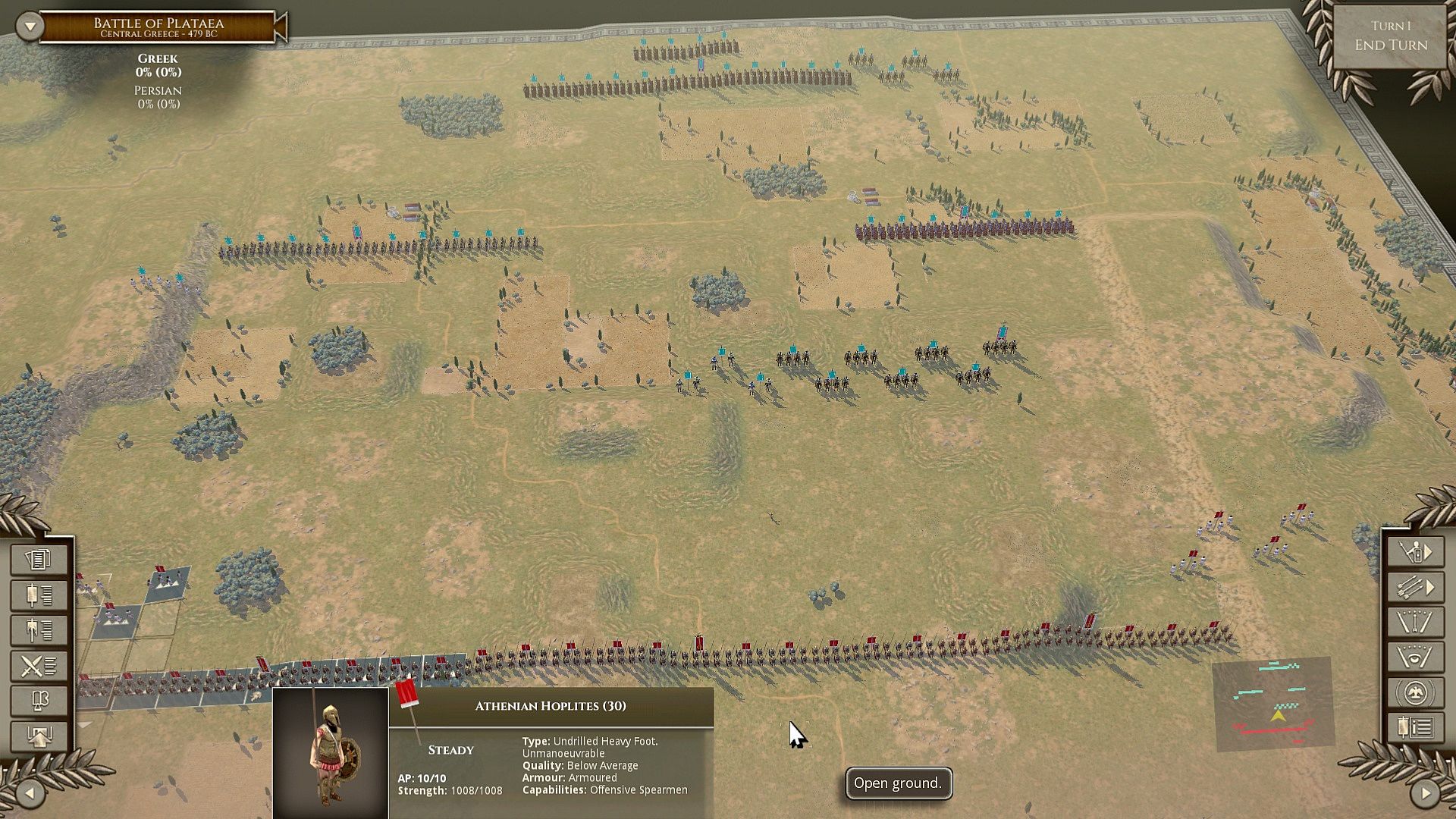
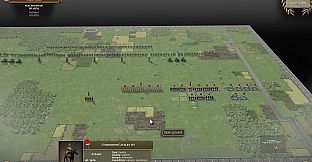
Visual and mechanical fidelity to ancient sources shapes every engagement. Terrain features such as rivers, hills, and open plains influence movement and line-of-sight, while victory conditions typically revolve around breaking enemy morale or capturing key positions.
Game Modes
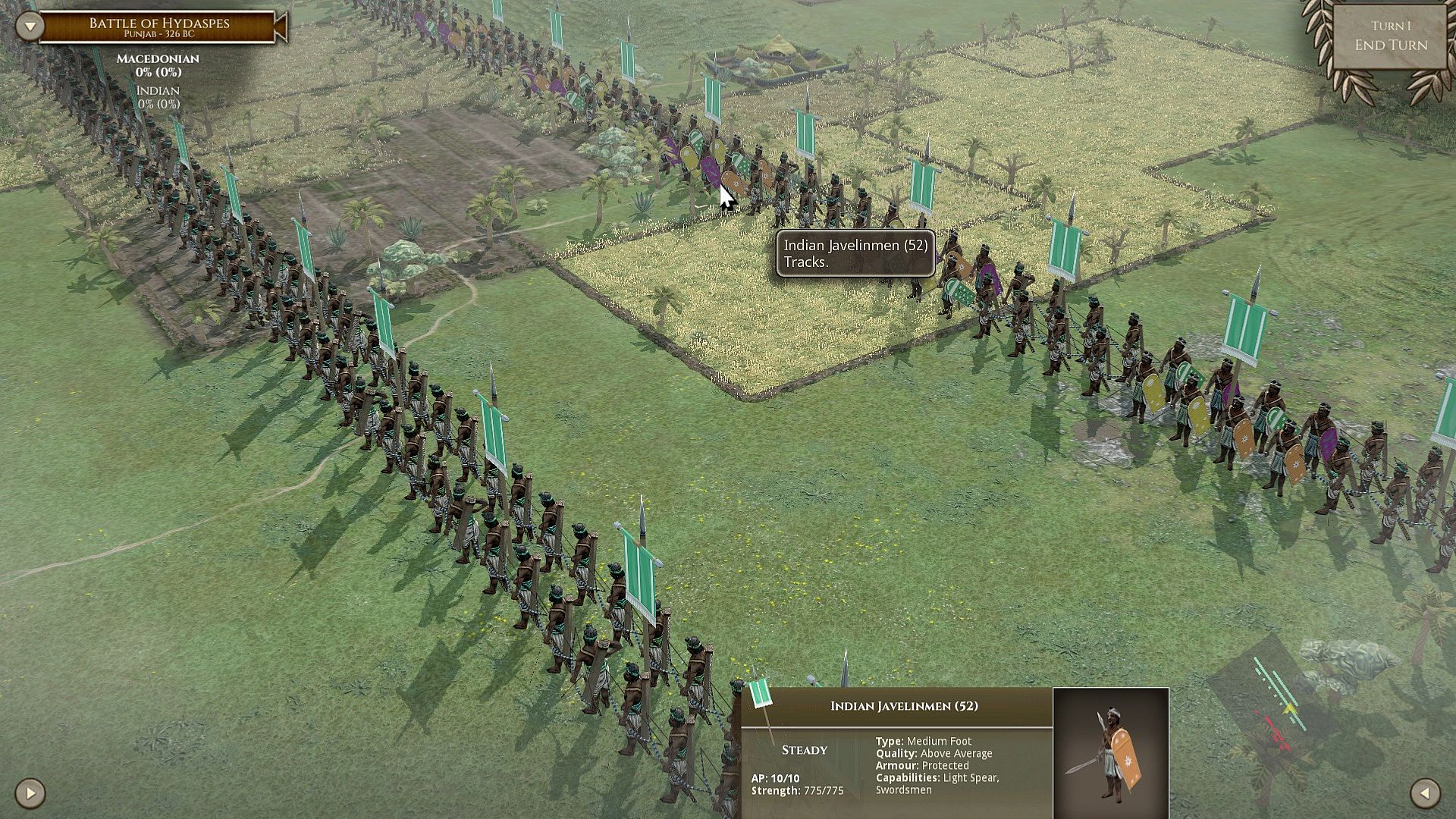
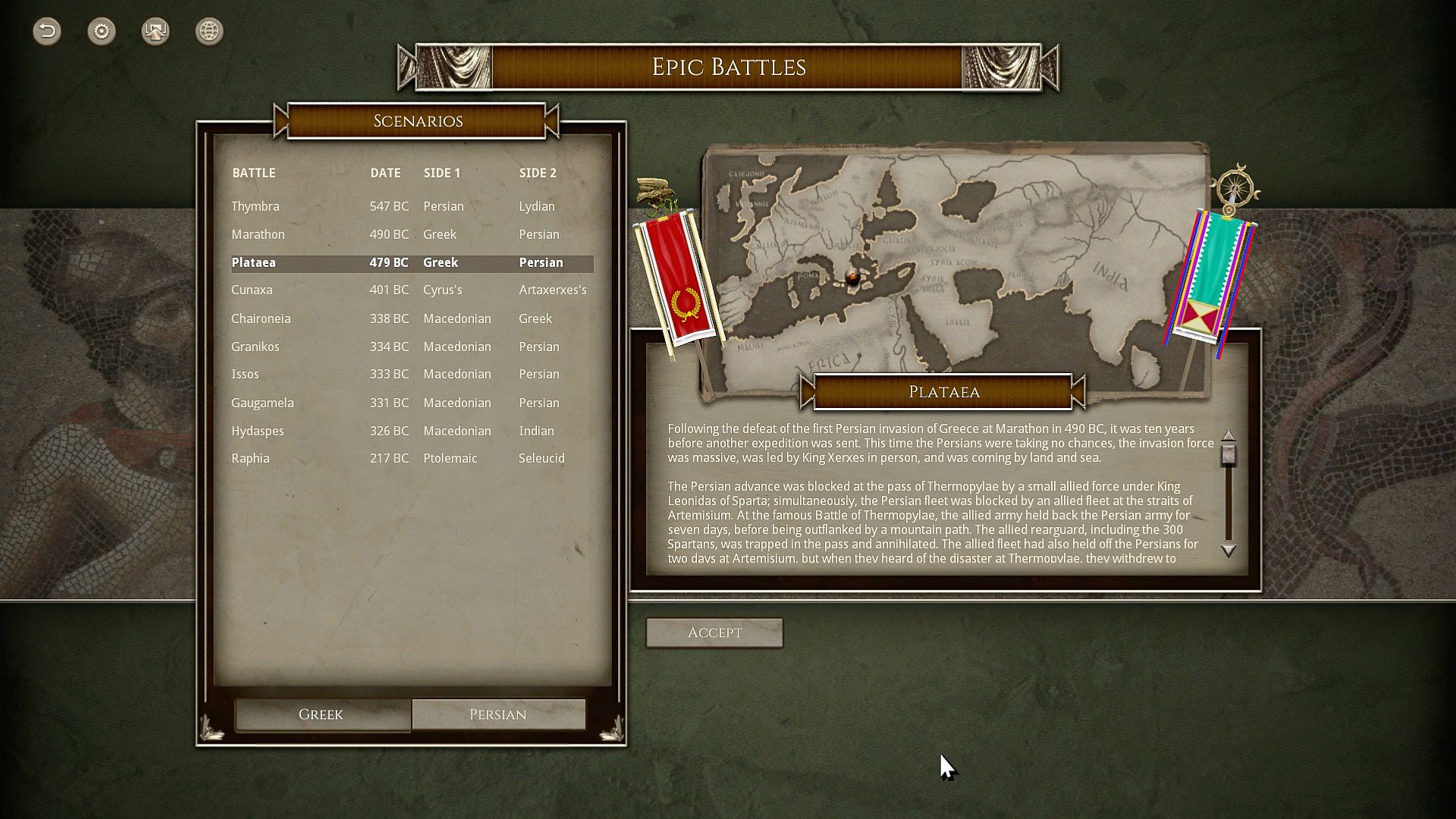
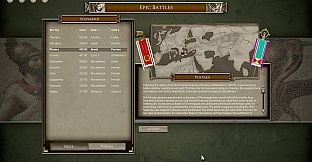
Epic Battles recreate ten major historical clashes, each playable from either side. These include Thymbra, Marathon, Plataea, Cunaxa, Chaironeia, Granikos, Issos, Gaugamela, Hydaspes, and Raphia. Five of the battles trace Alexander the Great's campaigns in sequence.
Quick Battles provide twenty-four additional scenarios, also playable from either side, for shorter engagements without campaign context. The Custom Battles module supports any combination of the 105 total army lists now available across the base game and this expansion.
Sandbox Campaigns allow open-ended play with the full roster of lists, while four historically grounded campaigns follow Xenophon, Philip of Macedon, Seleukos I Nikator, and the early Roman expansion known as the Seven Hills of Rome. A single what-if campaign explores Alexander's potential actions after 323 BC, including hypothetical invasions of Carthage and Rome.
Historical Scope and Factions
Eight new factions join the roster: Achaemenid Persians, Etruscans, Antigonos, Lysimachos, Spartans, Latins, Lydians, Kyrenean Greeks, and Thessalian Greeks. Thirty new army lists cover precise date ranges, such as Achaemenid Persian forces from 550 BC through 329 BC and Macedonian lists spanning Philip's reign and the initial Diadochi wars.
Additional units expand tactical options with Persian armoured cavalry, Lydian cavalry, Carthaginian chariots, and variants of armoured hoplites including Spartan veterans. These additions integrate directly into existing systems for custom and sandbox play.
Is It Worth Playing?
The expansion delivers focused content for players who enjoy precise, historically grounded turn-based wargaming. Its army lists, battles, and campaigns reward study of period tactics and offer replay value through side-switching and alternate-history options. Reception among available user reviews stands at 100 percent positive, reflecting appreciation for the added depth and authenticity.
This title suits those seeking single-player experiences centered on ancient Mediterranean and Near Eastern conflicts rather than fast-paced action or modern settings. The combination of structured campaigns and flexible custom tools provides lasting engagement for strategy enthusiasts comfortable with deliberate pacing and detailed unit management. Availability on PC supports both short sessions in Quick Battles and longer campaign runs.