





















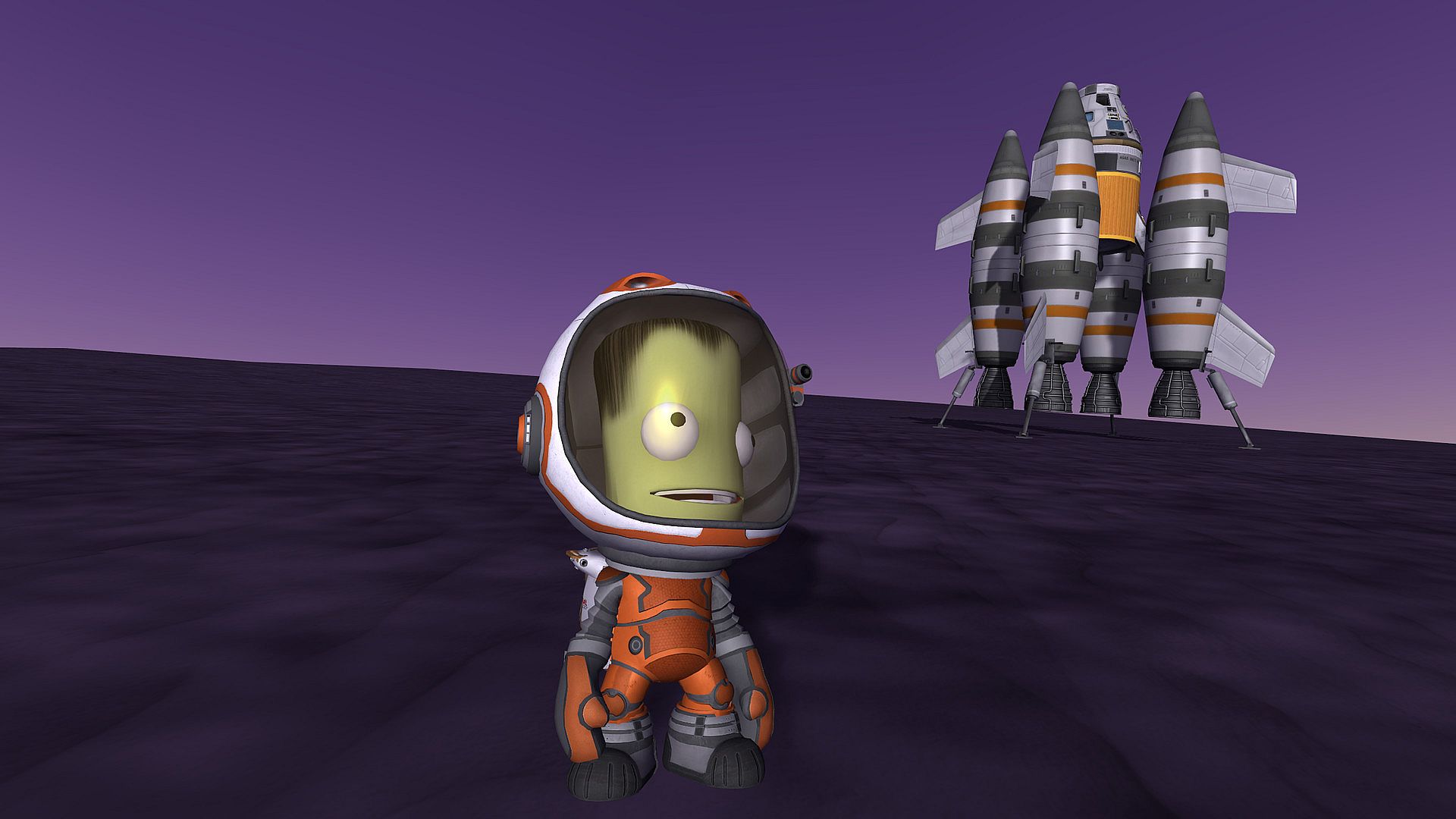

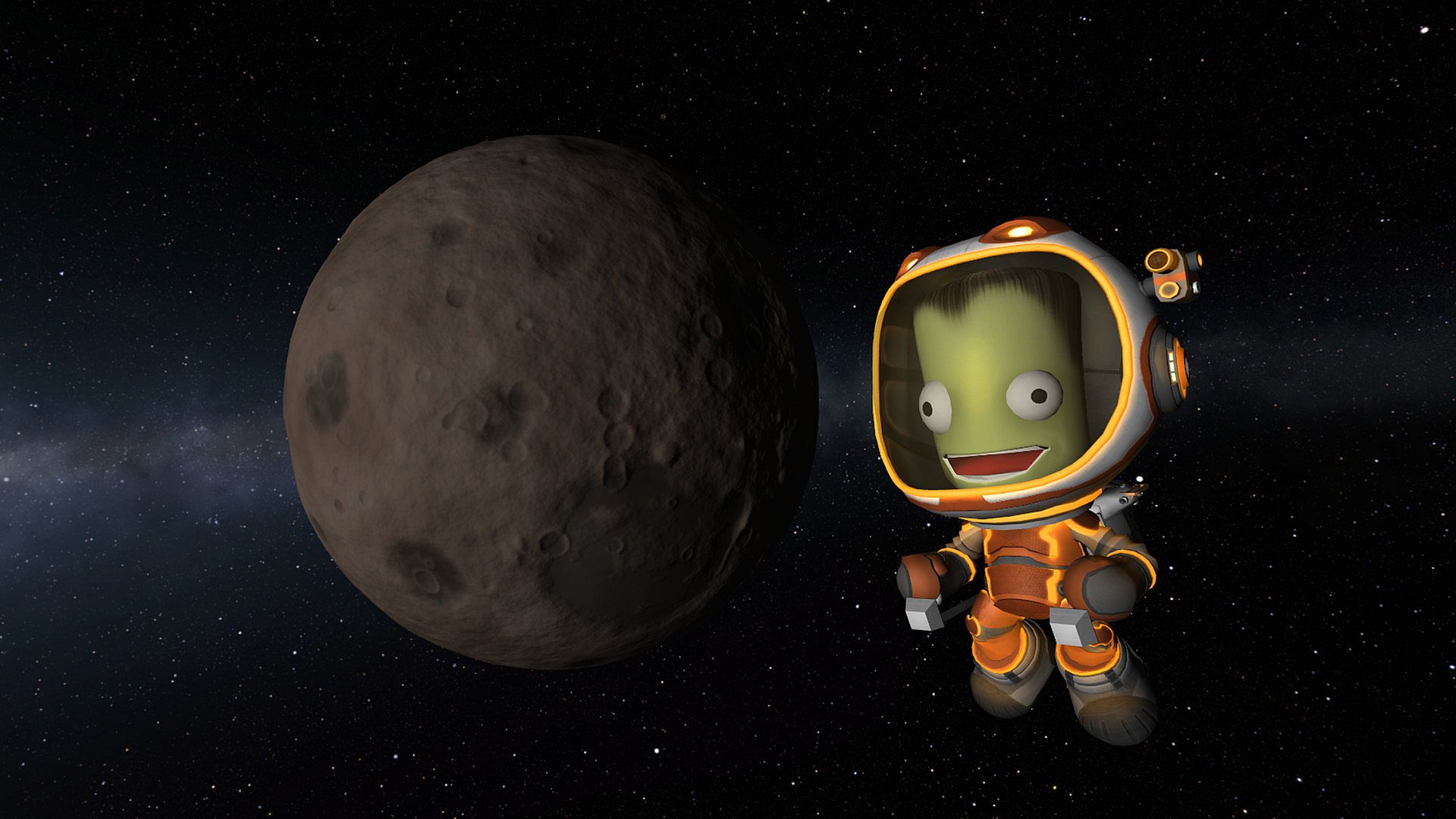
Kerbal Space Program: Breaking Ground Expansion adds depth to the core space flight simulation on PC by emphasizing post-landing scientific activities and mechanical construction options. Players build and launch spacecraft to reach other worlds, then use new tools to gather data and explore surface details once they arrive. The expansion integrates directly into the existing singleplayer experience without altering the fundamental physics or construction systems.
Gameplay
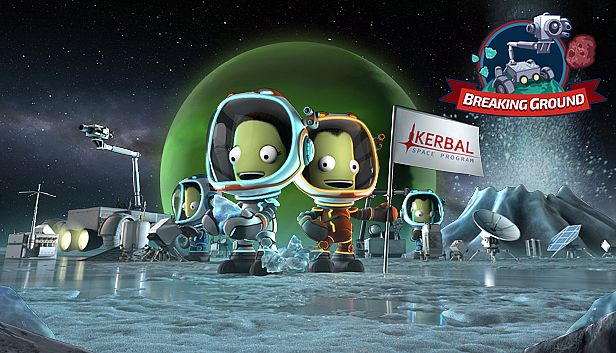
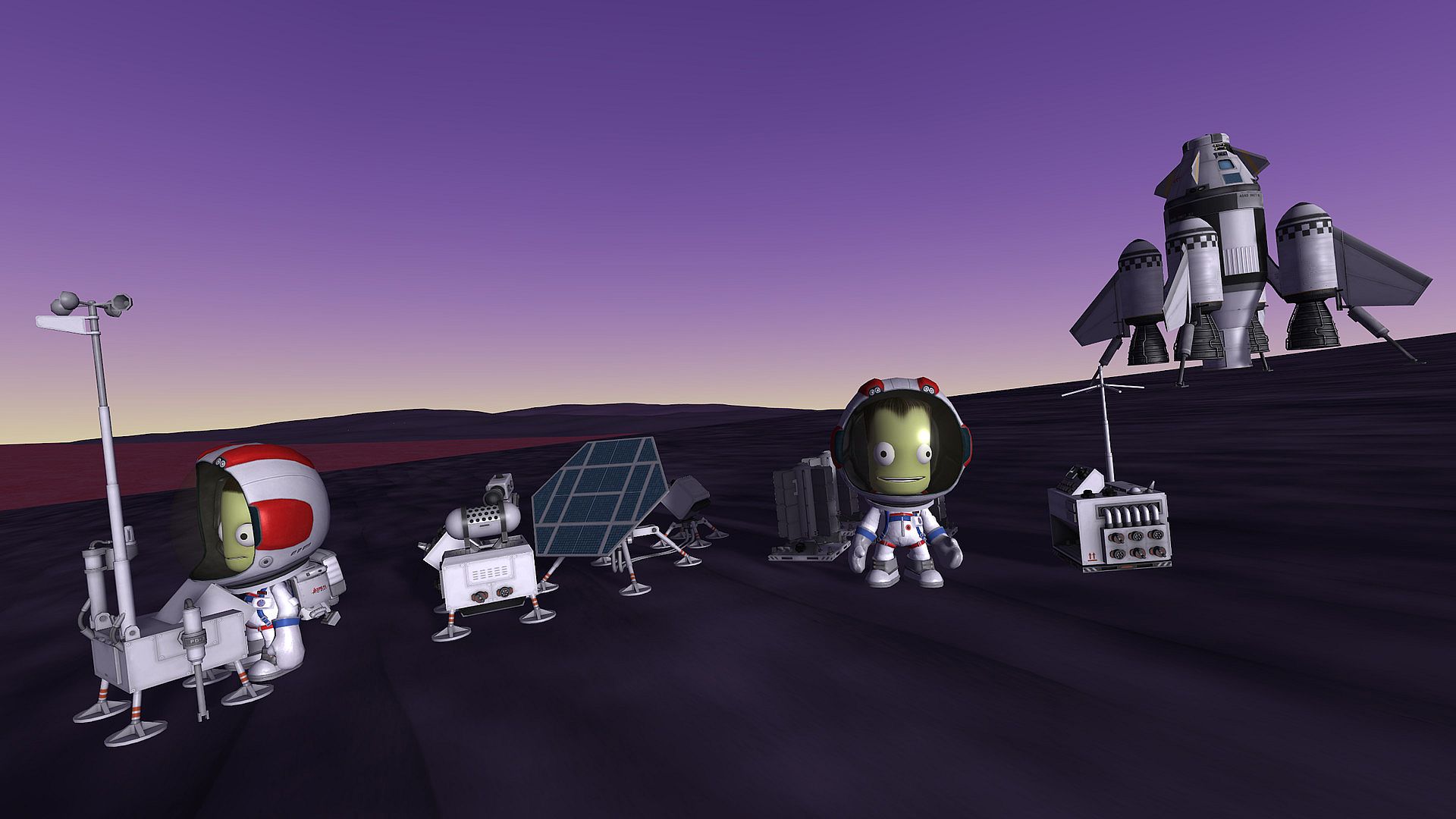
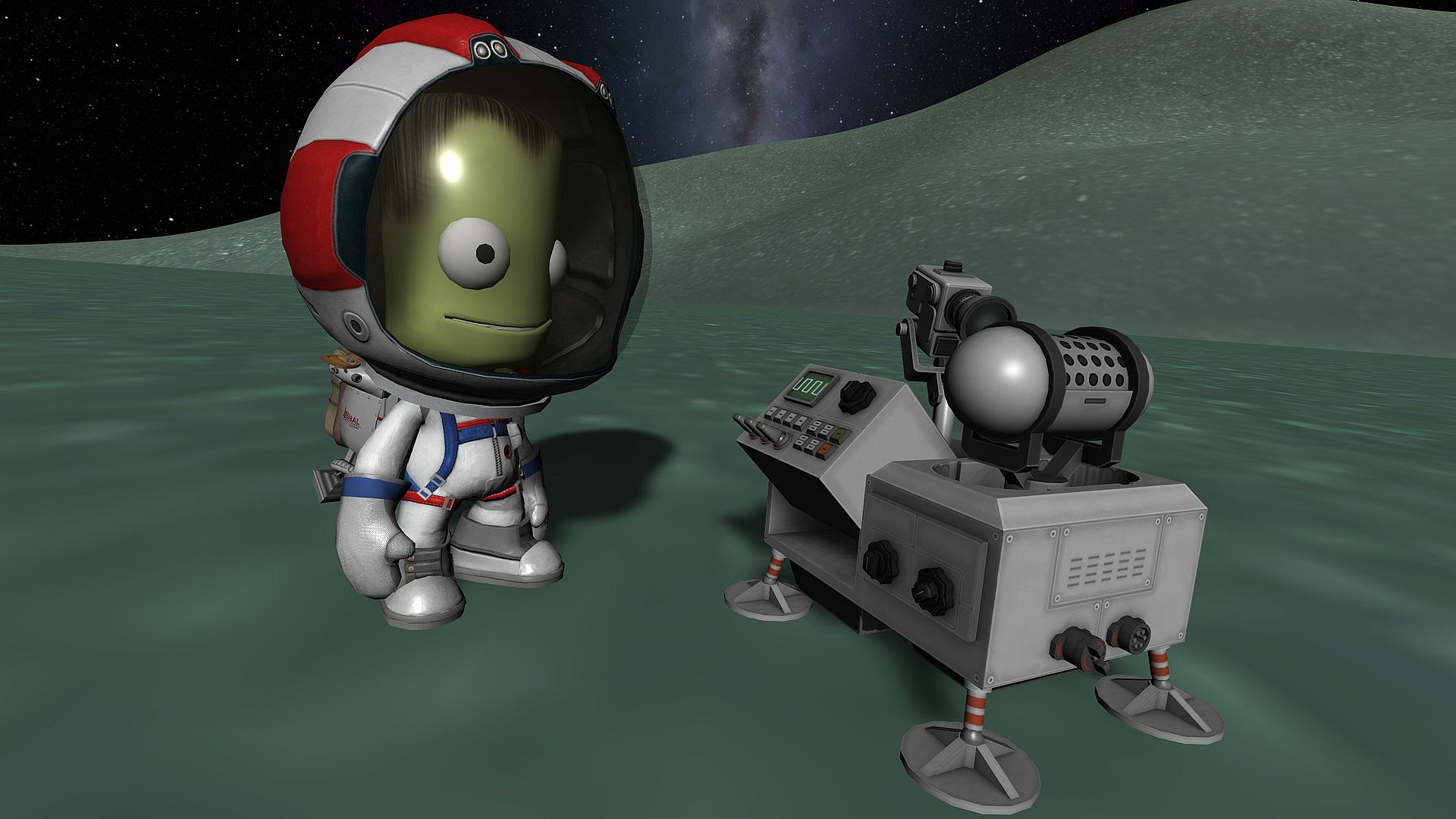
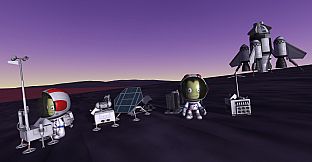
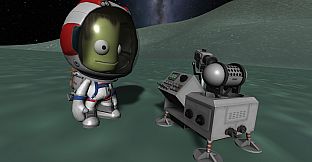
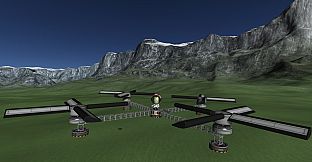
After landing on a celestial body, players deploy a set of science equipment from a storage container carried on their craft. The equipment includes a central station, booster antenna, solar panel, weather station, active seismometer, RTG, goo observation module, and ion detector. These items remain in place for a period to collect measurements automatically and transmit results back to the starting location. The active seismometer specifically requires deliberate impacts on the surface to record seismic activity.
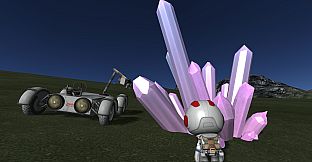
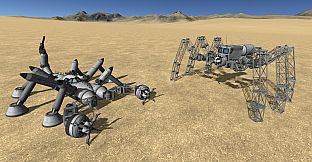
Surface features such as meteors, craters, rock outcroppings, and cryovolcanoes now appear across the solar system. Smaller examples can be carried back by Kerbals on foot, while larger ones demand rovers or unmanned vehicles. A robotic rover arm attaches to these vehicles to scan the features and extract data without physical retrieval.
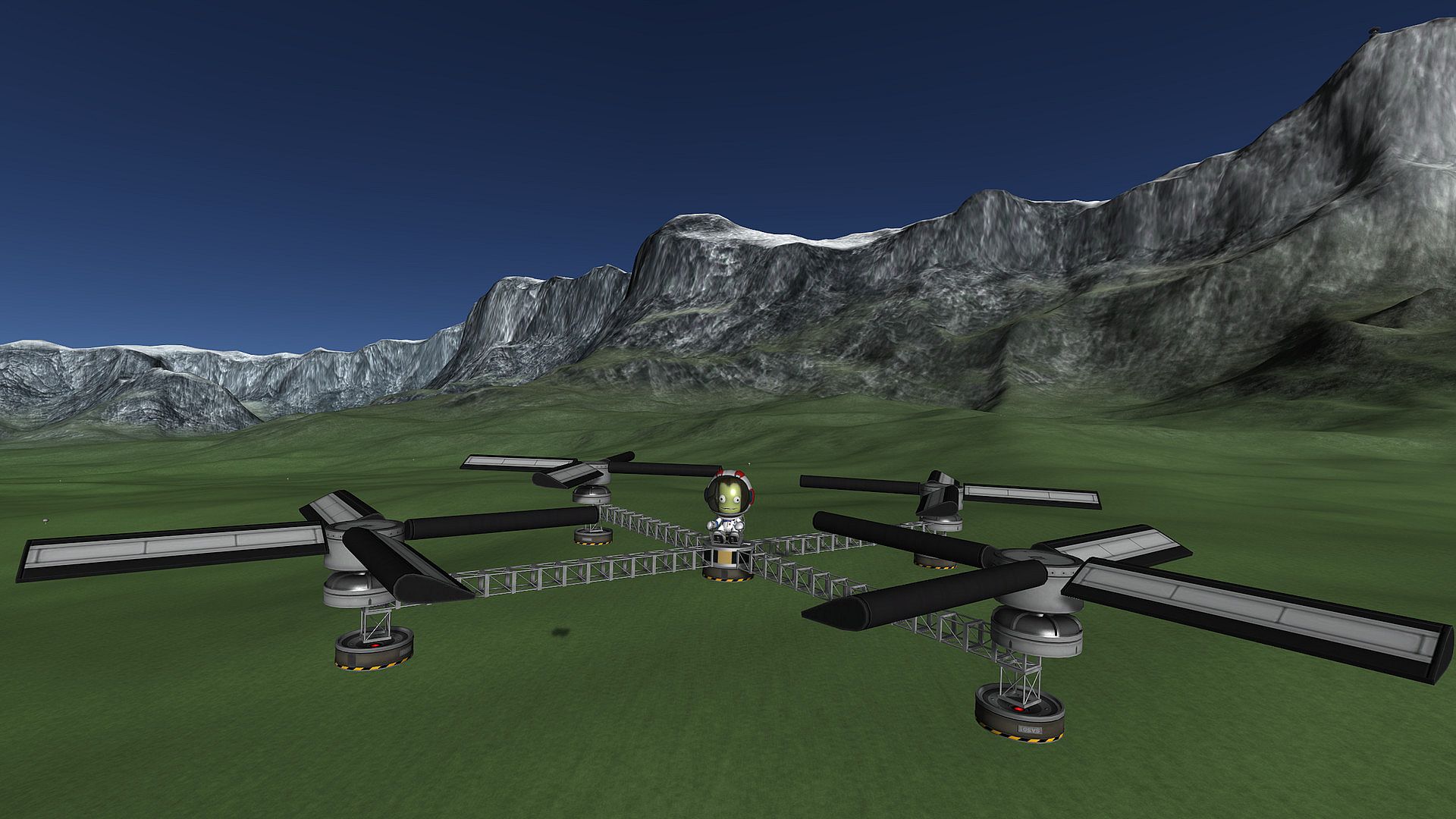
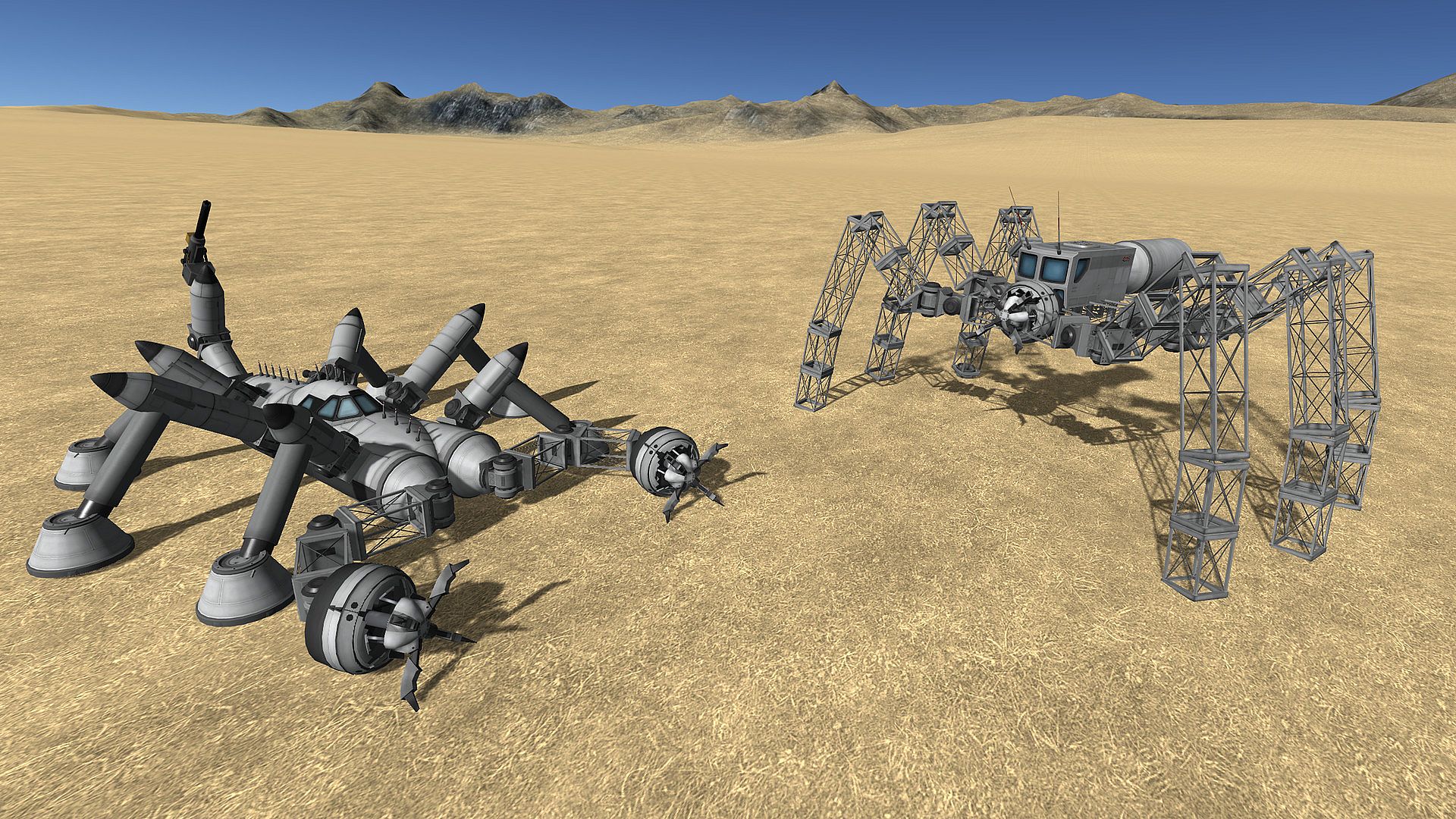
Robotic parts expand craft design possibilities. Hinges, pistons, rotors, and rotational servos come in multiple sizes and function under realistic forces, torque, and power consumption. A dedicated controller system coordinates sequences of movement across multiple parts on a single craft. A new futuristic suit accompanies these additions for Kerbals conducting surface operations.
Game Modes
Three primary modes structure play sessions. Career mode ties vehicle construction and missions to a resource and progression system that rewards successful flights and data collection. Science mode focuses on experiment completion and technology unlocks without the full career management layer. Sandbox mode removes all restrictions and provides immediate access to every part and location for unrestricted building and testing.
The expansion features integrate across all three modes. Deployed equipment and surface scanning contribute to science returns in Career and Science modes, while robotic parts enable new vehicle types in any setting. No separate modes were introduced with the expansion itself.
New Tools and Systems
Robotics receive dedicated control through the controller system, allowing timed or conditional actions such as extending pistons or rotating hinges in sequence. Power management becomes relevant because motors draw electricity and add mass to the craft. Surface scanning with the rover arm provides an alternative to traditional sample return missions for larger features.
Deployed science stations operate independently once placed, freeing the player to continue other activities while data accumulates. The weather station and seismometer add variety to the types of measurements possible beyond the original experiment parts.
Is It Worth Playing?
Player reception for the expansion remains mostly positive years after release. Reviewers highlight the robotics and deployed science as meaningful extensions of the base simulation that encourage new craft designs and longer surface stays. The additions suit players who already enjoy methodical construction and experiment completion in the core game.
Those seeking expanded mechanical creativity or time-based science collection will find the most value. The expansion does not introduce multiplayer or narrative elements, so it appeals primarily to singleplayer simulation fans who want more options after reaching distant locations. No major updates have altered these systems since the initial release.