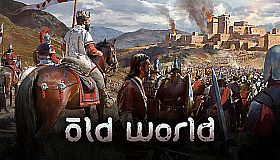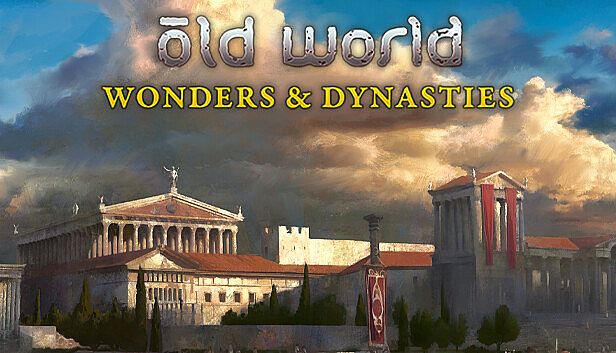
















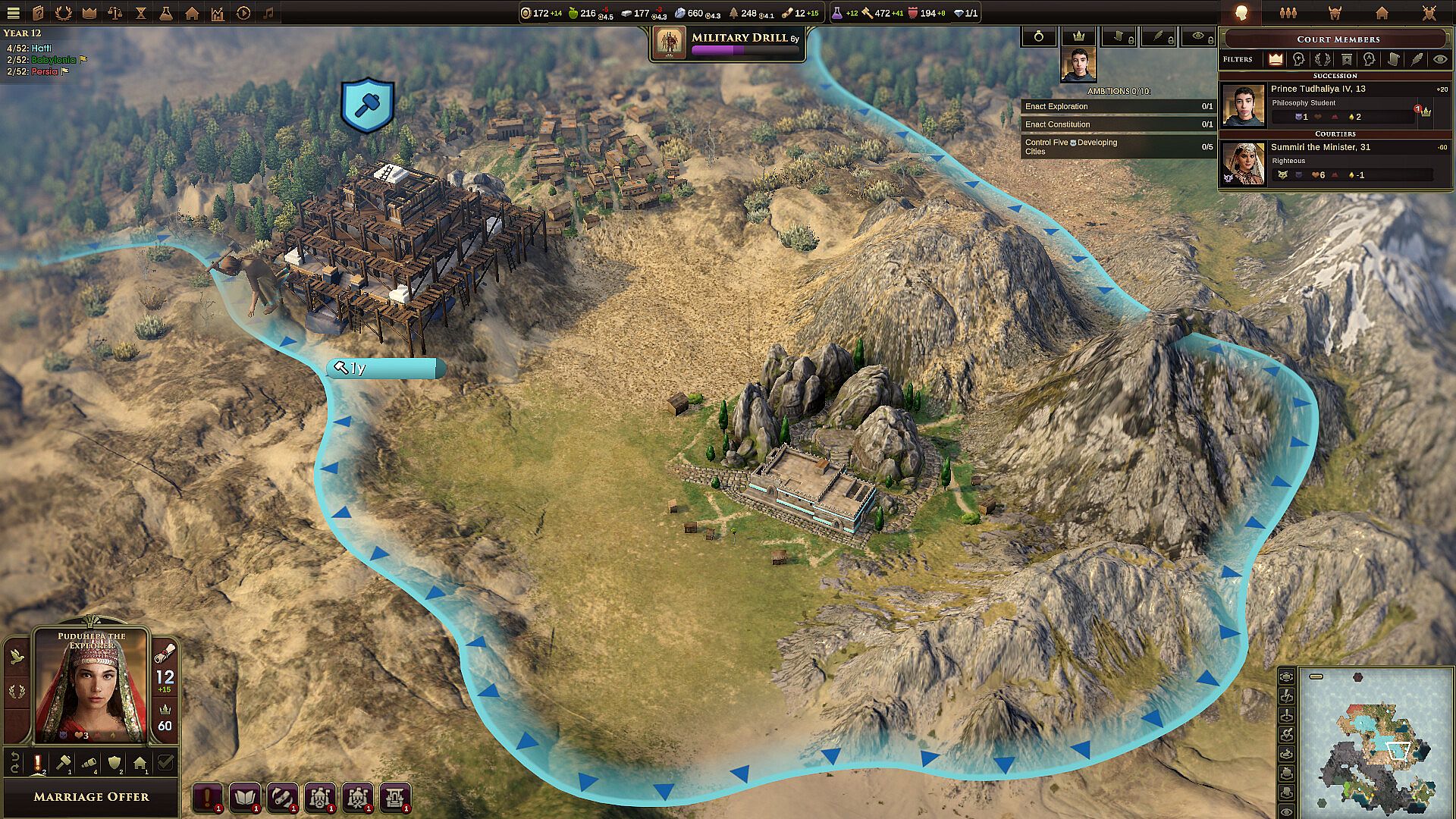
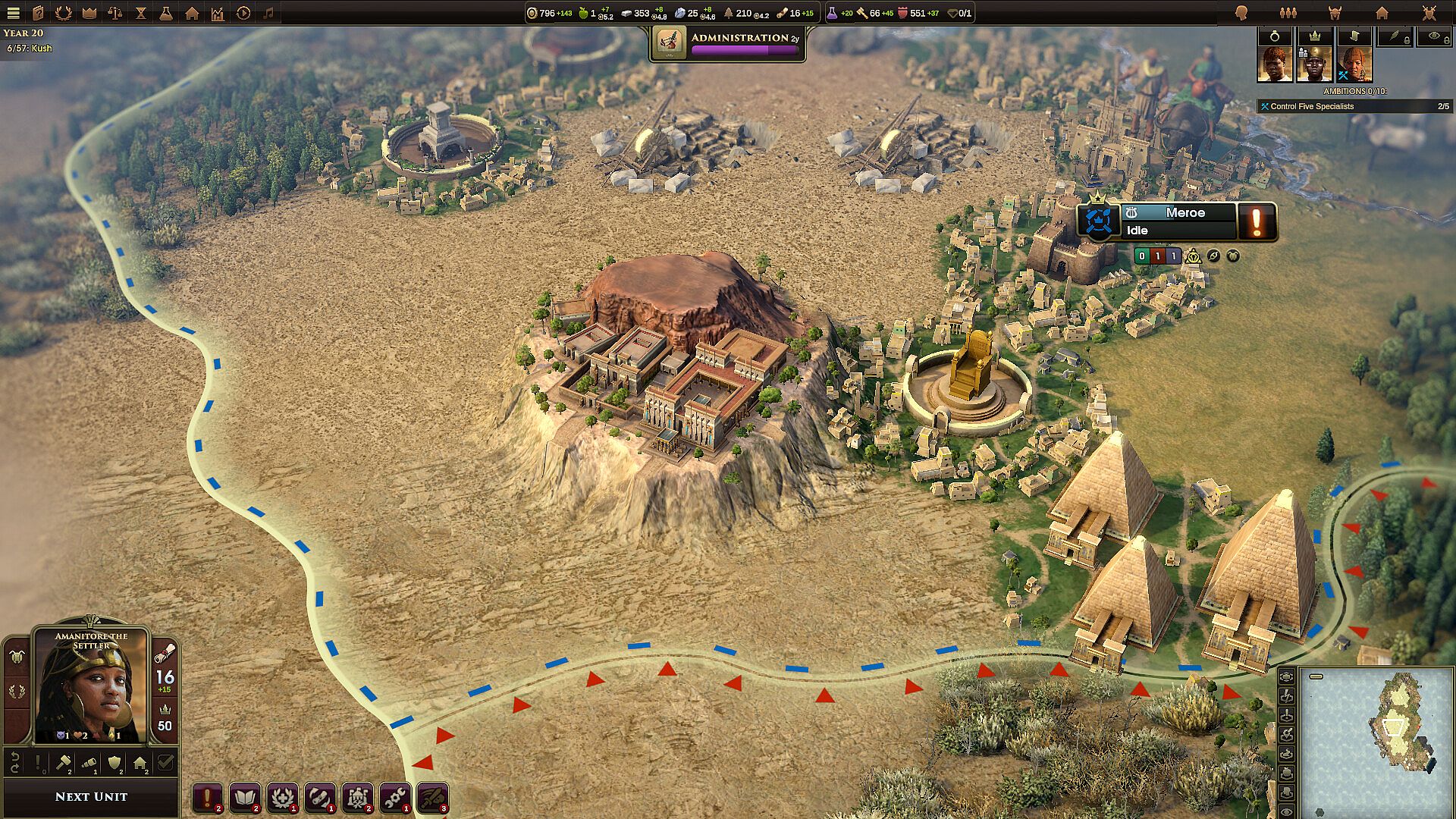
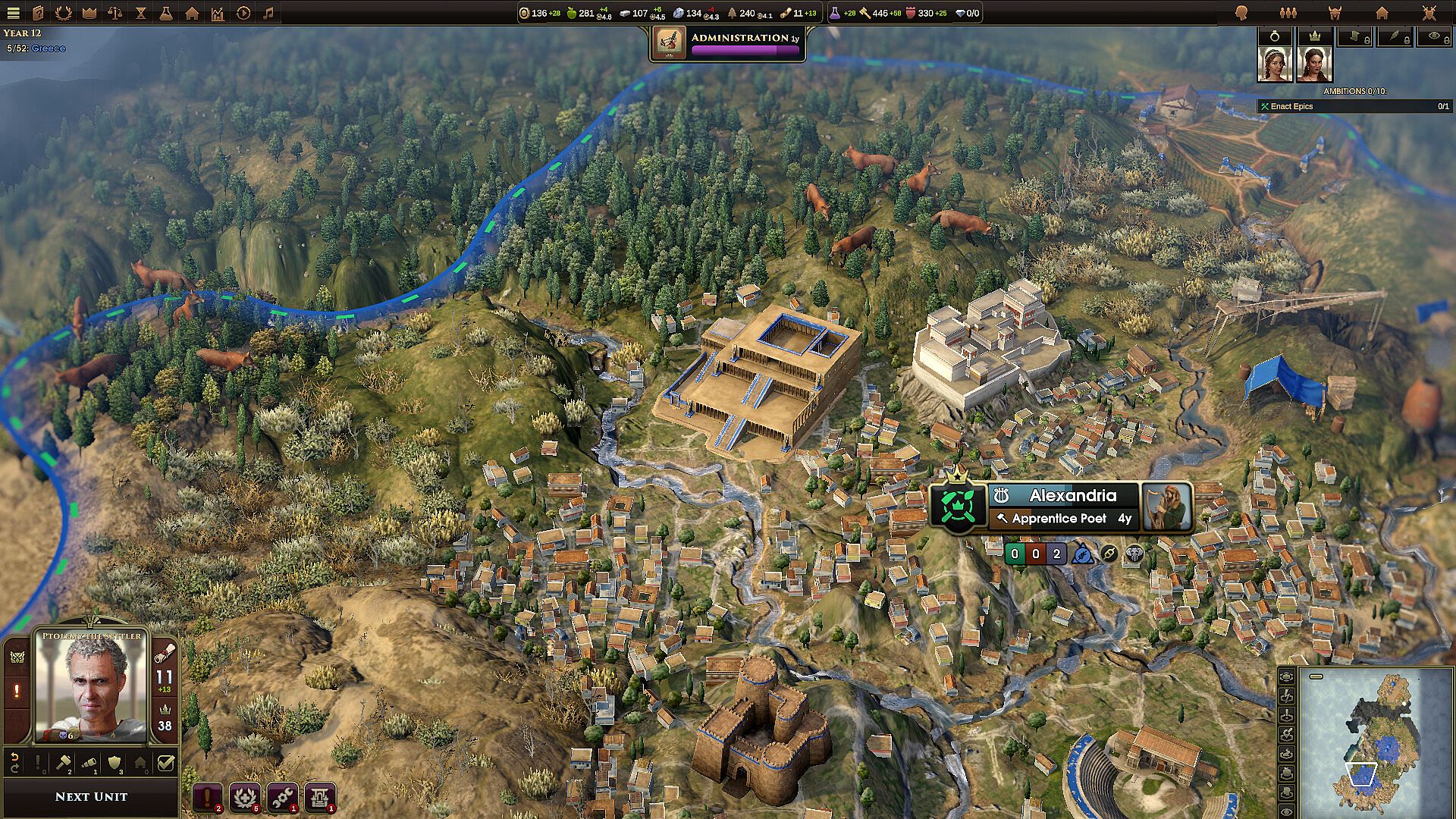
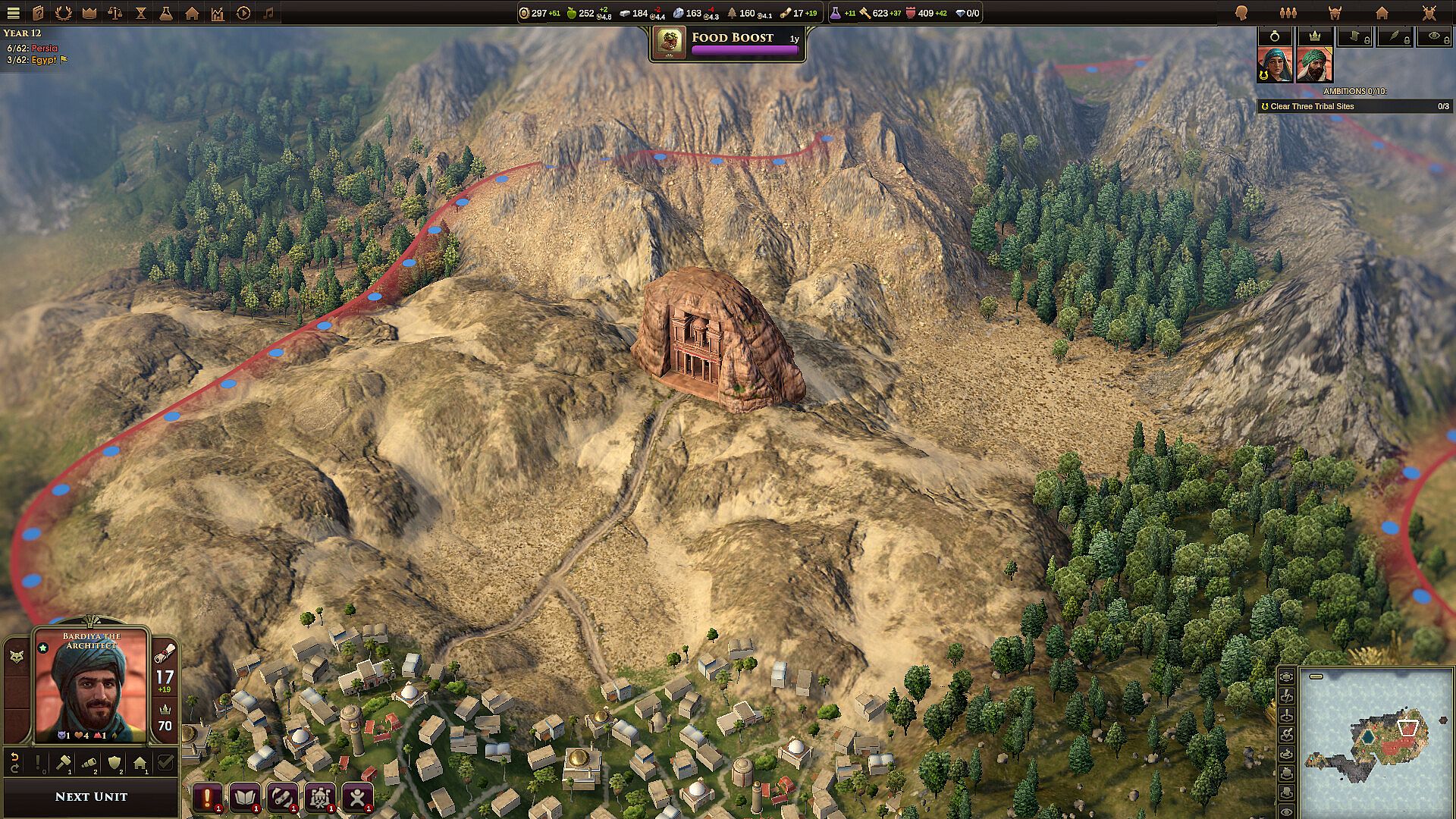
Old World Wonders and Dynasties is a turn-based strategy and simulation game set in the ancient world. Players lead dynasties across generations, managing empires through character-driven decisions, resource allocation, and long-term planning on PC.
Gameplay
The core loop revolves around an orders system that limits actions each turn. Players allocate these orders to move units, construct buildings, engage in diplomacy, or respond to events rather than controlling every unit independently. This creates deliberate pacing where choices about military campaigns, city development, and court intrigue carry weight across multiple turns.
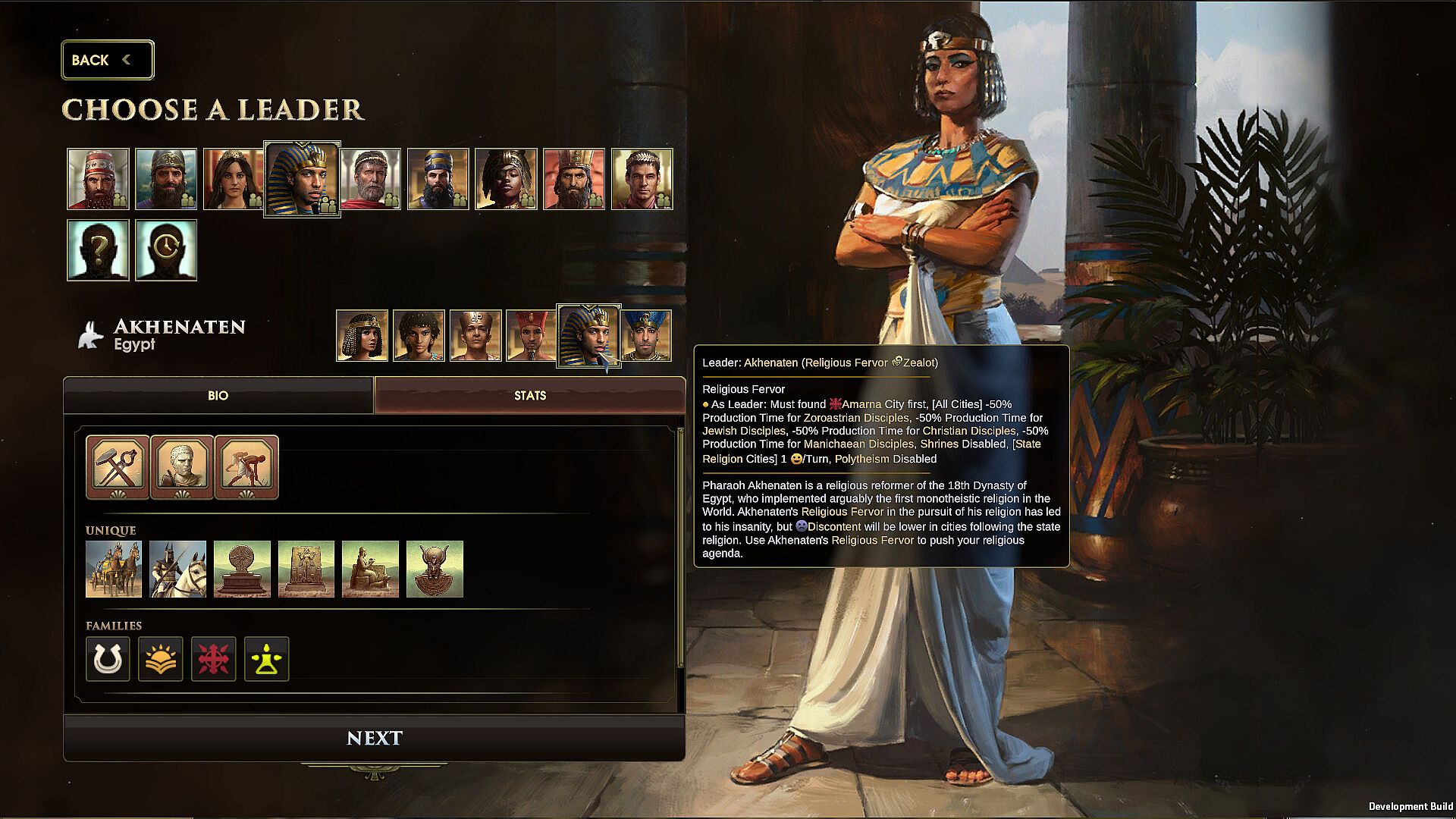
Dynasty management forms a central pillar. Rulers age and pass leadership to heirs, with family trees influencing traits, relationships, and succession. New leaders introduced in Wonders and Dynasties bring unique starting conditions, such as Sulla's Dictator trait for firm control or Khufu's reduced costs for wonder construction. Events tied to dynasties add narrative layers, including assassinations, state dinners, and interactions between historical figures like Nero and Agrippina or the circumstances around Stateira.
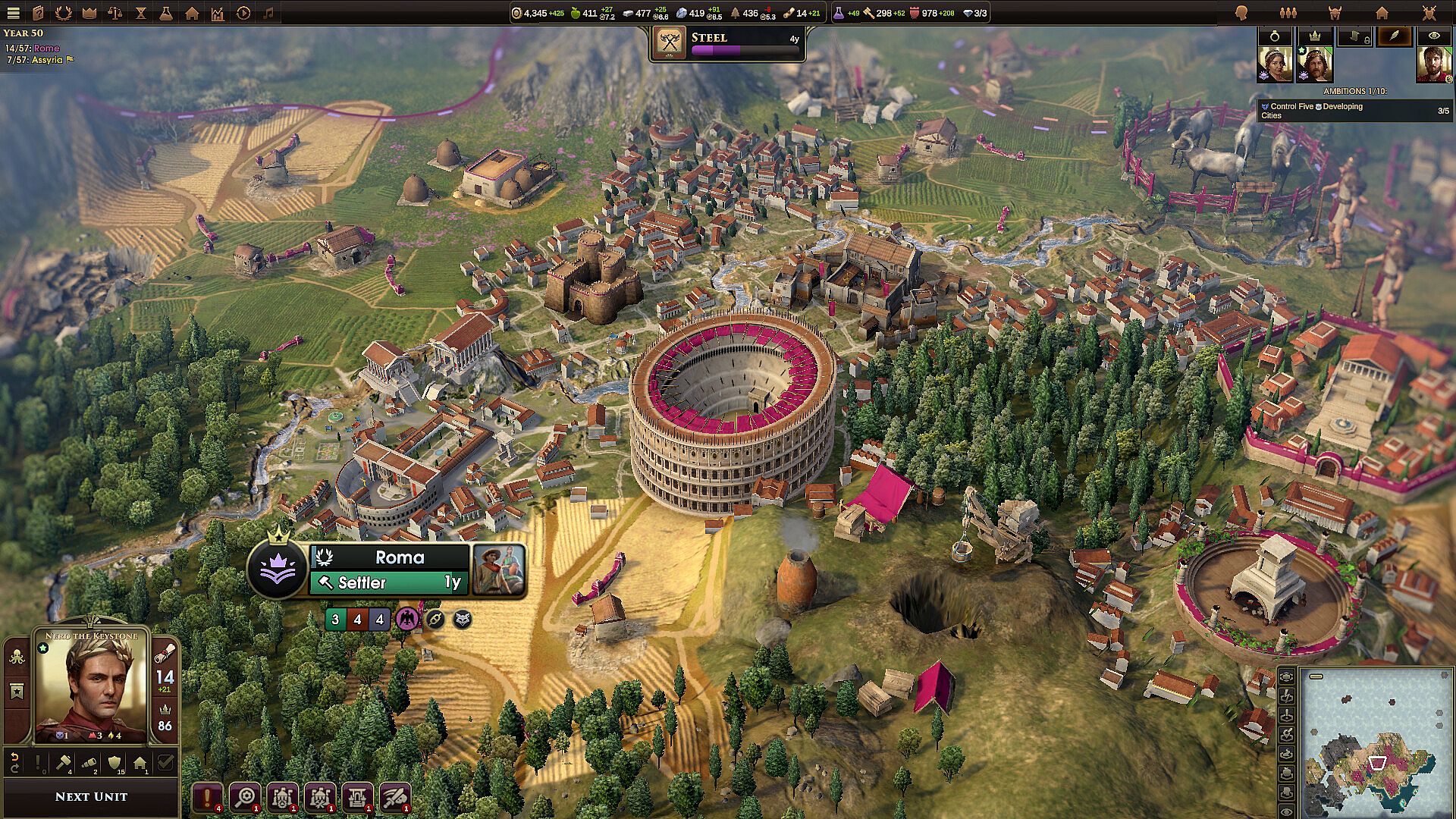
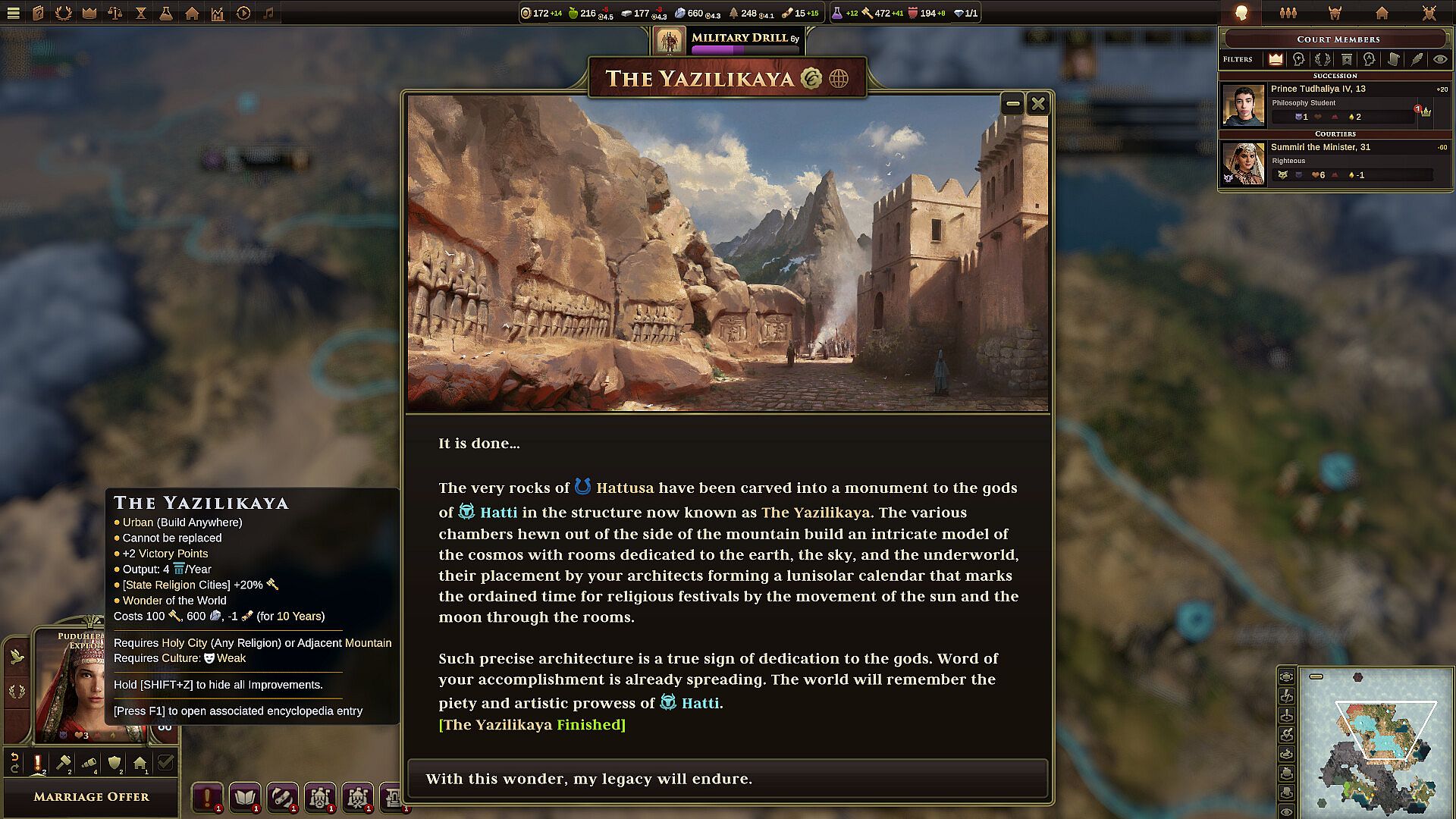
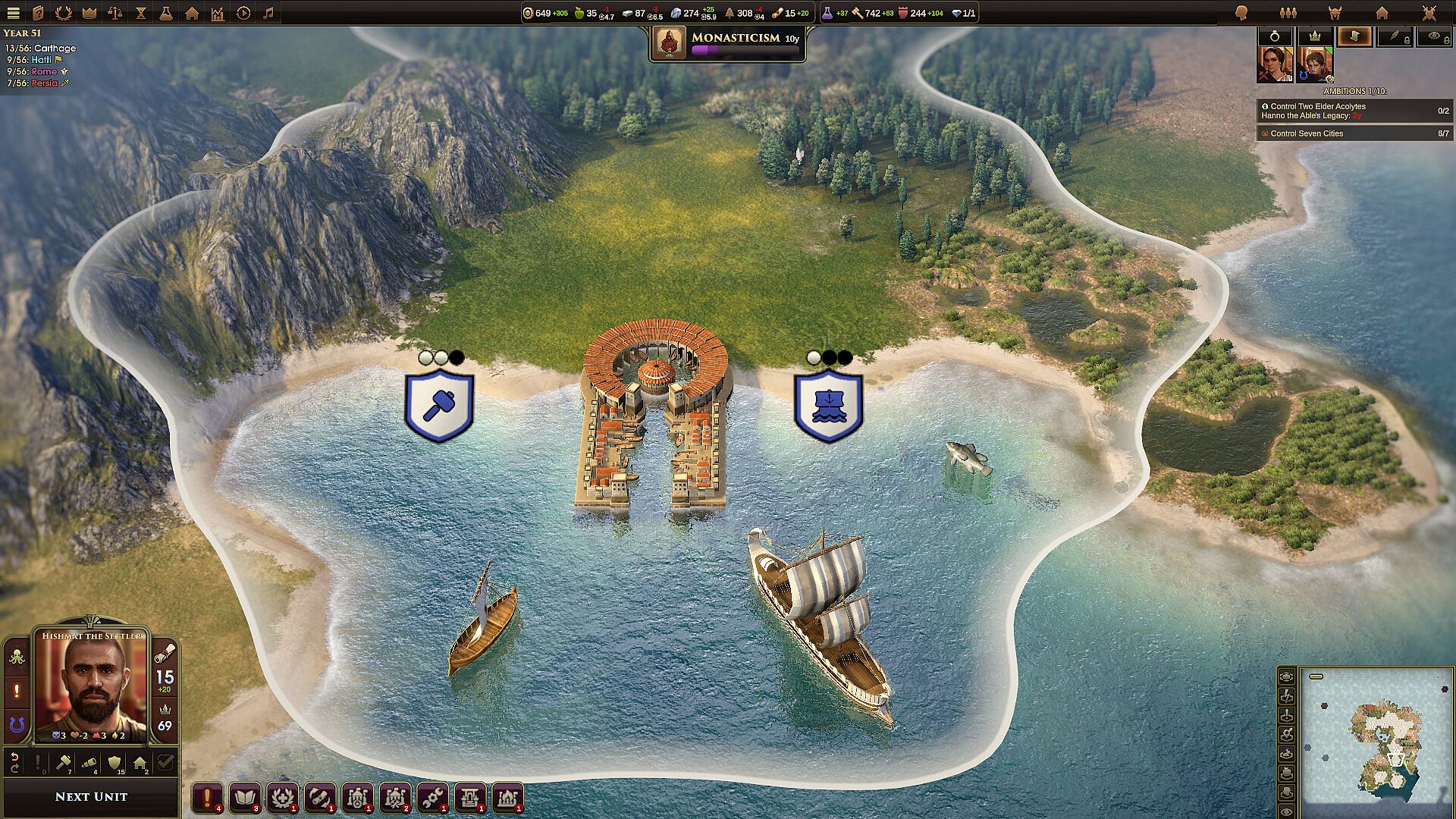
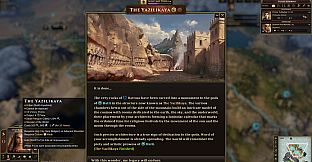
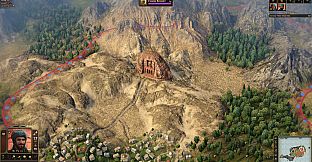
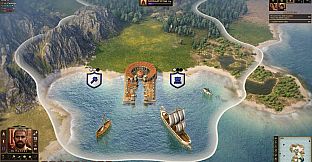
Wonders provide powerful modifiers that alter strategies. The eight additions include the Jerwan Aqueduct for free specialists, the Al Khazneh for trade dominance, the Colosseum for spawning swordsmen, the Royal Library for scientific gains, Jebel Barkal for faith bonuses, and the Cothon for trireme production. These integrate with existing mechanics to reward focused investment in specific areas like military output or economic growth.
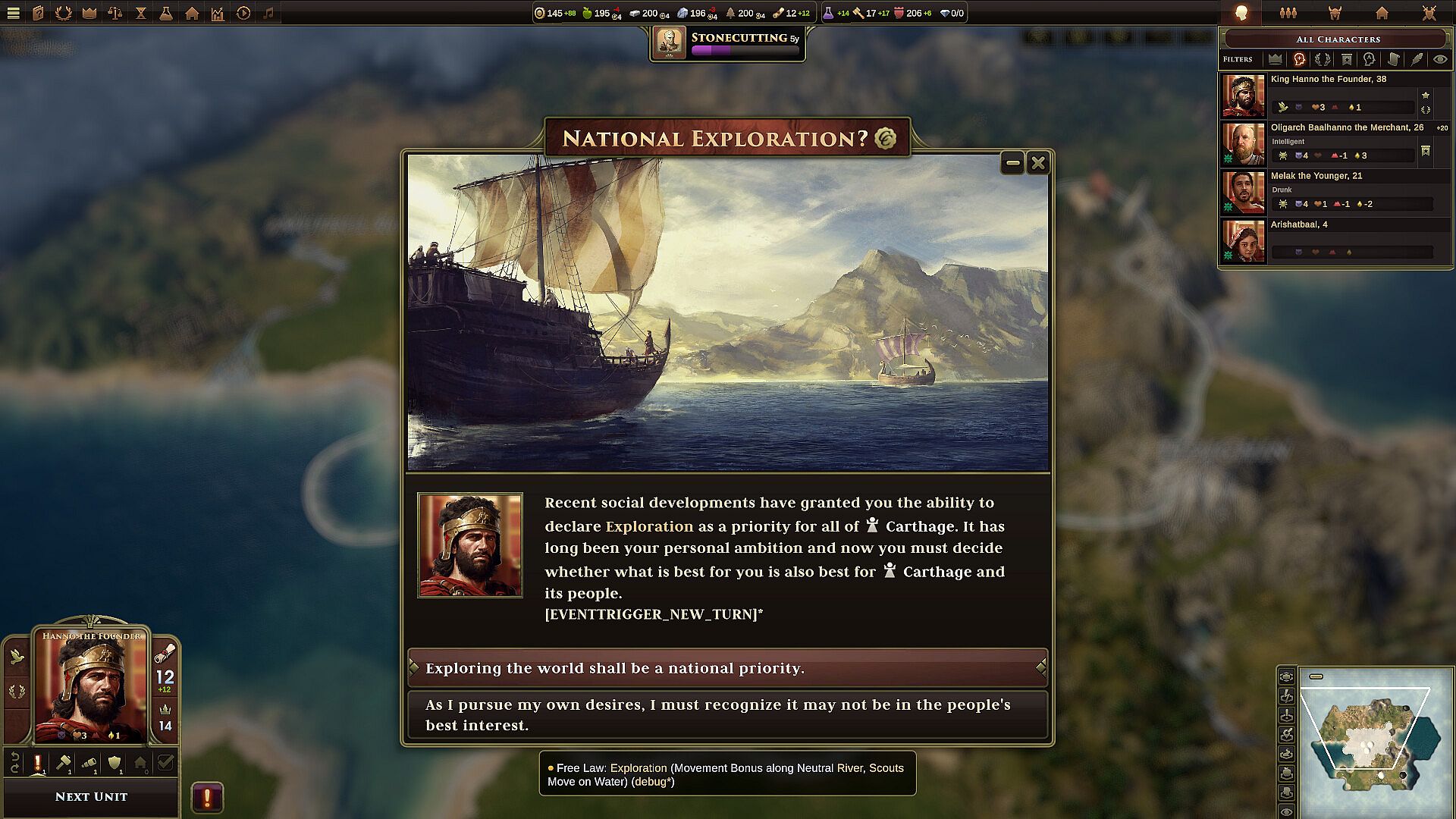
Additional depth comes from 21 new character traits unique to the expanded roster and over 100 dynasty-related events. Historical figures such as Hannibal, Hanno the Navigator, Akhenaten, Hammurabi, and Shammuramat expand court options and field opportunities through their associated traits and storylines.
Game Modes
Singleplayer campaigns allow players to pursue victory conditions over generations on procedurally generated or handcrafted maps. Scenarios draw from historical inspirations for structured experiences with defined objectives.
Multiplayer supports hotseat play for local sessions, asynchronous turns for flexible scheduling, and cloud-based options for remote participants. Co-operative and competitive formats let groups collaborate against AI or challenge one another directly.
Weekly challenge games provide rotating objectives for varied singleplayer sessions. Recent updates introduced support for multiple victory paths and succession games, enabling players to continue empires across different rulers with altered rulesets.
Key Features and Mechanics
Legitimacy tracks ruler prestige through ambitions, wonder completions, and renown titles, granting extra orders and stability benefits. Combat emphasizes army composition and terrain advantages, with units gaining experience that affects performance in prolonged conflicts.
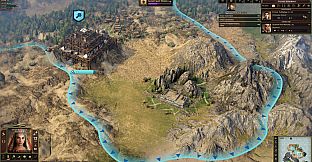
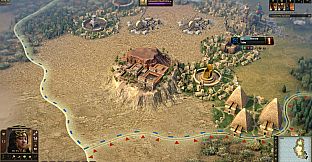
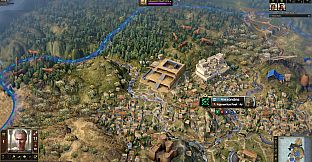
Exploration and expansion tie into the orders economy, where coastal control aids efficient movement and resource management influences long-term sustainability. The addition of new leaders and wonders expands starting variety across empires, each with tailored family trees and event triggers.
Is It Worth Playing?
Player reception for the base game stands at Very Positive, with 84 percent approval from thousands of reviews. The Wonders and Dynasties expansion has also received positive feedback for its additions to leaders and monuments.
Ongoing support includes regular updates, with the most recent enhancing victory options and AI behavior. The game suits players who value character progression and narrative events alongside traditional 4X empire building.
Those drawn to historical strategy with dynasty simulation and flexible multiplayer will find substantial depth. The combination of orders management, trait-driven decisions, and wonder bonuses rewards repeated playthroughs with different leaders and approaches.