



















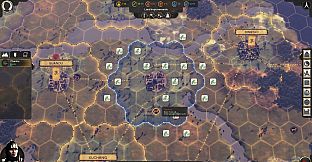
Oriental Empires: Three Kingdoms is a turn-based strategy and simulation game that places players in the role of a warlord during one of China's most chaotic historical eras. The title expands the core mechanics of empire building with a dedicated campaign focused on reuniting fragmented territories amid the collapse of the Han Dynasty. Players navigate political intrigue, military campaigns, and cultural development on a map that spans from Vietnam northward across ancient China.
Gameplay
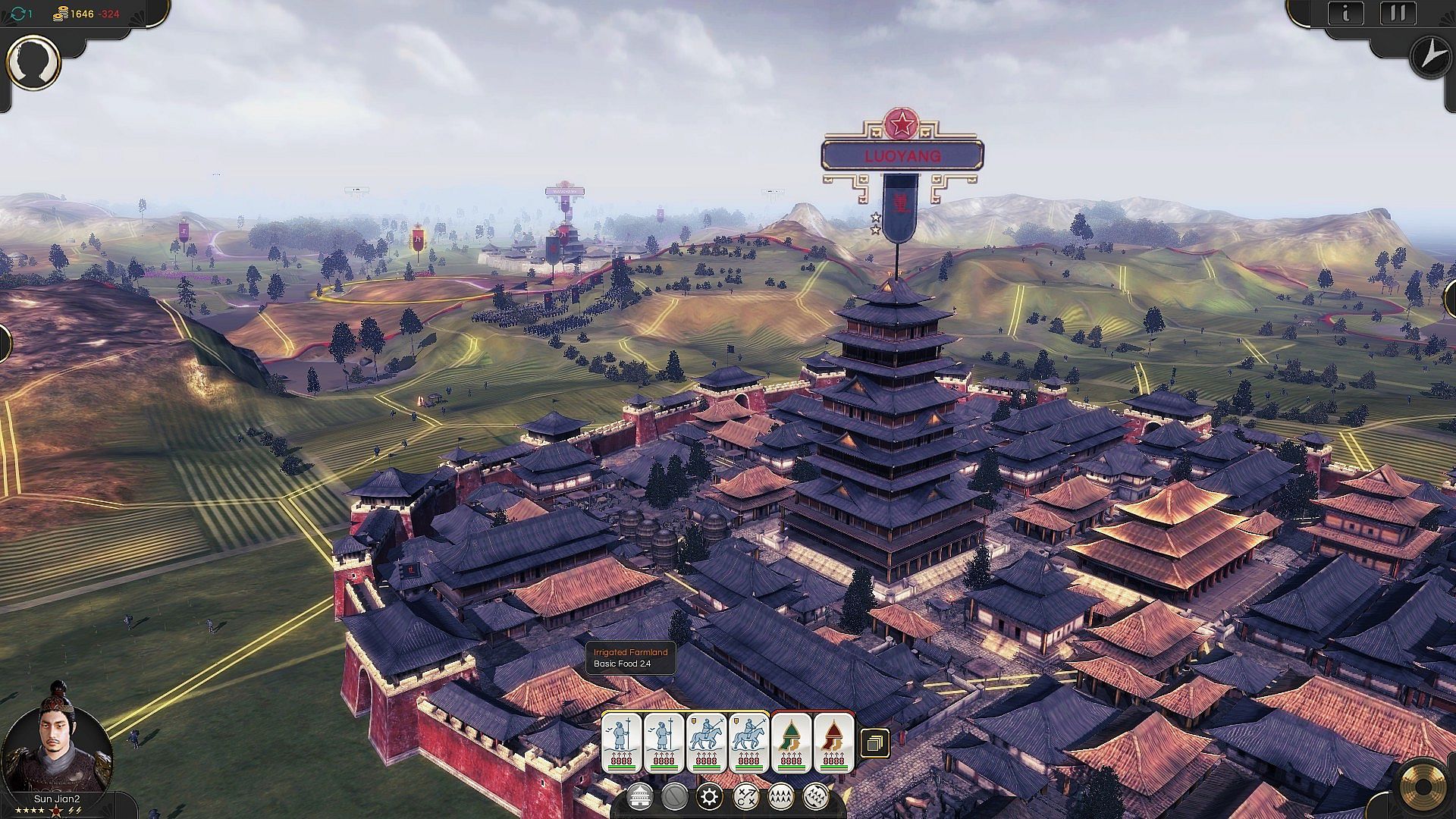
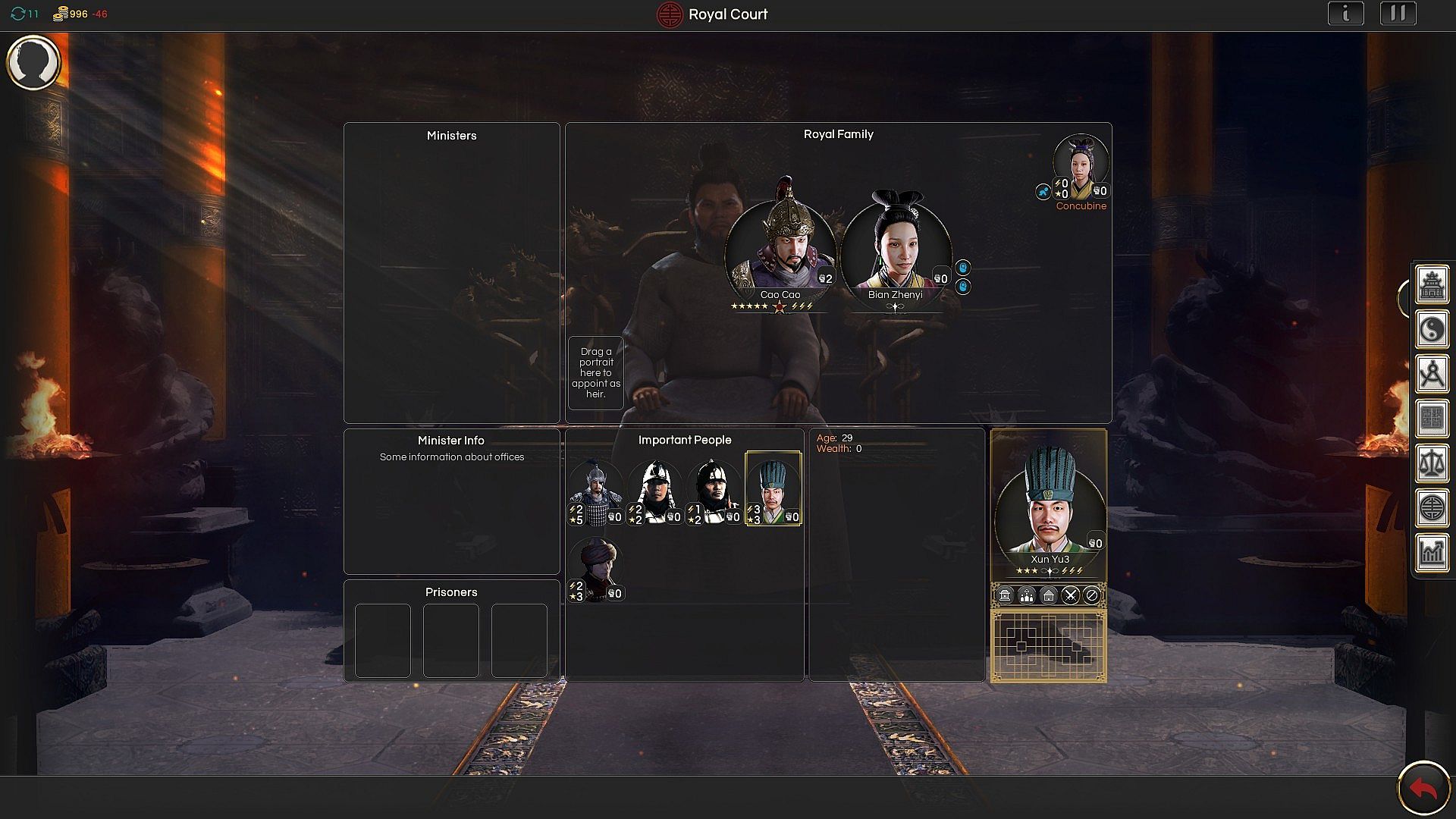
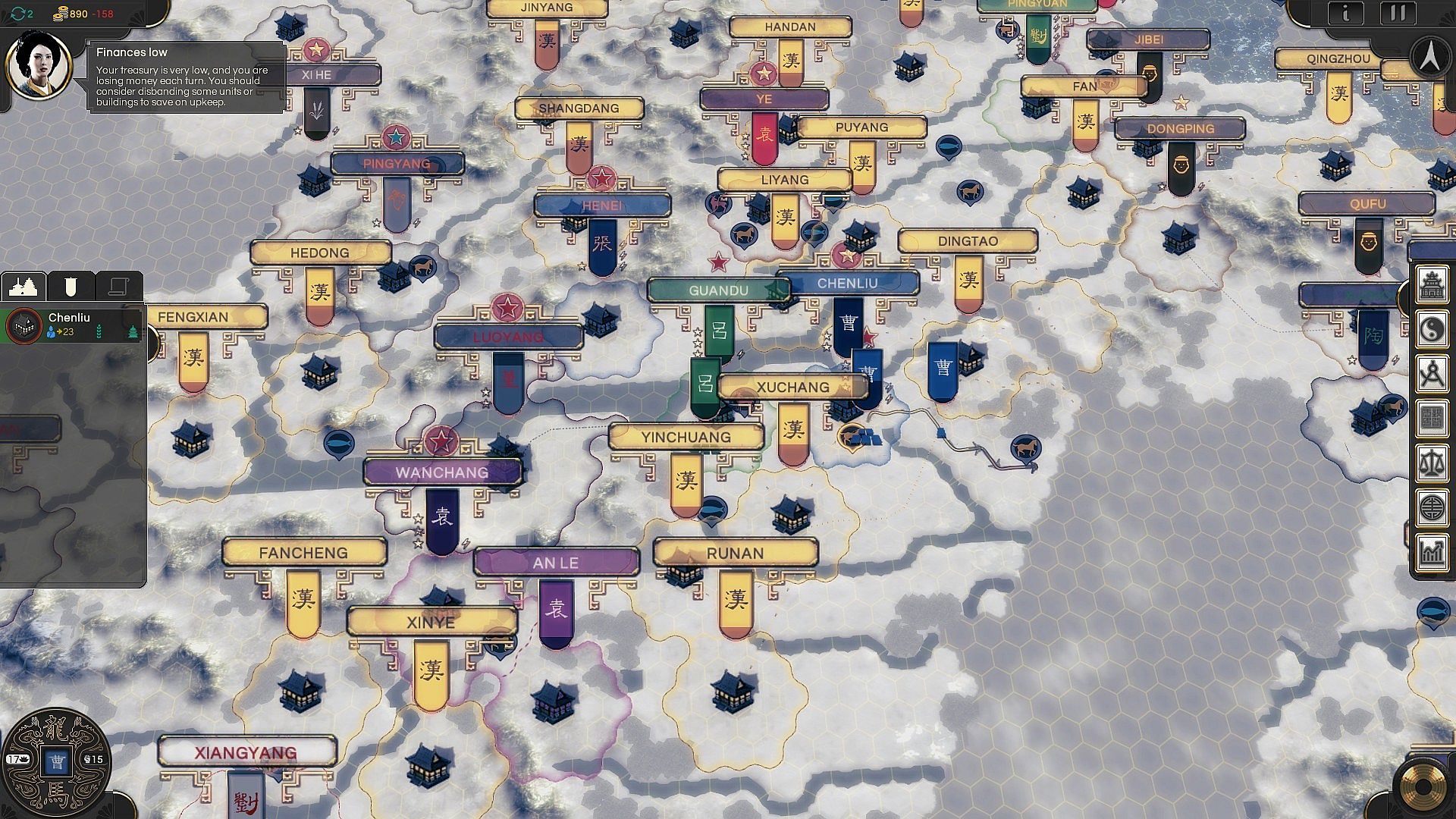
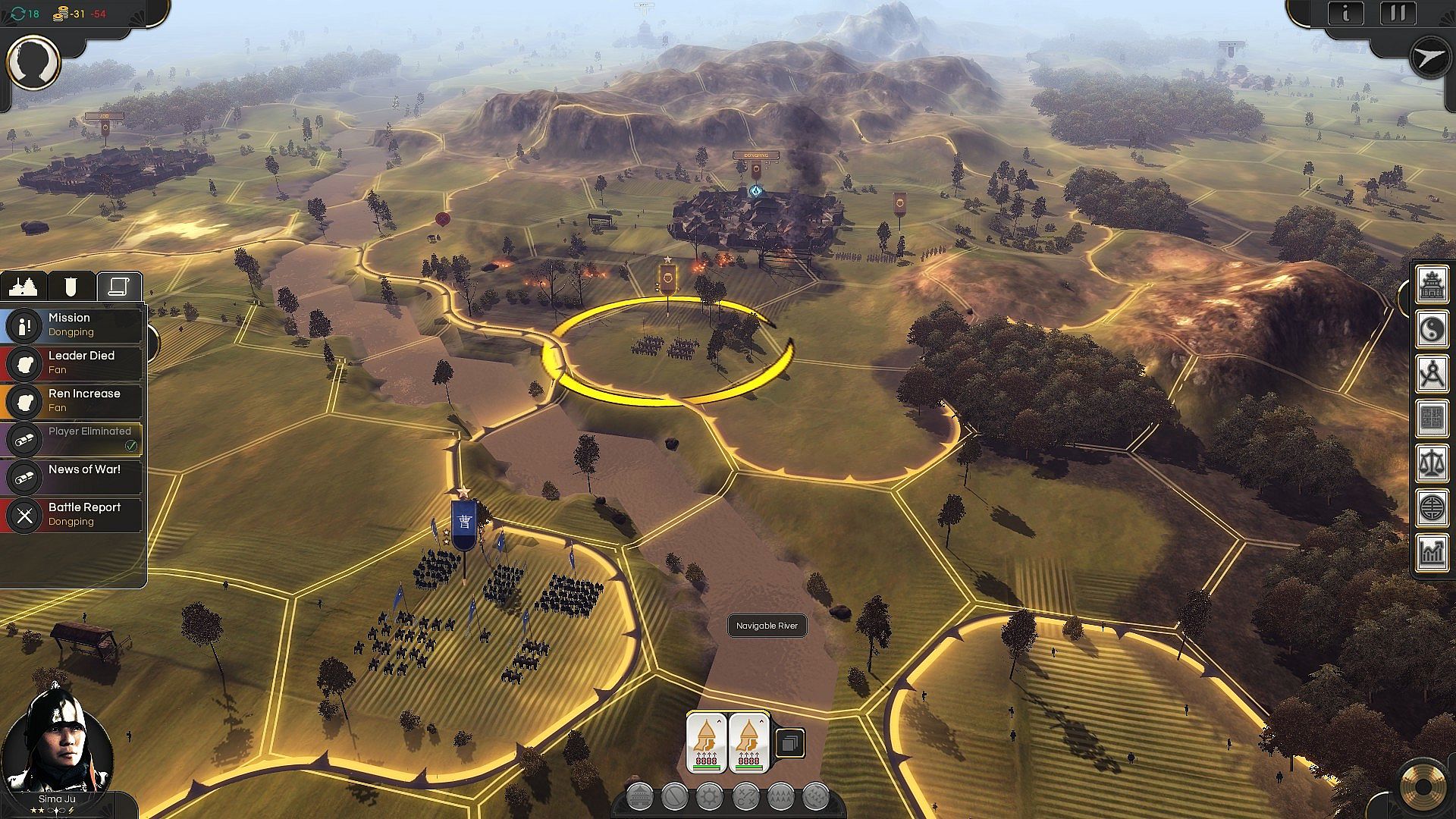
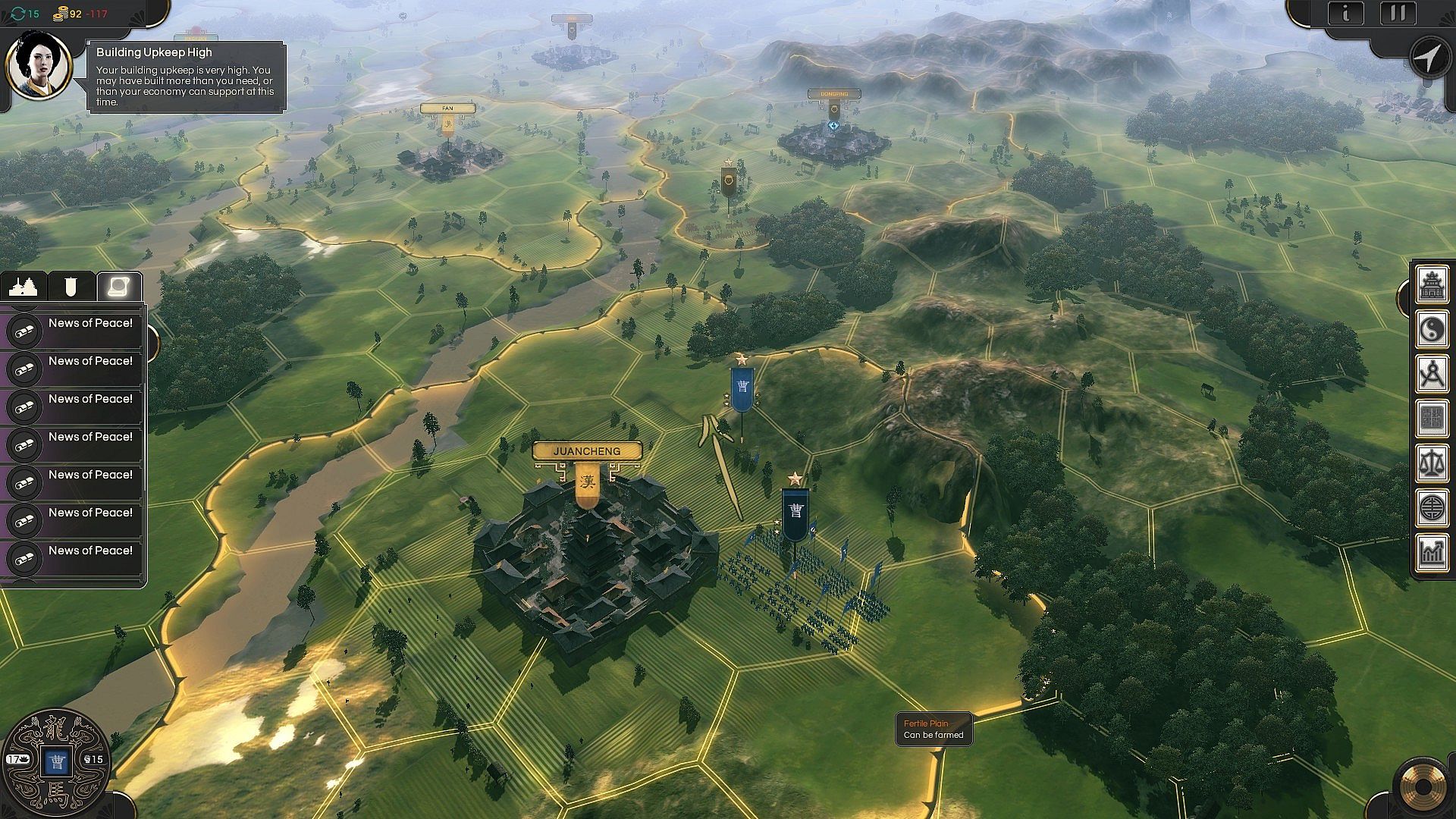
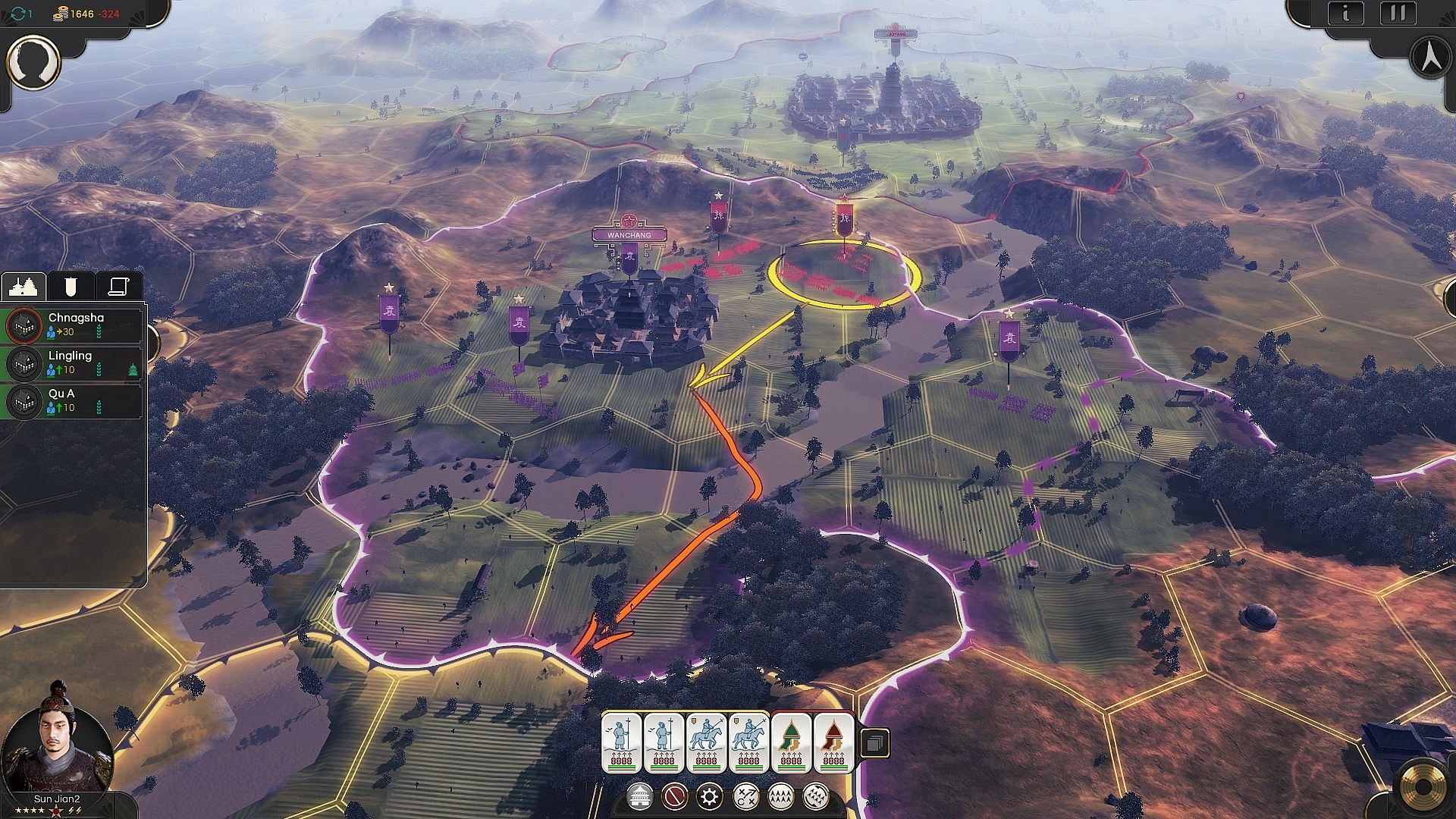
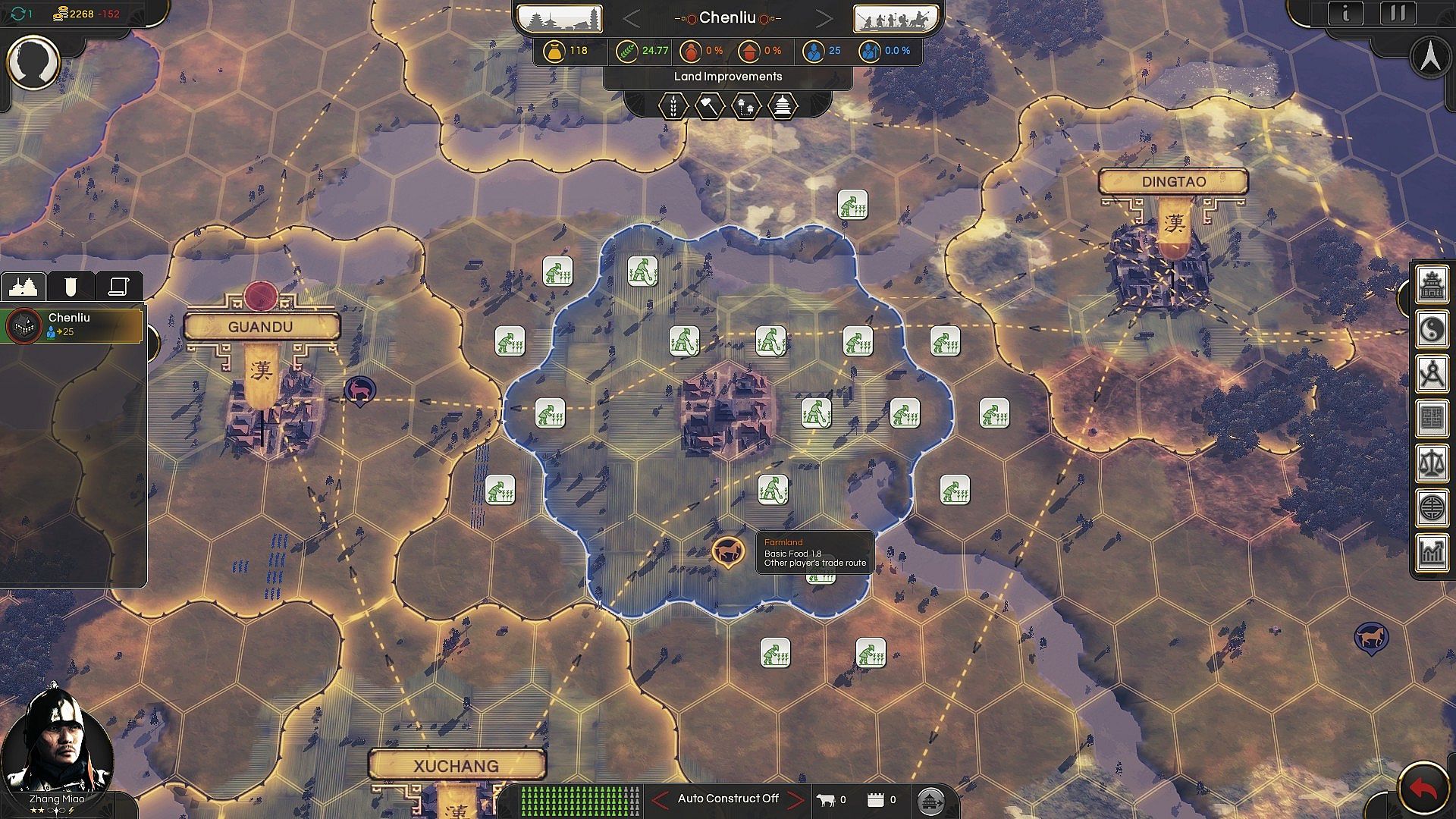
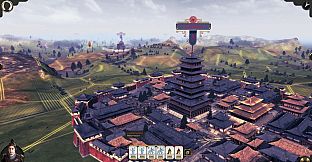
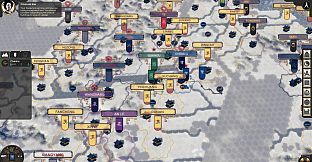
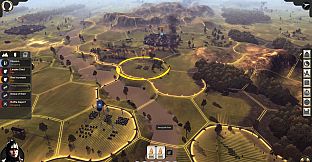
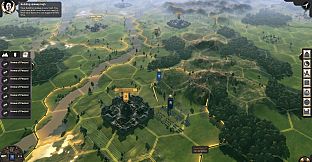
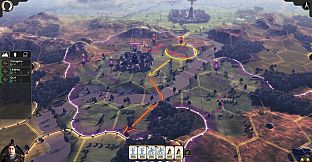
The core loop revolves around managing a faction's growth through settlement expansion, resource allocation, and technological advancement on a hex-based map. Settlements are positioned to capture bonuses from terrain features such as mines, farmlands, and trade routes, with overlapping influence zones providing cumulative benefits. Research progresses along tech trees that reflect dynasty strengths, while leaders and historical figures influence outcomes through unique traits and scripted interactions.
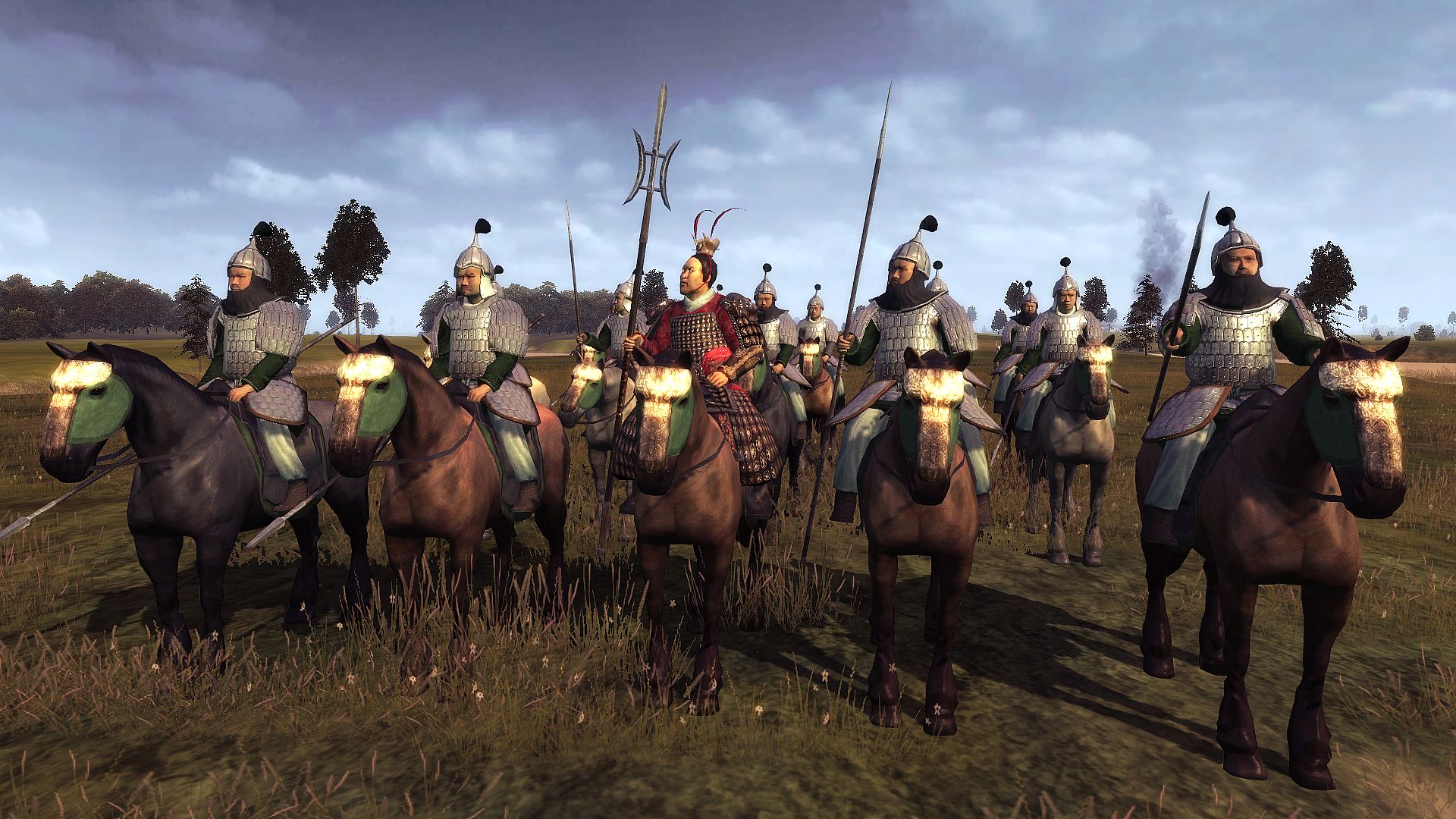
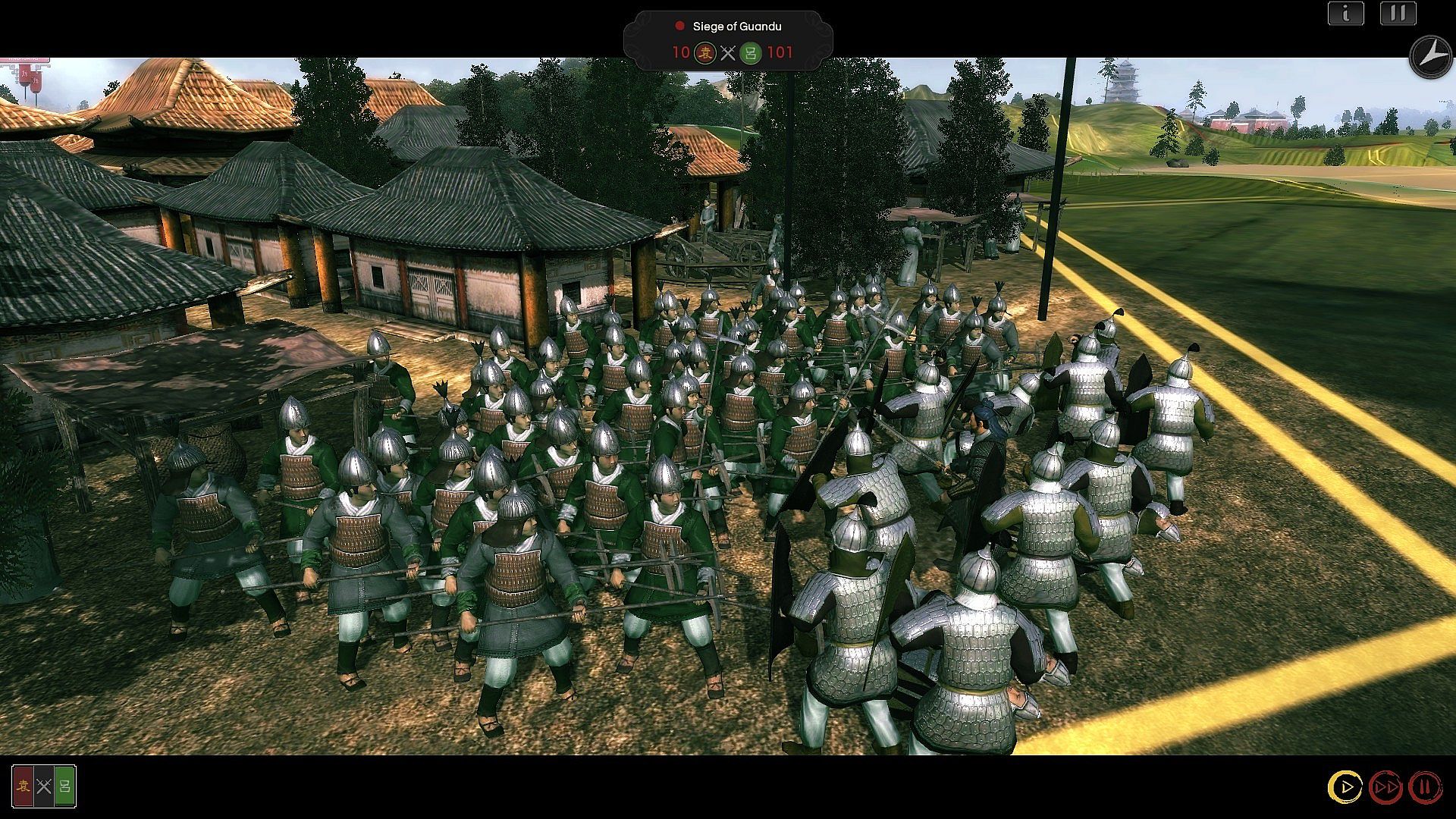
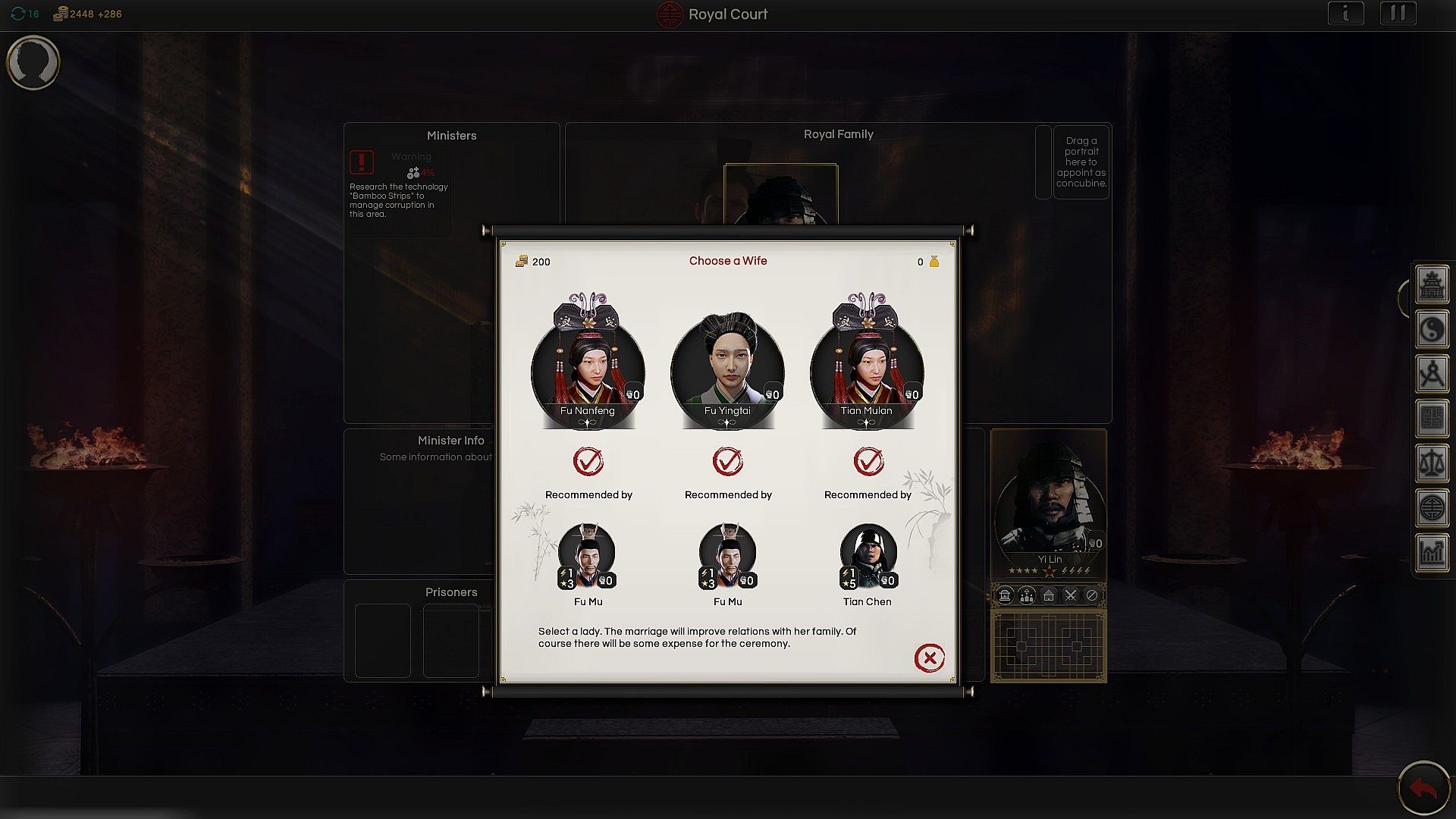
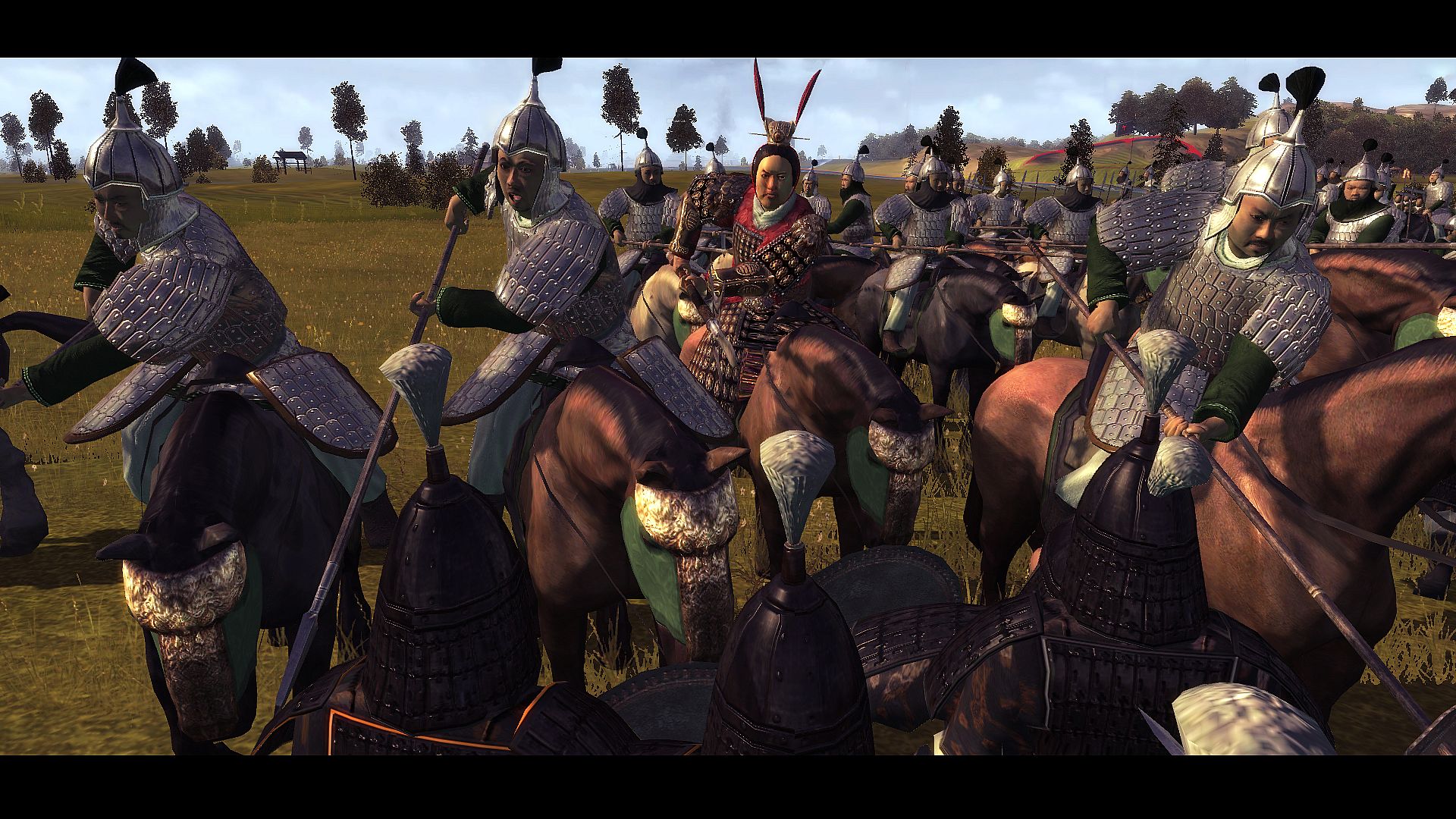
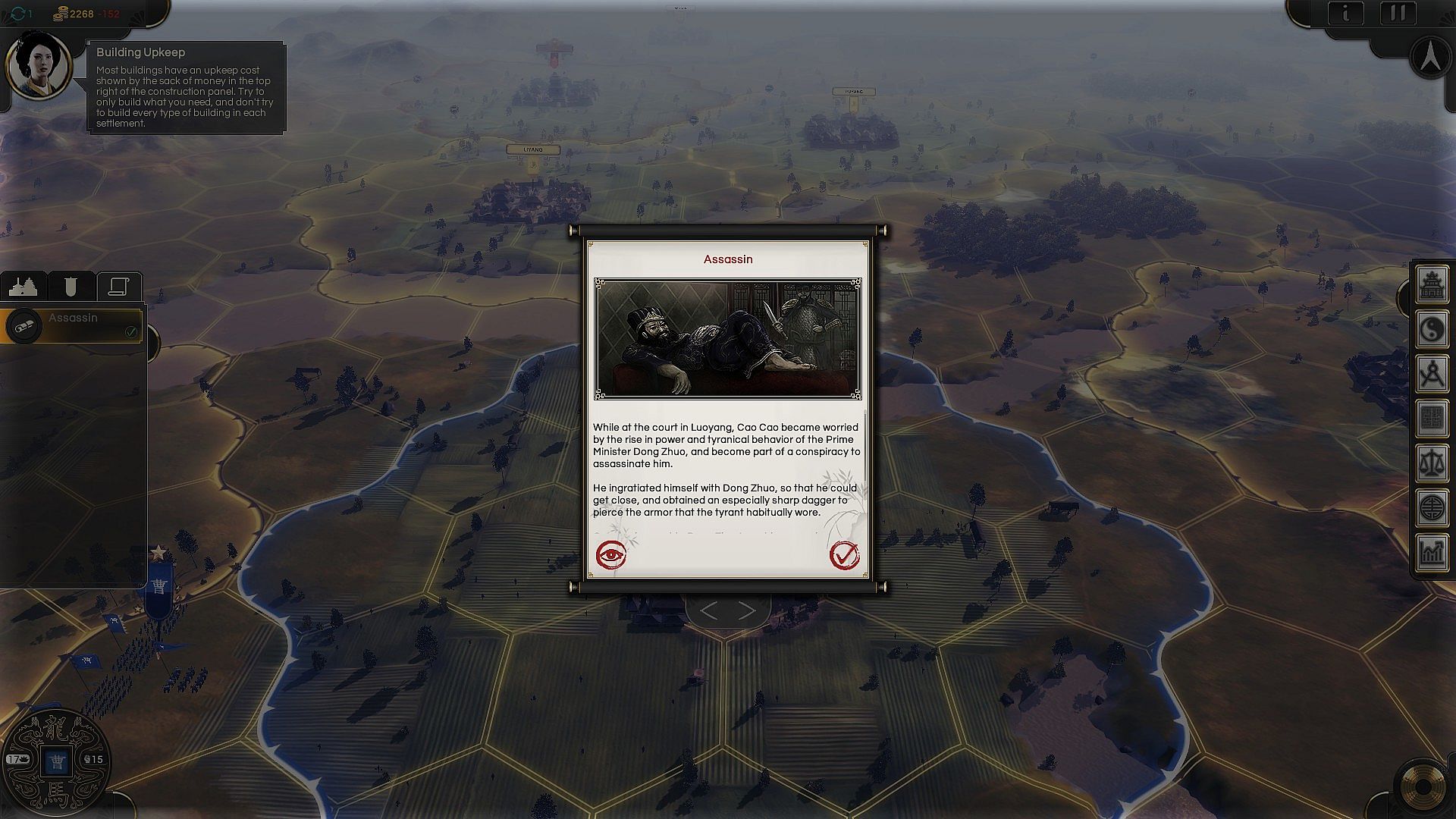
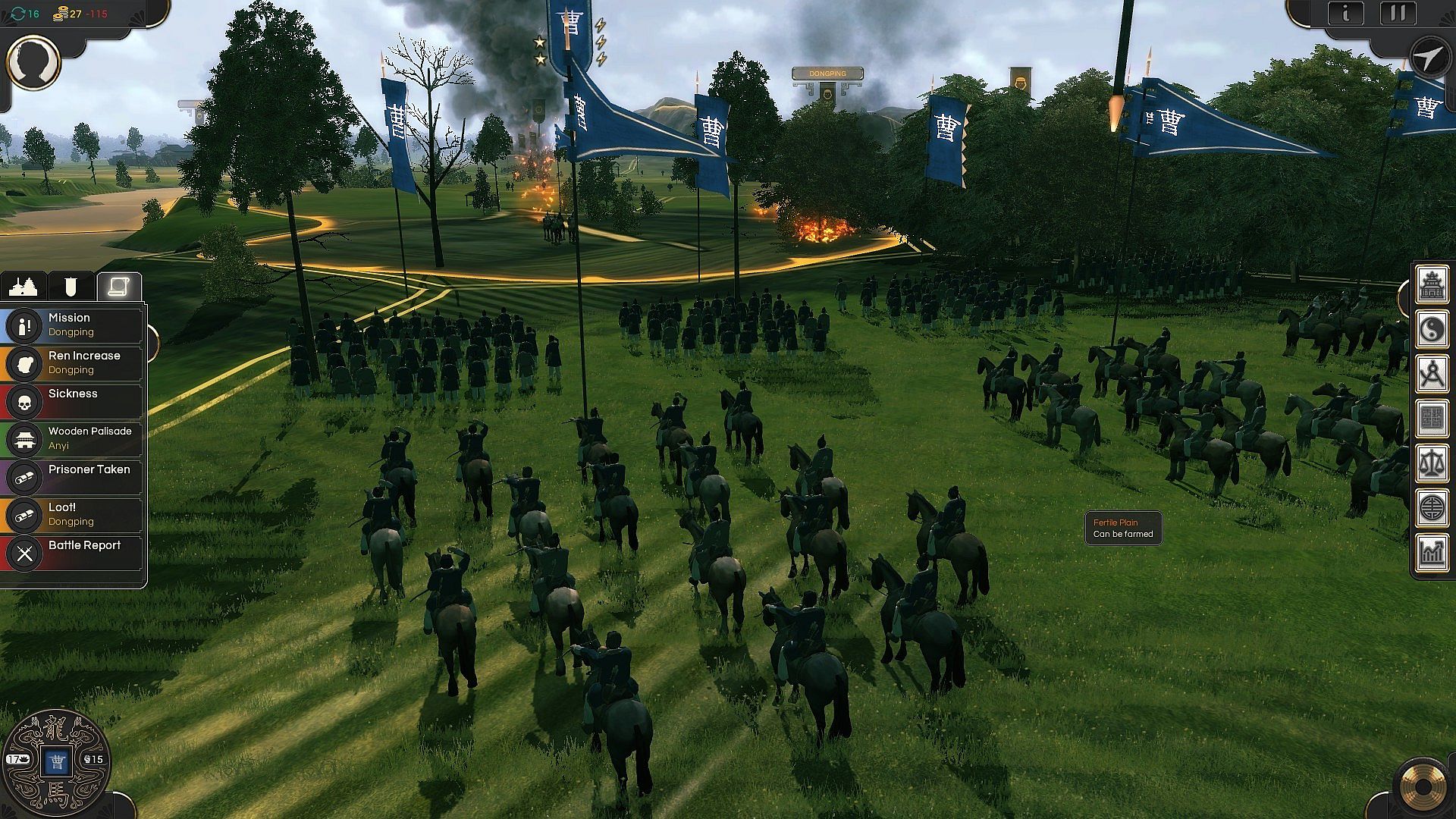
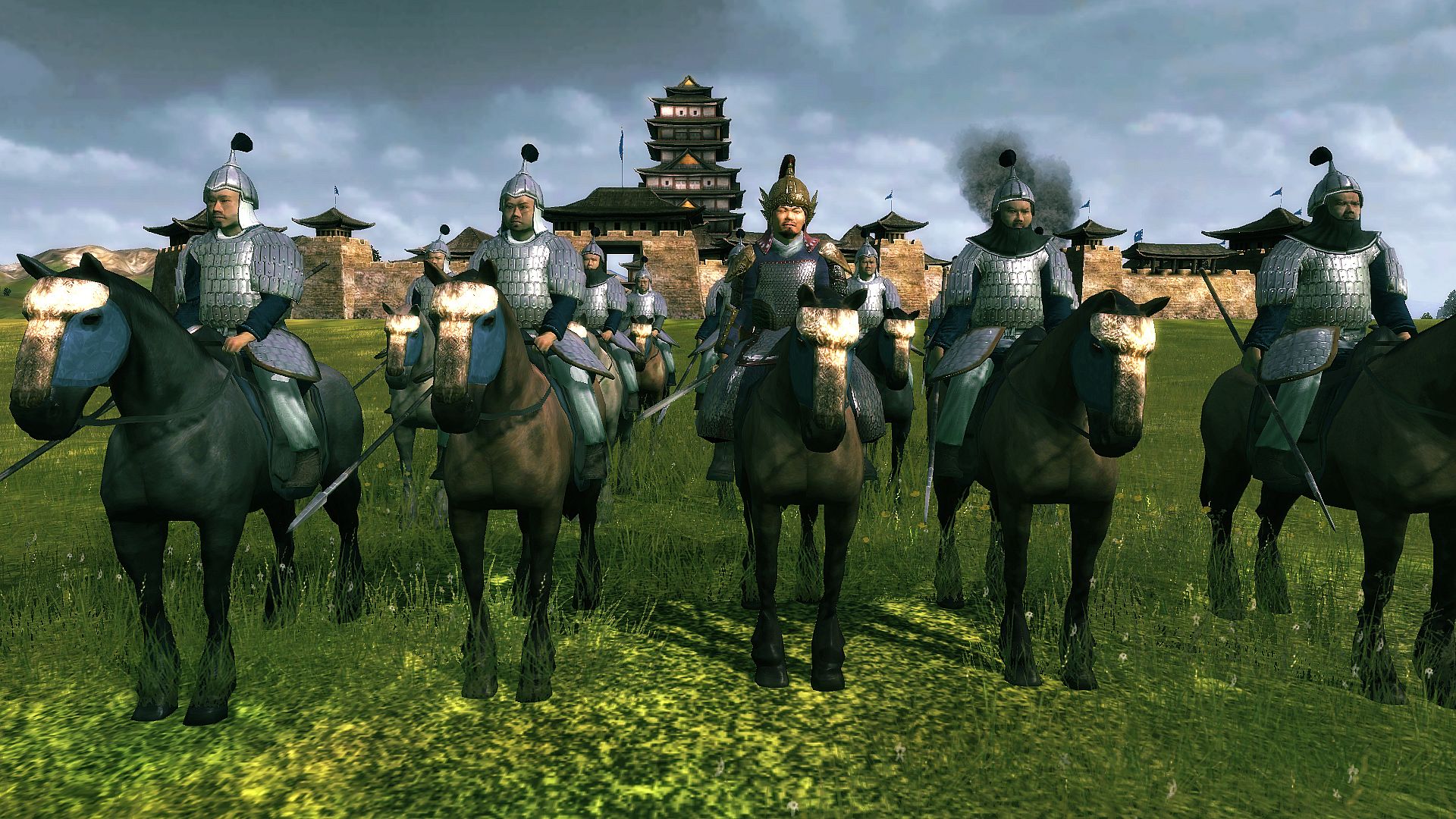
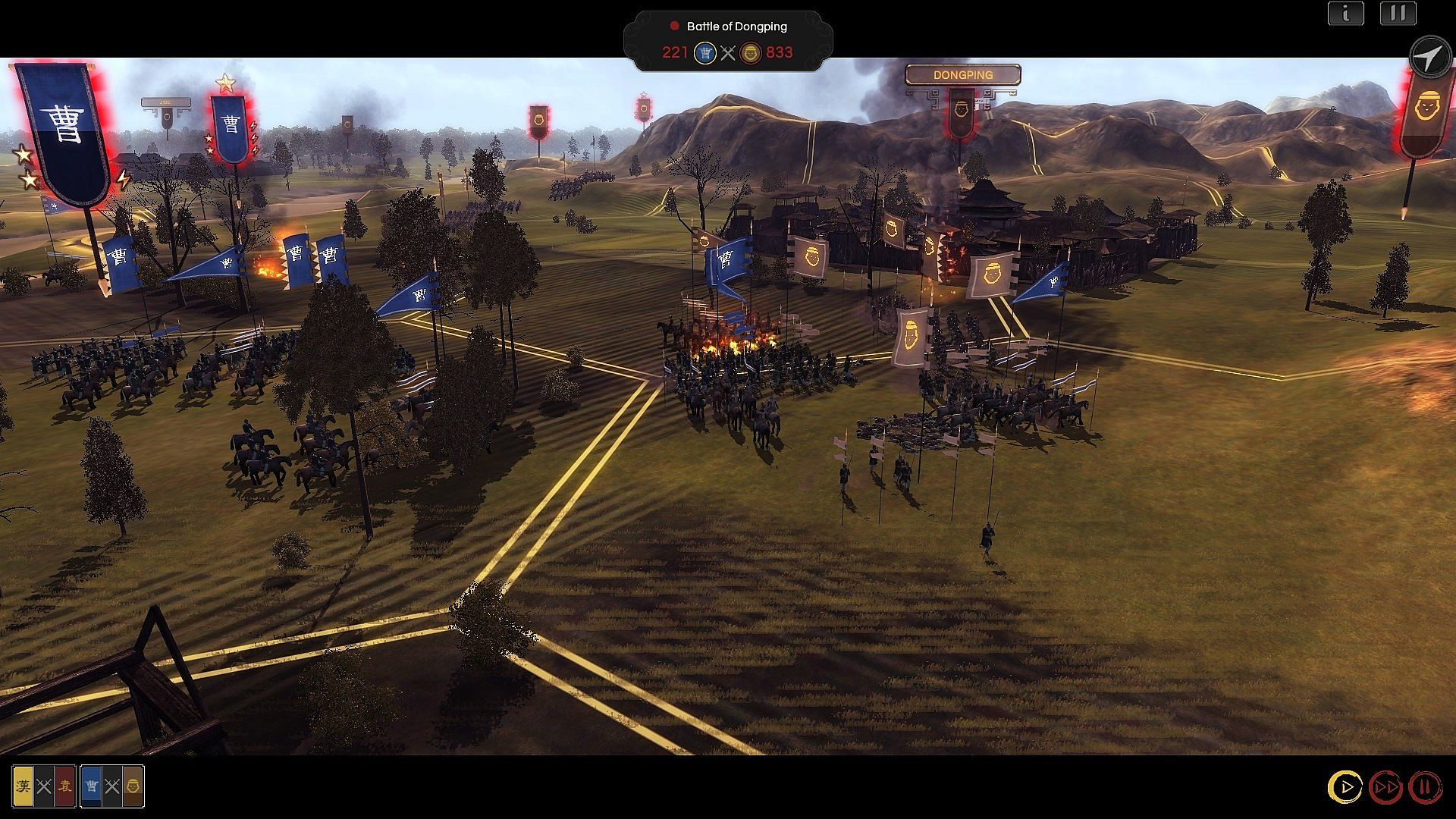
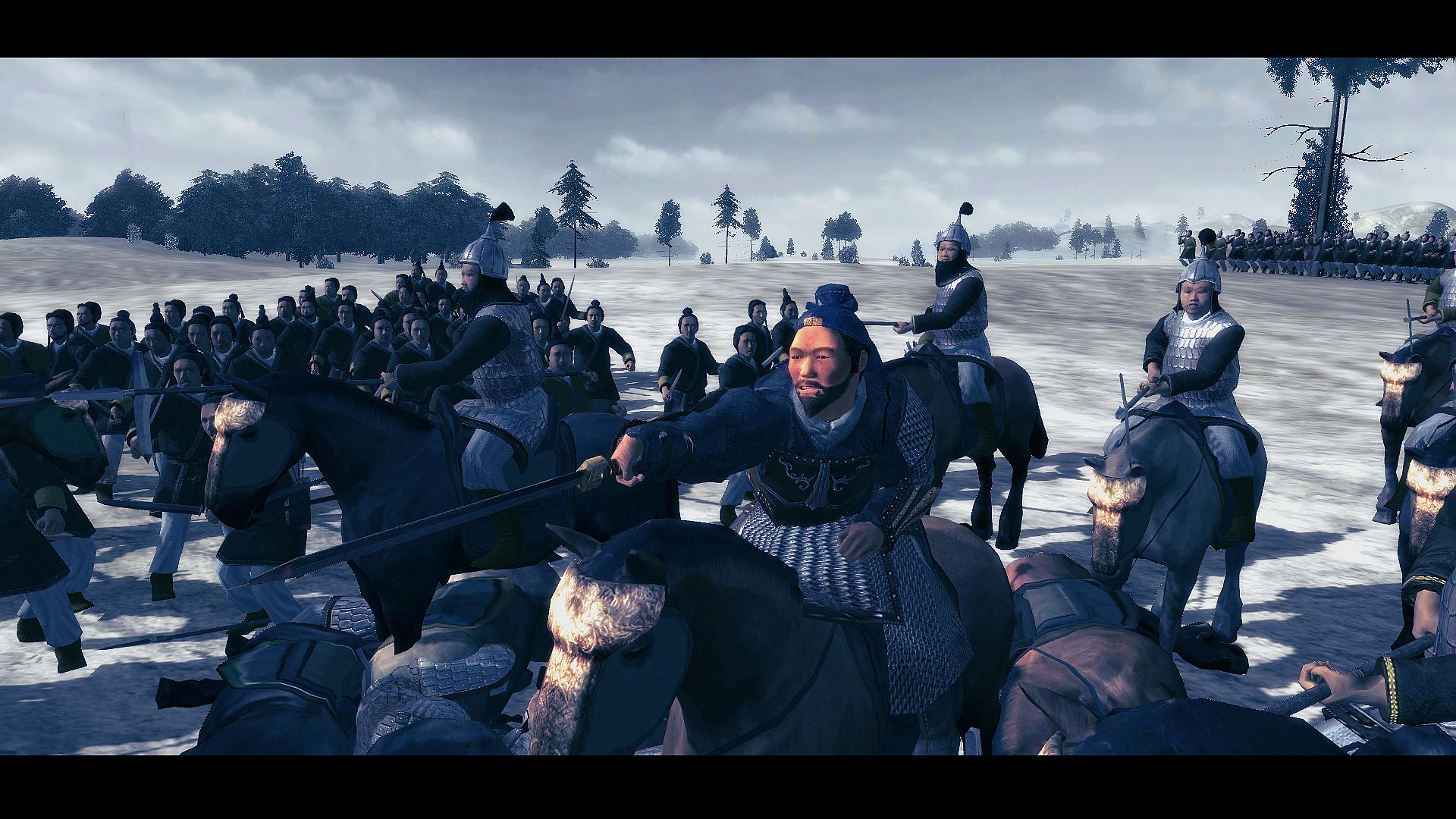
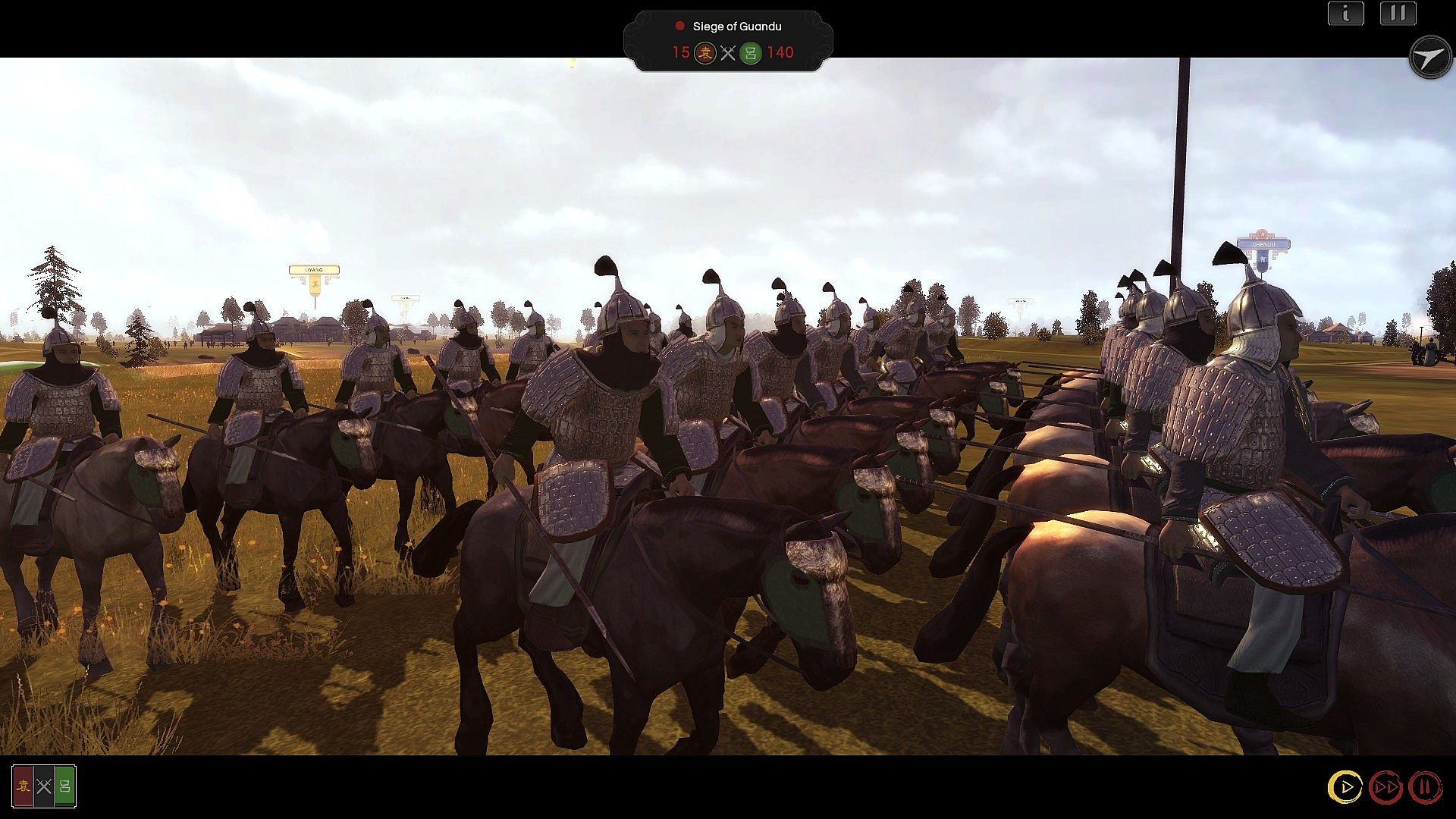
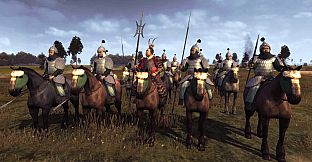
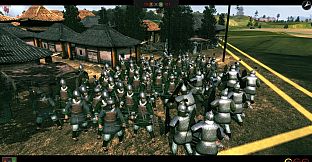
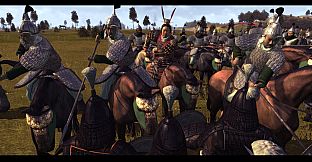
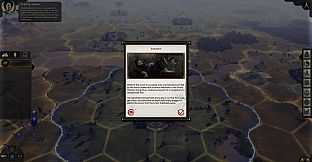
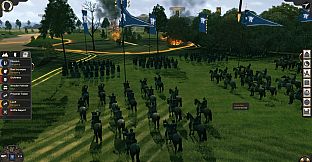
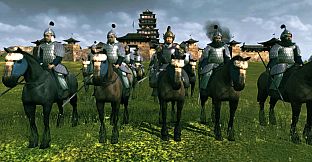
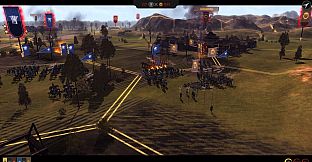
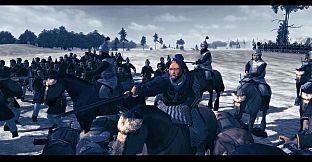
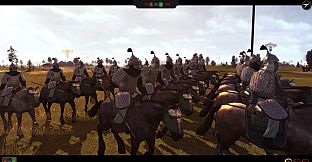
Combat occurs through tactical decisions where units receive orders via icon selections for formations like defensive stands or charges. New models represent era-specific soldiers alongside Nanman and Qiang barbarian forces. Scripted events draw from both recorded history and the Romance of the Three Kingdoms novel, introducing characters and altering faction dynamics at key moments. More than 300 named historical figures populate the world, each with portraits and models for major personalities.
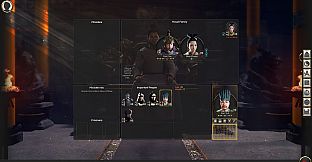
Diplomacy and internal stability play central roles, as unrest can lead to rebellions that threaten long-term control. Authority and culture ratings determine how effectively a warlord consolidates power and gains recognition from rivals. The experience emphasizes patient planning over rapid conquest, with opportunities for common soldiers or outsiders to ascend through ambition and strategic alliances.
Game Modes
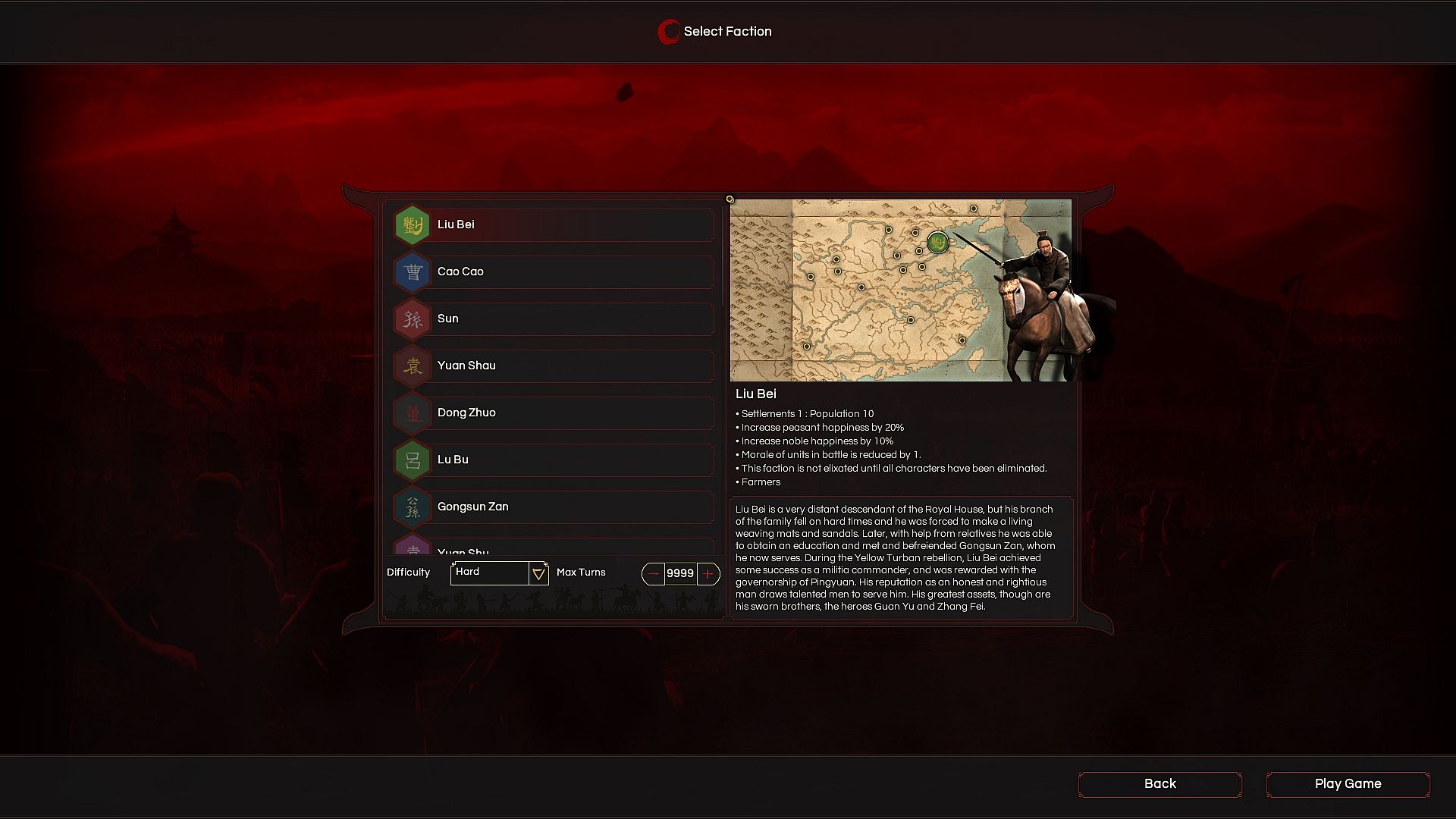
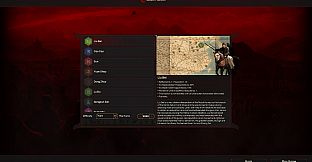
The primary experience centers on a single-player campaign set on an expanded map that covers the full scope of the Three Kingdoms conflict. Players select from 26 available factions, ranging from major warlords and founders of the historic kingdoms to minor lords, the tyrant Dong Zhuo, or opportunistic barbarian and bandit groups. Each choice alters starting conditions and long-term objectives centered on reunification and dynasty creation.
Progression unfolds across decades of simulated time, with events triggering new characters and historical turning points. No separate skirmish or multiplayer-specific modes receive dedicated support in this expansion, though the underlying systems allow for varied playthroughs based on faction selection and event outcomes. The campaign structure encourages multiple attempts to explore different paths toward dominance.
Historical Setting and Factions
The setting captures the transition from imperial order to regional power struggles, where the child emperor holds little real authority and court control rests with a powerful figure. Opportunities arise for non-aristocratic leaders to build influence, mirroring the novel's themes of loyalty, betrayal, and rapid rises to power. Factions include established warlords alongside less conventional options that exploit the widespread disorder.
Unique elements distinguish playstyles across the 26 choices, supported by specialized unit appearances and character interactions. Barbarian factions introduce distinct military options, while central figures like Dong Zhuo bring aggressive starting advantages balanced by potential internal challenges. Over 300 named characters ensure that key events feel populated and responsive to player decisions.
Is It Worth Playing?
This expansion suits players who enjoy detailed 4X strategy with a strong emphasis on historical flavor and character-driven events. The campaign map and faction variety provide substantial replay value for those interested in the period, while the addition of new units and scripted sequences enhances immersion without overhauling the base systems. Reception among owners stands at mostly positive, reflecting appreciation for the setting and mechanics despite occasional feedback on combat pacing in larger engagements.
Support for the title has remained stable since its 2019 release, with no ongoing seasonal content or major patches noted in recent years. It appeals most to fans of deliberate empire management and Chinese history rather than fast-paced action. Availability requires the base game, making it a targeted addition for those already familiar with the series' approach to resource chains, leader management, and territorial control.