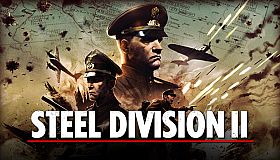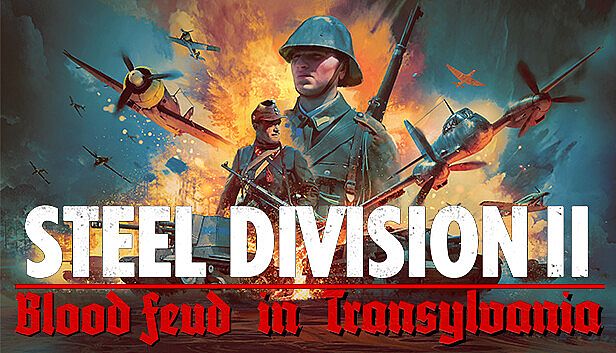















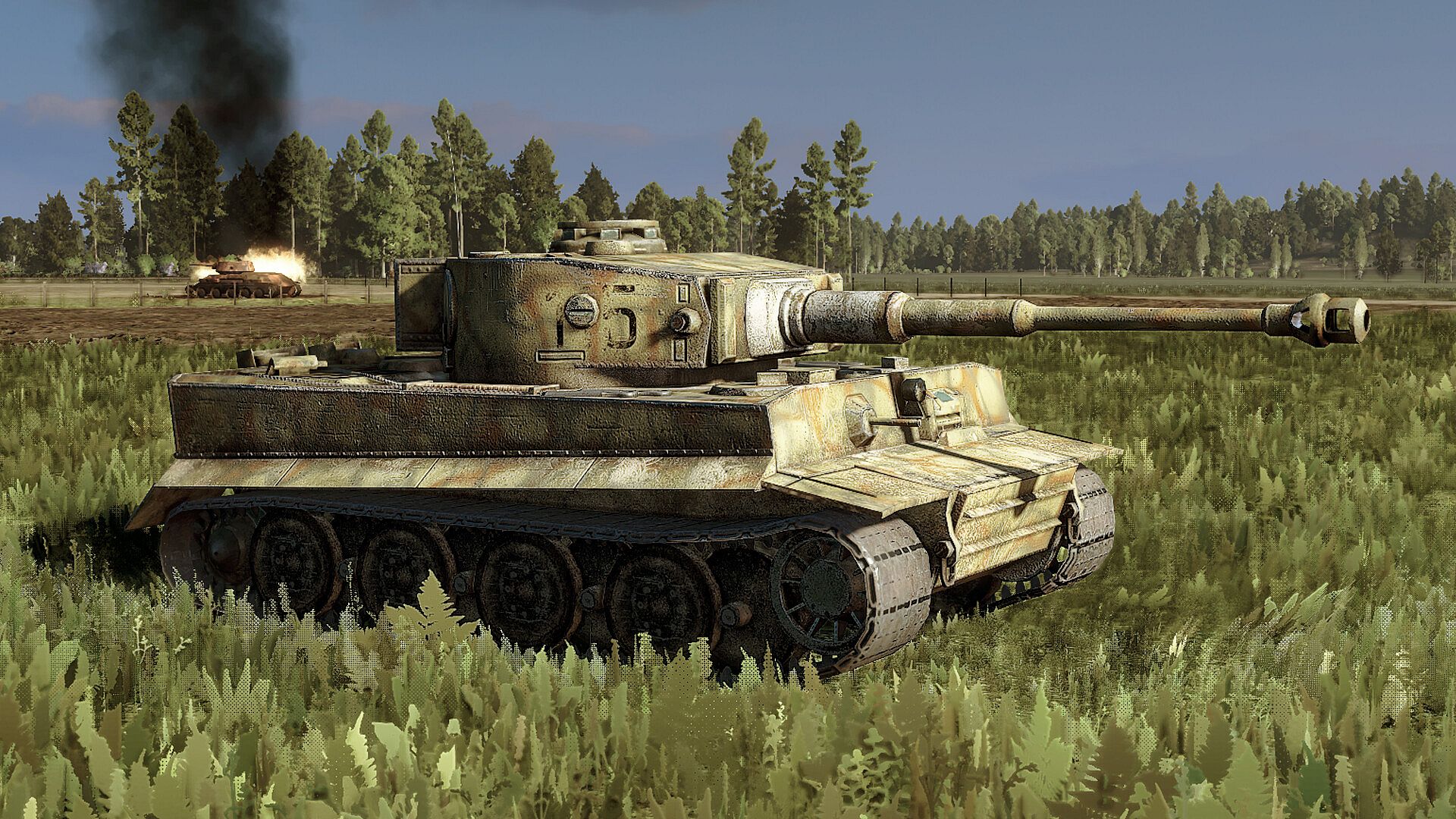
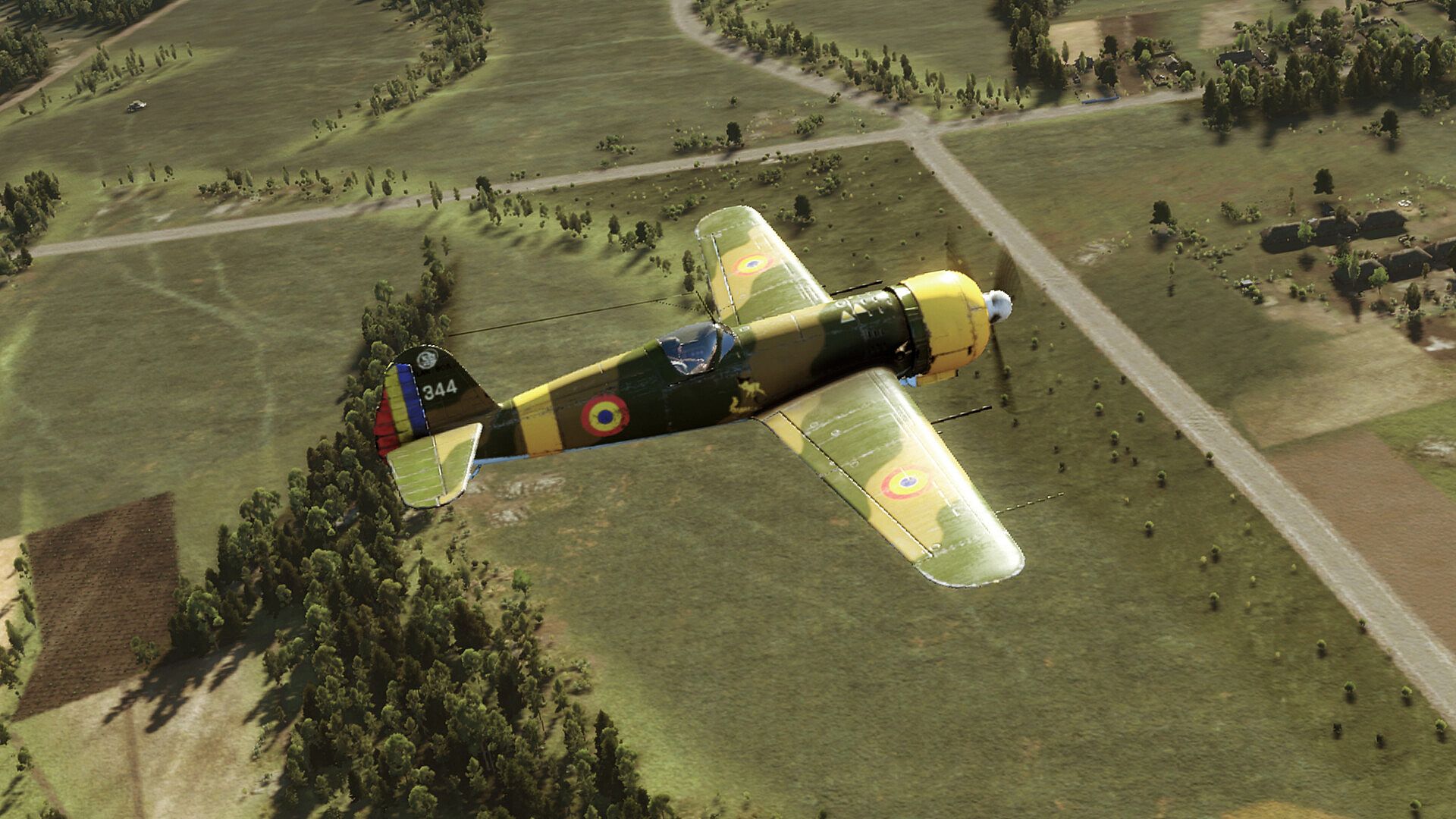
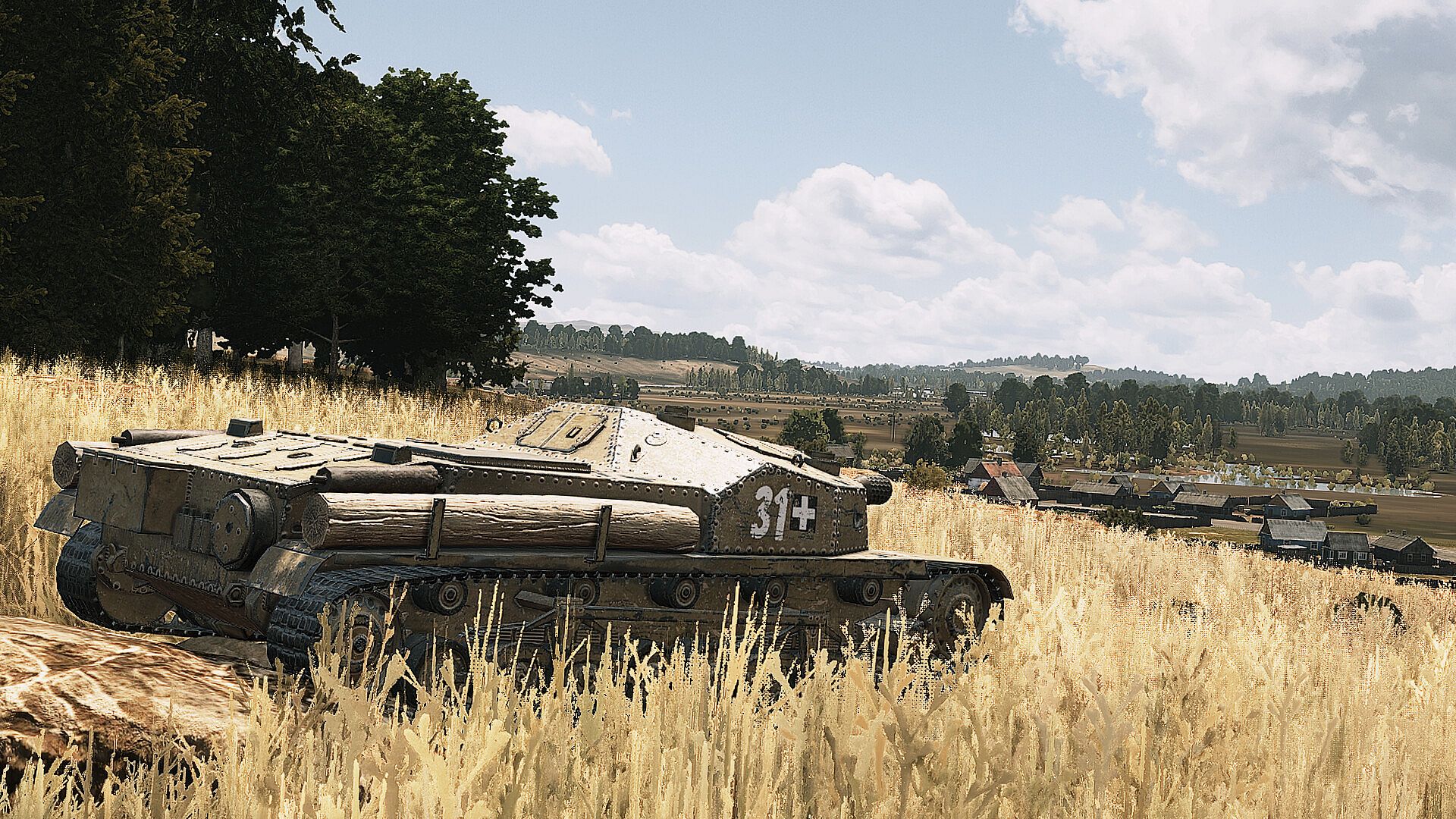
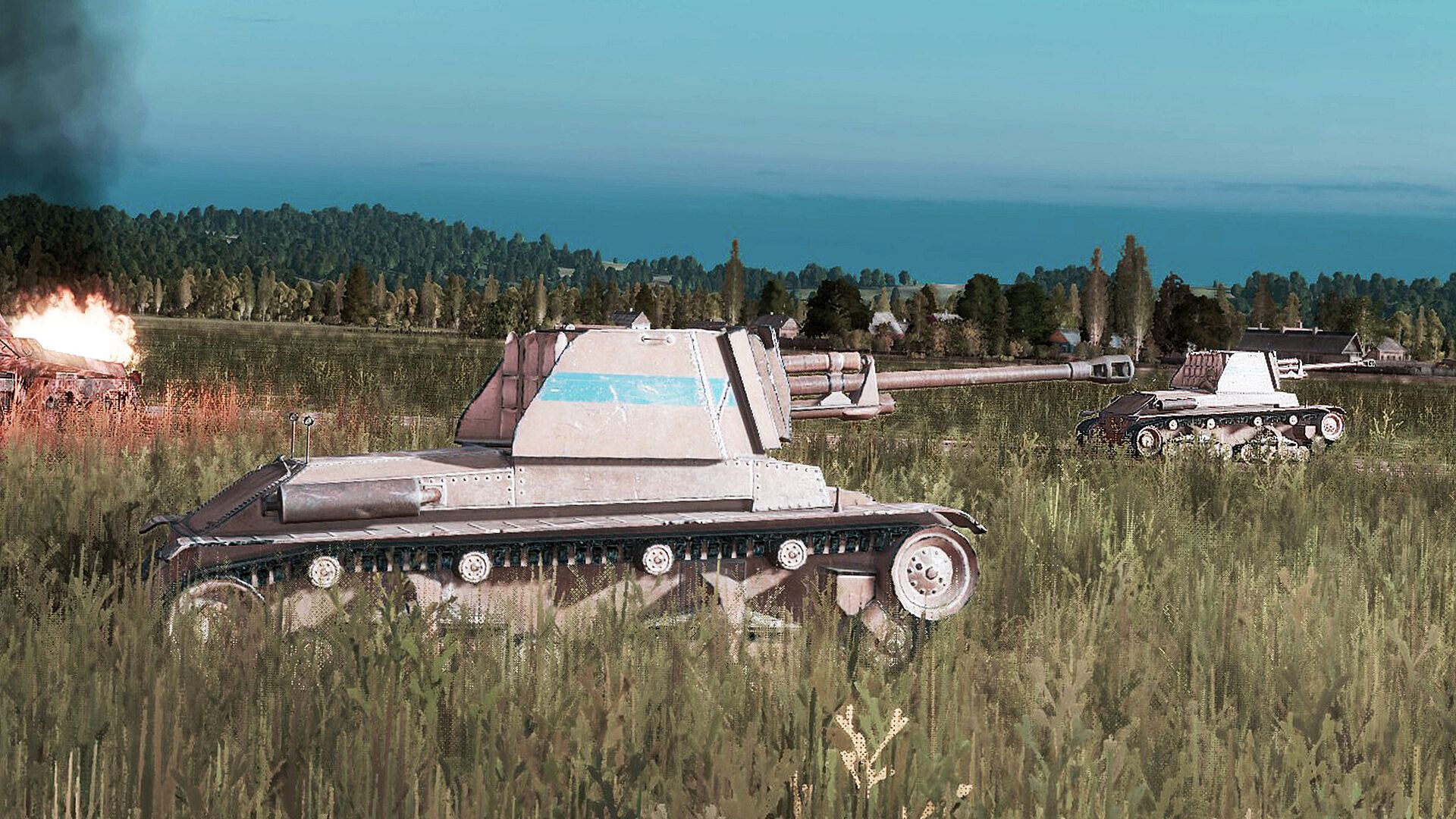
Steel Division 2 Blood Feud in Transylvania is a real-time strategy expansion that adds content focused on the 1944 fighting between Axis Hungary and Allied Romania in Transylvania. The title places players in command of new battlegroups during the Battle of Turda, where former allies clashed after Romania switched sides following the Soviet advance. It expands the base game's scope with six additional divisions, a dedicated campaign, new units, and a fresh map while maintaining the core emphasis on large-scale tactical combat and strategic oversight.
Gameplay
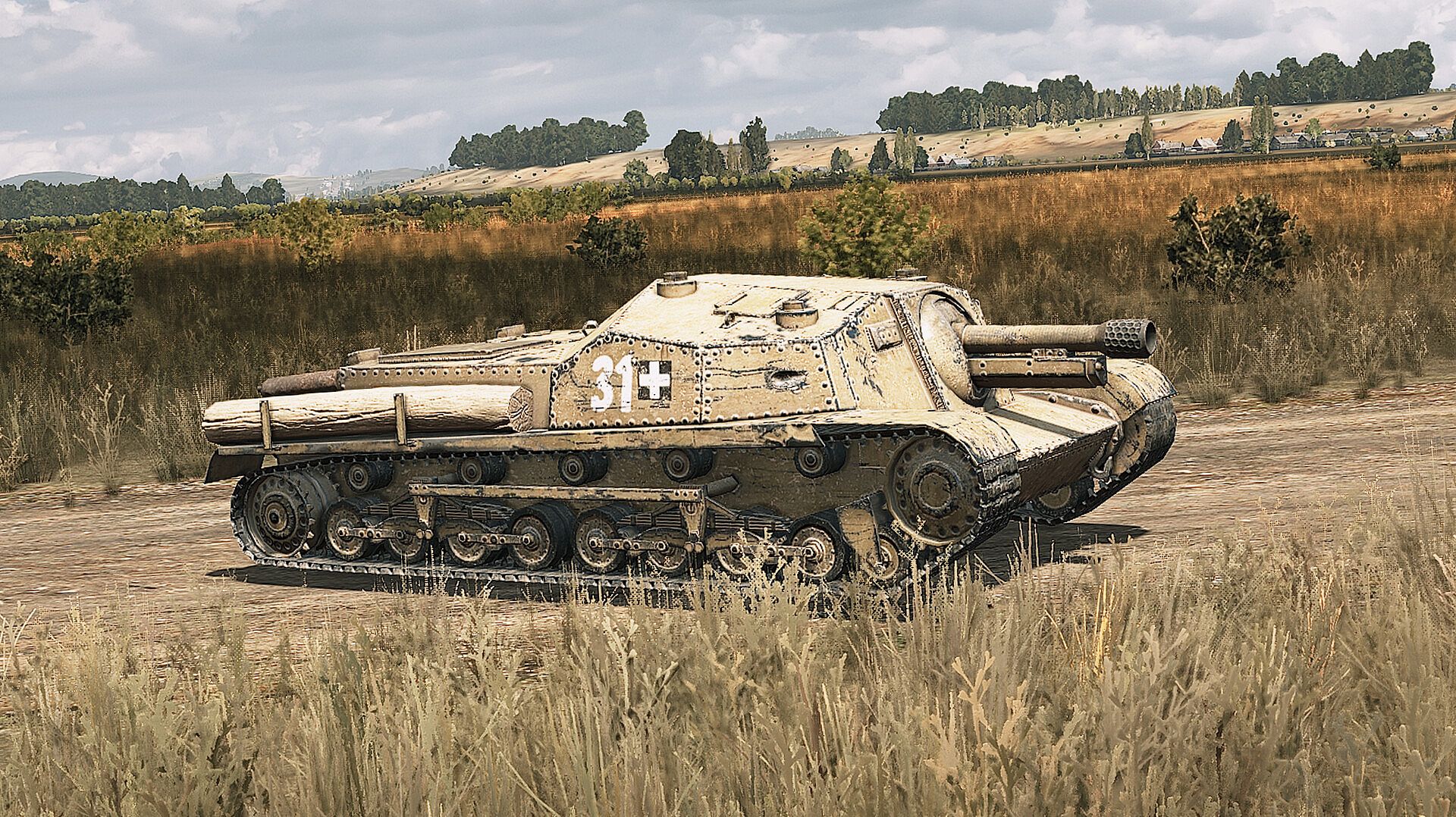
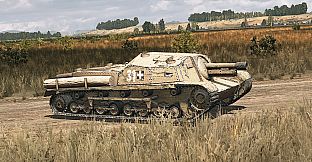
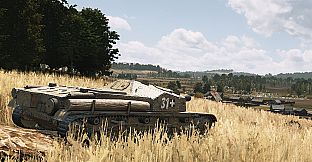
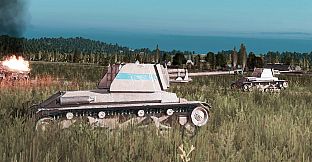
Combat unfolds in real time across expansive maps where players manage combined arms forces including infantry, armor, artillery, and air support. Success depends on effective reconnaissance, positioning, and timely reinforcement calls, as units have distinct strengths and vulnerabilities that reward careful deck construction before each engagement. The expansion introduces specific Hungarian and Romanian formations that bring unique equipment and tactics to battles, such as border guard units and specialized assault guns on the Axis side alongside motorized cavalry and tank destroyers for the Allies.
Deck building forms a central loop, with players selecting from dozens of new units researched for historical accuracy. These include self-propelled guns, recon aircraft, and infantry variants tailored to the Transylvanian theater. Commanders must balance offensive pushes with defensive stands, especially in scenarios where one side holds initial advantages before reinforcements arrive. The new Army General campaign structures these battles into a turn-based strategic layer, simulating the progression from Hungarian advances in early September 1944 to Romanian counterattacks supported by Soviet elements.
Game Modes
Multiplayer supports competitive matches through several formats that test different objectives and force compositions. Conquest emphasizes territorial control across sectors, Close Combat focuses on intense frontline clashes, Destruction rewards elimination of enemy assets, and Breakthrough challenges attackers to penetrate defensive lines. These modes accommodate varying player counts and can extend to cooperative play against artificial intelligence opponents.
Singleplayer options center on the Army General campaign, which covers the historical Battle of Turda from September 5 to 15, 1944, along with skirmishes and scenarios playable against the AI. The expansion's campaign lets players lead either the Hungarian or Romanian forces through opening moves and subsequent buildups, with outcomes influenced by reinforcement timing and unit deployment choices. A new 2 versus 2 map inspired by actual terrain further supports team-based encounters.
Divisions and Historical Setting
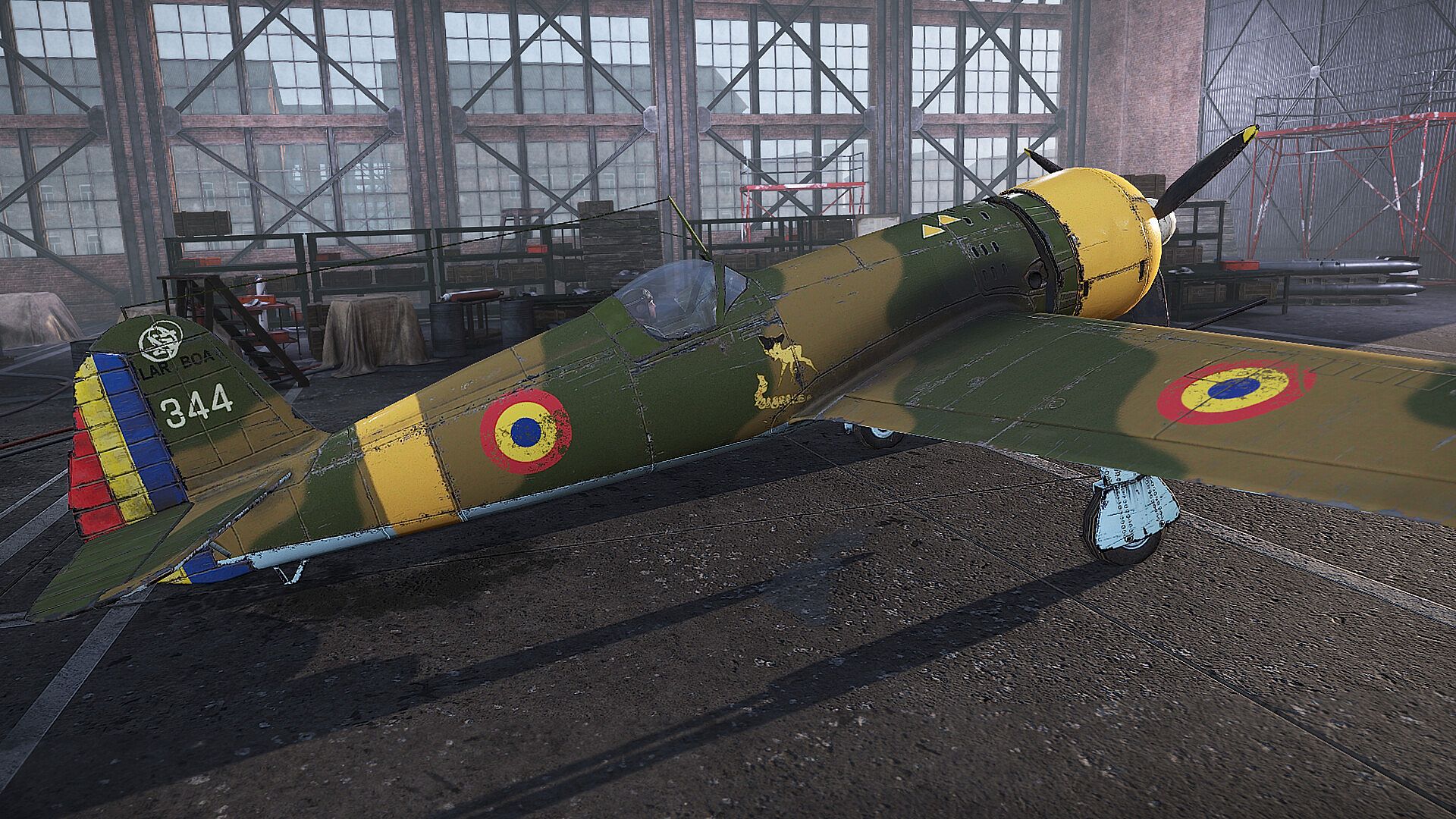
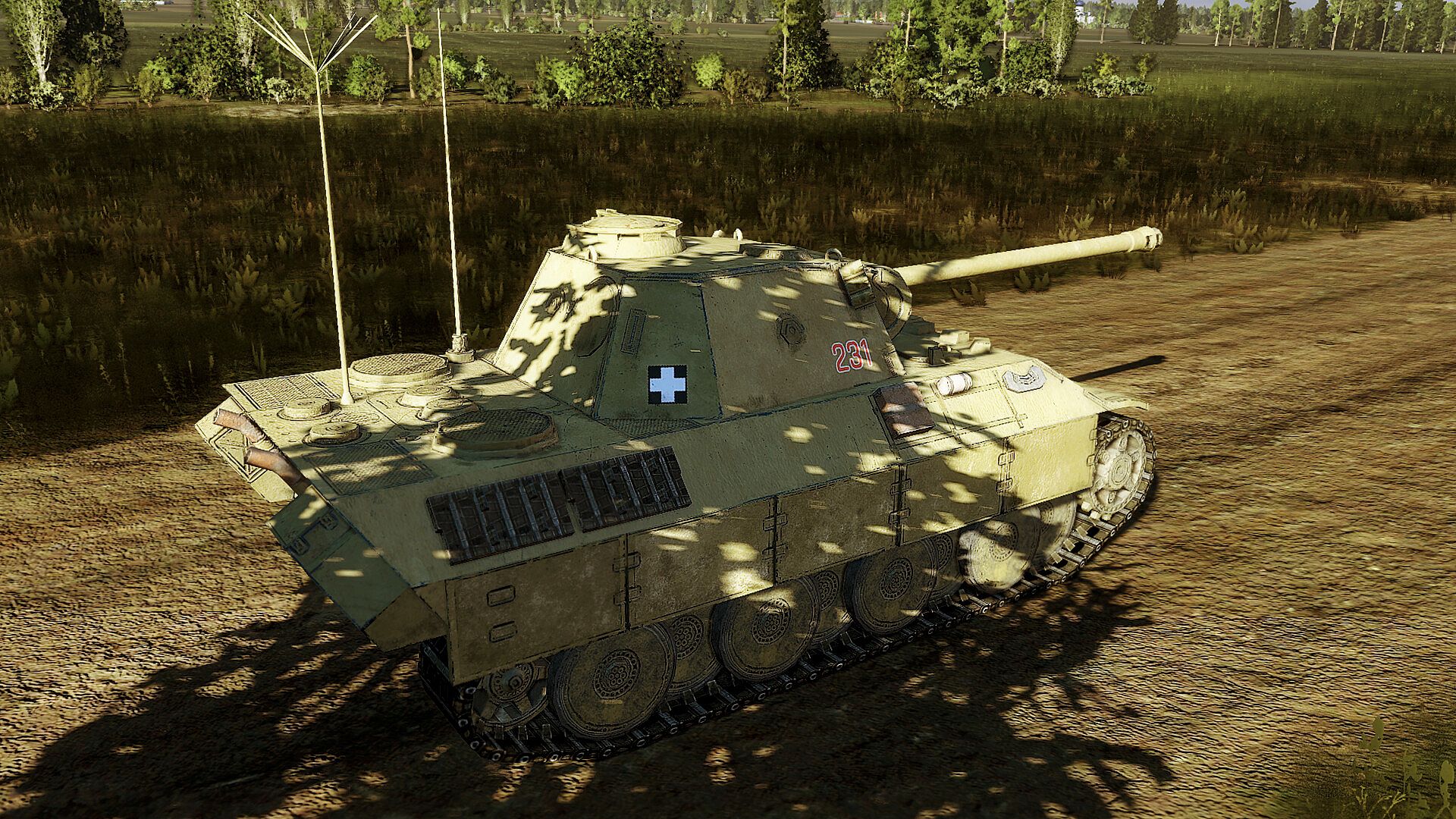
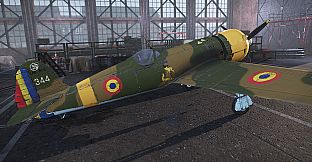
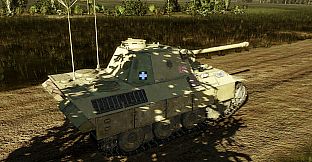
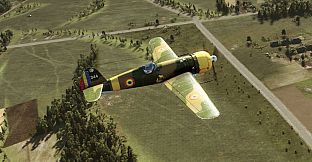
Six new divisions join the roster, split between Axis and Allied sides. Axis options feature the Hungarian 2nd Armored Division with its tank emphasis, the infantry-focused 25th Infantry Division, and a German ad hoc task force. Allied Romanian divisions include the 9th Infantry Division, the motorized 8th Cavalry Division, and the 6th Territorial Corps incorporating reserve and Soviet support elements. Two new aces provide specialized unit options, one commanding a Panther tank variant and the other operating a Romanian fighter plane.
The setting highlights the rapid shift in alliances during late 1944, with Hungarian forces seeking to reclaim Transylvania and Romanian defenders holding key positions along the Turda river until stronger Allied units could intervene. New units reflect this context through equipment like Hungarian biplane spotters, Romanian border guards, and various tank destroyers and recon vehicles.
Is It Worth Playing?
Steel Division 2 Blood Feud in Transylvania suits players interested in detailed World War II real-time strategy with a focus on lesser-covered Eastern Front actions. The added divisions and campaign provide fresh content for those already familiar with the base mechanics of deck management and large battles. Reception for the overall title notes its tactical depth and scale alongside a steep learning curve and occasional technical issues that persist in later updates. Those who enjoy methodical planning in both real-time engagements and strategic campaigns will find the expansion extends meaningful options, particularly for singleplayer or small-team multiplayer sessions. Availability remains through standard digital platforms for PC users seeking this specific historical expansion.