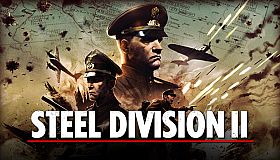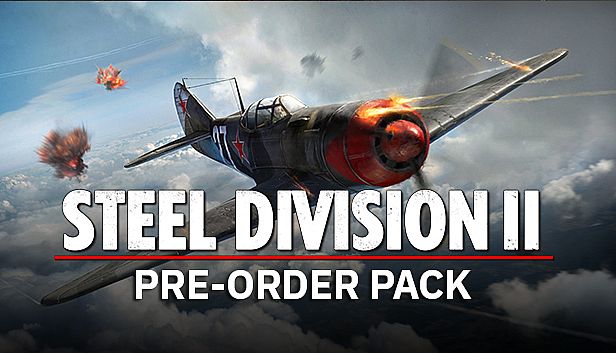













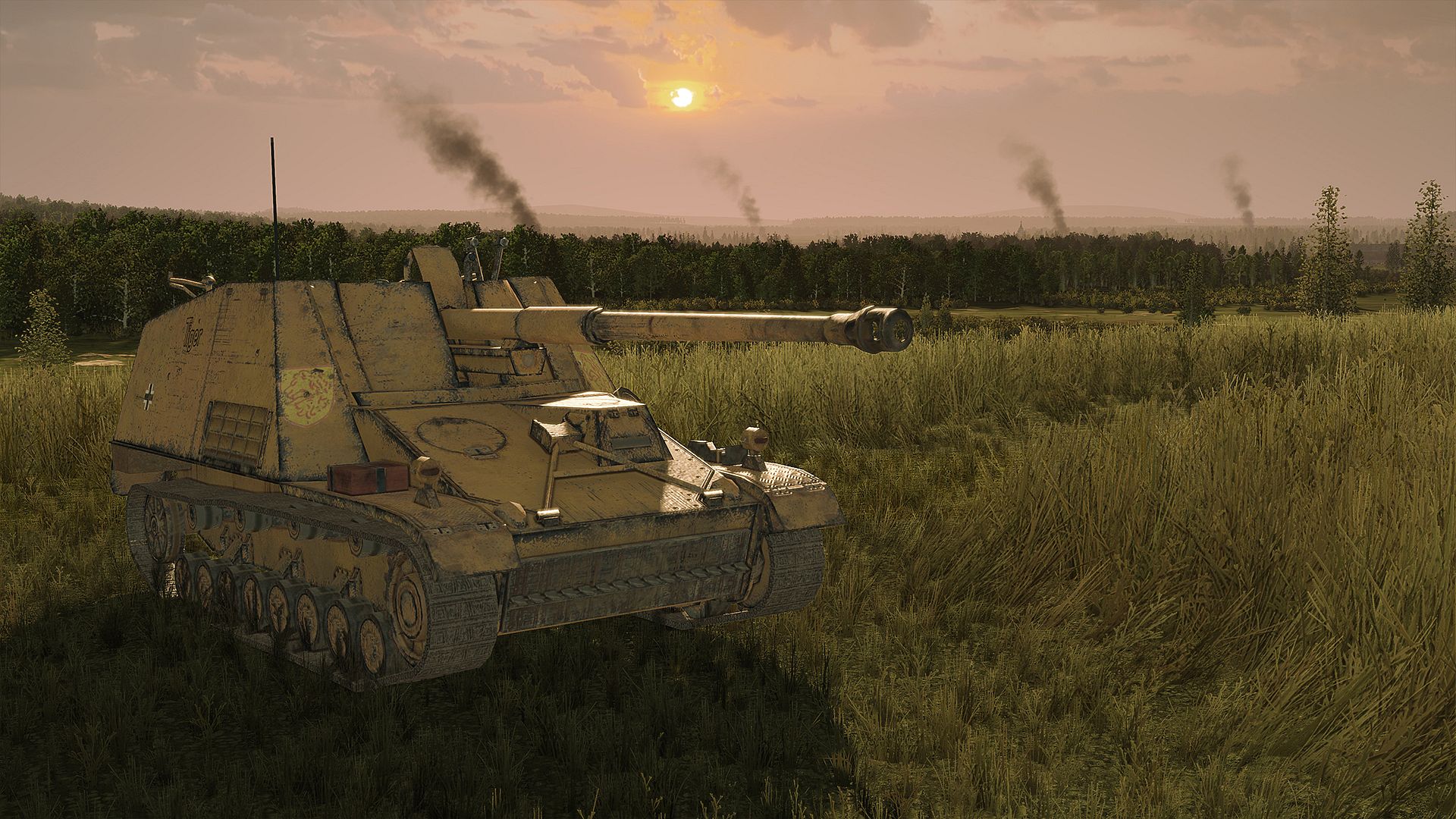
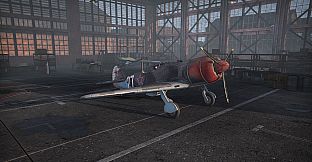
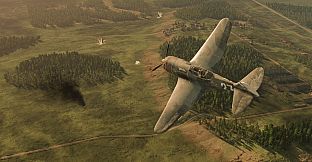
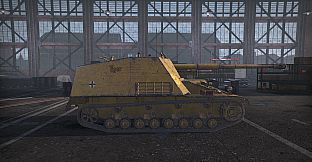
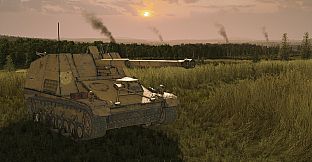
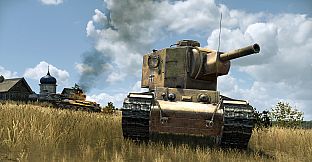
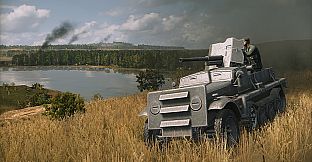
Steel Division 2 is a real-time strategy game focused on World War II combat on the Eastern Front. Players command divisions in large-scale battles set during Operation Bagration in 1944, combining deck-building elements with tactical decision-making on detailed maps.
Gameplay
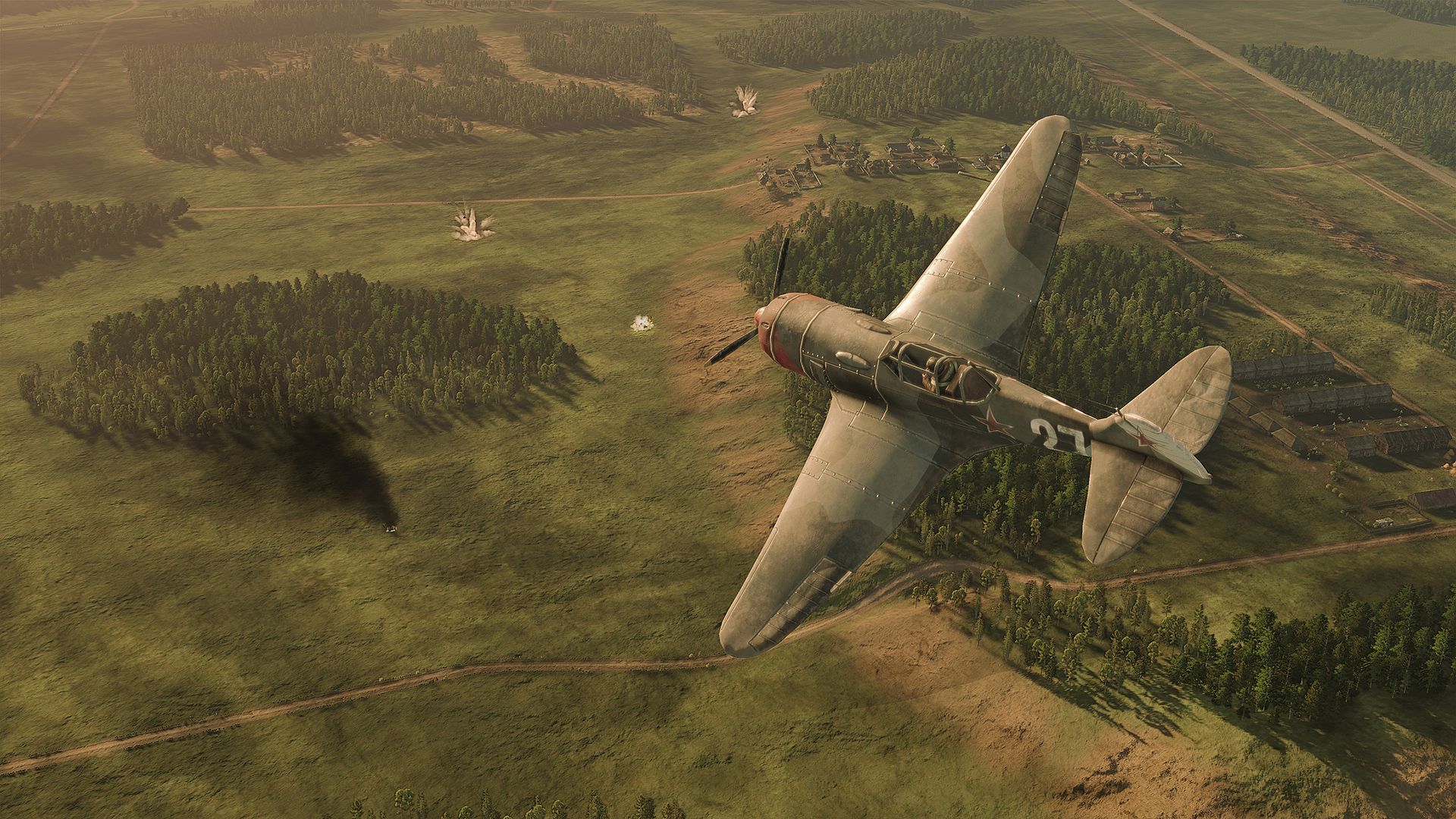
The core loop revolves around selecting a historical division as a deck and deploying units in real-time battles. Each division brings specific strengths in infantry, armor, artillery, and air support. Battles unfold across three phases, with different units becoming available as the engagement progresses from early skirmishes to later decisive actions. Maps operate at a 1:1 scale, requiring careful positioning of forces across varied terrain while managing line of sight, morale, and supply lines.
Strategic campaigns add a turn-based layer where players manage army movements on expansive maps measuring up to 150 by 100 kilometers. These modes emphasize planning battalion advances, handling logistics, and committing forces to tactical fights that resolve in real time. Deck construction demands attention to unit availability across phases and balancing offensive and defensive capabilities.
Game Modes
Real-time tactical battles form the foundation, supporting skirmishes against AI as well as competitive matches. Multiplayer supports teams of up to ten players per side in large engagements. Dynamic Strategic Campaigns provide single-player experiences that span multiple turns, each representing half a day of operations, with outcomes feeding into larger strategic goals.
Cooperative options allow players to join forces in both tactical and campaign settings. Skirmish modes enable quick practice or custom scenarios against computer opponents. The variety supports different play styles, from focused tactical duels to extended campaign management.
Divisions and Units
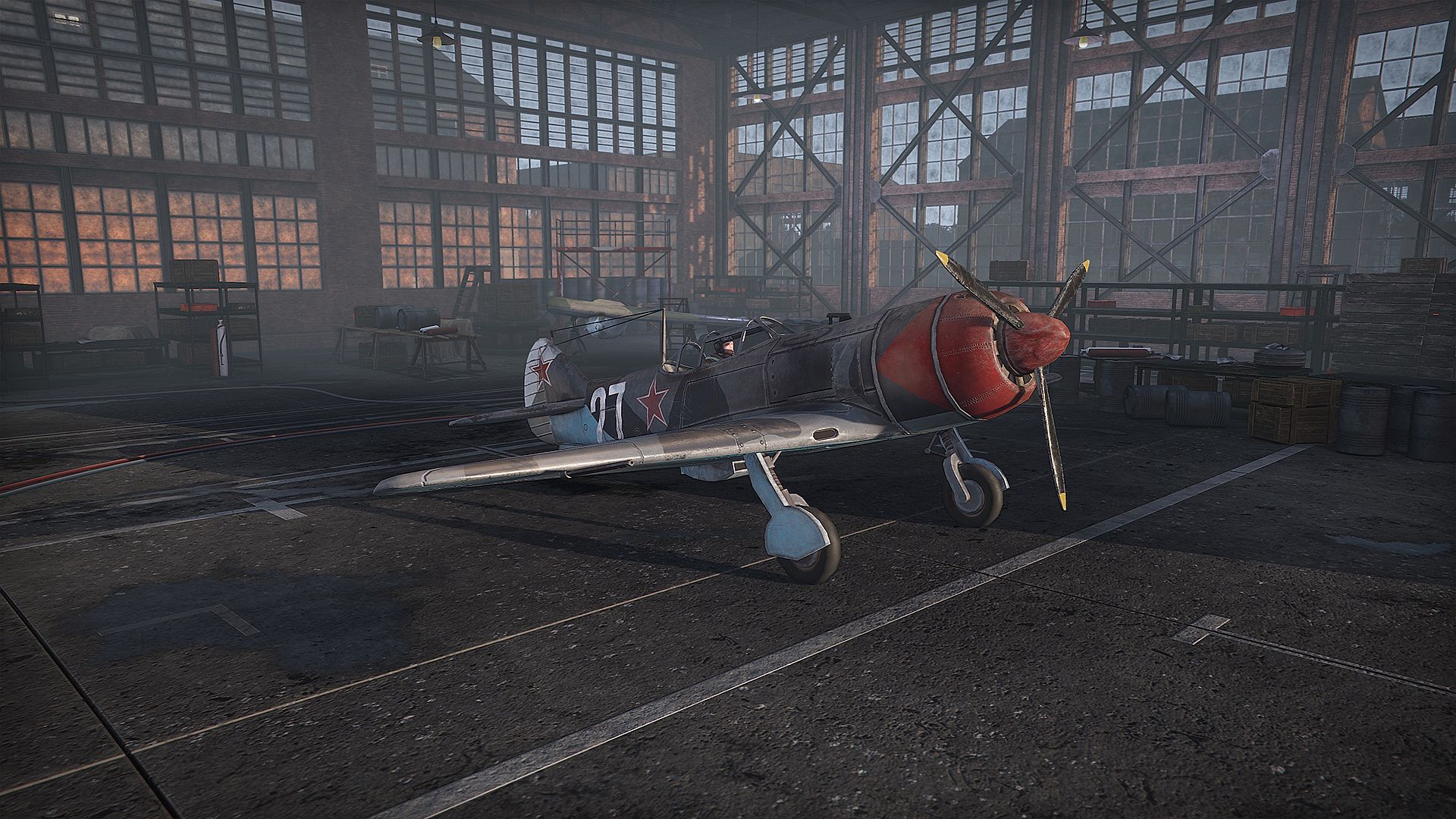
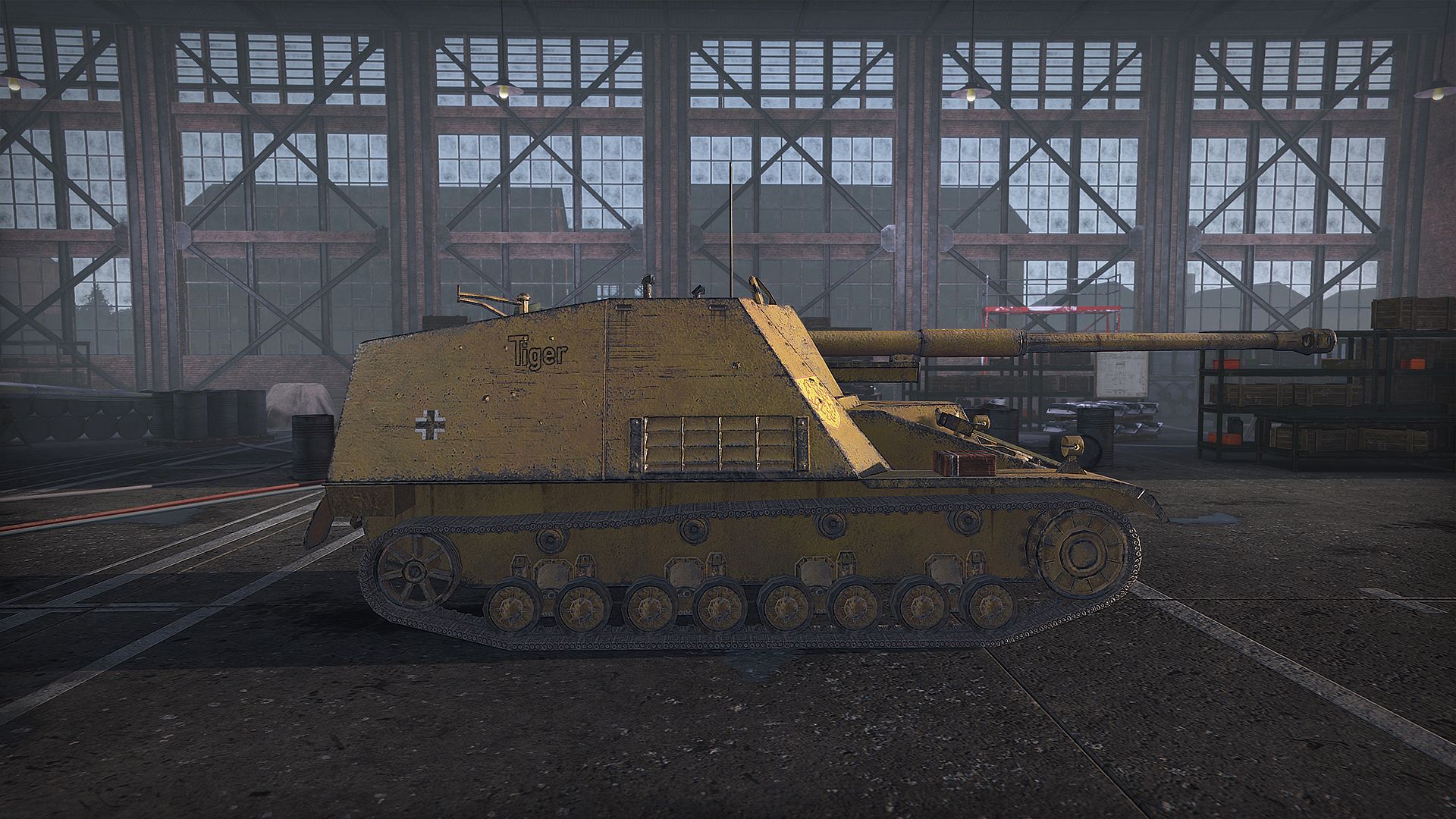
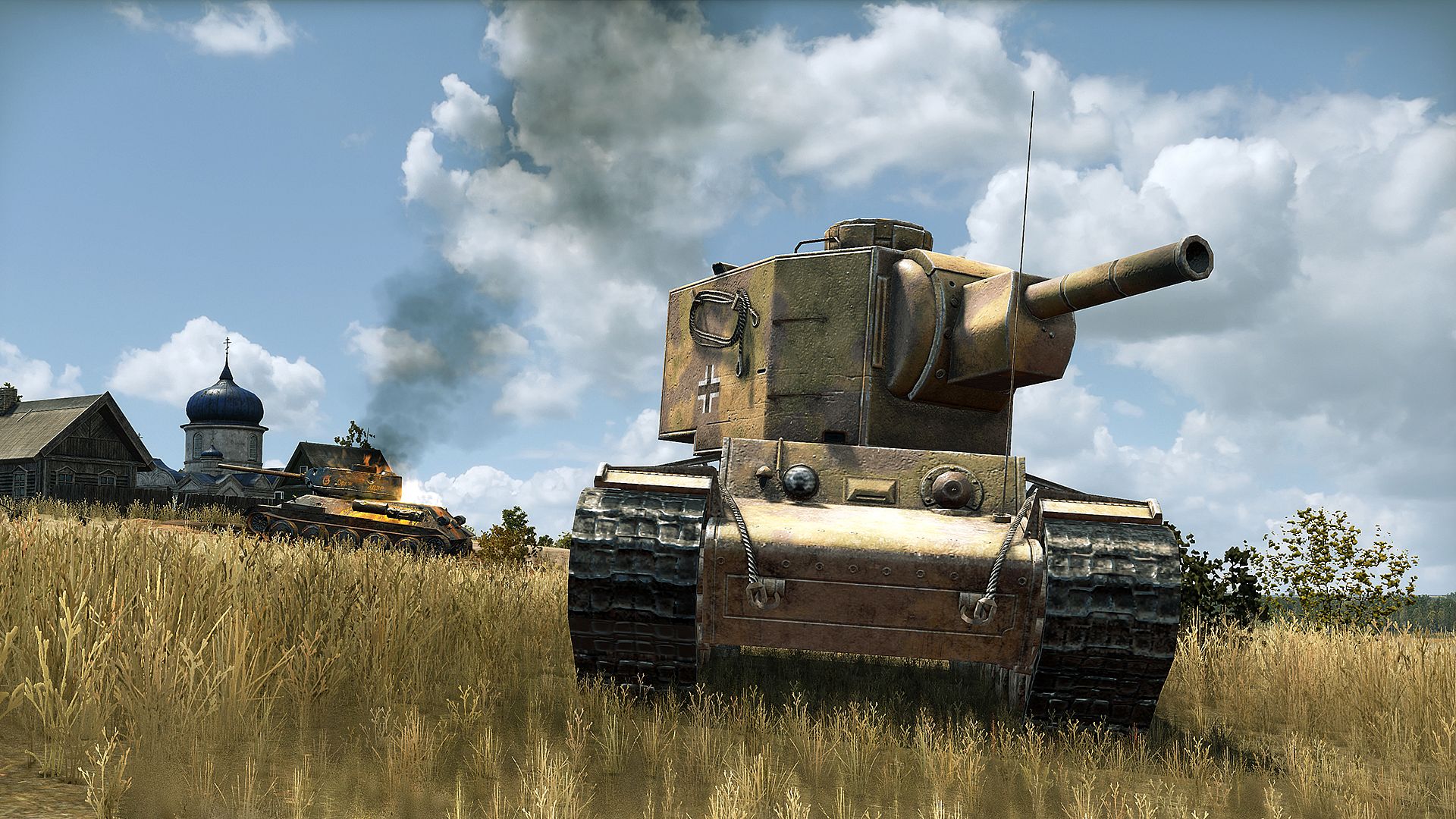
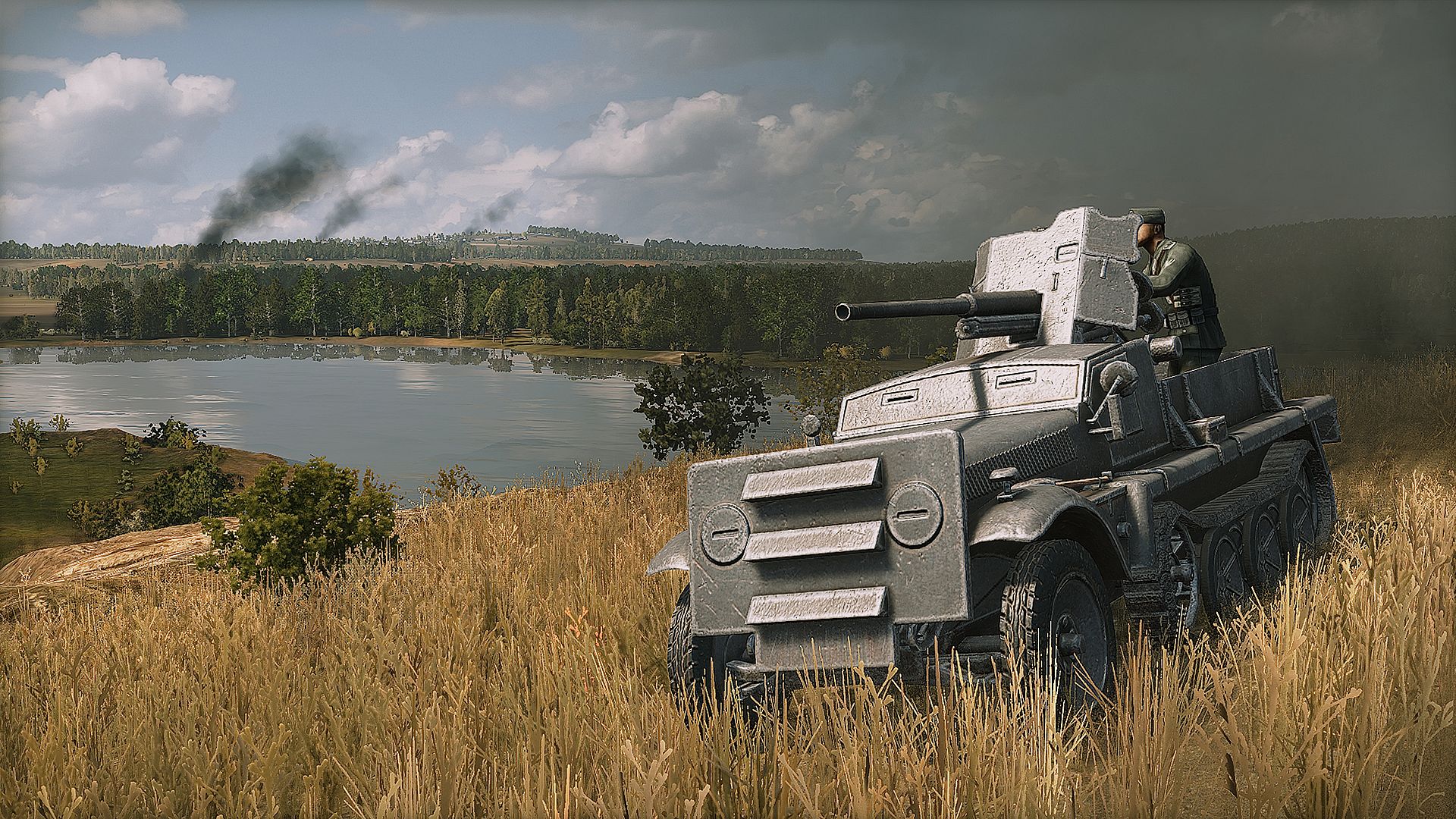
Players choose from numerous researched divisions representing both Allied and Axis forces. Each division includes dozens of unit types with authentic equipment and capabilities drawn from the historical period. Building effective battlegroups involves selecting complementary units that perform across the battle phases while accounting for strengths in mechanized infantry, heavy tanks, or specialized anti-tank weapons.
Unit performance depends on terrain, support assets, and timing of deployment. Historical accuracy extends to vehicle models, weapon ranges, and organizational structures, rewarding players who study the available options.
Is It Worth Playing?
Steel Division 2 appeals to players who enjoy deep real-time strategy with historical themes and large-scale command decisions. The combination of tactical battles and strategic campaigns offers substantial depth for those willing to learn division compositions and phase management. Multiplayer communities remain active years after release, supporting ongoing matches and cooperative play.
Reception highlights the game's tactical refinement and scale, though the learning curve can feel steep for newcomers to the genre. It suits enthusiasts of World War II real-time strategy who value detailed unit interactions over simplified controls. Continued support through expansions has maintained the title's content variety for dedicated players.