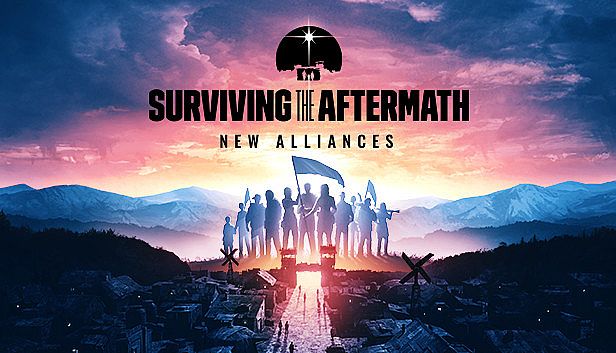






















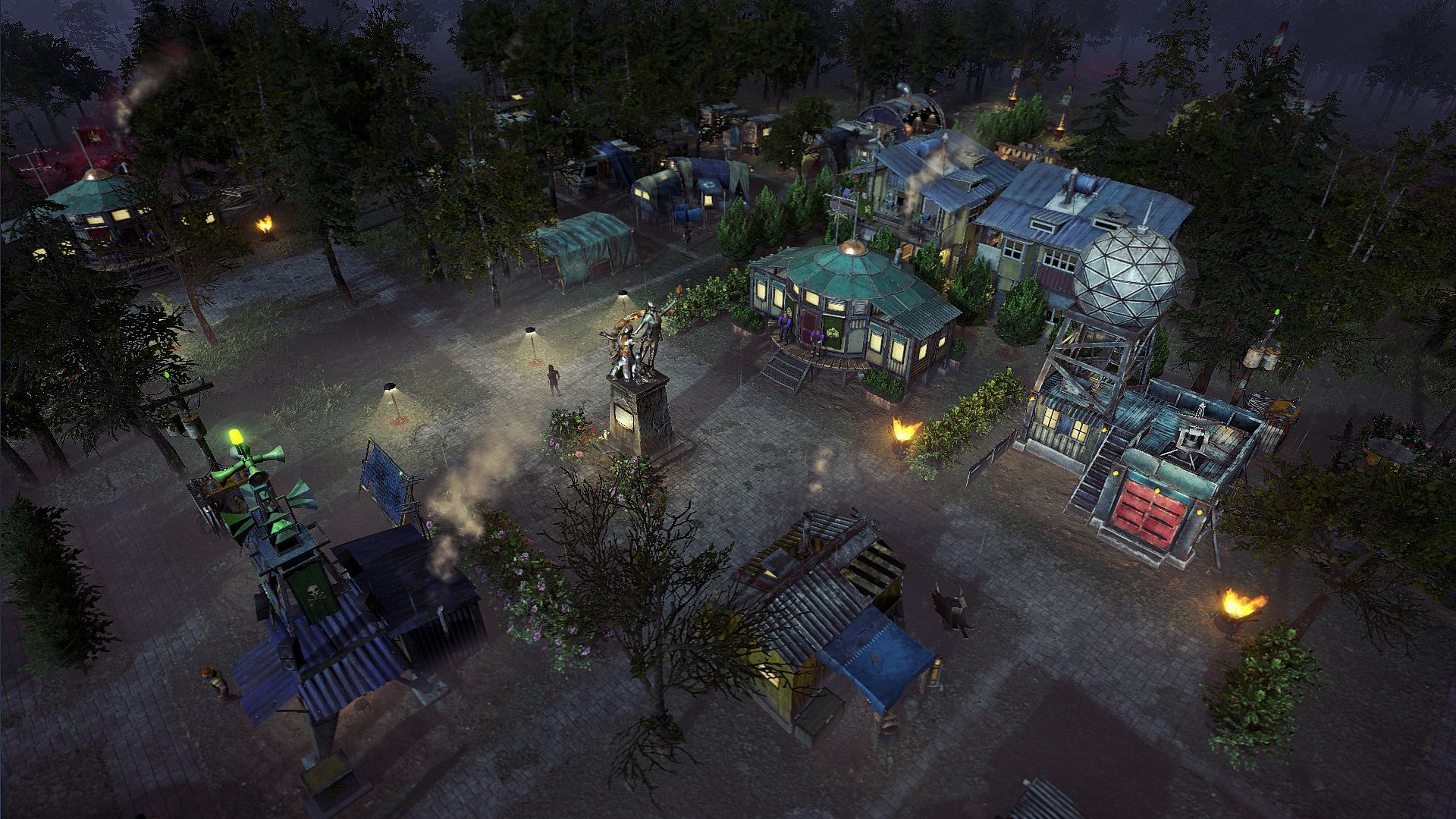
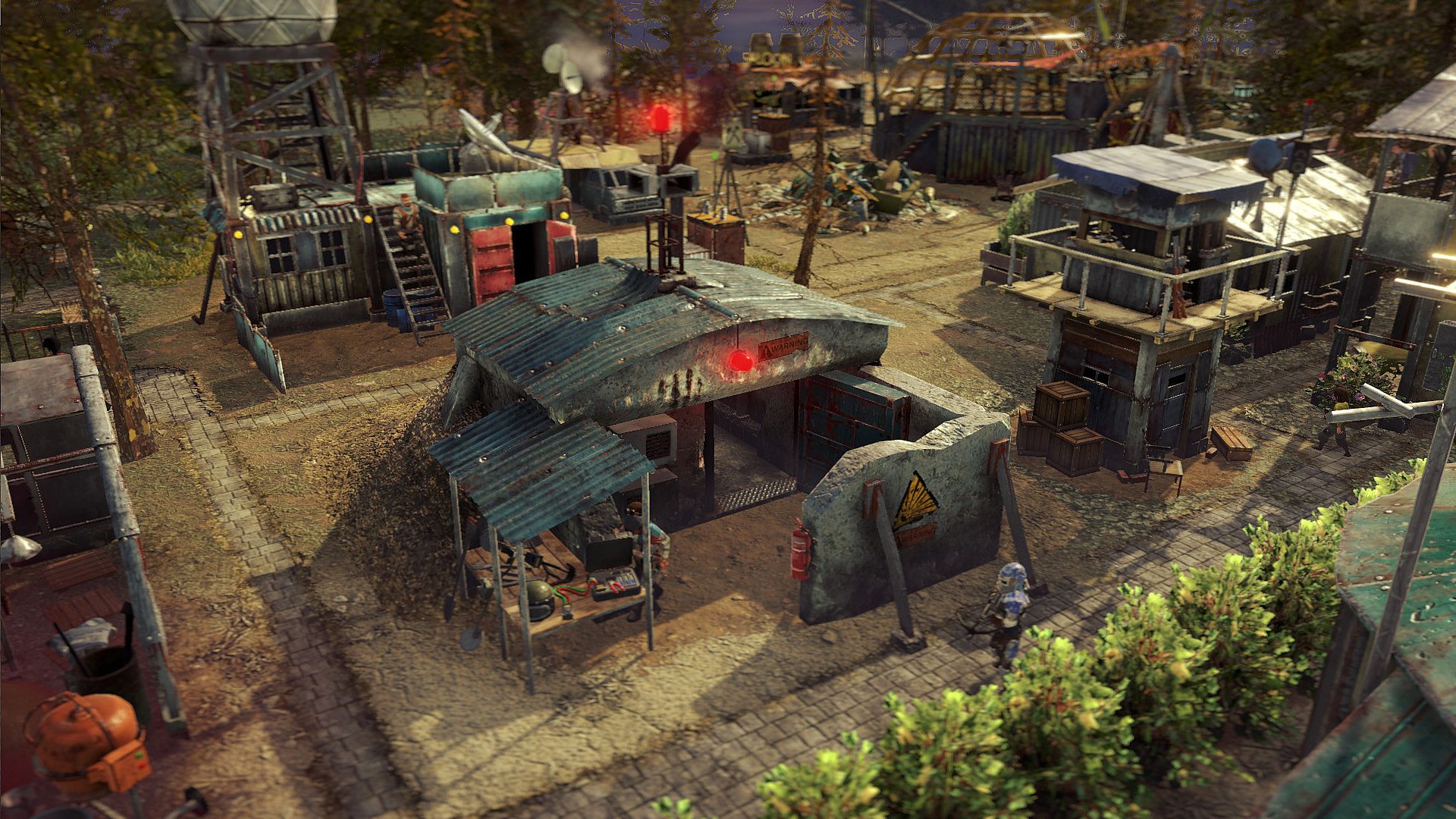
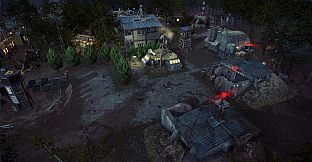
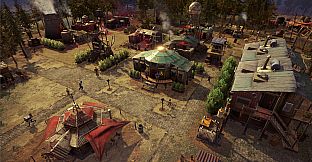

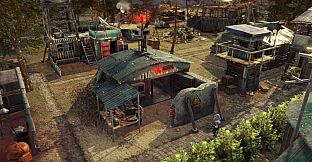
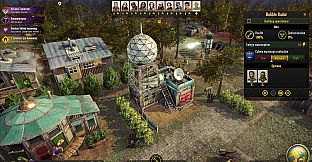
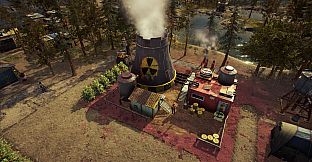
Surviving the Aftermath: New Alliances is a strategy and simulation game set in a post-apocalyptic wasteland where players lead surviving societies toward rebuilding civilization. The core experience revolves around colony management combined with diplomacy and defense against emerging threats on an expanding world map.
Gameplay
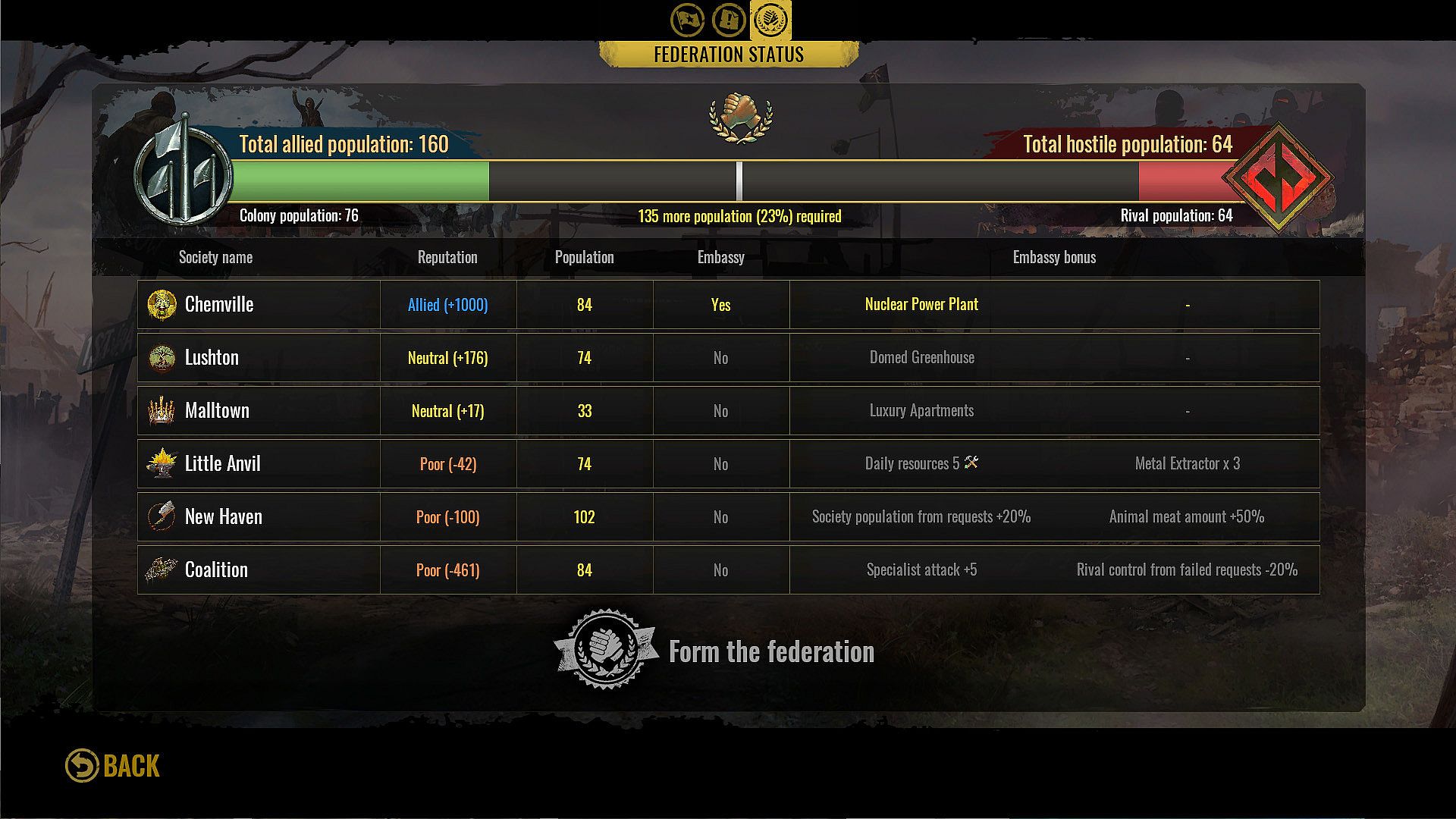
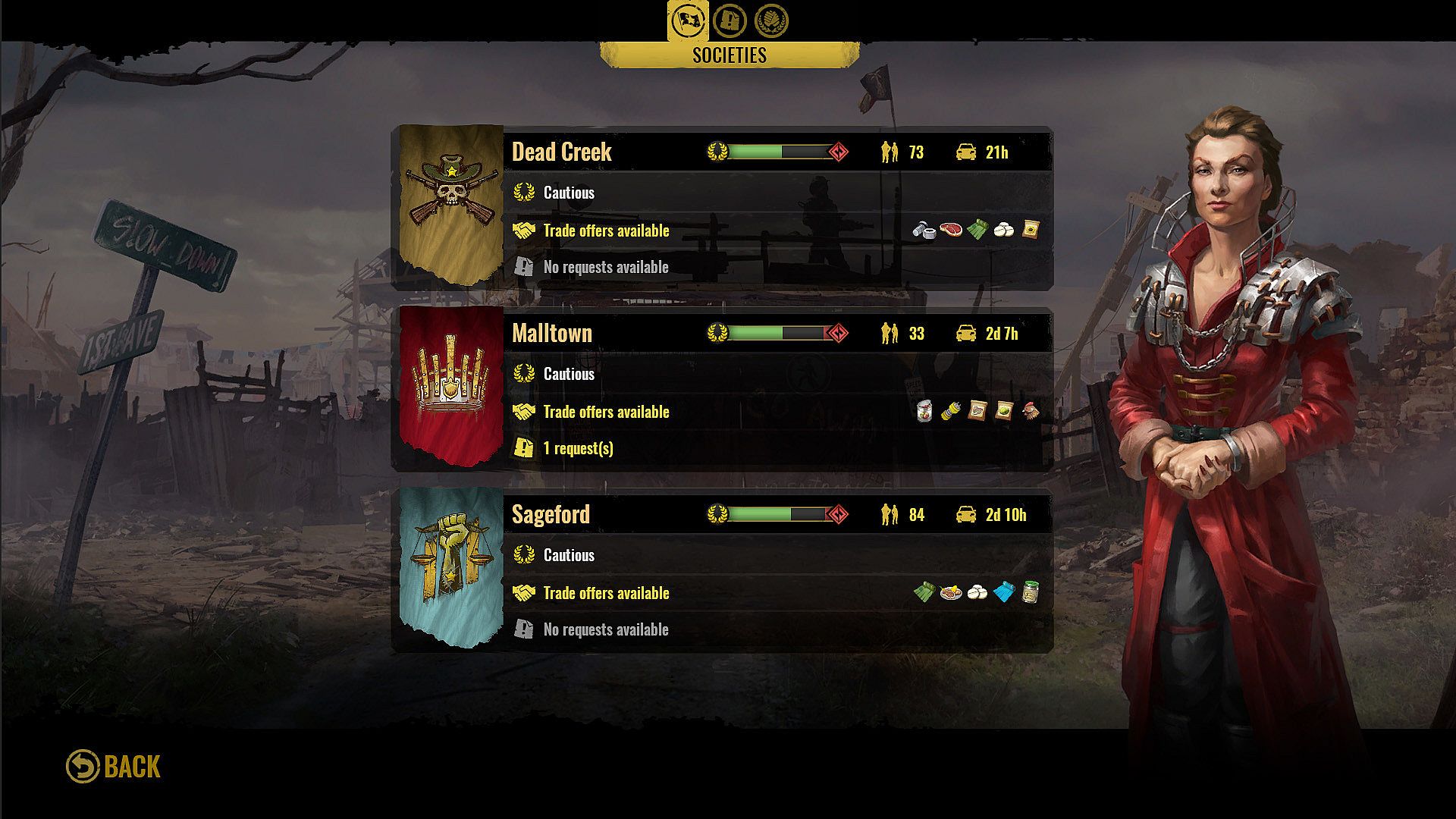
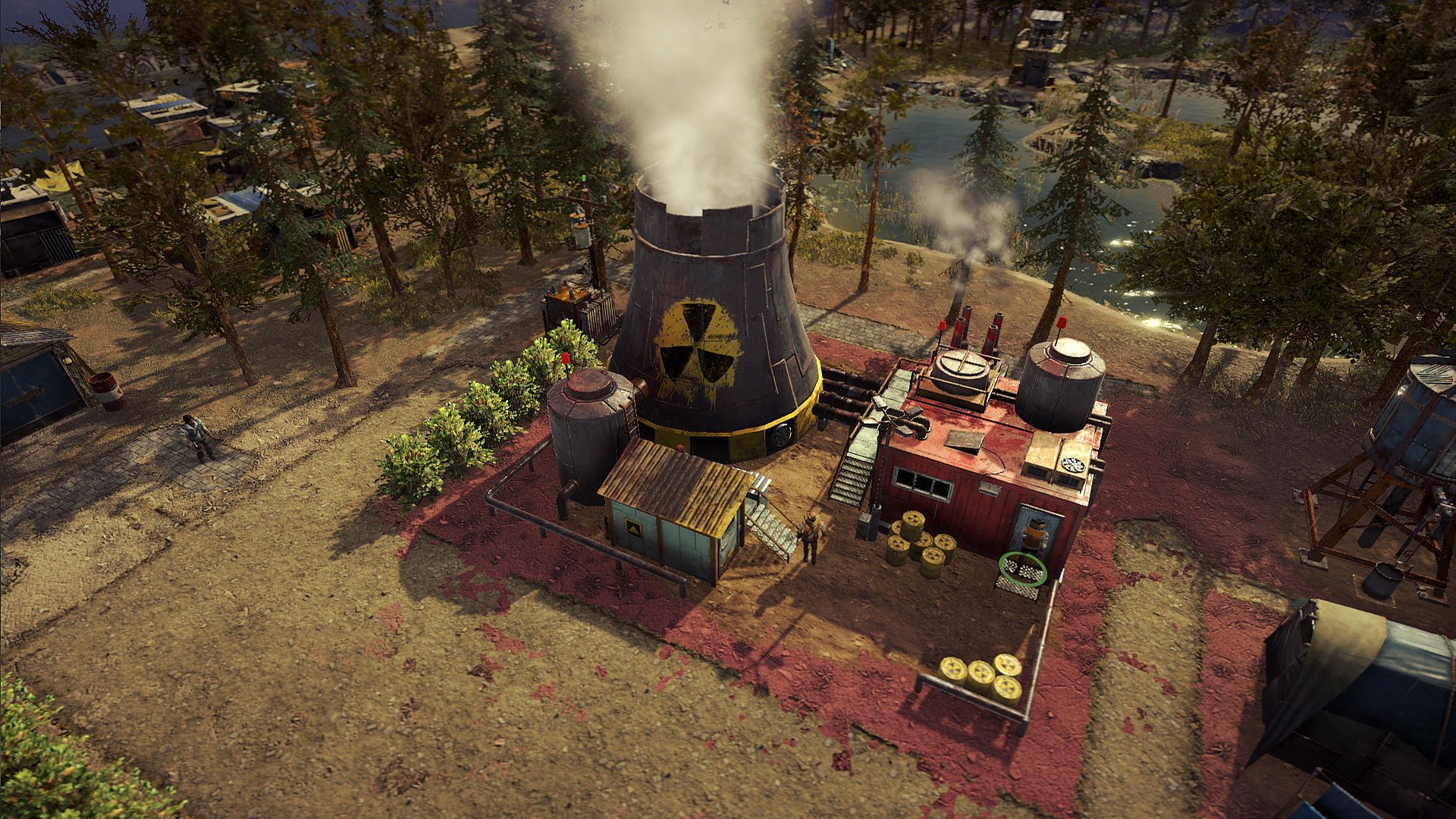
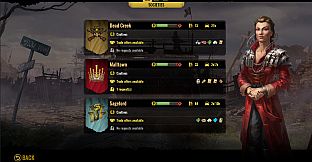
Players start by establishing and expanding a central colony through resource gathering, building construction, and specialist recruitment. The addition of New Alliances introduces interactions with varied societies scattered across the wasteland. Completing requests from these groups builds loyalty and reputation, unlocking access to more than 12 new buildings that enhance colony capabilities. Positive exchanges strengthen ties, while unmet expectations can shift societies toward a rival faction that competes for control of key locations.
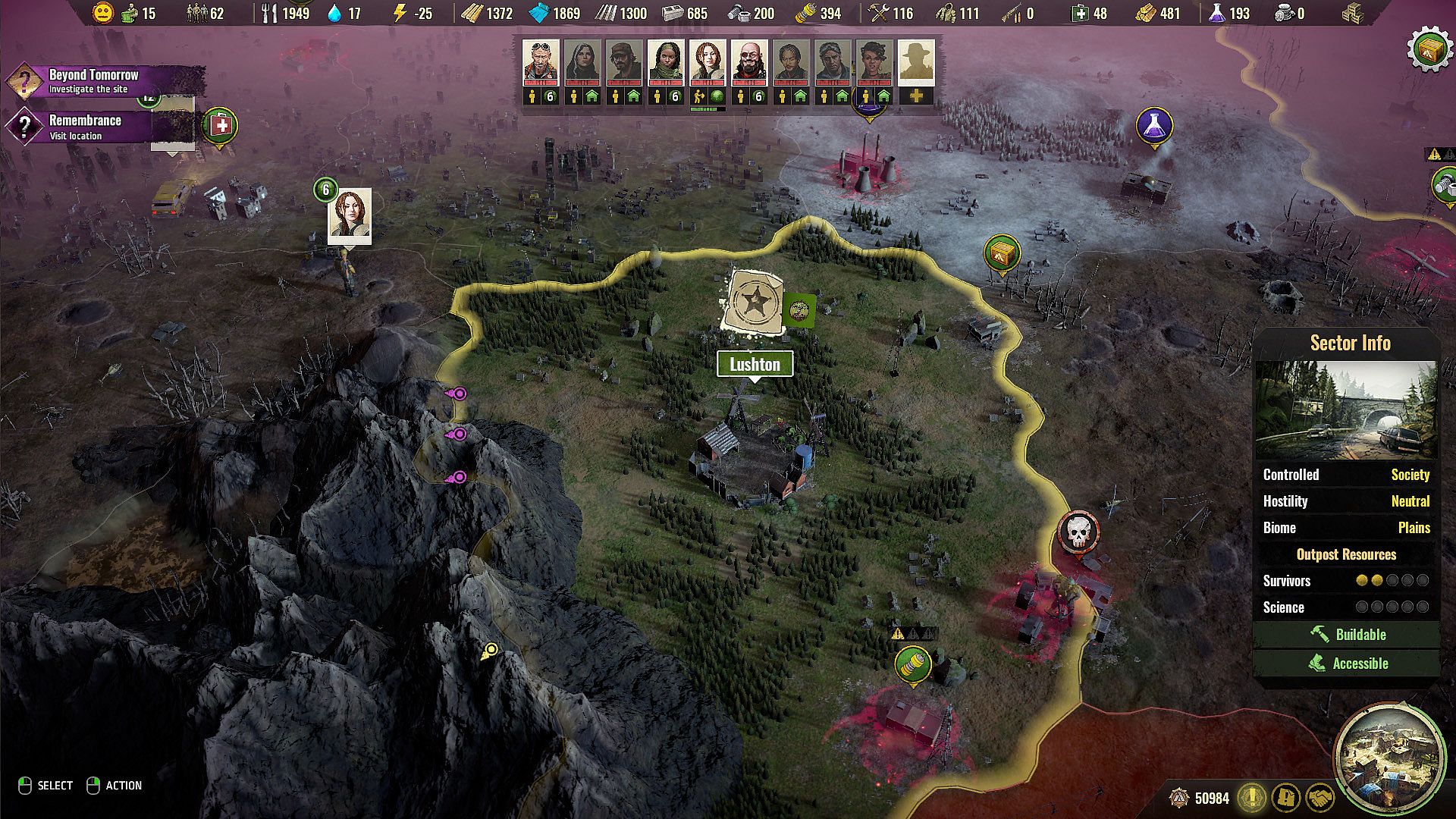
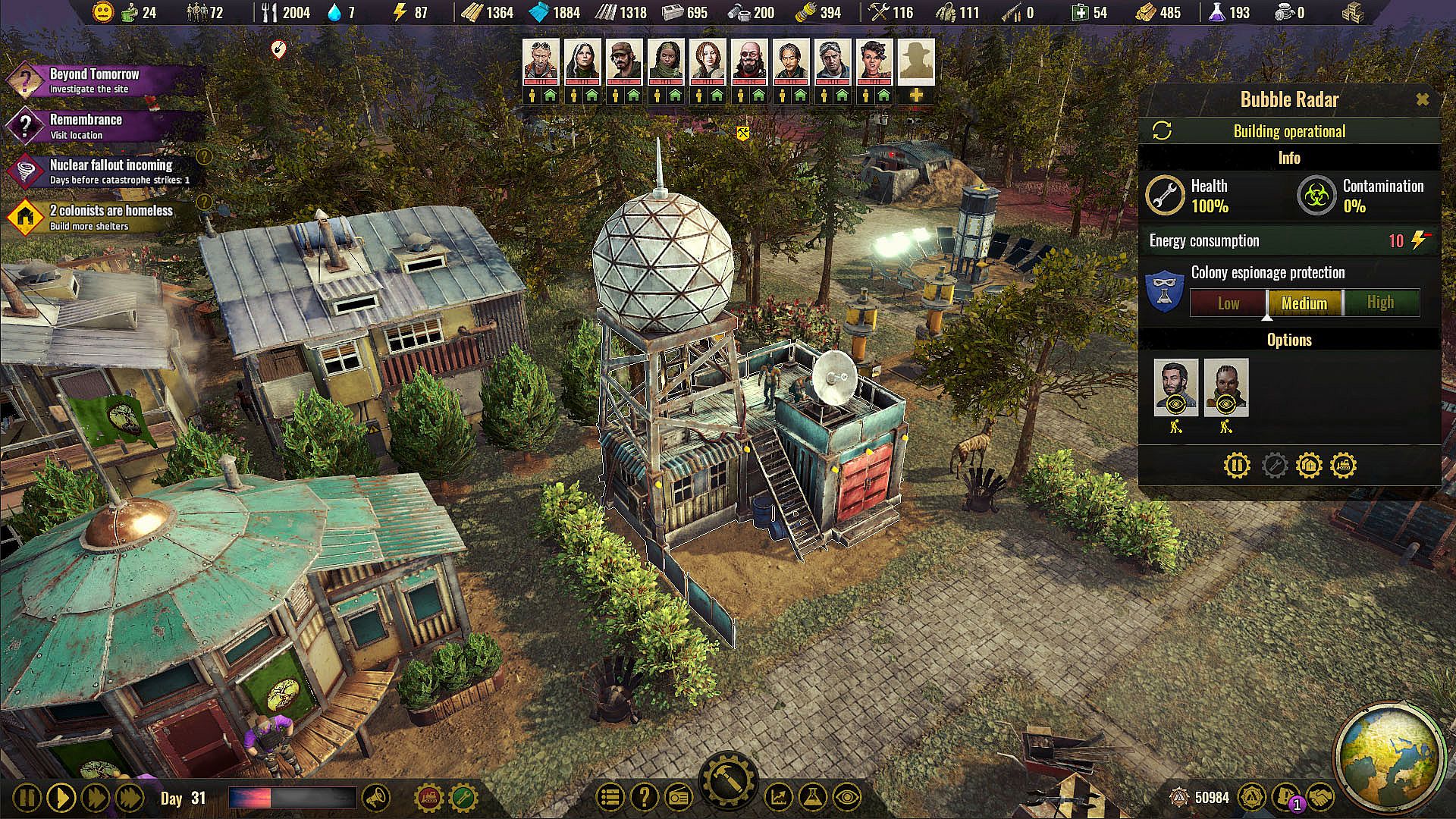
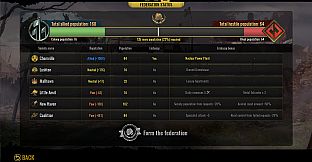
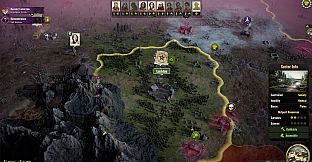
Exploration occurs on a dynamic world map where bandits and beasts pose constant risks. These threats can seize strategic points, forcing players to allocate resources for defense and support of allied settlements through trade or construction aid. An expanded interface streamlines oversight of these interconnected systems, allowing detailed tracking of reputation levels and alliance progress.
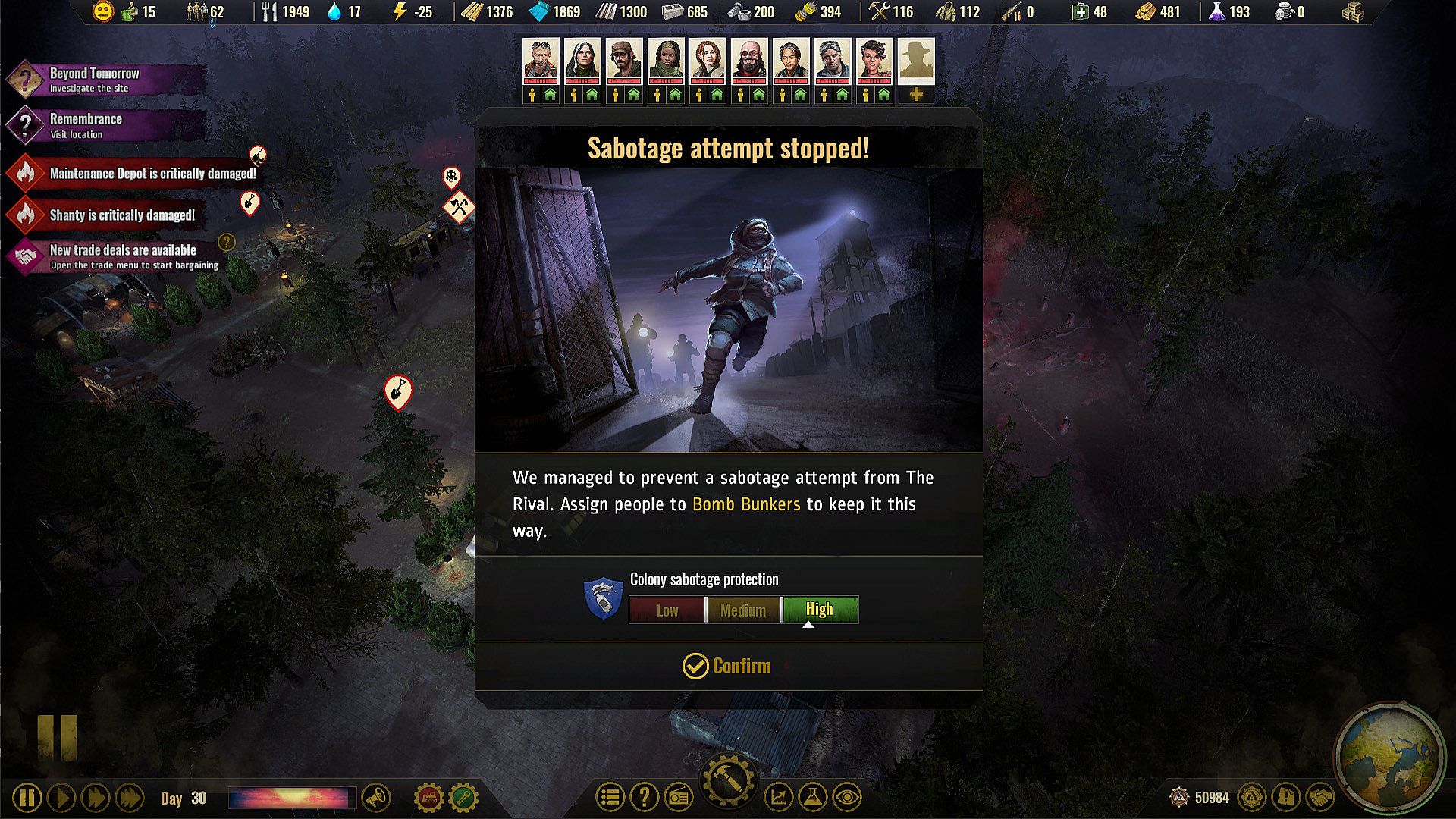
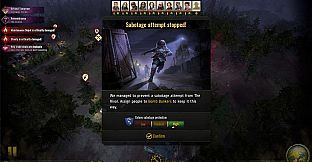
Covert operations add another layer, enabling subtle influence over other societies. Options include sabotage, theft, espionage, and propaganda, with success rates tied to the skills of assigned specialists. Outcomes carry weight, as failures lower reputation, bolster the rival, and risk retaliation from targeted groups.
Game Modes
The experience centers on a single-player campaign structure that blends colony building with world map management and diplomatic progression. No separate competitive or cooperative modes are present, keeping focus on one continuous playthrough where decisions about alliances and defense shape the long-term unification of the wasteland.
Custom settings allow adjustments to starting conditions and knowledge types such as Life Support, Medicine, Defense, and Ecosystem, which influence available rewards and challenges during play. This setup supports varied approaches to the same core loop of expansion and negotiation without altering the fundamental single-player format.
Key Mechanics and Systems
Reputation serves as the central currency for alliances, rising through fulfilled requests and falling through neglect or failed missions. Societies issue time-limited tasks that reward resources upon success, and high reputation can lead to federation membership that integrates them more closely with the player's efforts.
The rival faction emerges as a direct counterbalance, gaining ground whenever the player falters in diplomacy or covert actions. Managing this opposition requires balancing open support for allies with careful use of underhanded tactics to maintain an edge across the wasteland.
Specialist assignments extend beyond colony duties into mission roles, where individual skill profiles determine outcomes in espionage or sabotage attempts. This ties character management directly to broader strategic goals of uniting scattered groups against common dangers.
Is It Worth Playing?
Surviving the Aftermath: New Alliances suits players who enjoy detailed colony simulation paired with diplomatic and defensive layers in a single-player format. The expansion builds on base colony mechanics by adding meaningful choices around reputation and rival competition, creating a cohesive loop of building, negotiating, and protecting interests.
Recent player feedback on the base game remains positive in available reviews, though the specific expansion sees limited standalone discussion. The title receives ongoing support through its publisher's ecosystem, with no major seasonal content cycles confirmed in recent years. Those drawn to post-apocalyptic strategy games focused on long-term planning and alliance management will find the systems rewarding, particularly if they appreciate the consequences of both cooperative and covert decisions.
The game stands as a solid choice for fans of simulation titles that emphasize interconnected systems over fast-paced action. Its emphasis on reputation management and world map threats provides depth for extended sessions without requiring multiplayer participation.