














theHunter: Call of the Wild is a realistic hunting simulation set in expansive open world reserves. Players track and harvest wildlife using authentic tools and environmental awareness across varied terrain and weather conditions. The experience emphasizes patience, observation, and strategic positioning rather than fast action.
Gameplay
Core mechanics revolve around animal behavior simulation. Hunters monitor wind direction to manage scent, listen for calls and movement sounds, and follow tracks to locate species. Day and night cycles along with dynamic weather influence visibility and animal activity patterns. Skill progression splits into stalker and ambusher paths that improve tracking efficiency or concealment. Separate perk trees enhance proficiency with rifles, handguns, shotguns, and archery. Weapons feature simulated ballistics that account for distance, drop, and wind. Players explore reserves on foot or via limited fast travel options while managing inventory and planning routes around need zones where animals feed, drink, or rest.
Exploration rewards careful movement to avoid spooking targets. Noise from actions such as setting equipment can alert nearby wildlife, requiring players to weigh the benefits of repositioning against the risk of disturbing the area. Storage and rest facilities allow inventory management and recovery during longer sessions in remote sections of the map.
Game Modes
The game supports a single player campaign focused on individual exploration and mission completion within the reserves. Online multiplayer allows groups of up to eight participants to hunt together in the same session. Participants can collaborate on tracking or compete for notable harvests while sharing the same environmental challenges and animal populations.
Both formats operate on the same core systems without separate rule sets or dedicated competitive ladders. Sessions emphasize shared discovery of animal patterns and coordinated approaches to harvesting.
Equipment and Features
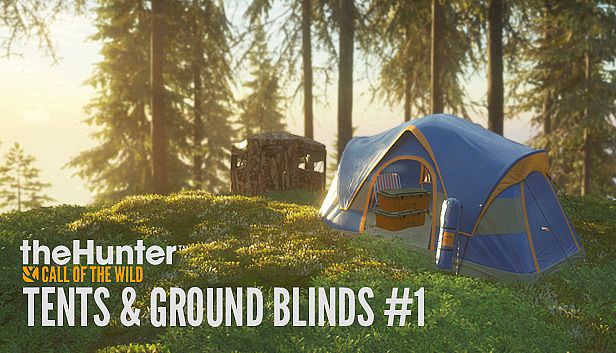
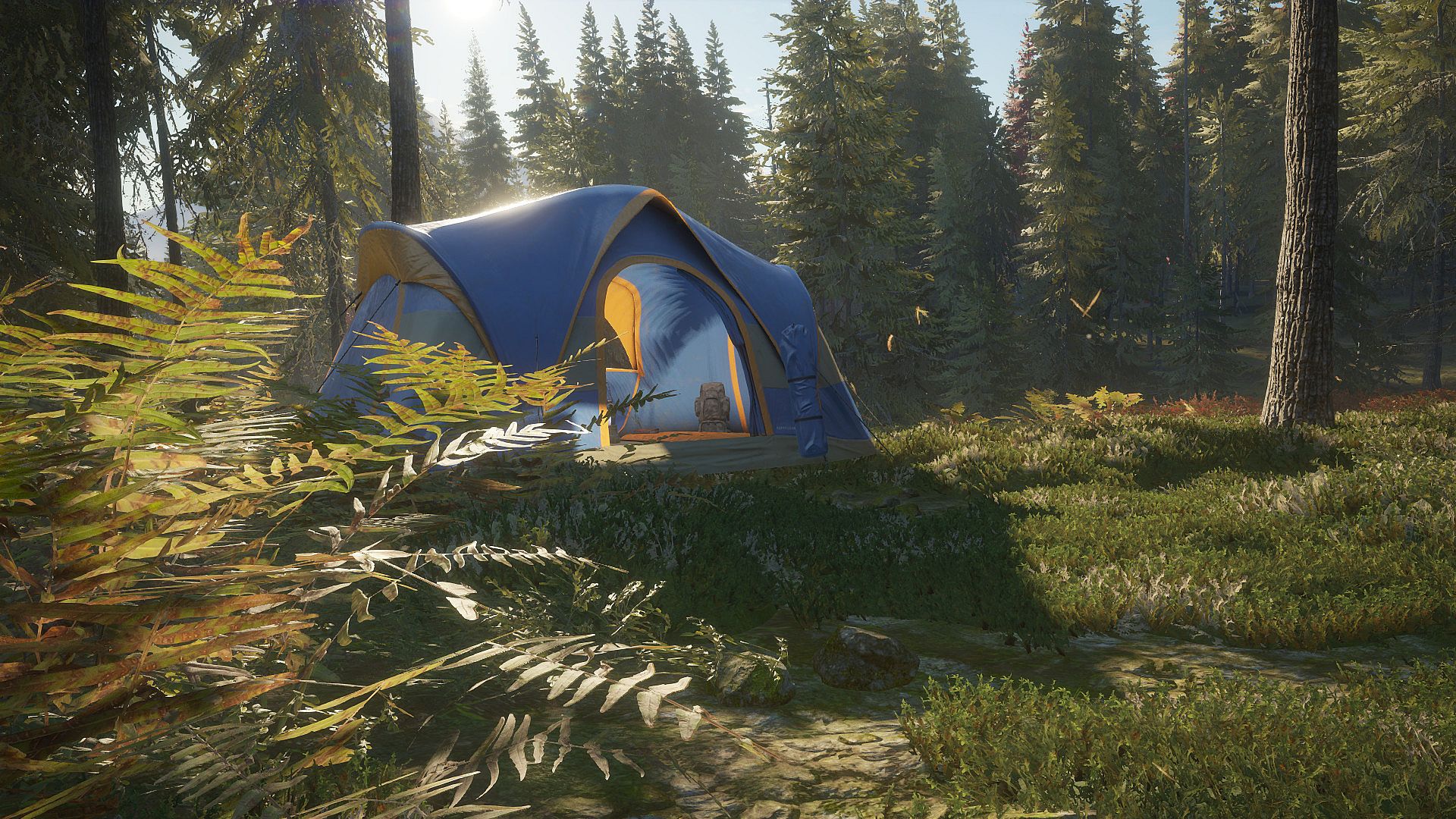
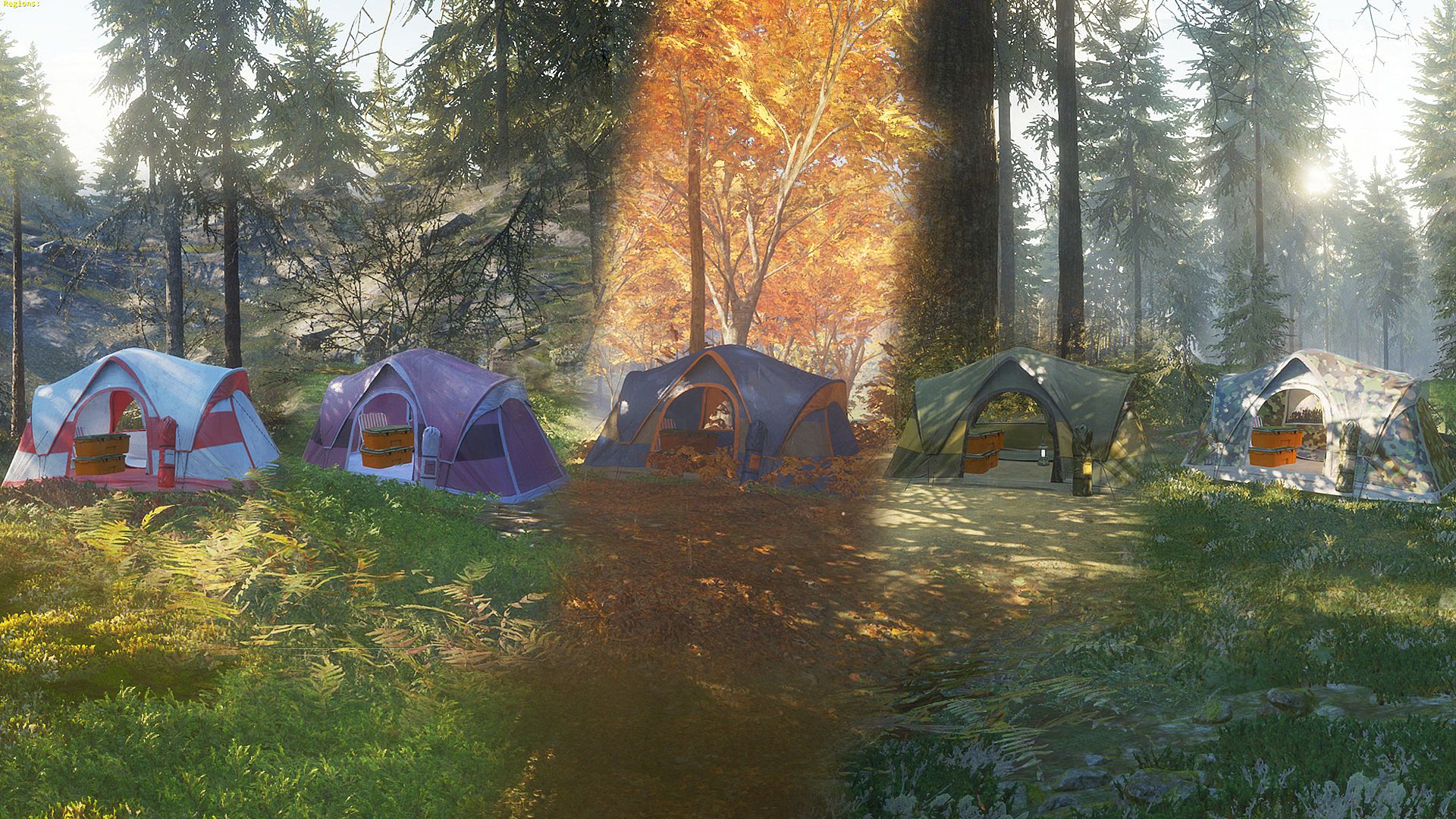
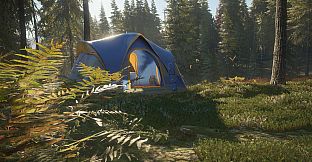
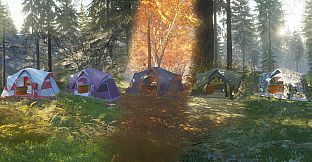
The Tents & Ground Blinds content introduces portable options that expand positioning choices in Hirschfelden and Layton Lake District. The Elite 2 Tent functions as a two-person shelter suitable for all weather. It serves as a mobile outpost with storage space and access to gear purchases. Placement creates additional fast travel points, though fees apply and setup generates noise that may affect local animals. Up to eight tents can remain active per reserve, and each can be relocated or removed as needed. Color variants include white, blue, pink, green, and camo patterns.
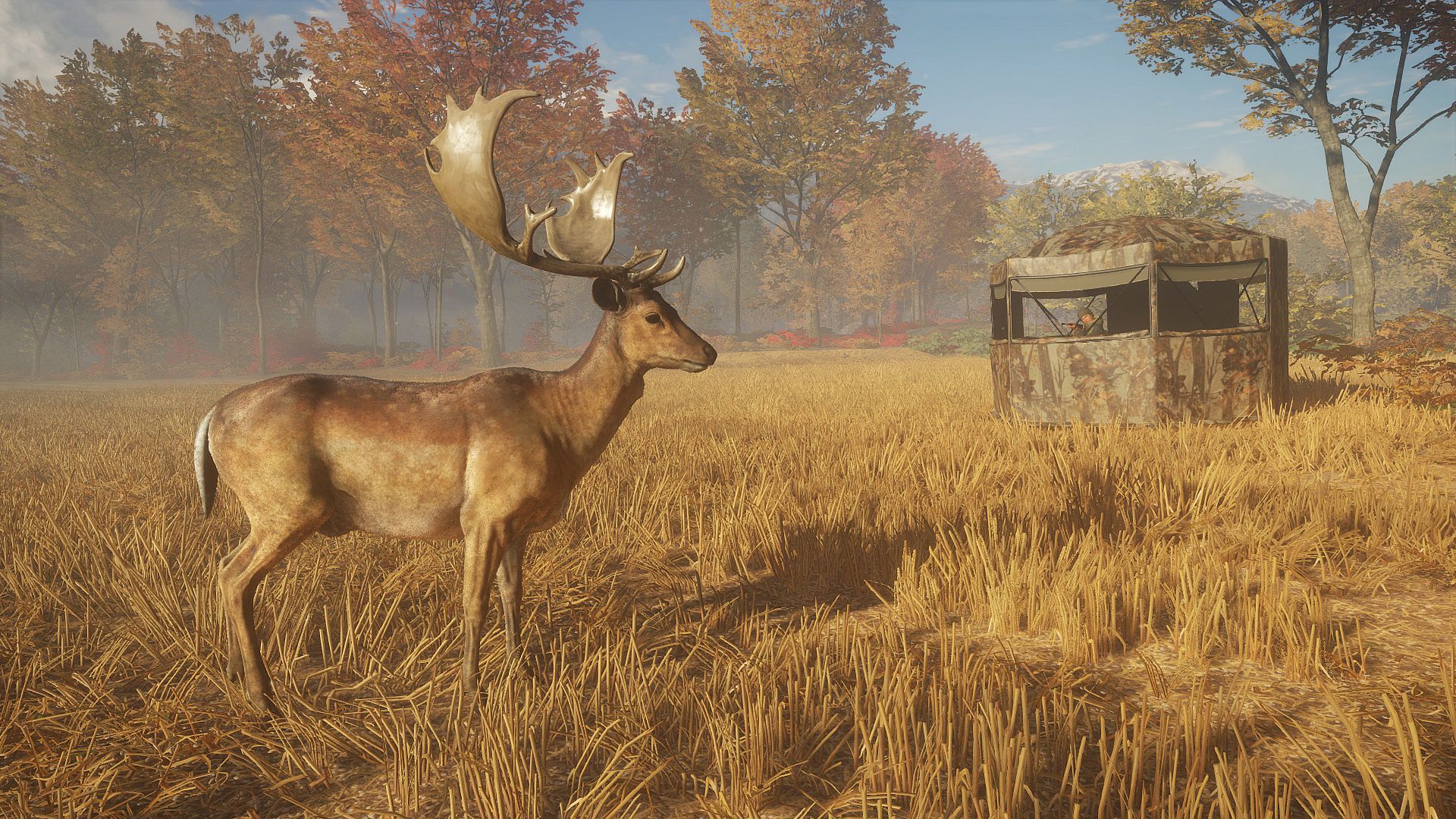
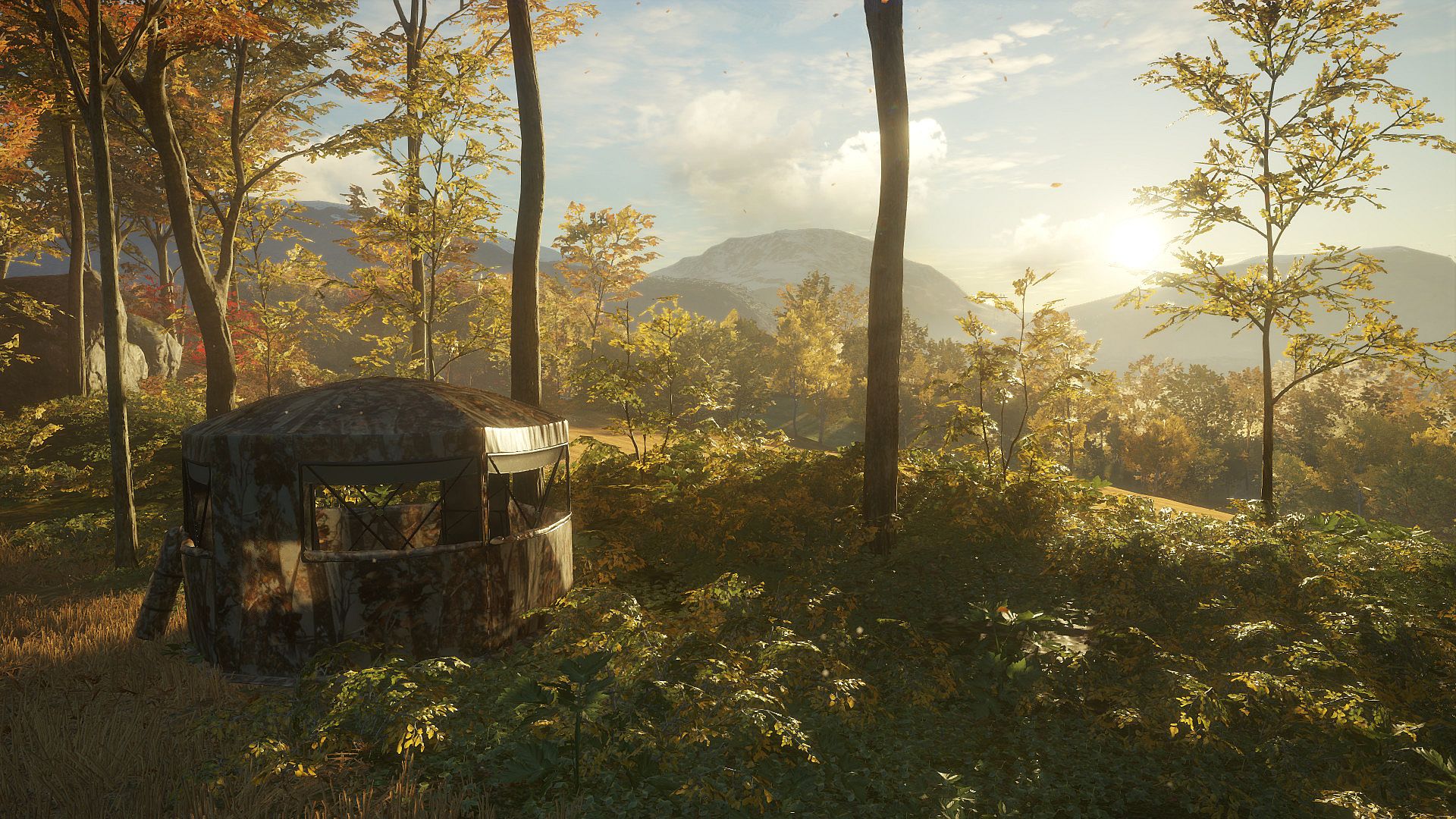
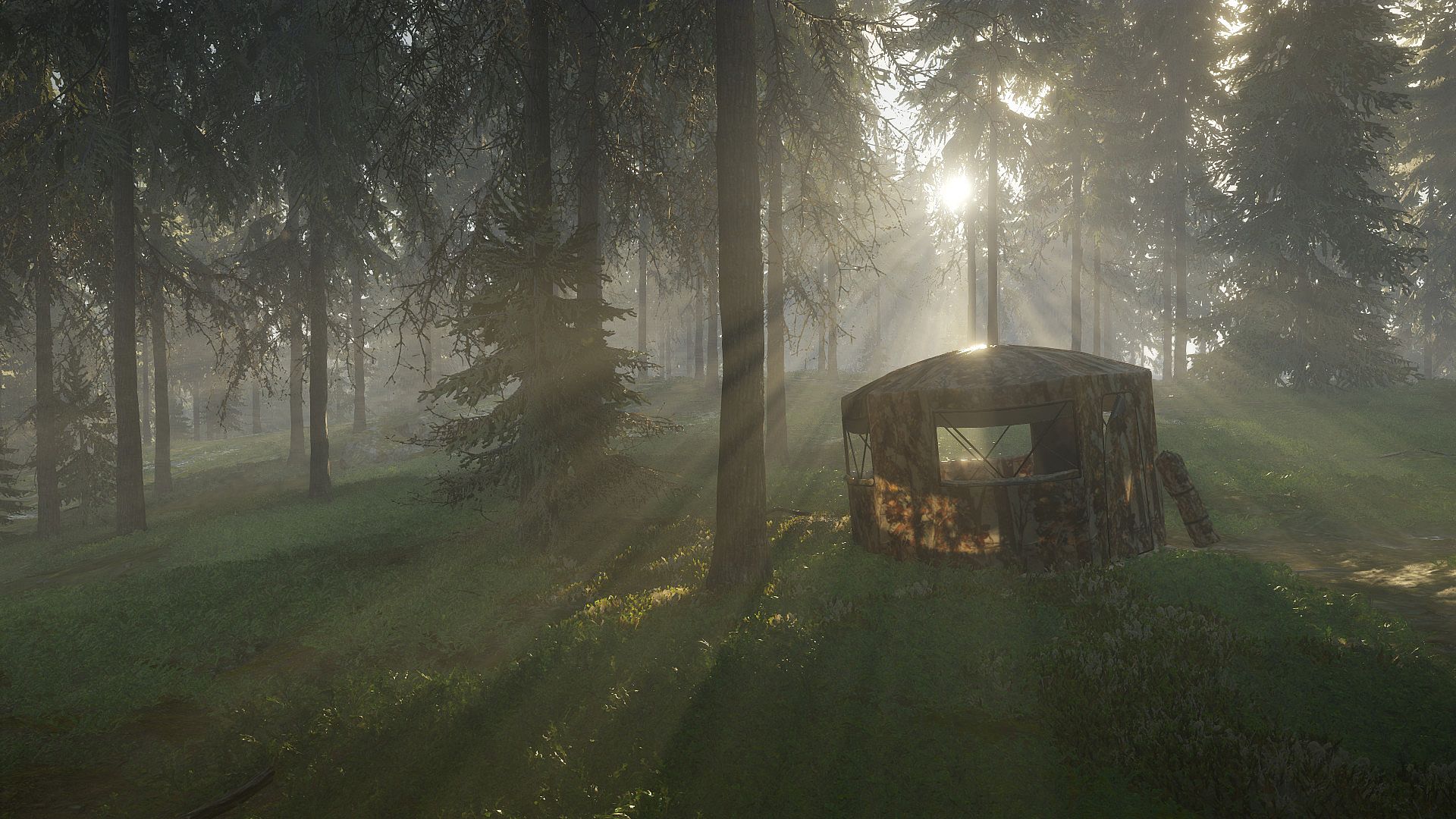
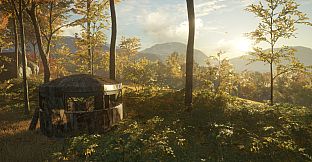
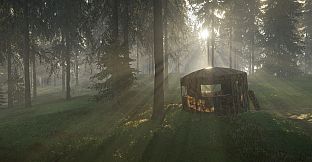
The Incognito Deluxe Ground Blind provides portable concealment and weather protection. Once placed, it reduces visibility while permitting shooting angles in multiple directions. Deployment supports up to two hunters and works in most locations. Like tents, setup creates noise that risks alerting wildlife. A maximum of sixteen ground blinds can operate simultaneously per reserve, with full flexibility for dismantling and repositioning. Available finishes are timber and conifer.
Is It Worth Playing?
This simulation suits players who enjoy methodical outdoor activities and realistic wildlife modeling. The addition of tents and ground blinds improves flexibility for extended sessions across dense map areas by enabling better access and ambush setups. Multiplayer supports cooperative or competitive play without altering the deliberate pace. Reception shows mixed critic scores alongside ongoing community updates that maintain the reserves and mechanics. Those drawn to patient tracking and environmental strategy will find consistent depth, while players seeking rapid progression or varied objectives may prefer other genres. The base experience remains accessible on PC with the described equipment enhancing long-term engagement in the established reserves.