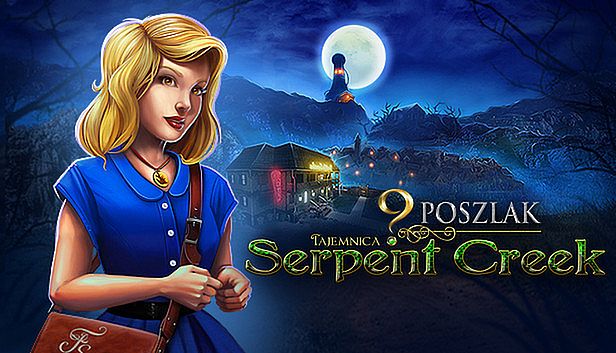











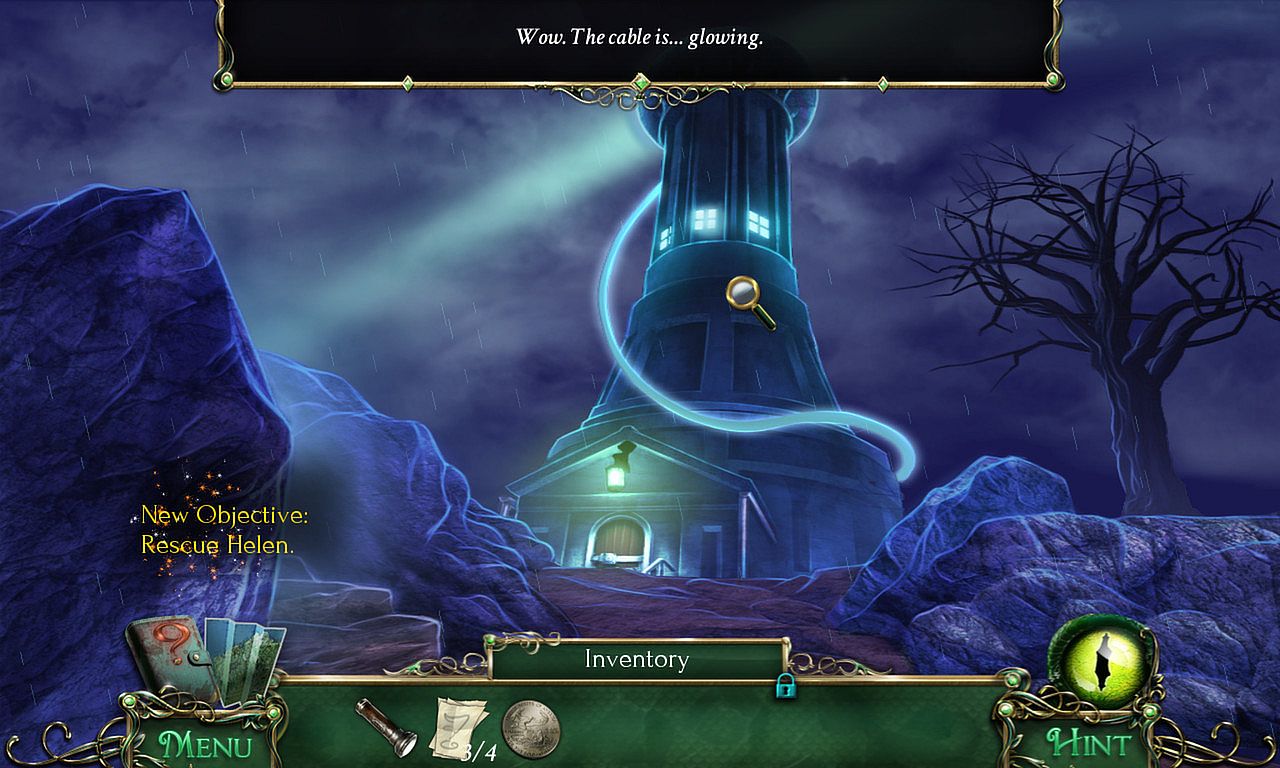
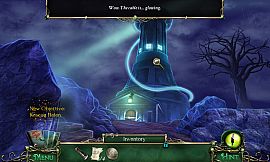
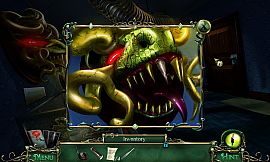

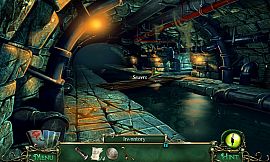
9 Clues: The Secret of Serpent Creek is a hidden object puzzle adventure game developed for PC. Players step into the role of a paranormal private investigator drawn into a mystery in the coastal town of Serpent Creek during the 1950s. The narrative blends classical horror with noir elements as the detective responds to a distressed call from reporter Helen Hunter and arrives to find the town overrun by snakes, its residents moving as if sleepwalking, and the ground shaking from violent tremors. No sign of the missing reporter appears at first, setting the stage for an investigation that uncovers deeper secrets through careful clue gathering and scene analysis.
Gameplay
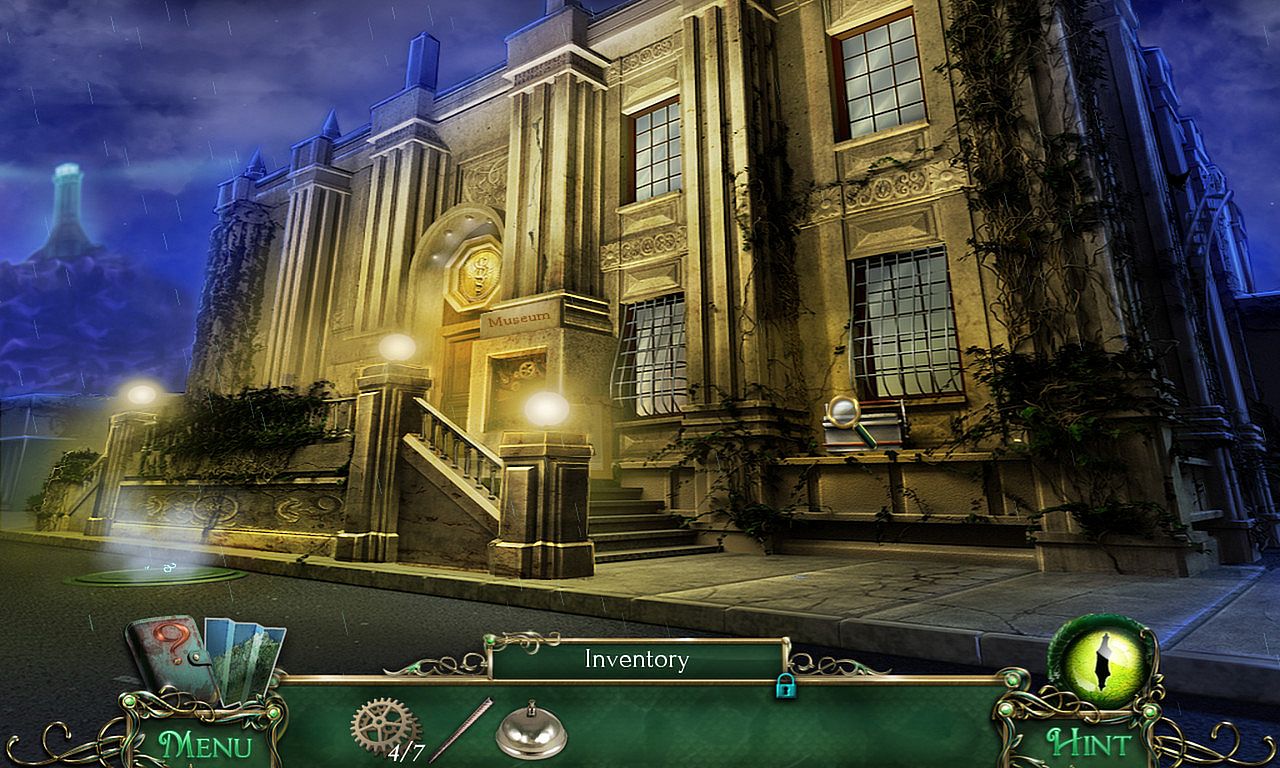
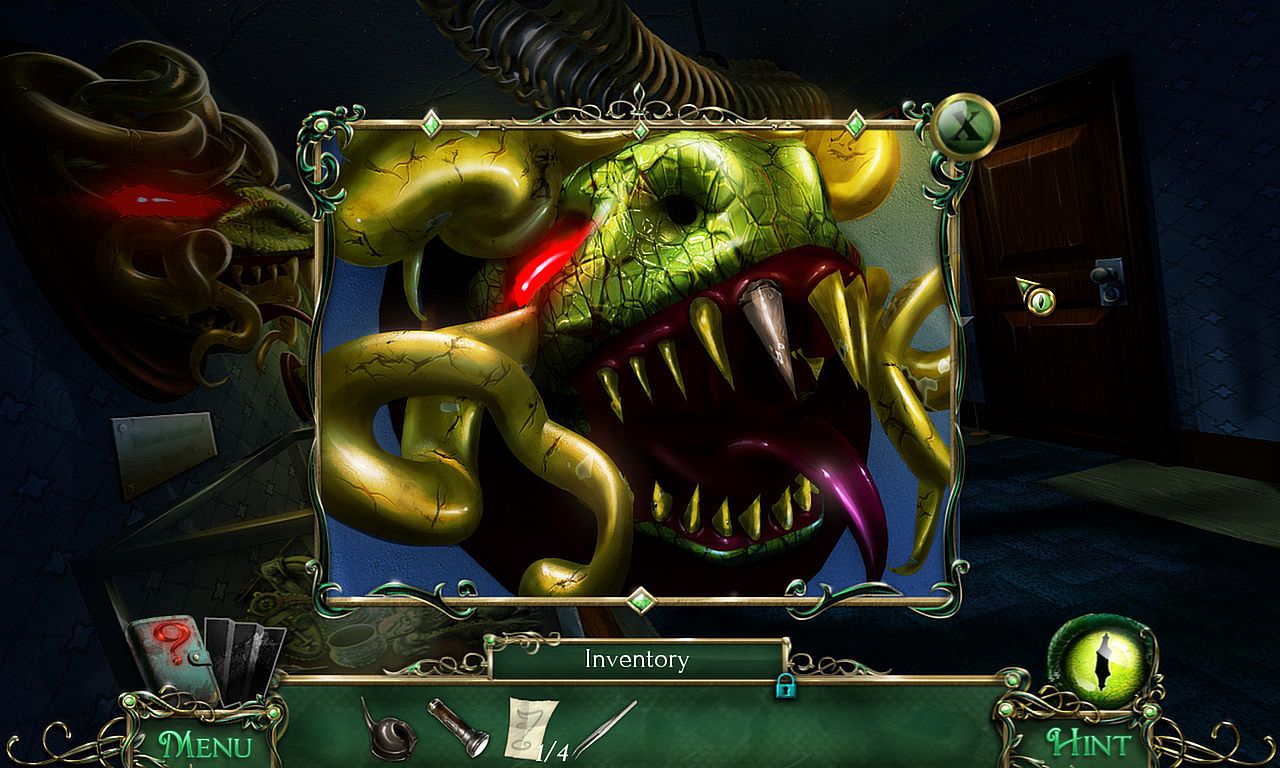
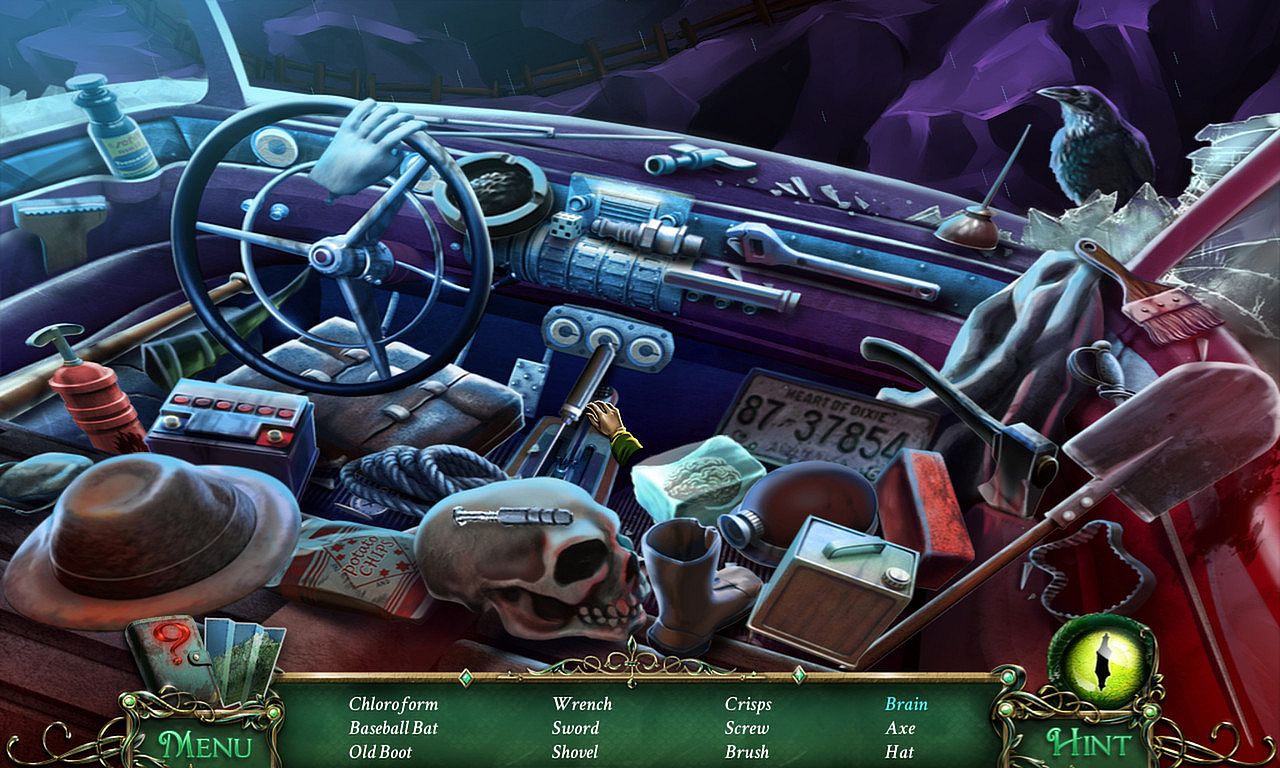
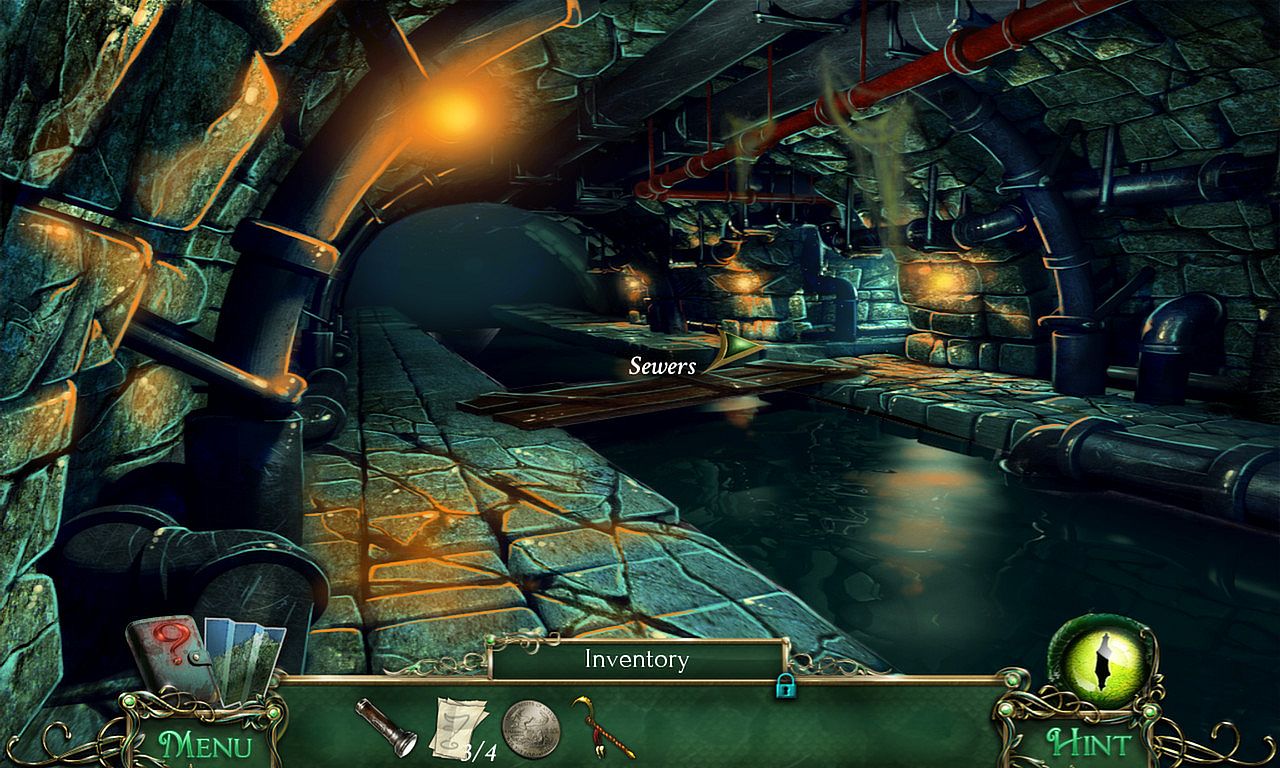
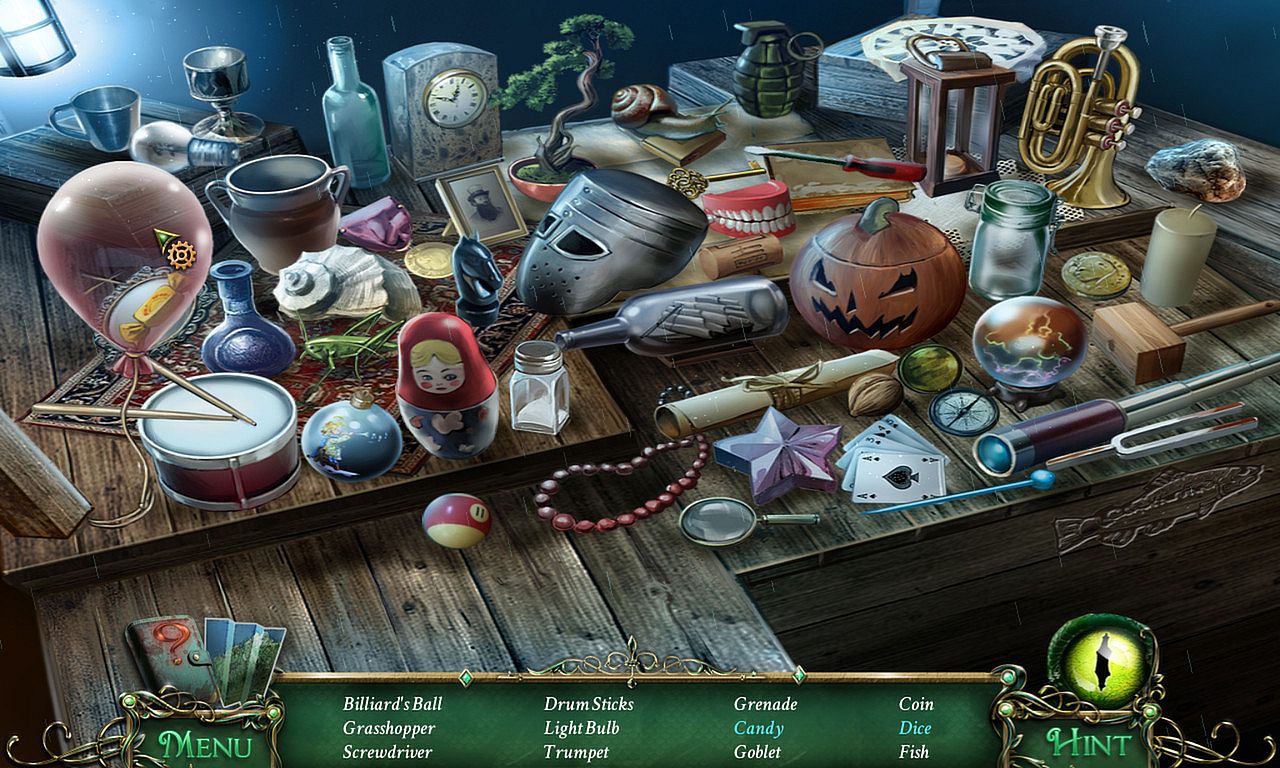
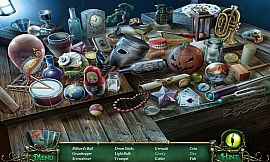
The core loop revolves around exploring eerie, realistic locations filled with interactive objects and environmental details. Players search static scenes for hidden items that advance the story or provide evidence. These sequences follow traditional hidden object conventions but incorporate atmospheric tension through dim lighting, unsettling sound design, and the constant presence of snakes slithering across the environment. Puzzles appear as mini games that require logical manipulation of objects, such as repairing mechanisms or aligning elements to progress.
A standout system is the Detective Mode, which shifts focus from item lists to open ended clue discovery. In this mode, players examine crime scenes by clicking on relevant details without prompts, then combine findings to reconstruct events. The Detective's Journal tracks active tasks and maintains a character index to help connect motivations and timelines. This approach encourages methodical observation rather than rapid scanning, fitting the investigative theme of a 1950s private eye confronting supernatural occurrences.
Progression remains linear, guiding the detective through unique locations that reveal layers of the town's history. Complex characters drive the plot with believable personal stakes, and unexpected twists emerge from combining clues across multiple scenes. The experience stays grounded in single player exploration without branching paths or external systems.
Game Modes
The game centers on its primary single player campaign, which integrates standard hidden object scenes with the specialized Detective Mode for variety. Hidden object scenes present cluttered environments where players locate specific items to collect evidence or unlock new areas. Detective Mode stands apart by removing word lists entirely, allowing free form interaction with crime scene elements that later animate to show reconstructed events.
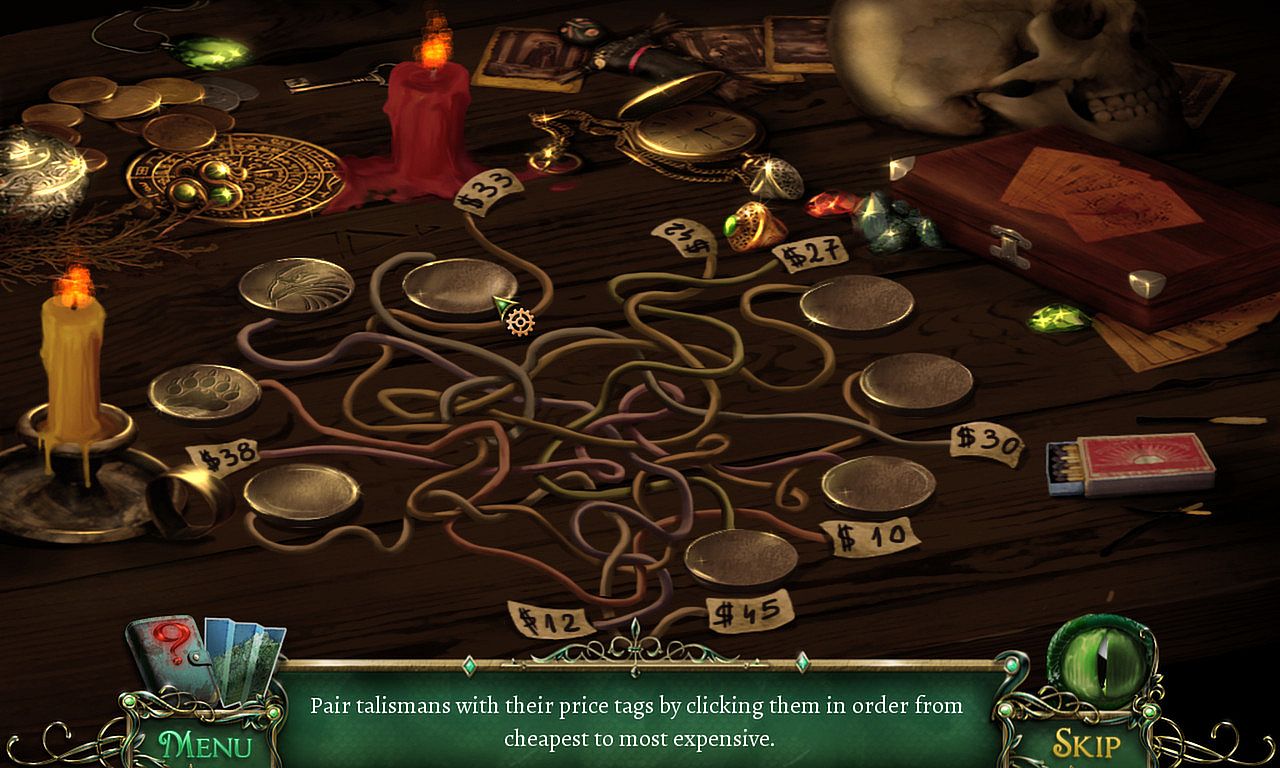
Mini games serve as occasional interruptions that test observation and timing skills, such as untangling wires or matching patterns. These appear alongside the main investigation flow and tie directly into advancing the central mystery. No separate difficulty modes or alternative play styles exist beyond the built in hint system that assists when progress stalls.
The Detective's Journal functions as an always available reference tool, listing current objectives and cataloging characters encountered so far. This supports the investigative process without introducing competitive or cooperative elements, keeping the focus on solitary deduction in a haunted setting.
Story and Atmosphere
Set firmly in 1950s America, the narrative follows the detective's arrival in Serpent Creek and the gradual revelation of its dark undercurrents. The town's snake infestation and seismic activity serve as immediate visual and auditory cues that something unnatural is at work. Citizens appear detached, moving through routines without awareness, which adds to the sense of isolation during exploration.
Plot developments unfold through dialogue with residents and the accumulation of physical evidence. Real motivations surface for key figures, avoiding one dimensional portrayals in favor of layered backstories that connect to the central disappearance. Twists arise naturally from the detective work, rewarding attention to detail across successive locations.
Hand painted graphics emphasize realistic yet unsettling environments, from foggy streets to dimly lit interiors. The combination of horror tropes and noir storytelling creates a consistent tone that builds tension through environmental storytelling rather than overt action.
Is It Worth Playing?
Player feedback on Steam rates the title Very Positive based on hundreds of reviews, highlighting its atmospheric presentation and straightforward approach to hidden object mechanics. Many appreciate the shorter playtime that delivers a complete mystery without unnecessary padding, making it suitable for those seeking a focused single player experience.
The game appeals most to fans of hidden object adventures who enjoy a darker tone and the added investigative layer of Detective Mode. Its ease of access, with simple puzzles and helpful journal features, suits casual players looking for an engaging story without steep challenges. Those preferring elaborate exploration or high difficulty may find the linear structure limiting.
Availability remains steady on PC with no ongoing updates or seasonal content, as the title functions as a self contained release. For players drawn to 1950s noir mysteries mixed with supernatural elements, the combination of clue combination mechanics and eerie settings provides a satisfying, self contained adventure that rewards careful observation.