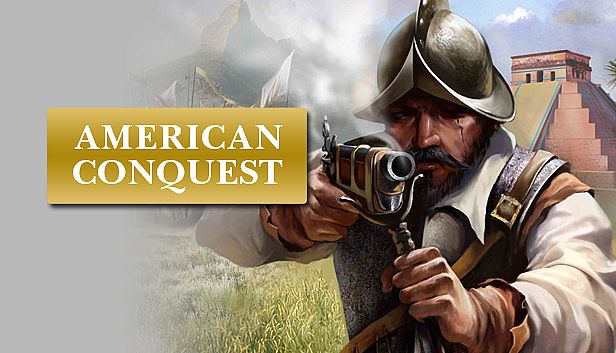





















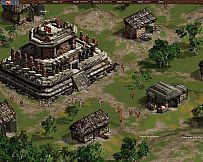
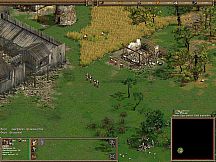
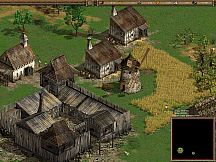

American Conquest is a real-time strategy game that places players in command of historical forces during the colonization and conflicts of the New World. The title covers the period from 1492 to 1813, beginning with the arrival of European explorers and extending through major wars of independence and tribal resistance. Players manage resources, train units, construct buildings, and direct large-scale battles across expansive maps while balancing diplomacy and technological progress.
Gameplay
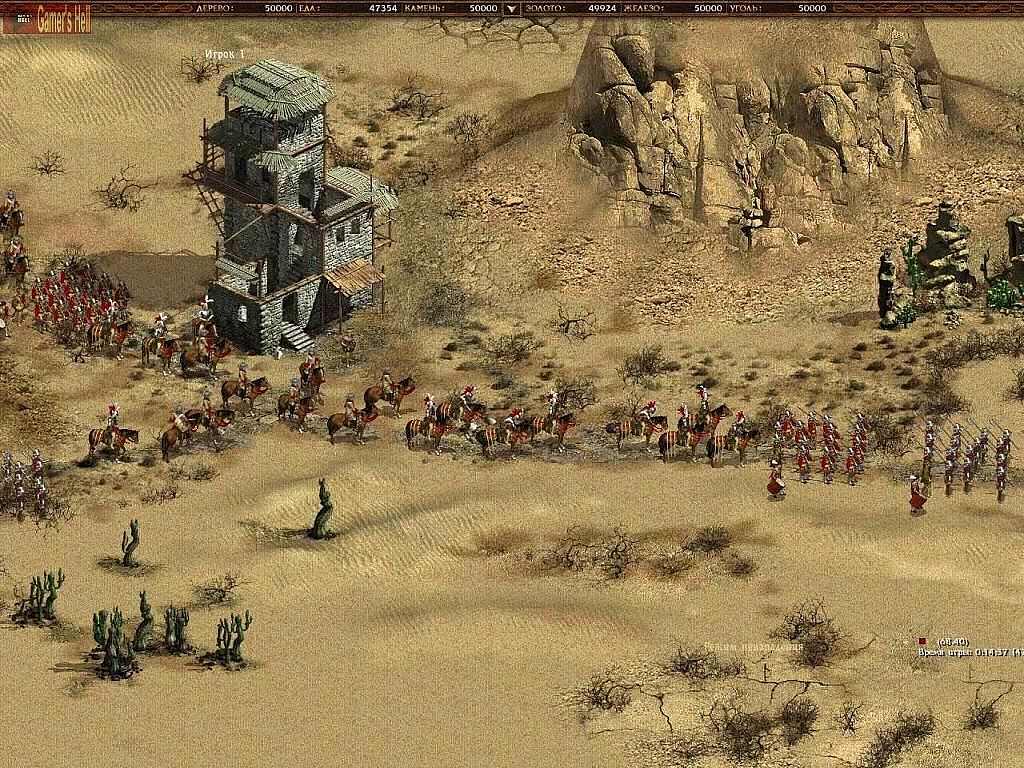
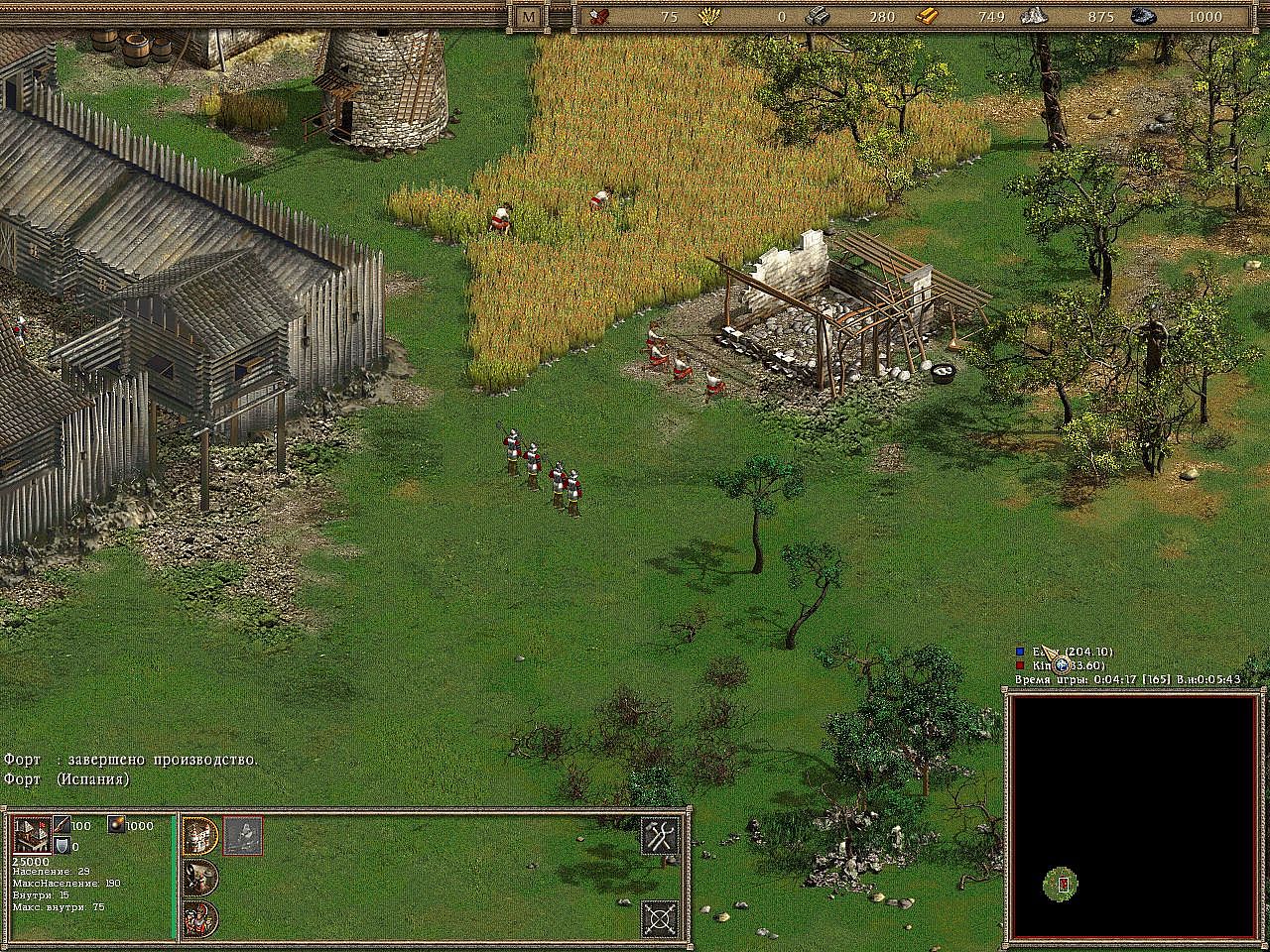
The core loop revolves around building settlements, gathering resources, and fielding armies in real-time battles that can involve thousands of soldiers. Each of the twelve nations and tribes features distinct units, structures, and strengths, ranging from European powers with advanced artillery to indigenous groups relying on mobility and terrain knowledge. Officers, drummers, and standard bearers help maintain formations for infantry, cavalry, and artillery, while morale systems track factors such as recent victories, food supplies, and mercenary payments to influence unit performance.
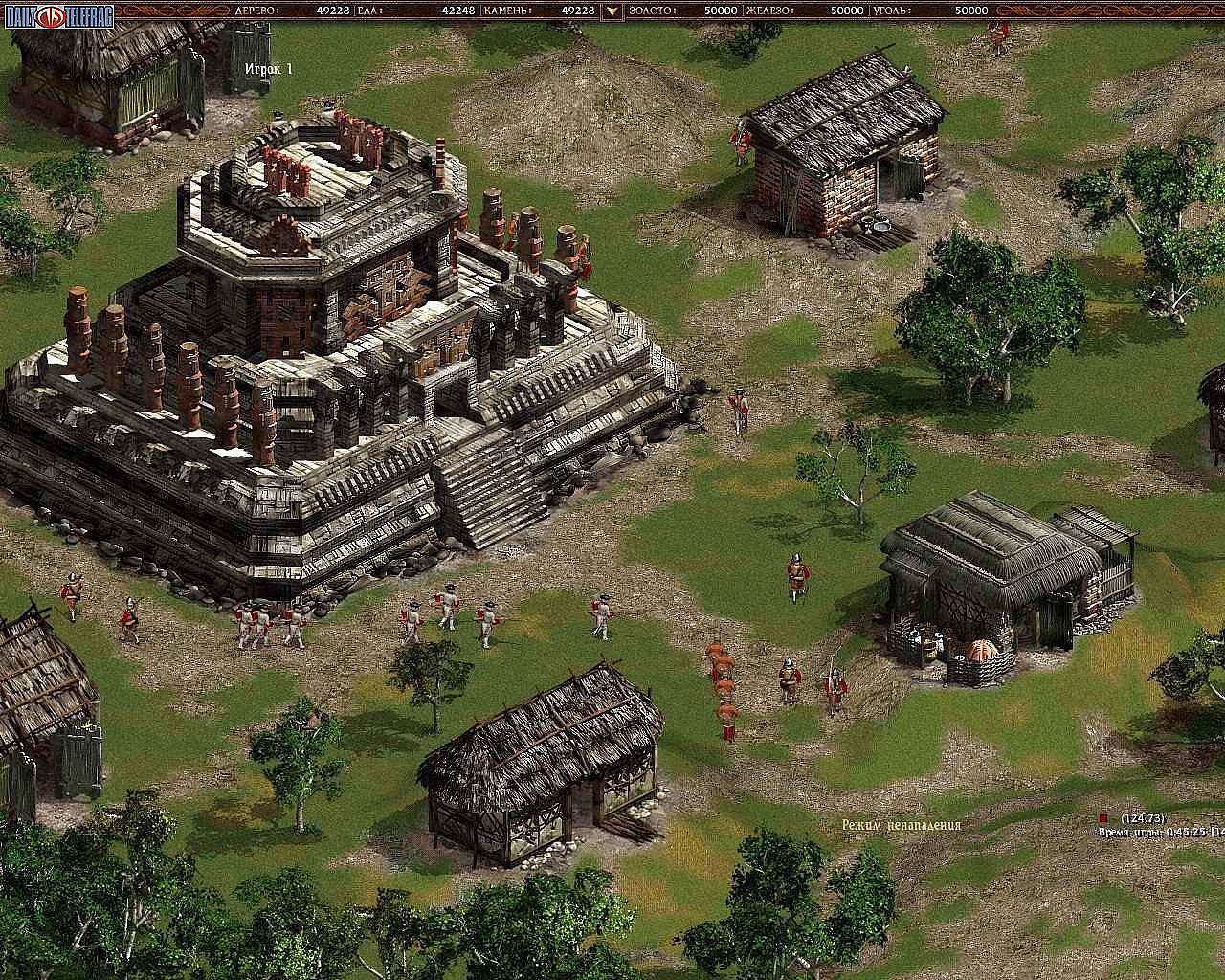
Artillery units require dedicated crews for transport, loading, and firing, with realistic ballistics and area effects. Shooting units can switch to close-quarters combat with blades when needed. All structures remain vulnerable to capture or destruction, and defensive positions like forts offer clear advantages for garrisoned troops. The environment plays a tactical role, with hills extending firing ranges and caves serving as ambush points. A zoom feature allows players to shift between detailed unit views and broad battlefield overviews on maps that span multiple screens.
Diplomacy adds another layer, enabling alliances with neutral tribes for trade in warriors and materials. New technologies and unit upgrades become available over the centuries covered by the campaigns, reflecting historical advancements in weaponry and organization.
Game Modes
Single-player content centers on eight campaigns that together contain forty-two missions. These follow historical events such as expeditions into South America, conflicts involving Native American leaders, the Seven Years War, and the American War of Independence. Additional standalone missions provide further scenarios outside the main campaigns.
Multiplayer supports up to seven participants over LAN or internet connections. Available options include deathmatch skirmishes, recreations of specific historical battles, an automatic championship system with global rankings, and a dedicated War For America mode. Random map generation offers varied layouts and settings for repeated play without repetition of fixed scenarios.
Campaigns and Factions
The eight campaigns highlight key figures and conflicts across three centuries. Players take on roles such as Spanish conquistadors or American revolutionary leaders while commanding forces from twelve playable sides. European factions emphasize disciplined formations and gunpowder weapons, whereas Native American tribes leverage speed, knowledge of the land, and alliances. Over one hundred unit types and more than one hundred buildings support varied army compositions tailored to each side's historical context.
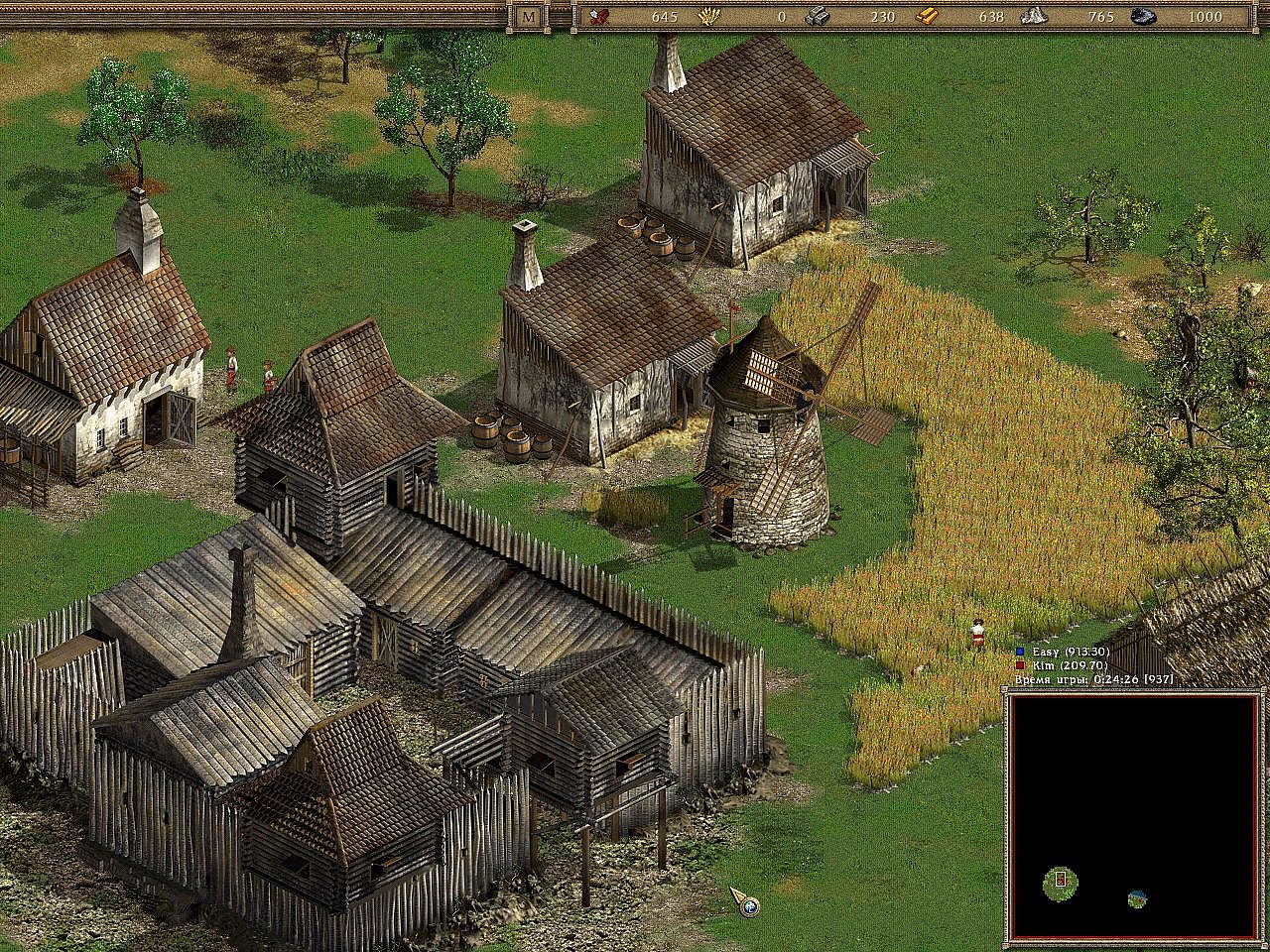
Resource management and base building remain central, with production chains feeding into unit training and technological research. The scale of engagements rewards careful positioning and use of terrain rather than simple numerical superiority.
Is It Worth Playing?
American Conquest appeals to fans of large-scale historical real-time strategy who enjoy managing complex battles and long campaigns. The title remains available on PC with its original feature set intact, including support for sizable multiplayer sessions. User reviews on major platforms show mixed reception, with 68 percent positive ratings from several hundred submissions. Those seeking deep single-player historical scenarios or competitive multiplayer with period-specific mechanics may find the experience engaging despite its age. The game suits players comfortable with older interfaces and who value strategic depth over modern graphical polish.