










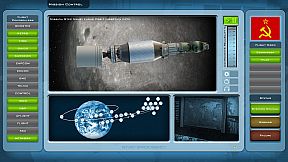
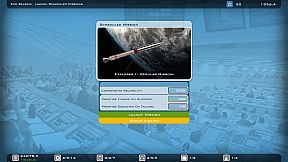
Buzz Aldrin's Space Program Manager is a turn-based strategy and simulation game focused on directing national space efforts during the Cold War era race to the Moon. Players oversee every stage of program development from the mid-1950s onward, balancing limited budgets against technical progress and mission risks while pursuing the first lunar landing.
Gameplay
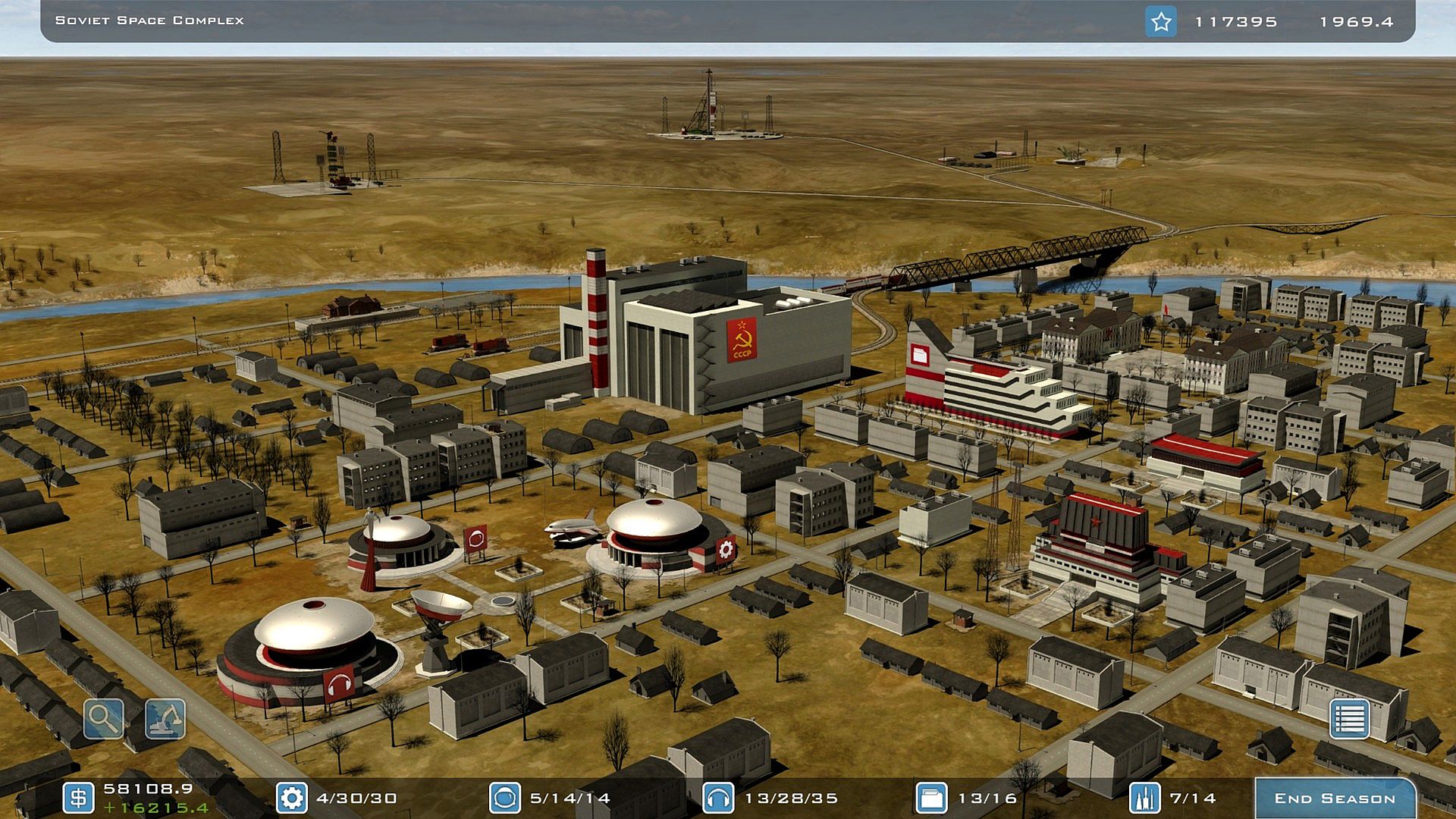
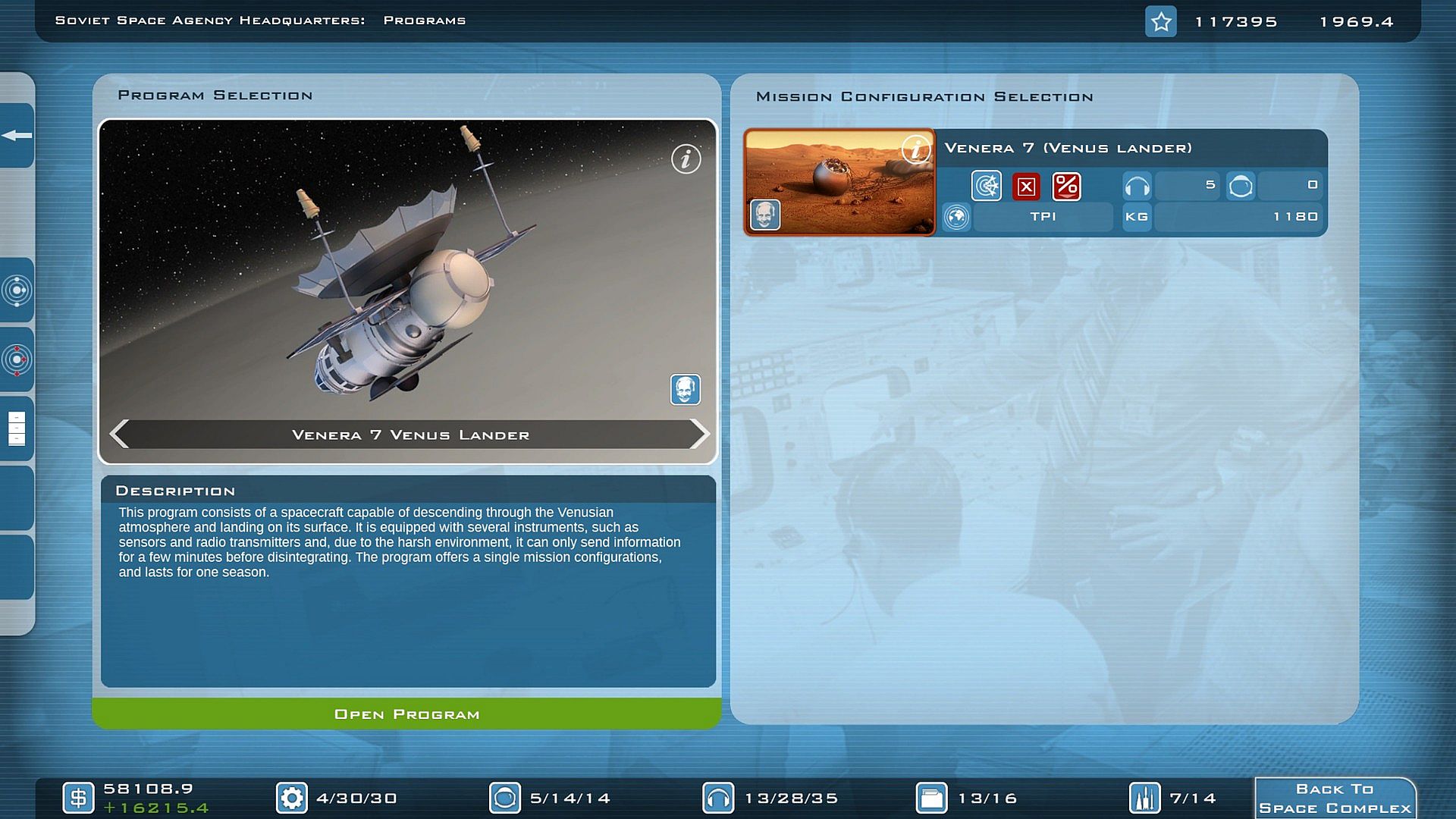
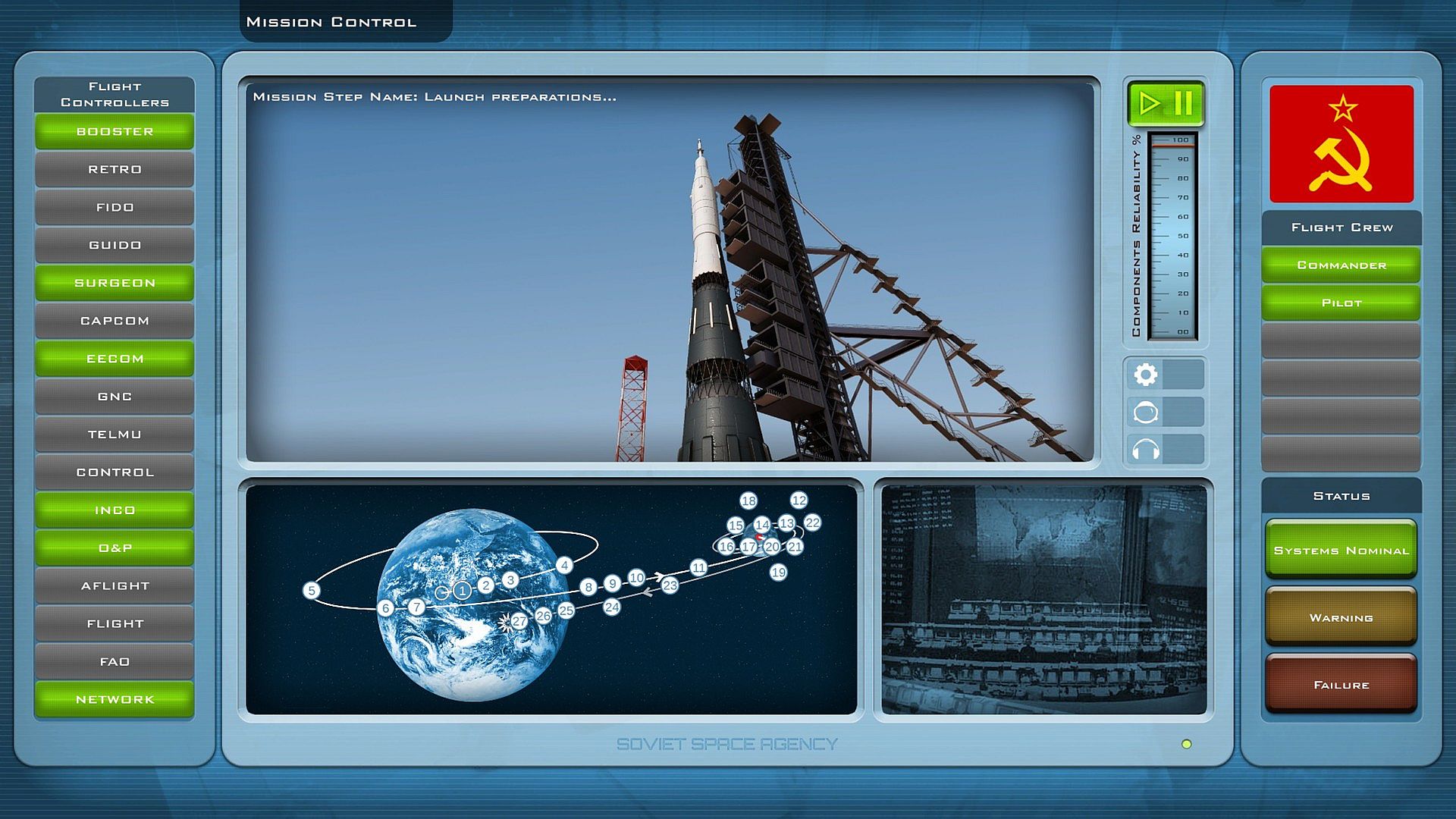
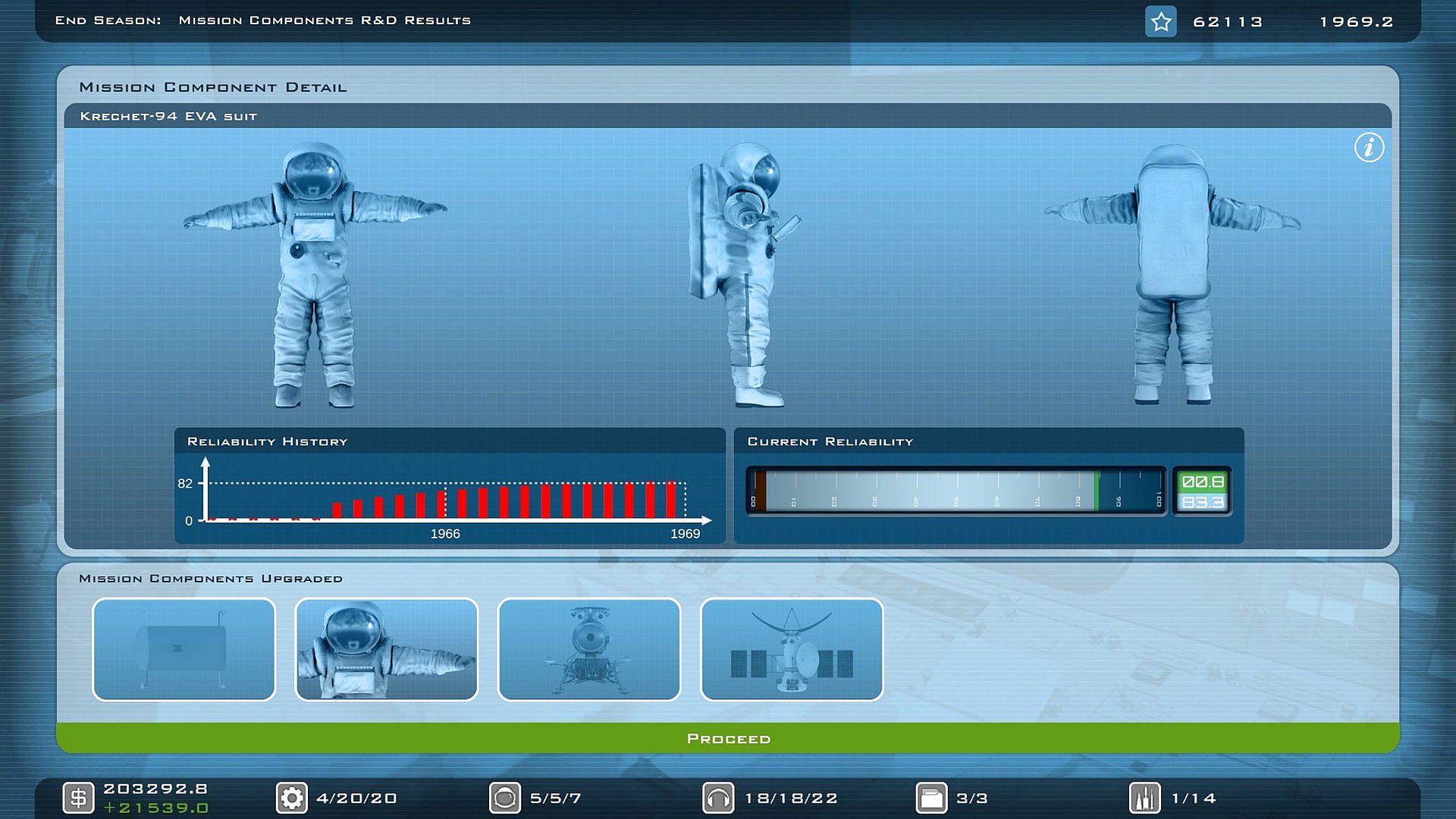
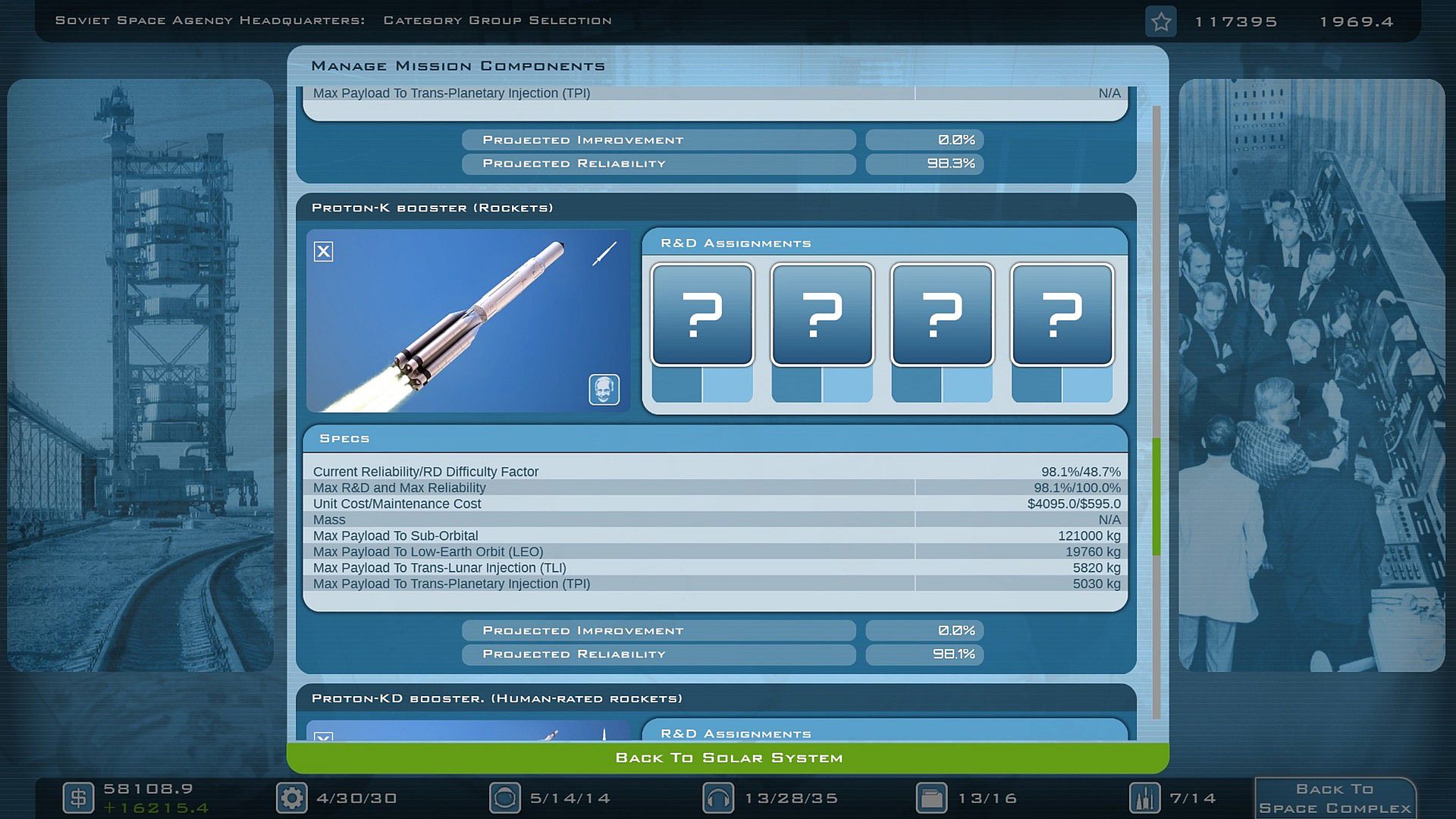
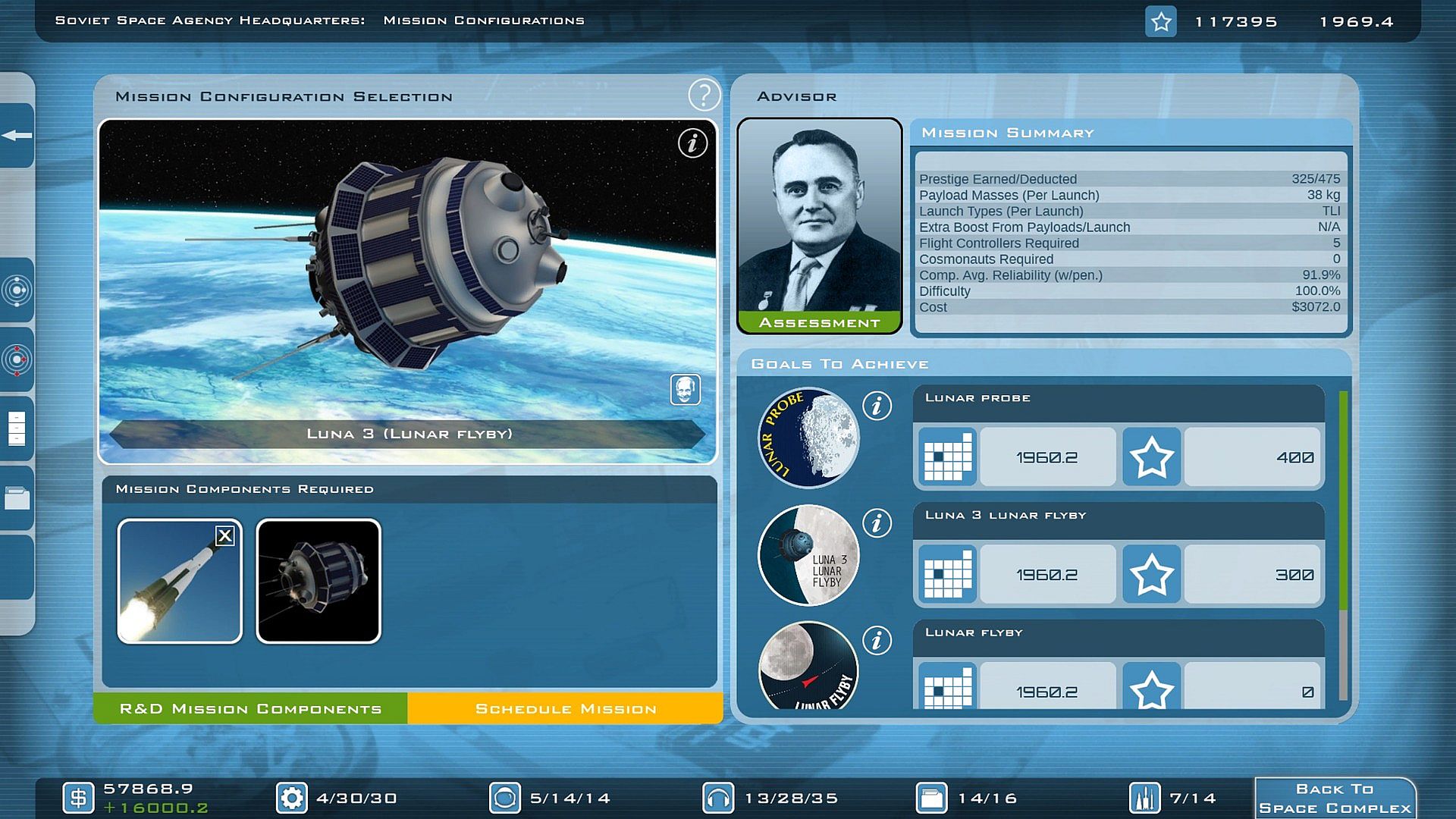
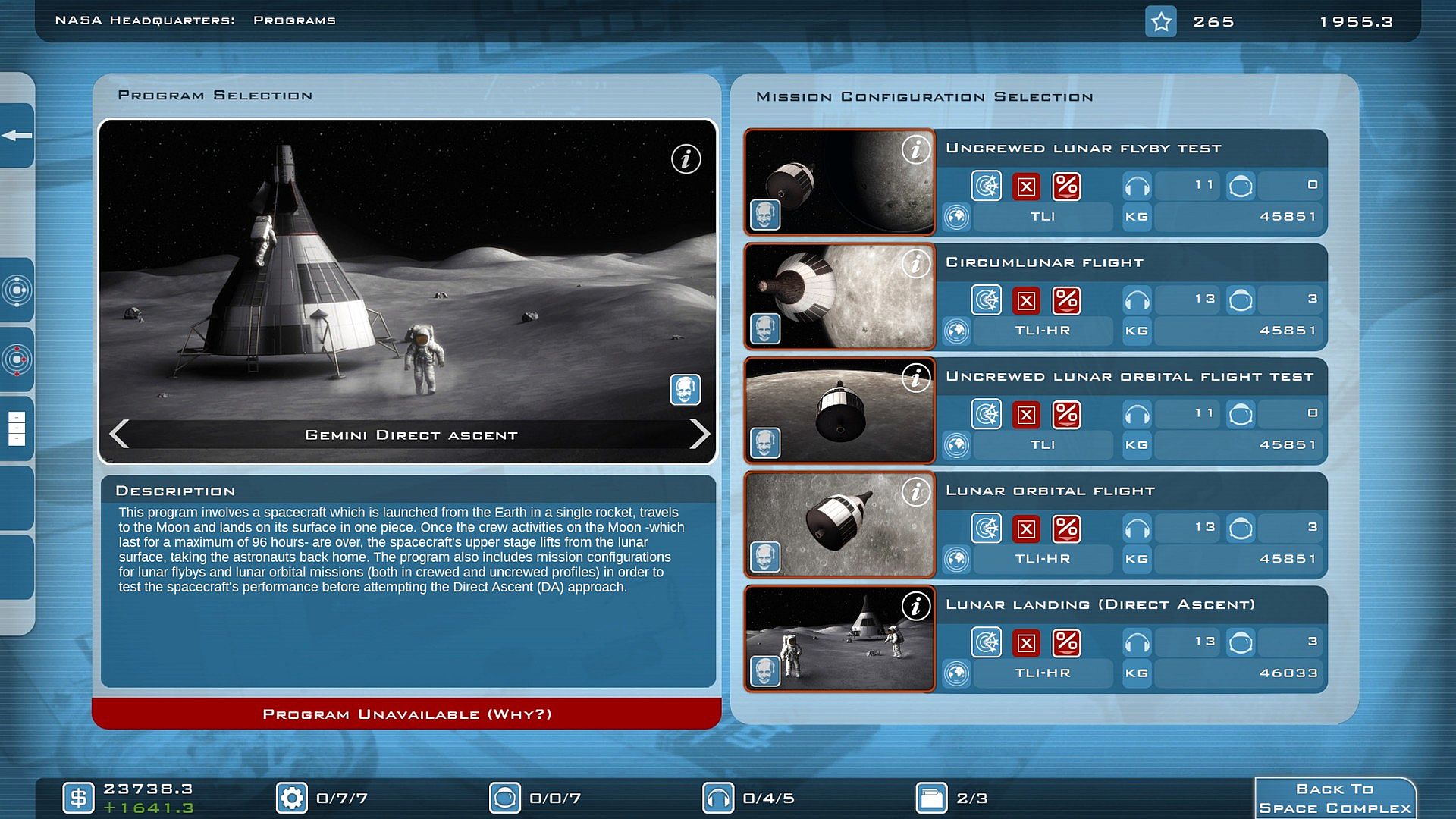
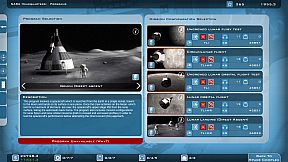
The core loop centers on sequential turns where decisions shape hardware reliability, crew readiness, and launch outcomes. Budget allocation covers opening new programs, funding research and development to refine components, and maintaining facilities such as assembly buildings and control centers. Personnel management includes recruiting and training astronauts alongside teams of scientists, engineers, and technicians, plus assigning flight controllers to specific missions.
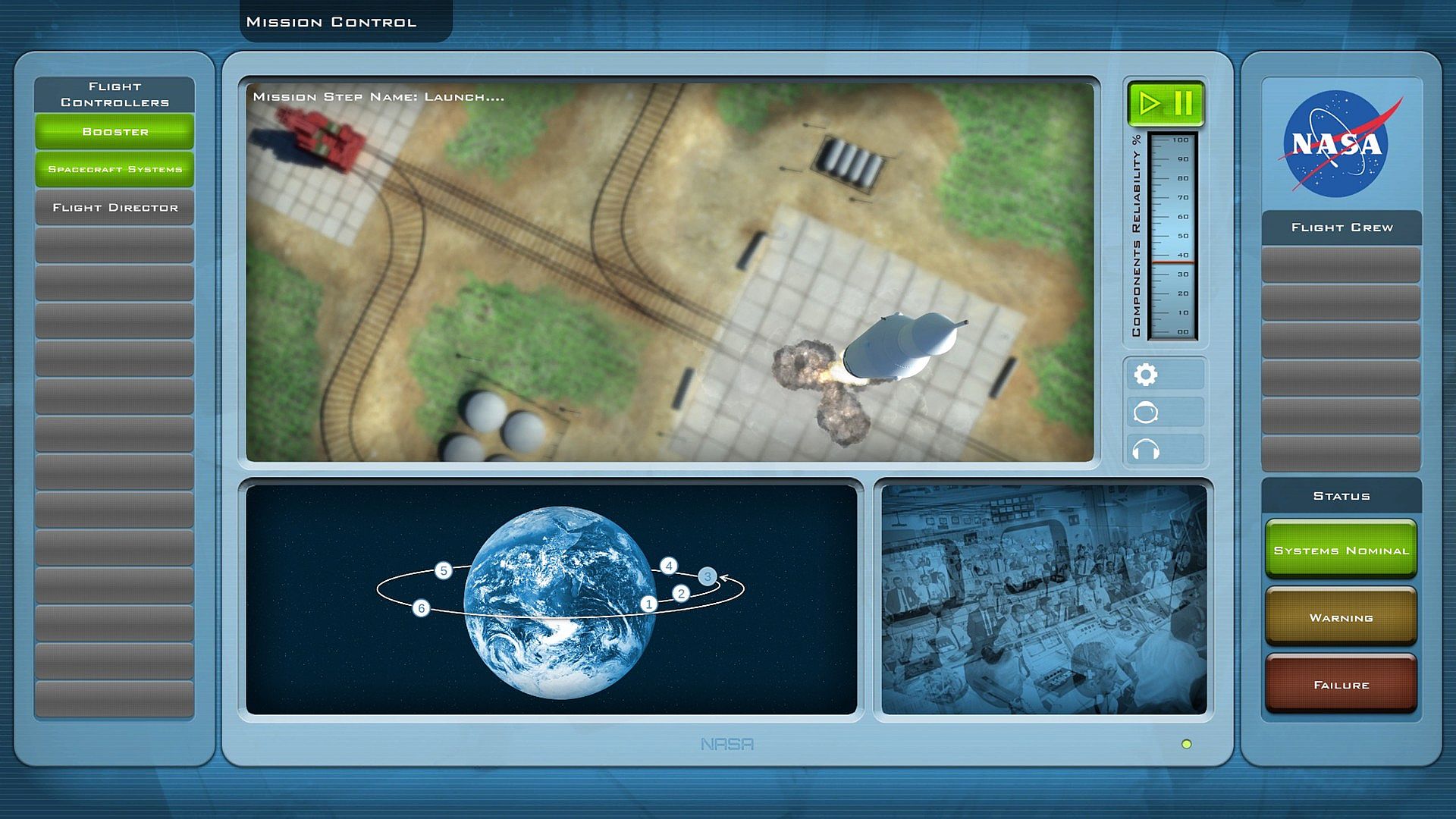
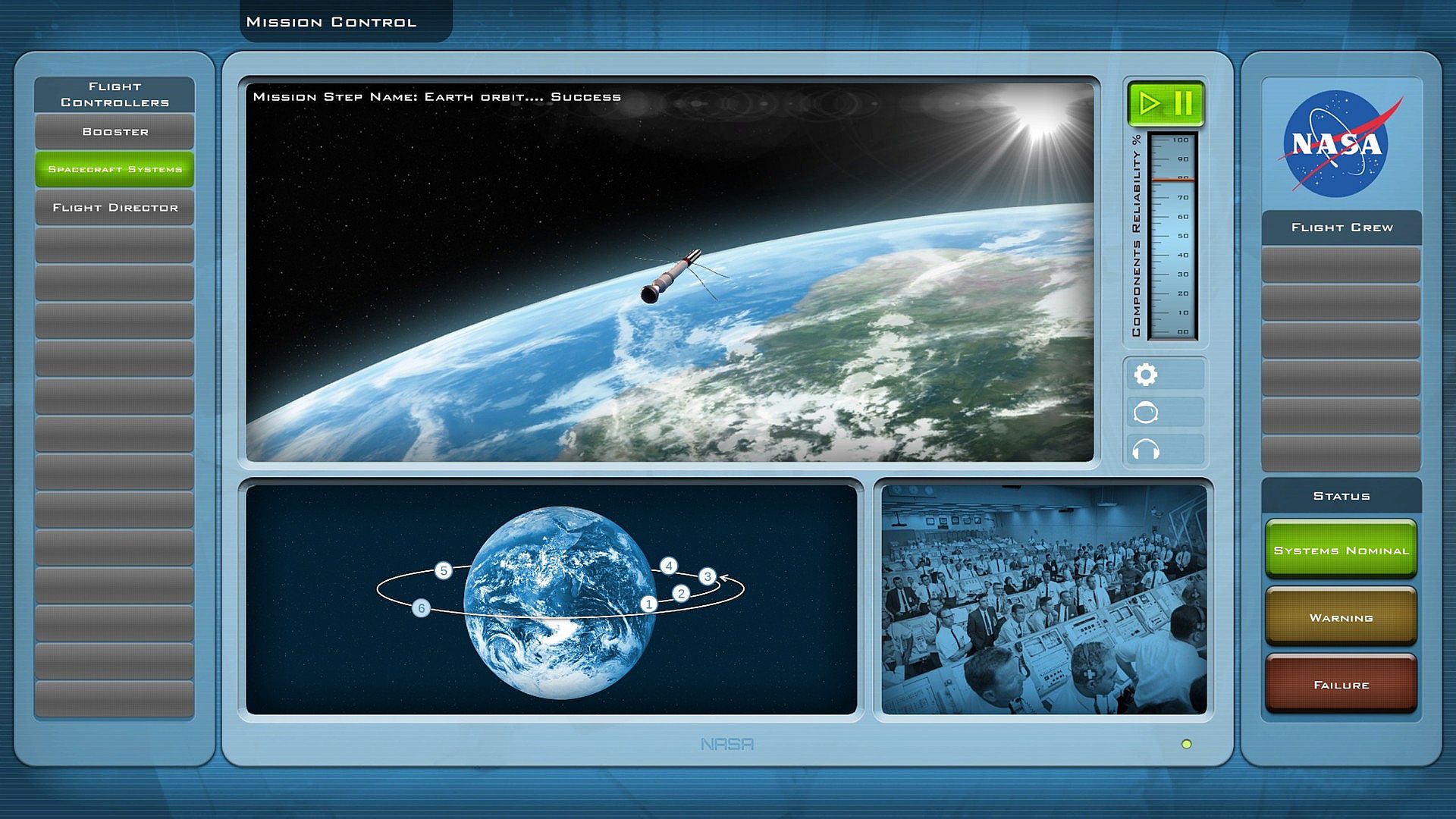
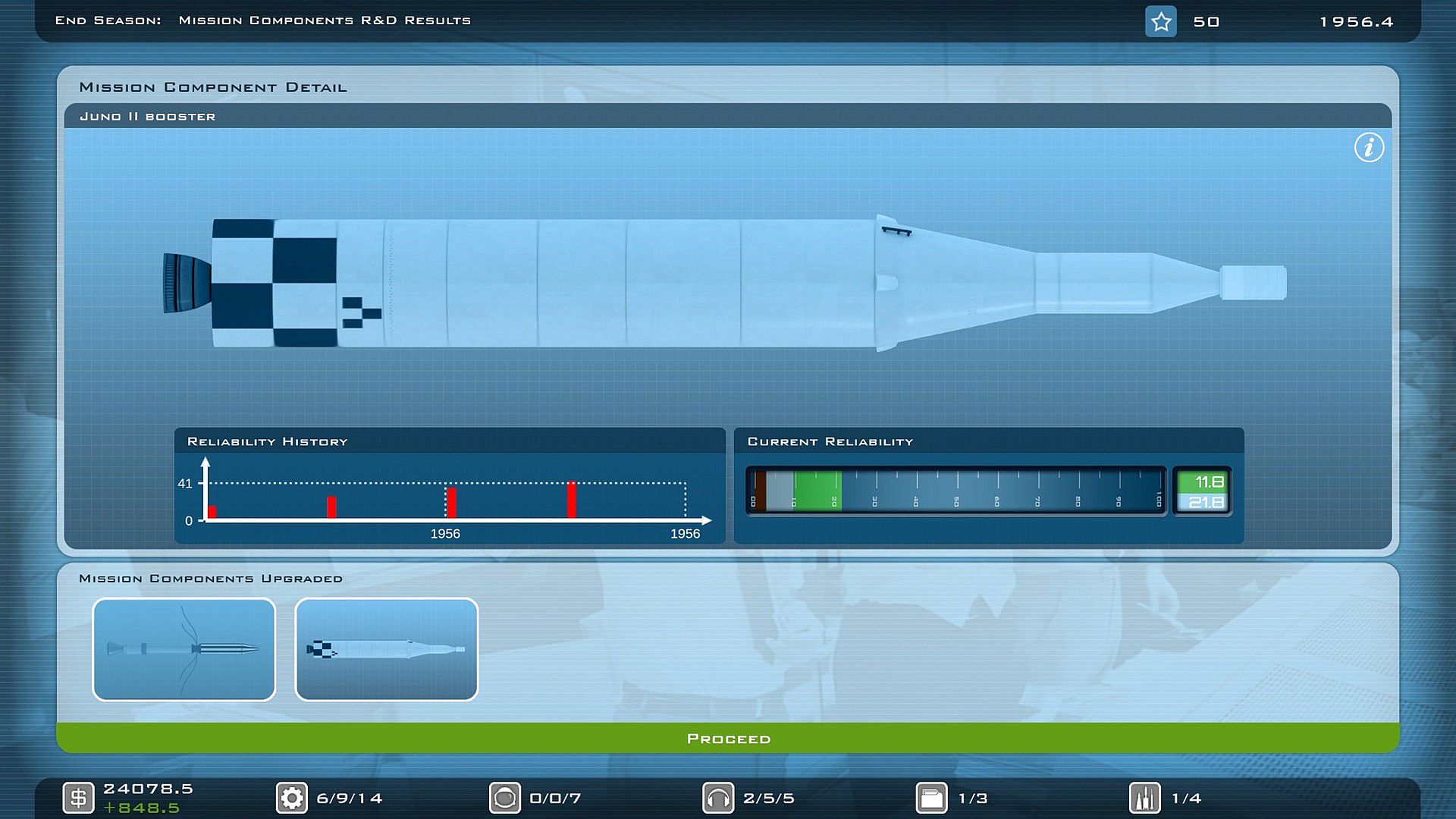
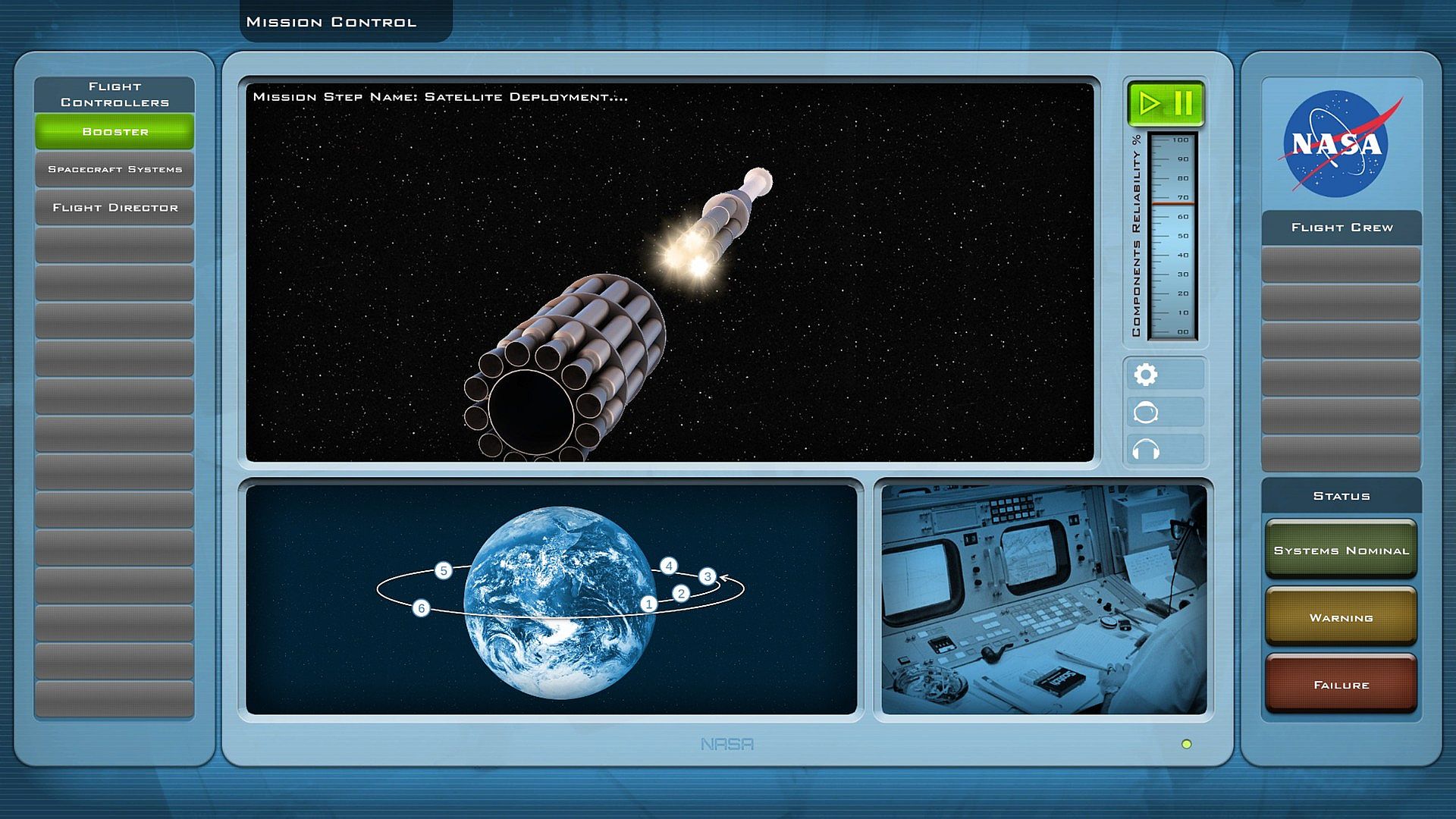
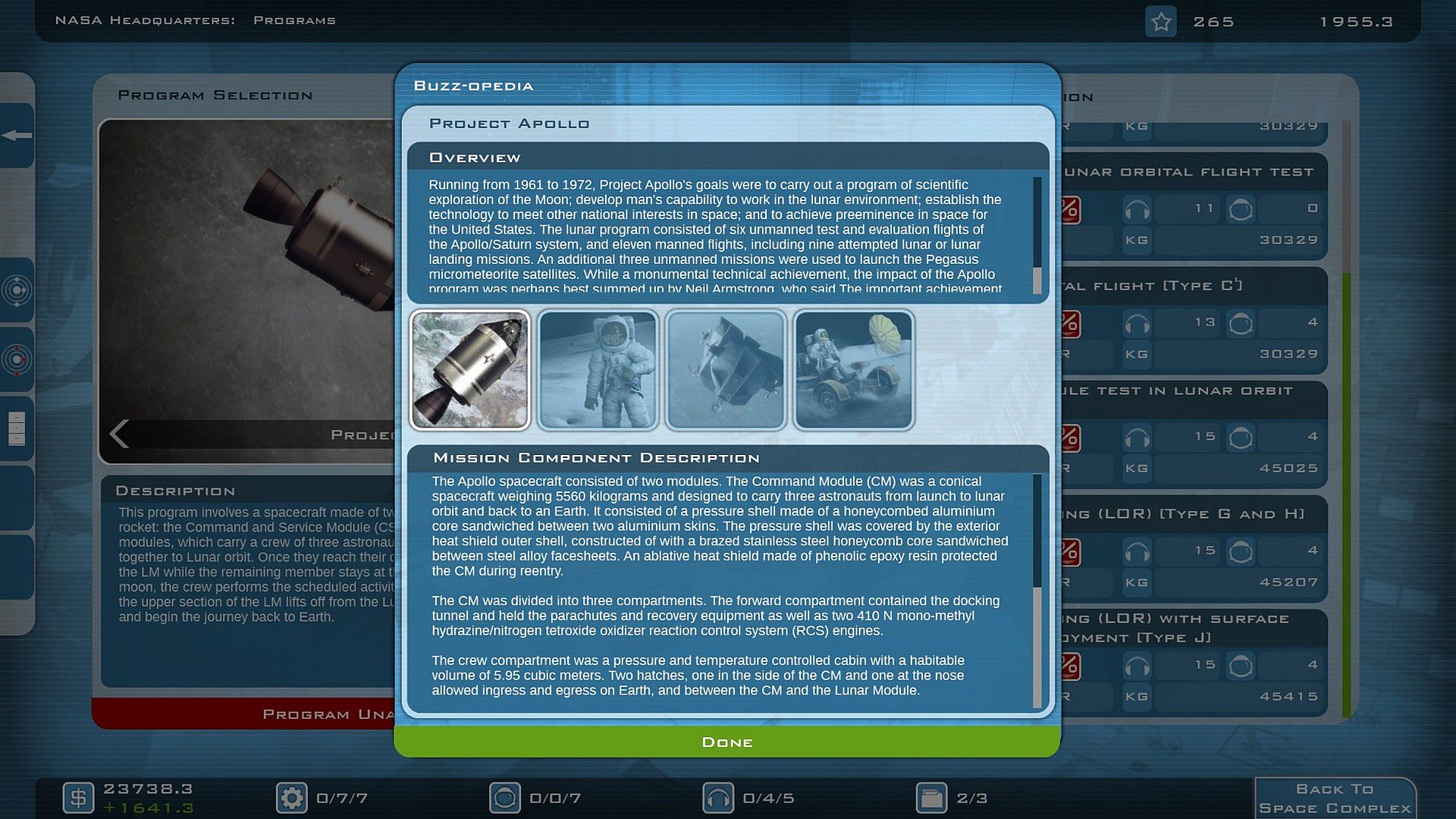
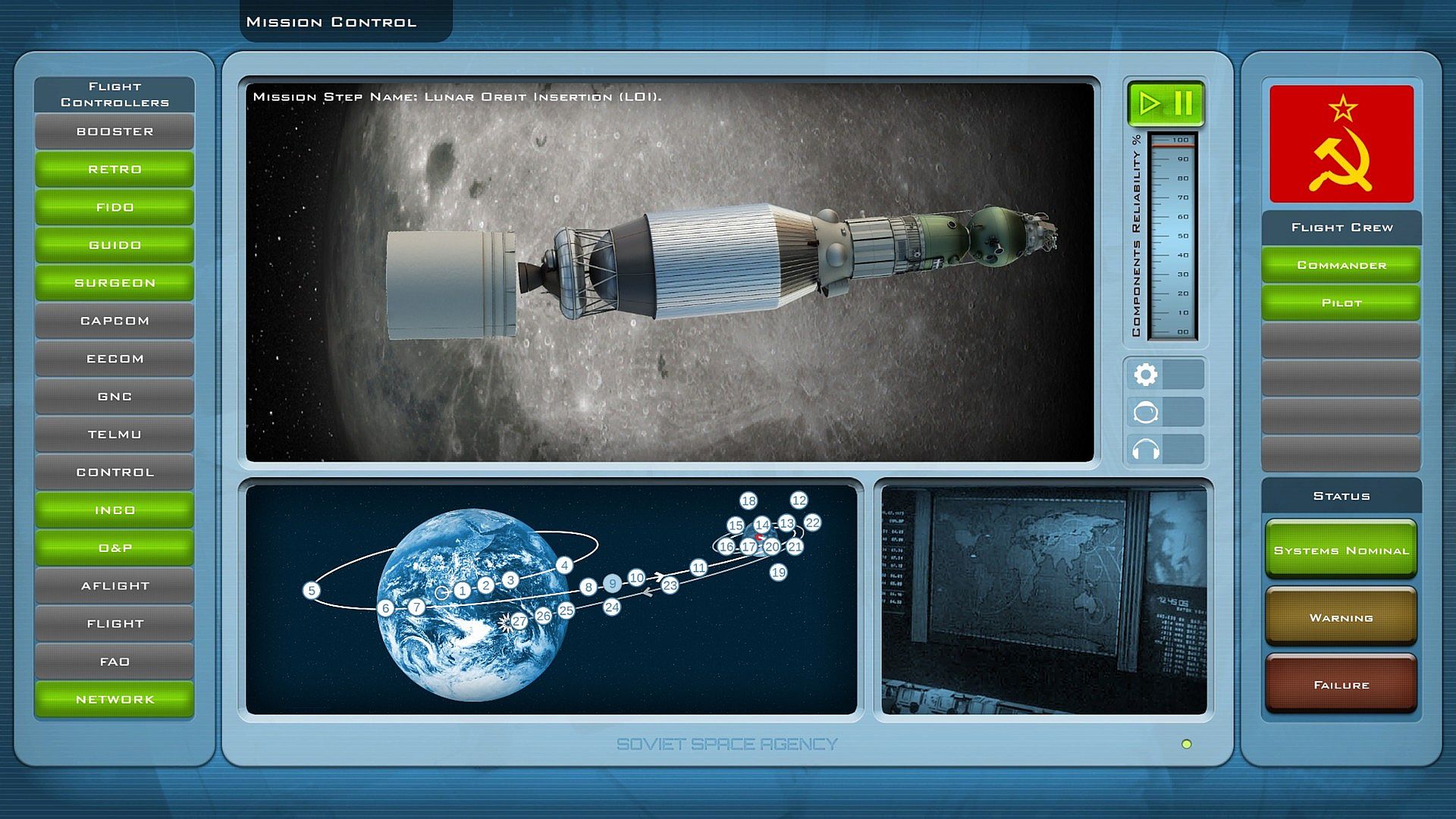
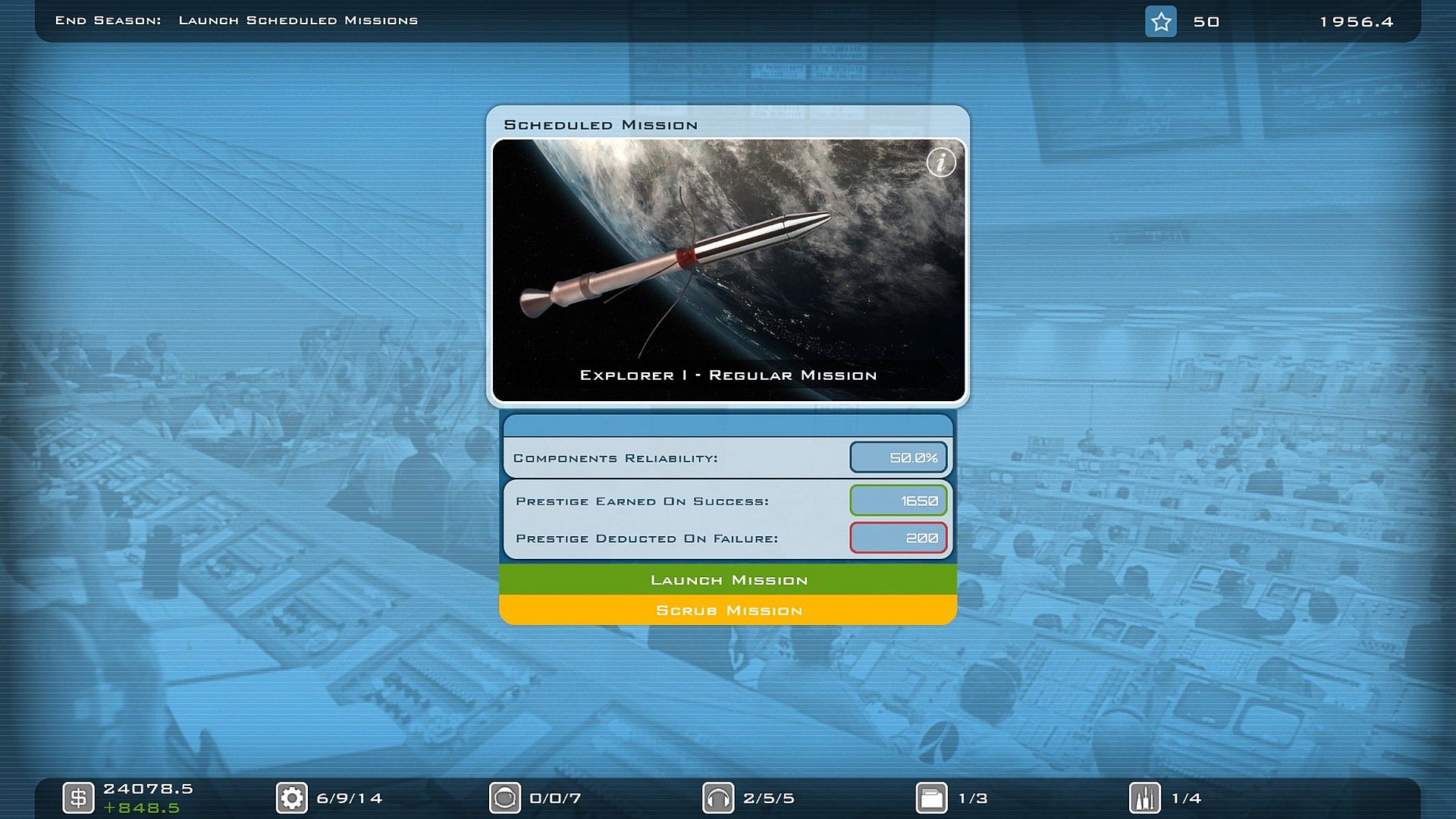
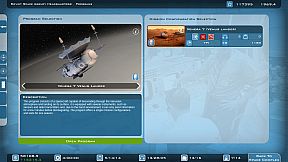
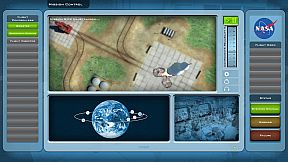
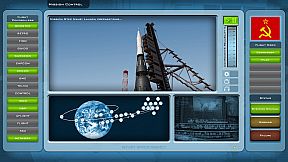
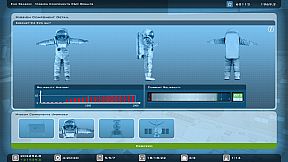
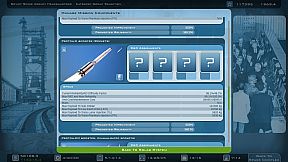
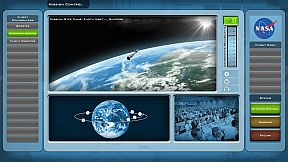
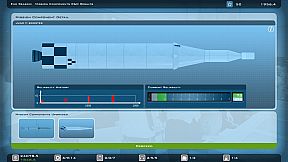
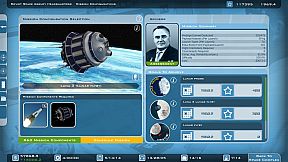
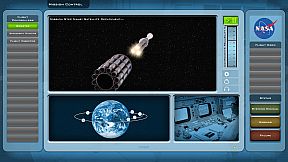
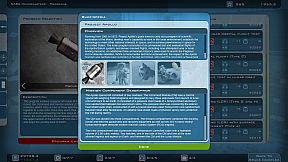
Mission execution involves assembling stacks of components drawn from historical programs including the X-15 spaceplane, Sputnik satellite, Mercury and Voskhod capsules, Gemini, Apollo, Soyuz spacecraft, and Viking probes. Each component carries a reliability rating that influences success probabilities, with failures capable of ending missions catastrophically. Animated sequences render launches and orbital events in detail, while a reference section supplies background on real and proposed hardware.
Game Modes
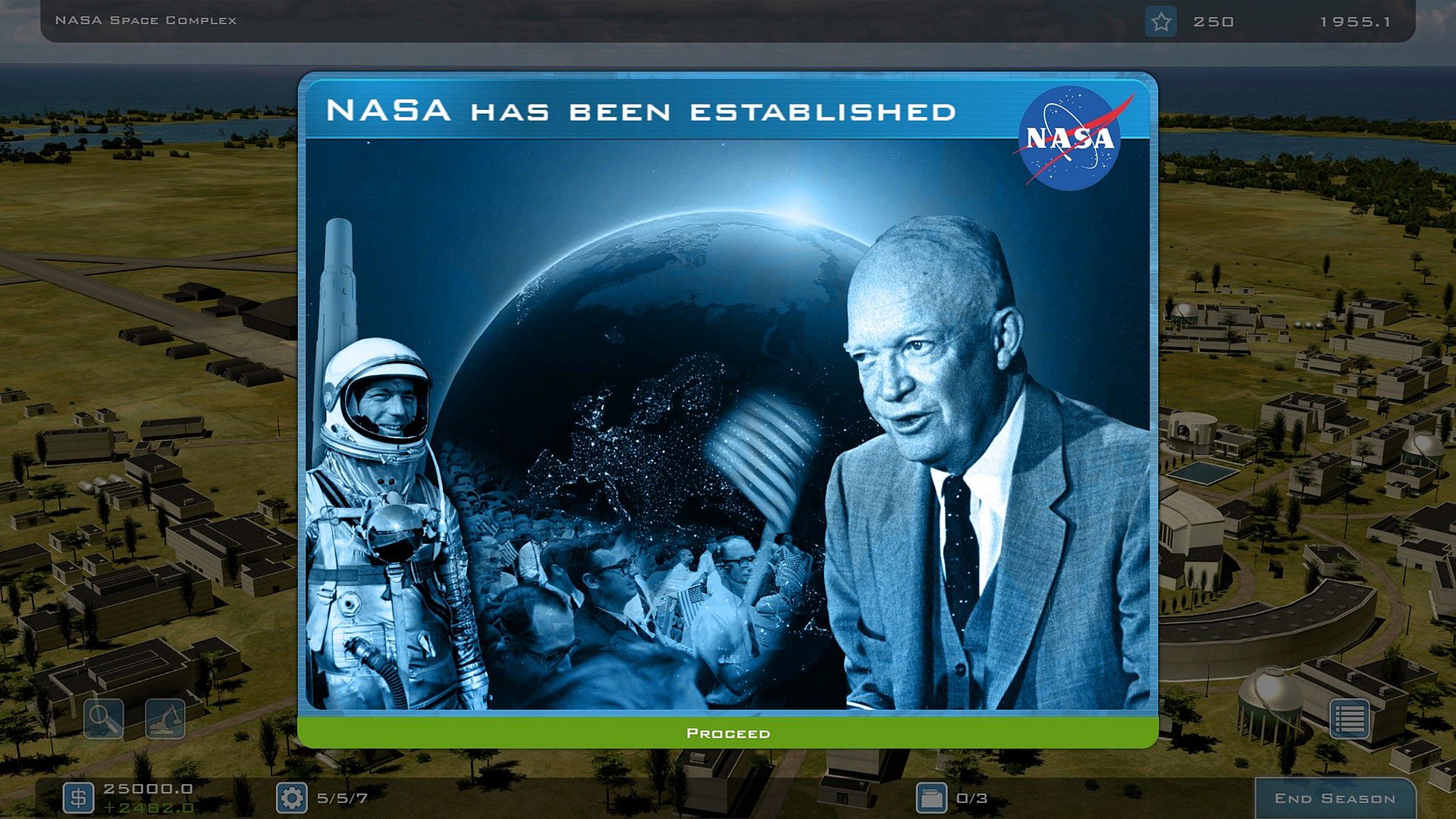
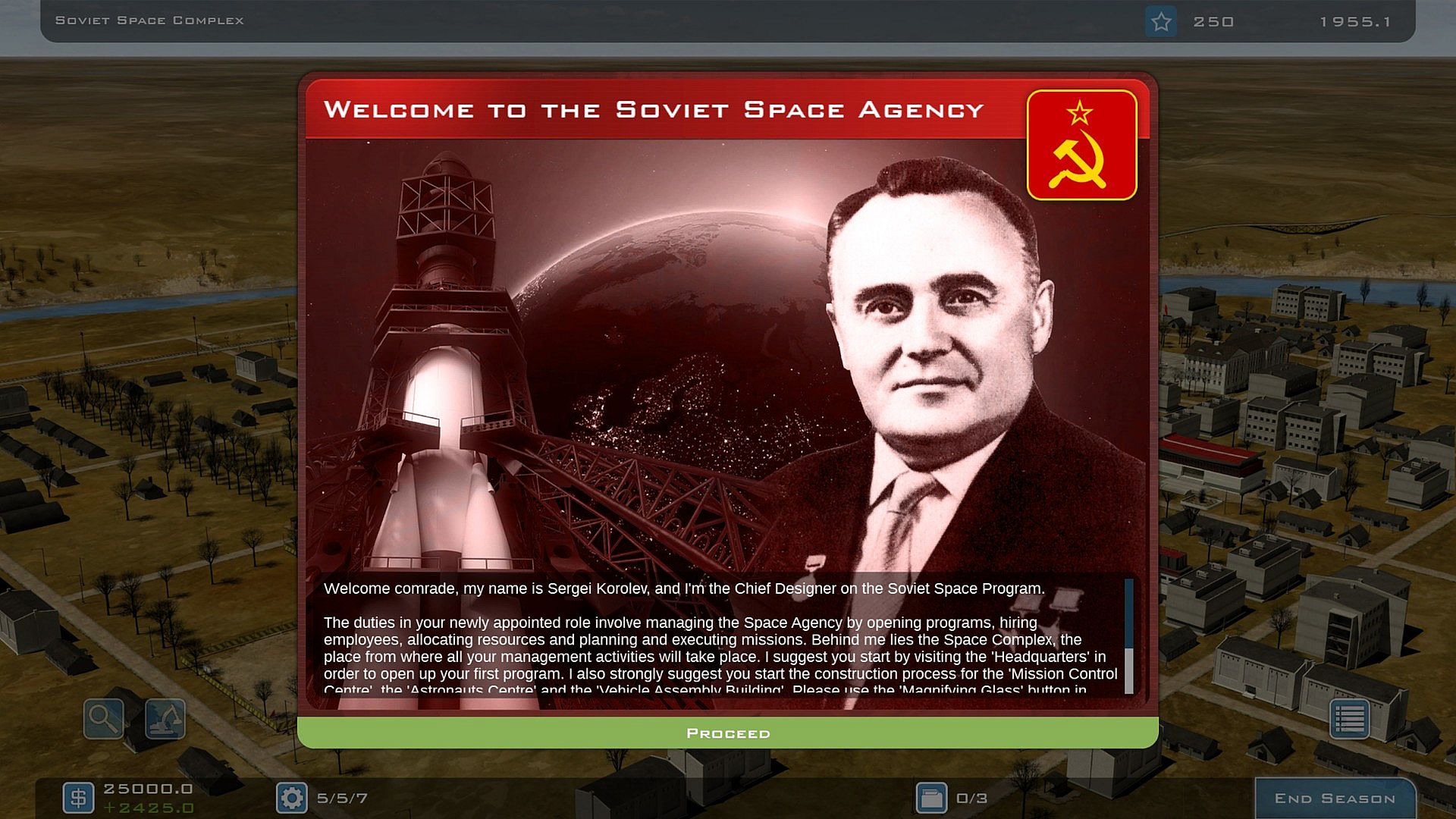
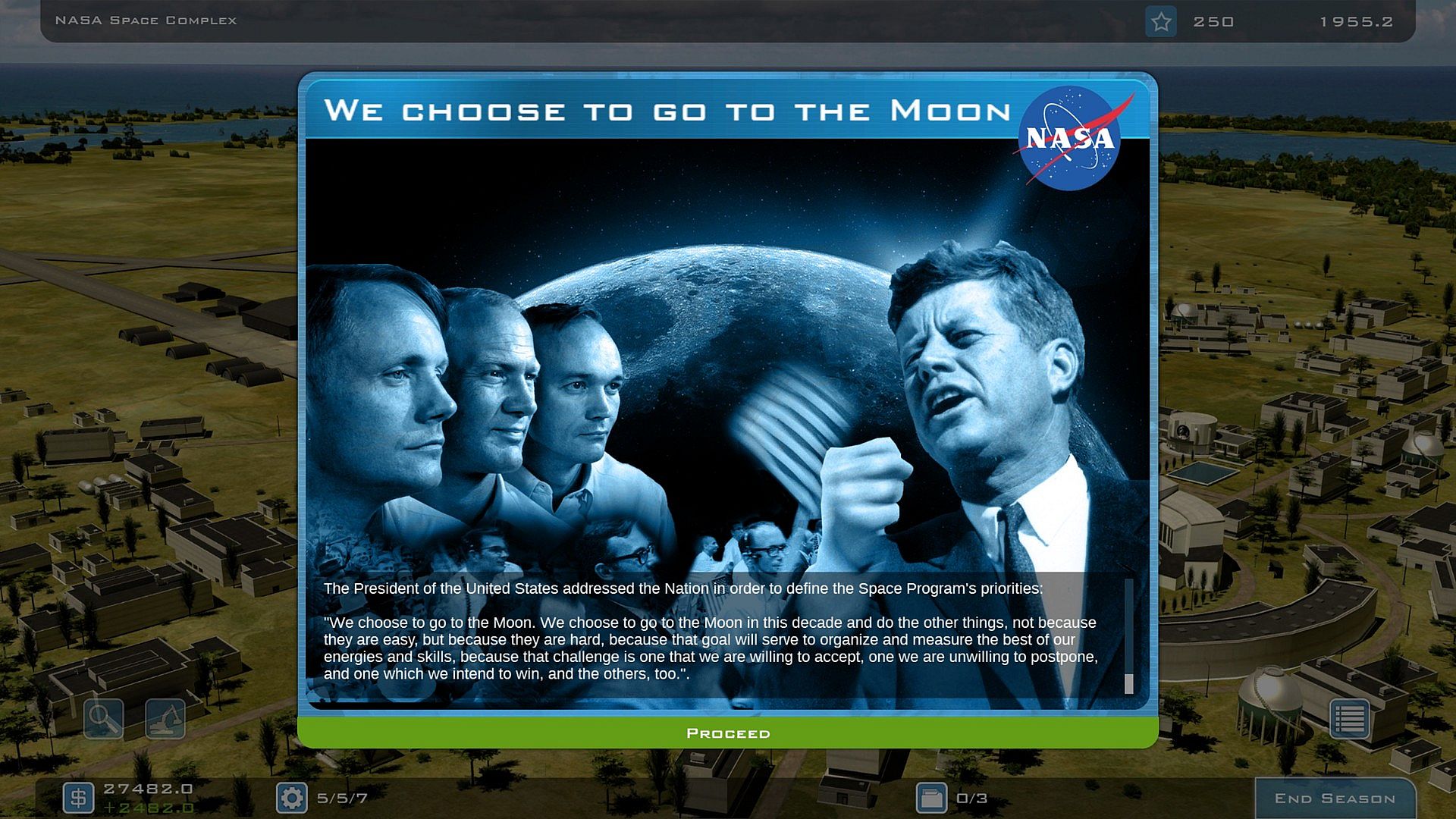
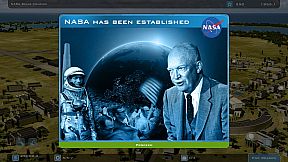
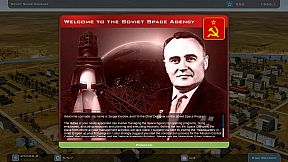
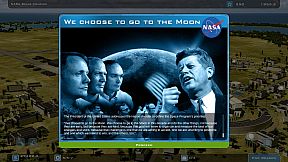
Three campaign options place players in charge of distinct agencies. The NASA and Soviet paths emphasize direct competition to achieve the first crewed lunar landing. The Global Space Agency campaign shifts focus to fulfilling government-directed short-term objectives centered on exploration milestones rather than rivalry.
Sandbox modes remove competitive constraints for each agency, allowing unrestricted experimentation with program sequences, alternative mission architectures such as Earth-orbit rendezvous or direct ascent concepts, and extended timelines beyond the historical 1969 landing. A play-by-email system supports competitive matches between players controlling opposing agencies.
Historical Depth and Replayability
The game database draws from extensive research to include both flown missions and paper concepts that never reached the launch pad. This breadth supports varied strategies across multiple playthroughs, as different hardware paths and agency choices produce distinct challenges and outcomes. Facility upgrades and personnel assignments further differentiate runs by affecting long-term success rates.
Is It Worth Playing?
Steam user reviews stand at mostly positive, reflecting appreciation for the detailed management systems and historical authenticity among players interested in space program simulation. The game suits those who enjoy methodical planning, resource allocation, and the tension of reliability checks during launches. Its single-player focus and lack of ongoing seasonal content mean it delivers a complete experience on its own terms without requiring additional purchases or live service elements. Fans of turn-based strategy titles that reward careful preparation over fast reflexes will find the most satisfaction here.