
















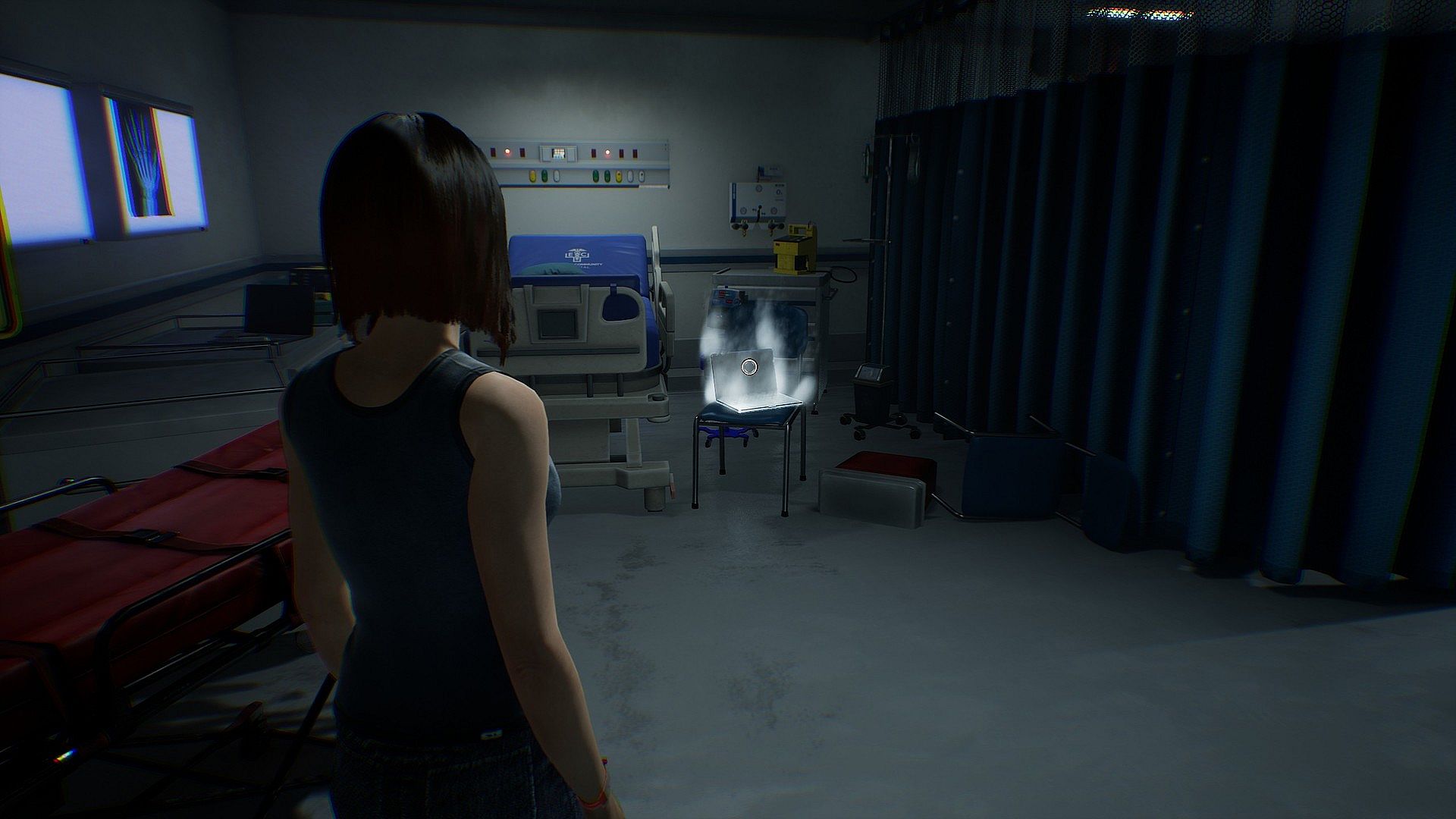
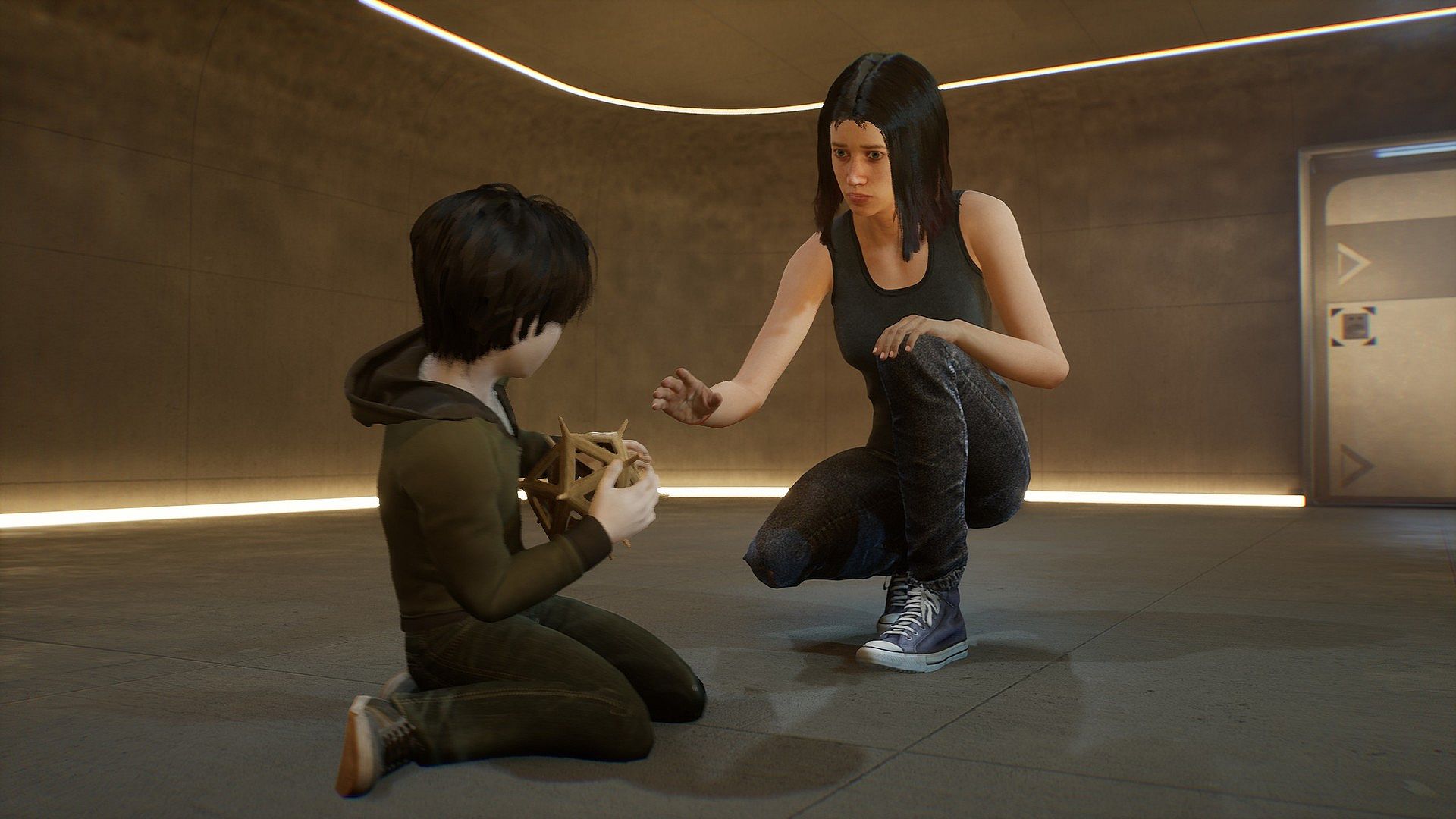
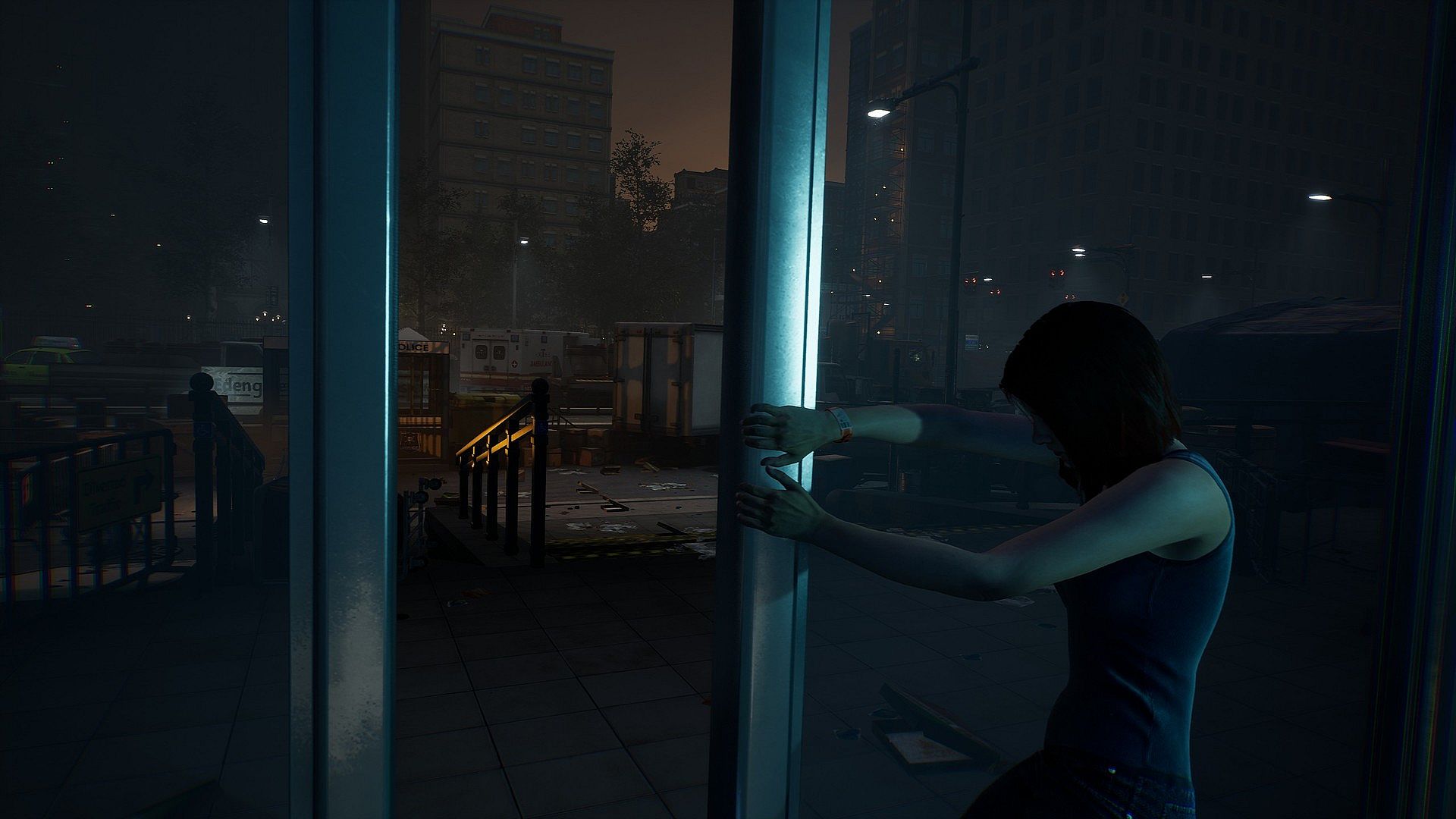

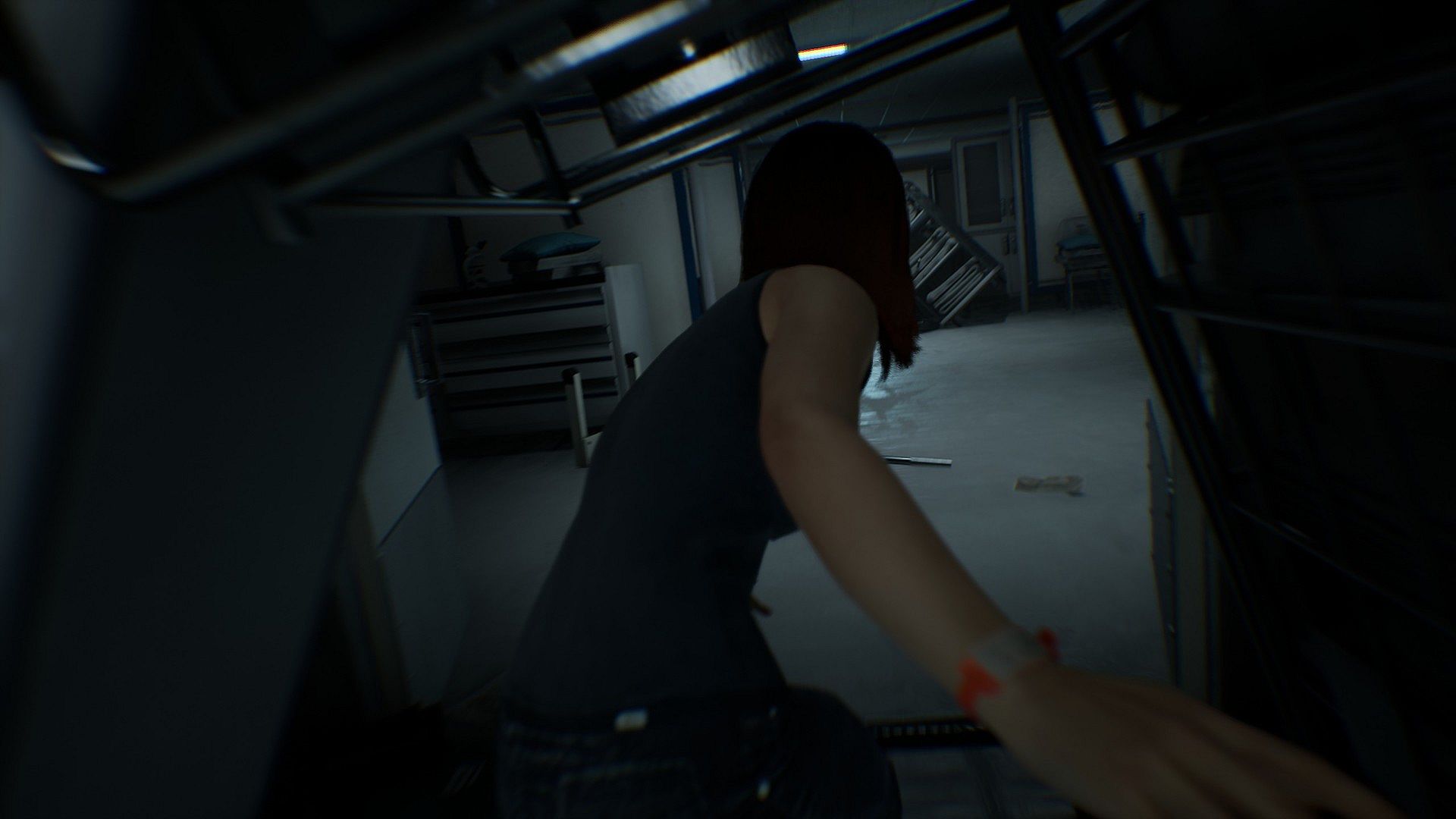





EDENGATE: The Edge of Life is a casual adventure game centered on narrative exploration in a single-player format. Players follow the story of Mia Lorenson, a young scientist who awakens in an abandoned hospital with no memory of recent events and begins to piece together what happened to her and the surrounding world.
Gameplay
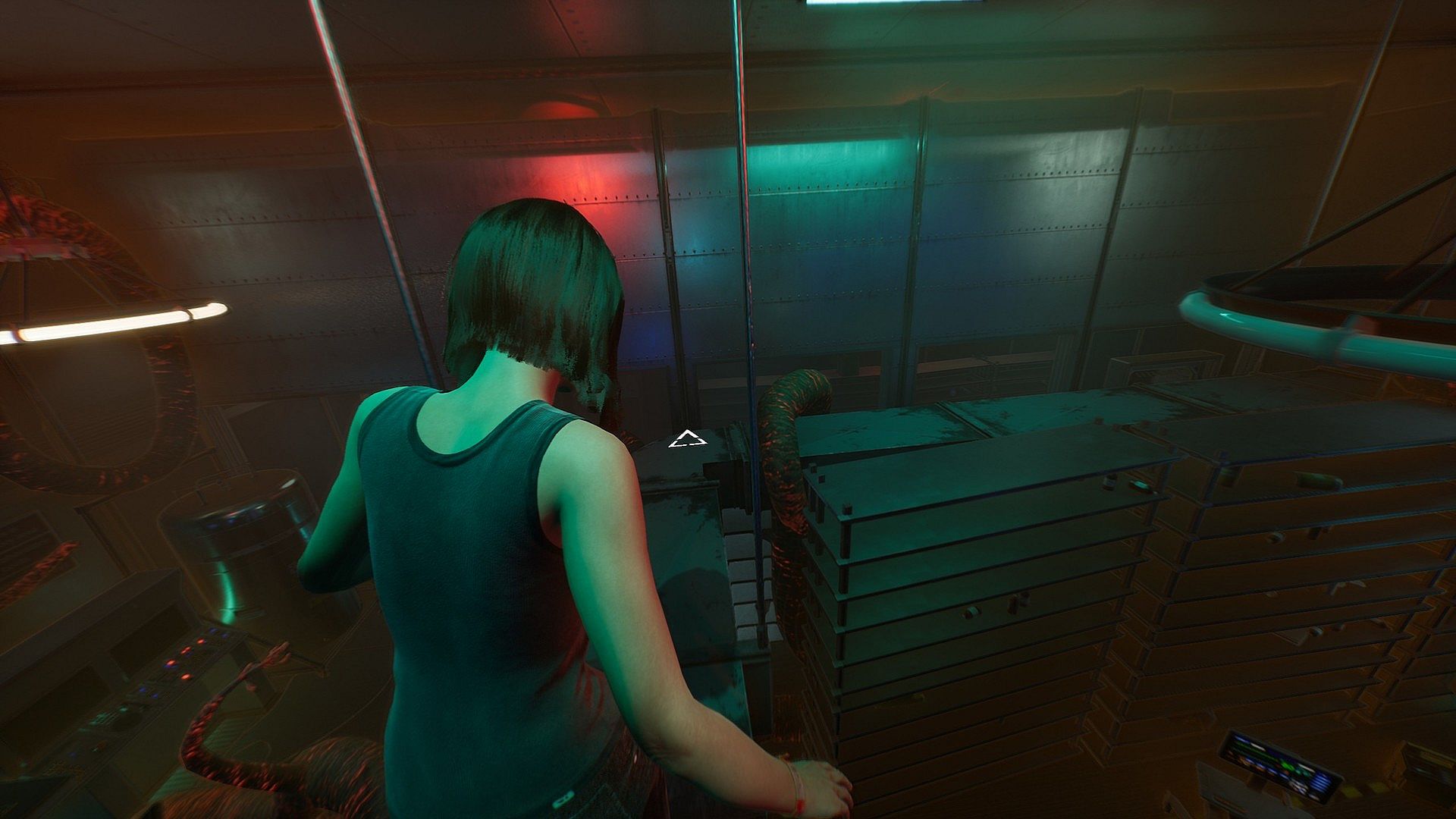
The core loop revolves around steady forward movement through linear environments, including hospital corridors and sections of a desolate city. Controls support both keyboard and mouse or gamepad, with smooth third-person navigation that emphasizes observation over speed or precision.
Interaction focuses on examining marked objects and environmental details. These actions trigger voiceover narration from Mia or brief memory sequences that reveal fragments of backstory. Simple object manipulation appears at times, such as turning items or activating basic mechanisms, but these remain minimal and clearly guided.
Progression relies on following a predetermined path with occasional narrow passages or code-based door entries. The experience avoids combat, platforming challenges, or inventory management, keeping attention on atmospheric traversal and audio cues instead.
Game Modes
The game offers only a single-player story mode with no additional variants or multiplayer options. The entire narrative unfolds in one continuous sequence without branches, difficulty settings, or separate chapters that alter the core experience.
Exploration stays strictly linear, directing players along a fixed route while allowing brief pauses to inspect surroundings. No free-roam elements or alternate paths exist beyond the main sequence.
Story and Atmosphere
Mia's journey unfolds through environmental storytelling and her own spoken reflections. The setting blends empty medical facilities with overgrown urban spaces, supported by a score that underscores themes of isolation and quiet reflection. Voice performances provide emotional weight to the limited dialogue and internal monologue.
Memory fragments surface gradually through object interactions, building a picture of past events without delivering straightforward exposition. The tone remains introspective throughout the short runtime.
Is It Worth Playing?
Player feedback describes a polished but brief title that lasts roughly two hours from start to finish. Reviews highlight effective voice acting and a fitting musical score as standout elements, while noting the straightforward mechanics and linear structure limit replay value.
Reception on Steam sits at mixed levels, with many appreciating the atmospheric presentation and others finding the hand-holding and lack of challenge less engaging. The game suits those seeking a focused, low-pressure narrative experience rather than complex systems or extended play sessions.
Its strength lies in delivering a contained emotional journey without requiring significant time investment. Players who enjoy walking-style adventures with strong audio design may find it worthwhile, particularly at a modest price point. Those preferring deeper mechanics or longer campaigns may prefer other options in the genre.