










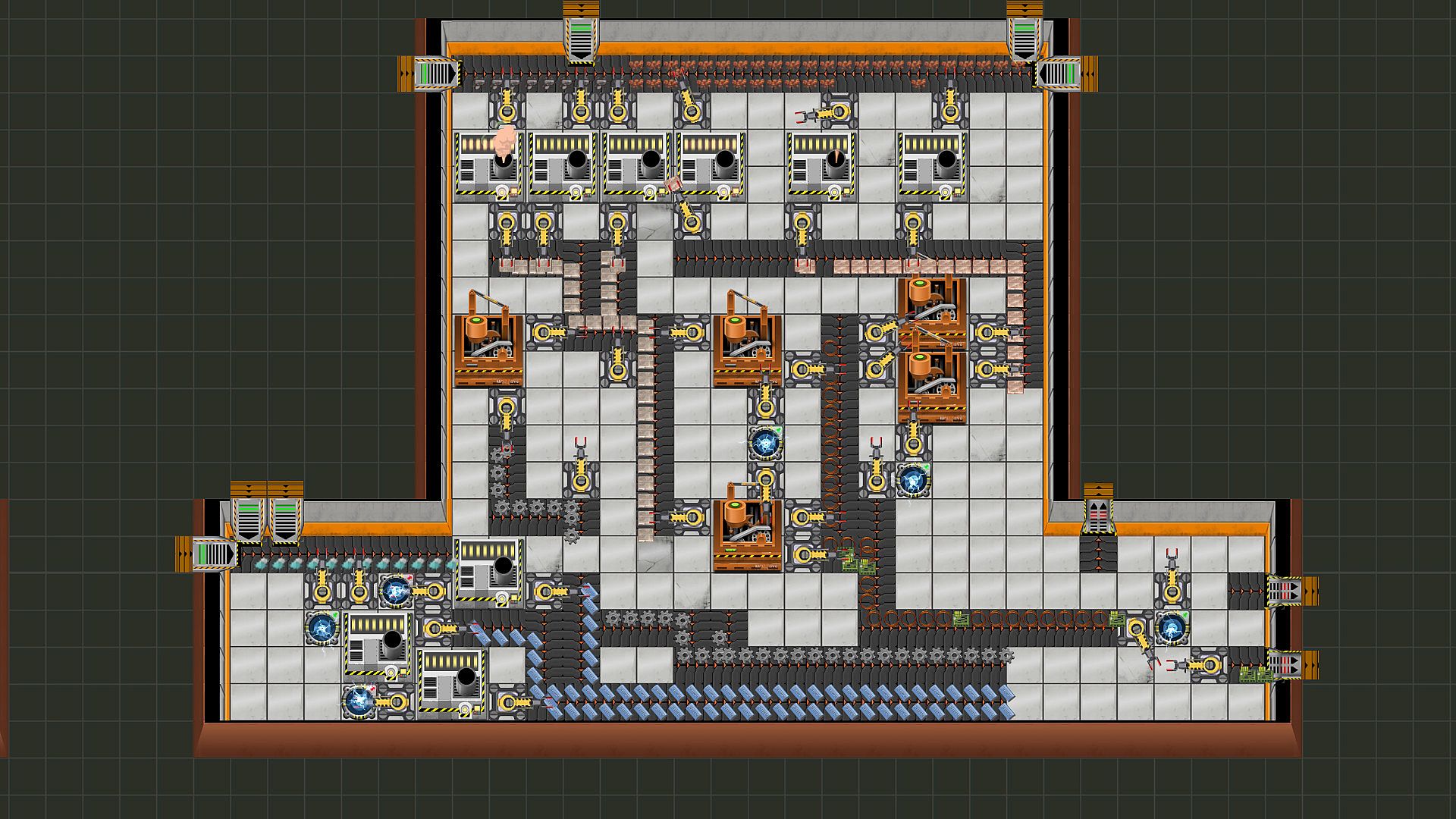
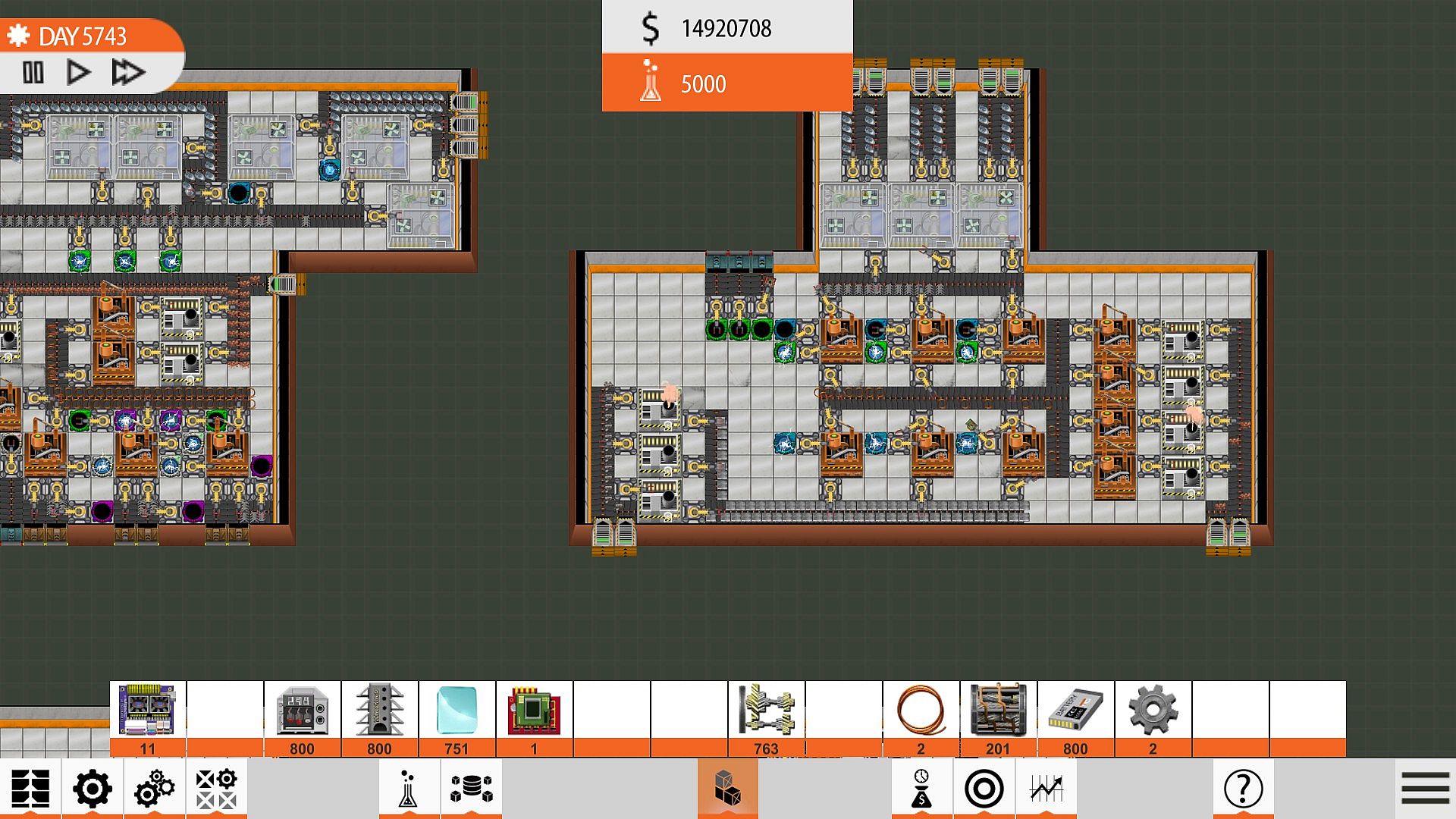
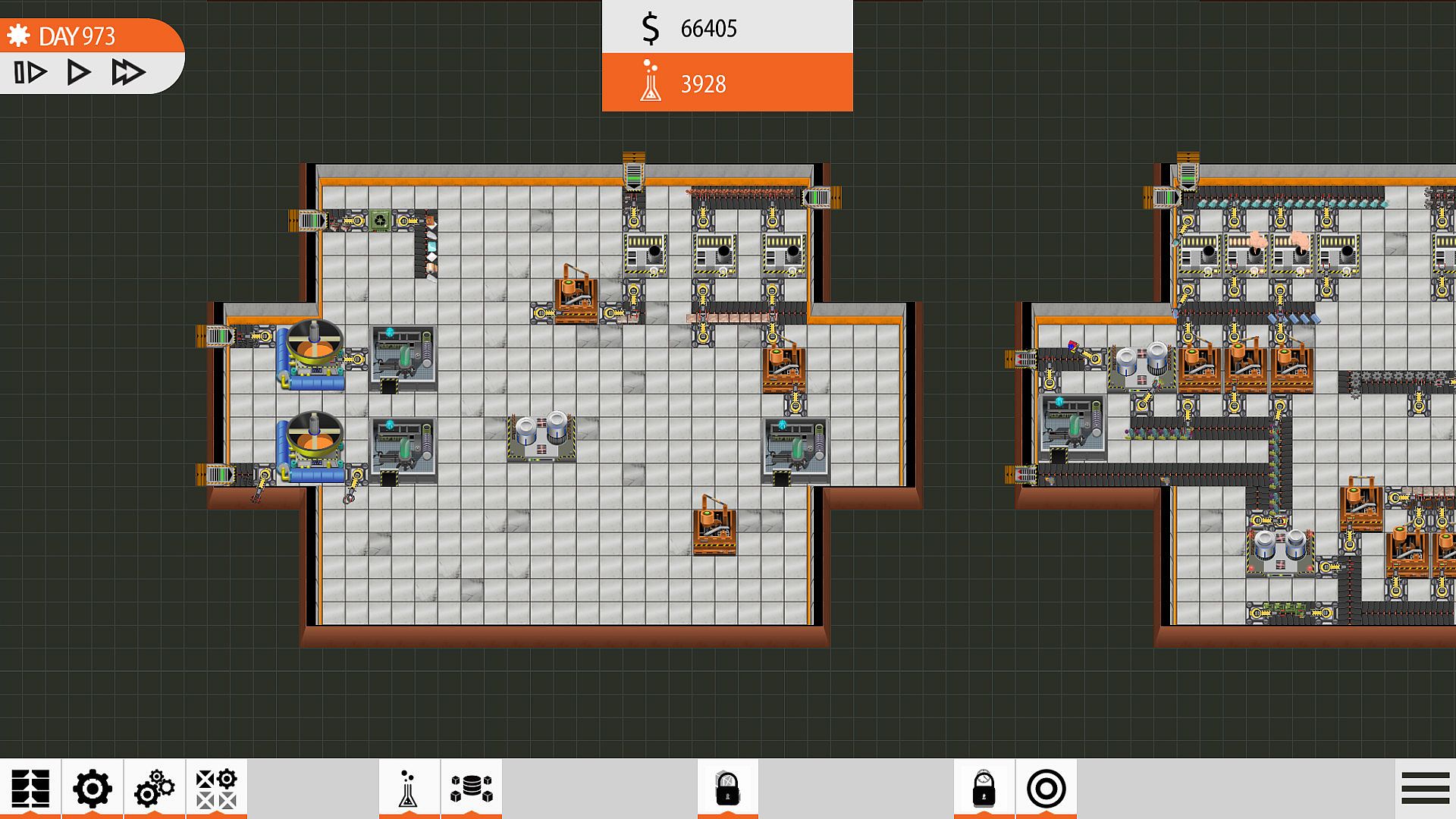
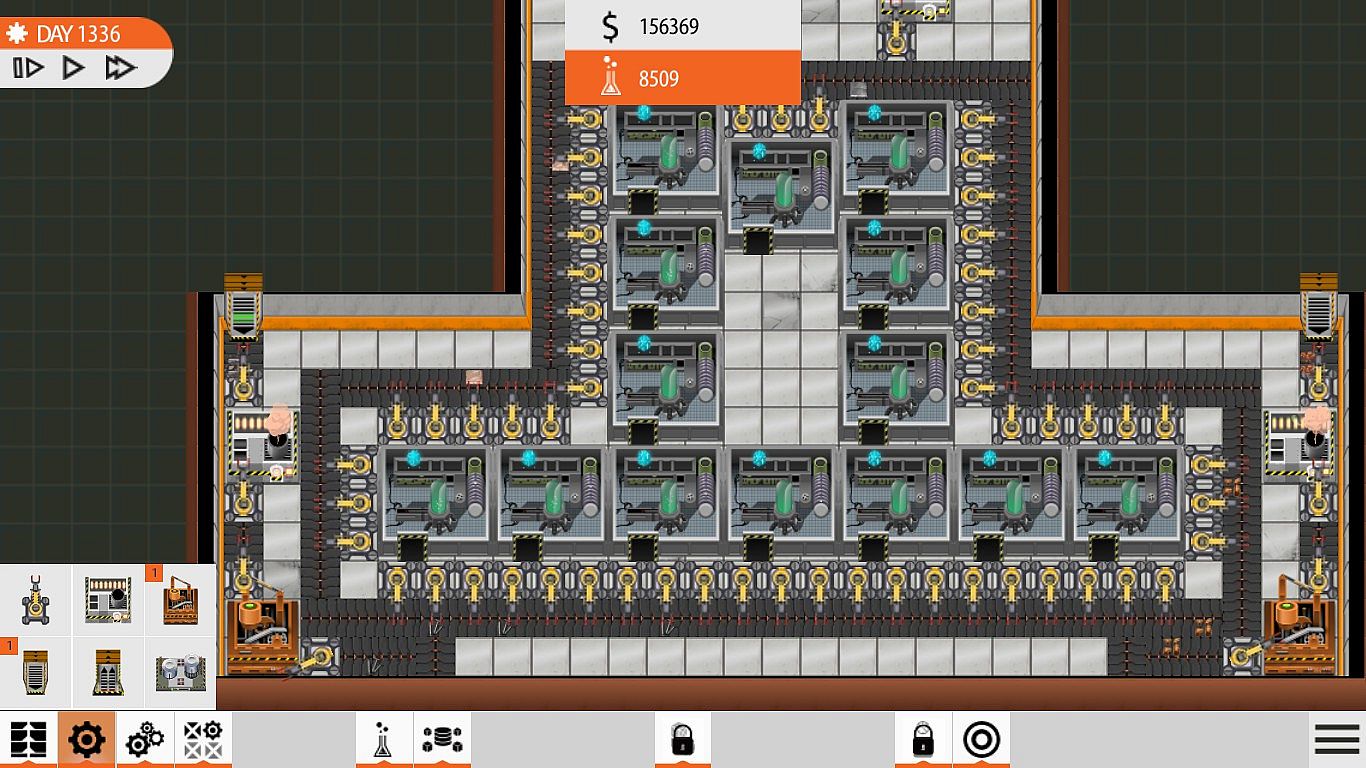
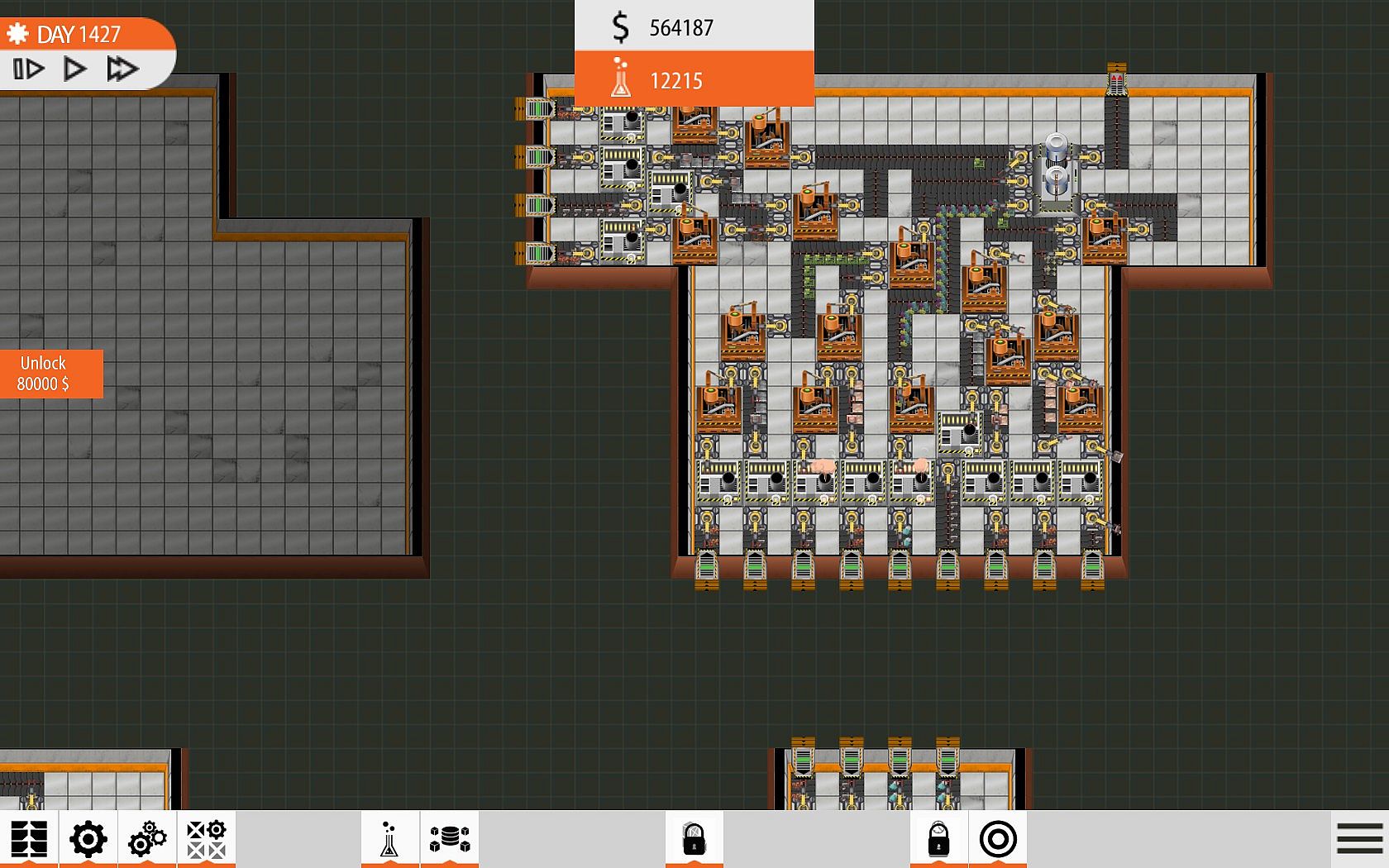
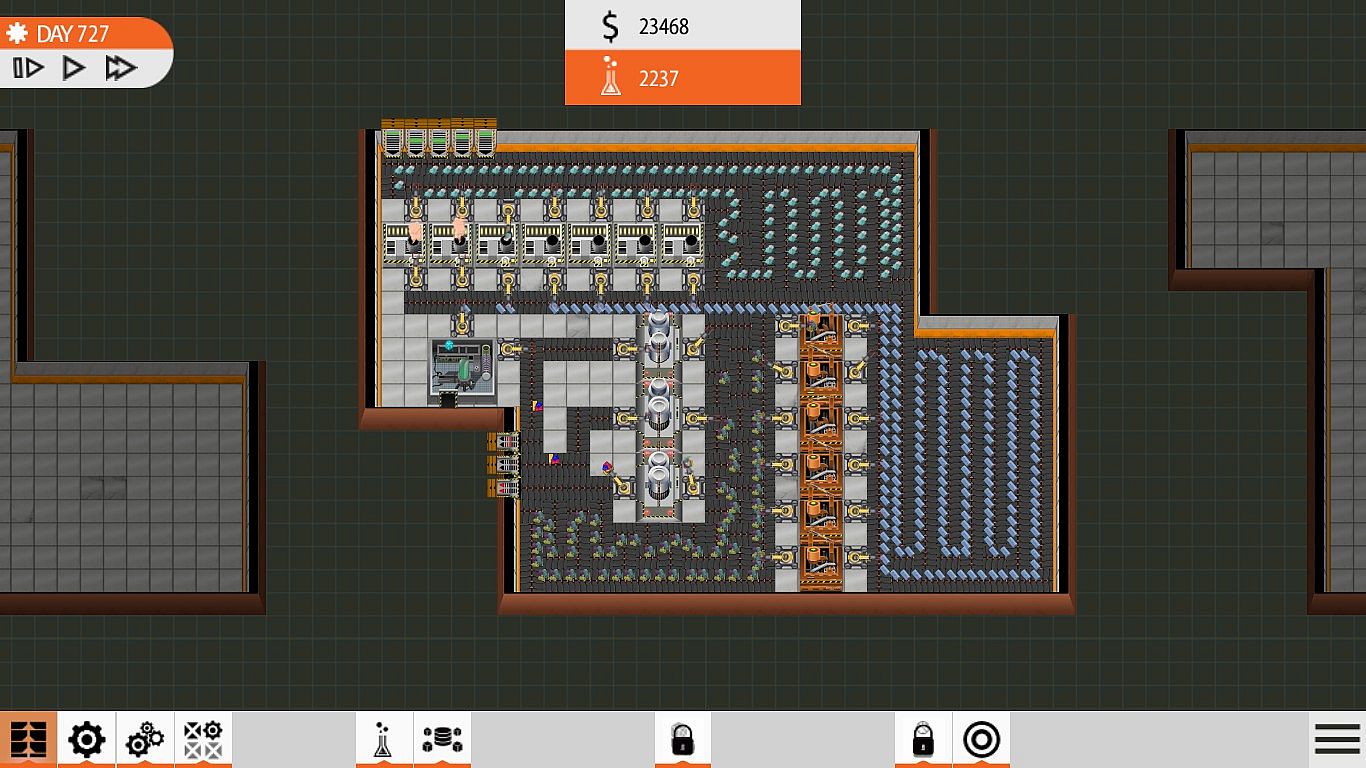
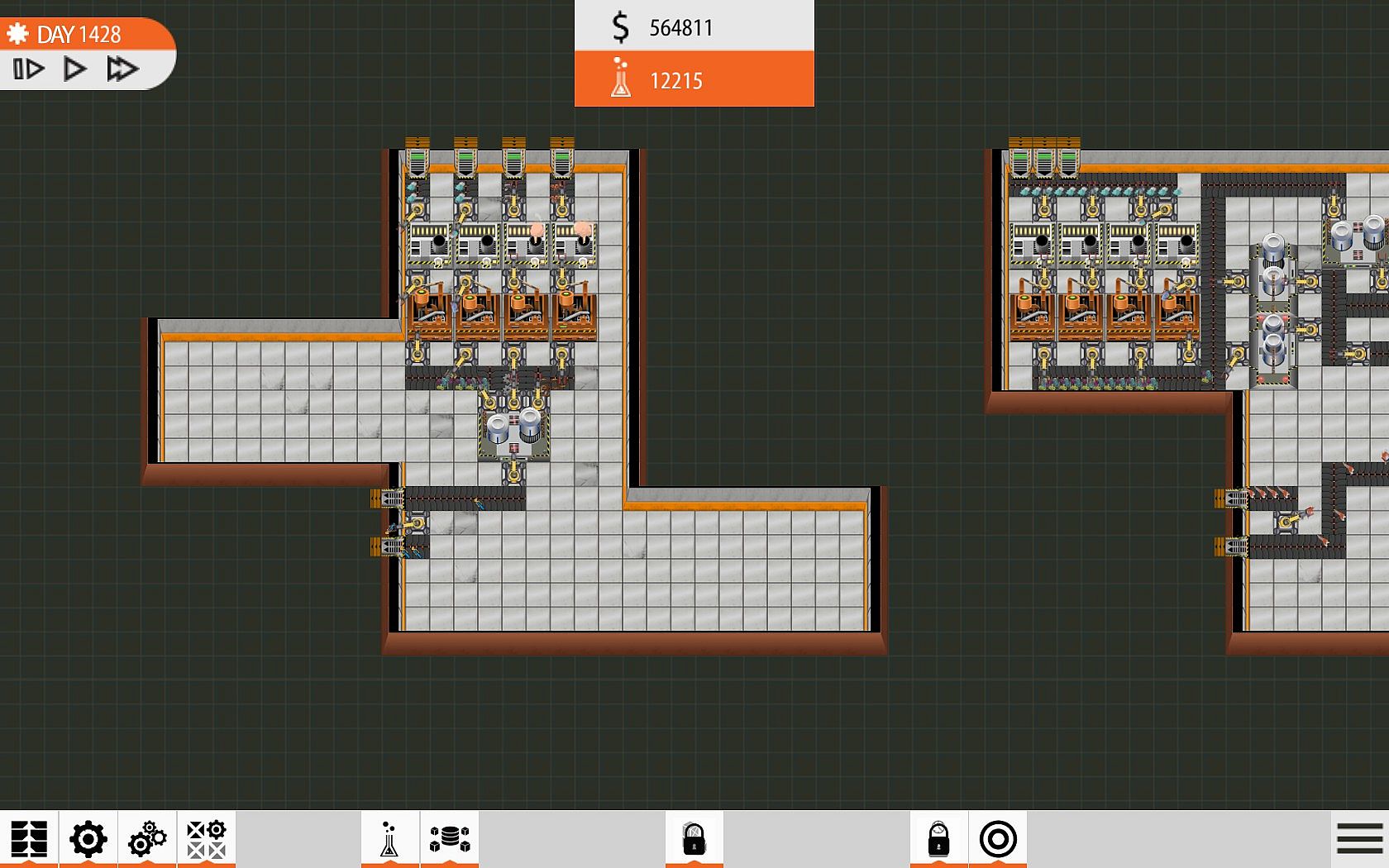
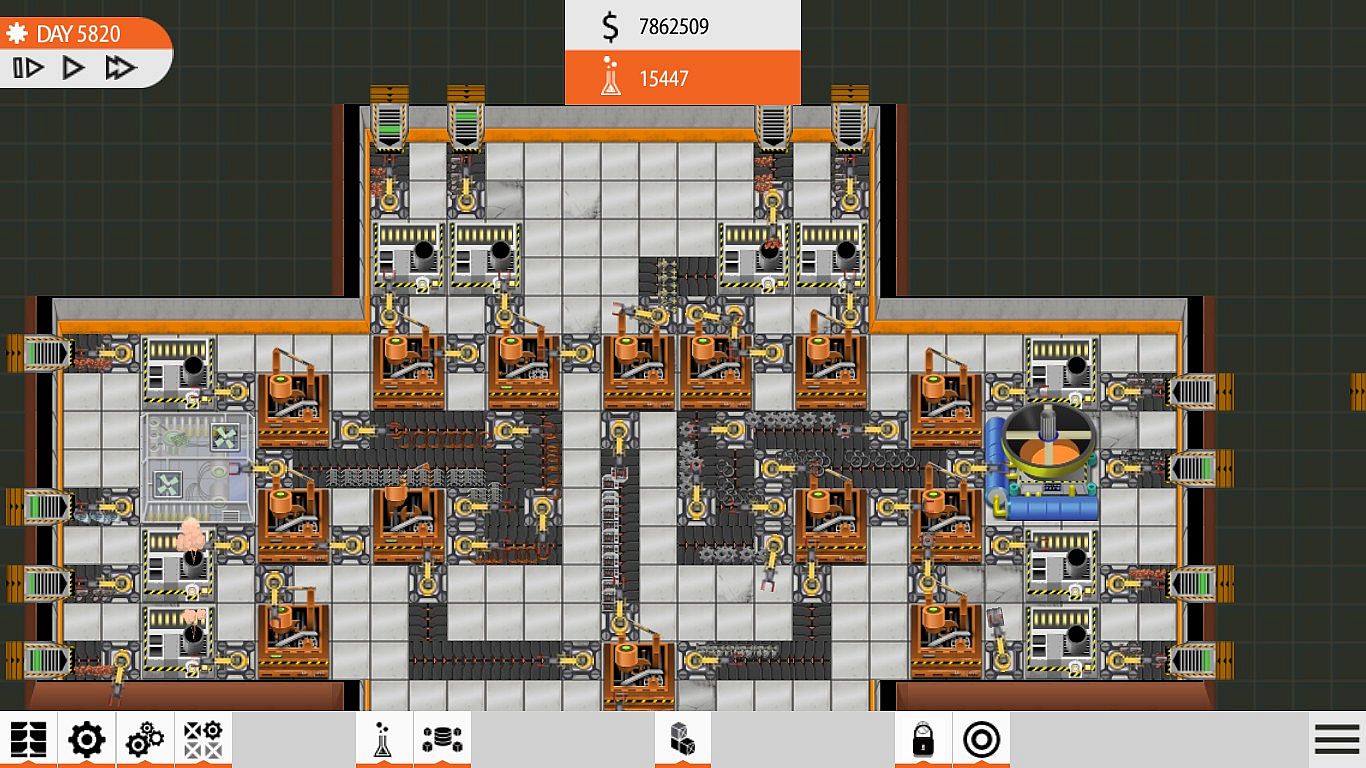
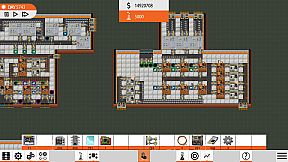
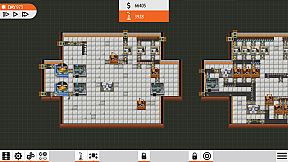
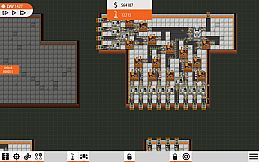
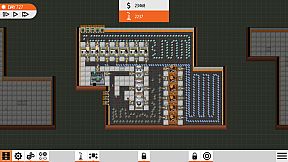
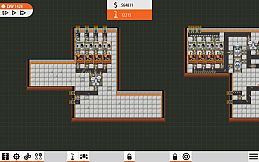
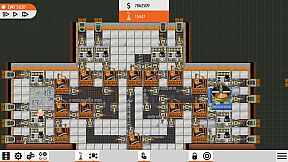
Factory Engineer is a strategy indie simulation game for PC that puts players in charge of designing and expanding an automated factory from basic resources to complex production chains. The core experience revolves around building efficient production lines that turn raw materials into sellable goods, generating revenue to fund further growth and technological advancement.
Gameplay
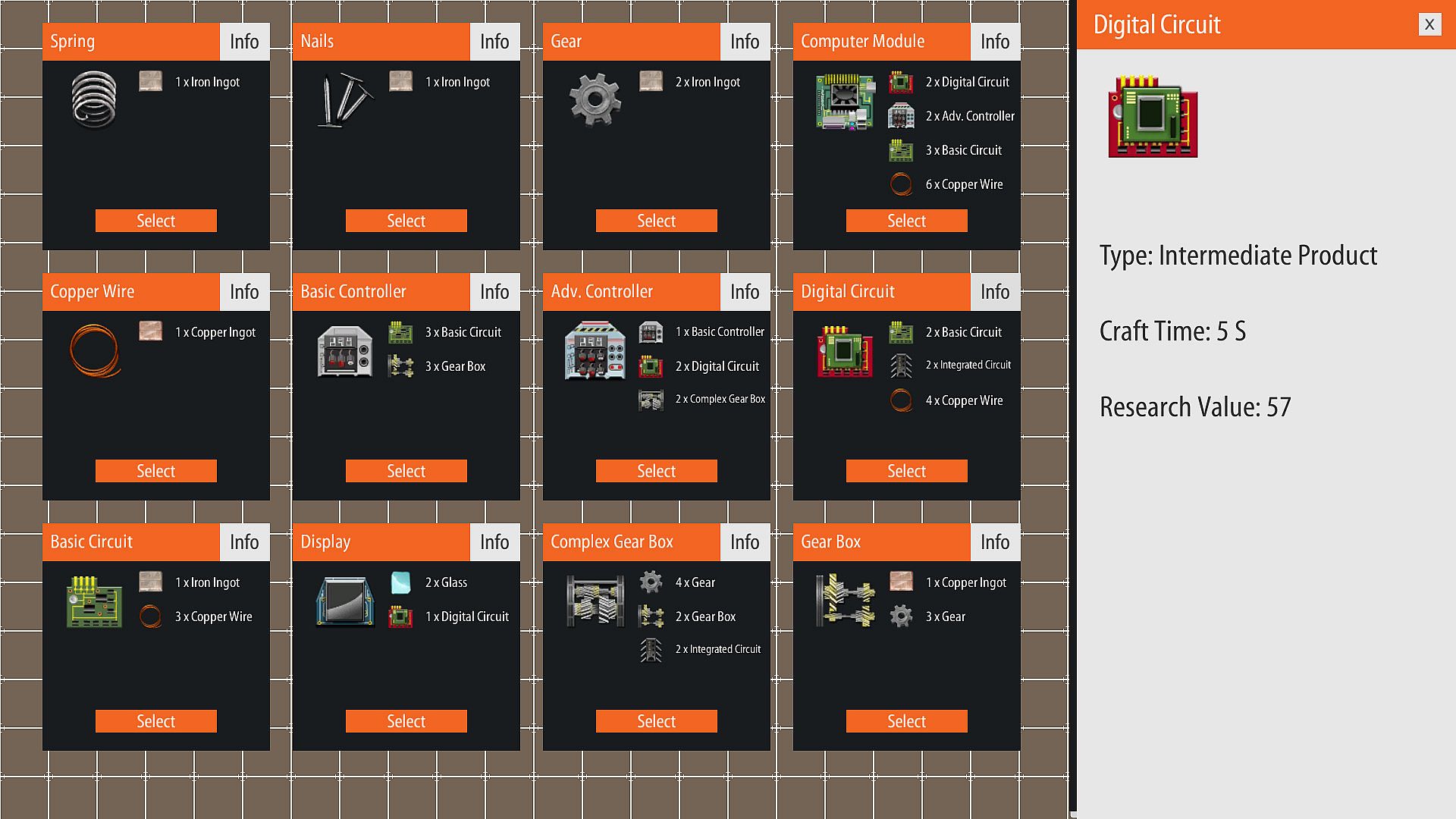
The gameplay centers on an iterative cycle of production and expansion. Players begin with straightforward raw materials and gradually incorporate more intricate processes as they progress. Machines handle the transformation of inputs into finished products, with over 20 different machines available, each suited to specific tasks. Recycling scrap provides access to specialized resources that support advanced crafting.
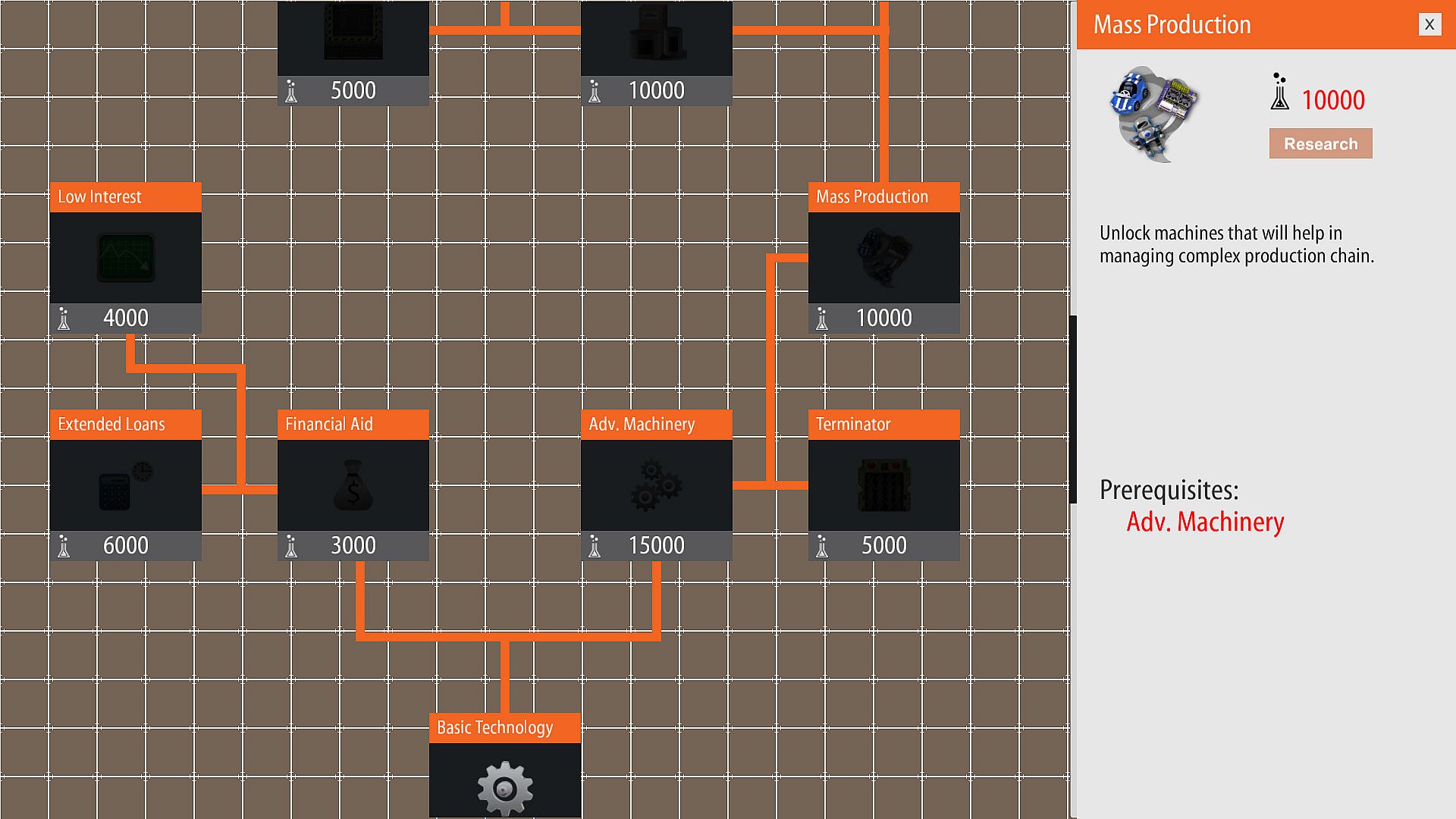
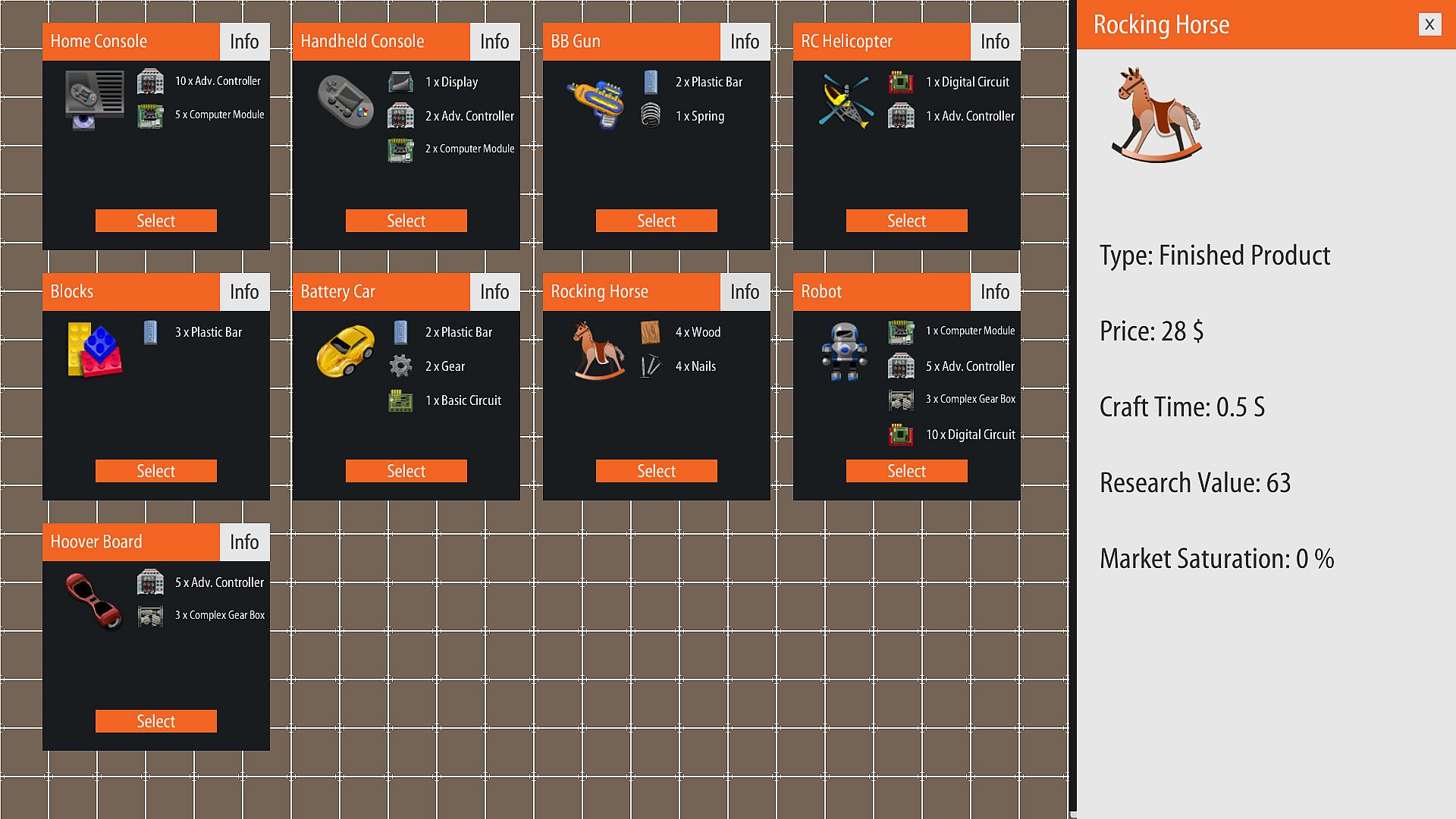
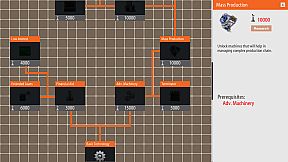
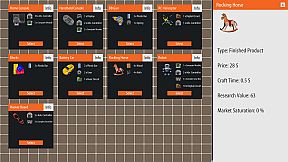
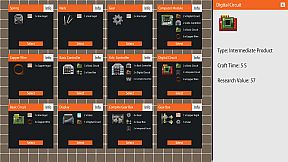
More than 70 distinct items can be produced, ranging from basic goods to highly sophisticated outputs. A deep tech tree allows incremental improvements and unlocks new machines and capabilities. Market dynamics play a key role, as demand levels and saturation directly influence profitability, encouraging players to balance output with economic conditions. Loans offer a way to sustain operations during cash shortages, preventing factory stalls.
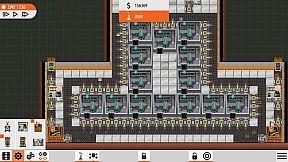
Micromanagement is central, with full control over factory layout and settings to optimize every aspect of the workflow. Tweaking production rates, machine assignments, and resource flows helps maximize efficiency and profits, particularly as more complex items yield higher returns.
Game Modes
Several distinct modes shape how the factory-building experience unfolds. Objective-based modes present targeted challenges, such as reaching a specific profit threshold, hitting a production volume goal, or unlocking a particular product within a set time frame. These provide structured goals that test planning and execution skills.
Sandbox mode removes financial constraints entirely, granting unlimited resources to experiment freely with large-scale designs and advanced automation without economic pressure. This mode supports unrestricted expansion and creative exploration of the full tech tree and machine roster.
A global leaderboard tracks factory efficiency across players, allowing competition through optimized builds and high-performing production setups. Achievements offer additional milestones to pursue during play.
Factory Building Mechanics
Production lines form the backbone of the simulation, where players arrange machines in sequences that convert inputs step by step into higher-value outputs. Starting simple ensures steady early revenue, while scaling to deeper complexity demands careful resource management and layout planning to avoid bottlenecks.
Economic factors integrate directly into the building process. Adjusting for market saturation prevents overproduction that could erode margins, and strategic use of loans keeps momentum during growth phases. The system rewards thoughtful scaling, as intricate items deliver greater financial rewards when handled efficiently.
Is It Worth Playing?
Factory Engineer suits players who enjoy detailed micromanagement and iterative factory optimization in a simulation setting. Its focus on production chains, tech progression, and economic variables delivers a self-contained loop of building and refining. The game launched in 2017 with mixed reception, holding a 42 percent positive rating from 110 user reviews, reflecting varied experiences with its systems. Those drawn to single-player strategy simulations centered on automation and profitability may find its mechanics engaging, especially through the variety of objectives and the open sandbox option for unrestricted creativity.