

























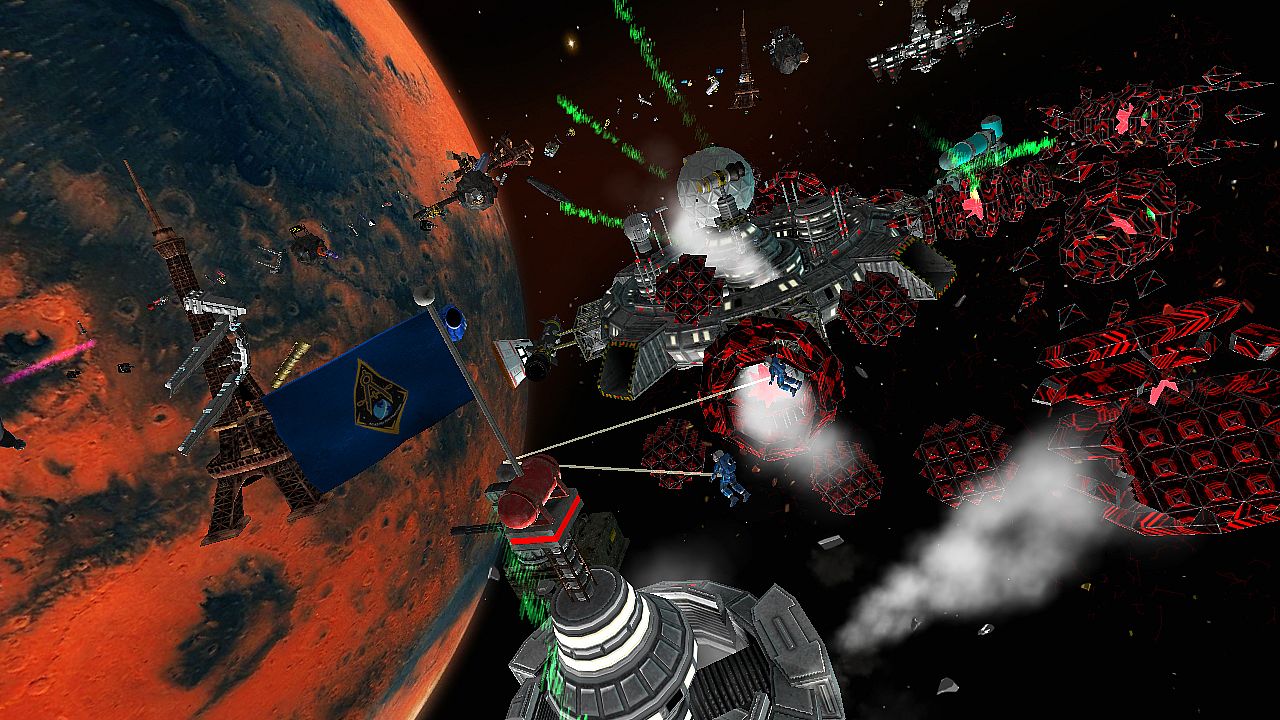
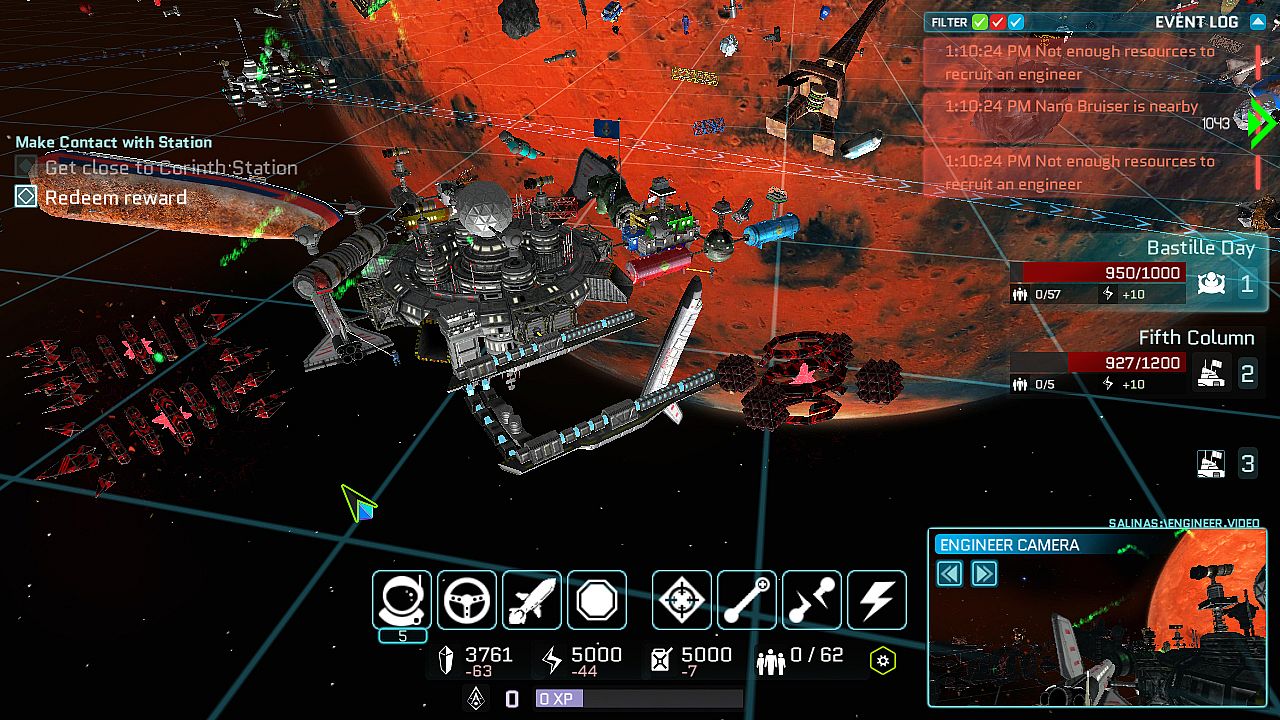
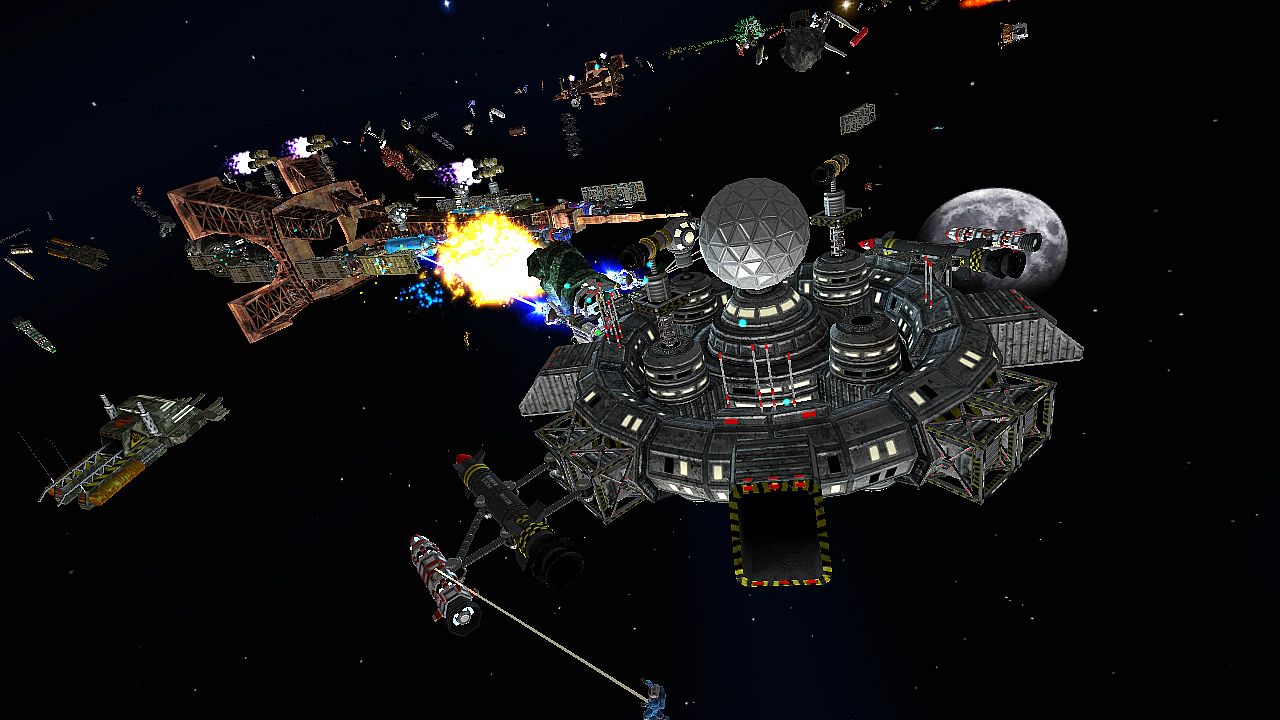
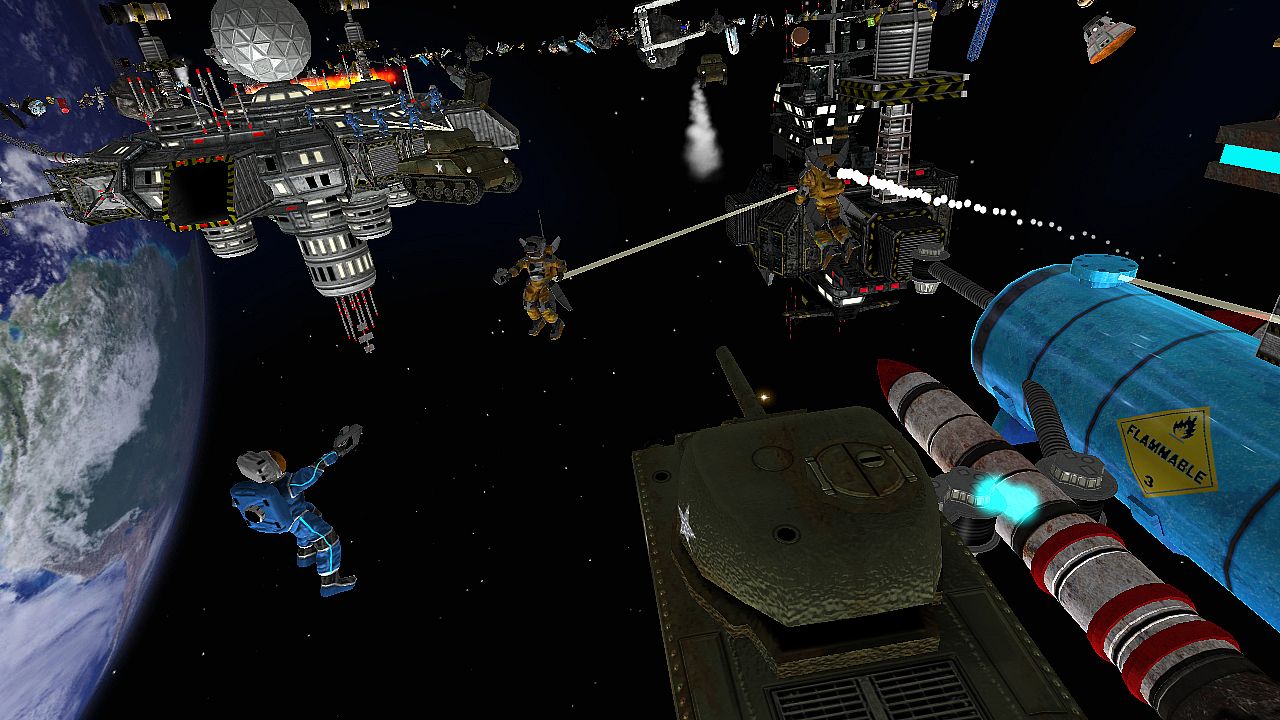
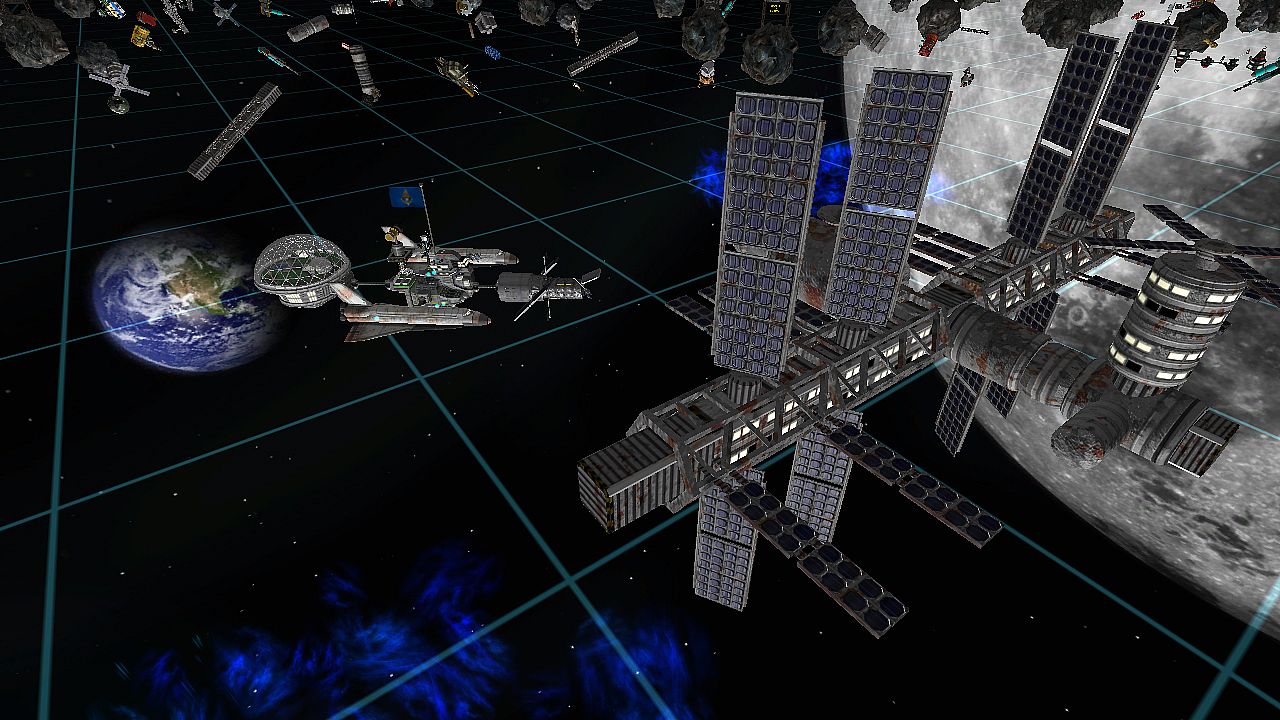
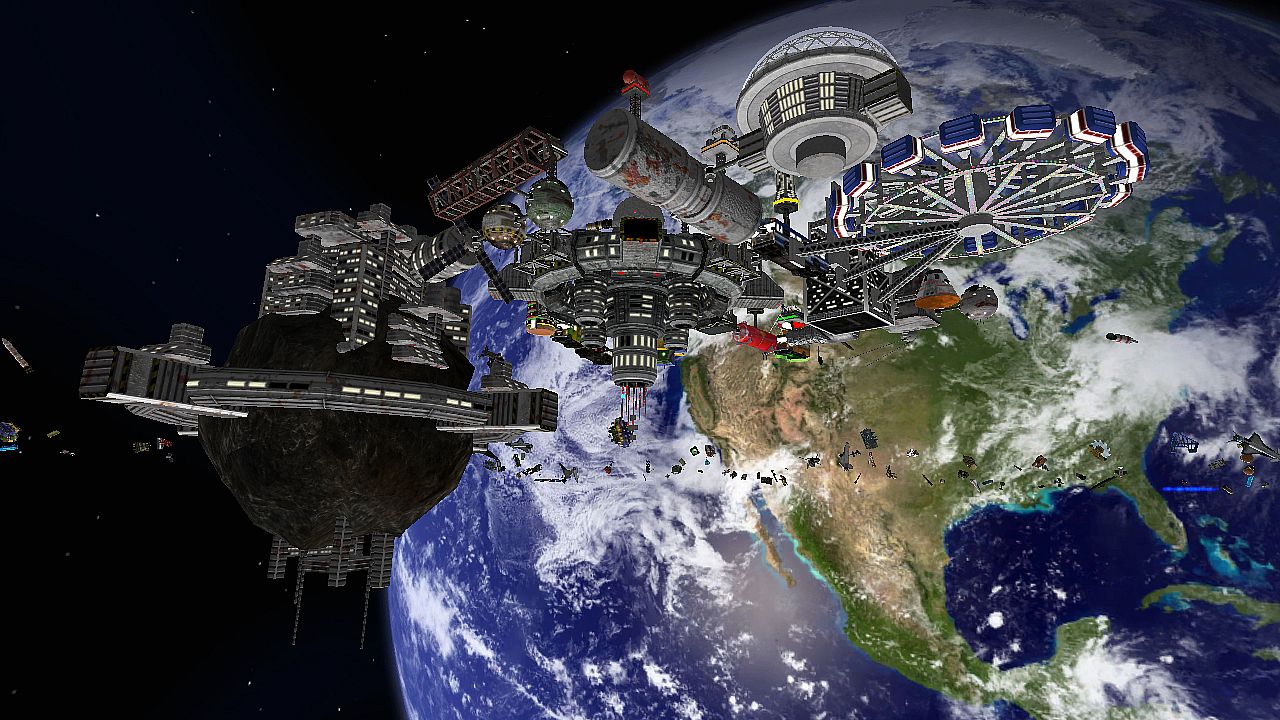
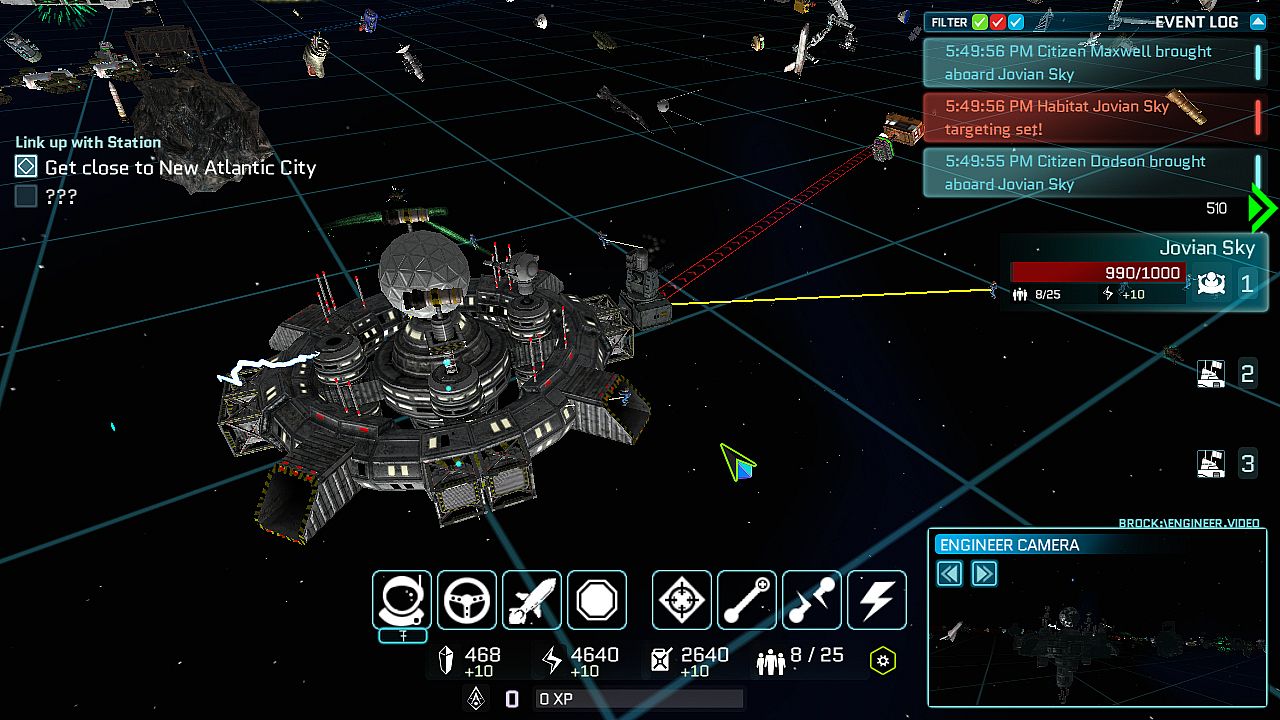
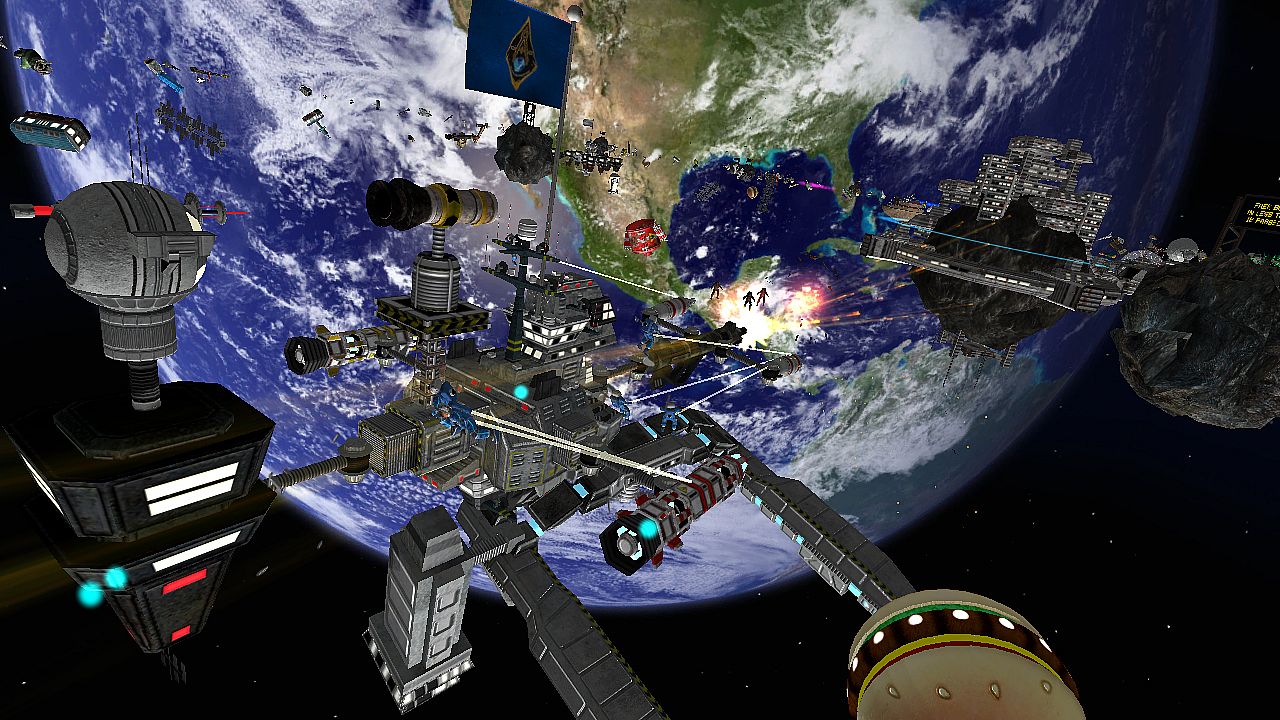
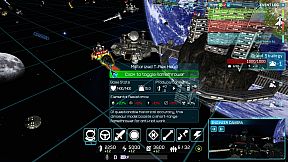
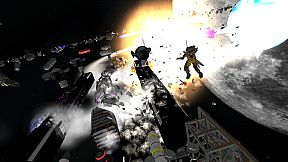
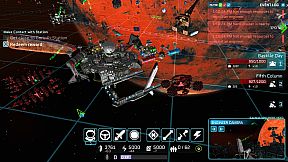
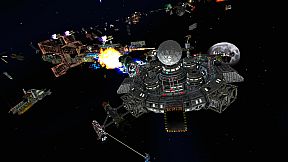
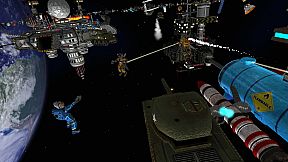
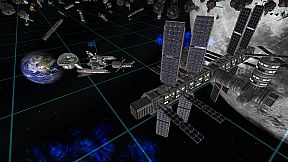
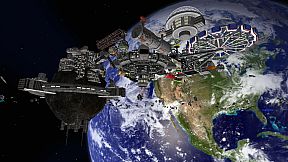
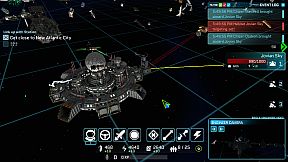
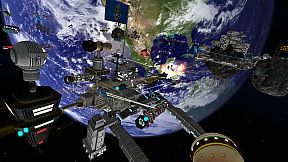
Habitat is a physics-based action and strategy game that blends simulation and indie elements into a unique space construction experience on PC. Players scavenge orbital debris to assemble and pilot space stations, managing weight, thrust, and zero-gravity movement while facing environmental hazards and hostile encounters.
Gameplay
The core loop centers on collecting scattered junk and specialized parts floating in orbit, then welding them together to form functional habitats. Each added component affects the station's balance, propulsion, and capabilities, requiring careful placement to maintain stability during flight. Players lead teams of engineers through zero-gravity environments, scavenging for resources or confronting rival groups to secure better materials.
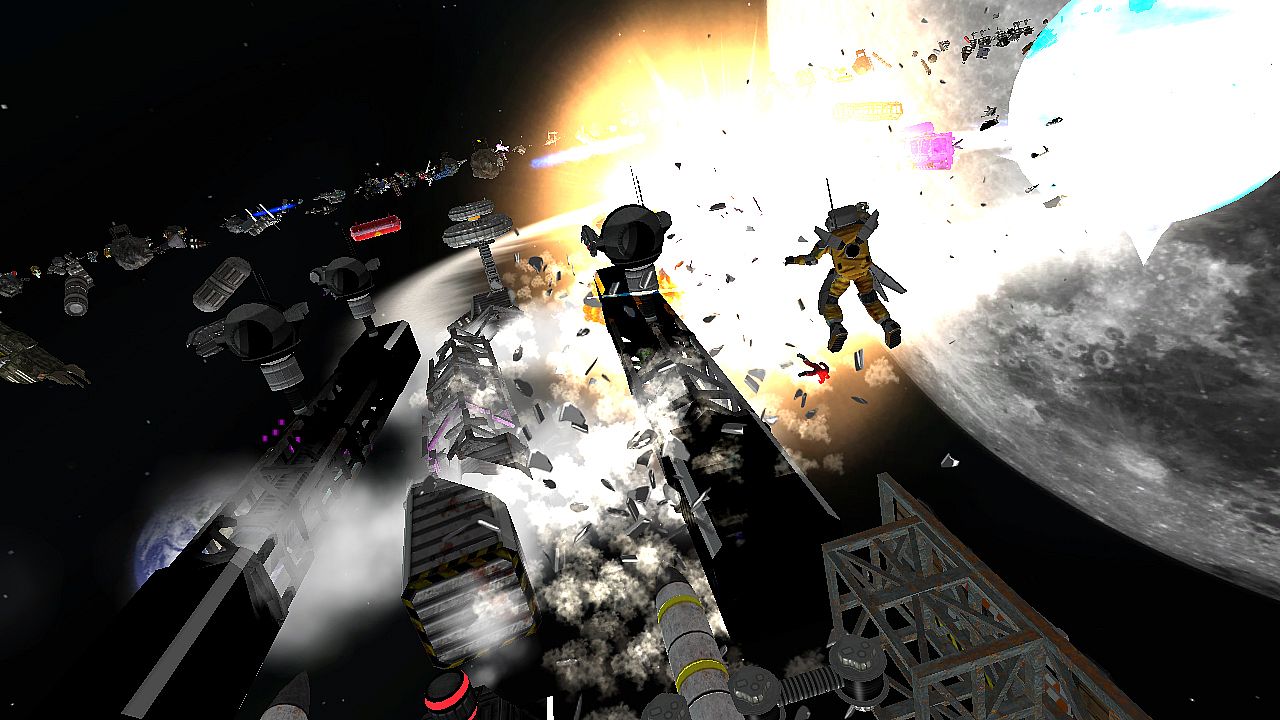
Combat emerges naturally from the building system. Debris such as rockets, lasers, and particle accelerators can be repurposed into offensive tools, allowing stations to engage threats creatively. Environmental challenges add another layer, including fires, ice storms, electrical surges, and EMP effects that demand immediate structural responses to prevent cascading failures.
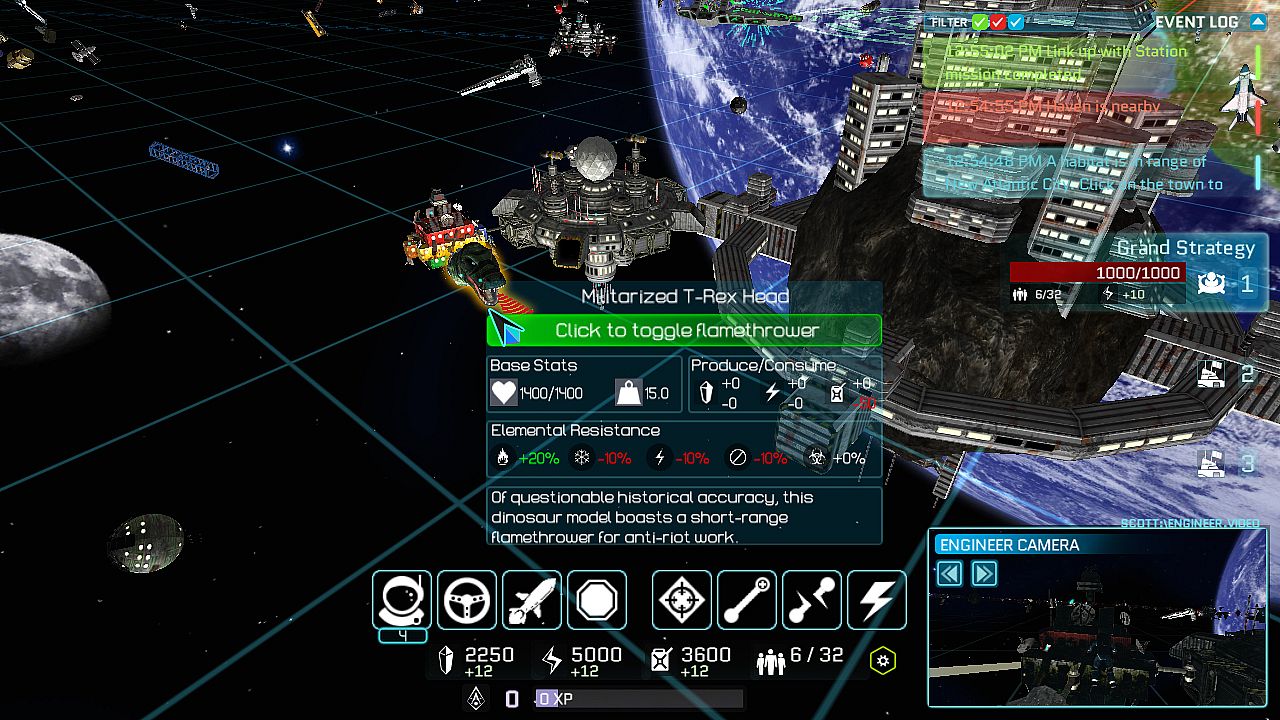
Exploration takes place across procedurally generated regions near Earth, the Moon, and Mars. Rare finds, including unusual items like a militarized T-Rex head equipped with a flamethrower, expand construction options and encourage experimentation with hundreds of available building blocks.
Game Modes
Campaign mode delivers a series of narrative-driven missions focused on guiding engineers and civilians to safety amid escalating crises. Objectives emphasize resource management, station upgrades, and decisive actions against emerging dangers while advancing the story of humanity's survival in orbit.
Sandbox mode removes mission constraints, providing an open environment for unrestricted building and testing. Players can construct fleets of separate habitats or merge components into a single large structure, freely exploring the physics interactions and creative possibilities without time pressure or external threats.
Building and Survival Systems
Construction relies on physics simulation rather than abstract grids. Thrust vectors, mass distribution, and attachment points determine how stations move and respond to forces. This encourages iterative design, where players refine layouts to improve maneuverability or weapon effectiveness.
Survival extends beyond combat to include civilian rescue operations and encounters with space zombies alongside engineer-led defense. Managing limited resources while expanding habitats forces trade-offs between defensive armaments, living quarters, and propulsion systems.
Is It Worth Playing?
Habitat suits players interested in physics-driven construction sandboxes and single-player strategy experiences. The campaign provides structured objectives while sandbox offers freeform creativity with the same core mechanics. Reception shows mostly negative reviews, reflecting challenges with the released version's polish and depth. Those drawn to deliberate building, scavenging loops, and zero-gravity experimentation may still find value in its distinctive approach despite the overall player feedback.















