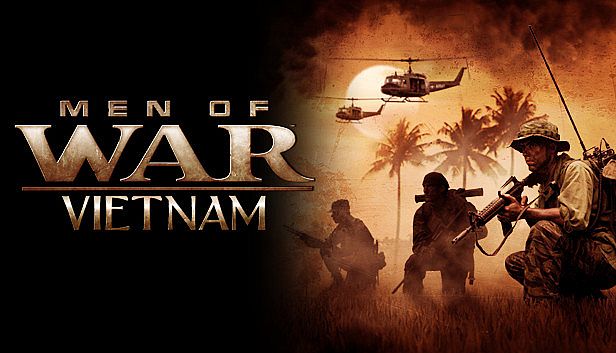






















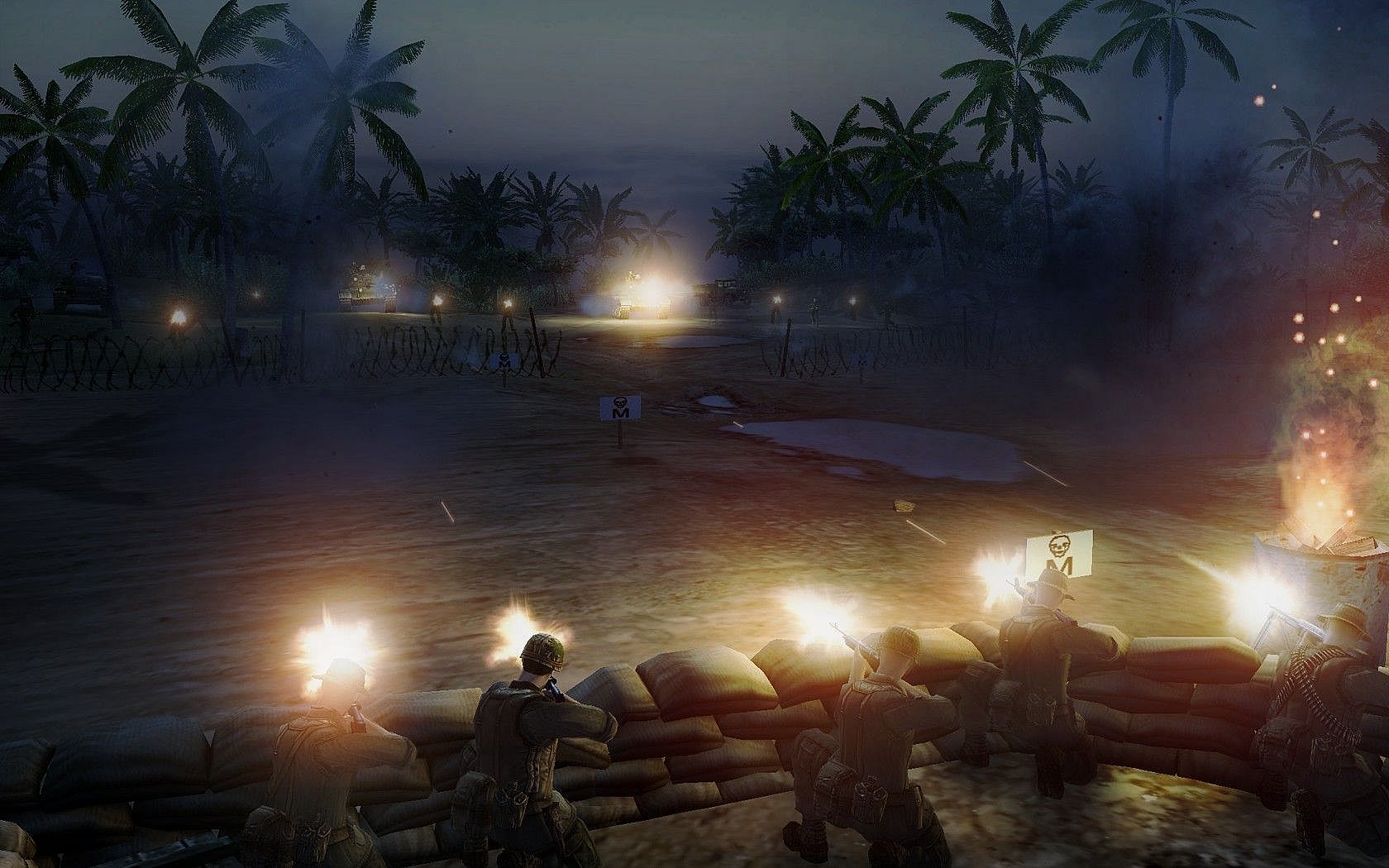
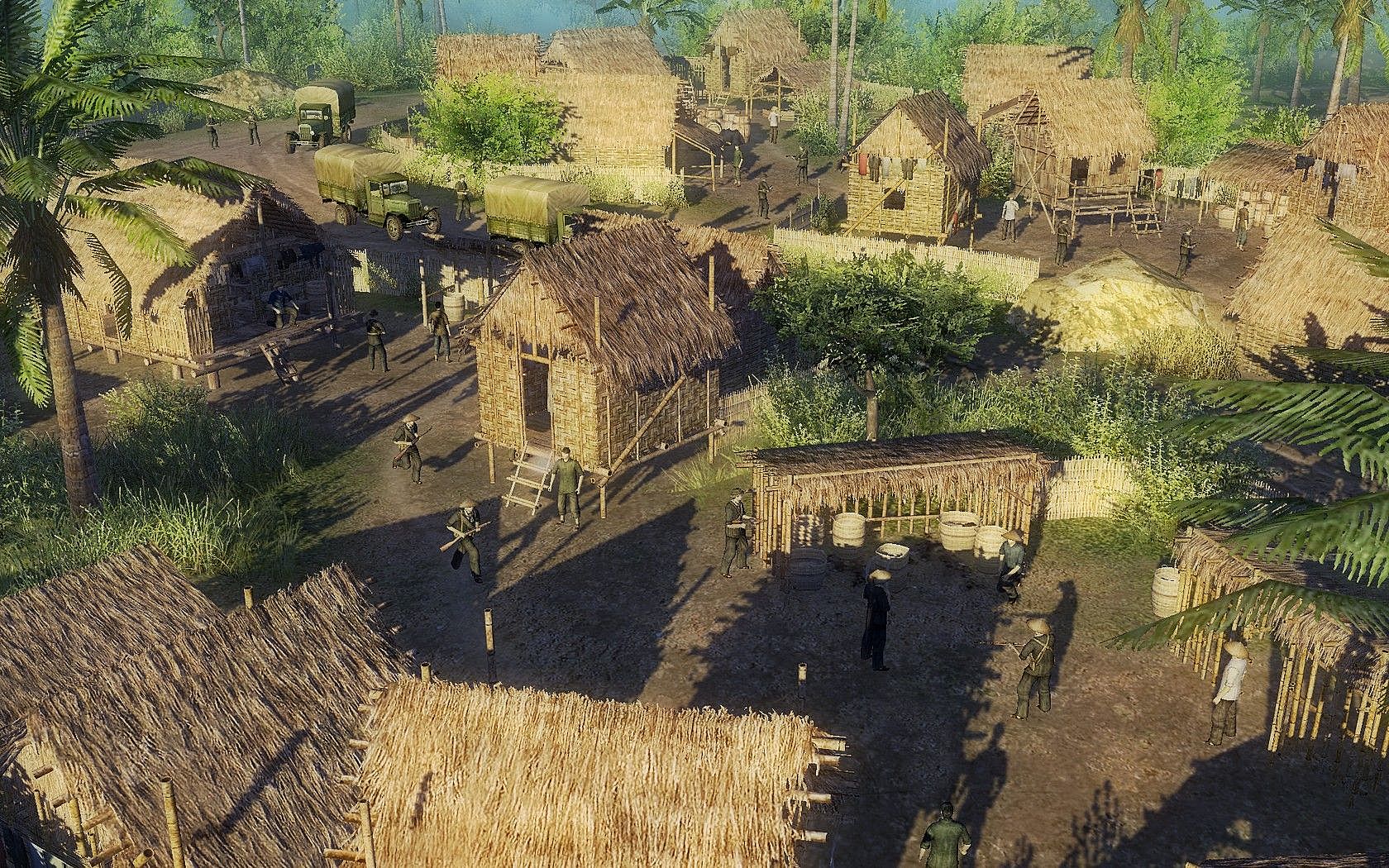
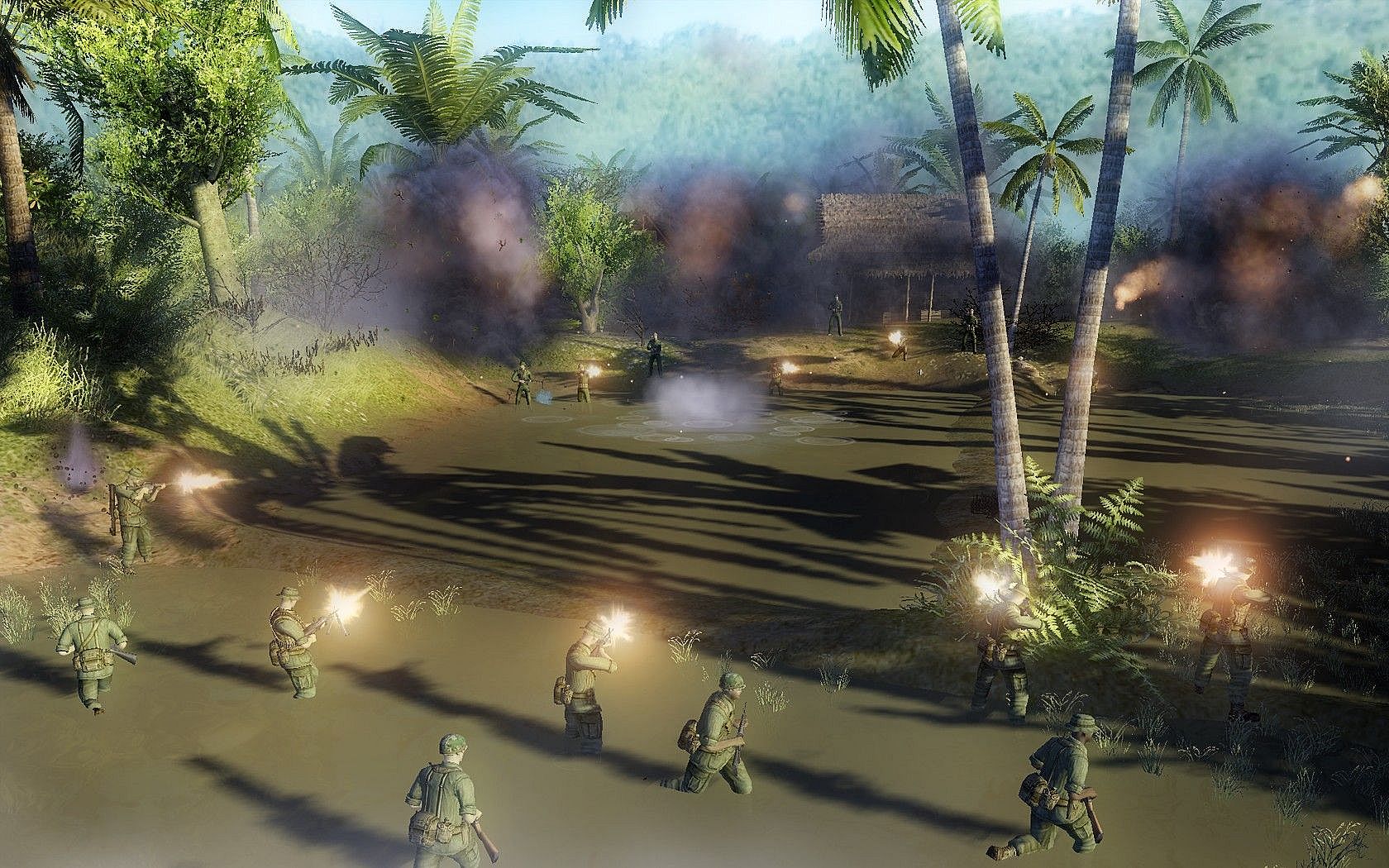
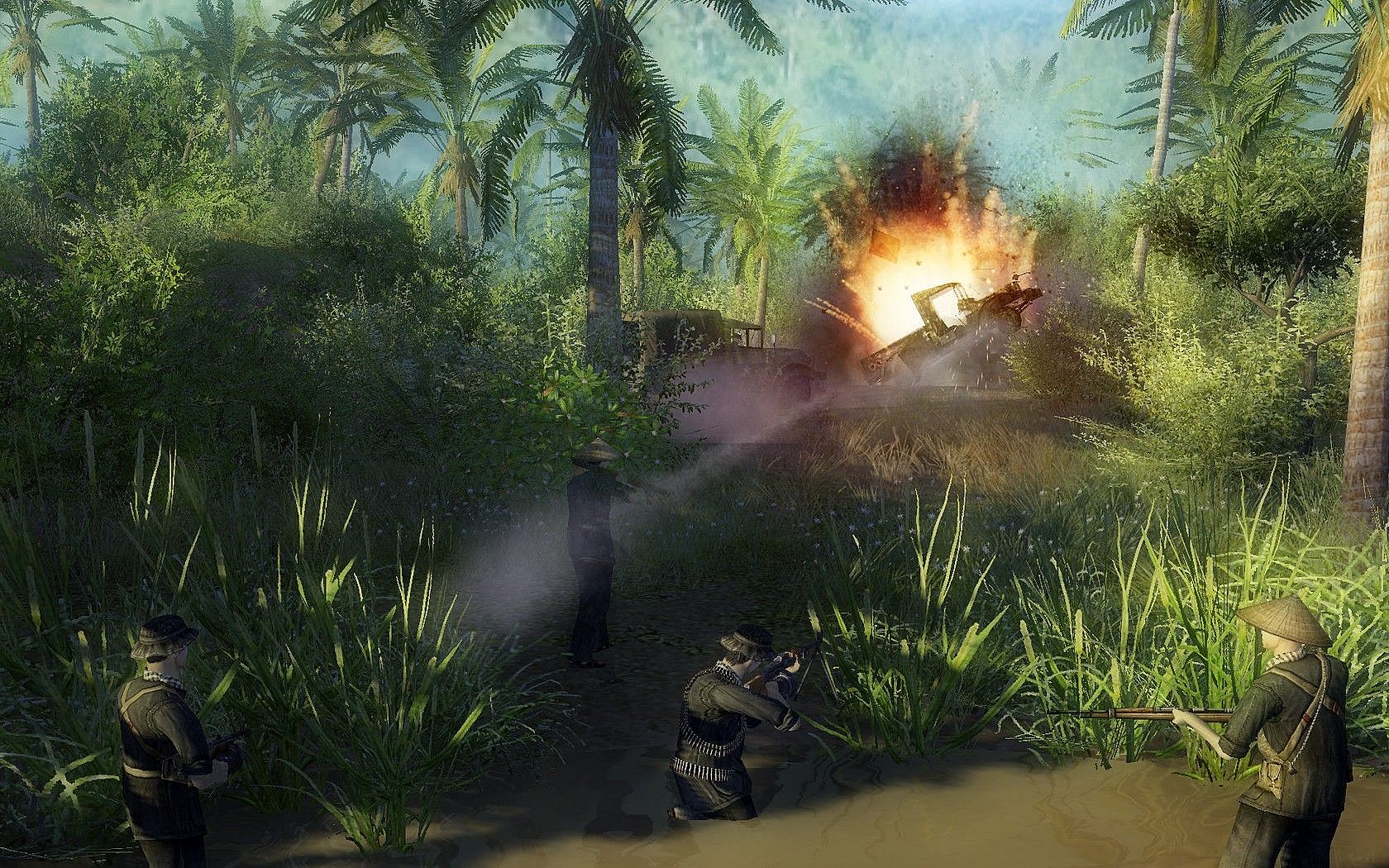
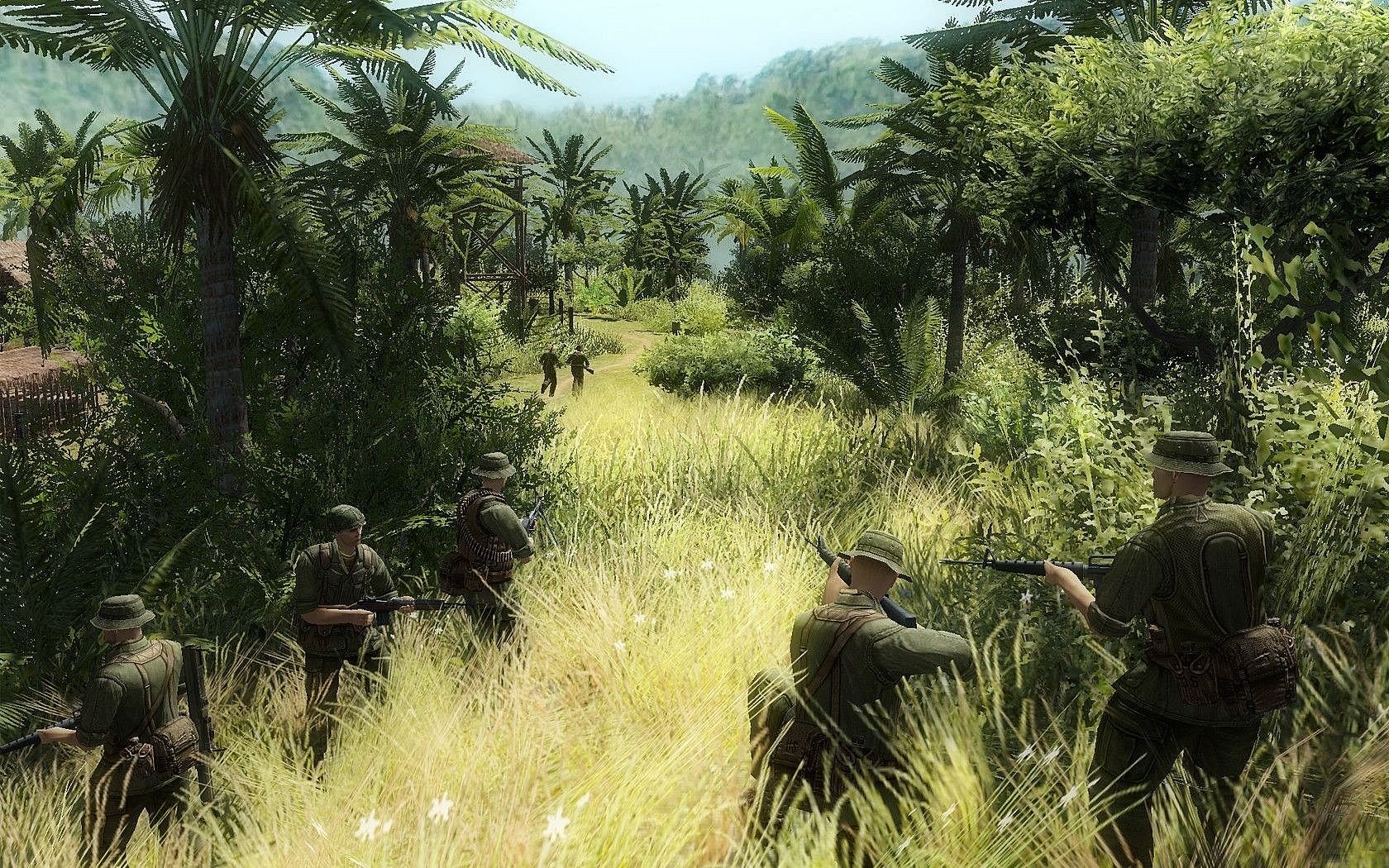

Men of War: Vietnam is a real-time tactics strategy game set during the Vietnam War in 1968. Players command small squads of soldiers in large-scale missions across dense jungle terrain, managing resources, positioning units, and executing objectives without any base-building elements. The game emphasizes precise control over individual soldiers and vehicles while navigating ambushes, rescues, and defensive stands from both American and North Vietnamese perspectives.
Gameplay
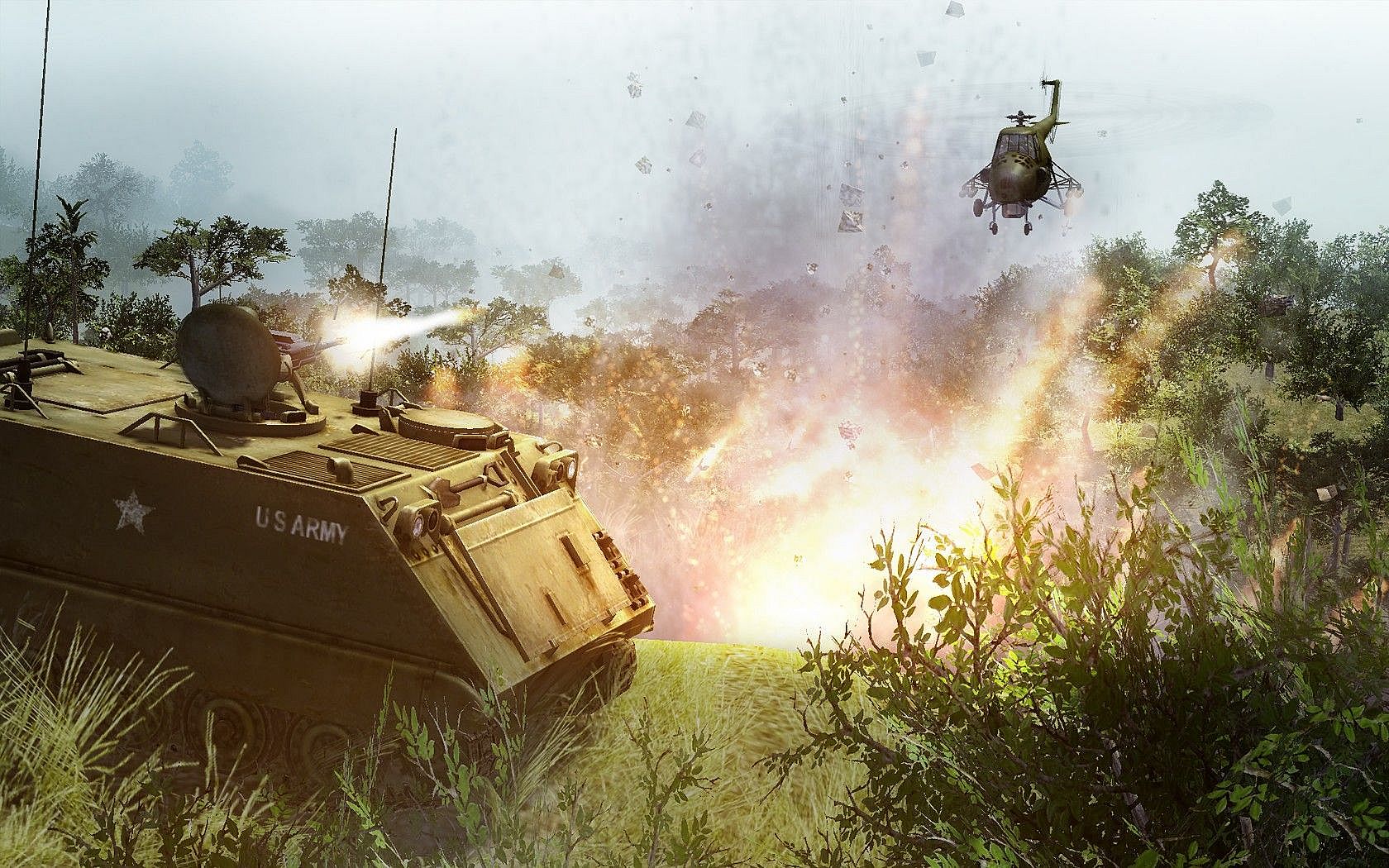
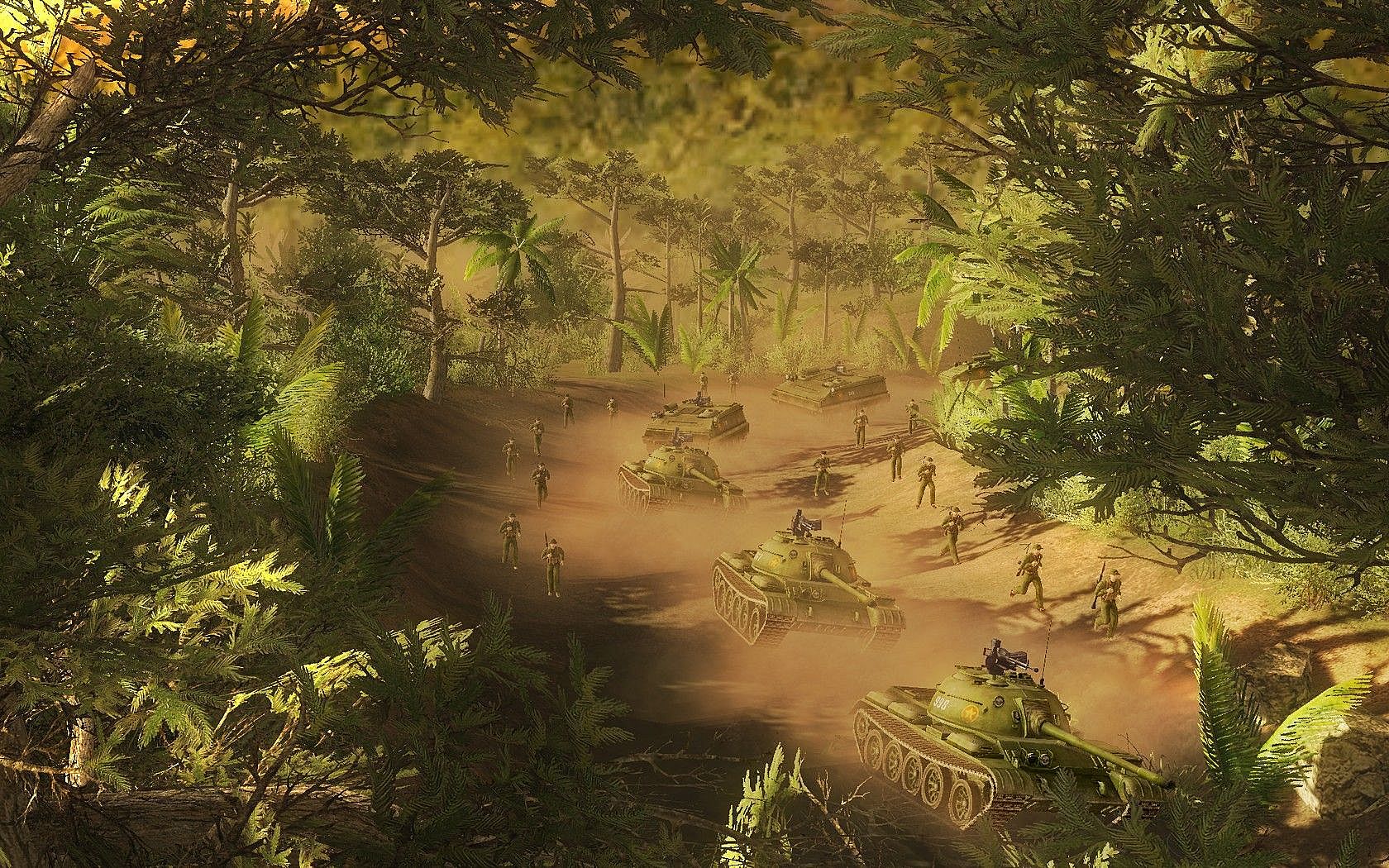
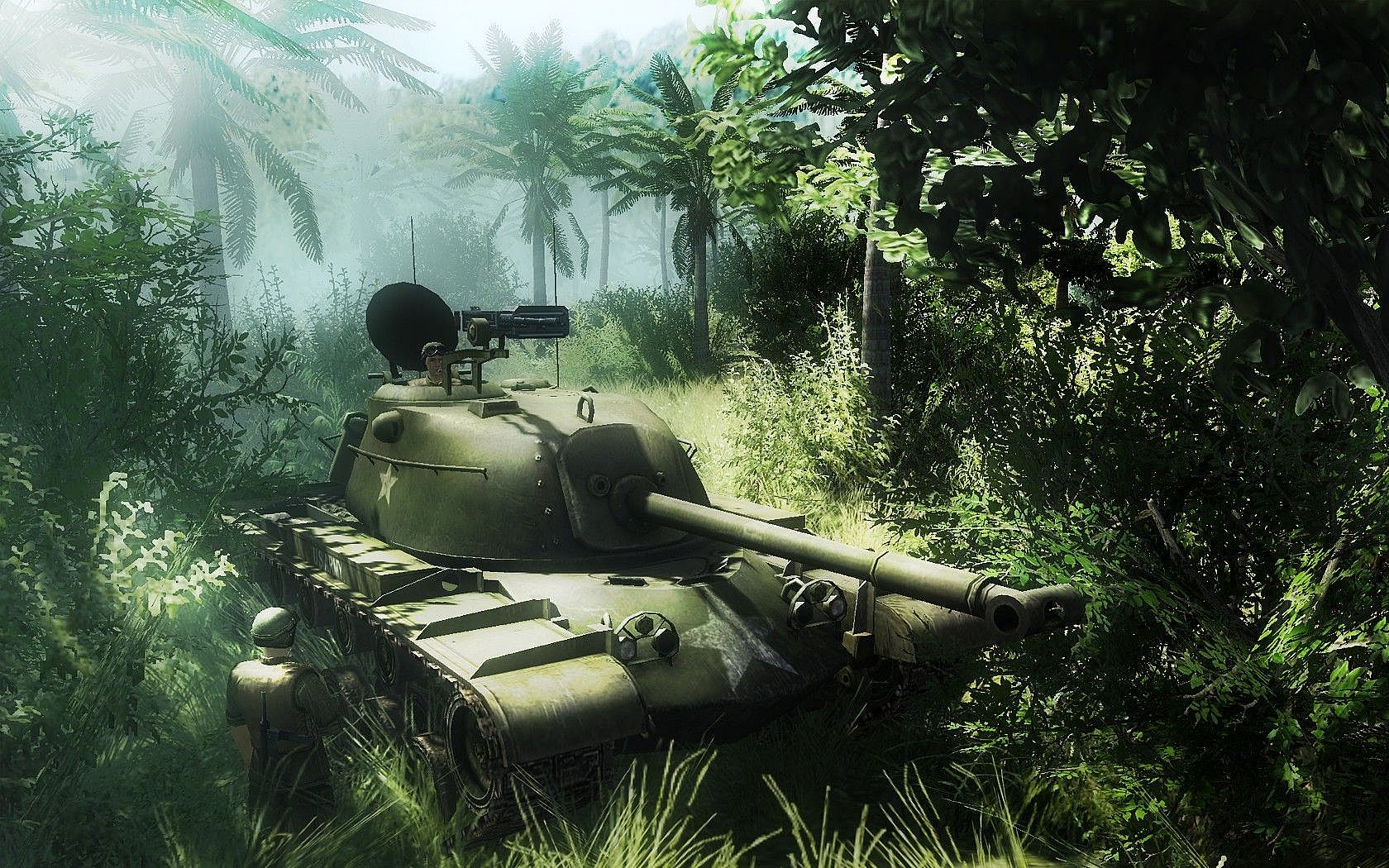
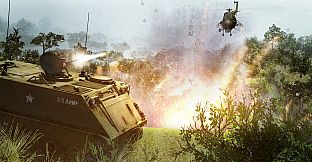
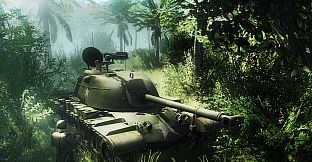
Core gameplay revolves around real-time command of limited forces on expansive maps filled with jungle cover, narrow trails, and river crossings. Units include infantry specialists equipped with period-accurate firearms such as the M16, AK-47, M60 machine gun, RPG-2, and M72 LAW. Players also direct armored vehicles including the T-54 tank, M113 armored personnel carrier, and Patton III. Direct control allows switching to first-person perspective for specific soldiers to improve accuracy during firefights or stealth approaches. Missions demand careful planning due to the absence of reinforcements in many scenarios, forcing reliance on captured enemy equipment and terrain advantages. The high difficulty level requires frequent manual saves and repeated attempts to overcome enemy patrols and fortified positions.
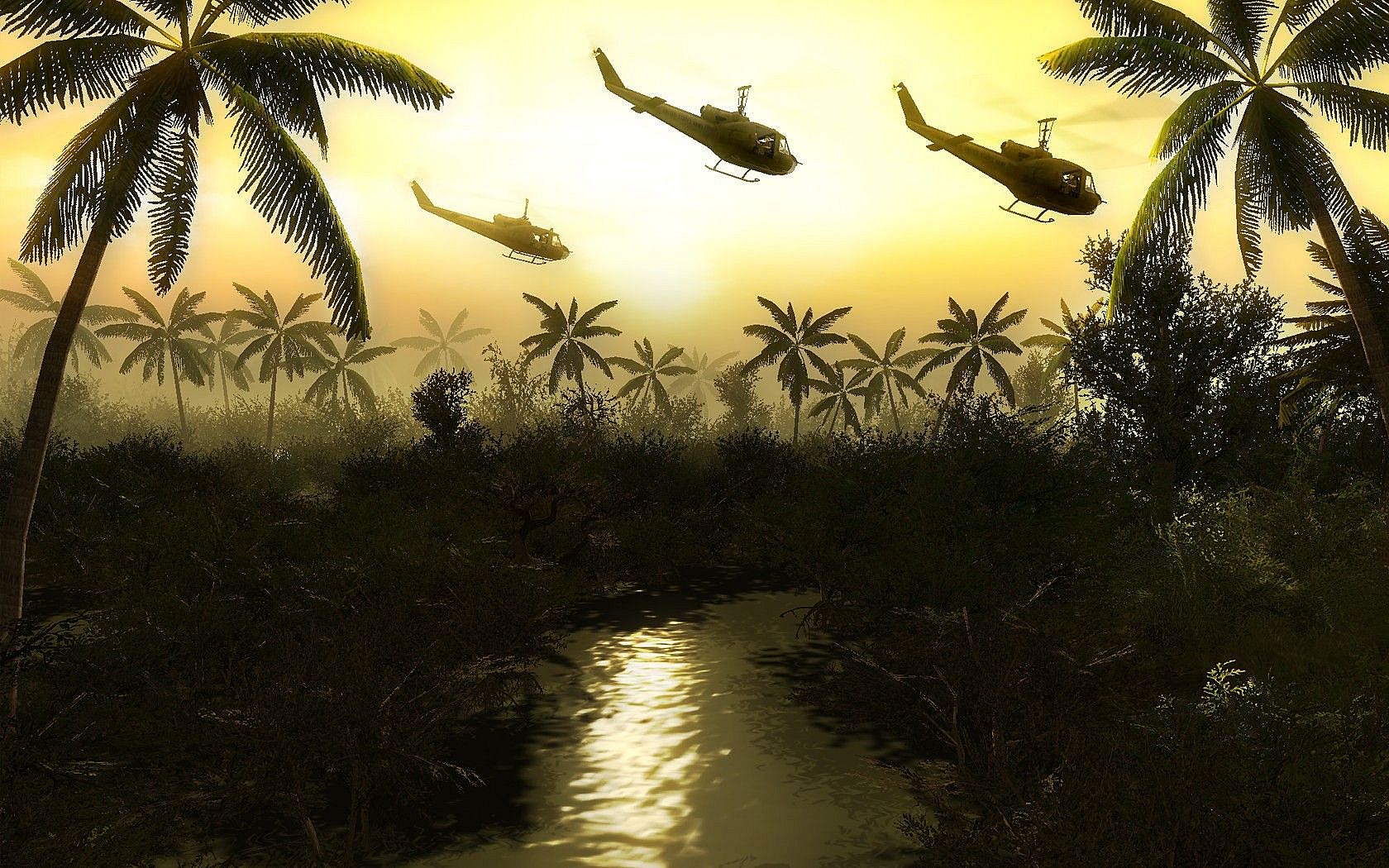
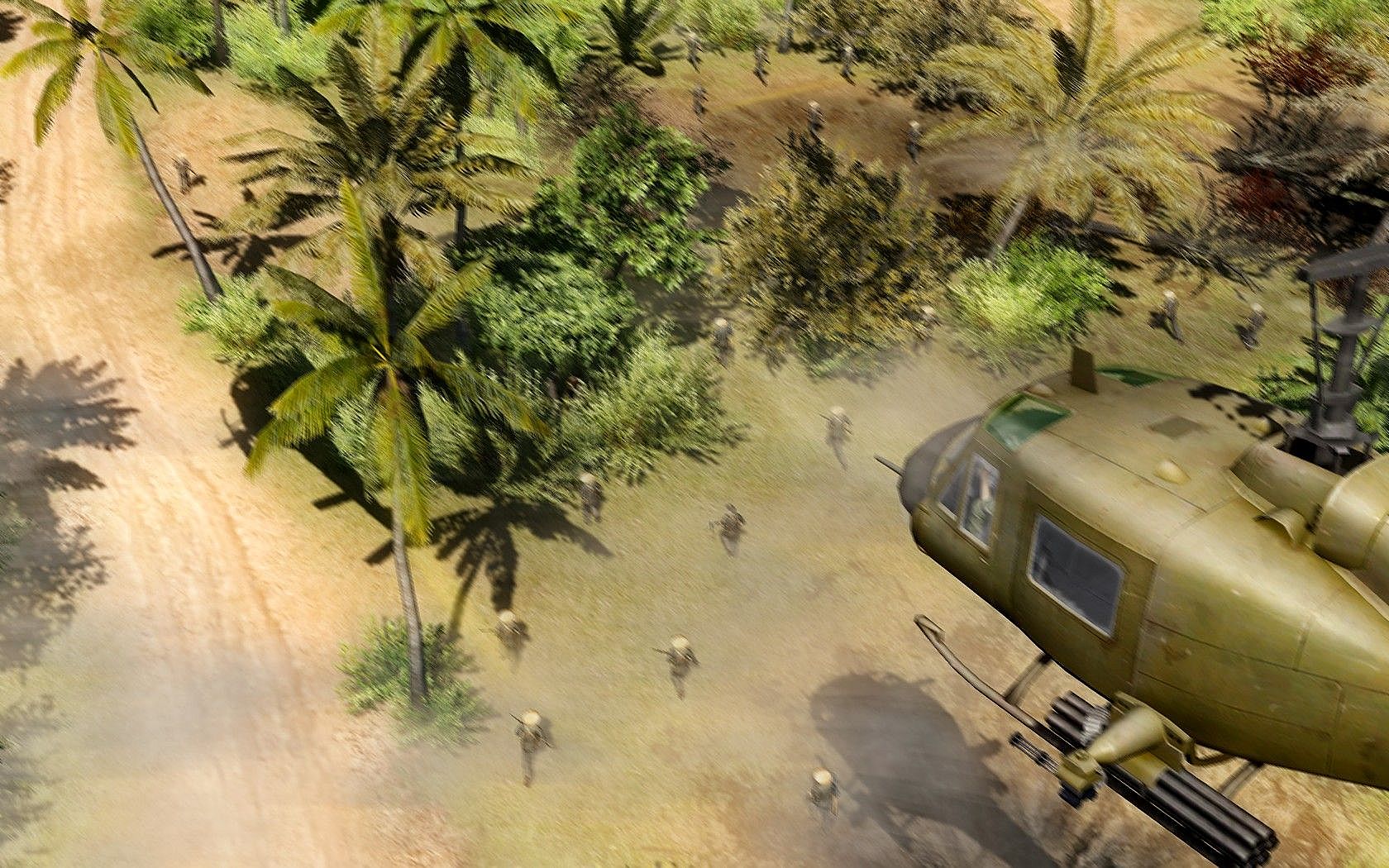
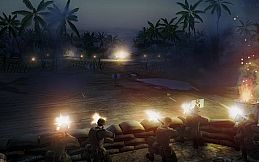
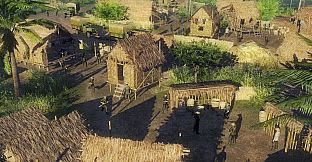
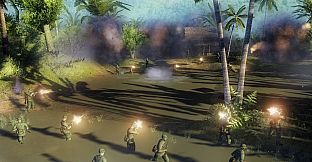
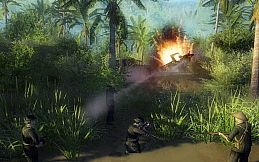
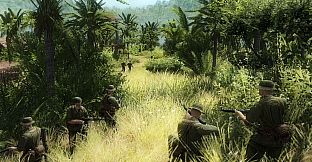
Jungle environments play a central role, with thick foliage providing concealment but also limiting visibility and complicating movement. Players must account for factors like muddy paths that slow vehicles and rivers that restrict crossing options. Combat scenarios range from hit-and-run operations along supply routes to holding key bridges or engaging in urban fighting. Each soldier type brings distinct capabilities, such as snipers for long-range elimination or engineers for demolitions and repairs, encouraging squad composition adjustments between missions.
Game Modes
The primary single-player experience consists of two separate campaigns that present the conflict from opposing sides. One follows a team of U.S. Special Forces operatives on operations deep in enemy territory. The other tracks a small group of North Vietnamese Army soldiers and Soviet advisors surviving ambushes and fighting across regions including Cambodia, Laos, and the Mekong Delta amid the Tet Offensive. These campaigns feature linear missions with multiple objectives that can extend for extended play sessions.
Multiplayer supports up to four players in cooperative sessions. Participants join forces to complete versions of the campaign missions together, coordinating ambushes, defenses, and assaults. No competitive player-versus-player options exist. Multiplayer connectivity relies on LAN, Direct IP connections, or third-party services like GameRanger following the earlier shutdown of official matchmaking infrastructure.
Campaigns and Atmosphere
Each campaign delivers story-driven objectives that highlight different tactical approaches and historical contexts. The U.S. side focuses on elite operations with named characters handling specialized roles like sniping, heavy weapons support, and engineering tasks. The opposing campaign emphasizes survival against superior numbers during chaotic retreats and counterattacks. Authentic details extend to radio broadcasts, helicopter movements, and the overall tension of 1968 Southeast Asia warfare. Missions incorporate stealth insertions, large-scale assaults, and desperate last stands that test resource management and positioning skills.
Is It Worth Playing?
Player feedback describes the title as exceptionally demanding, with praise for its tactical depth, authentic unit handling, and replay value through cooperative sessions. Critics and users note the steep learning curve and lack of guidance as barriers, alongside occasional issues with enemy artificial intelligence. The game suits experienced players of real-time tactics titles who appreciate methodical planning and high-stakes challenges over accessible tutorials or frequent updates. No major patches or additional content have appeared in recent years, leaving the experience unchanged since its original release. Those drawn to historical strategy with emphasis on squad-level decisions and co-op teamwork may find lasting engagement, while others seeking lighter or more modern mechanics could encounter frustration with the unforgiving pace and older technical limitations.