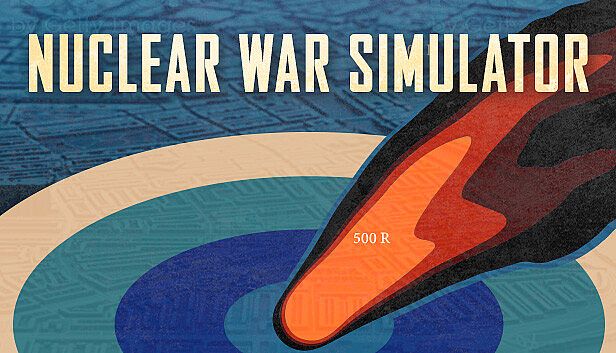



















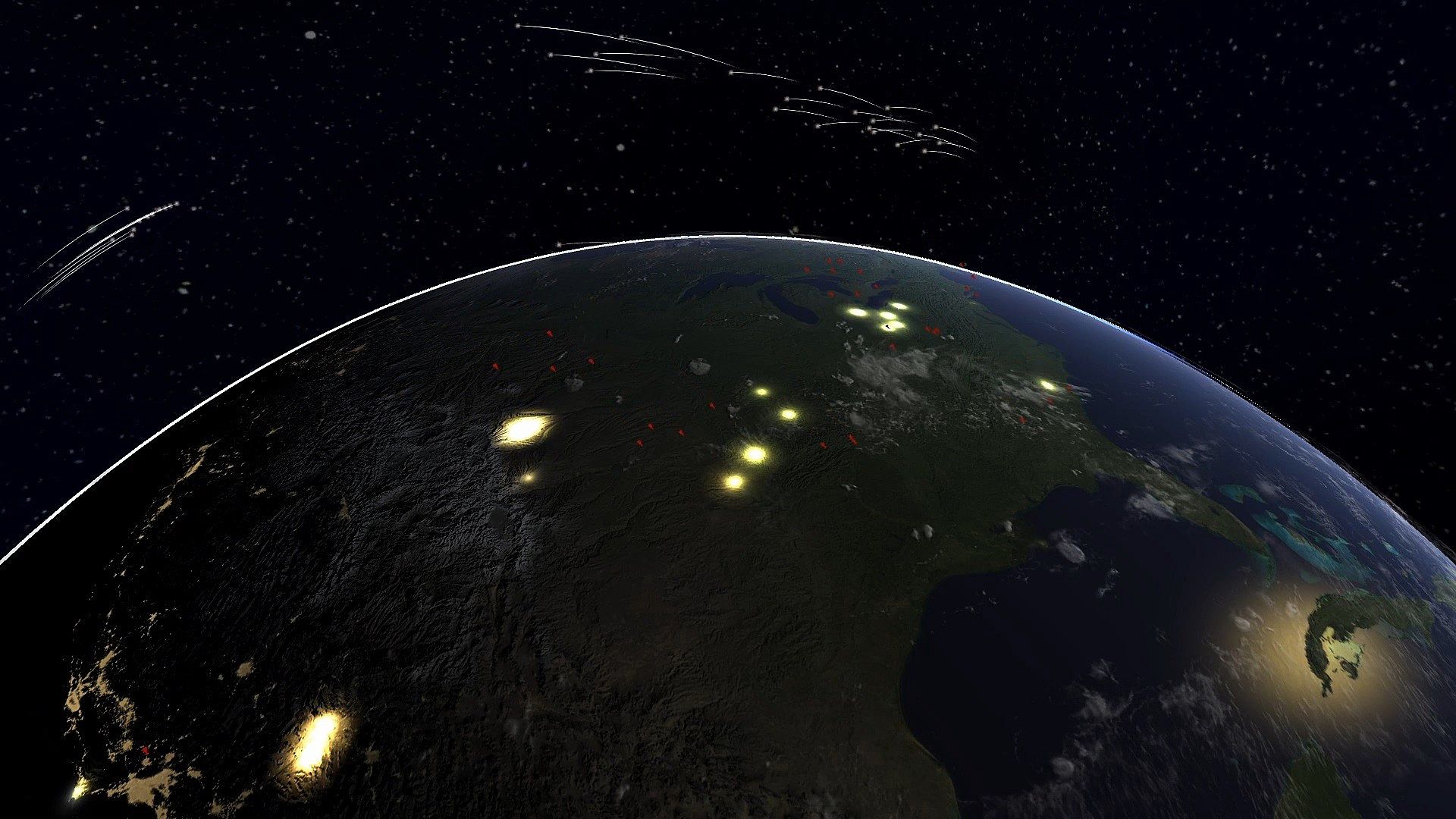
Nuclear War Simulator is a PC simulation game that models large-scale nuclear conflicts with an emphasis on realistic weapons effects and their impact on civilian populations. Players build custom arsenals, position delivery systems on a global map, and run detailed attack sequences to observe blast, heat, radiation, and long-term consequences such as nuclear winter.
Gameplay
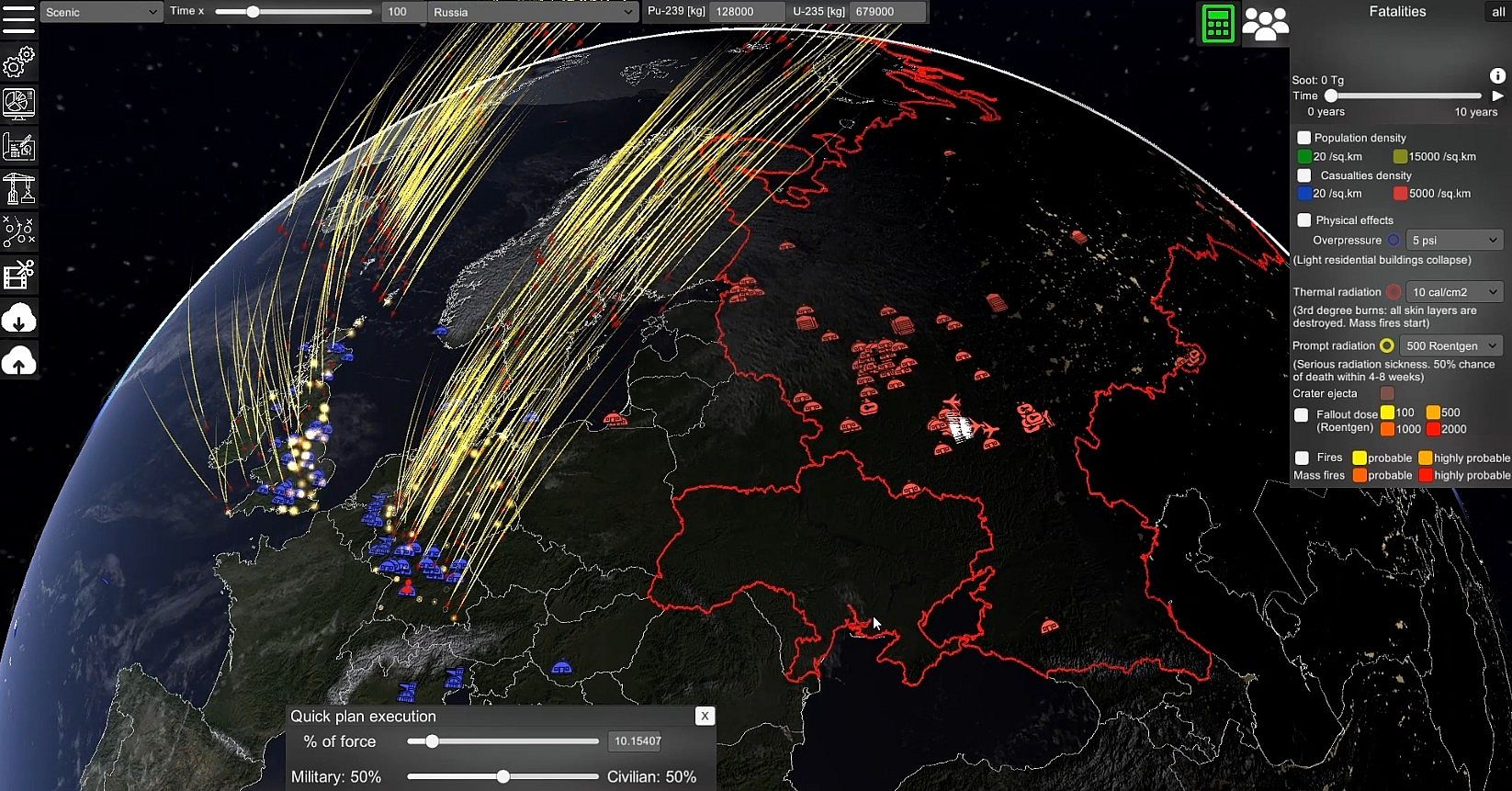
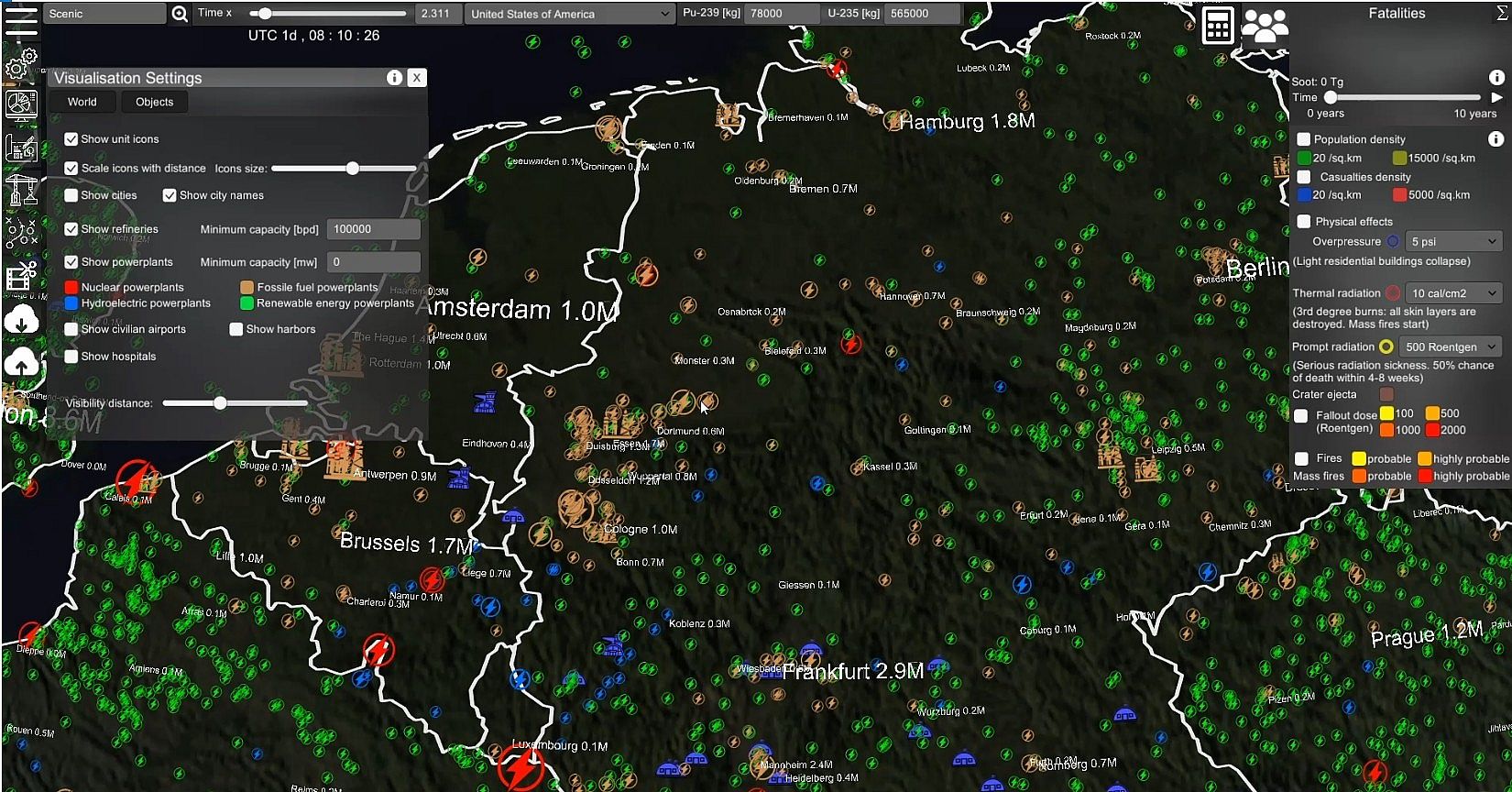
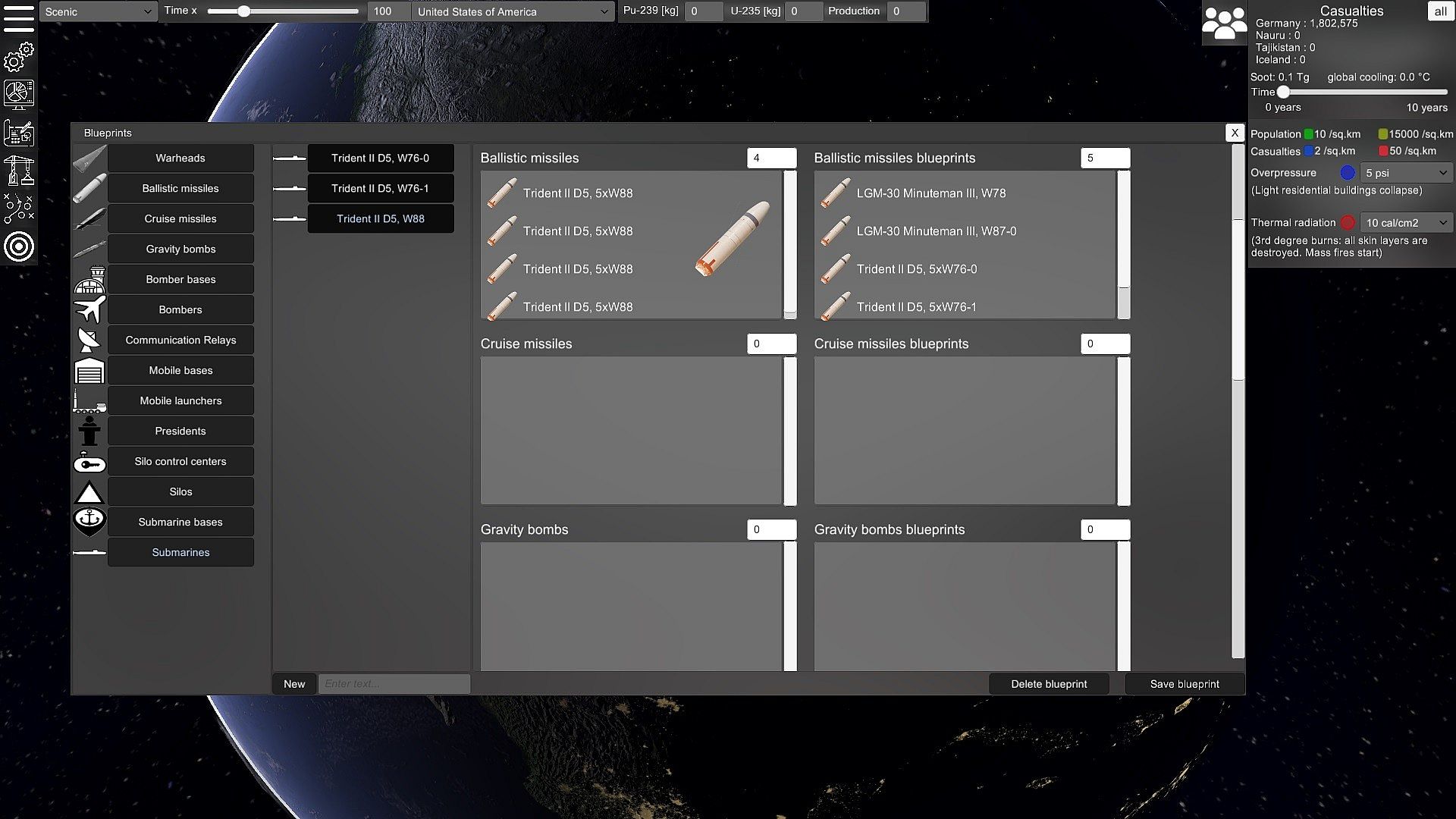
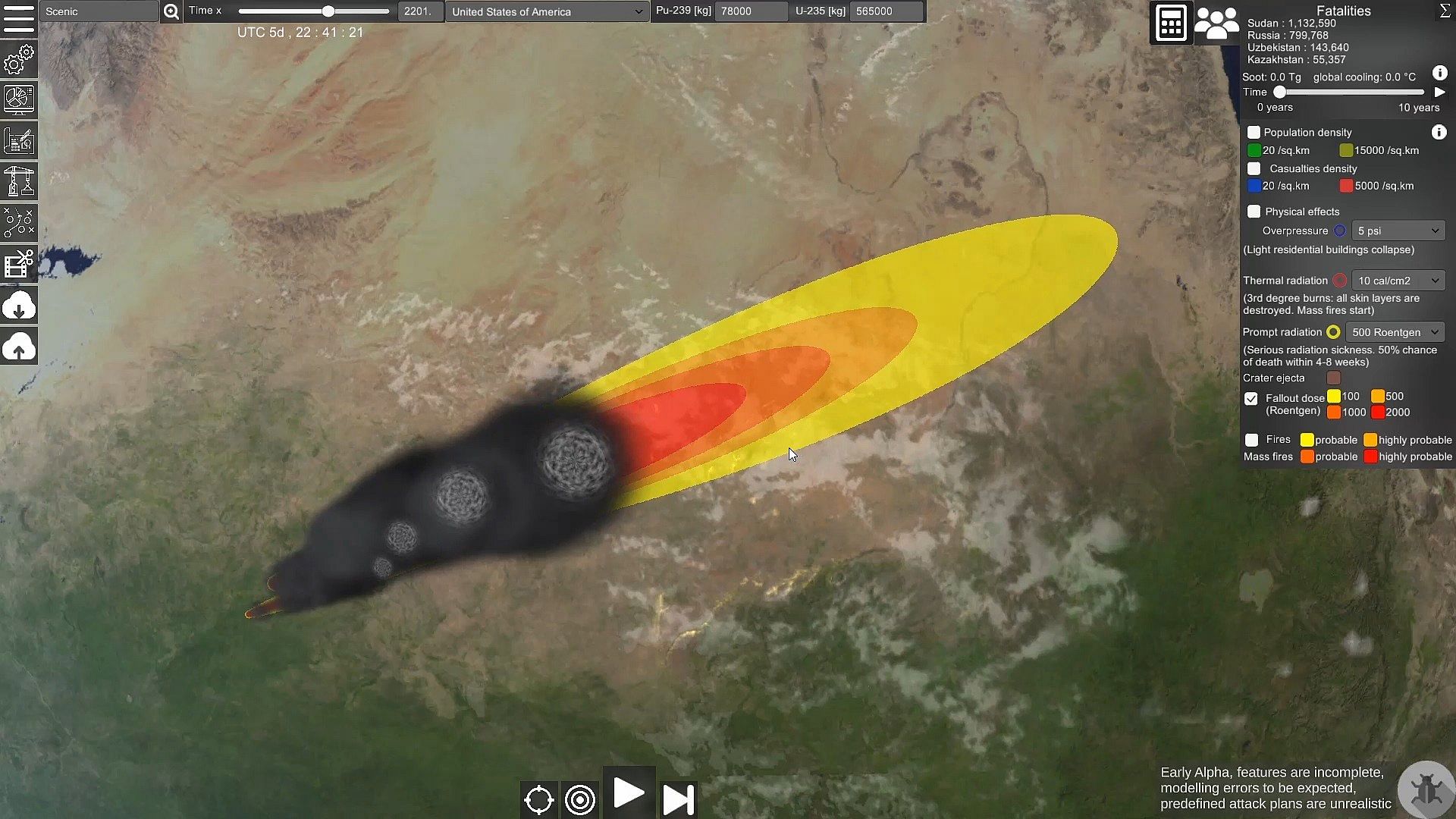
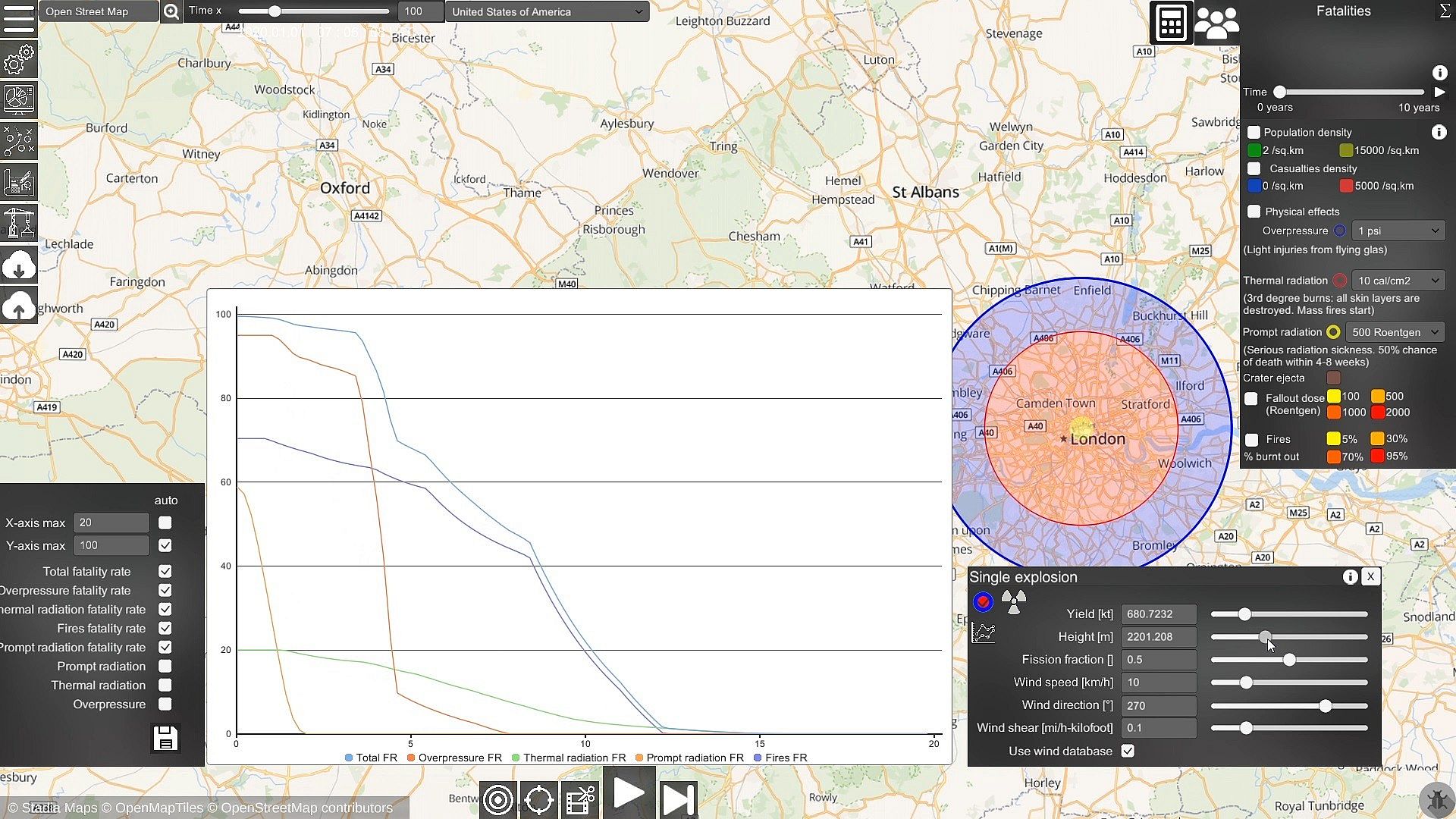
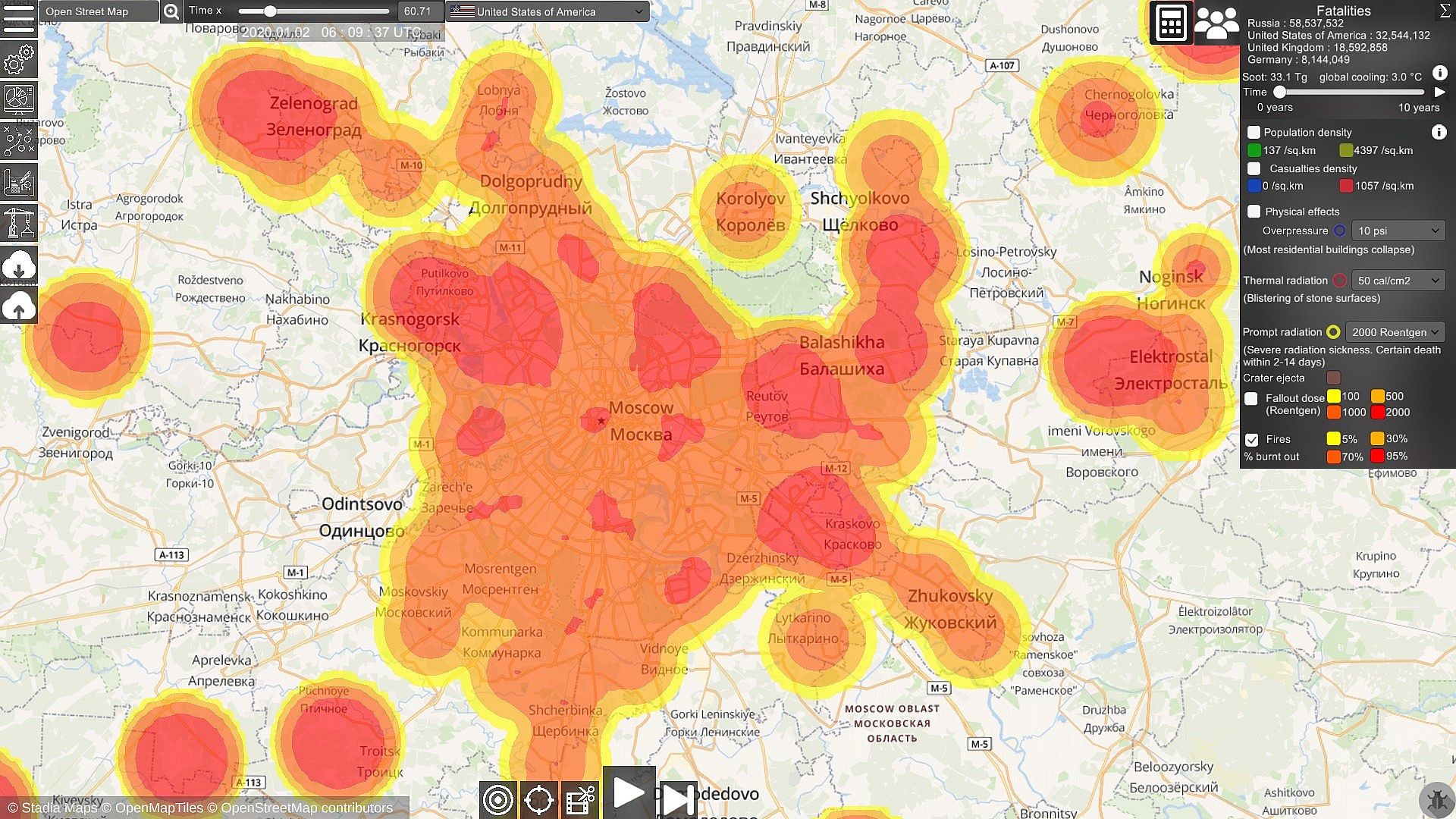
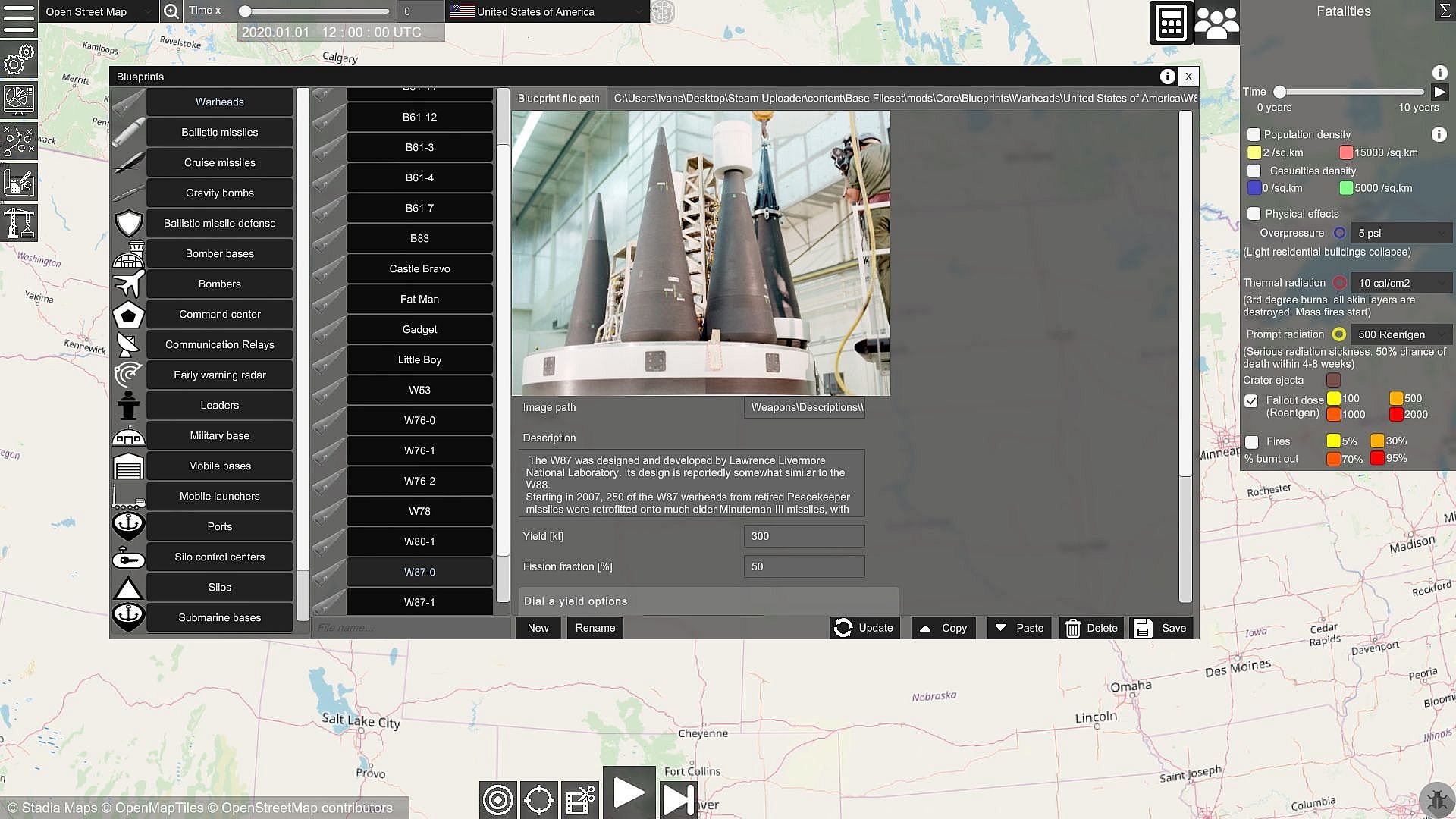
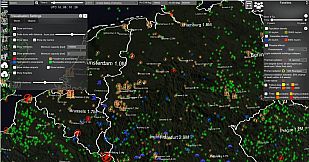
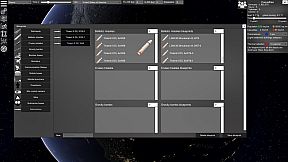
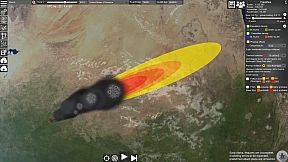
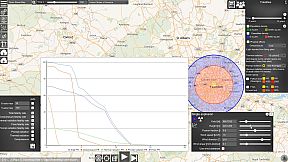
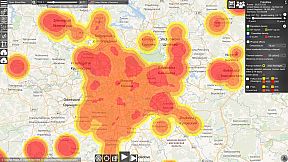
The core loop centers on designing individual warheads, missiles, and carriers before placing them in realistic launch platforms including silos, aircraft, TELs, and submarines. An intuitive interface supports manual placement or direct import of real-world coordinates via KMZ files. Once forces are positioned, users execute attack plans that trigger high-resolution calculations across a population density grid. Each cell receives separate modeling for blast radius, thermal effects, firestorms, and radiation fallout, producing estimates of immediate fatalities and injuries. Military target destruction accounts for weapon CEP, target hardness, and crater formation. Players can also insert specific individuals or groups into the map to assess personal survival probabilities. Additional outputs track total soot production to simulate simplified nuclear winter effects. The simulation supports CSV import of detonation lists from external tools and exports results for further climate modeling.
Game Modes
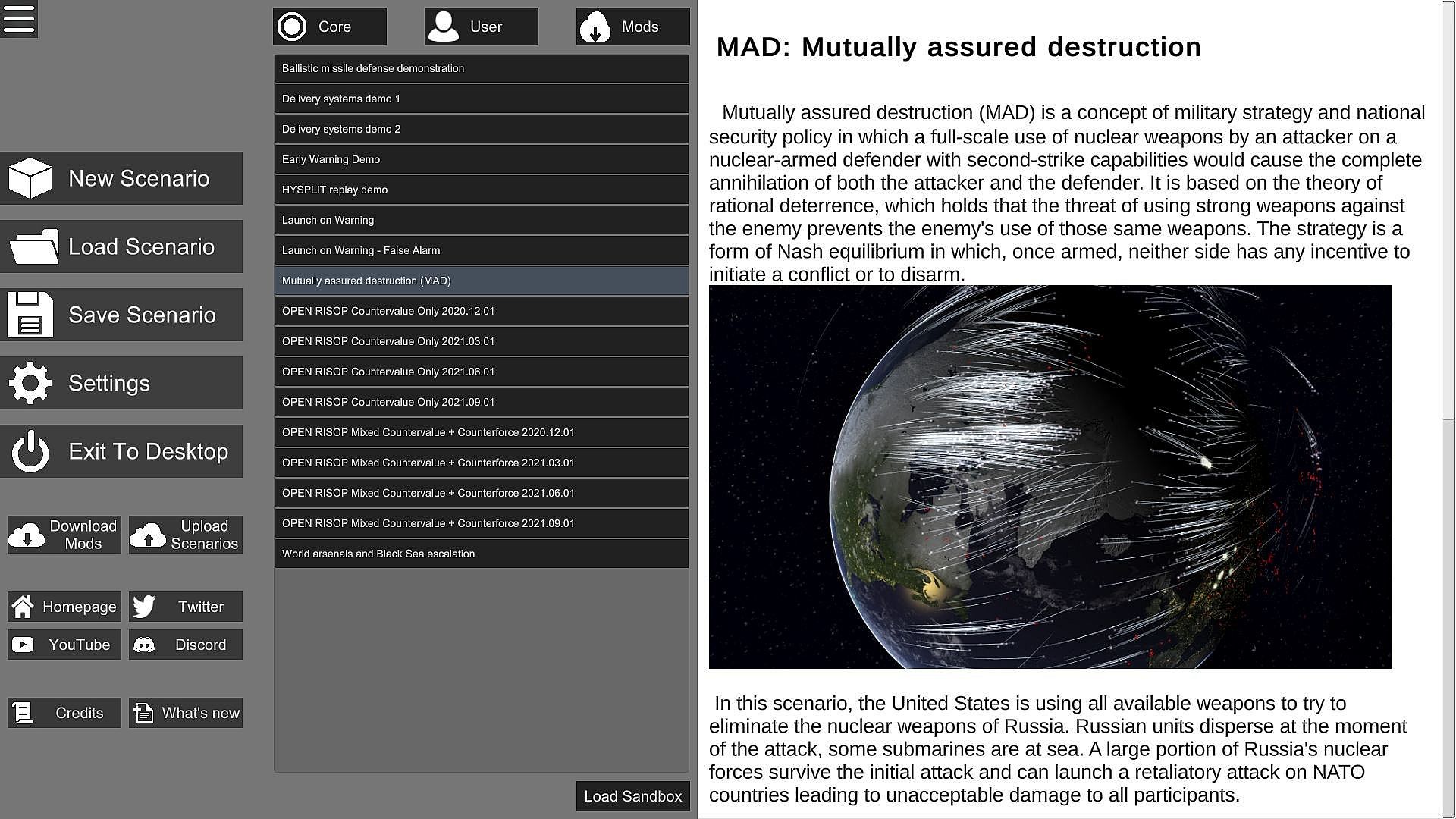
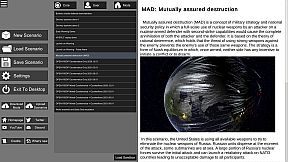
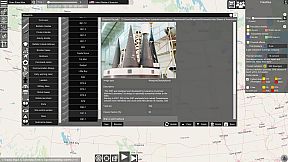
Users work in a flexible sandbox environment where warheads and delivery systems can be created from scratch or adjusted using known stockpiles of uranium and plutonium. Large-scale scenarios between major powers can be assembled manually, with AI assistance for rapid targeting, or generated interactively through map clicks. The Meyer Update introduced a dedicated Campaign mode that structures multiple linked conflicts with improved visuals for missile trajectories and attack plans. Twenty-two predefined editable scenarios provide ready starting points for conflicts involving current world arsenals. Adjustable AI controls opposing forces, while integrated early warning and missile defense systems add layers of response and interception mechanics. Mod support allows texture changes, custom loading screens, and background music, with direct upload and download of unit blueprints and full scenarios through the mods.io server.
Scenarios and Realism Features
Scenarios range from limited regional exchanges to full exchanges involving thousands of warheads between powers such as Russia and the United States or India and Pakistan. The simulation draws on verified stockpile data and incorporates realistic delivery system performance. Population effects are calculated cell by cell on a high-resolution grid, producing detailed reports on radiation zones, fire spread, and casualty totals that include both immediate deaths and longer-term cancer fatalities. Individual civilians appear on the map and can take shelter, adding granularity to survival estimates. The system also models the destruction of hardened military targets with appropriate physics-based outcomes.
Is It Worth Playing?
Reception on Steam stands at mixed, with 69 percent positive ratings from 244 reviews. Players who value precise modeling of nuclear effects and scenario-building tools report strong satisfaction, particularly after recent updates that added campaign structure, expanded casualty calculations, and improved visuals. Those seeking fast-paced action or traditional game narratives may find the interface and depth less appealing. The title receives regular updates, including the 2025 Meyer Update and 2026 patches that refined injury tracking and result displays. It suits users interested in educational or analytical exploration of nuclear conflict outcomes rather than competitive multiplayer experiences. Availability remains through standard PC digital storefronts with ongoing developer support for modding and scenario sharing.