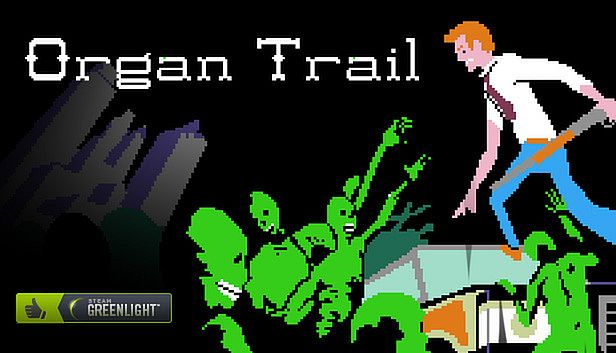














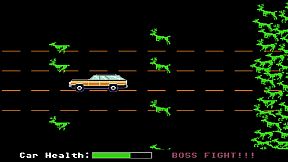
Organ Trail: Director's Cut is a strategy indie game that puts players in charge of a station wagon full of survivors during a zombie outbreak. The experience parodies classic edutainment titles by replacing covered wagons and frontier hardships with modern vehicles, scavenging runs, and undead threats. Players name their party members after real friends and guide the group westward while balancing limited resources against constant dangers on the road.
Gameplay
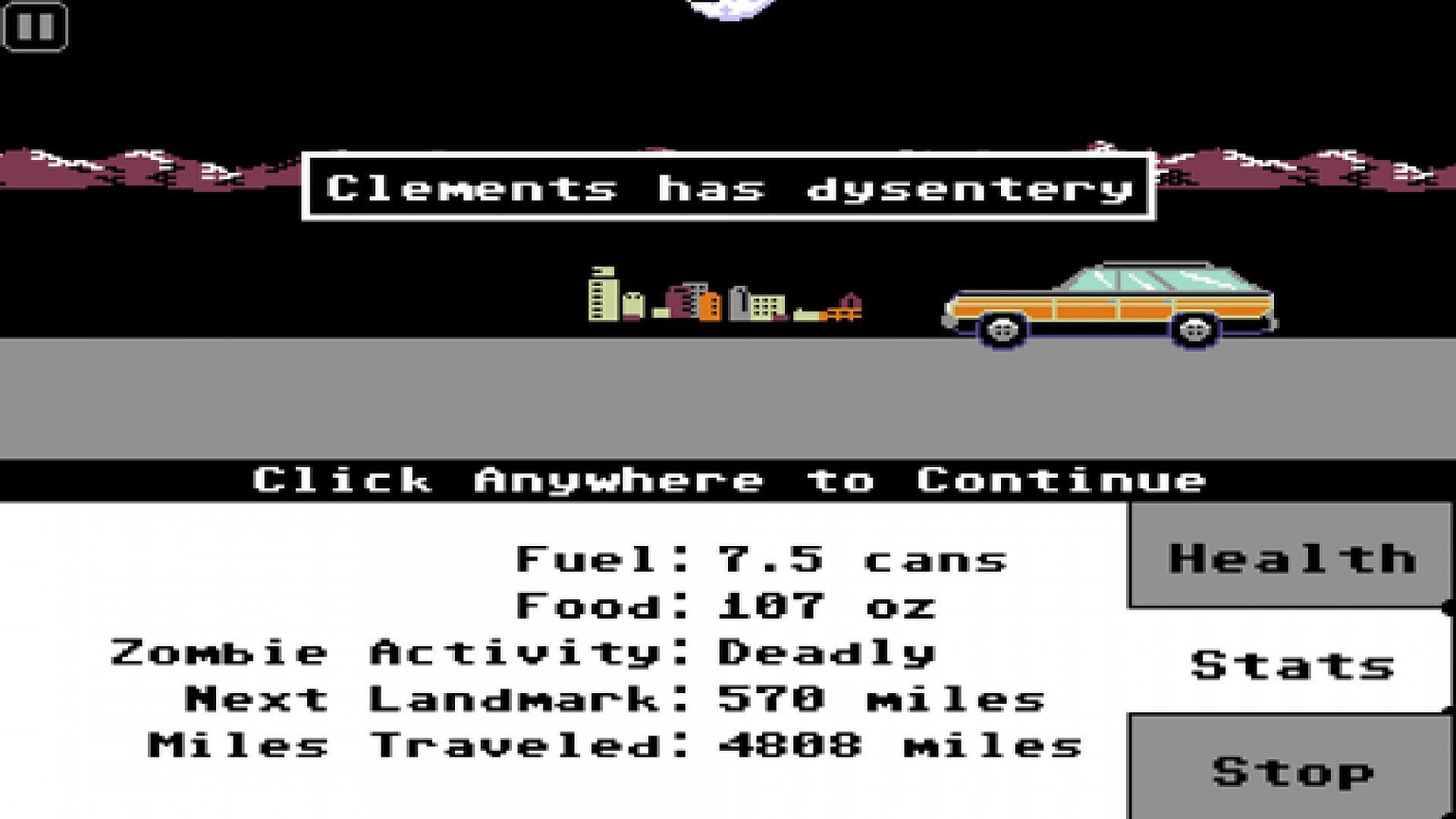
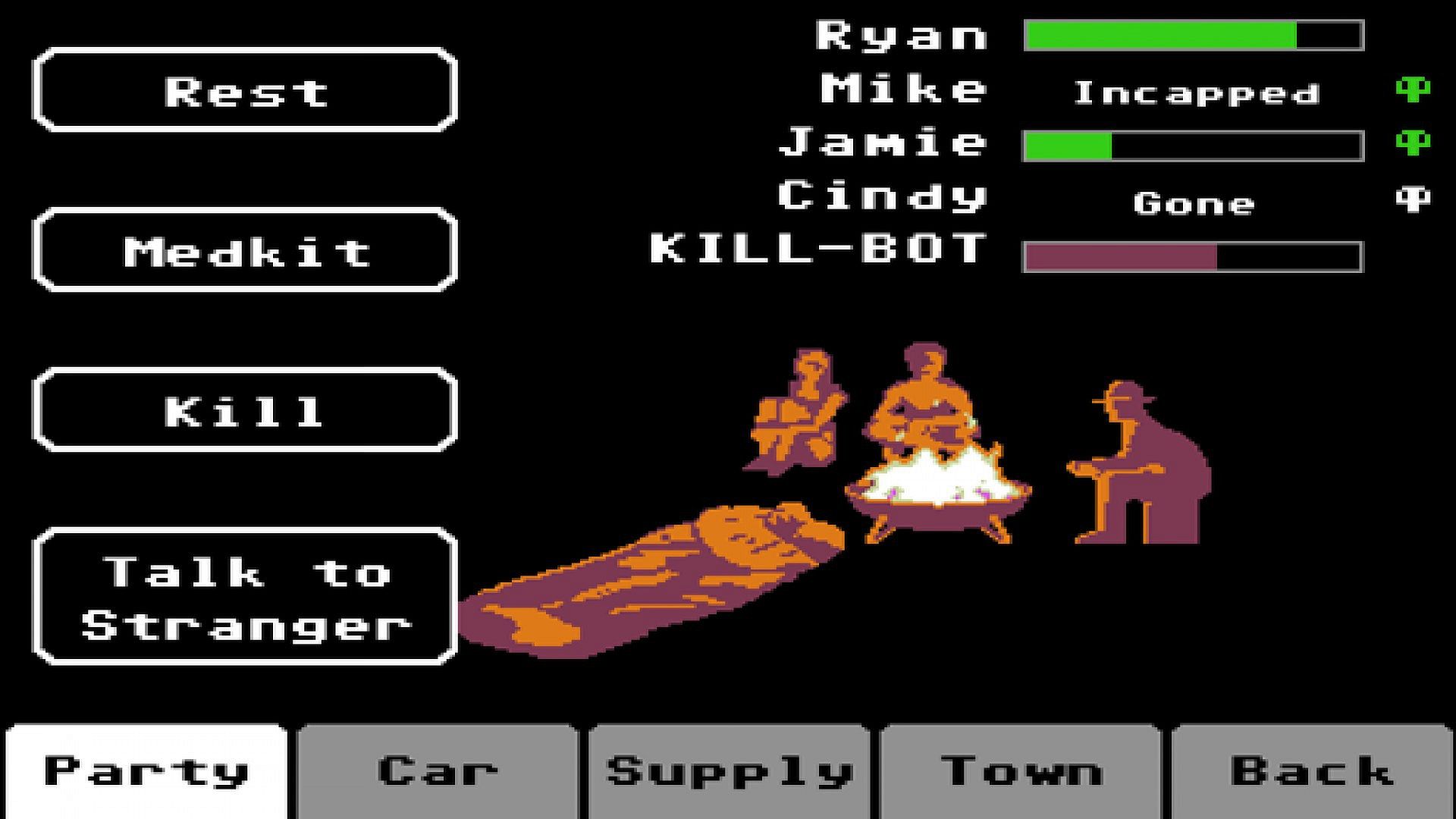
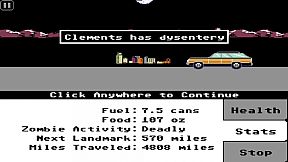
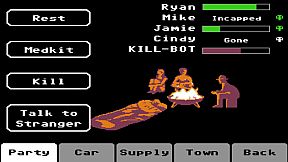
The core loop centers on resource management and decision making during a cross-country trek. Players track supplies including food, ammunition, fuel, and medical kits while the vehicle consumes resources over distance. Scavenging stops allow collection of new items, but these locations often involve combat against groups of zombies or hostile survivors. Party members can contract one of ten diseases, with dysentery as one prominent example, forcing choices about treatment or isolation.
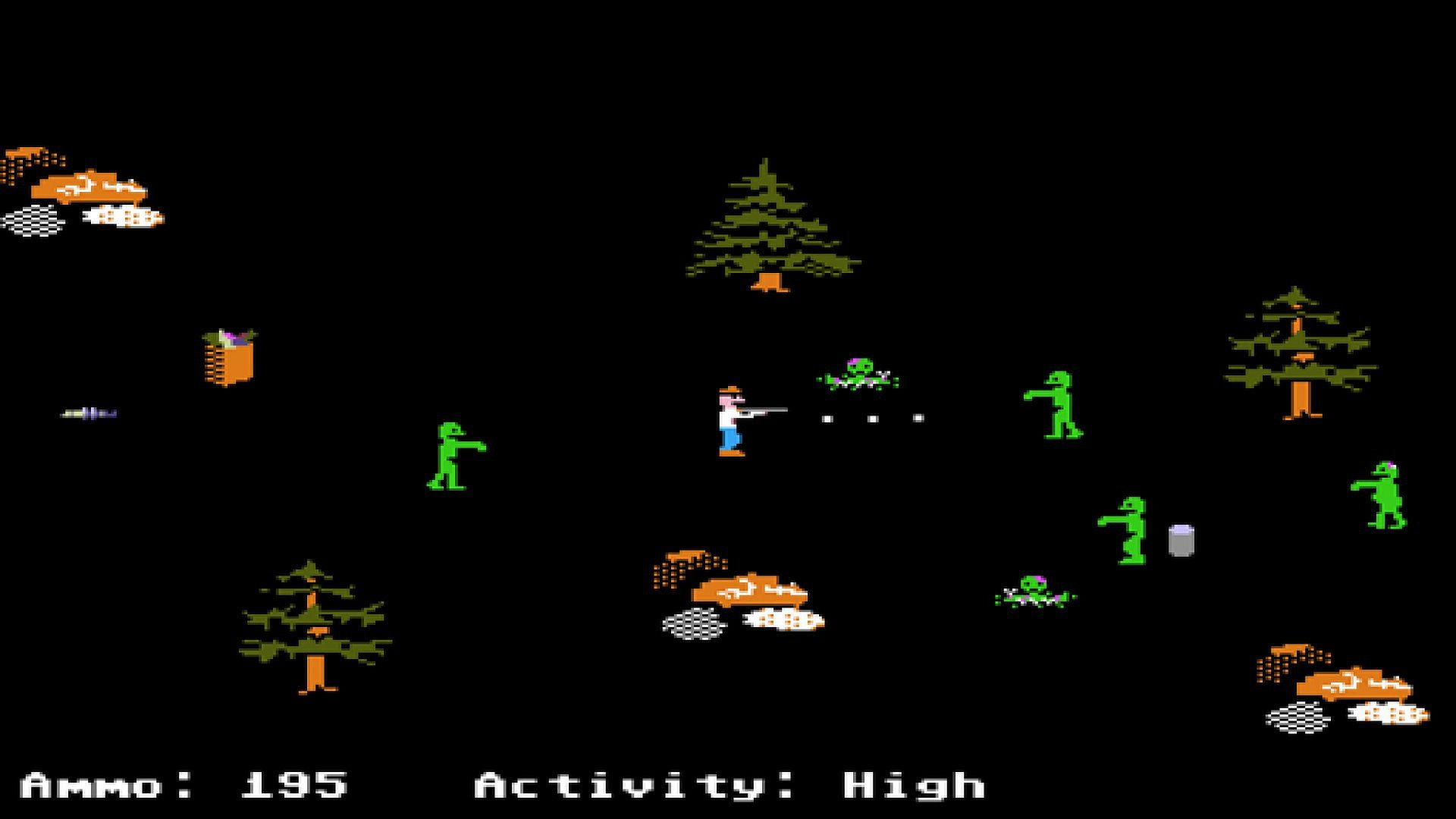
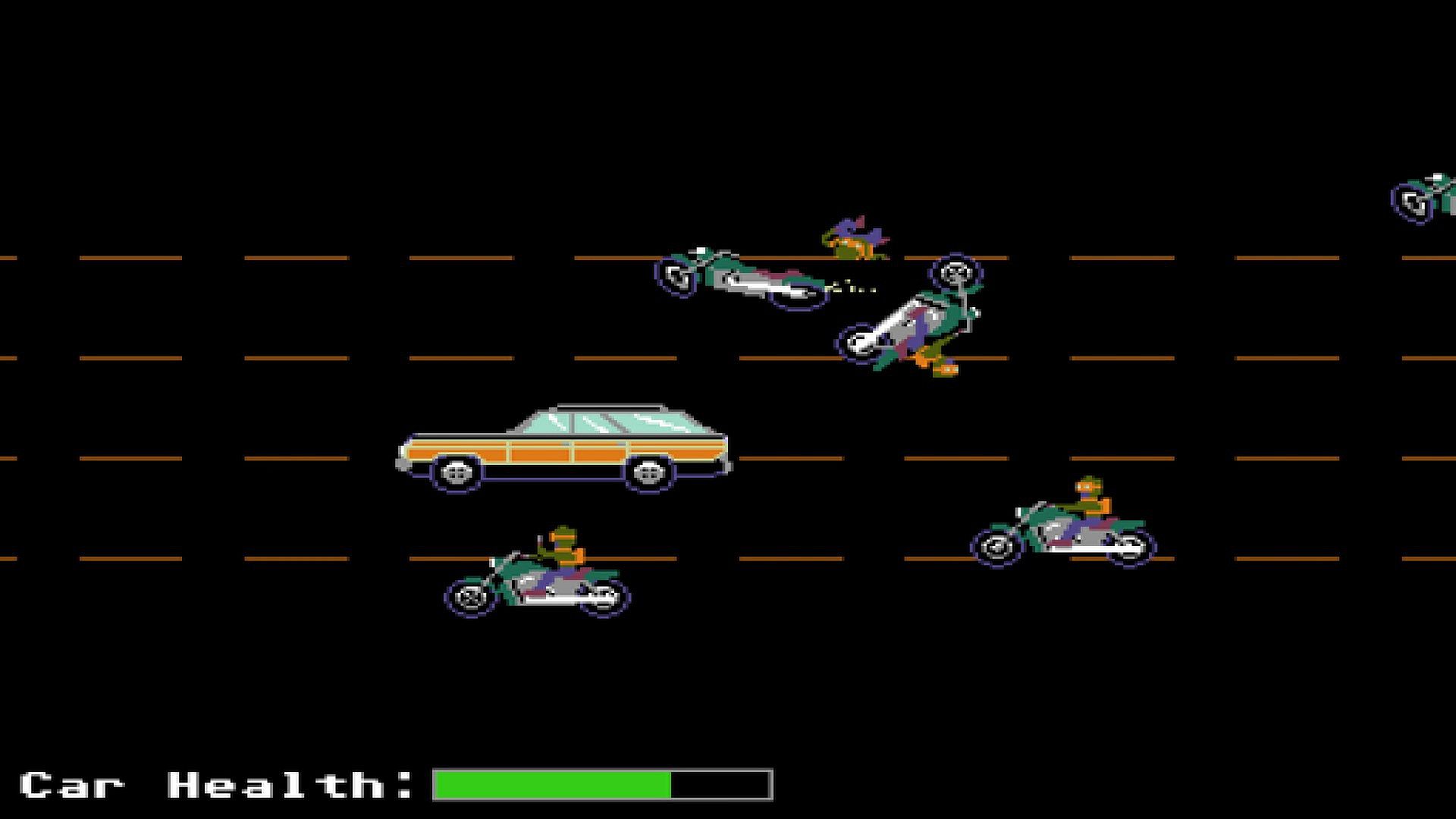
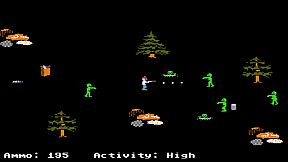
Combat occurs in short sequences where players fend off attackers using available weapons. Infected companions may require elimination to prevent them from turning, adding tension to group decisions. Random road encounters present choose-your-own-adventure style scenarios that can yield supplies, new problems, or opportunities to repair the car. A day-night cycle and weather system influence visibility and travel conditions, requiring adjustments to pace and risk assessment.
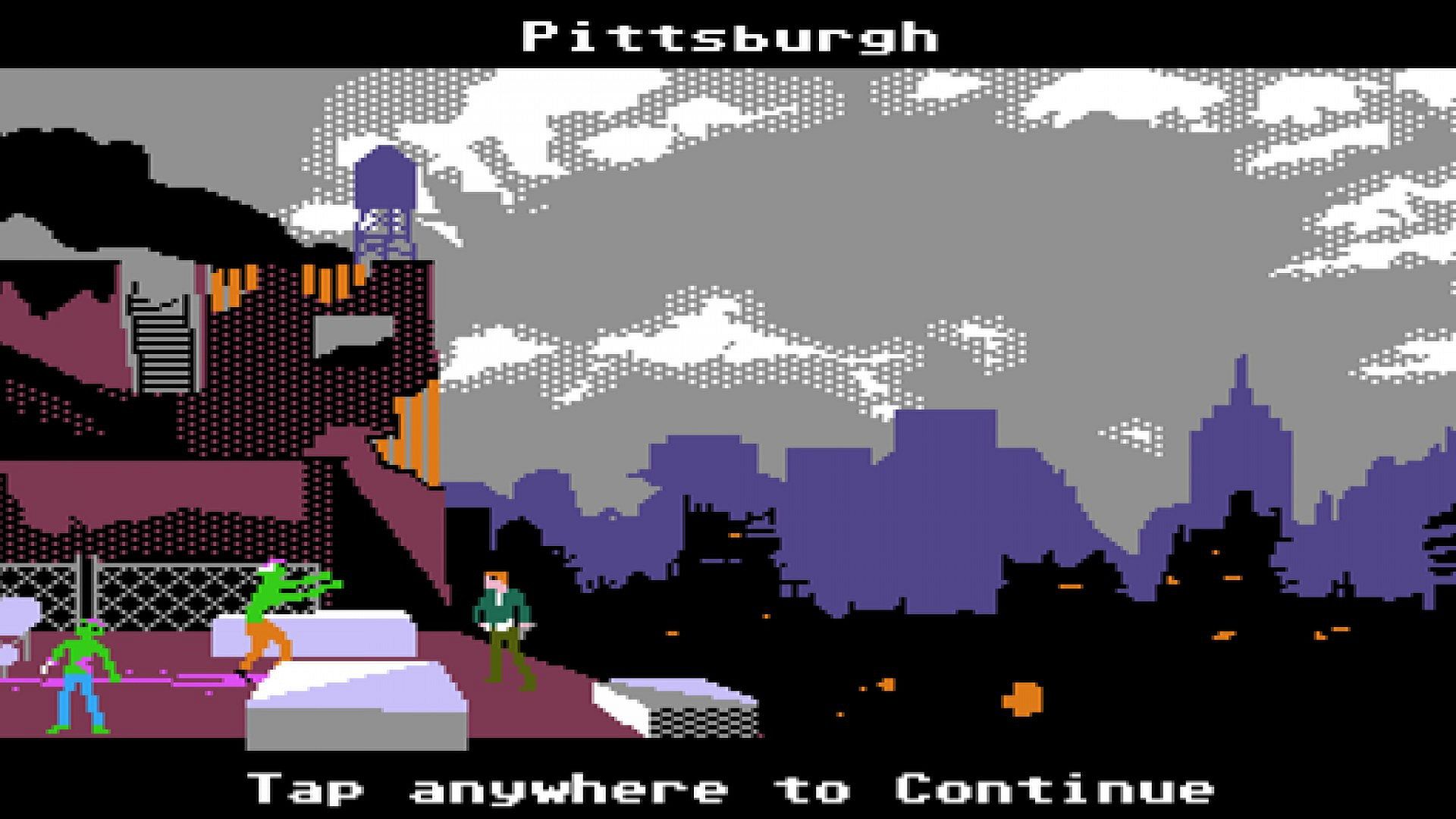
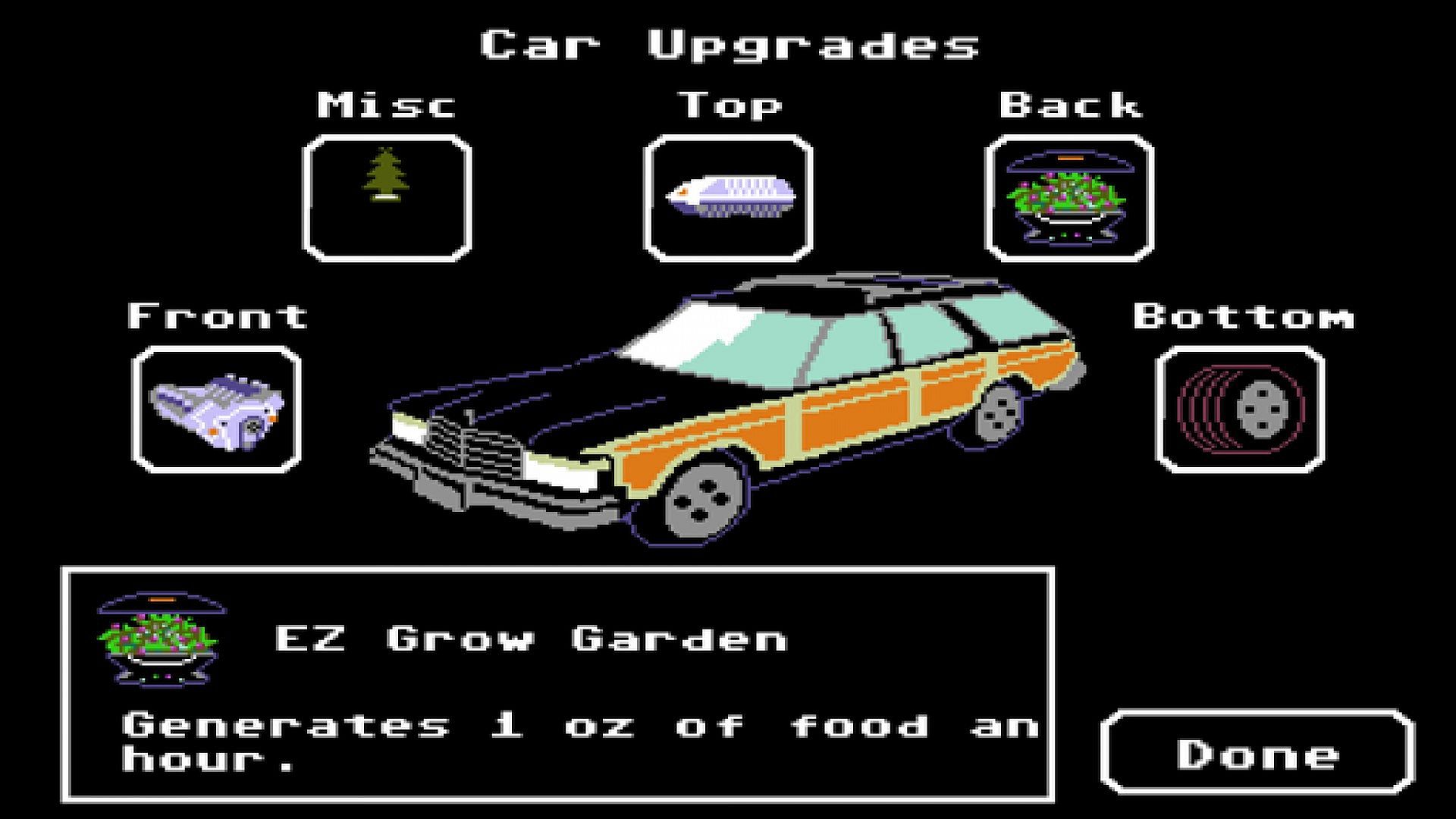
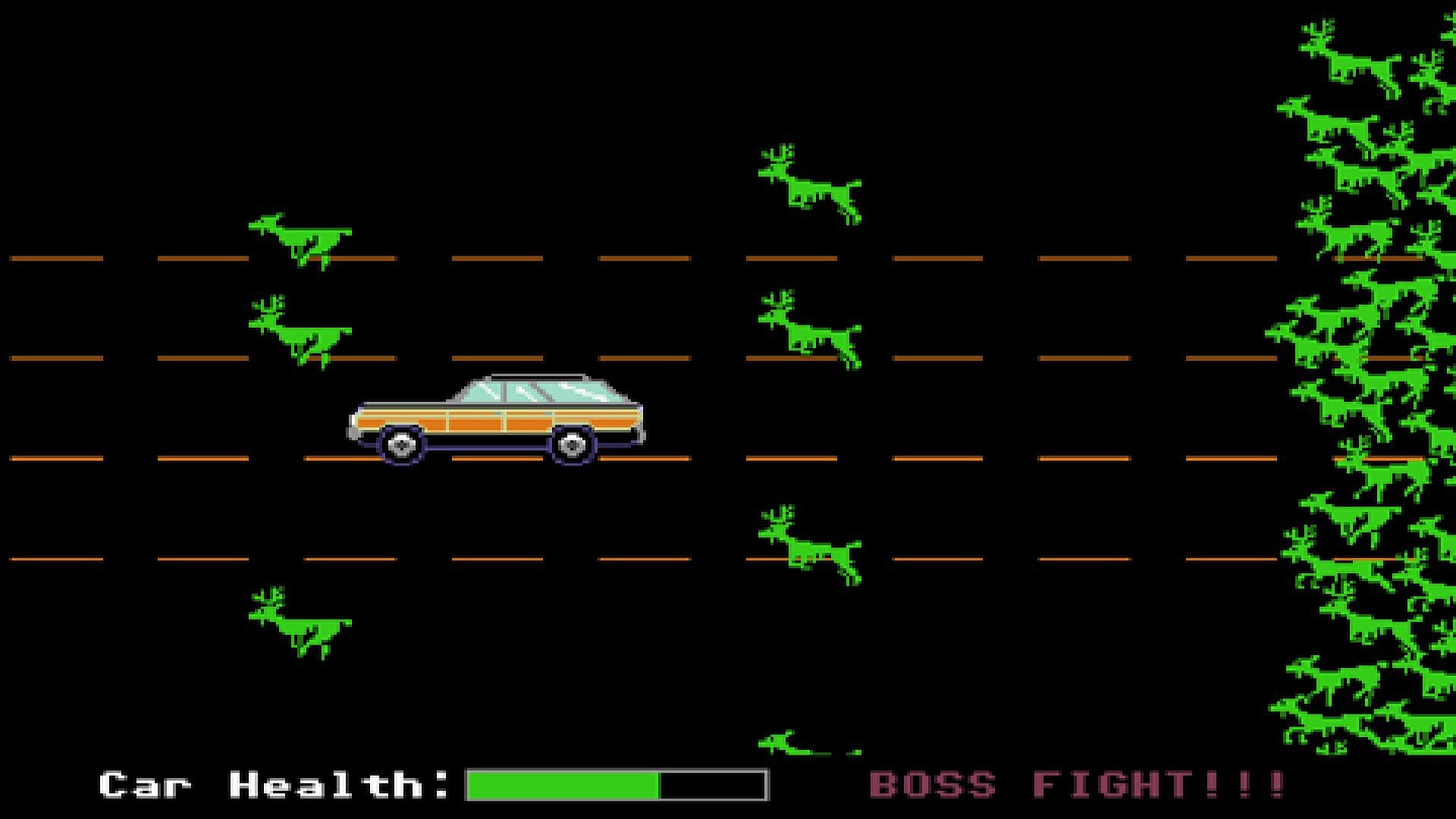
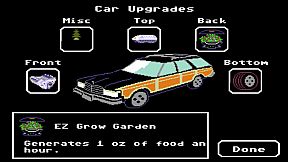
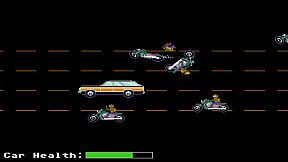
Car upgrades improve fuel efficiency, storage capacity, or defensive capabilities. Bandit encounters and occasional zombie boss fights break up the journey with more intense confrontations. The presentation uses limited 16-color pixel art and chiptune audio to evoke the feel of early personal computers, complete with authentic beeps and visual constraints.
Game Modes
The game features a single primary mode built around completing the westward journey. Players start with a full party and must reach the destination while keeping as many members alive as possible through careful supply allocation and timely interventions. Random events, town visits for trading or side jobs, and ongoing survival needs create replay variety without separate modes or campaigns.
Progression tracks individual runs through achievements and community leaderboards. Tombstones generated from failed attempts can be shared, extending the experience beyond a single playthrough. No additional game modes such as endless survival or competitive variants appear in the available version.
Key Mechanics and Features
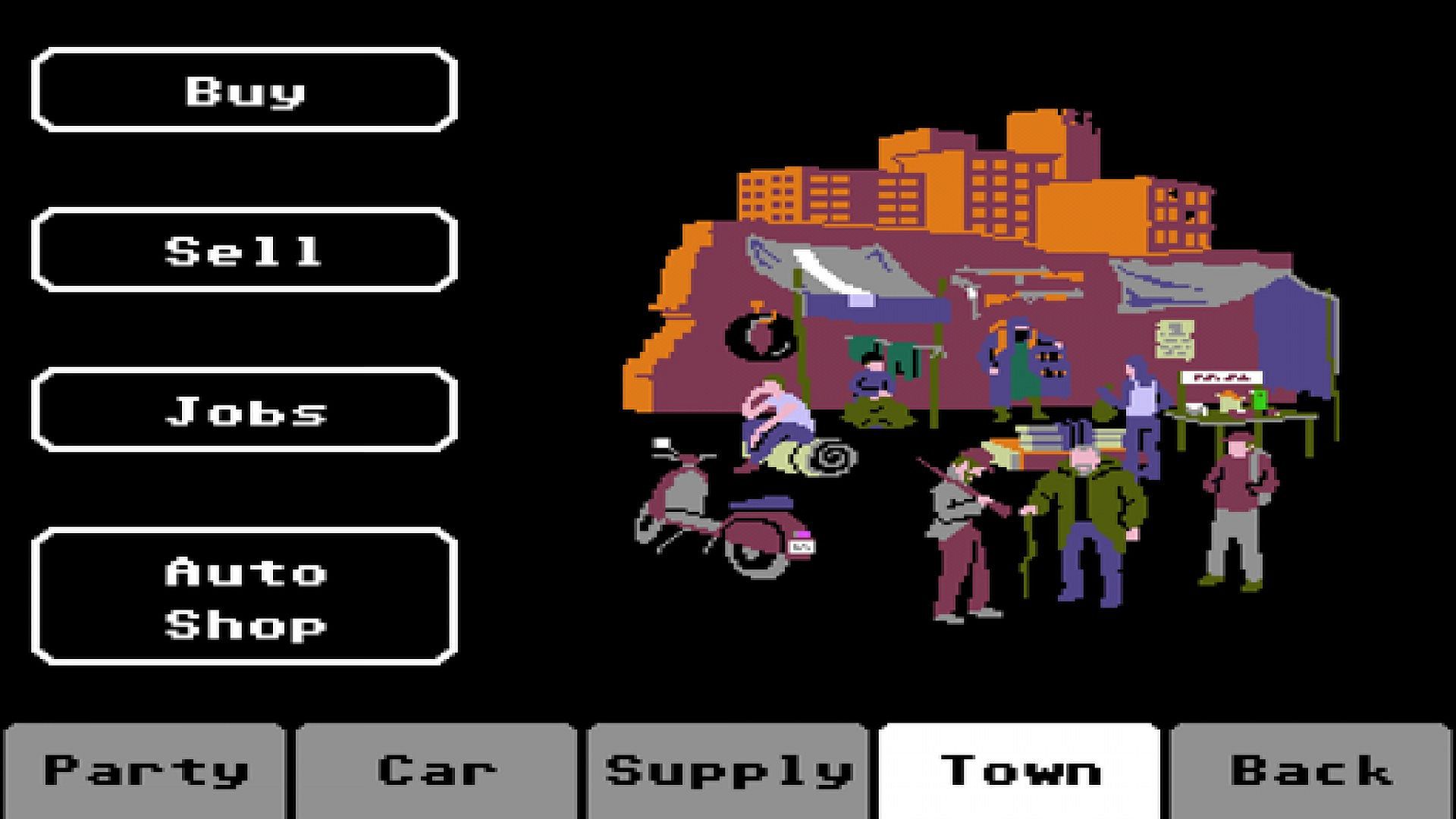
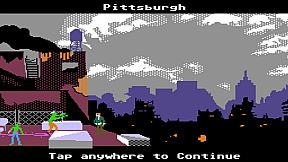
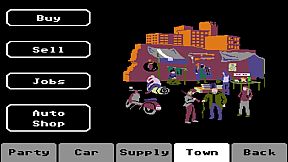
Resource scarcity drives most choices, from rationing food to deciding whether to risk a scavenging run for extra ammunition. The party system encourages emotional investment since named characters can die from illness, starvation, or infection. Town stops provide moments of respite where players can trade goods, accept short jobs for rewards, or perform vehicle maintenance.
Combat and scavenging integrate directly into the travel loop rather than feeling like separate activities. The retro art style and sound design reinforce the parody tone, making light of serious survival themes through pixelated gore and humorous failure states. A large soundtrack supports the atmosphere across different times of day and weather conditions.
Is It Worth Playing?
Organ Trail: Director's Cut appeals most to players who enjoy resource management survival games with a strong sense of humor and retro presentation. The 89 percent positive rating from over two thousand reviews on its primary distribution platform reflects appreciation for the tight mechanics and memorable party deaths. Those seeking deep strategy in a compact package will find the journey satisfying, especially when played in short sessions that allow for multiple attempts.
The game suits fans of zombie themes who appreciate parody over straight horror. Its single-player focus and lack of ongoing updates mean the experience remains unchanged from its original release, delivering consistent value for anyone interested in the core loop of travel, scavenging, and tough decisions. Newcomers to the genre may find the pixel limitations and simple controls accessible entry points, while veterans of similar titles will recognize the faithful recreation of classic tension in a modern wrapper.