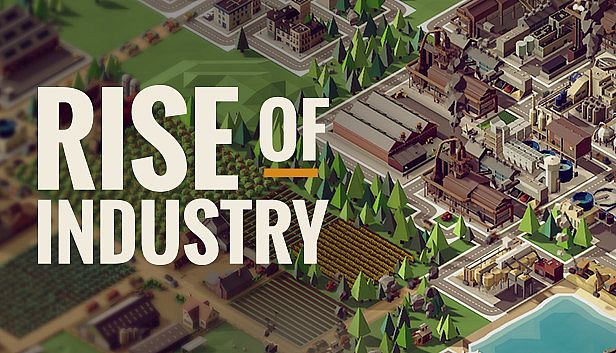
























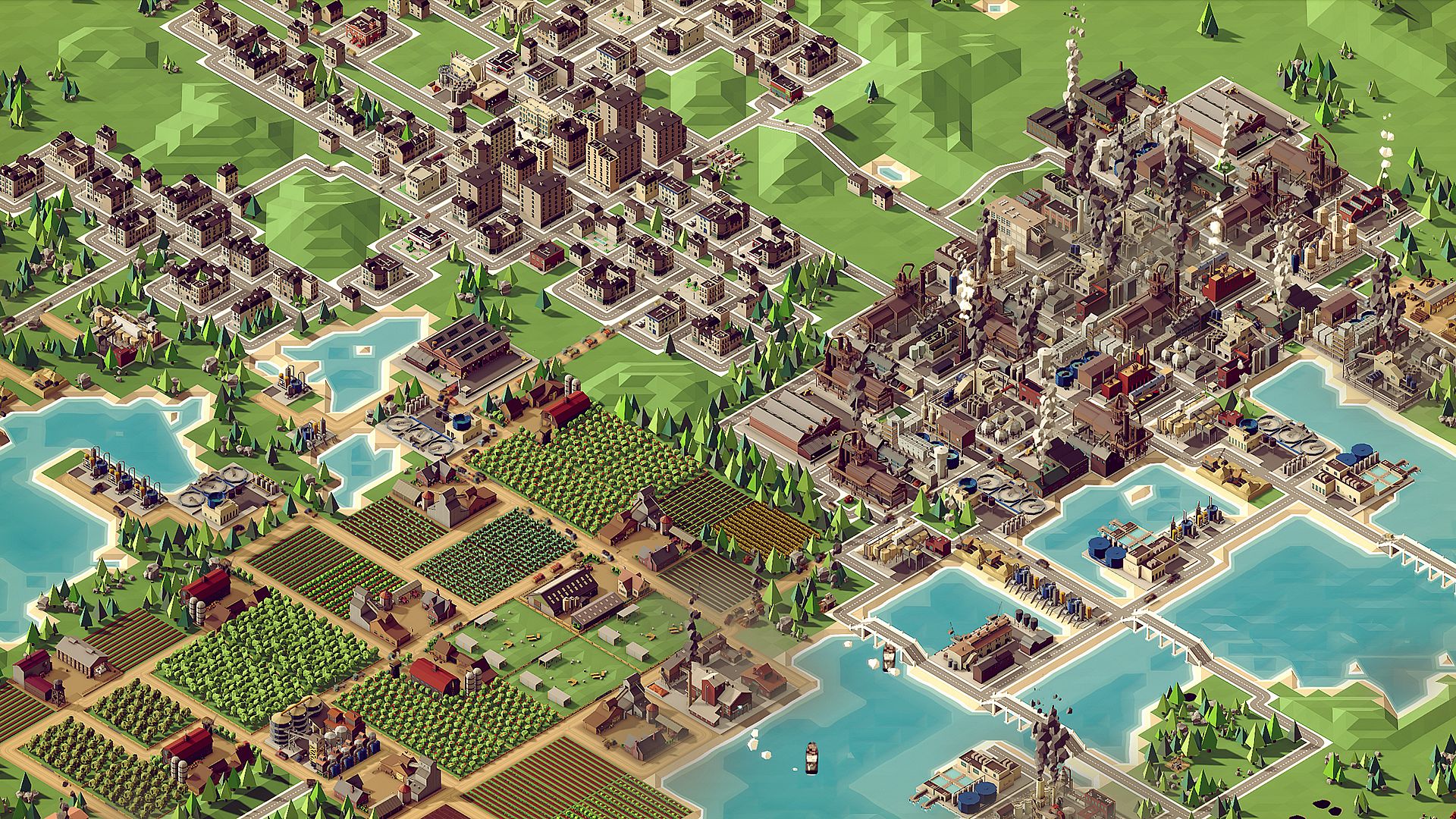
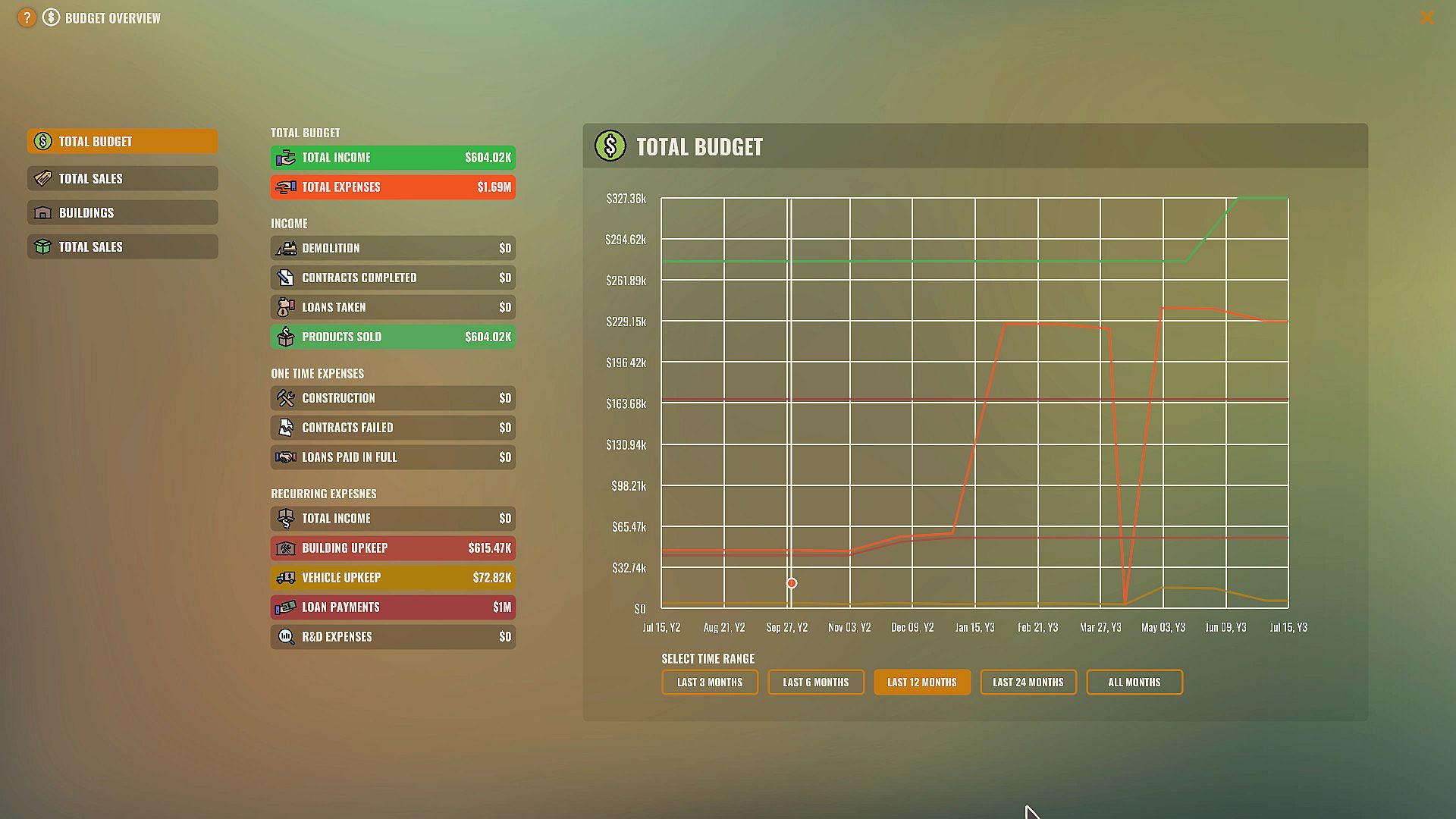
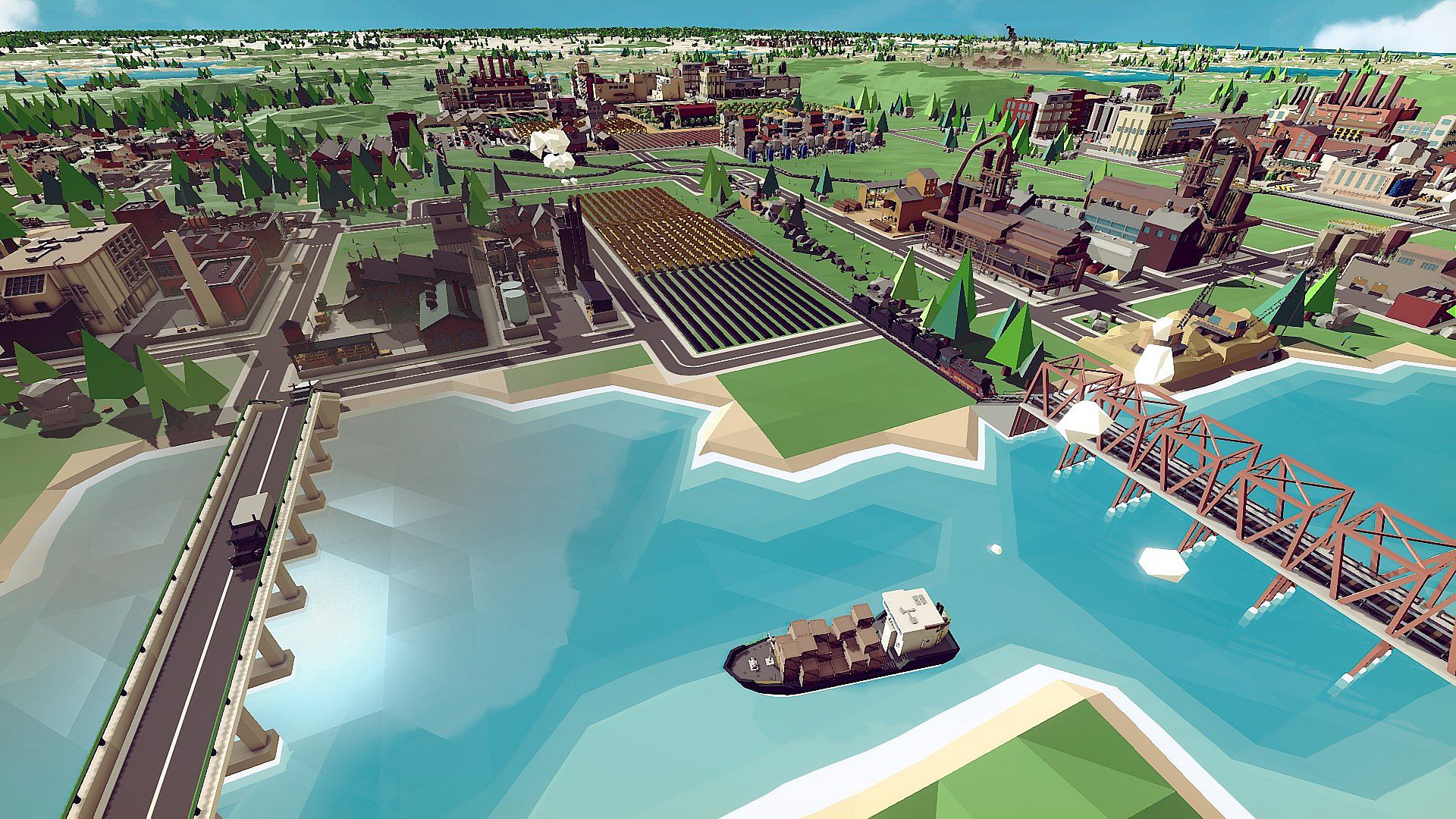
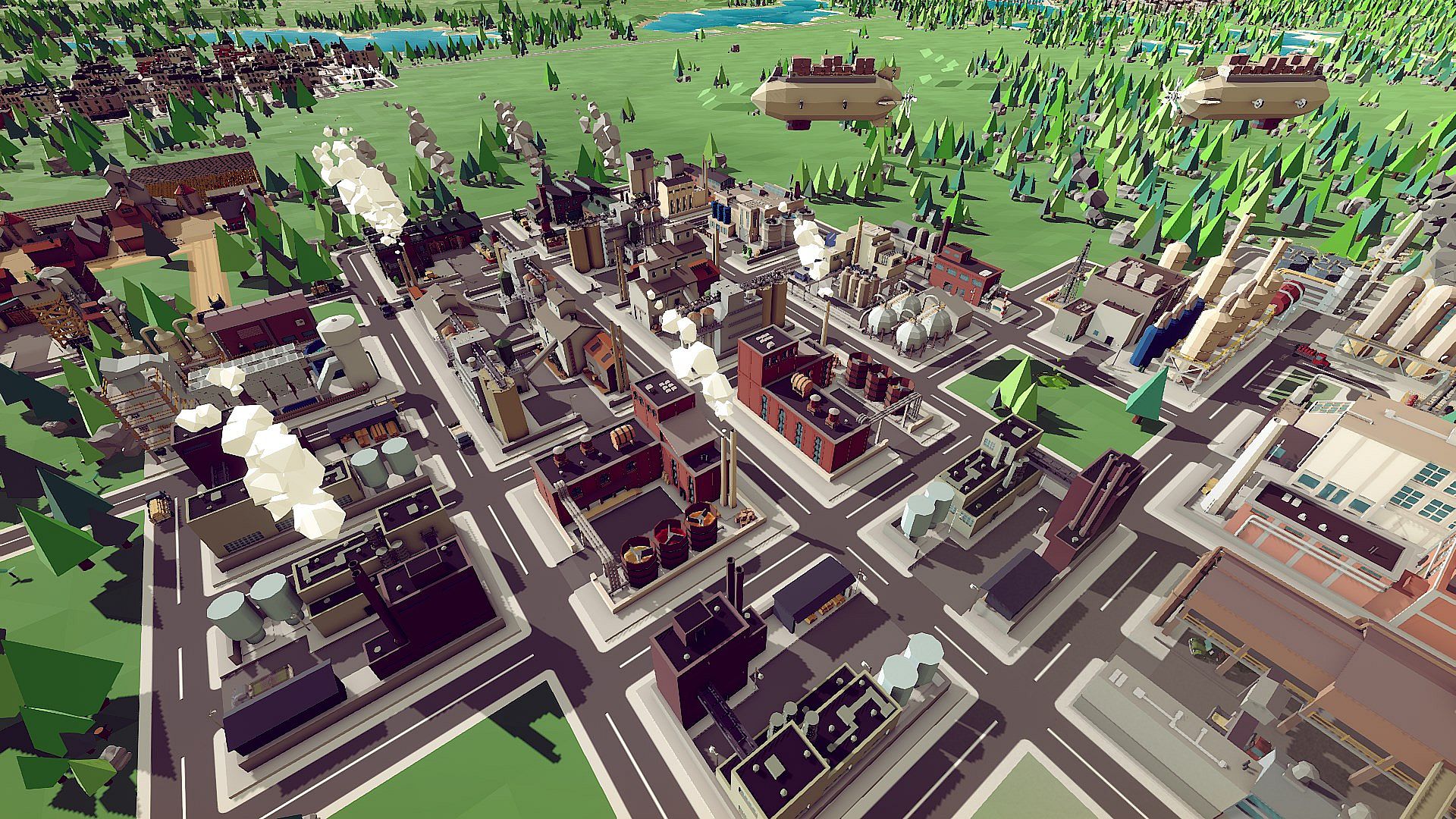
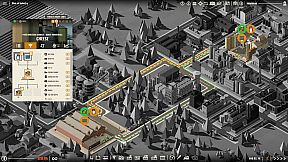
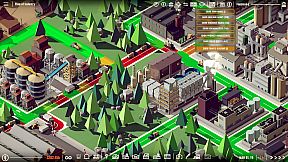
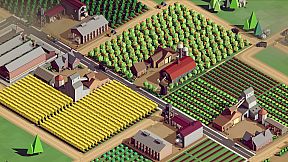
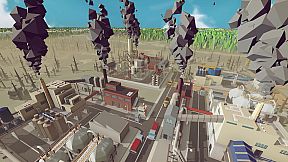
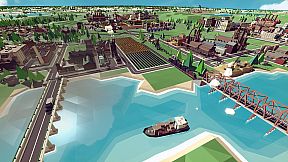
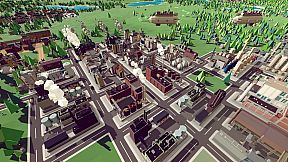
Rise of Industry is a strategy and simulation game focused on building and expanding an industrial empire during the 1930s. Players act as entrepreneurs who construct factories, organize production lines, and trade goods across a procedurally generated world that responds to their decisions.
Gameplay
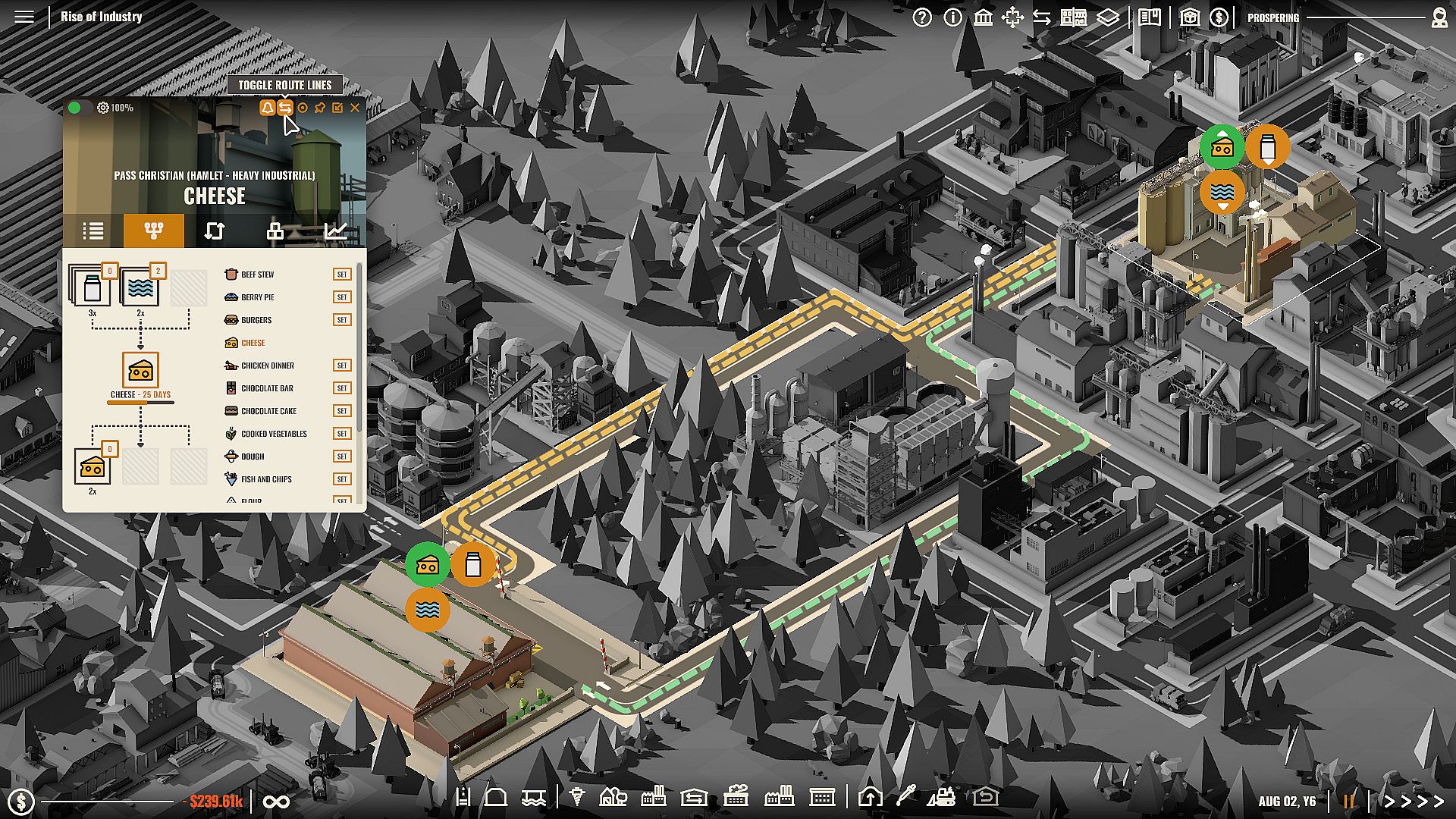
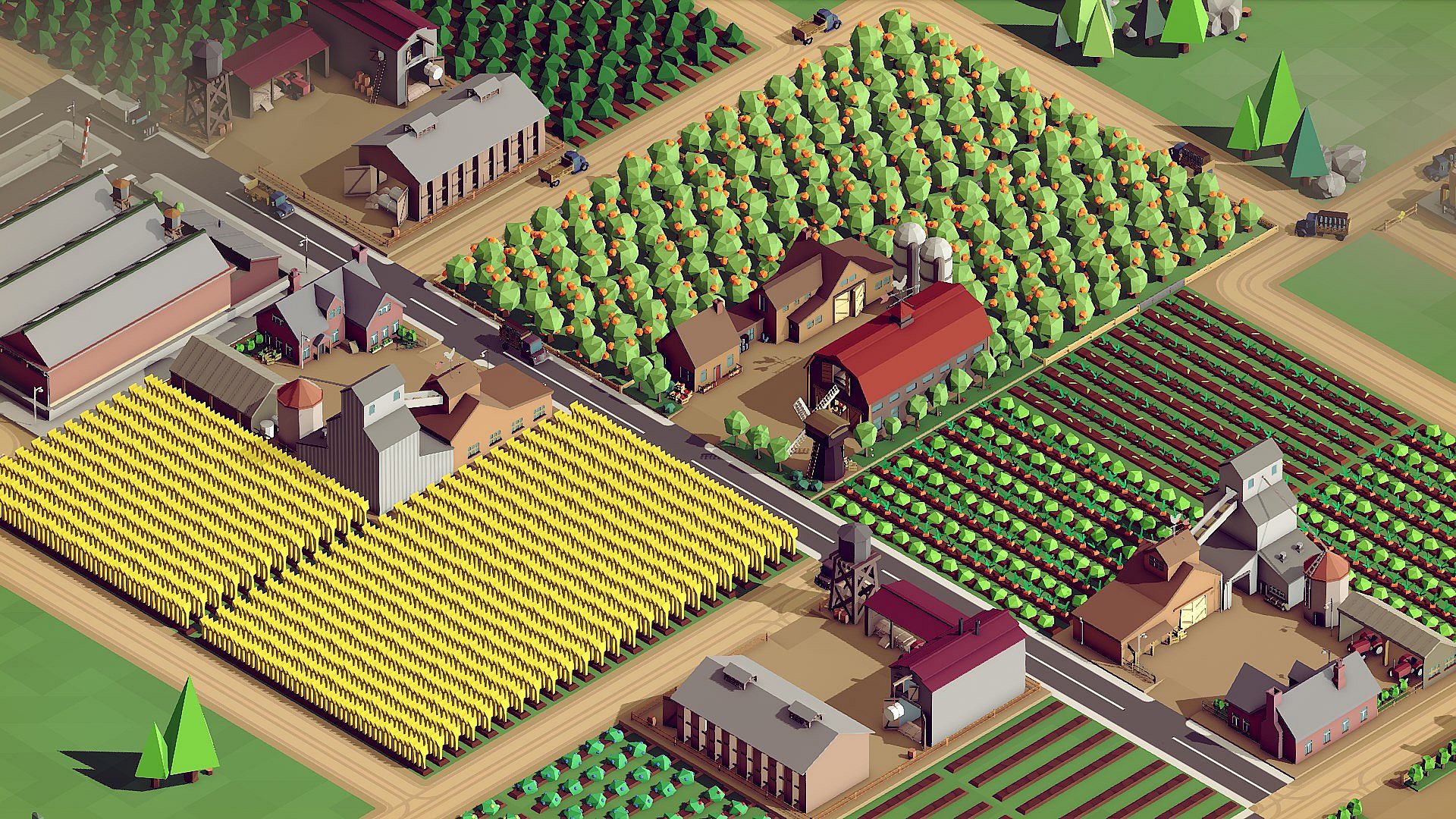
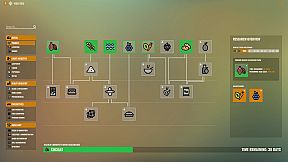
The core loop centers on managing every stage of production from raw materials to finished items. Over 150 distinct products appear in the game, ranging from basic goods to complex items like cars and computers that require lengthy supply chains. Players gather resources, set up efficient factories, and handle logistics through trucks, trains, and airships to move materials and outputs between locations.
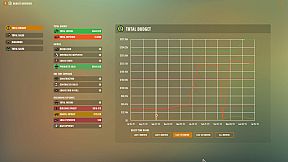
Contracts provide opportunities to secure deals with developing towns and cities. Random business events and stock auctions introduce variability that demands quick adjustments to maintain cash flow. AI-controlled rivals actively compete for market share, sometimes attempting hostile takeovers that require defensive strategies.
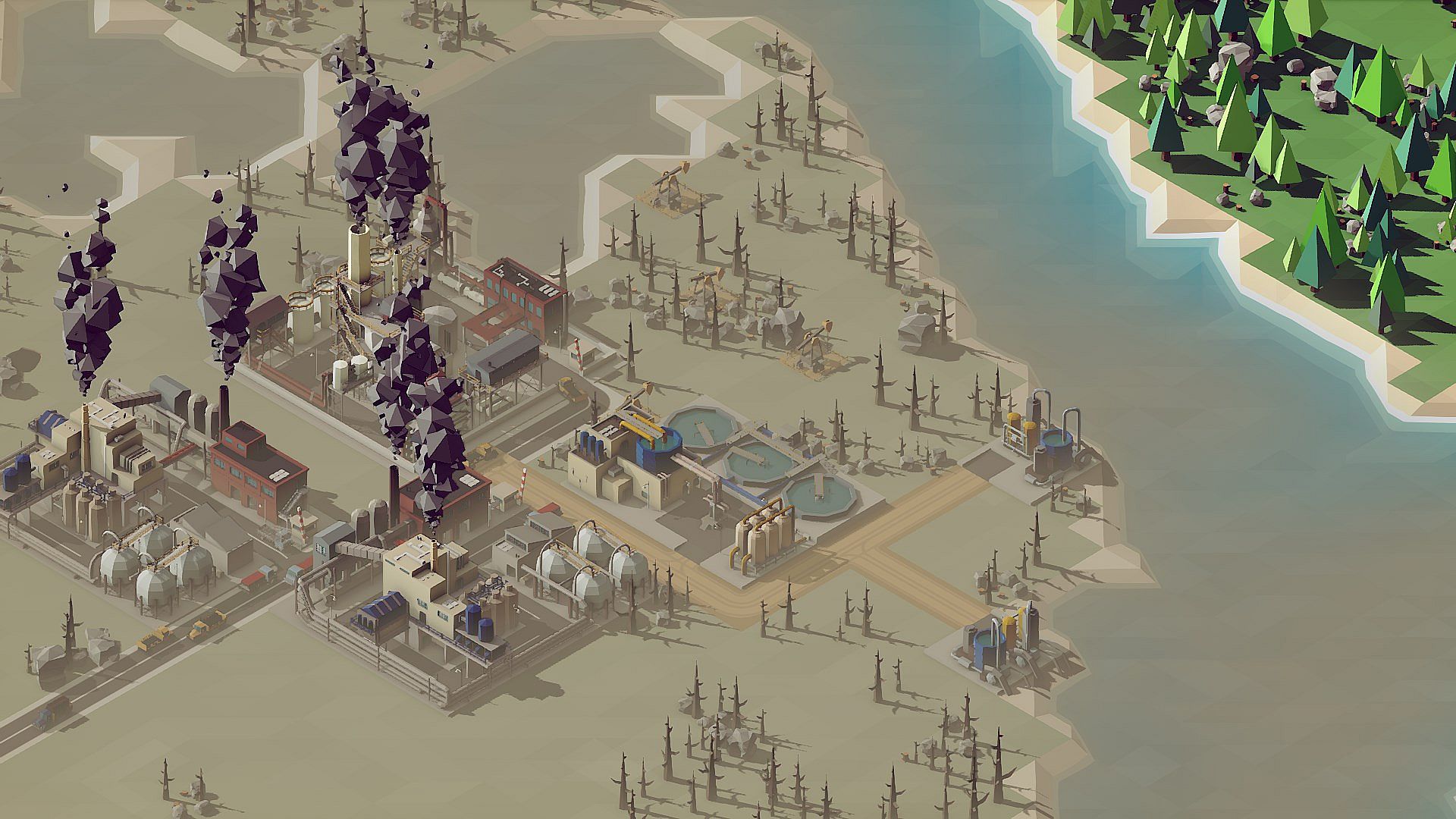
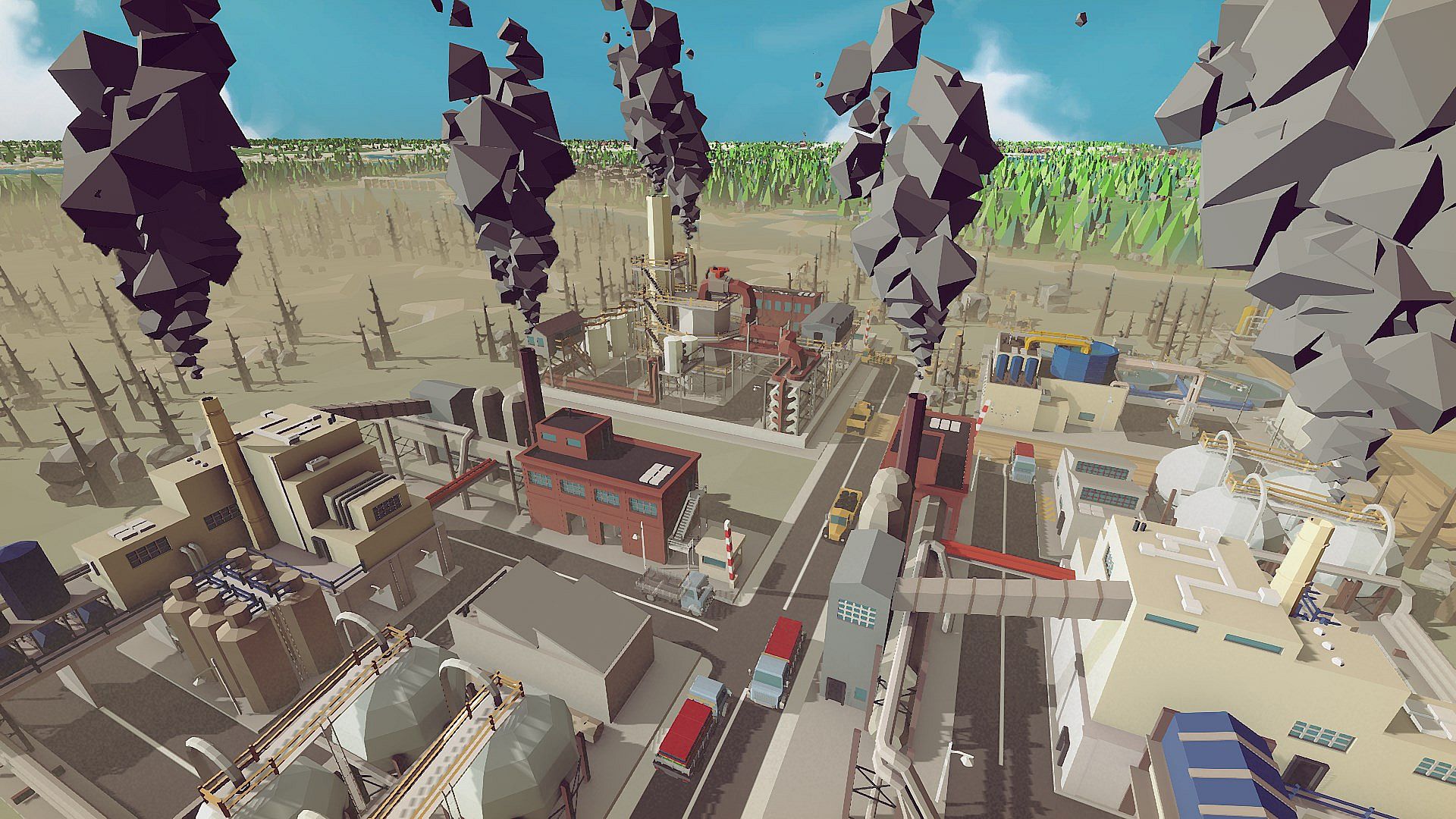
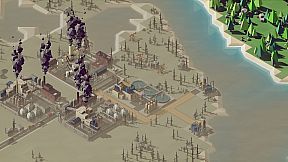
Environmental considerations form another layer. Production can proceed at the expense of the surrounding land, or players can balance output with sustainability to avoid long-term drawbacks. Town personalities influence negotiations, as each settlement reacts differently to trade approaches and may impose economic penalties for poor relations.
Game Modes
Scenarios present structured challenges with specific goals and starting conditions on the procedurally generated maps. These testing scenarios allow players to focus on particular aspects of empire building while learning the systems.
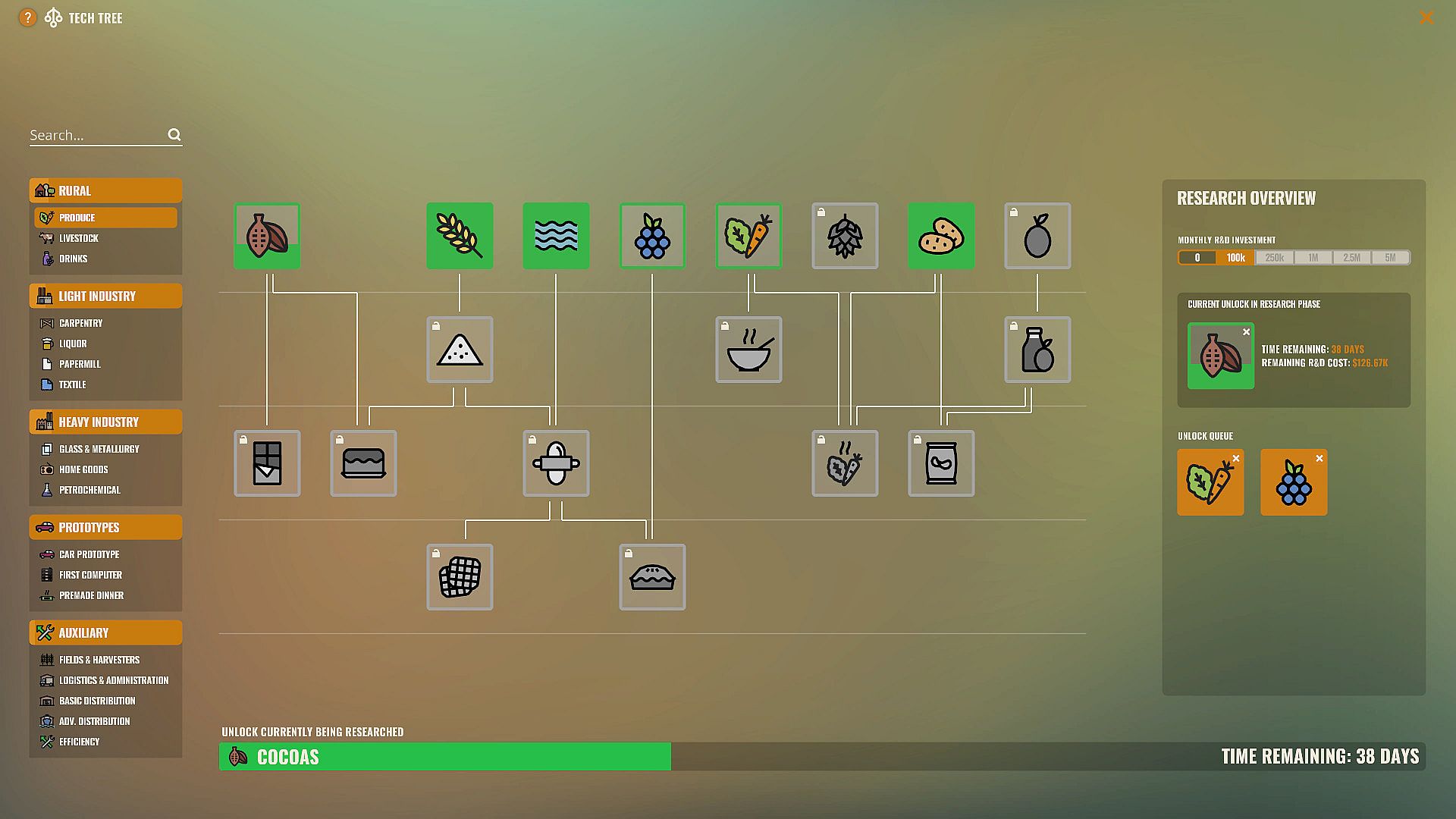
Sandbox mode removes many restrictions, letting imagination guide expansion across large maps with full freedom to specialize in trading, production, gathering, or any mix of these approaches. Research unlocks improvements that support bigger operations regardless of the chosen focus.
Key Mechanics and Systems
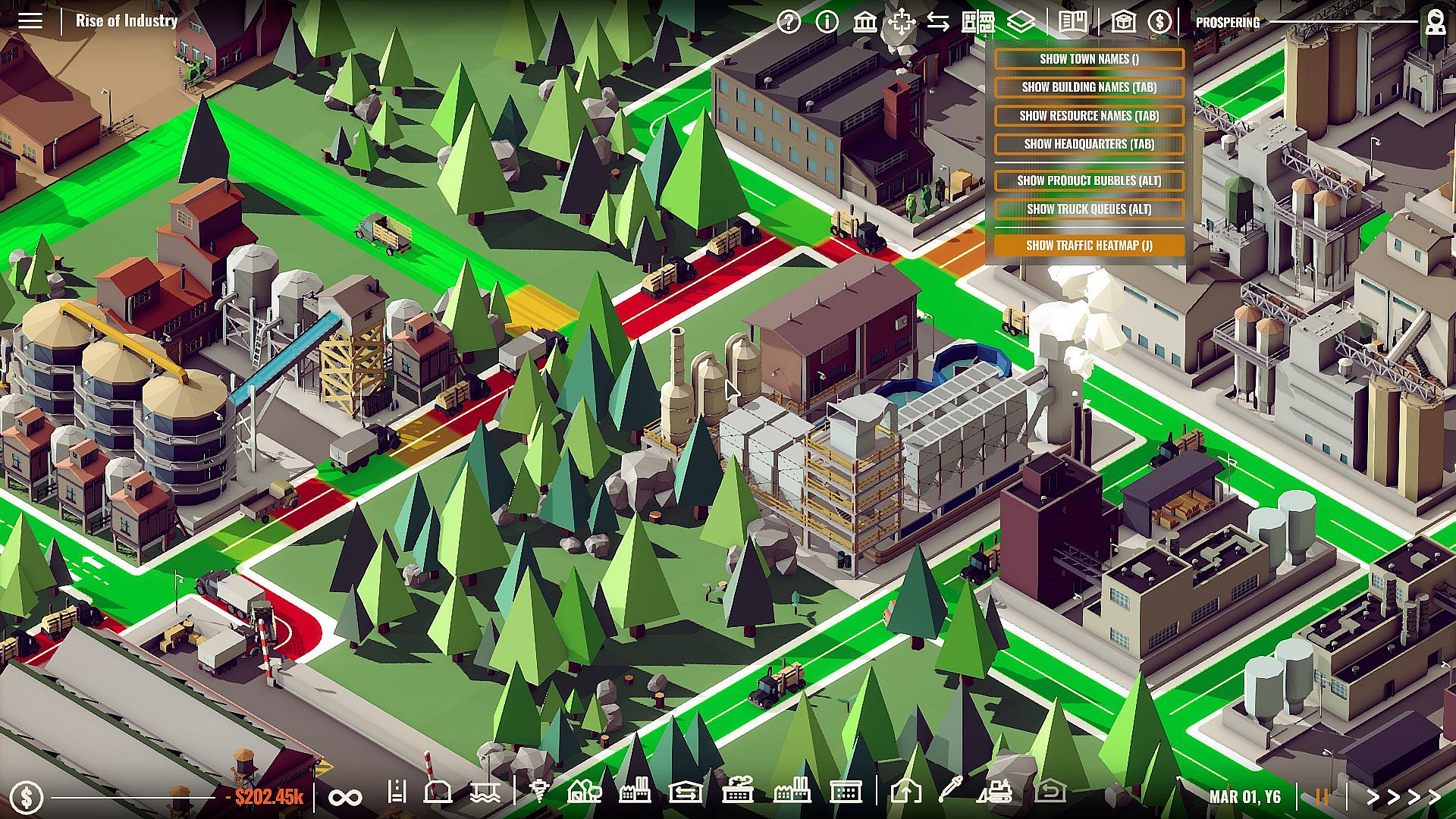
Transportation networks prove essential for scaling operations. Efficient routing of goods prevents bottlenecks and supports growth as cities expand and demand increases. Bid systems for contracts add competition against AI rivals who pursue the same opportunities.
Procedural generation ensures varied layouts and resource distributions across playthroughs. This supports replayability when combined with different specializations and responses to ongoing events.
Is It Worth Playing?
The game suits players who enjoy detailed logistics and supply chain management within a tycoon framework. Its mechanics balance accessibility for newcomers with strategic depth that rewards experimentation and adaptation.
Those drawn to single-player strategy simulations centered on industrial growth and economic decision-making will find consistent engagement through contracts, production complexity, and world reactions. The absence of ongoing seasonal content or major post-launch updates means the experience remains as released, centered on its core systems rather than live-service elements.
Overall, it delivers a focused tycoon simulation for fans of the genre who prioritize production chains and market competition over narrative or action elements.