



















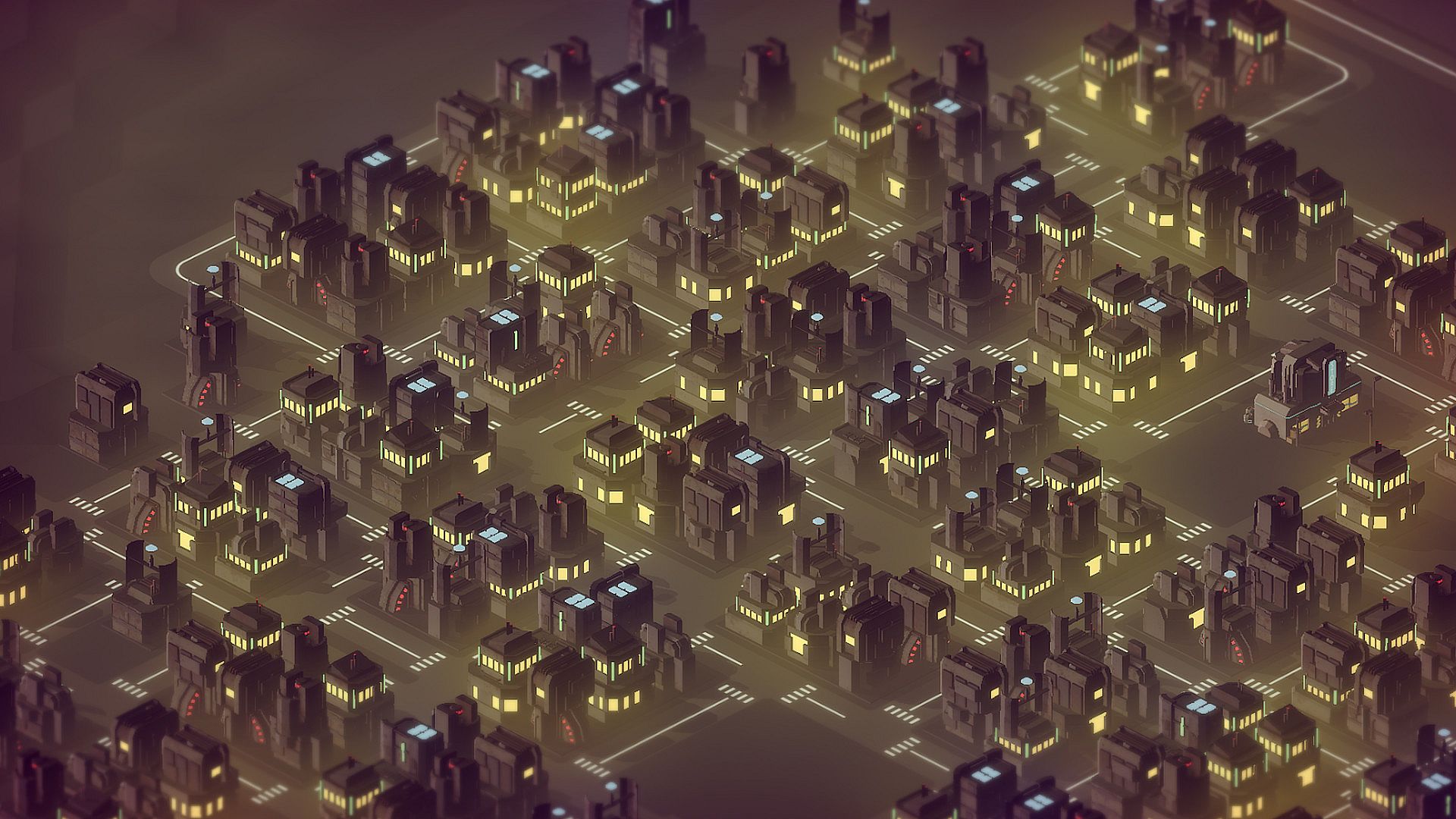
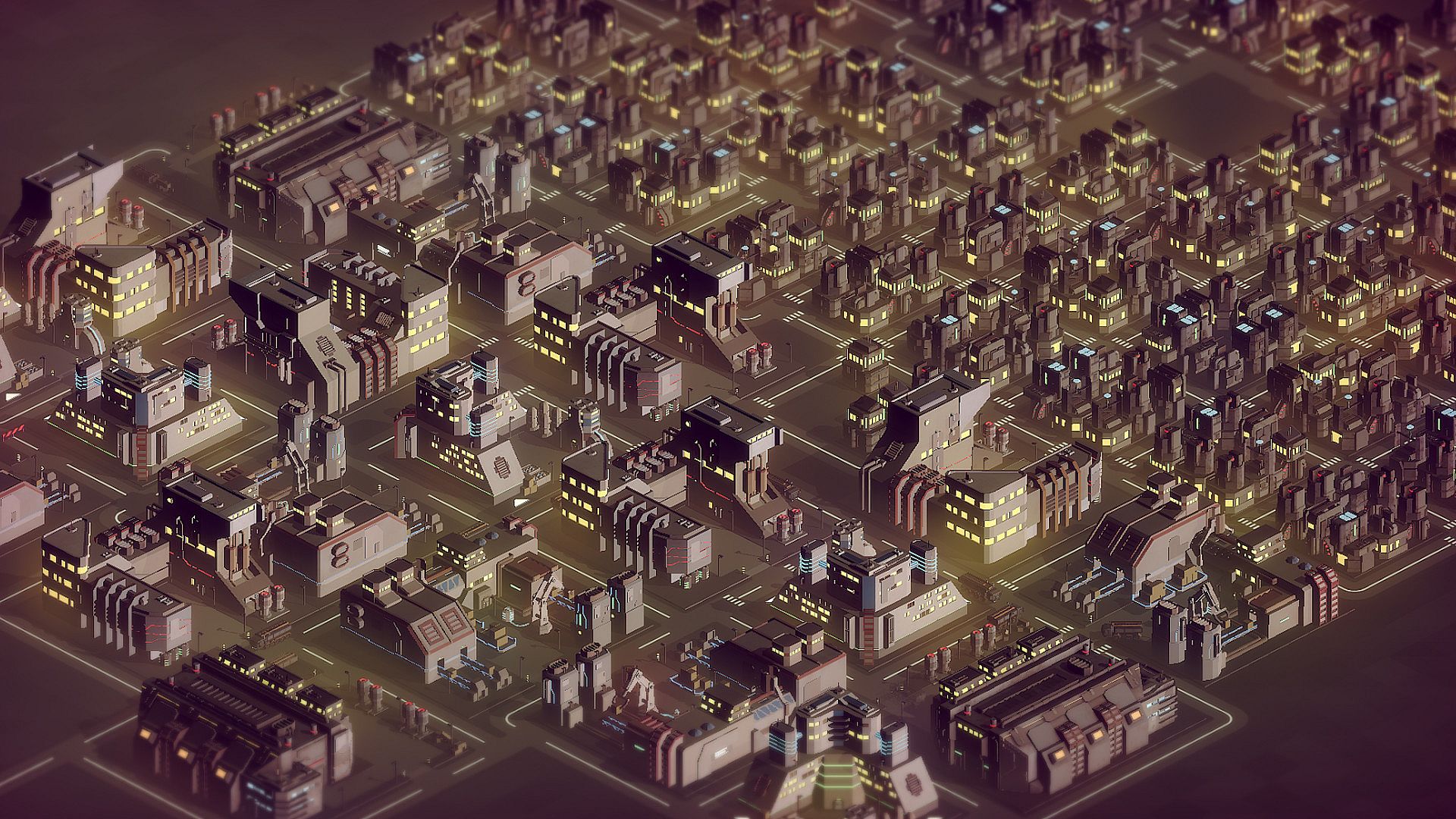
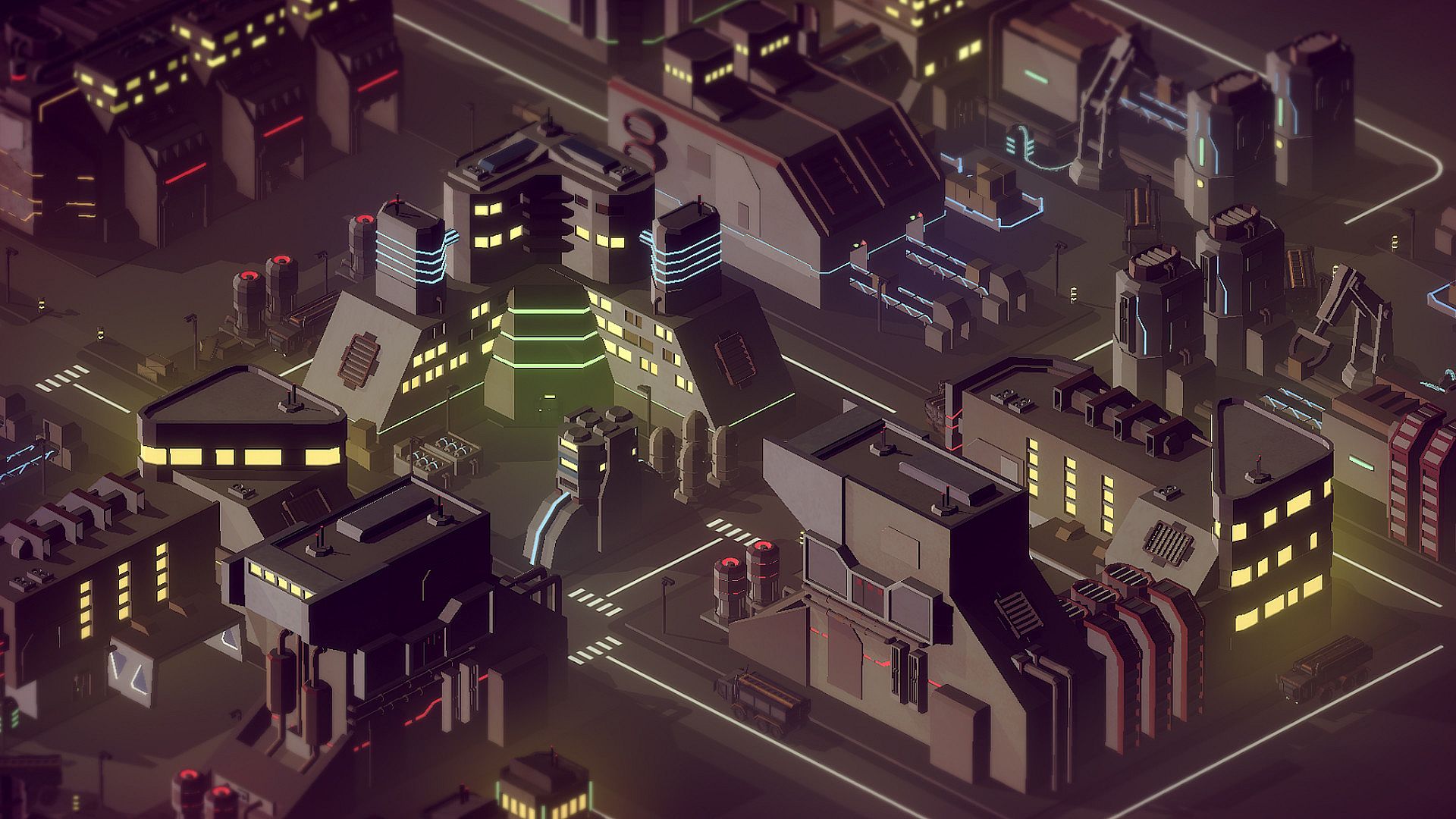
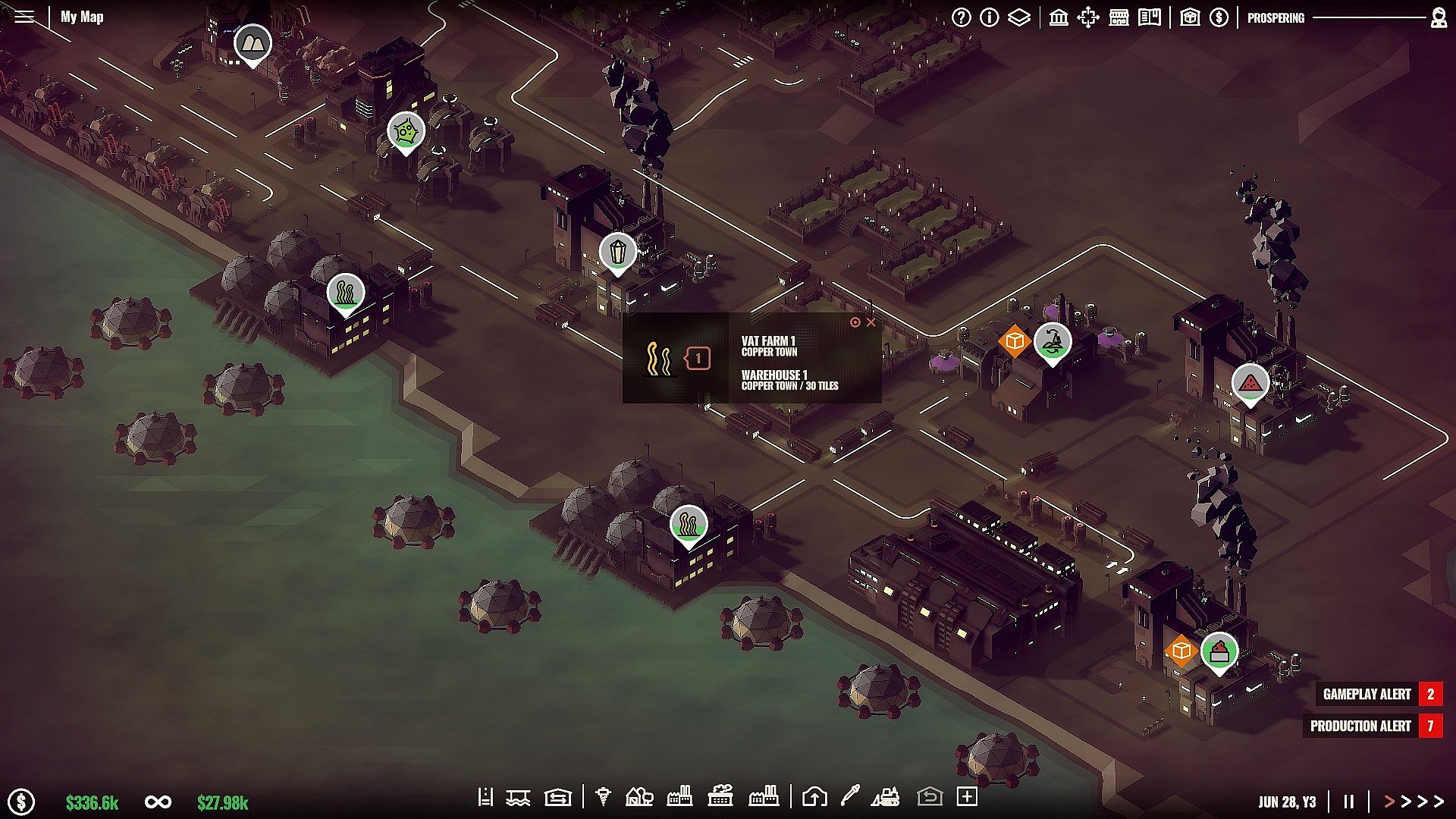
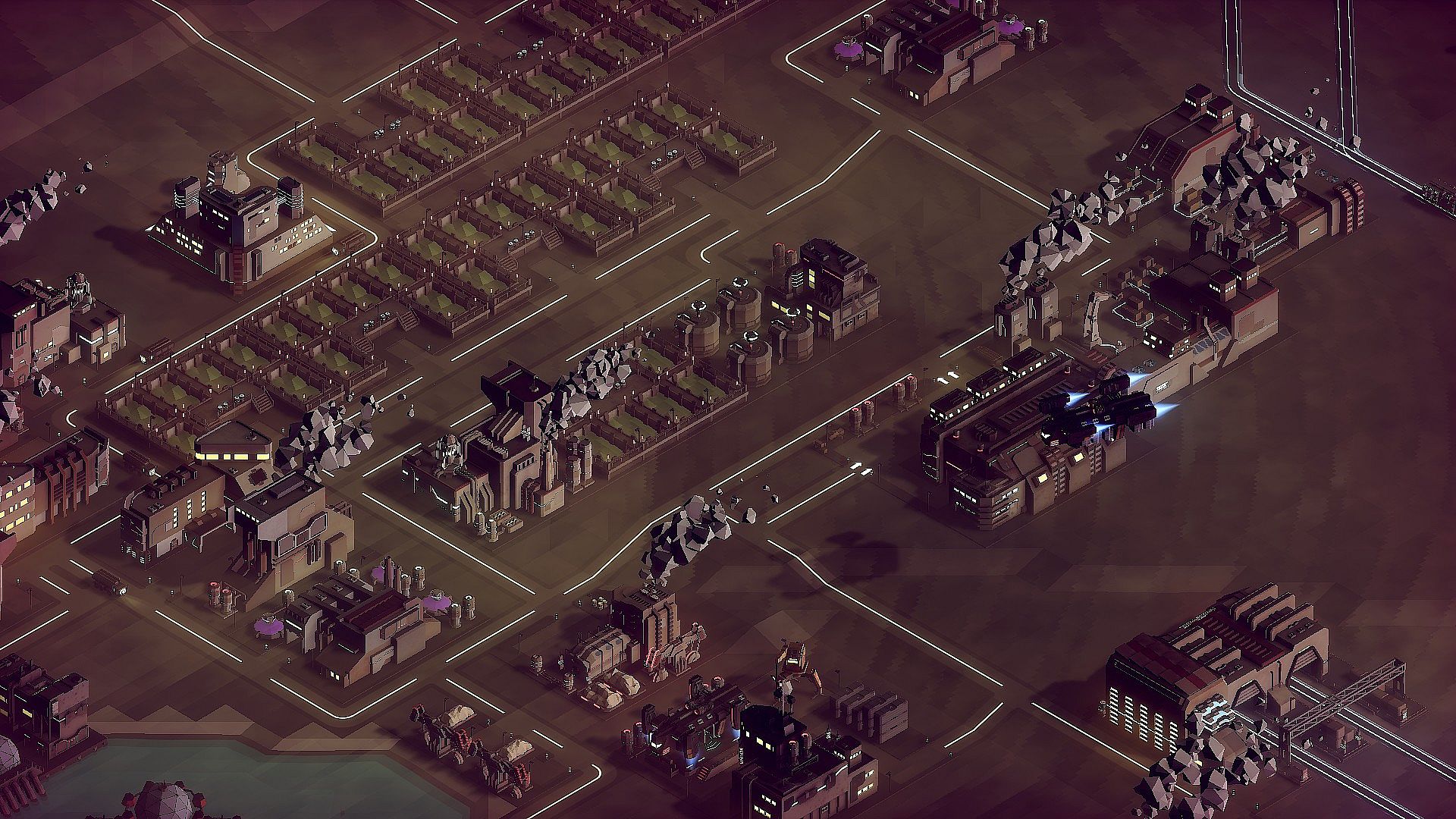

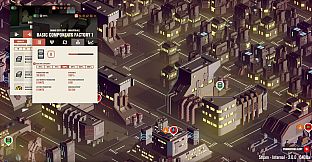
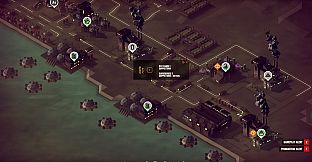
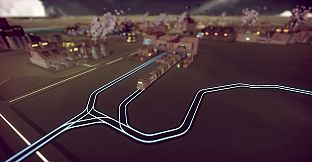
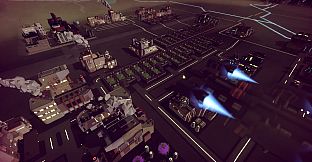
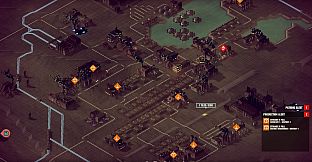
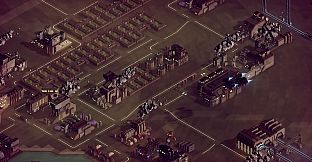
Rise of Industry: 2130 is a strategy and simulation game that places players in charge of rebuilding an industrial empire in a post-apocalyptic setting. Set in the year 2130, the title shifts the focus from the original game's prosperous era to a world where decades of unchecked capitalism have left resources depleted and landscapes ruined. Players construct advanced production facilities, extract materials from abandoned cities, and adapt to new market demands through futuristic technologies and logistics systems.
Gameplay
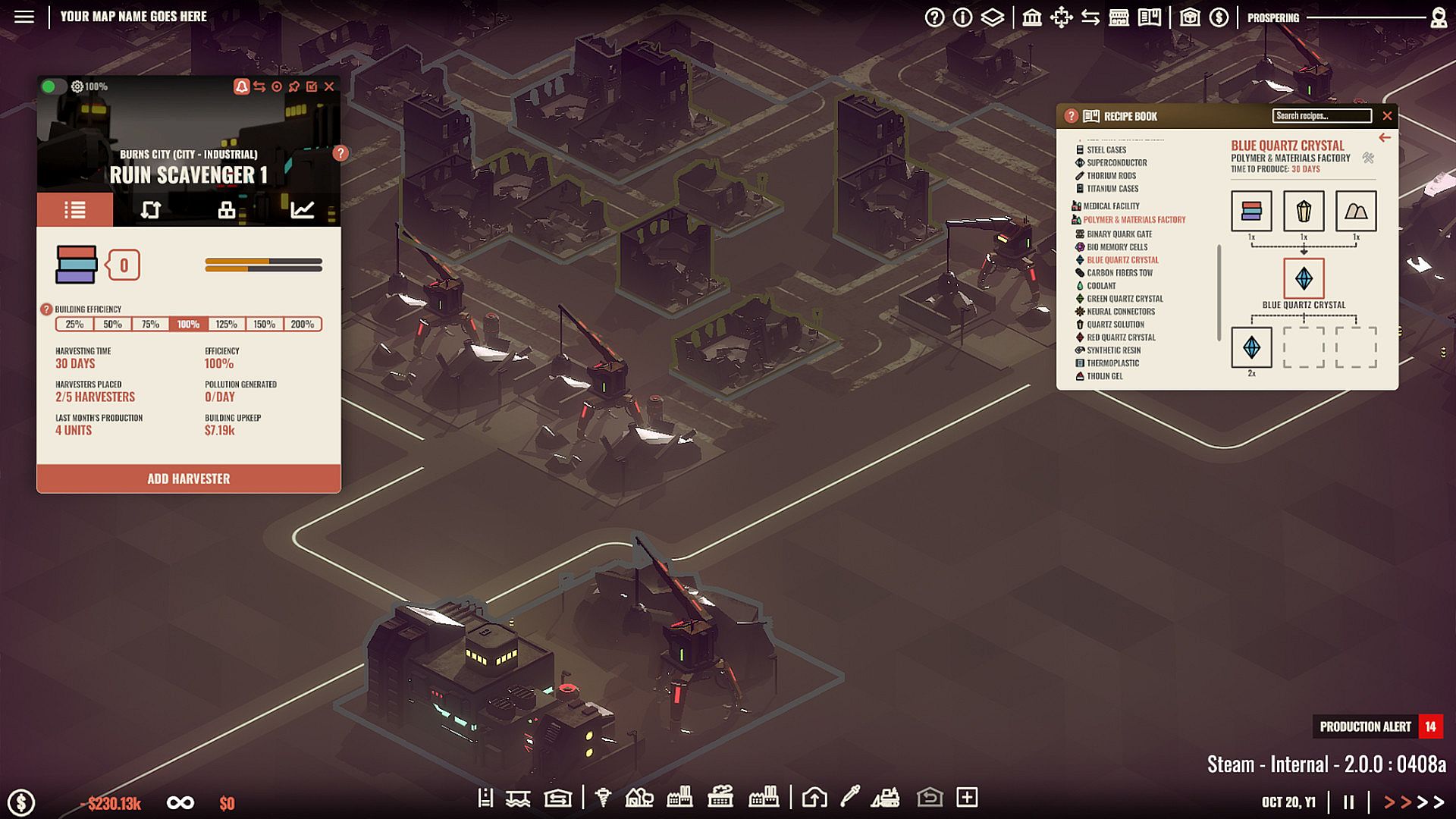
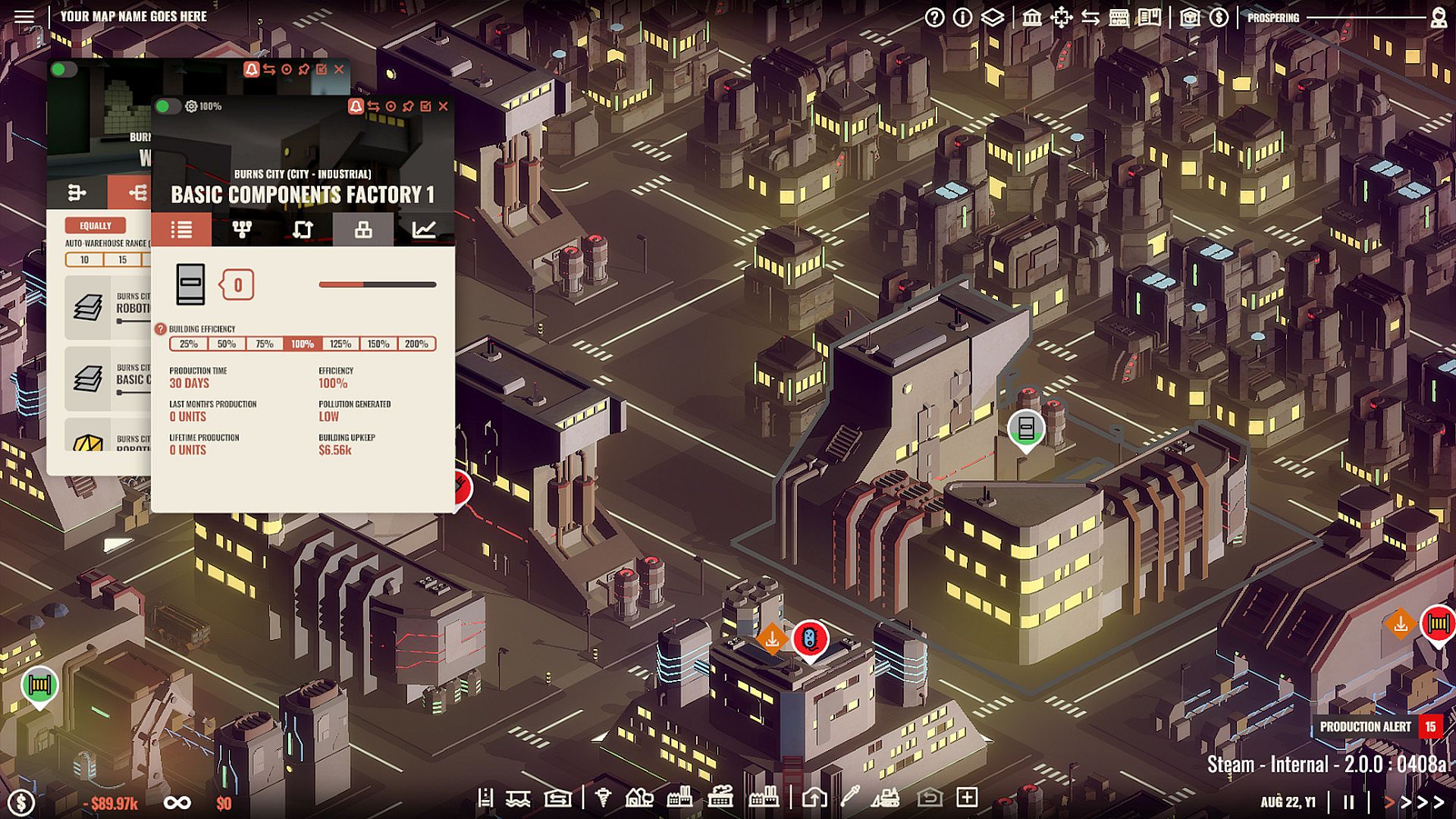
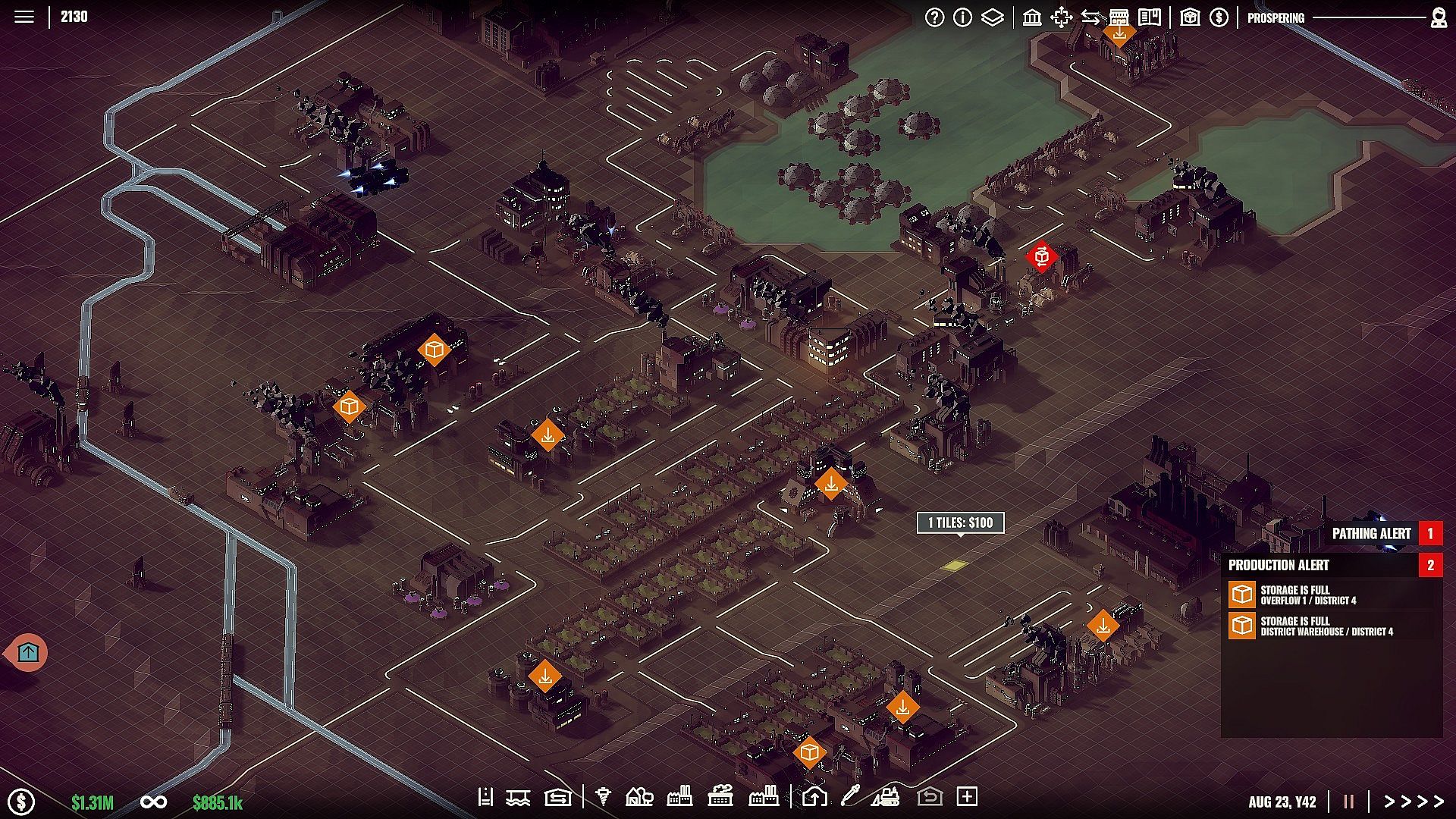
The core loop revolves around planning and expanding production chains in a resource-scarce environment. With natural deposits exhausted, operations center on scavenging and mining remnants from prior civilizations to fuel new facilities. This requires careful layout of buildings, efficient transport networks, and balancing input materials against output products to meet consumer needs.
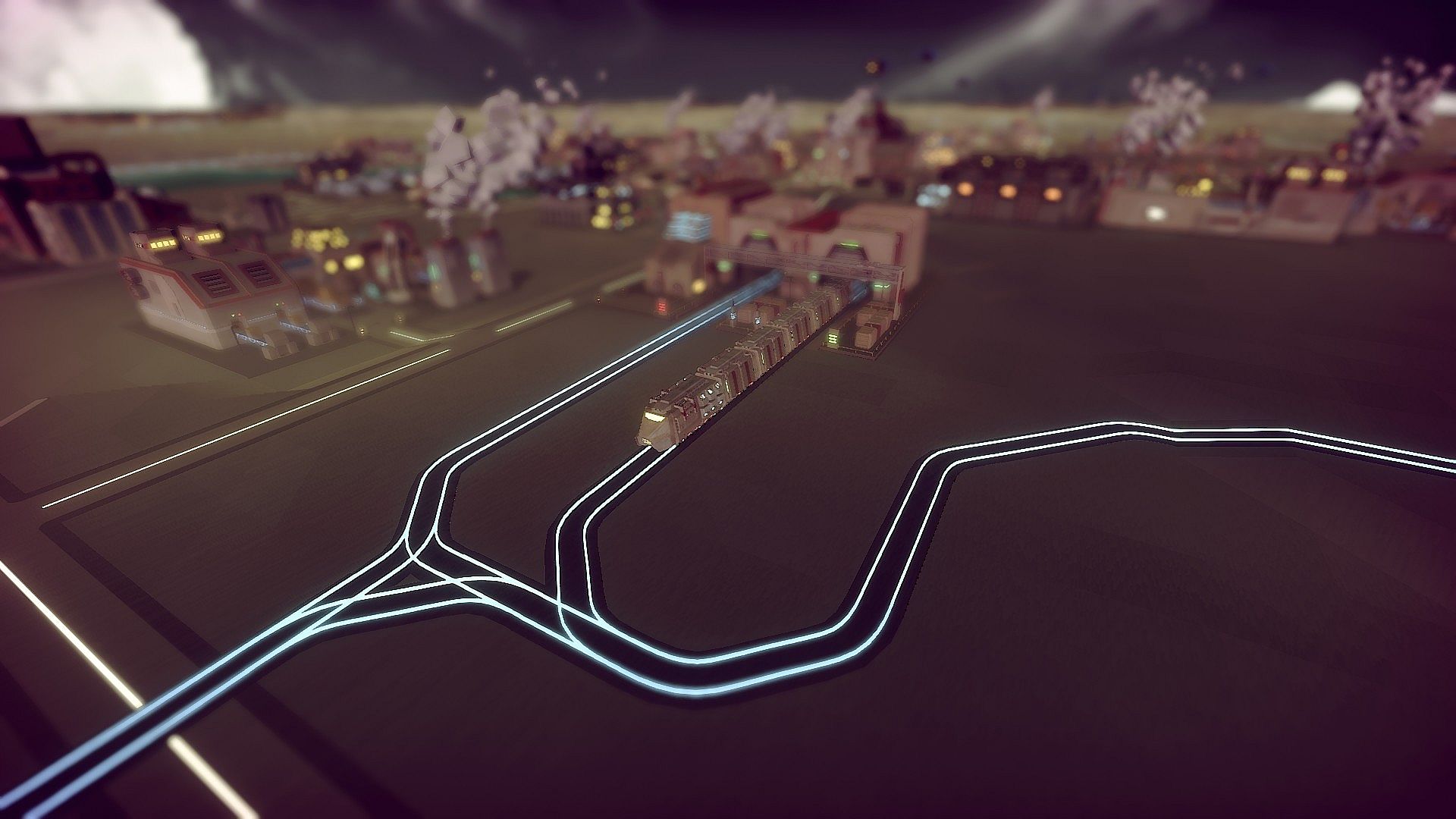
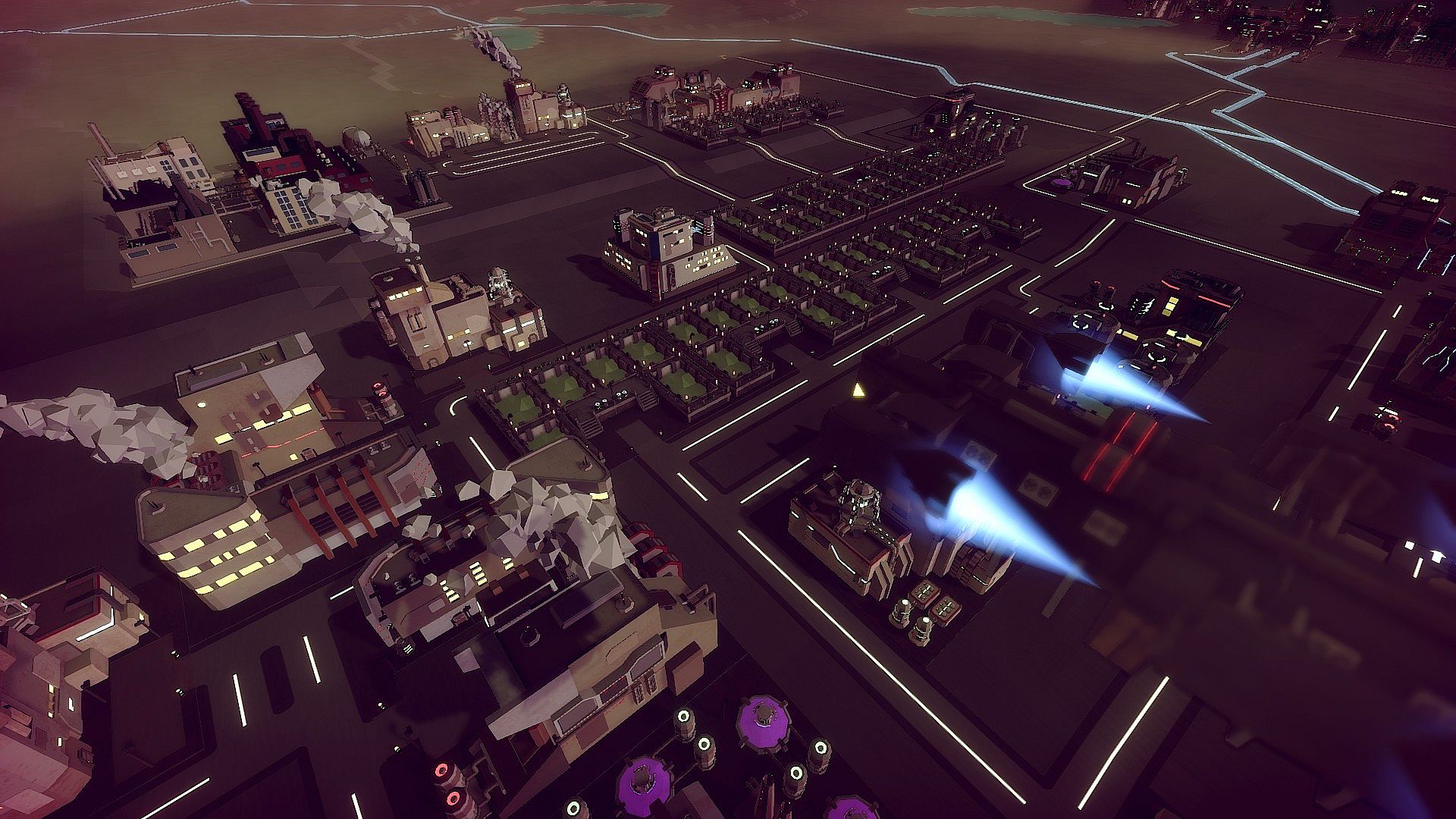
New structures include offshore algae farms for sustainable outputs and thorium mines for specialized energy resources. Transport relies on cargo dropships to move goods across the map, replacing earlier ground-based systems. Recipes shift toward advanced items such as nuclear power cells and subatomic lasers, which players refine through interconnected factories to capture emerging markets. Camera controls add tilt and depth of field options that support detailed oversight of sprawling industrial sites without altering core mechanics.
Sound design incorporates original synth-heavy tracks composed specifically for the 2130 timeframe, providing atmospheric backing during extended management sessions. The emphasis stays on logistics optimization and long-term planning rather than combat or exploration elements.
Game Modes
Play occurs entirely in a single-player format that supports free-form construction and progression through the new tech tree and building roster. Sessions focus on scaling operations from initial scavenging efforts to full-scale futuristic production empires, with challenges arising from limited starting resources and the need to adapt supply lines to the dystopian map.
No competitive or cooperative multiplayer options exist, keeping attention on personal strategy and iterative improvement of factory efficiency. The structure encourages repeated playthroughs by varying starting conditions and target production goals within the same overarching simulation framework.
Key Features and Mechanics
Expansion content introduces a complete visual and mechanical overhaul suited to the future setting. All-new vehicles, structures, and product lines integrate directly into the established simulation systems, requiring players to rethink supply routes and facility placement from the ground up.
Scavenging mechanics replace traditional resource gathering, turning ruined city zones into primary extraction points. This feeds into specialized production that prioritizes high-tech outputs over basic goods. The addition of synth-based music tracks and enhanced camera tools further refines the presentation for players who value detailed oversight and screenshot composition.
- Offshore algae farms and thorium mines as core new building types
- Cargo dropships for elevated transport logistics
- Nuclear power cells and subatomic lasers among updated recipes
- Depth of field and tilt camera adjustments for visual refinement
Is It Worth Playing?
Player feedback on the expansion rates it very positively, with 86 percent approval from 130 reviews. Those already familiar with industrial management simulations find the new buildings, recipes, and transport options extend the core experience in meaningful ways. The post-apocalyptic theme adds visual contrast and fresh strategic constraints without introducing unrelated systems.
The title suits players who enjoy methodical planning, supply chain optimization, and long-term empire growth in a single-player environment. Its focused scope and verified additions make it a solid choice for fans seeking more depth in the same genre, though newcomers may benefit from starting with the base simulation to understand foundational mechanics. No ongoing seasonal content or major updates have altered its state since the 2019 release, leaving the experience stable for those drawn to its specific blend of strategy and simulation.