













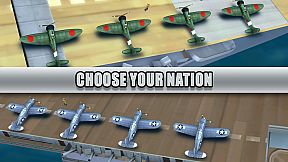
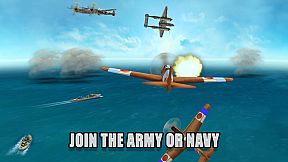
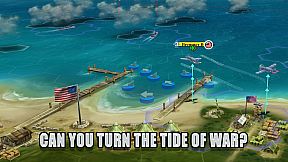
Sid Meier's Ace Patrol: Pacific Skies is a turn-based strategy game set during the Pacific theater of World War II. Players command squadrons of American or Japanese aircraft in a series of tactical engagements that emphasize positioning, pilot development, and mission objectives over direct flight simulation.
Gameplay
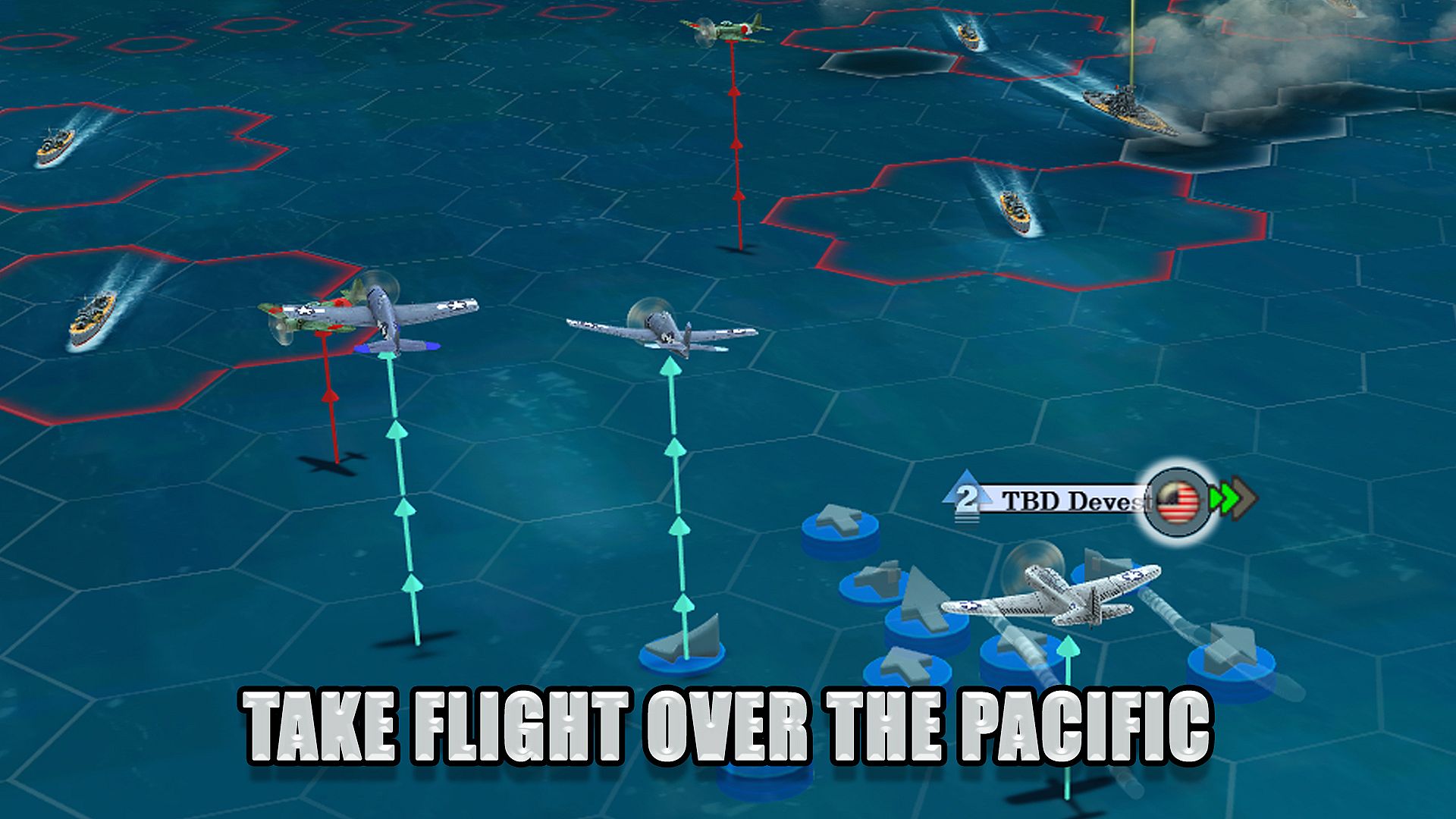
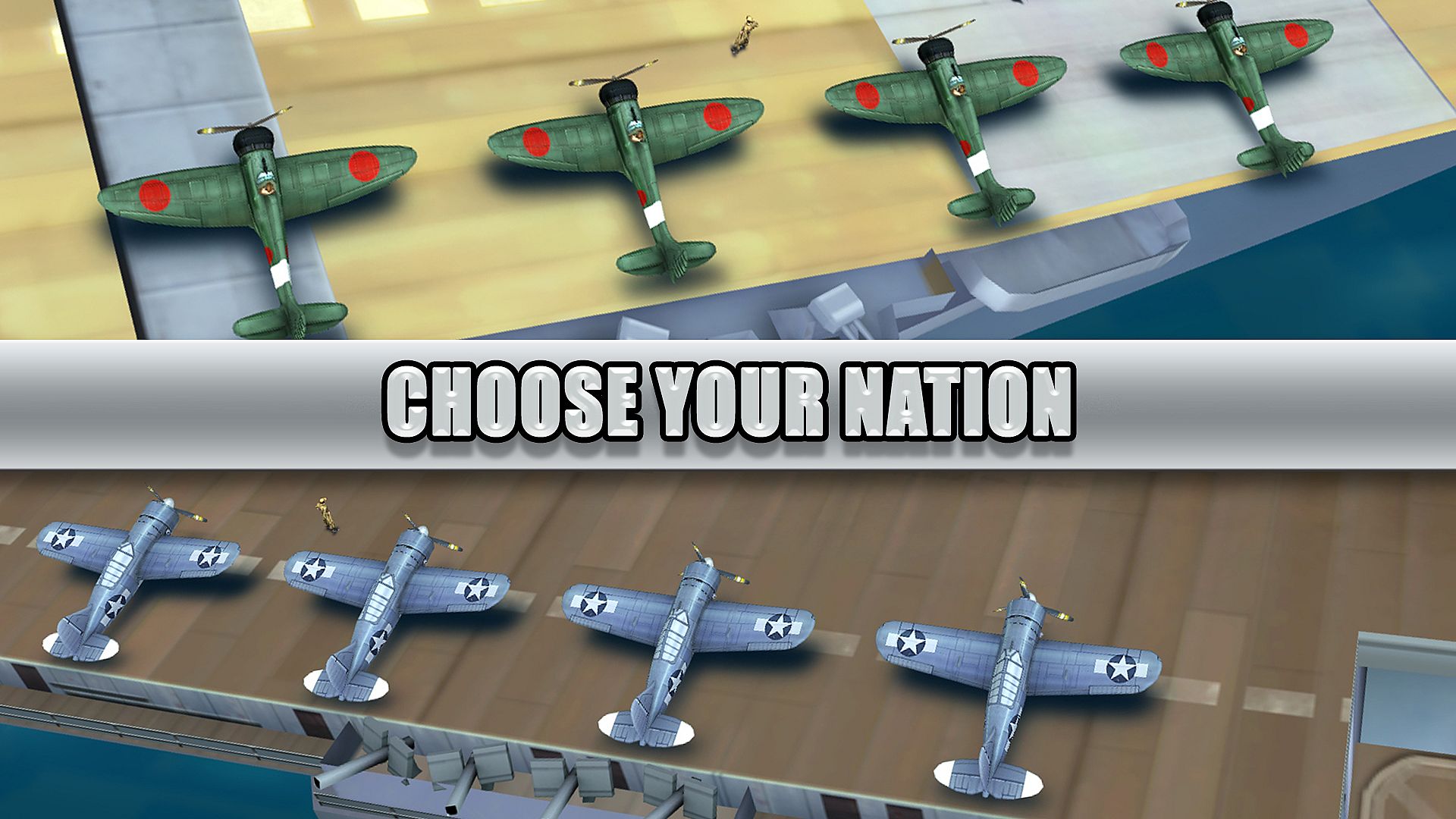
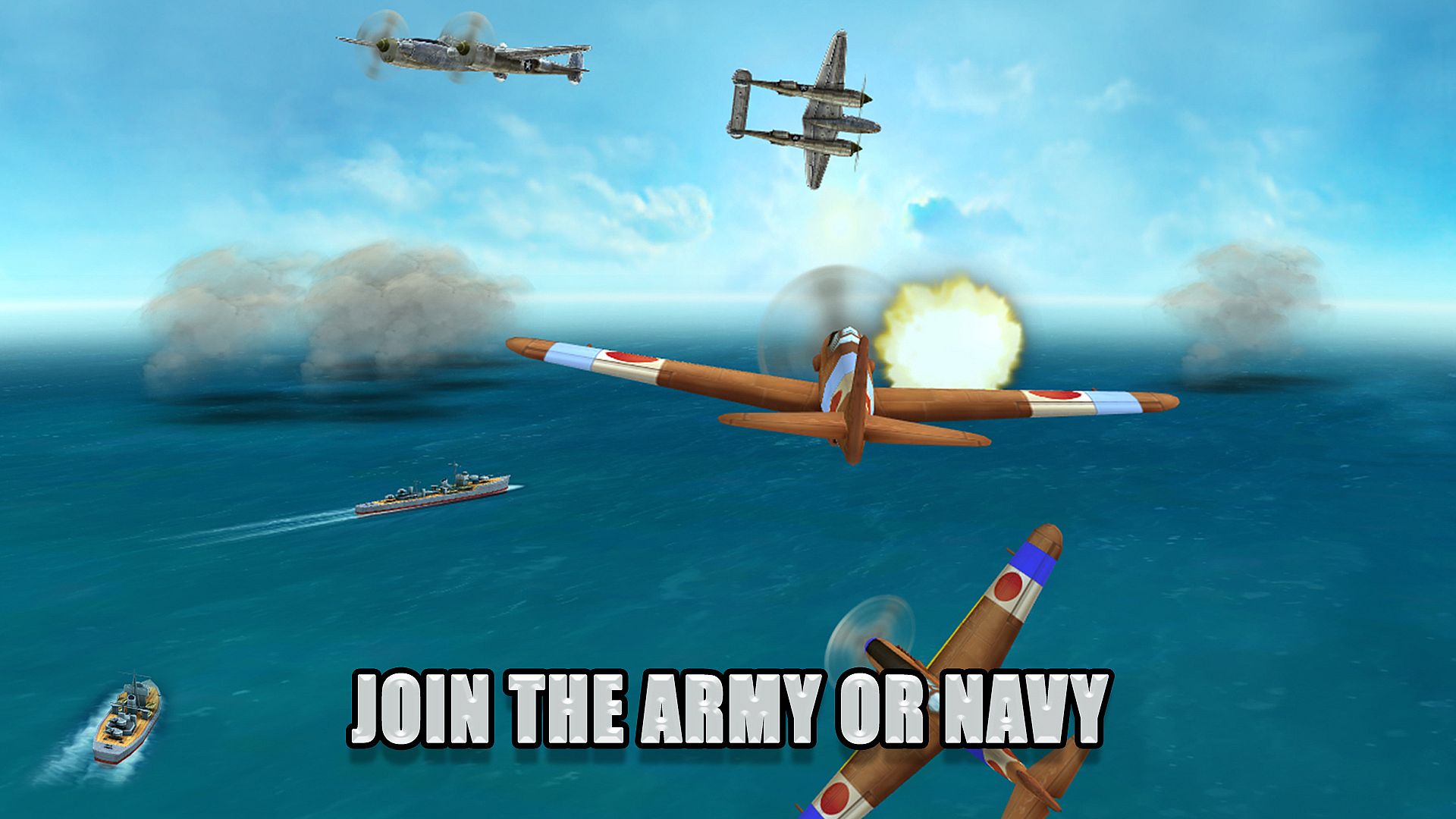
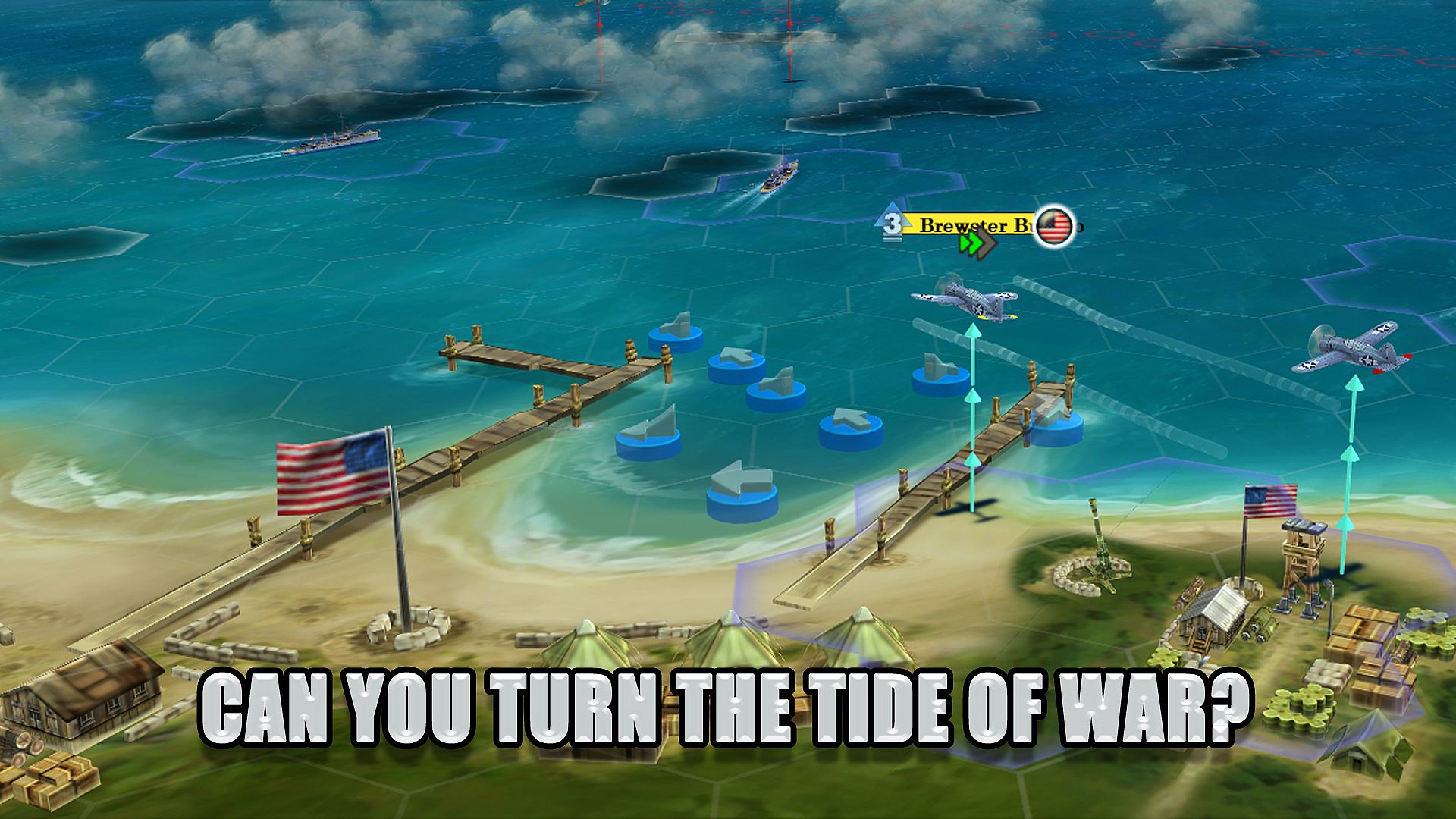
The core loop centers on managing small groups of fighters across grid-based maps. Each turn involves selecting aircraft, choosing maneuvers, and resolving attacks or special actions. Pilots gain experience from successful sorties and can receive promotions that unlock new abilities, while planes receive equipment upgrades that improve speed, firepower, or durability. Missions often require completing specific tasks such as intercepting high-value targets, escorting friendly units, or striking ground installations with torpedoes or bombs. Players choose to represent either the army or navy for each side, which influences available aircraft types and starting positions in many scenarios.
Iconic planes from the era, including models used by both the United States and Japan, form the roster. Success depends on careful use of terrain, altitude advantages, and coordinated strikes rather than raw speed. The system rewards planning several turns ahead because damage and positioning carry over between engagements within a mission.
Game Modes
A single-player campaign structures the experience around more than 180 missions drawn from historical battles including Pearl Harbor, Midway, and Guadalcanal. Progress through the campaign unlocks additional aircraft, pilots, and upgrades while tracking overall performance. Hot seat multiplayer allows two players to alternate turns on the same device for competitive missions, with leaderboards recording results across sessions. No other multiplayer formats or persistent online modes exist.
Missions and Progression
Each mission presents distinct objectives that go beyond simple elimination of enemy forces. Examples include ambushing enemy VIP transports, rescuing downed friendly pilots, or conducting precision bombing runs against naval targets. Pilot personalization occurs through skill trees that reward consistent performance, and aircraft can be customized with upgrades that alter their combat profile. These elements combine to create a steady sense of advancement as the campaign unfolds across the Pacific theater.
Is It Worth Playing?
The game delivers accessible tactical strategy suited to players who enjoy short sessions and historical themes without complex controls. Its mixed reception on Steam reflects a dedicated audience that appreciates the focused design alongside some criticism of its limited scope and dated presentation. No ongoing updates or seasonal content support the title, so it remains a complete, self-contained experience from its original release. Those seeking light turn-based aerial combat with campaign progression and occasional hot seat matches will find the mechanics hold up for repeated playthroughs on different difficulty settings. Players primarily interested in modern graphics or large-scale online battles should look elsewhere.