










































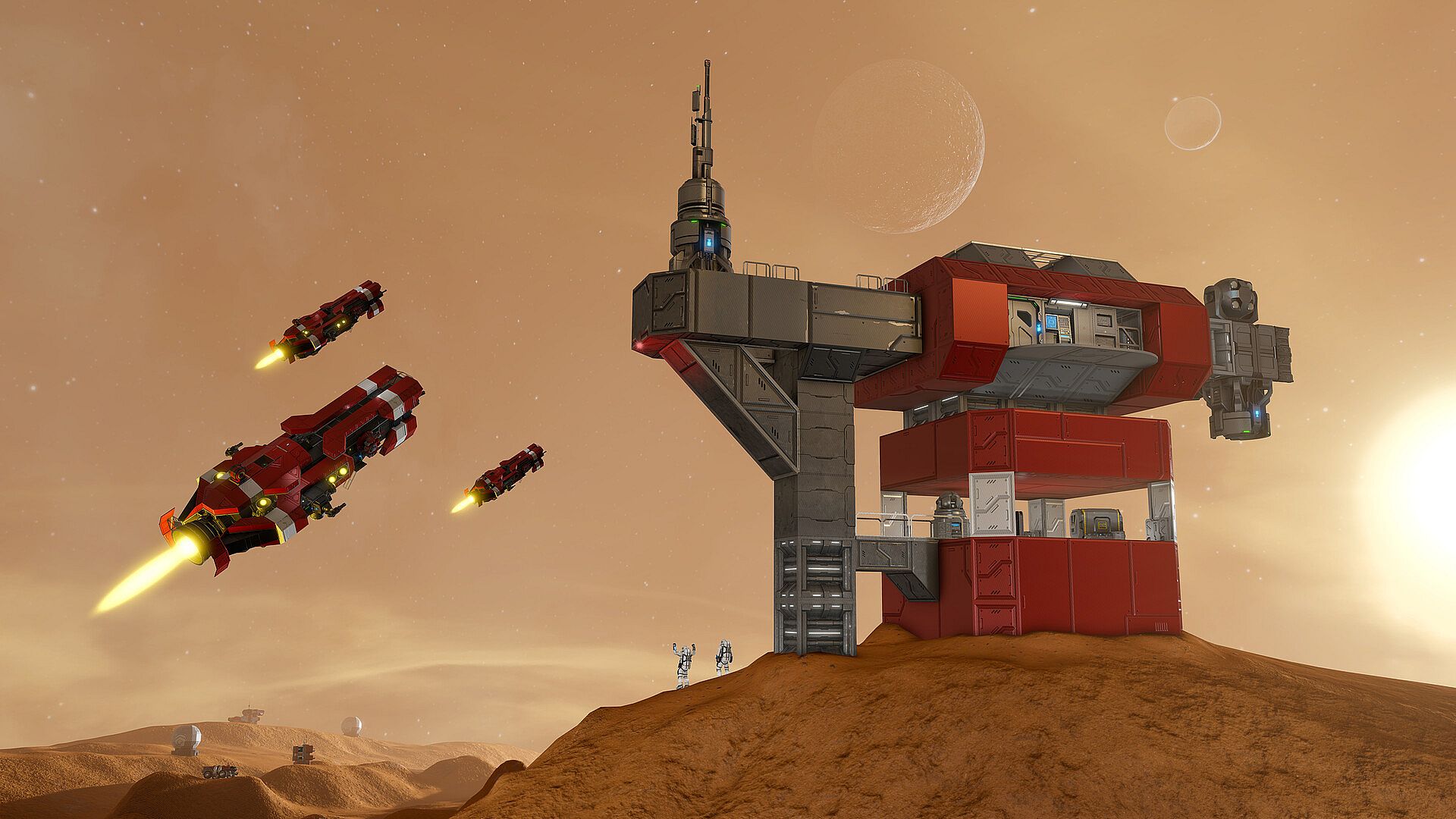
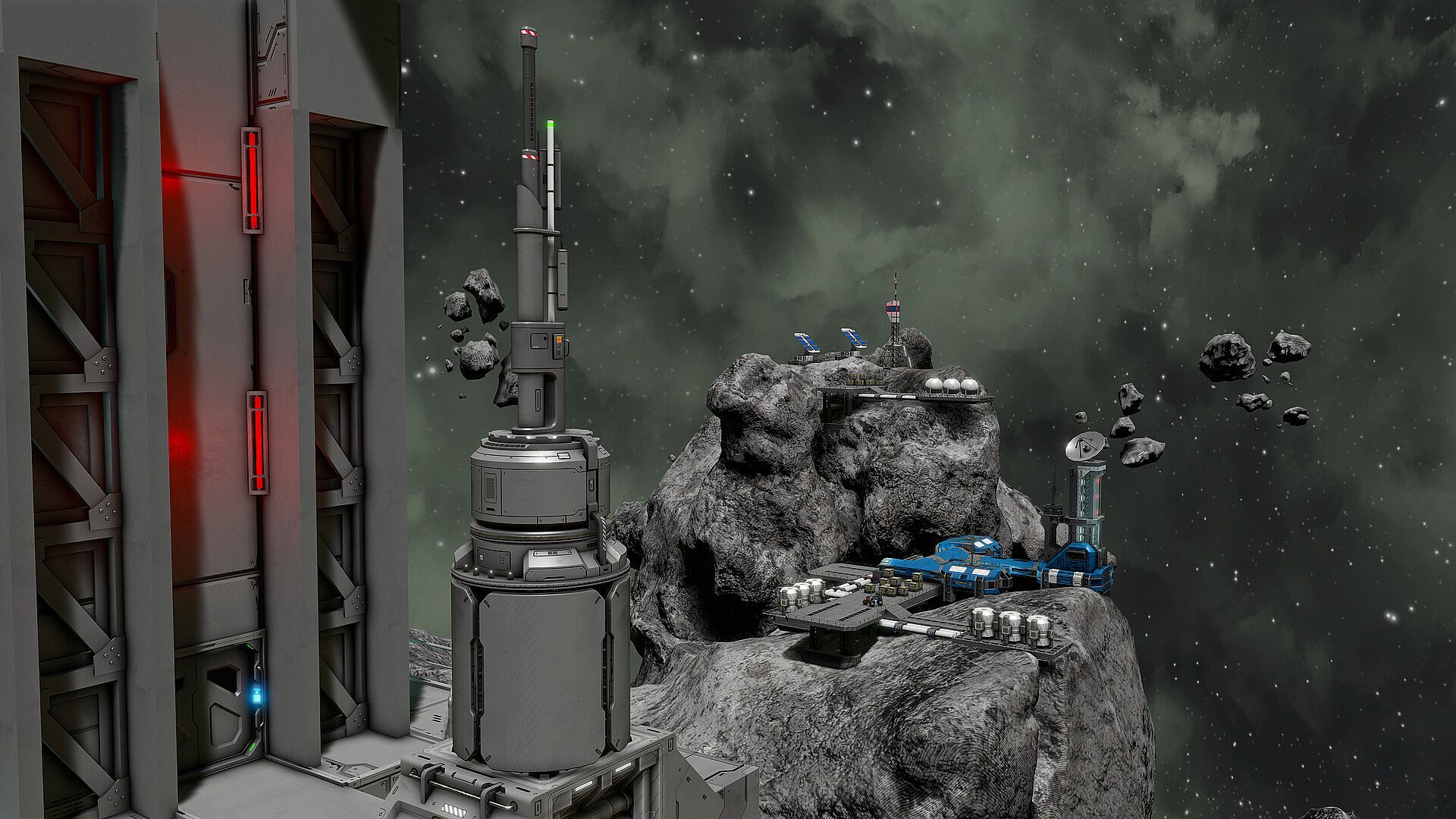
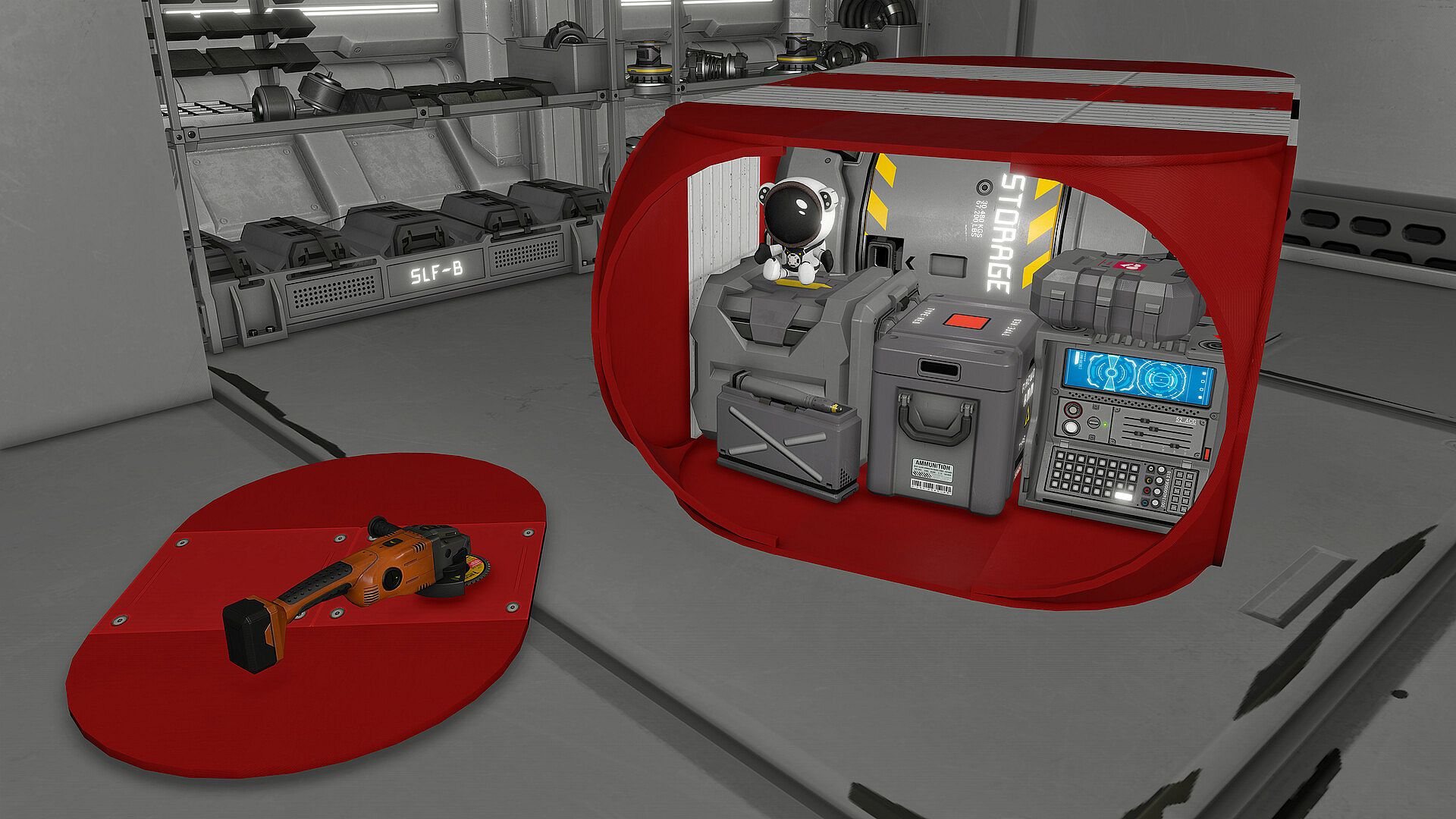
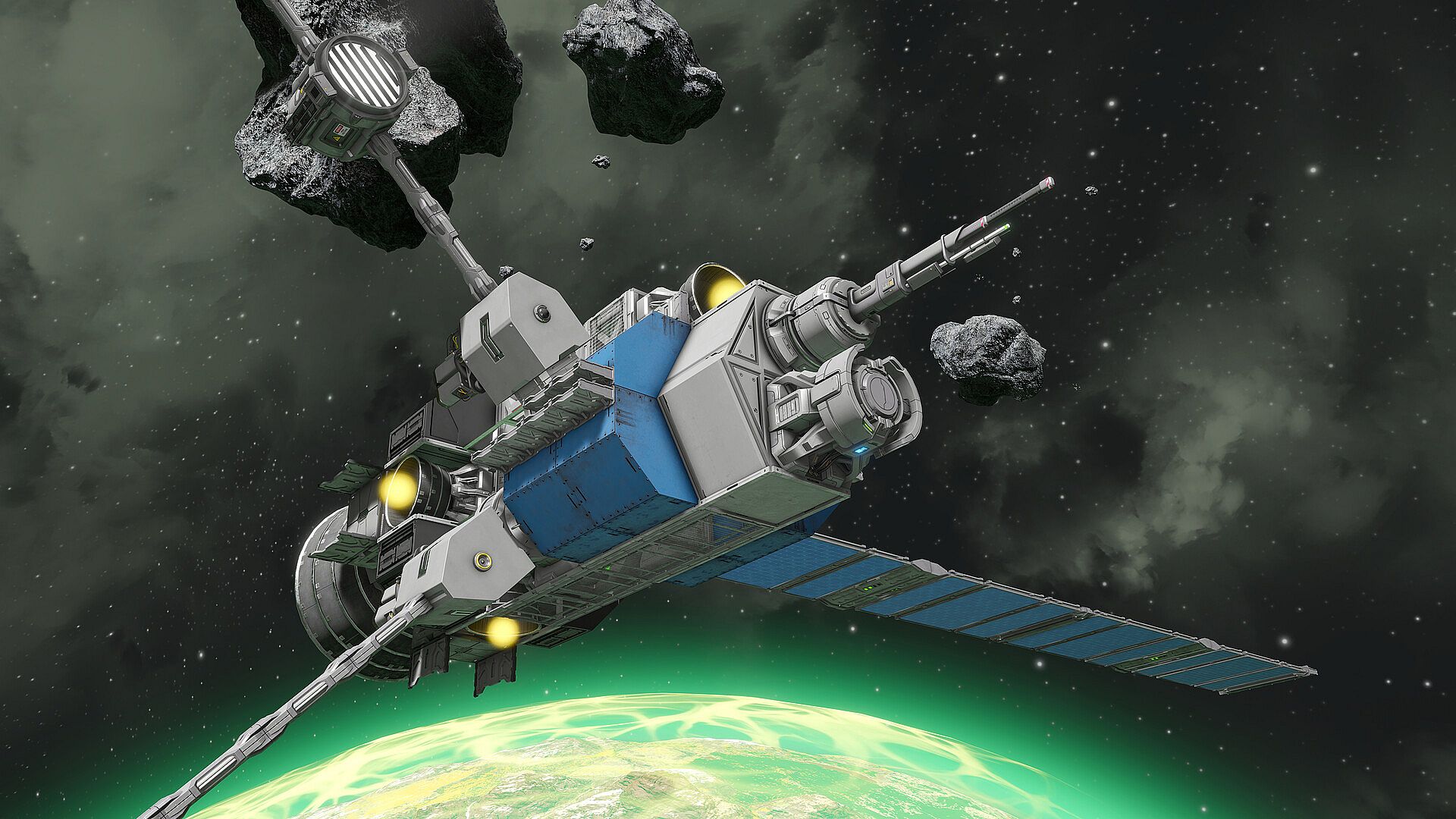
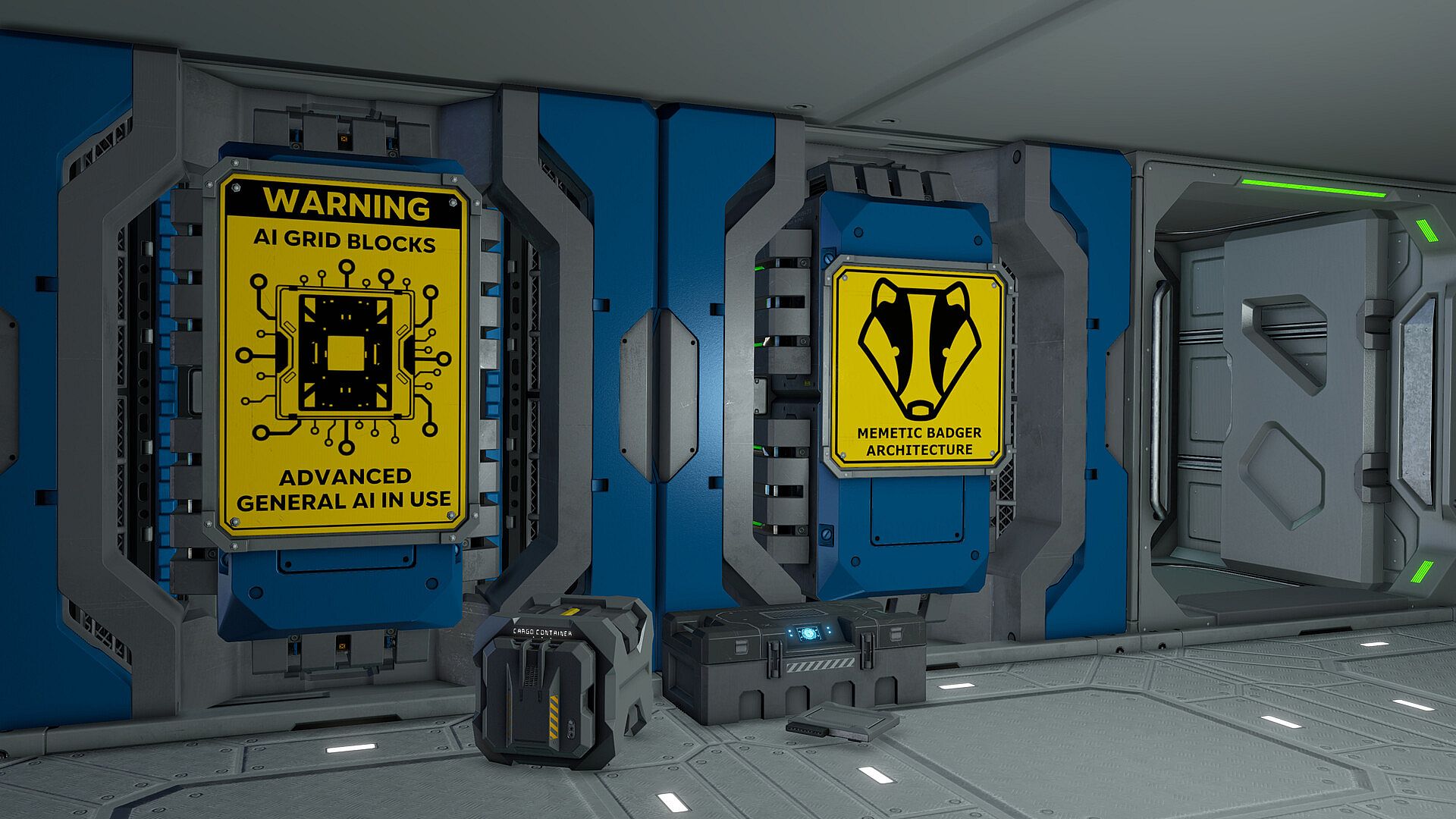
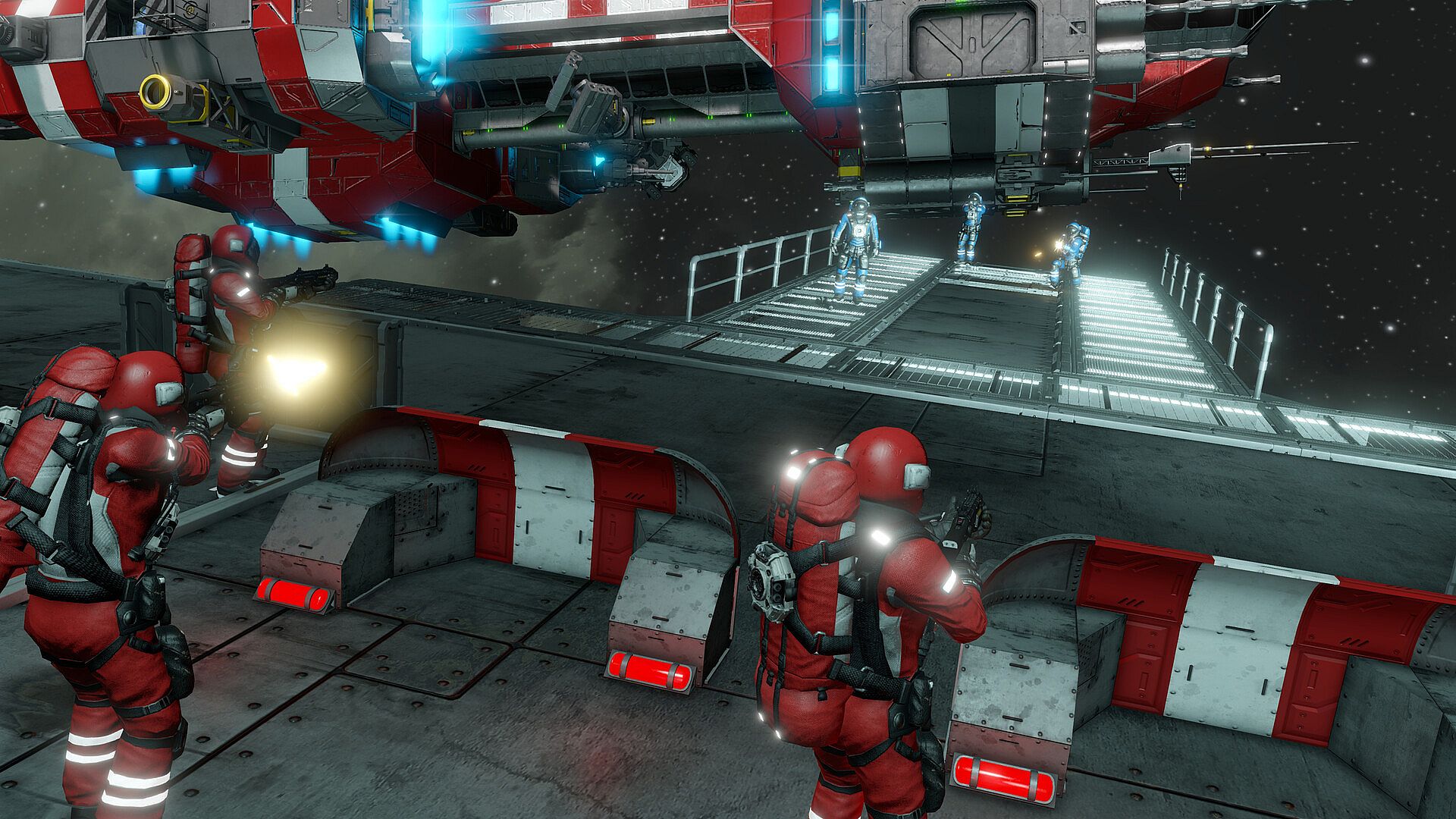
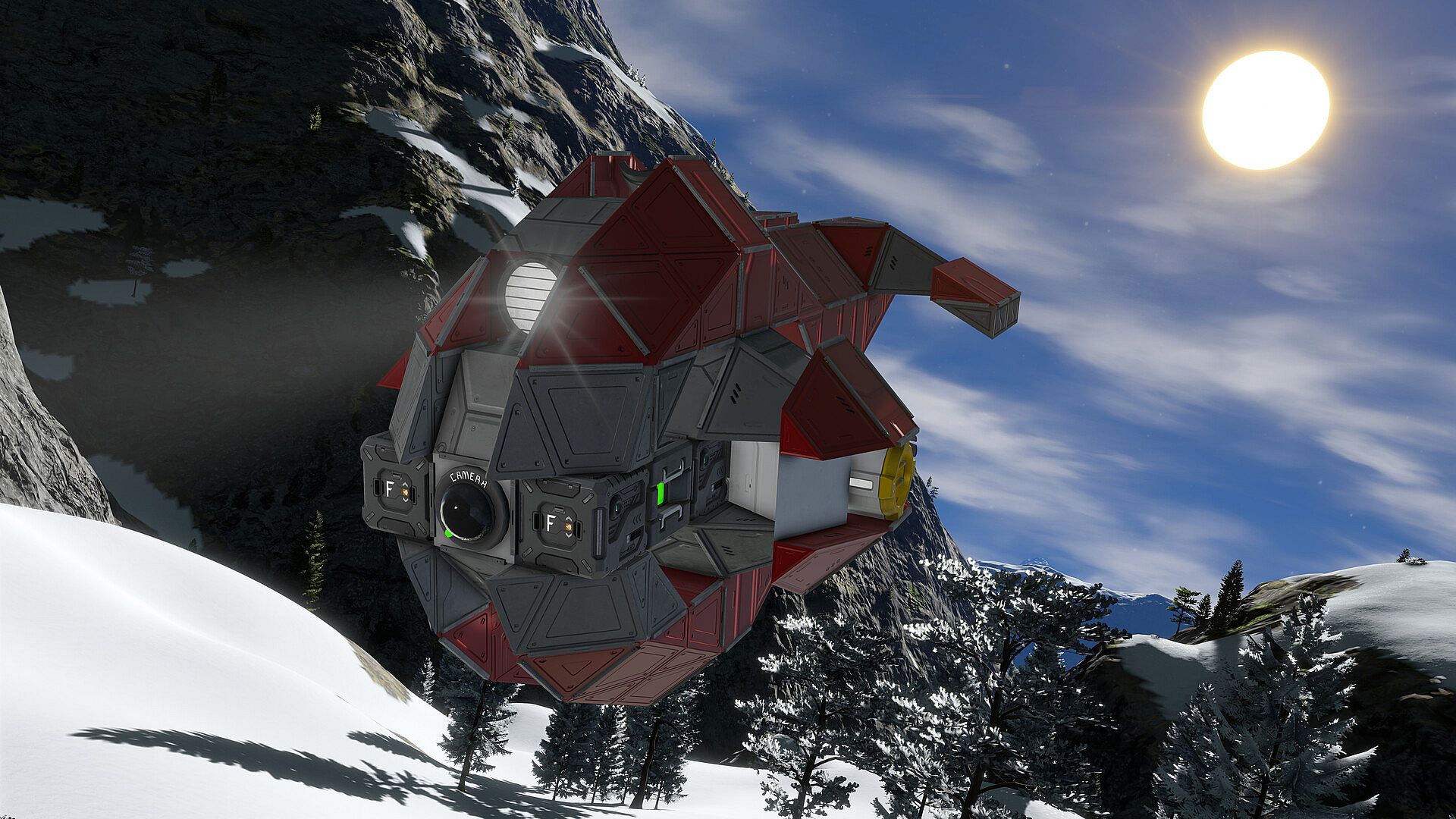
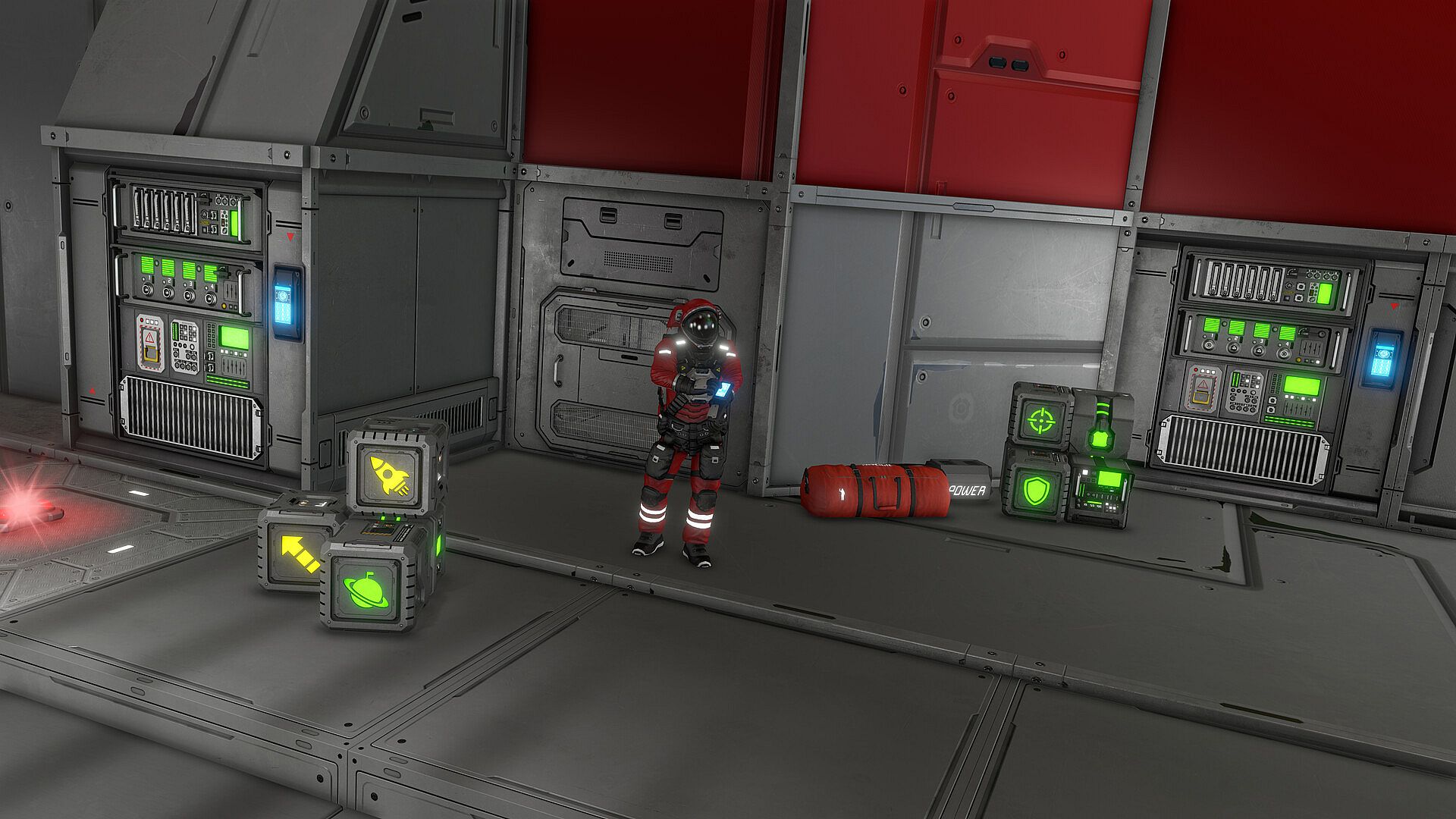
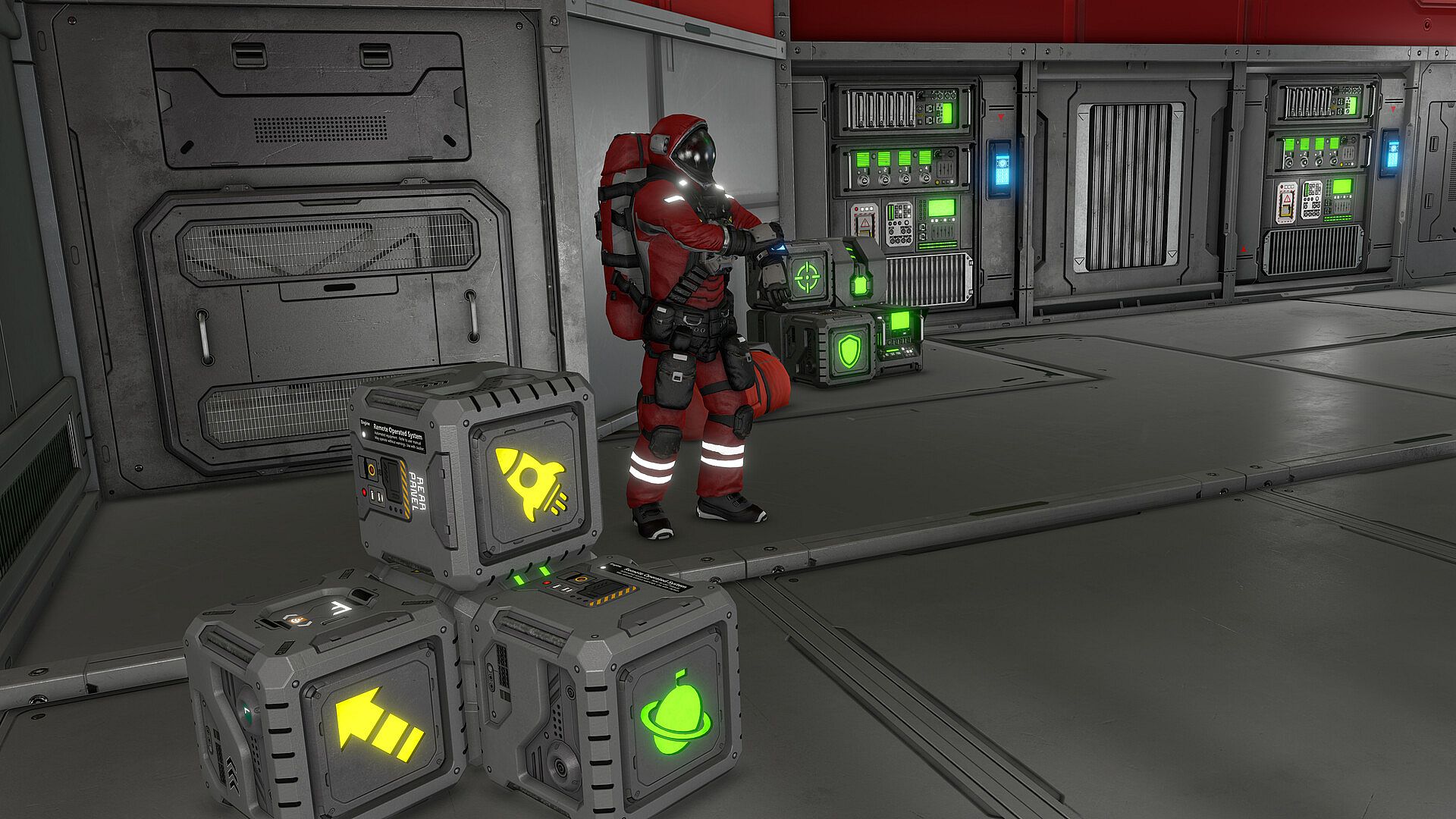
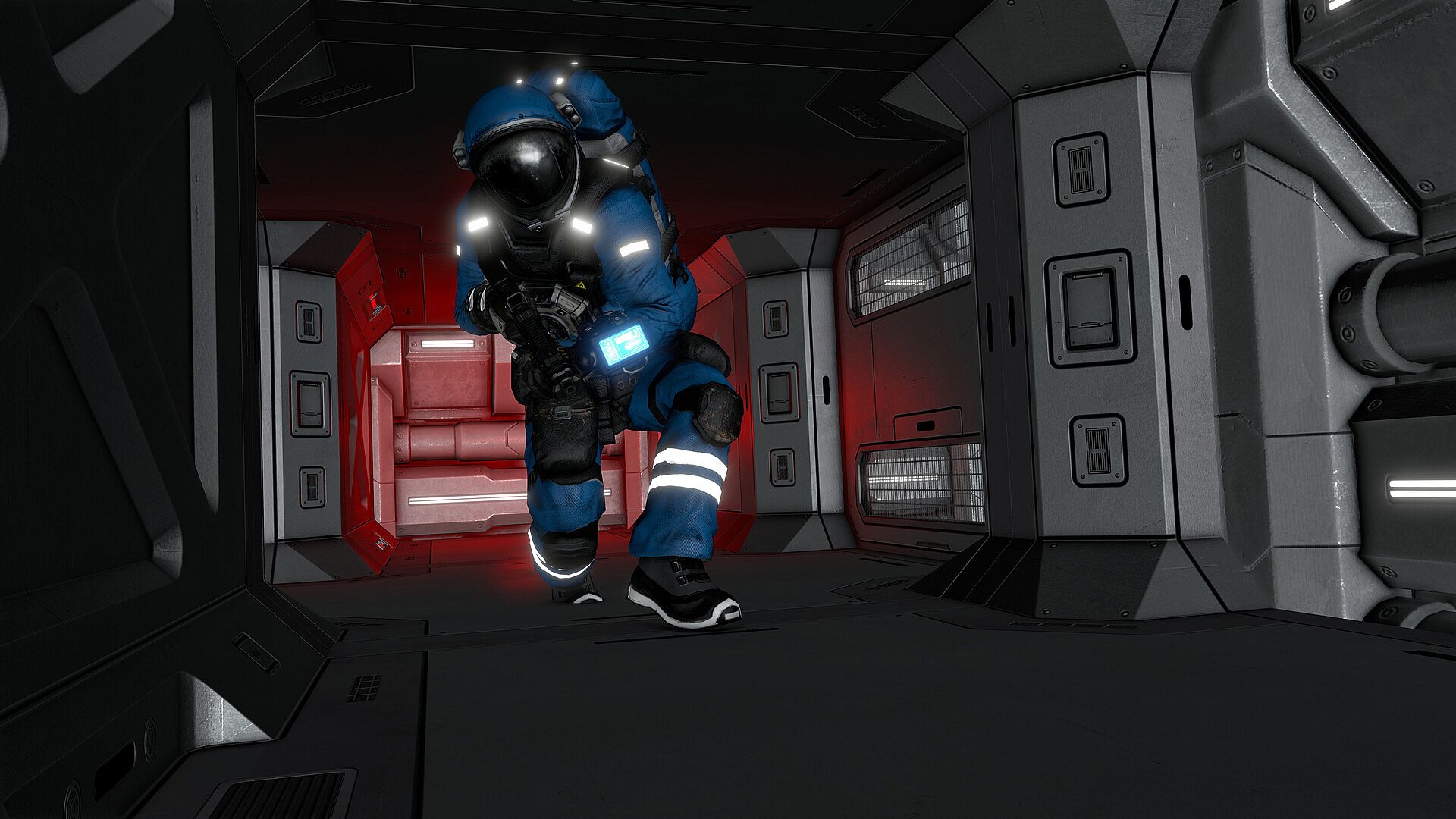
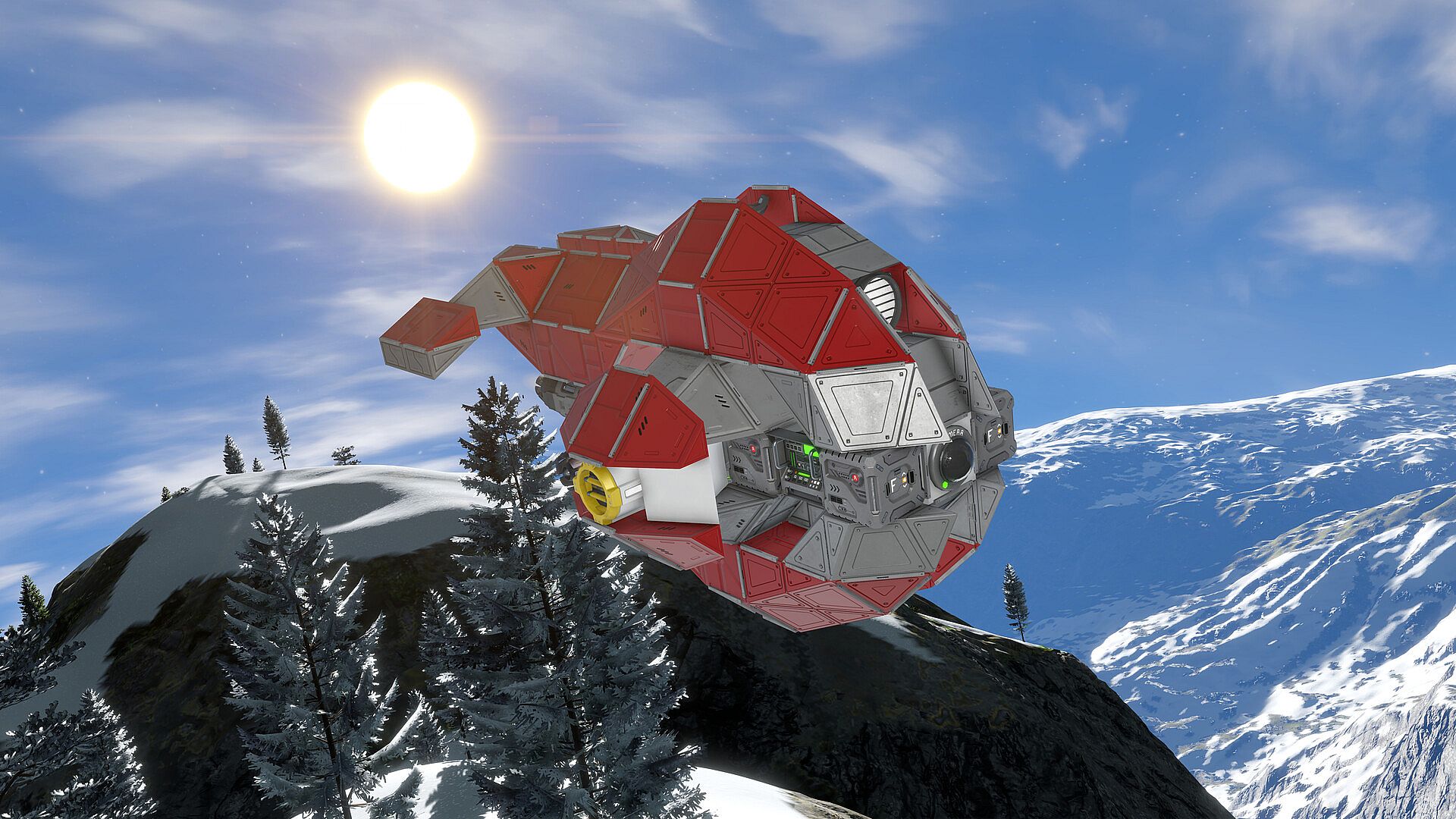
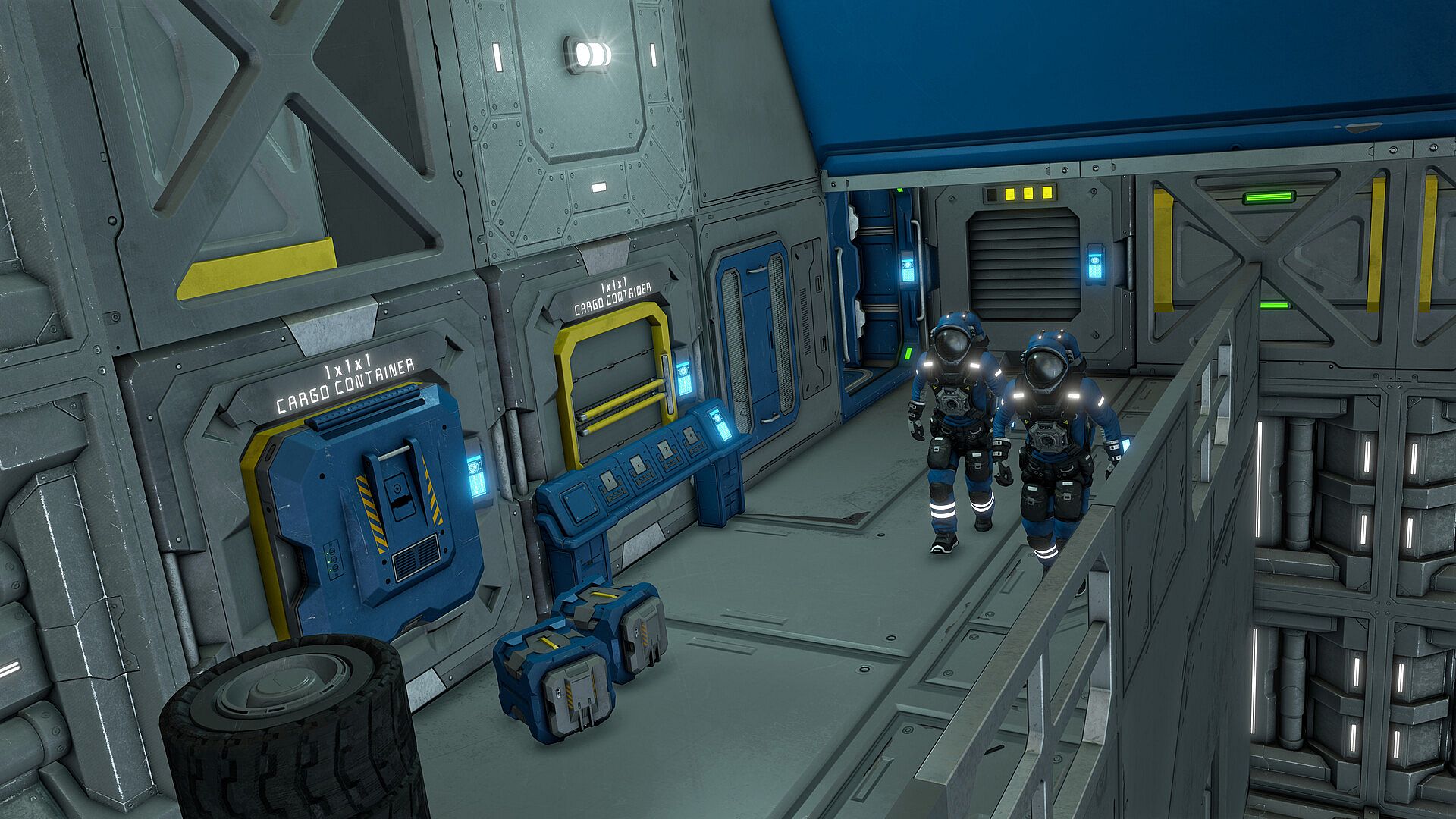
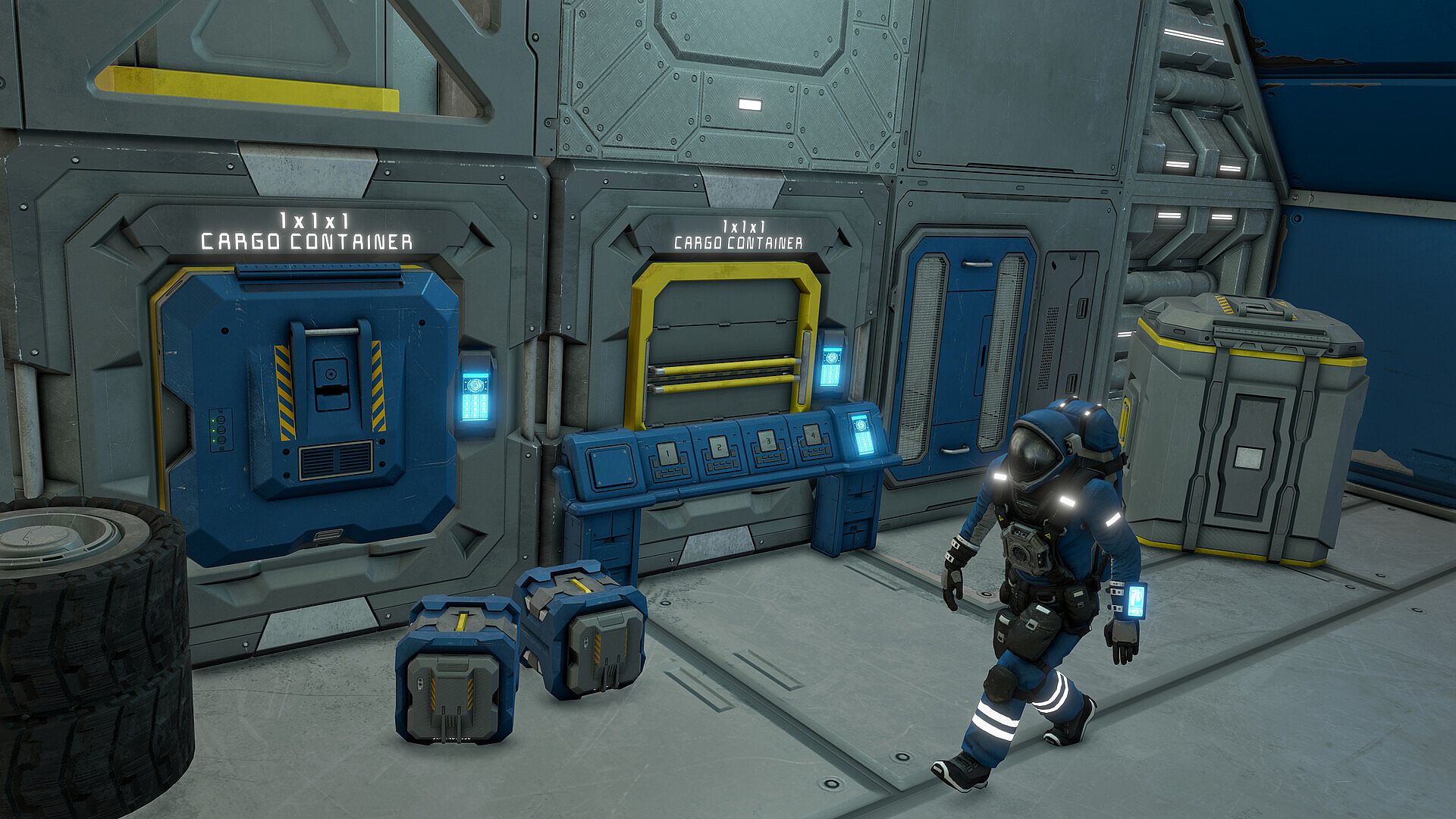
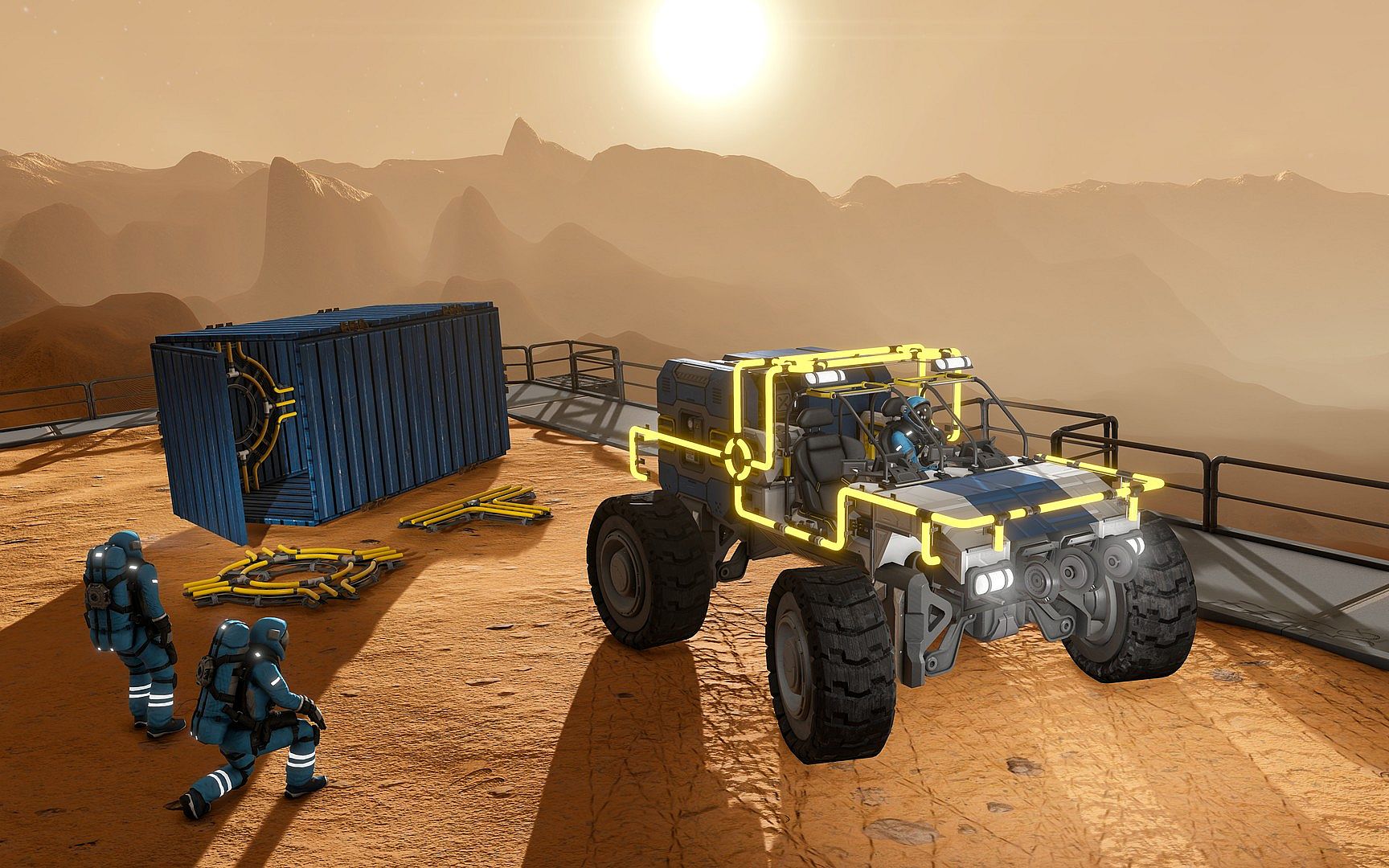
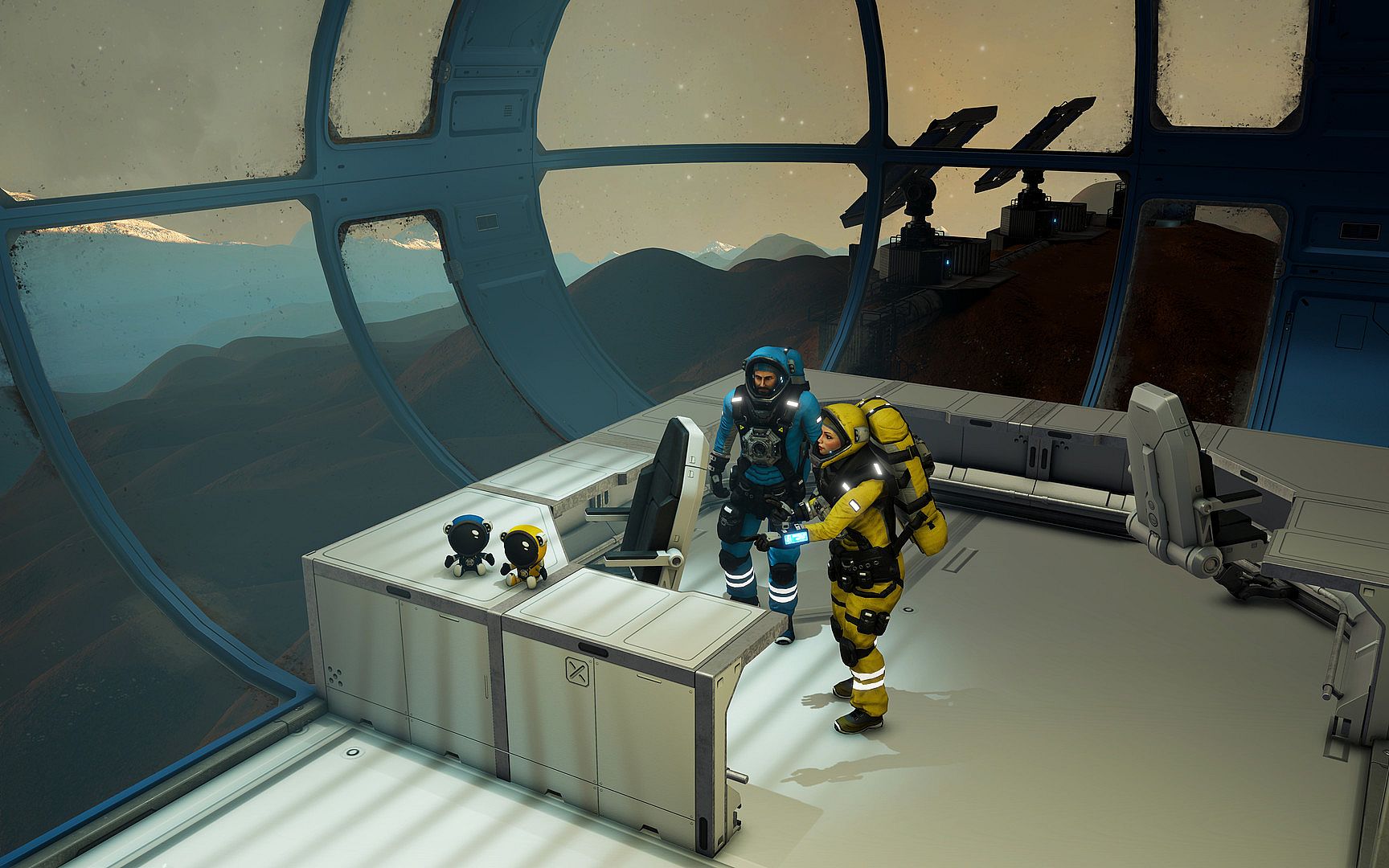
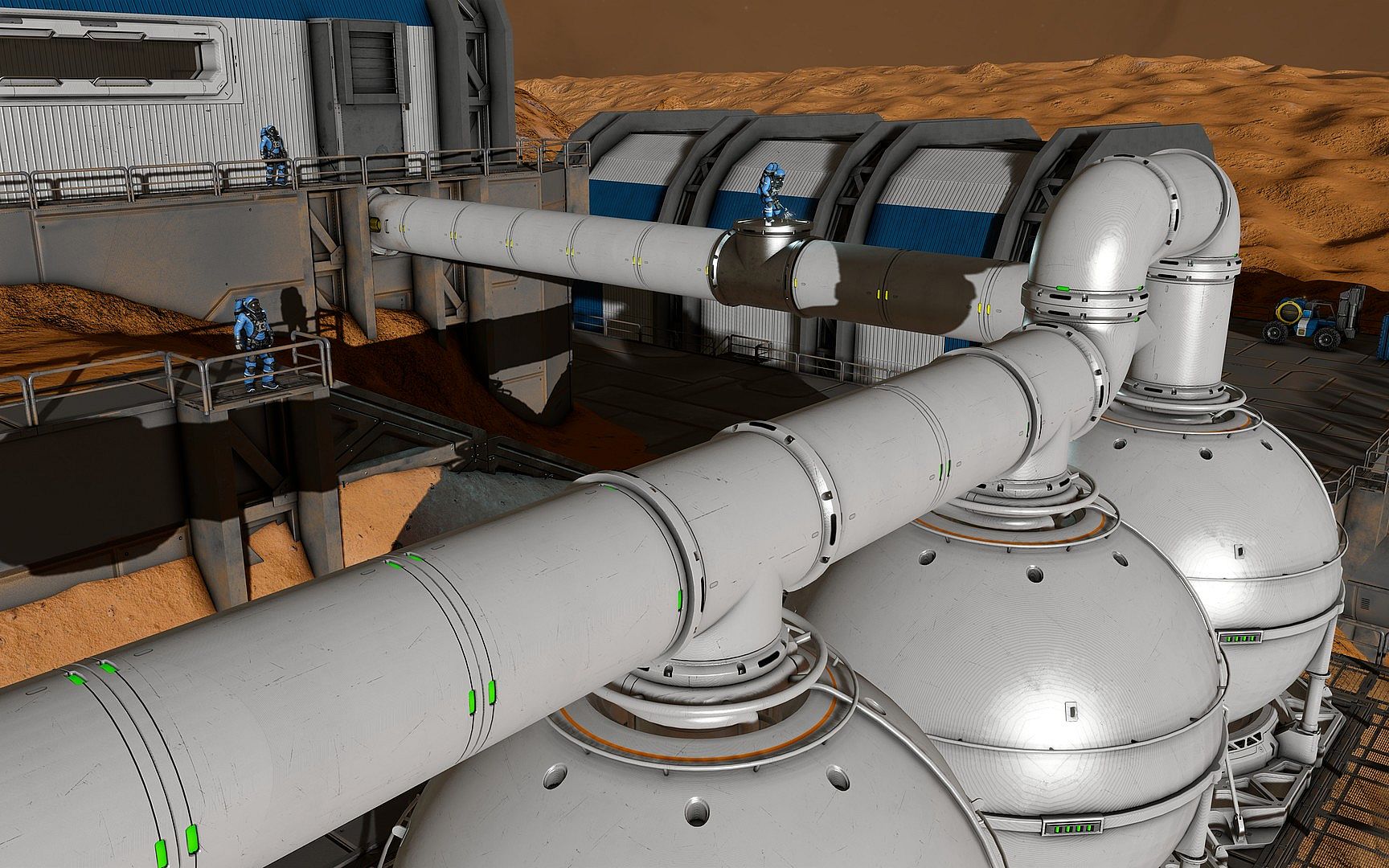
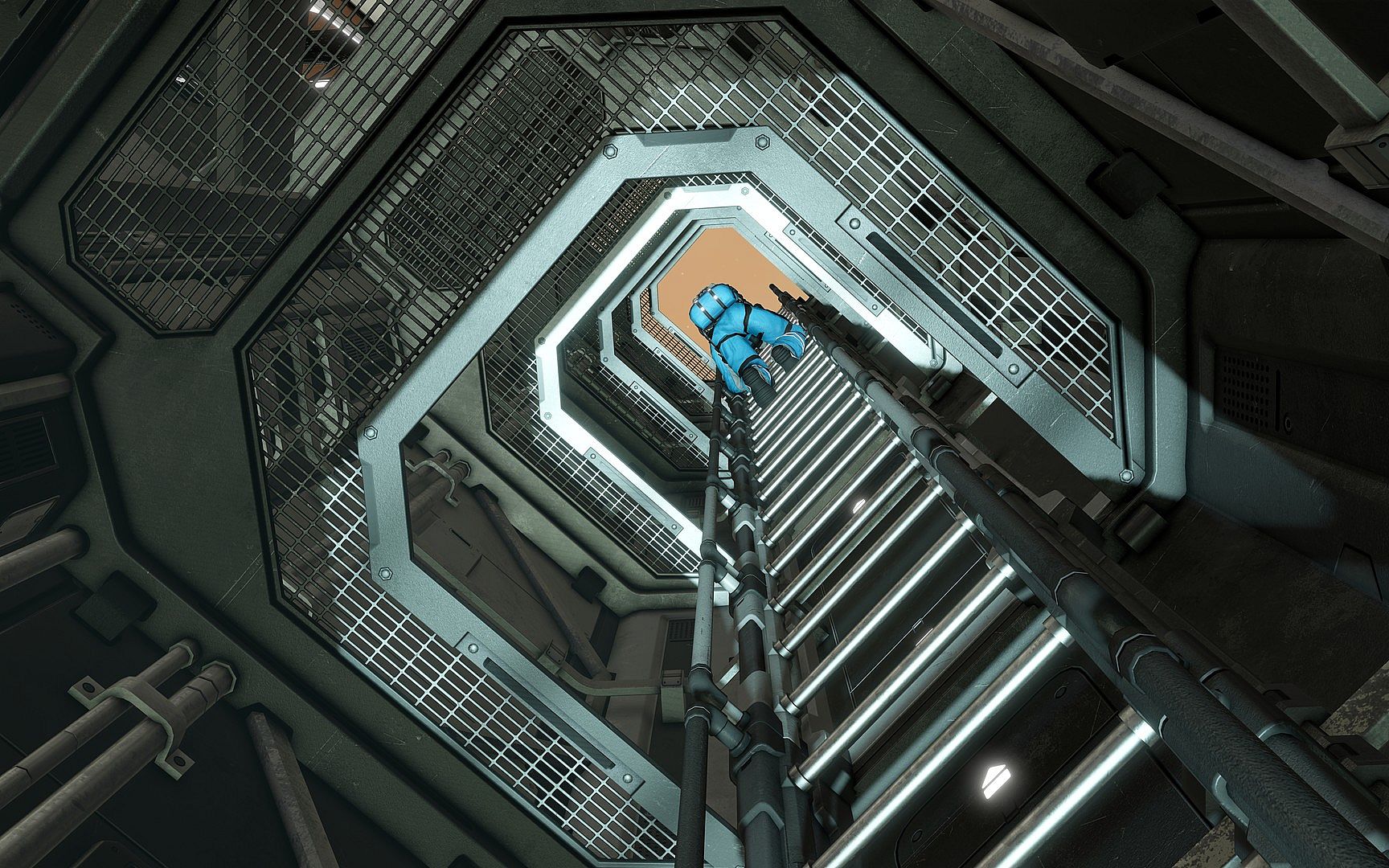
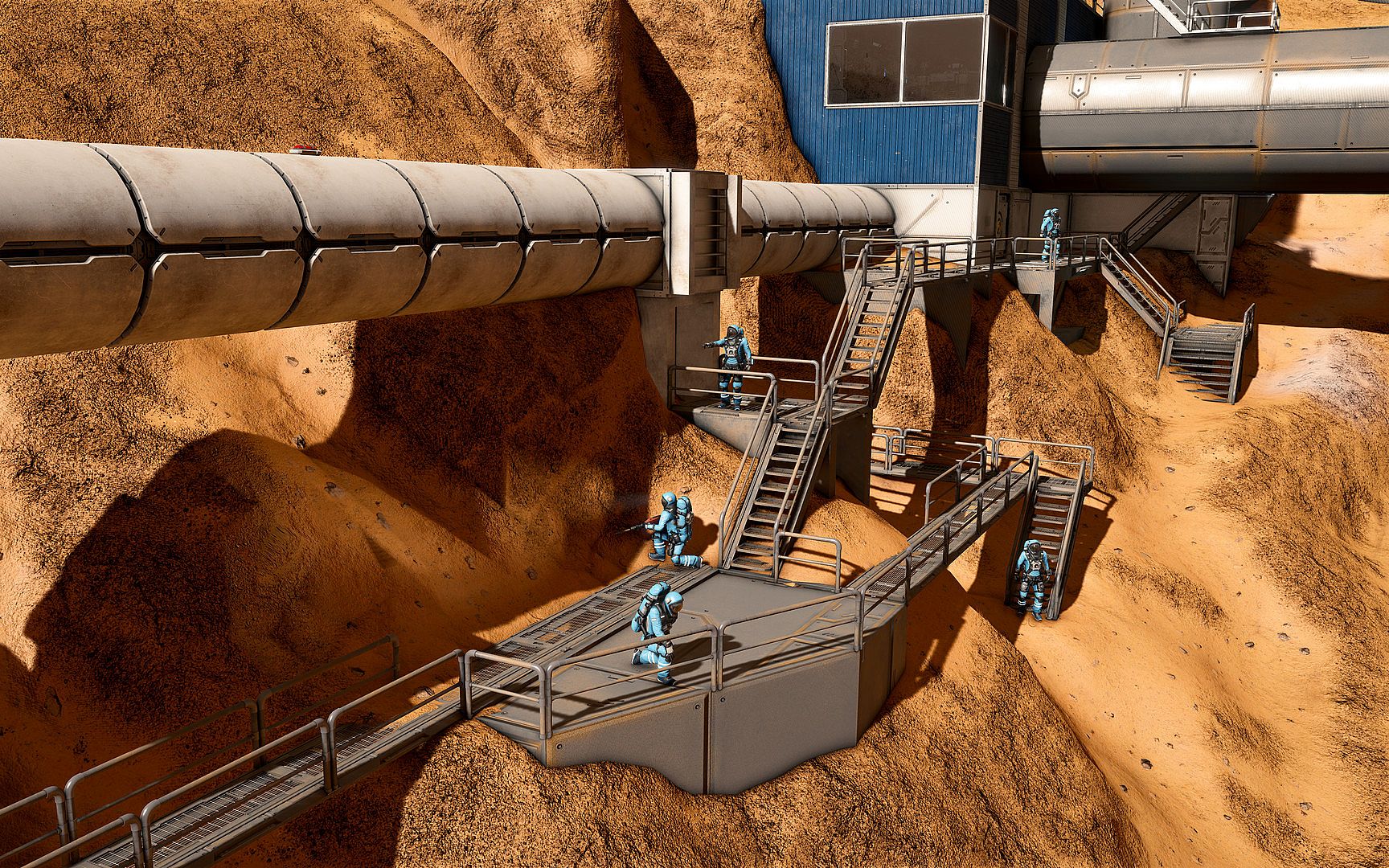
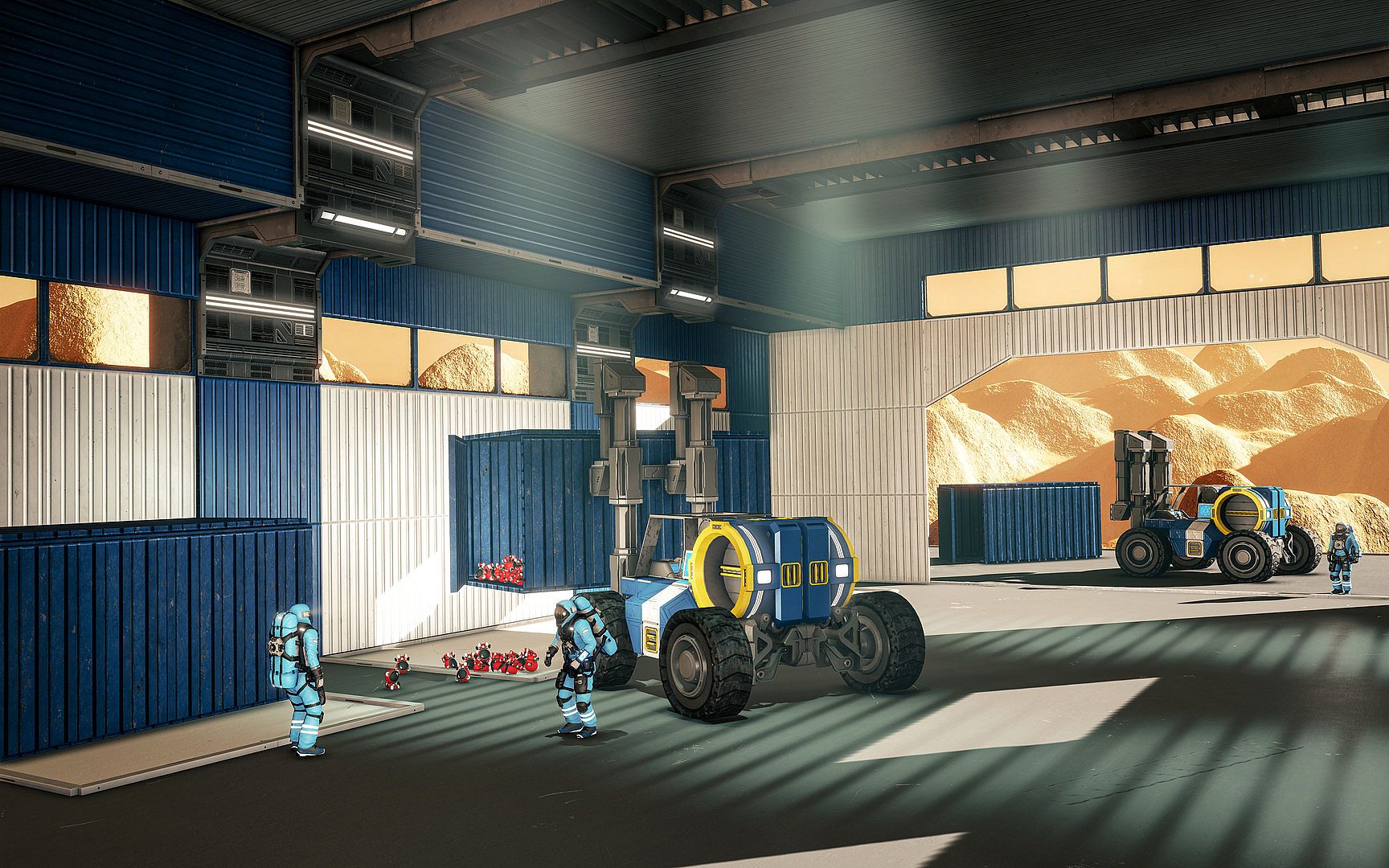
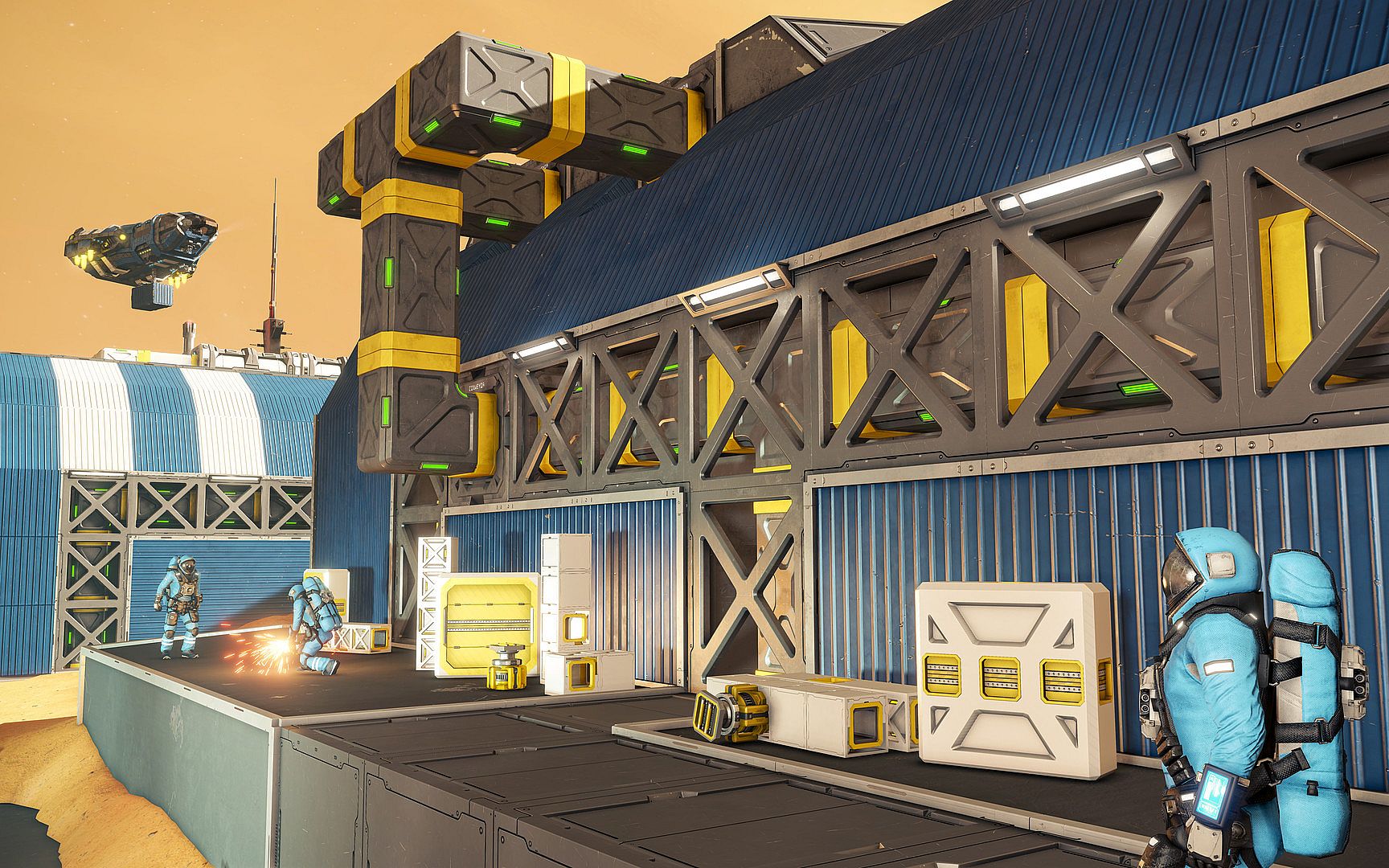
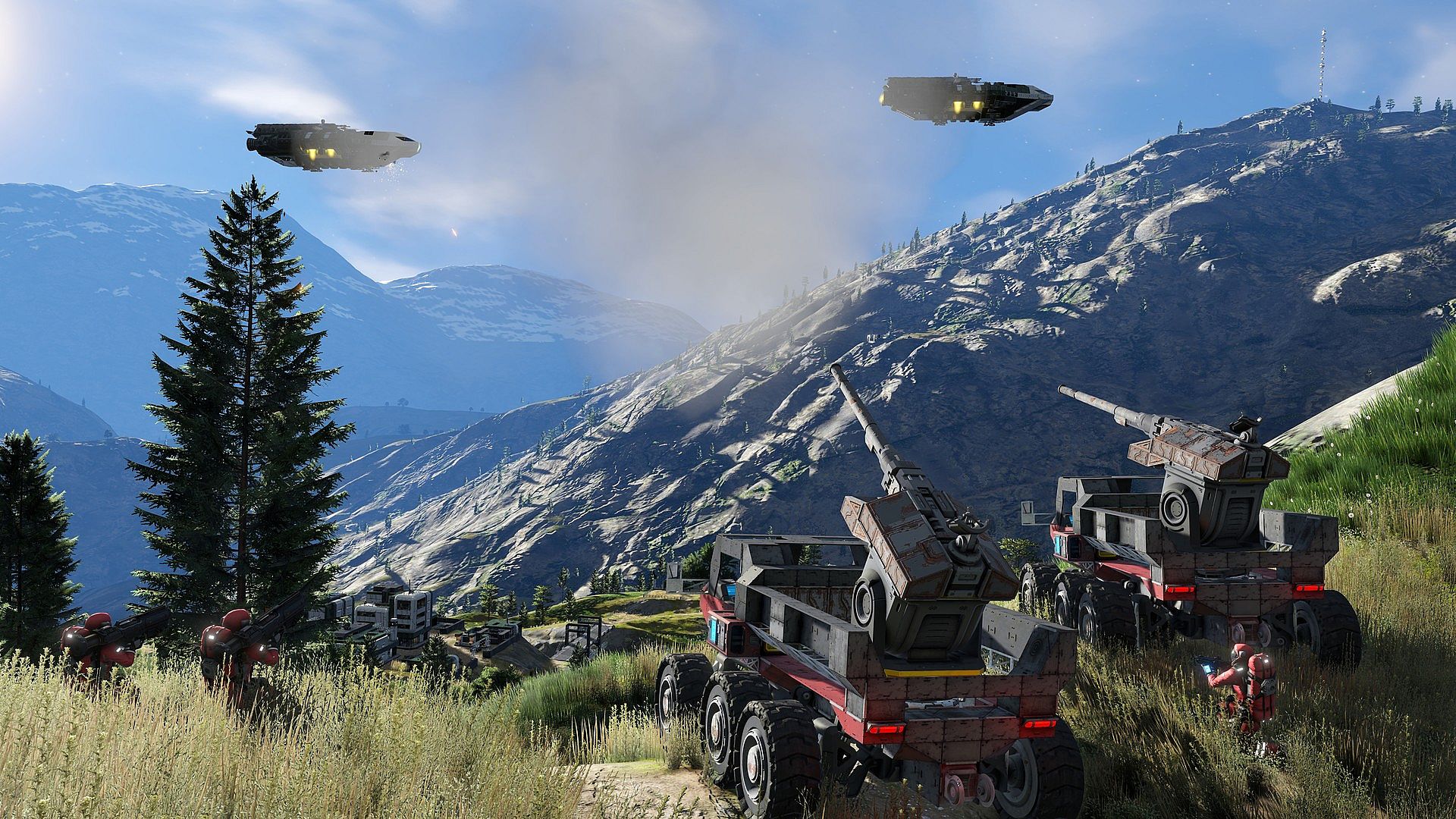
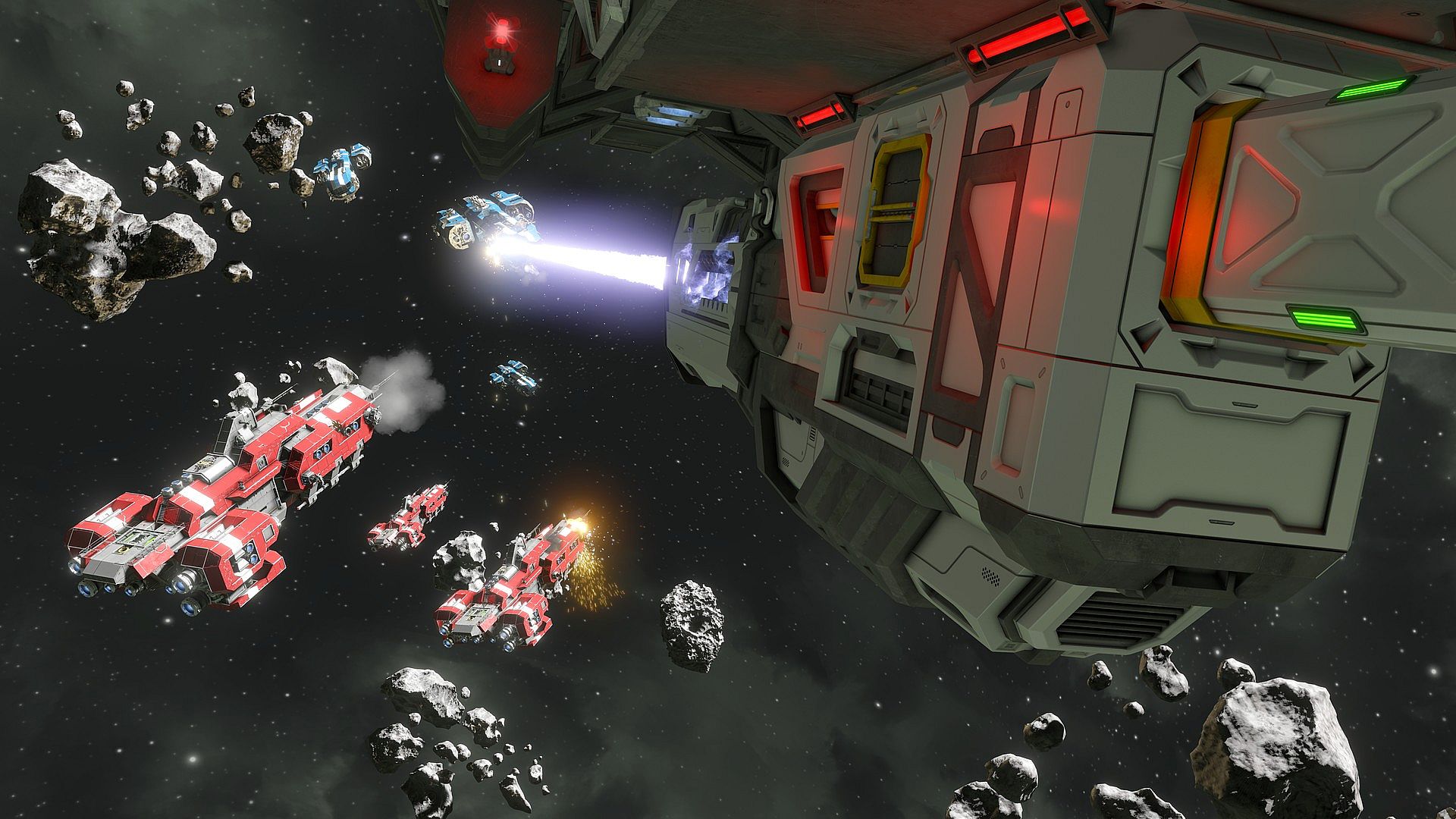
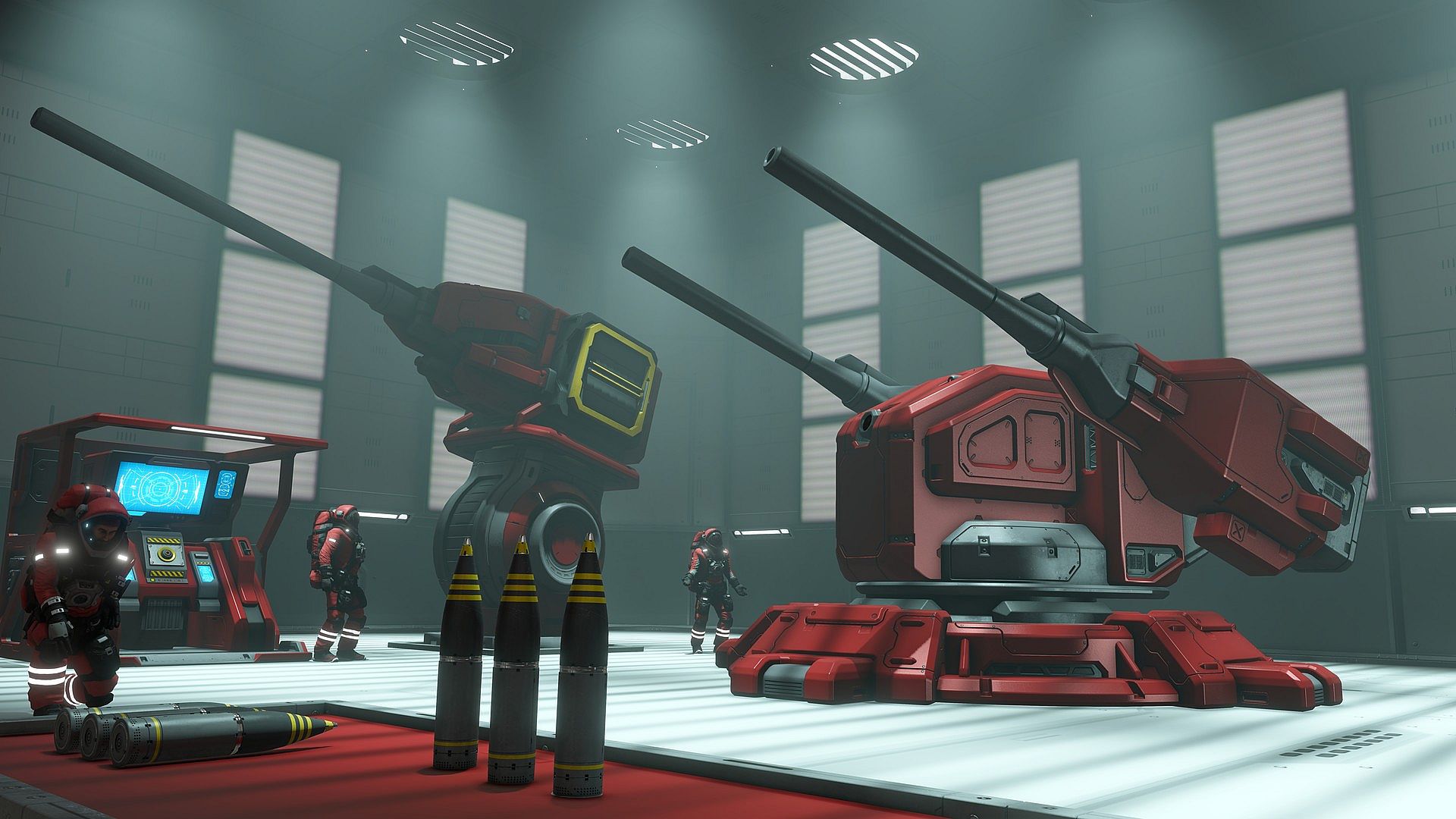
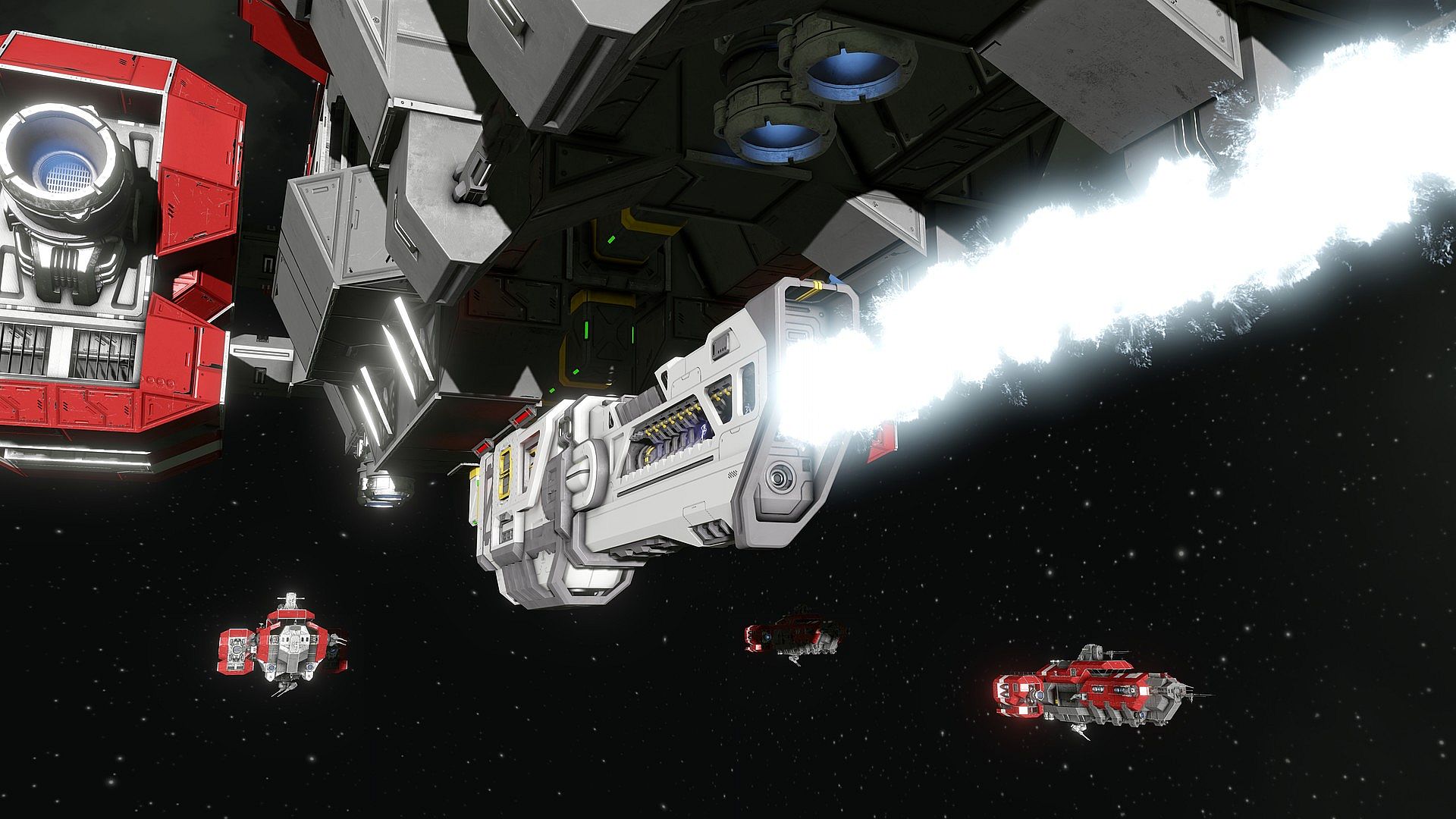
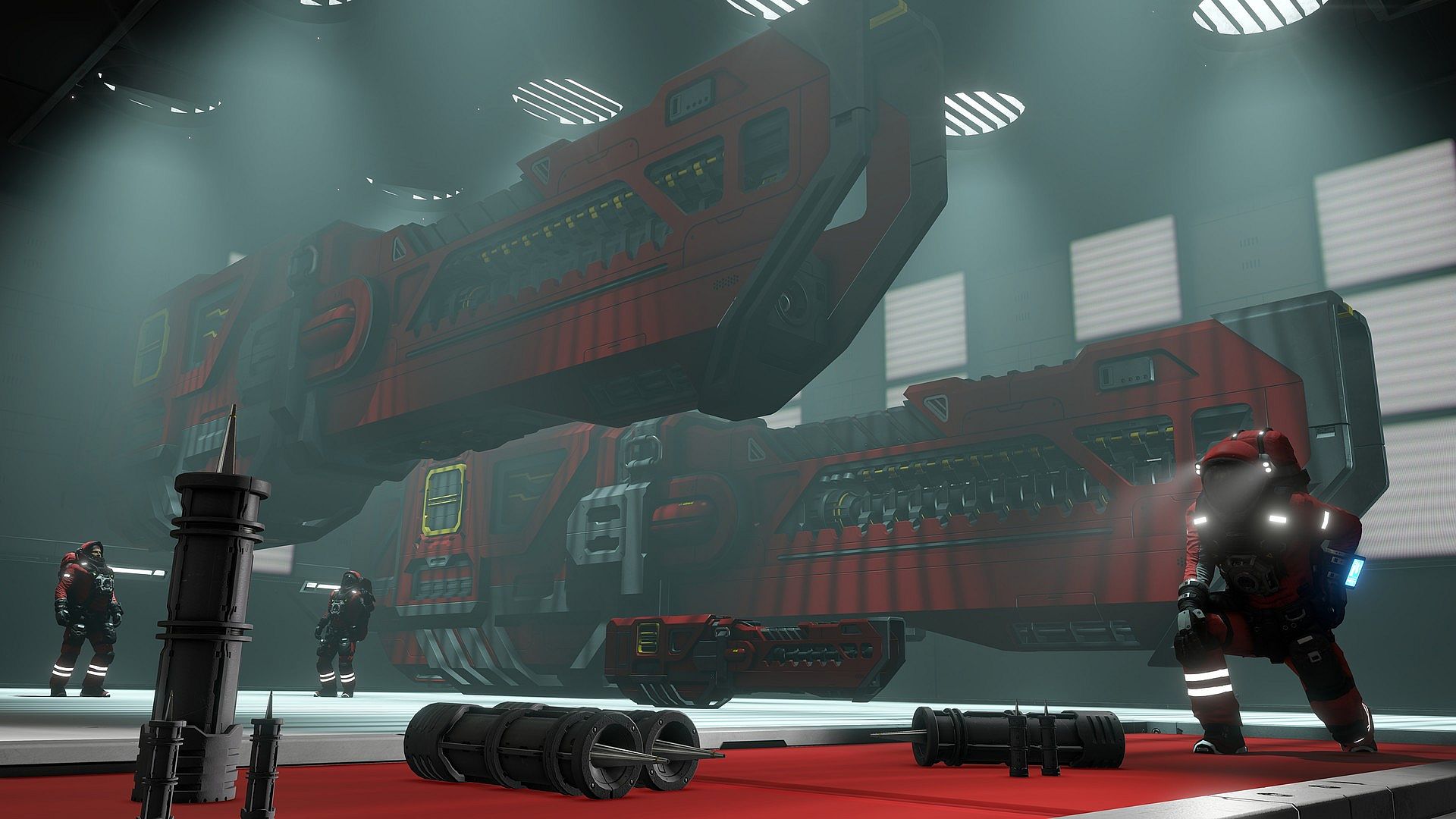
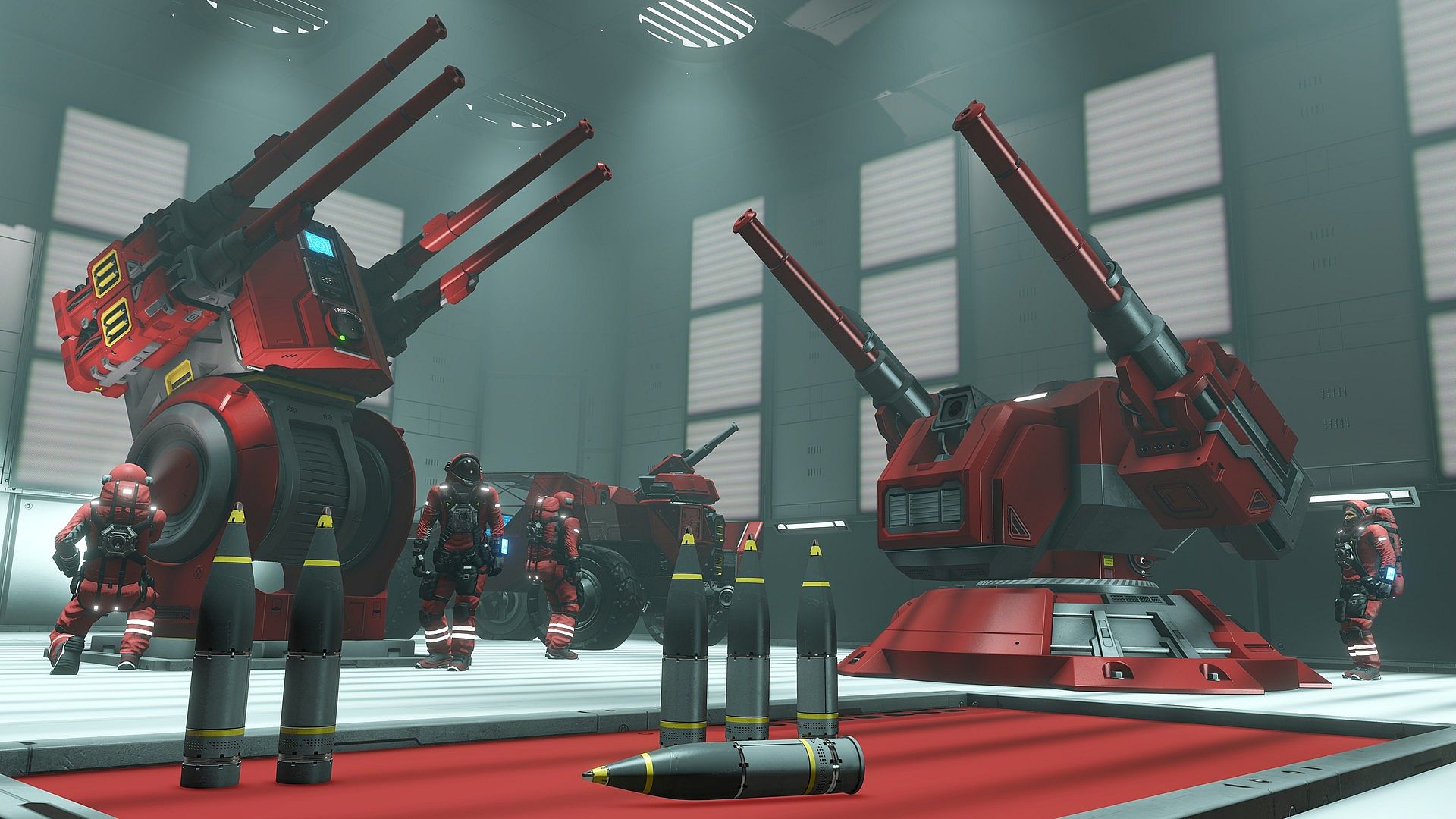
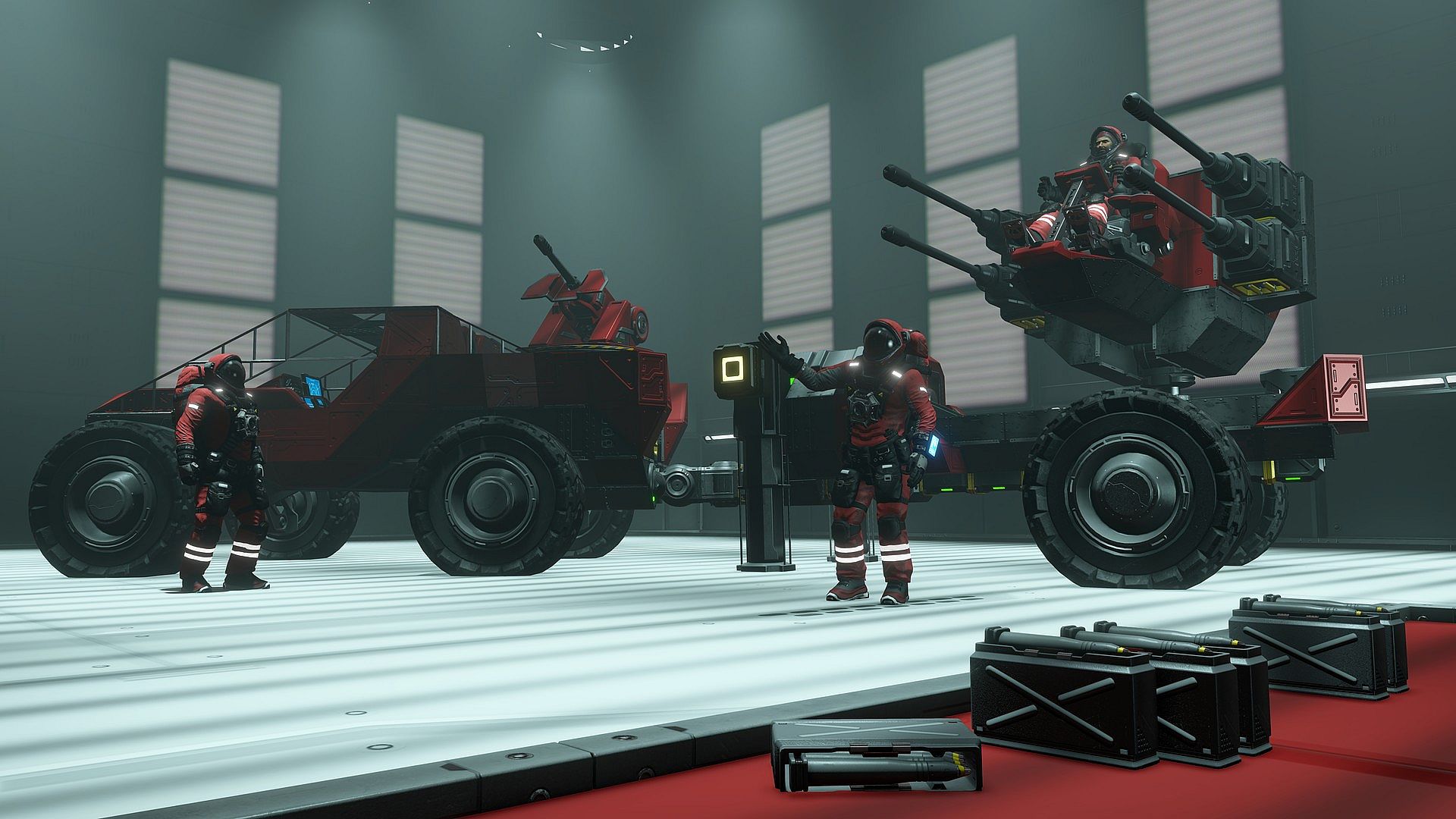
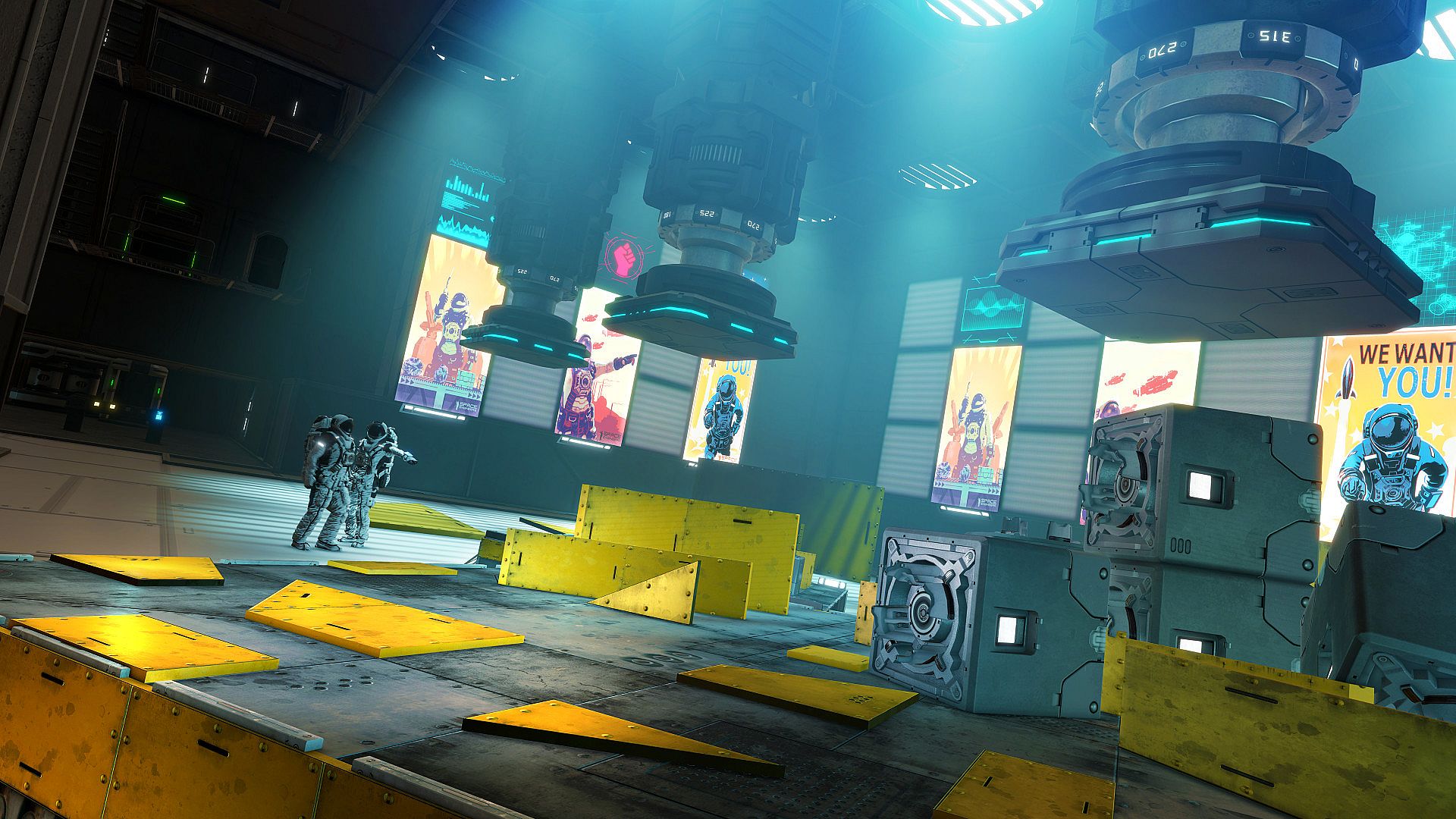
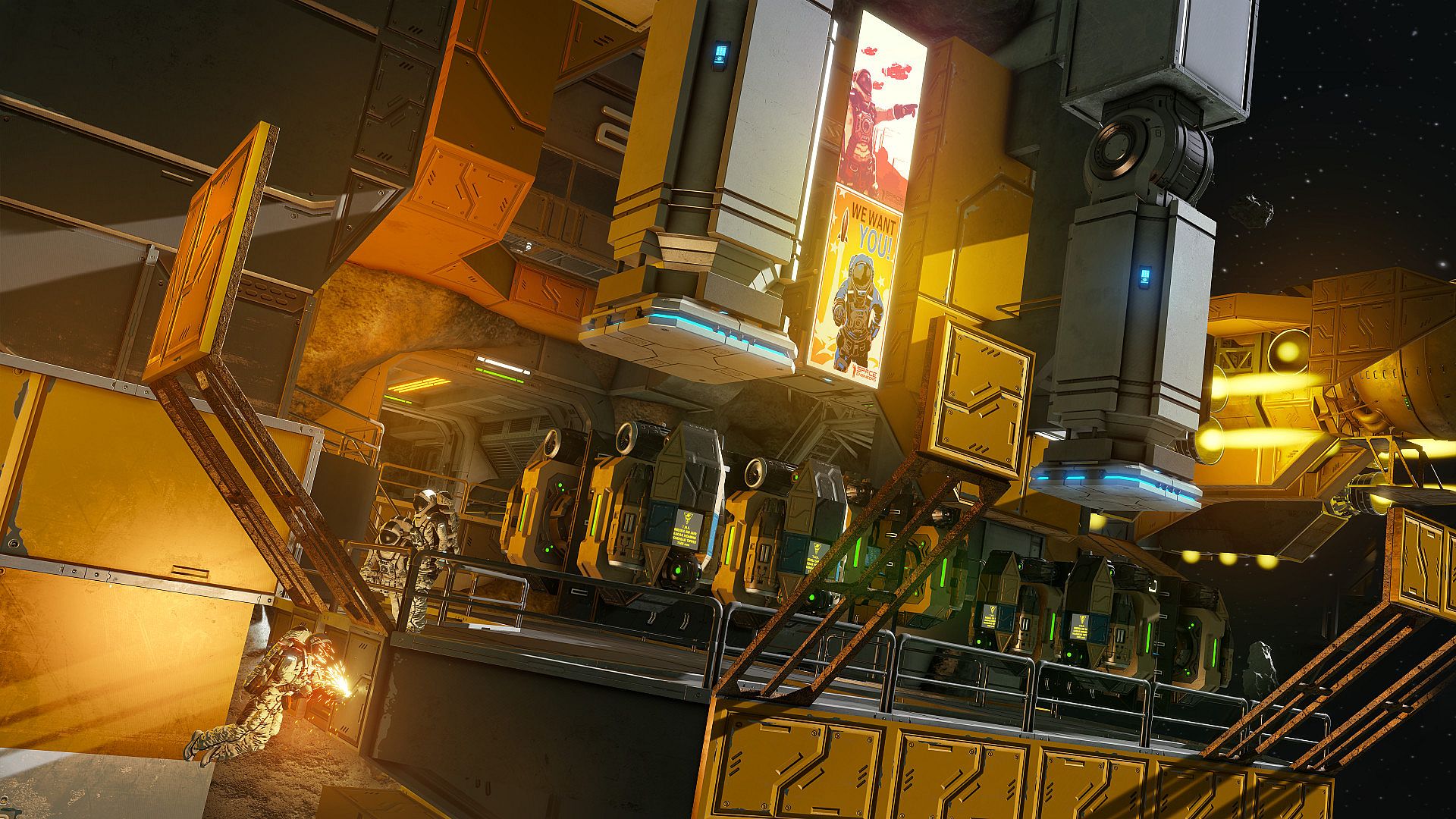
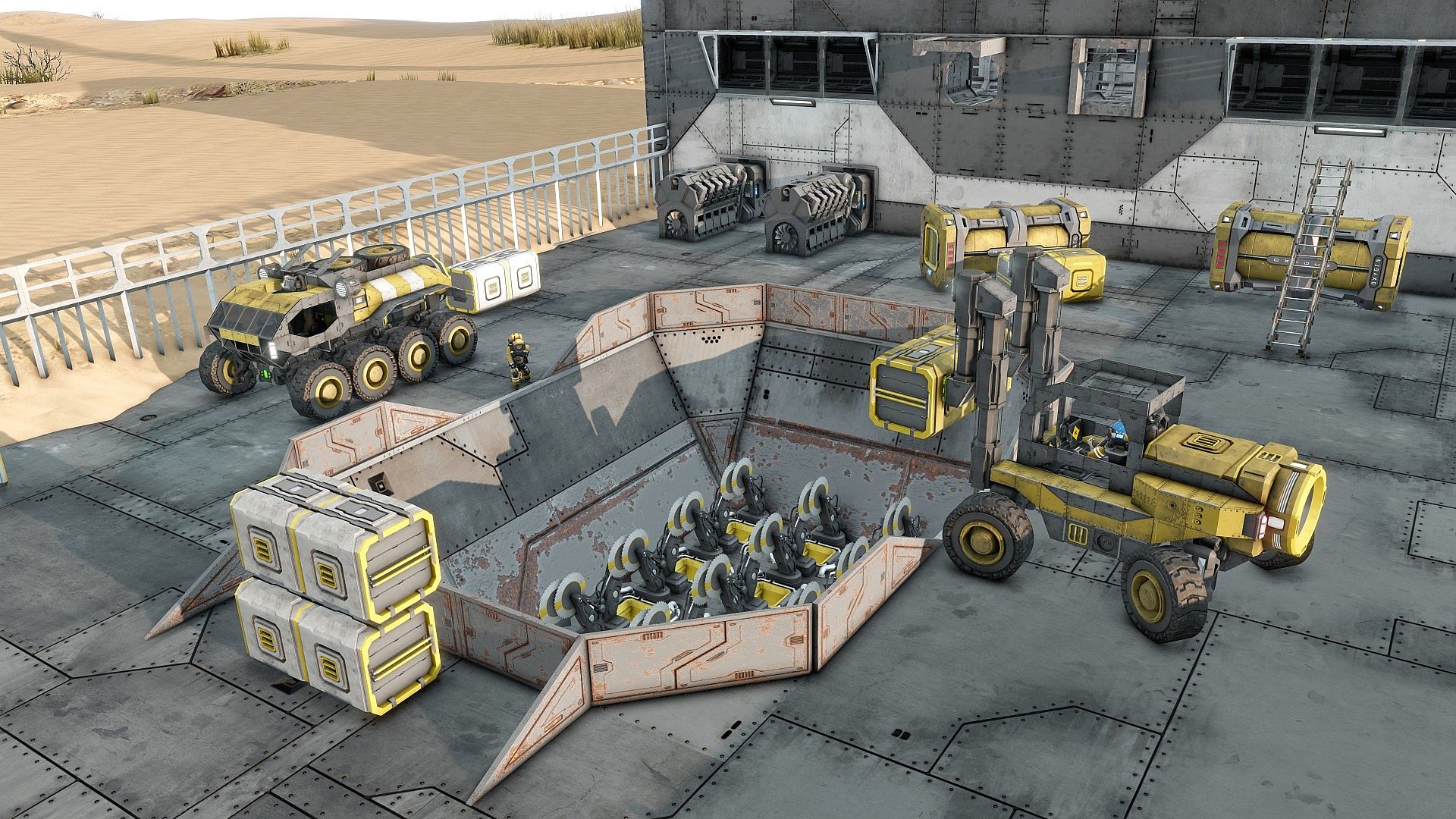
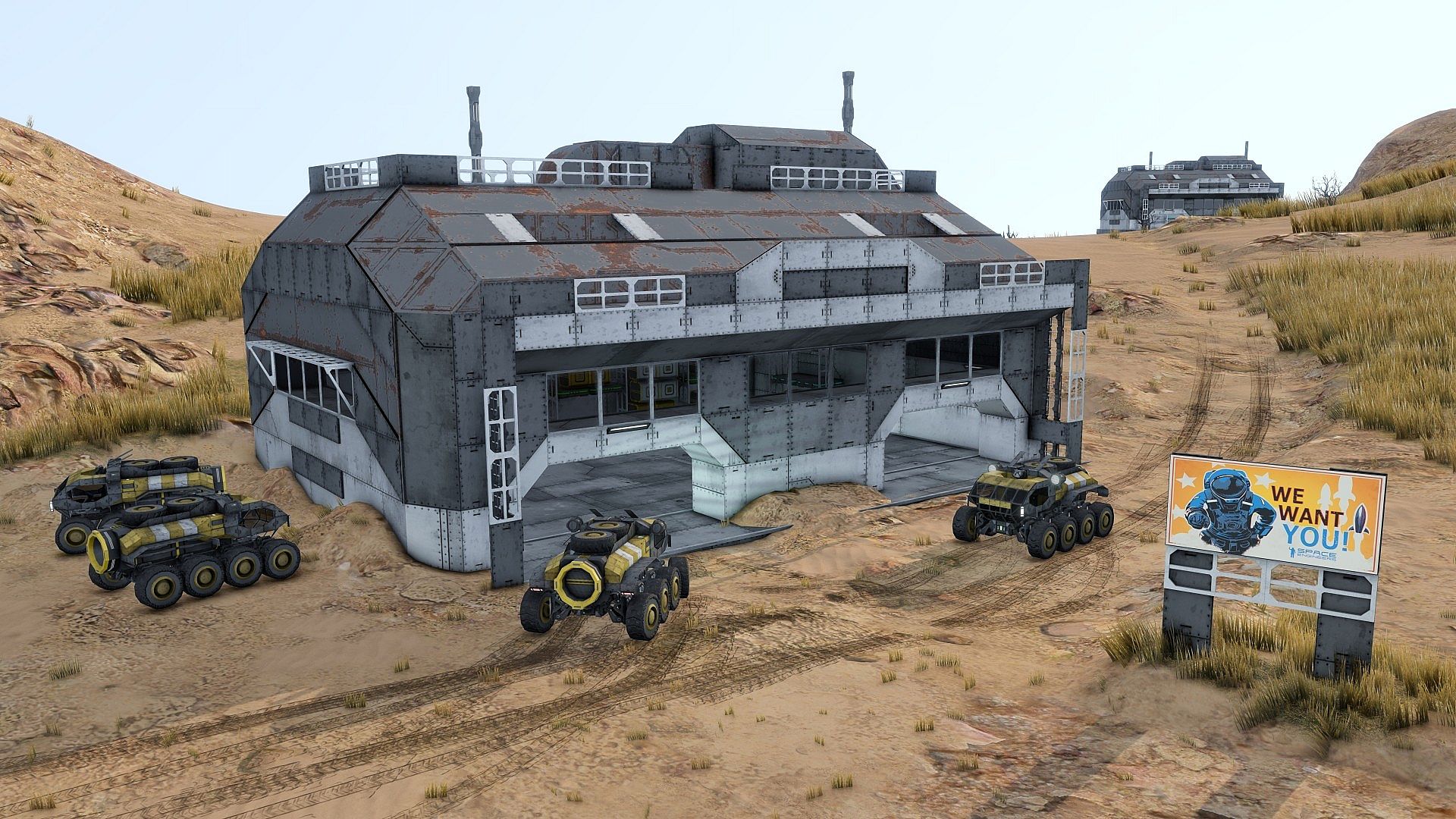
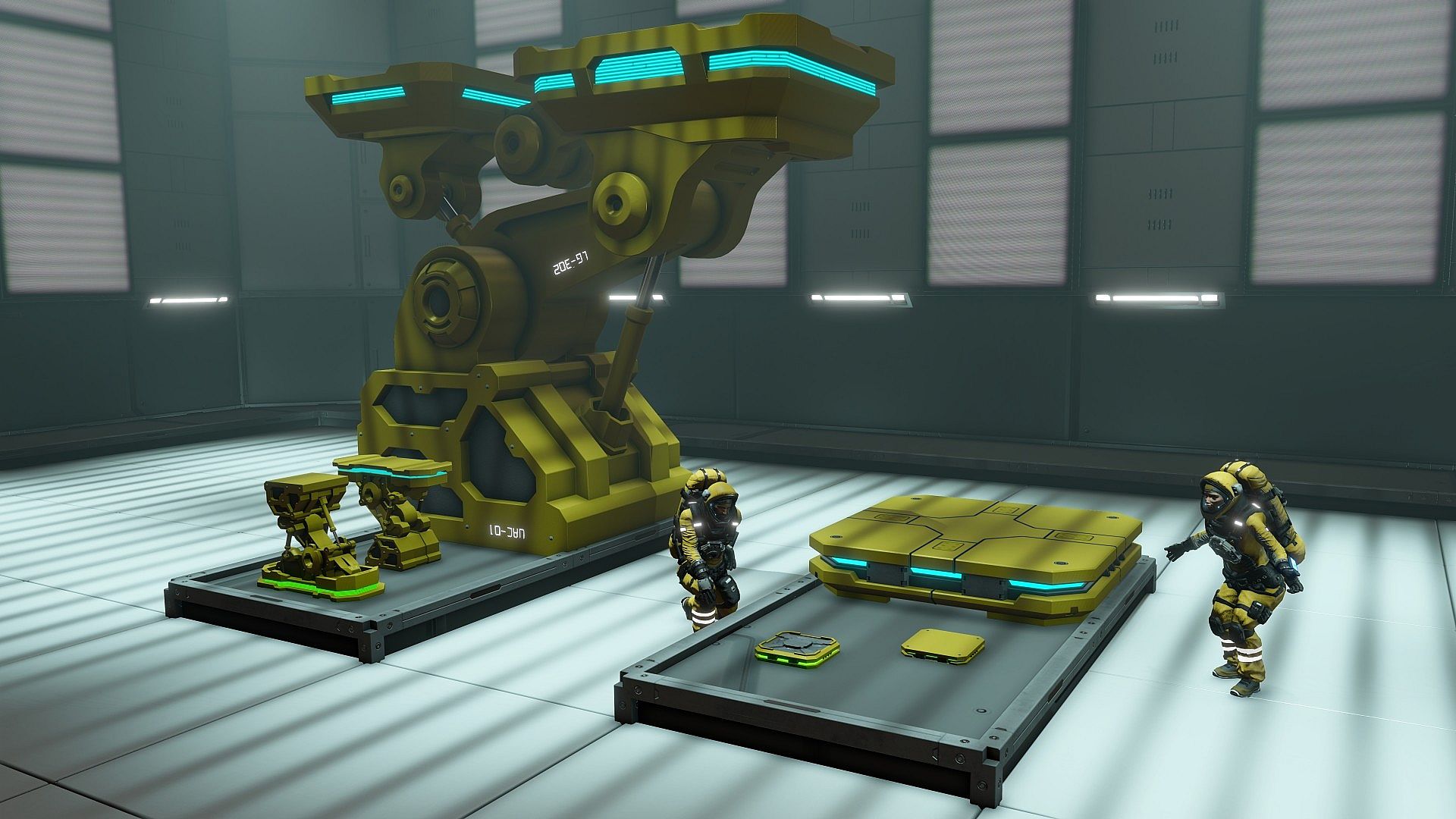
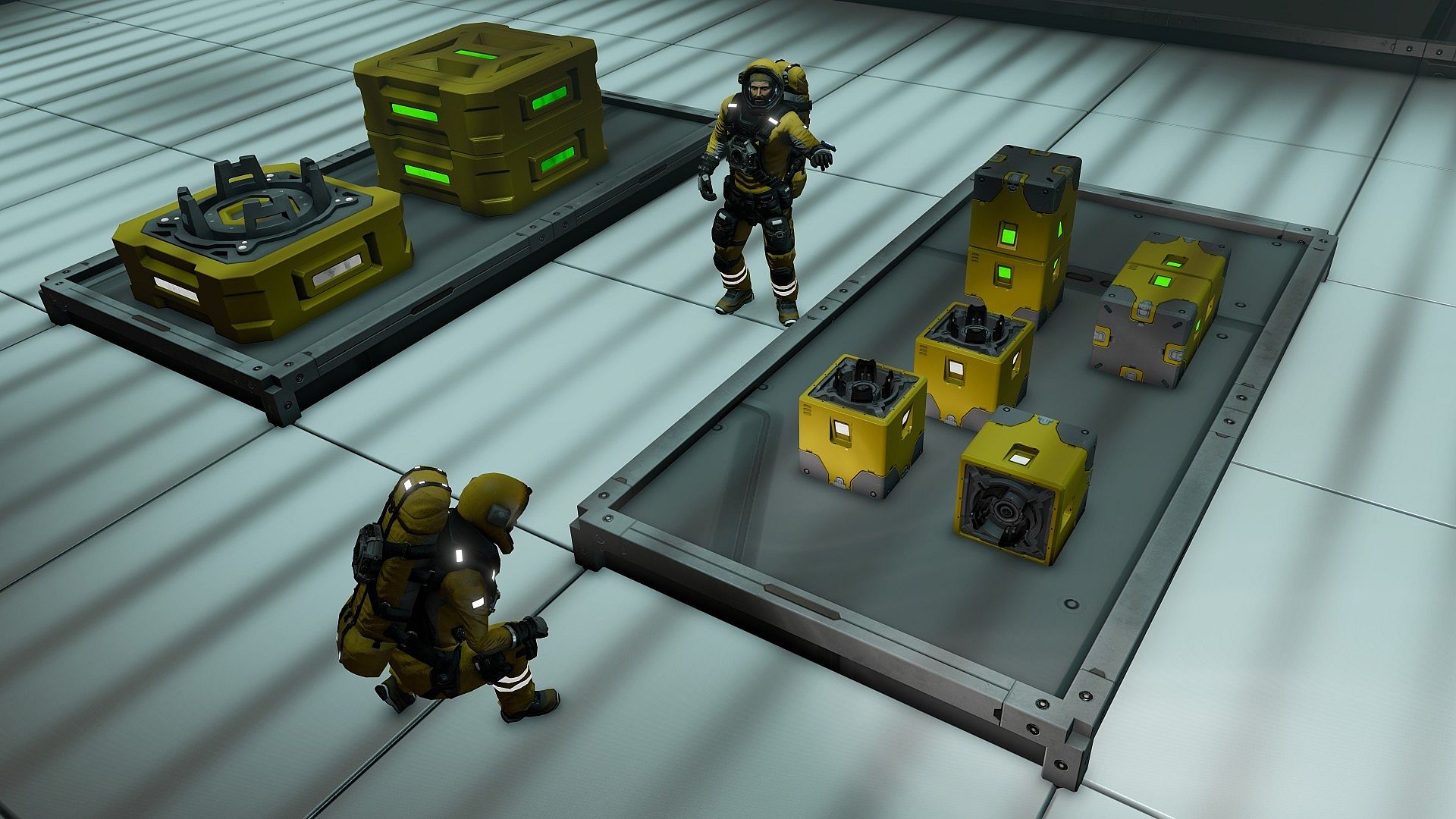
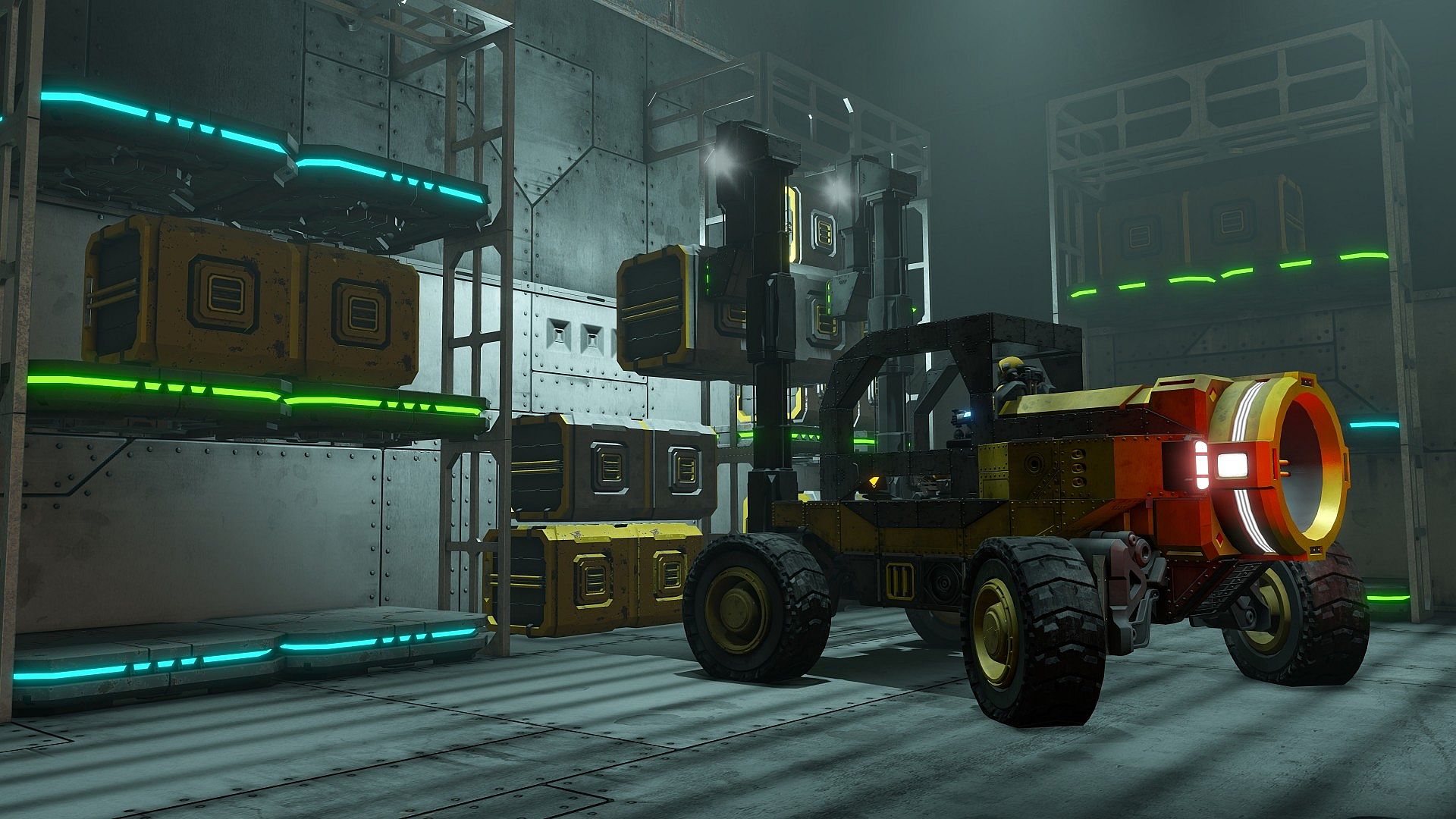
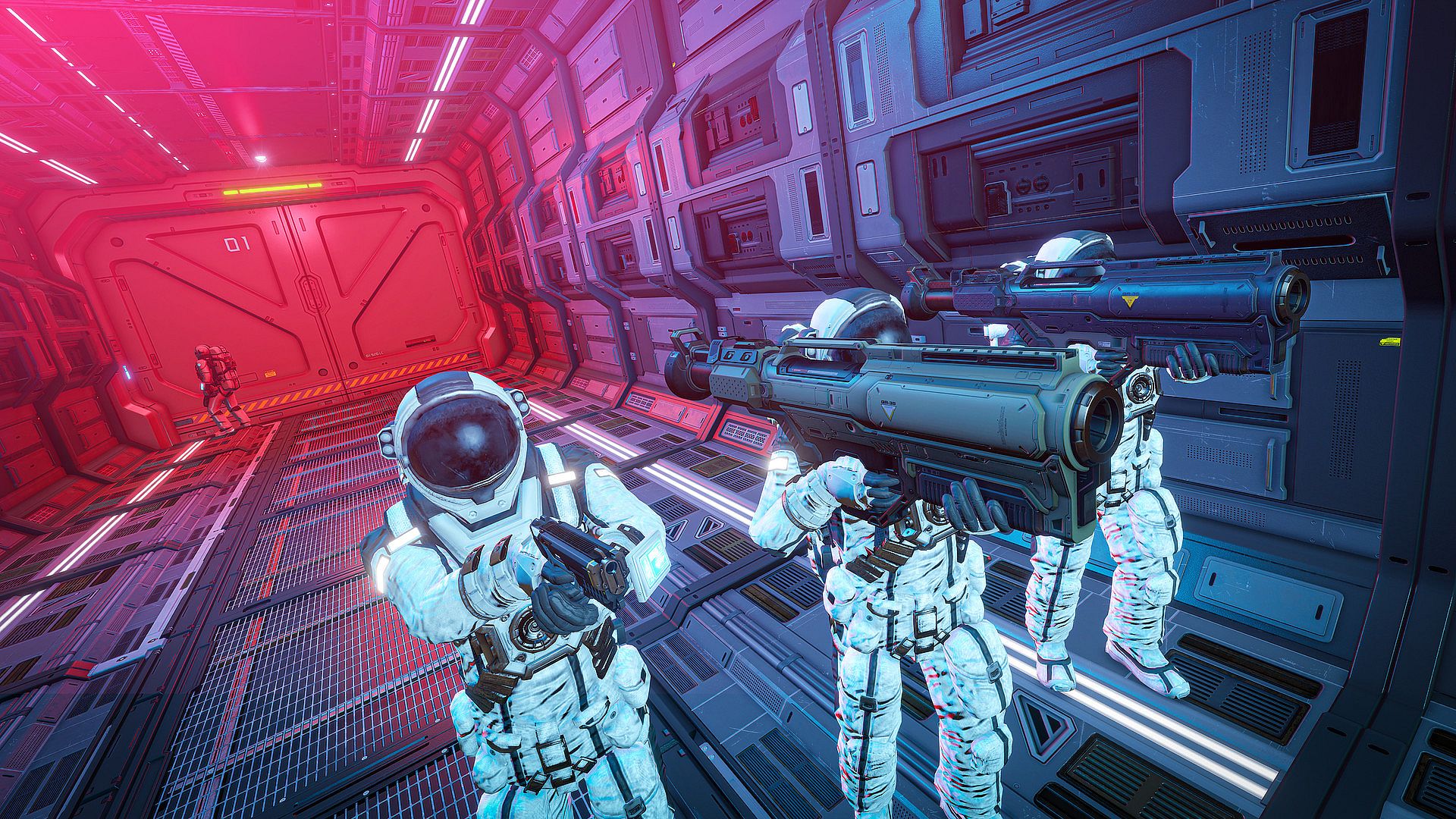
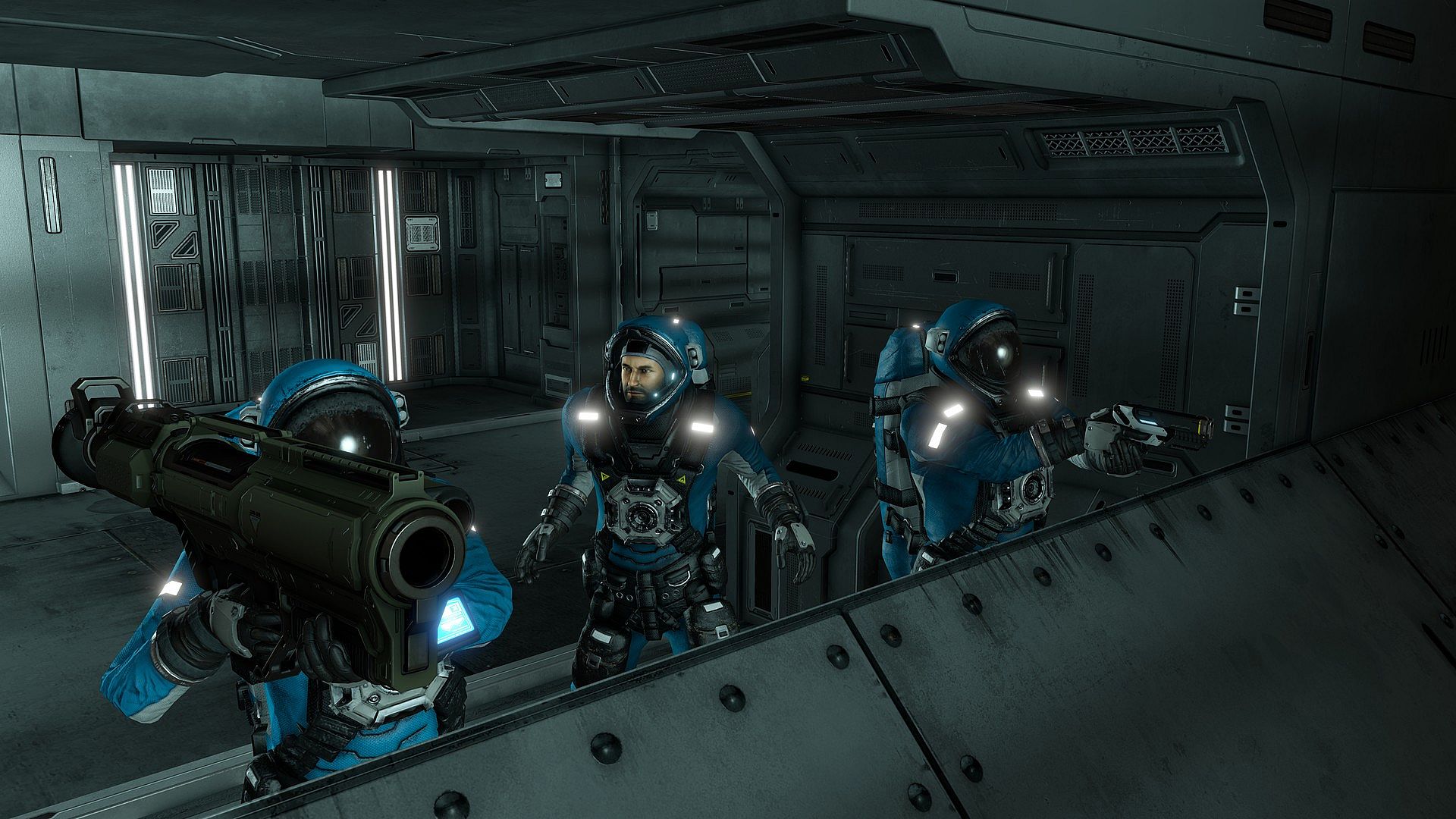
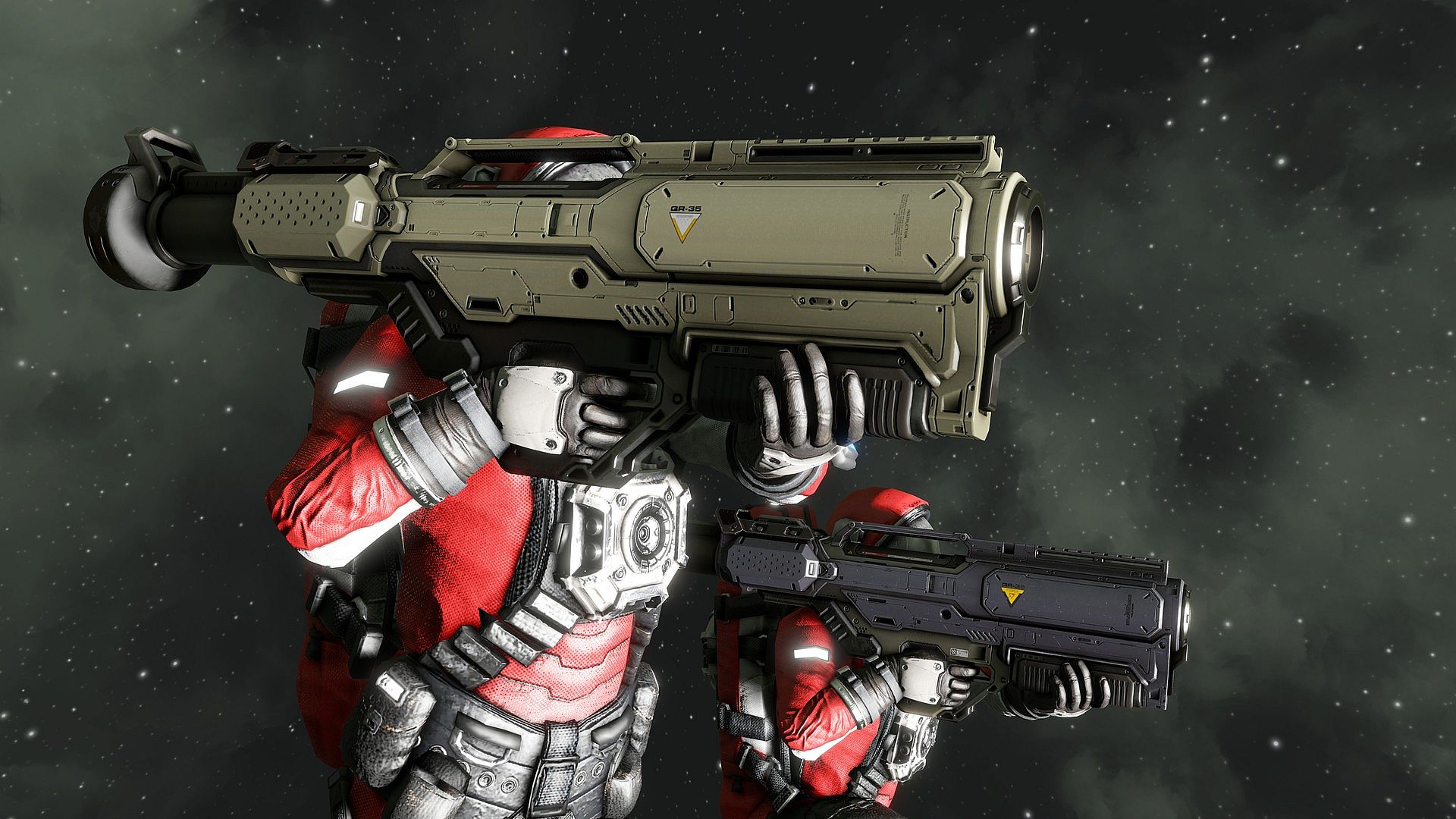
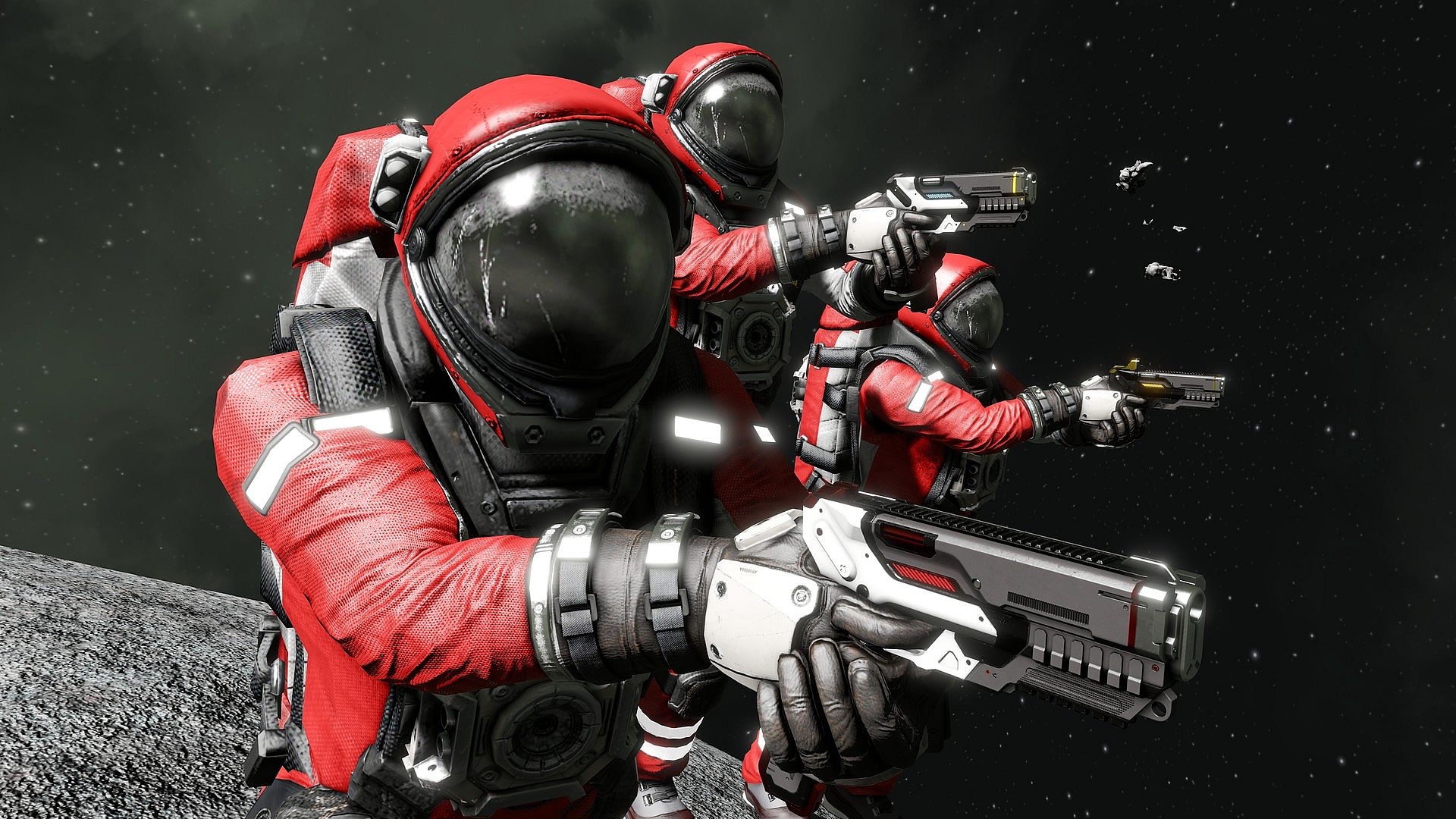
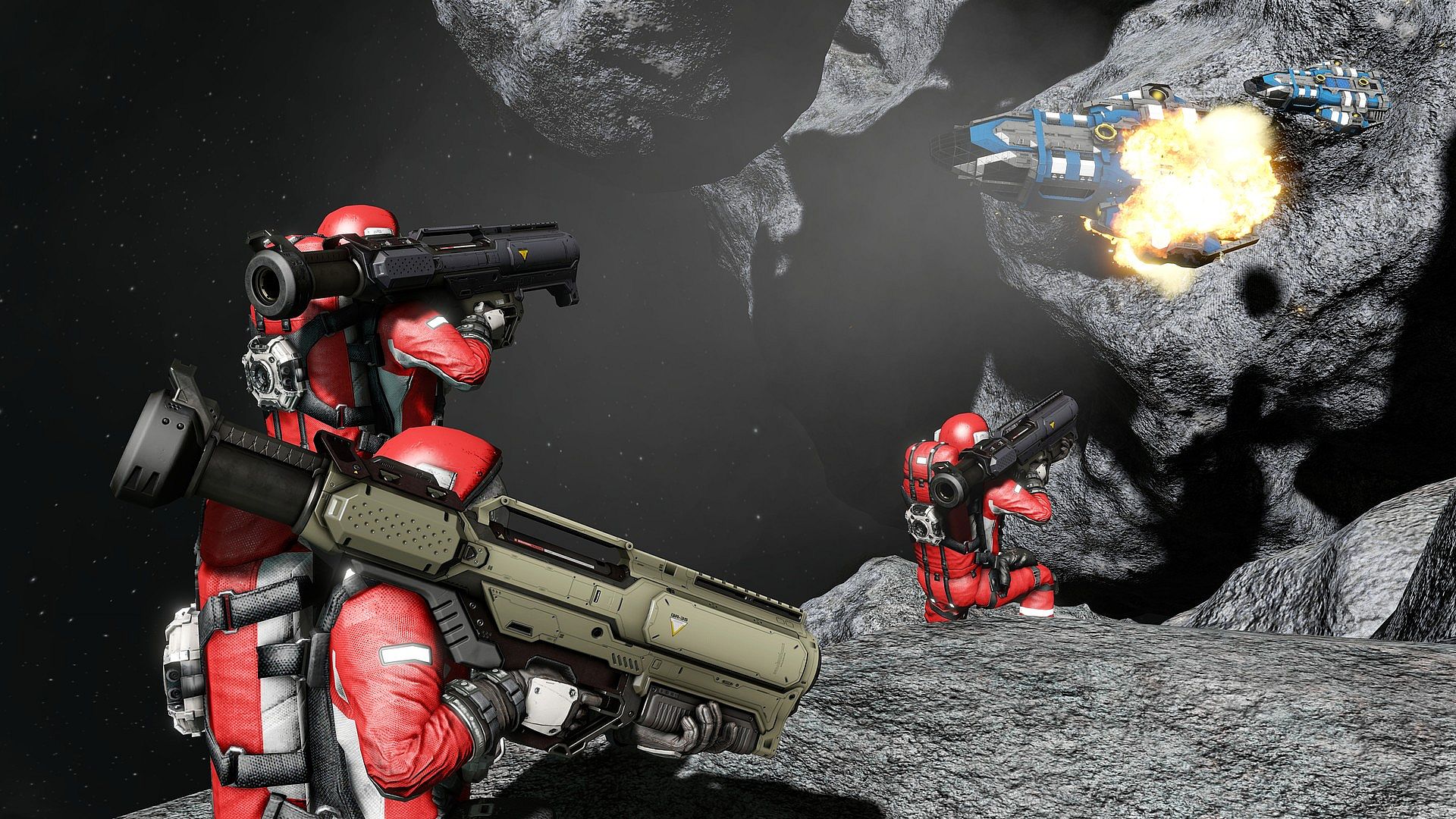
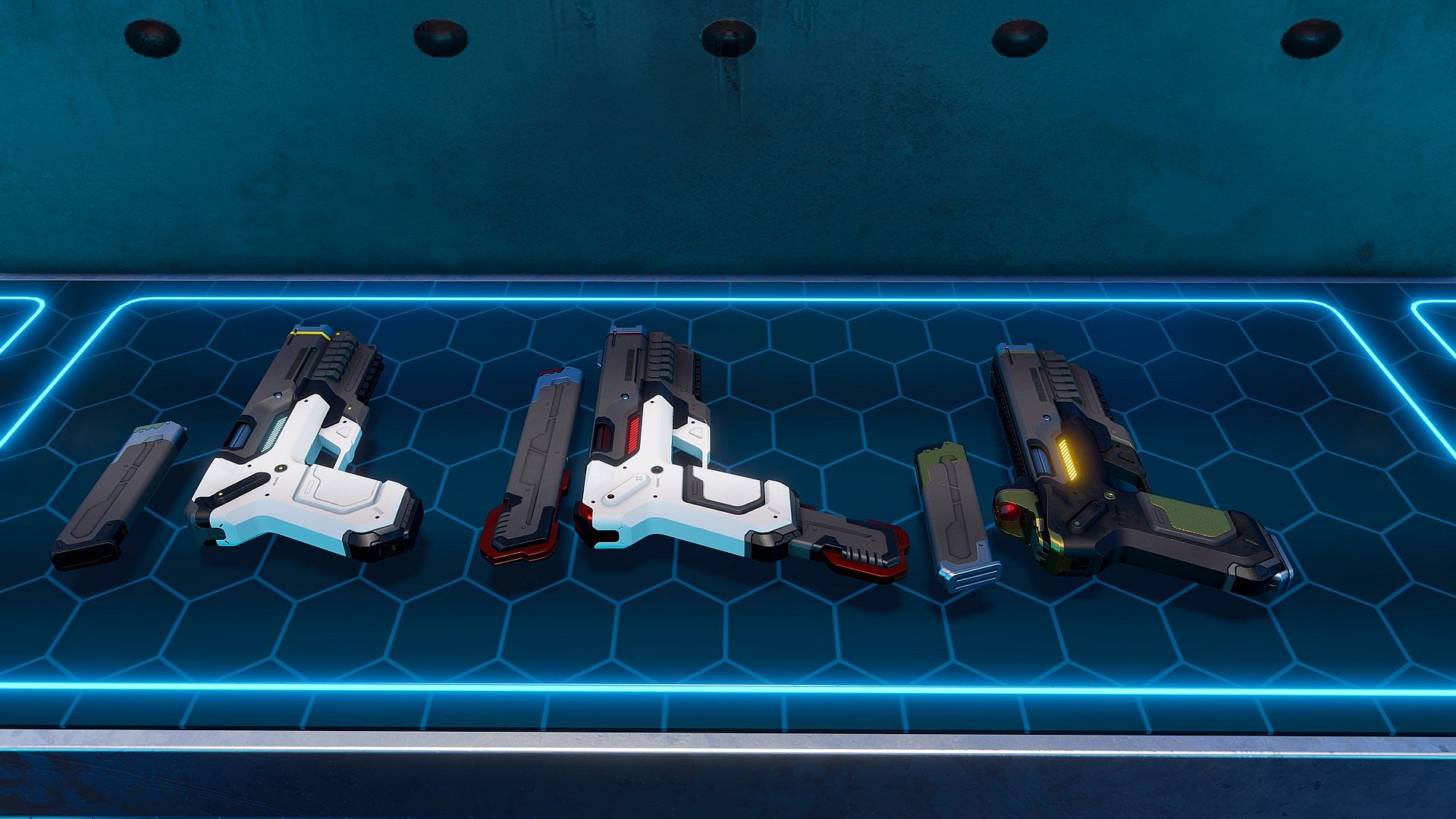
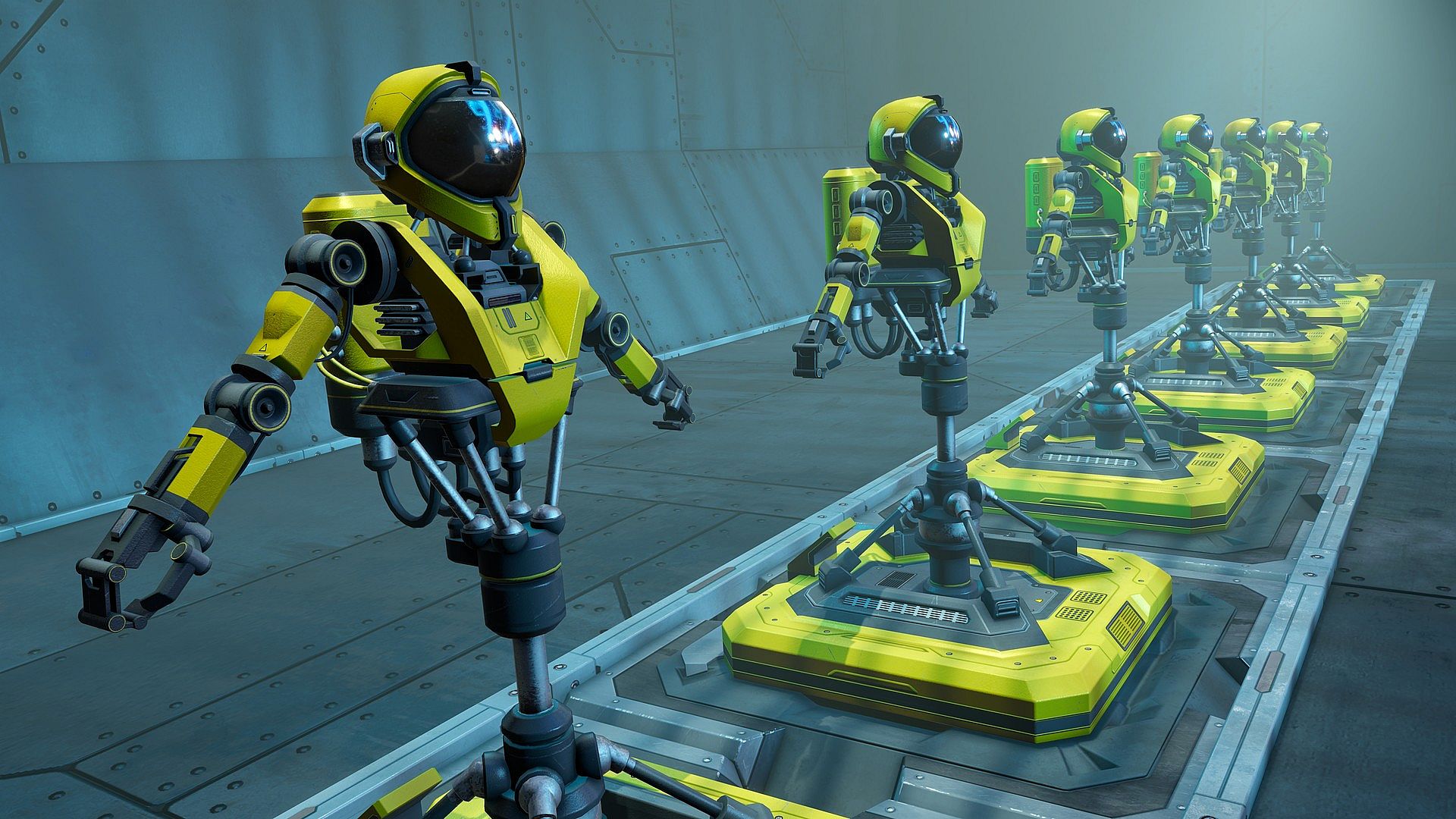
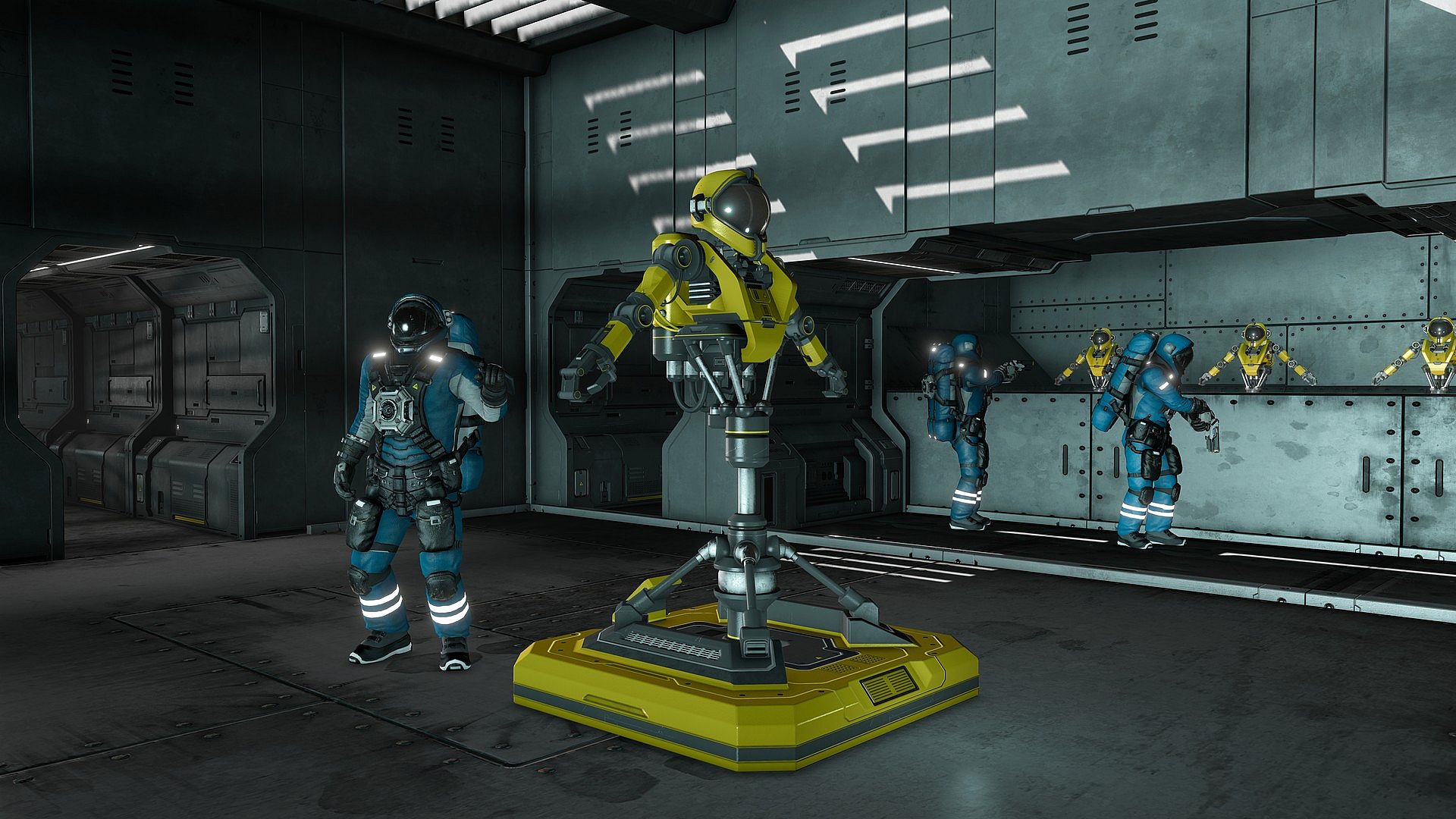
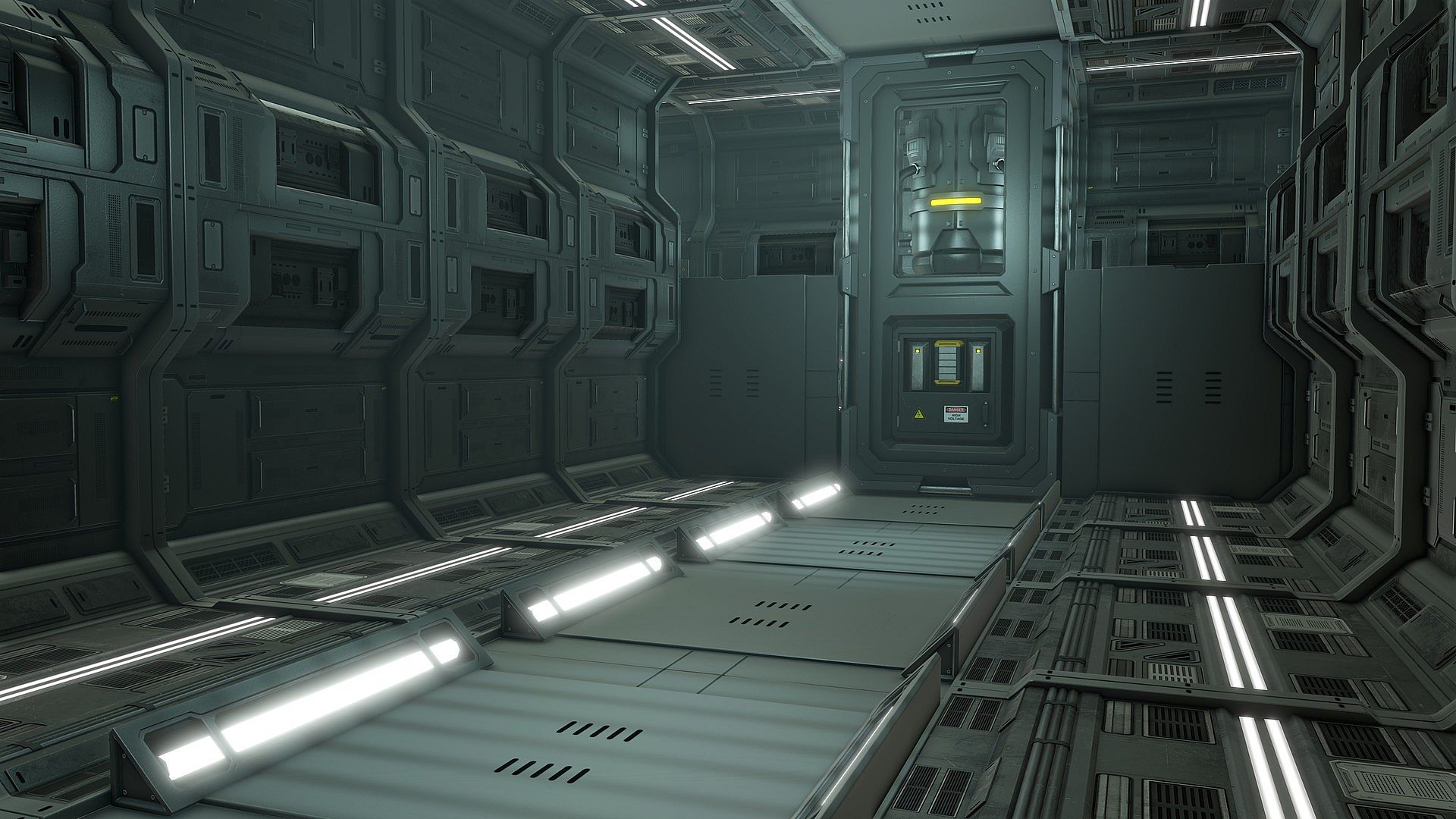
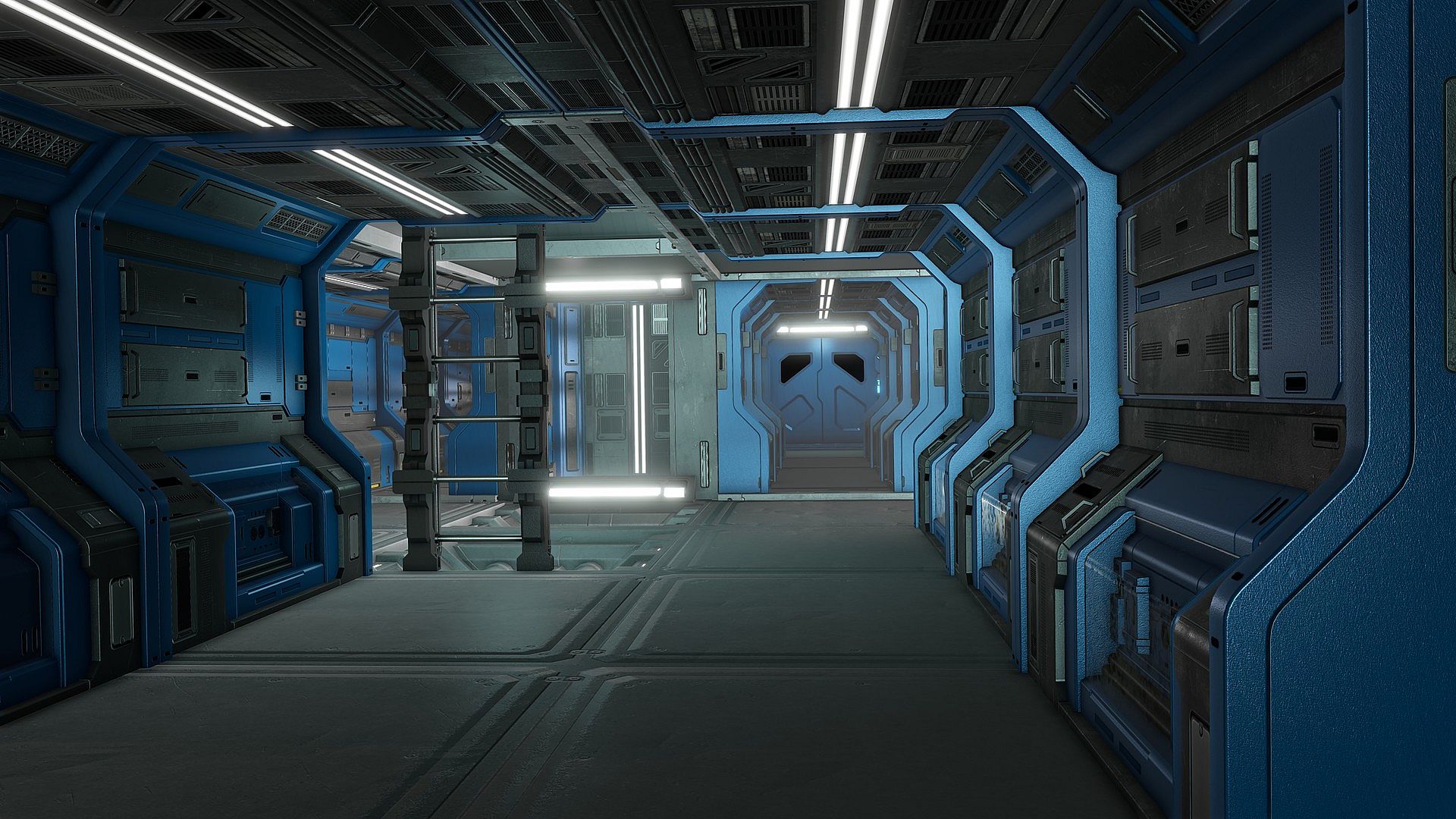
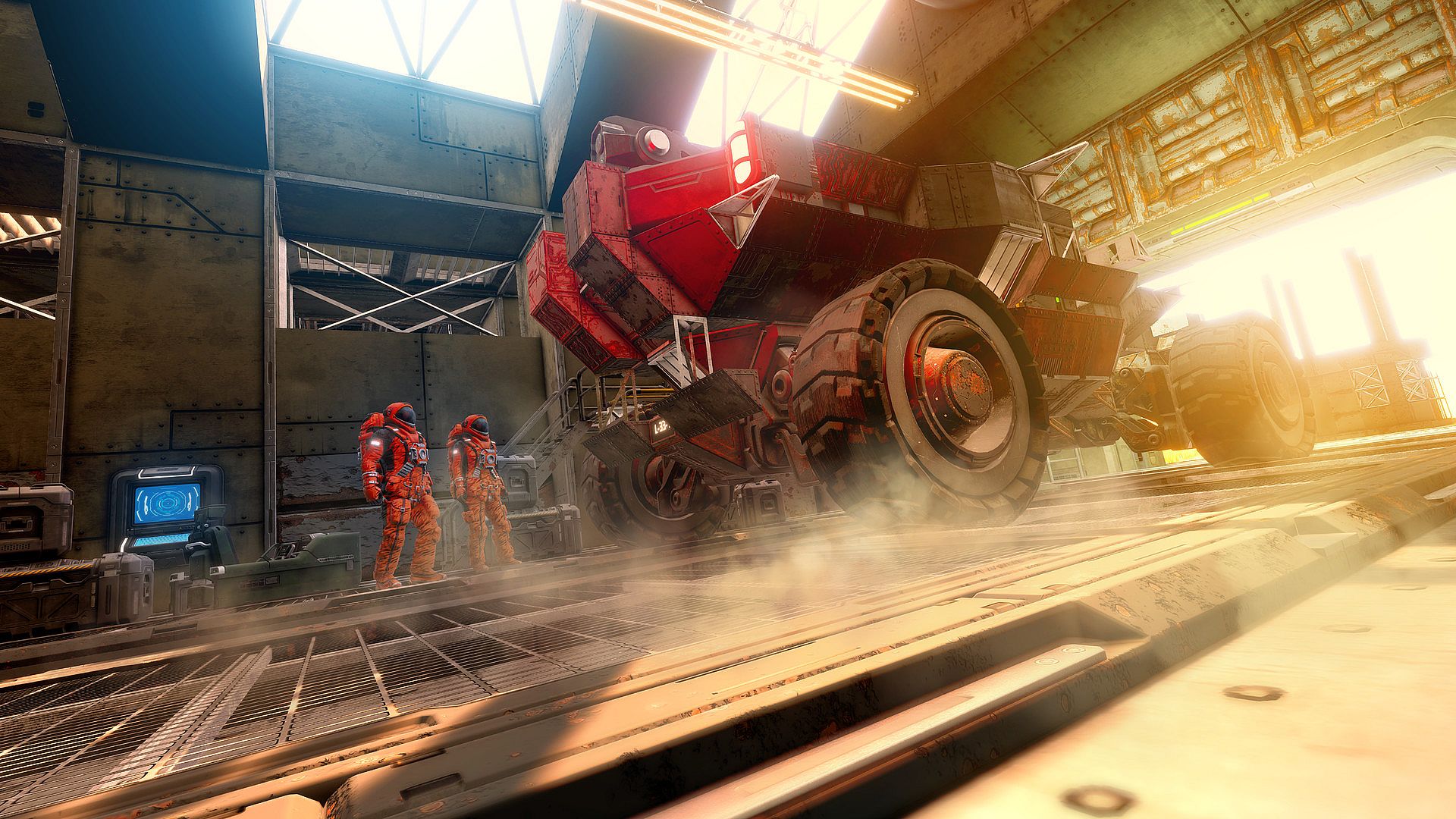
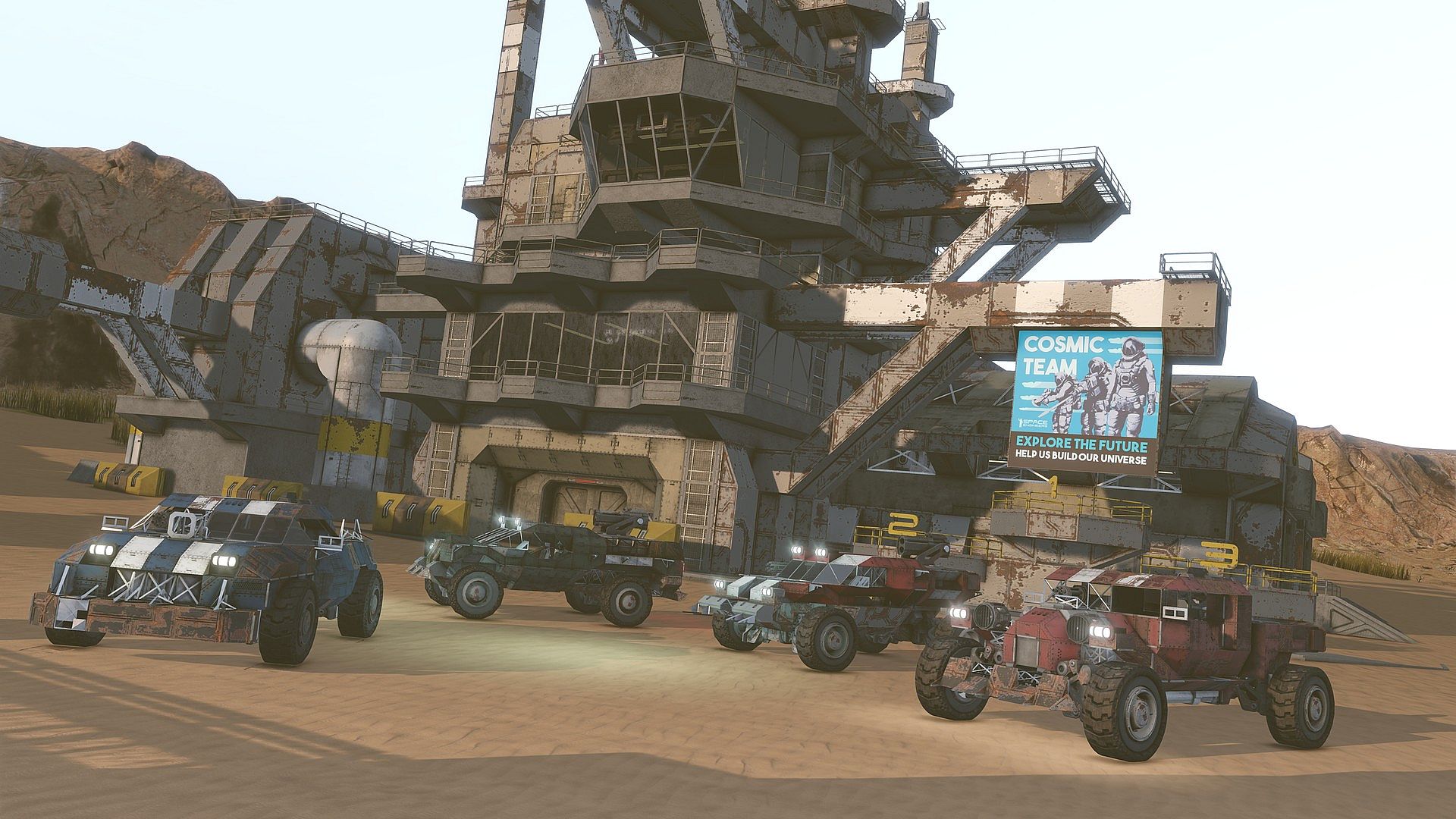
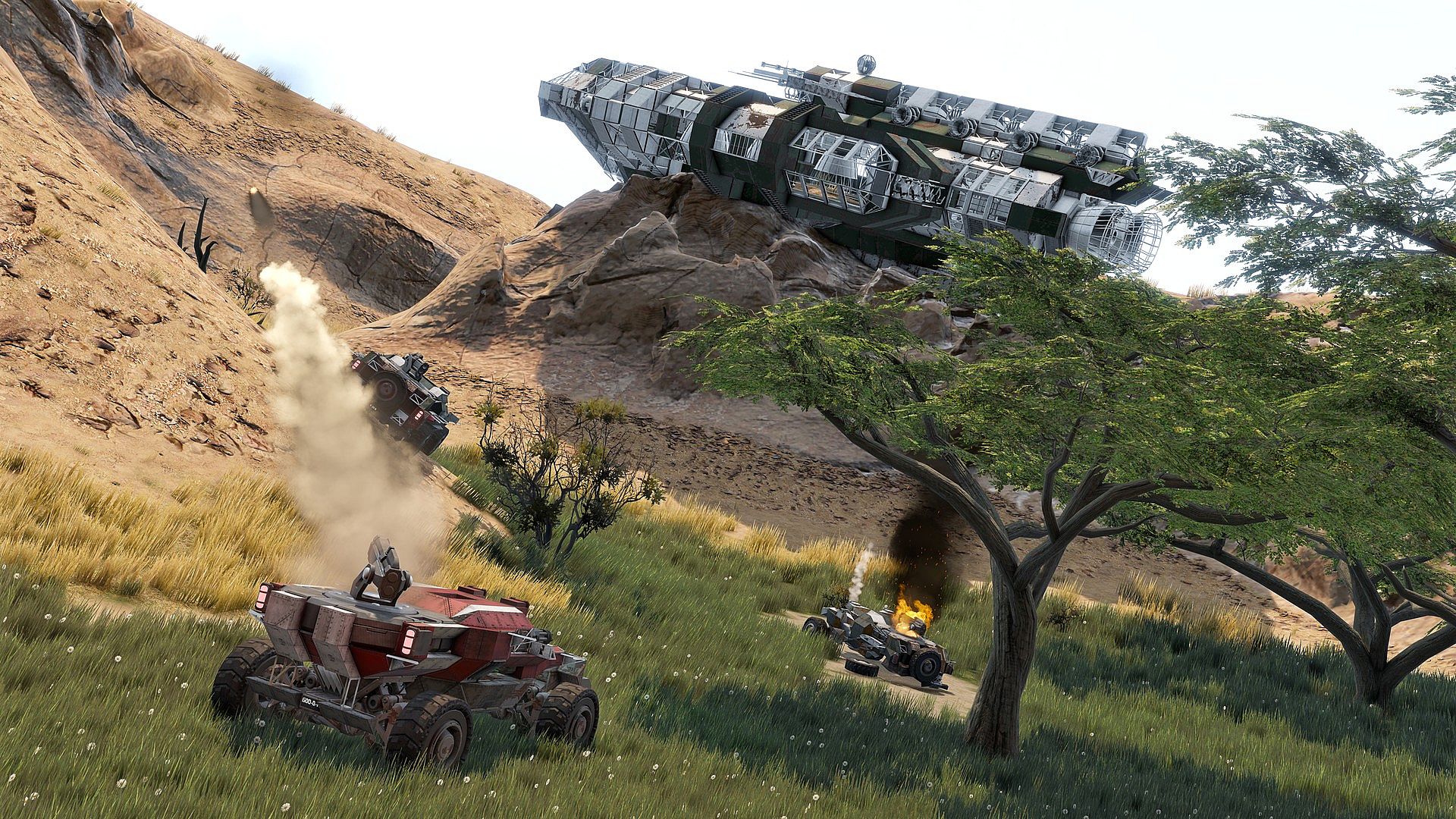
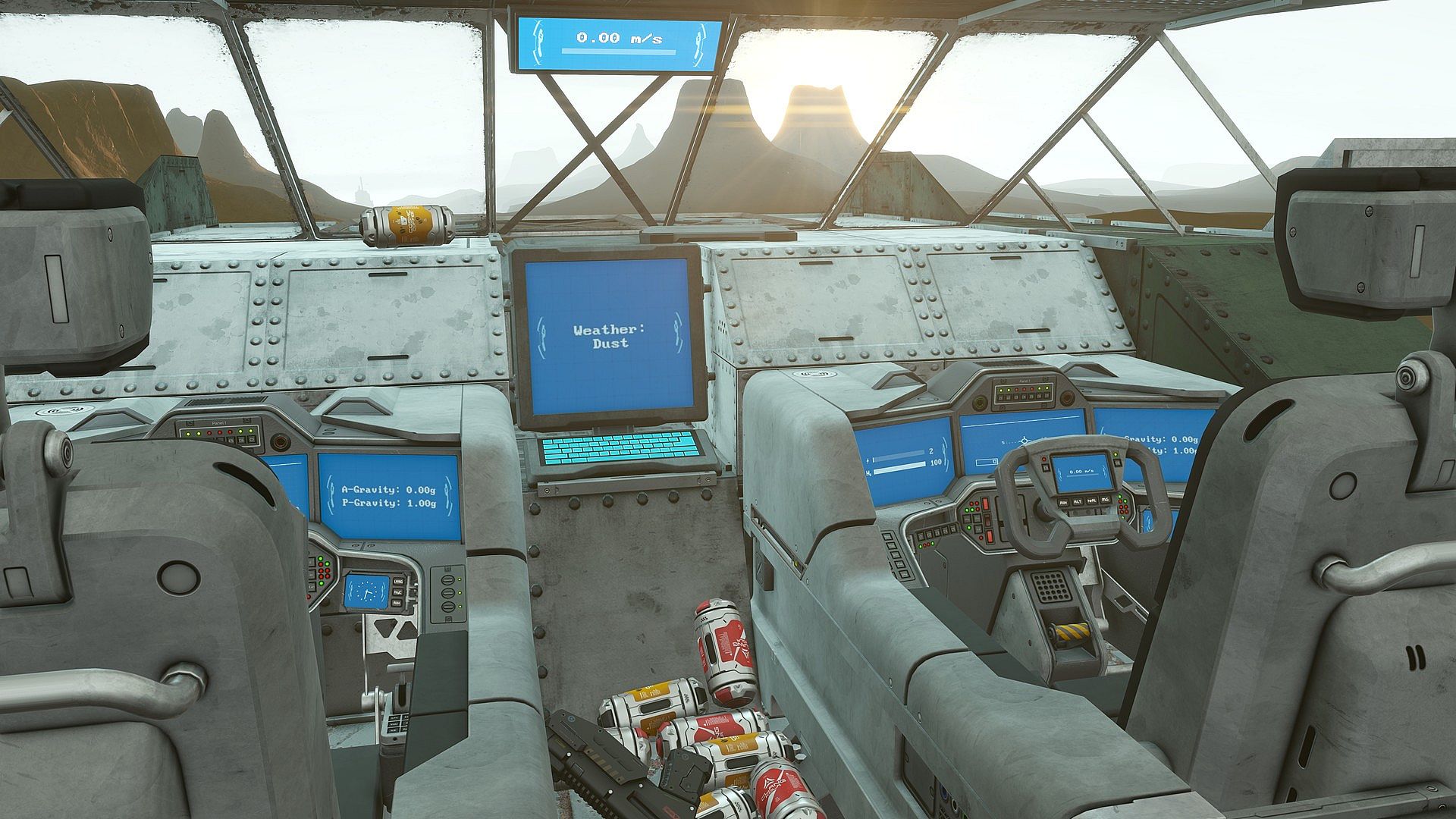
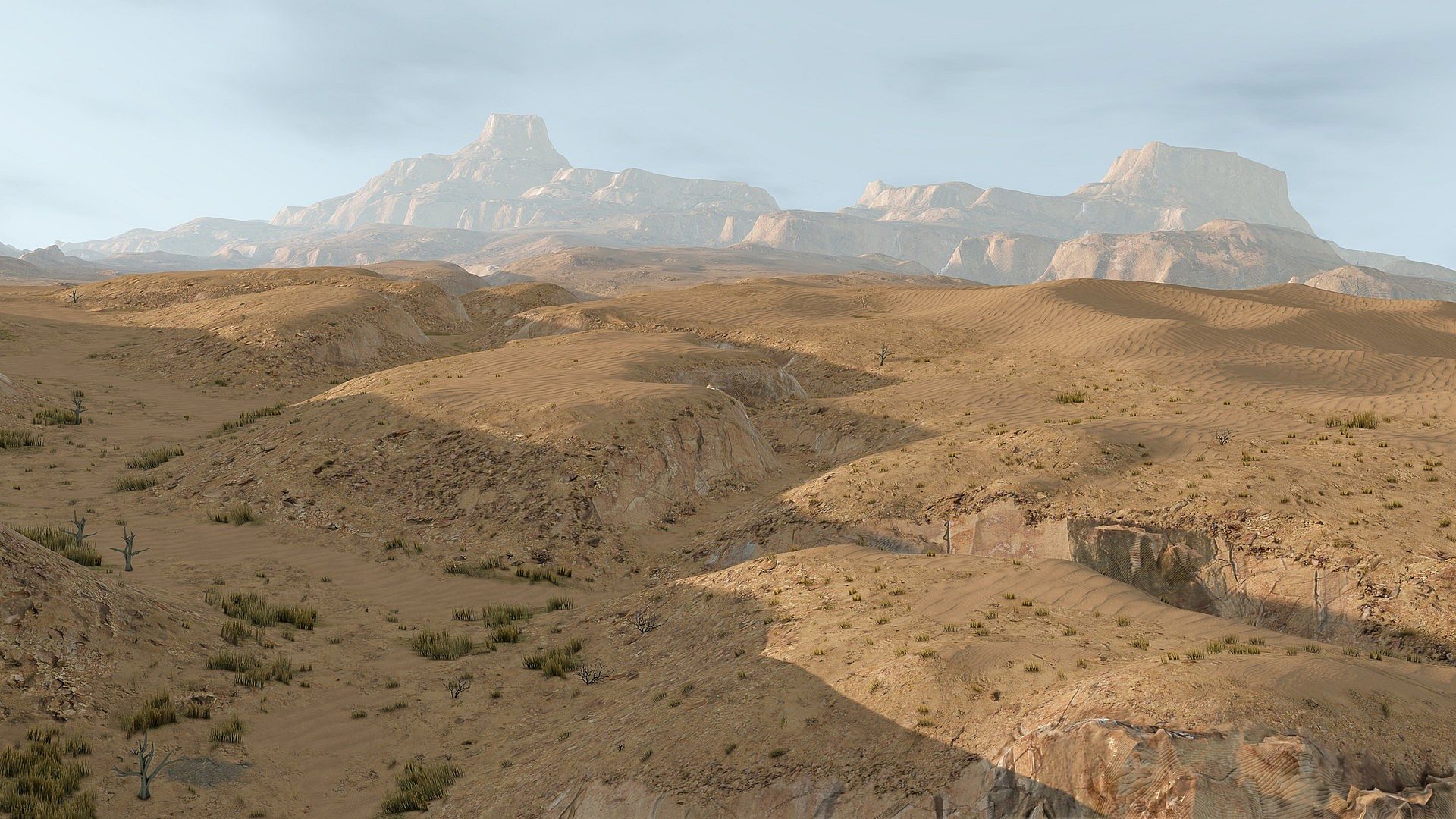
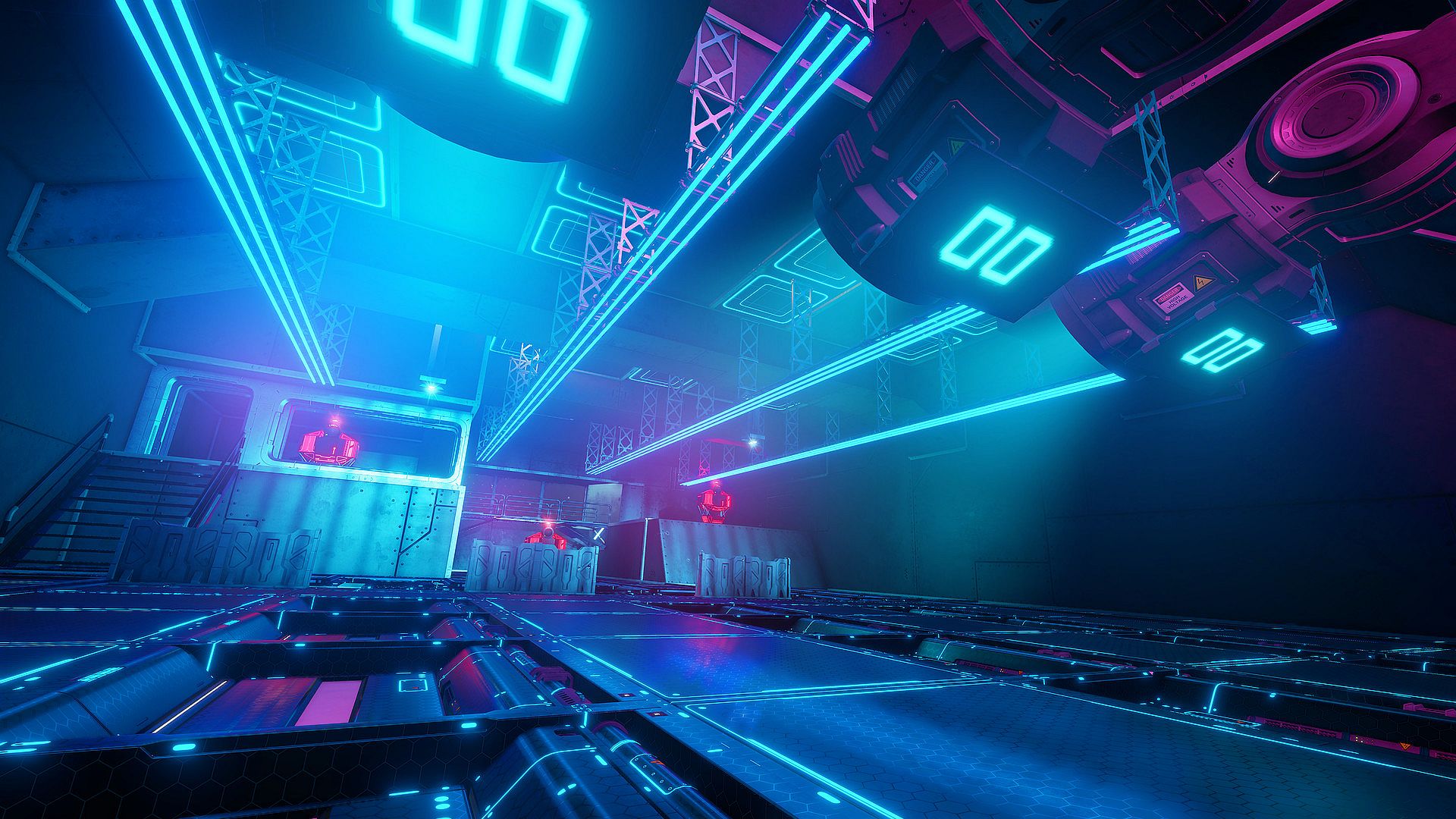
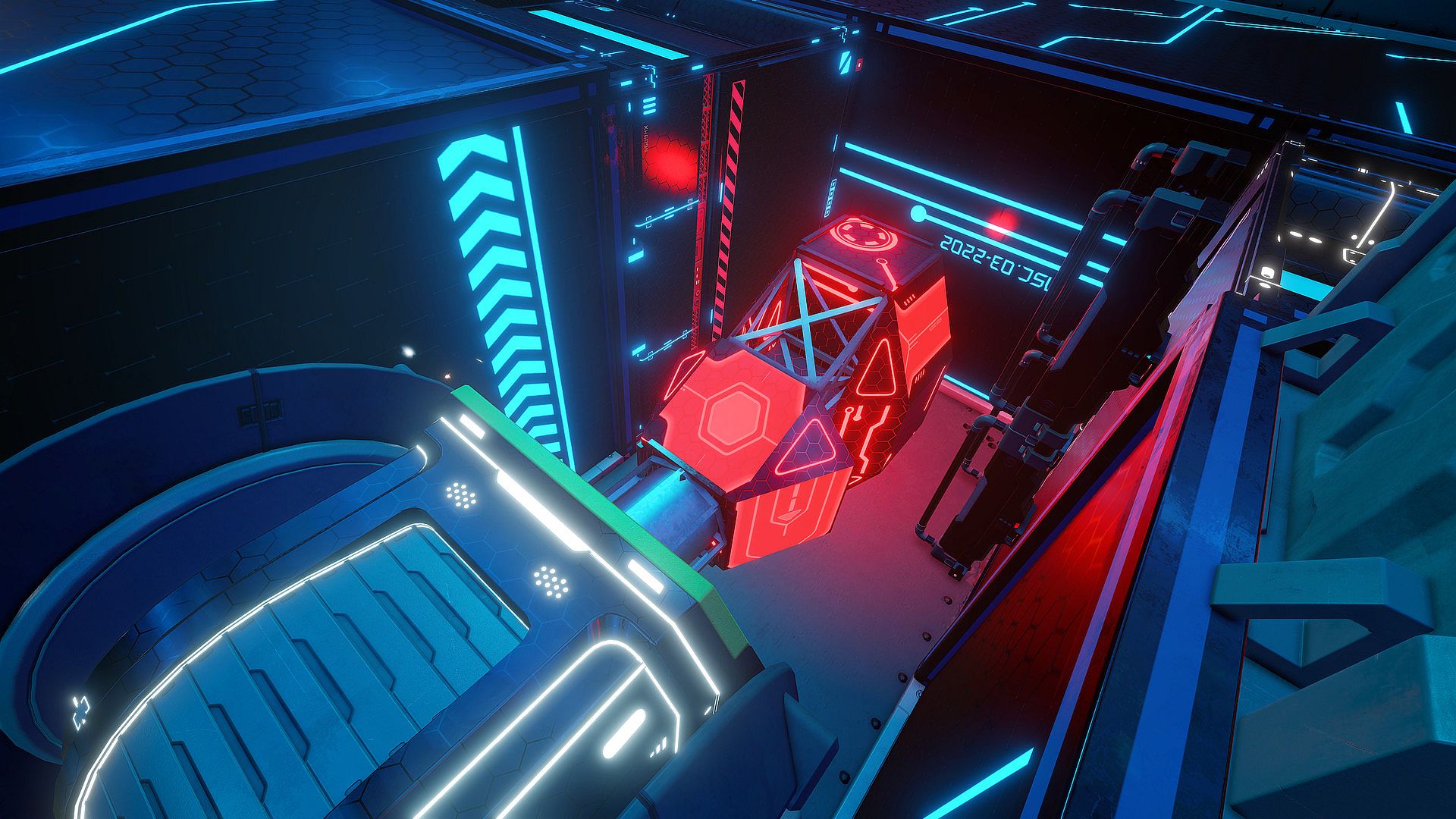
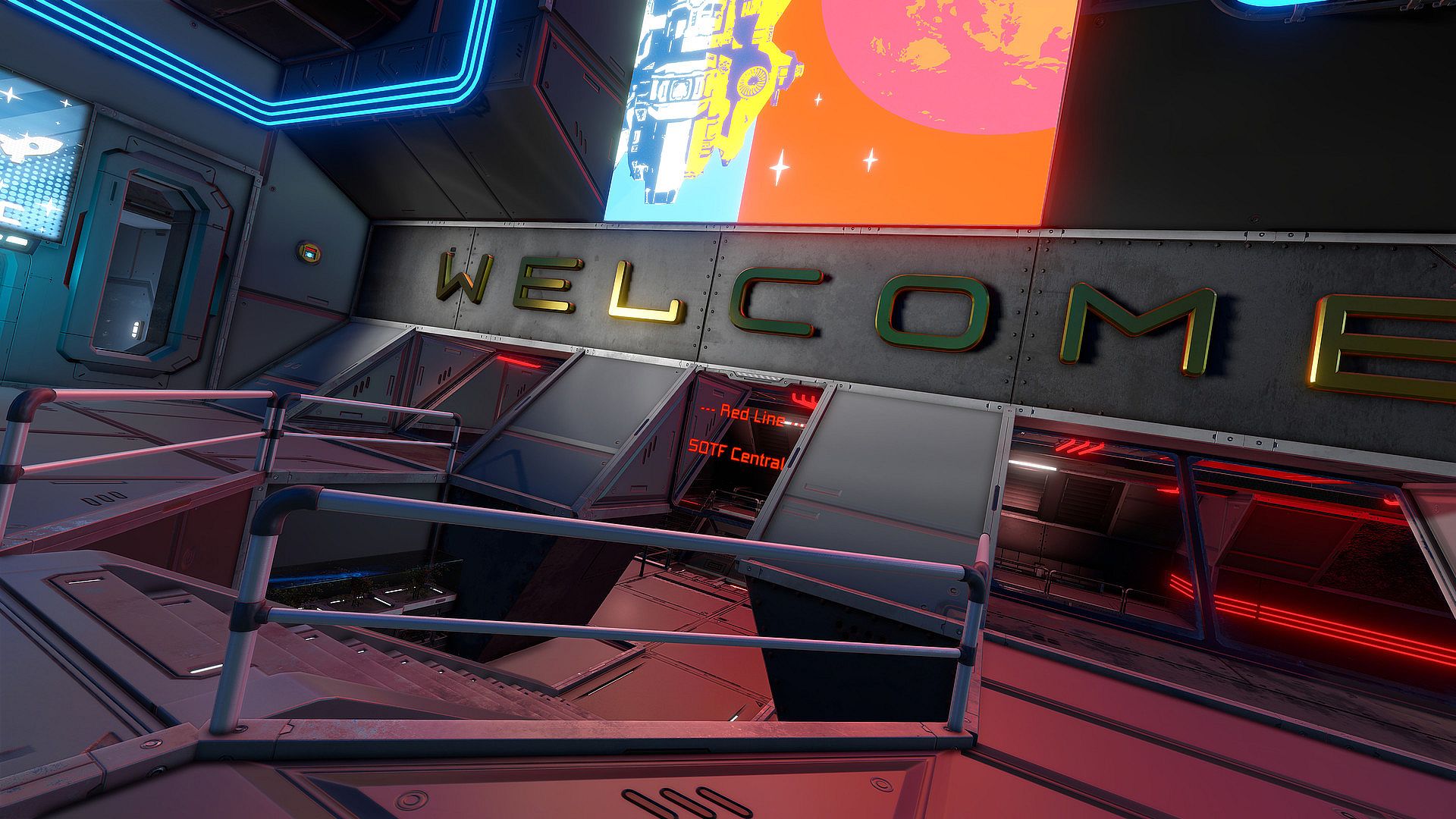
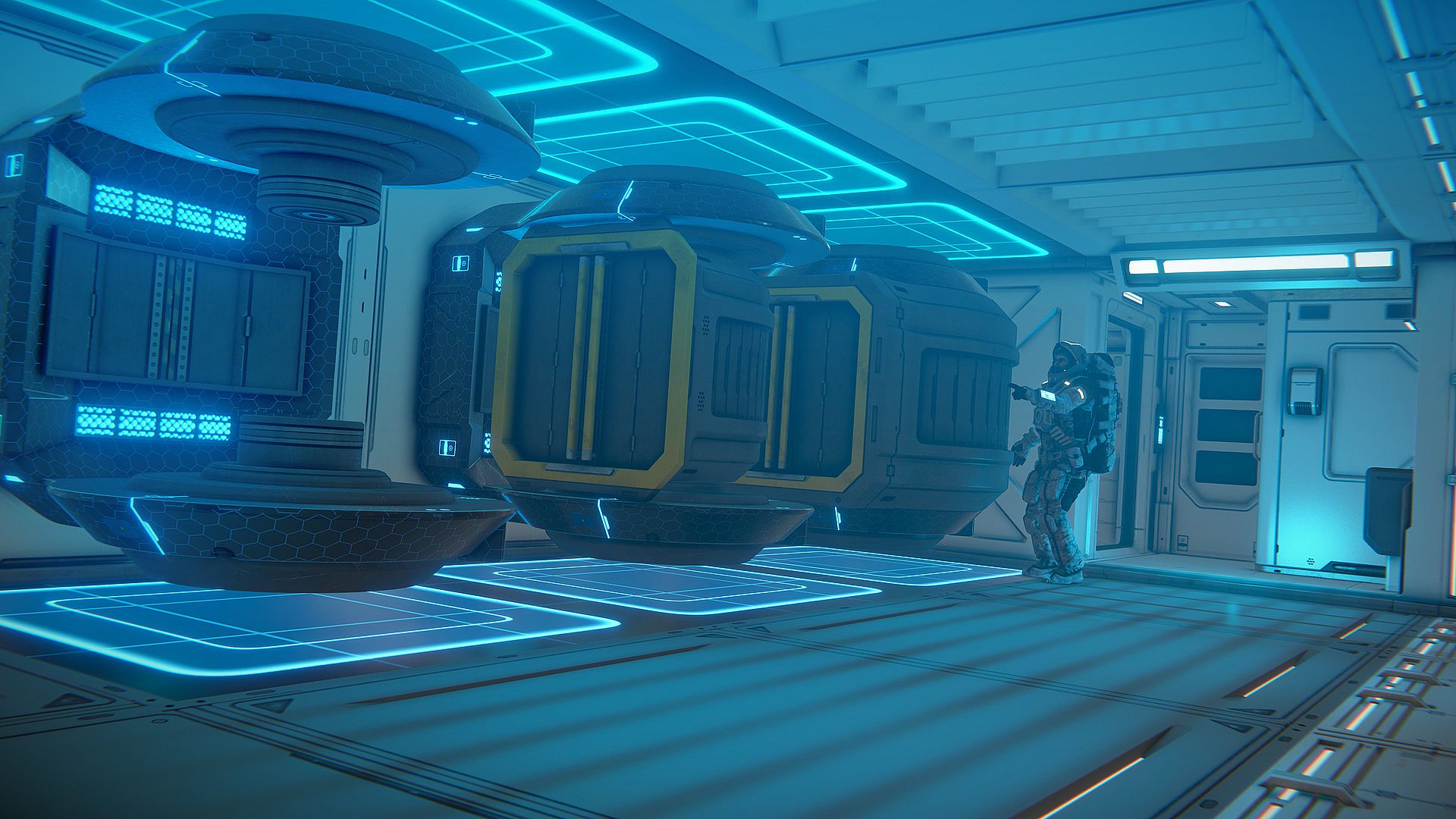
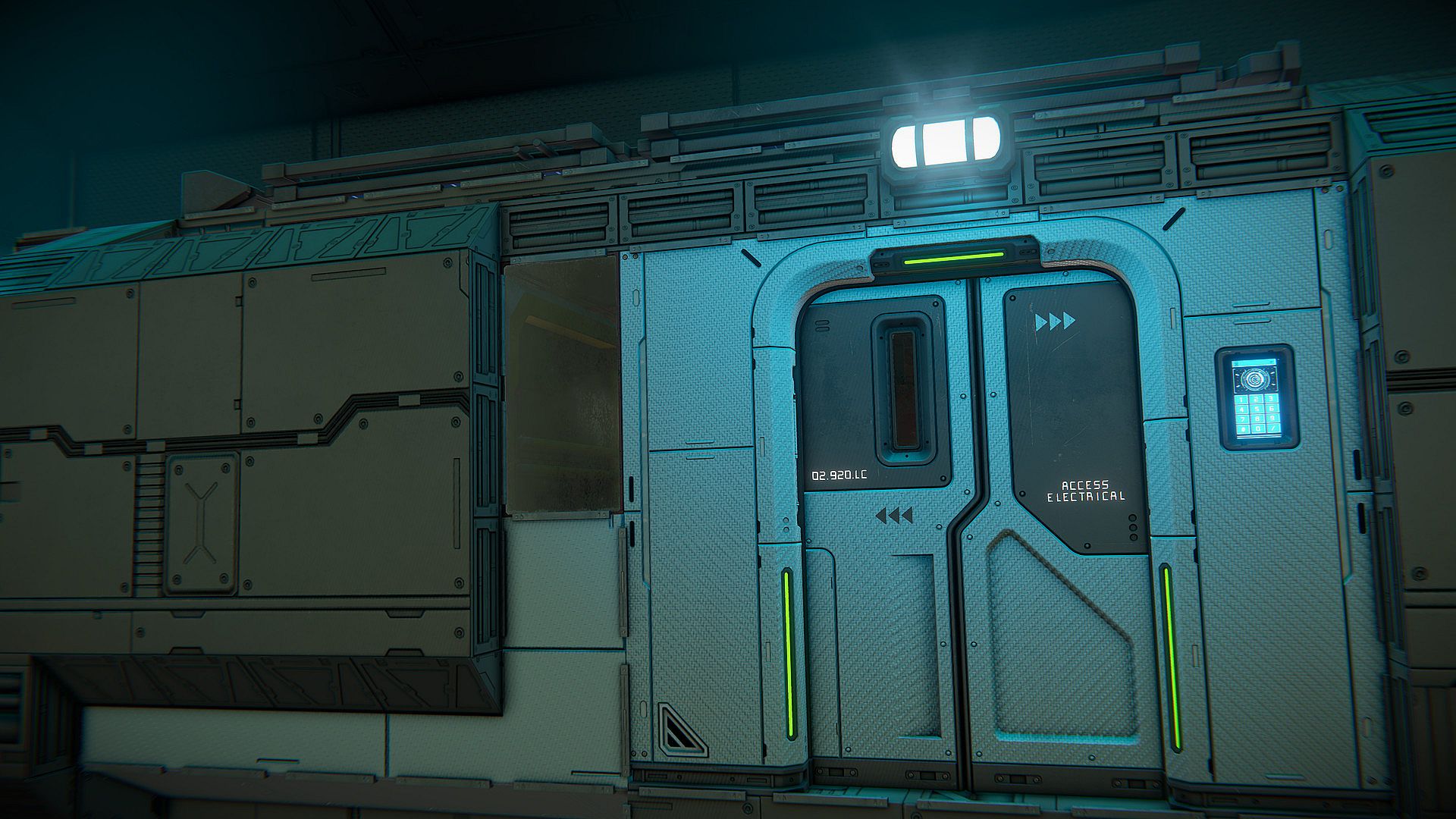
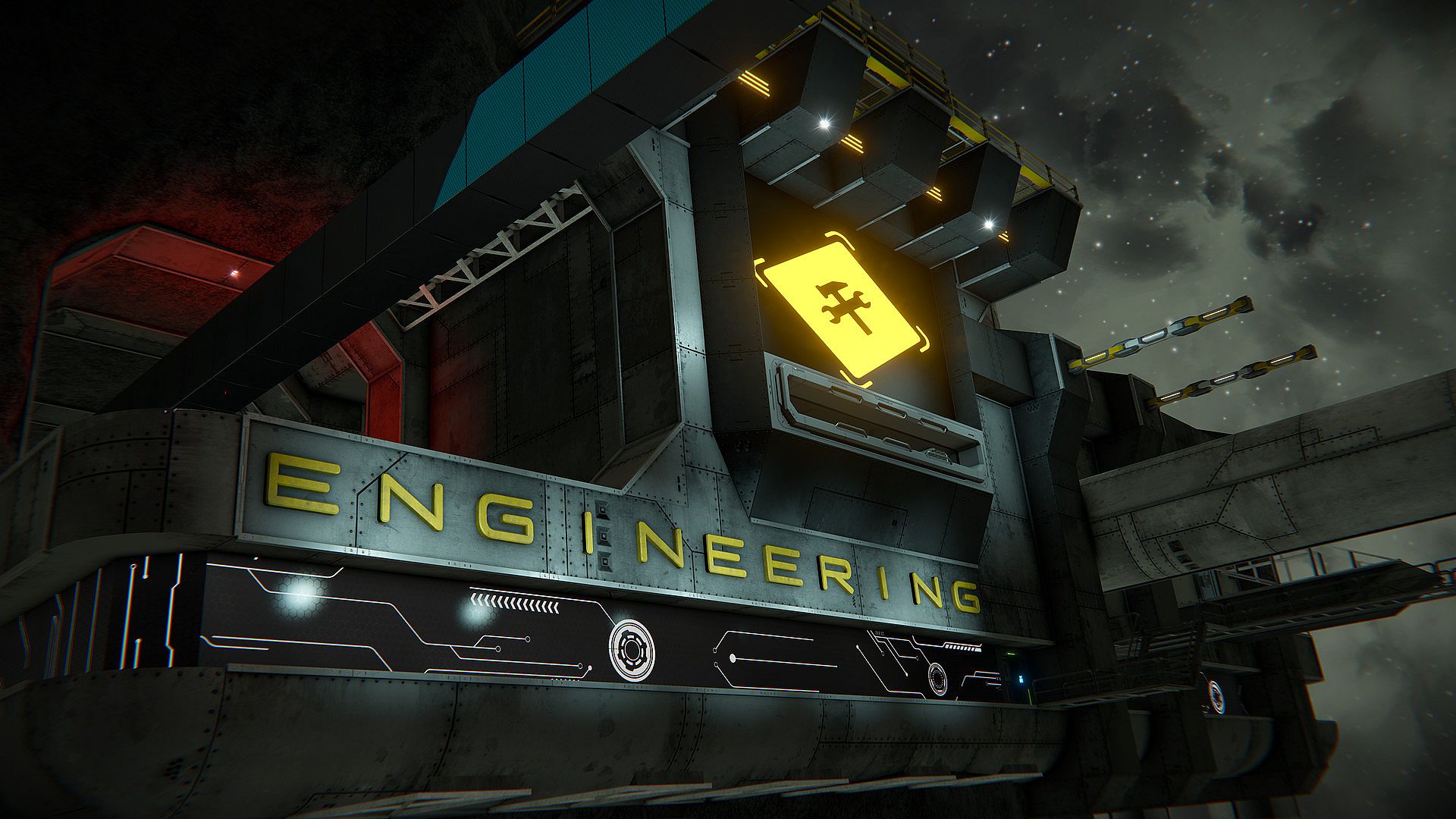
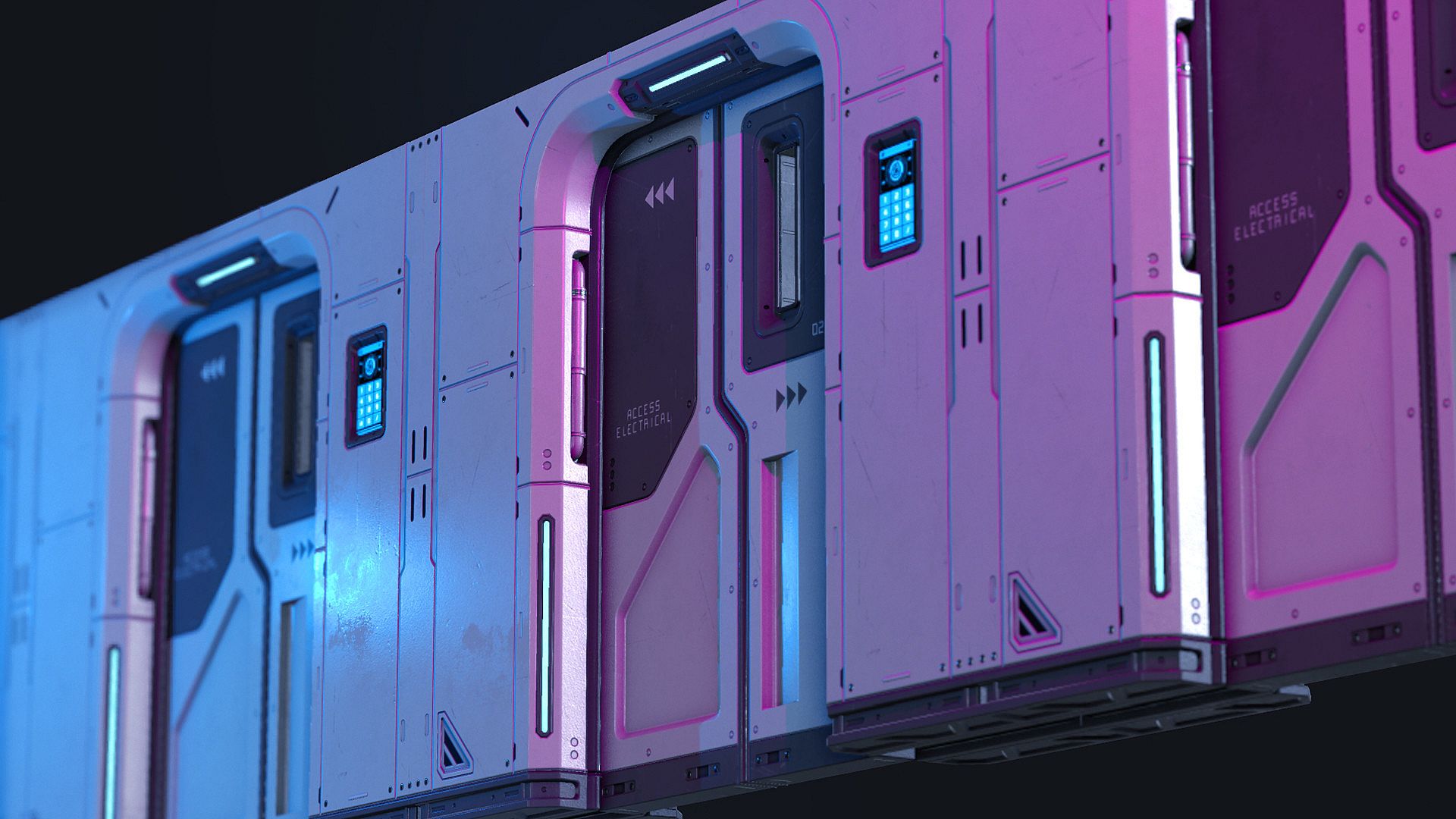
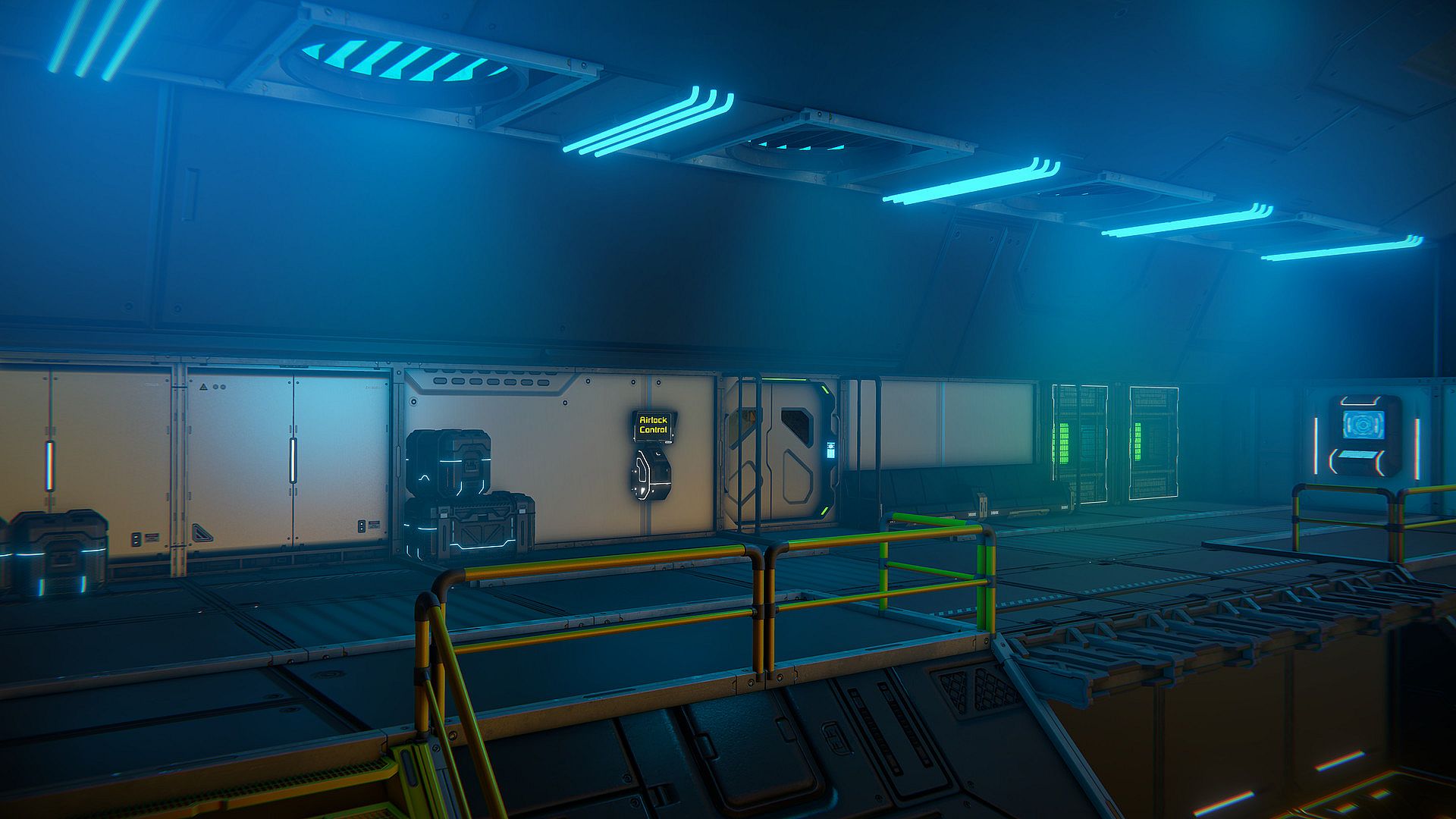
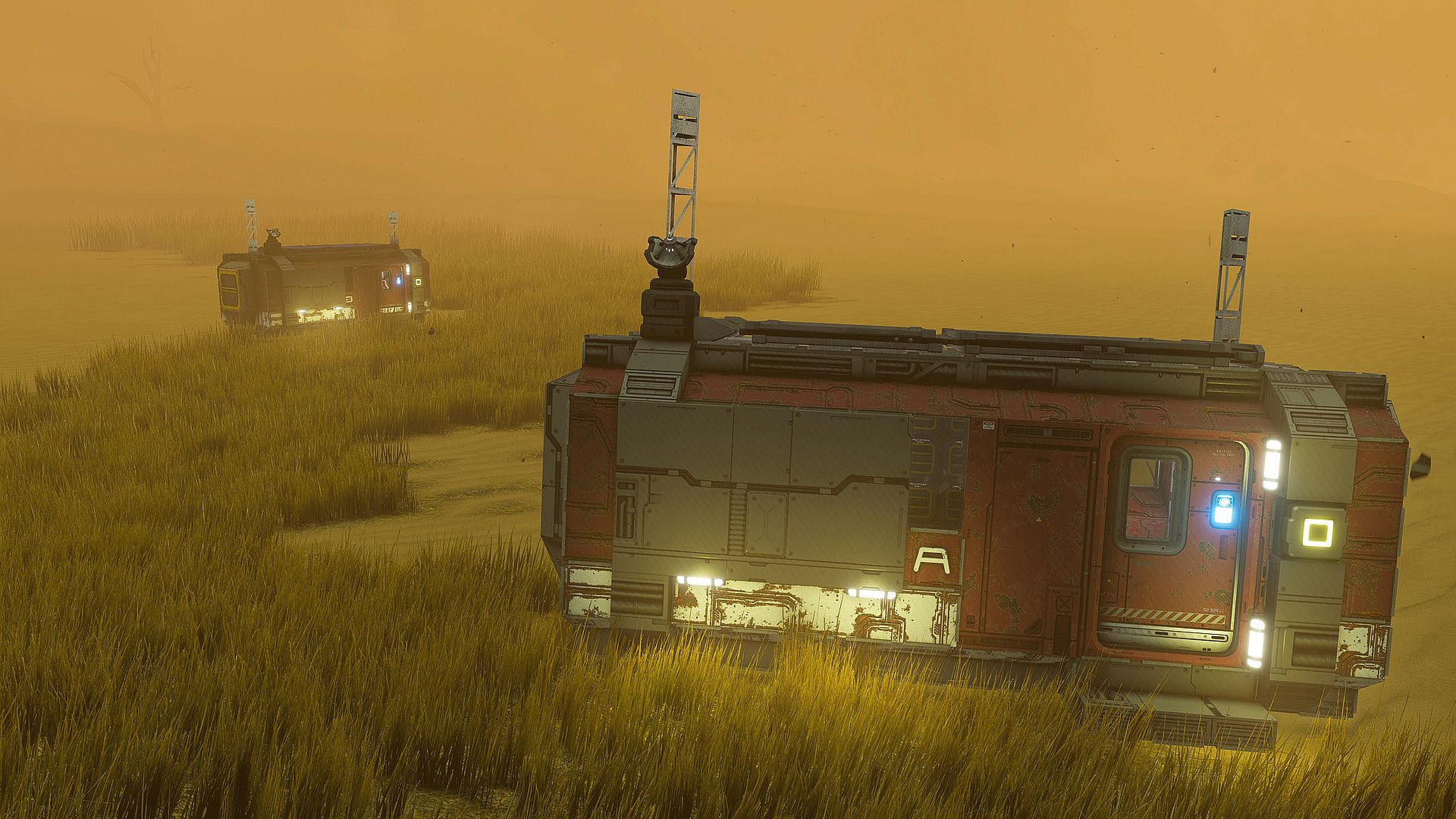
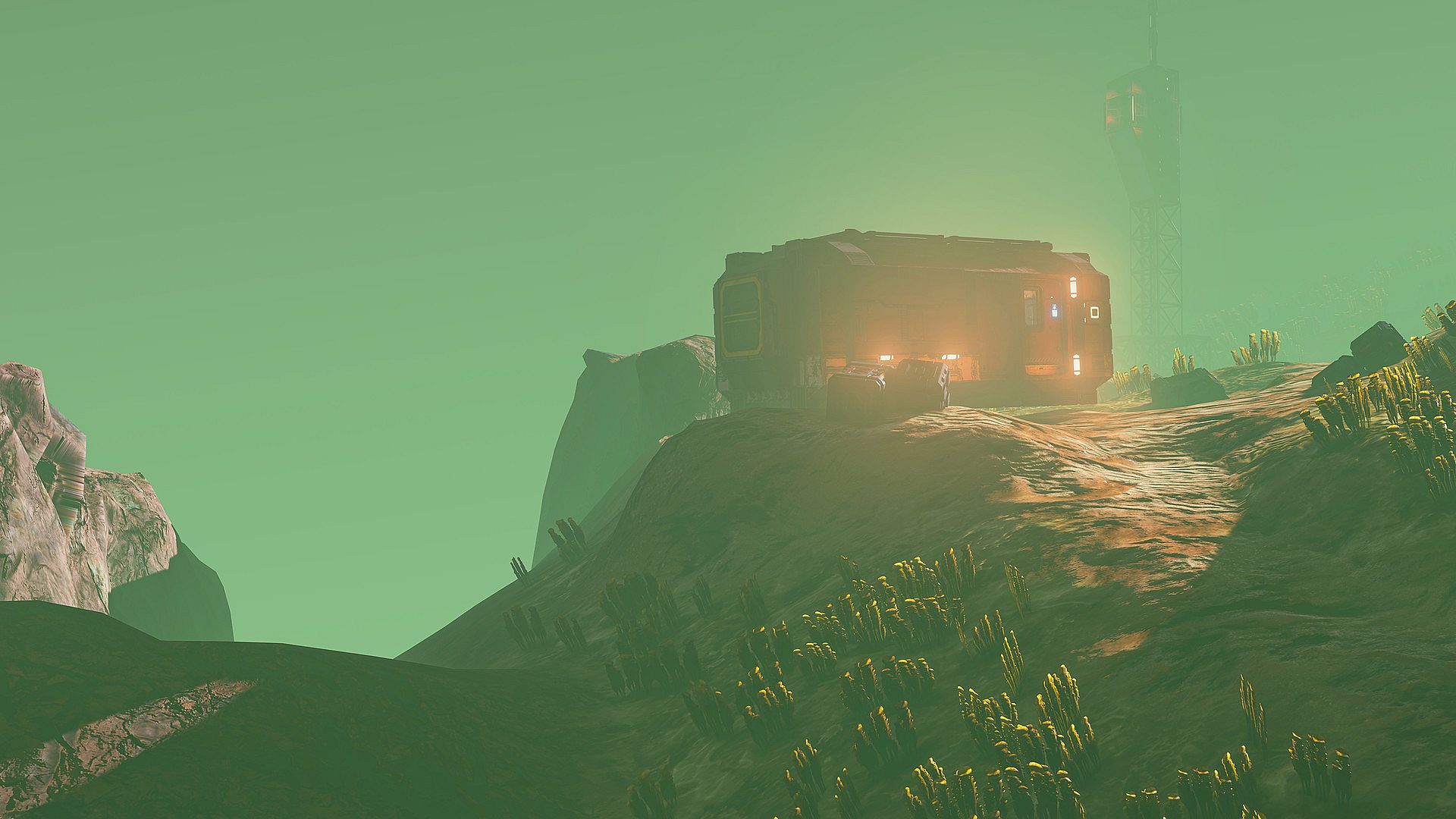
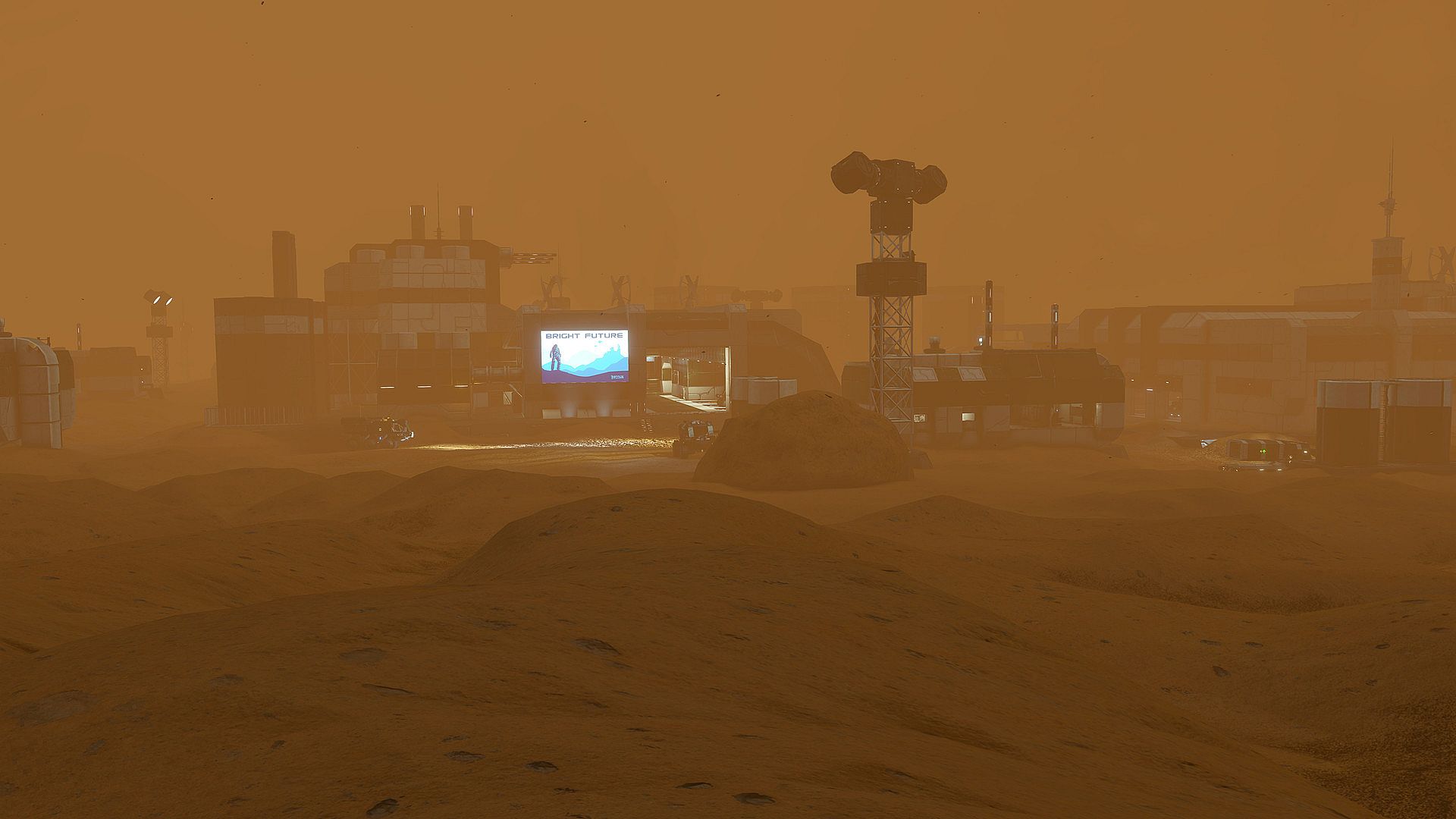
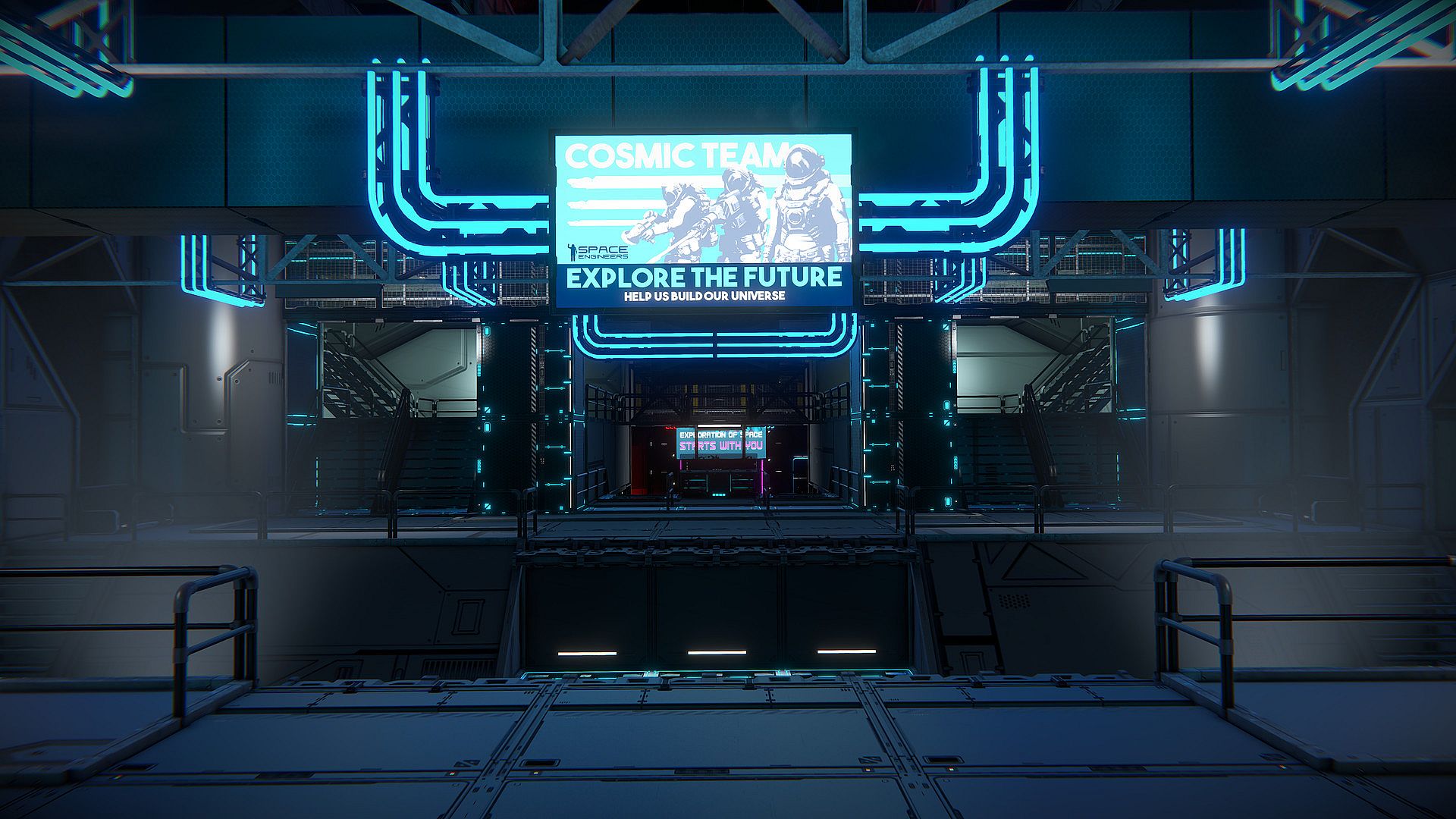
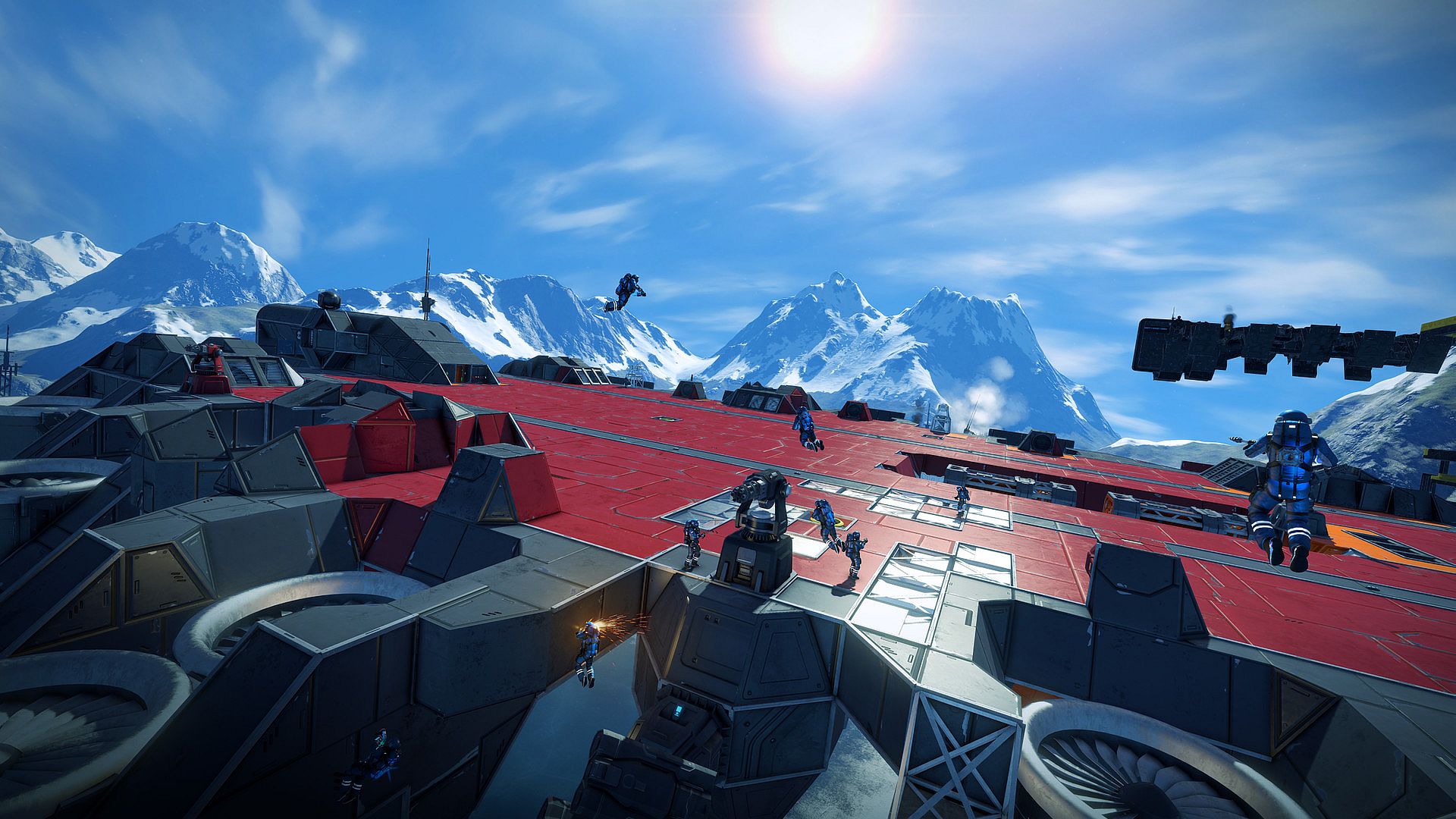
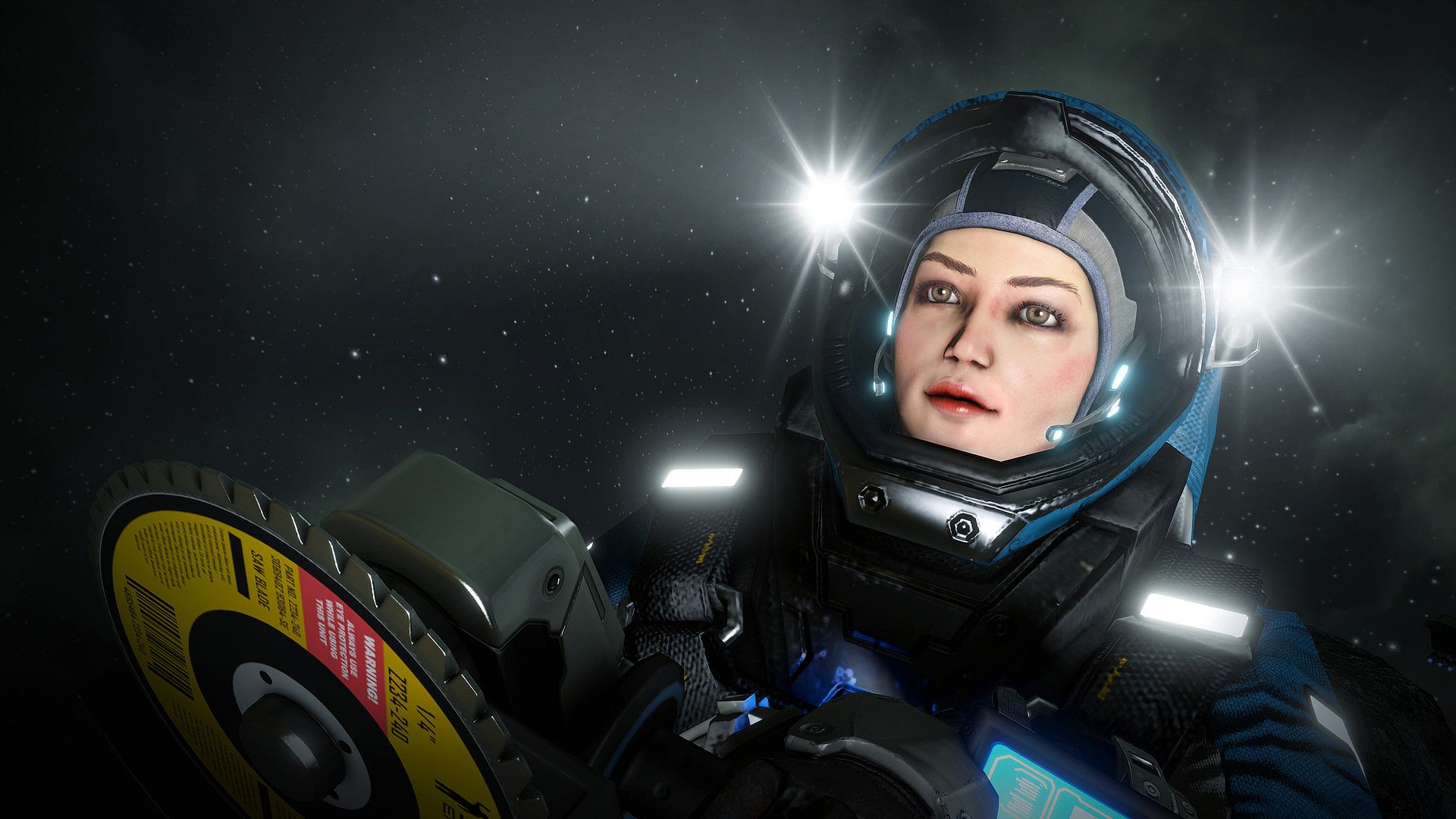
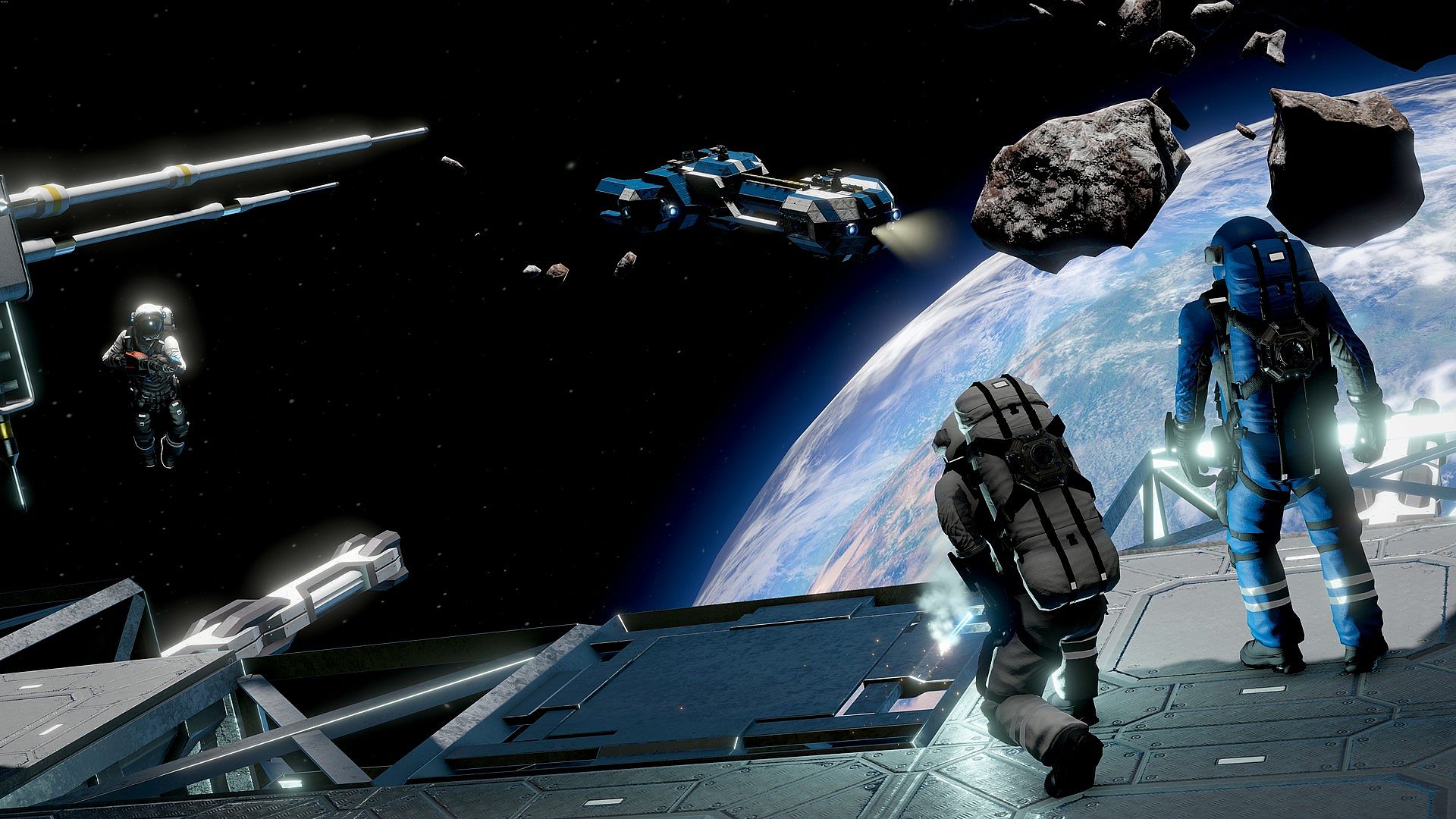
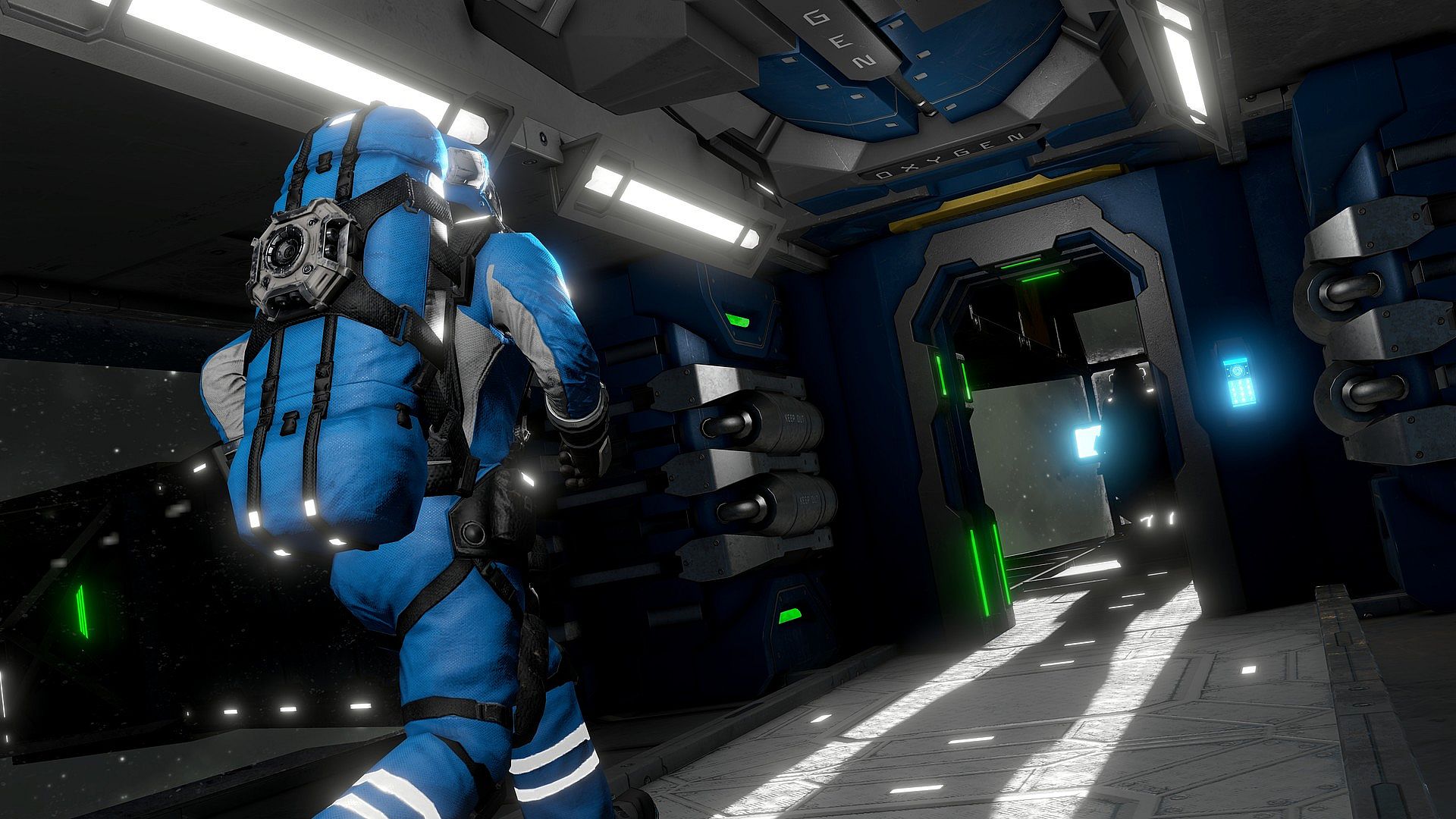
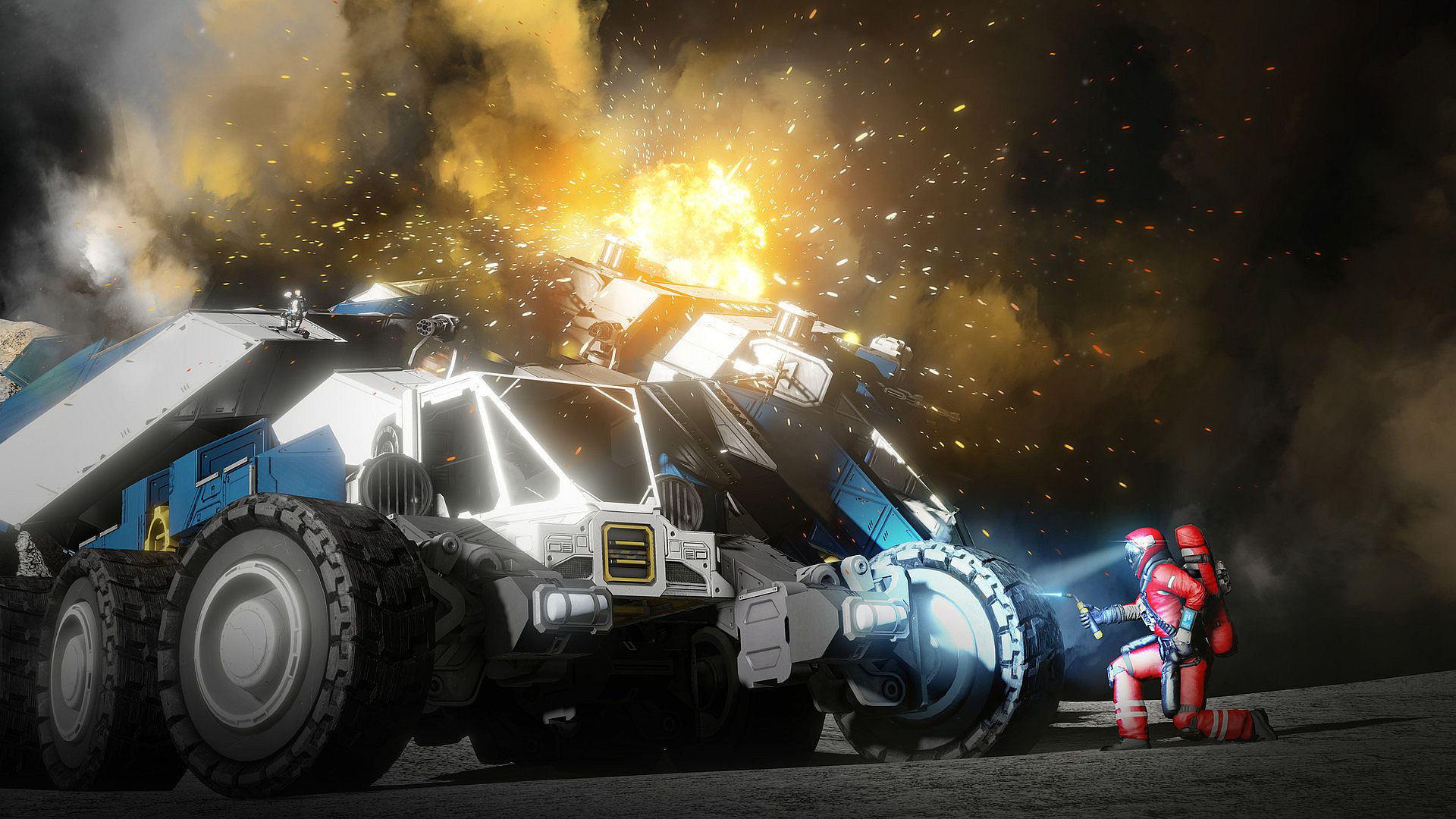
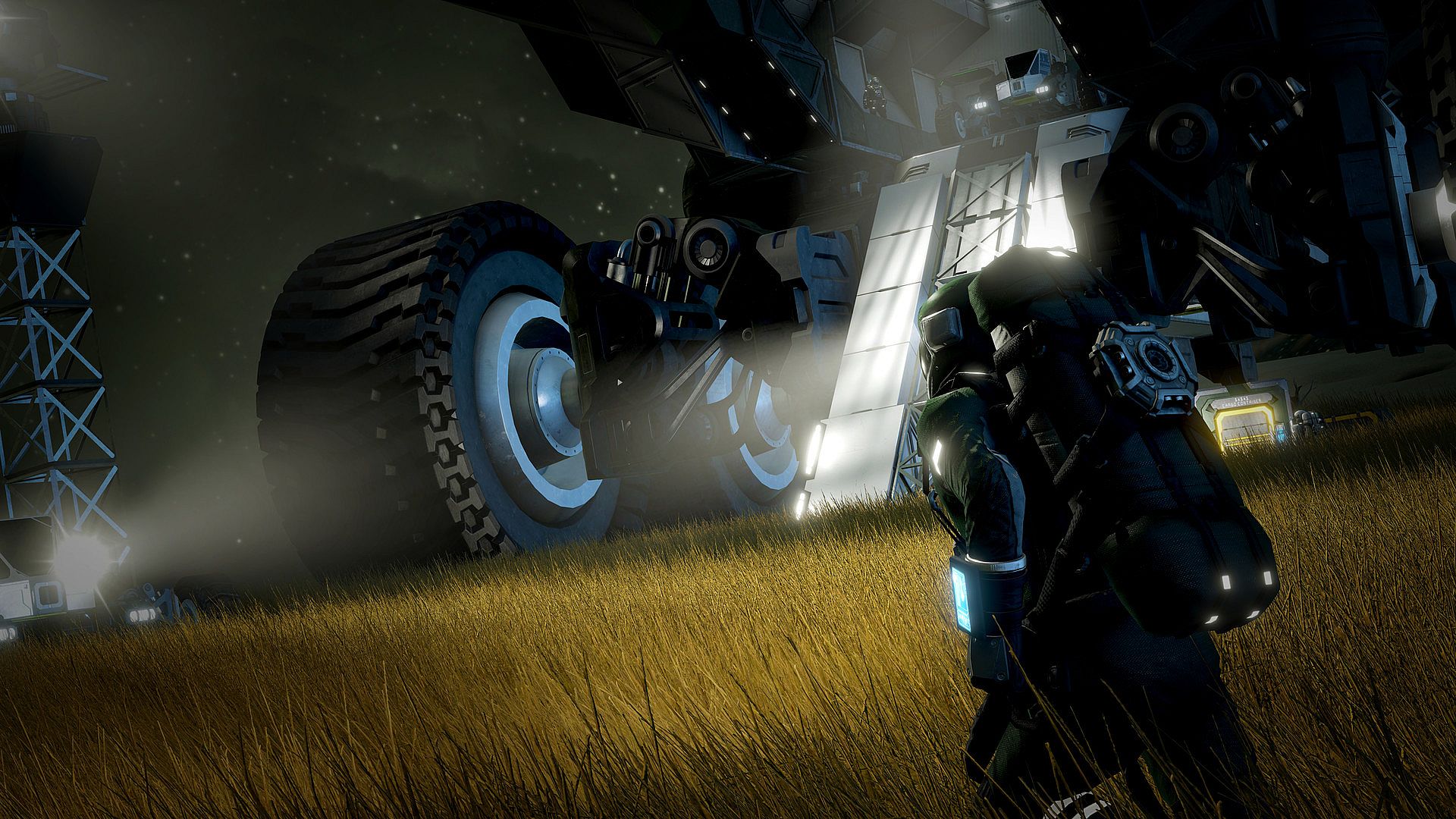
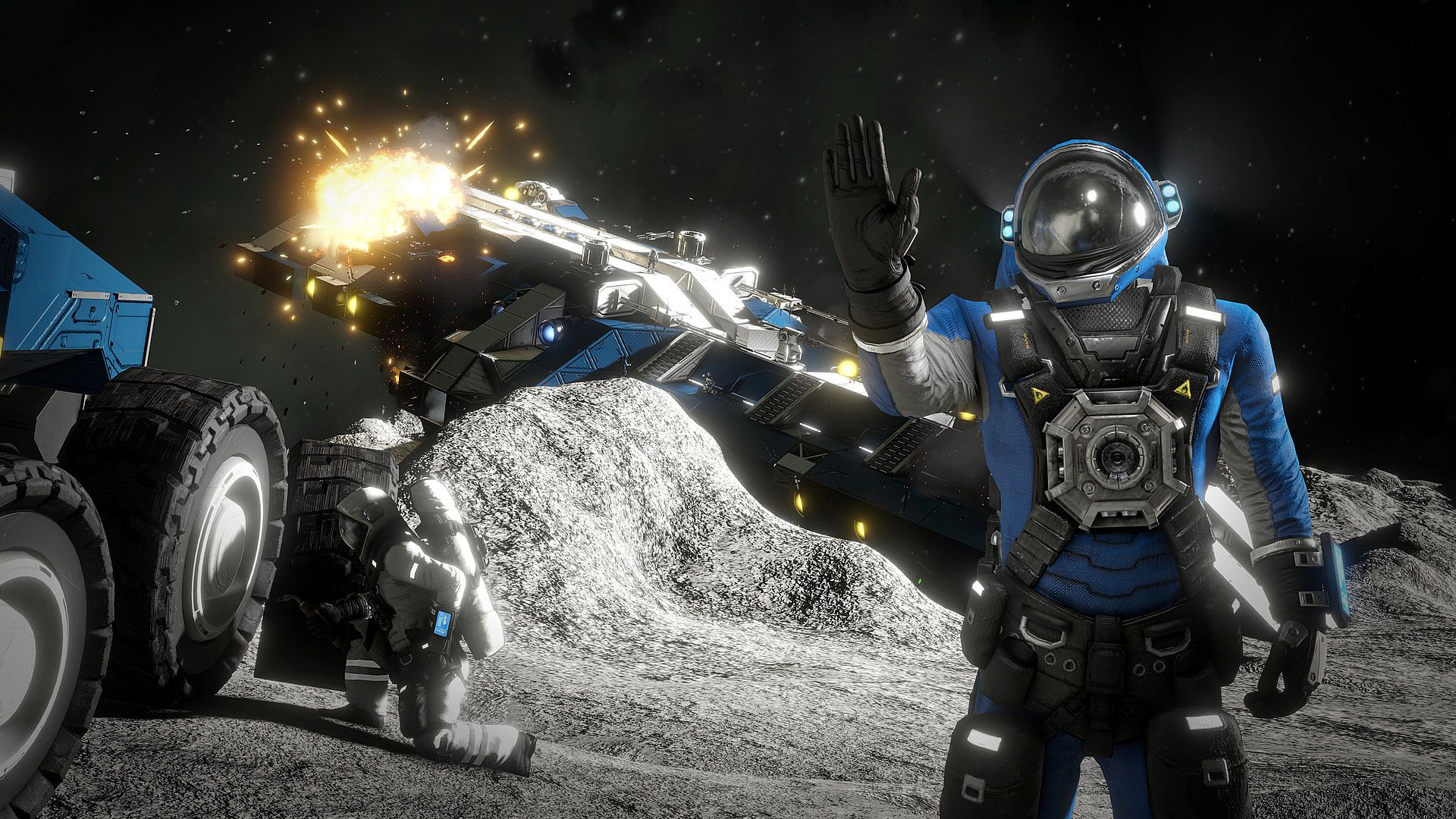
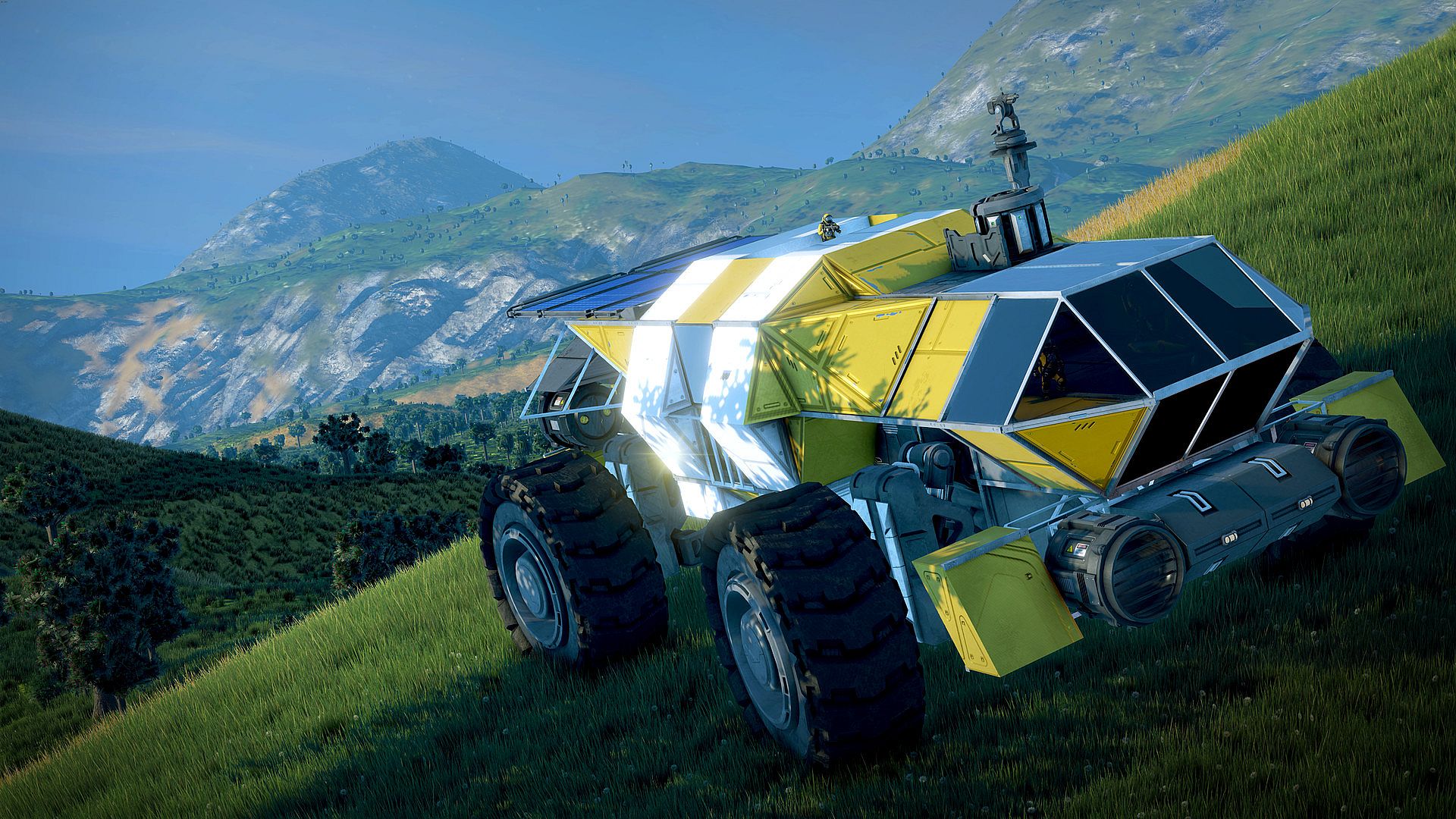
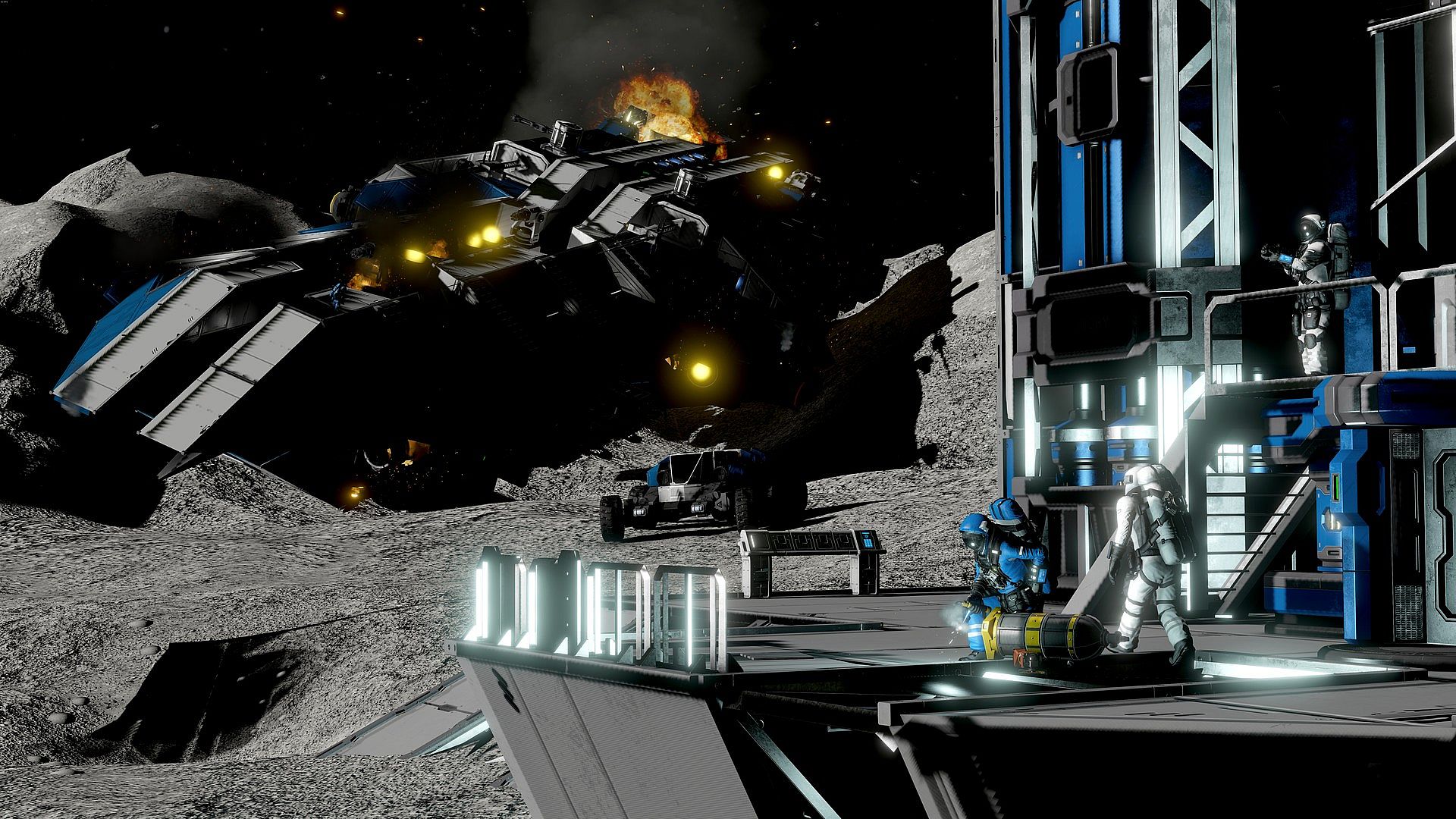
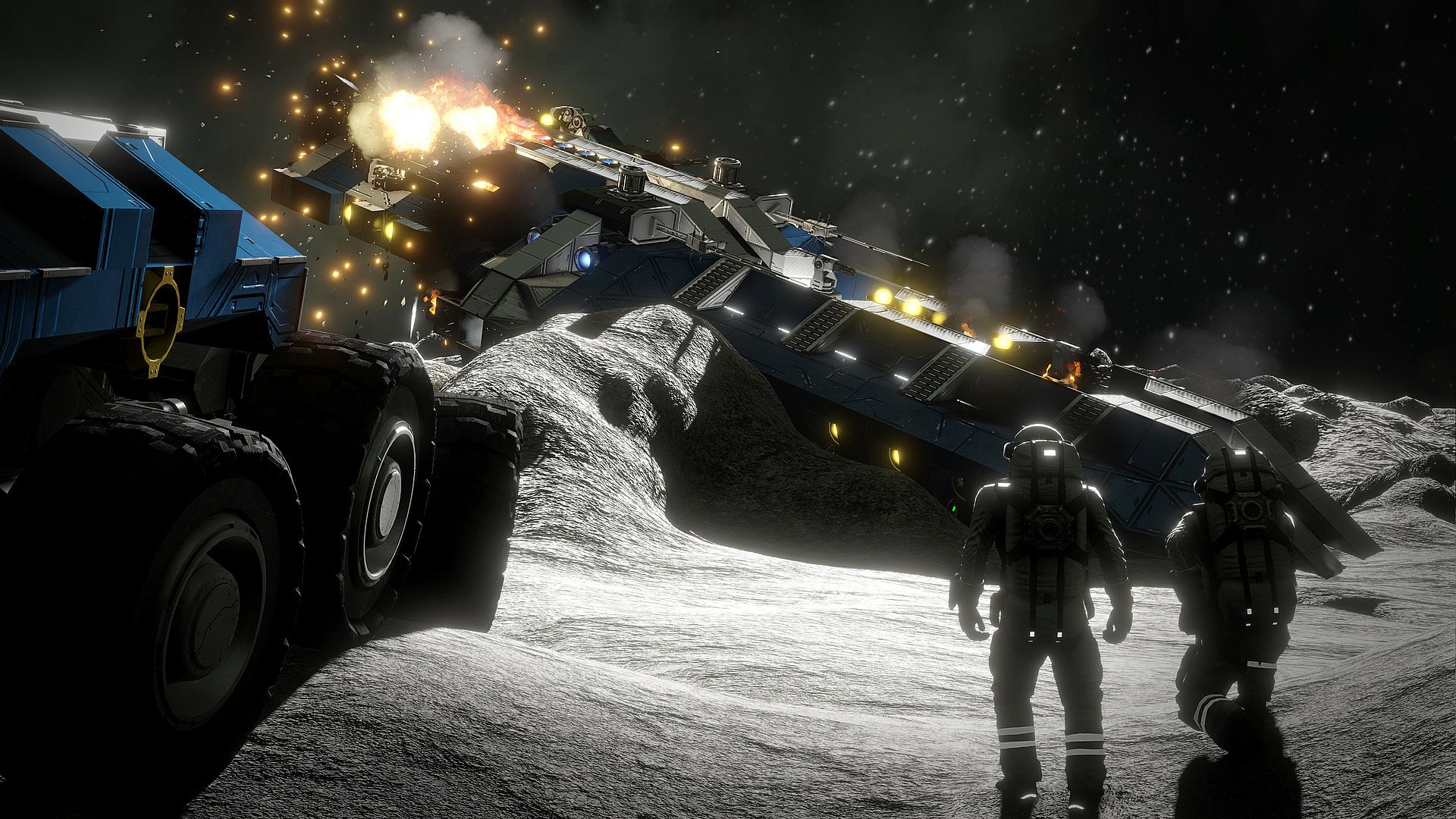
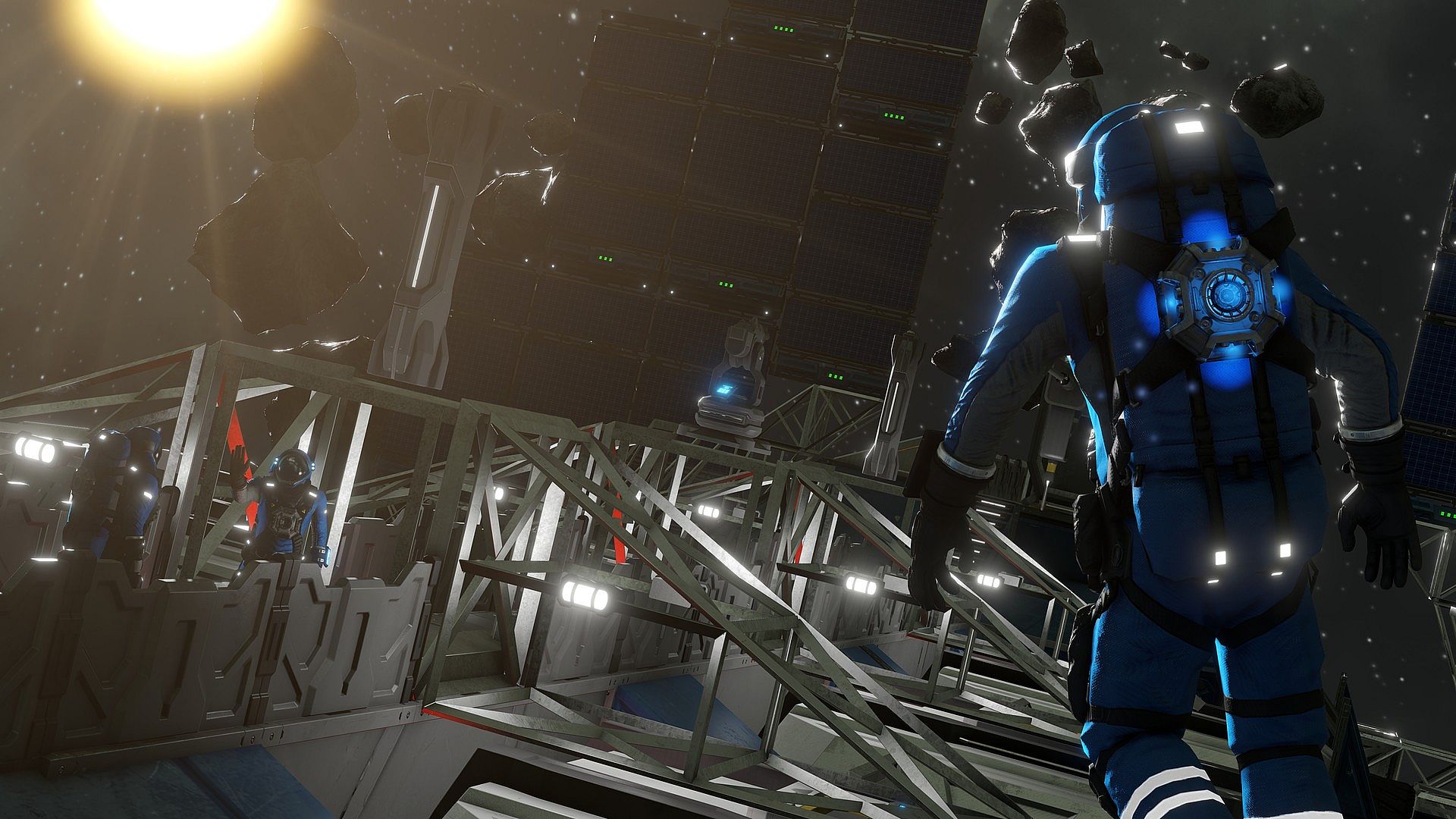
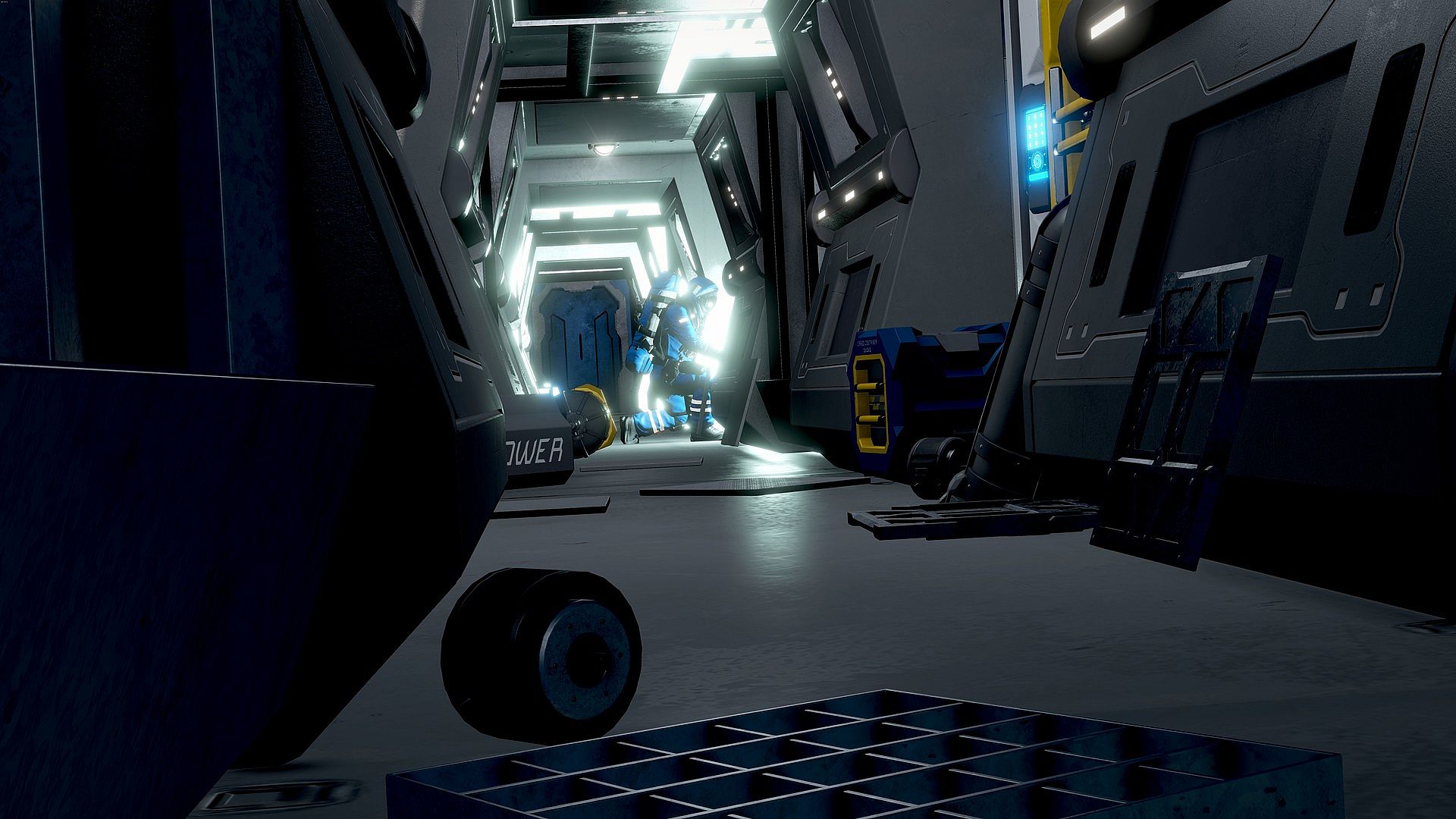
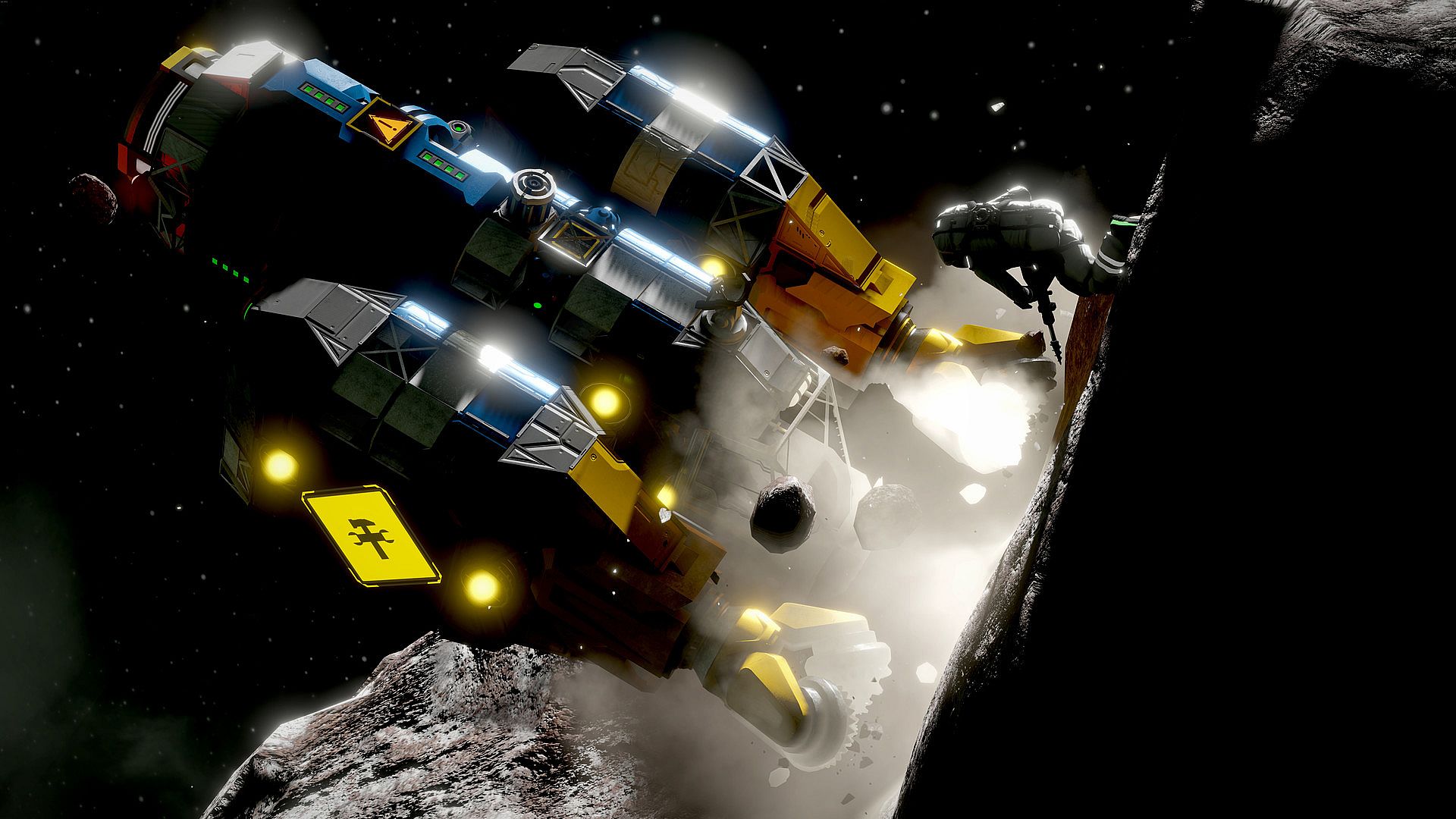
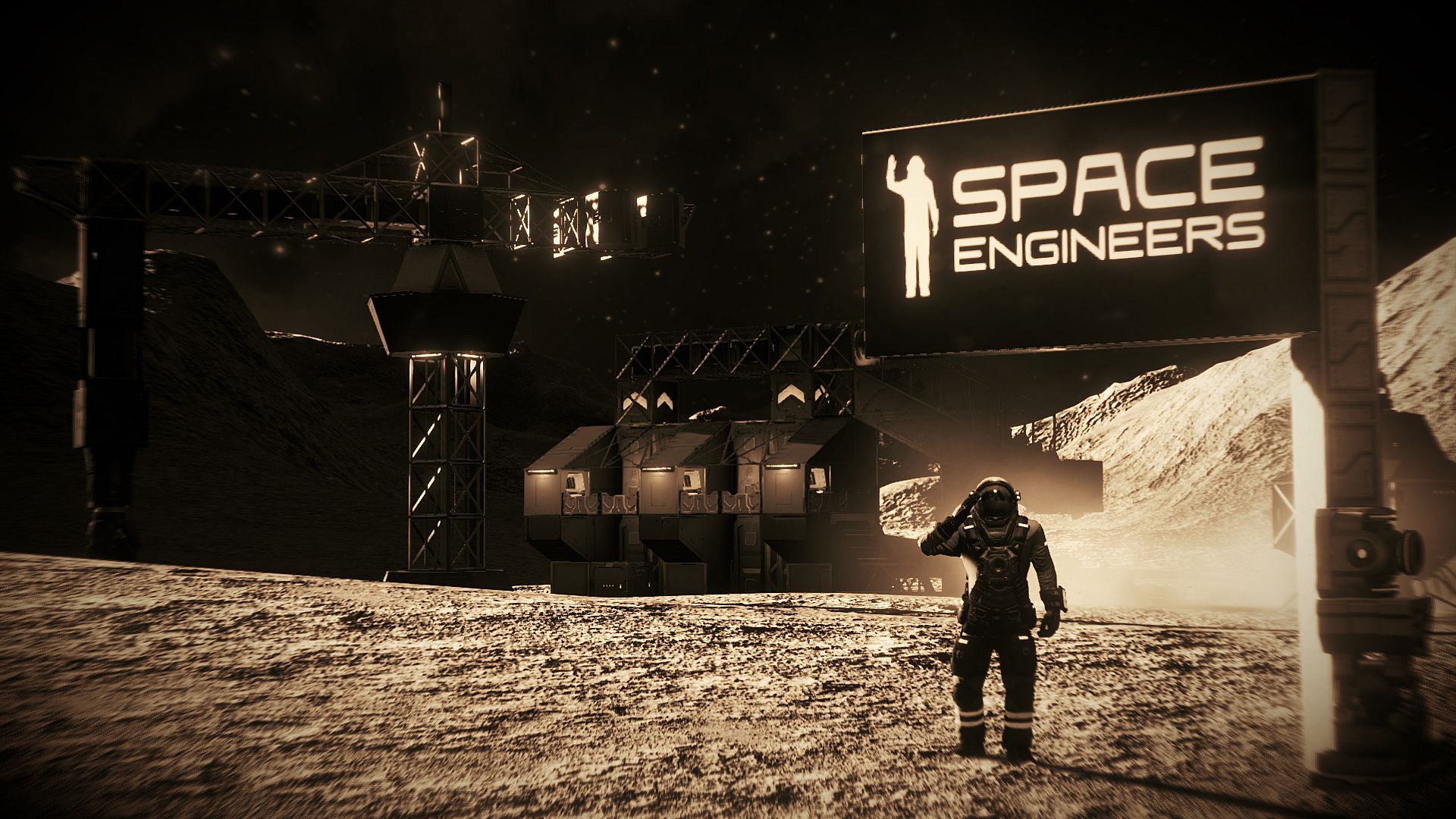
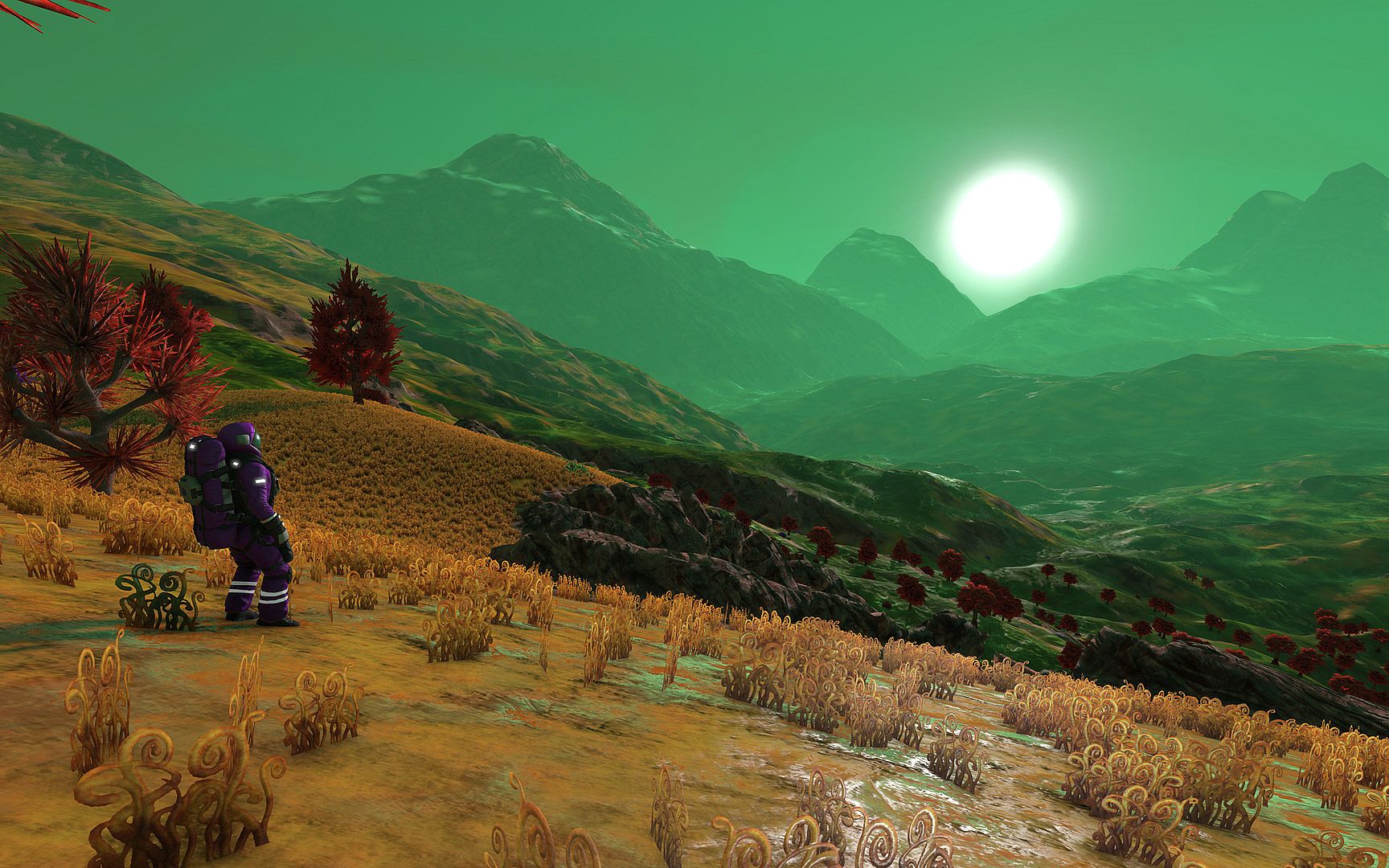
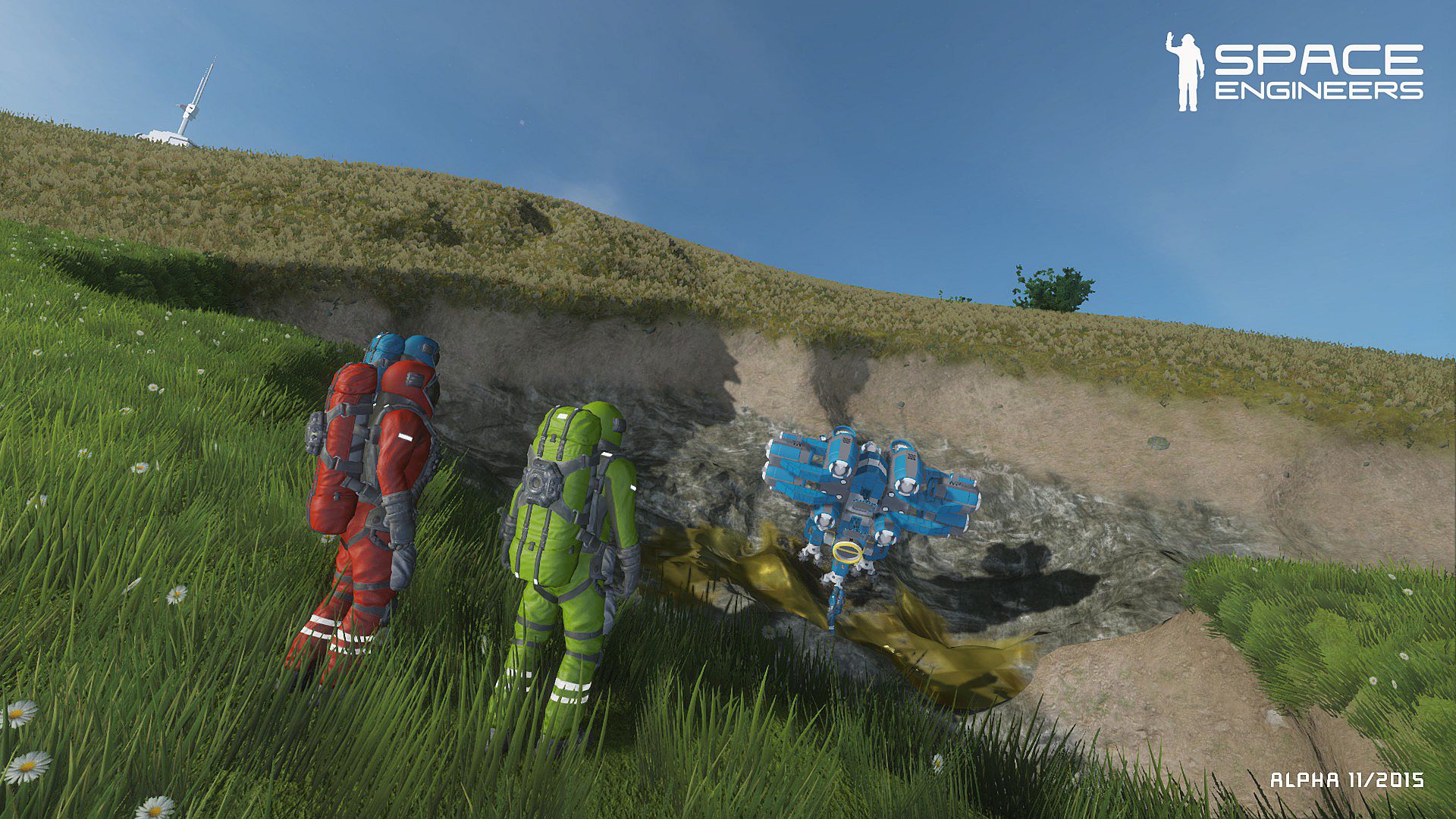
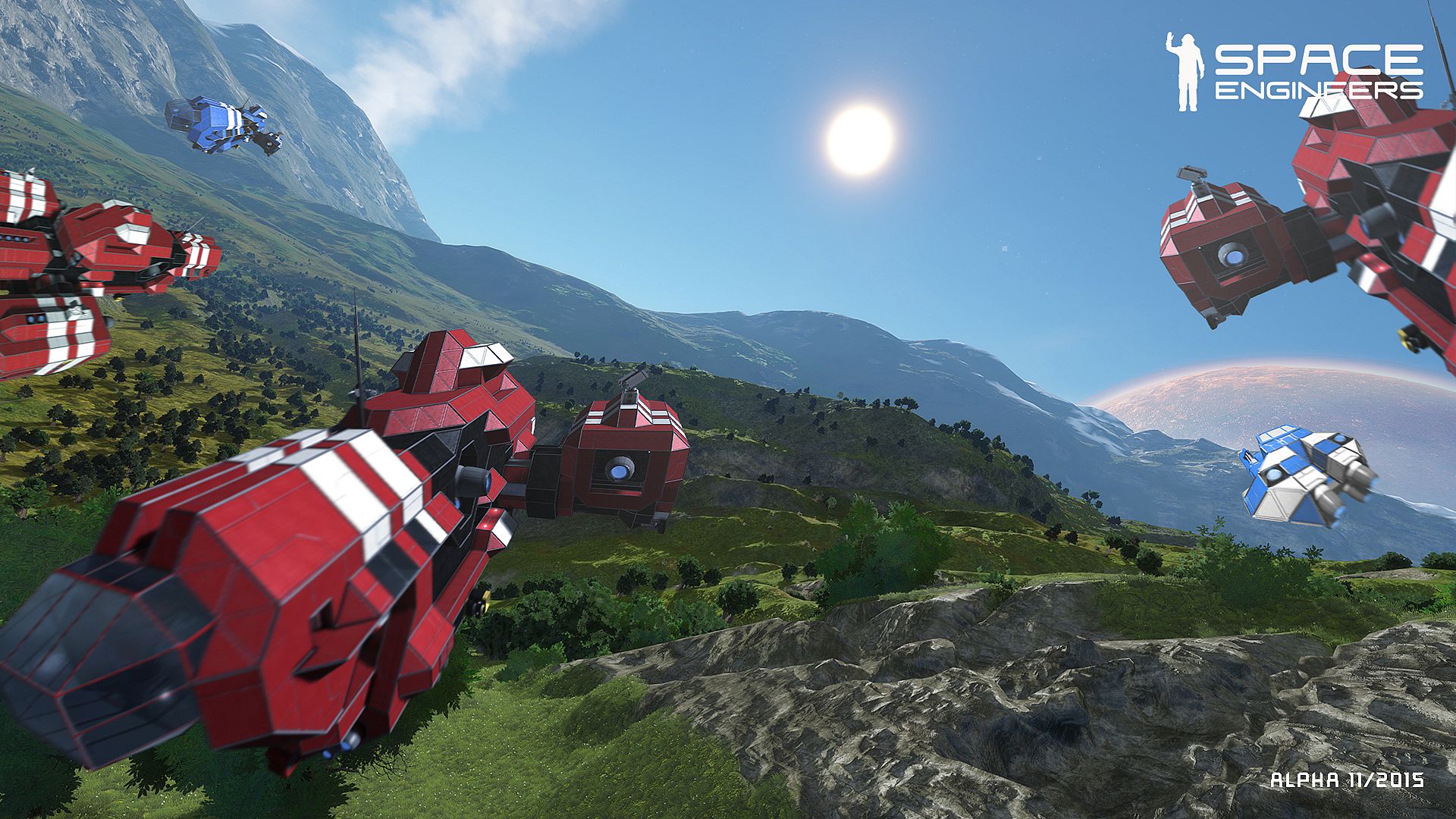
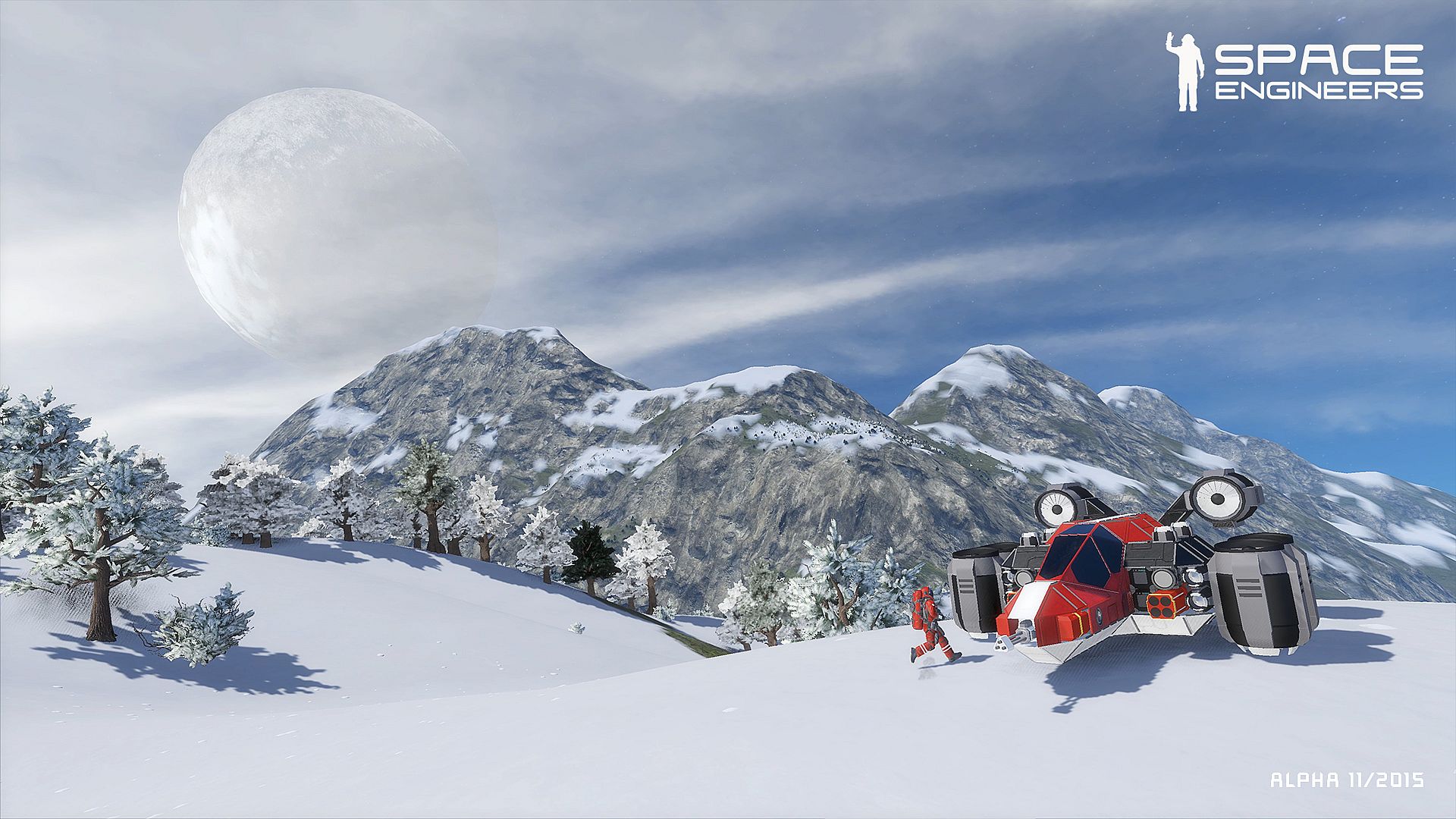
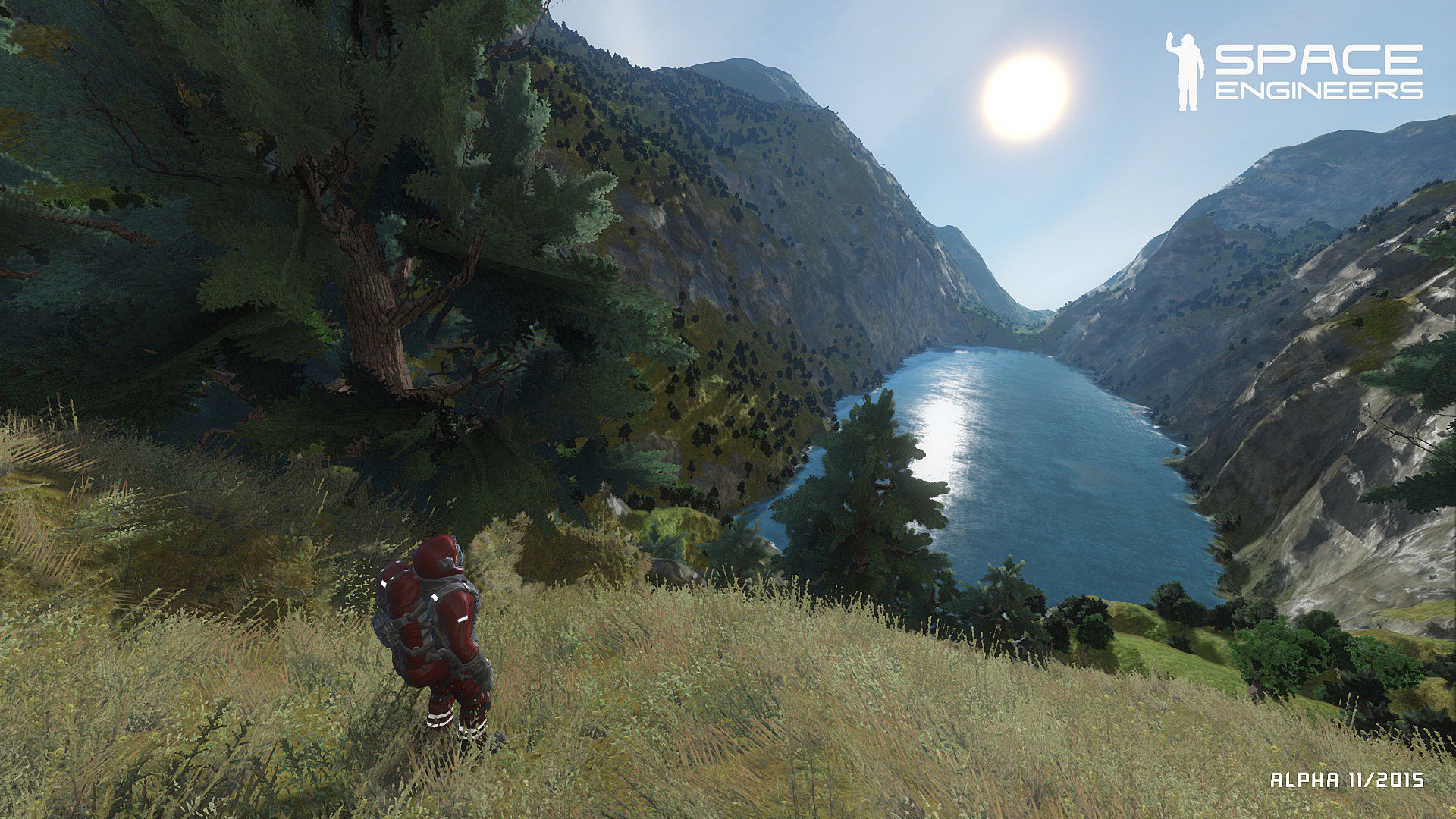
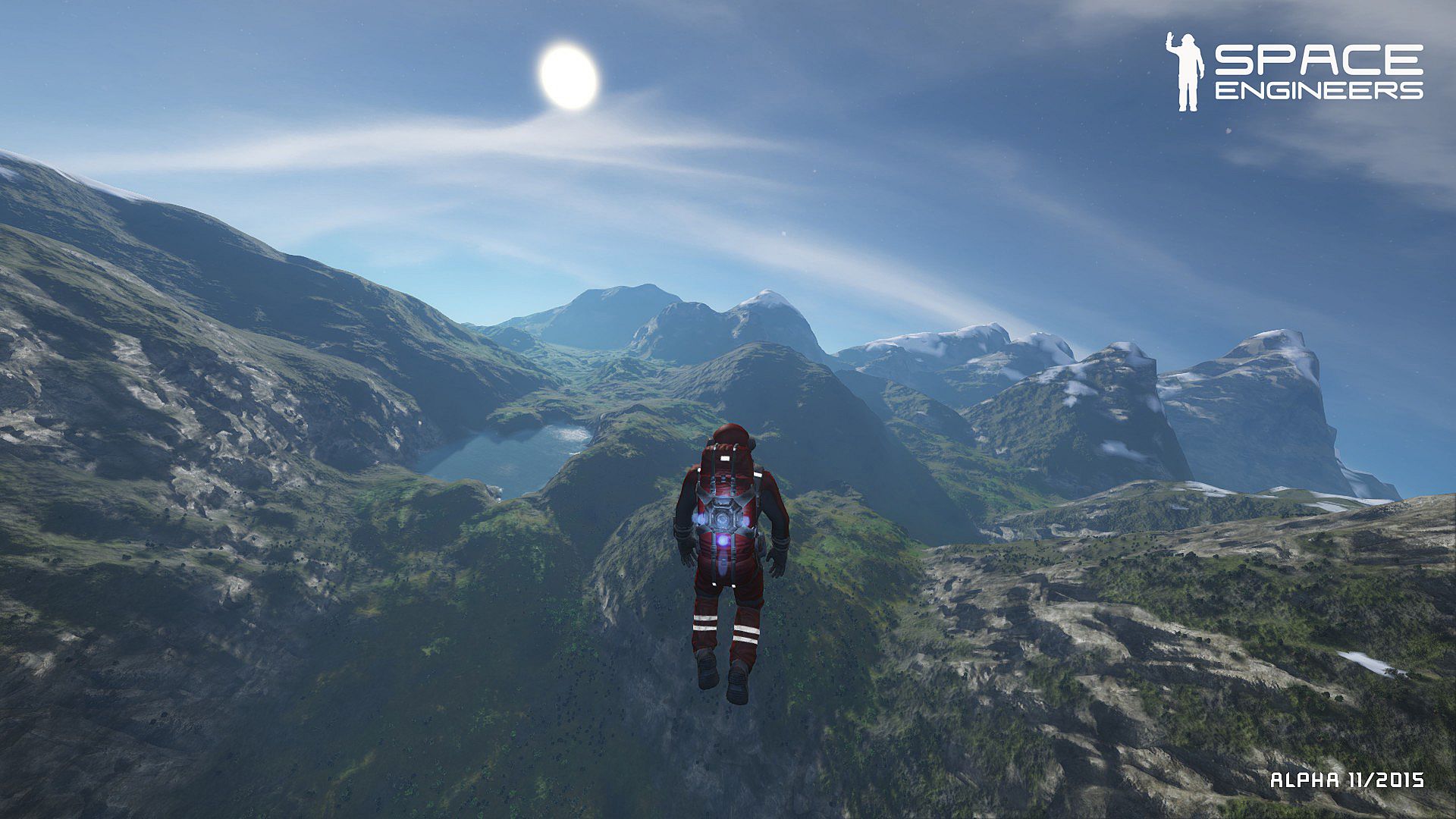
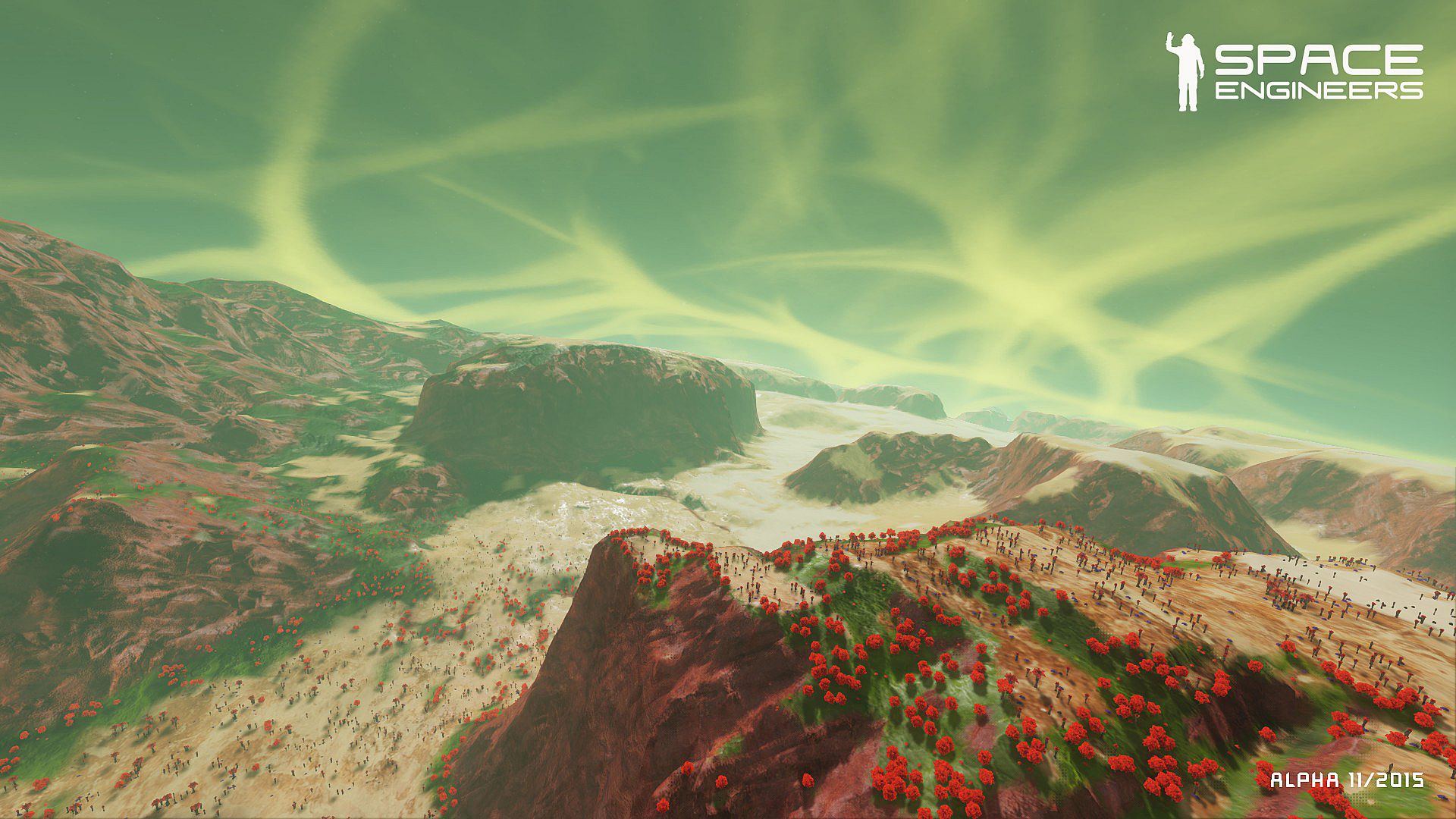
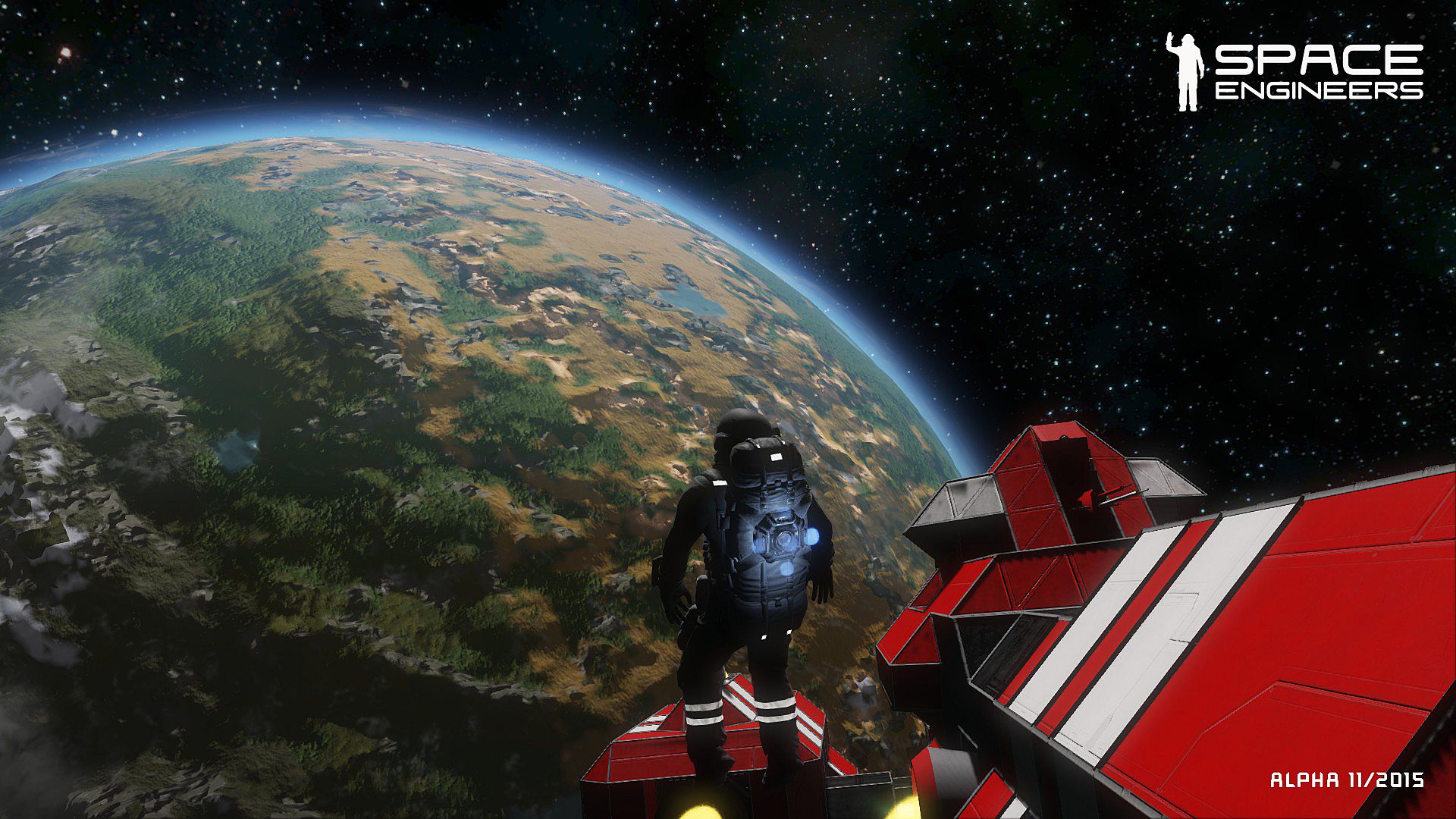
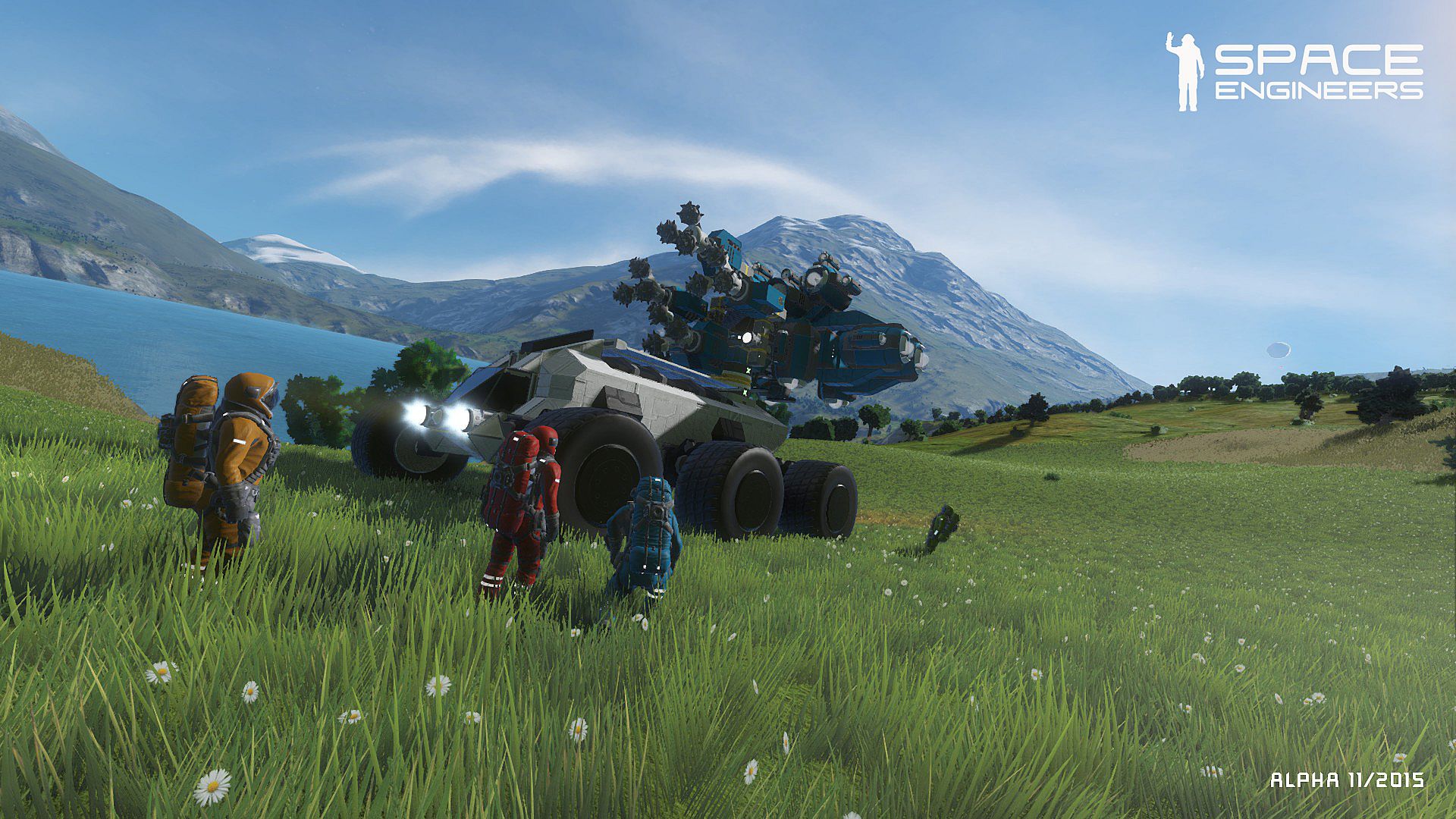
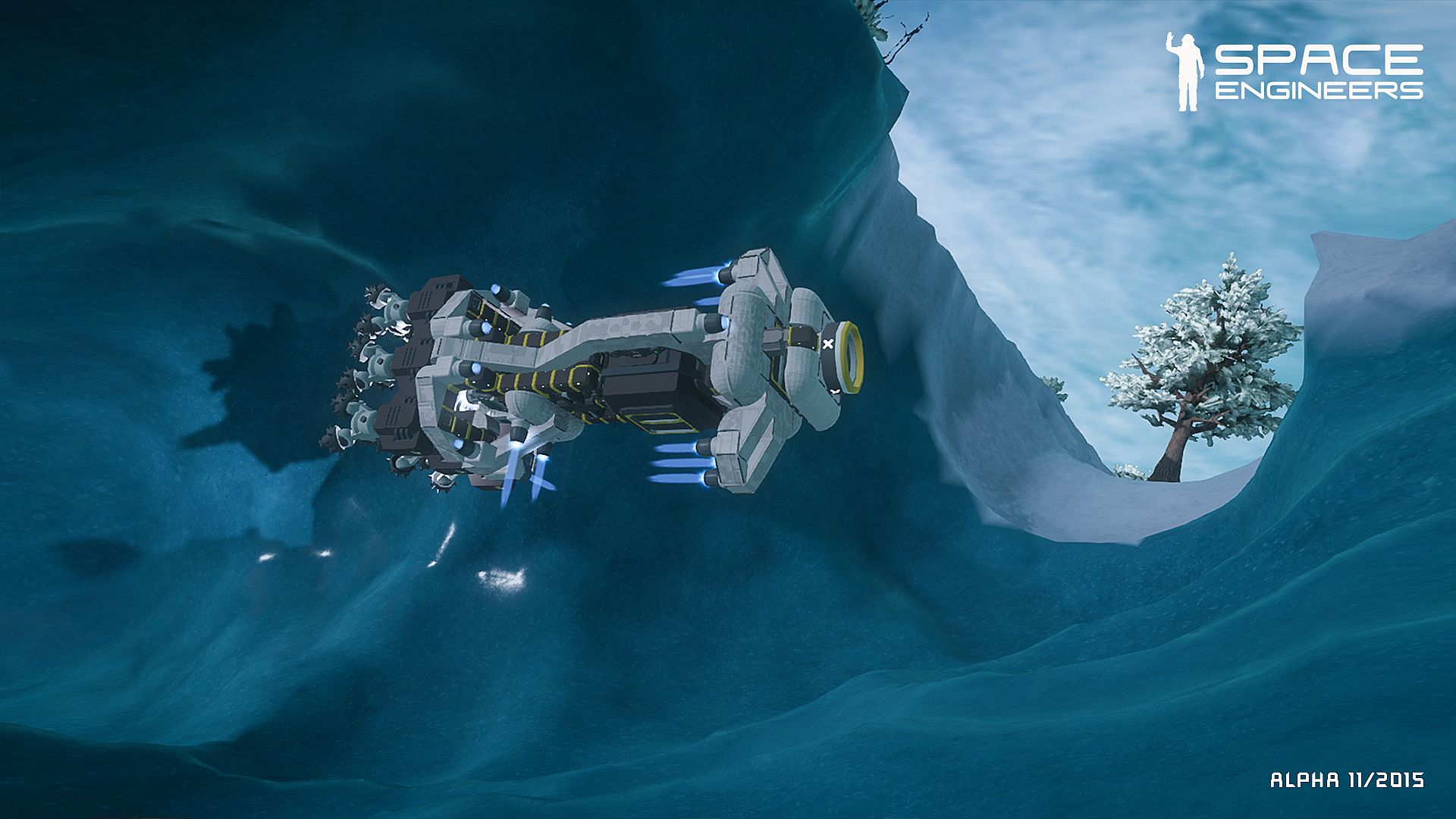
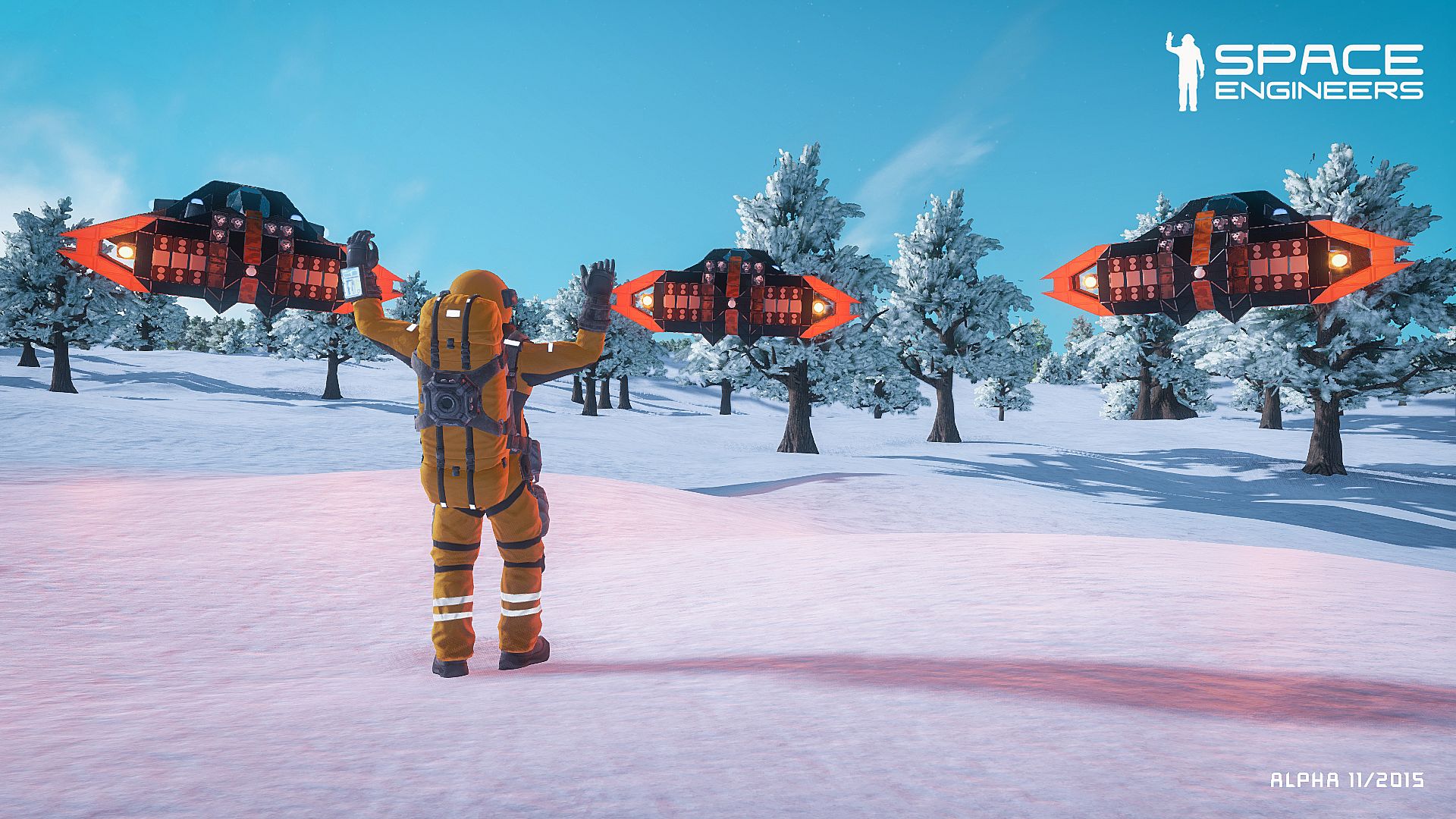
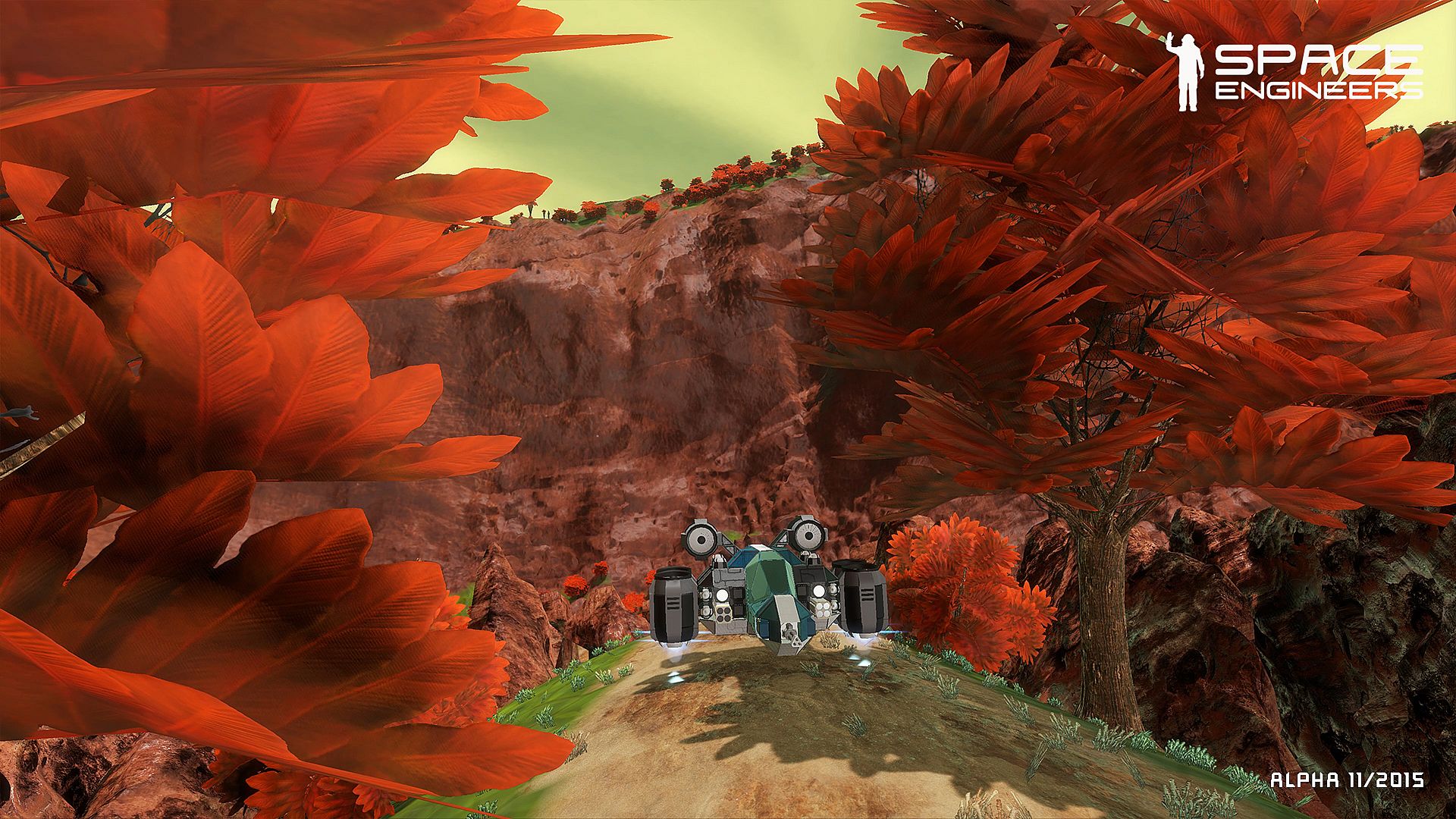
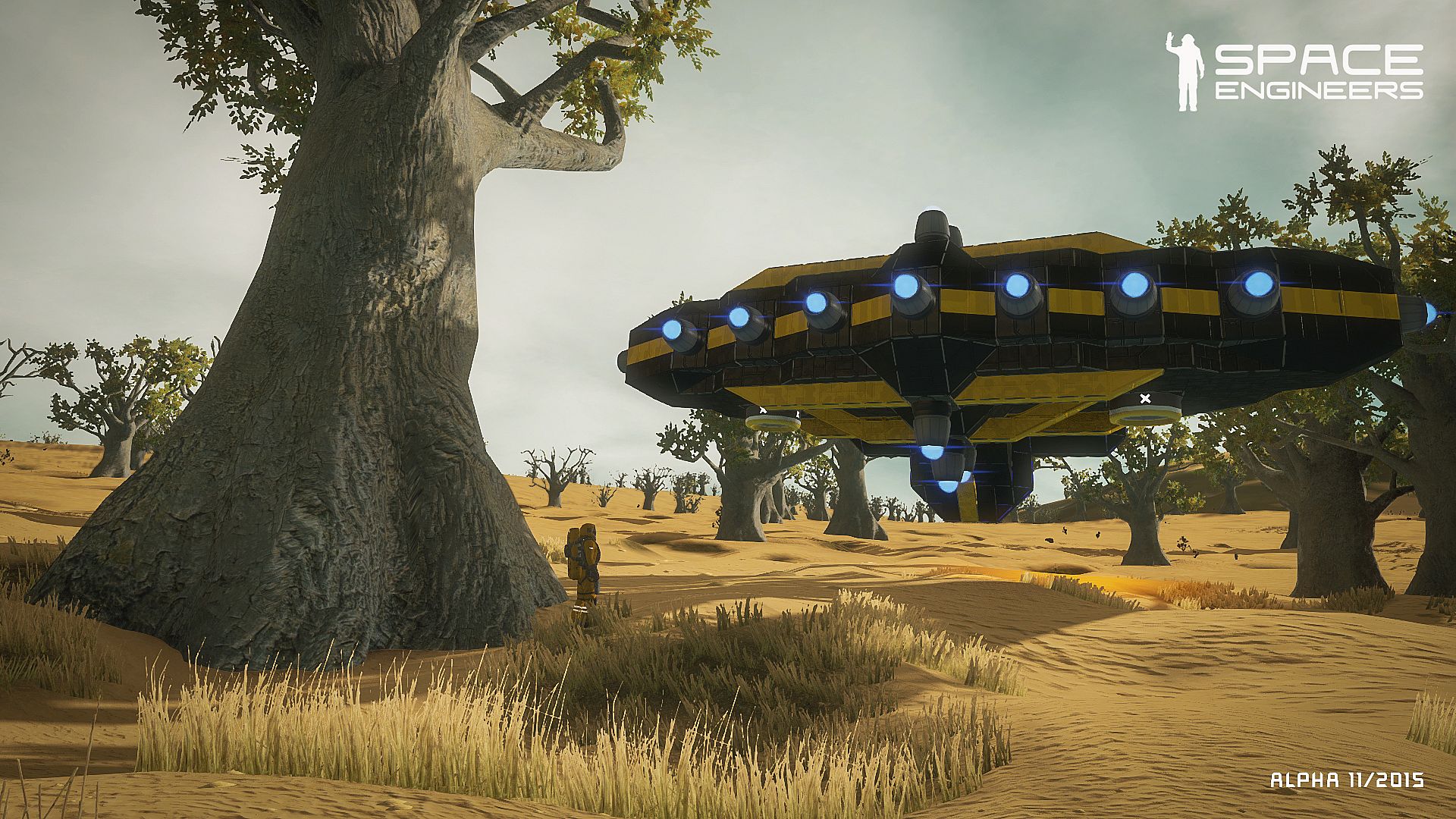
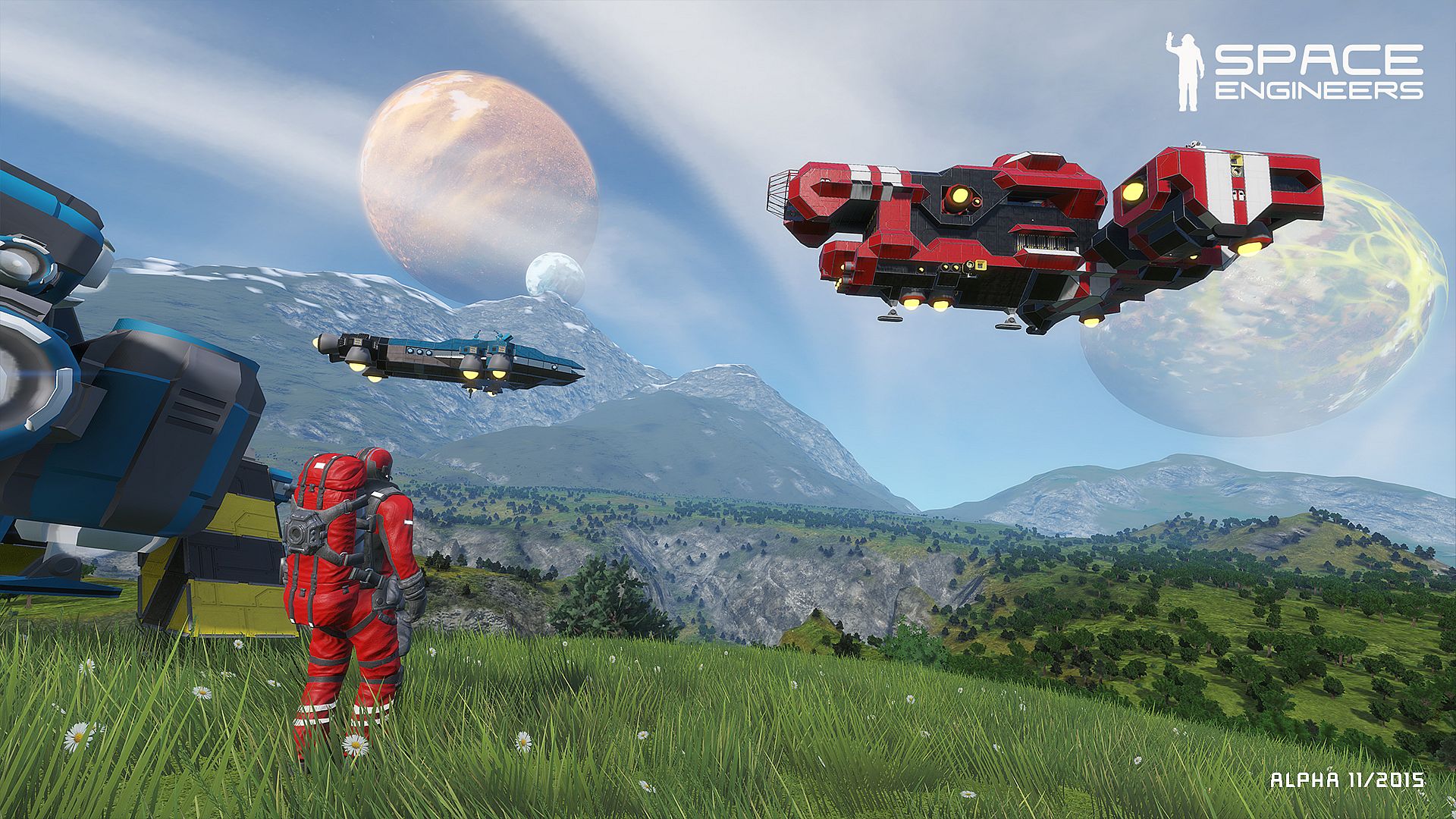
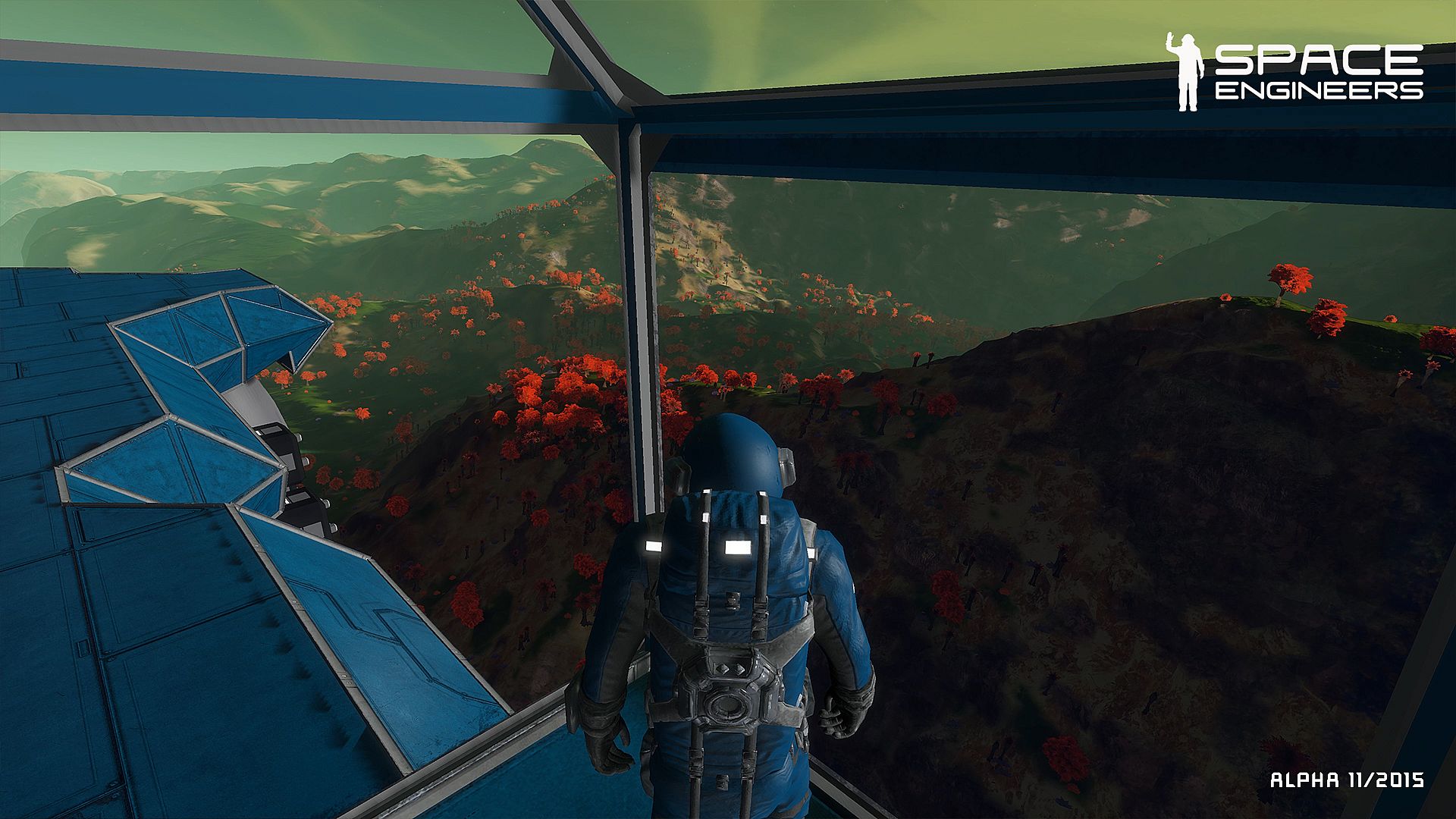
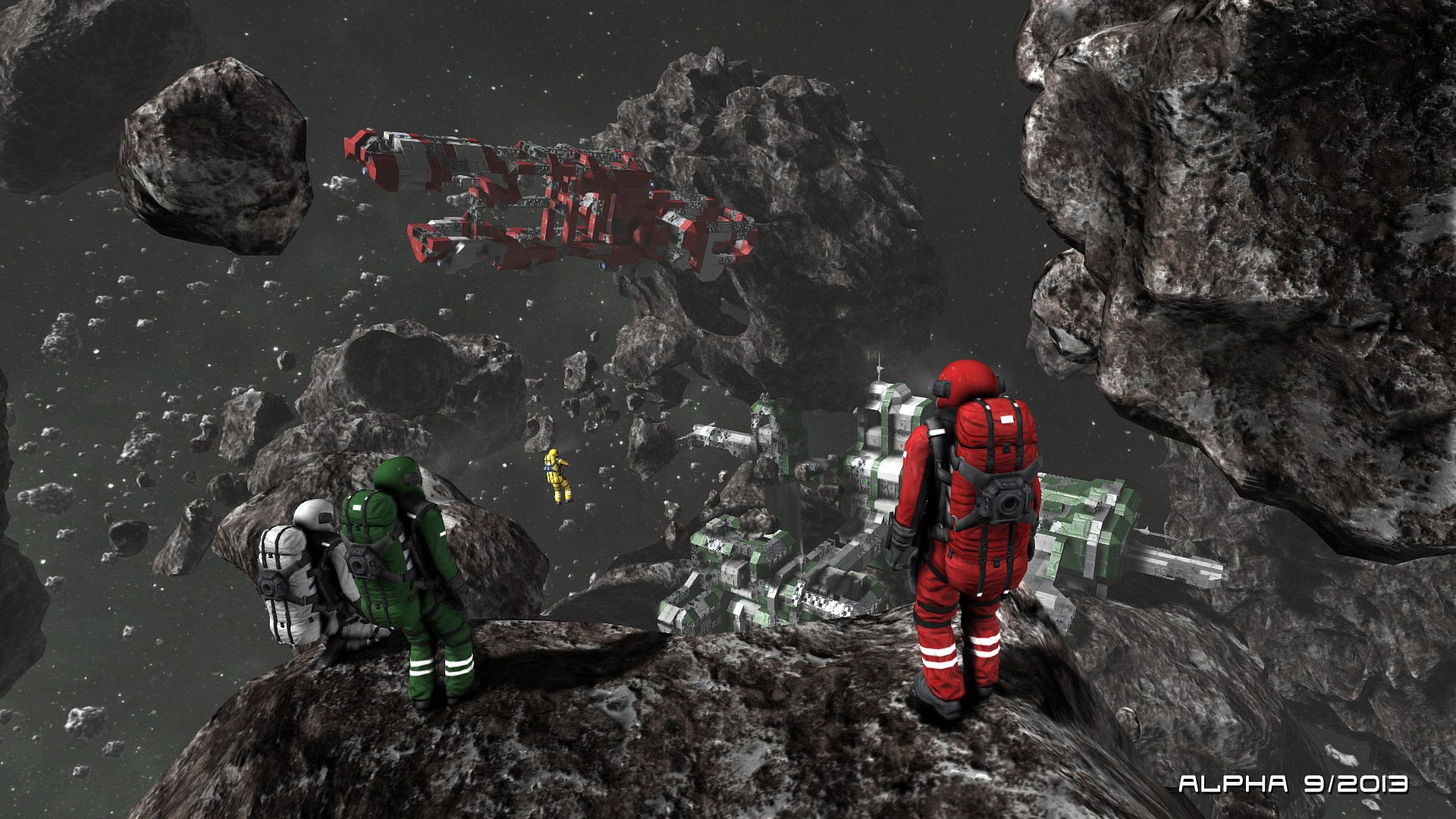
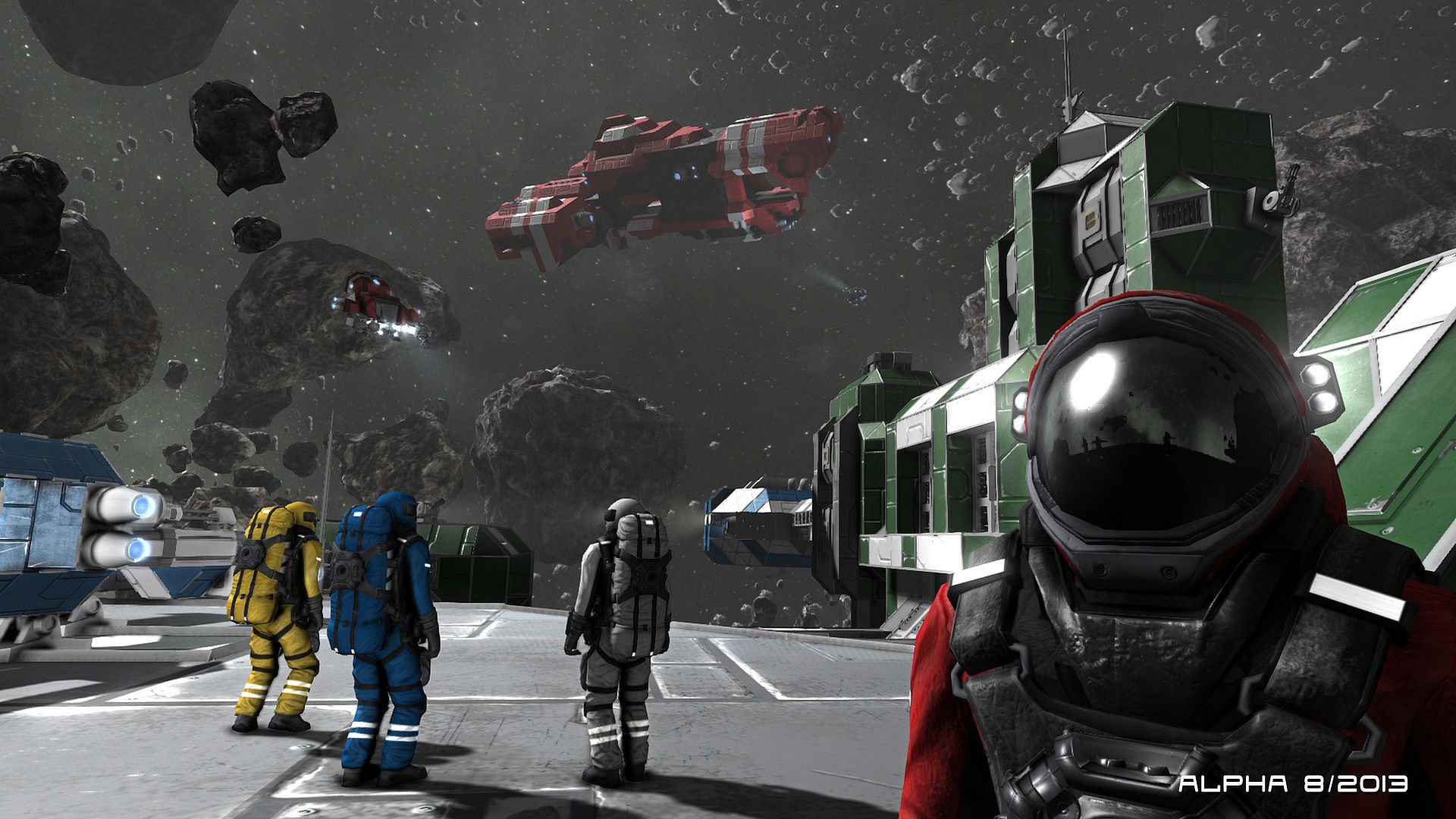
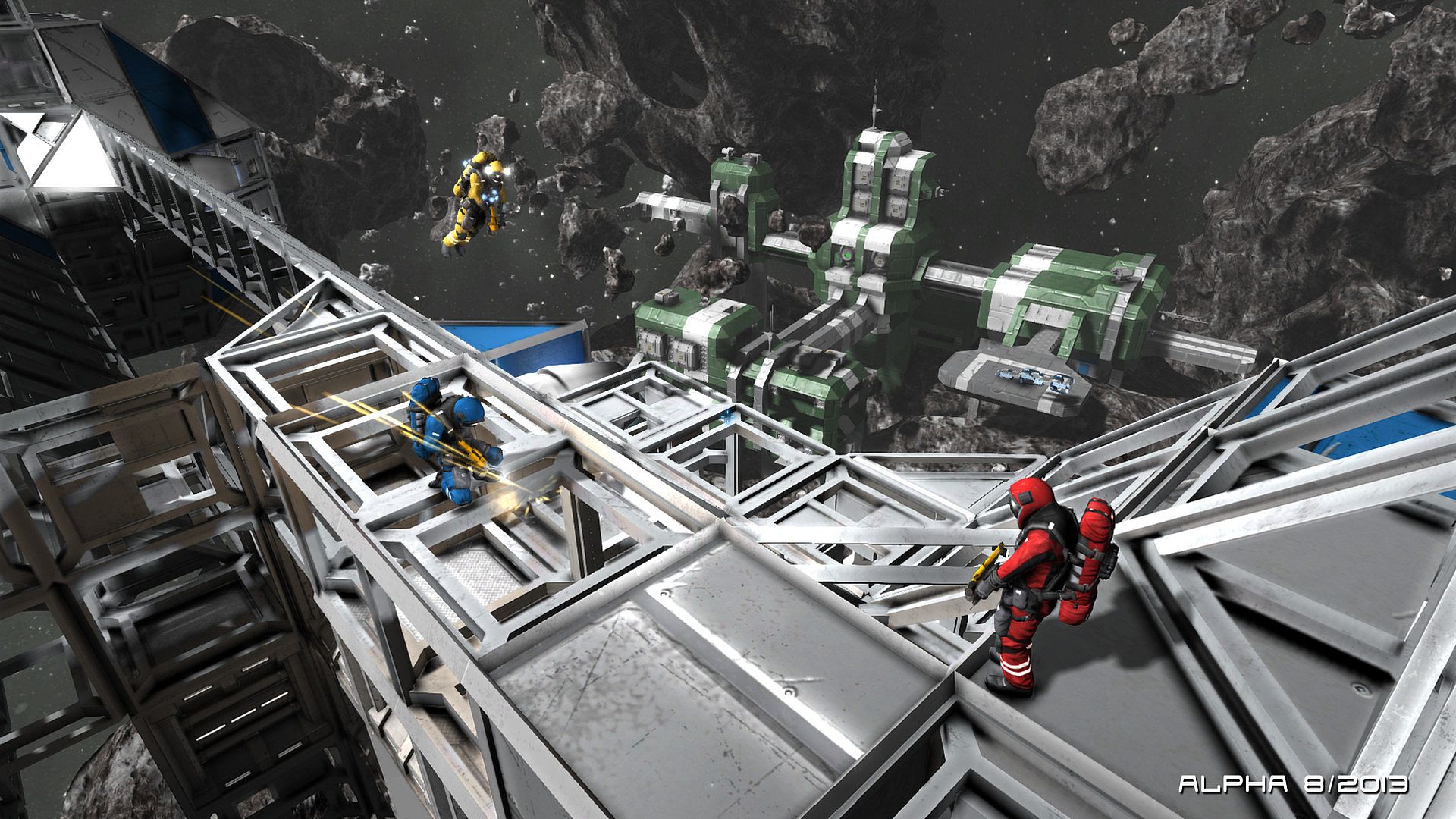
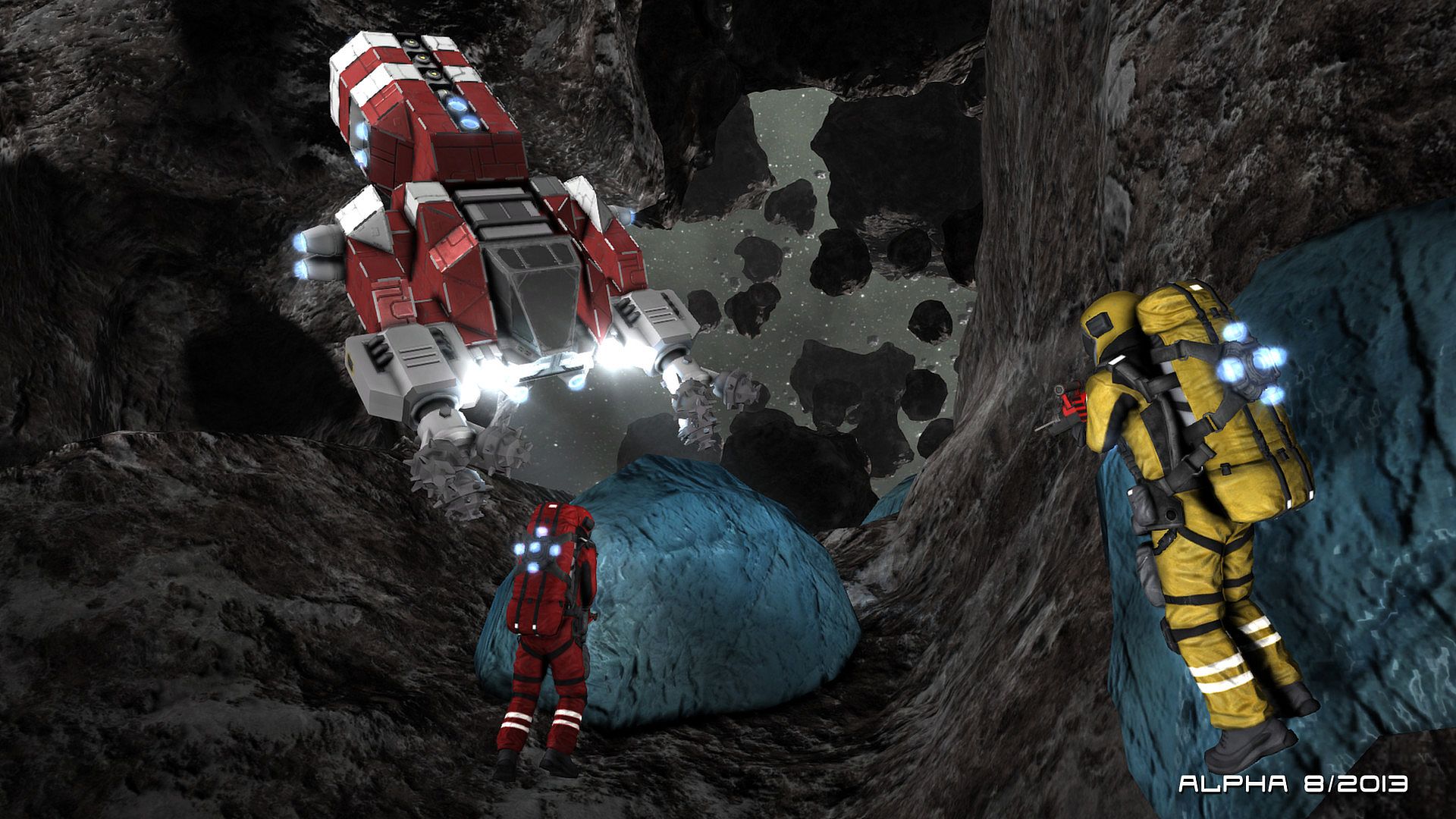
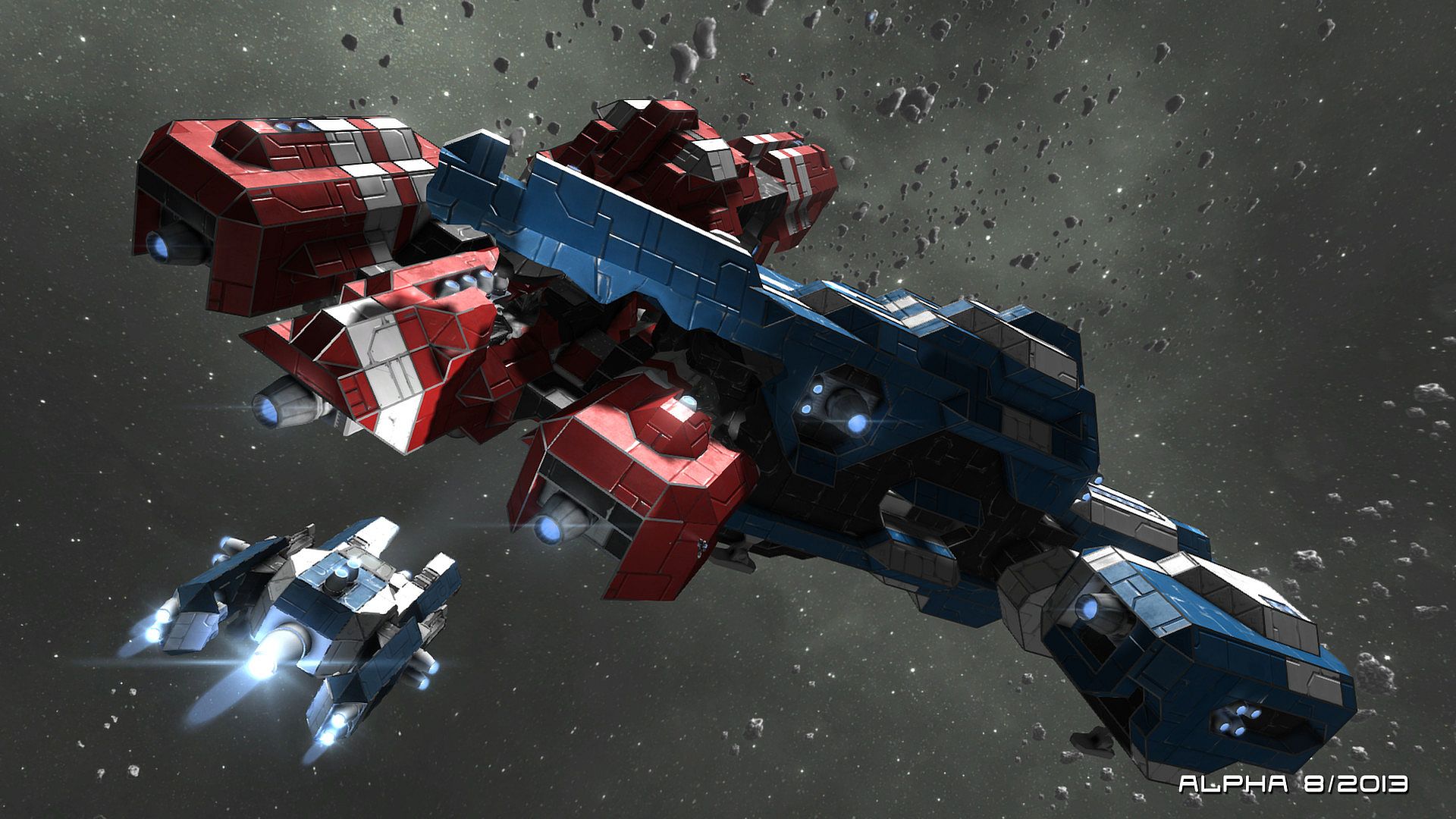
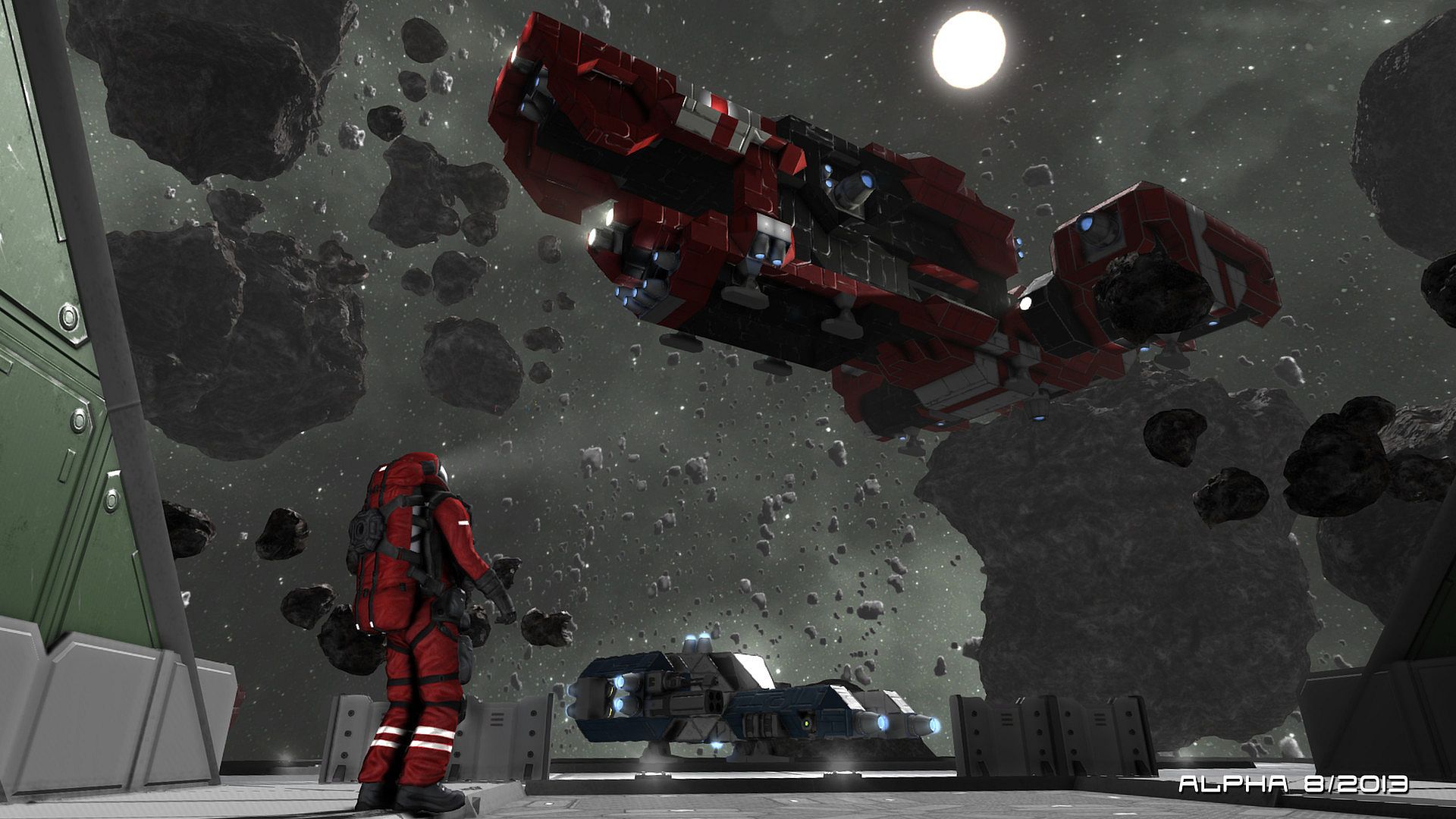
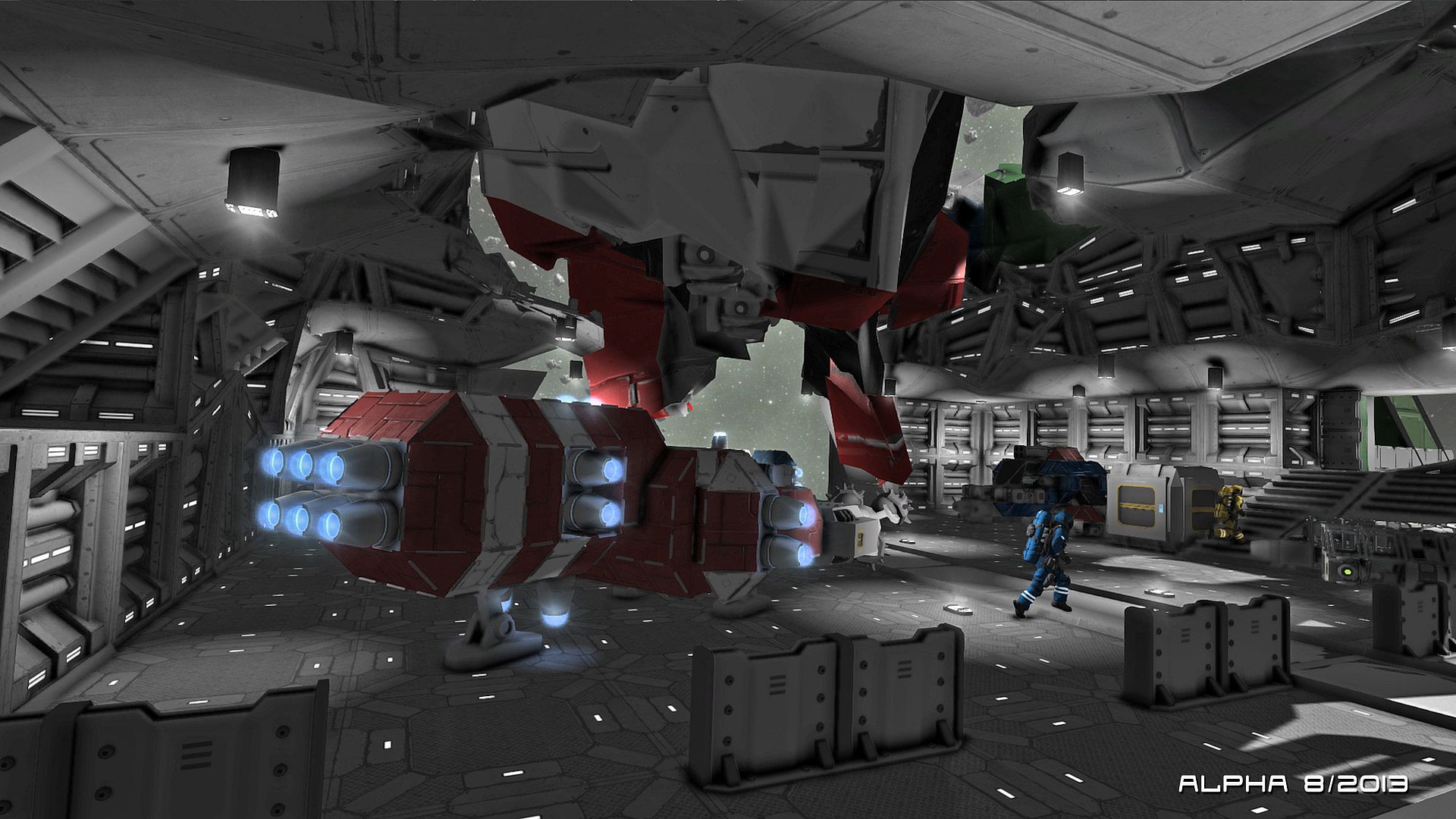
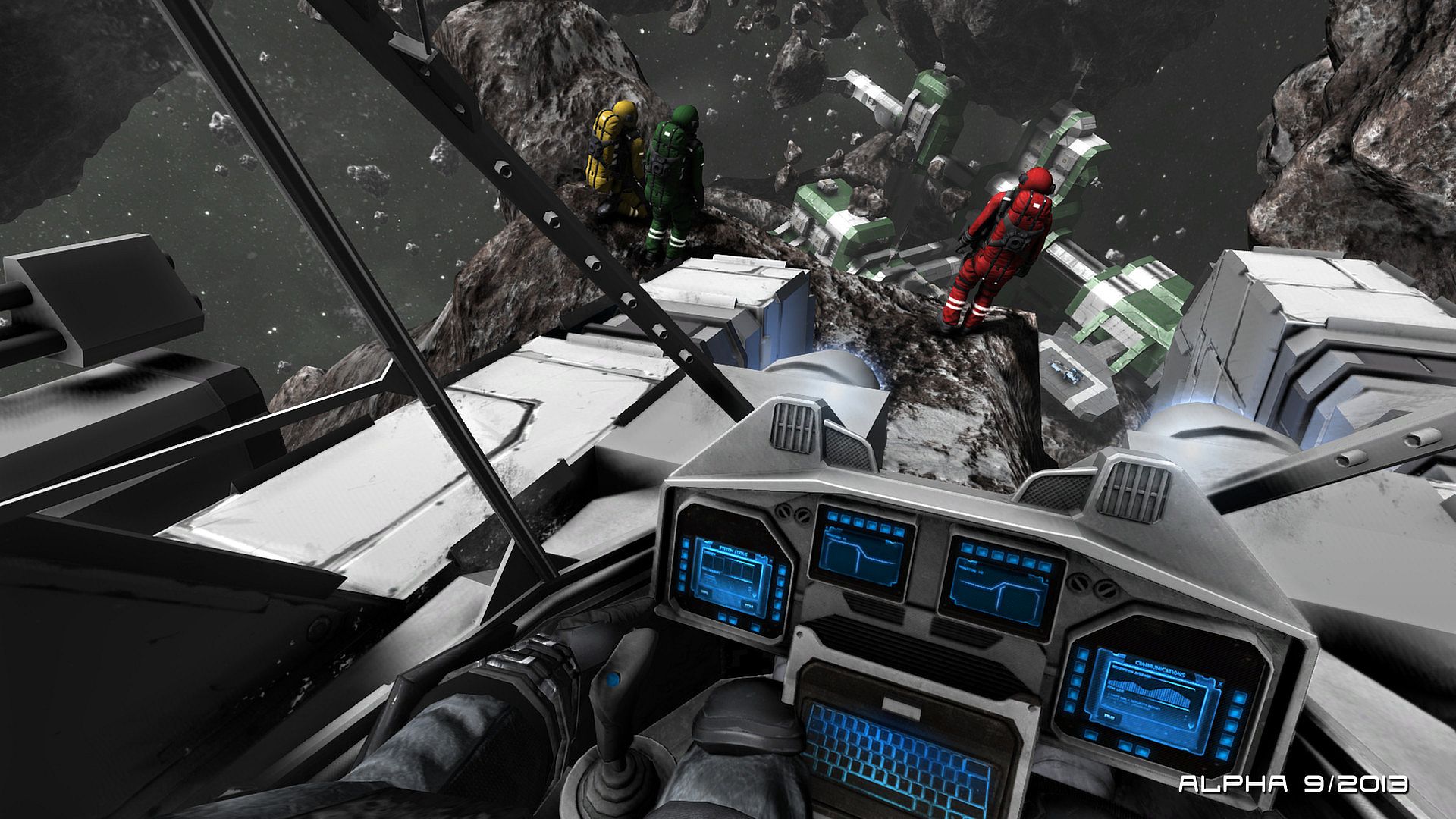
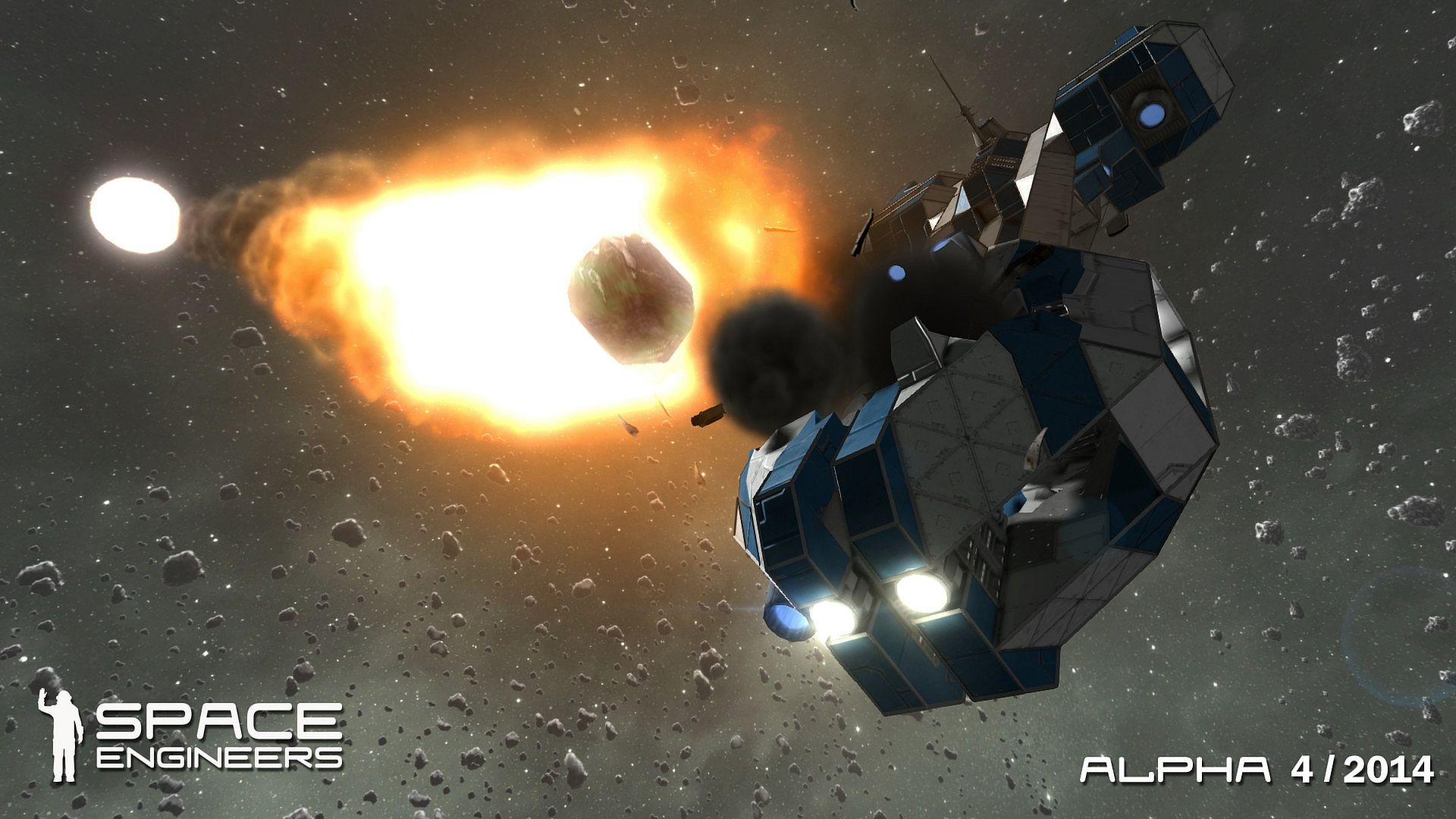
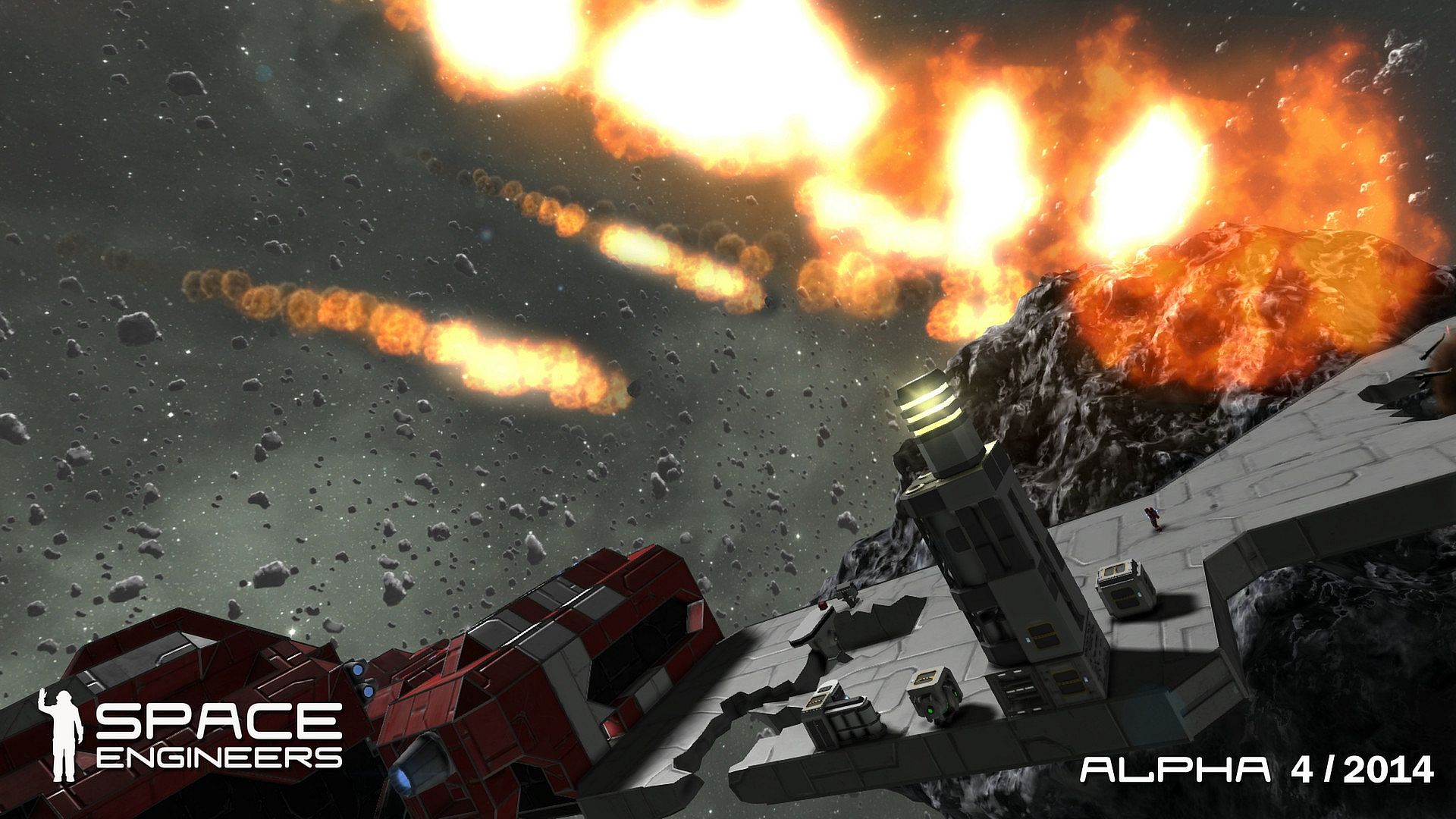

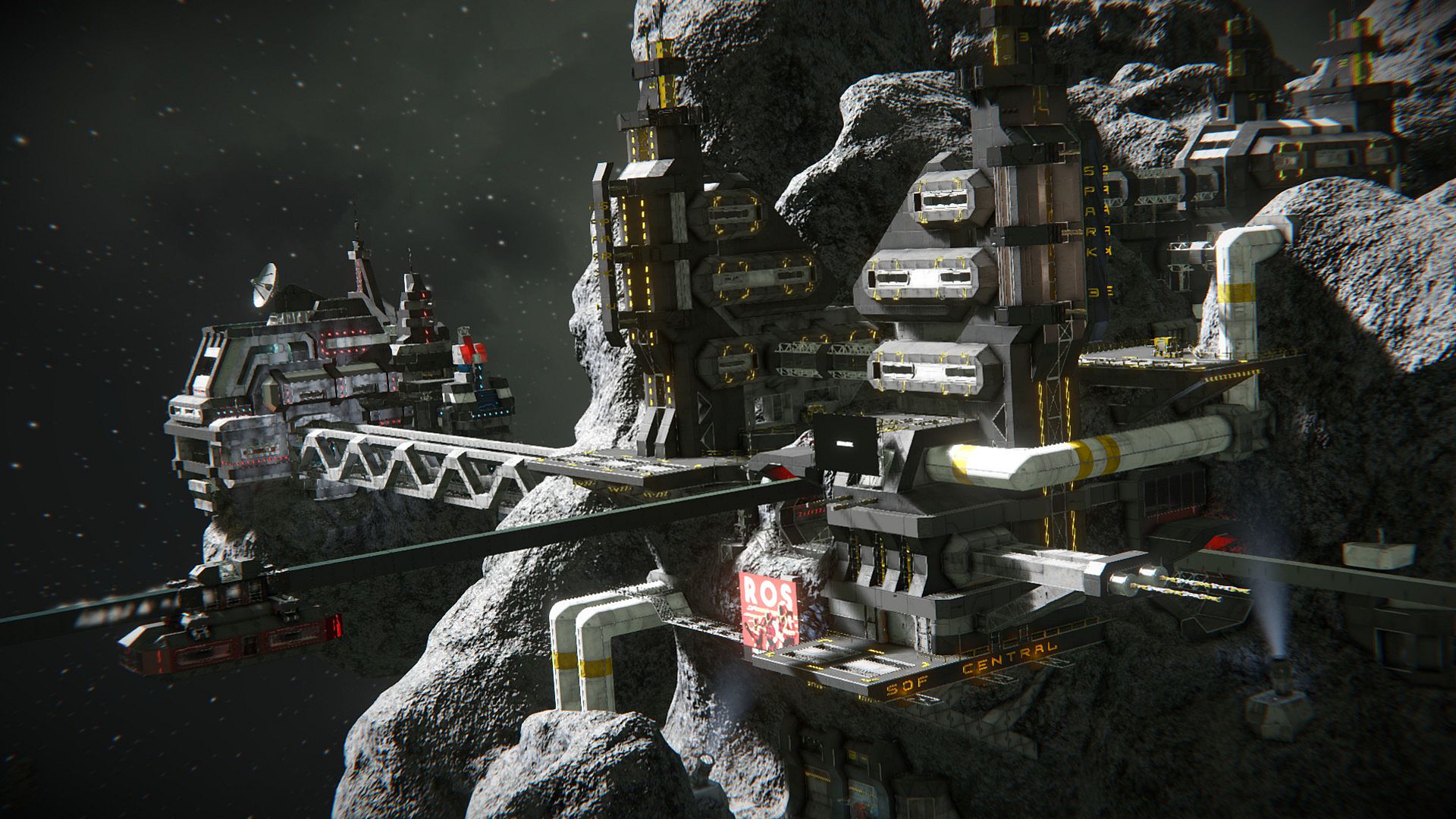
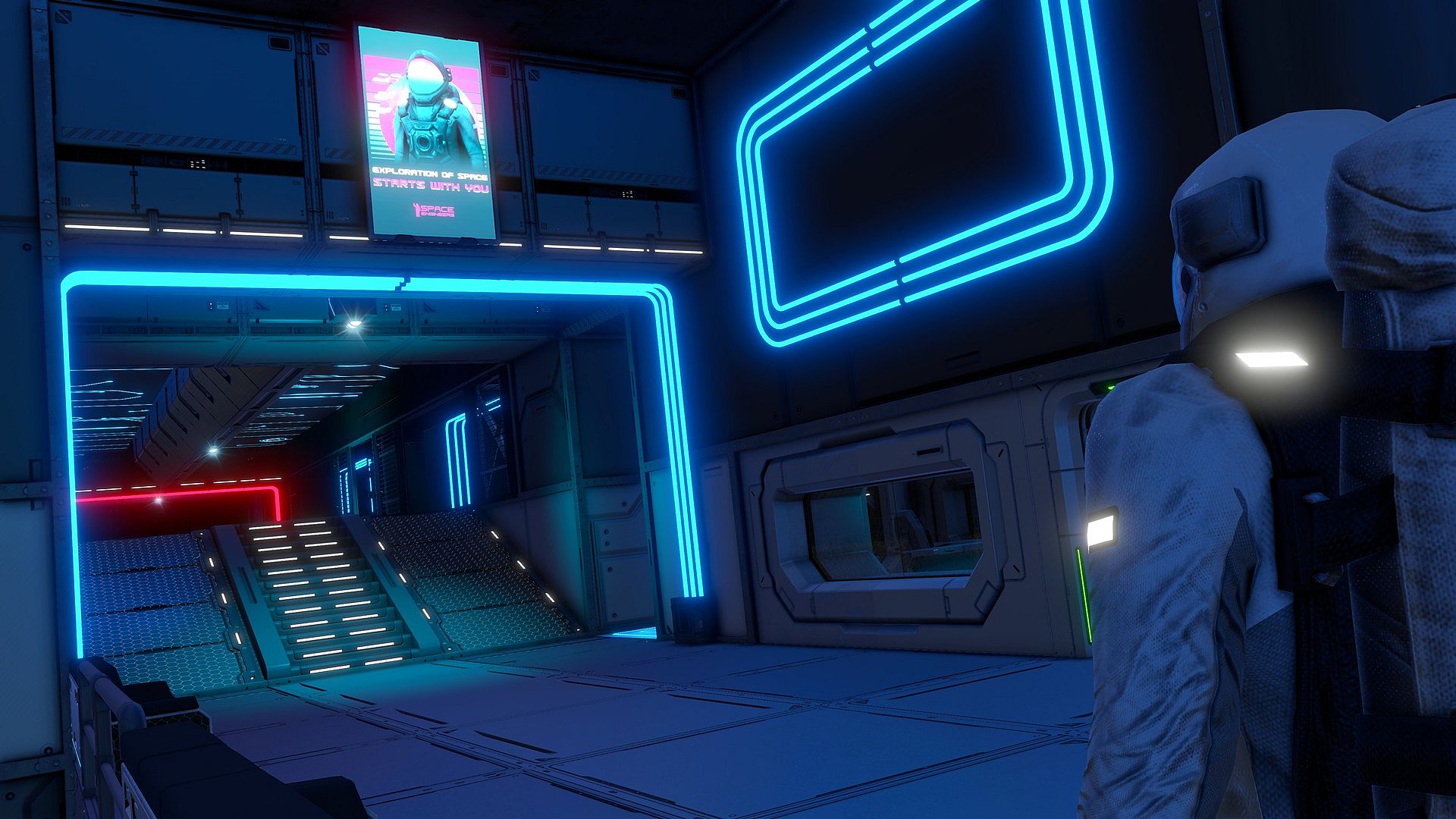
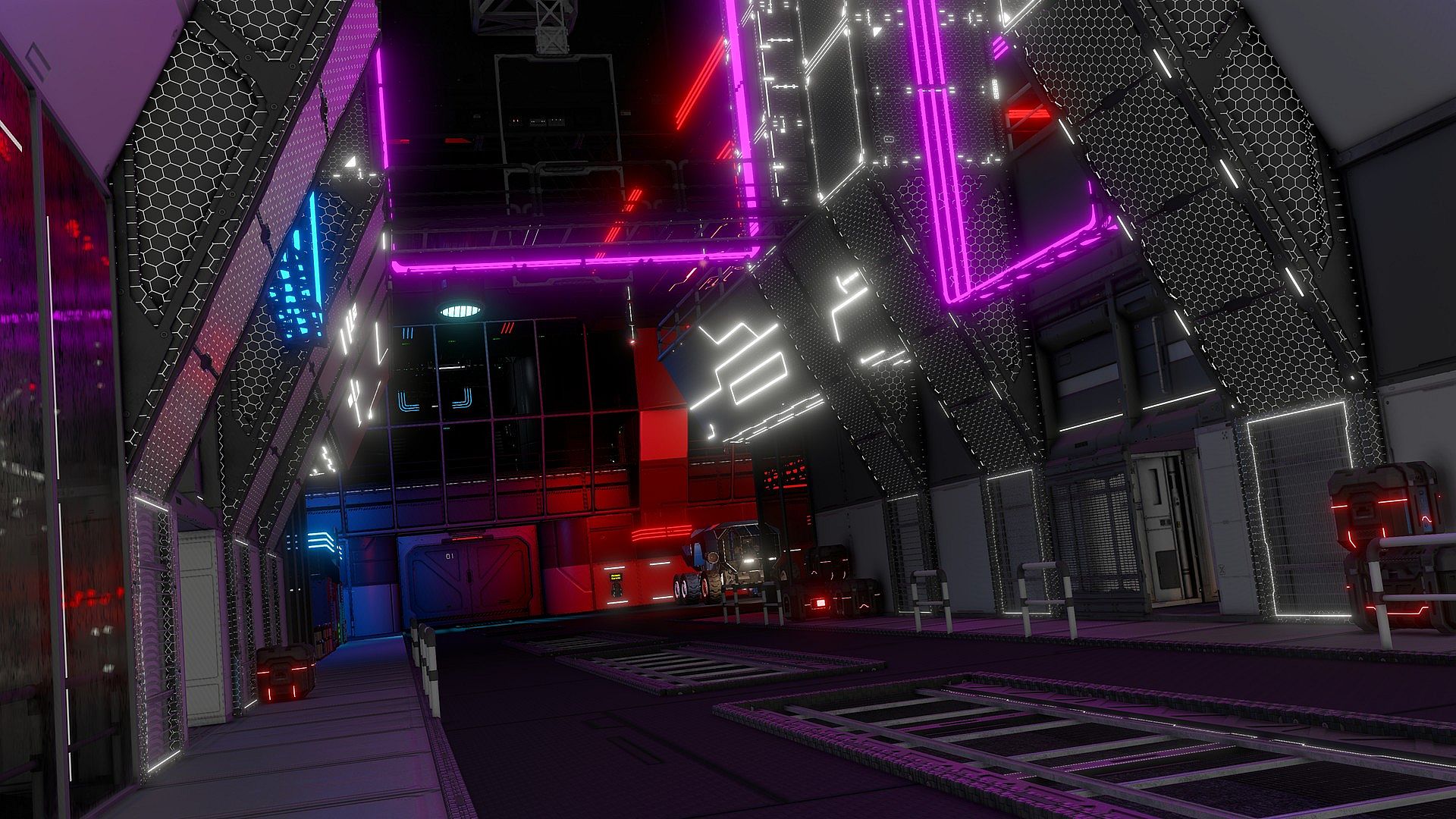
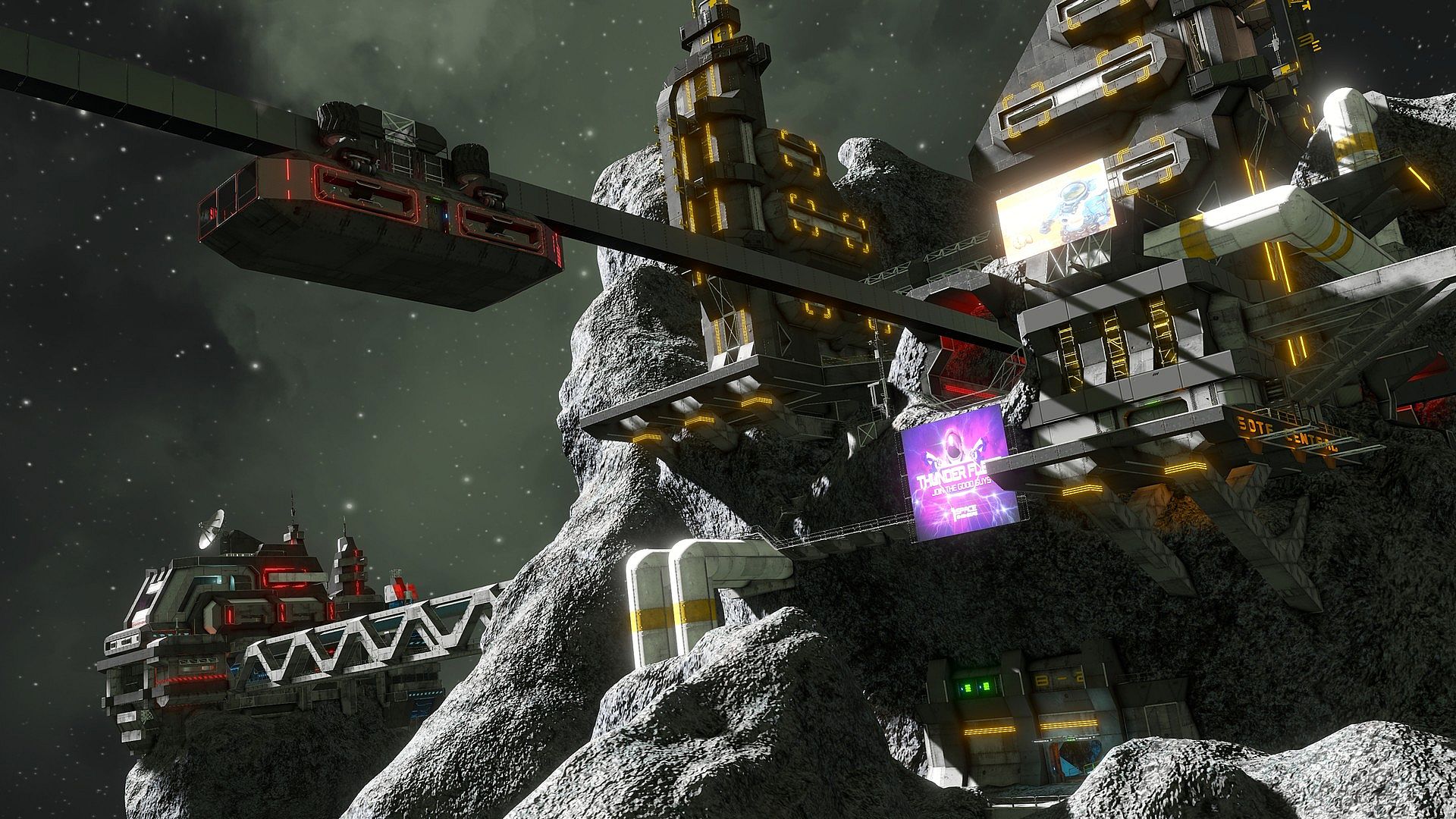
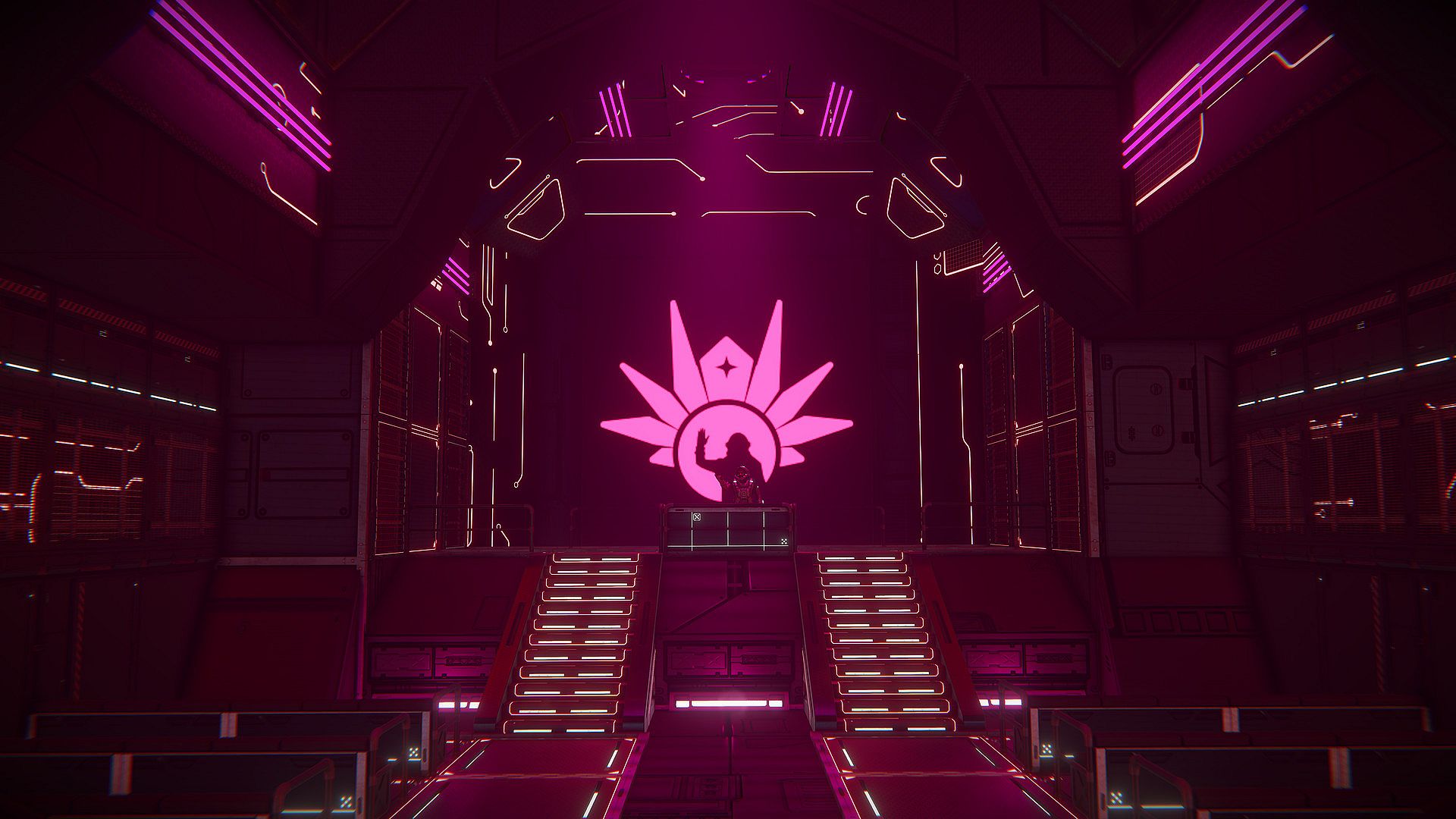
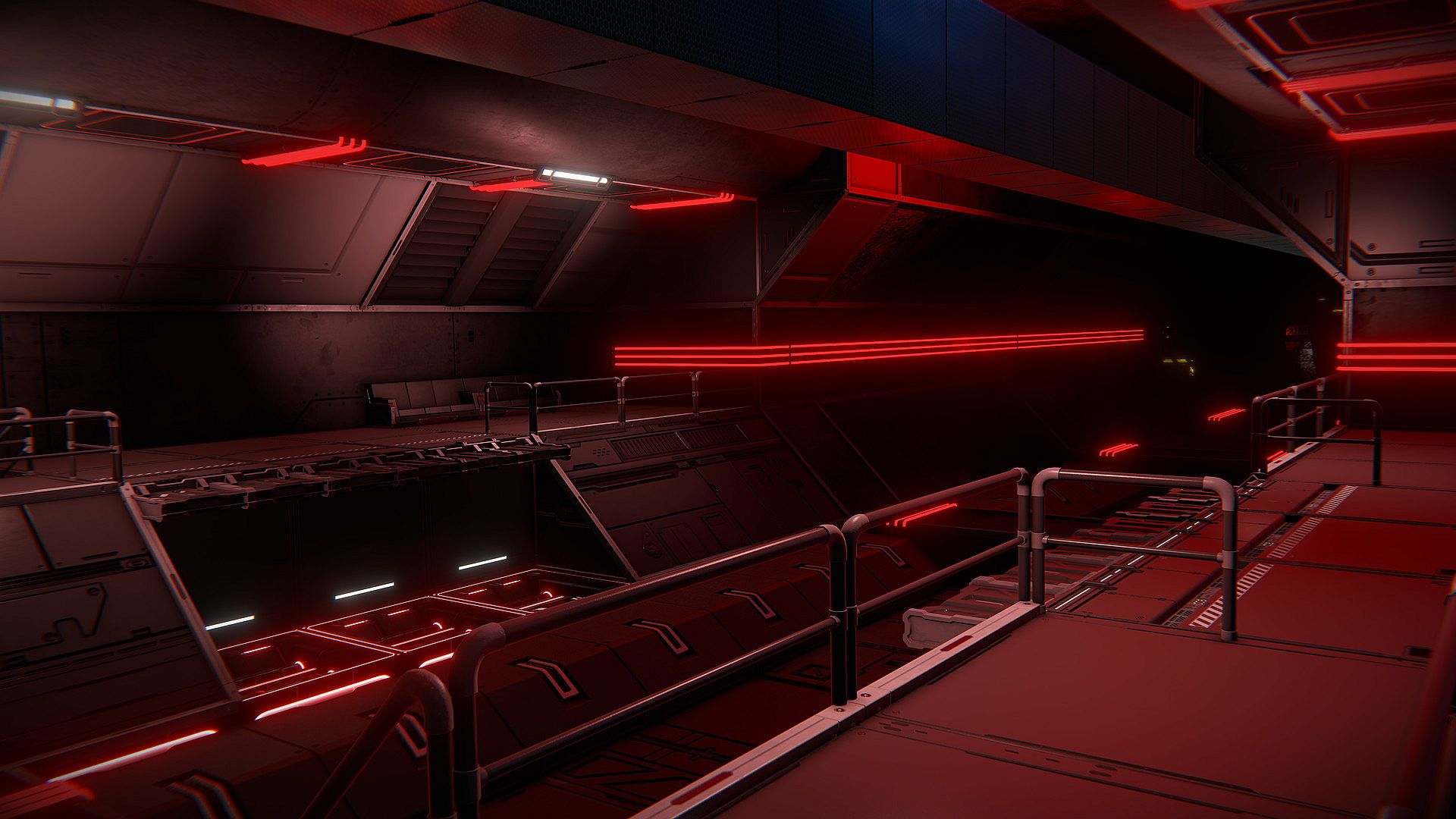
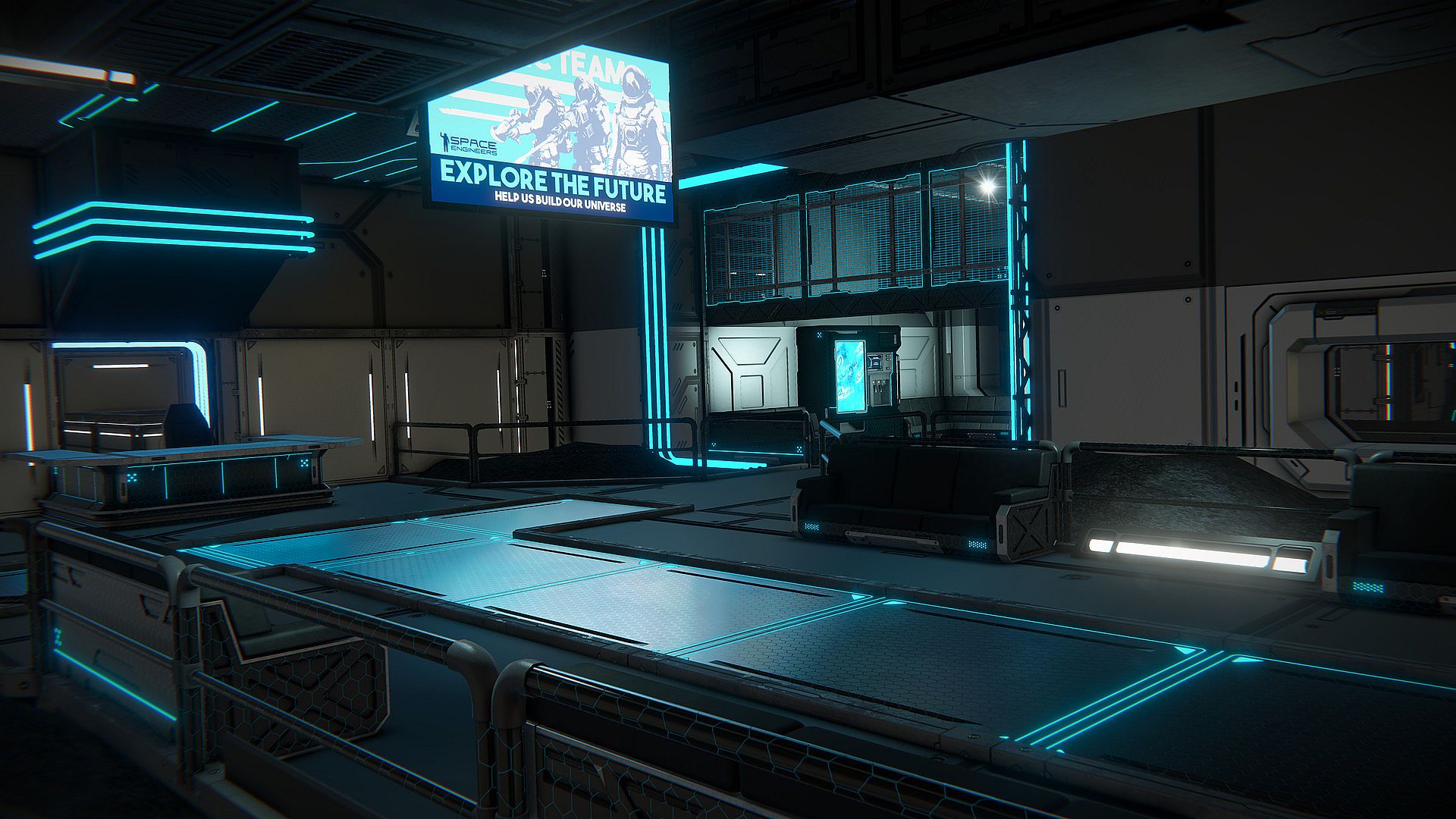
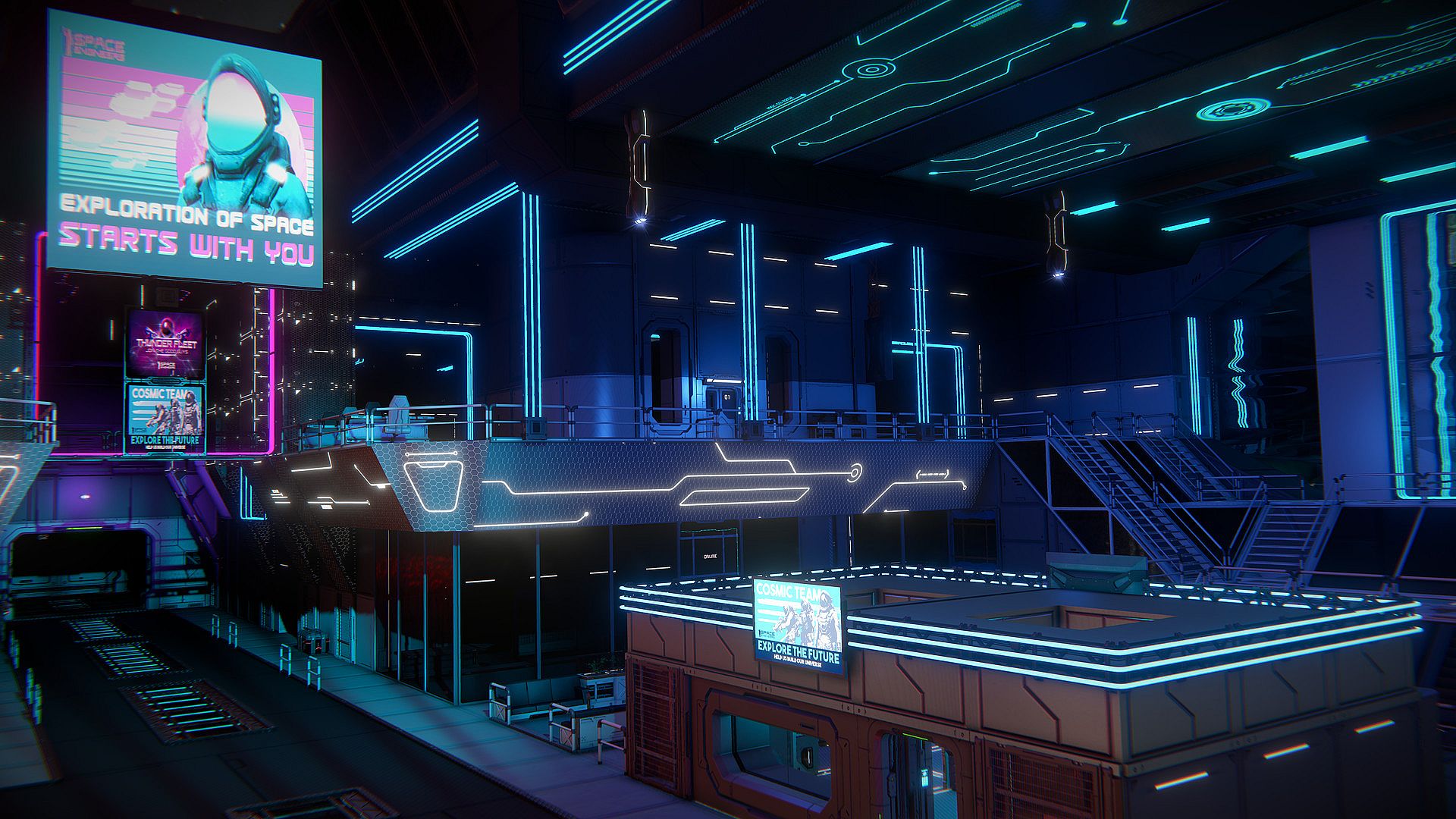
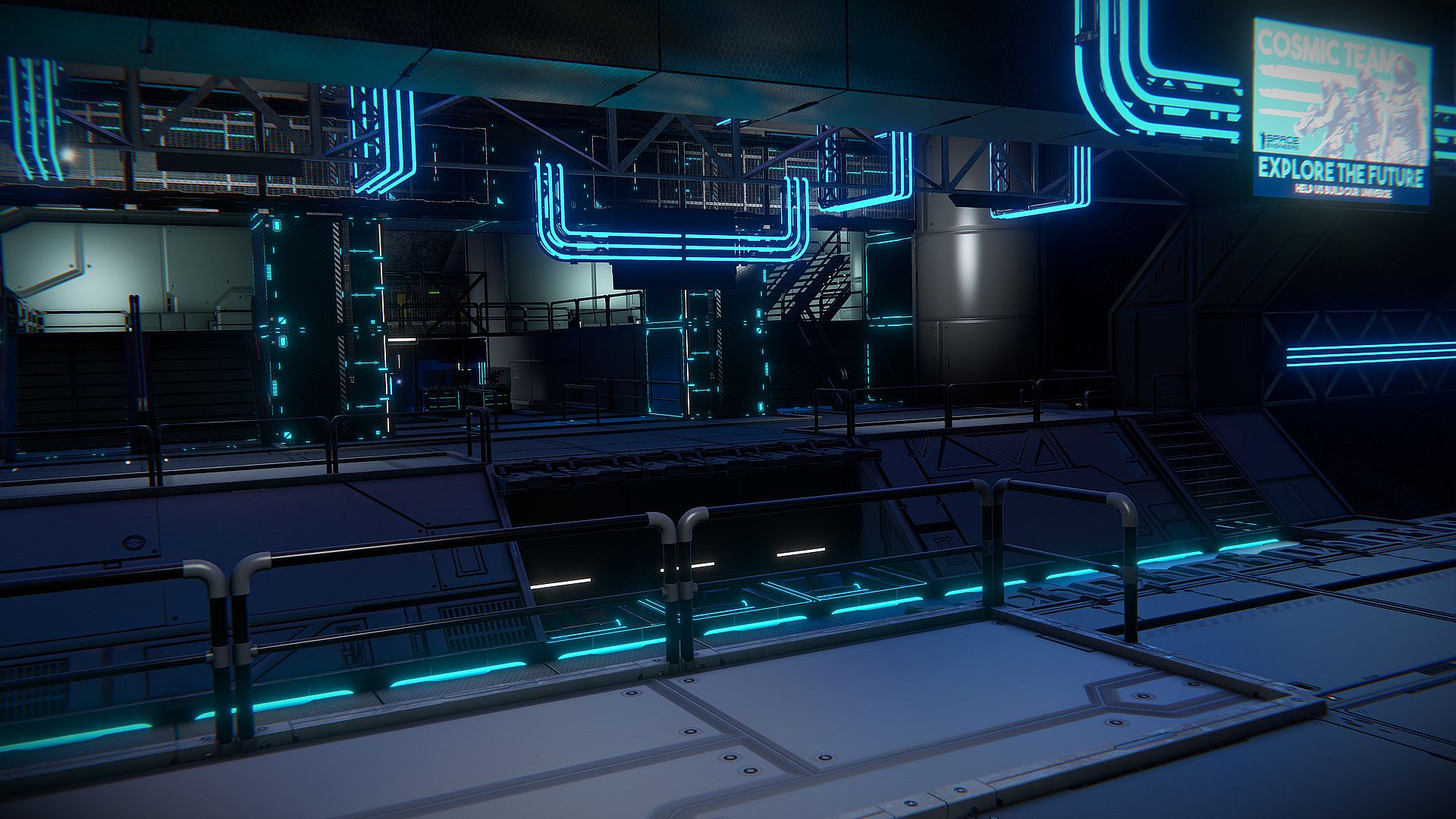
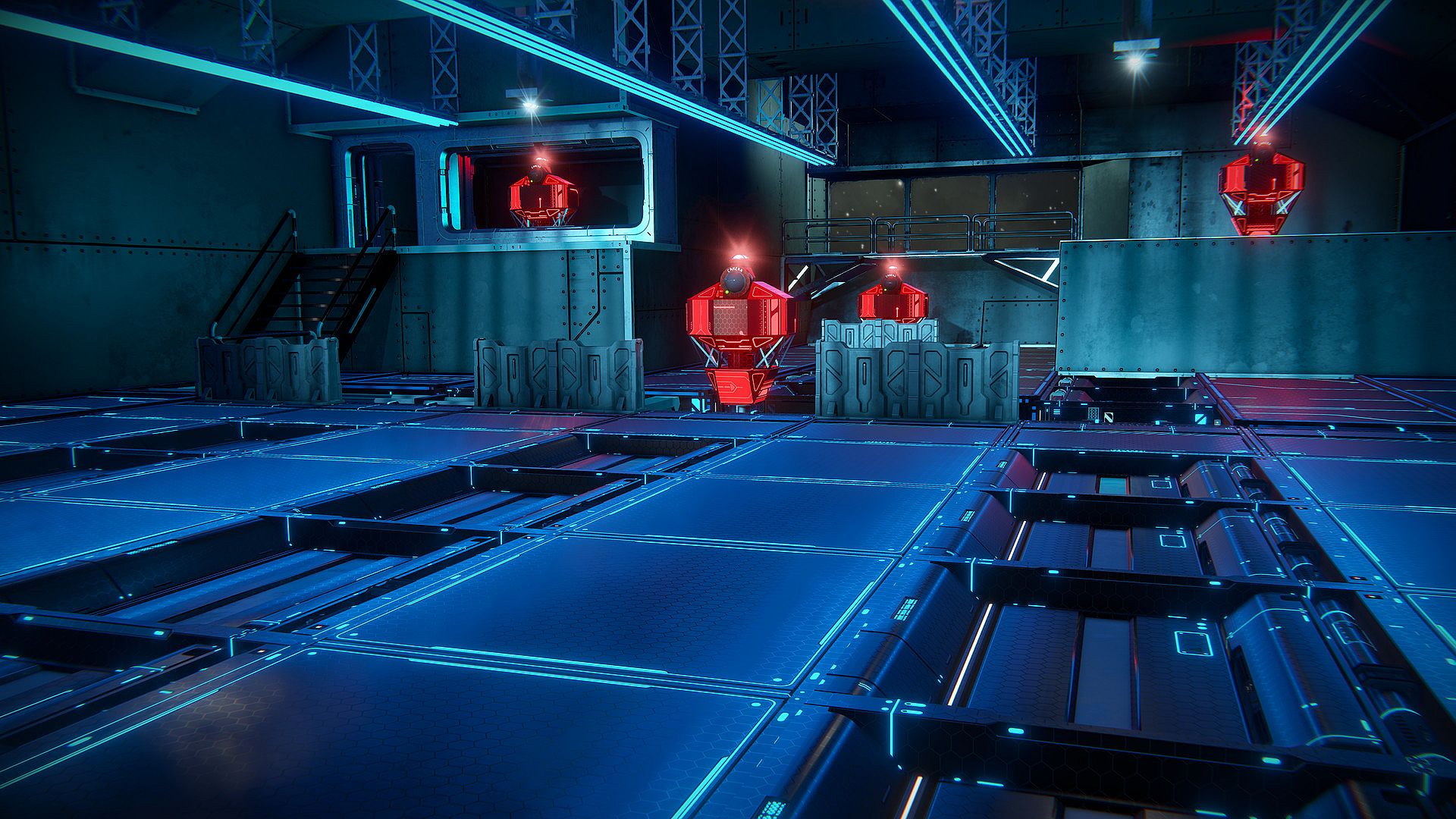
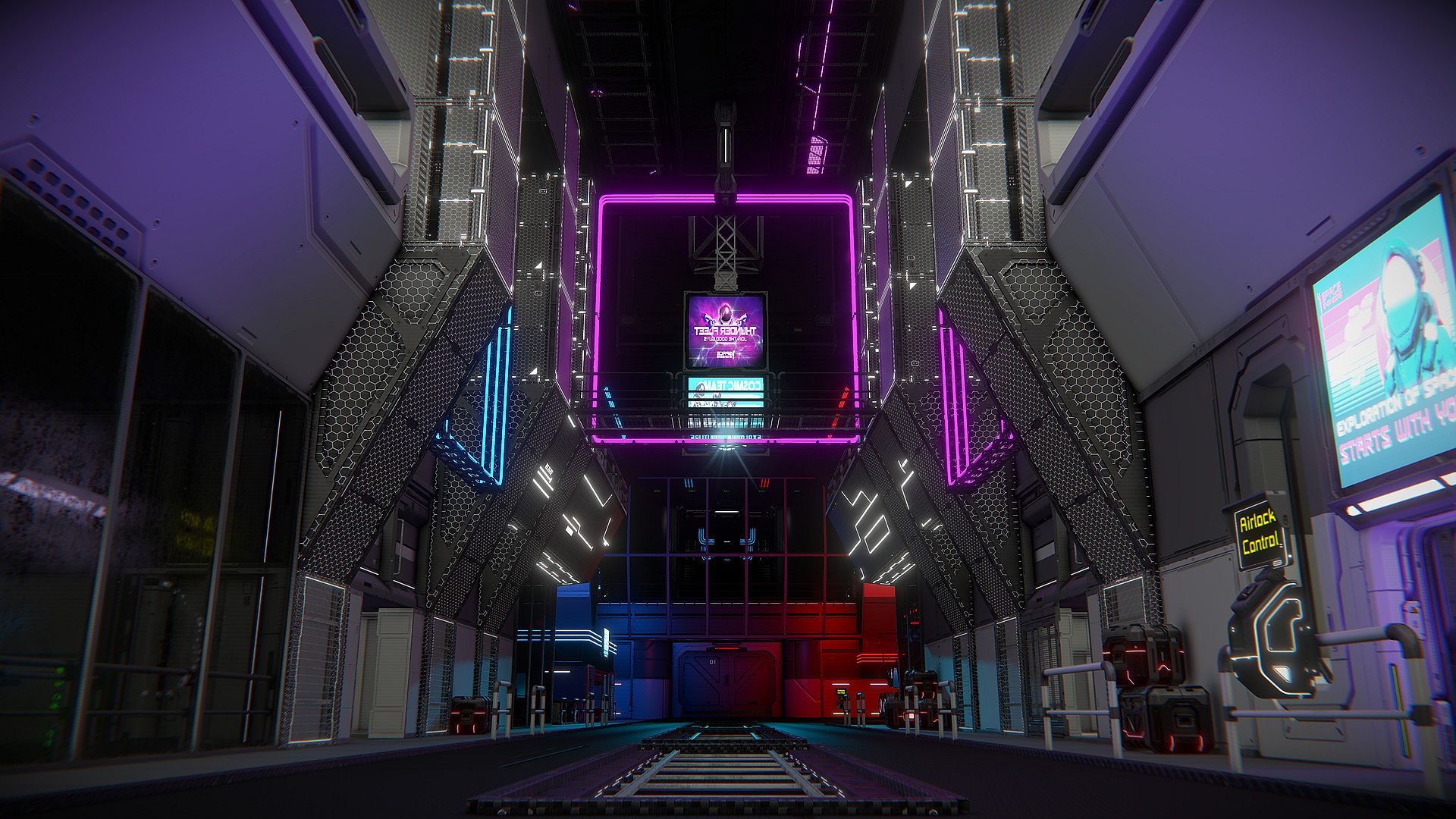
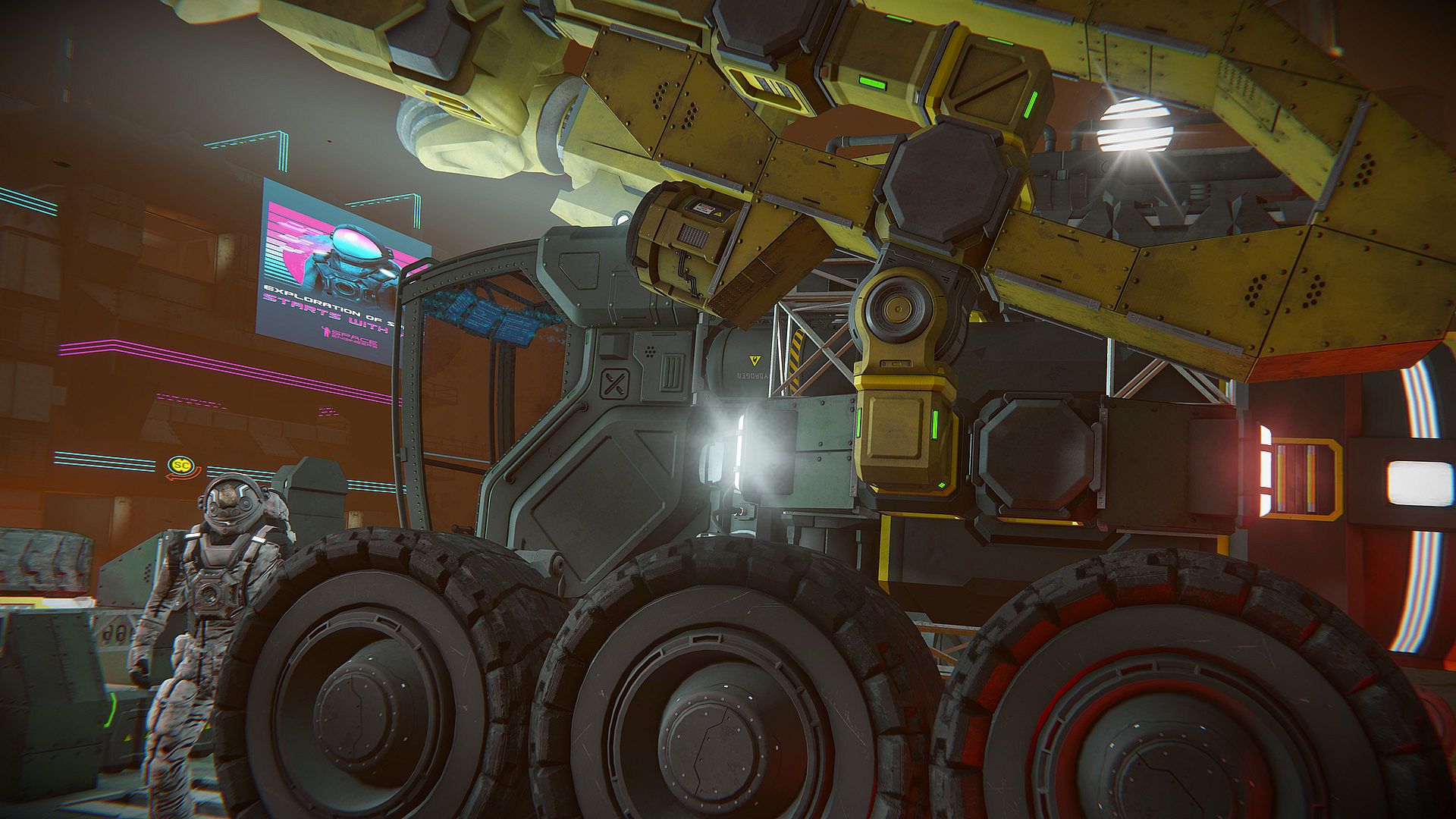
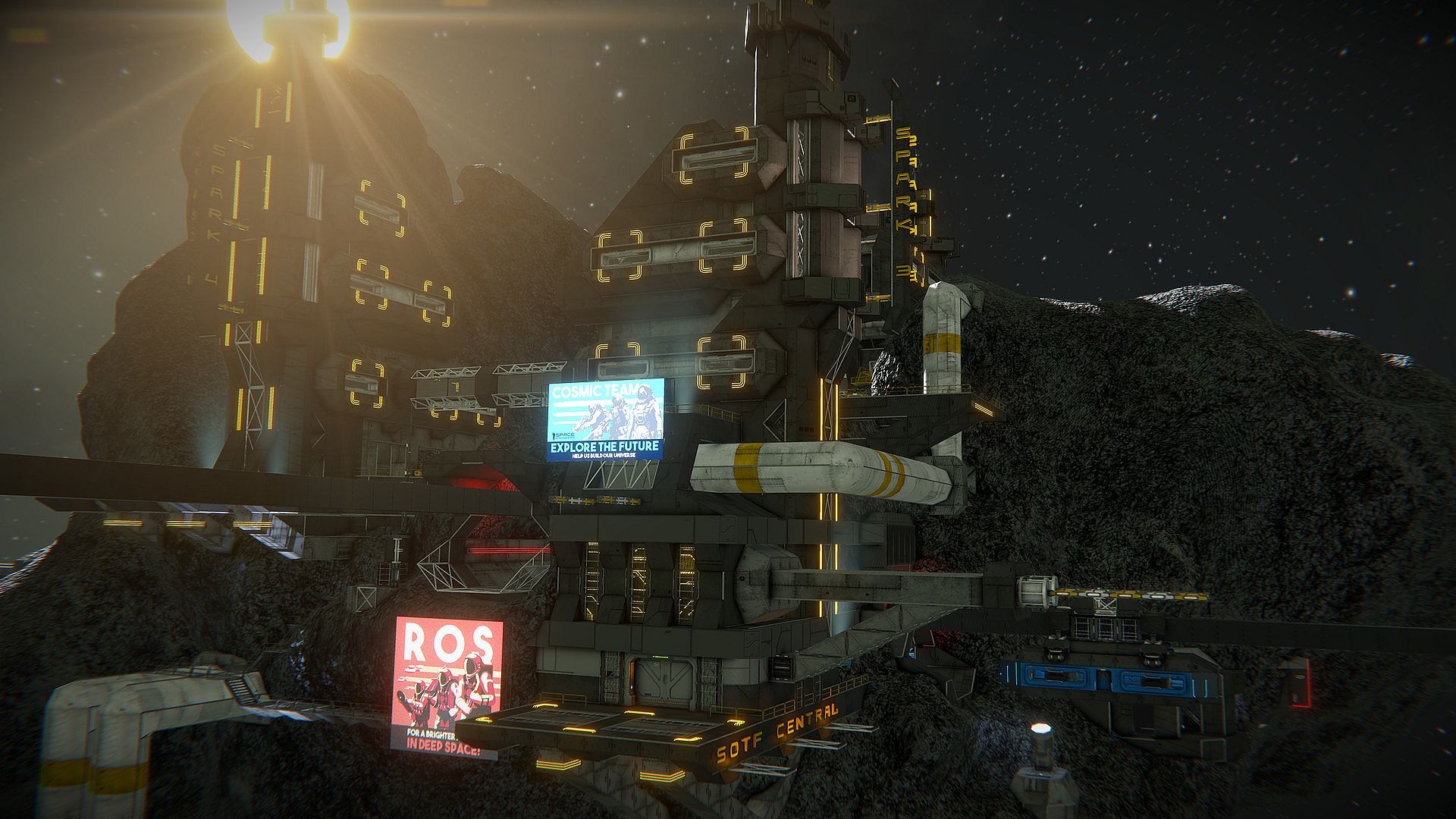
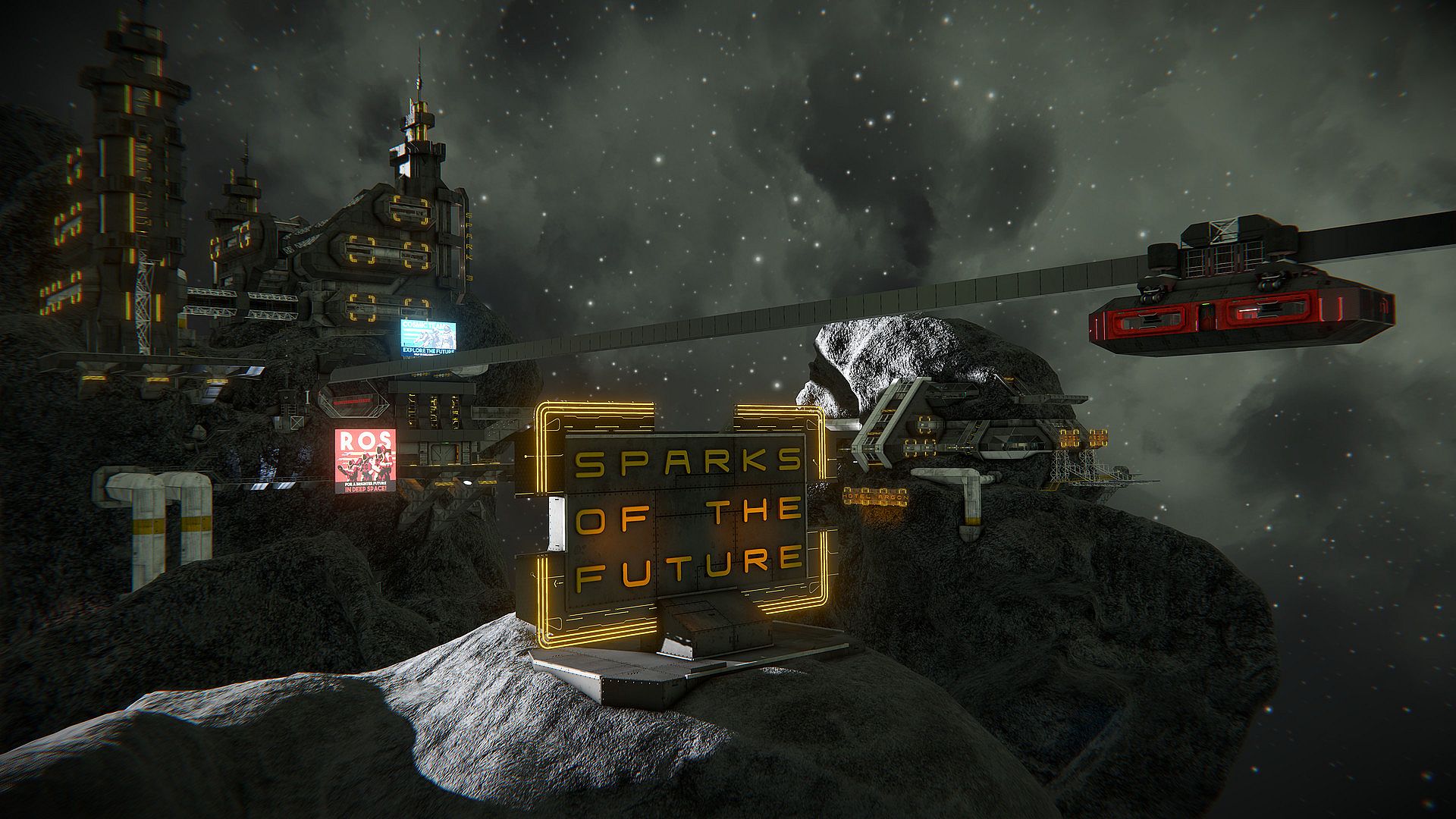
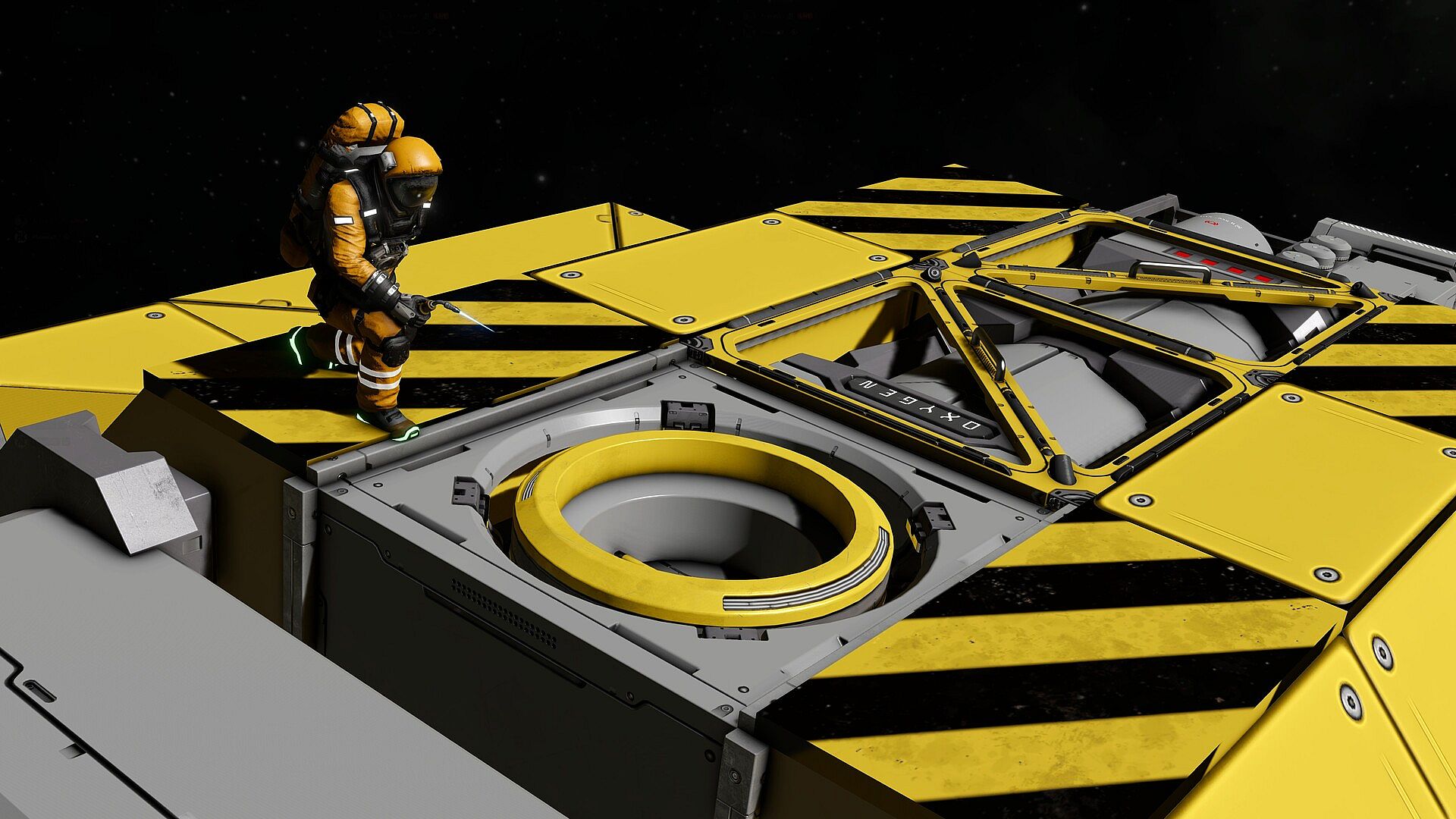
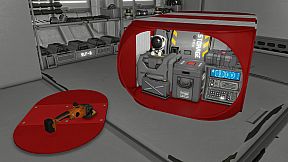
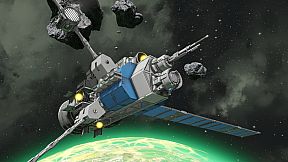
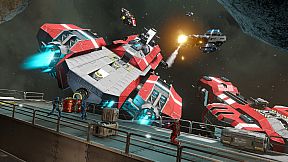
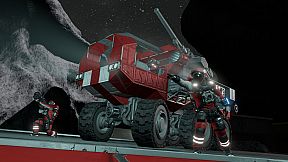
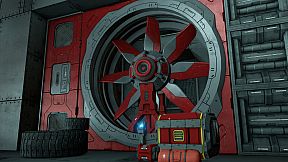
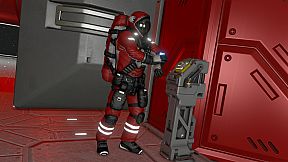
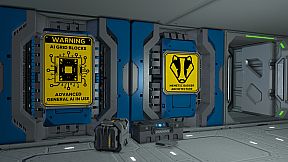
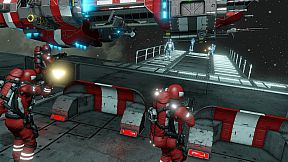
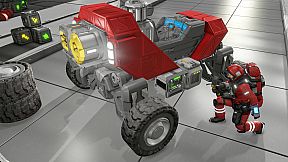
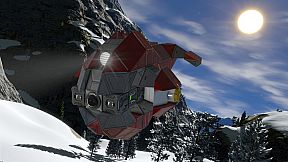
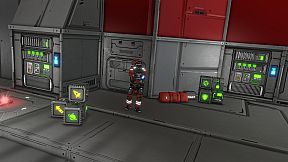
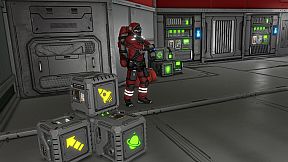
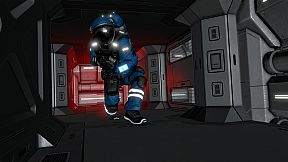
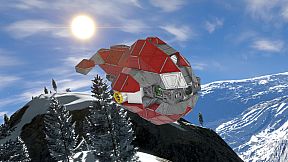
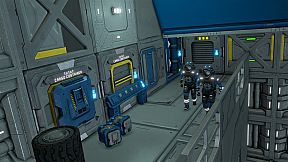
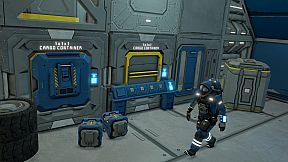
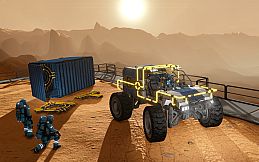
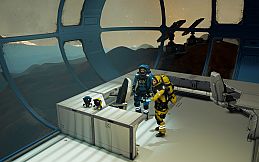
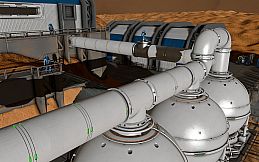

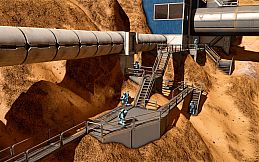
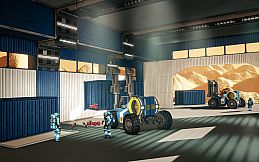
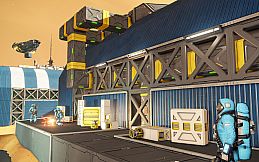
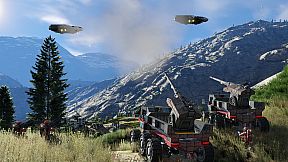
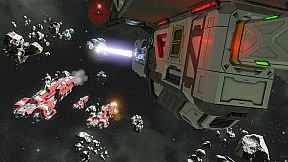
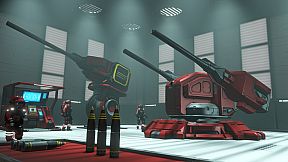

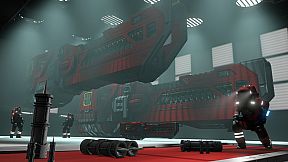
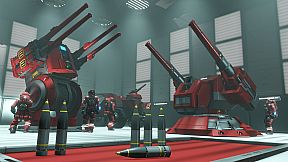
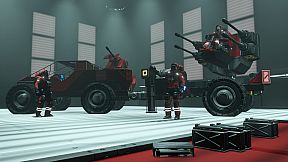

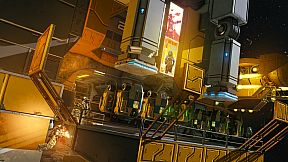
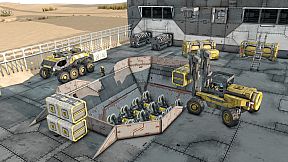
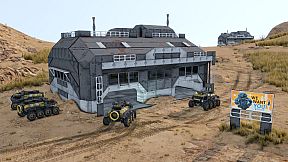
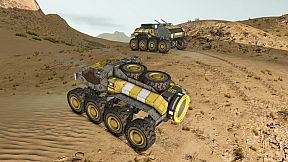
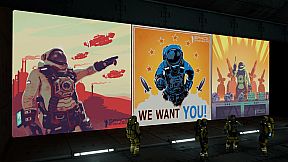
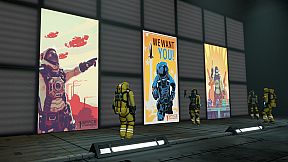
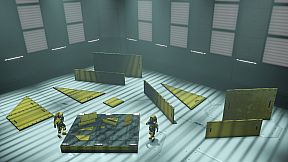
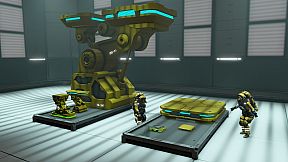
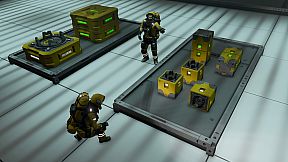
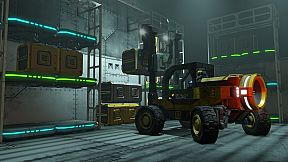
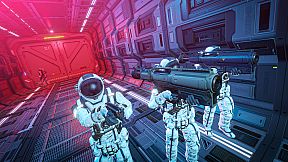
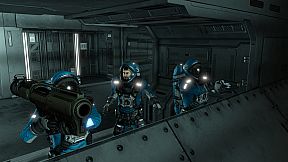


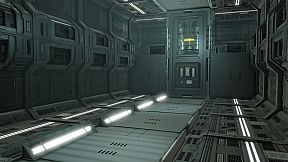
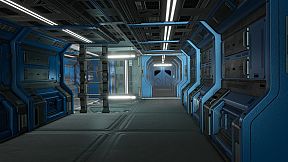
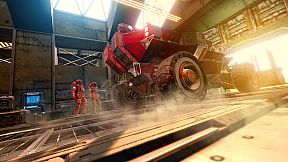
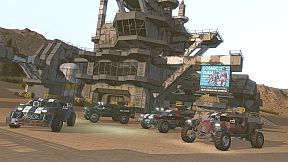




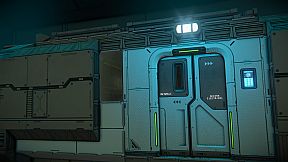
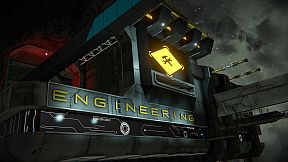
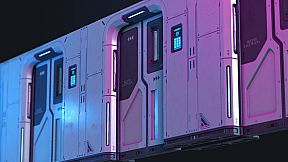
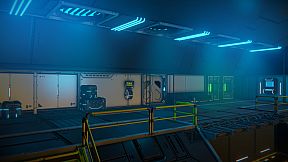
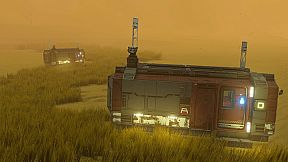
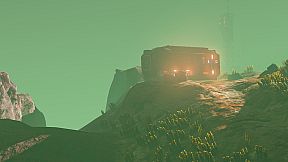

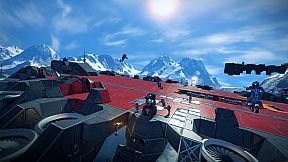


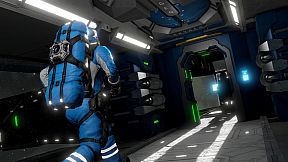
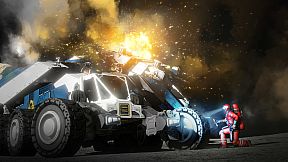


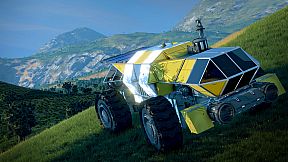
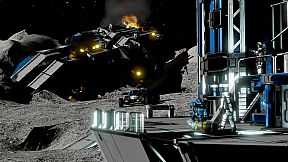

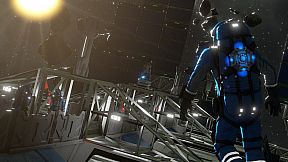
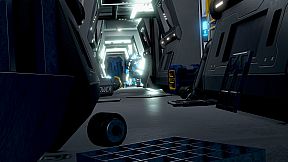

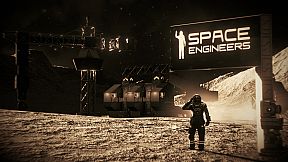
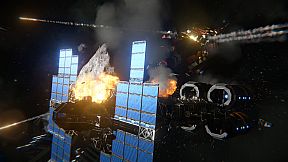
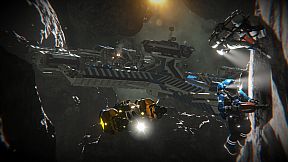

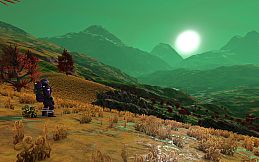
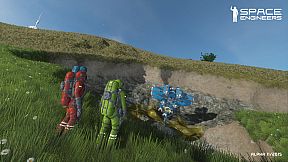
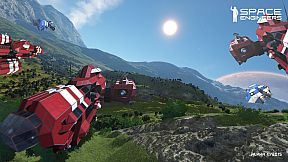

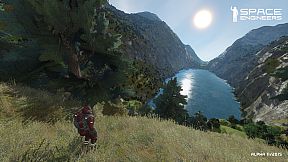
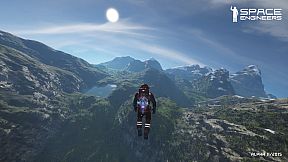
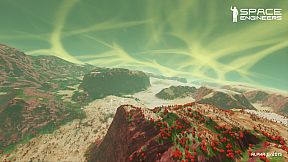

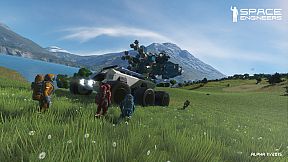
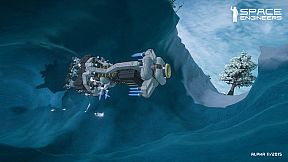
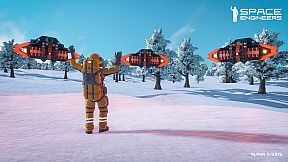
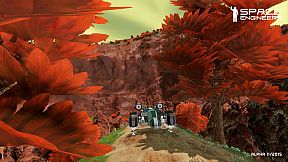
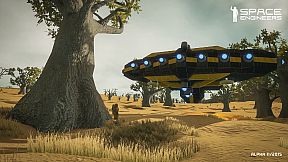
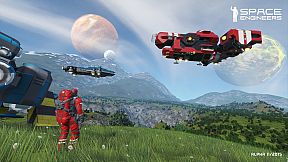
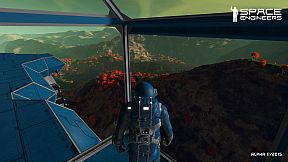
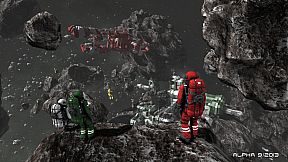
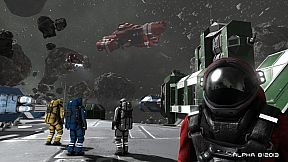
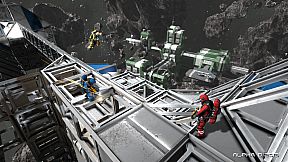
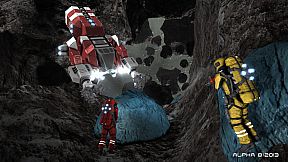
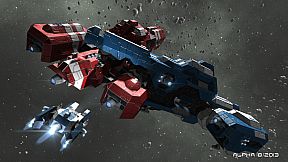
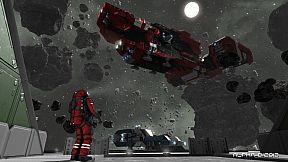
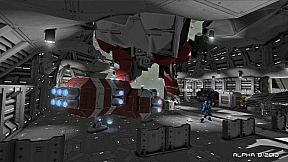
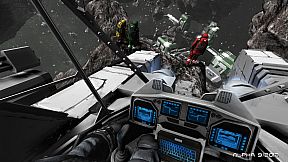
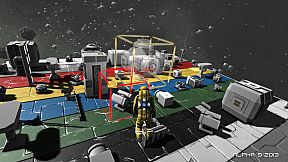
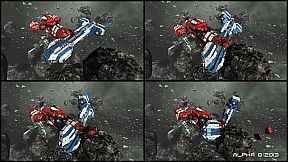
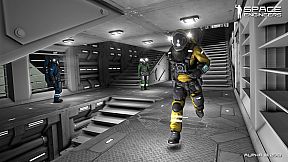
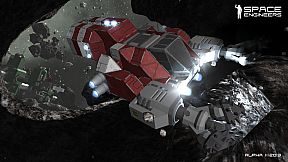

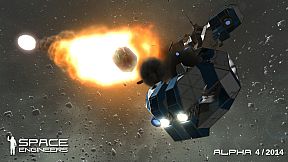
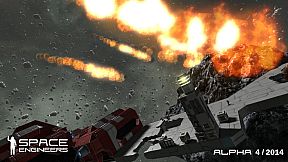

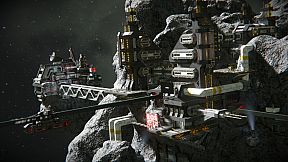
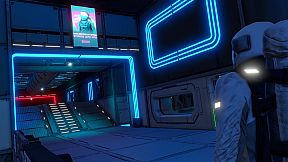
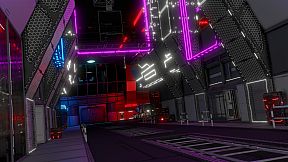
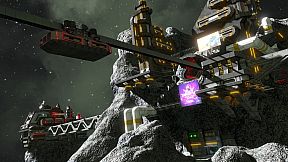
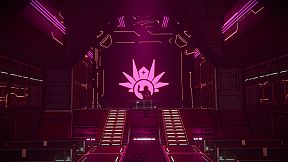
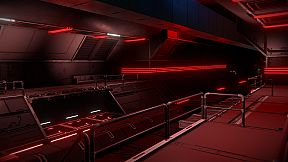
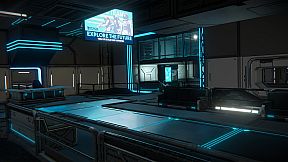
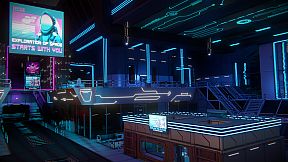
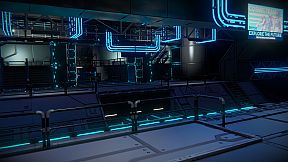
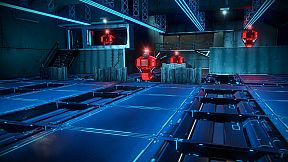
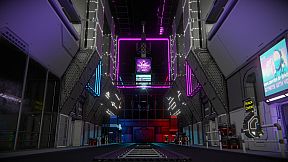
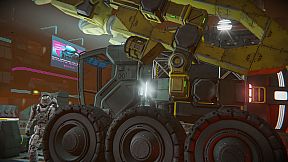
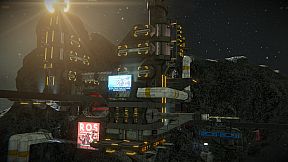
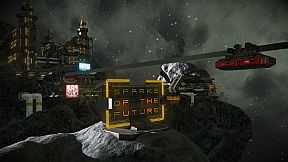
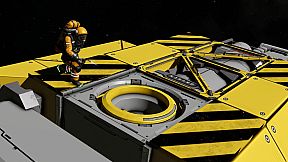
Space Engineers stands out as a sandbox survival game that emphasizes engineering and construction in a vast, open universe. Players dive into building and managing complex structures like ships and bases while navigating the challenges of space and planetary environments. This PC title blends action, strategy, indie creativity, and simulation elements, appealing to those who enjoy crafting intricate machines and surviving in a physics-driven world.
Gameplay
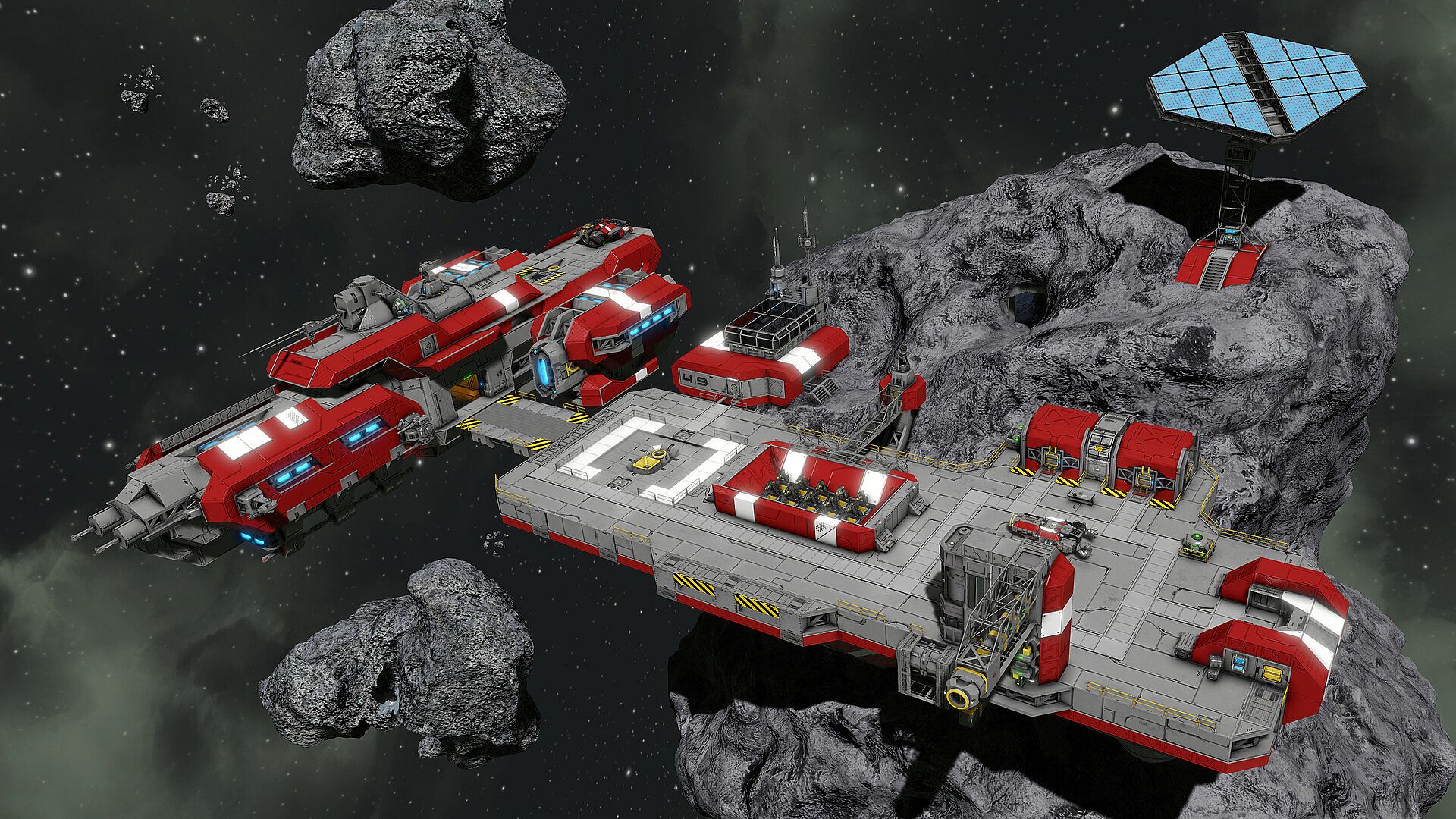
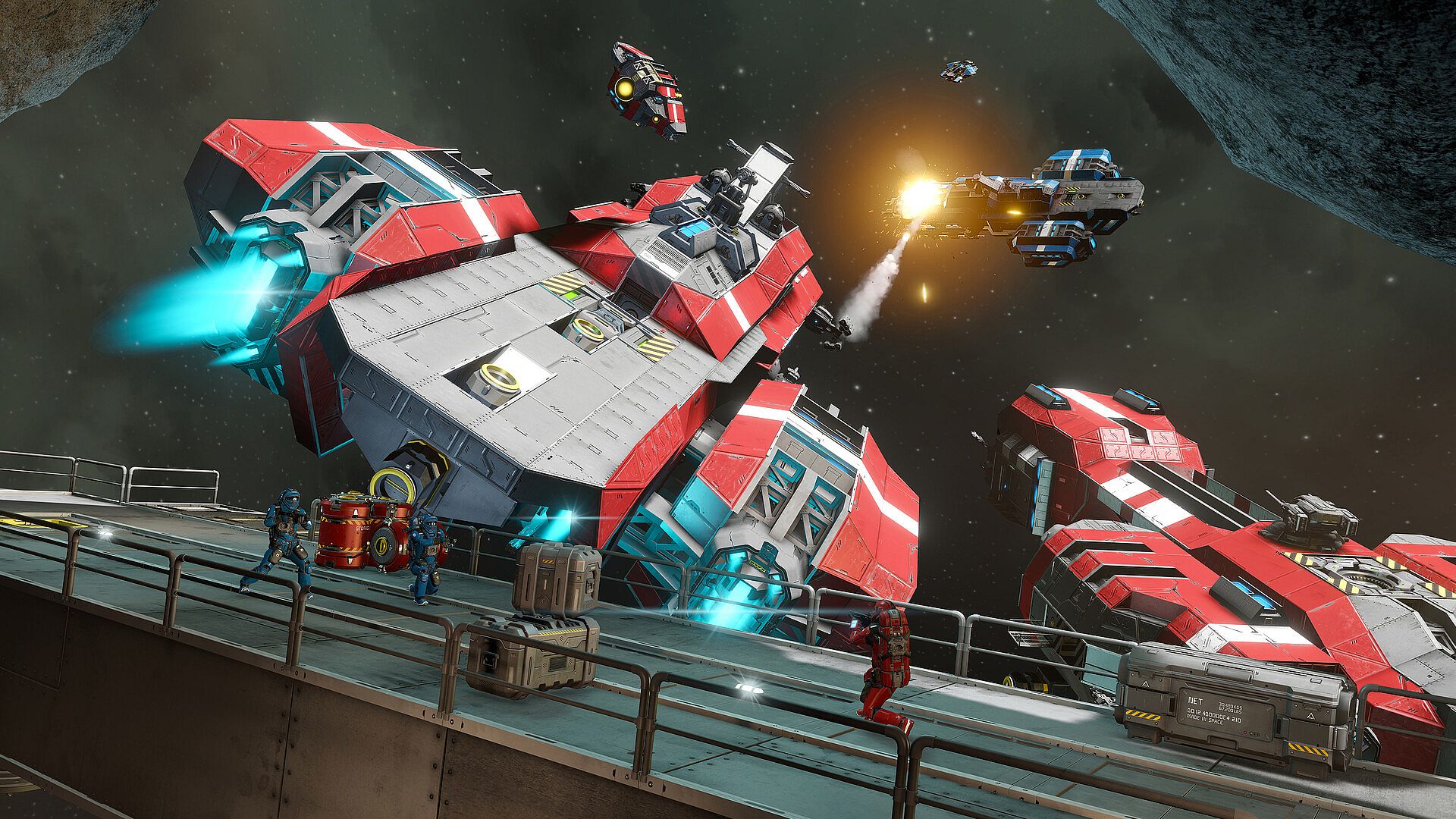
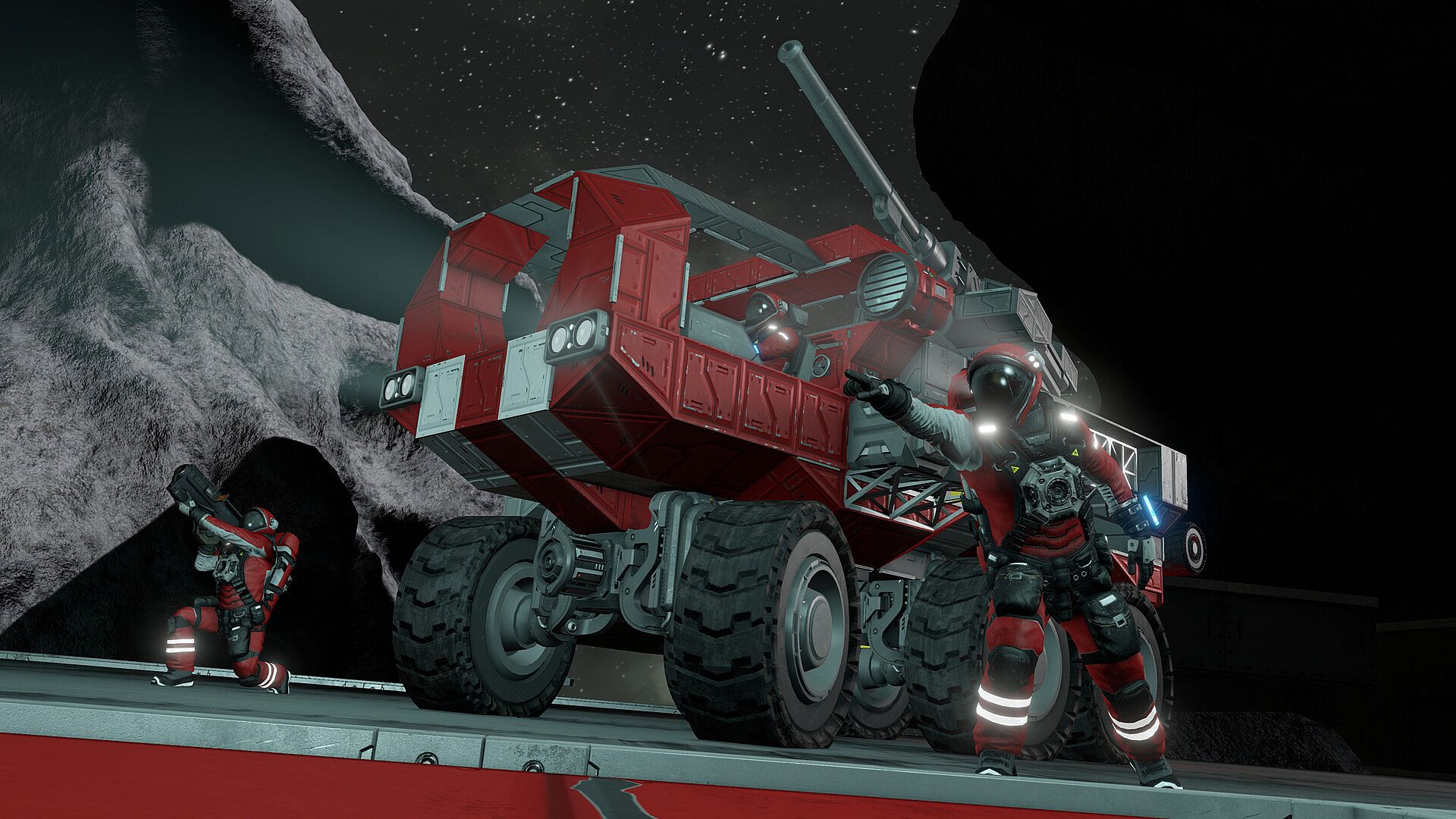
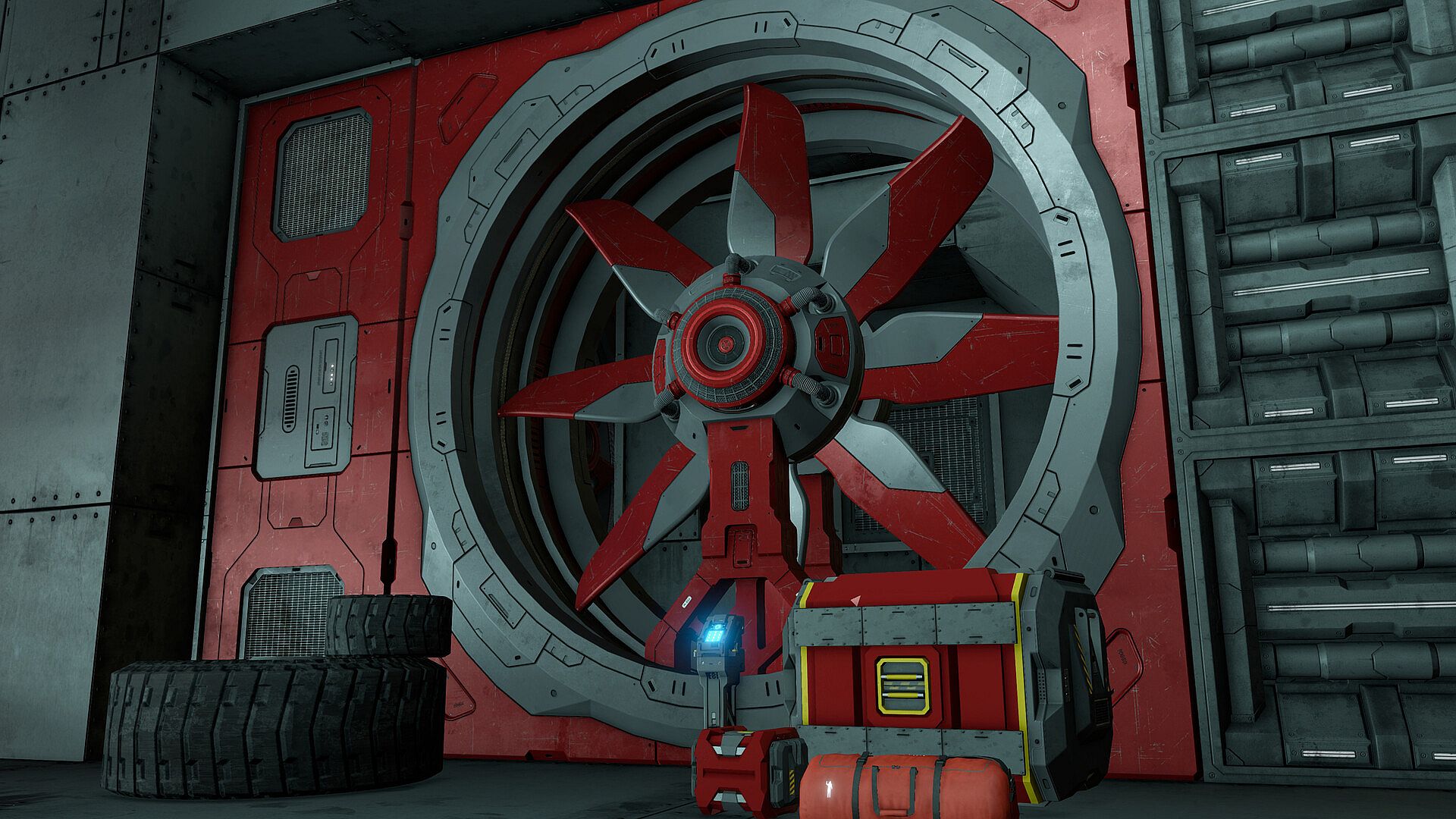
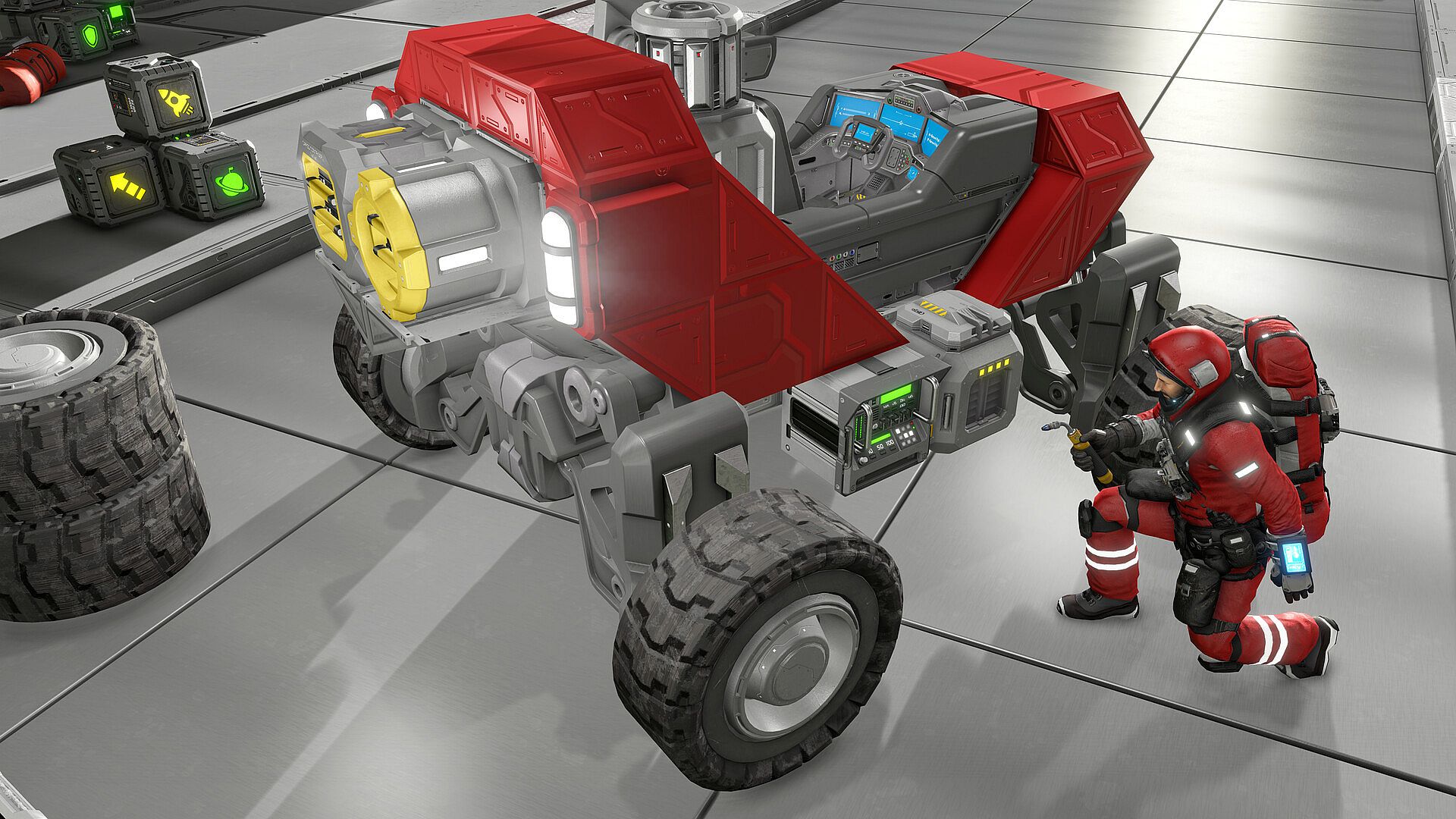
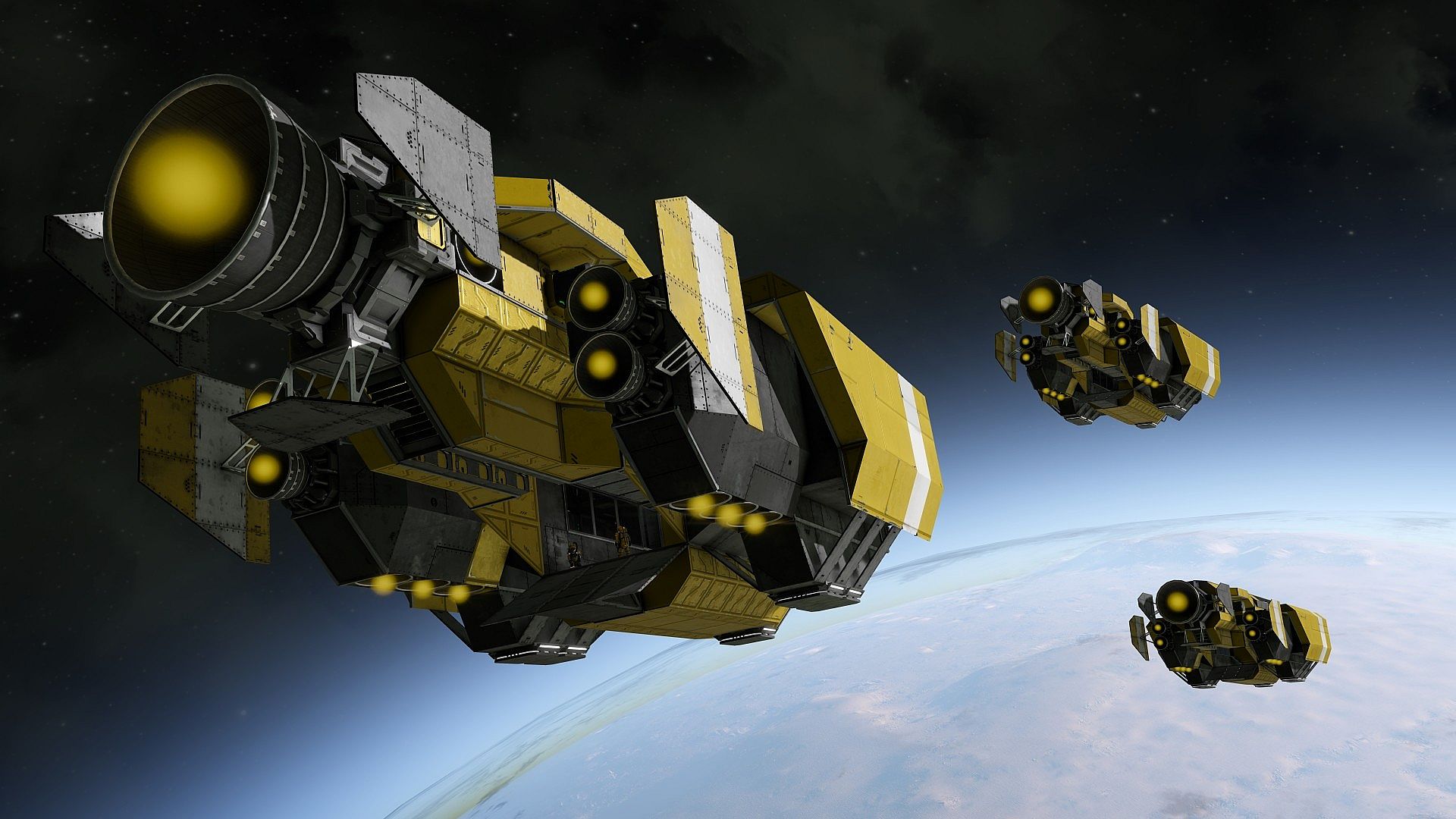
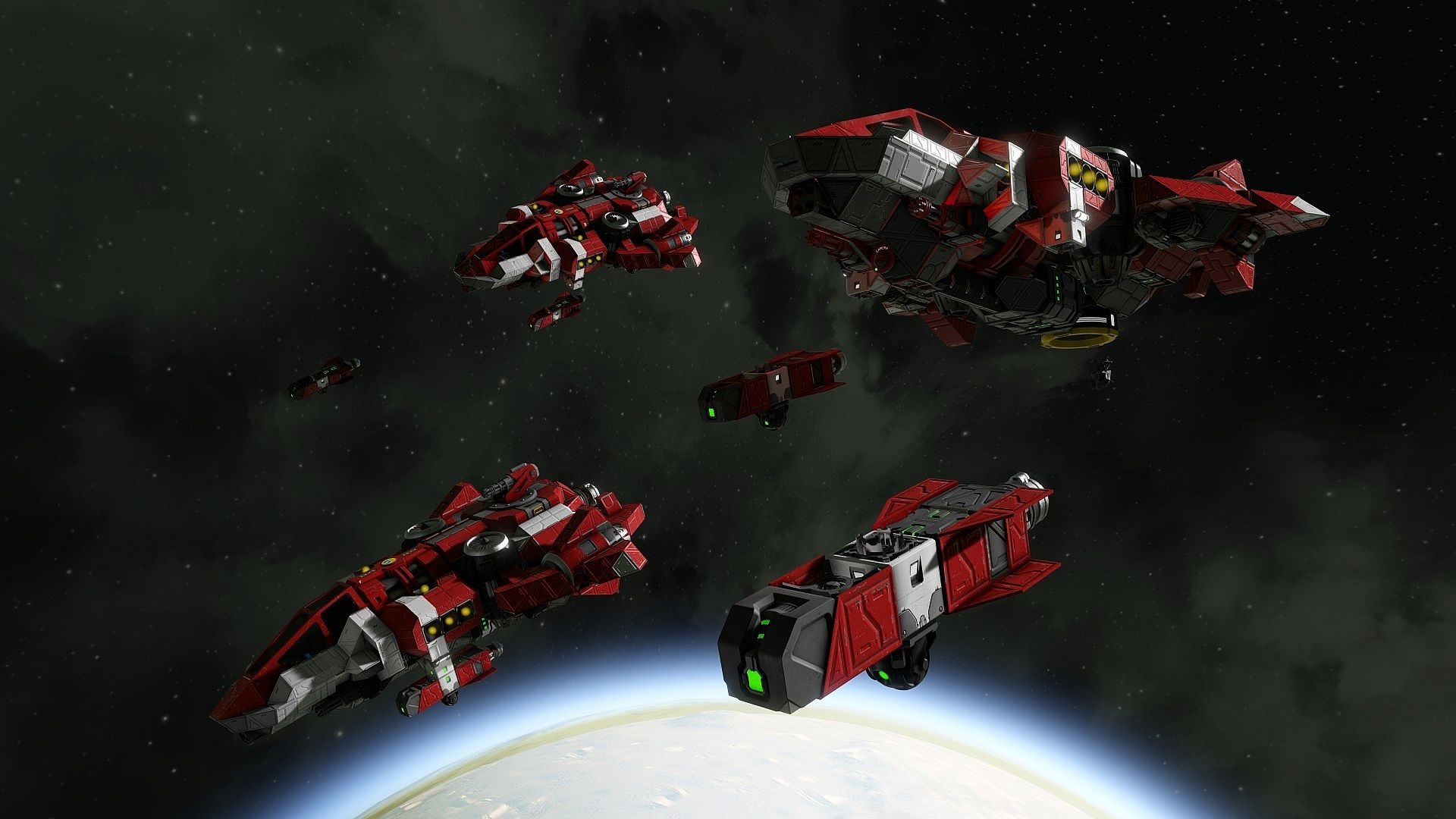
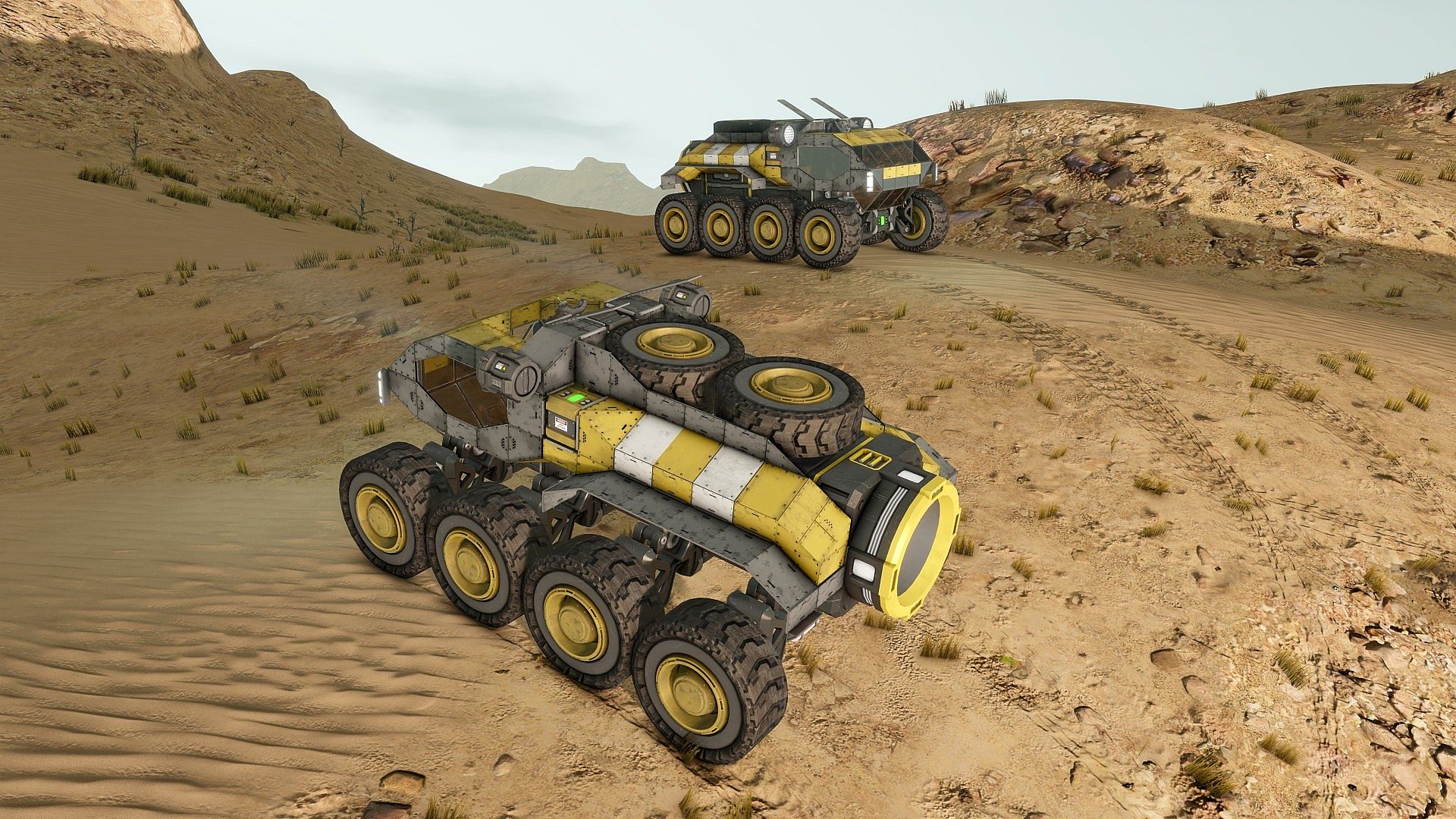
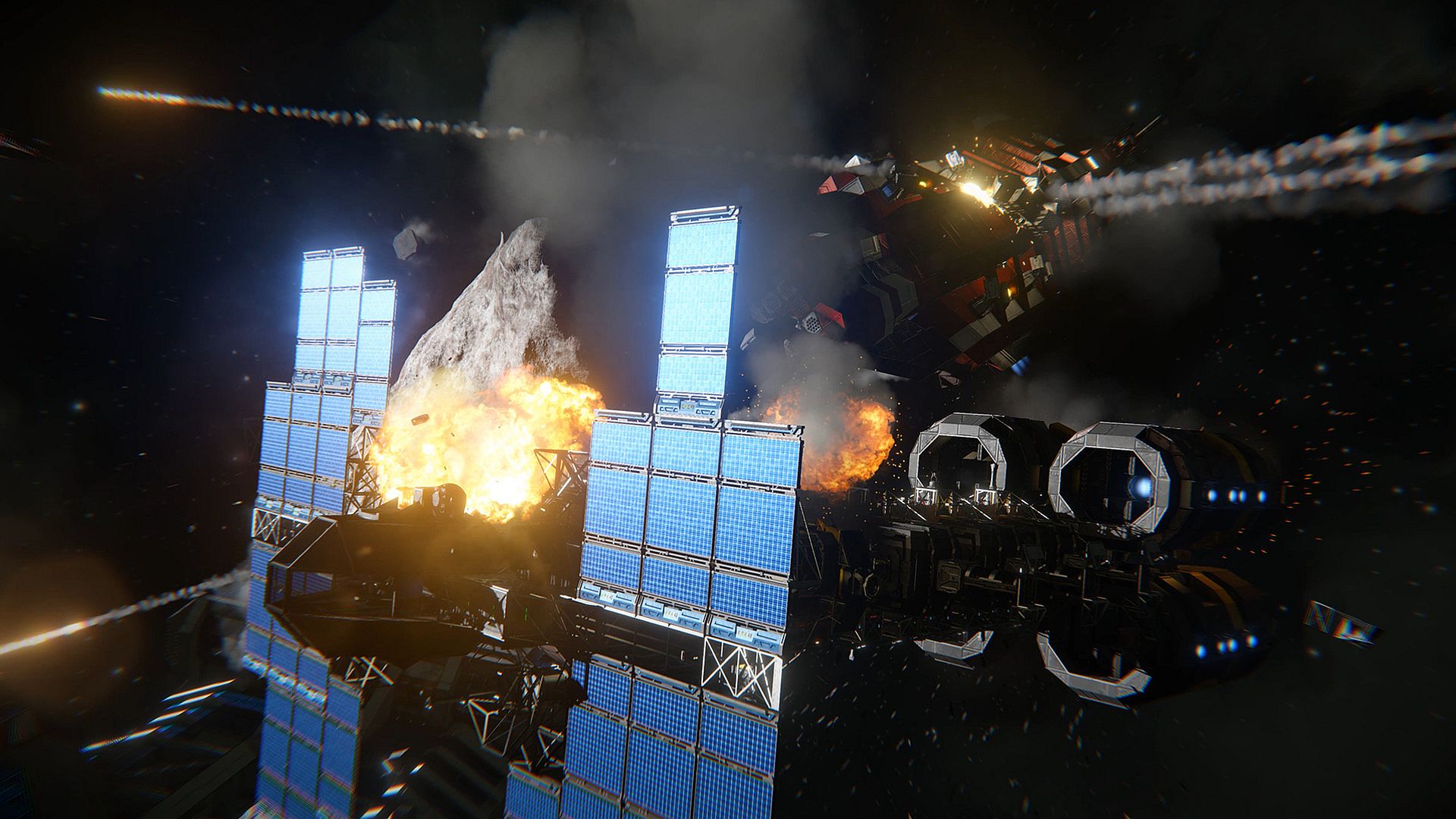
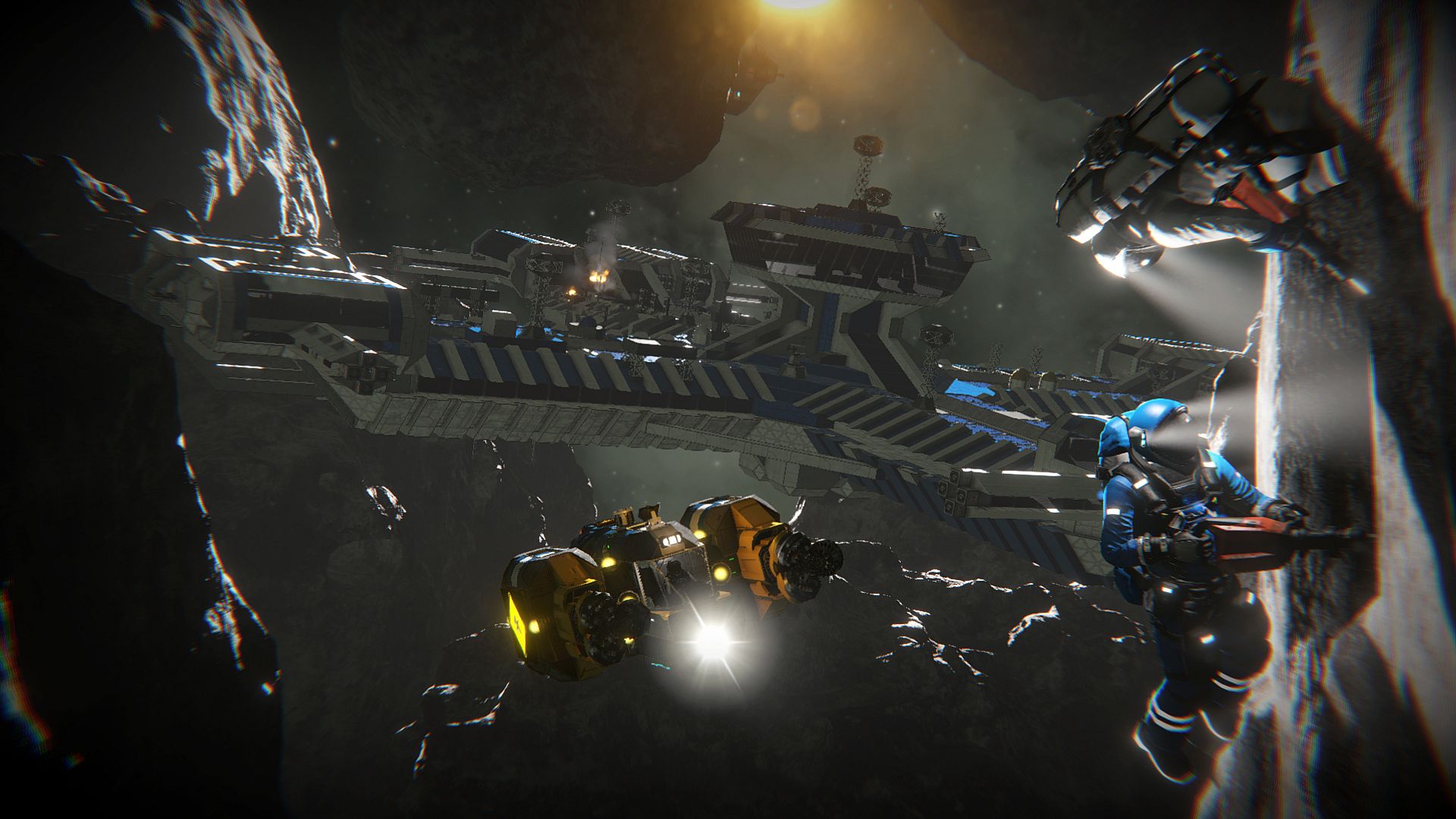
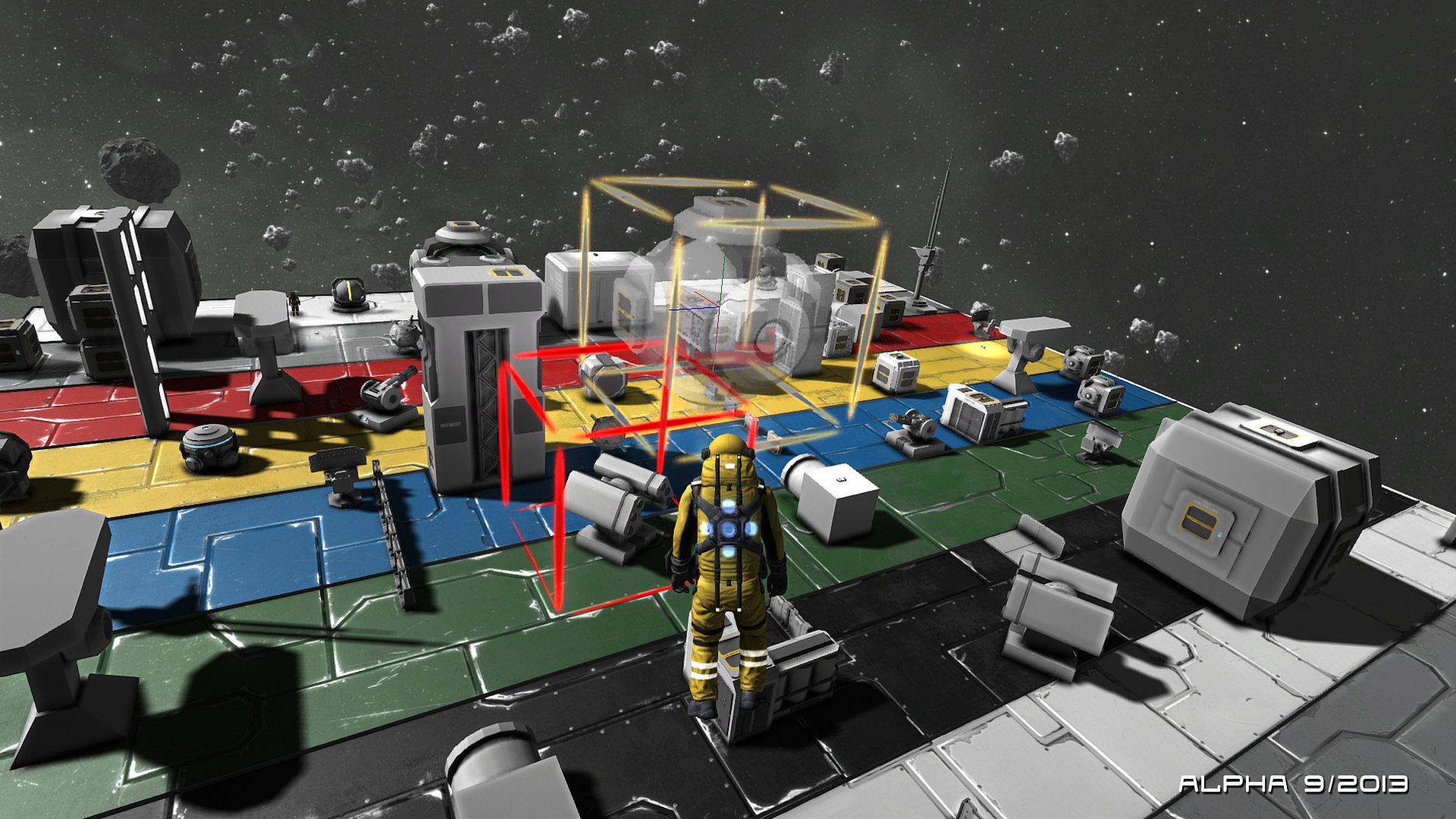
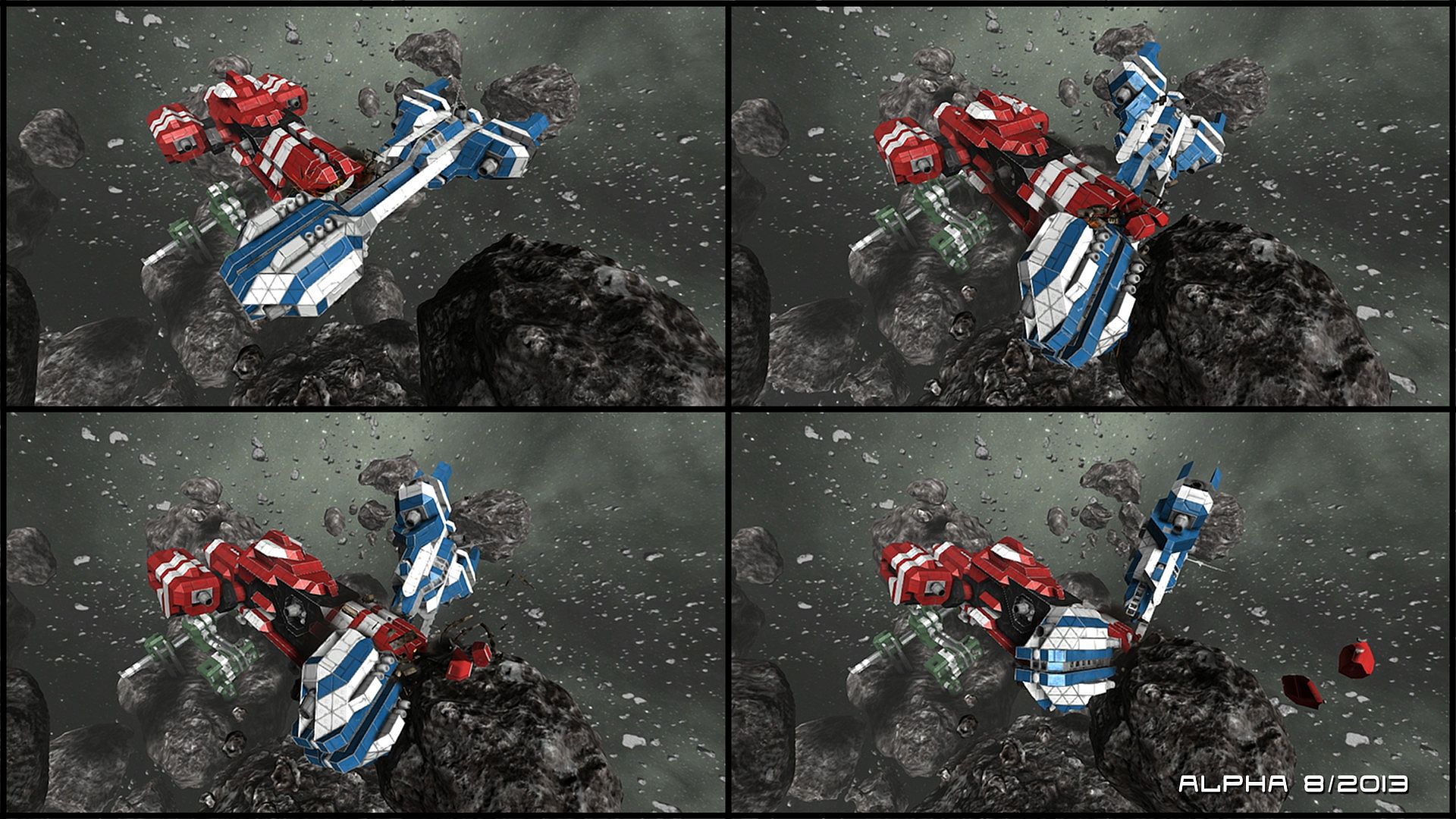
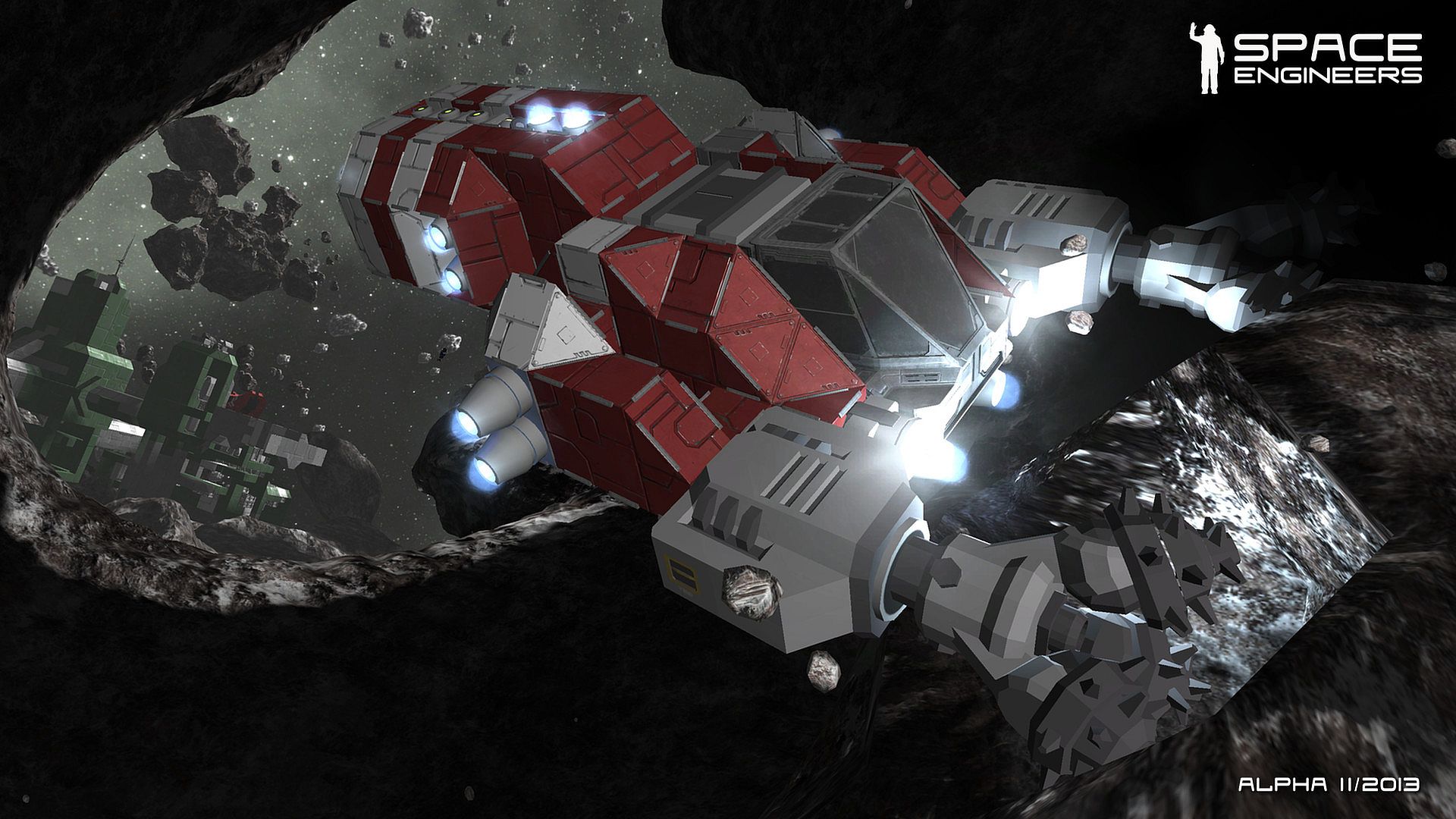
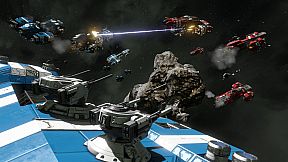
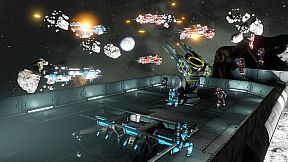
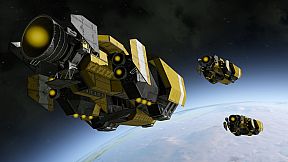
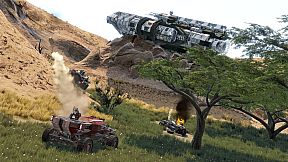
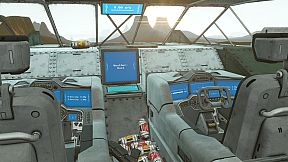
In Space Engineers, the core loop revolves around designing and constructing functional machines using over 200 types of blocks, such as thrusters, rotors, pistons, turrets, conveyors, and production modules. You start by gathering resources through mining asteroids or planets, then assemble ships, stations, or outposts block by block. The volumetric physics engine ensures every component has mass, inertia, and vulnerability to damage, making your builds susceptible to realistic destruction during collisions or combat.
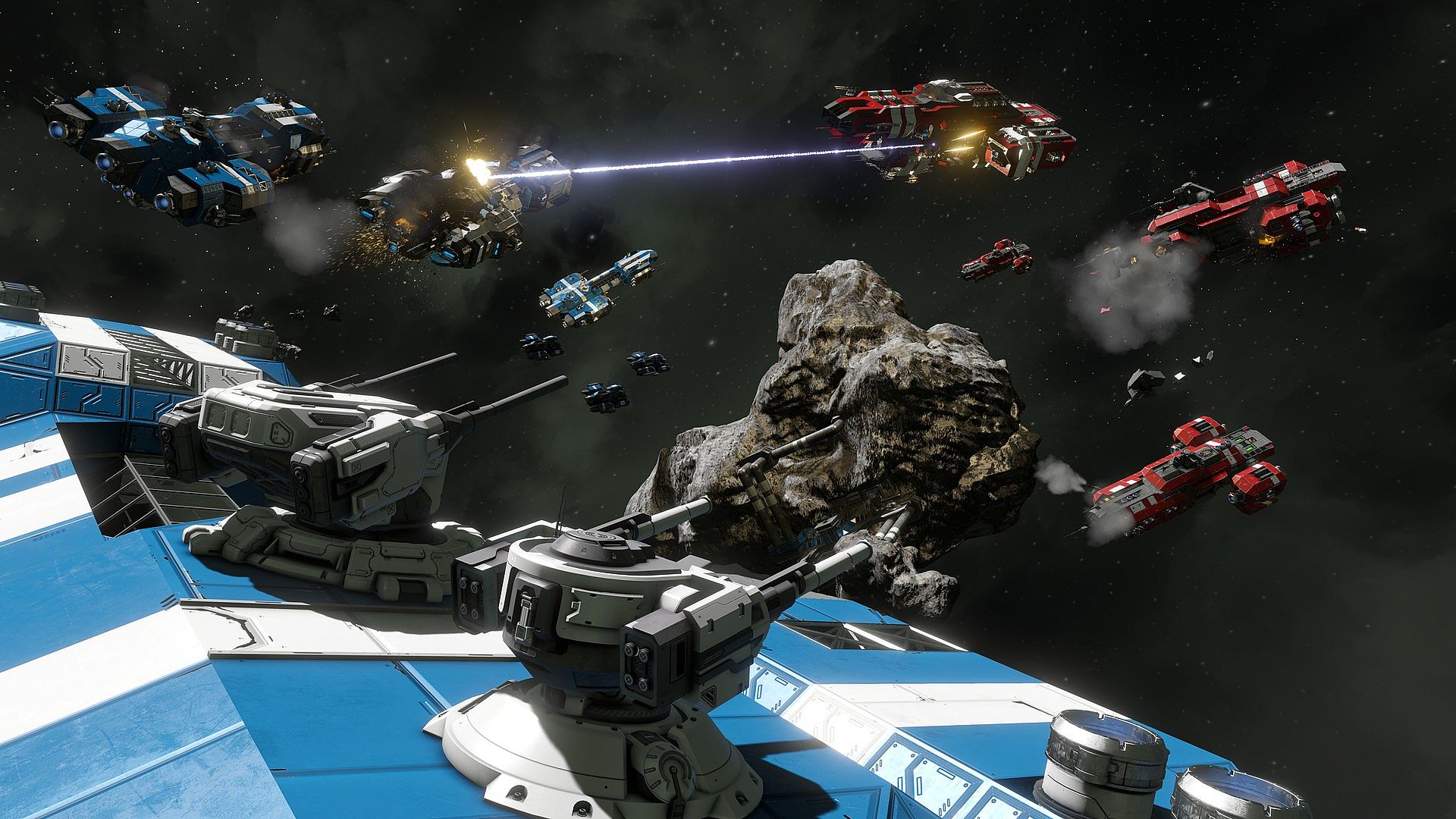
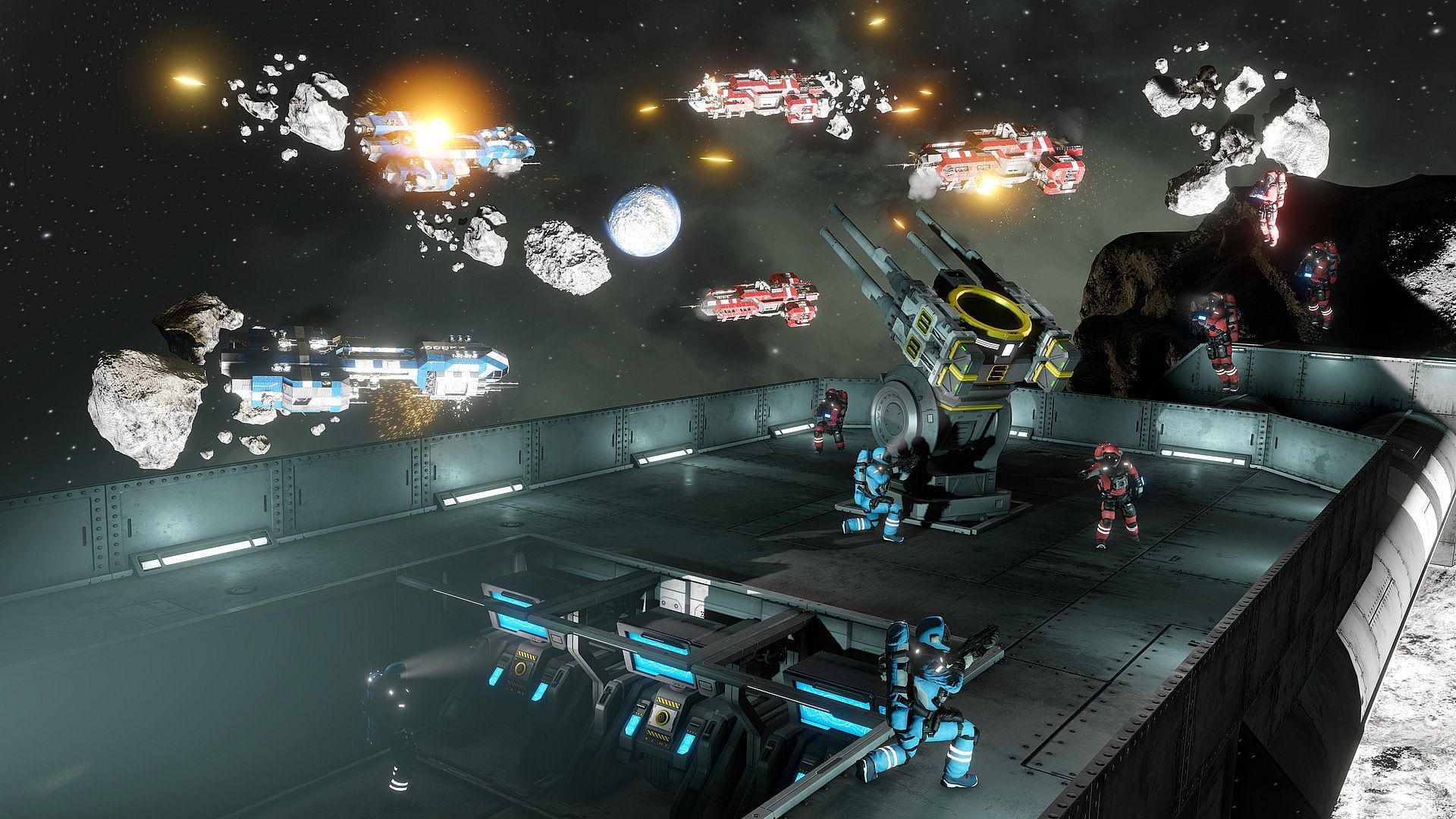
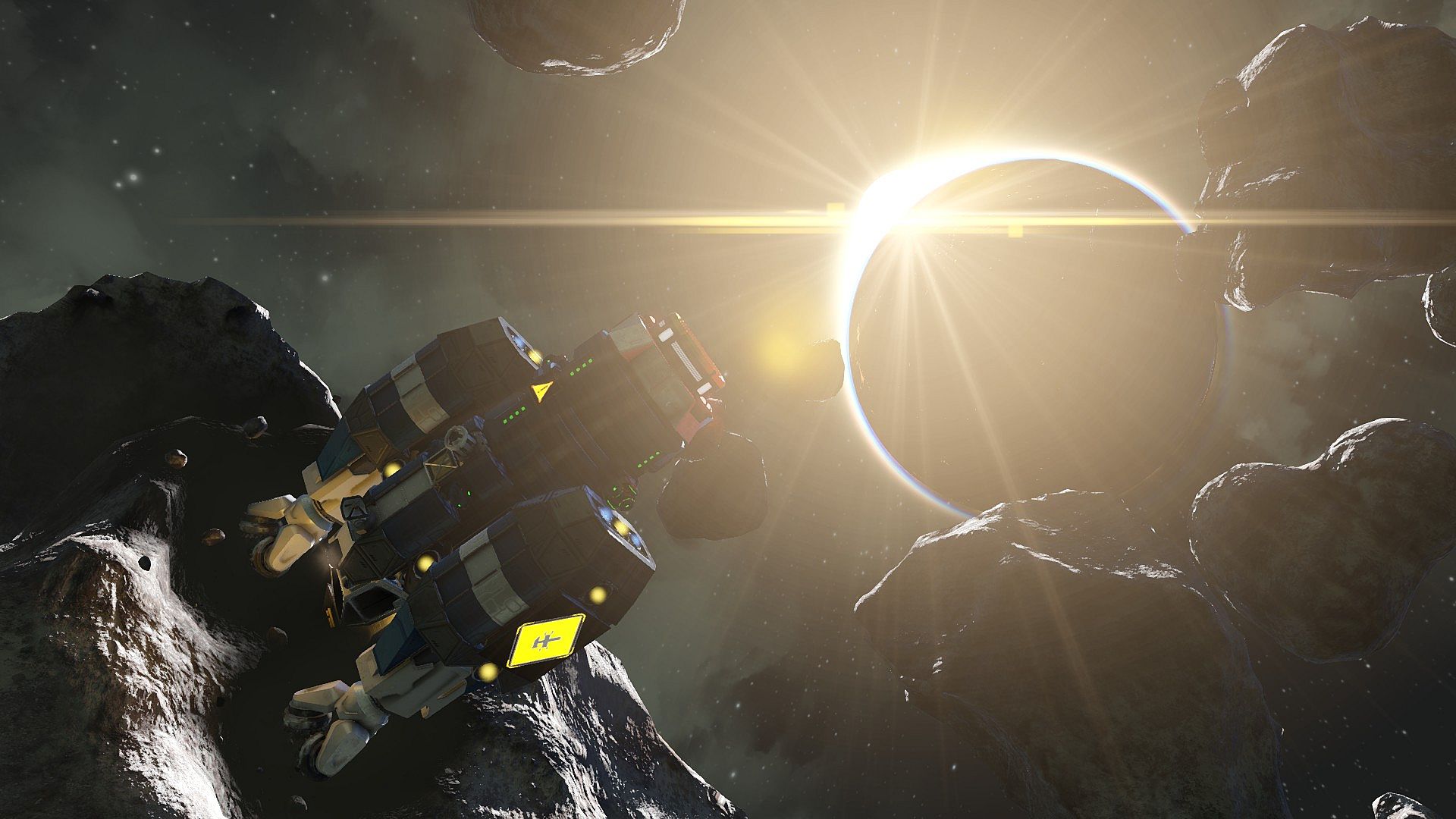
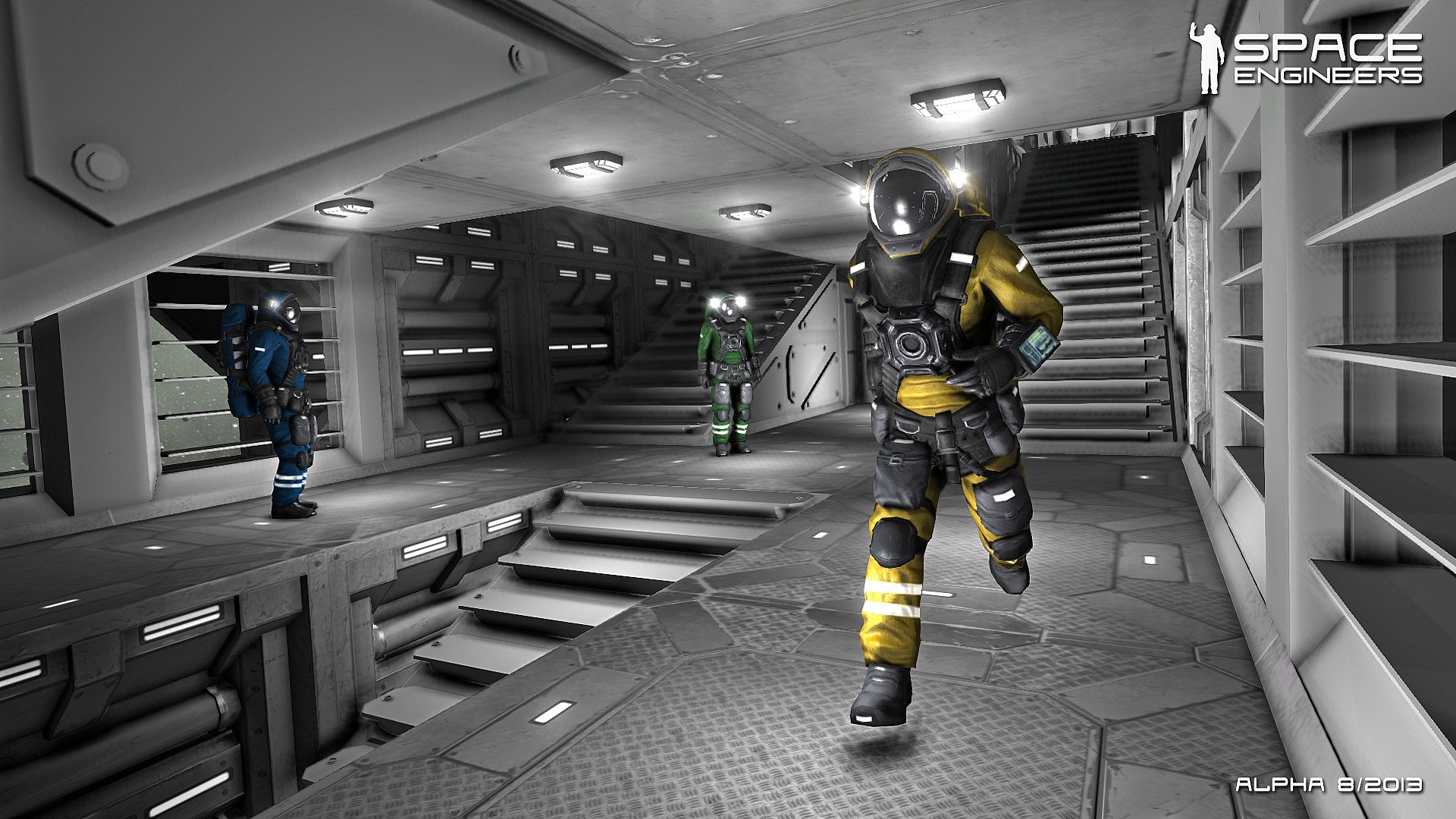
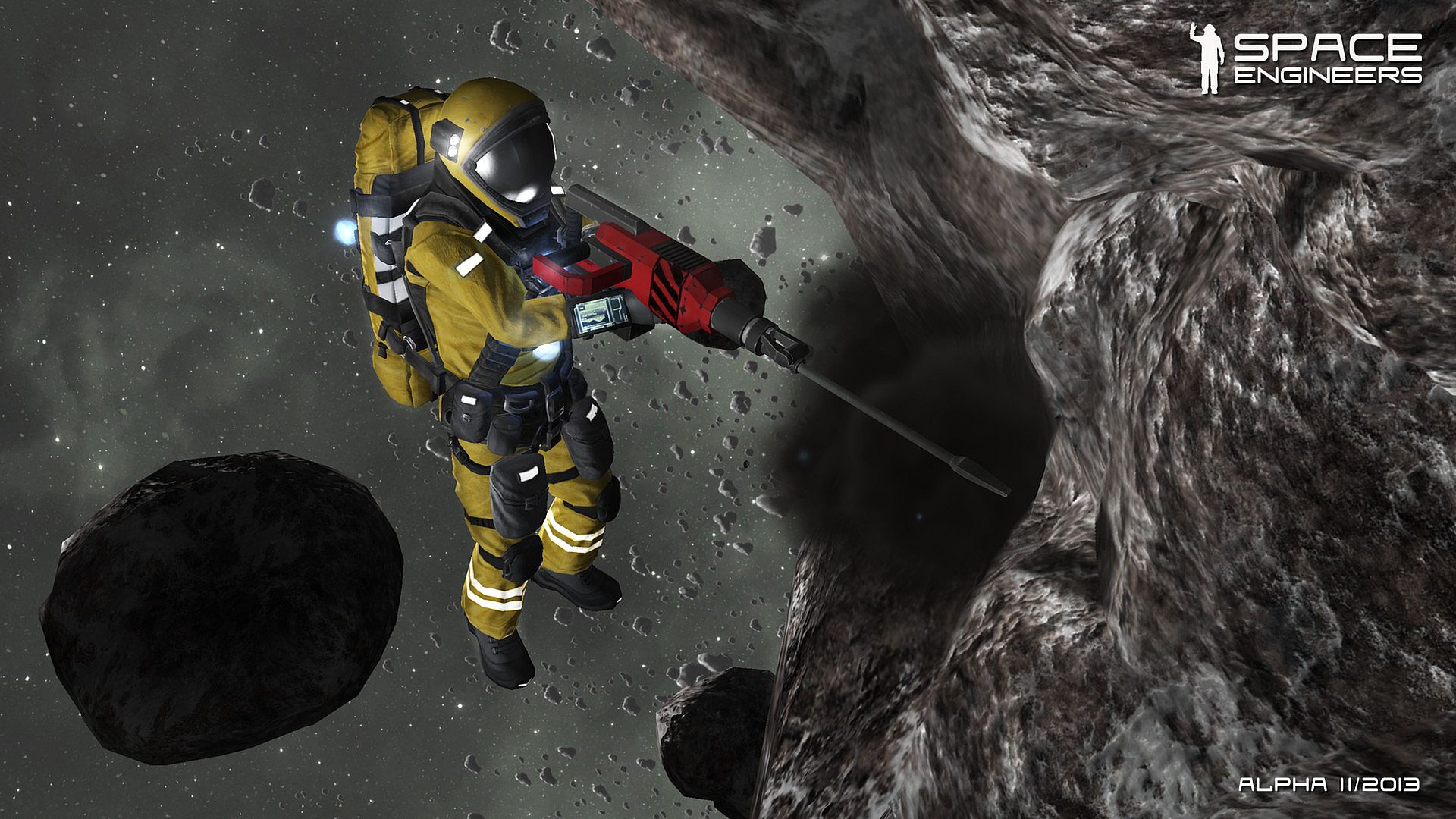
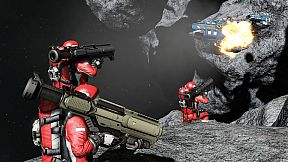
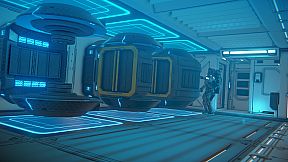
Survival mechanics add depth, requiring management of electricity via power grids and generators, oxygen for life support, and hydrogen for thrusters. Terrain on planets and asteroids is fully deformable; you can drill tunnels, carve craters, or reshape landscapes with tools. Combat involves weapons like turrets for ship-to-ship battles or base defense, while exploration uncovers procedural asteroids, abandoned ships, and AI threats. Automation comes through programmable blocks for custom logic, and tools like GPS and remote control enhance navigation and control.
Multiplayer interactions allow cooperative building or competitive engagements, with privacy settings for sessions. The game supports modding via a C# API, enabling custom behaviors and additions, which extends replayability through community-created content.
Game Modes
Space Engineers offers two primary modes: Creative and Survival. In Creative mode, resources are unlimited, building is instant, and there's no risk of death, making it ideal for experimenting with large-scale designs without constraints.
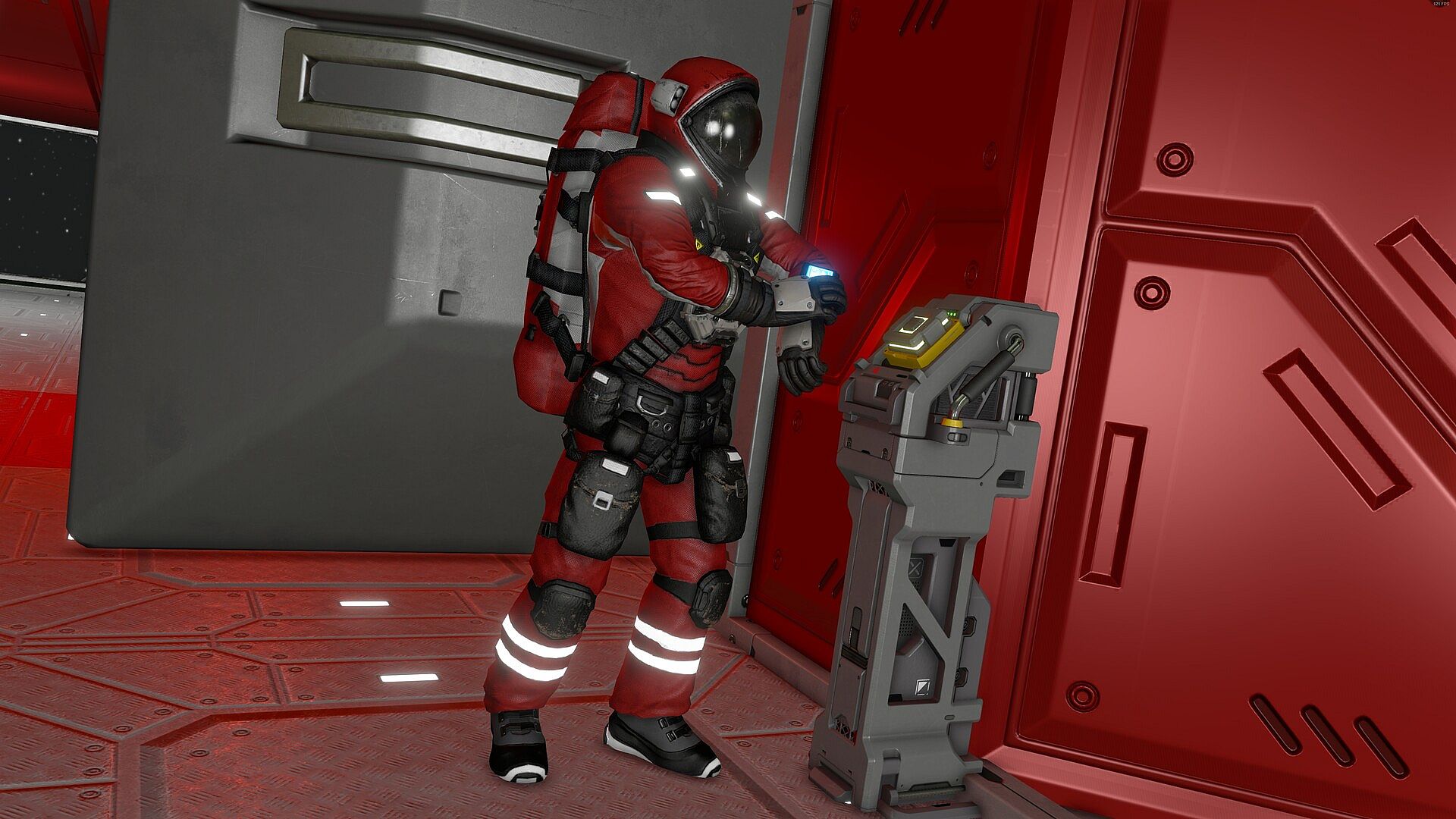
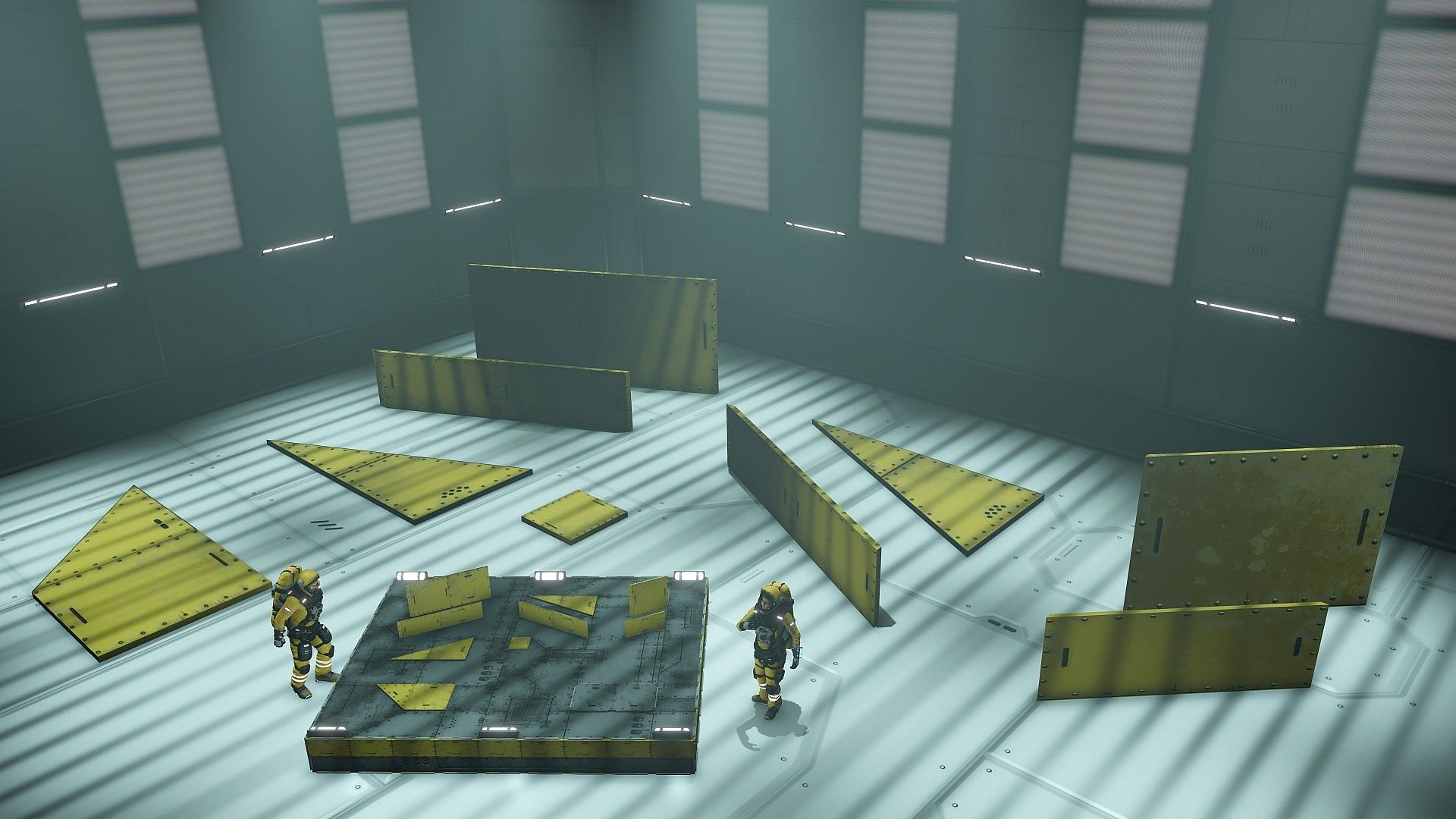
Survival mode demands manual assembly, where you weld blocks to build and grind them to disassemble for reuse. Resource scarcity, power management, and respawn after death create tension, pushing players to strategize mining, production, and defense. Both modes support singleplayer or multiplayer setups, including co-op outposts or large community servers.
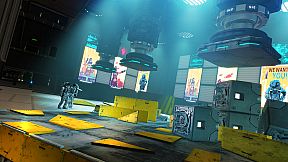
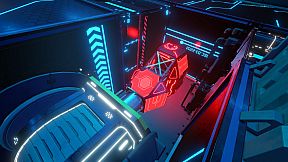
Additional options include scenarios from the Workshop, custom worlds, and the Visual Script Editor for crafting missions or campaigns. Exploration systems introduce discoverable ships and stations controlled by AI factions, adding dynamic encounters.
Current State and Updates
As of 2026, Space Engineers continues with active development, receiving free updates that refine physics, blocks, and systems. The game benefits from a robust modding community, with thousands of blueprints, scripts, and worlds available. Ongoing improvements focus on stability for long-term saves and large servers, ensuring the sandbox remains feature-rich.
Recent updates have enhanced collision models for blocks and expanded automation tools, keeping the experience fresh. The player base stays engaged through dedicated servers and community events, supporting everything from small co-op sessions to massive multiplayer universes.
Is It Worth Playing?
Space Engineers suits builders and engineers who thrive on realistic physics and open-ended creation. With over a decade of updates and a dedicated community, it offers endless replayability through mods and multiplayer. If you prefer structured narratives or quick action, it might feel overwhelming, but for those invested in crafting empires from scratch, it remains a compelling choice in 2026.
The active development and cosmetic-only DLC ensure fair access to core gameplay, making it accessible for new players via Workshop content. Overall, if sandbox survival with deep engineering appeals, this game delivers lasting value.