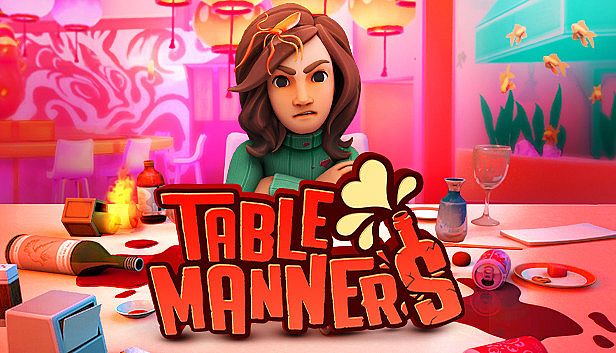























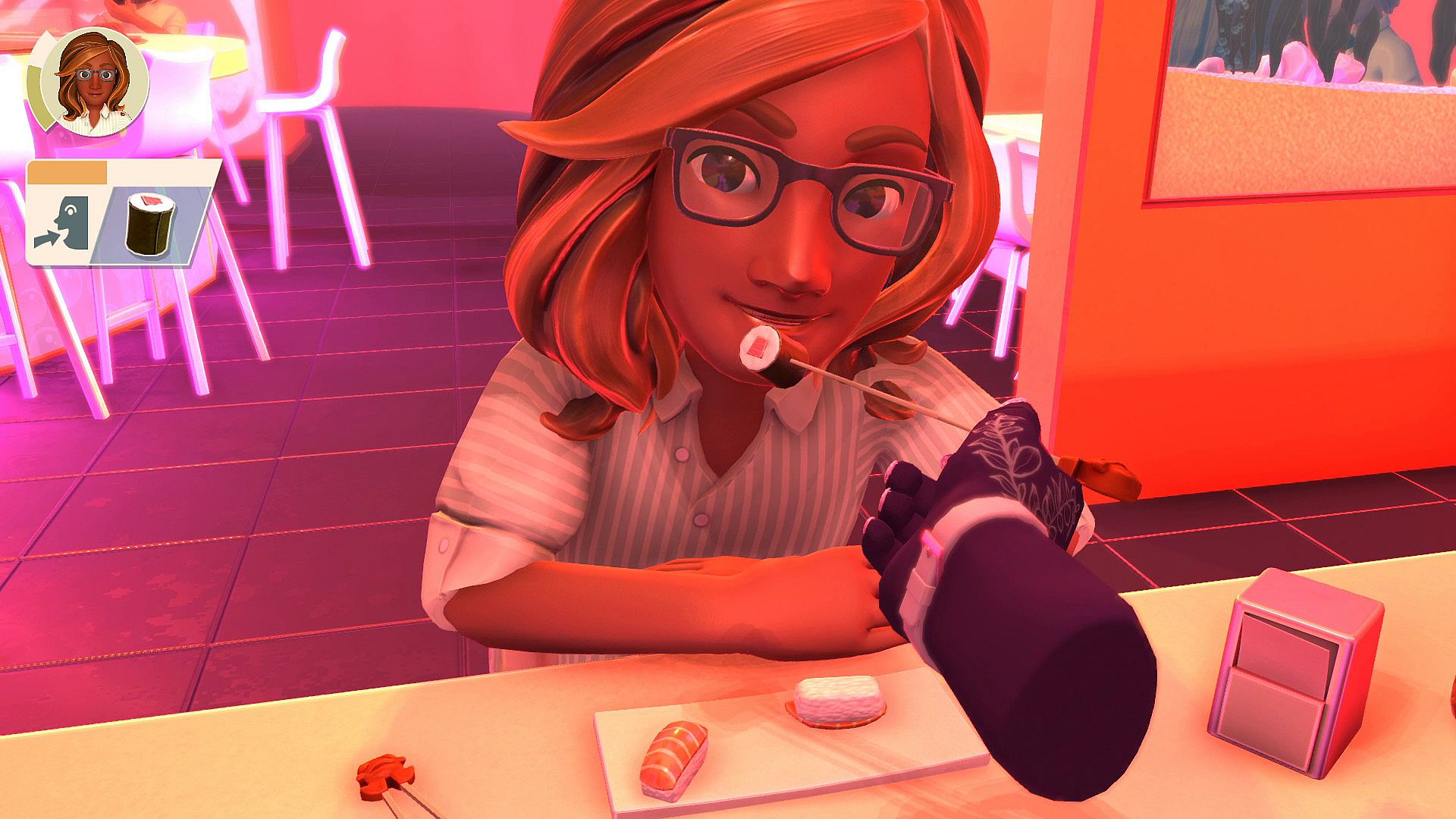
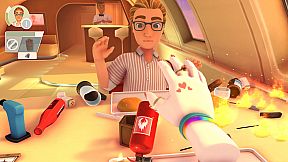

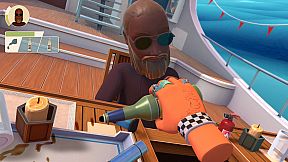
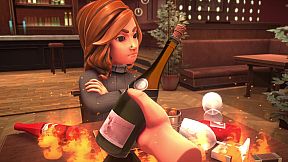
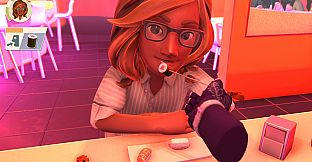
Table Manners stands out as a simulation game centered on physics-driven chaos during dates. Players step into the role of a disembodied hand tasked with managing meals, conversations, and mishaps across multiple restaurant settings. The experience blends light dating elements with precise object manipulation, where every nudge or tilt can trigger a cascade of disasters like spilled drinks or ignited tablecloths. Released on PC in 2020, the title emphasizes single-player progression through increasingly complex scenarios that test coordination and quick reactions.
Gameplay
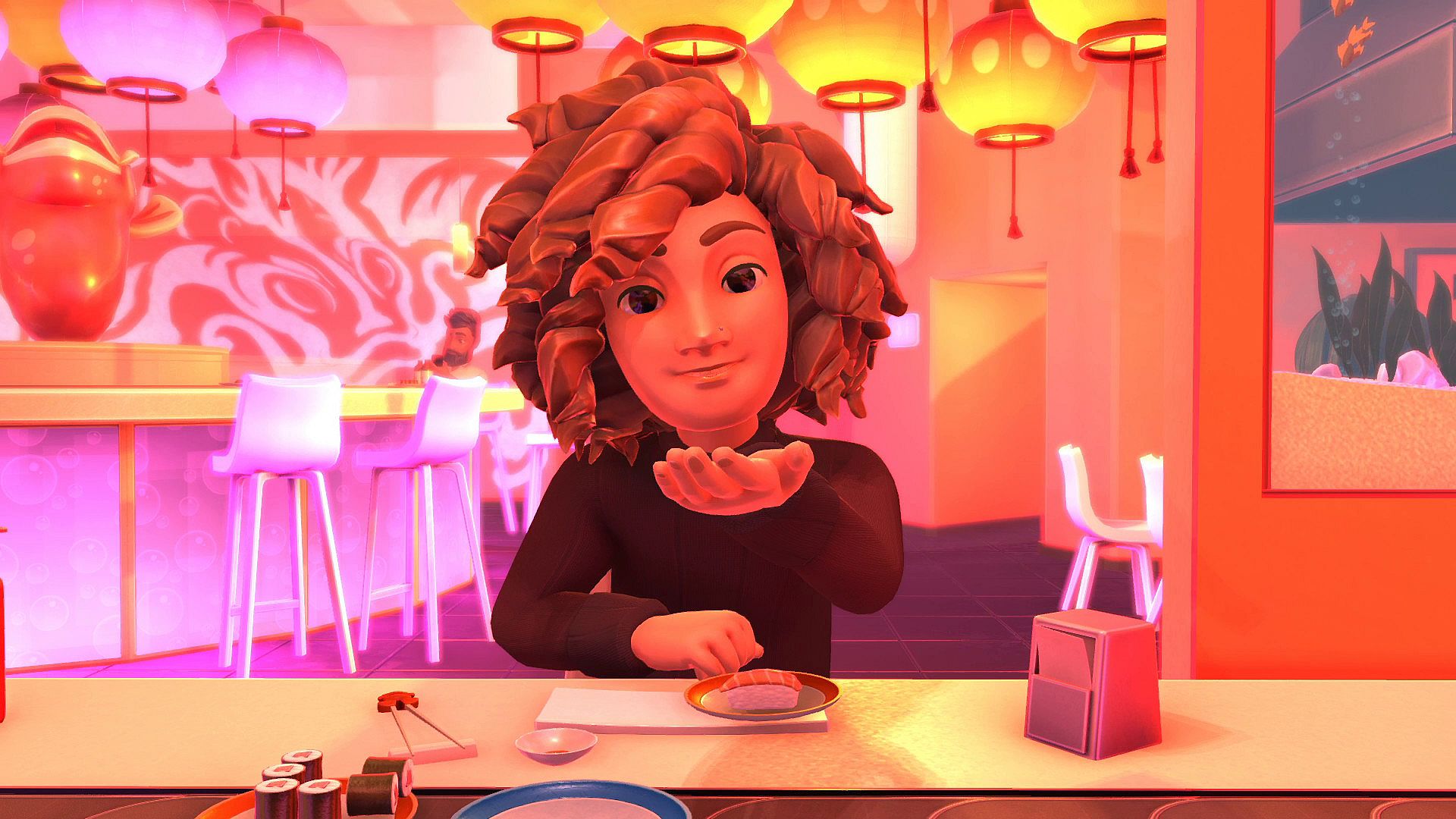
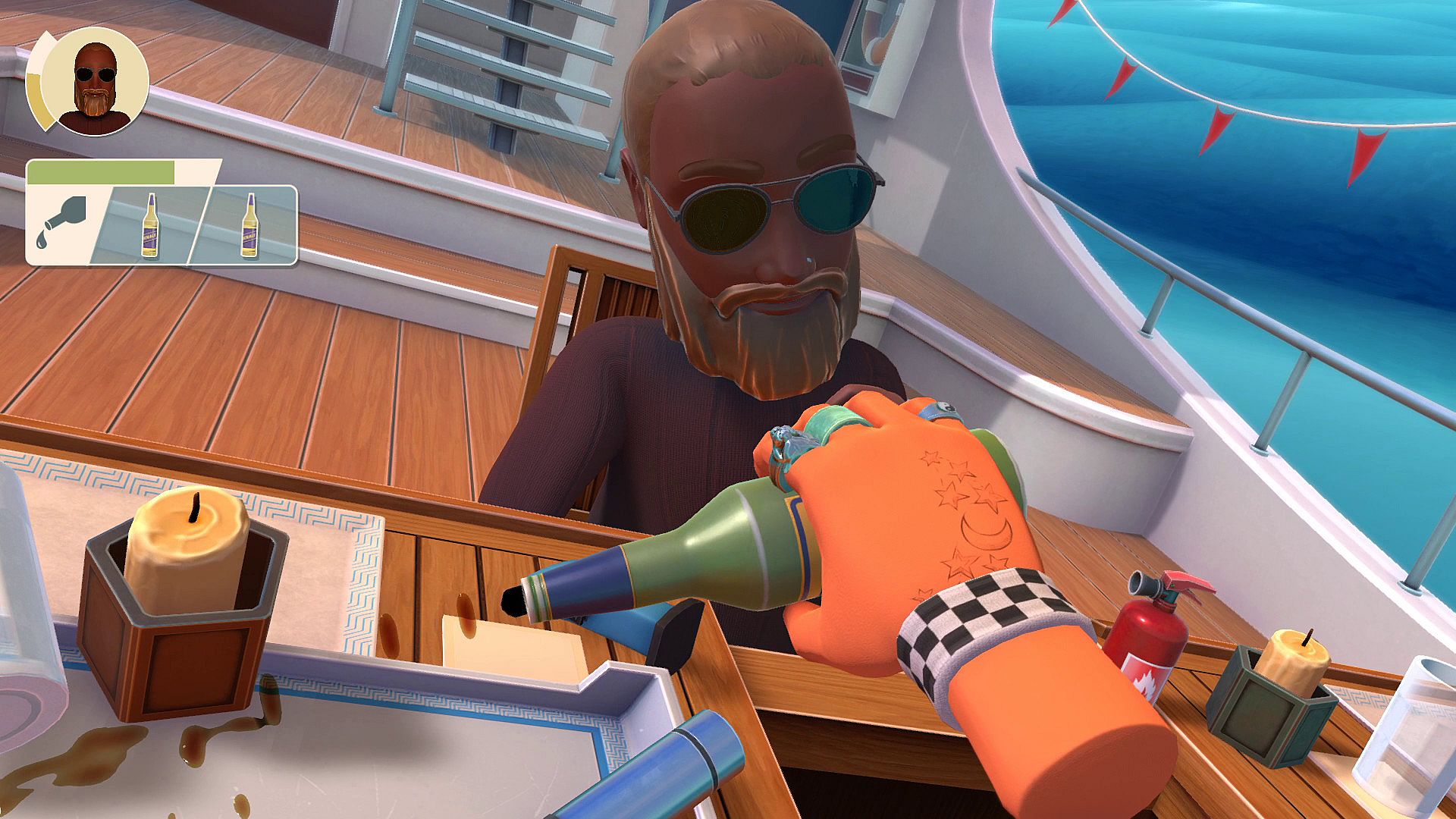
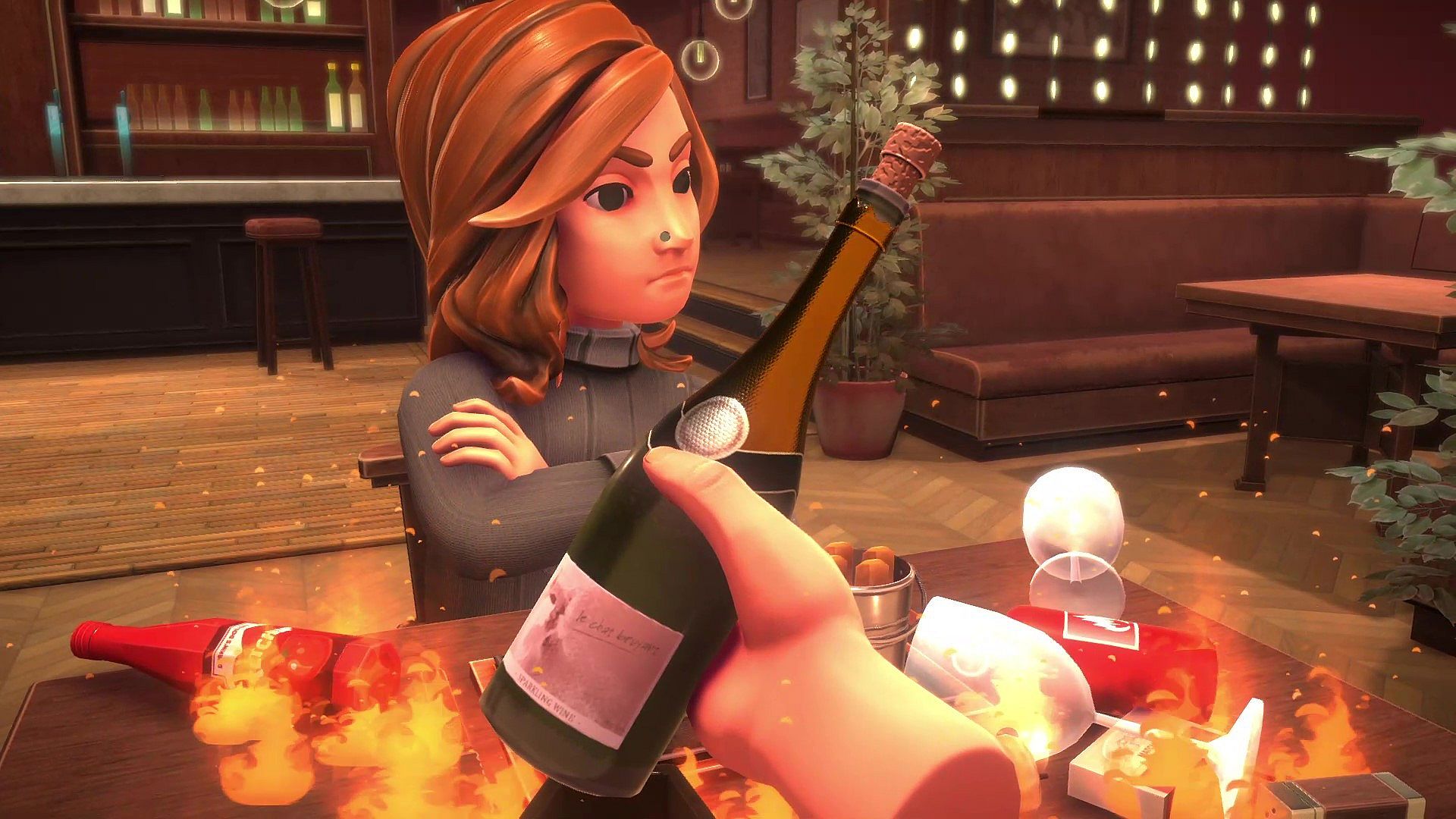
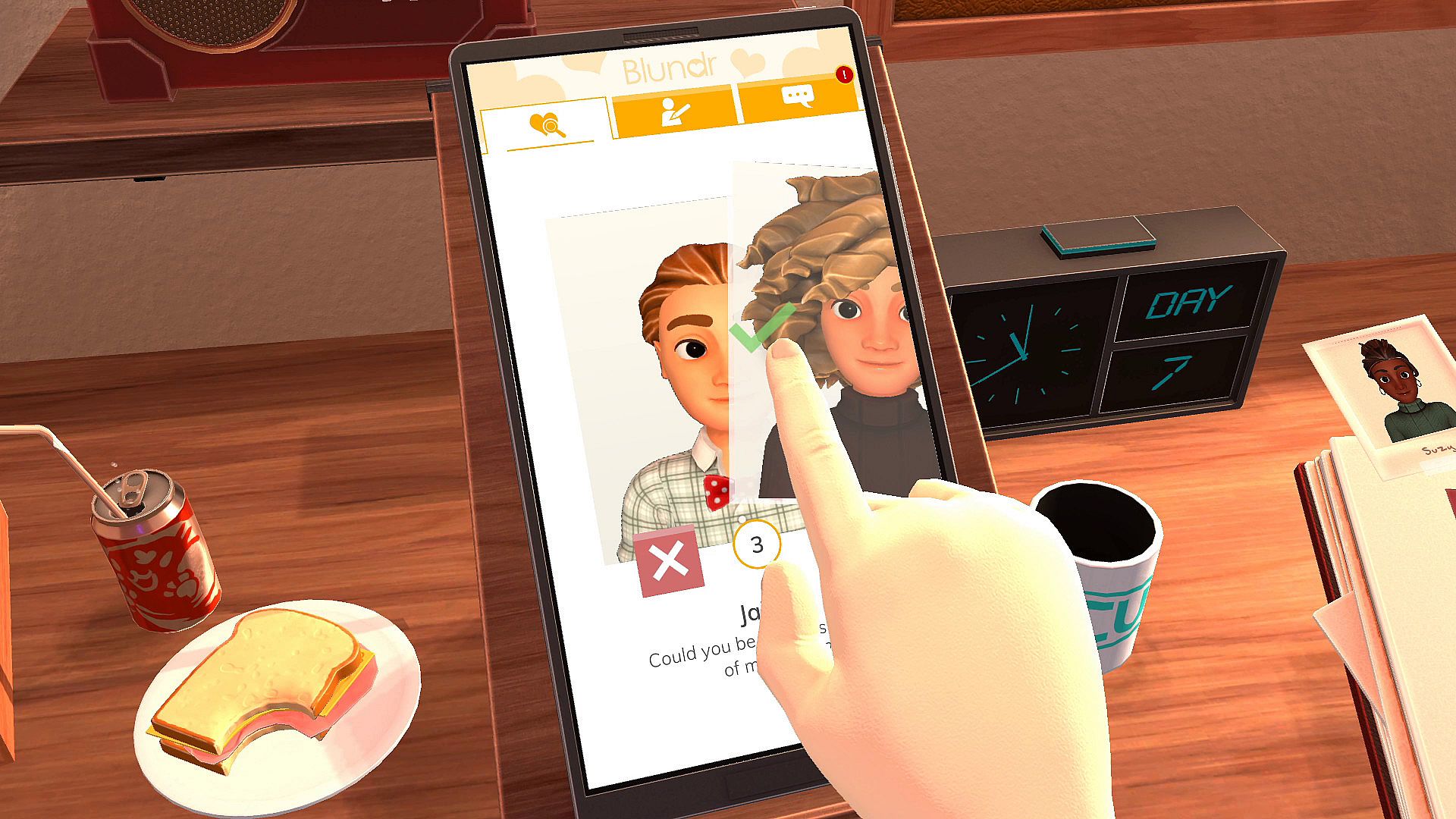
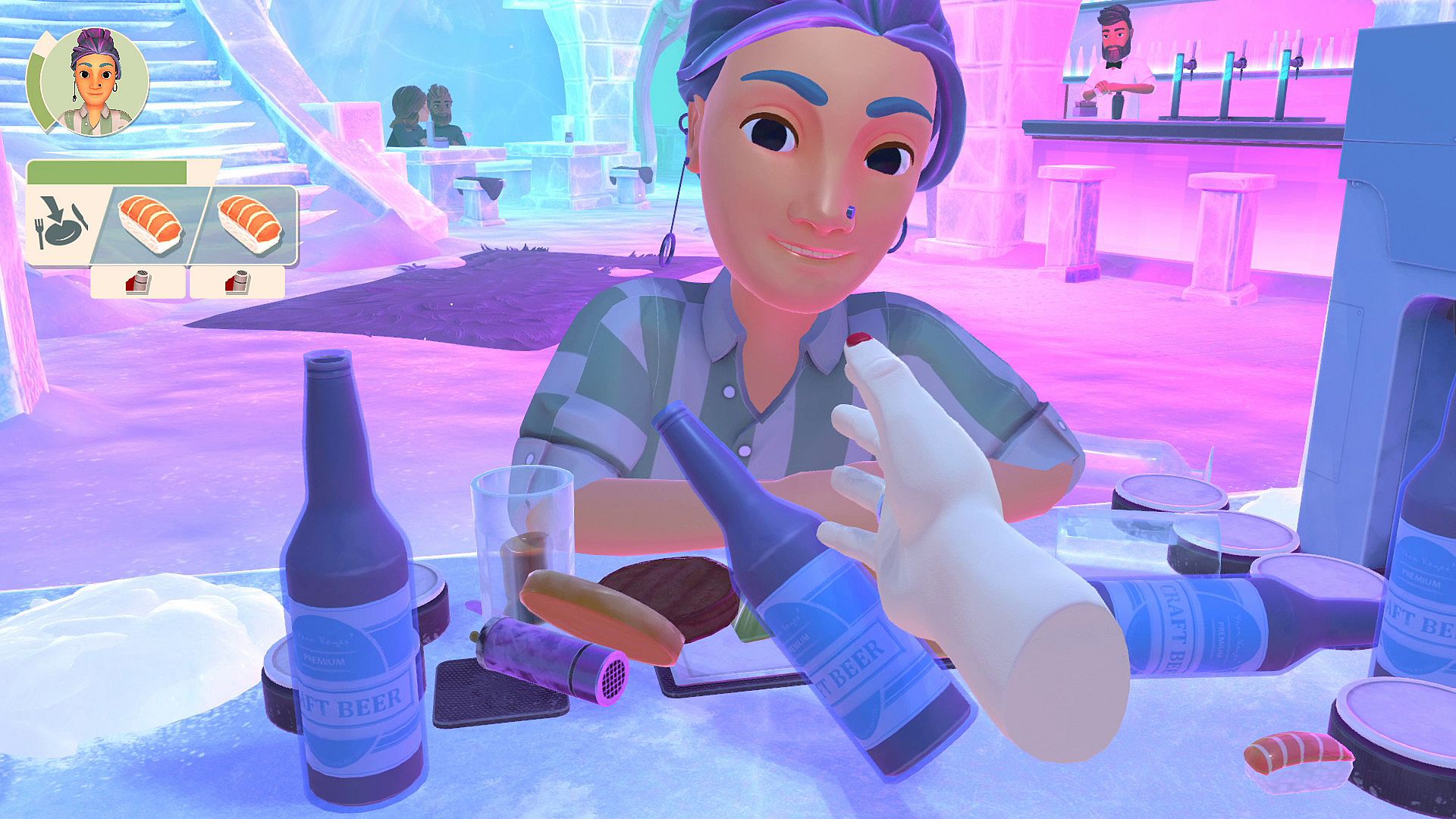
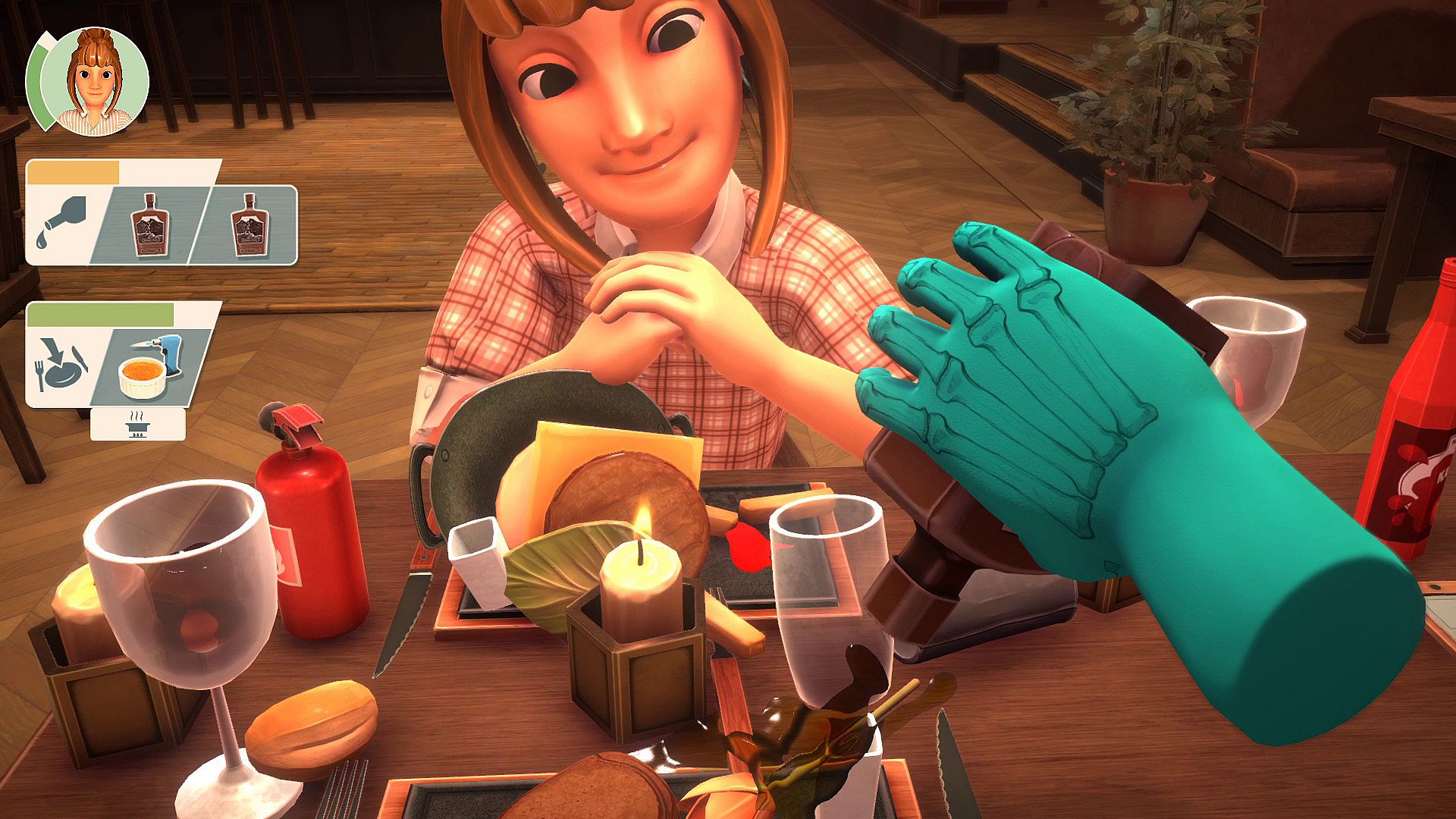
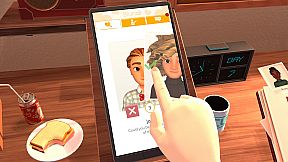
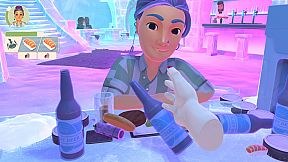
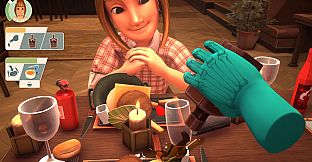
The core loop revolves around controlling a hand to handle table service, lighting candles, pouring drinks, and responding to environmental hazards. Physics interactions form the backbone, with objects reacting realistically to pushes, rotations, and collisions. Venues introduce distinct mechanics, such as fast conveyor belts in sushi bars or slippery surfaces in ice bars, forcing players to adapt their approach each time. A dating app system lets users select matches by chatting and flirting through text exchanges before the meal begins, adding a preparatory layer to the physical challenges. Reputation builds with successful outings, unlocking new dates that feature more intricate setups and higher stakes for impressing the companion.
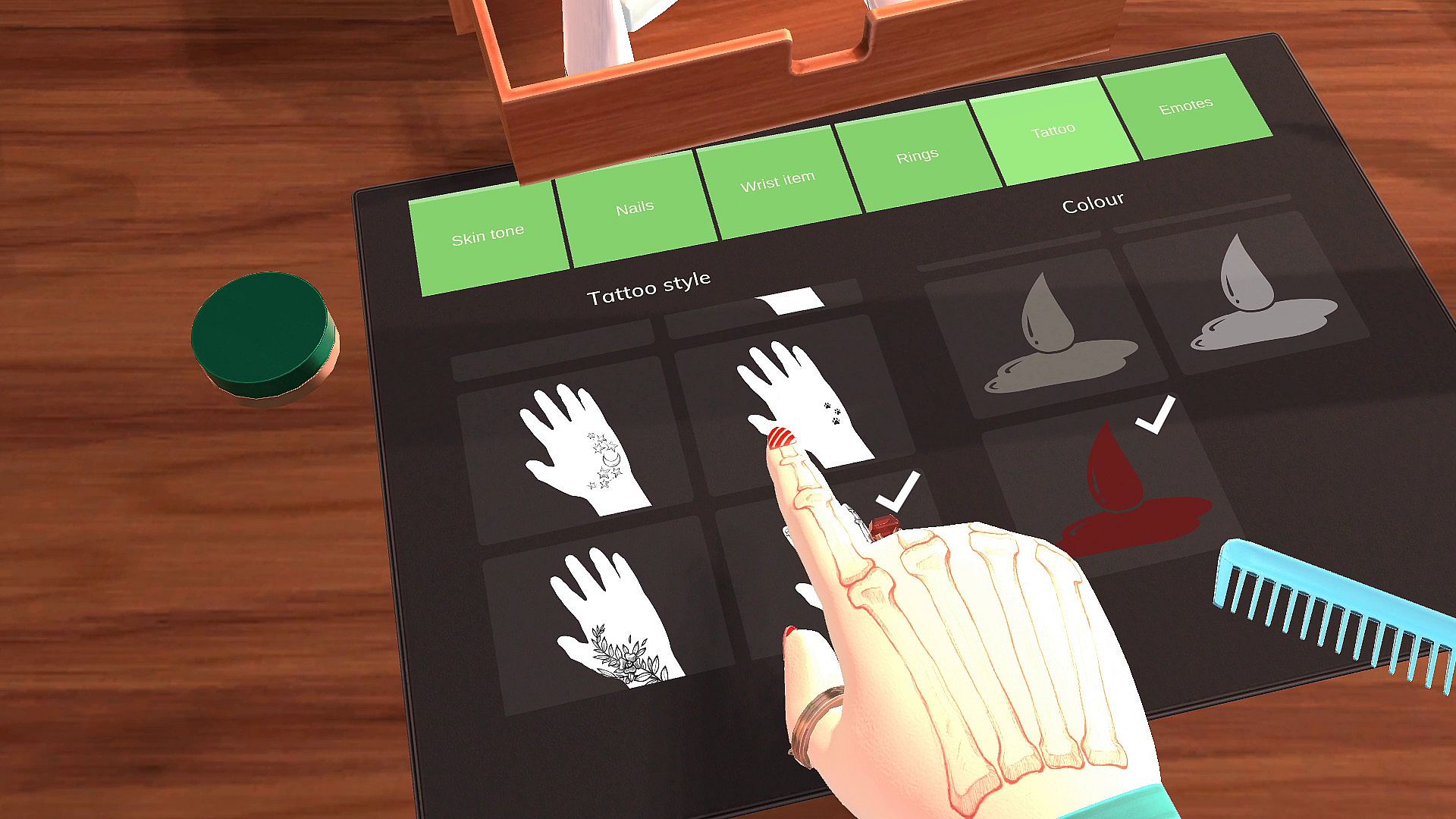
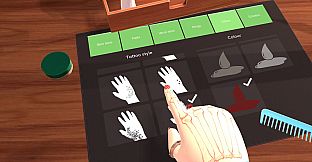
Customization options focus exclusively on the hand itself. Players select nail styles, accessories, and tattoos to personalize their avatar without altering body type or other traits. This limited system keeps attention on the hand's interactions rather than broader character creation. The physics engine drives most tension, turning routine actions like serving food into potential catastrophes that require immediate fixes to maintain the date's flow.
Game Modes
Table Manners delivers its content through a series of progressive dating scenarios rather than distinct competitive modes. Each outing takes place in a unique location that alters the gameplay demands, starting with standard restaurants and expanding to specialized spots like sushi bars, ice bars, boats, planes, and even zero-gravity environments. These settings incorporate tailored challenges, such as managing moving surfaces or floating items, which players must overcome while keeping their date engaged and the table intact.
Progression ties directly to performance, with better results granting access to more sophisticated dates and additional venues. The structure encourages repeated attempts at each scenario to refine techniques and achieve smoother runs. No multiplayer elements appear, keeping the focus on solo mastery of the physics and timing required for each location.
Customization and Progression
Hand customization serves as a light personalization feature that players can tweak between dates. Choices in nails, accessories, and tattoos provide visual variety without impacting mechanics. As reputation increases through successful dates, the game expands the roster of available matches and introduces new venues with fresh obstacles. This system rewards persistence, as mastering earlier locations builds the skills needed for later, more demanding ones.
The dating app integration adds a conversational prelude where players select and interact with potential partners via text. Matches lead into the physical date phase, where the hand must execute tasks while the date observes. Failures in either phase can derail the evening, emphasizing the need for both preparation and in-the-moment control.
Is It Worth Playing?
Table Manners appeals most to players who enjoy physics-based puzzle elements combined with humorous failure states. The mixed reception on Steam, with 57 percent positive reviews from hundreds of users, reflects divided opinions on the precision required and occasional glitches that amplify frustration. Those who appreciate short, replayable sessions focused on chaotic object handling may find value in the variety of venues and escalating challenges.
The game suits individuals seeking a lighthearted simulation without heavy narrative or competitive pressure. Its single-player format and straightforward progression make it accessible for casual play, though the reliance on fine motor control and quick corrections can limit broader appeal. Availability remains limited to the original PC release with no confirmed ongoing updates or additional content seasons.