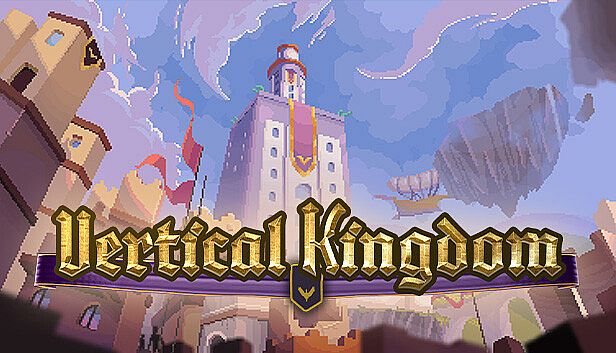

























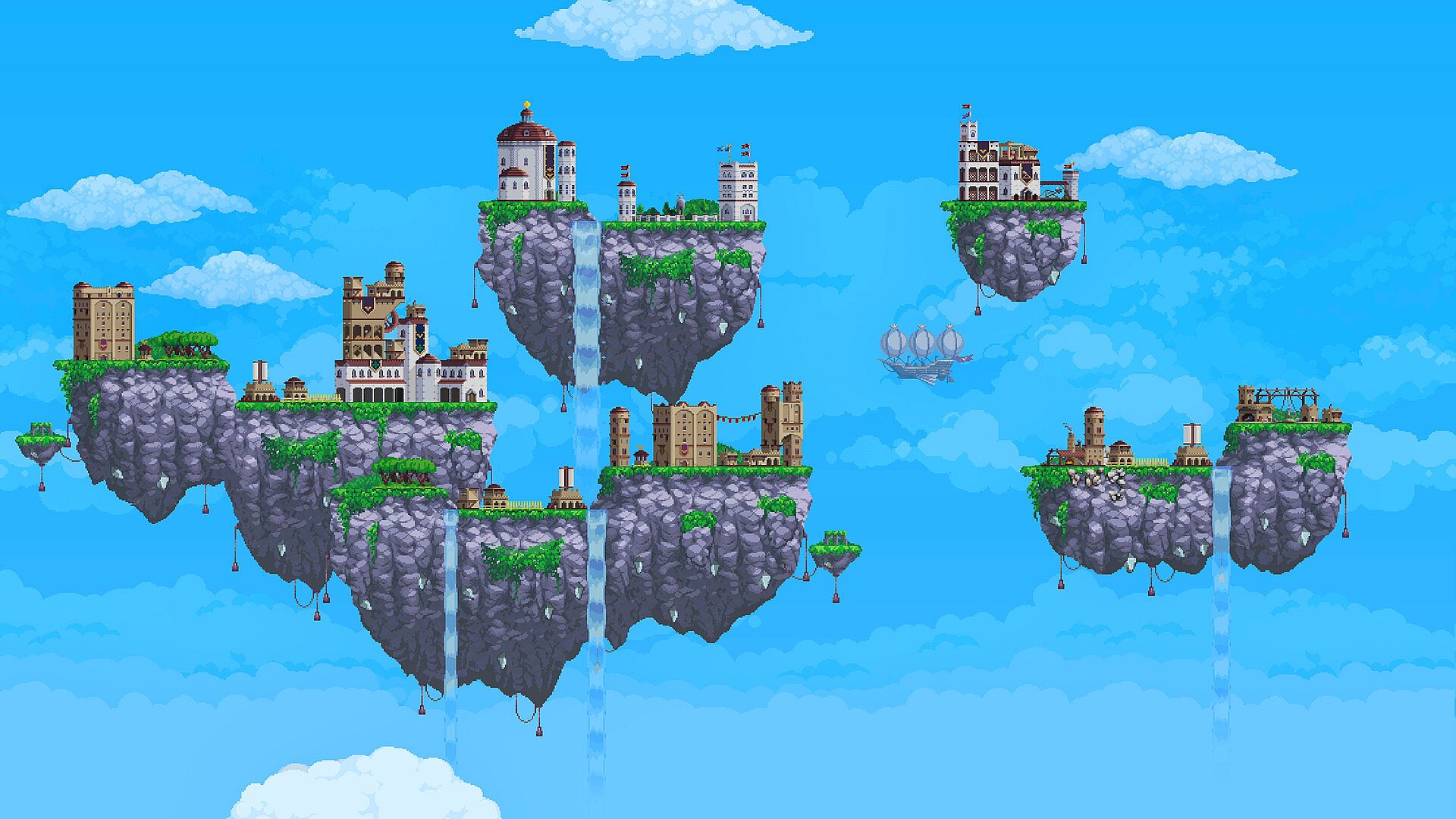
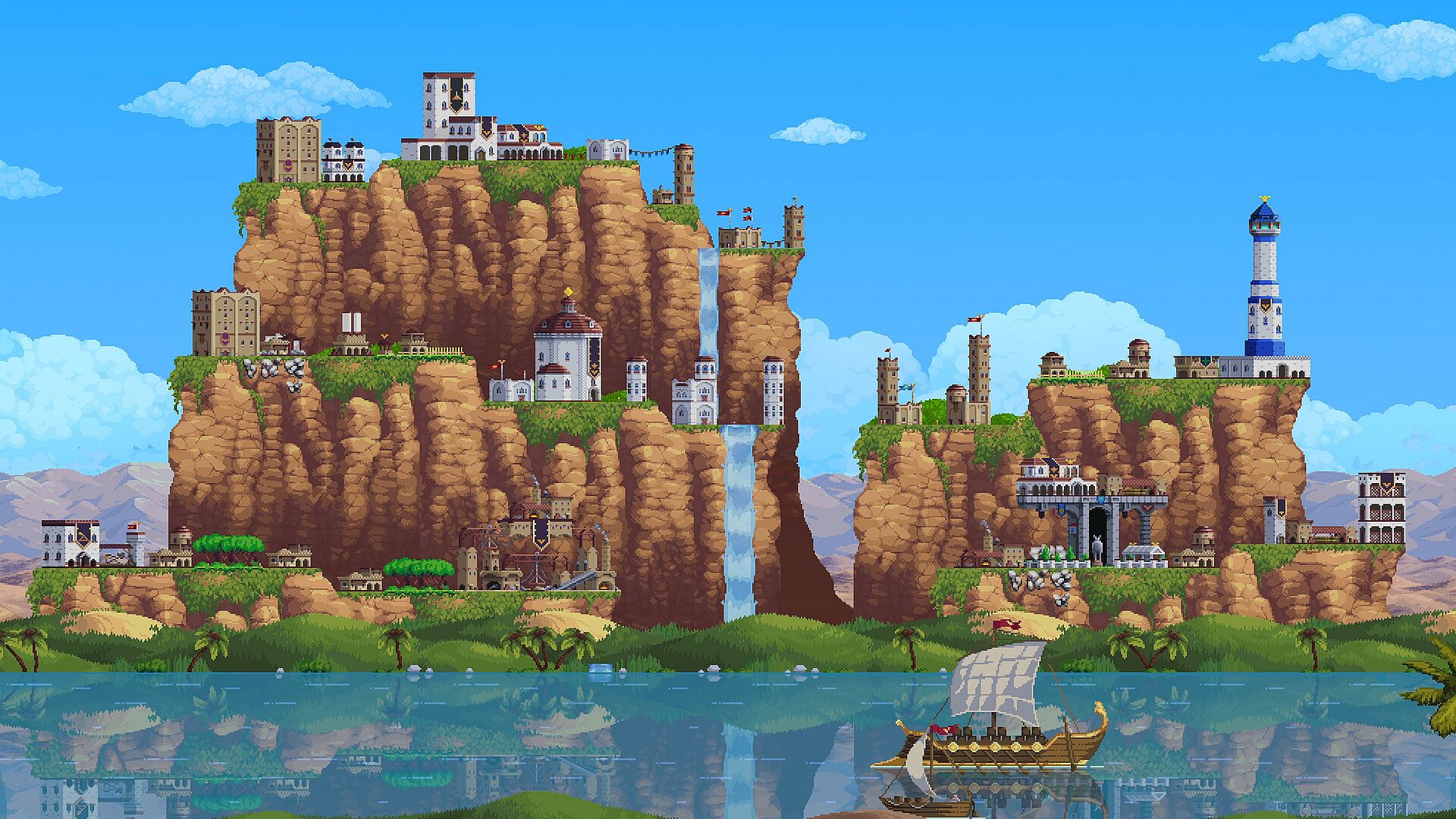
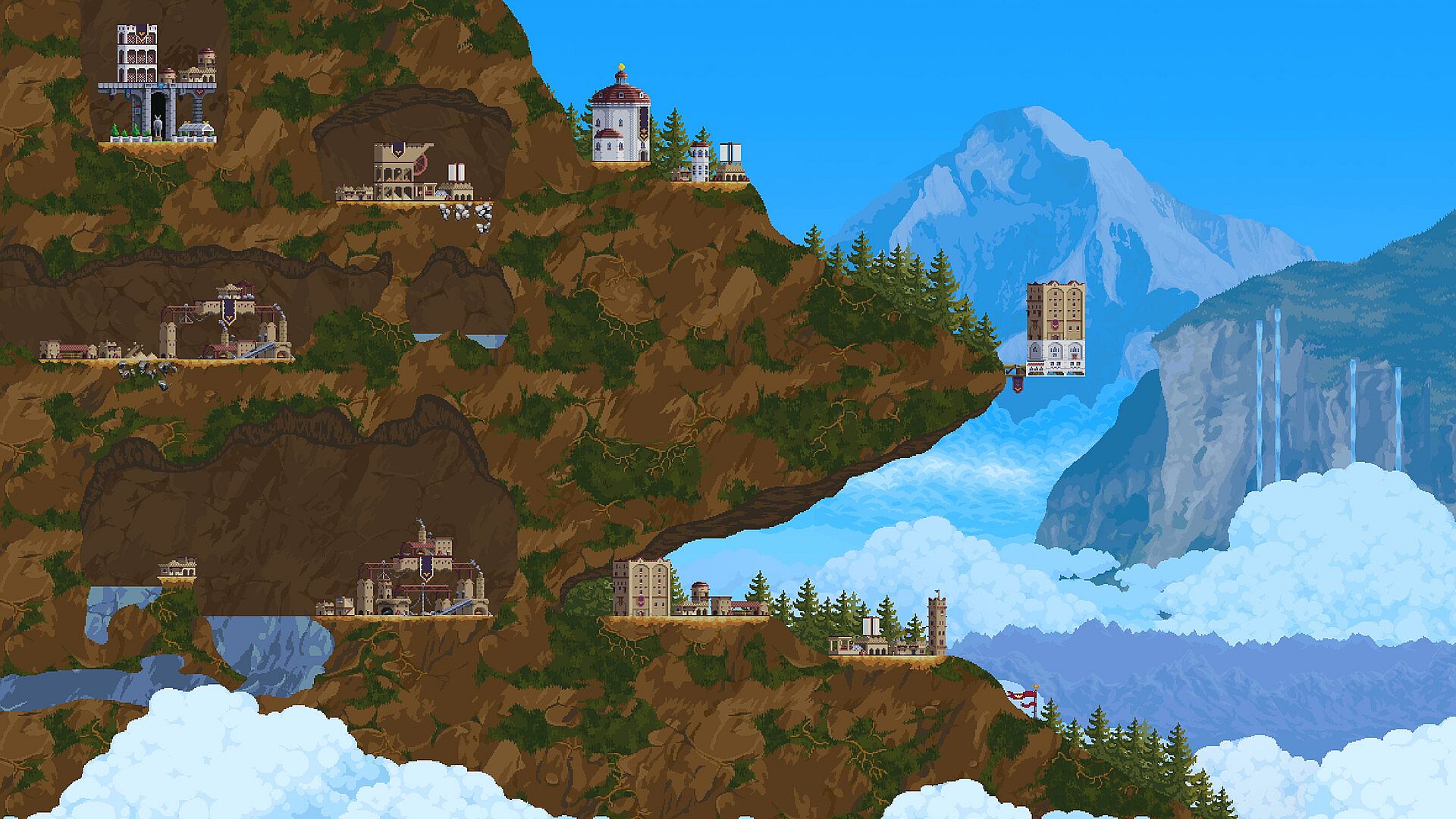
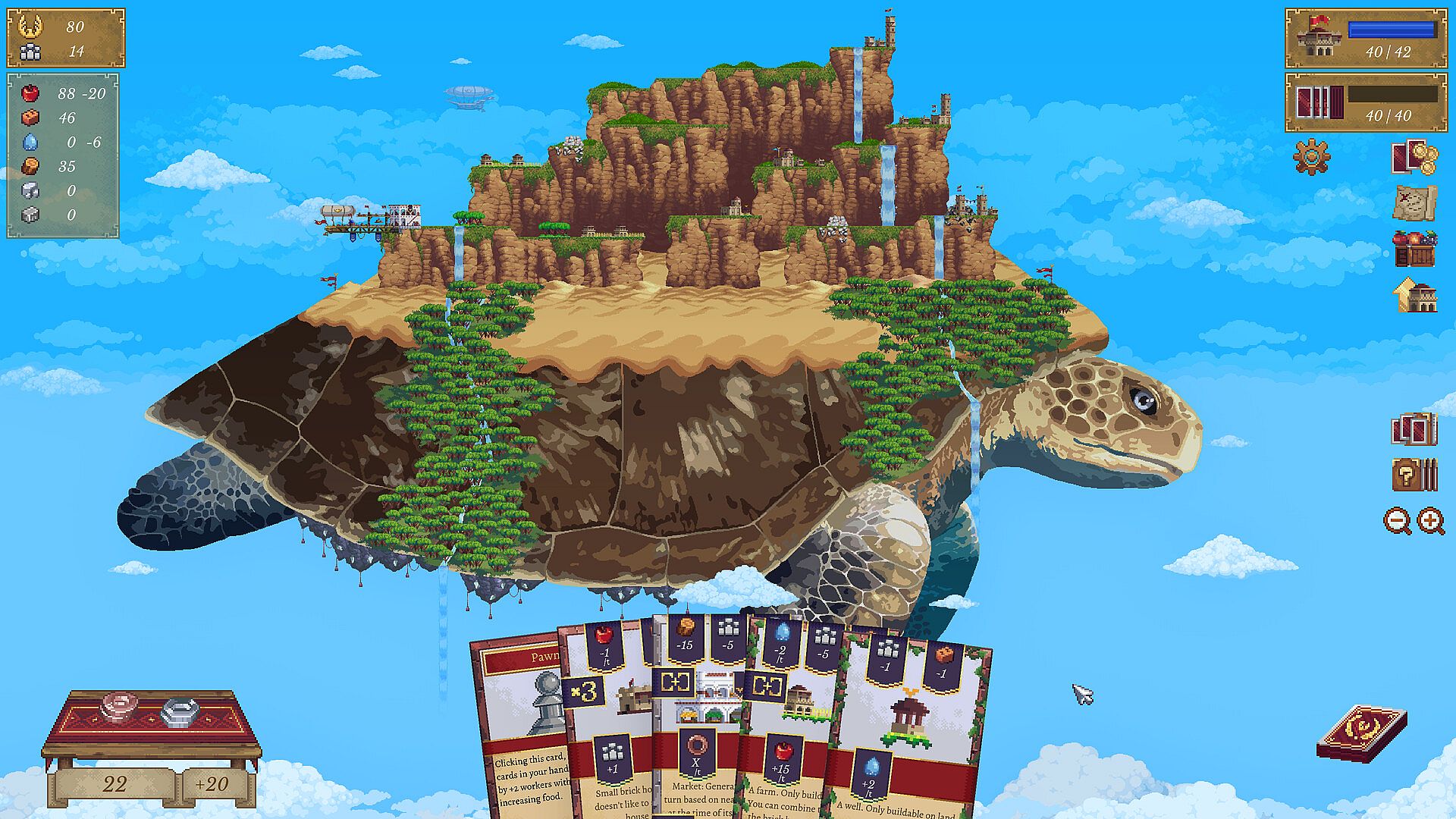
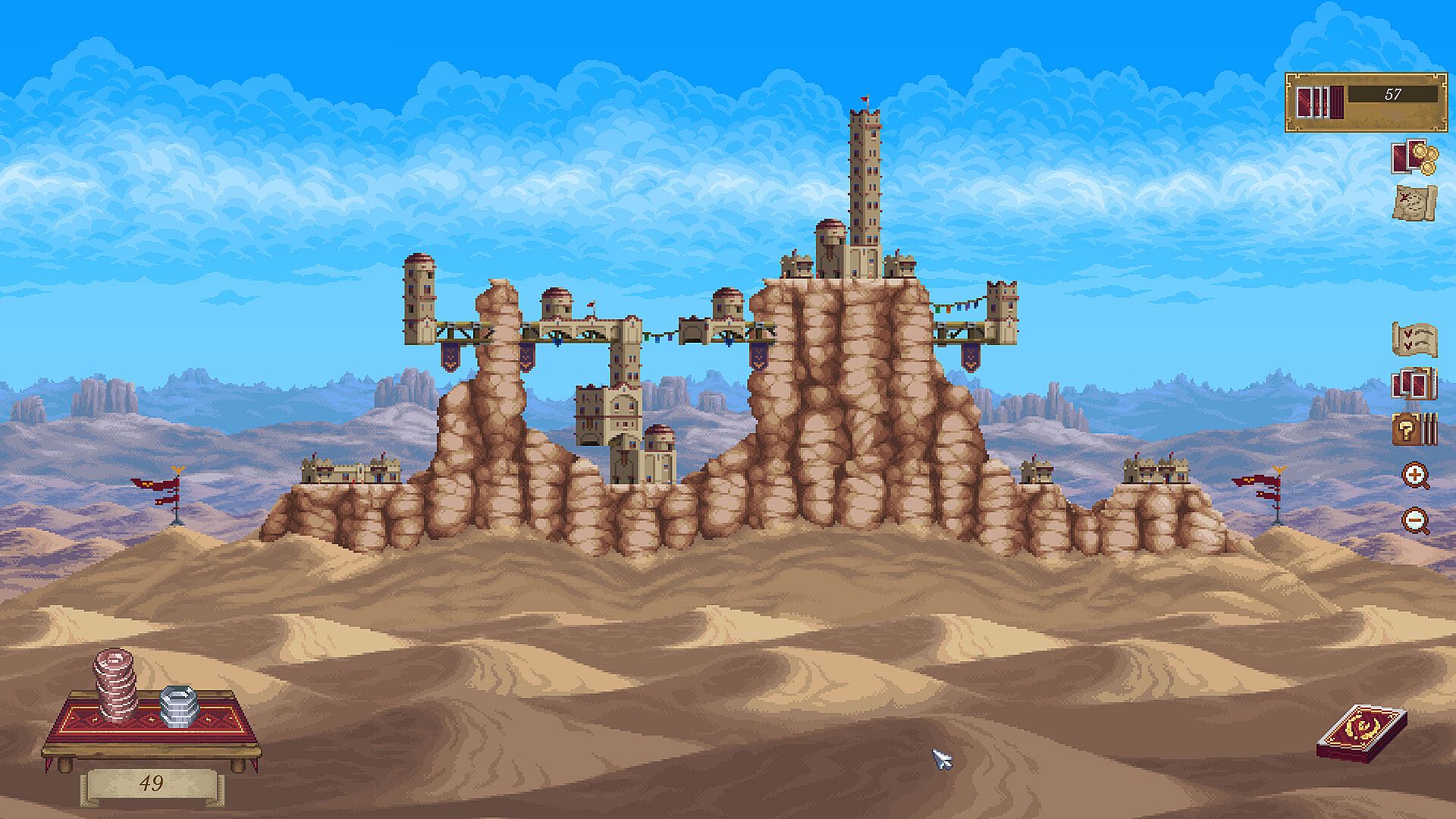
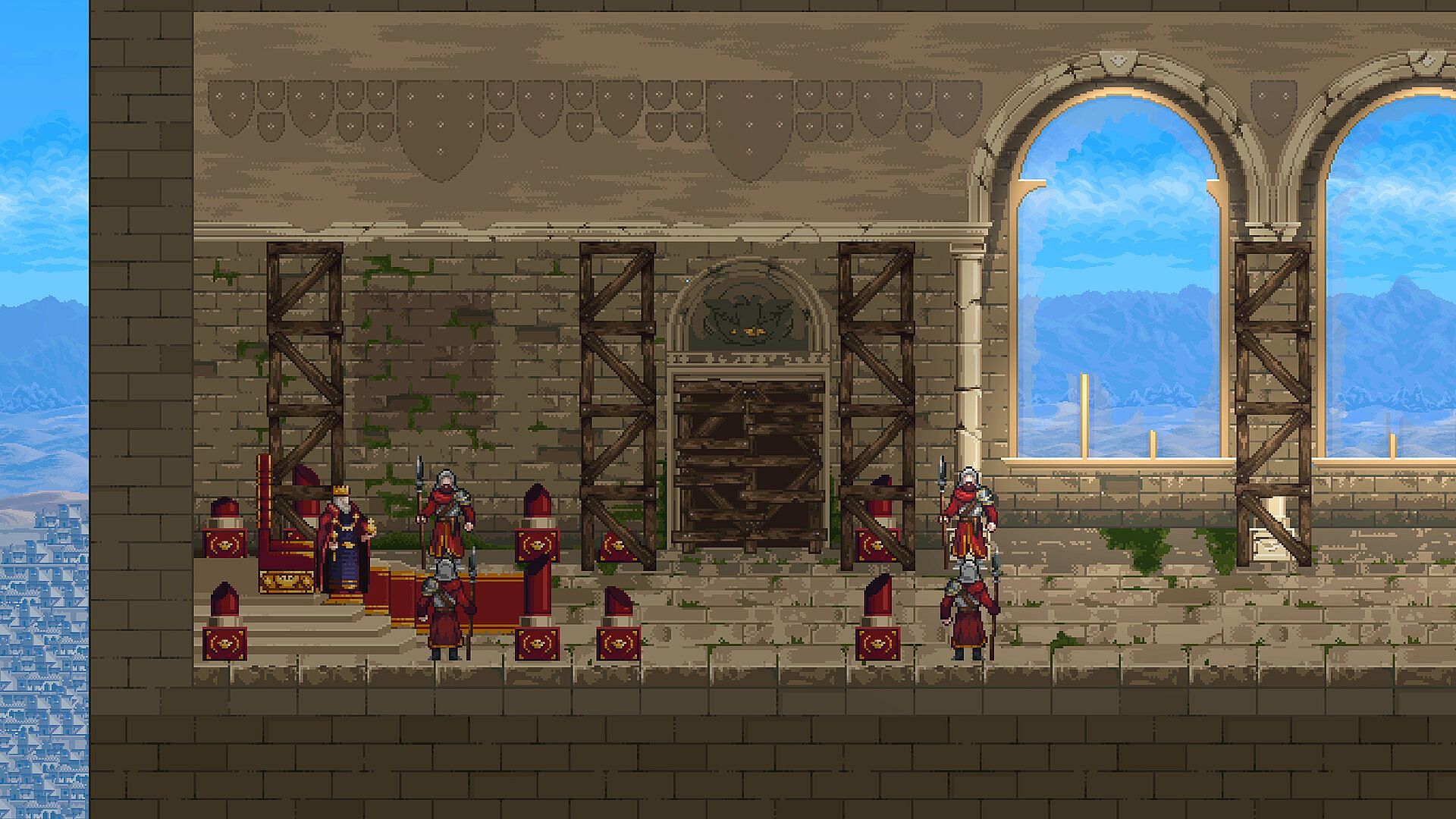
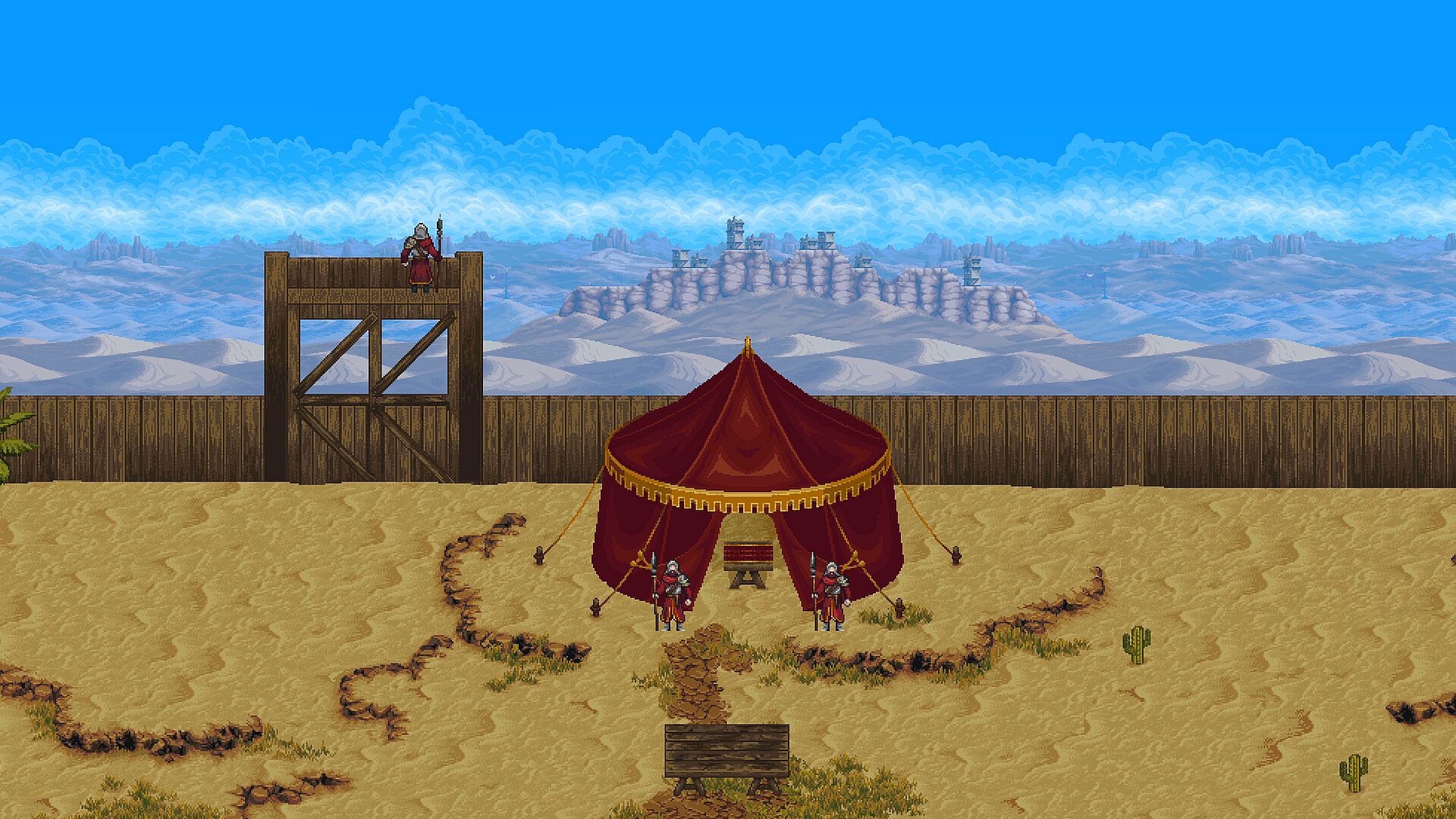
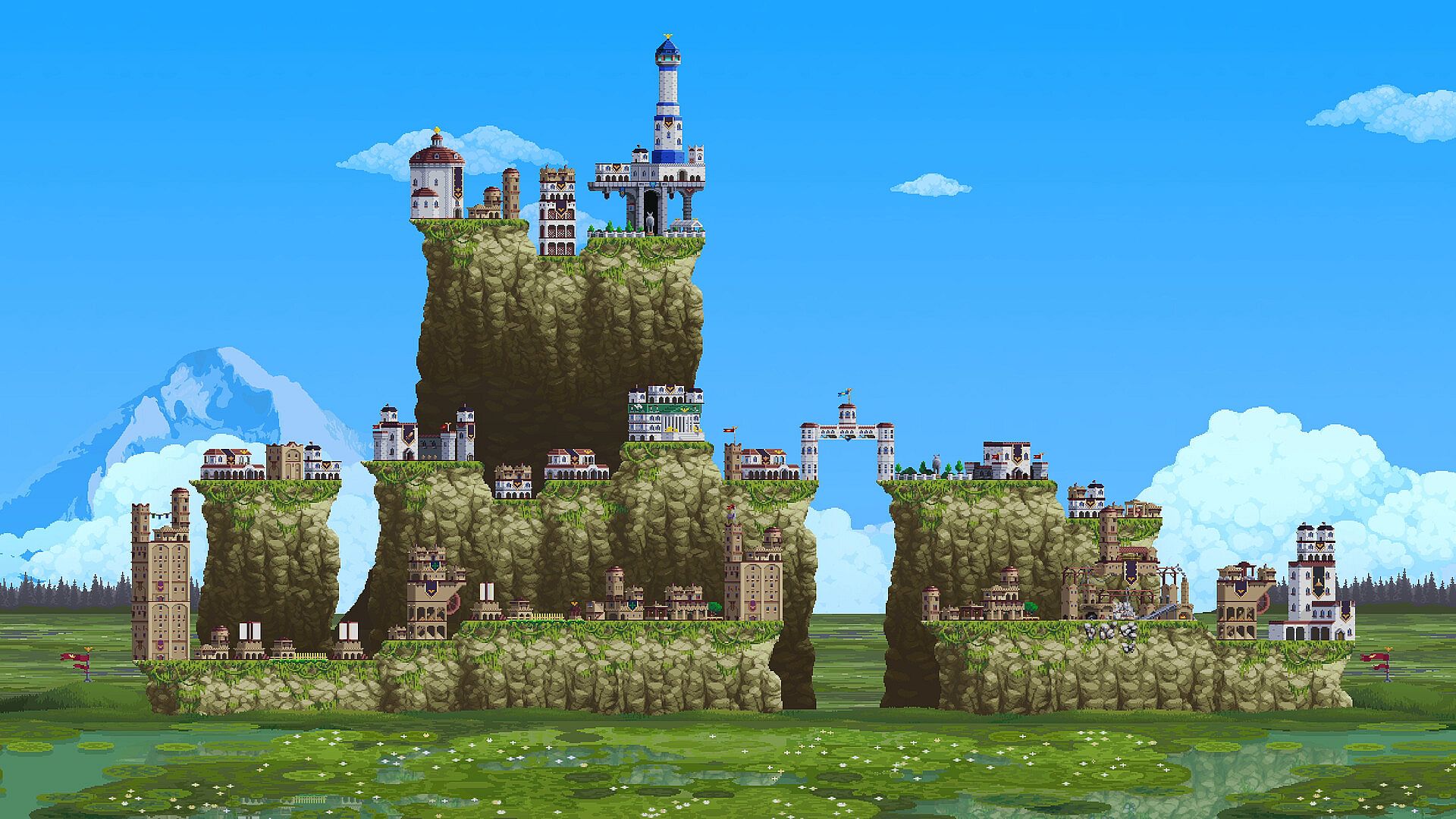
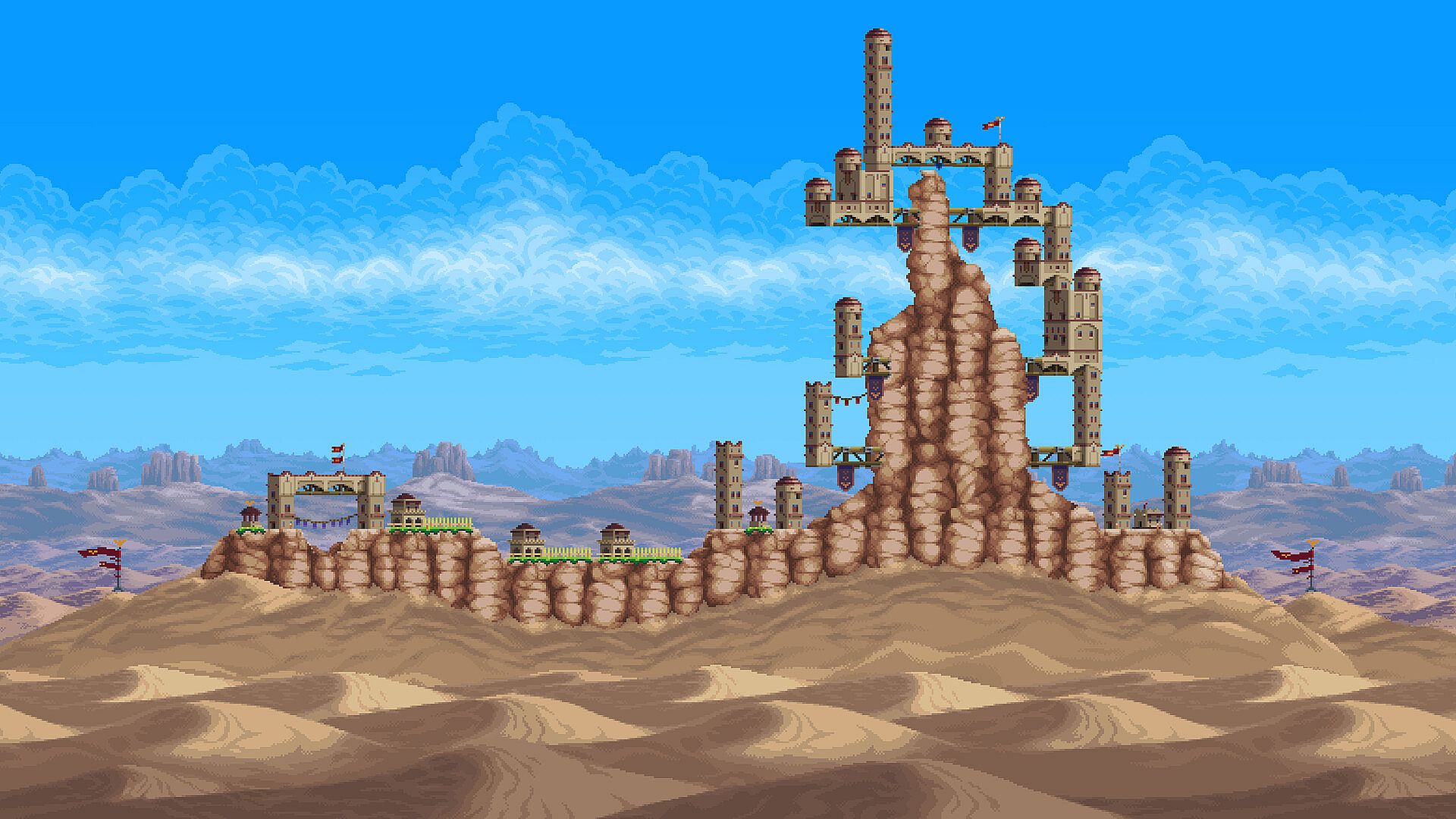
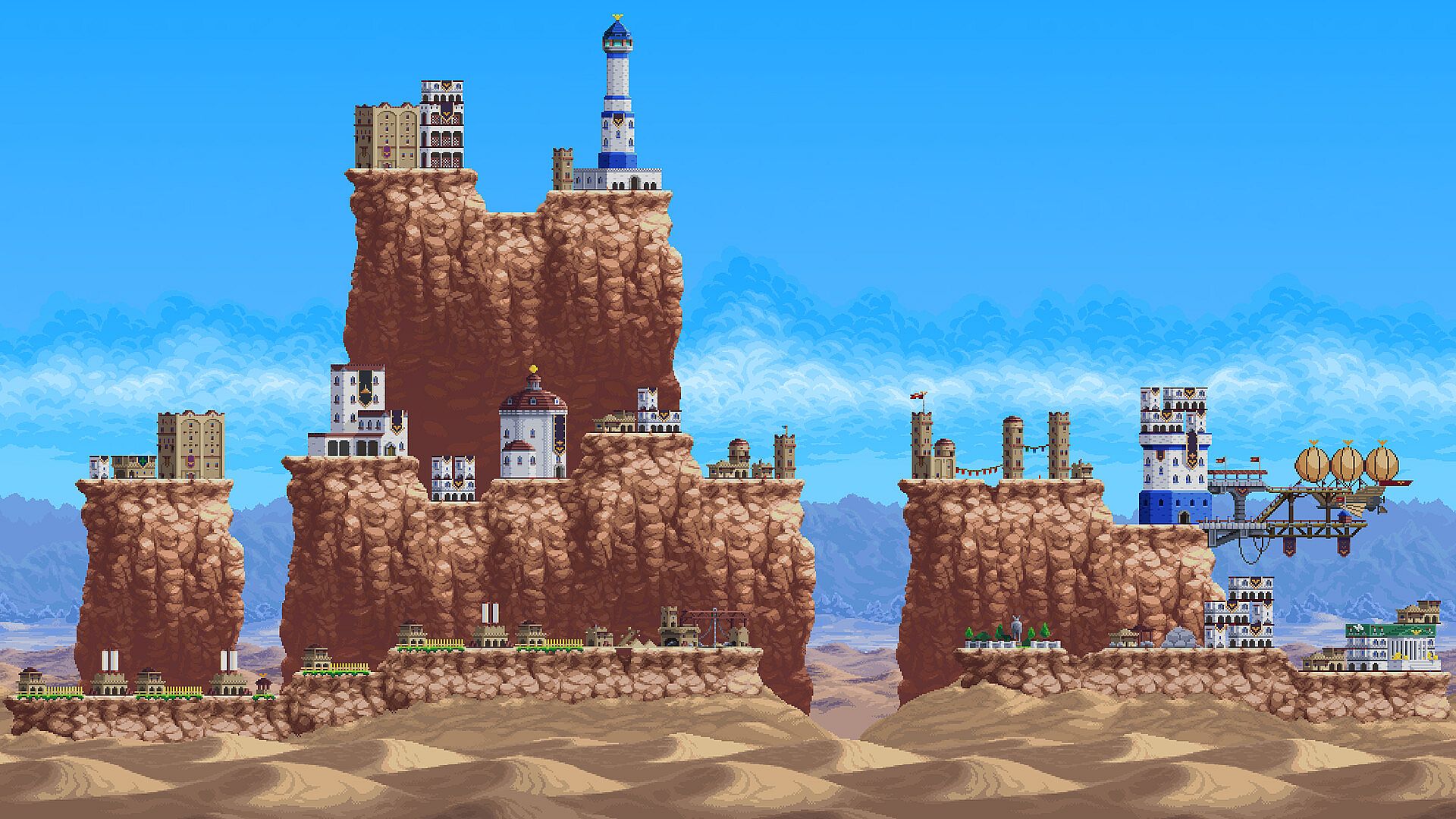
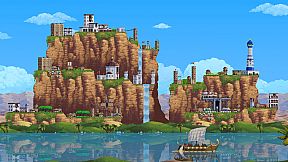
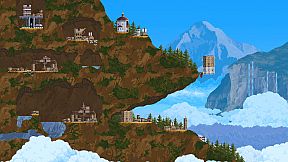
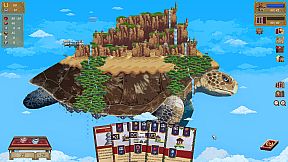
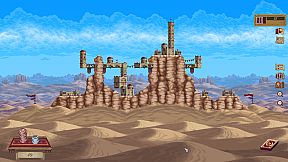
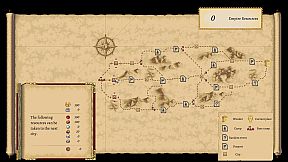
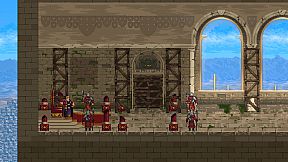
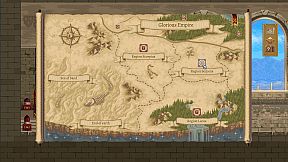
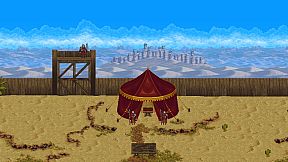
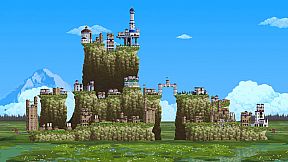
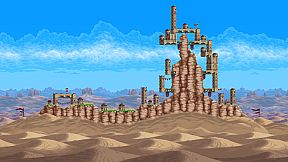
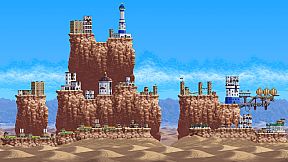
Vertical Kingdom is a strategy indie game for PC that combines city building with roguelite elements in a post-war setting. Players take on the role of the Great Architect tasked with restoring a shattered empire through careful construction rather than conquest. The core loop revolves around traveling across regions, managing limited space by stacking structures upward, and using a card-based system to place buildings while balancing an economy of resources such as food, water, bricks, wood, stone, and metal.
Gameplay
The gameplay centers on a distinctive vertical building approach forced by scarce horizontal land in each region. Players select cards from a deck to construct homes, workshops, and other structures that stack upon one another, altering their appearance and function as layers accumulate. Resource production and consumption must stay in balance to support further growth and unlock additional card plays. Every placement carries permanent consequences, requiring thoughtful planning around synergies between citizen housing and production facilities that generate taxes and maintain loyalty.
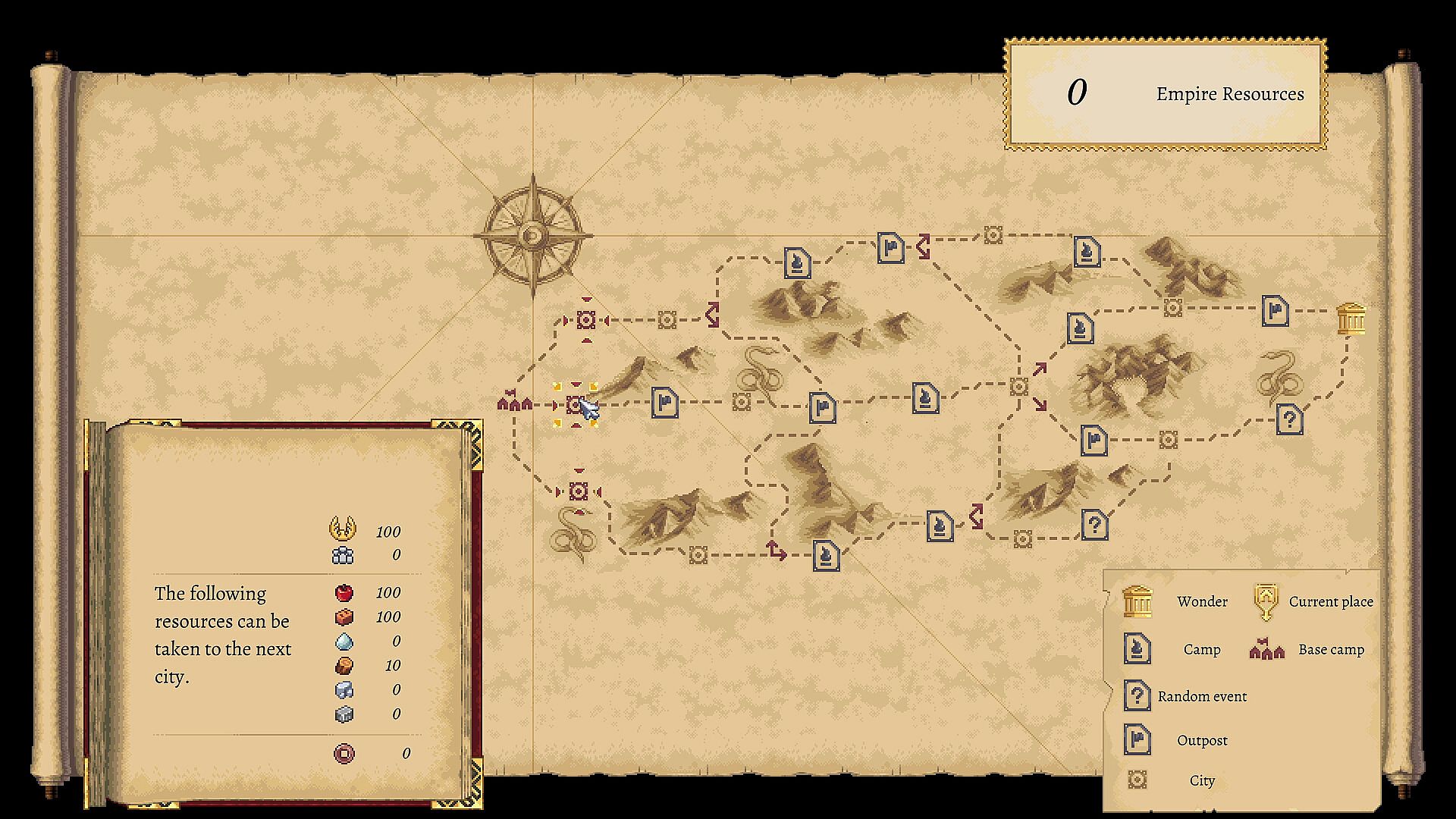
Expeditions introduce roguelite progression through randomized challenges including difficult terrain and supply shortages. Each run demands adaptation to fresh constraints while accumulating progress toward larger imperial goals. The system encourages experimentation with different card combinations across multiple attempts, as failed expeditions reset the city but allow retention of broader strategic insights for subsequent efforts.
Game Modes
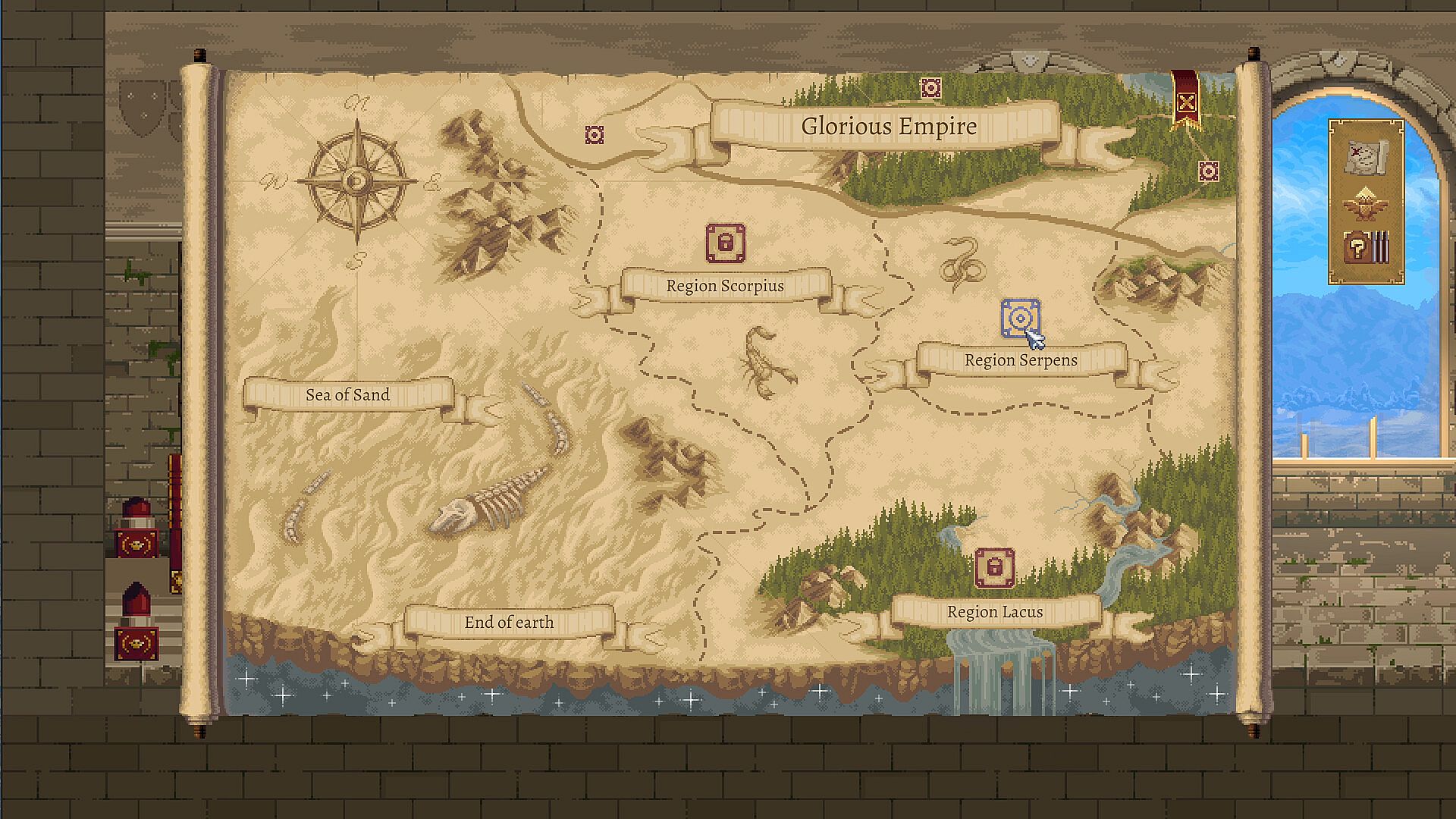
Vertical Kingdom focuses on roguelite-style expeditions as its primary structure. These runs send the player into varied regions where new cities must be established under unique conditions. The format emphasizes replayability through procedural elements that alter available resources, terrain obstacles, and building opportunities each time. No separate competitive or cooperative modes exist, keeping the experience centered on solo strategic decision-making across successive expeditions.
Progression ties directly to these expeditions, with each successful city contributing to the overarching effort of empire restoration. The absence of traditional campaign chapters or endless free-build options reinforces the roguelite nature, where every decision influences immediate survival and long-term viability within the run.
Key Mechanics and Systems
Resource management forms the backbone of city sustainability. Food and water sustain the population, while construction materials like bricks, wood, stone, and metal enable expansion. Buildings produce these goods or generate taxes, but space limitations require efficient vertical stacking to maximize output without overcrowding. Loyalty mechanics add another layer, as content citizens can provide assistance against lingering threats in the ruins.
The card system adds tactical depth by limiting options each turn to a selection of five cards drawn from chosen decks. This forces prioritization and adaptation rather than unrestricted placement. Permanent structures mean missteps cannot be undone, rewarding foresight in how homes and workshops interact to boost overall efficiency and unlock higher-level plays.
Is It Worth Playing?
Vertical Kingdom appeals to players who enjoy deliberate strategy games that blend city-building with roguelite risk and reward. Its mostly positive reception on Steam highlights solid mechanics and clear objectives that reward careful resource planning and vertical construction choices. The game suits those seeking a focused single-player experience without multiplayer distractions or overwhelming scale.
With its emphasis on permanent decisions and randomized expeditions, the title offers meaningful replay value for fans of indie strategy titles. Recent availability on additional platforms has expanded access, though the core PC version remains the primary point of entry. Those drawn to intricate economies and thoughtful building will find the systems engaging, while players preferring faster-paced or less constrained city builders may prefer alternatives. Overall, the verified player feedback supports it as a worthwhile pick for the right audience.