


















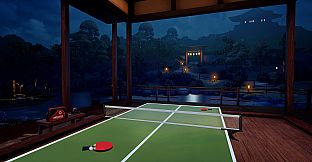
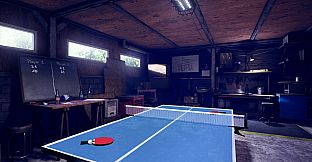

VR Ping Pong Pro is a virtual reality table tennis simulation for PC that puts players in control of a virtual racket to compete in realistic matches. The game emphasizes precise timing, spin control, and hand-eye coordination in a setting that replicates the feel of real table tennis through VR hardware.
Gameplay
The core loop centers on swinging a virtual racket to strike a ball across the table while managing spin, speed, and placement. Physics simulation includes full spin mechanics that affect ball trajectory after contact, requiring players to adjust their swings accordingly. Matches unfold in real time with responsive controls that reward consistent practice and accurate positioning.
Players select from five difficulty levels that scale the AI opponent behavior, ball speed, and error margins to match different experience levels. Customization options let users modify racket properties and ball types to fine-tune feel and performance during play. The system supports both local and remote opponents, with environmental audio and visual details adding context to each rally.
Game Modes
Singles Match allows direct competition against computer opponents or another local player on the same setup. Online multiplayer extends this to remote matches or structured tournaments where participants from different locations compete in bracket formats.
Tournament Mode organizes a series of matches with progression toward a championship title. Arcade Mini Games provide shorter, skill-focused challenges that emphasize specific aspects of racket control and timing without full match rules. These modes together cover casual practice, competitive ladders, and quick sessions.
Environments and Customization
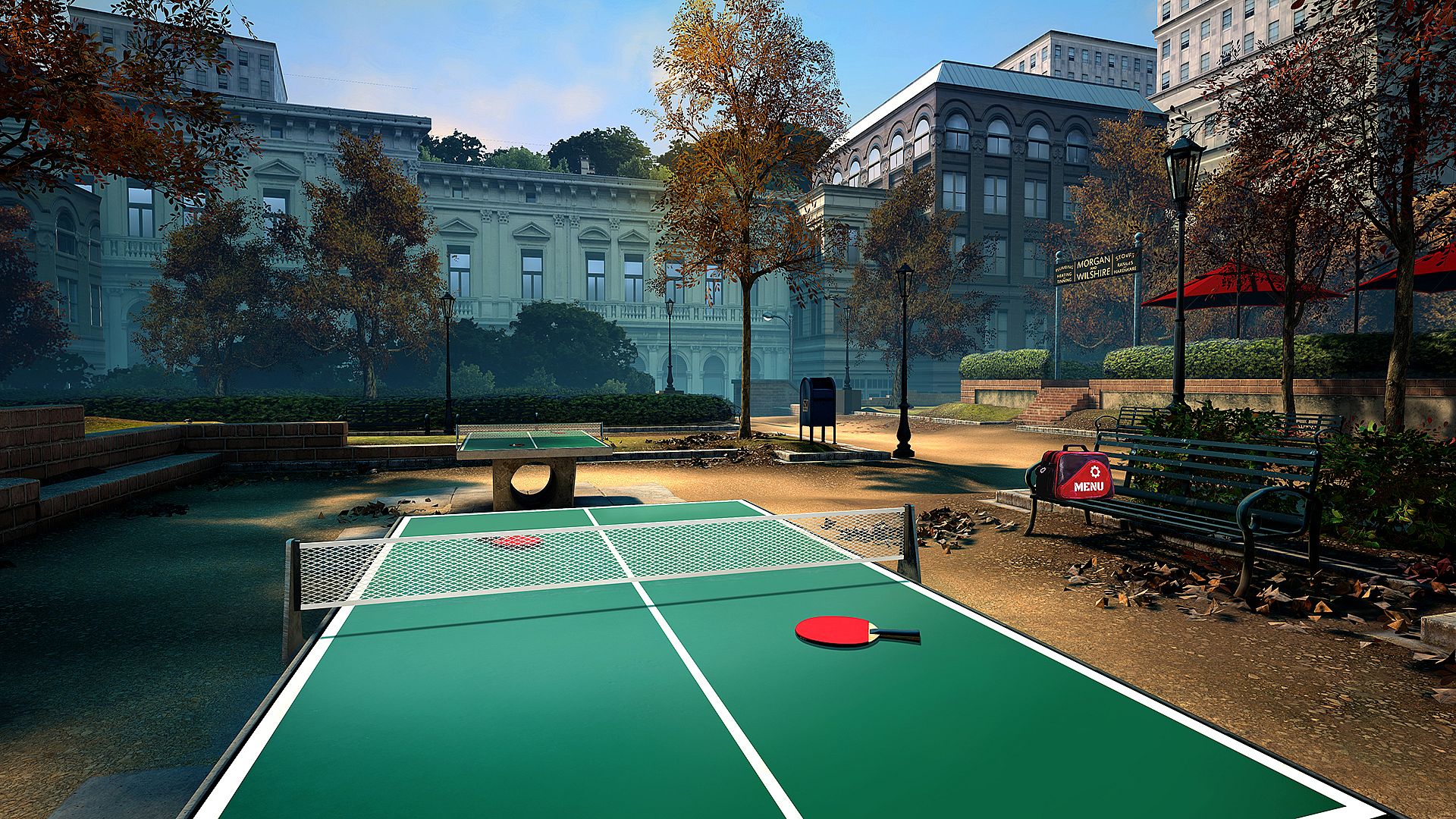
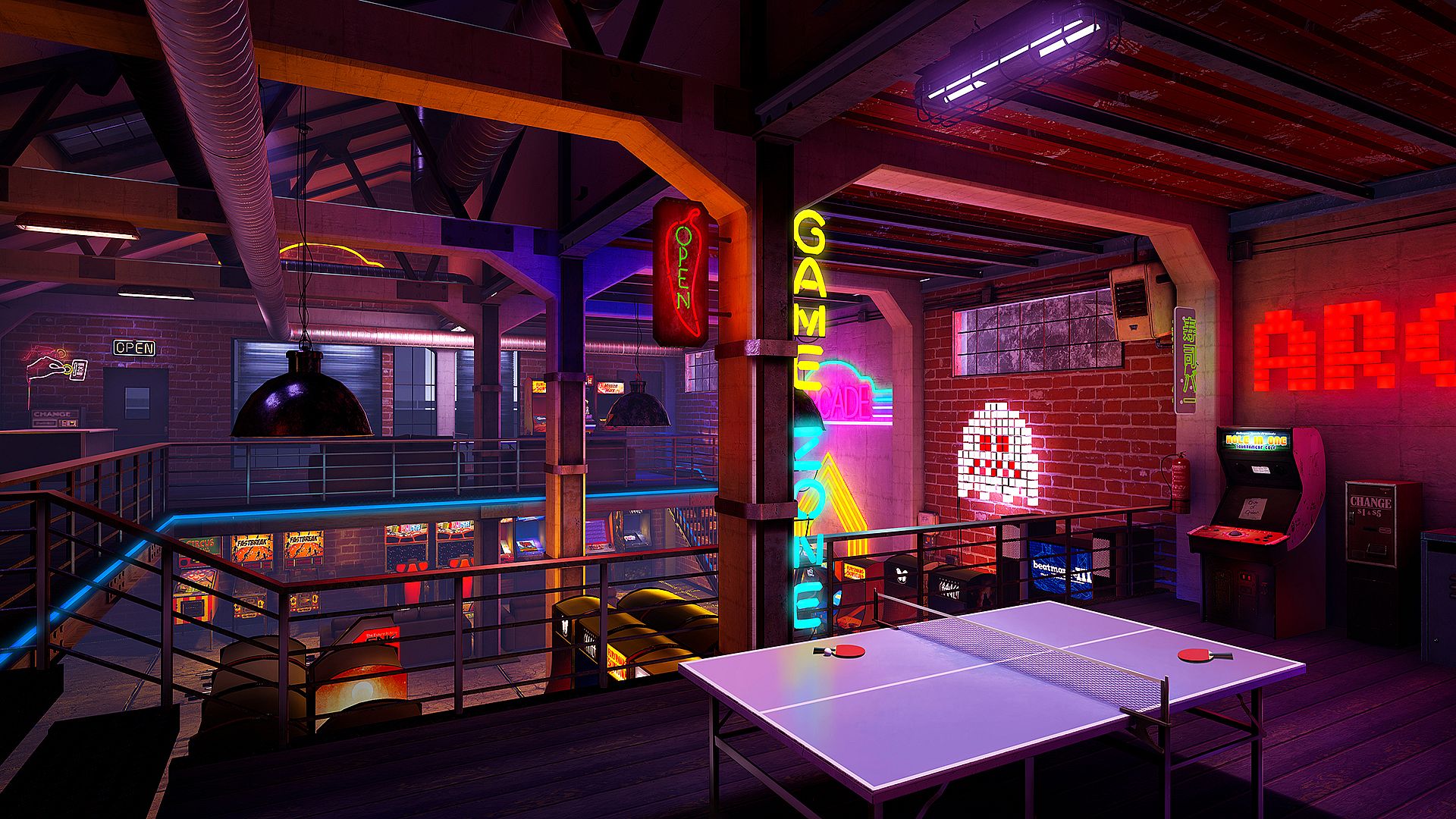
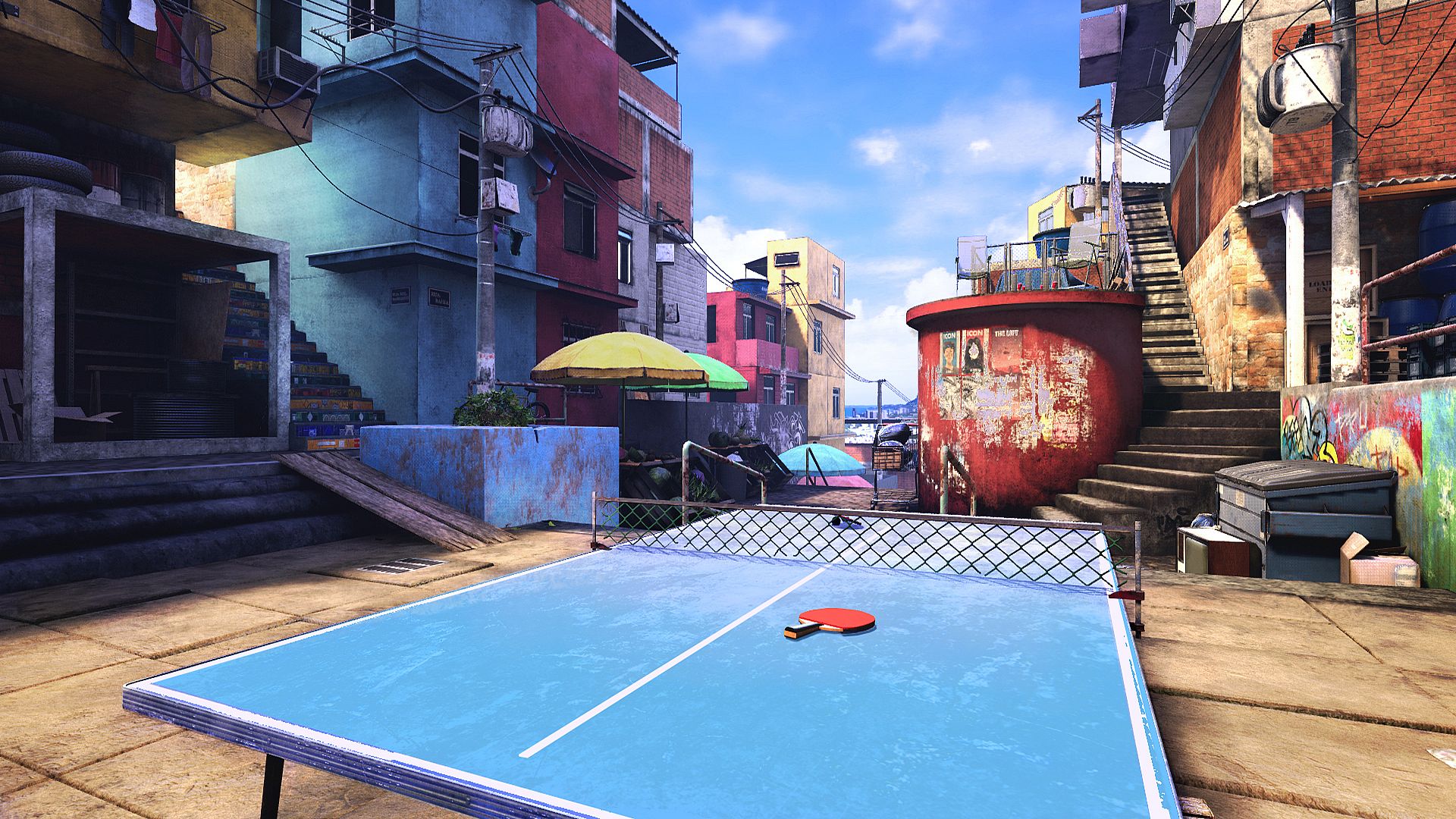
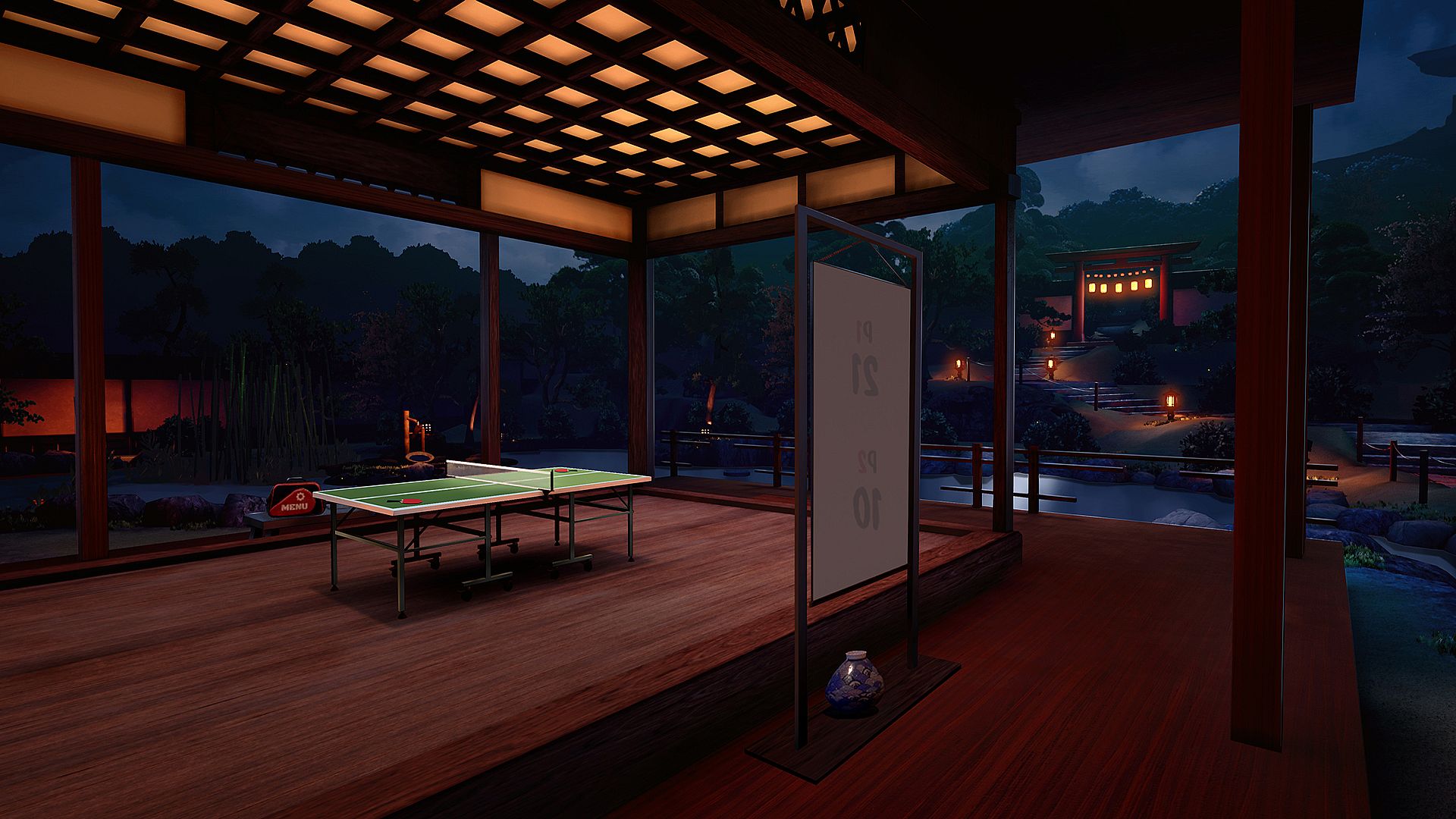
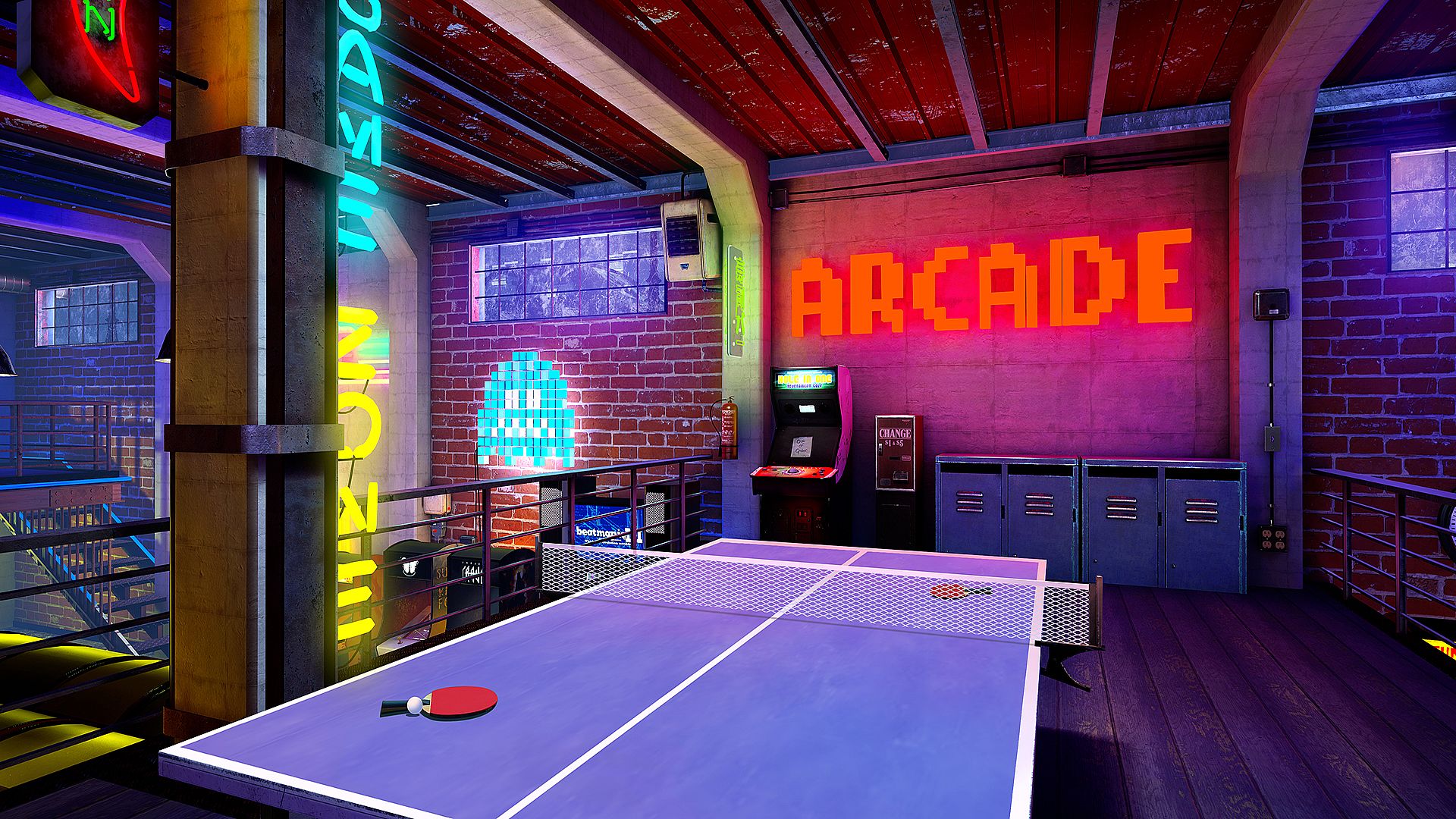
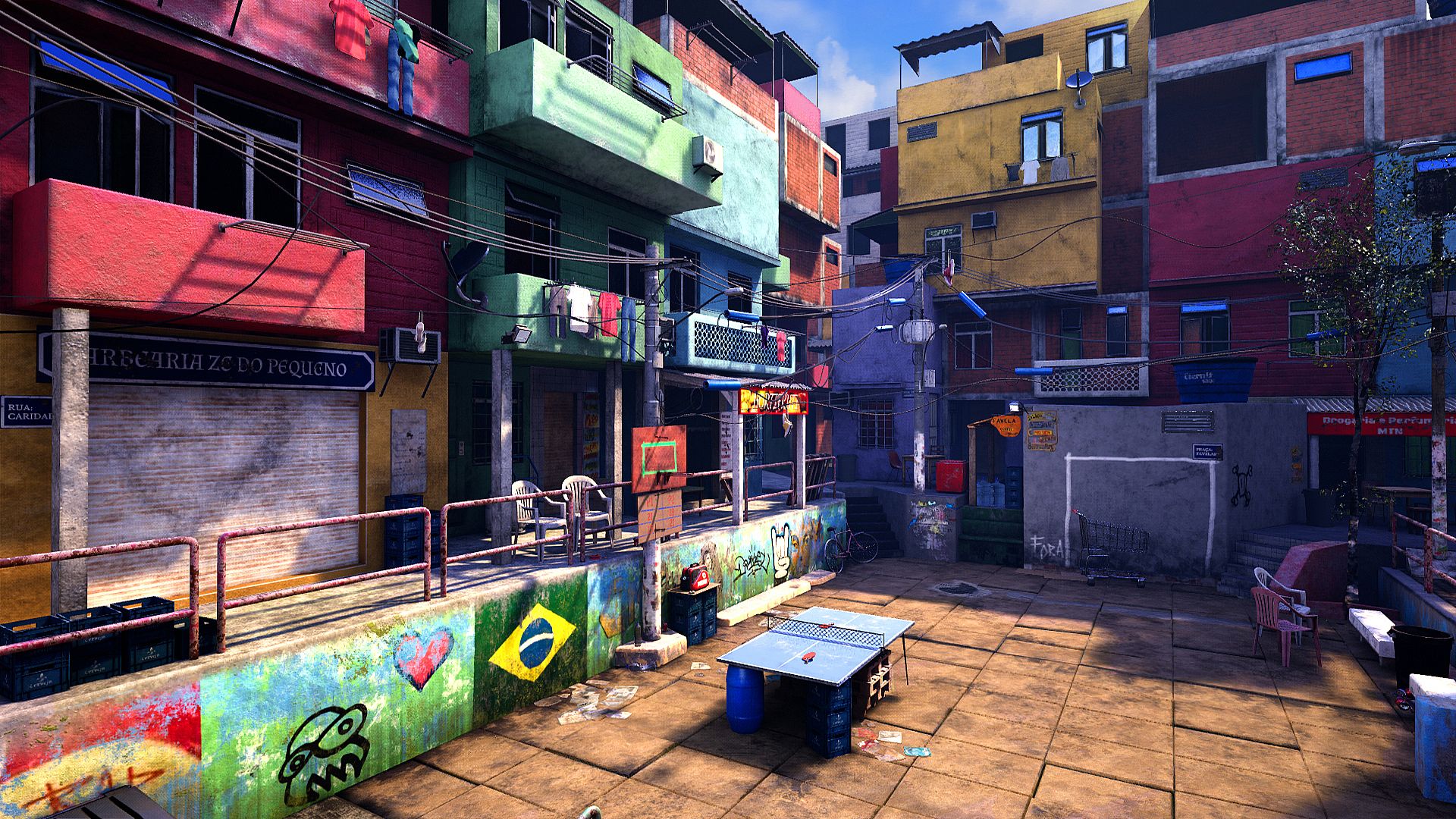
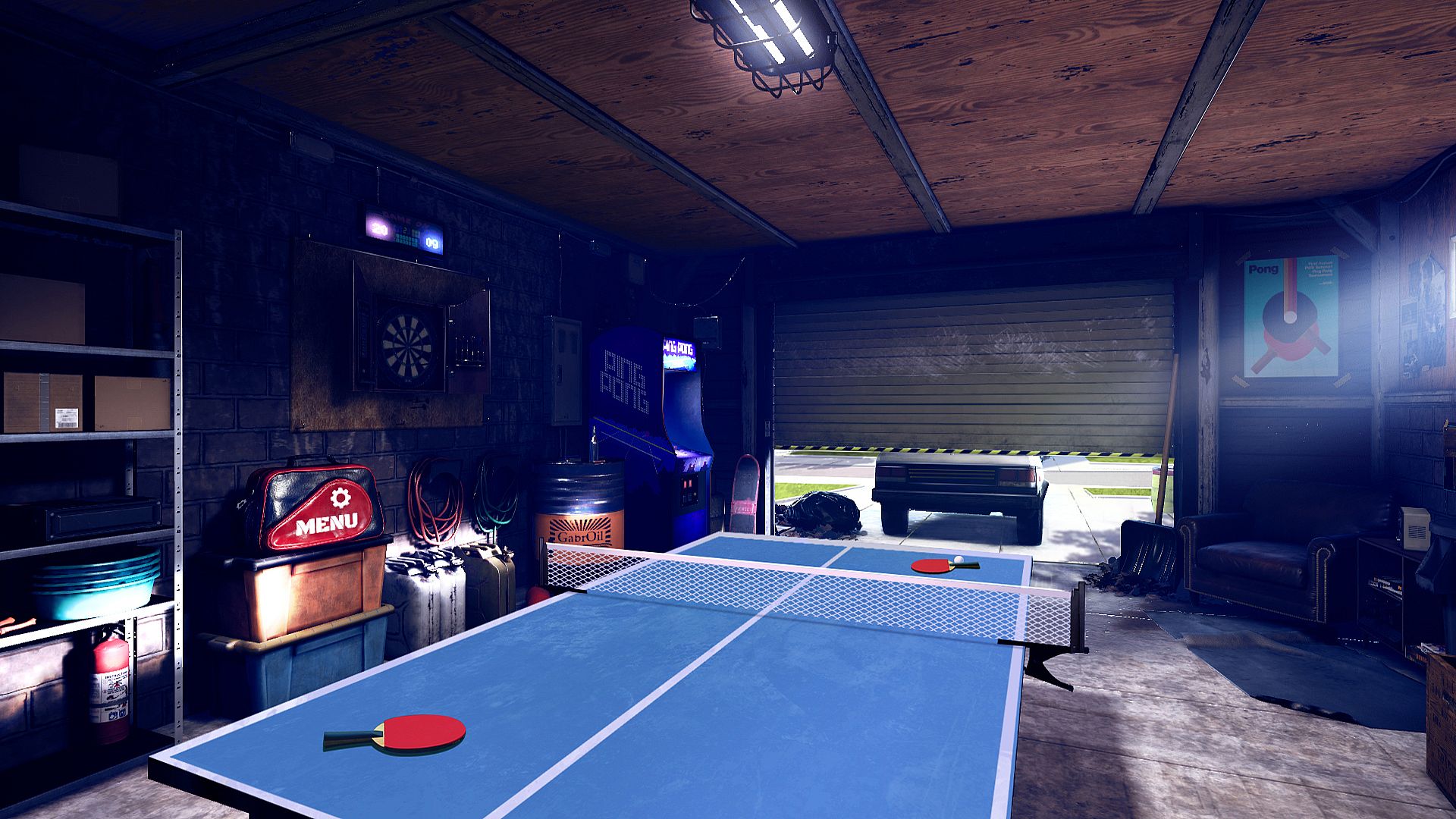
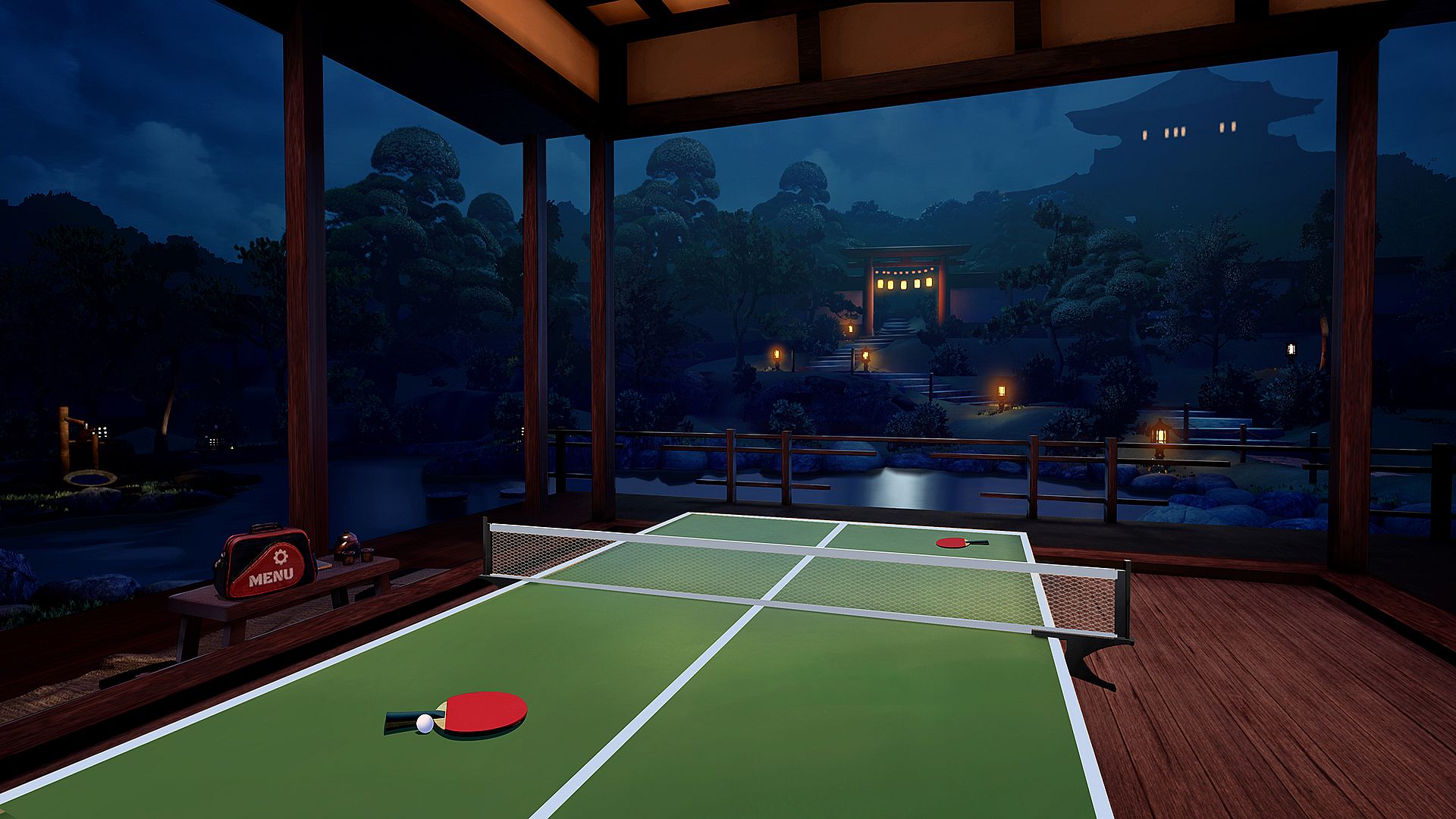
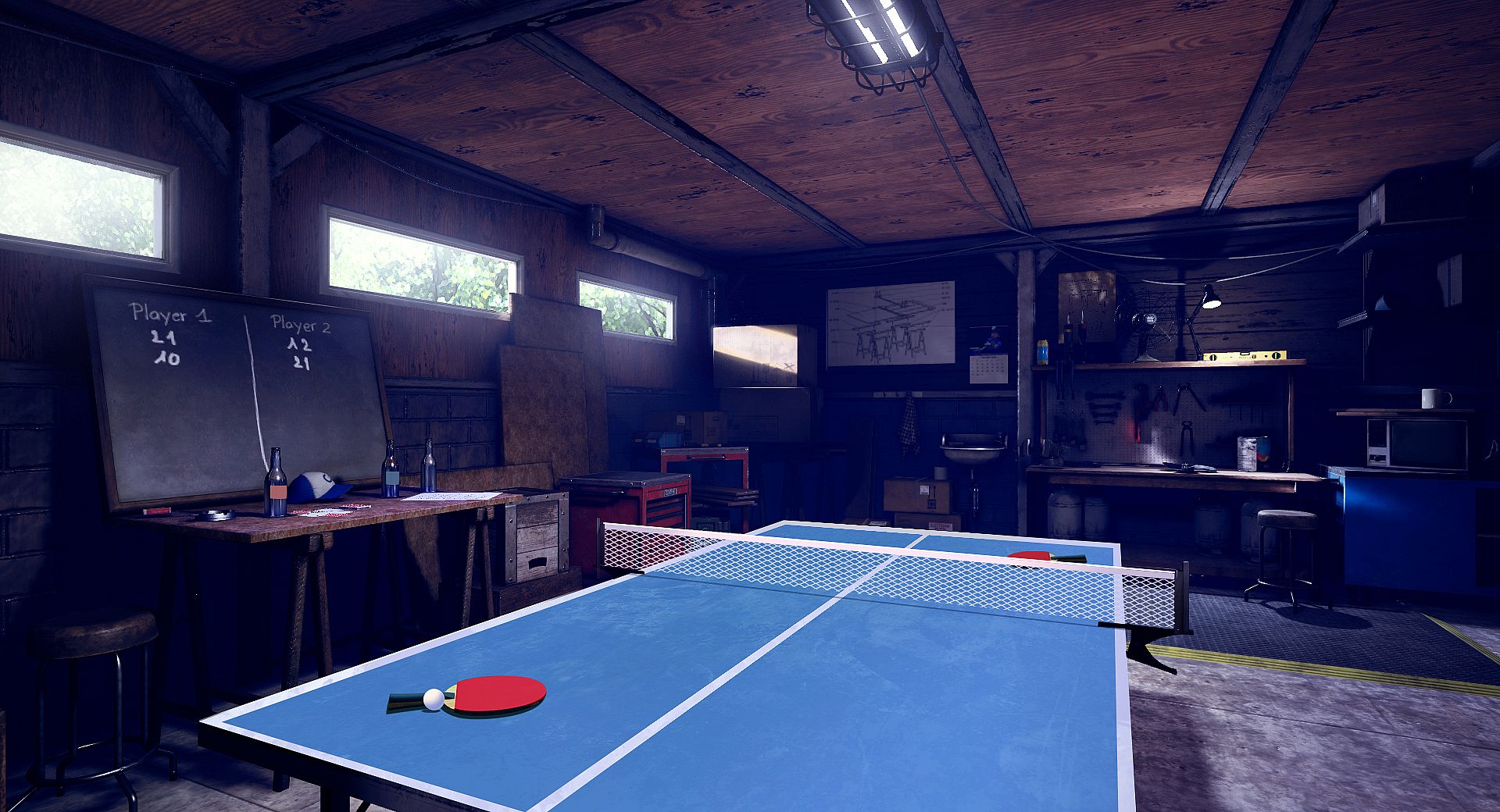
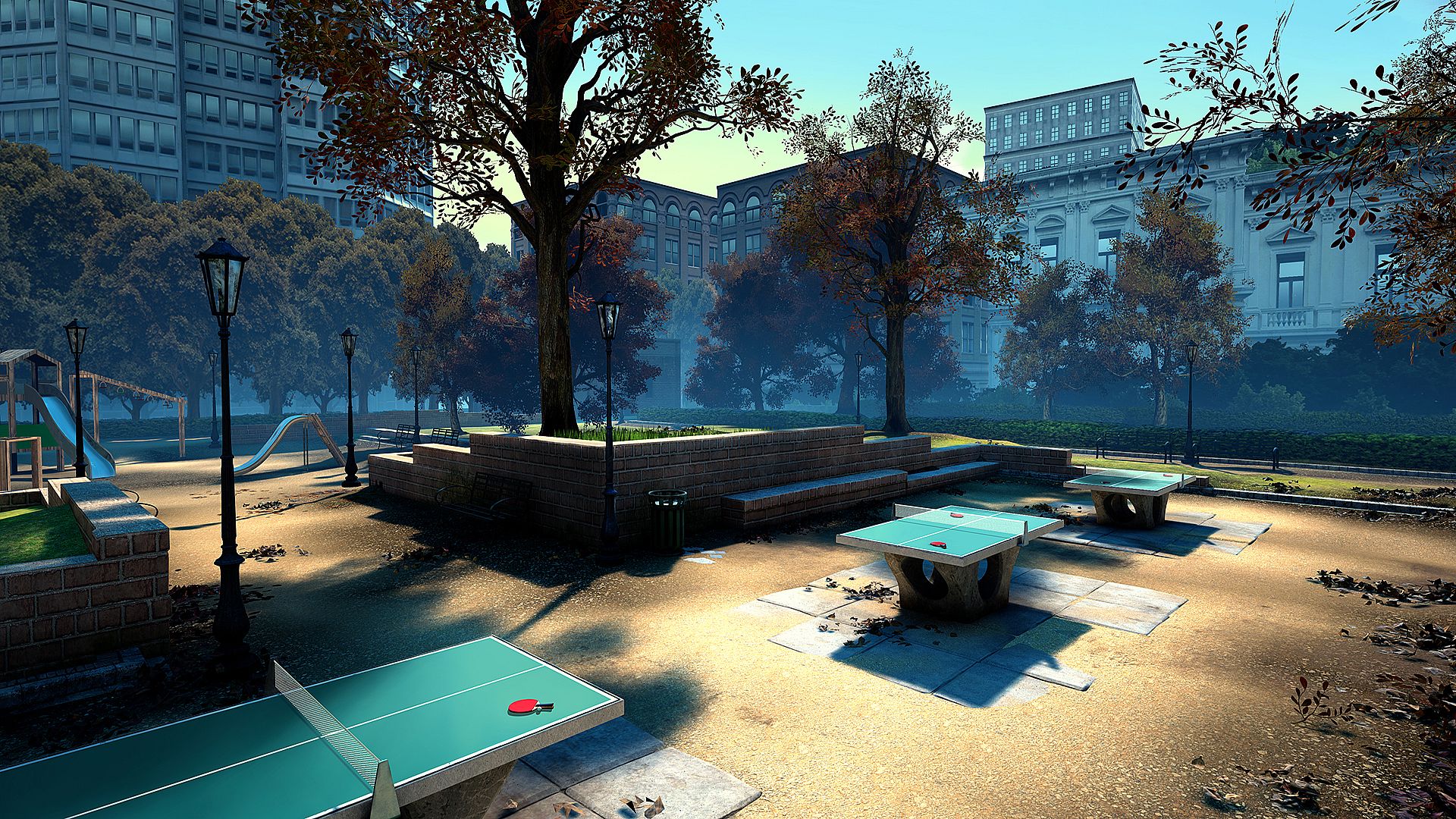
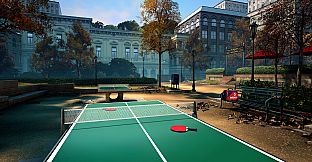
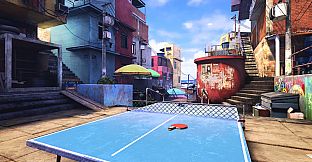
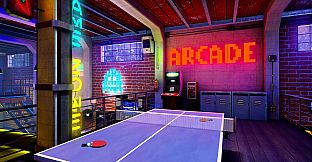
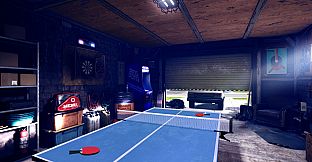
Eight distinct locations serve as backdrops, ranging from an arcade setting to a stadium and a Japanese garden. Each environment features detailed, photorealistic elements that place the table at the center of the scene while maintaining clear visibility of the playing surface.
Racket and ball customization includes multiple visual and performance variants. These options allow players to alter appearance and handling characteristics, supporting personal preference without altering core rules. The variety helps maintain interest across repeated sessions in different settings.
Progression and Difficulty
Five difficulty tiers guide players from beginner settings with forgiving AI to advanced levels that demand precise execution and strategic spin application. Advancement comes through consistent performance in matches and tournaments, unlocking higher ranks and more challenging opponents.
The structure encourages repeated play to build familiarity with spin mechanics and positioning. Local and online options provide both solitary improvement paths and direct competition against other participants.
Is It Worth Playing?
Player feedback on Steam shows mixed reception, with roughly half of reviews rating the experience positively. Reviewers frequently note strong visual presentation, responsive physics, and satisfying ball contact, while some mention limitations in online population and occasional control sensitivity issues.
The game suits players who enjoy focused table tennis simulation in VR and appreciate options for both solo practice and multiplayer competition. Those seeking high-fidelity physics and multiple environments will find the core systems align with that interest, though the overall player base remains modest years after release. Availability on PC through standard VR platforms makes it accessible for owners of compatible headsets who want a straightforward sports title without additional ongoing content cycles.