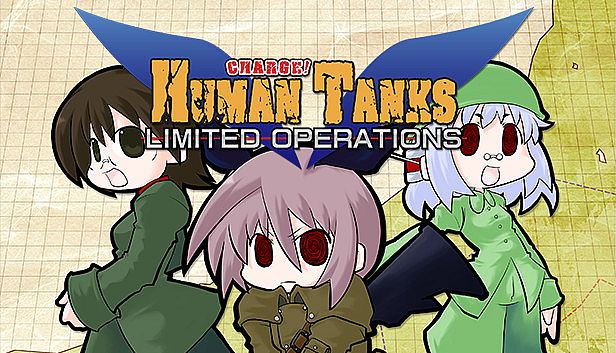












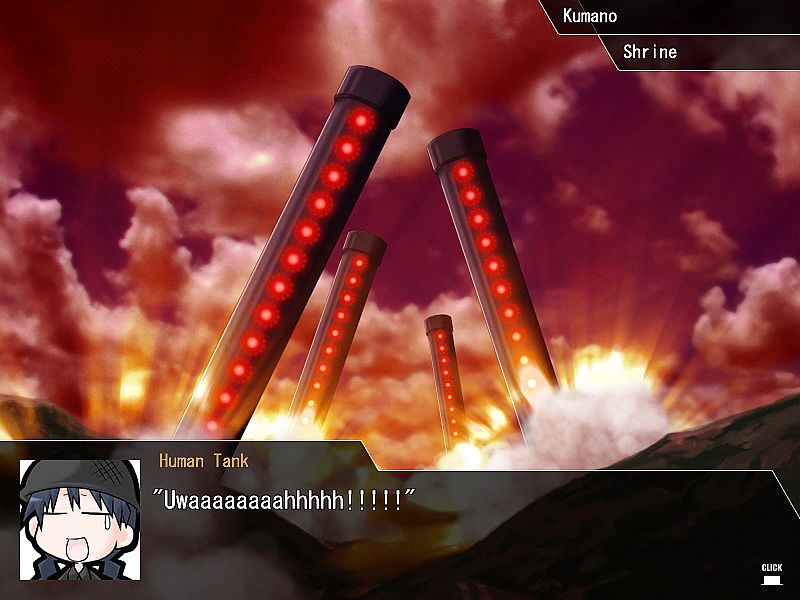
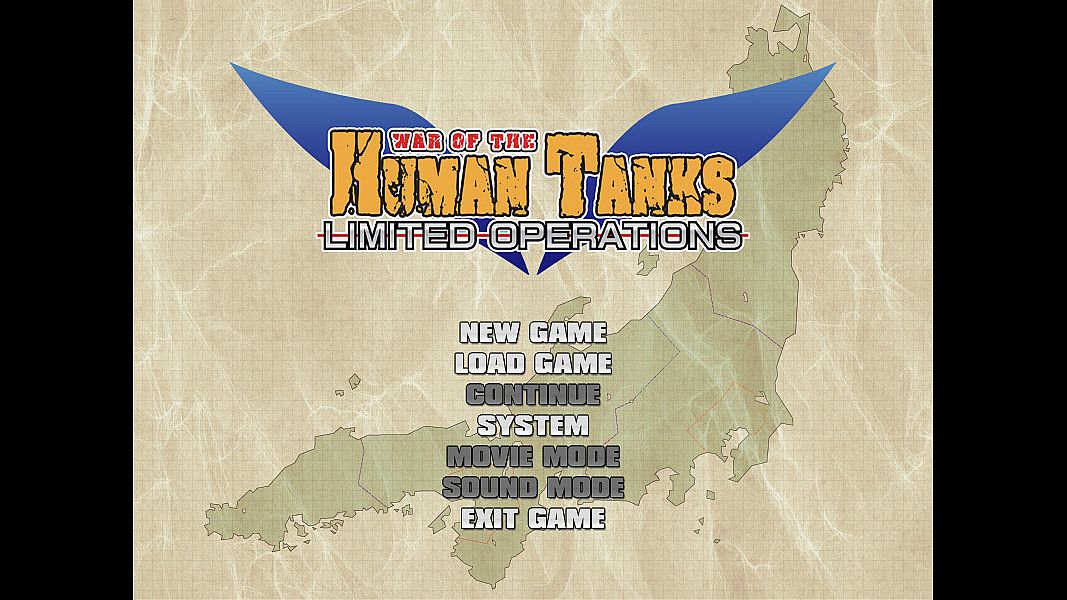

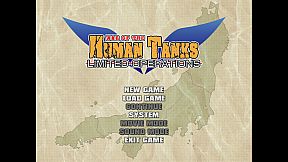
War of the Human Tanks - Limited Operations is a strategy game developed for PC that places players in command of Human Tanks during the final stages of a prolonged conflict in the fictional land of Japon. The title blends turn-based planning with real-time execution in a grid-based environment where every decision carries permanent consequences. Released in 2016 as the third entry in its series, the game emphasizes resource scarcity and tactical positioning over large-scale army building.
Gameplay
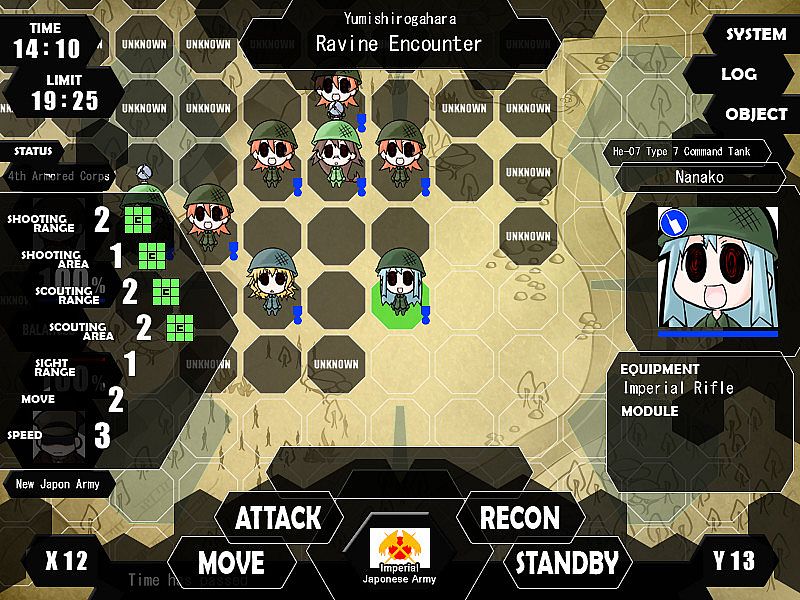
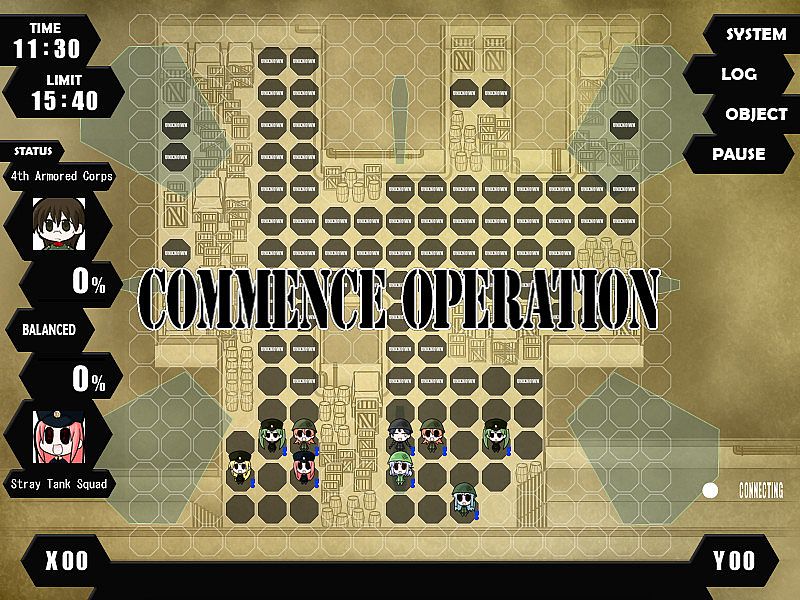
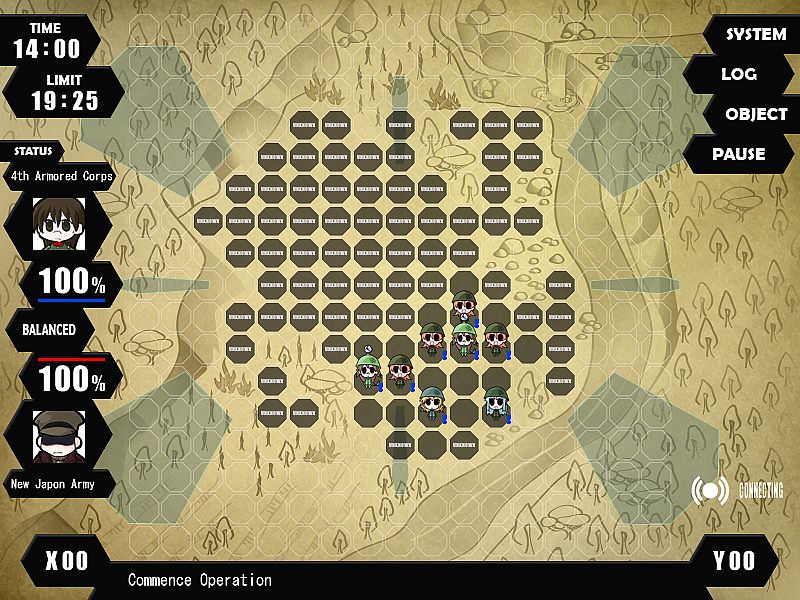
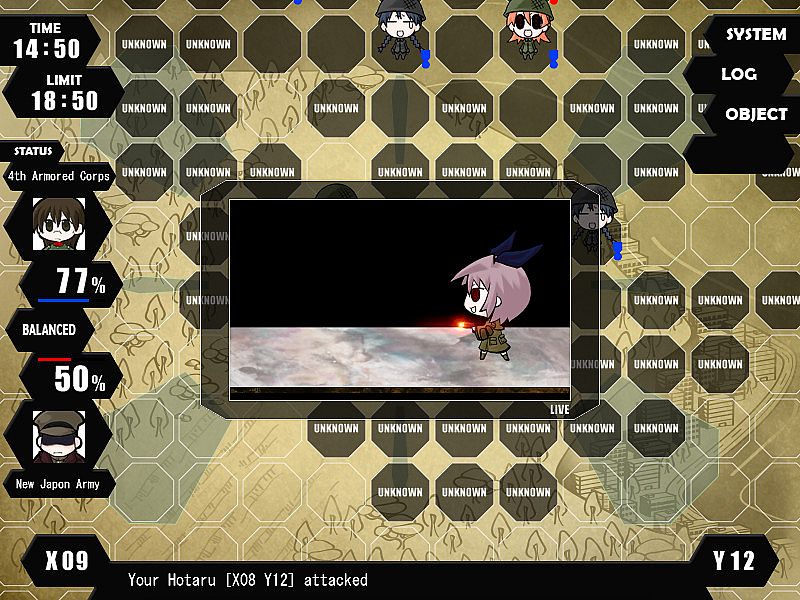
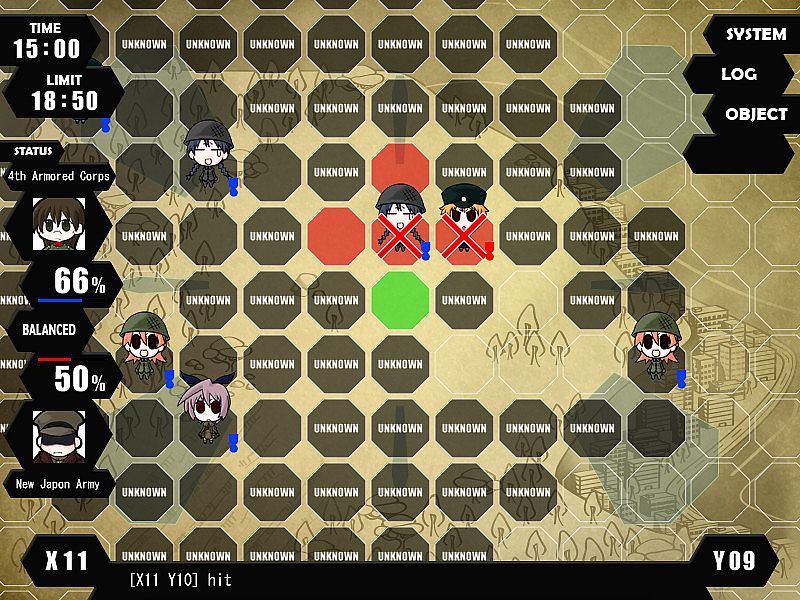
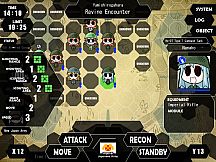
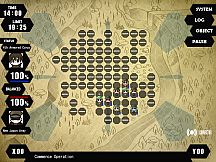
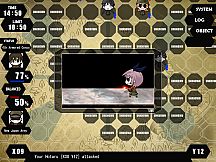
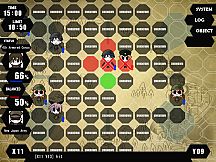
Players lead squads of Human Tanks across missions set on a large grid battlefield shrouded in fog of war. Units move and act in a semi real-time system where combat pauses upon selecting a tank to issue commands, allowing careful consideration of positioning before resuming action. Most engagements resolve in a single hit, meaning any tank destroyed is lost for the remainder of the mission and cannot be replaced mid-battle.
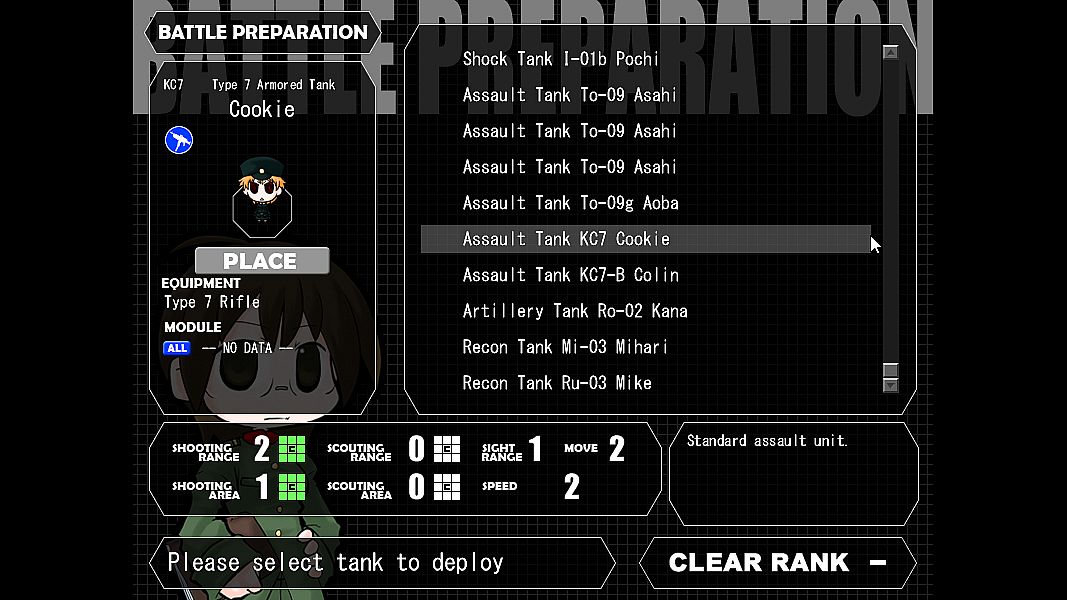
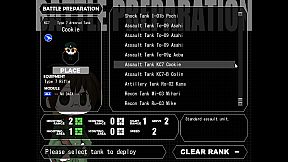
Scouting plays a central role because the fog limits visibility, forcing players to advance cautiously and reveal enemy positions before committing forces. Each mission provides a fixed roster of tanks with no opportunity to develop new units or technology across the campaign. This setup creates high-stakes scenarios where conserving limited assets determines success or failure.
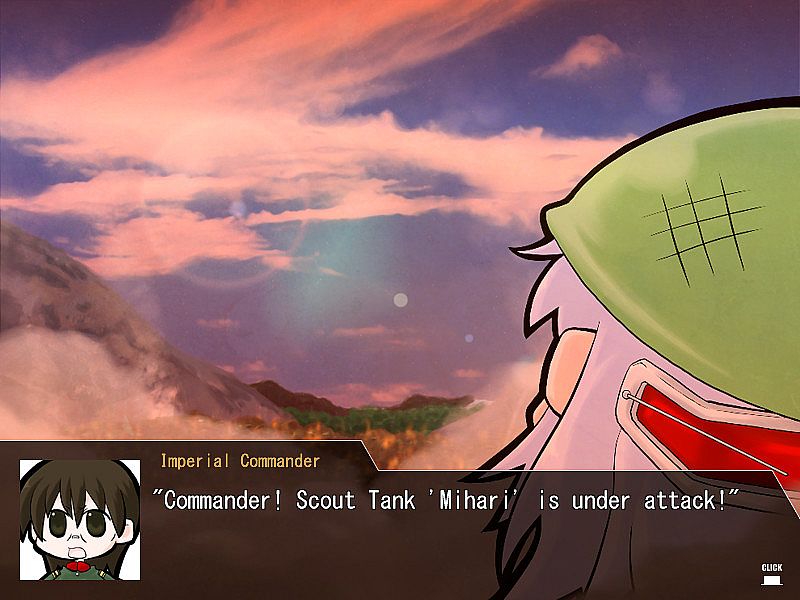
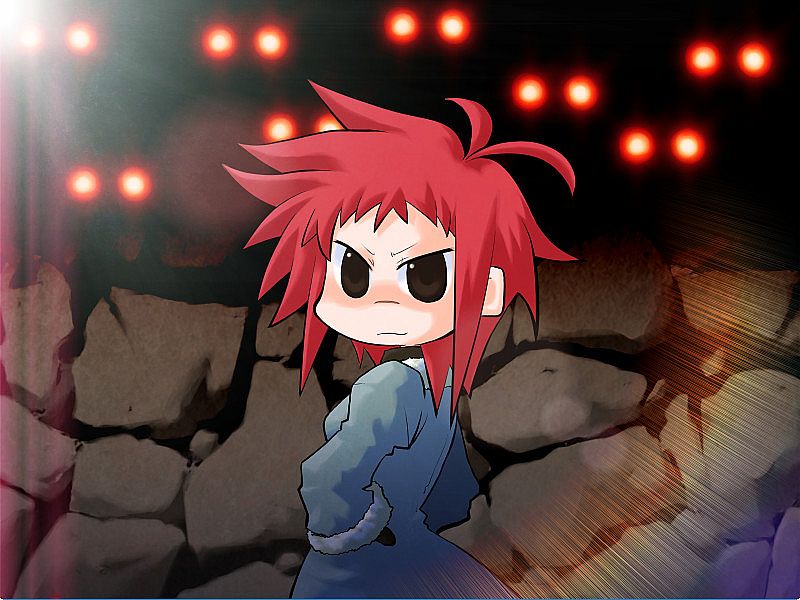
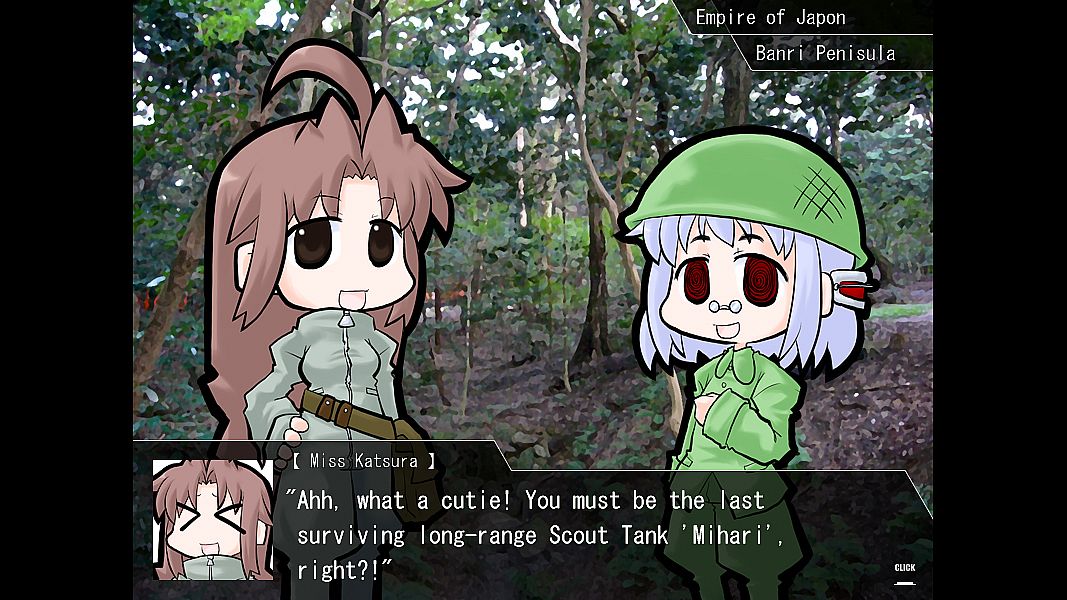
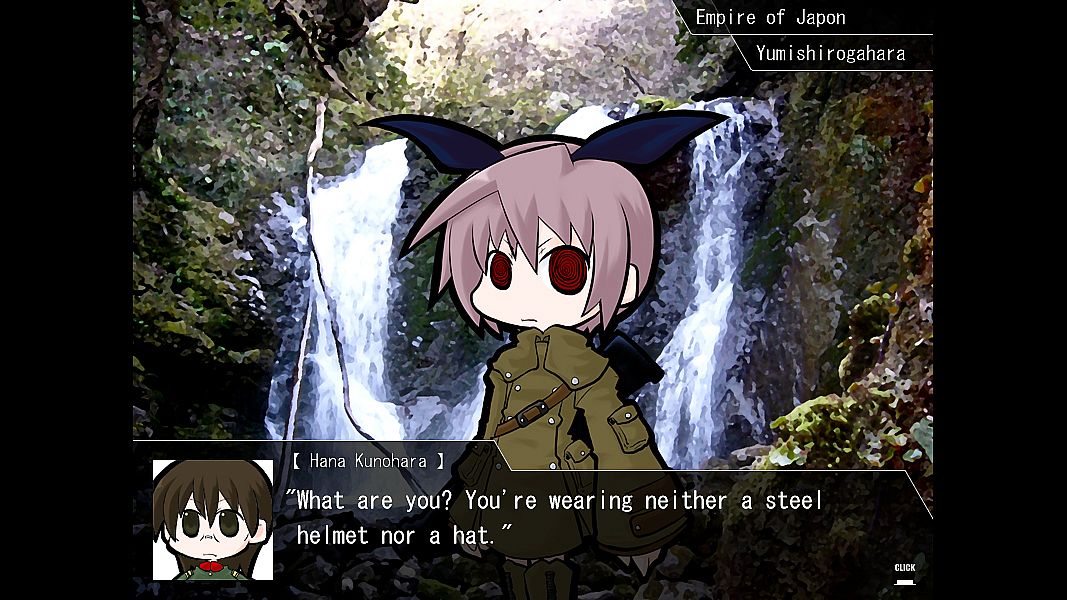
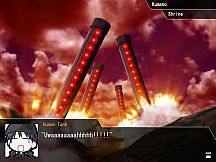
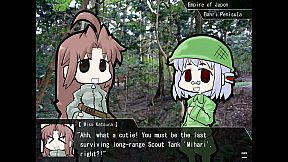
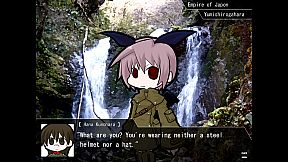
The cutesy visual style of the Human Tanks contrasts with the underlying tension of fuel depletion and inevitable obsolescence, themes that surface through the narrative framing of the Empire of Japon's operations against remaining hostile forces.
Game Modes
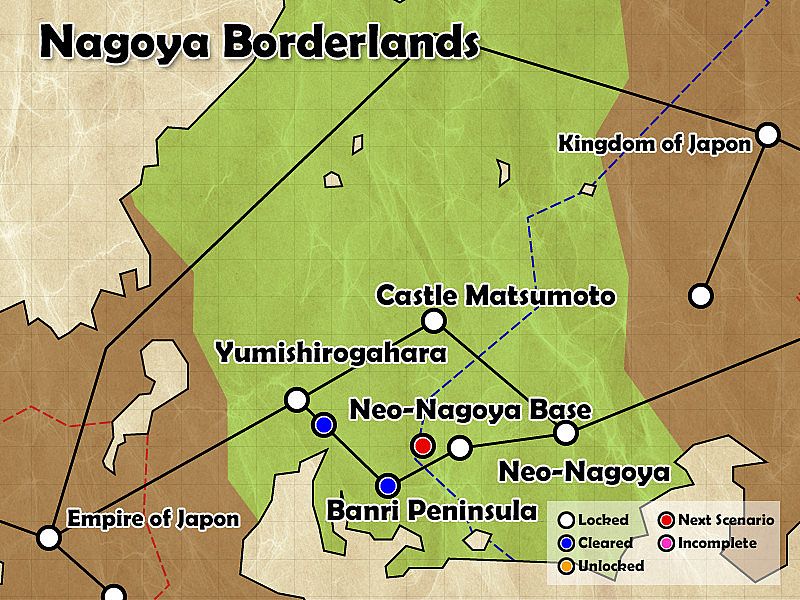
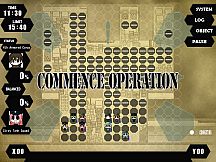
The core experience revolves around a campaign of more than fifty missions that task players with completing objectives under strict constraints. These missions incorporate optional Limits challenges that impose additional restrictions, such as reduced resources or heightened enemy difficulty, to test mastery and encourage multiple attempts.
Players can replay any completed mission at any time to refine their performance and achieve higher ranks. This structure supports iterative improvement without altering the fixed unit assignments or core rules of each scenario.
No separate multiplayer or endless modes exist. The focus remains on single-player progression through the mission list, where success depends on adapting strategies to the unique layout and enemy composition of each grid-based encounter.
Story and Setting
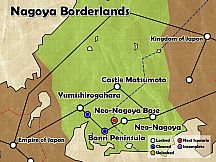
The narrative unfolds in a divided Japon resembling modern-day Japan, where the Empire and Kingdom once waged open war using Human Tanks as biological weapons. A ceasefire has shifted the conflict into a proxy struggle among the tanks themselves as radiotoxic particles, their essential fuel, dwindle and render many units inoperable.
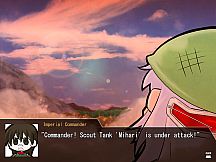
Players follow Imperial officer Yatarou Shirahase and his company as they undertake subjugation missions against lingering threats. The story presents these operations as discrete episodes that highlight loyalty, sacrifice, and the fading era of the Human Tanks without requiring prior knowledge of earlier games in the series.
Is It Worth Playing?
Reviews on Steam rate the game positively overall, with scores around 86 to 89 percent from a modest number of user submissions. Players who appreciate grid-based strategy with lethal, one-shot combat and permanent unit loss often highlight the satisfying tactical depth and the contrast between lighthearted character designs and darker thematic undertones.
The experience suits those seeking a compact campaign rather than ongoing content or large-scale multiplayer. With its fixed missions and replay incentives through Limits and ranking, the game delivers focused sessions that reward careful planning and adaptation to fog of war mechanics.
Availability remains straightforward on PC for anyone interested in niche indie strategy titles that prioritize high-consequence decisions over expansive progression systems. Those drawn to chess-like positioning blended with real-time pauses will find the core loop engaging, while players preferring resource accumulation or persistent armies may encounter limitations in the fixed-unit design.