
















Distant Worlds 2: Factions - Ikkuro and Dhayut expands the core strategy simulation experience on PC with two new playable factions that introduce distinct approaches to empire building and galactic interaction. The base game centers on managing a space-faring civilization through detailed systems for exploration, resource allocation, diplomacy, and conflict, all in a pausable real-time format that allows players to adjust the pace of events across vast star systems.
Gameplay
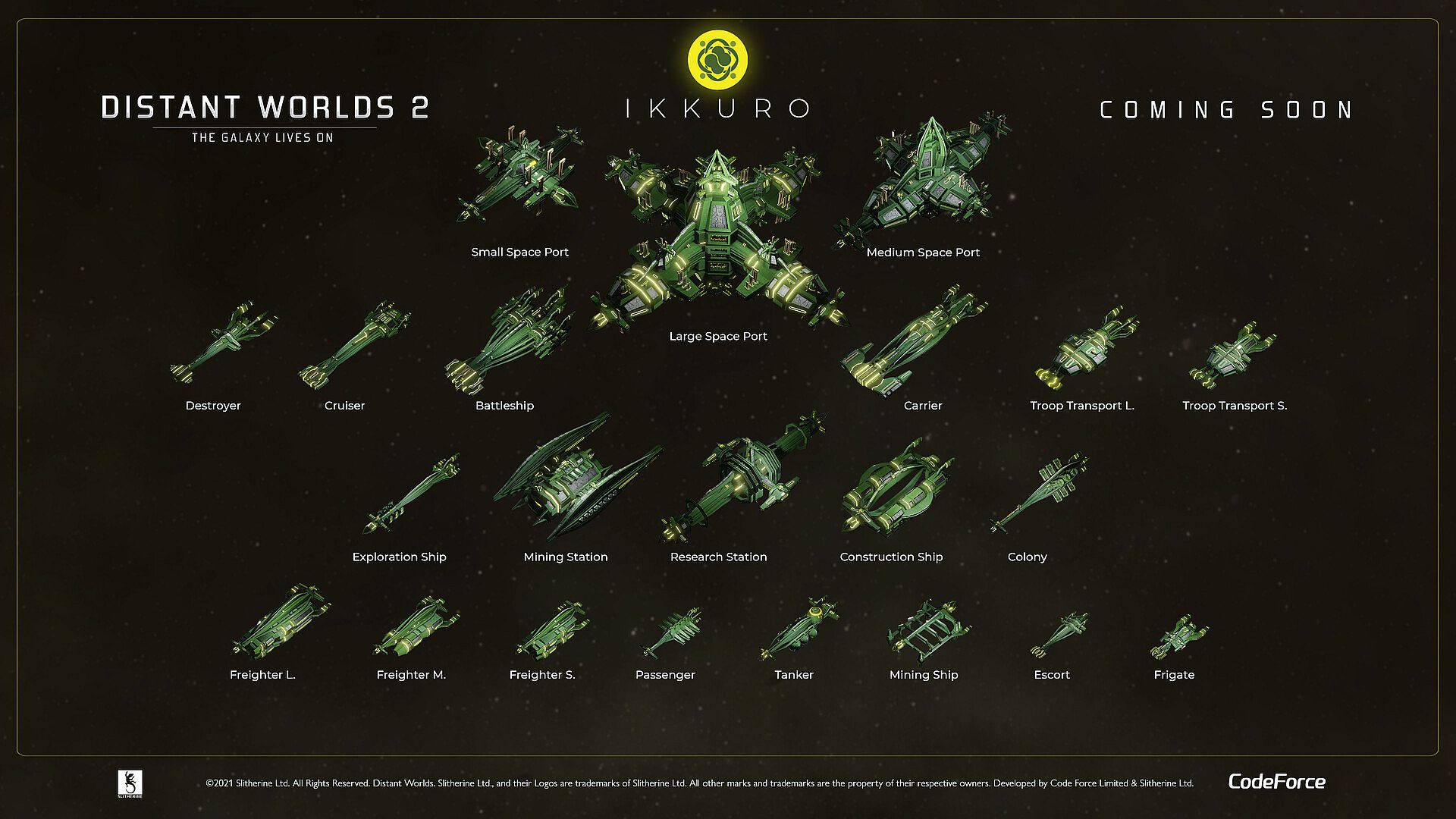
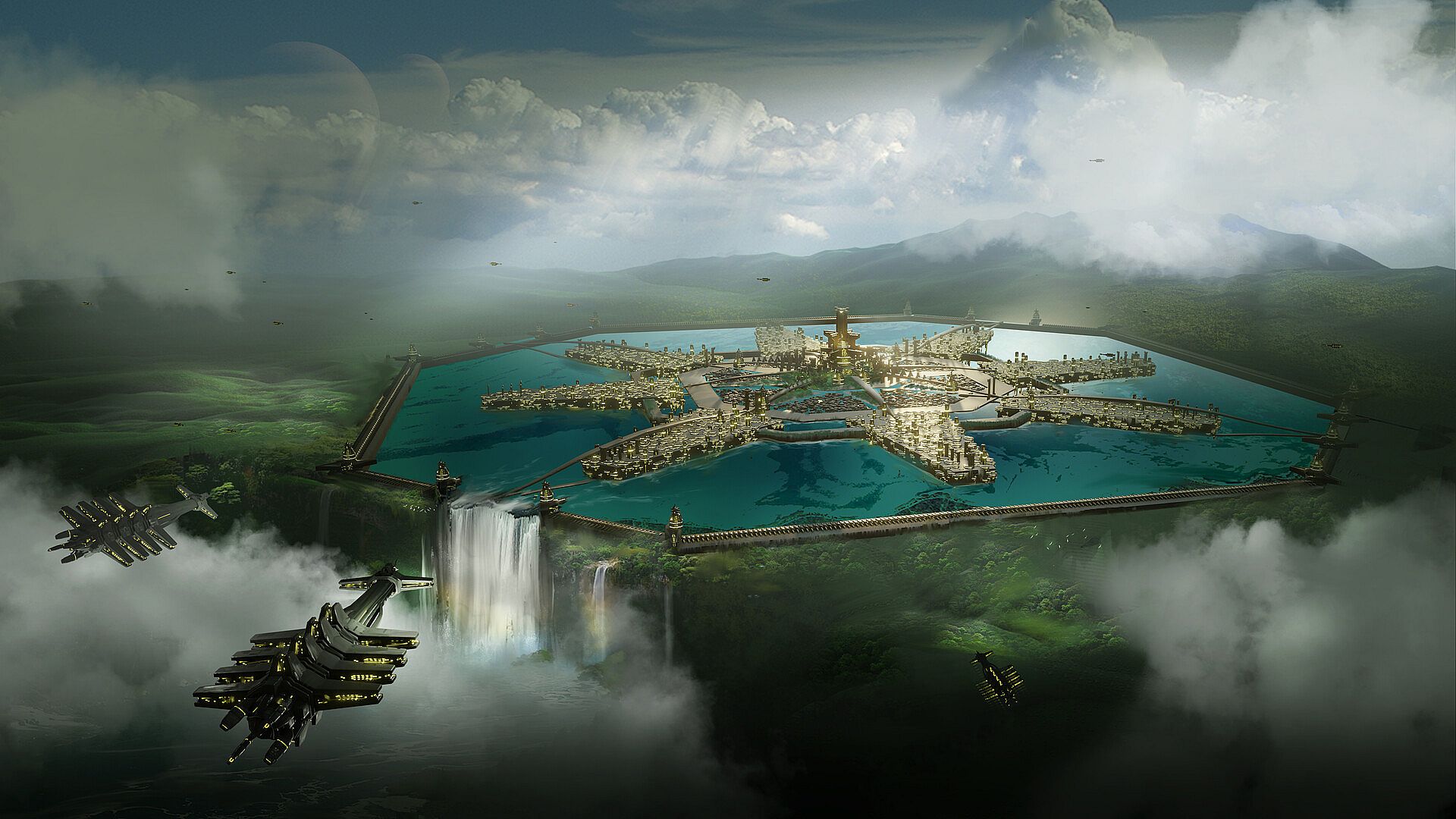
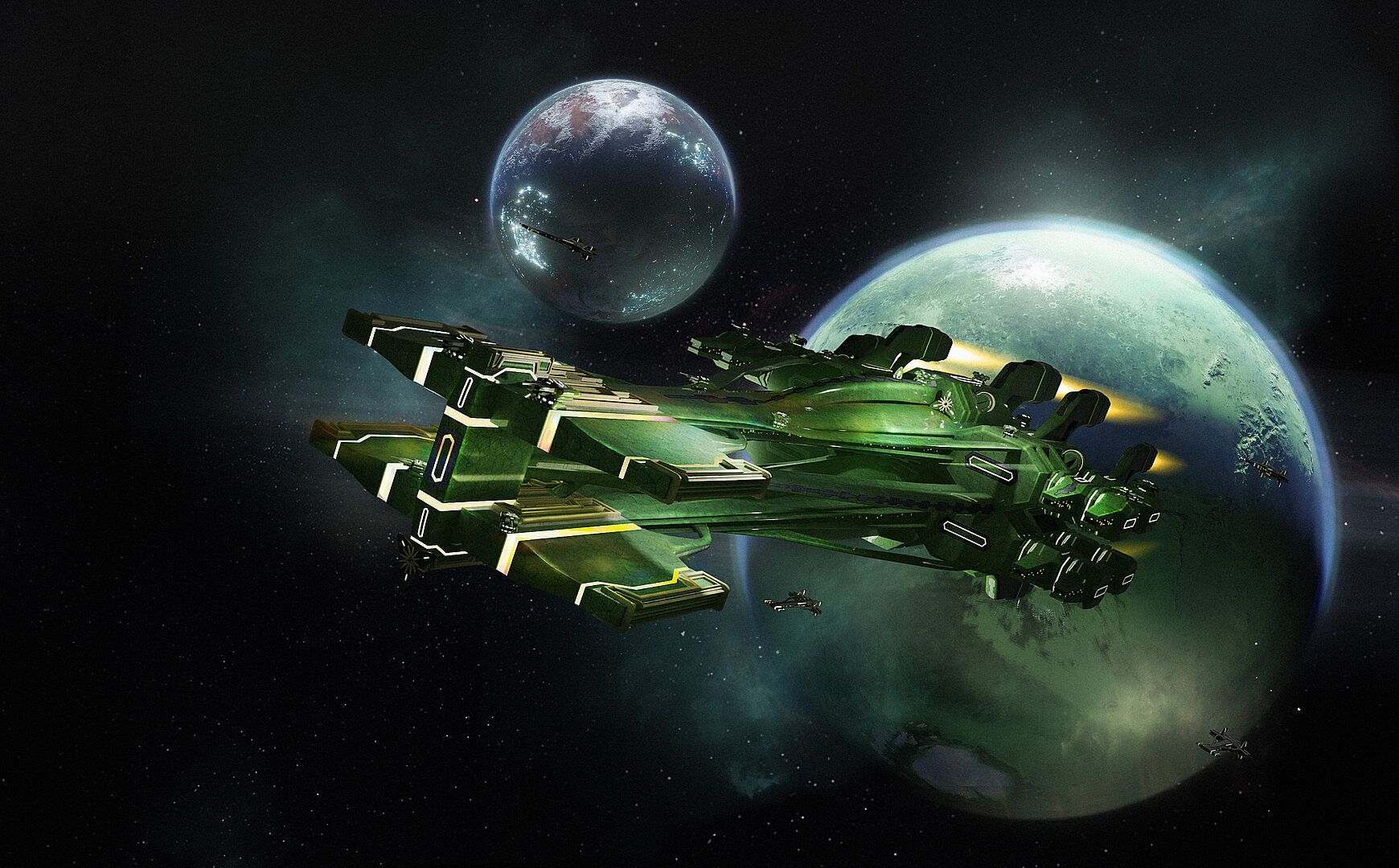
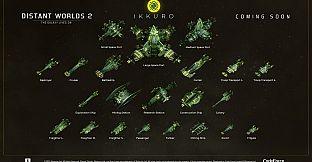
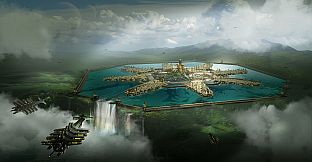
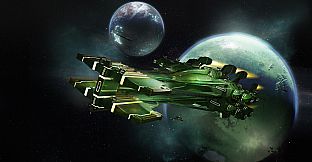
The core loop involves overseeing empire growth while handling research, ship construction, colony development, and intelligence operations. Players set policies that influence automation levels, allowing the simulation to handle routine tasks like fleet movements or economic decisions while retaining direct control over key choices. The Ikkuro faction emphasizes harmony and expansion through self-repairing ships that blend technology with biological elements, supported by biome shaping facilities that improve habitability on diverse planets. Their government type prioritizes happiness to boost immigration and colony stability, and they gain advantages in damage control and troop recovery without access to bombardment options.
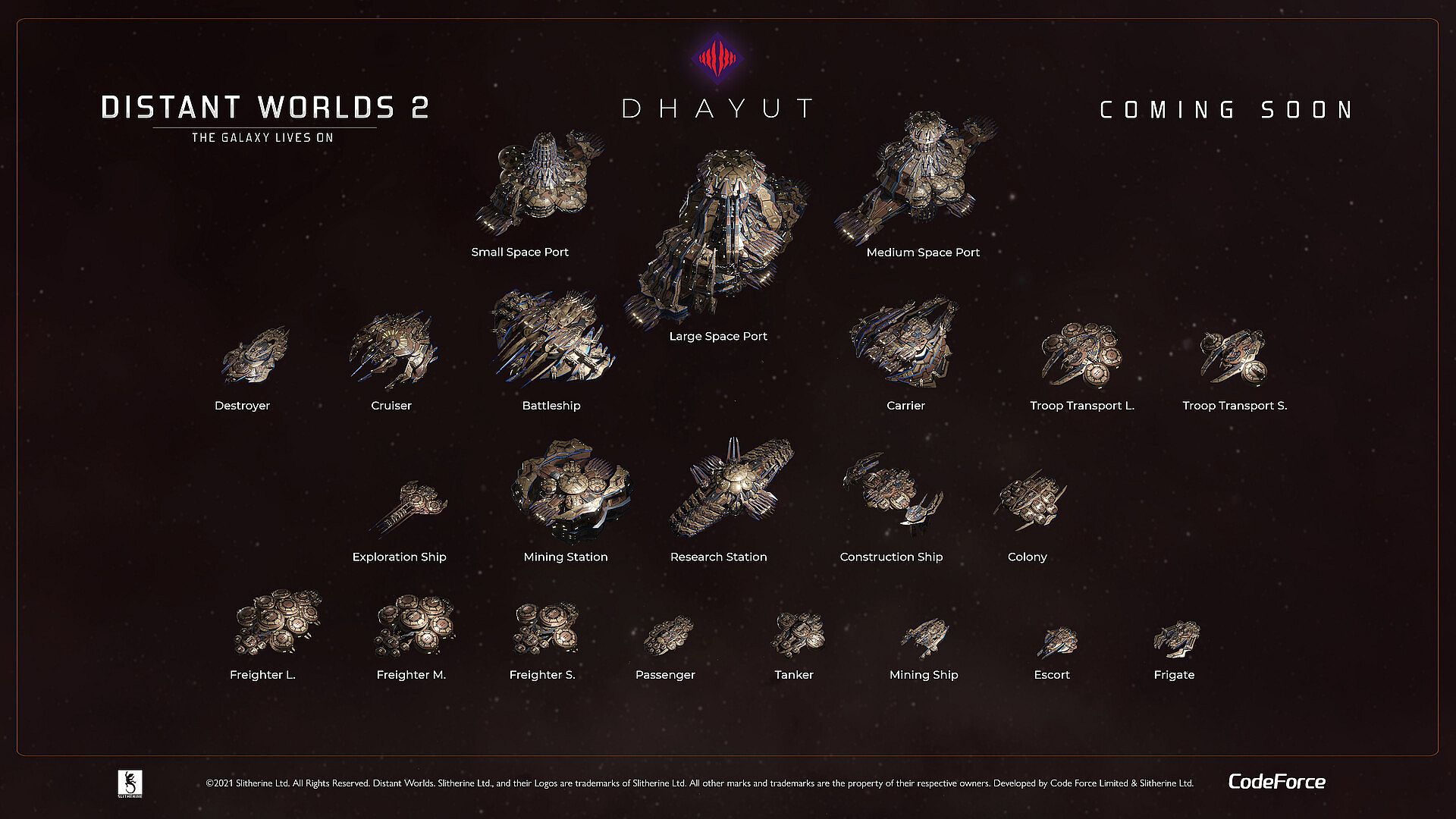
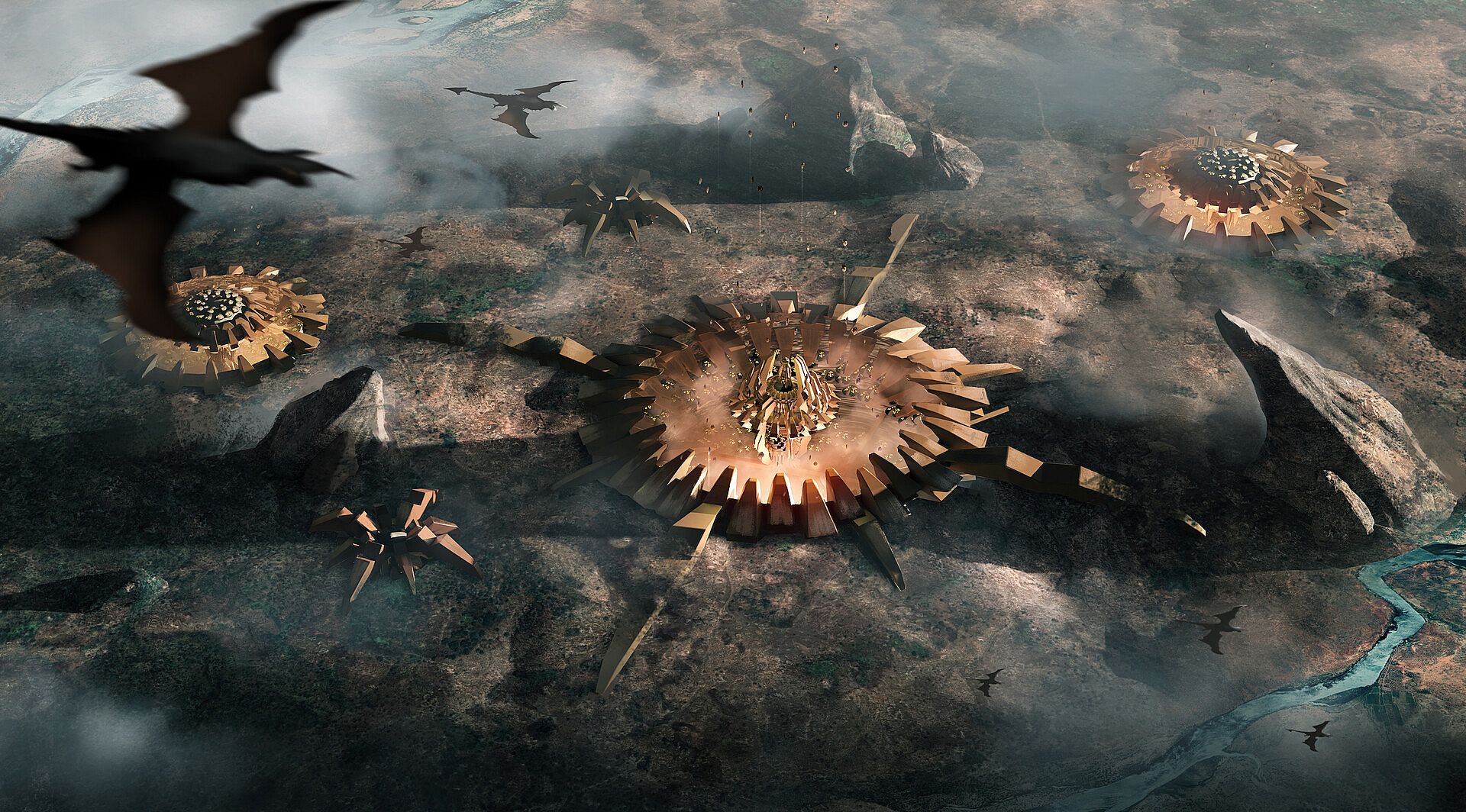
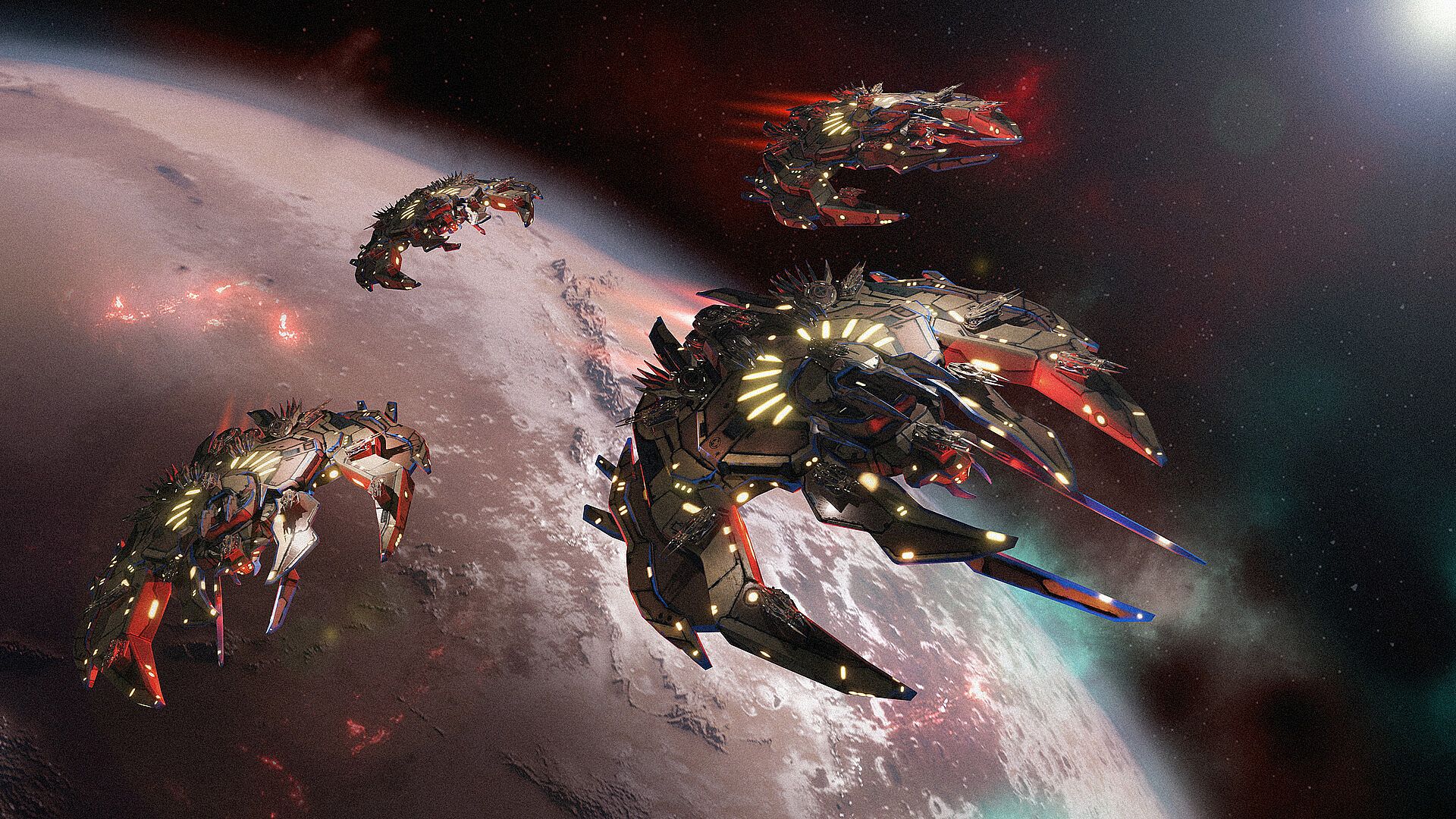
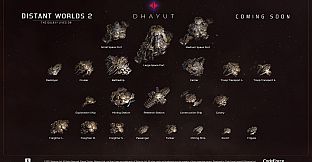
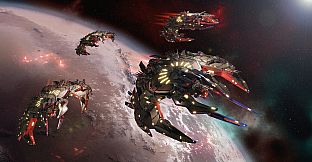
The Dhayut operate through deception and control, with fast ships and specialized facilities for surveillance and internal stabilization. Their government enhances sensor capabilities and supports unique intelligence missions that can shift relations between other empires or seize control of space stations. They also access enslavement controls and benefit from bonuses to hyperdrive research and ground attacks, though their paranoia triggers periodic purges within their society.
Both factions include exclusive storylines and locations that integrate into exploration events, adding layers to galactic lore without altering the fundamental simulation depth of economy, research, and fleet management.
Game Modes
Play centers on single-player sessions where players guide their chosen faction through procedural galaxy generation. Options exist to customize automation across multiple systems, from ship design and research to diplomacy and combat rules of engagement. This setup supports varied session lengths, from focused colony development to broader empire interactions involving treaties and intelligence activities.
Exploration drives much of the progression, with events and locations tailored to each faction's traits. Conditional events reward specific behaviors, such as non-aggression for the Ikkuro or successful deep cover operations for the Dhayut, which can provide ongoing bonuses or penalties based on player decisions.
Faction Mechanics and Unique Systems
Ikkuro features include larger colony ships, improved planetary suitability across types, and organic hull technology for superior self-repair. Their diplomacy style builds slower but strengthens long-term alliances, while special leader traits focus on growth and happiness. They replace standard terraforming with biome shaping tools and rely on fusion beams and splinter pods for combat.
Dhayut mechanics highlight their VelocityDrive hyperdrive for superior speed, larger monitoring stations, and facilities that boost intelligence success rates. Special missions allow manipulation of external empires, and their leader and spy traits emphasize counter-espionage and assassination. A conditional mega-ship option exists for them, though it requires additional feature support from the Return of the Shakturi expansion.
Is It Worth Playing?
This DLC suits players already engaged with the base game's deep simulation who seek new faction variety and story elements. The additions provide meaningful differences in playstyle, from the Ikkuro focus on peaceful expansion to the Dhayut emphasis on infiltration and control. Reception for the expansion highlights its value in adding flavor to existing campaigns, with the factions integrating smoothly into the established systems for empire management and exploration. Those who enjoy customizable automation and long-term strategic planning in a single-player space strategy setting will find the content extends replayability through distinct mechanics and events.