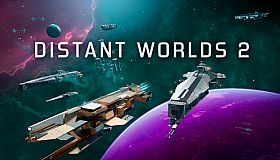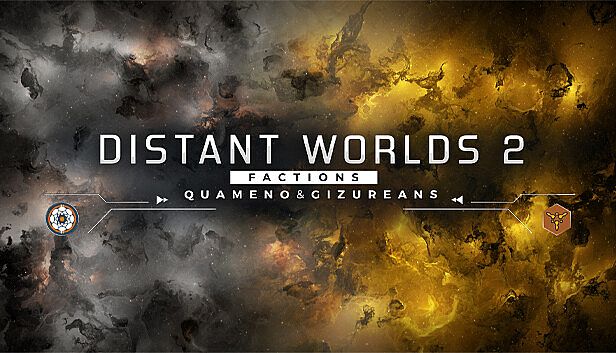




















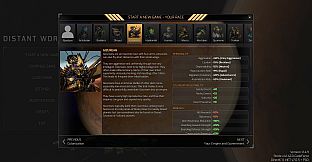
Distant Worlds 2: Factions - Quameno and Gizureans expands the core 4X space strategy and simulation experience with two new playable factions that emphasize contrasting approaches to galactic dominance. The Quameno prioritize solitary research and puzzle-solving, while the Gizureans rely on rapid population growth and numerical superiority in combat. Both factions integrate into the existing galaxy management systems, bringing specialized technologies, governments, and story elements that alter long-term planning and exploration.
Gameplay
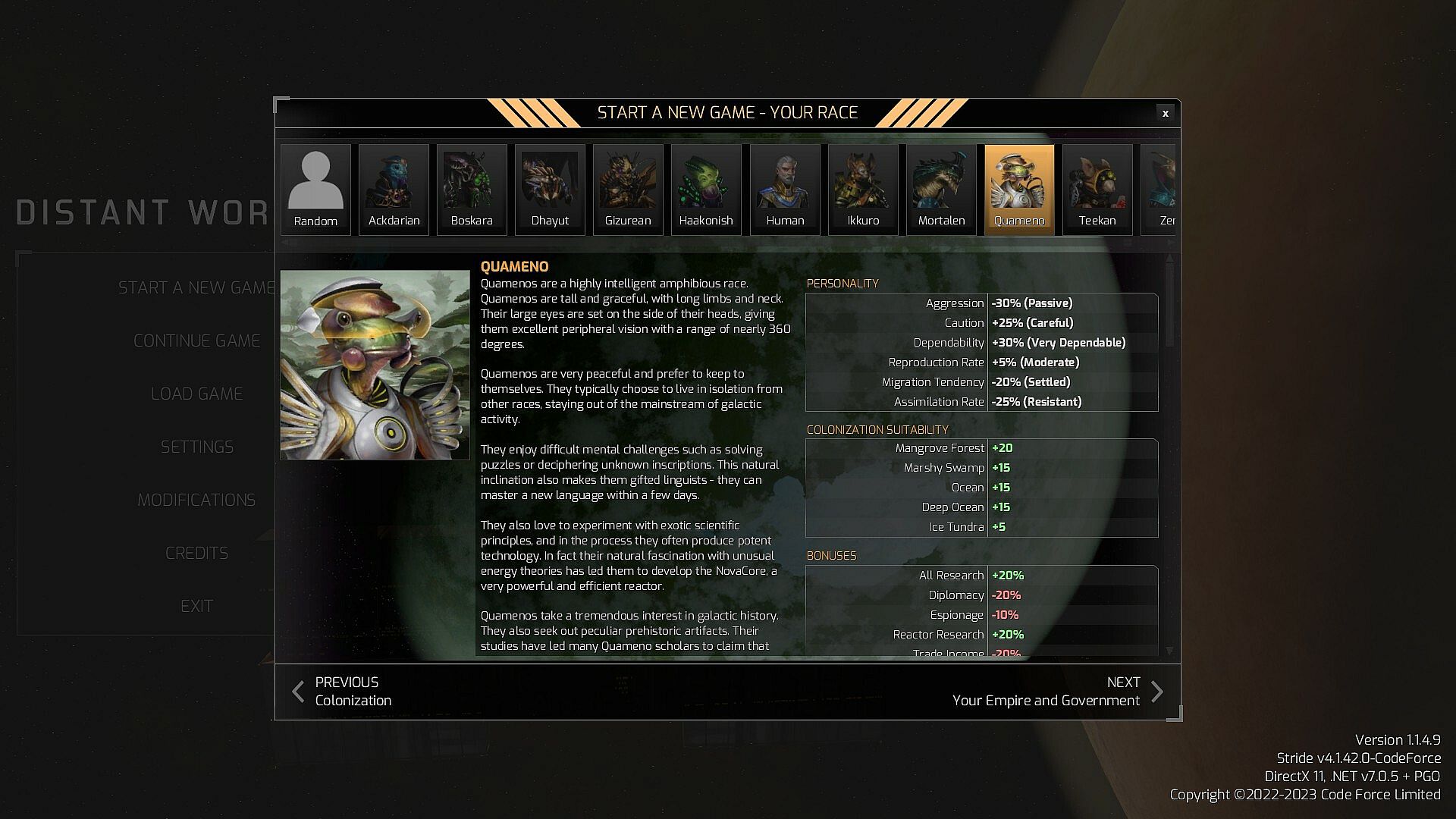
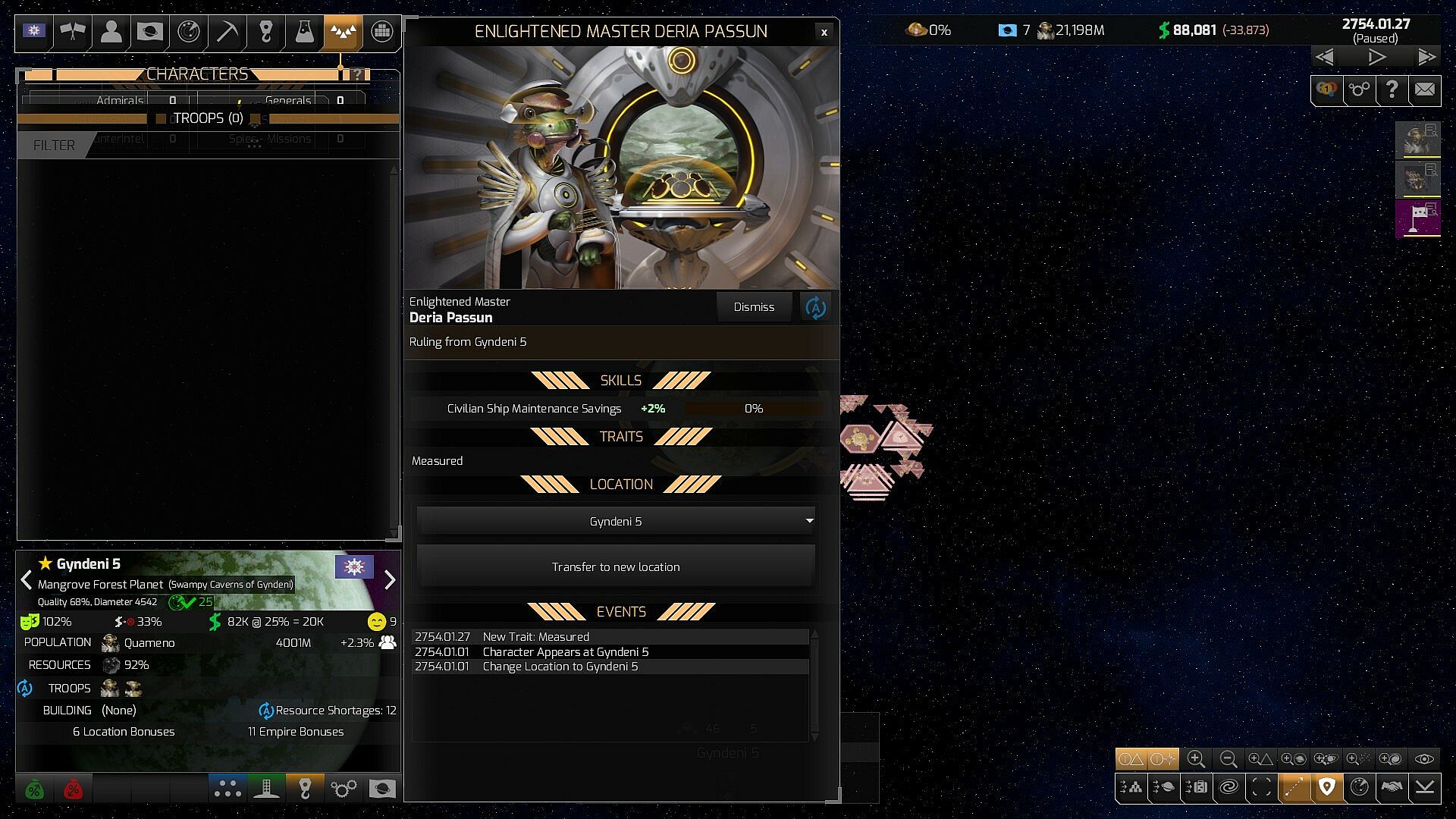
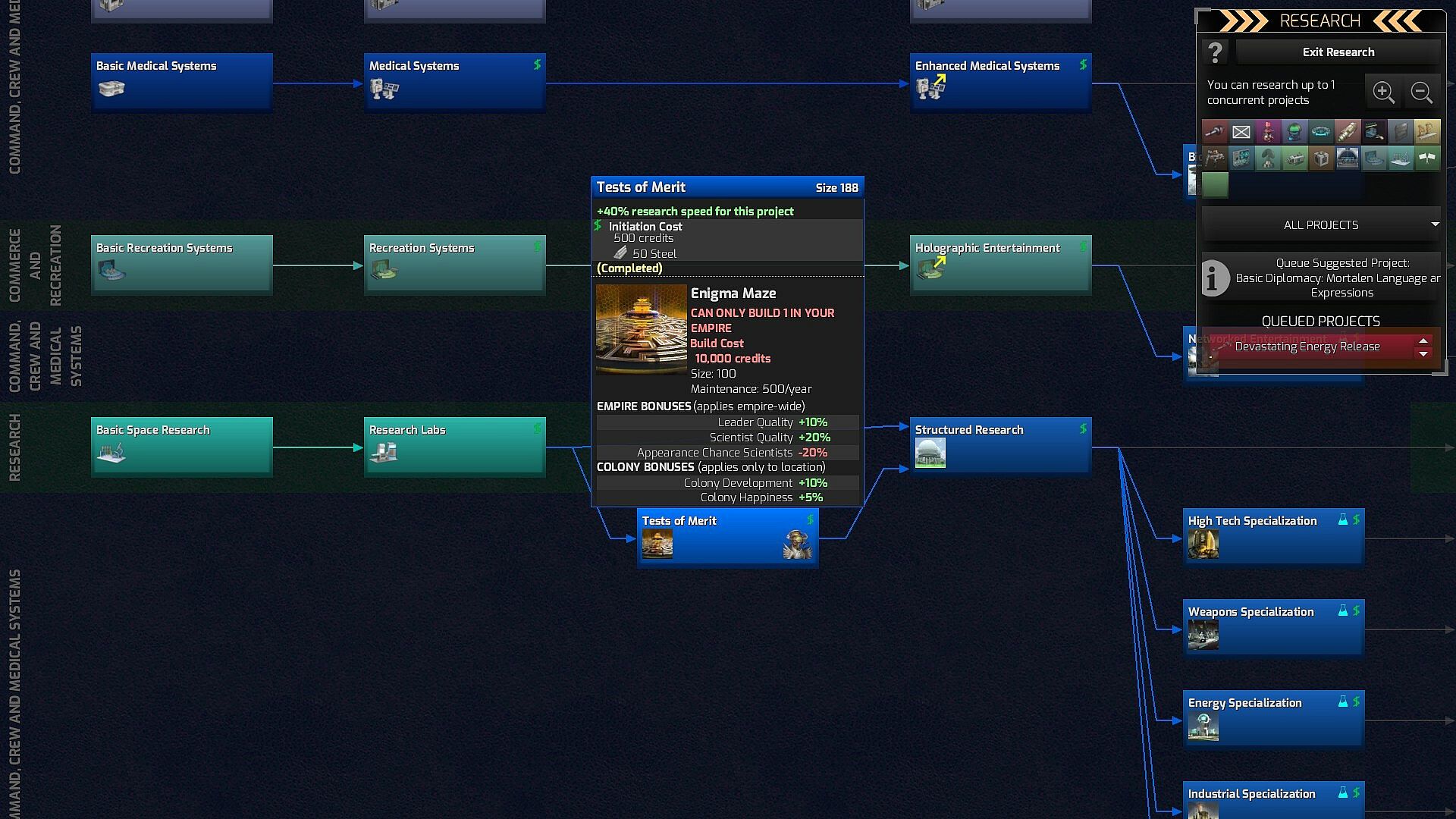
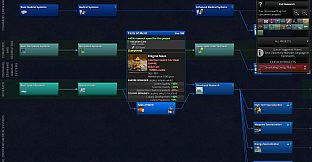
The Quameno operate under a Geniocracy that delivers the strongest research bonuses available, supported by advanced facilities like the Enigma Maze for leader selection and the Transcendence Hub as an end-game wonder. Their ships and stations favor energy fields over conventional materials, granting access to top-tier reactors and shields with superior resistance values. Research stations are larger, and leaders receive exclusive traits that accelerate breakthroughs, though concurrent projects remain limited and distractions from treaties or unassimilated populations impose temporary penalties.
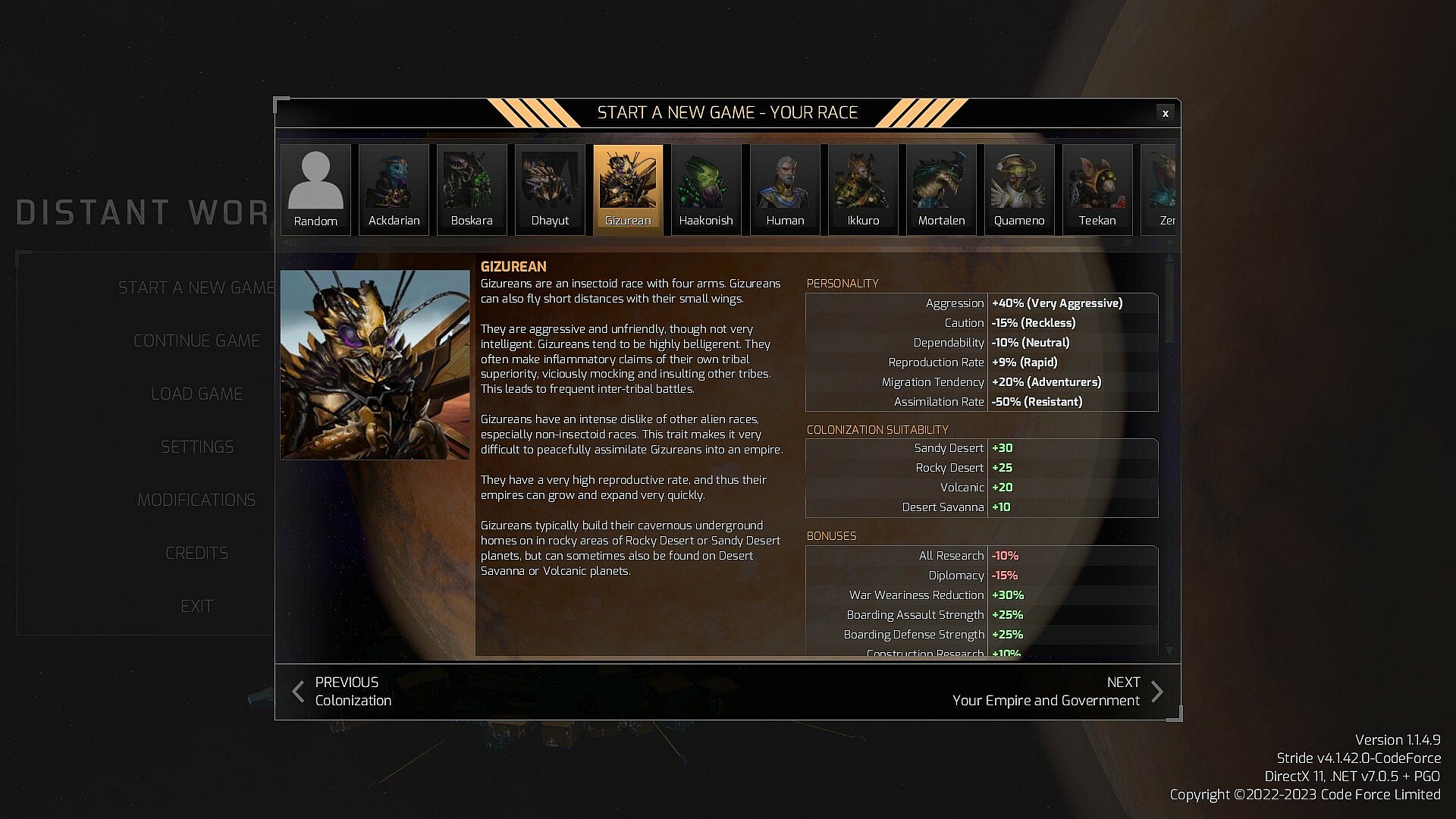
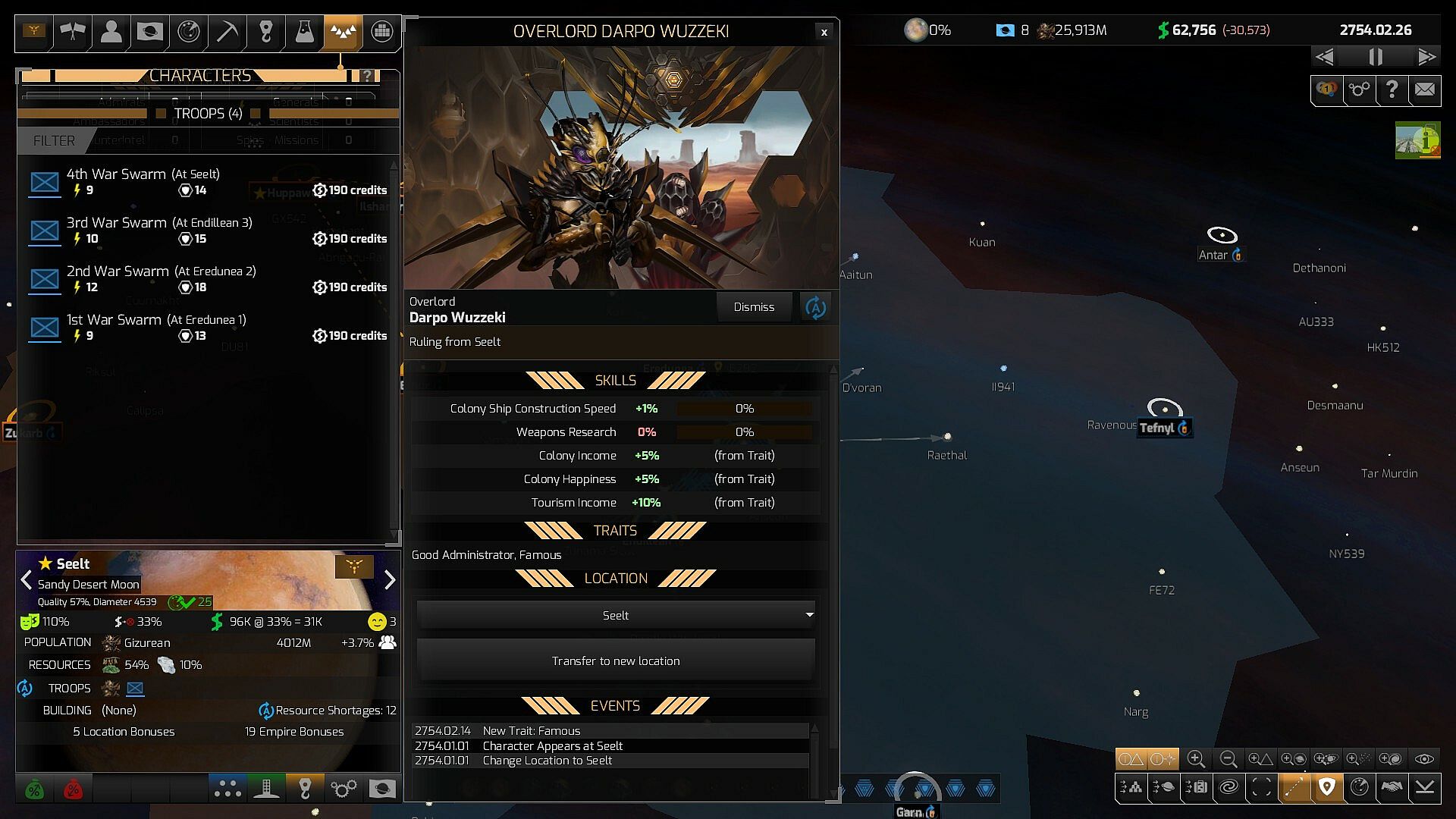
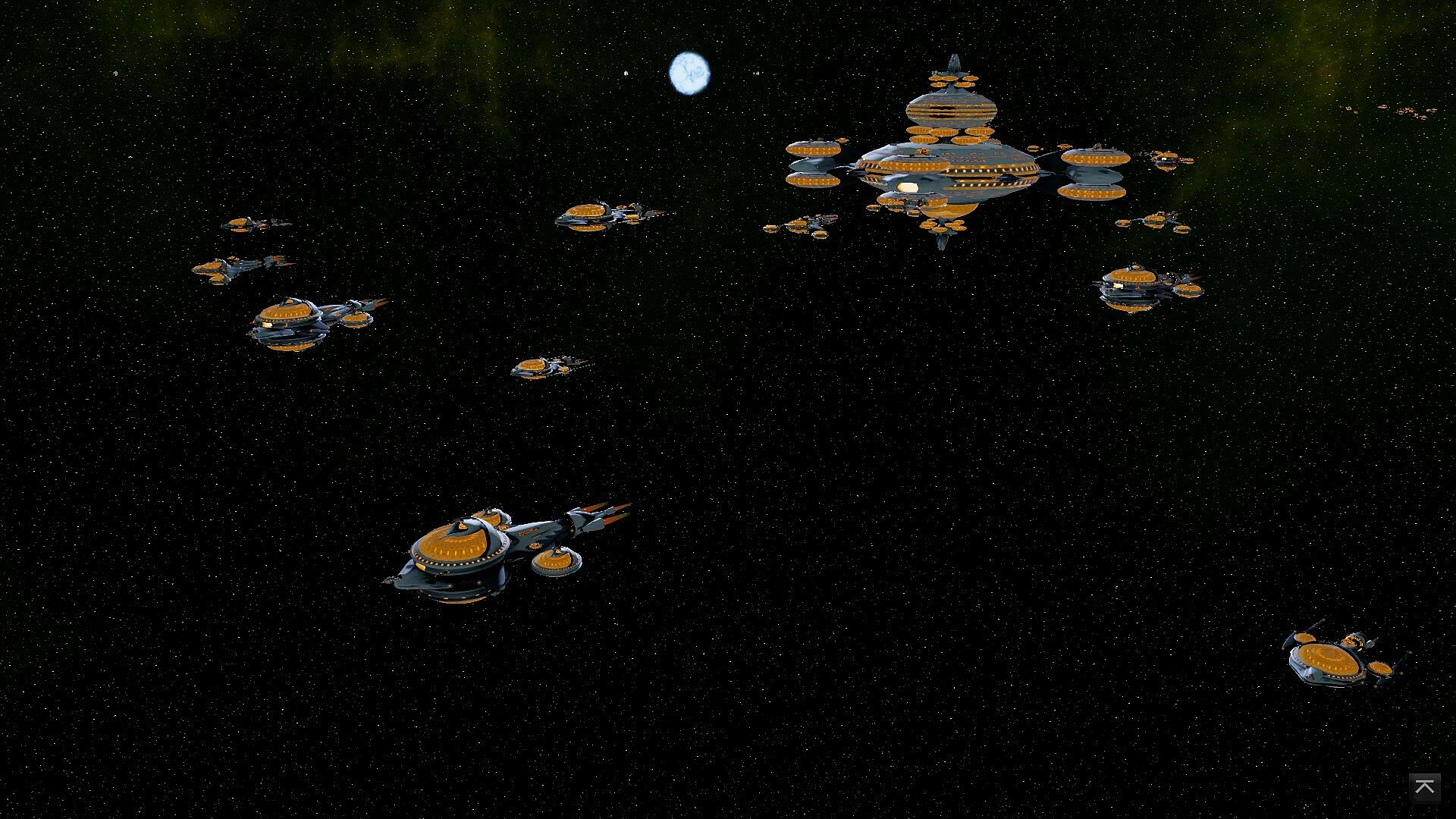
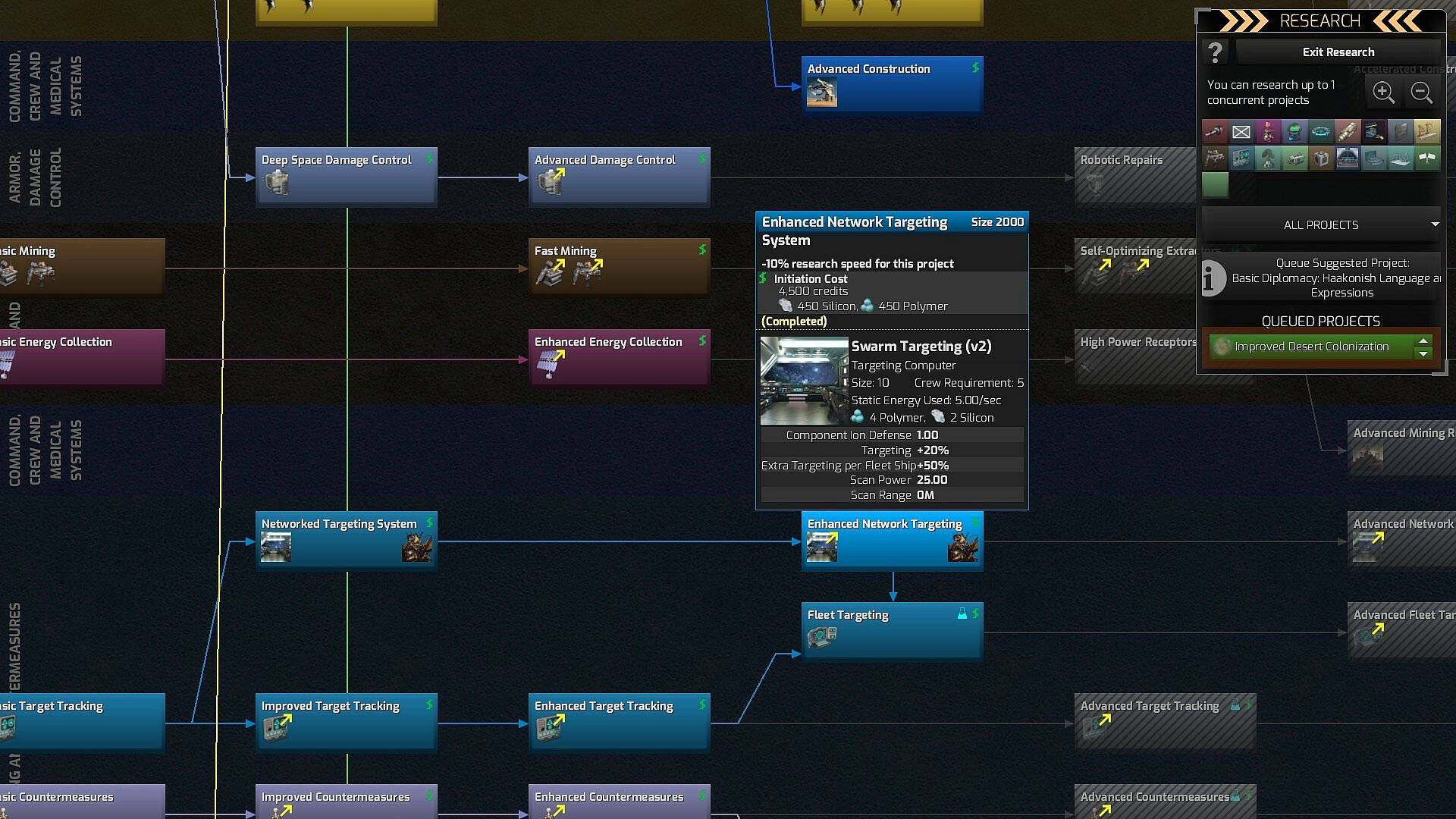
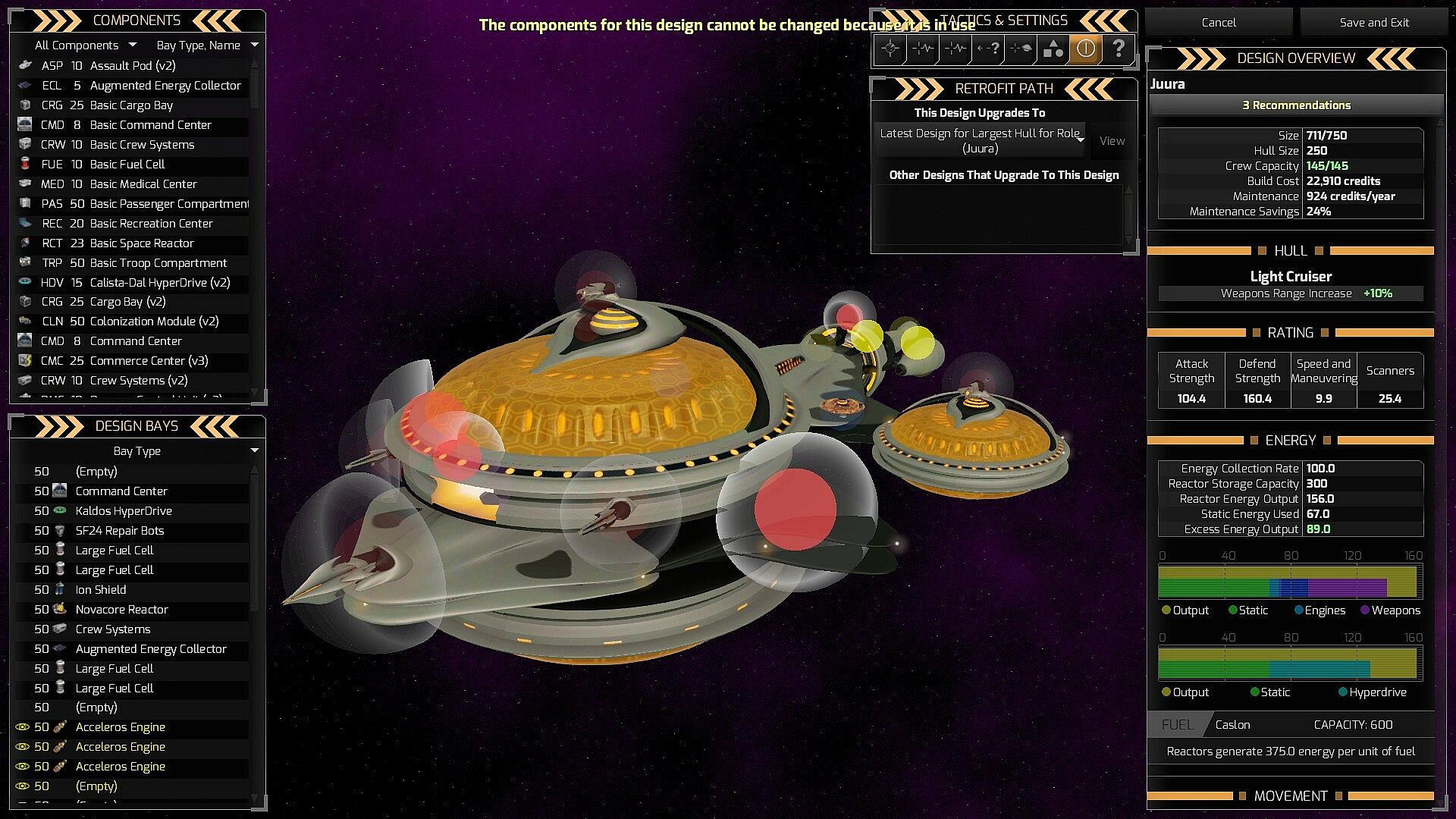
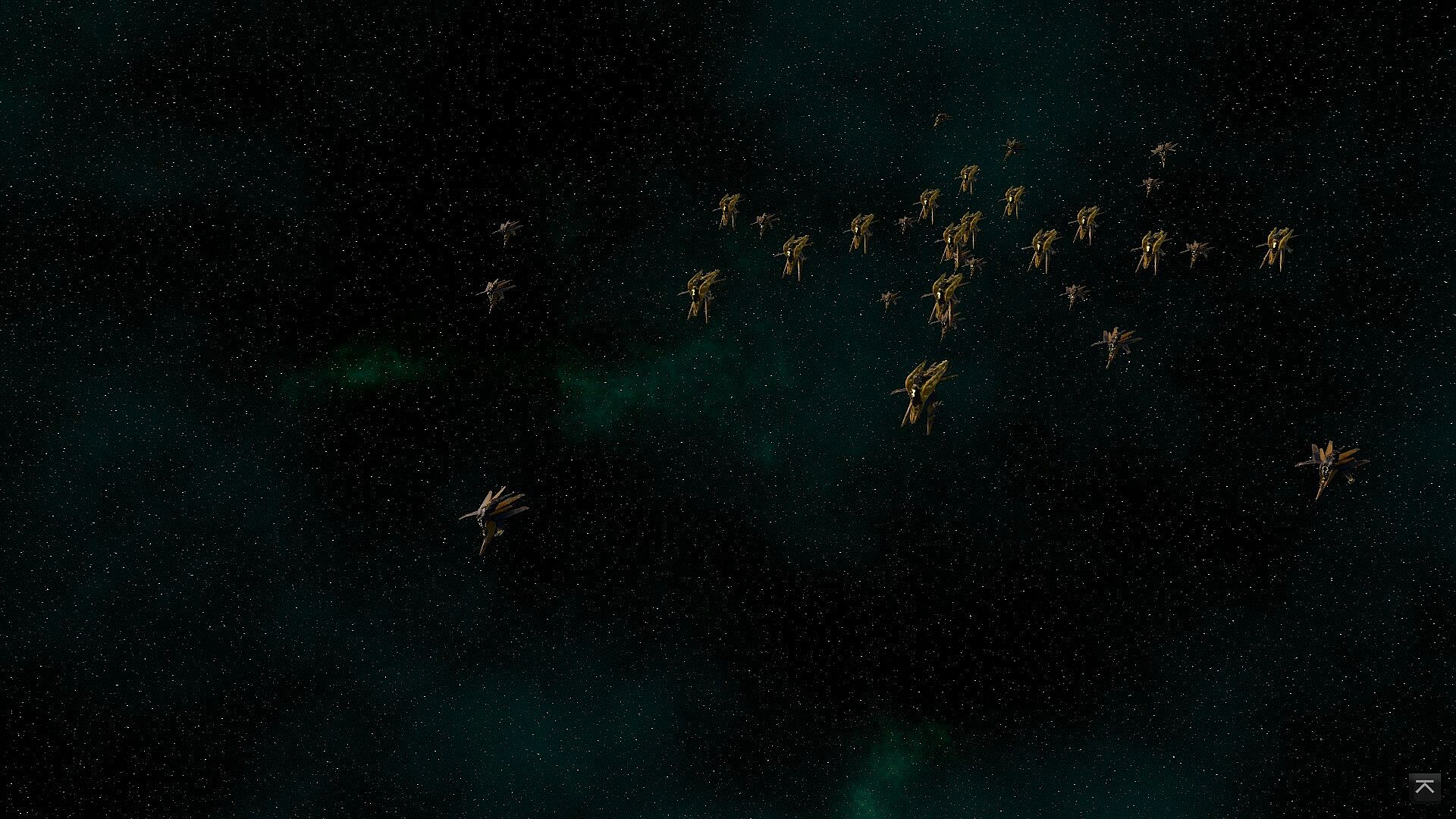
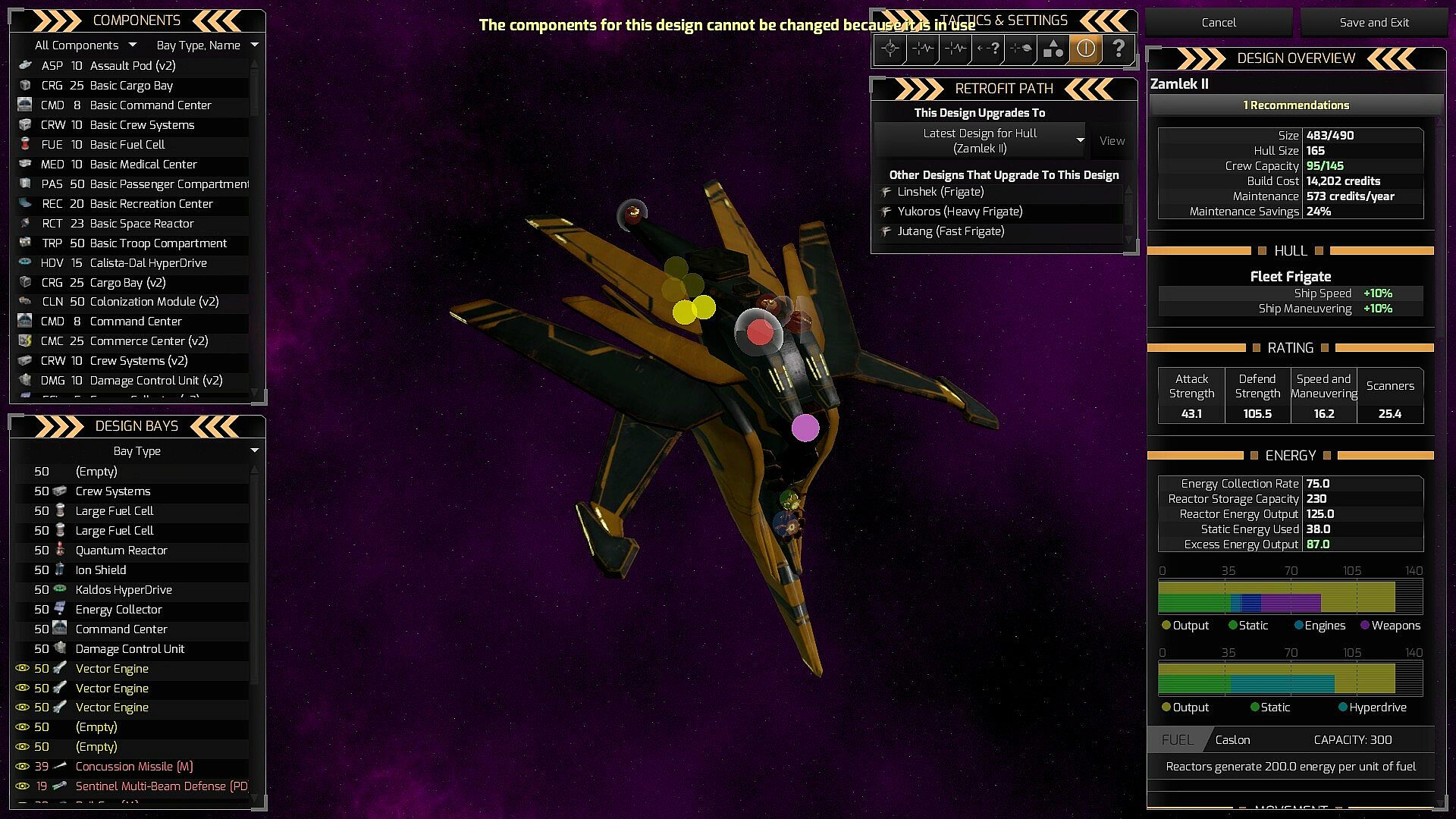
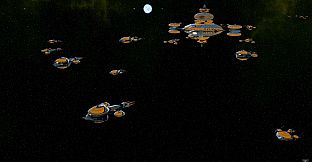
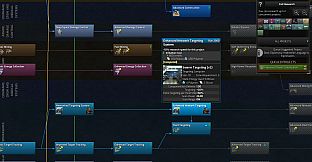
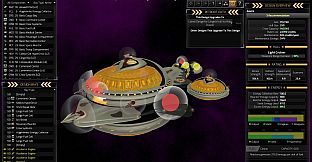
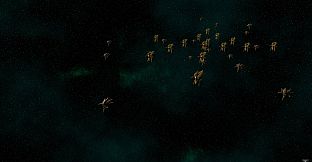
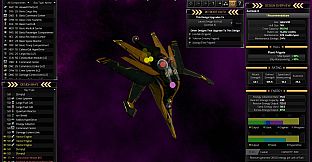
Gizureans follow the Cell Hegemony, a limited shared consciousness that improves sensors, command efficiency, and reduces luxury resource demands. They excel at boarding actions and salvaging, with swarm targeting systems that boost accuracy as fleet size grows. Organic ship construction yields tougher hulls through Hex Armor, while Hive Hangars enable faster starfighter production and repair. Early access to planetary fighter bases supports defensive swarms, though internal tribal conflicts can disrupt progress and slower research requires reliance on reverse engineering or conquest.
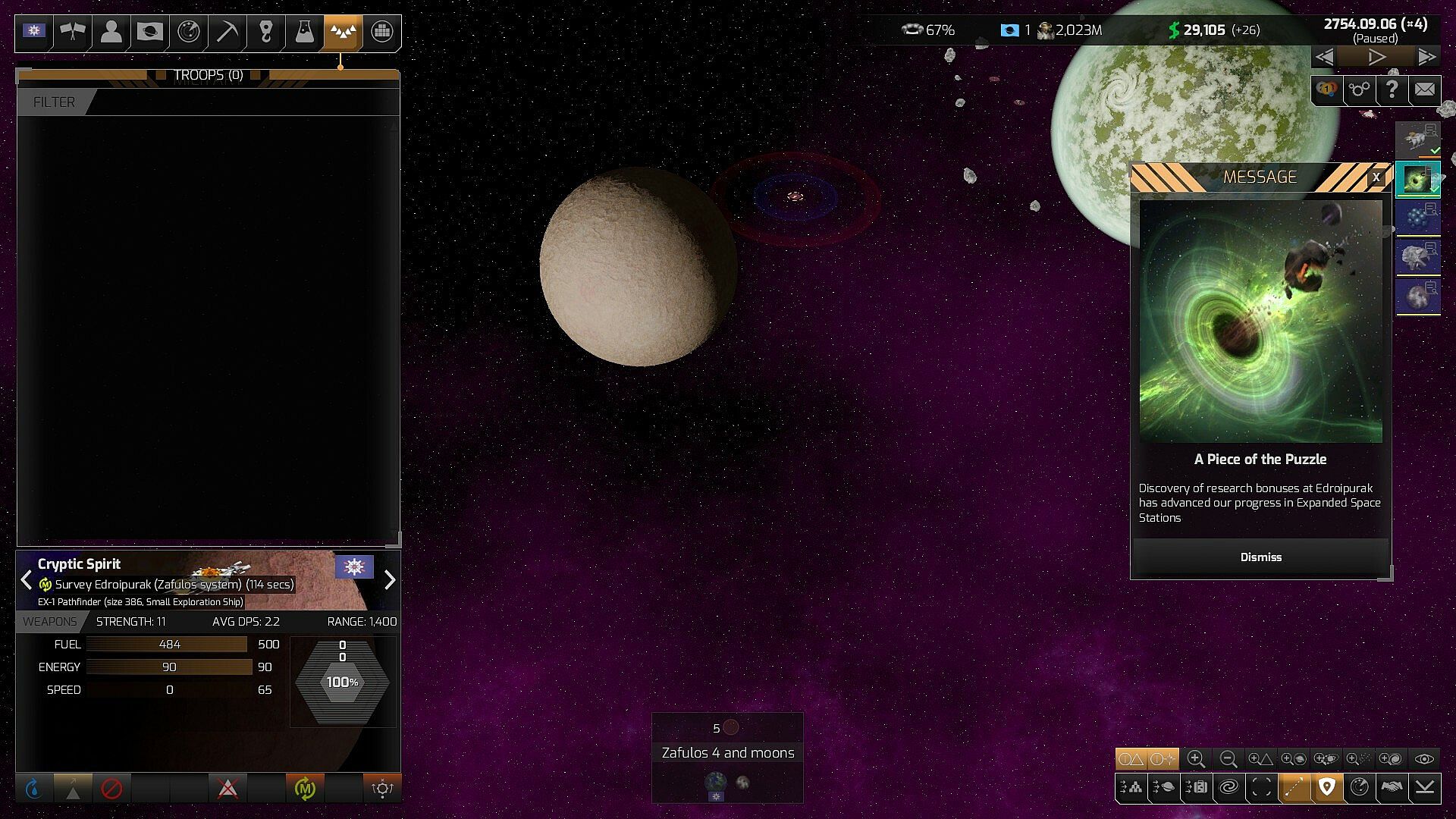
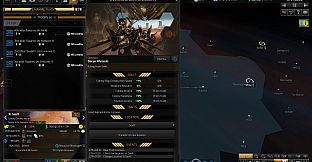
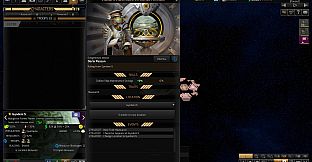
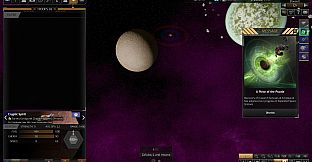
Both factions include unique storylines tied to ancient galactic mysteries, with the Quameno uncovering Guardian Vaults and the Gizureans linking to Hive threats and the Shakturi. Conditional events reward thematic actions, such as research successes for the Quameno or ship retirement and planetary conquest for the Gizureans. A mega-ship or planet destroyer option exists for each, though it requires the Return of the Shakturi expansion for full functionality.
Game Modes
Play centers on single-player galaxy-scale management where players expand colonies, design fleets, and navigate diplomatic or hostile encounters in real time with pause functionality. Faction selection shapes the entire session, influencing research priorities, combat tactics, and resource allocation from the start. Exploration events and story locations add layers of discovery that unfold differently depending on the chosen faction.
Progression involves balancing internal faction mechanics against external threats, with Quameno sessions focusing on isolated research hubs and Gizurean campaigns emphasizing swarm tactics and population management. The systems support varied galaxy setups that alter scale and complexity without introducing separate named modes.
Faction Mechanics and Unique Systems
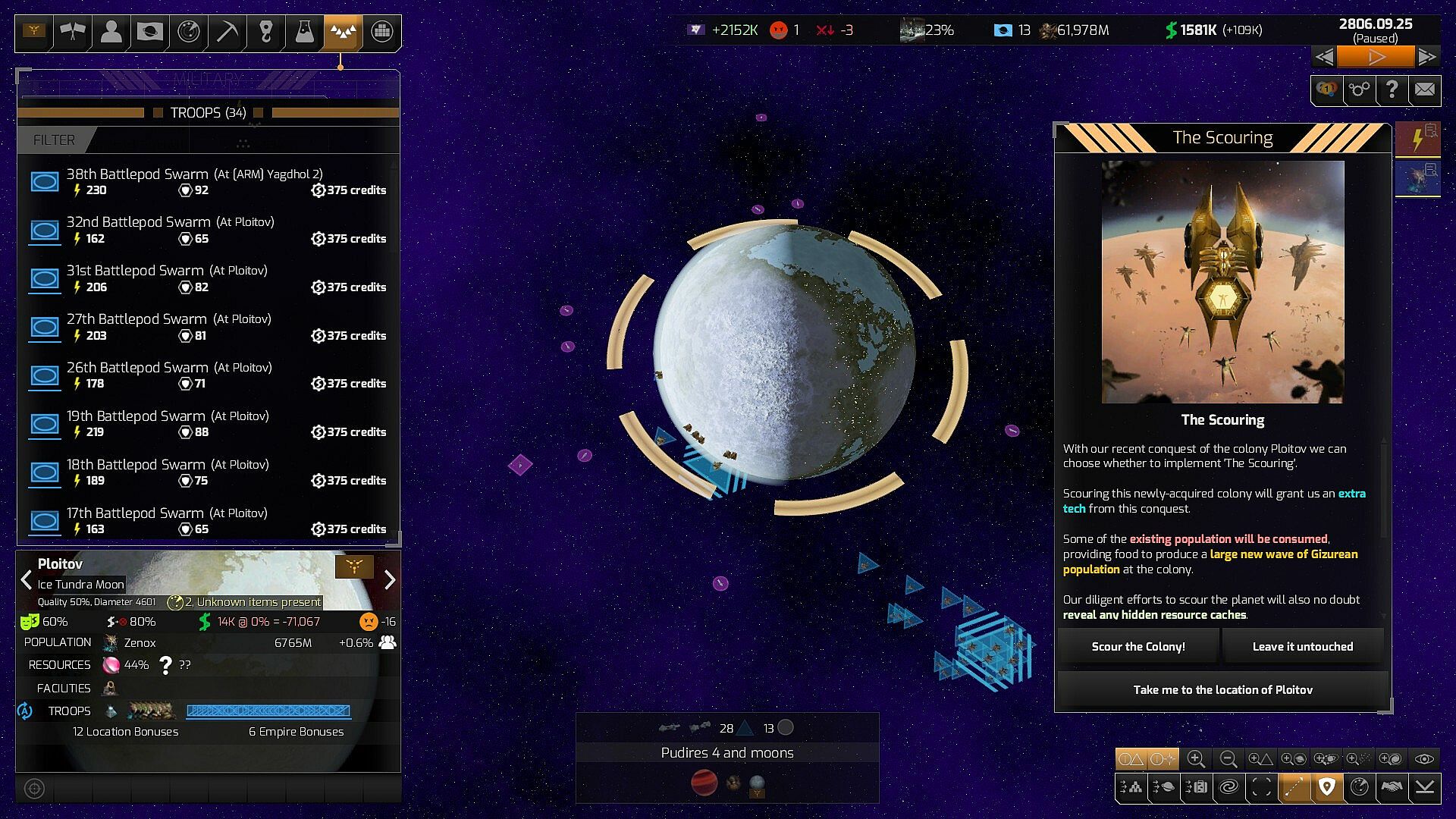
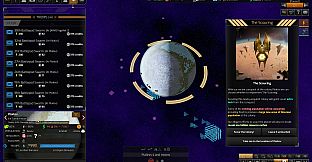
Quameno societies function like research-focused wartime economies, using energy abundance for field-based infrastructure and gaining bonuses from new research sites or stations. Special traits for scientists and conditional events like Puzzle Solved or Building the Future reinforce their knowledge-driven path. Gizurean reproduction rates demand constant resource intake to prevent strife, with partially organic engineering enabling resilient carriers and early fighter defenses. Events such as The Scouring or Breeding World provide targeted boosts during conquest or growth phases.
These additions expand the simulation depth by introducing government-specific bonuses and penalties that persist across a campaign. Players must adapt strategies around research limits for one faction or quantity-based combat for the other, creating distinct decision trees in fleet composition and colony development.
Is It Worth Playing?
The base game maintains Mostly Positive review status overall, with players noting its rewarding complexity for those who invest time in mastering the systems. The expansion integrates cleanly by adding faction variety that refreshes long sessions without altering core loops. It suits dedicated strategy enthusiasts who enjoy detailed empire management, research trees, and asymmetric faction play over quick matches.
Reception highlights the depth of the new governments and events as meaningful additions that encourage replay with different starting conditions. Those seeking a streamlined experience may find the interface and pace demanding, while fans of expansive 4X simulations appreciate the fresh mechanics and lore connections. Availability on PC supports ongoing updates that maintain compatibility with prior content.