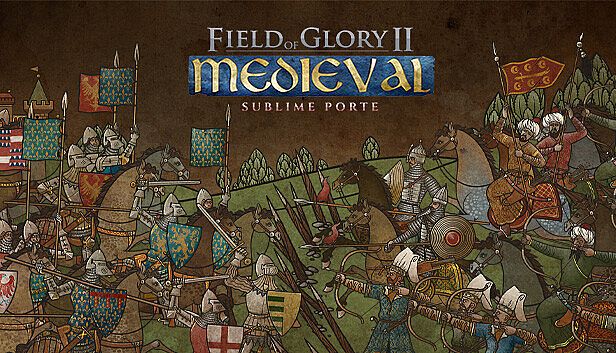




















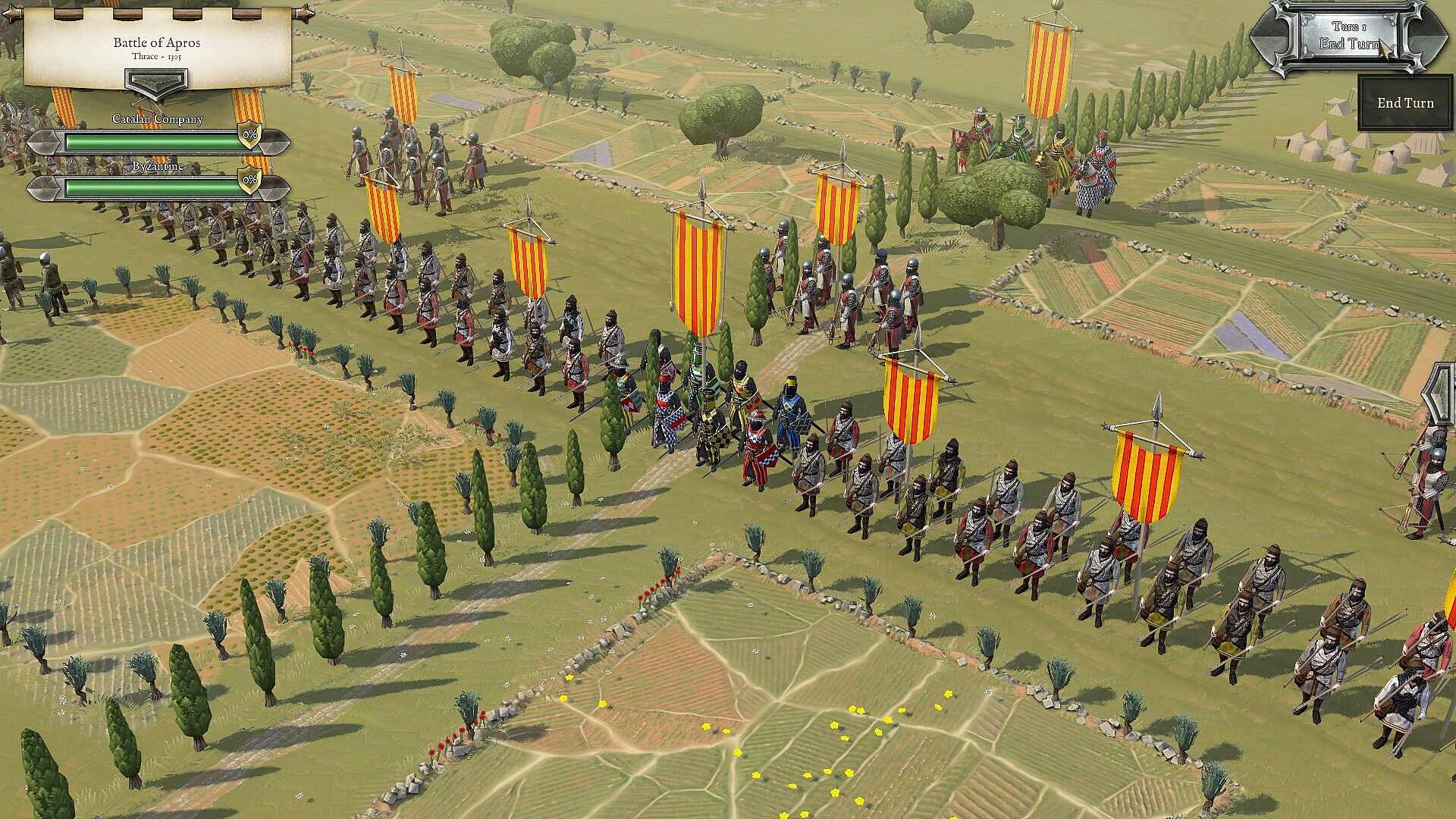
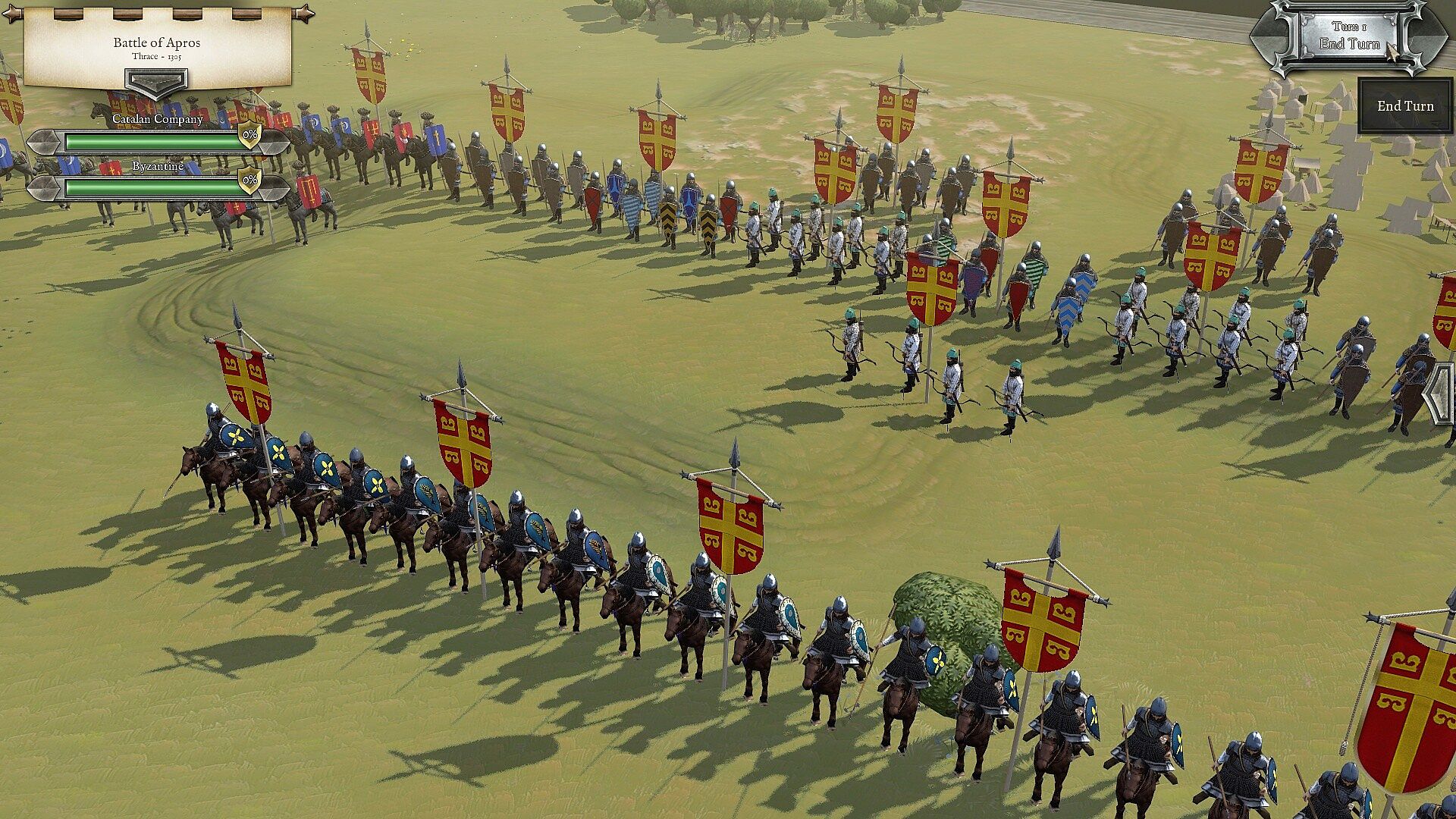
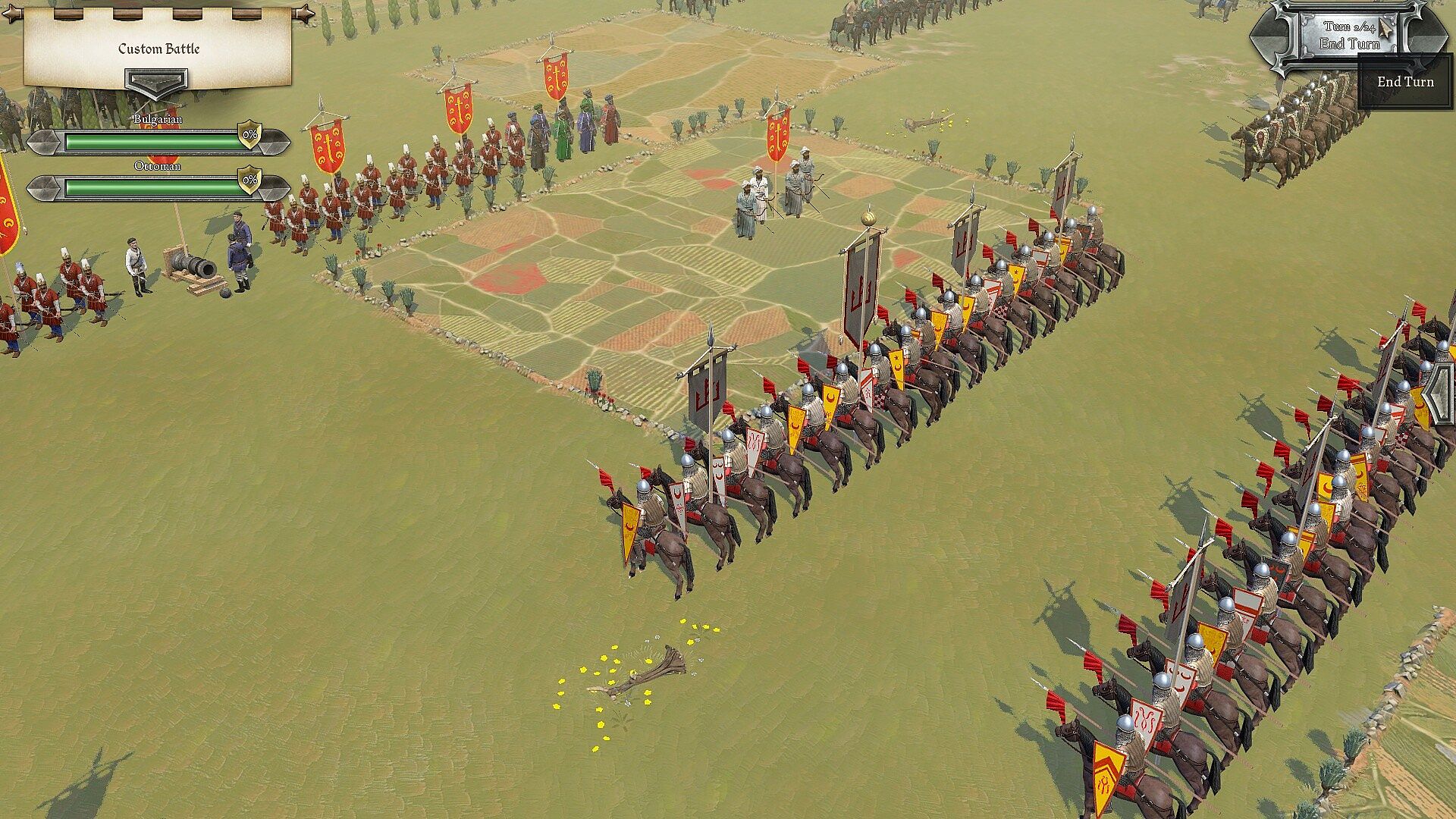
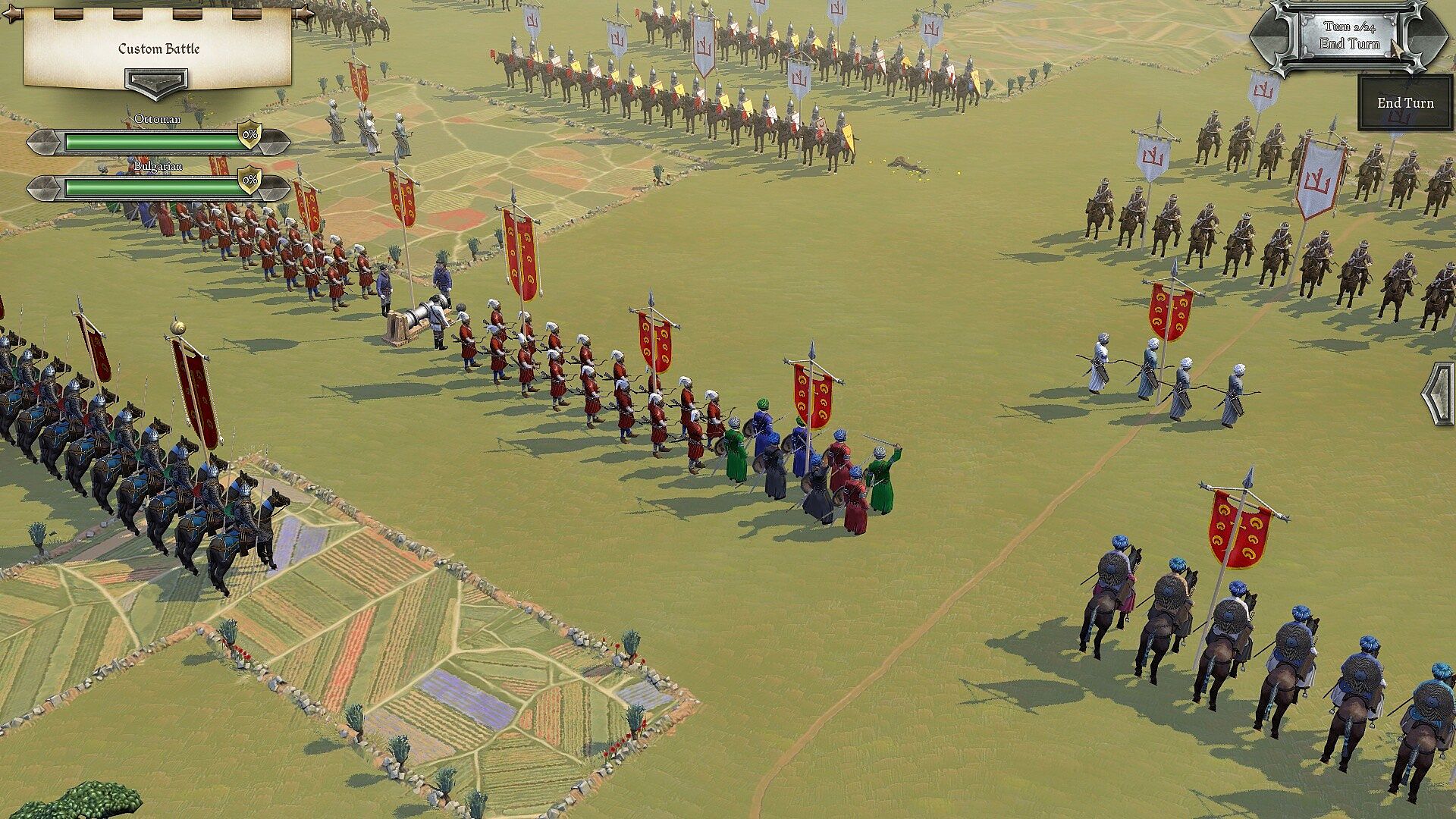
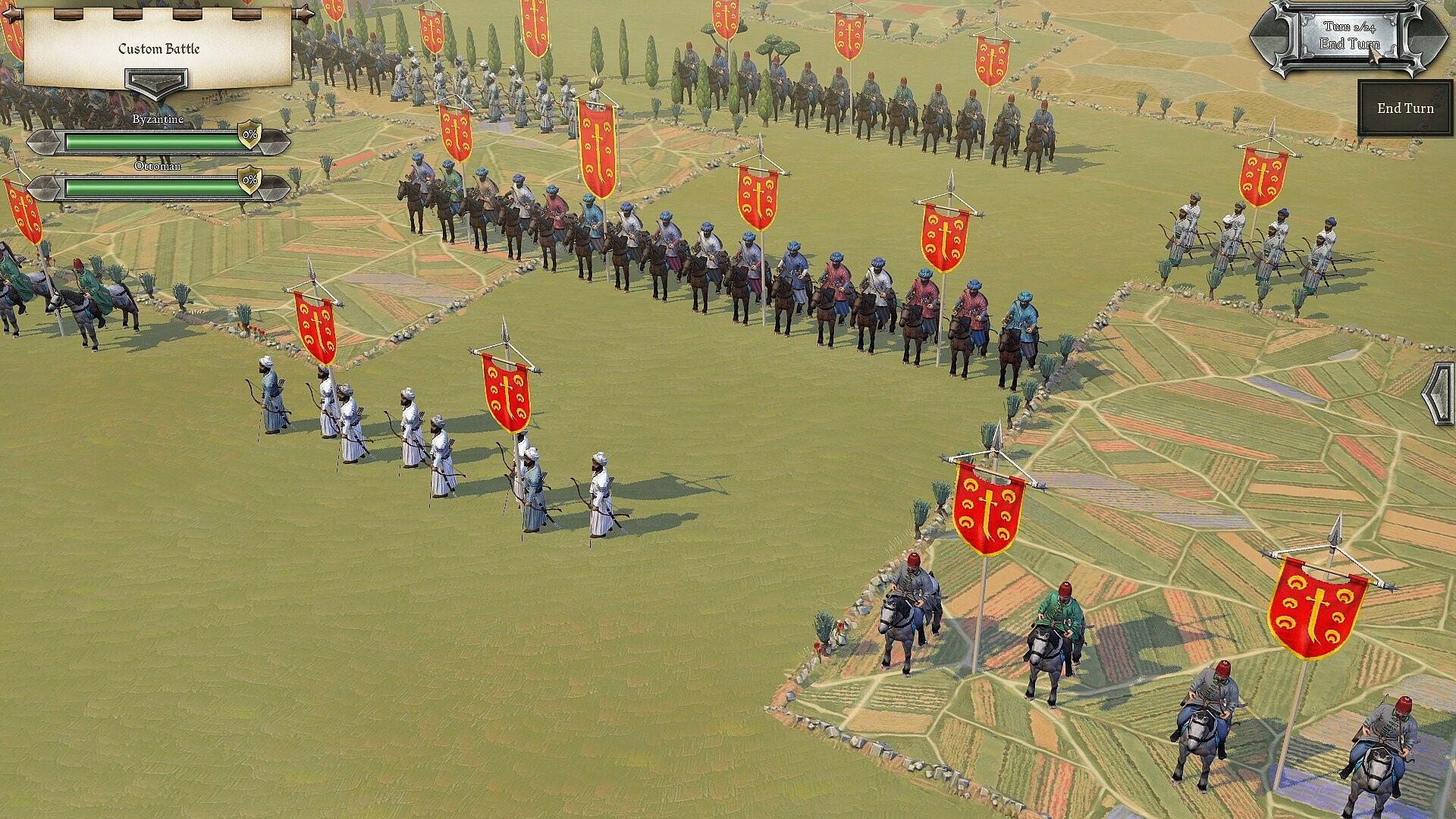
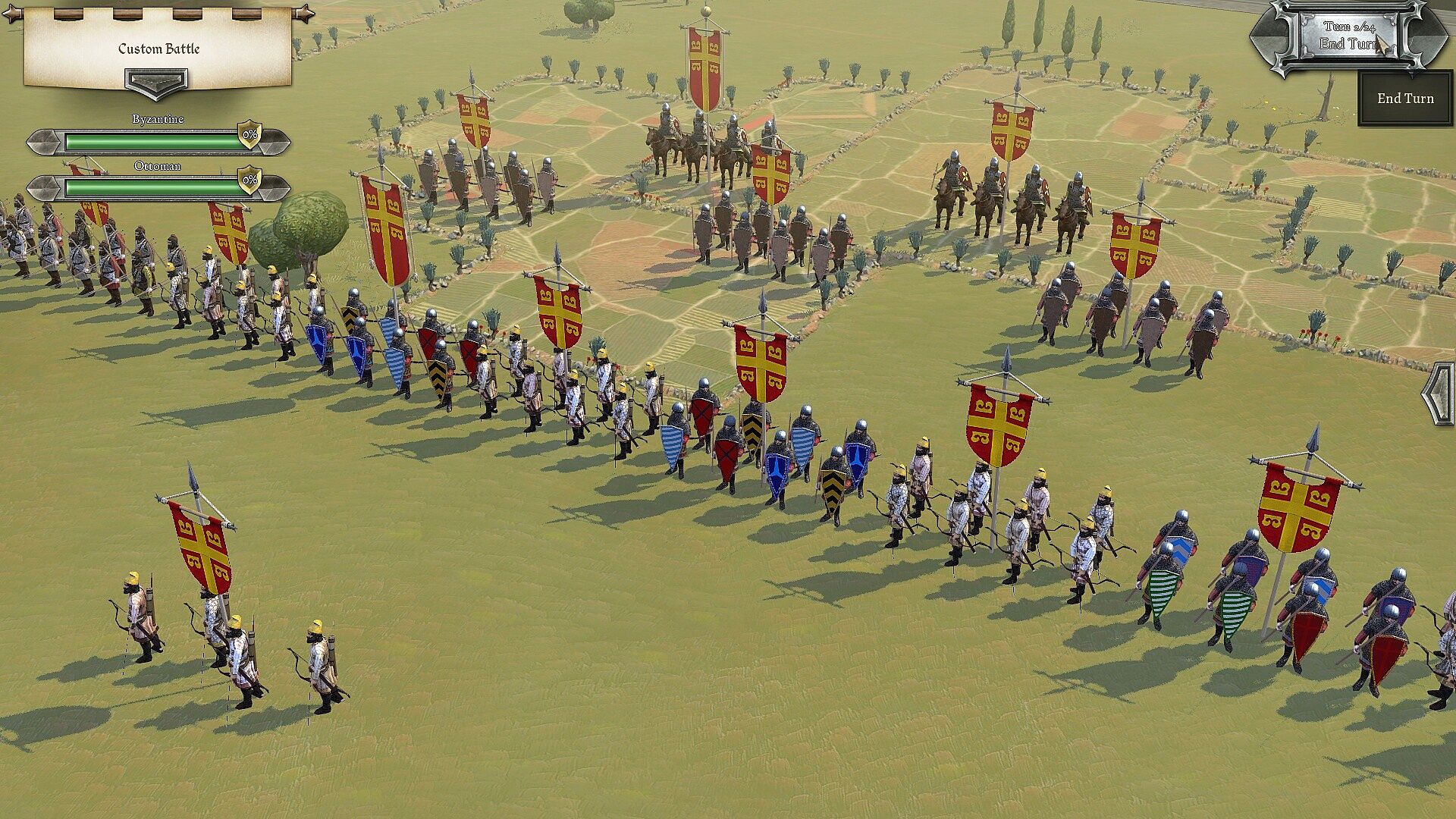
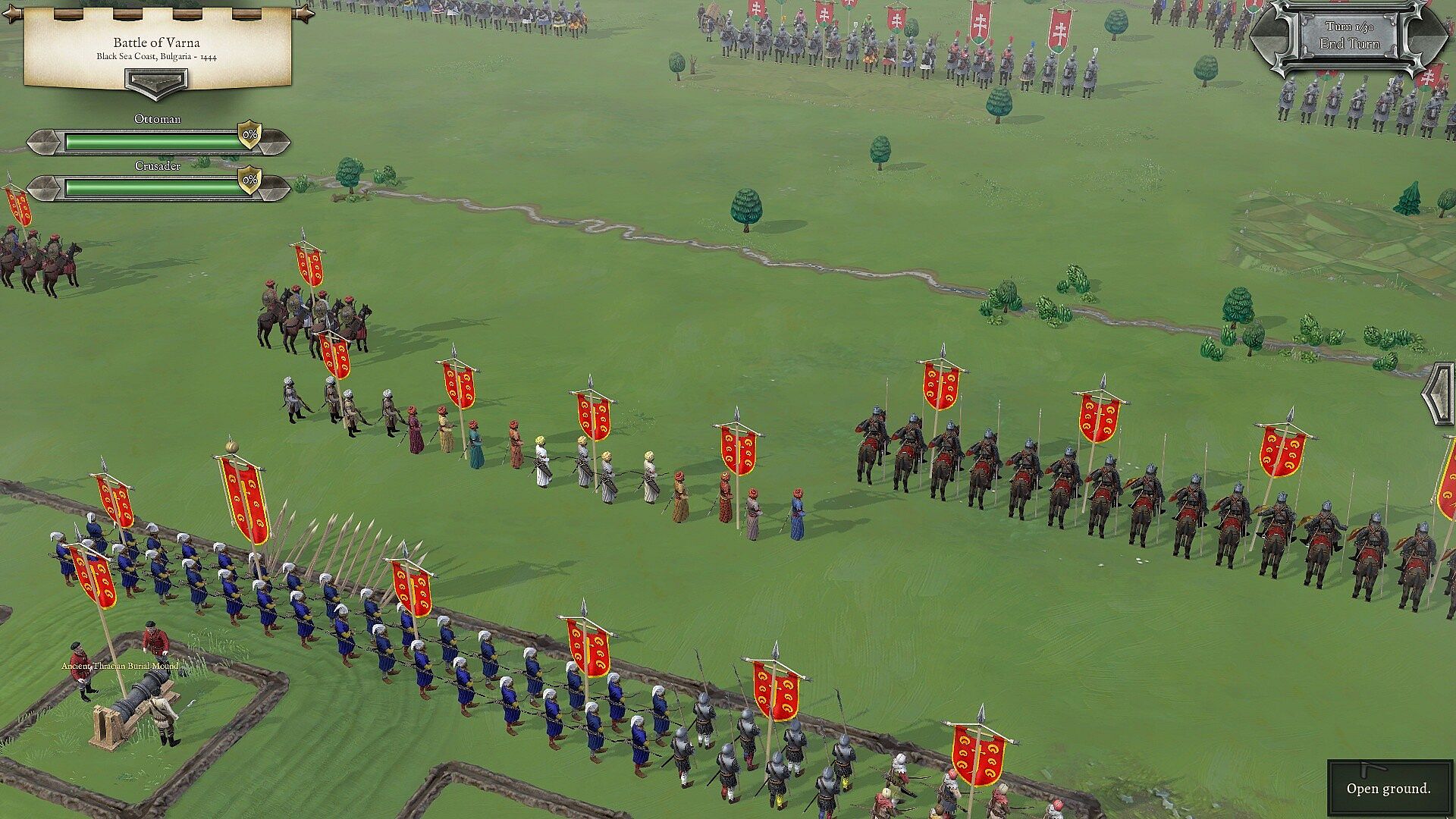
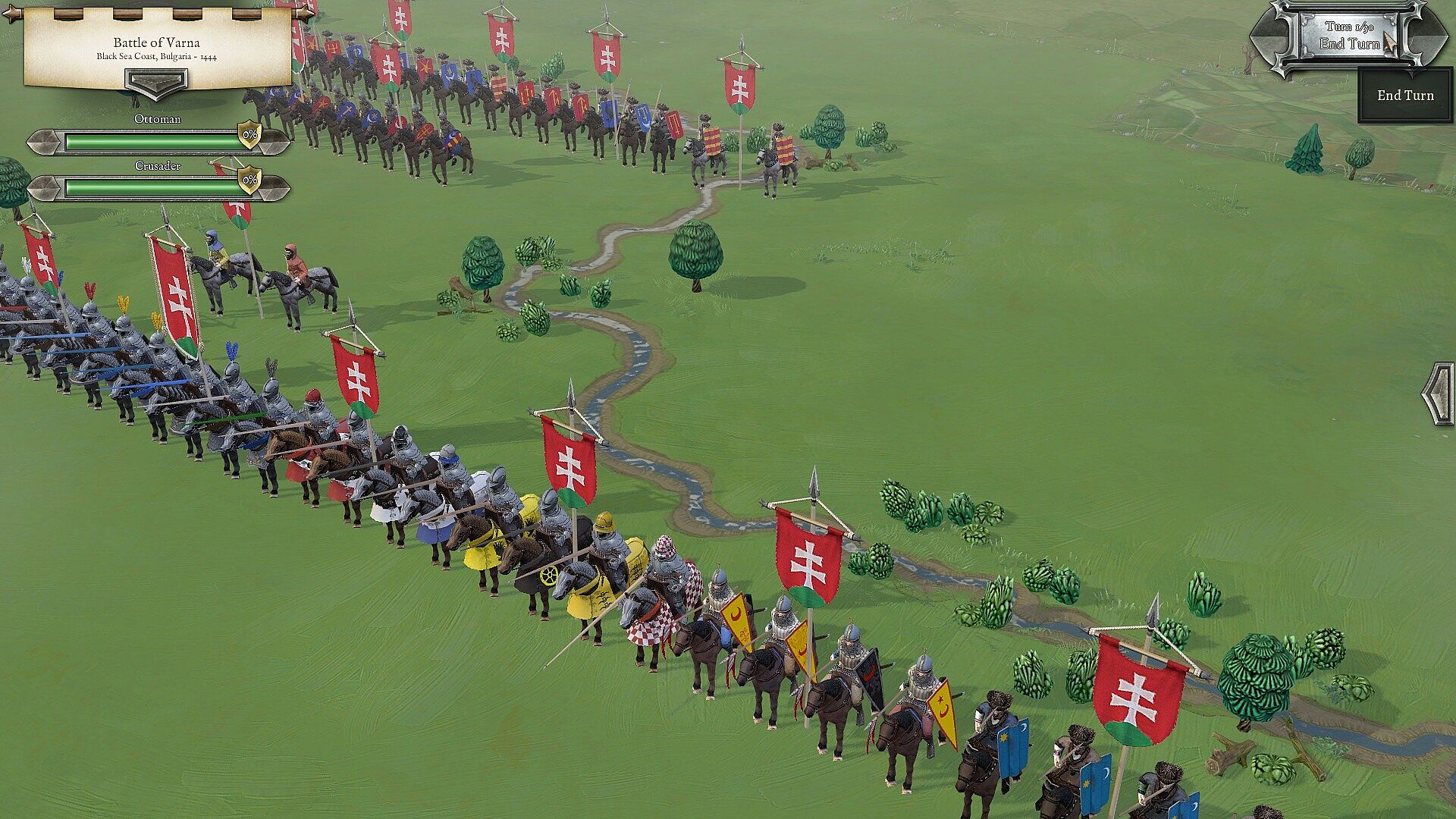
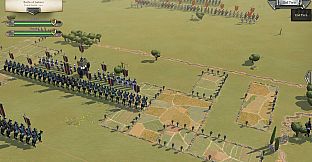
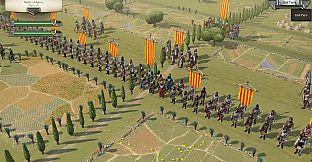
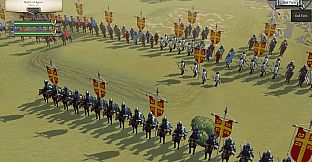
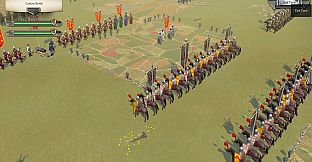
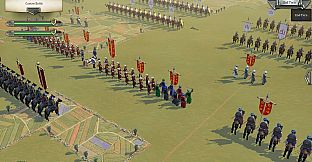
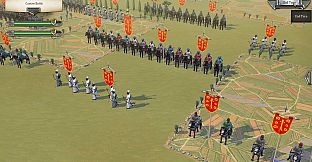
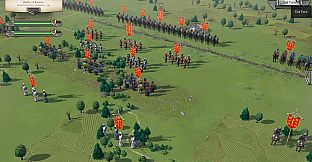
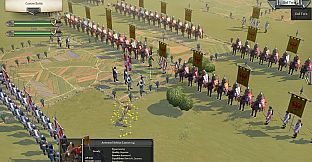
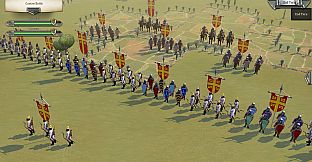
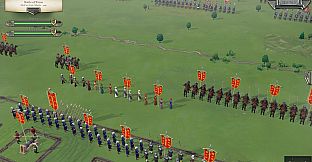
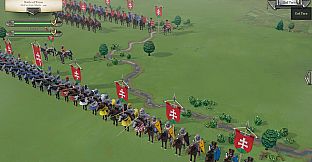
Field of Glory II: Medieval - Sublime Porte expands a turn-based strategy simulation focused on medieval warfare between 1260 and 1500 AD. The content centers on the rise of the Ottoman Turks from a small Anatolian beylik under Osman I to a dominant power that conquered Constantinople in 1453 and controlled much of the eastern Mediterranean. Players command historically accurate forces drawn from the period, including Ottoman Turks, Byzantines, Timurids, and numerous Balkan and Anatolian factions, with emphasis on realistic army compositions and tactical decisions in large-scale battles.
Gameplay
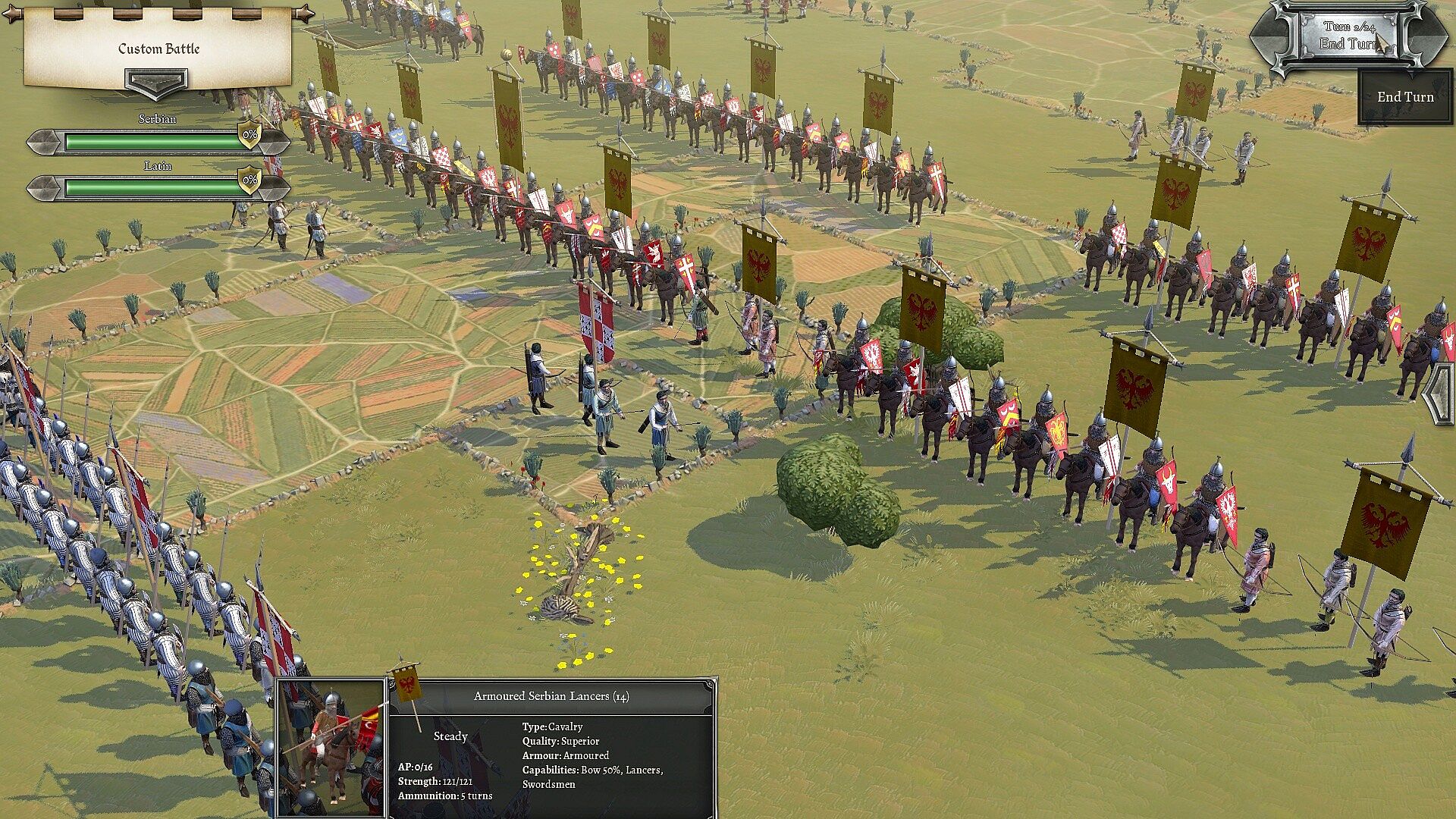
The core loop revolves around building and deploying armies that reflect the military realities of the era. Twenty-two new unit types join the existing roster, covering specialized troops such as Ottoman sipahis, Byzantine tagmata, Timurid heavy cavalry, and Albanian irregulars. These units feature distinct strengths in melee, ranged combat, and morale that influence how battles unfold across varied terrain.
Army construction draws from sixty-two additional lists that cover specific dates and regions for each faction. Ottoman Turkish lists span three periods from 1299 to 1500, while Byzantine options split into Central, Epiros, Trebizond, and Morea variants. Similar granularity applies to Serbians, Wallachians, Moldavians, and the various Turcoman groups. Historical allies can be added to any force, creating extensive combinations that mirror documented coalitions from the time.
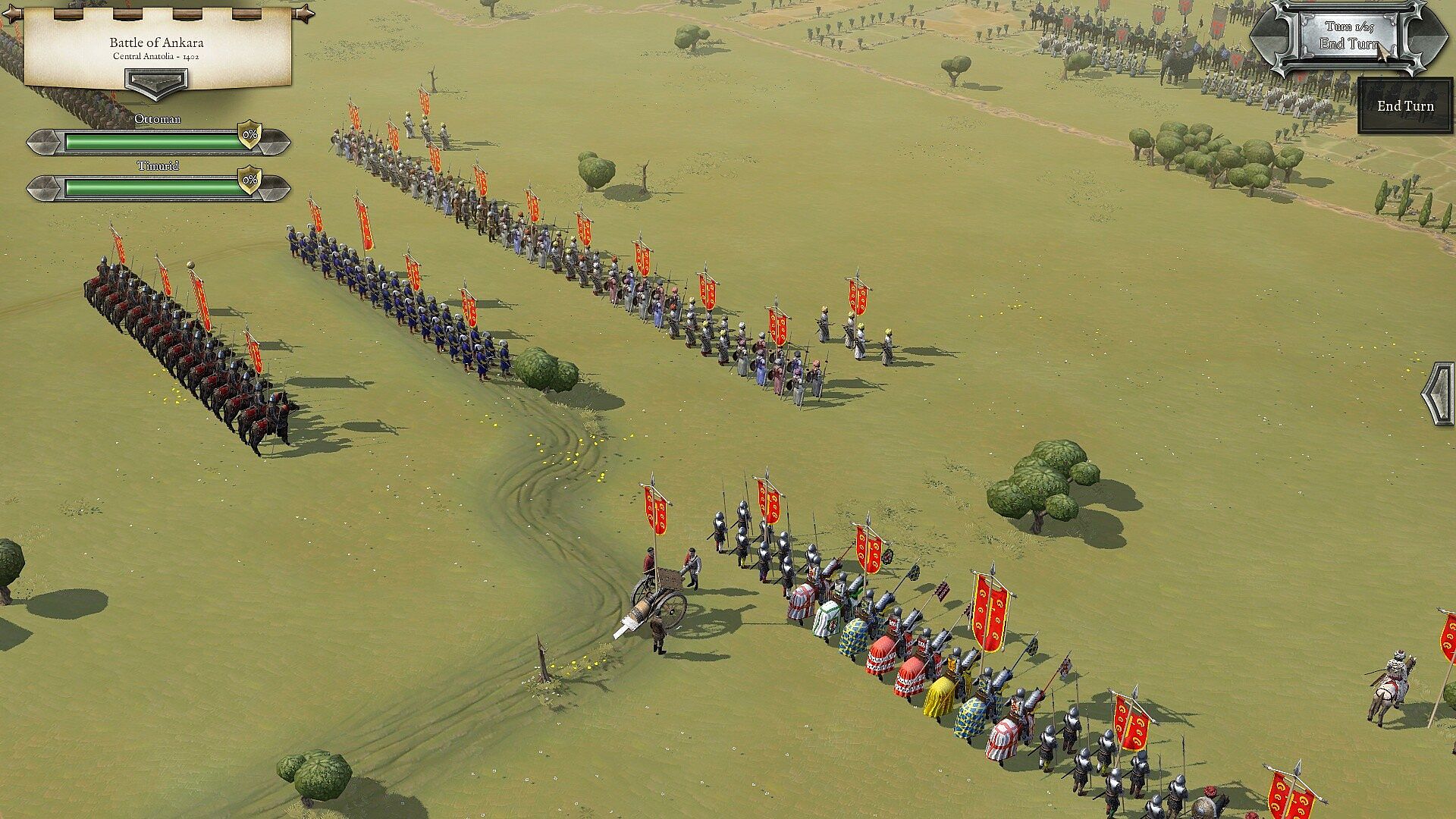
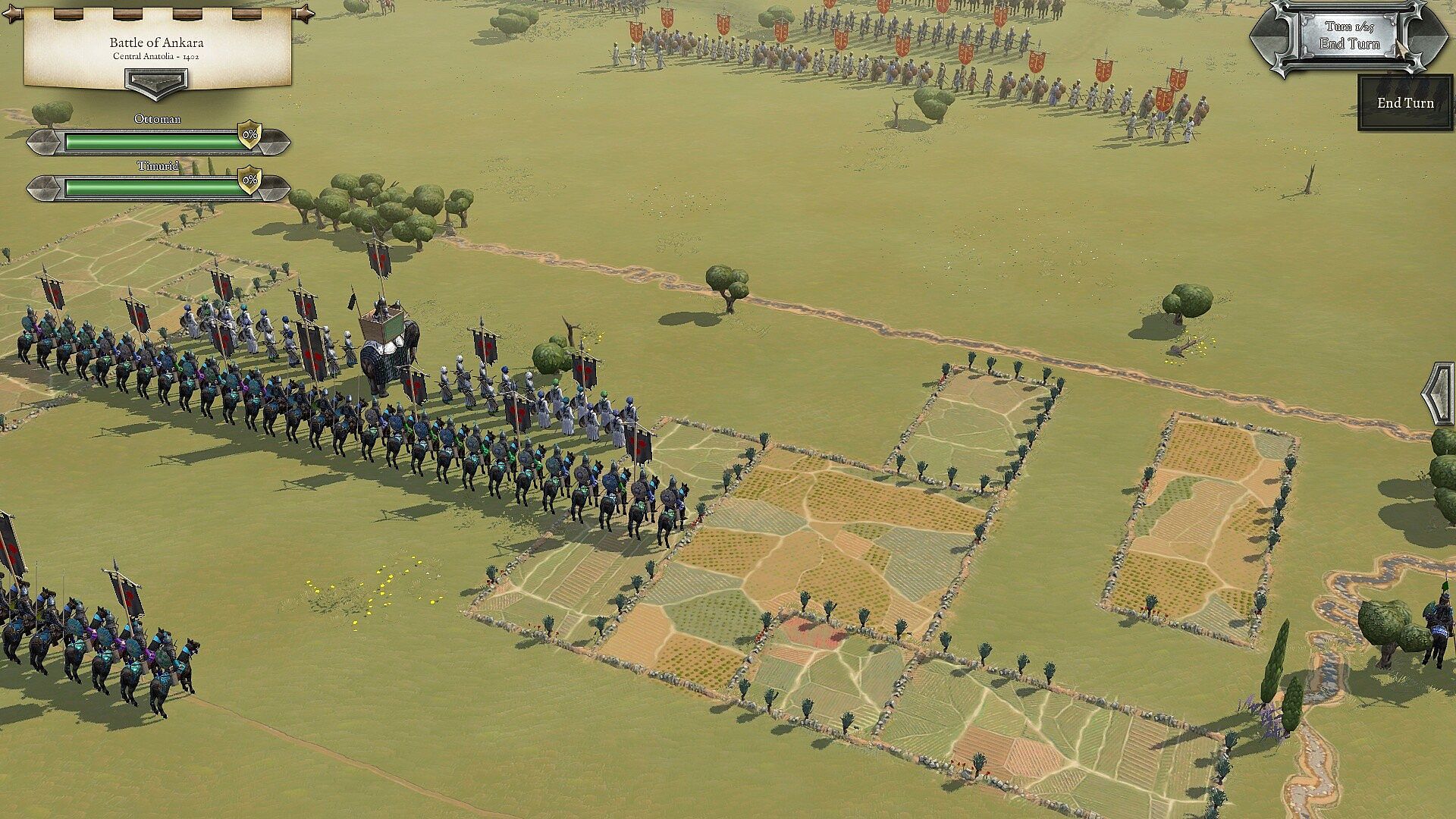
Combat emphasizes positioning, flanking, and the impact of leadership. Commanders such as Mehmed I, Timur, John Hunyadi, and Skanderbeg appear in appropriate scenarios with abilities that affect unit performance. The system rewards careful management of reserves and exploitation of terrain features like hills, rivers, and fortifications that were decisive in the actual campaigns.
Game Modes
Quick Battle offers immediate access to hundreds of matchups, with sixty-three new pairings added for this expansion. Most encounters support play from either side, allowing repeated testing of different army compositions against the same opponent.
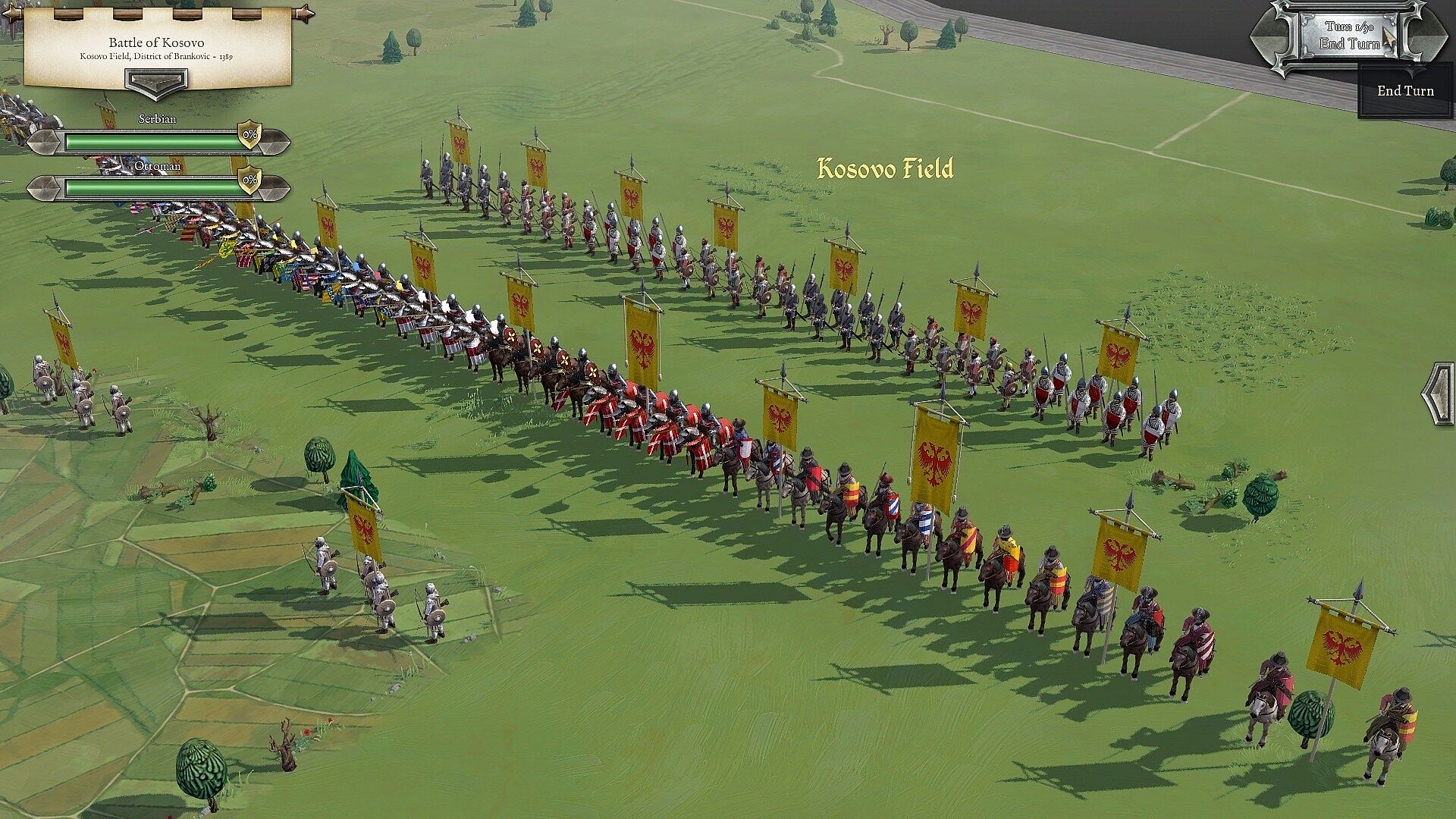
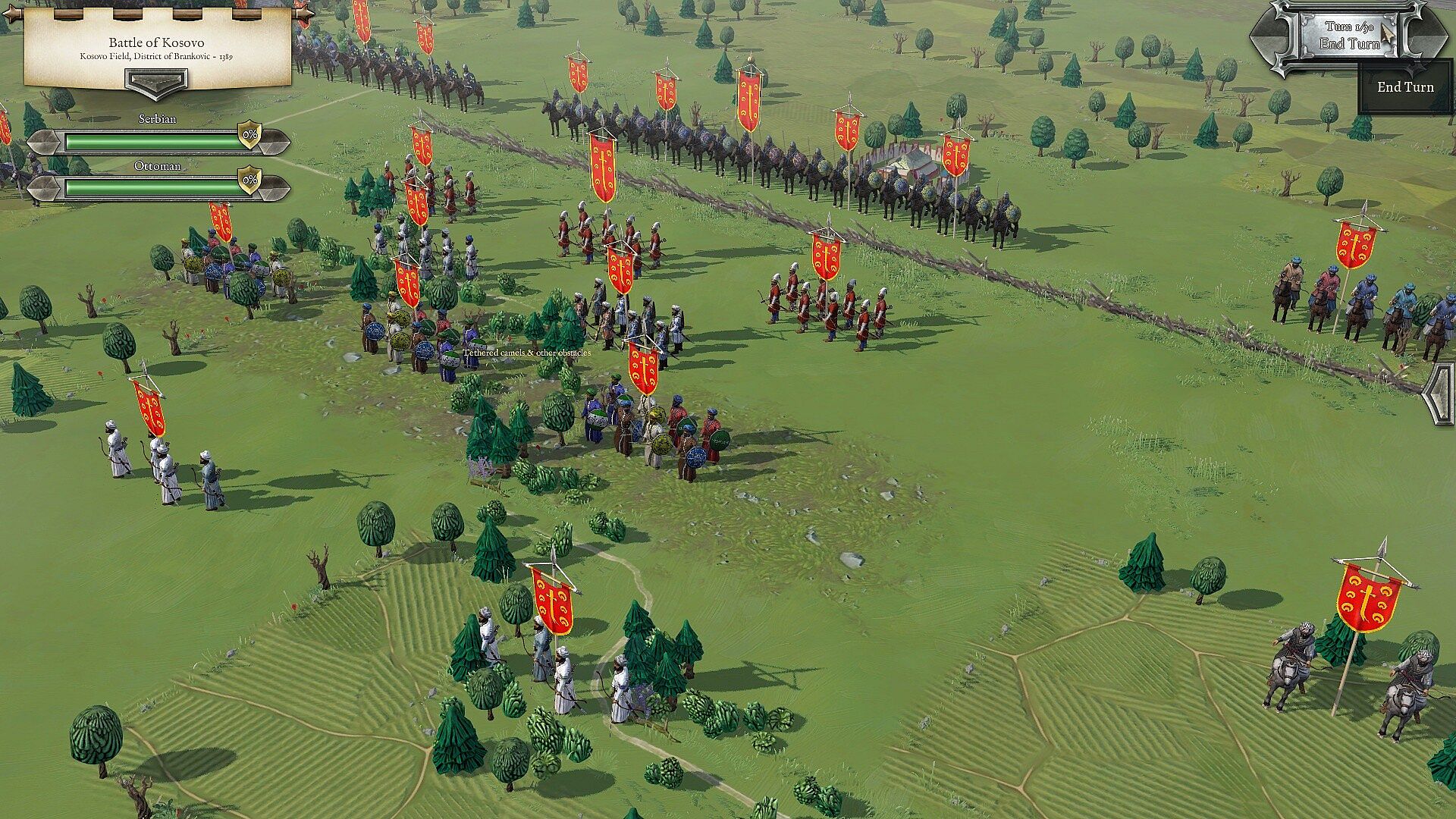
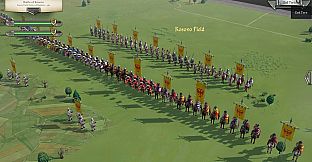
Eight new historical scenarios recreate major engagements at full scale. These include the Battle of Apros in 1305, the Catalan Company actions around 1320, the Battle of Kosovo in 1389, Timur's victory at Ankara in 1402, the Crusade defeat at Varna in 1444, Vlad Tepes' campaign at Targoviste in 1462, Skanderbeg's defense of Kruje in 1467, and the Moldavian victory at Vaslui in 1475.
Campaign play includes five new sequences that follow key leaders and conflicts. Rise of the Ottomans covers the early expansion in two parts, while separate campaigns trace the Catalan Company's movements in Greece, Timur's conquests across Central Asia and Anatolia, and Matthias Corvinus' efforts to resist Ottoman advances in Hungary and the Balkans.
Sandbox mode incorporates every new army list, letting players select any faction and its allies to fight any other combination. Time Warp modules receive the same additions, extending the range of available matchups without altering the underlying ruleset.
Historical Context and Factions
The expansion draws directly from documented events of the late thirteenth through fifteenth centuries. It portrays the fragmentation of the Seljuk Sultanate of Rum, the emergence of Turkish beyliks, and the subsequent Ottoman consolidation against Byzantine remnants and Balkan states. Timur's invasion and the resulting Ottoman civil war receive dedicated coverage, as do the Catalan and Navarrese Companies' roles as mercenary forces in the region.
Additional factions include the Mamluk Egyptians, Islamic Persians, Jalayirids, White Sheep and Black Sheep Turcomans, Georgians, and various Indian states ranging from Hindu southern kingdoms to the Vijayanagara Empire and Muslim sultanates. Naval and colonial elements appear through Venetian and Order of St John lists, while the Kingdom of Cyprus and Latin Greece represent western footholds in the eastern Mediterranean.
Is It Worth Playing?
This expansion suits players who value detailed historical simulation and extensive replayability through varied army lists and scenarios. The addition of over sixty new lists and multiple campaigns provides substantial new content for those already familiar with the base game mechanics. Those interested in the specific period of Ottoman expansion, Timurid campaigns, and Balkan resistance will find the included battles and leader-focused campaigns particularly relevant.
The series maintains a reputation for accurate unit modeling and tactical depth rather than arcade-style action. New players can begin with Quick Battle or the shorter scenarios to learn the systems before moving into full campaigns. The sandbox and Time Warp options support long-term engagement by generating fresh matchups from the expanded roster.
Overall, the title delivers focused historical strategy content without unnecessary additions. It appeals most to enthusiasts of medieval wargaming who appreciate the ability to recreate or diverge from documented events using the provided army lists and scenarios.