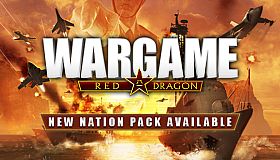
















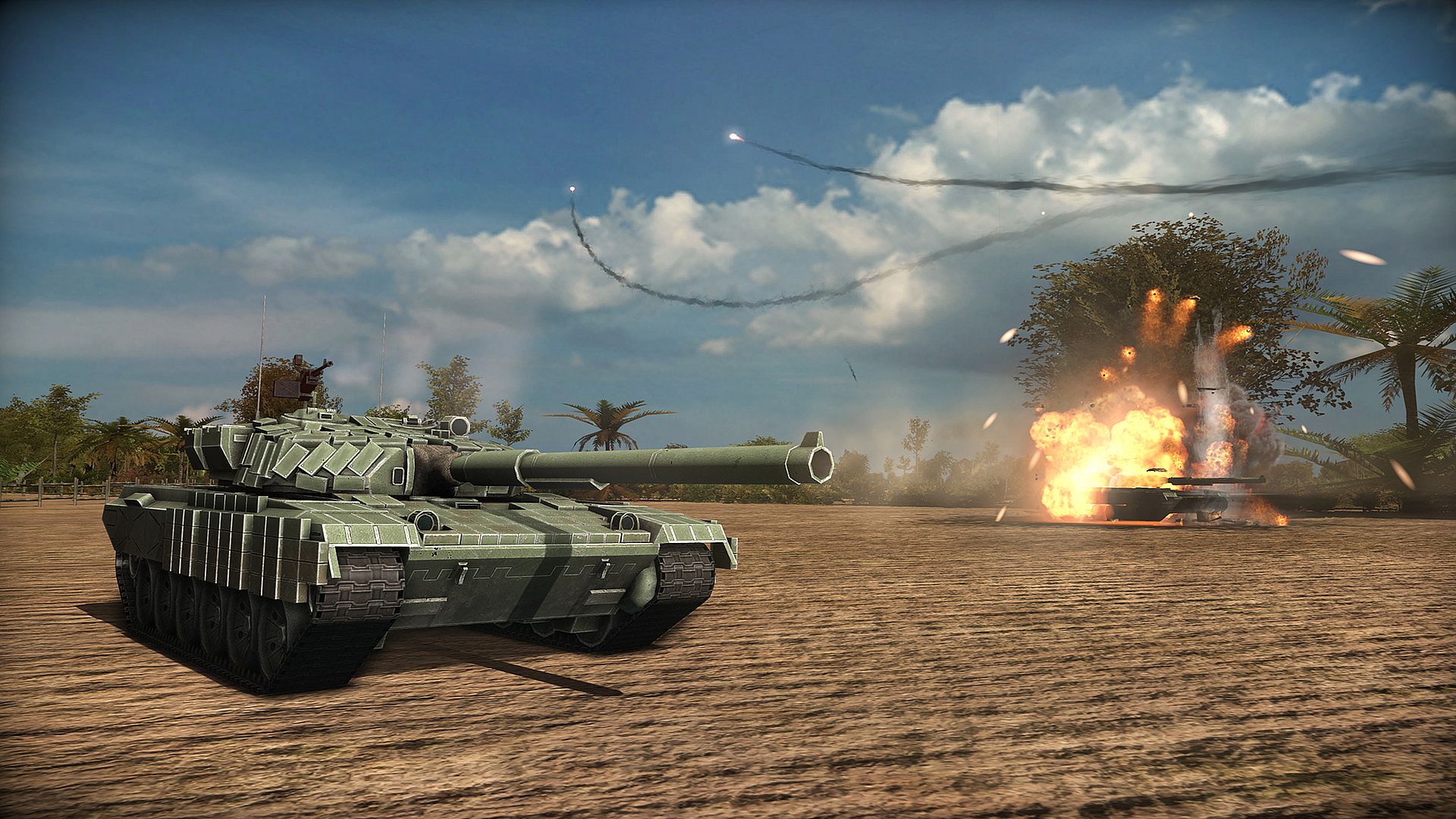
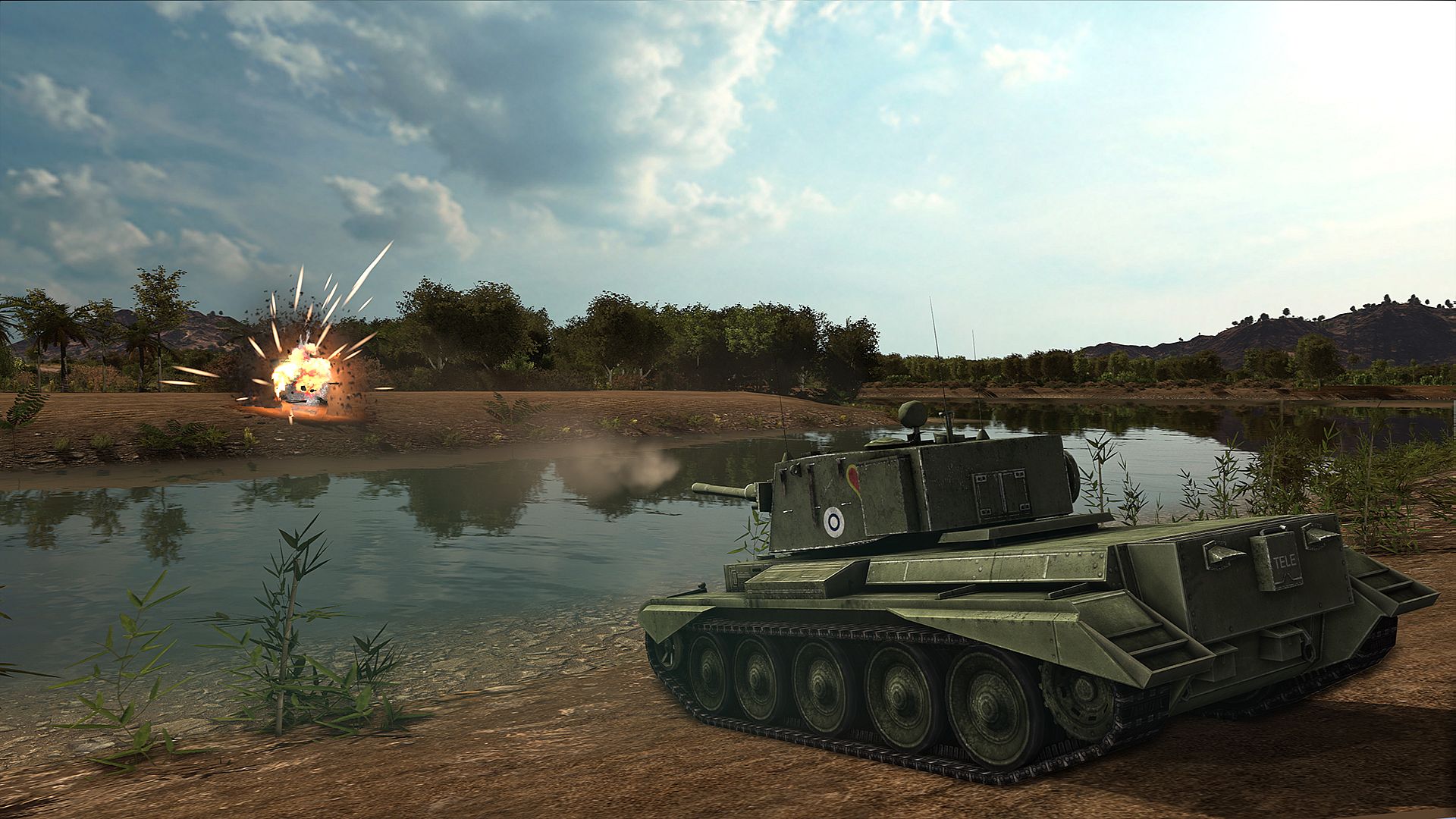
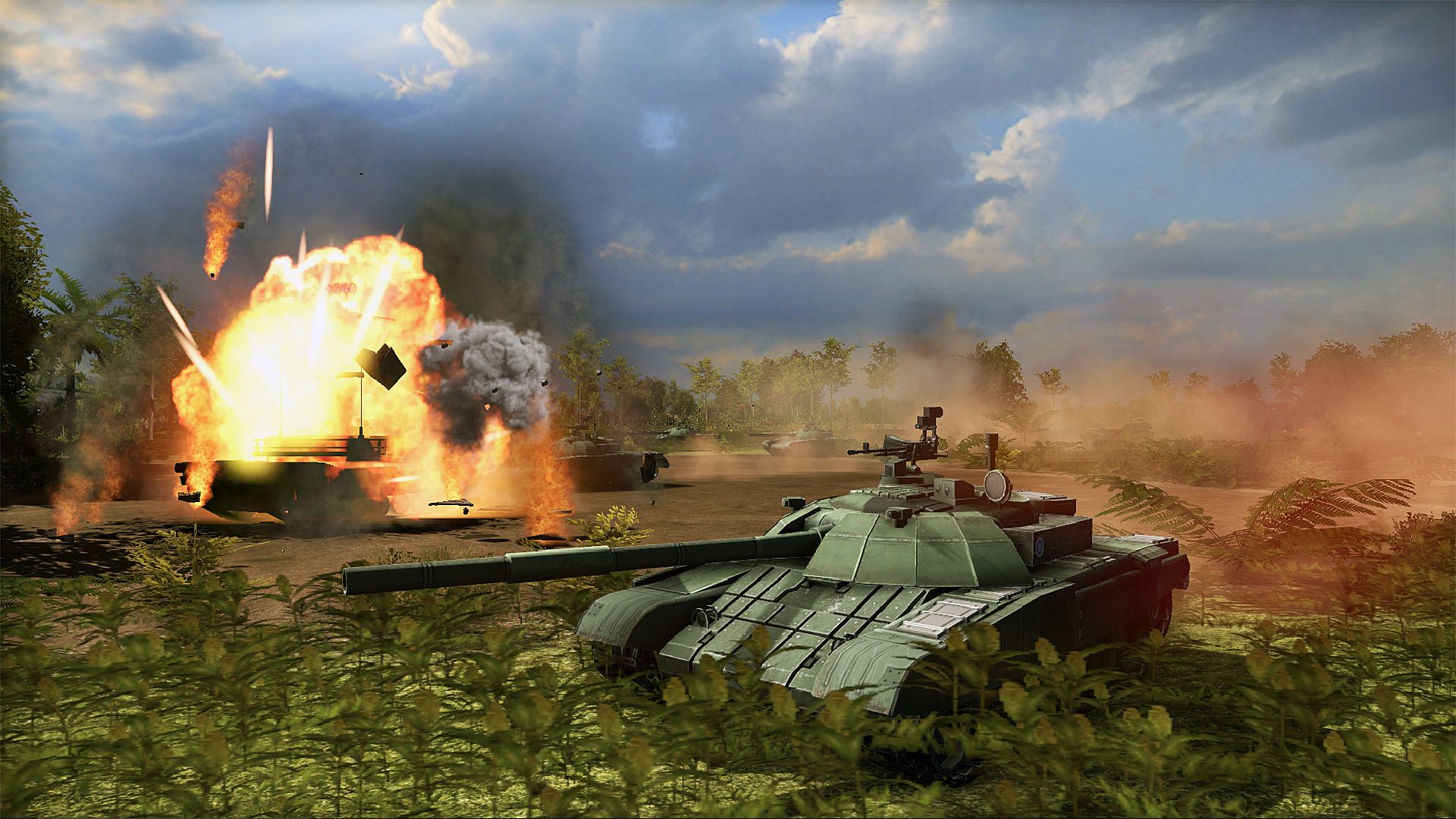
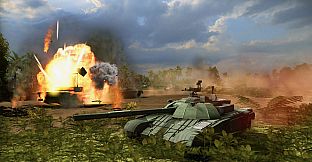
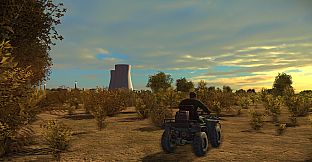
Wargame: Red Dragon - Double Nation Pack: REDS expands the real-time strategy game Wargame: Red Dragon with two new nations for the PACT faction. Yugoslavia and Finland add specialized units that emphasize mechanized forces, versatile air support, strong reconnaissance, and urban combat capabilities. The core experience centers on building custom decks of units drawn from infantry, armor, artillery, air, and support categories, then deploying them on large battlefields where resource management and positioning determine outcomes.
Gameplay
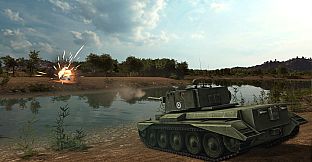
Players select units before each match to form a deck limited by points and availability rules. Once in battle, the view remains top-down, allowing oversight of multiple fronts while issuing orders to individual units or groups. Units consume fuel and ammunition during operations, requiring supply vehicles to keep them effective over time. Morale plays a key role as sustained fire or flanking can cause troops to lose effectiveness or break and retreat.
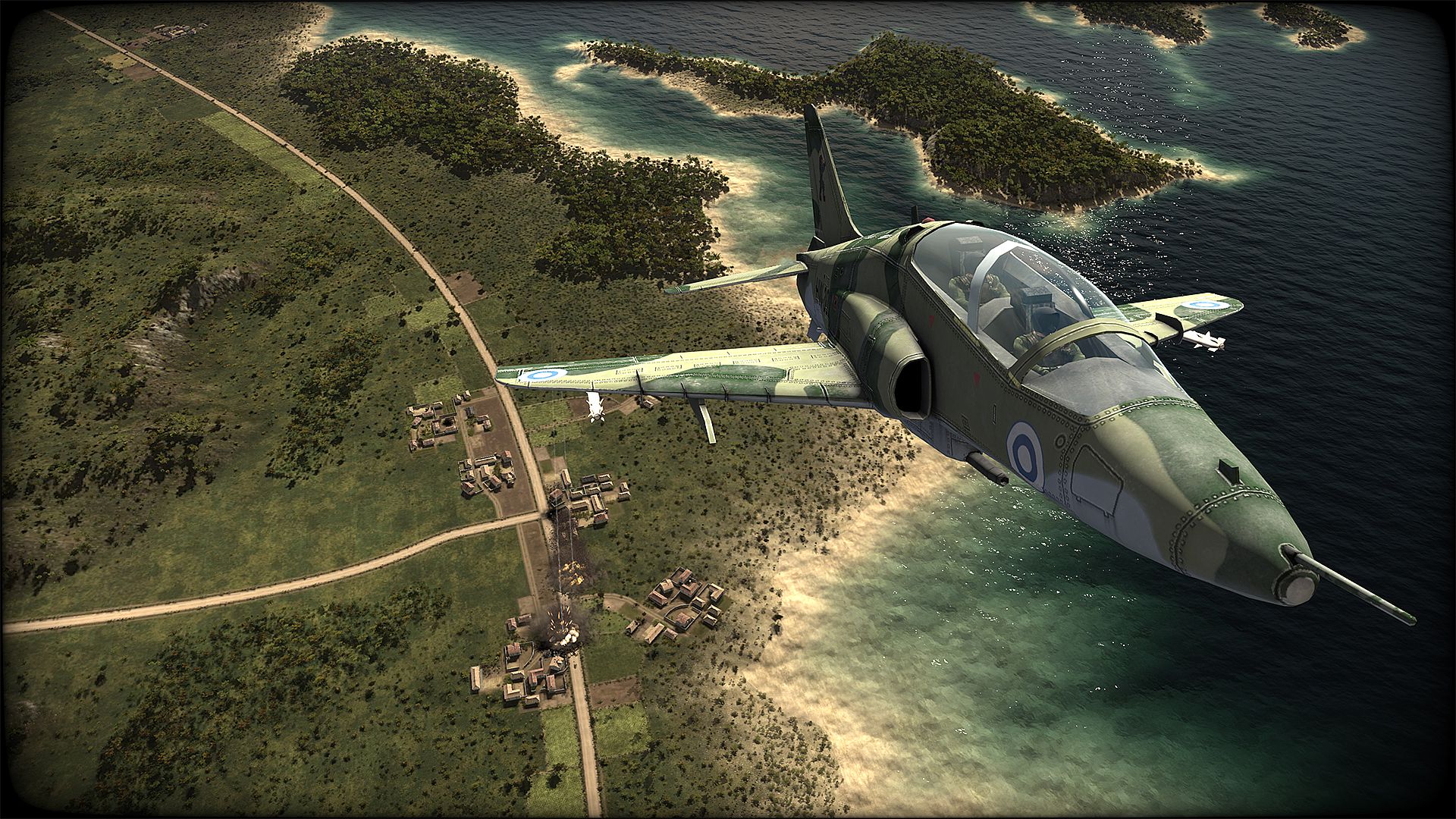
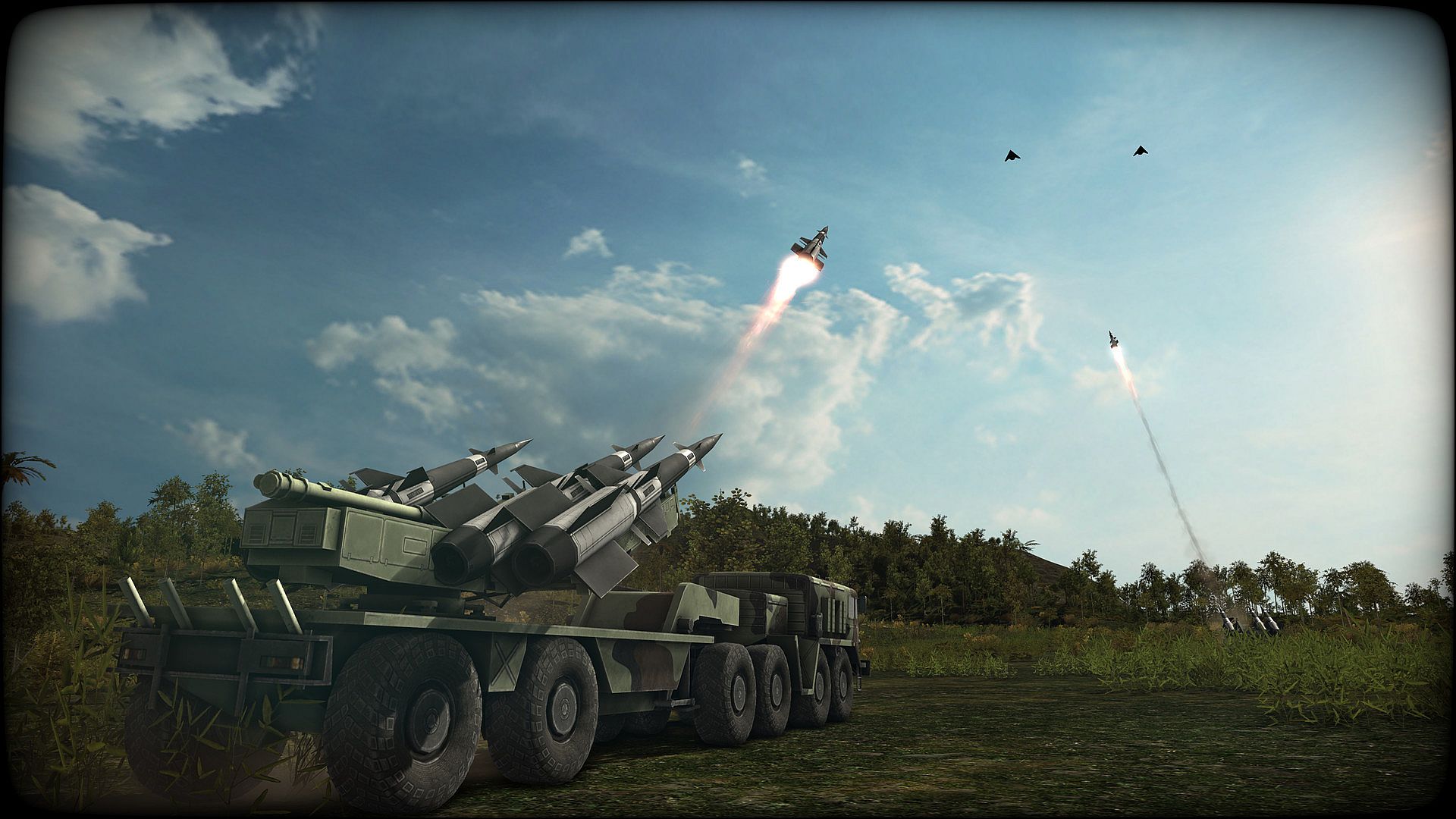
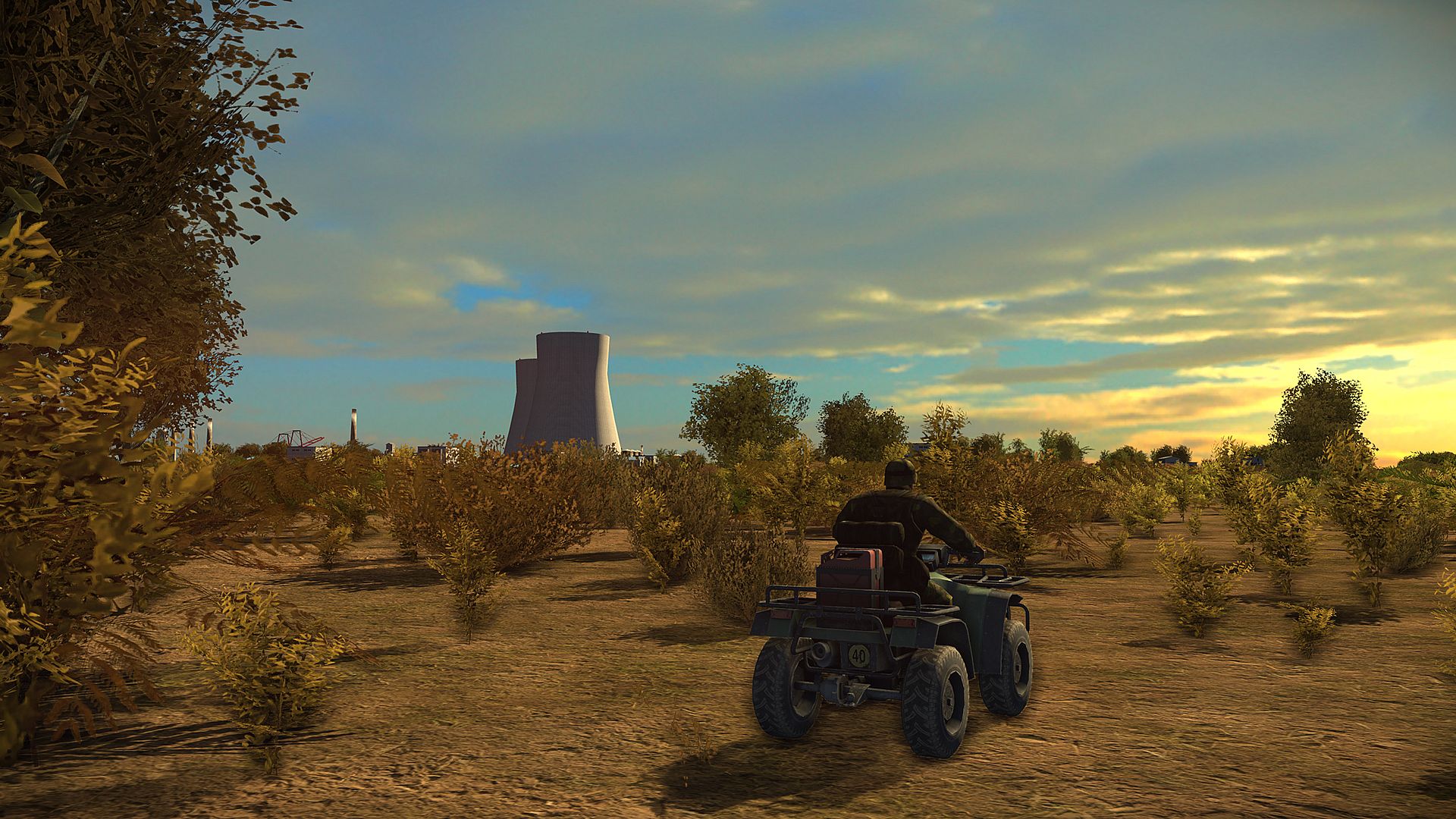
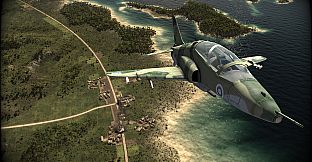
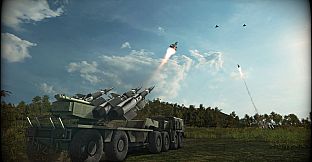
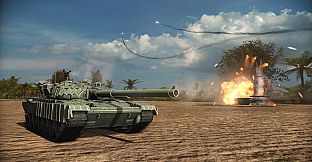
Deck construction encourages specialization, such as loading up on anti-air systems or prioritizing rapid infantry advances. Supply lines must be protected because isolated units quickly become vulnerable. The addition of Yugoslavia brings multiple variants of the M-84 main battle tank along with the heavier M-91 Vihor, supported by wheeled BOV vehicles and M-80 infantry fighting vehicles. Its air component includes seven variants of indigenous aircraft like the Jastreb, Super Galeb, Orao, and Novi. Finland contributes unique reconnaissance options, including the FDF Mönkijä all-terrain vehicle riders for stealthy scouting, paired with shock infantry and commandos equipped for close-quarters fighting. Finnish artillery ranges from heavy mortars such as the TelaKrH 66 to 122mm and 152mm self-propelled guns, complemented by modernized T-72M1MOD tanks and the StuG III known as Sturmi.
Game Modes
Four primary modes structure matches. Destruction requires eliminating the opposing force entirely. Conquest focuses on capturing and holding designated zones across the map. Siege combines elements of area control with defensive objectives. Economy emphasizes resource accumulation and efficient unit production over direct confrontation. Matches support NATO versus PACT confrontations as well as same-faction mirror matches. Up to twenty players can participate simultaneously in larger sessions, with options for smaller team or solo play.
The Added Nations in Context
Yugoslavia integrates into coalitions, notably alongside Czechoslovakia, offering a balanced mix of heavy armor and flexible surface-to-air systems. Its indigenous aircraft provide ground-attack options without relying solely on imported platforms. Finland excels in terrain-specific advantages, with reconnaissance that reveals enemy movements early and infantry strong enough to clear wooded or built-up areas. These additions increase strategic variety by introducing new counters and synergies within existing PACT lineups.
Single Player Campaigns
Five alternate-history campaigns place the player in command of forces across East Asia scenarios spanning the 1970s to 1991. Each campaign features dynamic objectives that adapt based on prior results, blending scripted missions with open-ended decision making. The single-player structure allows experimentation with the new Yugoslav and Finnish units in controlled environments before moving to competitive play.
Is It Worth Playing?
The game maintains an active player base years after release, with consistent positive feedback on its depth and unit variety. Reviews highlight the satisfaction of mastering deck building and large-scale maneuvers. It suits players who prefer deliberate planning over rapid execution, particularly those interested in Cold War-era equipment and coalition tactics. The nation pack integrates seamlessly, expanding options without altering core systems. Those seeking a complex real-time strategy title with ongoing multiplayer support will find substantial content in the combined package.