




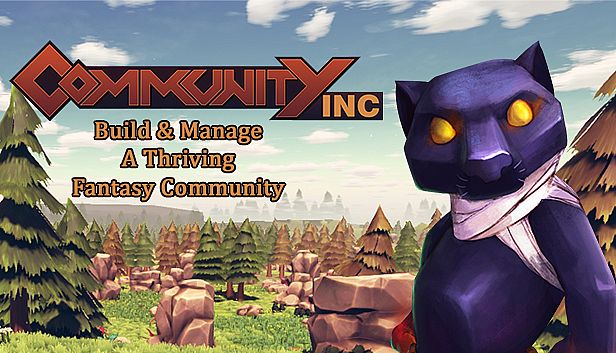












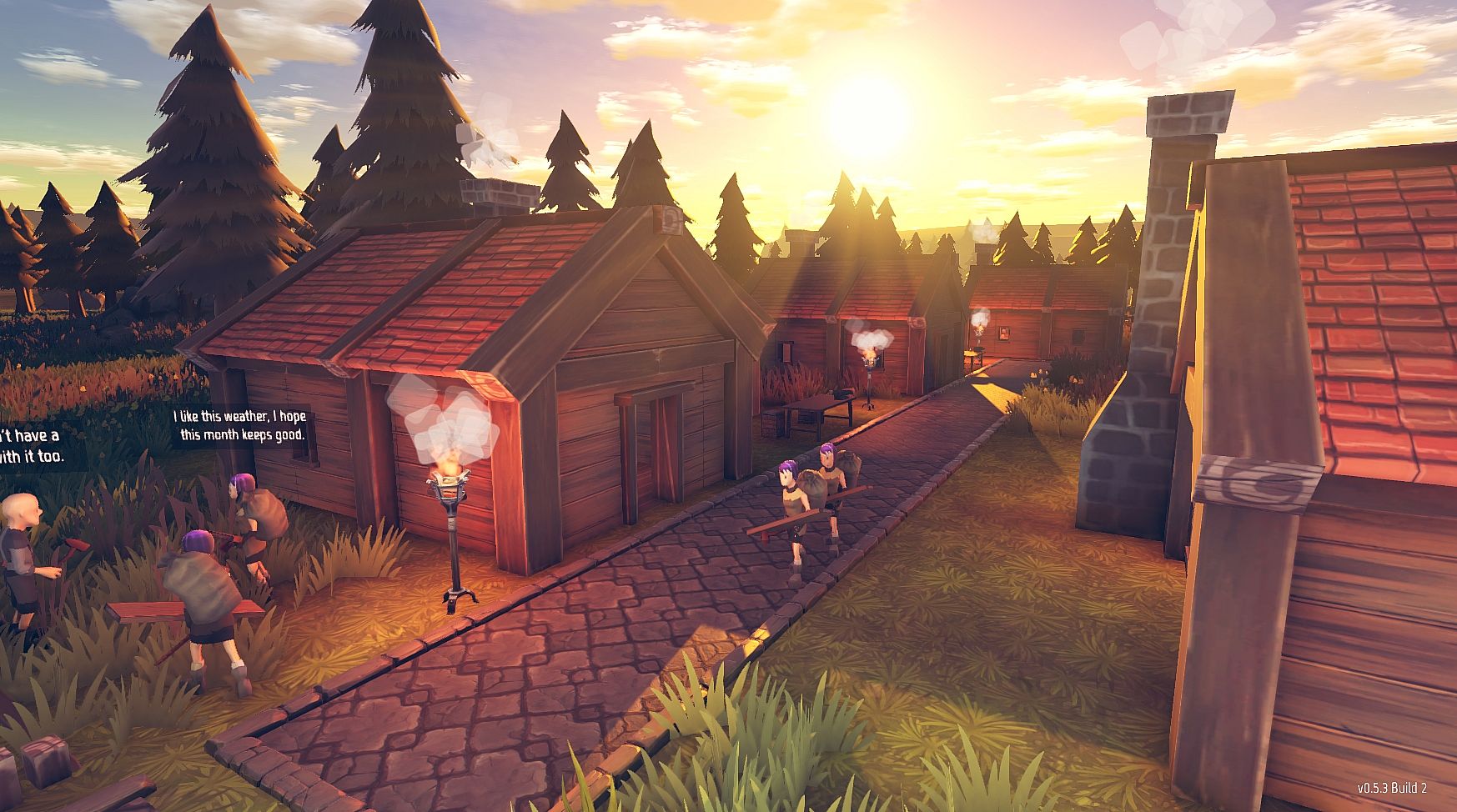
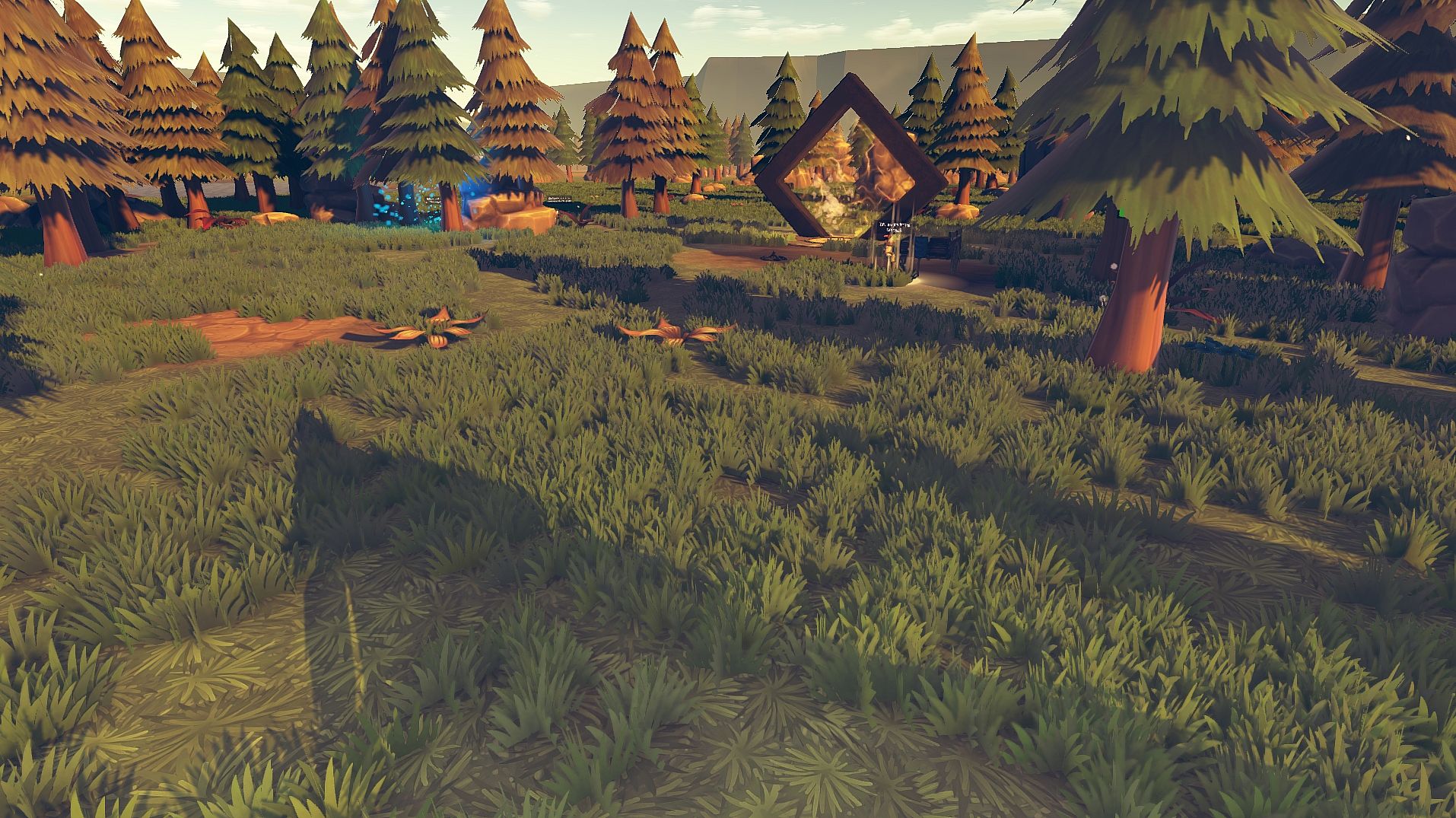
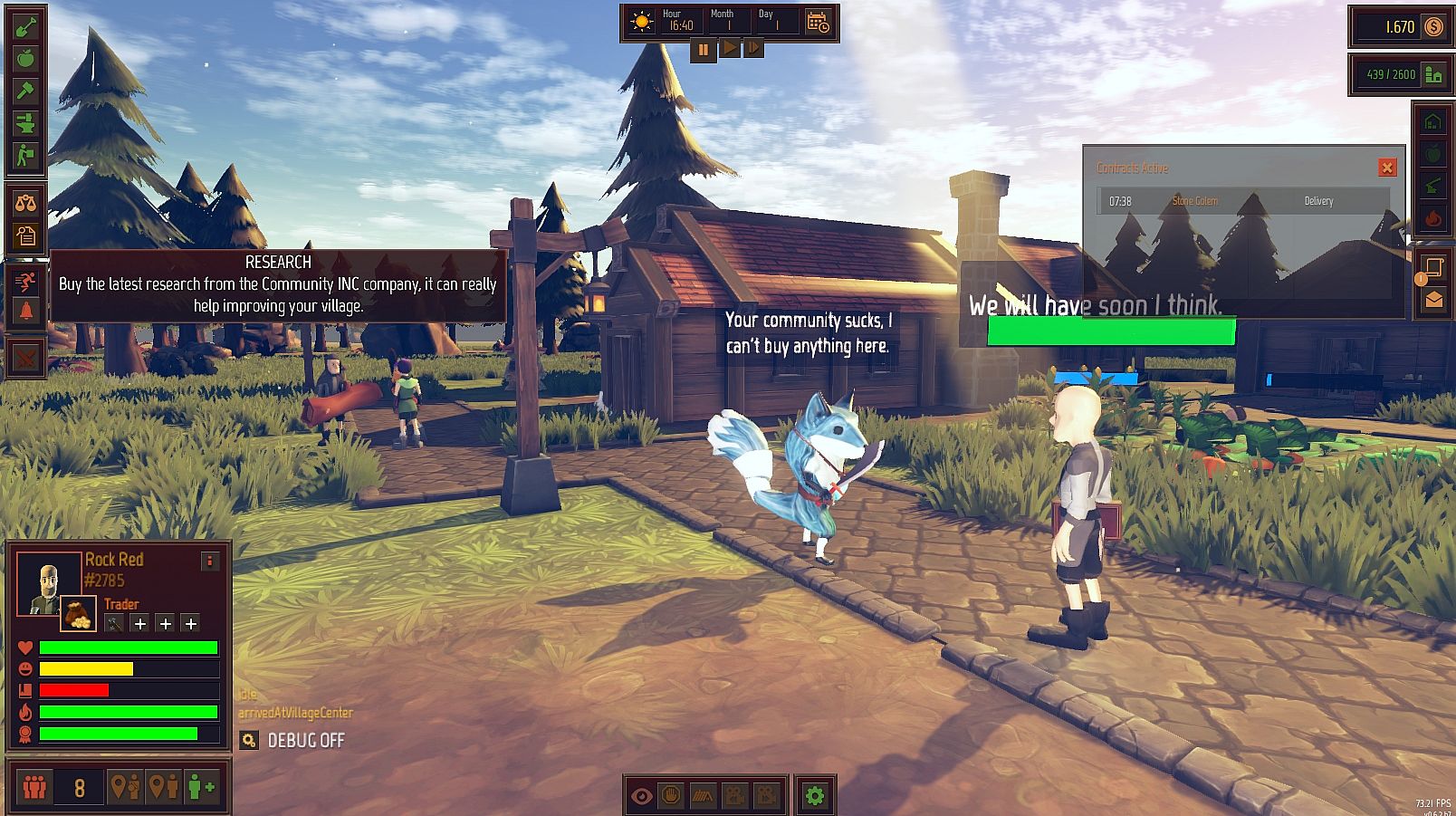
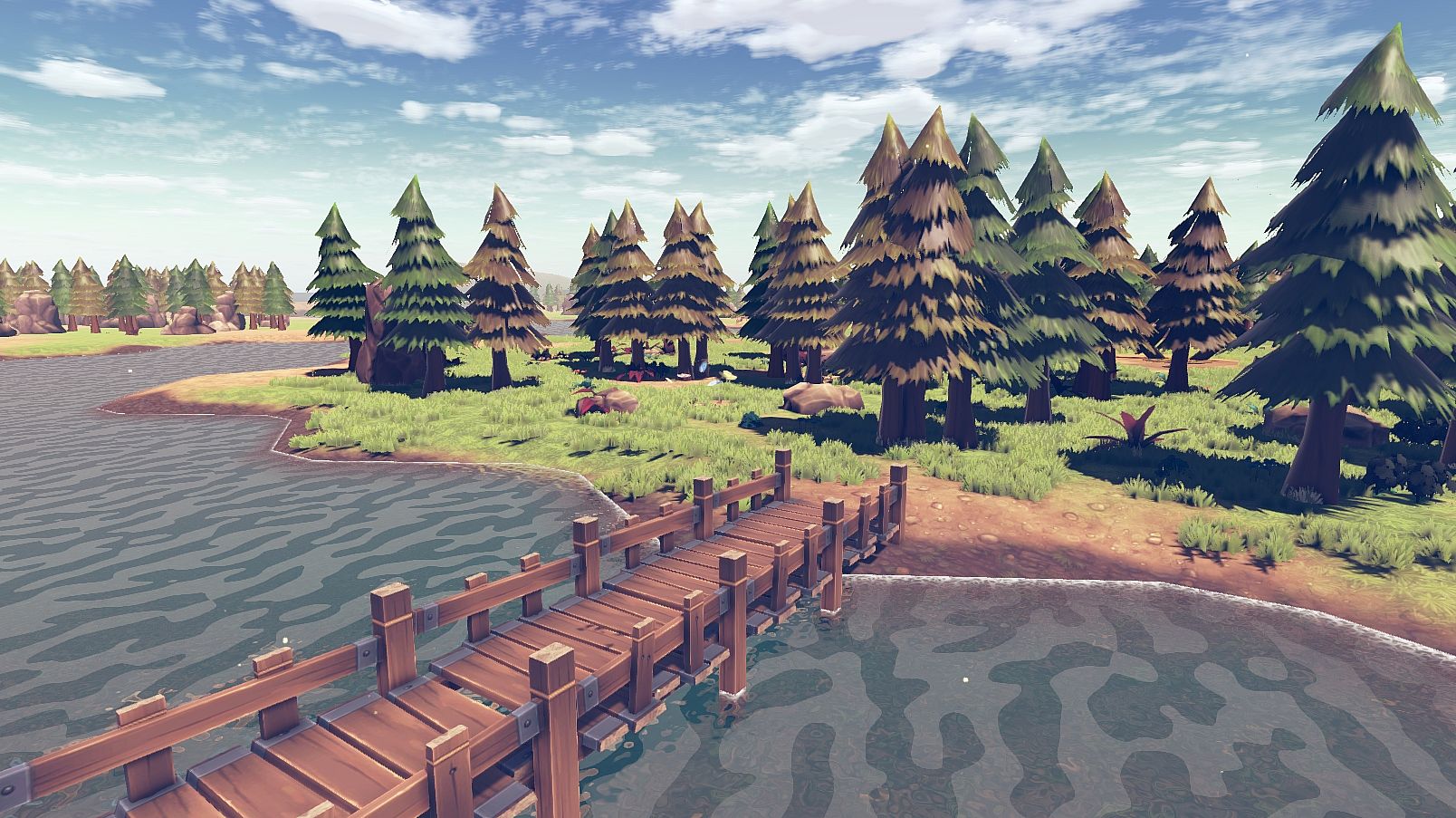
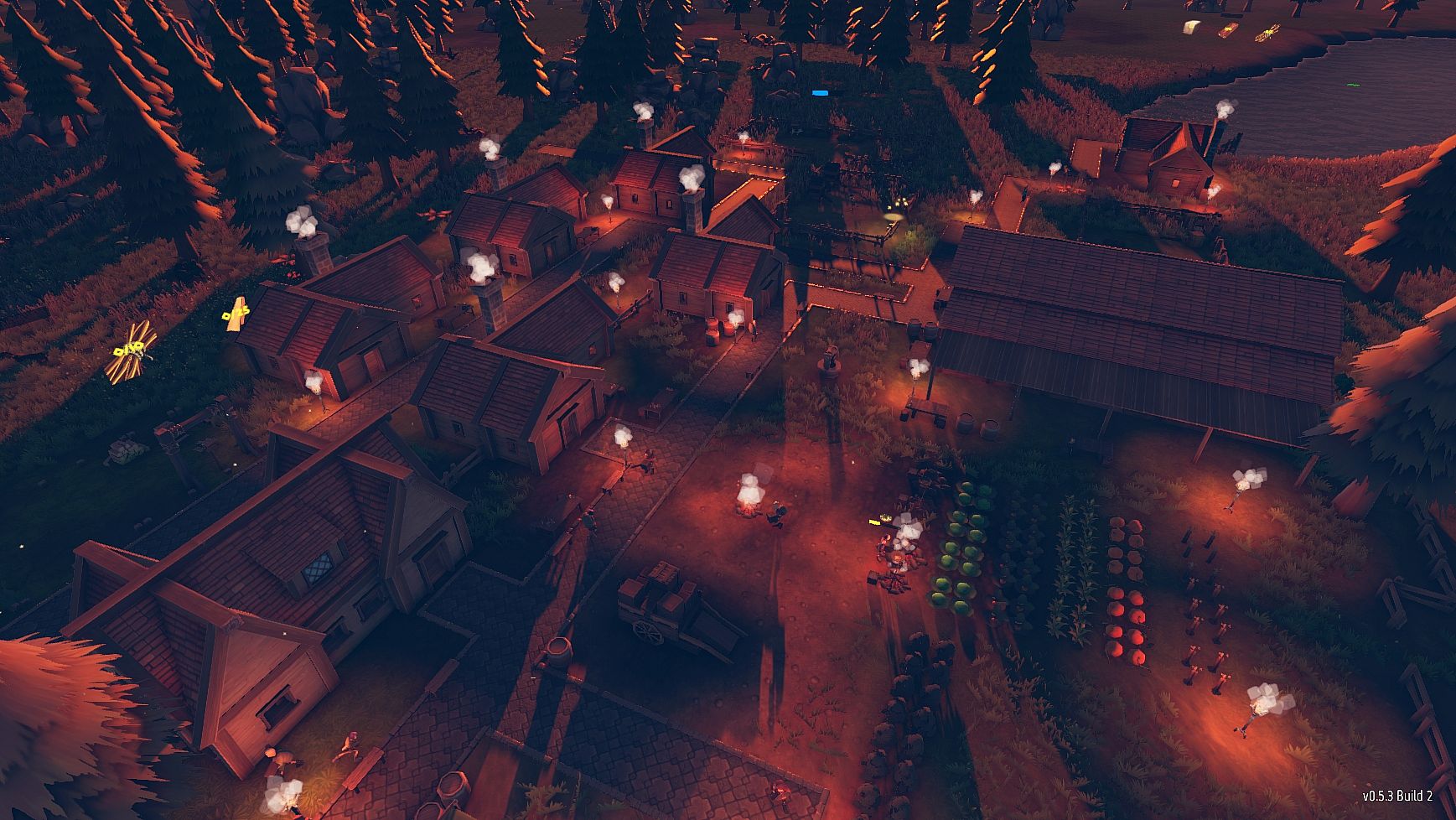
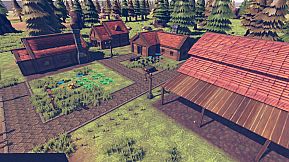
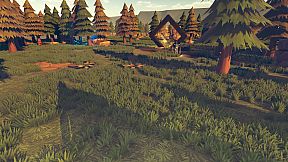
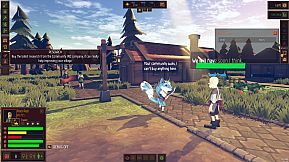
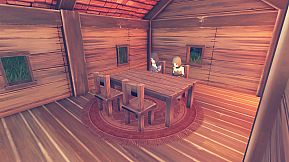
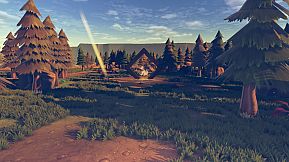
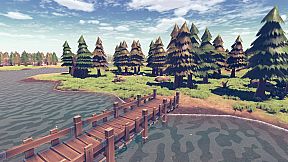
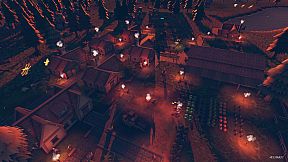
Community Inc is a strategy simulation game where players take on the role of a village manager tasked with building and maintaining a thriving community of workers known as Lings. The core loop revolves around constructing buildings, managing resources, and balancing the needs of inhabitants while interacting with external elements like other races and environmental factors. Released as an indie title for PC, it emphasizes detailed oversight of daily operations in a setting that blends village construction with economic goals tied to portal energy and trade profits.
Gameplay
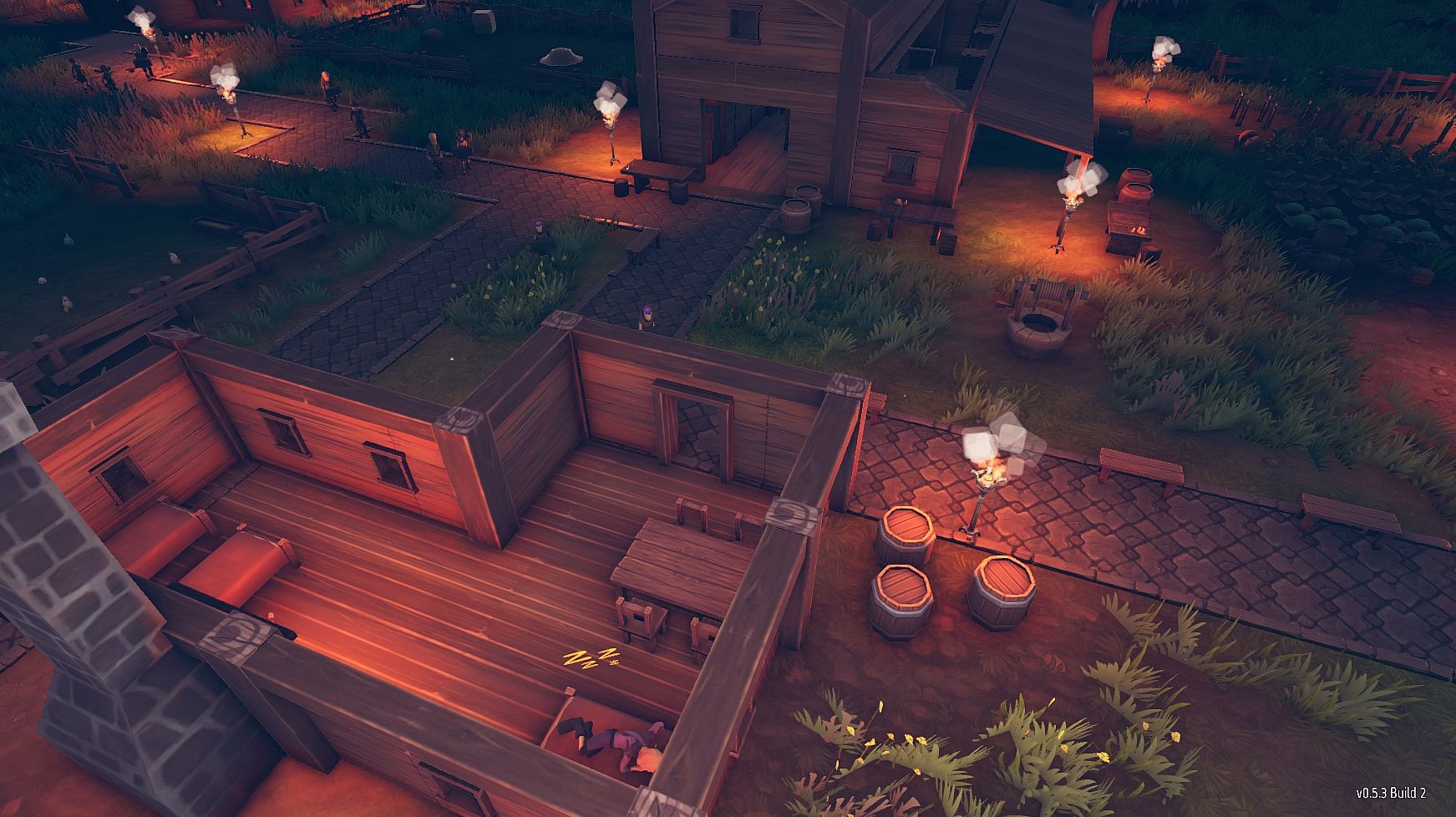
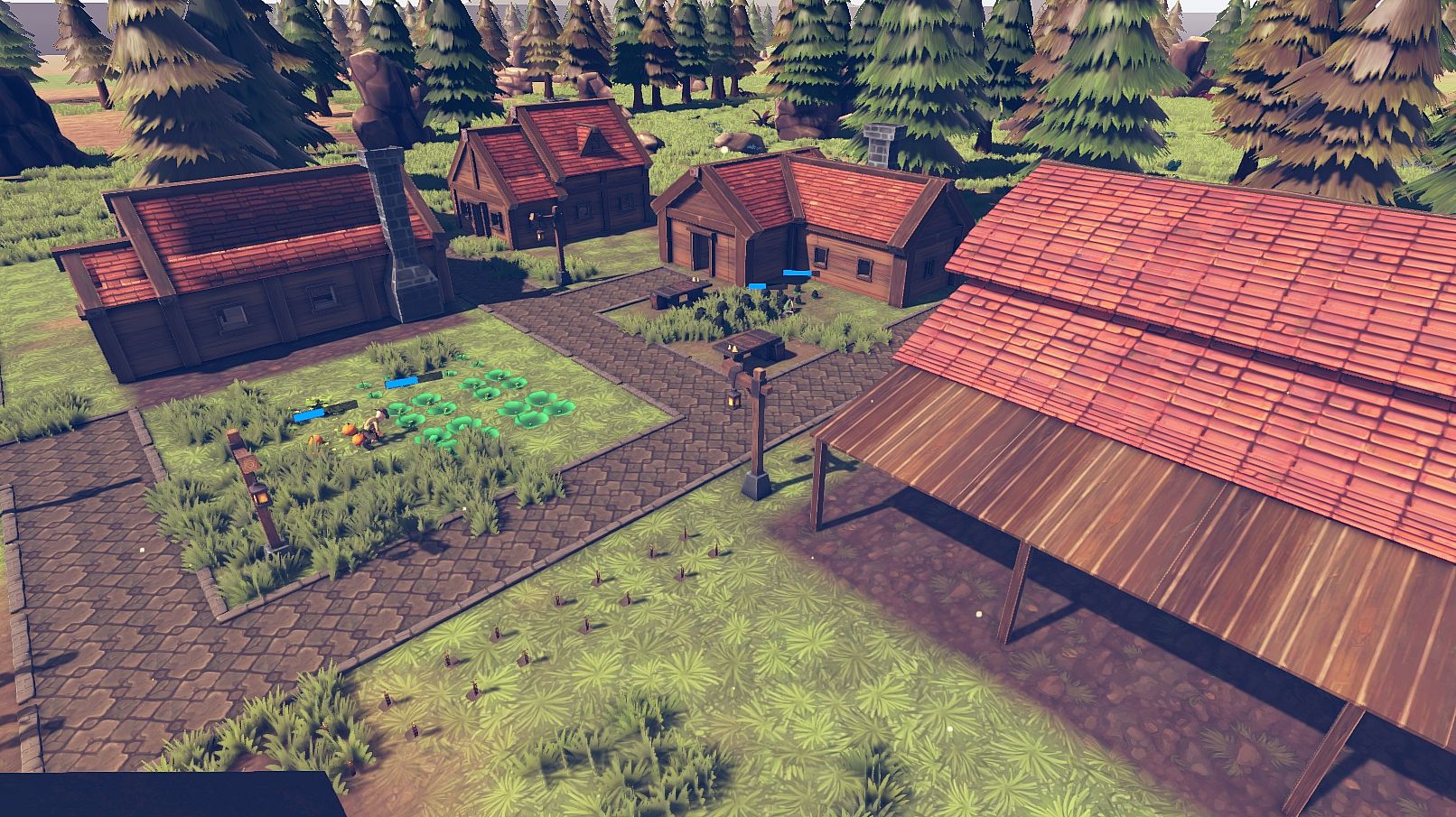
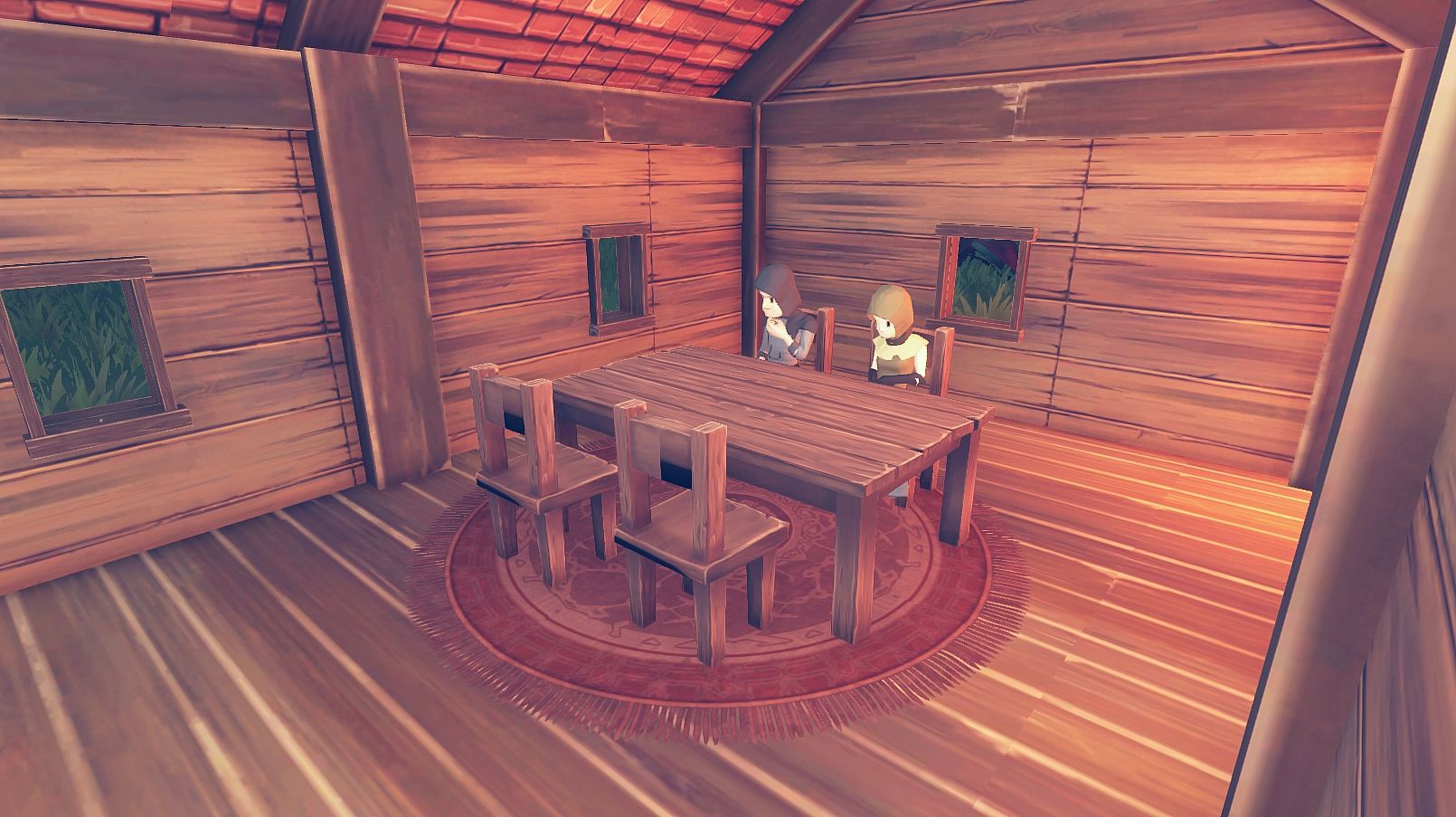
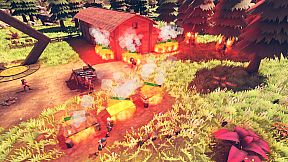
Players start by laying out village structures using a variety of building types and over 150 craftable items. Decisions about placement matter, such as adding storage furniture to houses or laying roads to speed up worker movement. Every object serves a purpose in supporting the community or advancing production chains.
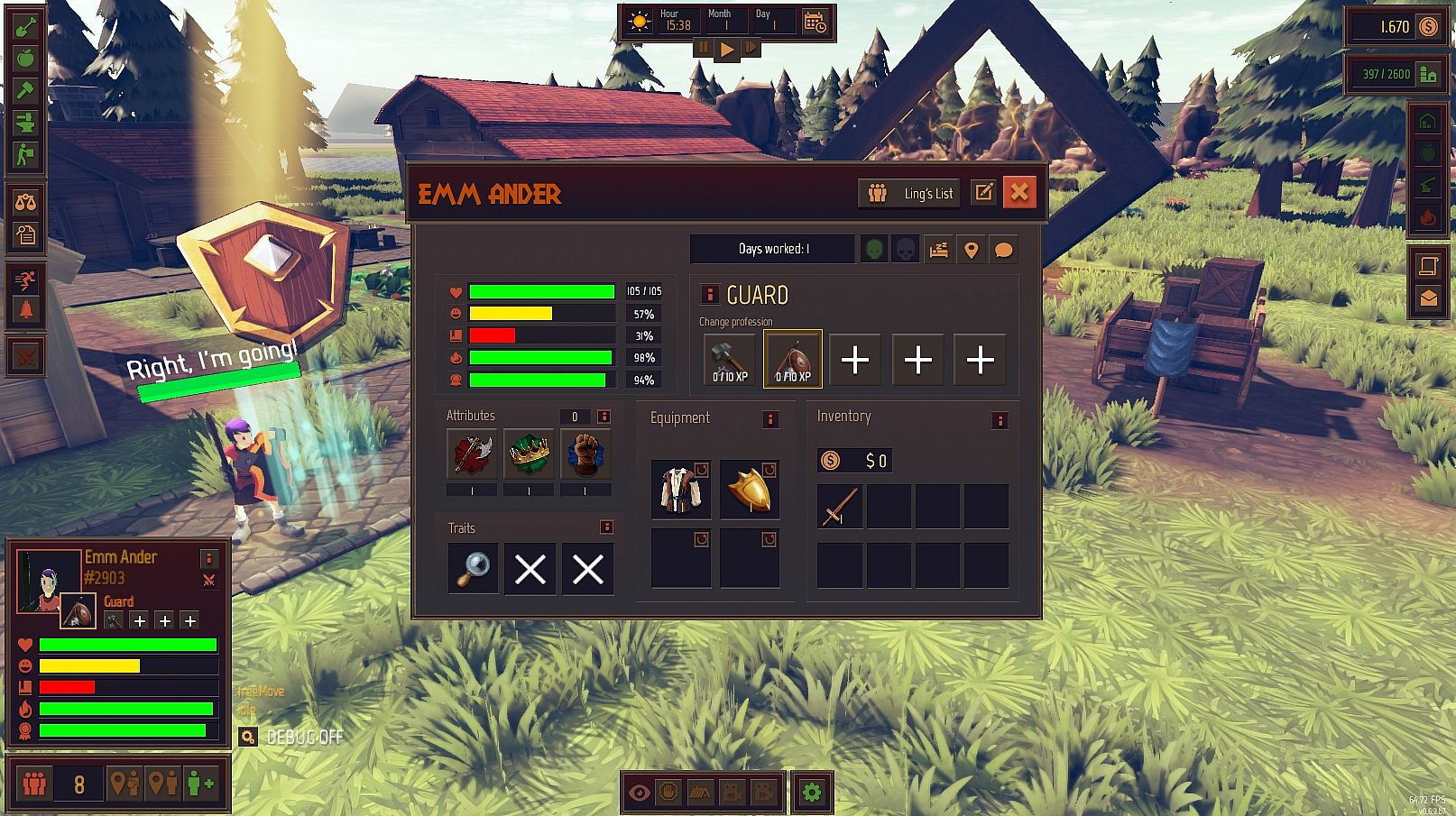
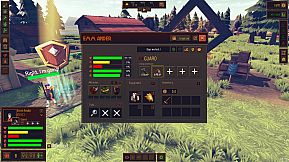
The Lings serve as the primary workforce. They require wages, food, clothing, and suitable living conditions to remain productive. Players assign tasks, monitor individual stats and traits, and intervene when conflicts arise among them. These workers can also create unexpected issues, including fights or property damage, requiring constant attention to their attributes and environment.
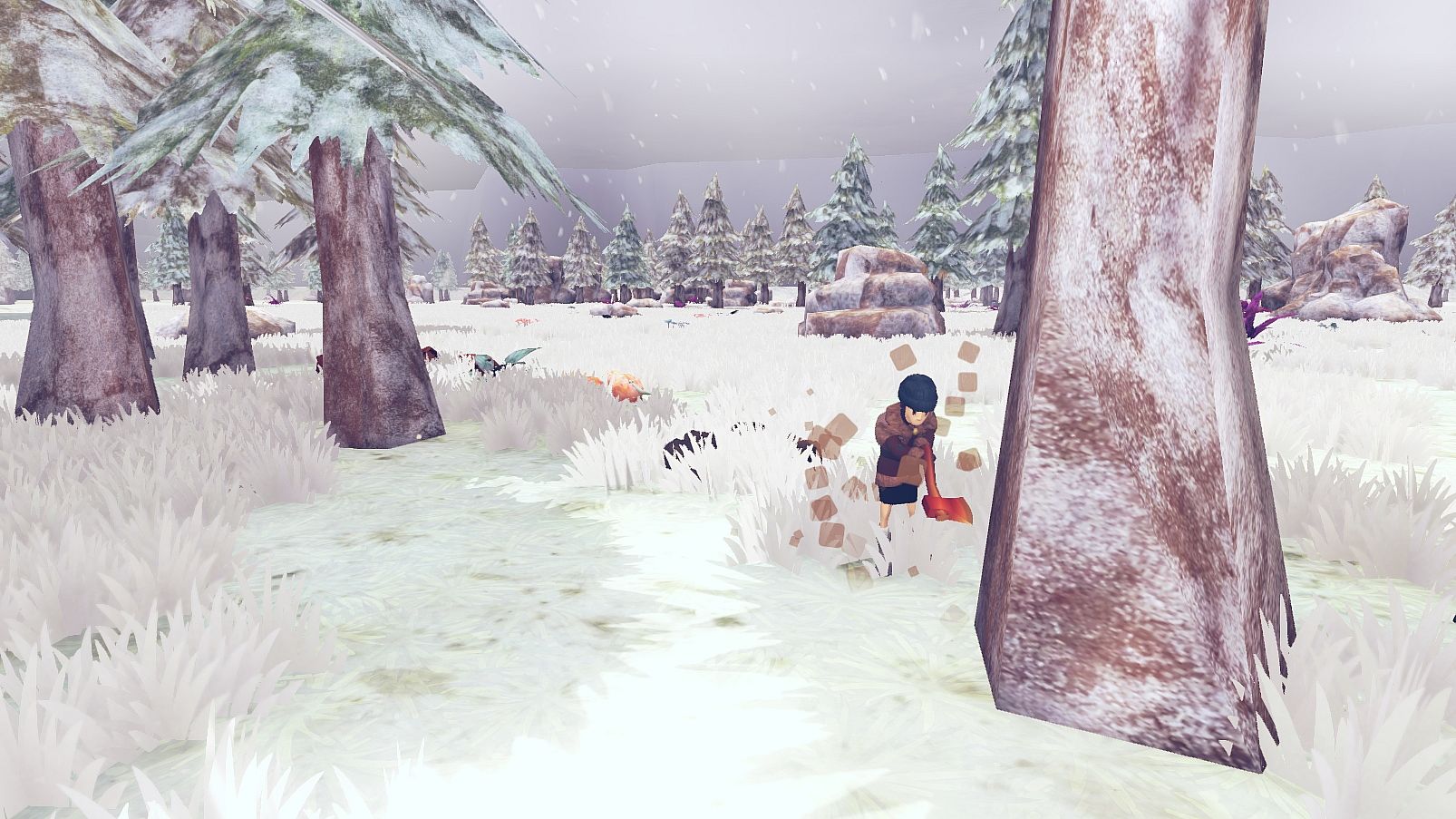
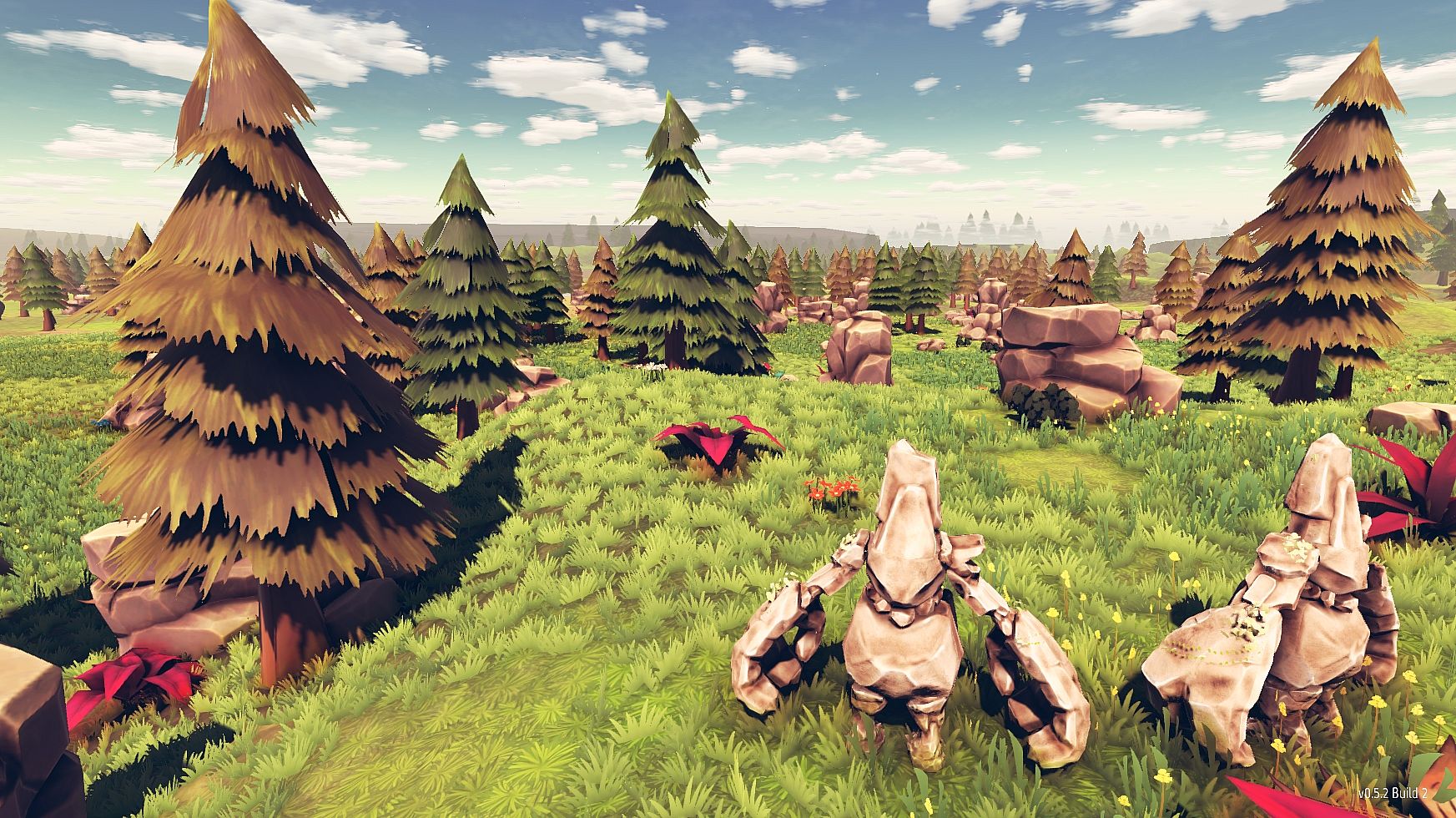
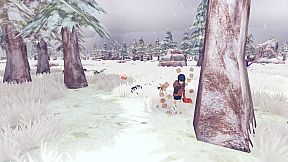
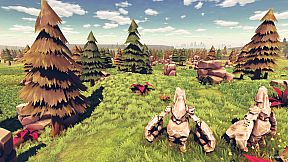
External interactions add layers to management. Encounters with other creatures allow for trade, alliances, or combat. Treasures collected from exploration can be sold or integrated into village operations. Weather systems alter visuals and mechanics, such as increased illness risk during rain or snow, which demands better protective gear. Random events introduce sudden challenges that can disrupt food supplies or worker morale.
Contracts provide opportunities to generate Surplus, the in-game currency, by fulfilling specific requests. This income supports expansion. If circumstances deteriorate, players have the option to liquidate the entire settlement rather than continue struggling.
Game Modes
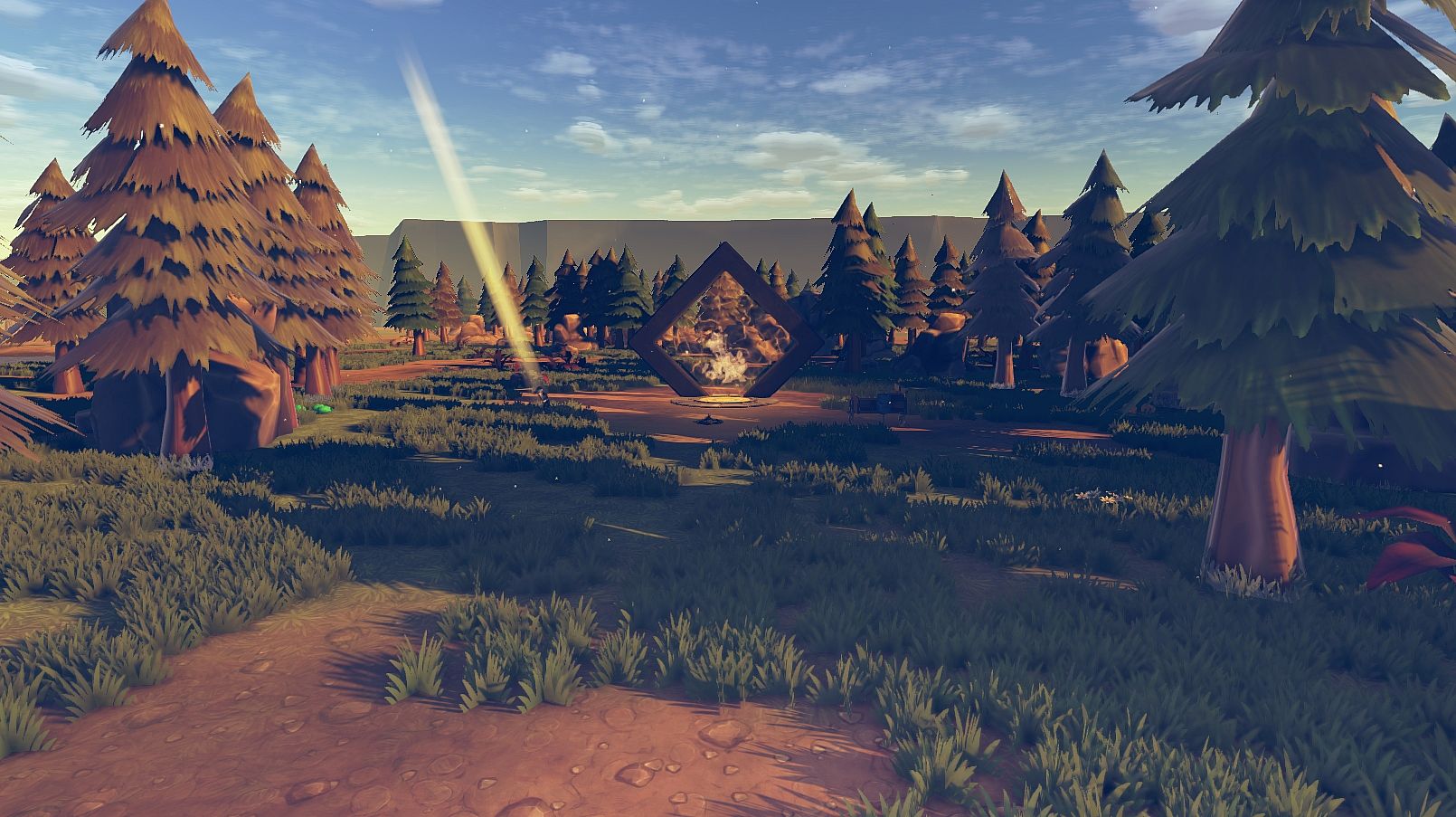
The game features sandbox-style maps that generate randomly based on an initial player profile, offering varied starting conditions and natural layouts each time. These maps encourage experimentation with different building strategies and worker assignments amid procedural elements.
Custom maps allow players to design their own environments from scratch. This mode supports freeform construction without the constraints of random generation, focusing purely on creative village planning and long-term management.
Both approaches incorporate the same underlying systems for worker oversight, crafting, and external events. No separate competitive or cooperative modes exist beyond these single-player formats.
Key Mechanics and Systems
Resource management ties directly into worker well-being and village efficiency. Crafting covers essentials like clothing for weather resistance and tools for defense against threats such as thieves or hostile creatures. Armor and weapons become relevant when facing combat situations during explorations or events.
Economy centers on Surplus accumulation through contracts and trade. Profits fund growth, while poor decisions can lead to shortages or unrest. The ability to sell the village acts as a reset mechanism for players facing unsustainable situations.
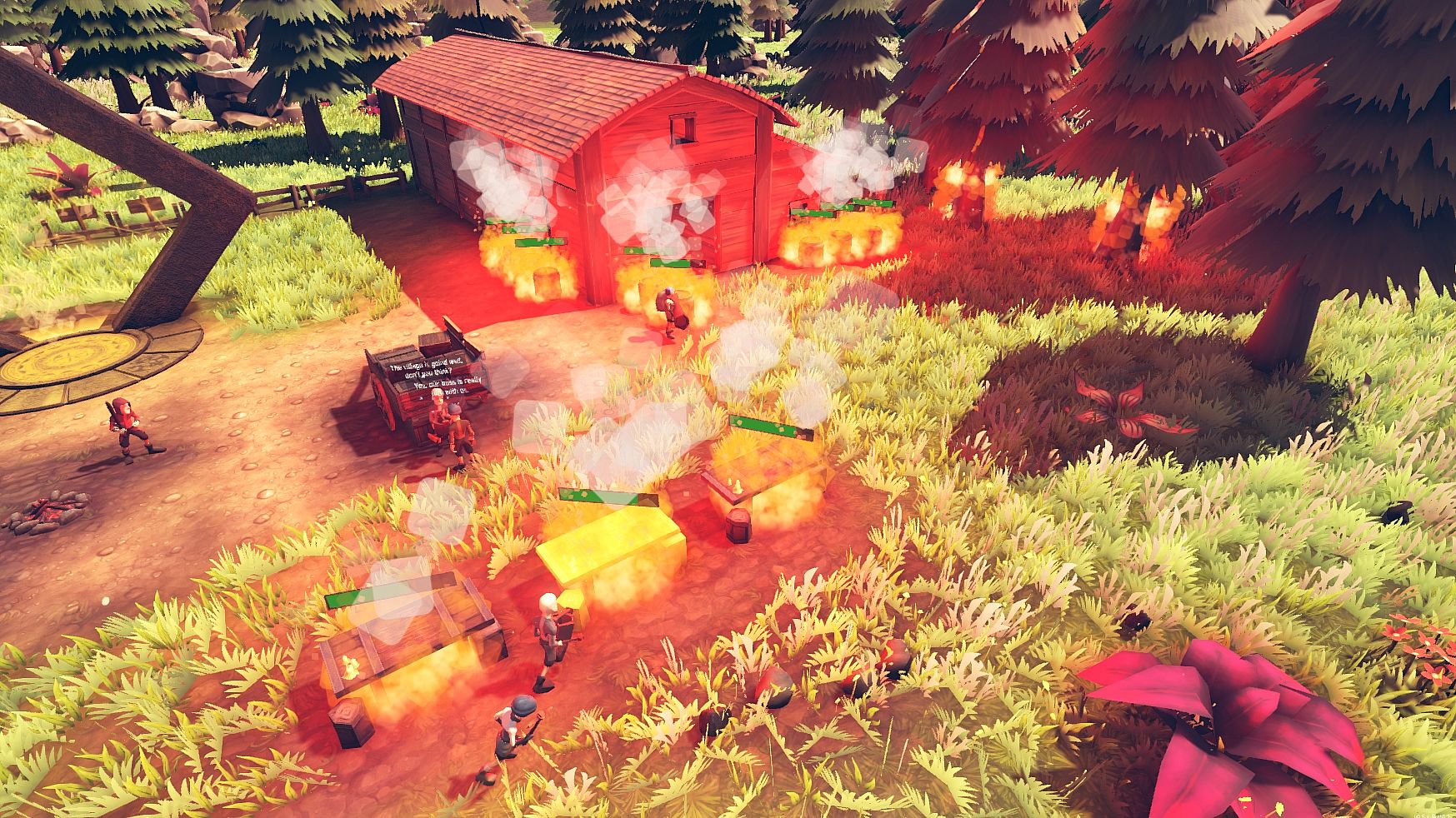
Environmental and event systems create variability. Weather affects movement, health, and production, while unexpected occurrences can shift a stable setup into crisis mode rapidly. These elements encourage adaptive planning rather than static builds.
Is It Worth Playing?
Community Inc appeals to players who enjoy hands-on simulation with heavy emphasis on individual worker management and iterative building decisions. Its systems reward careful observation of needs and proactive responses to problems like internal conflicts or weather shifts.
Reception highlights strengths in its relaxed pace and visual style alongside criticisms of repetitive tasks and occasional technical issues. Those drawn to detailed indie strategy titles may find satisfaction in the depth of village oversight, while others seeking lighter experiences or frequent updates could find the mechanics demanding over extended sessions.
The game remains available as a complete standalone experience without ongoing seasonal content or major expansions. It suits dedicated fans of simulation genres who appreciate micromanagement loops and procedural variety in map setups. Players interested in economic trade-offs and community maintenance will encounter consistent challenges tied to the verified mechanics of worker traits, crafting, and external interactions.















