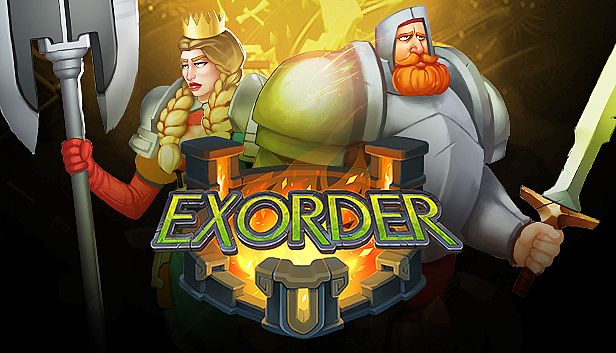











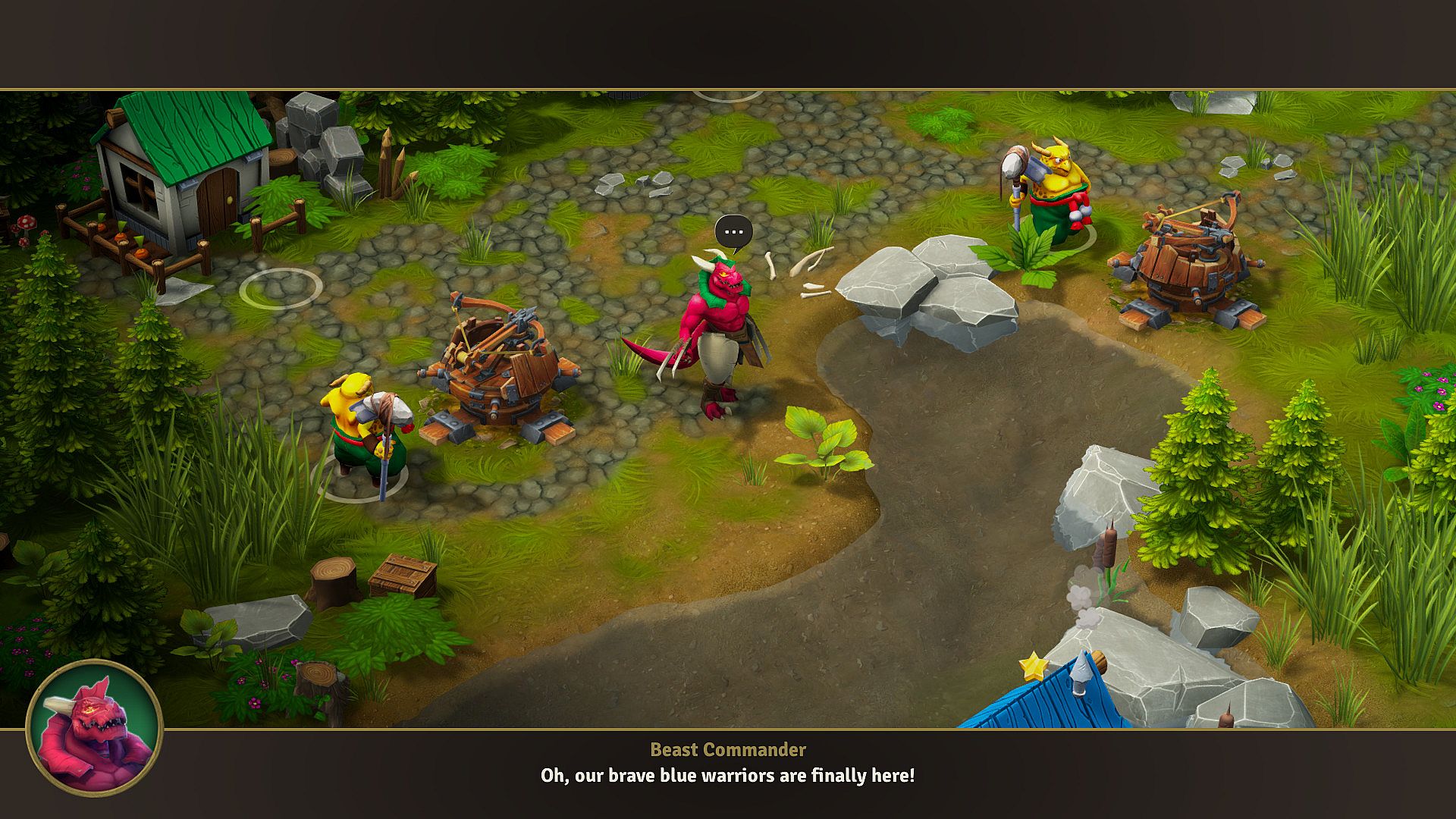
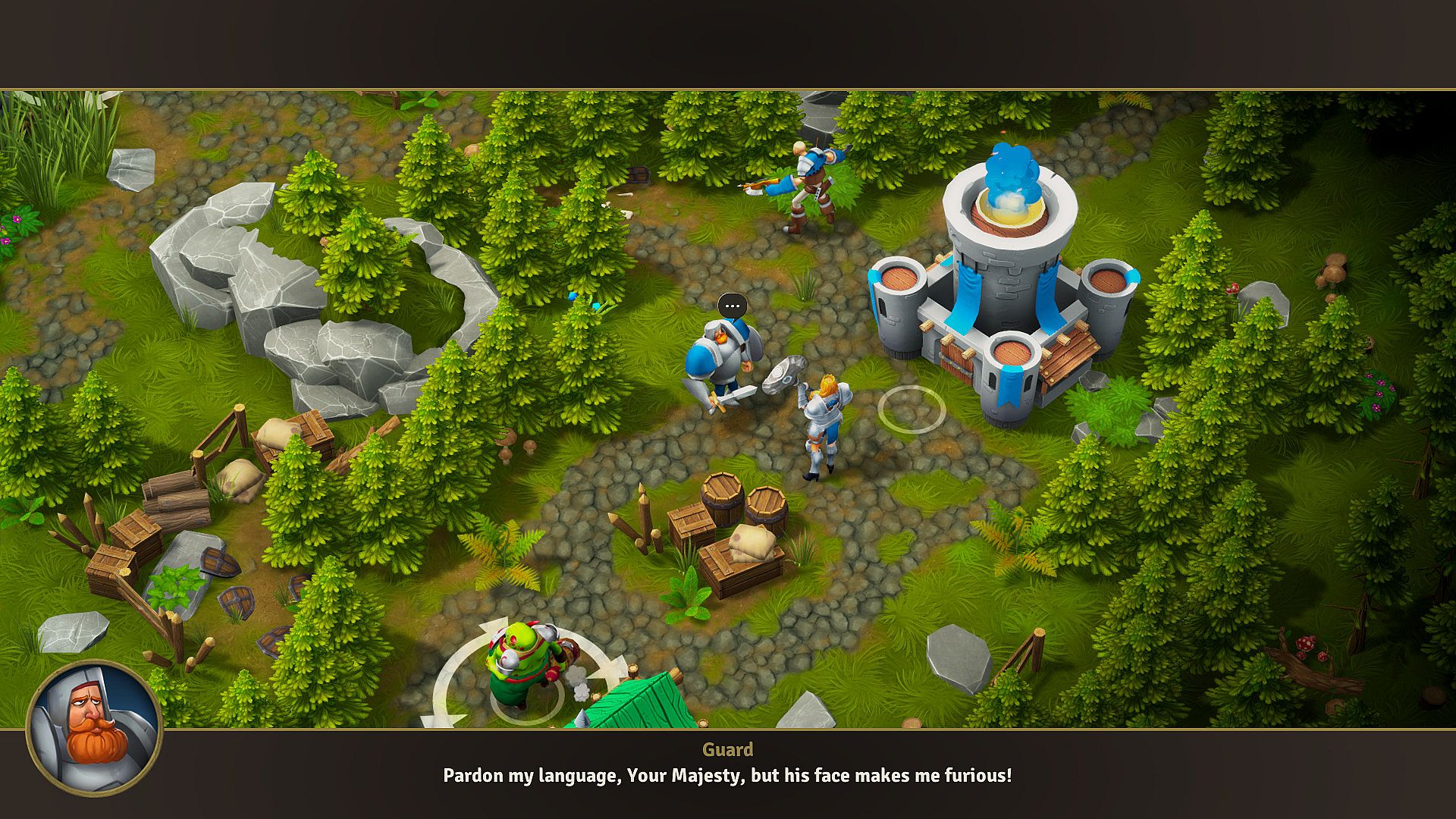

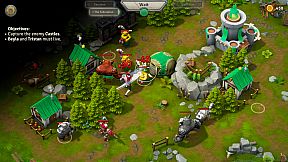
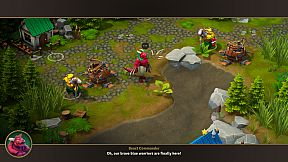
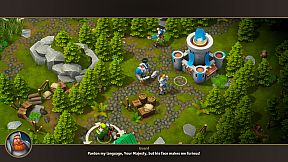
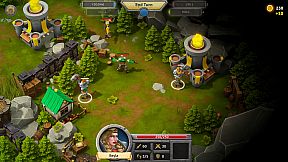
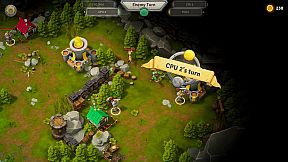
Exorder is an indie turn-based strategy game set in a colorful fantasy world where players command armies in tactical battles. The core premise revolves around a succession struggle in the kingdom of Cerulean, with Princess Beyla and Prince Tristan vying for the throne amid alliances and rivalries from neighboring lands. Developed by the small team at Solid9 Studio, the title emphasizes accessible combat mechanics paired with layers of unit positioning and ability timing that reward careful planning over raw aggression.
Gameplay
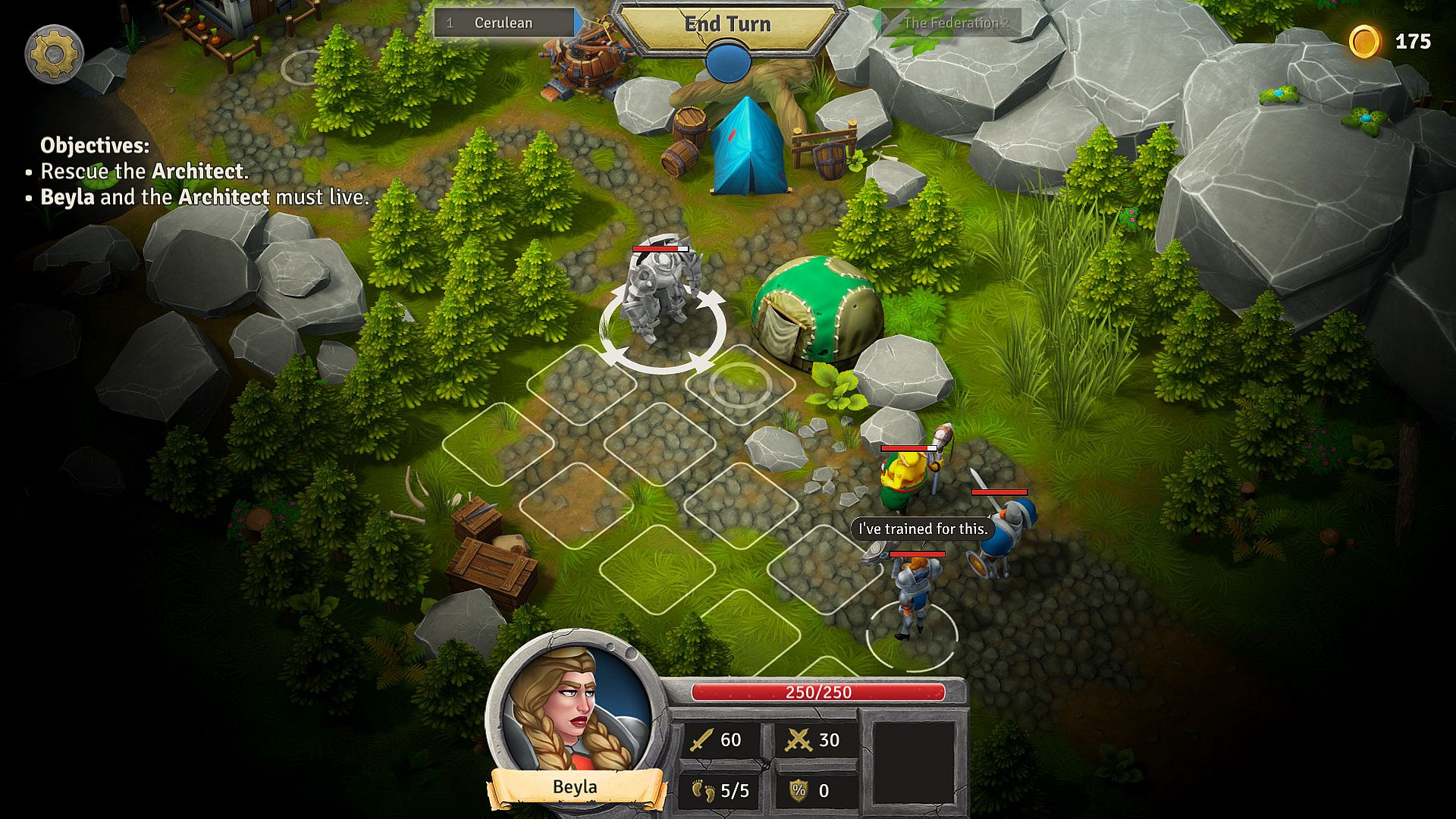
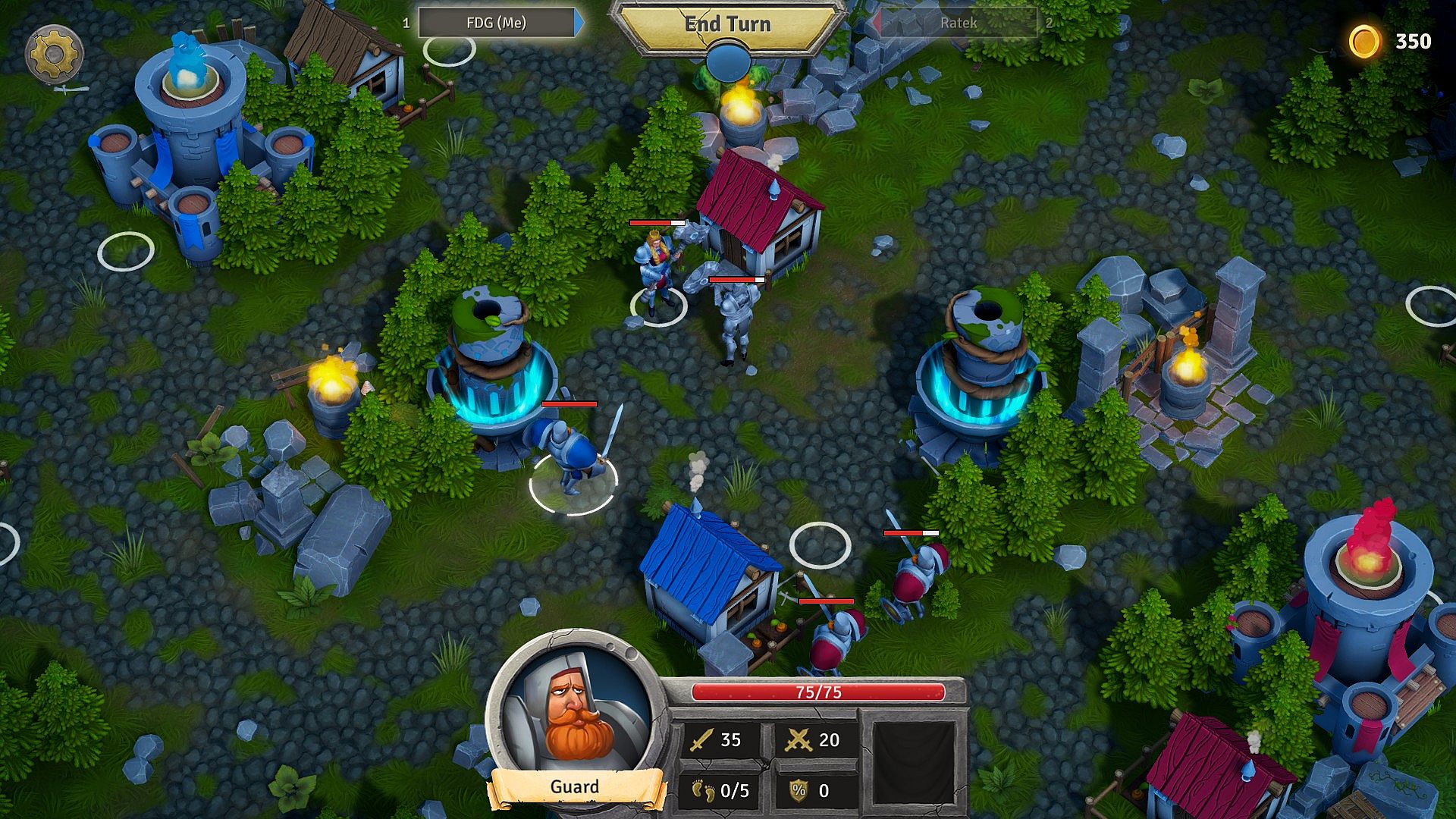
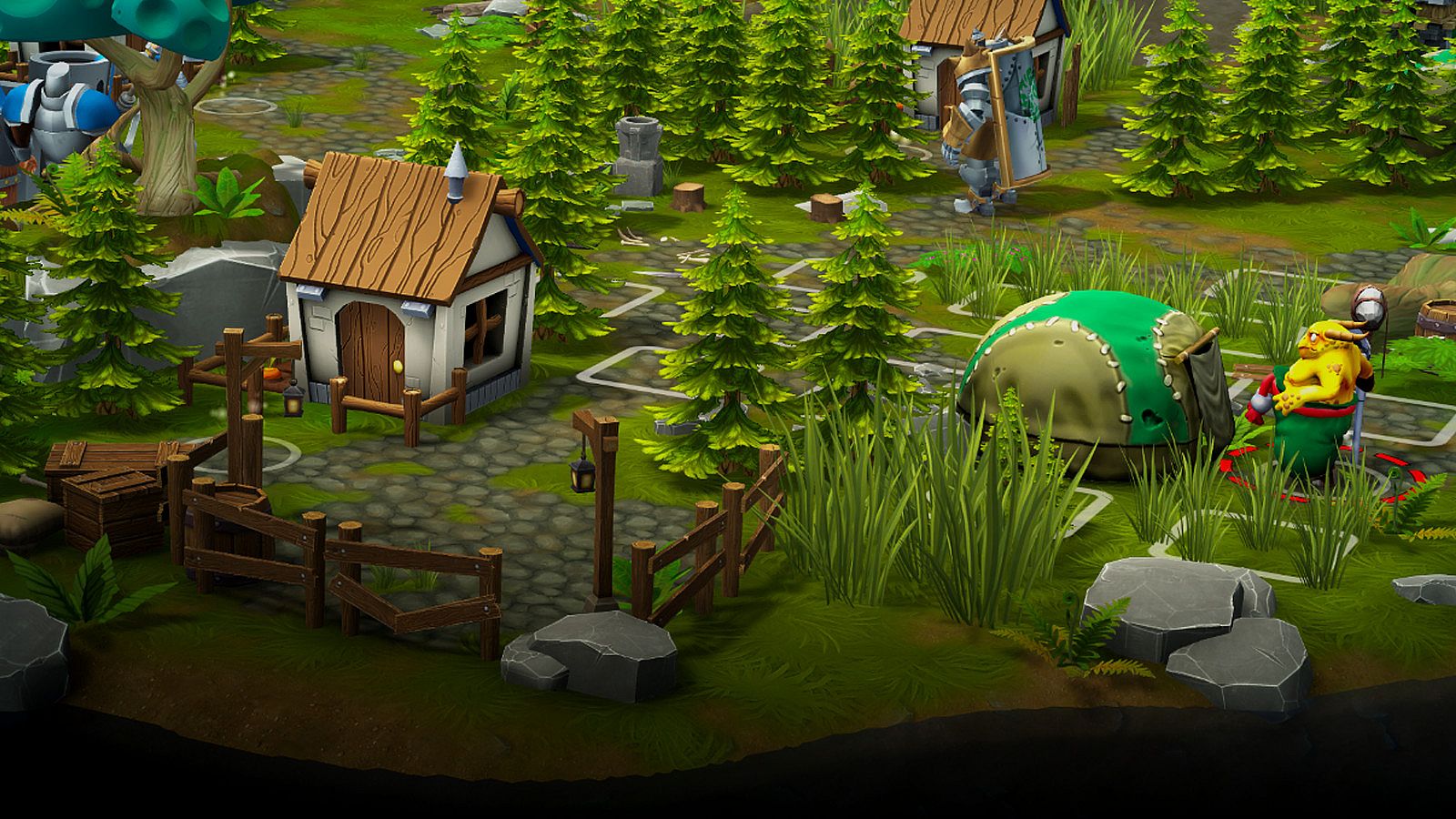
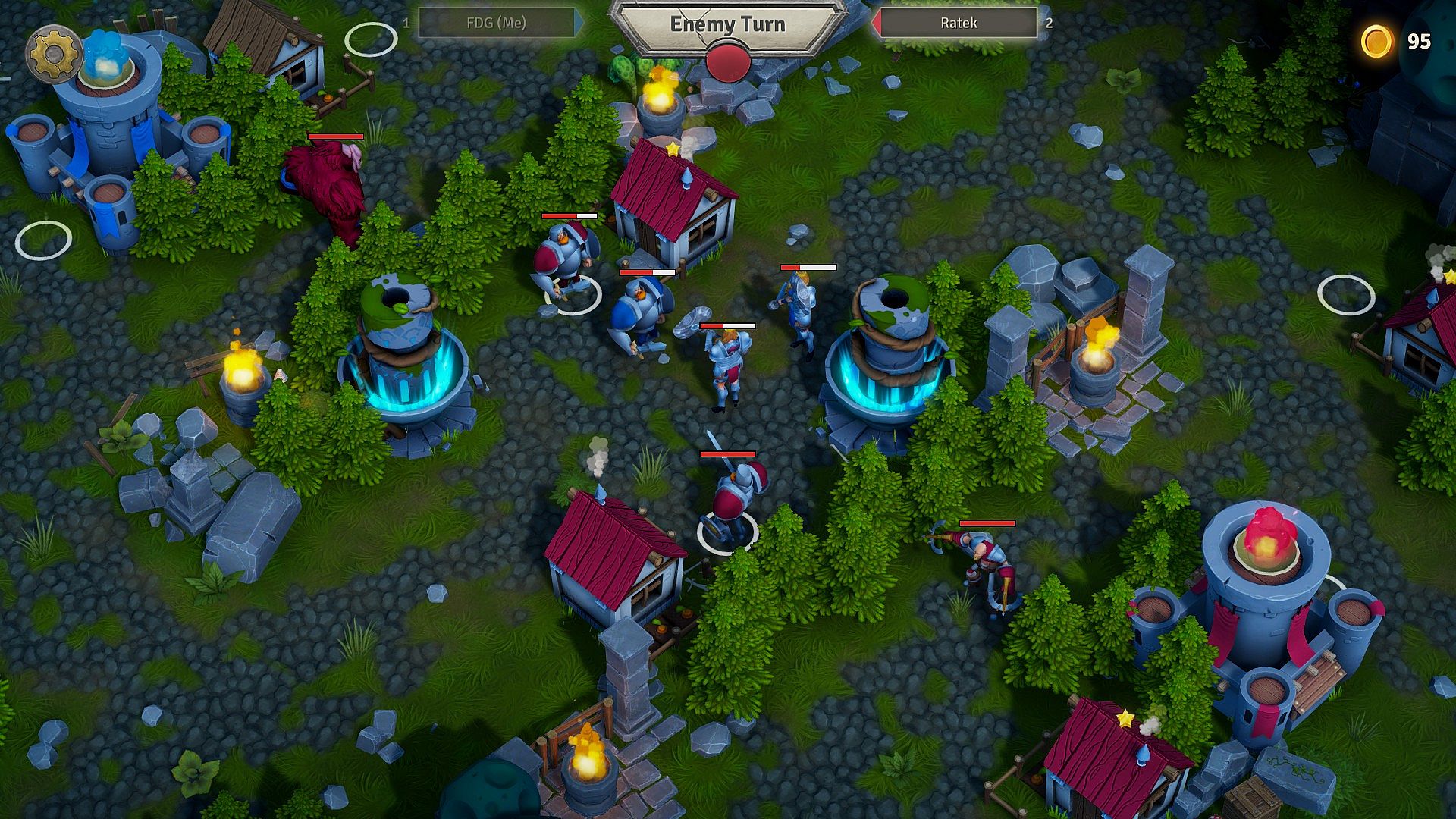
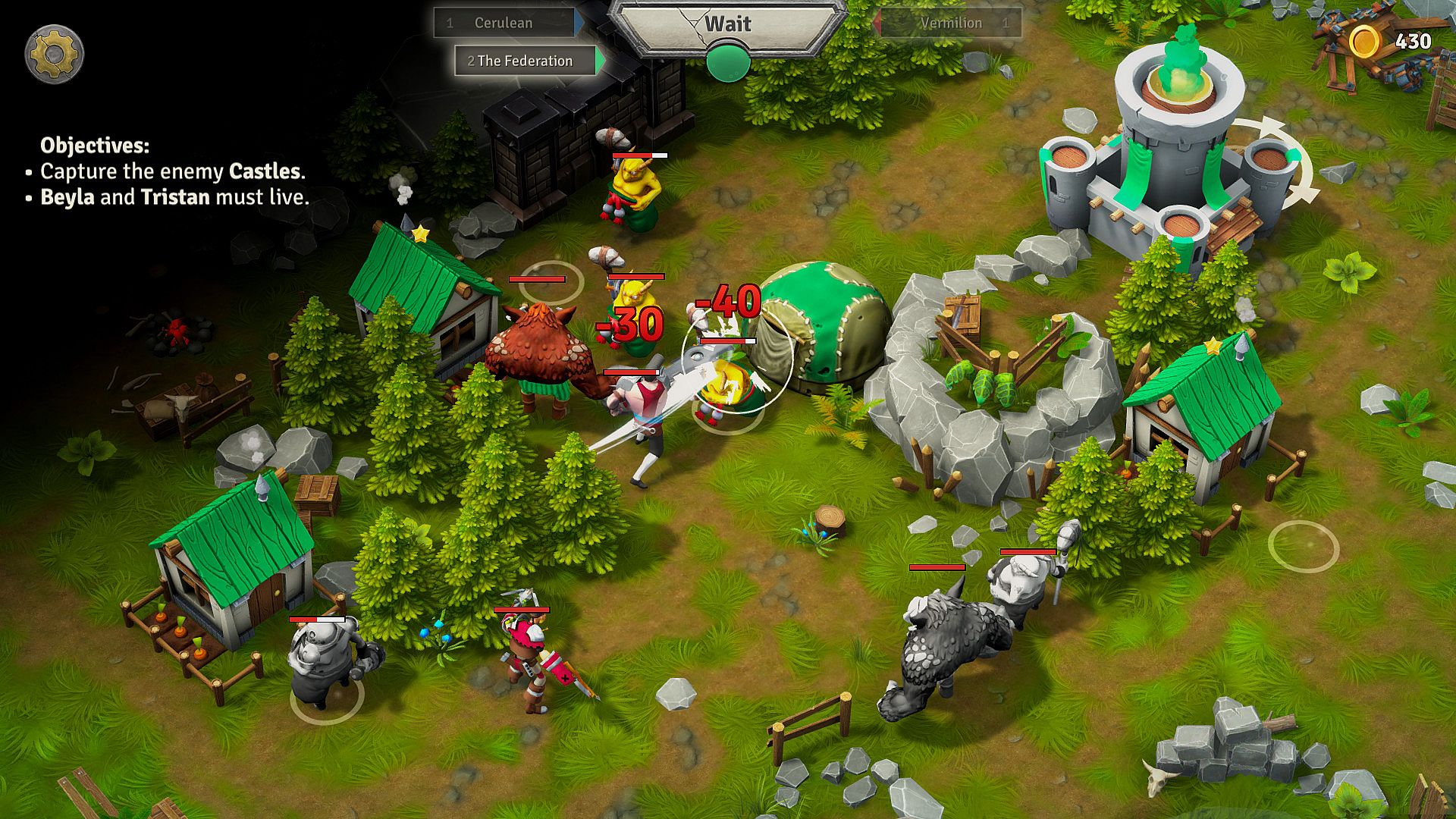
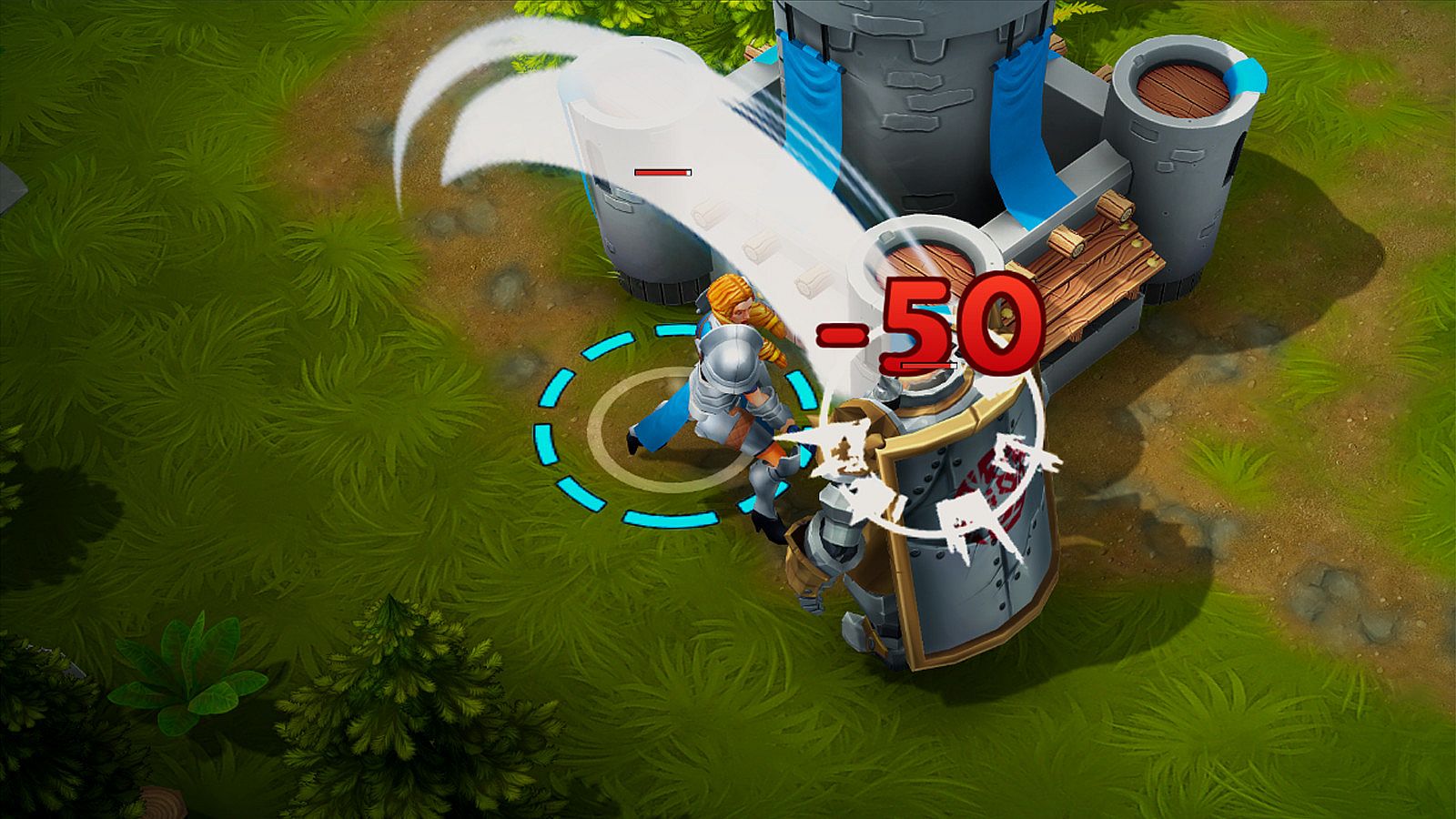
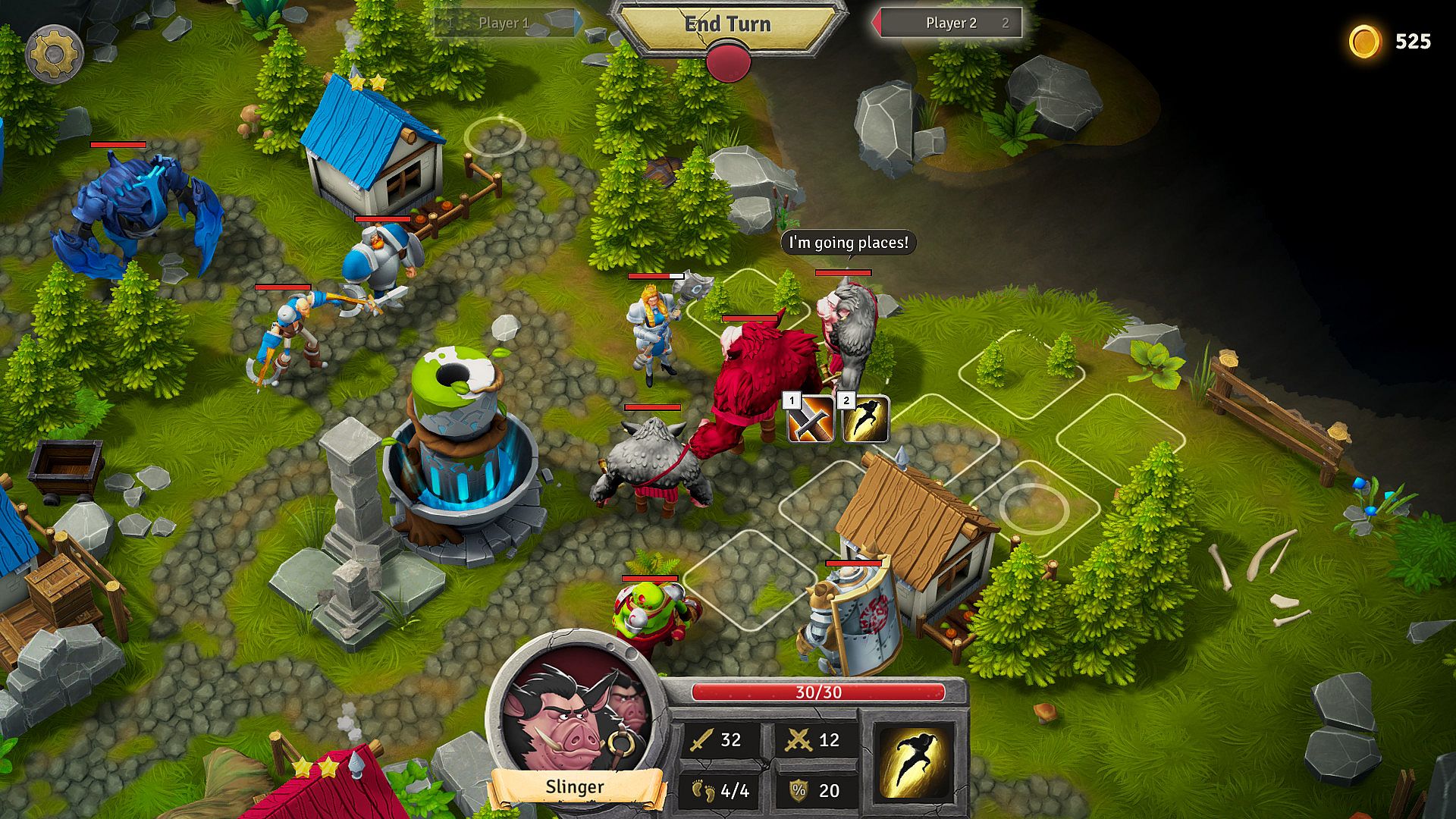
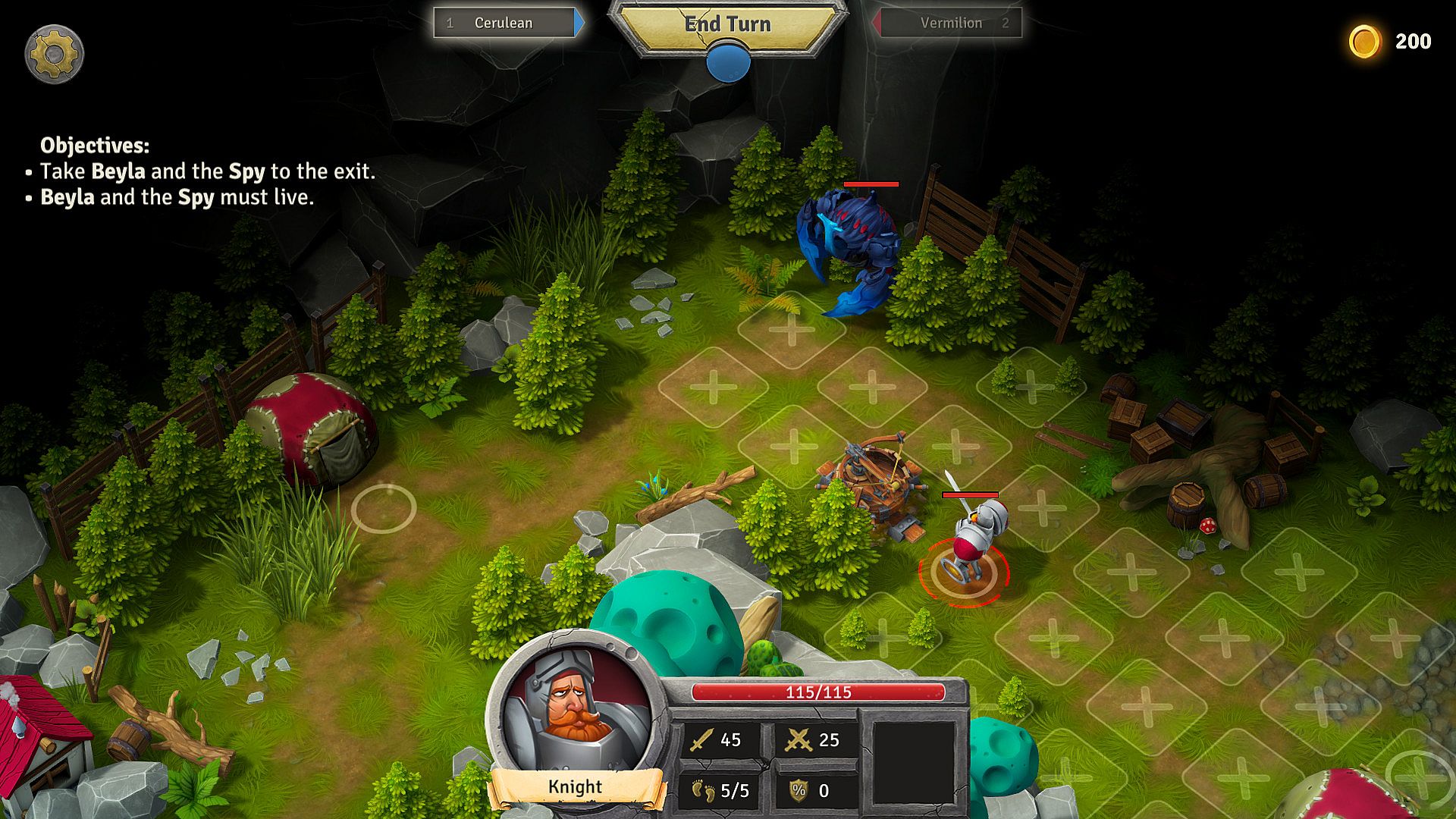
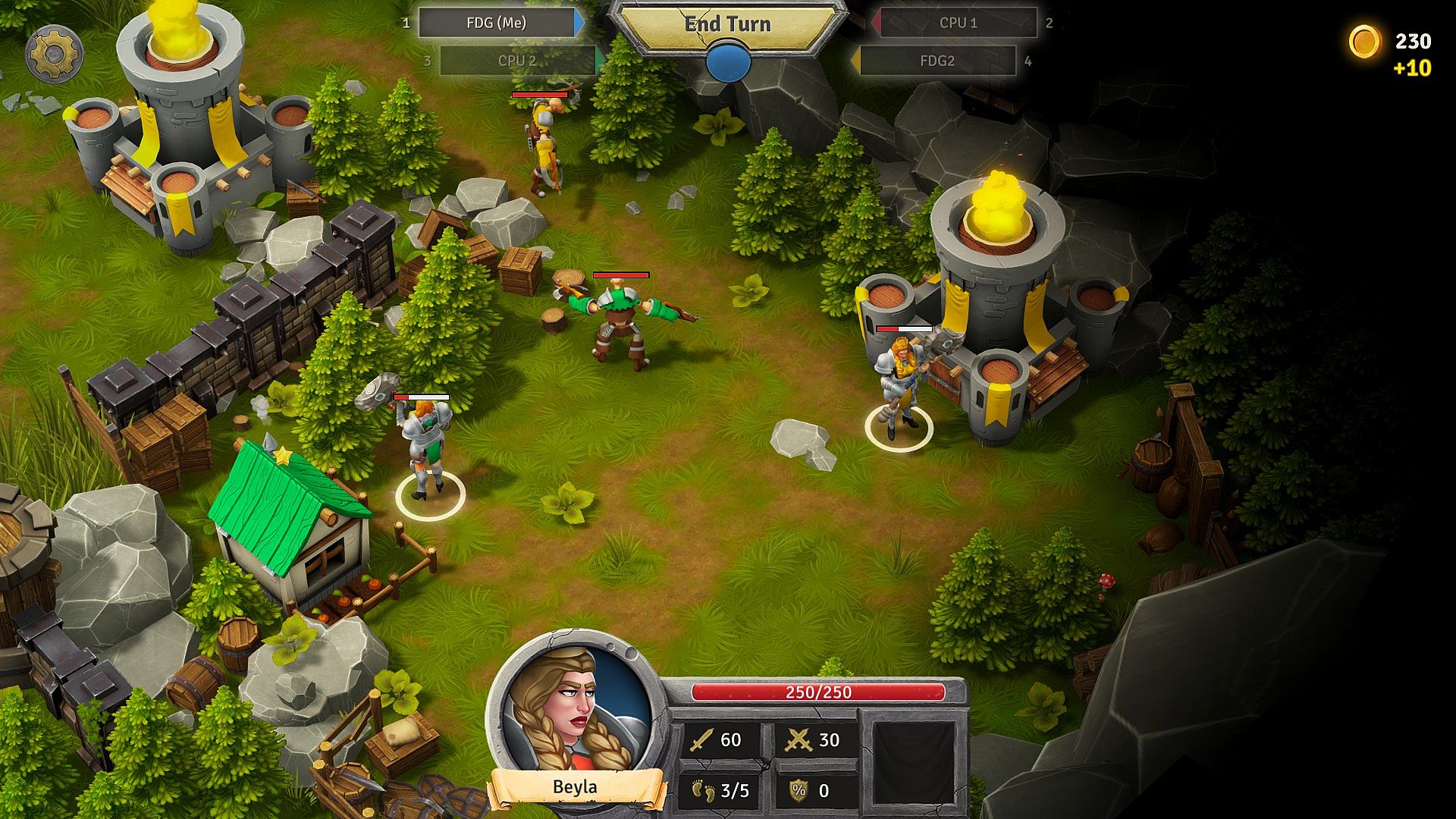
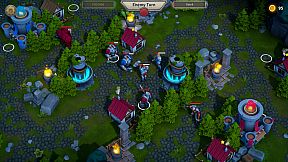
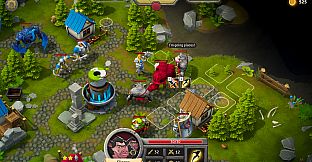
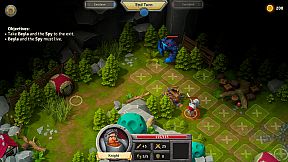
The central loop involves deploying and maneuvering a roster of more than ten unit types, each equipped with distinct skills that influence movement, damage output, and battlefield control. Battles unfold on grid-based maps where turn order and terrain play key roles in determining outcomes. Players must anticipate opponent responses while managing limited resources such as action points or cooldowns on special abilities. The art style uses bright, cartoonish visuals that contrast with the underlying tactical depth, making unit interactions visually clear without overwhelming the screen.
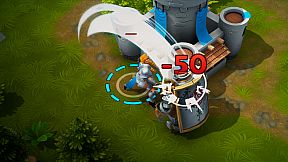
Combat focuses on outmaneuvering rather than overwhelming numbers. Understanding synergies between units becomes essential as missions progress, with some encounters requiring precise sequencing of attacks to break through defensive lines or capture objectives. The system avoids complex menus in favor of straightforward selection and execution, allowing newcomers to grasp fundamentals quickly while still offering branching decisions that affect long-term positioning.
Game Modes
Single-player content centers on a campaign of twelve missions that follow Princess Beyla through the fantasy kingdom and its three neighboring countries. These scenarios introduce new units and mechanics gradually, building familiarity with the roster before presenting tougher objectives. Eight separate challenge maps provide additional standalone encounters designed for repeated attempts and optimization of strategies.
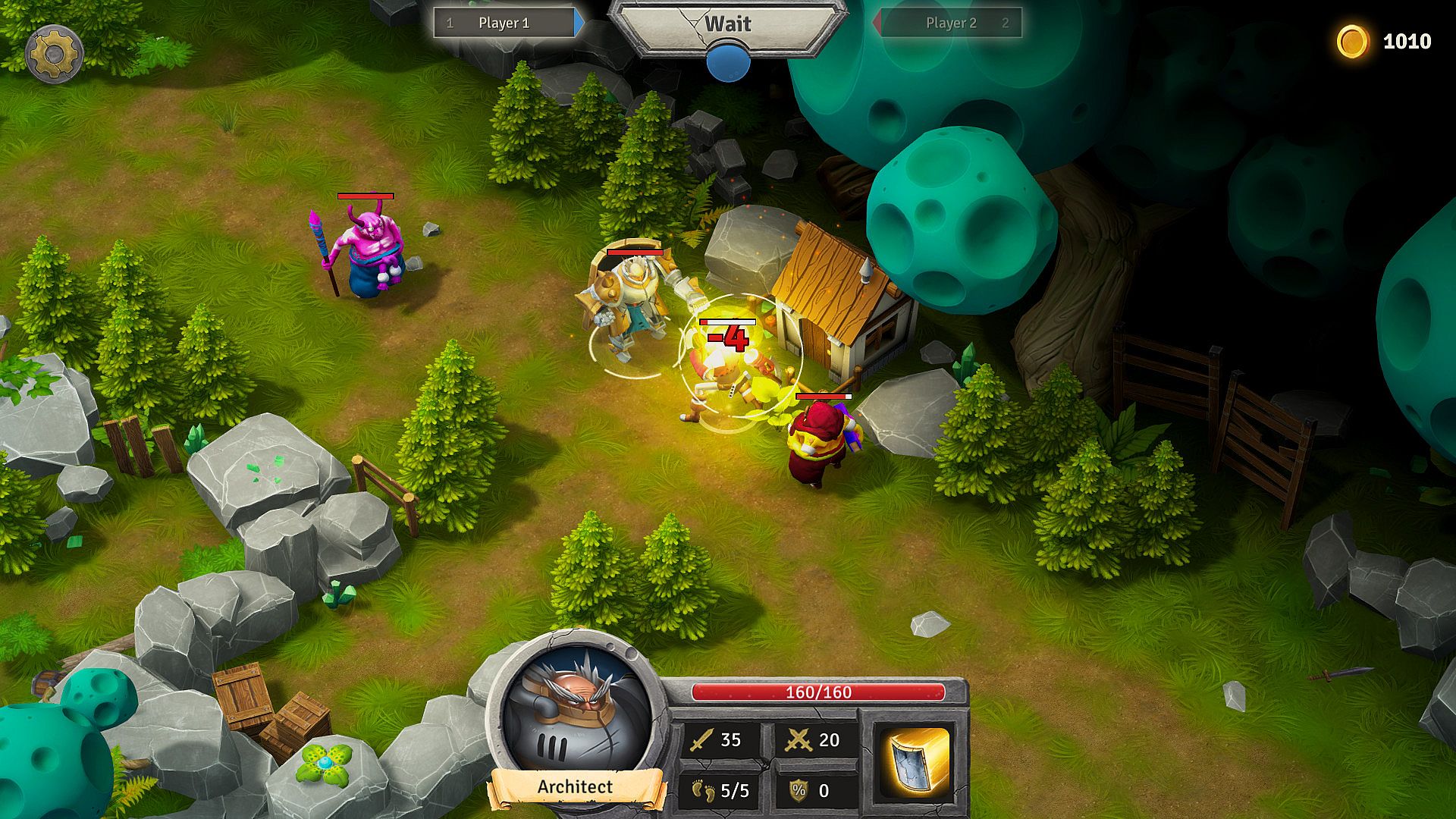
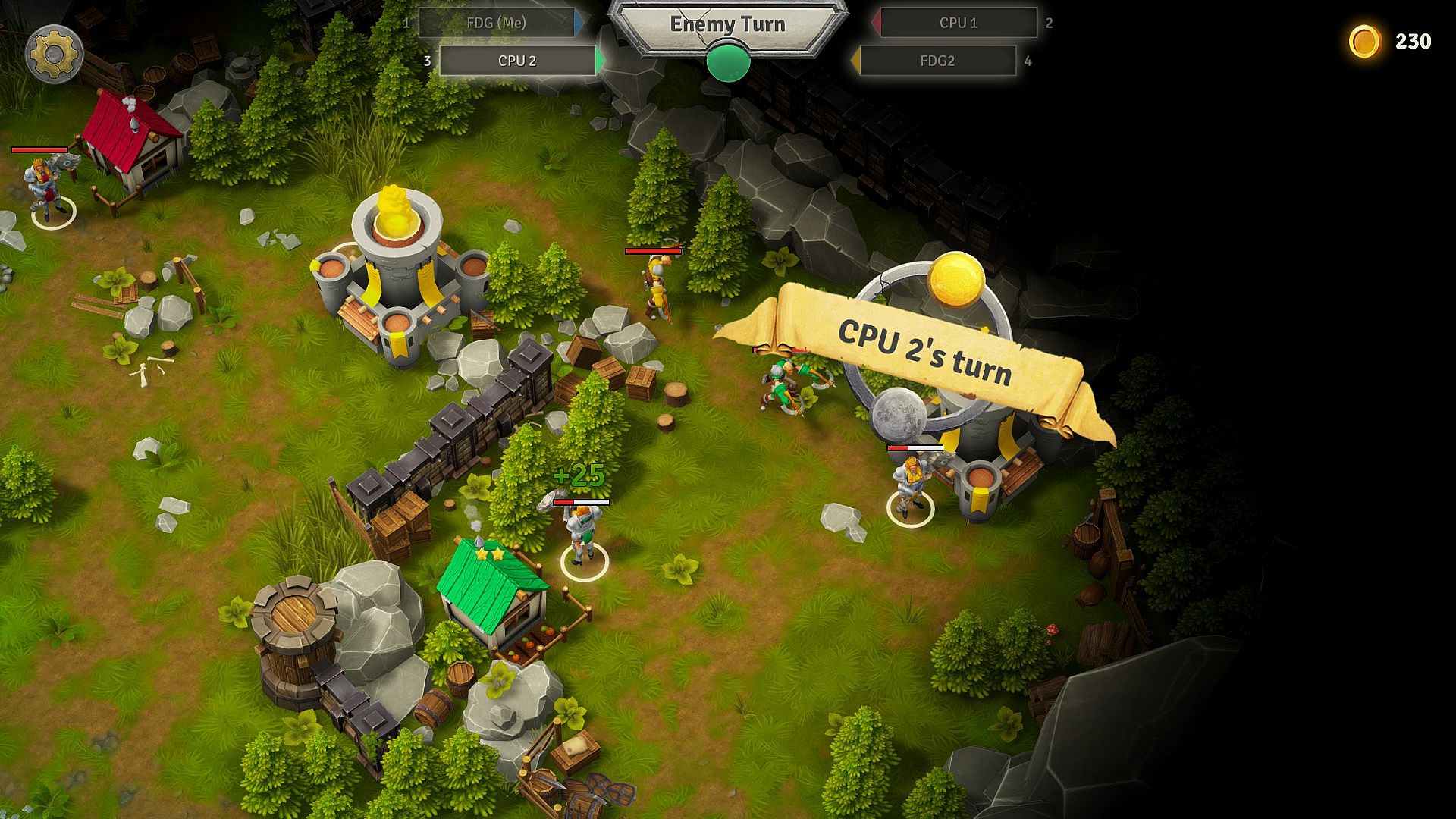
Multiplayer options include online matchmaking that pairs players of similar skill levels for ranked competition and a casual skirmish mode for custom matches. Skirmishes support up to four participants and can be played either locally offline or through online connections. Global leaderboards track performance in the competitive queue, encouraging repeated matches to improve placement.
Unit Variety and Tactics
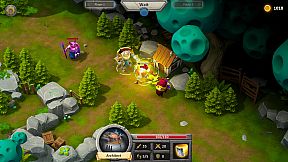
Each of the ten-plus unit types brings unique capabilities that shape army composition choices. Some specialize in direct damage, others in support or area denial, forcing players to adapt lineups based on map layout and enemy composition. The absence of heavy resource management keeps focus on positioning and timing, though later challenges demand experimentation with different combinations to overcome specific threats.
Success hinges on reading the battlefield and predicting how abilities interact across multiple turns. This creates moments where a single repositioning or delayed activation turns the tide, rewarding observation over brute force. The design keeps sessions concise while still embedding enough variables to support multiple approaches on the same map.
Is It Worth Playing?
Exorder suits players seeking a straightforward entry into turn-based tactics without steep learning curves or lengthy setup. Its campaign delivers a complete narrative arc through the twelve missions, while the challenge maps and multiplayer options extend playtime for those who enjoy refining strategies or competing against others. The game remains available on PC with its original feature set intact, including cross-platform online support.
Reception highlights the approachable combat and light-hearted presentation as strengths for casual strategy fans, though some note that deeper tactical complexity may feel limited compared to more established titles in the genre. Those who value quick sessions and unit experimentation over intricate systems will find the most consistent enjoyment here. The title stands as a compact package that delivers its core promise without unnecessary additions.