




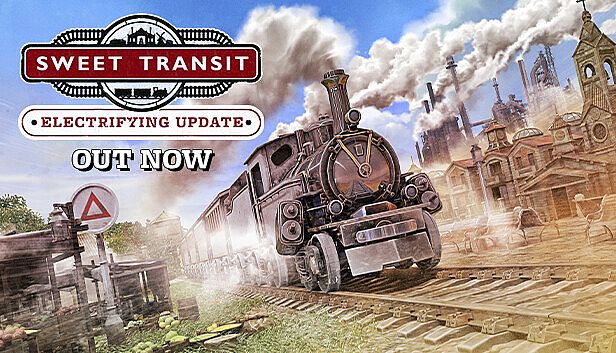






























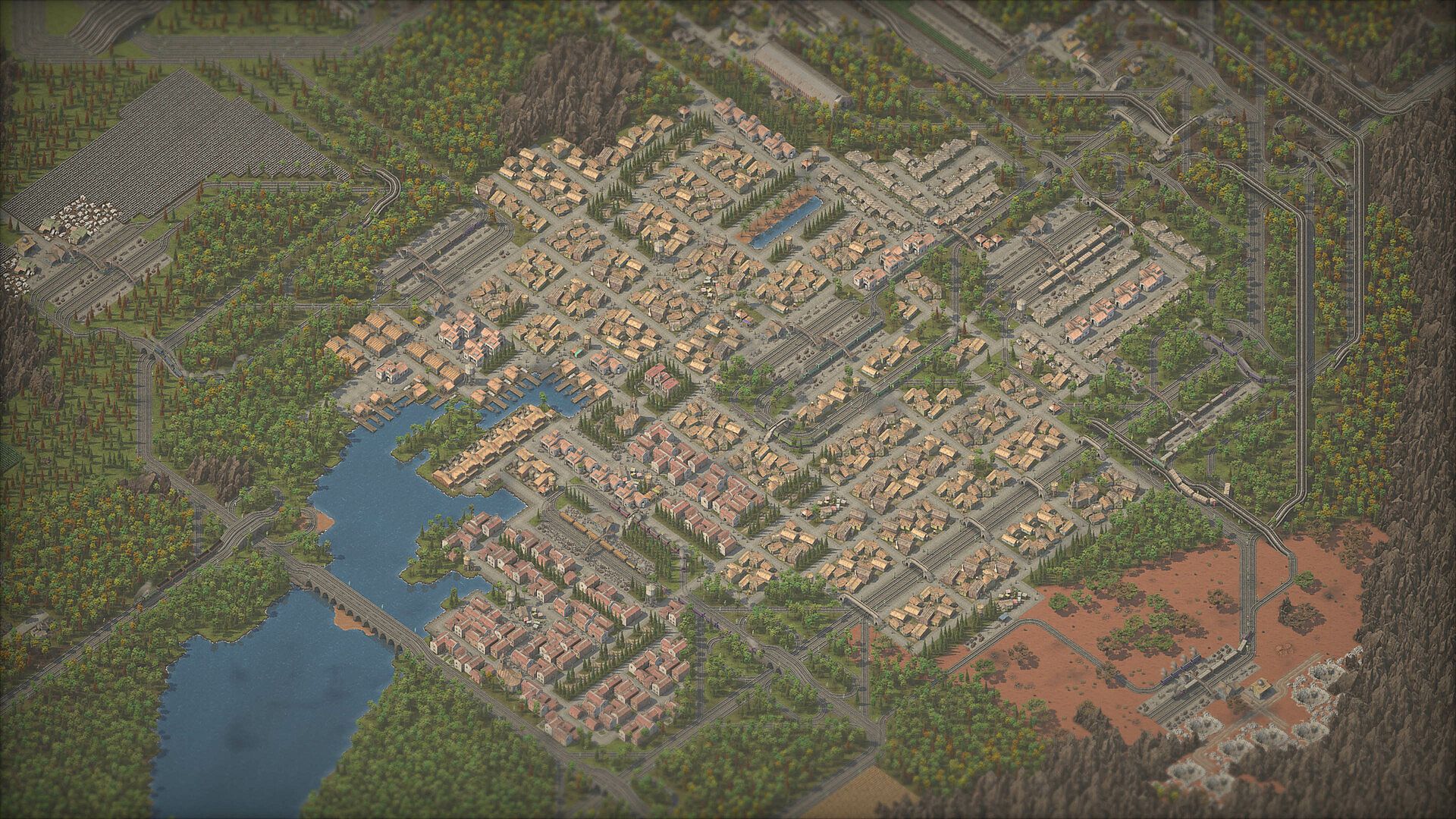
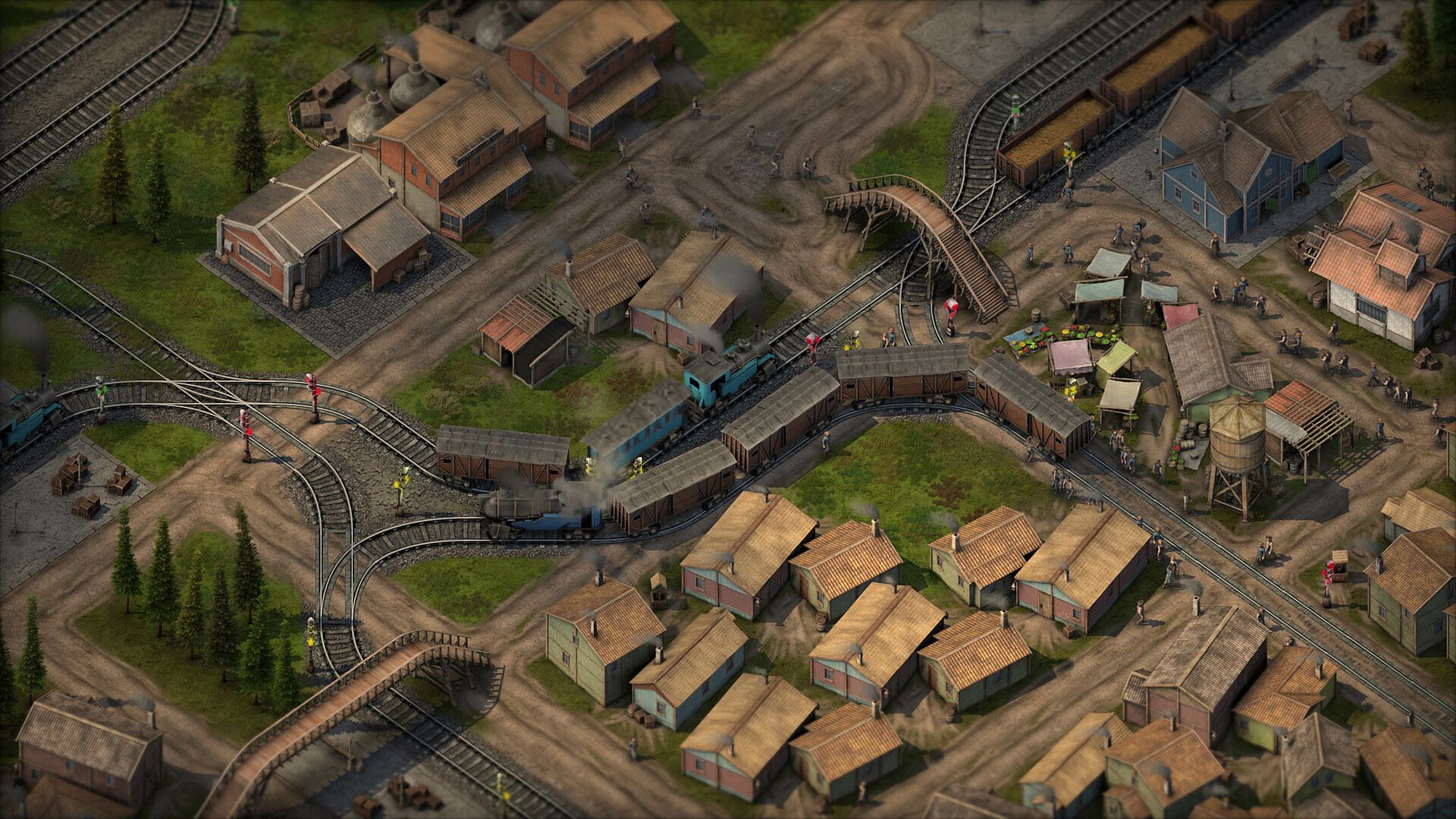

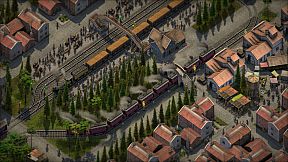
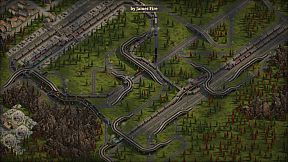
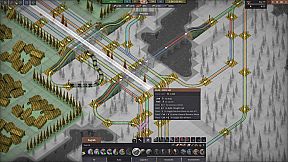
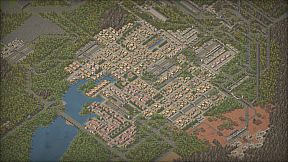
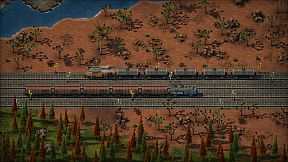

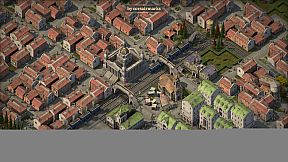
Sweet Transit stands out as a strategy and simulation city builder centered on railways as the primary driver of growth and logistics. Players start with basic infrastructure and expand settlements by laying tracks, designing efficient train routes, and balancing resource flows across an evolving landscape. The game emphasizes planning production chains that span multiple eras, beginning with steam-powered systems and advancing toward diesel and later technologies, all while ensuring workers remain productive through proper housing and supplies.
Gameplay
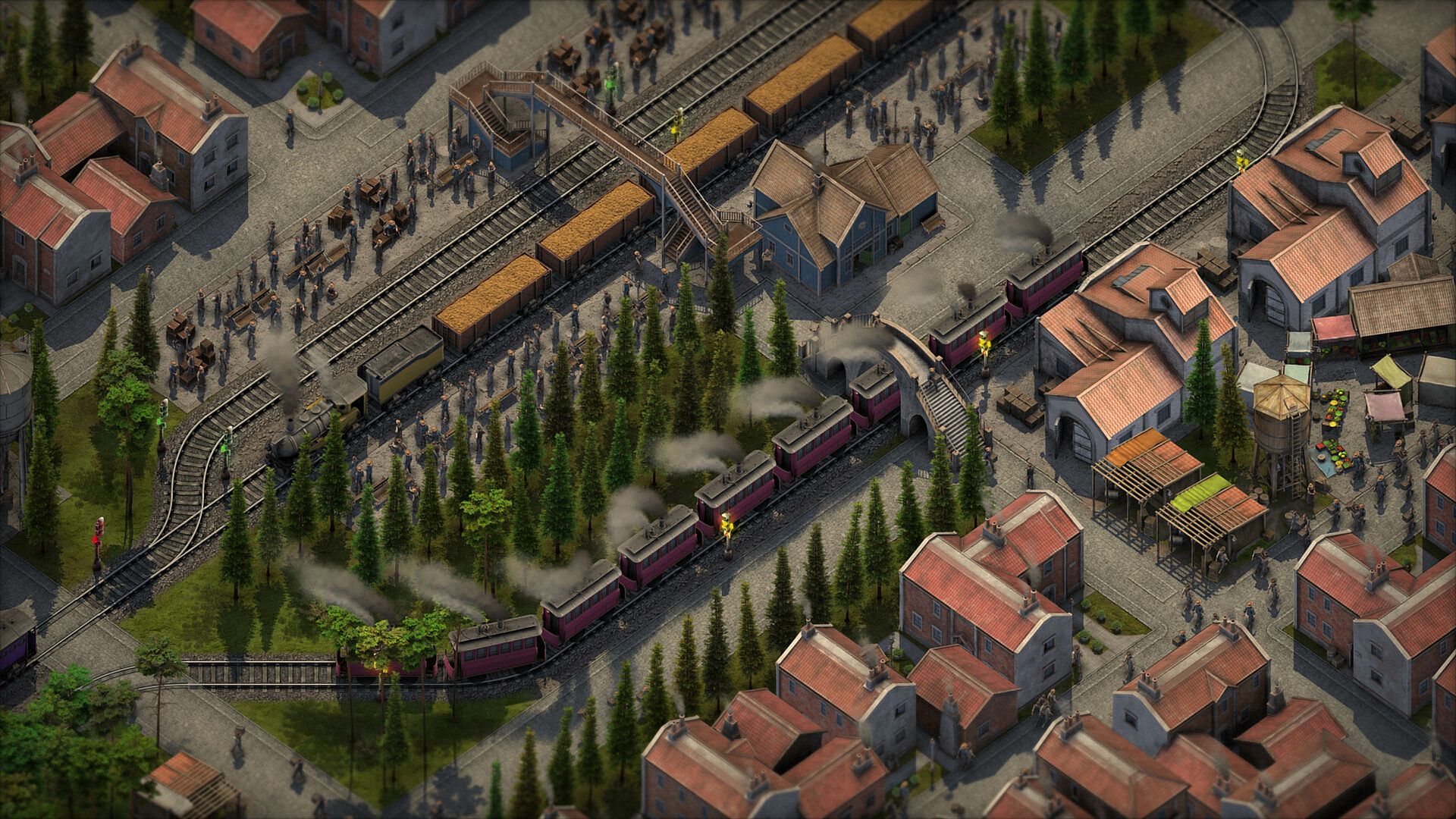
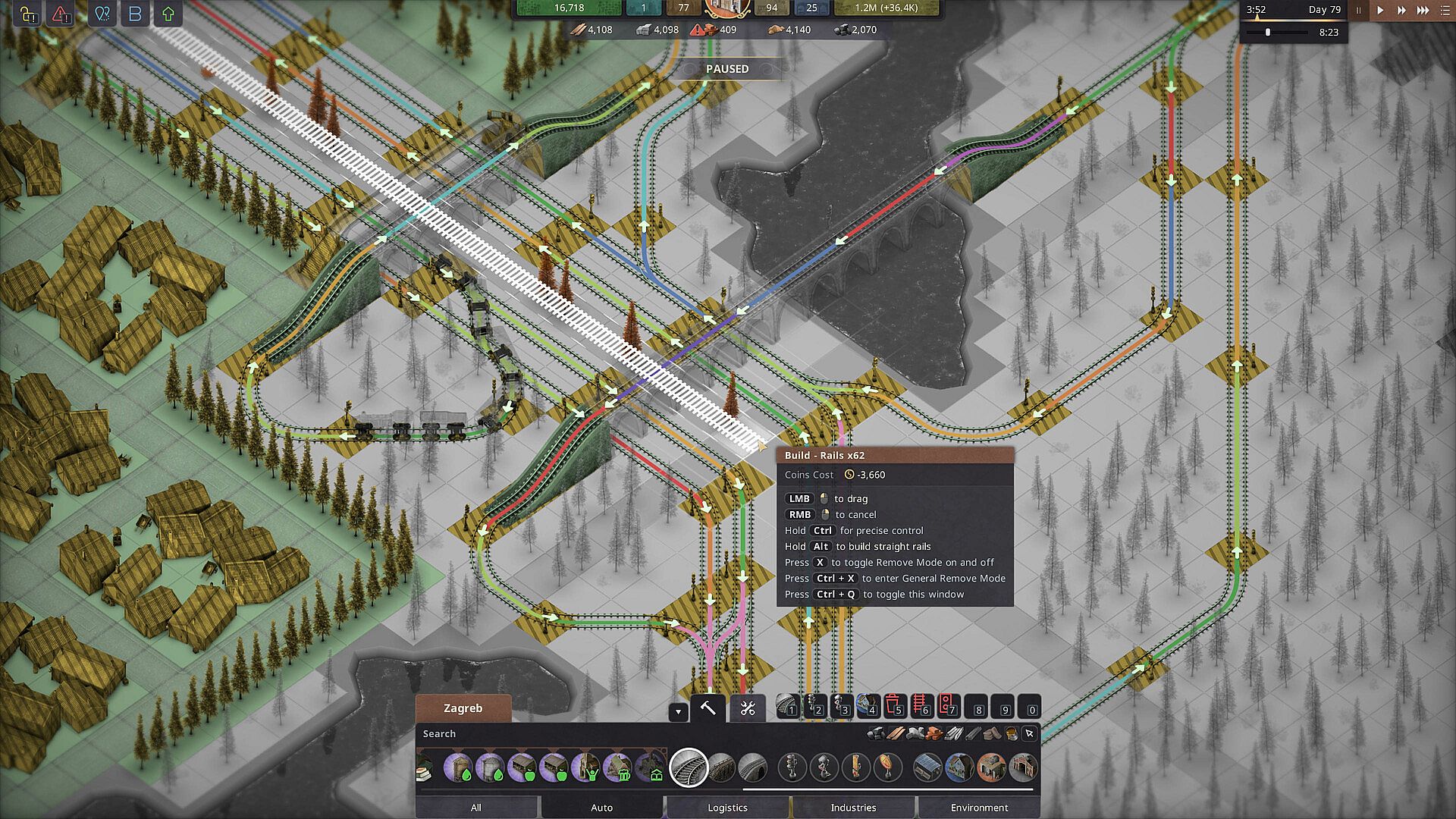
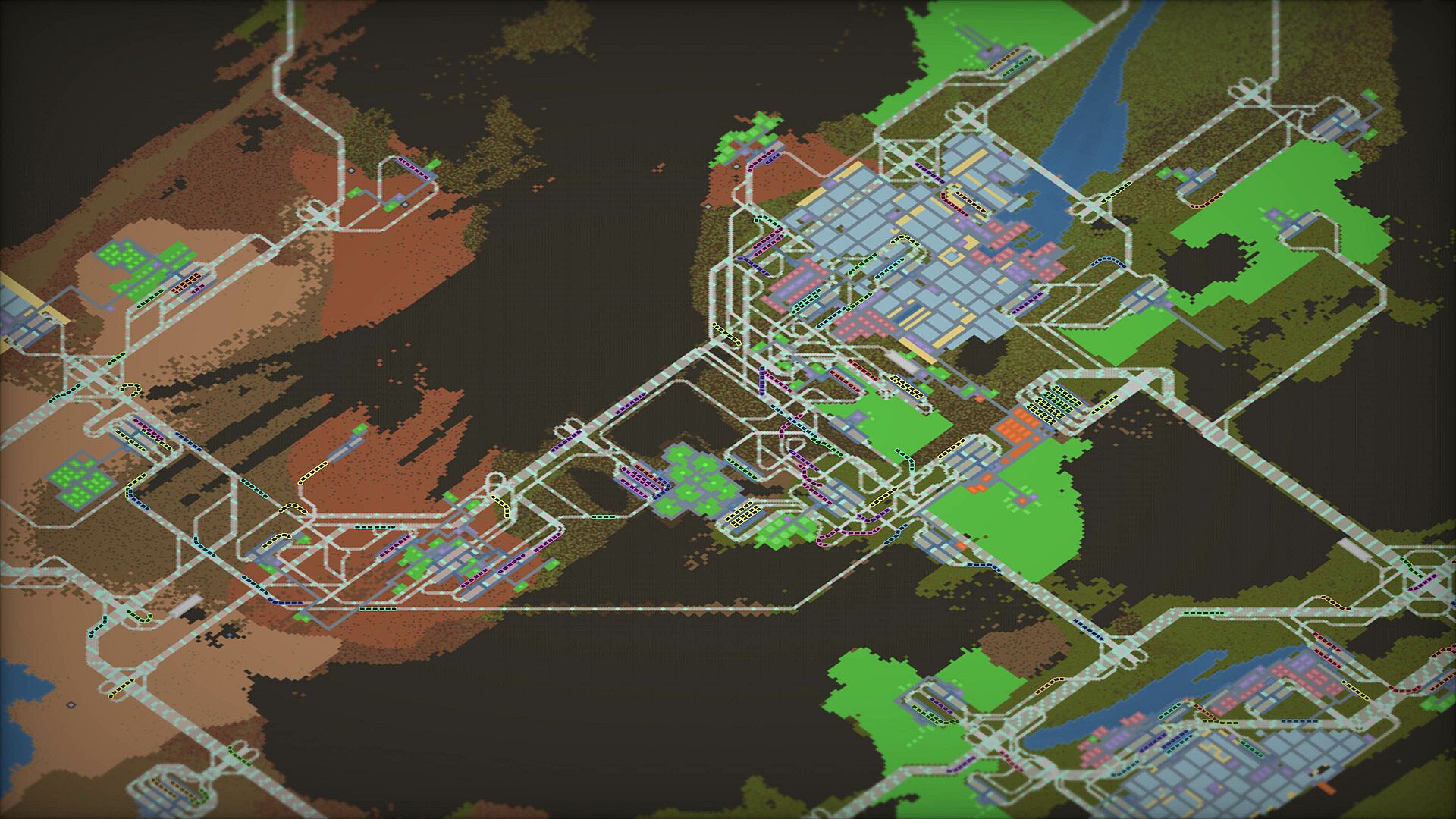
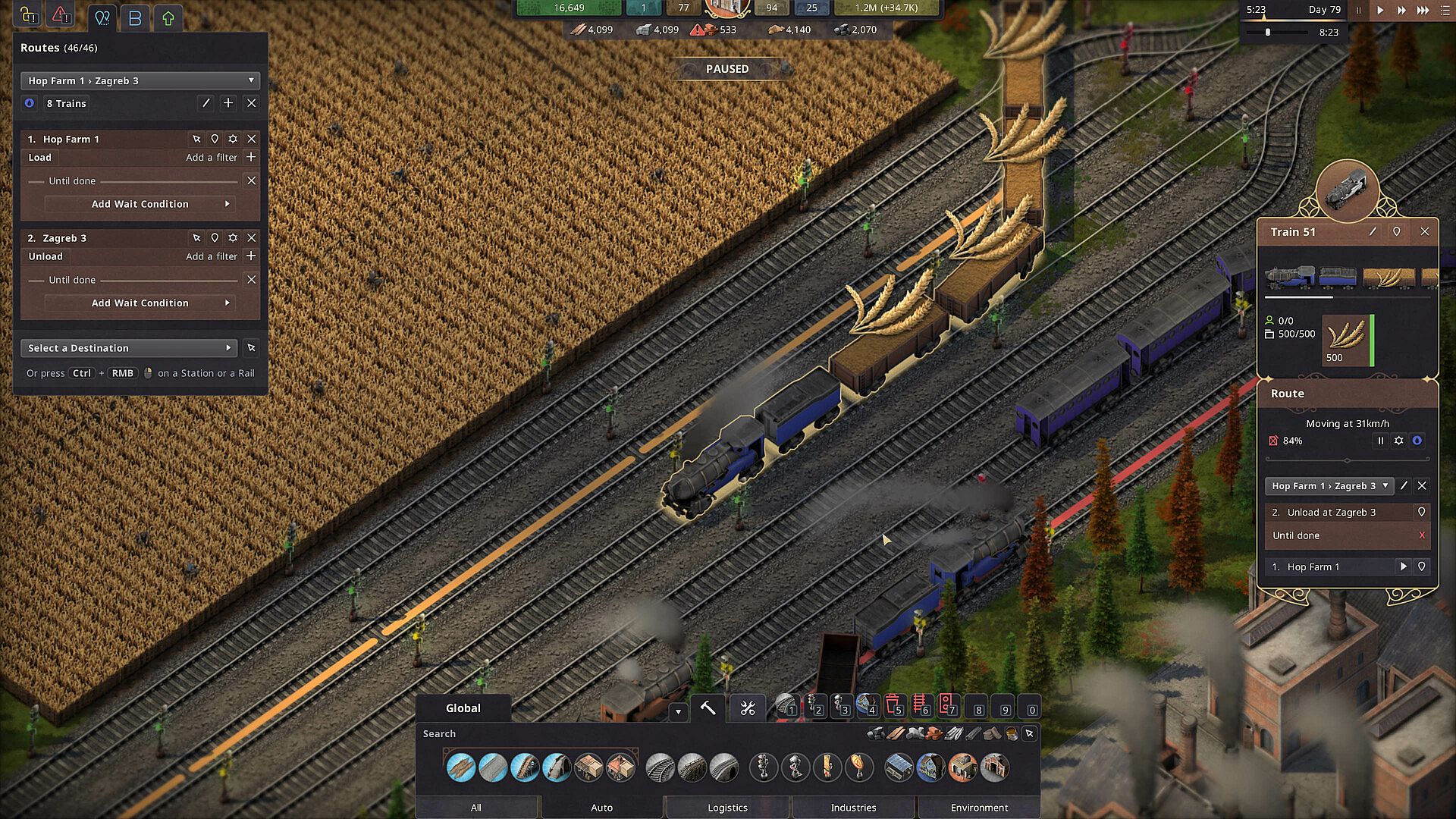
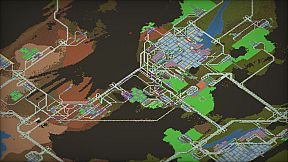
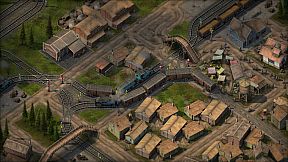
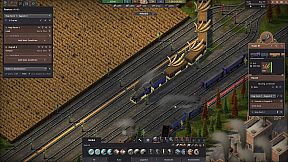
The core loop revolves around constructing and optimizing a rail network that connects villages and cities. From an initial warehouse, expansion involves placing stations, platforms, and signals to create reliable routes for both passengers and freight. Trains handle the bulk of transportation, automating the movement of goods between factories, farms, and residential areas to sustain larger populations.
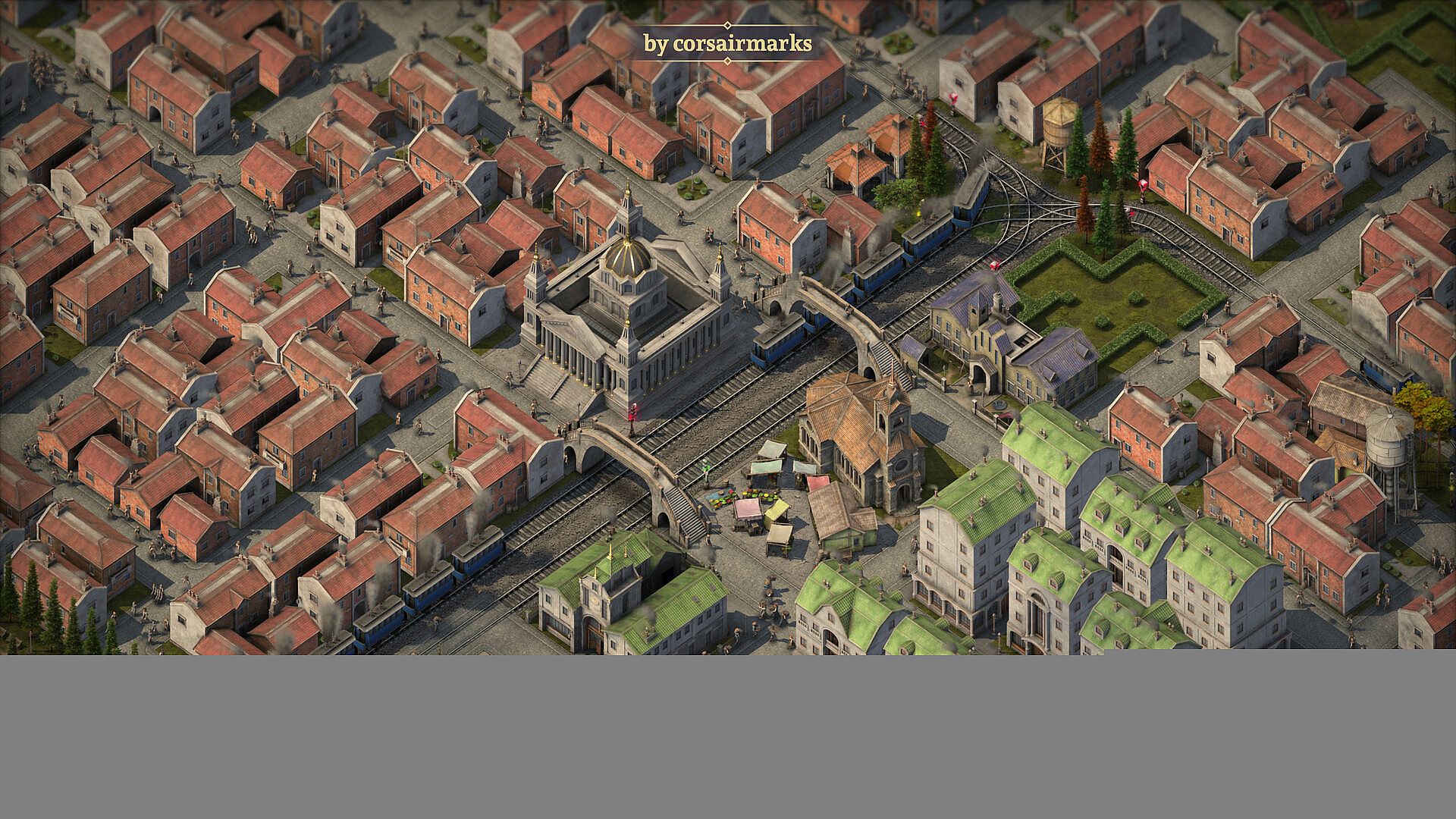
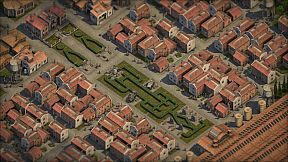
Industry development requires careful layout of production lines. Basic chains produce essentials like food and building materials, while advanced setups handle more complex outputs. Terrain influences placement decisions, and players must adapt networks to natural features for maximum efficiency. Citizen management adds another layer, as residents require accommodation, water, food, and other amenities to avoid fatigue that reduces output.
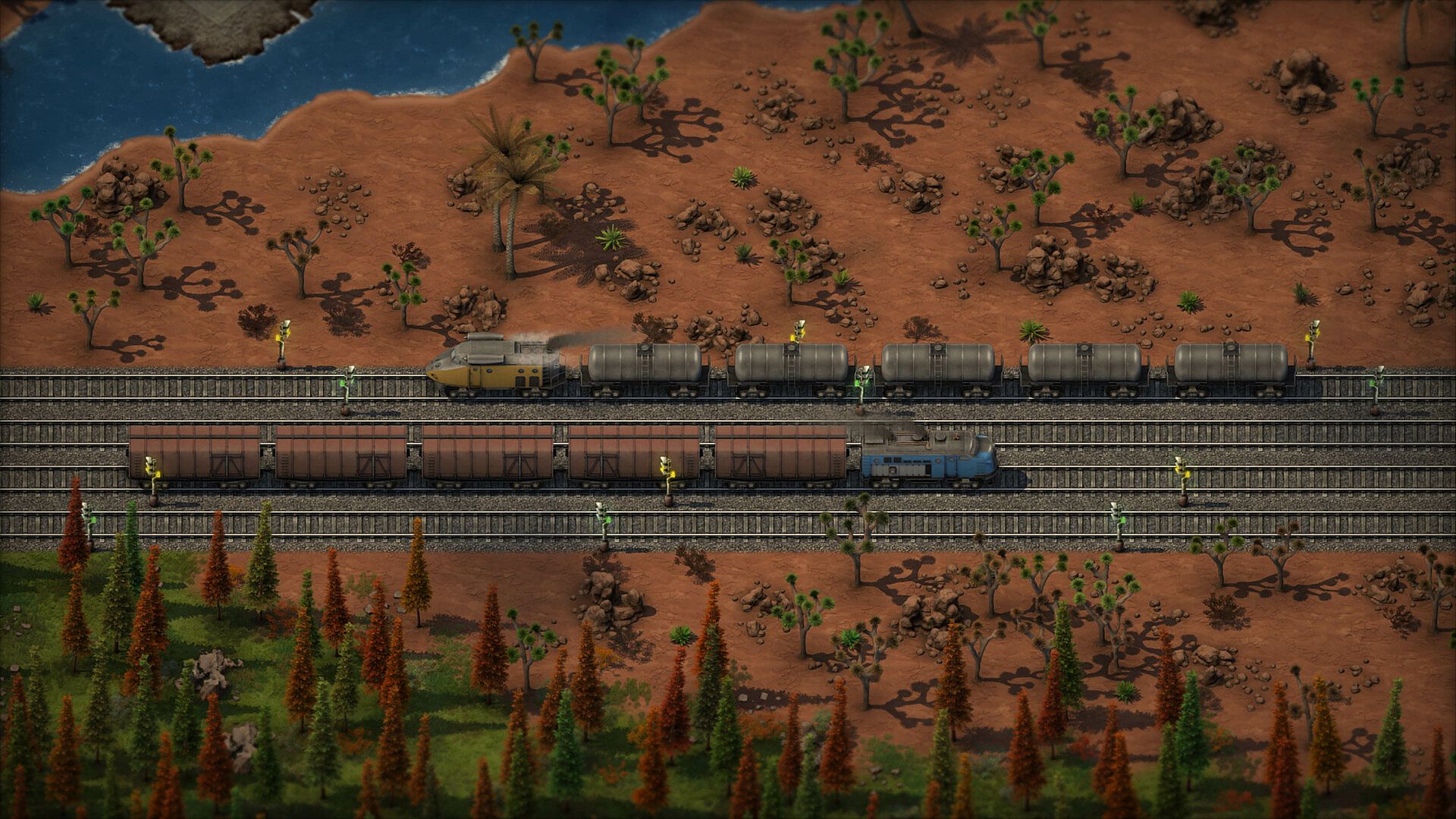
Progression through technological eras introduces new train types and automation options. Early steam engines give way to more powerful diesel variants, allowing longer hauls and higher capacities. This shift supports larger metropolises but demands ongoing adjustments to routes and schedules to prevent bottlenecks.
Game Modes
Sweet Transit operates as a single-player experience without separate named modes such as campaigns or competitive multiplayer. The focus remains on open-ended building and management within one continuous world, where players freely expand their rail empire from humble beginnings to industrialized cities.
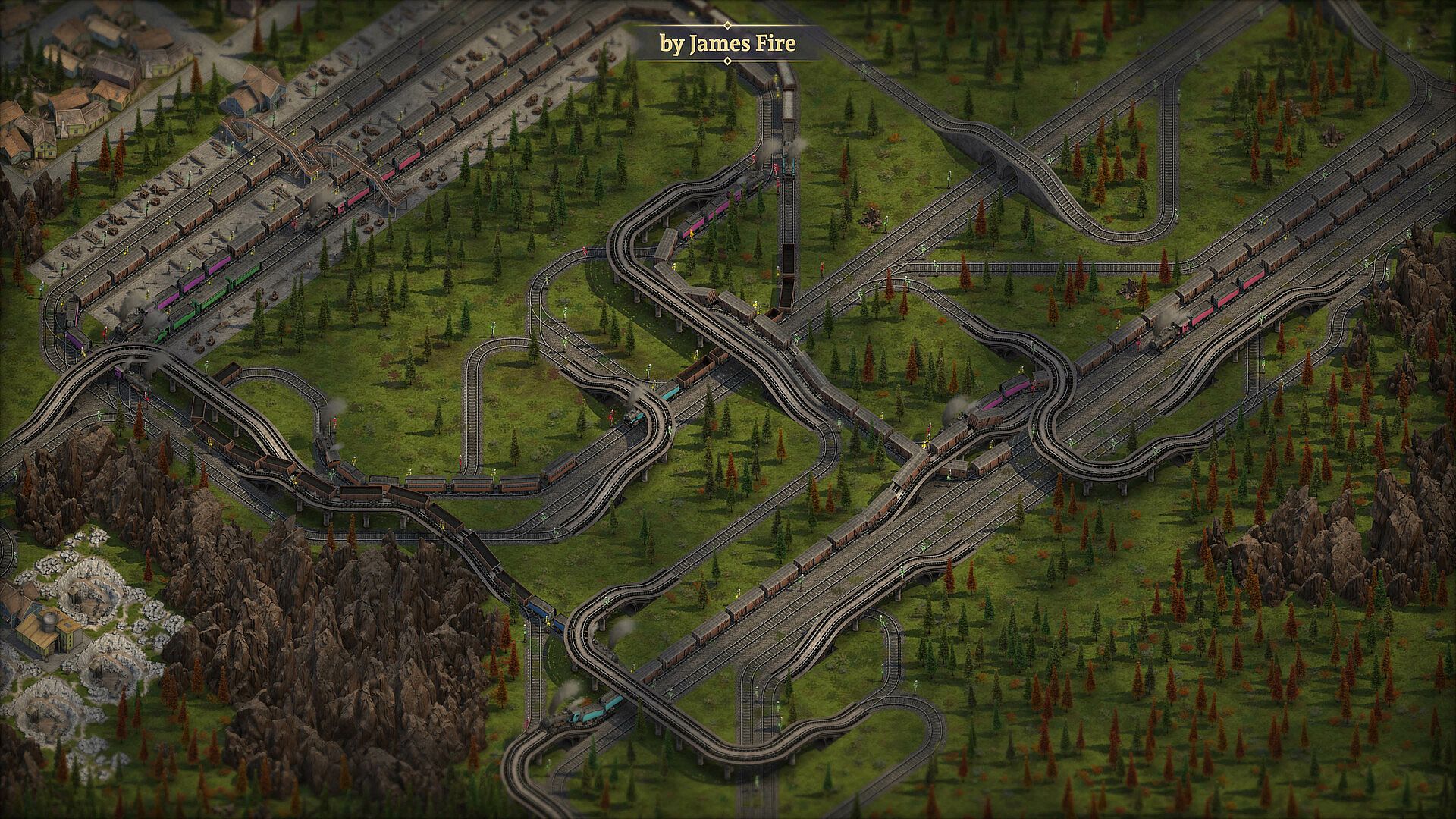
Mechanics encourage iterative design, with tools for signaling and routing that support complex, interconnected systems. Players experiment with different network layouts to achieve stable supply chains, adjusting as settlements grow and demands increase.
Railway Systems and Citizen Needs
Customizable networking forms the backbone of expansion. Intricate routes with proper signaling keep traffic flowing smoothly, linking distant settlements into a cohesive economy. Platforms and stations serve as hubs where workers and goods transfer efficiently between lines.
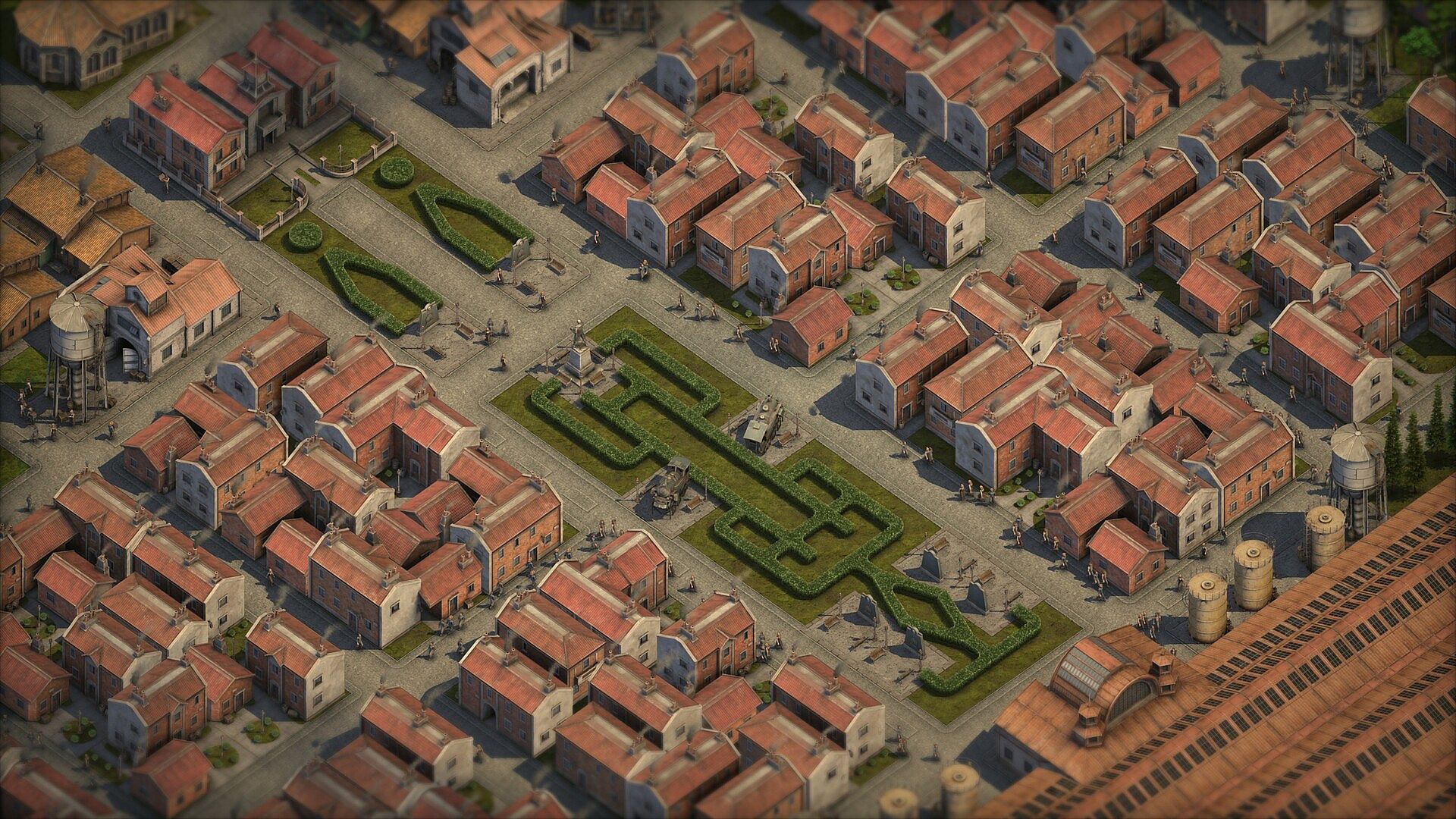
Maintaining citizen satisfaction directly impacts productivity. Tired or unhappy residents slow down factories and farms, so planners allocate space for housing, utilities, and services alongside industrial zones. This balance prevents cascading failures in the supply chain as the population scales.
Mod Support and Ongoing Development
Full mod support launched alongside the game, integrated with the Steam Workshop for easy access to community creations. Players can add custom buildings, trains, or mechanics to tailor the experience further.
Regular updates have introduced features such as expanded transport options and new technological tiers. Community-driven patches continue to refine quality-of-life elements, extending the game's lifespan for dedicated builders.
Is It Worth Playing?
Sweet Transit appeals to those who enjoy detailed logistics and train-focused city building. Its steep learning curve rewards patience with deep systems for network optimization and production planning. Mixed player feedback highlights both the satisfaction of efficient rail empires and the initial complexity of managing all elements simultaneously.
Ongoing updates and extensive mod support keep the title active years after release. It suits players comfortable with simulation depth and iterative problem-solving rather than quick sessions or action-oriented gameplay. Those drawn to Factorio-style automation or pure railway management will find substantial content to explore through repeated playthroughs and community additions.















