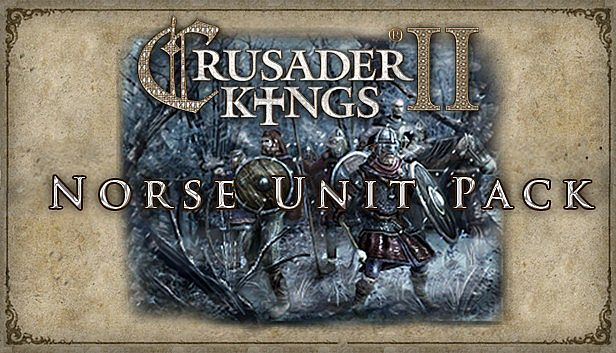












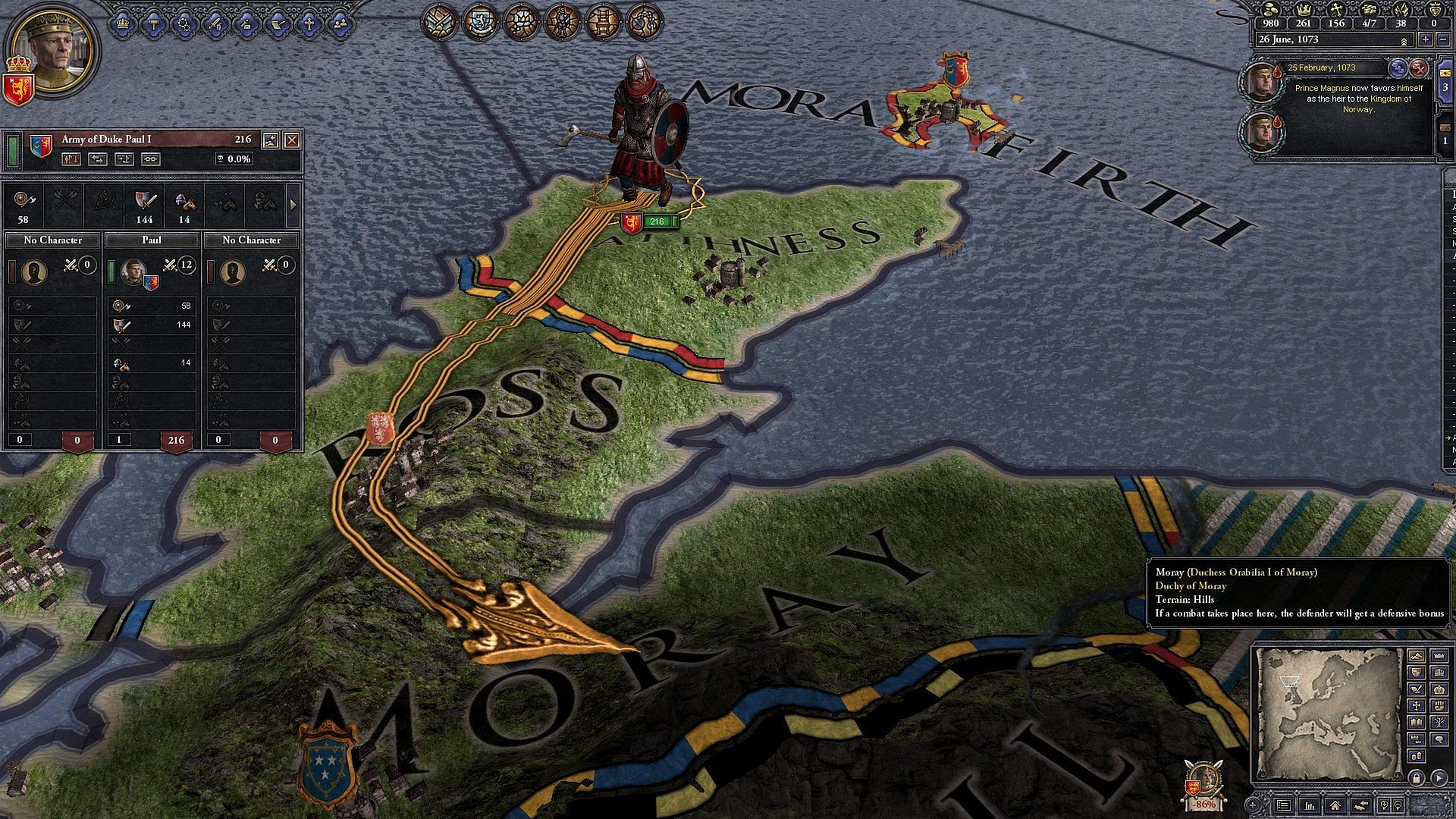
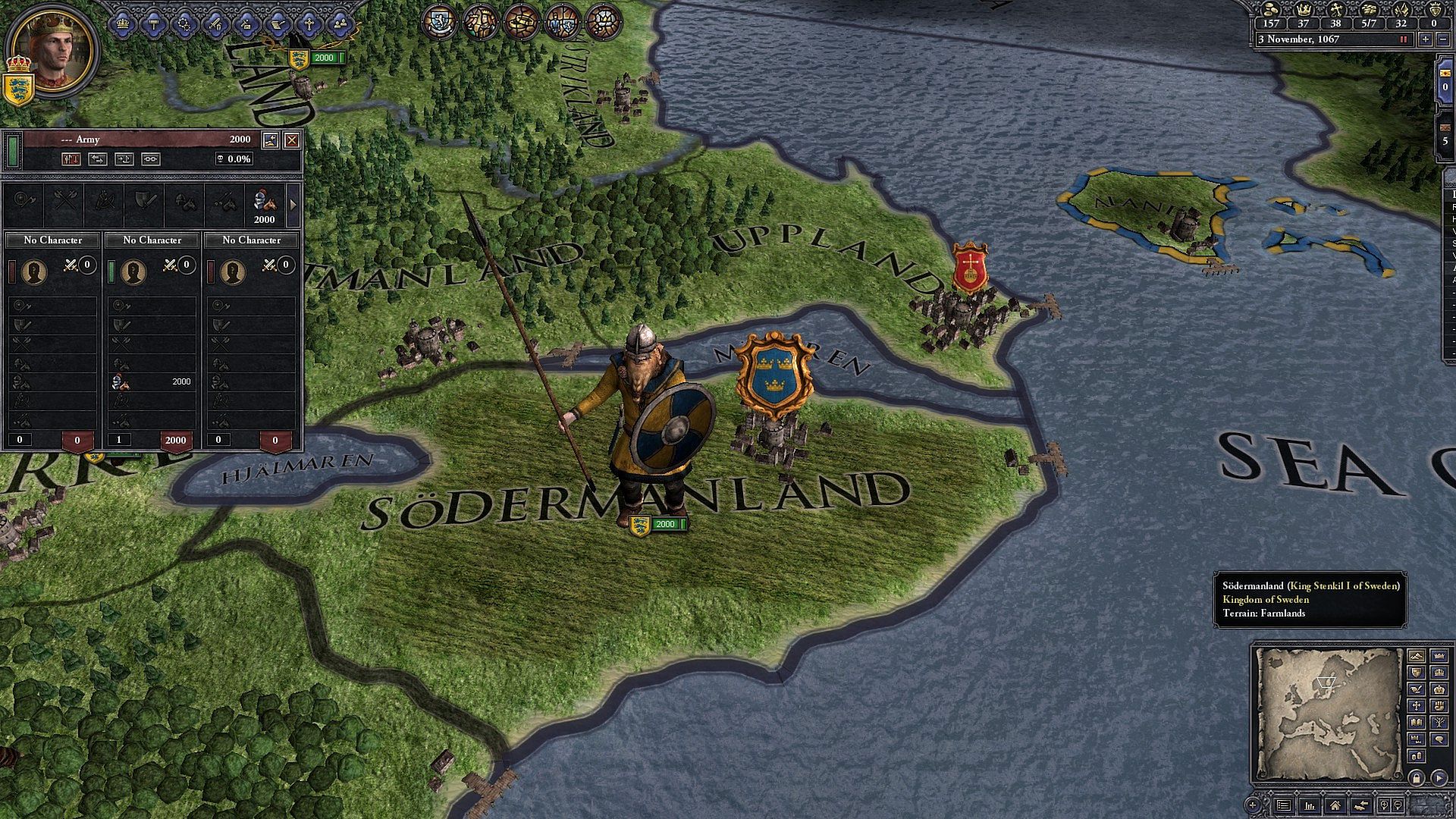
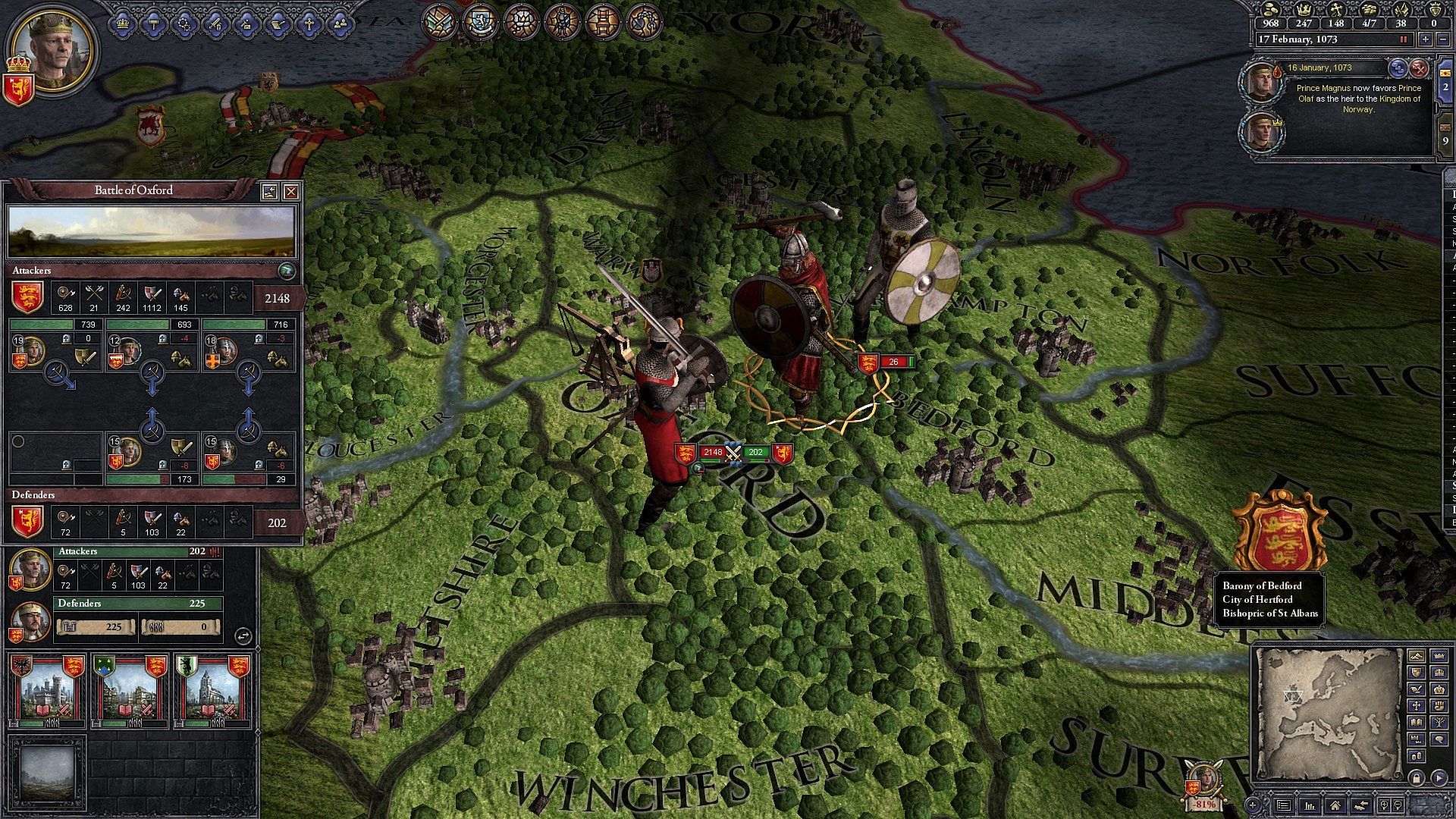
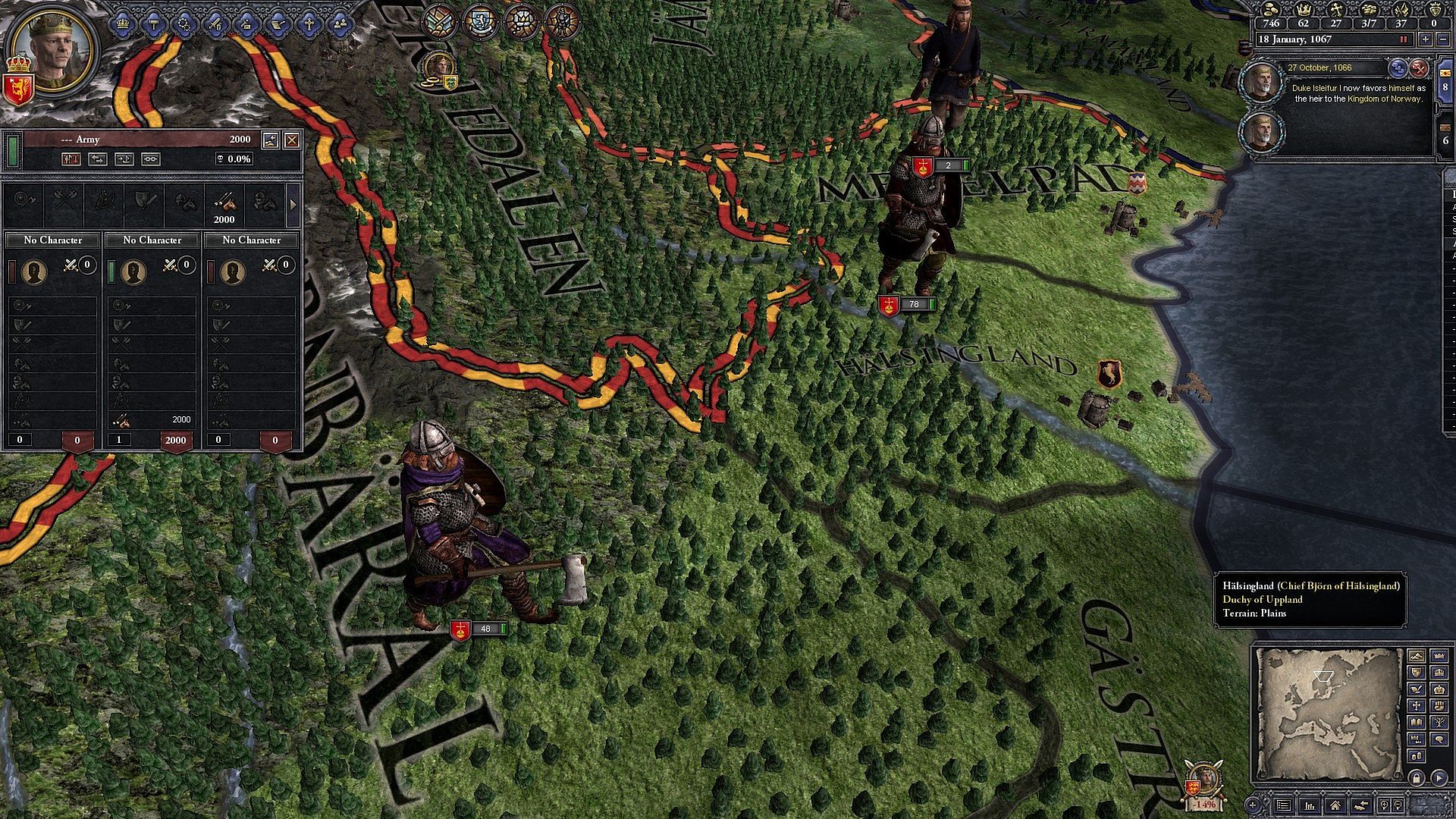
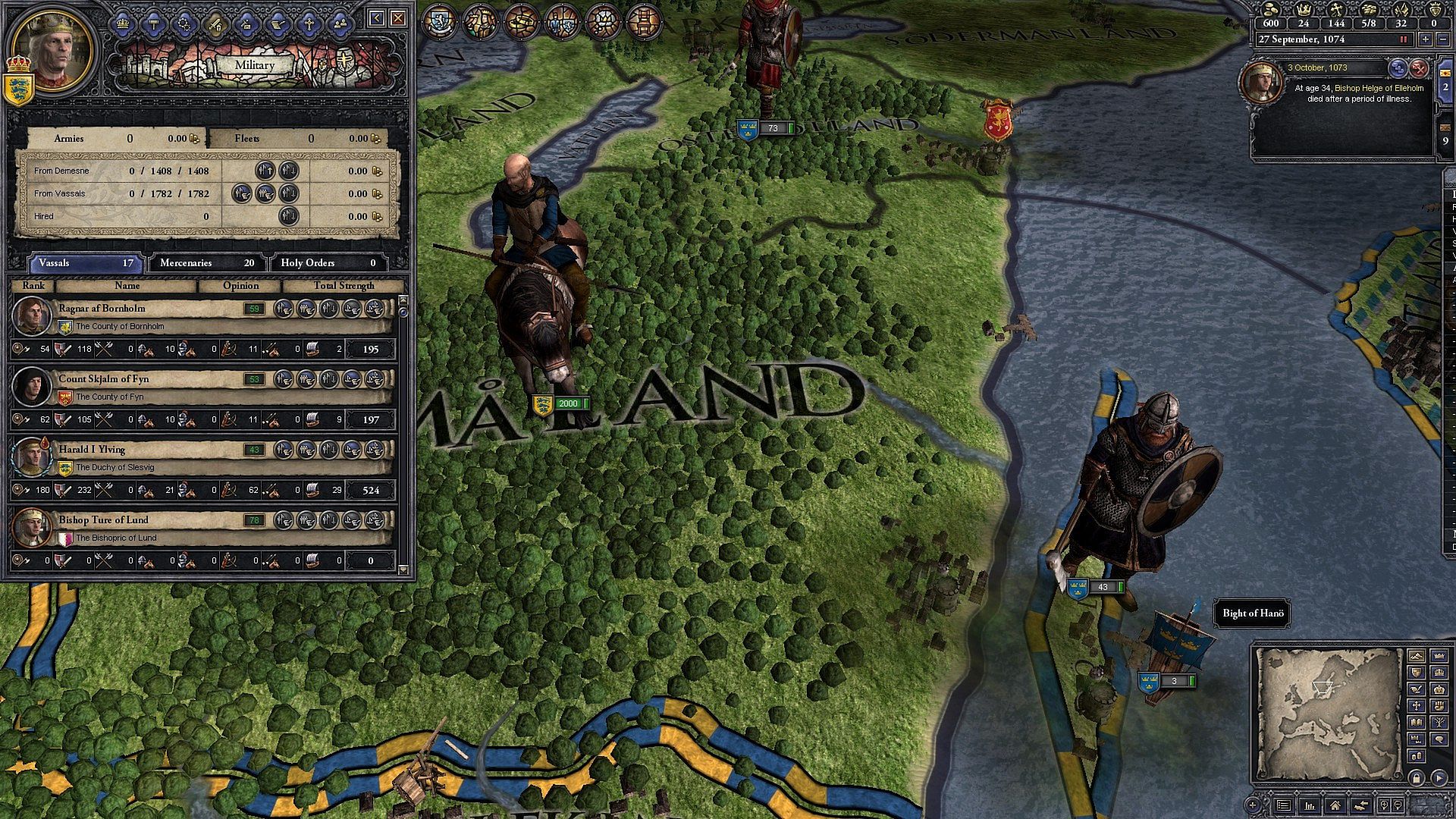

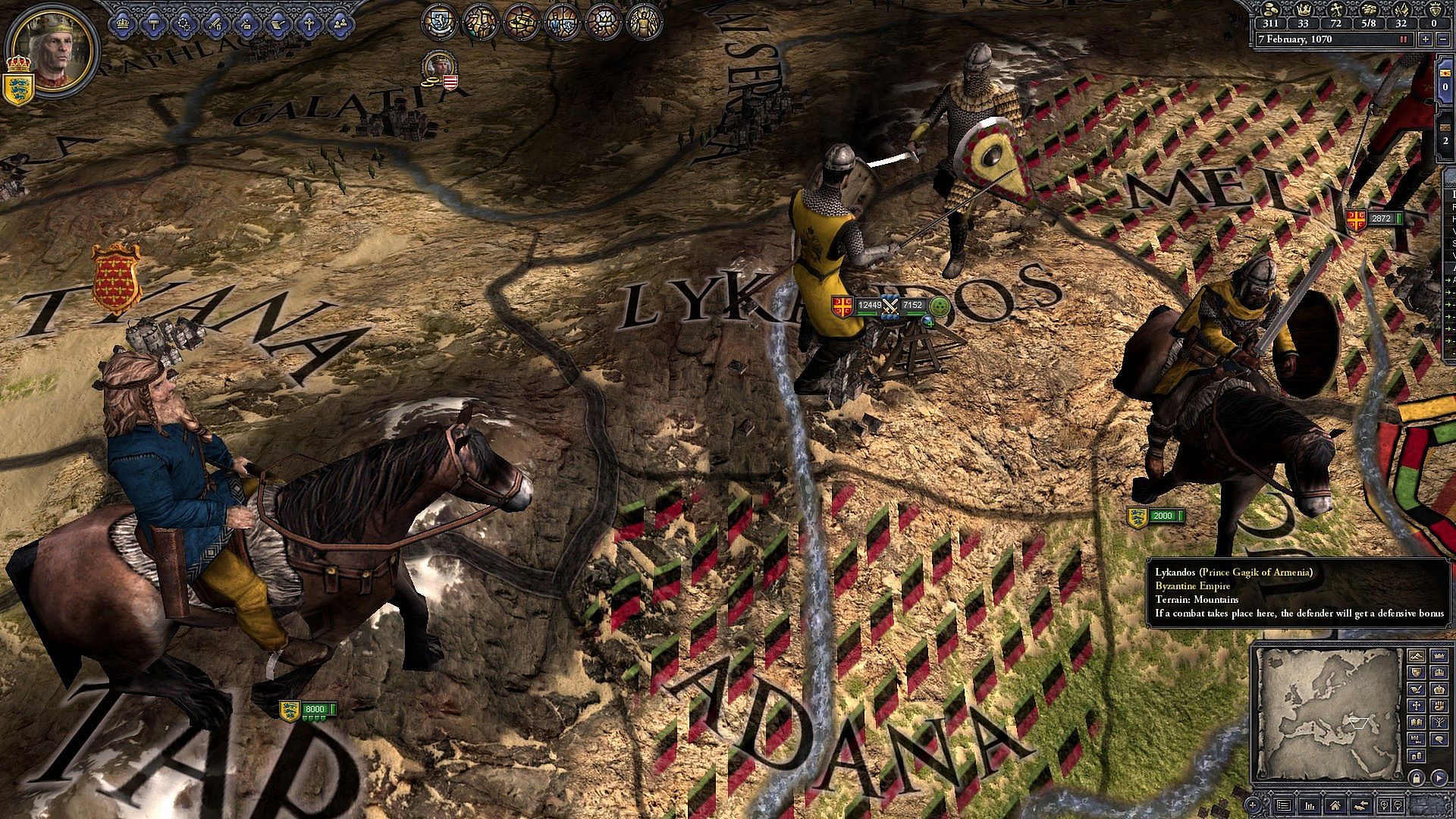
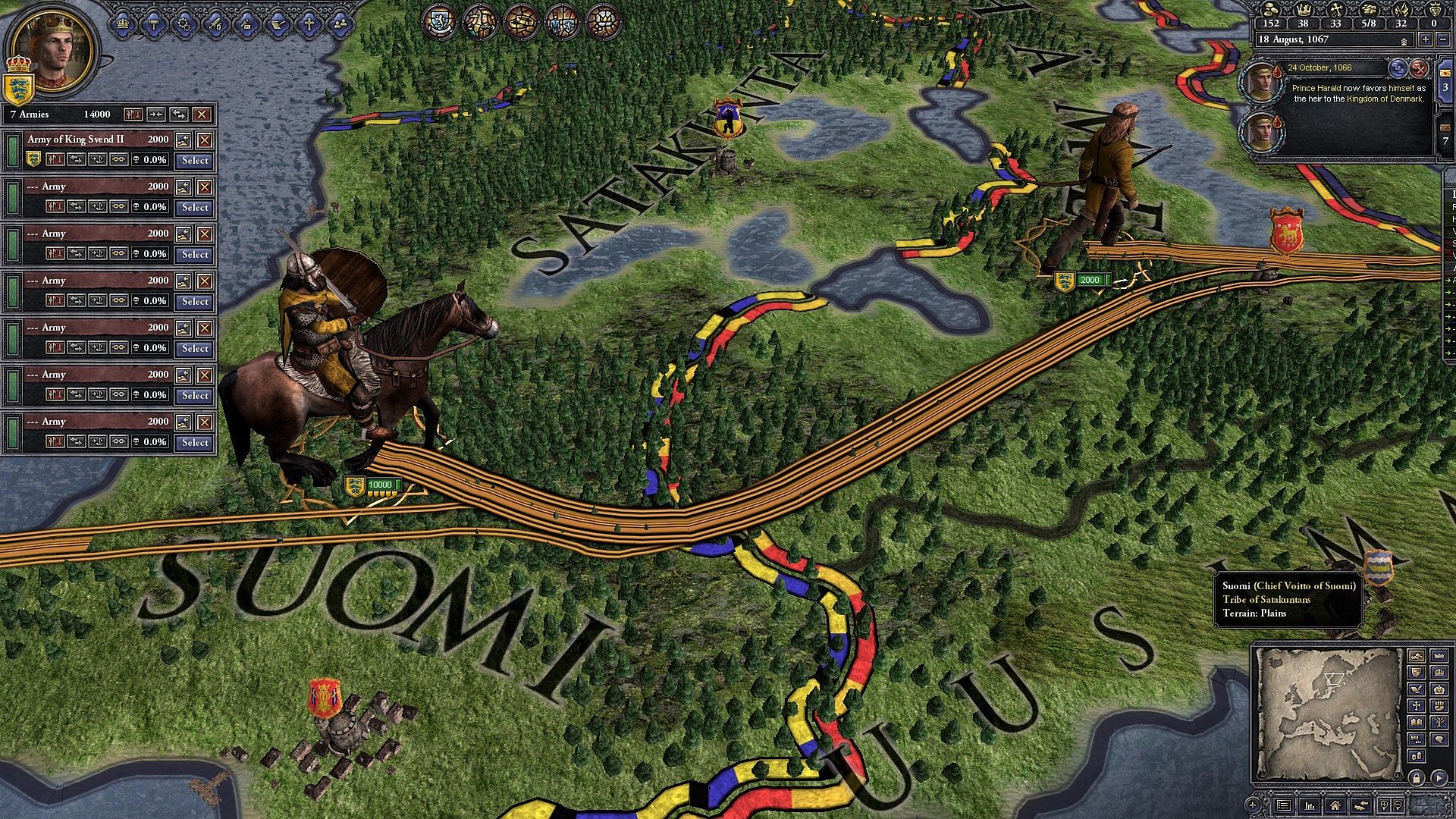
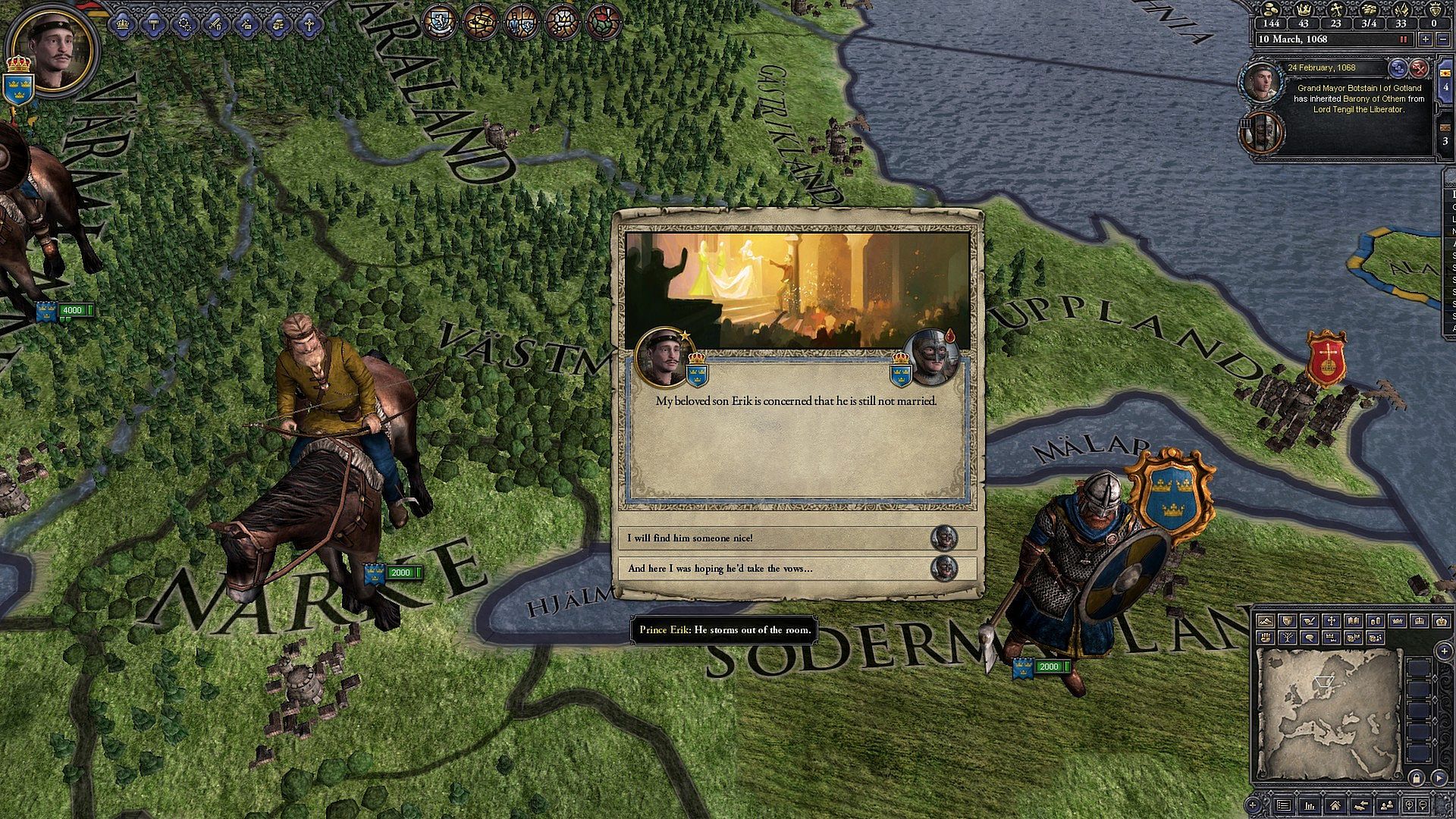
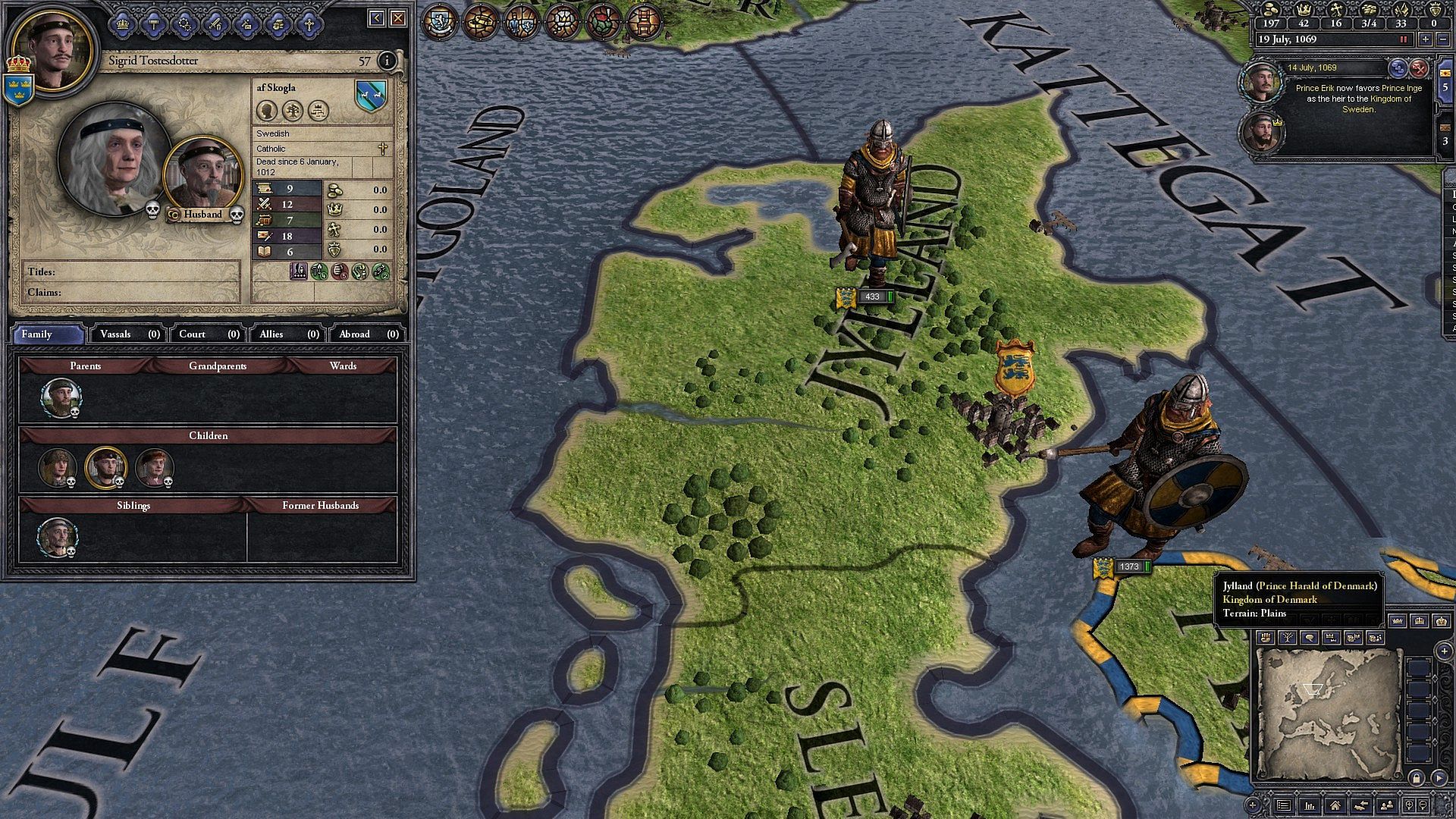
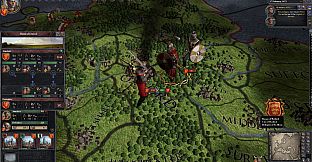
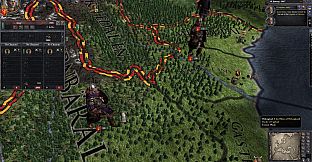
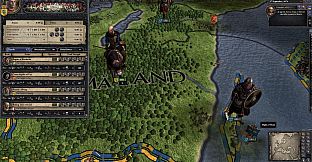
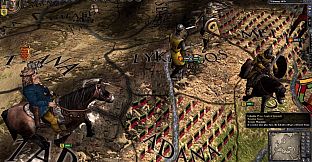
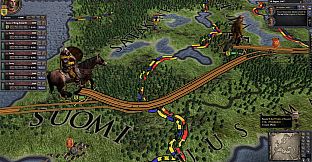
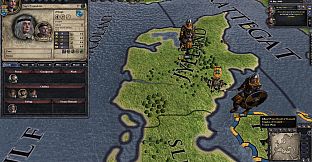
Crusader Kings II: Norse Unit Pack serves as a visual enhancement for the grand strategy title Crusader Kings II on PC. This addition supplies distinct unit models tailored to northern European realms such as Sweden, Denmark, and Norway. The changes emphasize bearded warriors, axe-wielding infantry, and a distinct pagan aesthetic that sets these factions apart during conflicts and courtly displays.
Gameplay
The core experience revolves around managing a medieval dynasty across centuries. Players assume control of individual rulers and guide their lineage through succession, alliances, and internal power struggles. Combat forms one visible layer where the new Norse units appear on the battlefield with specialized appearances that reflect cultural traits of the region. Intrigue systems allow plotting against rivals, while marriage and inheritance mechanics determine long-term dynasty strength. Prestige and piety accumulate based on achievements, influencing reputation and options for expansion through claims or holy wars.
Feudal obligations tie vassals to lieges, creating layers of loyalty that can fracture under poor decisions. Character traits and skills evolve through education and events, shaping how each ruler navigates threats from neighboring powers. The Norse visuals integrate directly into these systems by providing recognizable troop types that stand out in mixed armies or independent campaigns focused on Scandinavian holdings.
Game Modes
Single-player sessions form the primary way to engage with the title. A player selects a starting date and character, then pursues personal goals without external pressure. Multiplayer supports competitive sessions with up to thirty-two participants, where each controls their own dynasty in a shared world. These sessions emphasize the same dynasty management and conflict resolution found in solo play, with the Norse unit graphics visible to all participants during joint wars or border skirmishes.
No structured campaigns or seasonal rotations exist. Progress depends entirely on player choices within the open timeline that spans from the eleventh century through the mid-fifteenth century.
Norse Factions and Visual Identity
Northern European cultures receive targeted graphical updates that highlight their distinct identity. Unit packs alter the appearance of soldiers fielded by Swedish, Danish, and Norwegian rulers, introducing elements like prominent facial hair and weapon preferences that align with historical perceptions of the era. These changes enhance immersion when expanding into pagan territories or defending against Christian kingdoms. The pack does not alter core mechanics such as government types or event chains, focusing instead on how armies look during sieges and field battles.
Is It Worth Playing?
Player feedback consistently highlights the depth of dynasty simulation and the satisfaction derived from long-term planning. The learning curve remains steep for newcomers, yet those who invest time report strong replay value through varied starting positions and outcomes. The Norse Unit Pack itself provides a modest but noticeable improvement for anyone directing Scandinavian realms, making battles and troop movements more distinctive without requiring additional systems to learn. The base game continues to receive occasional community attention years after release, though newer entries in the series have shifted focus elsewhere. Individuals drawn to intricate political maneuvering and character-driven stories in a medieval setting will find the combination of core systems and this visual upgrade rewarding. Those seeking faster-paced action or modern graphics may prefer alternatives. Availability on PC allows straightforward access for those already familiar with the title or willing to explore its mechanics.