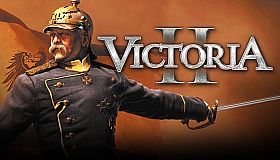






















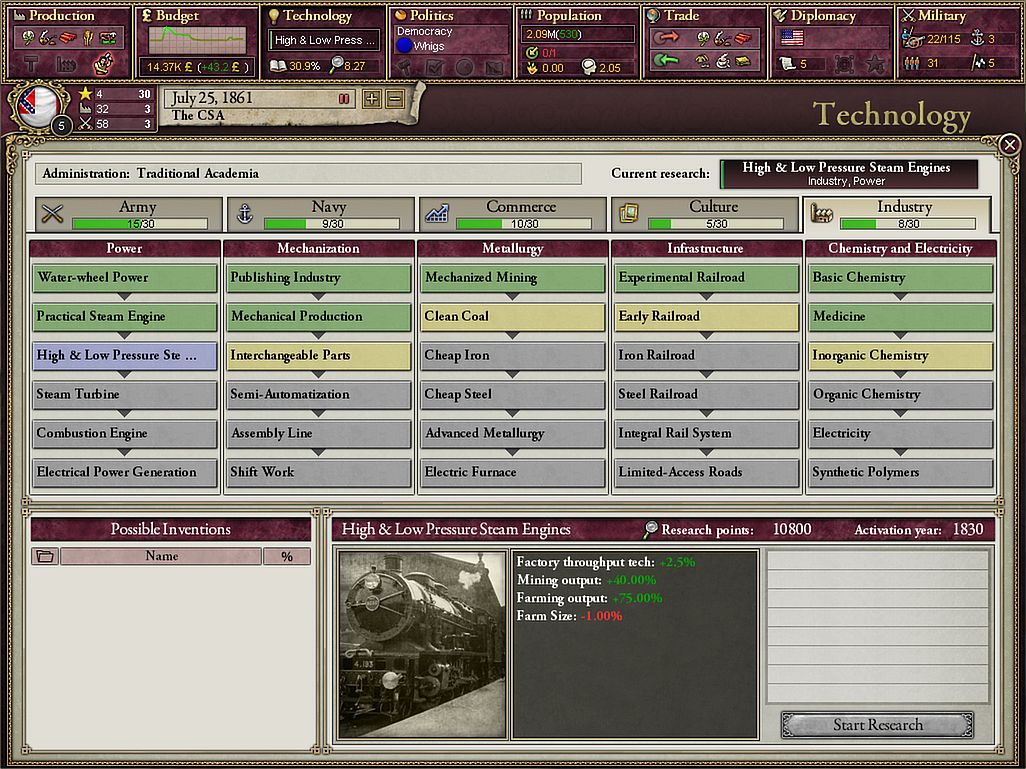
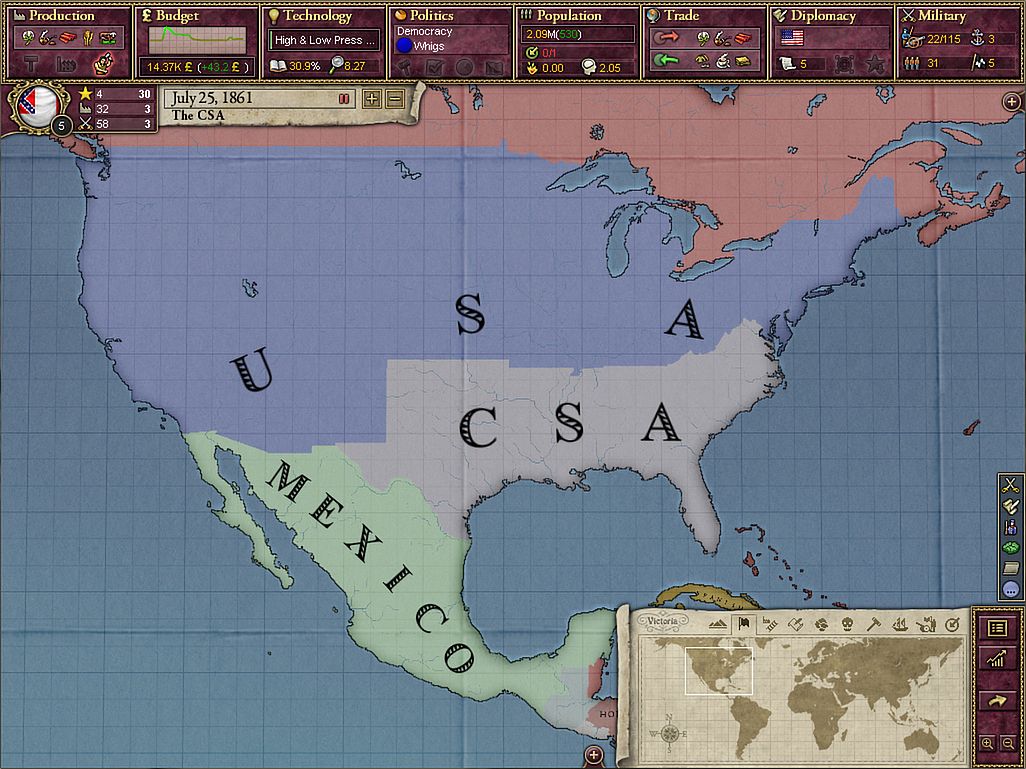
Victoria II: A House Divided stands as a strategy title for PC that centers on guiding nations through the 19th century. This expansion to the base game sharpens focus on the American Civil War period while expanding political and economic layers. Players steer their chosen country from the age of absolute monarchies early in the century, through phases of territorial growth and colonization, toward recognition as a major power by the early 1900s.
Gameplay
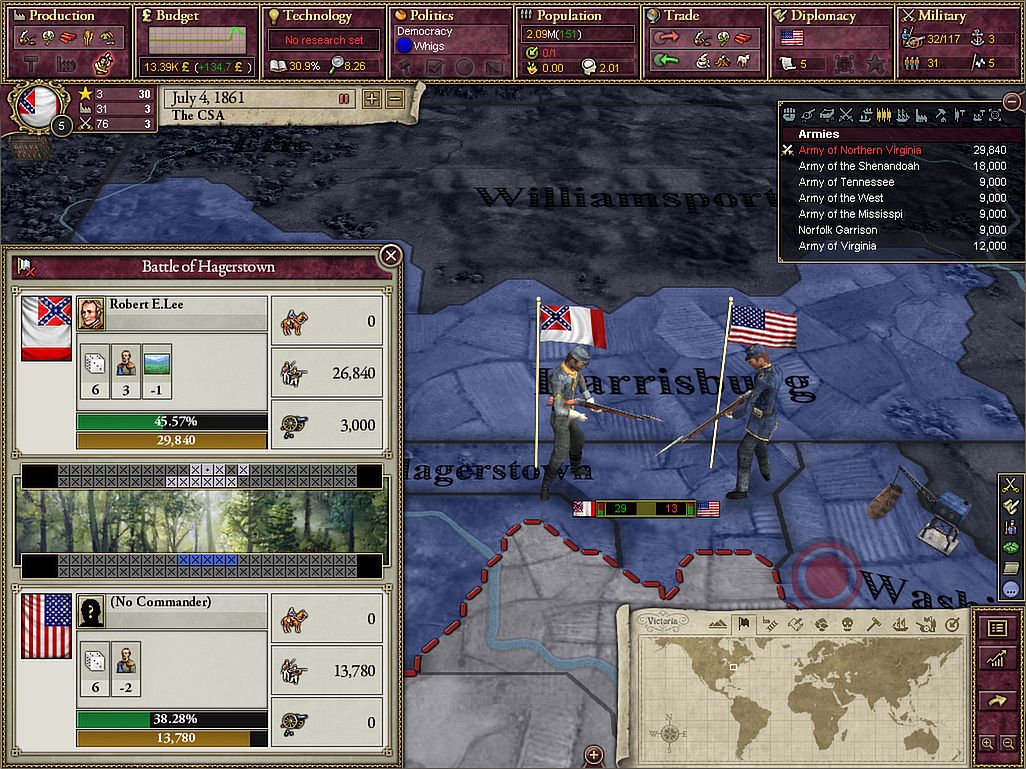
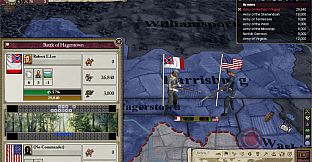
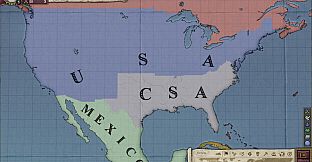
The core loop revolves around long-term national development across decades. A new starting date in 1861 places the United States Civil War at the forefront from the opening moves. Economic decisions gain weight through options to construct infrastructure and factories abroad, which in turn build stronger connections with those nations. Political depth increases via additional national focus choices and expanded reform categories that help align domestic policies with broader goals.
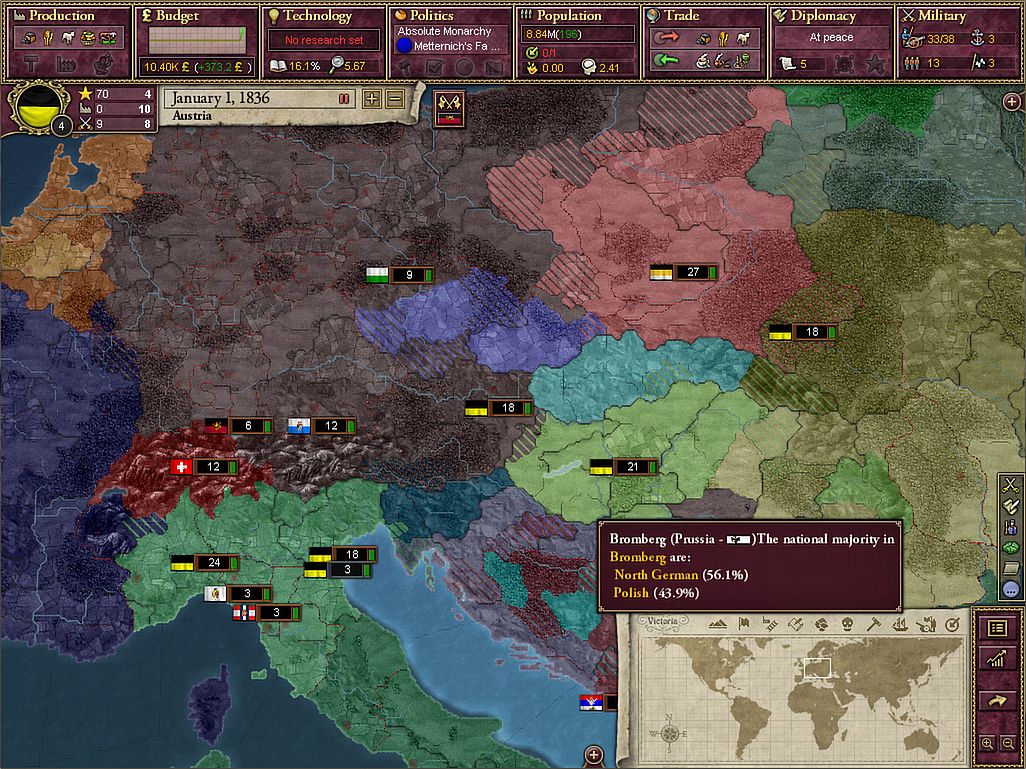
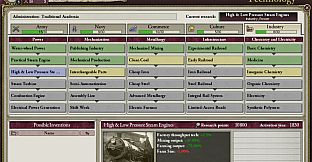
War preparation involves crafting justifications against rivals to advance strategic interests. Reform paths allow gradual modernization, with options tailored to bring a country in line with leading western powers. An updated interface presents more data at a glance, which streamlines oversight of ongoing projects and national metrics without disrupting the flow of decisions.
Game Modes
The experience unfolds as a single continuous campaign that spans the full historical timeframe. The 1861 start serves as a dedicated entry point for immediate engagement with Civil War events and related political tensions. No separate competitive or limited-time modes appear in the design, keeping attention on the extended simulation of national progress and internal challenges.
Political and Economic Systems
Popular movements emerge as a distinct layer that requires attention. These groups can receive concessions to maintain stability or face suppression, though neglect risks escalation into active revolutionary threats. Economic ties extend beyond borders through targeted investments that influence foreign development and allegiance. The overall political framework supports multiple reform avenues that interact with these movements and external relations.
Is It Worth Playing?
This title suits players who value detailed oversight of historical economies and internal politics over faster-paced action. The added 1861 scenario and expanded reform options provide concrete ways to explore alternate paths through the Civil War era and beyond. Those drawn to long campaigns that reward careful planning around popular sentiment and foreign investments will find the mechanics align closely with that preference. The improved presentation of information further supports sustained sessions without unnecessary friction.